What is Conversion and How to Calculate It Correctly

The success of an online business directly depends on how many website visitors perform a target action, such as leaving an application or purchasing a product. You can generate high traffic by spending a lot on advertising, but the web resource may still not be effective. Conversion solves this issue – transforming a visitor into a customer. Let’s explore what it is, why it’s important, and what steps will help achieve this goal.
What is the Importance of Conversion for Business
The conversion rate (CR) demonstrates the effectiveness of a website. The business owner’s goal is to increase it, as this will lead to higher revenue.
Conversion is a metric that shows the number of visitors who completed a desired target action.
The target action depends on the type of website and business. For an online store, this includes completing a purchase, adding a product to the cart, or requesting a callback. For a service website, it’s filling out an application or booking a consultation. Blog goals include reading an article to the end, registering on the site, and subscribing to a newsletter.
Conversion is essential for several reasons:
- Website performance evaluation. A high rate indicates that your website is user-friendly, its content and offers meet visitor expectations, and they can easily find and perform the desired action. Low conversion, conversely, points to problems such as poor design, unclear calls to action, high prices, etc.
- Measuring the effectiveness of advertising channels. By analyzing conversion for each traffic source, you can determine which channels bring the highest quality customers and reallocate your budget accordingly.
- Determining the feasibility of changes. CR is a key metric for testing and optimization. If the rate increased after a change, it was successful.
- Profit forecasting and expense planning. Knowing the average conversion rate allows you to predict the number of sales from a certain volume of traffic. This enables more accurate budgeting for advertising to achieve business goals.
Thus, website conversion is an essential metric for evaluating success, an indicator of how effectively a resource converts visitors into revenue.
Types of Conversions
There are several types of conversions that help to thoroughly evaluate the customer journey:
| Macro-conversion | An indicator of achieving the main business goal that brings direct profit. For an online store, conversion is a completed purchase transaction. The “Add to cart” action does not belong to it. For corporate websites, it is obtaining a qualified lead that will potentially turn into a client. |
| Micro-conversion | User actions that do not bring direct profit but indicate high engagement. This includes subscribing to a newsletter, viewing the “Contacts” page, registration, or authorization. Systematic tracking helps marketers understand how to convert a potential buyer into an actual one. |
| Direct | A specific active action attributed to the last traffic source from which the user came directly before it. |
| Assisted | Previous visits or interactions that influenced the final decision but were not the last. They create “hidden” value by showing the full customer journey to purchase. |
How to Calculate Conversion
Different industries consider different rates to be good. But there is a general rule: the higher the rate, the better. Even a slight increase can significantly boost revenue. What to expect specifically depends on the industry:
- e-commerce — 1–3%;
- non-profit organizations — 2%;
- financial services — 6%;
- education sector — 5–6%;
- tourism — 5%.
Conversion Rate formula: number of target actions / number of visitors × 100.
Example: your website was visited by 1000 people in a month, and 50 made a purchase. According to the formula, the conversion is 5%.
What Influences Website Conversion: An Overview of Factors
Conversion in marketing is not a random number. Let’s look at the main elements that shape this metric:
| Traffic Quality and UX/UI | It is important to attract precisely the target audience interested in your product to the website. Design, intuitive navigation, and overall usability determine how easily a visitor will perform the target action. |
| Technical Foundation and Quick Wins | SEO optimization, which includes quality content and technical flawlessness, ensures a stable influx of highly targeted organic traffic in the long term. Mobile optimization and page loading speed are crucial. Properly configured PPC advertising allows for increasing conversion here and now. |
| Marketing and External Factors | The user’s desire to buy depends on your communication strategy and messages. Situational factors should also be considered: product type and cost, device type, and user location. |
How to Increase Conversion Rate
Due to high competition, analyzing the factors that influence conversion is a key success factor. Let’s look at tips that will help promote your business.
Presence at All Stages of the Sales Funnel
This is especially relevant for selling unpopular or niche products. Maximum communication and support are needed at all stages. The clearer the communication with the buyer, the higher the sales conversion. For this, use Google Ads. This platform has a large set of tools for building quality communication with the user.

If you are using PPC, look at the account structure from another perspective. Analyze the effectiveness of contextual advertising. If necessary, review or adjust your strategy. This is essential to find and fix “weak spots” in the sales funnel.
Shopping Campaigns
This is a path to increasing the number of transactions and, consequently, revenue. The well-known Smart Shopping campaigns are gradually losing relevance today. This is due to Google’s transition to the more effective and comprehensive Performance Max. With its help, you can automatically configure ad display across all Google channels: YouTube, Display, Search, and other sources.
Audience Analysis and Segmentation
To develop a high-quality and practical strategy, use Google Ads. Through careful analysis, you can create audience segmentation. This will allow you to divide visitors by demographic data, and separately identify on-site behavior, user interests, and many other criteria.
Audience data can also be used to personalize ads as much as possible. Visitors will see advertising information that matches their needs and desires. Such advertising is not annoying.
If a person visited your site but did not purchase a product, engage in retargeting. The client’s needs are already well known, which allows you to provide them with targeted advertising. This approach also increases conversion.
Using geolocation, analyze where exactly advertising yields the best results. Create advertising campaigns for these regions, taking into account the data obtained. You can set bid adjustments so that for regions with higher traffic, relevant ads are shown more frequently and in higher positions. By considering the needs of different regions, campaigns can be optimized to significantly increase conversion.
The metric based on device type is quite important. Traffic from tablets is relatively small. Depending on the type of product or service, the highest conversion comes from mobile devices and computers. Adjust bids depending on the type of device on which the advertisement should be broadcast, and, if necessary, split the campaign.
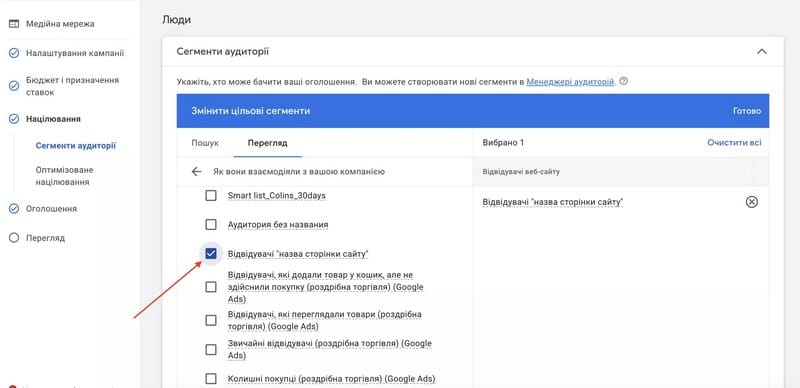
Analyze customer activity time using Google Ads. During certain periods of the day, it may be more appropriate to completely turn off advertising, while significantly increasing its activity during others. Analyze the “Ad schedule”. This will allow you to identify dependencies and make certain adjustments to ad display times.
Customer Databases
If you have a good history and have spent a certain budget on an advertising campaign, then customer databases that have shown certain activity on the site will become available to you. These can be used to increase the conversion rate.
There are different approaches to working with them:
- Special offers. Show ads with discounts, free shipping, or special gifts for purchasing a product or service. The probability of conversion using a database is significantly higher, so the CR will increase.
- Focus on LTV clients. These visitors have already spent money interacting with your brand. The “customer lifetime value” metric allows you to determine how much budget should be spent on displaying relevant upsell ads. For example, if your client purchased a mobile device, offer them an upgraded model.
- Adding to campaigns and setting positive bid adjustments. For such users, ads will be broadcast in higher positions.
- Finding new clients similar to existing ones. In Google Ads, you can create lists using various algorithms. Initially, it’s best to simply observe effectiveness. If the audience coefficient is good, set bid adjustments.
Remarketing
This strategy involves interacting with your website users. The goal of remarketing is to bring back visitors who are interested in a product. For various reasons, they did not complete a target action: perhaps they postponed the purchase, did not fill out a form, etc. Remarketing has several advantages:
- Effectiveness. Ads are shown to a “warm” audience, which positively impacts the CR.
- Active motivation for repeat purchases. The client receives reminders about related products or interesting promotions.
- Increased sales. Users are definitely interested in a certain product, so they are ready to purchase it. You just need to show the advantages of buying on your website.
Conversion can be increased using various types of remarketing. The most popular is standard advertising. It is aimed at visitors who have not completed a target action on the site. Dynamic remarketing is designed to create automatic ads with specific products that users have already viewed.
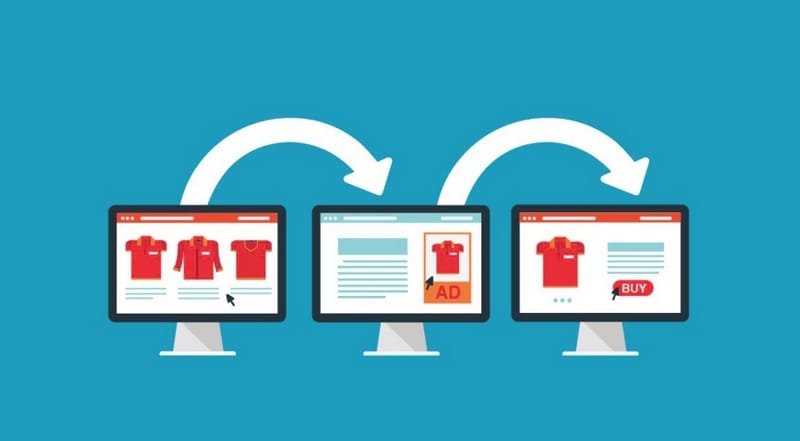
Video remarketing allows individuals interested in your content to view similar videos on YouTube. Enhanced remarketing is necessary for advertising relevant products to users who have read blog articles. In addition to display on the media network, remarketing is suitable for bid adjustments. Depending on the CR level, set a positive or negative adjustment.
Advantages of PPC
PPC is a strategy based on paid advertising. Payment occurs per click on an ad and transition to the website. This allows for attracting a target audience and optimizing the resource. Here are several advantages of PPC:
- Attracting targeted traffic. Thanks to PPC, advertising is configured in such a way that visitors interested in the product come to the site. This makes the traffic higher quality.
- Tracking effectiveness levels. Analyze how the visitor interacts with the site after clicking on the ad link.
- The web resource’s content should be interesting to the user, and the design should not be overloaded with animation elements. A visitor feels comfortable if the page fully corresponds to the query.
Similar analysis can be performed without contextual advertising, but it will take a lot of time. By connecting a PPC campaign, you will get the desired result much faster.
Keyword Optimization
Thanks to keywords, a website gains visibility in search engines and attracts organic traffic. As a result, conversion increases. To achieve this, search for relevant queries and organically incorporate them into texts, meta tags, headings, and other website content. To avoid spam, use synonyms and natural phrasing.
Necessary steps for keyword optimization:
- Market research. Determine which phrases and words visitors use to search for desired products and services.
- Analysis tools. It is quite difficult to find suitable keywords manually, so software can help. Analyze relevant keywords for your niche. Some of the most popular programs include Google Keyword Planner, Ahrefs, SEMrush.
- Correct target words. They must fully match the user’s intent. If a visitor wants to buy something, they search for “order” or “buy”. Such keywords are suitable for online stores and other commercial websites.
- Appropriate length. It is advisable to use not short and general, but long and precise keywords that accurately describe the product or service. They usually have lower competition and attract a target group of visitors.
- Using keywords. Search engines carefully analyze headings, subheadings, page URLs, meta descriptions, and the content itself. Therefore, phrases should primarily be inserted into headings and used in meta tags. They should also be present in the text.
- Content. Quality, unique, and informative. In this case, the audience will want to familiarize themselves with it. Standard publicly available information is not attractive and has high competition.
- Interface and design. The website should be convenient, and the interface intuitive. Pages and images should load quickly. Use image formats that are lightweight. Animated images can be quite heavy, so insert them sparingly, preferably via CSS or JavaScript.
Services for Conversion Calculation
How to calculate sales conversion? There are many platforms for website analysis. The leader in this field is Google Analytics. The platform provides detailed information about traffic and conversion. Google Analytics shows where visitors come from, how they interact with content, what information is most in demand, and provides much other information. This allows you to understand how to improve the website.
Register on the platform, verify ownership, and install the tracking code on all pages of the resource. The system will automatically track metrics and check basic events. The website owner can also set up custom counters, for example, for form submissions or phone number views. Another tool is Google Ads, which allows you to create goals for various events.
Conversion analysis is necessary to understand how effective advertising and the chosen strategy are. Focus on your own website, perform optimization, and configure landing pages. Various factors influence the conversion rate, so a comprehensive approach will help achieve success in marketing.
Frequently Asked Questions
What is the Importance of Conversion for Business?
The conversion rate (CR) demonstrates the effectiveness of a website. The business owner’s goal is to increase it, as this will lead to higher revenue.
What are the types of Conversions?
There are several types of conversions that help to thoroughly evaluate the customer journey:
How to Calculate Conversion?
Different industries consider different rates to be good. But there is a general rule: the higher the rate, the better. Even a slight increase can significantly boost revenue. What to expect specifically depends on the industry:
What Influences Website Conversion: An Overview of Factors?
Conversion in marketing is not a random number. Let’s look at the main elements that shape this metric:
How to Increase Conversion Rate?
Due to high competition, analyzing the factors that influence conversion is a key success factor. Let’s look at tips that will help promote your business.

Read also

Best Claude Skills for SMM Specialists: 2026 Roundup
Top 10 Claude Skills for social media managers: brand-voice, content-creation, campaign-plan, canvas-design and more. What each skill does…

Best Claude Skills for Media Buyers and Paid Ads Specialists (2026)
Top 10 Claude Skills for media buyers: Google Ads and Meta Ads audits, ad creatives, competitor analysis, reporting.…

The Most Popular Claude Skills for Google Ads
The most useful Claude skills for Google Ads specialists: account audits, negative keywords, Performance Max, reporting. What each…