Instructions

Content: What It Is, Its Types, and Why You Can’t Do Without It

Євгенія Скребова | 30 Apr 2026 Updated: 01 May 2026 | 289 min read 0 views

Using different types of content allows for the creation of a comfortable communication space and contributes to audience engagement.

What is Text Content

Website content consisting of all texts:

text content

The material can be interesting for various visitors if it is unique or based on personal experience. Text content allows for deep analysis, expressing personal ideas, and sharing various stories. For most website owners, this is the most accessible form of presentation. Let’s consider its main properties and advantages:

Linguistic correctnessThe text contains no spelling, grammatical, or stylistic errors.
UniquenessThis is completely original material, not plagiarism from competitors’ resources.
RelevanceMeets the needs of the site’s audience and aims to support your strategy.
ValueThe text contains practical advice for the reader, making it interesting.
FreshnessBased on the latest events and research. Has significant importance at the time of publication.
ViralityThe ability to spread quickly online. Content evokes desired emotions and encourages users to share.

Visual Content

The visual format can be both primary and supplementary. This includes images, graphics, videos, etc. Its appeal lies in a significantly stronger impact on visitors than text. Multimedia content is perceived faster and affects emotions. Dynamic types are actively used in social networks, thus transmitting a large volume of data in a short time.

visual content

Types of Content by Purpose

Both visual and text content are used on a website differently, depending on their purpose. The choice depends on the strategy and direction in which a particular resource is developing.

Informational

Informational content consists of useful materials for a specific audience group. It can be textual and visual. Combining formats allows for better and clearer transmission of complex ideas in a simple form.

This category includes websites with news, reviews, and analytics. Educational materials also have an informational nature, but are most often presented in a visual format. A popular offshoot of this direction is UGC (User-Generated Content). It is created by users, not specialists. UGC content is actively used to promote a brand. Materials created by users include reviews, photos, blogs, etc., which is why people pay attention to them.

informational content

Engaging Content

To encourage a visitor to buy a product or order a service, you first need to engage them. This is a complex process that requires the use of appropriate content. The main task is to attract attention among other websites with more interesting and creative content.

Content in graphic, video, and other formats must be attractive and relevant. All information should be fresh, actively influence emotions, emphasizing the practicality of the product. The goal is to establish communication with the client through surveys, questions, and similar forms of engagement.

Selling Content

After engaging the target audience, further actions focused on selling services or products are needed. Selling content has the following key aspects:

Entertaining

The purpose of entertaining content is to evoke positive emotions. It attracts attention because people love information that does not cause stress. The main goal is to entertain the audience. This leads to increased loyalty, as mentioning the brand evokes pleasant associations.

entertaining content

Viral

Such publications spread like wildfire, like a virus. The advantage is the absence of financial investment in advertising, as visitors do it on their own initiative. Social networks are often used for this purpose.

Publications evoke a special emotional impact and quickly attract the attention of a significant audience. Viral content is directly related to entertaining topics, to which selling elements can be harmoniously added. Most often, these are interesting photos or videos that shock or captivate and encourage active sharing.

Viral content helps reach a wide audience. This positively impacts website conversion.

Publications are usually created with the aim of selling goods and services, so they contain relevant elements. Even if there are no direct calls to purchase, attracting the attention of new visitors increases the likelihood of website conversion growth.

How to Create Content That Will Increase Sales

The tips below will help increase conversion and sales:

This is a simple but effective content creation plan that will contribute to increased sales.

Popular Platforms for Content Placement

Social networks are ideal platforms for placing and distributing content. Let’s consider the features of the most popular platforms.
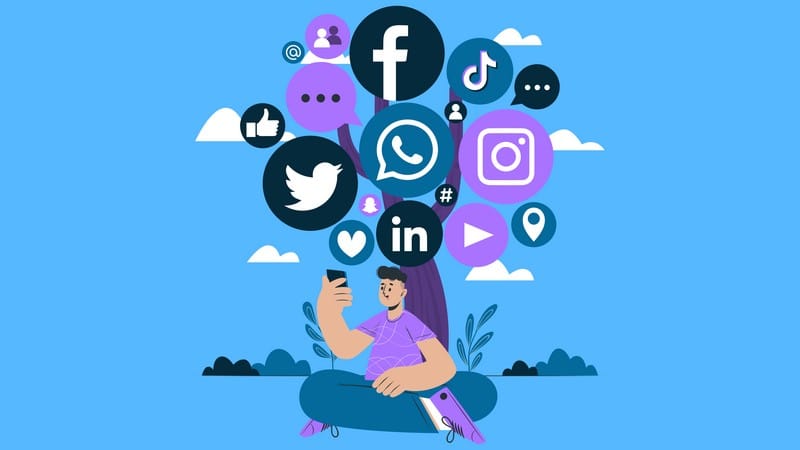
social networks for content placement

Instagram

Instagram is a modern social network for visual content, such as photos and short videos. Visitors expect attractive, maximally informative, and easy-to-perceive content. Algorithms react to interactive publications, for example, posts with many comments, likes, and shares.

TikTok

TikTok is an entertainment platform with short, dynamic videos. Special attention is paid to special effects and creativity. Videos should be easy to watch and have a viral effect.

Telegram

The messenger is actively used primarily for exchanging messages. There is an option to create a personal channel. Here, ease of perception, close communication with subscribers, and simplicity of post sharing are important.

Understanding what content is needed for each platform facilitates its structuring and adaptation to a specific social network.

Common Mistakes in Content Creation

MistakeSolution
Creating content solely based on personal preferences and interests.The key factor is the audience’s needs. To avoid mistakes, conduct surveys on social networks and other polling platforms. Constantly analyze whether what you publish is useful and practical for people.
Creating content without a full understanding of its purpose and practical value.Before writing and publishing, consider whether the content meets the stated goal.
Irregular publications and fading activity.This disperses the attention of the target audience, making them less actively engaged. Develop a schedule for creation and publication.
Using non-unique or copied content from other resources.Website content may be interesting, but search engines do not grant it unique status, which will negatively affect organic search rankings.

In the digital age, various forms of content are needed that align with the site’s goal or business strategy. It is important to skillfully combine its types. Strive to inform, inspire, and engage the audience. This will allow for maximum reach and increase website conversion.

Frequently Asked Questions

What is the main purpose of content creation?

The main task is to attract and retain the attention of the target audience. Depending on the type, content can have additional goals: solving readers’ problems, increasing brand trust, stimulating sales, or simply entertainment.

What is the difference between content and advertising?

Content is primarily about benefit and value for the audience; it does not require an immediate purchase (e.g., an instructional article). Advertising is a direct or indirect call to action (buy, subscribe); its purpose is purely commercial and often paid per impression. Content builds loyalty, while advertising converts it into profit.

Can the same content have different formats?

Yes, this is called repurposing. For example, one large article can be transformed into a series of social media posts, a YouTube video, and an audio track for a podcast. Thus, the text format serves as the basis for visual, video, and audio content. This allows reaching different channels and audiences.

How to enhance the effectiveness of texts?

Present information exclusively in the present tense. Avoid phrases indicating the future or past, as well as words with negative connotations. Don’t boast; instead, show how your achievements benefit the client. When presenting solutions, add visual elements that highlight the advantages.

What is UGC content?

UGC is any type of content created by users. It includes videos, illustrations, memes, blog posts, etc. It also includes photos of a product that a user uses in real life. UGC content inspires more trust than direct advertising, making it a powerful marketing tool.

How to create viral content?

There is no exact recipe, as it is difficult to predict the reaction of a large number of users. It has been observed that people willingly share what evokes strong positive emotions. Neutral and negative articles and videos do not cause a strong resonance.

Frequently asked questions

What is content in digital marketing?

Content in digital marketing is any material created to attract, engage, or inform an audience: articles, videos, infographics, podcasts, social media posts, and more. Quality content drives organic traffic, builds trust, and supports all stages of the customer journey.

What are the main types of content?

Main content types: text (articles, guides, case studies), visual (images, infographics, presentations), video (YouTube, Reels, TikTok), audio (podcasts), interactive (quizzes, calculators), and social media content. Each type serves different audience needs and channels.

Why is content important for business online?

Content builds brand authority, improves SEO by targeting search queries, attracts qualified traffic, nurtures leads through the funnel, and supports customer retention. Businesses with active content strategies typically generate 3x more leads than those relying on paid ads alone.

What is the difference between content marketing and copywriting?

Copywriting focuses on persuasive, conversion-oriented text (ads, landing pages, sales emails). Content marketing is a broader strategy of creating valuable, educational content to attract and retain audiences long-term. Both are essential but serve different goals.

How to create a content strategy for a business?

A content strategy includes: defining your target audience and their questions, keyword research for SEO, choosing content formats and channels, building an editorial calendar, creating and publishing content consistently, and measuring performance via traffic, engagement, and conversions.

Useful content consists of materials that provide a direct answer to a question and truly help people.

The material must primarily be audience-oriented. Its main features:

A clear definition of the target audience makes content more effective, which positively impacts search engine rankings.

internet content

For People, Not for SEO

Modern Google algorithms approve content created for people, not for search engines. Articles “stuffed” with keywords are considered search engine manipulation. The main goal is to satisfy people’s needs and provide useful data, not just to improve resource rankings. If a site is focused exclusively on SEO, readers may be disappointed. And this already leads to a negative reputation.

Key components:

Thanks to optimization, website content is useful and informative. This is facilitated by texts written for people, not for SEO.

Types of Content

Content is classified by form and purpose. For each user, there is their own, most convenient form of information perception. Presentation can be textual, graphical, programmatic, interactive, in video and audio formats. Depending on the needs and wishes of the target audience, each type of content can be used to varying degrees. Let’s look at popular types.

Using different types of content allows for the creation of a comfortable communication space and contributes to audience engagement.

What is Text Content

Website content consisting of all texts:

text content

The material can be interesting for various visitors if it is unique or based on personal experience. Text content allows for deep analysis, expressing personal ideas, and sharing various stories. For most website owners, this is the most accessible form of presentation. Let’s consider its main properties and advantages:

Linguistic correctnessThe text contains no spelling, grammatical, or stylistic errors.
UniquenessThis is completely original material, not plagiarism from competitors’ resources.
RelevanceMeets the needs of the site’s audience and aims to support your strategy.
ValueThe text contains practical advice for the reader, making it interesting.
FreshnessBased on the latest events and research. Has significant importance at the time of publication.
ViralityThe ability to spread quickly online. Content evokes desired emotions and encourages users to share.

Visual Content

The visual format can be both primary and supplementary. This includes images, graphics, videos, etc. Its appeal lies in a significantly stronger impact on visitors than text. Multimedia content is perceived faster and affects emotions. Dynamic types are actively used in social networks, thus transmitting a large volume of data in a short time.

visual content

Types of Content by Purpose

Both visual and text content are used on a website differently, depending on their purpose. The choice depends on the strategy and direction in which a particular resource is developing.

Informational

Informational content consists of useful materials for a specific audience group. It can be textual and visual. Combining formats allows for better and clearer transmission of complex ideas in a simple form.

This category includes websites with news, reviews, and analytics. Educational materials also have an informational nature, but are most often presented in a visual format. A popular offshoot of this direction is UGC (User-Generated Content). It is created by users, not specialists. UGC content is actively used to promote a brand. Materials created by users include reviews, photos, blogs, etc., which is why people pay attention to them.

informational content

Engaging Content

To encourage a visitor to buy a product or order a service, you first need to engage them. This is a complex process that requires the use of appropriate content. The main task is to attract attention among other websites with more interesting and creative content.

Content in graphic, video, and other formats must be attractive and relevant. All information should be fresh, actively influence emotions, emphasizing the practicality of the product. The goal is to establish communication with the client through surveys, questions, and similar forms of engagement.

Selling Content

After engaging the target audience, further actions focused on selling services or products are needed. Selling content has the following key aspects:

Entertaining

The purpose of entertaining content is to evoke positive emotions. It attracts attention because people love information that does not cause stress. The main goal is to entertain the audience. This leads to increased loyalty, as mentioning the brand evokes pleasant associations.

entertaining content

Viral

Such publications spread like wildfire, like a virus. The advantage is the absence of financial investment in advertising, as visitors do it on their own initiative. Social networks are often used for this purpose.

Publications evoke a special emotional impact and quickly attract the attention of a significant audience. Viral content is directly related to entertaining topics, to which selling elements can be harmoniously added. Most often, these are interesting photos or videos that shock or captivate and encourage active sharing.

Viral content helps reach a wide audience. This positively impacts website conversion.

Publications are usually created with the aim of selling goods and services, so they contain relevant elements. Even if there are no direct calls to purchase, attracting the attention of new visitors increases the likelihood of website conversion growth.

How to Create Content That Will Increase Sales

The tips below will help increase conversion and sales:

This is a simple but effective content creation plan that will contribute to increased sales.

Popular Platforms for Content Placement

Social networks are ideal platforms for placing and distributing content. Let’s consider the features of the most popular platforms.

social networks for content placement

Instagram

Instagram is a modern social network for visual content, such as photos and short videos. Visitors expect attractive, maximally informative, and easy-to-perceive content. Algorithms react to interactive publications, for example, posts with many comments, likes, and shares.

TikTok

TikTok is an entertainment platform with short, dynamic videos. Special attention is paid to special effects and creativity. Videos should be easy to watch and have a viral effect.

Telegram

The messenger is actively used primarily for exchanging messages. There is an option to create a personal channel. Here, ease of perception, close communication with subscribers, and simplicity of post sharing are important.

Understanding what content is needed for each platform facilitates its structuring and adaptation to a specific social network.

Common Mistakes in Content Creation

MistakeSolution
Creating content solely based on personal preferences and interests.The key factor is the audience’s needs. To avoid mistakes, conduct surveys on social networks and other polling platforms. Constantly analyze whether what you publish is useful and practical for people.
Creating content without a full understanding of its purpose and practical value.Before writing and publishing, consider whether the content meets the stated goal.
Irregular publications and fading activity.This disperses the attention of the target audience, making them less actively engaged. Develop a schedule for creation and publication.
Using non-unique or copied content from other resources.Website content may be interesting, but search engines do not grant it unique status, which will negatively affect organic search rankings.

In the digital age, various forms of content are needed that align with the site’s goal or business strategy. It is important to skillfully combine its types. Strive to inform, inspire, and engage the audience. This will allow for maximum reach and increase website conversion.

Frequently Asked Questions

What is the main purpose of content creation?

The main task is to attract and retain the attention of the target audience. Depending on the type, content can have additional goals: solving readers’ problems, increasing brand trust, stimulating sales, or simply entertainment.

What is the difference between content and advertising?

Content is primarily about benefit and value for the audience; it does not require an immediate purchase (e.g., an instructional article). Advertising is a direct or indirect call to action (buy, subscribe); its purpose is purely commercial and often paid per impression. Content builds loyalty, while advertising converts it into profit.

Can the same content have different formats?

Yes, this is called repurposing. For example, one large article can be transformed into a series of social media posts, a YouTube video, and an audio track for a podcast. Thus, the text format serves as the basis for visual, video, and audio content. This allows reaching different channels and audiences.

How to enhance the effectiveness of texts?

Present information exclusively in the present tense. Avoid phrases indicating the future or past, as well as words with negative connotations. Don’t boast; instead, show how your achievements benefit the client. When presenting solutions, add visual elements that highlight the advantages.

What is UGC content?

UGC is any type of content created by users. It includes videos, illustrations, memes, blog posts, etc. It also includes photos of a product that a user uses in real life. UGC content inspires more trust than direct advertising, making it a powerful marketing tool.

How to create viral content?

There is no exact recipe, as it is difficult to predict the reaction of a large number of users. It has been observed that people willingly share what evokes strong positive emotions. Neutral and negative articles and videos do not cause a strong resonance.

Frequently asked questions

What is content in digital marketing?

Content in digital marketing is any material created to attract, engage, or inform an audience: articles, videos, infographics, podcasts, social media posts, and more. Quality content drives organic traffic, builds trust, and supports all stages of the customer journey.

What are the main types of content?

Main content types: text (articles, guides, case studies), visual (images, infographics, presentations), video (YouTube, Reels, TikTok), audio (podcasts), interactive (quizzes, calculators), and social media content. Each type serves different audience needs and channels.

Why is content important for business online?

Content builds brand authority, improves SEO by targeting search queries, attracts qualified traffic, nurtures leads through the funnel, and supports customer retention. Businesses with active content strategies typically generate 3x more leads than those relying on paid ads alone.

What is the difference between content marketing and copywriting?

Copywriting focuses on persuasive, conversion-oriented text (ads, landing pages, sales emails). Content marketing is a broader strategy of creating valuable, educational content to attract and retain audiences long-term. Both are essential but serve different goals.

How to create a content strategy for a business?

A content strategy includes: defining your target audience and their questions, keyword research for SEO, choosing content formats and channels, building an editorial calendar, creating and publishing content consistently, and measuring performance via traffic, engagement, and conversions.

Useful content consists of materials that provide a direct answer to a question and truly help people.

The material must primarily be audience-oriented. Its main features:

A clear definition of the target audience makes content more effective, which positively impacts search engine rankings.

internet content

For People, Not for SEO

Modern Google algorithms approve content created for people, not for search engines. Articles “stuffed” with keywords are considered search engine manipulation. The main goal is to satisfy people’s needs and provide useful data, not just to improve resource rankings. If a site is focused exclusively on SEO, readers may be disappointed. And this already leads to a negative reputation.

Key components:

Thanks to optimization, website content is useful and informative. This is facilitated by texts written for people, not for SEO.

Types of Content

Content is classified by form and purpose. For each user, there is their own, most convenient form of information perception. Presentation can be textual, graphical, programmatic, interactive, in video and audio formats. Depending on the needs and wishes of the target audience, each type of content can be used to varying degrees. Let’s look at popular types.

Using different types of content allows for the creation of a comfortable communication space and contributes to audience engagement.

What is Text Content

Website content consisting of all texts:

text content

The material can be interesting for various visitors if it is unique or based on personal experience. Text content allows for deep analysis, expressing personal ideas, and sharing various stories. For most website owners, this is the most accessible form of presentation. Let’s consider its main properties and advantages:

Linguistic correctnessThe text contains no spelling, grammatical, or stylistic errors.
UniquenessThis is completely original material, not plagiarism from competitors’ resources.
RelevanceMeets the needs of the site’s audience and aims to support your strategy.
ValueThe text contains practical advice for the reader, making it interesting.
FreshnessBased on the latest events and research. Has significant importance at the time of publication.
ViralityThe ability to spread quickly online. Content evokes desired emotions and encourages users to share.

Visual Content

The visual format can be both primary and supplementary. This includes images, graphics, videos, etc. Its appeal lies in a significantly stronger impact on visitors than text. Multimedia content is perceived faster and affects emotions. Dynamic types are actively used in social networks, thus transmitting a large volume of data in a short time.

visual content

Types of Content by Purpose

Both visual and text content are used on a website differently, depending on their purpose. The choice depends on the strategy and direction in which a particular resource is developing.

Informational

Informational content consists of useful materials for a specific audience group. It can be textual and visual. Combining formats allows for better and clearer transmission of complex ideas in a simple form.

This category includes websites with news, reviews, and analytics. Educational materials also have an informational nature, but are most often presented in a visual format. A popular offshoot of this direction is UGC (User-Generated Content). It is created by users, not specialists. UGC content is actively used to promote a brand. Materials created by users include reviews, photos, blogs, etc., which is why people pay attention to them.

informational content

Engaging Content

To encourage a visitor to buy a product or order a service, you first need to engage them. This is a complex process that requires the use of appropriate content. The main task is to attract attention among other websites with more interesting and creative content.

Content in graphic, video, and other formats must be attractive and relevant. All information should be fresh, actively influence emotions, emphasizing the practicality of the product. The goal is to establish communication with the client through surveys, questions, and similar forms of engagement.

Selling Content

After engaging the target audience, further actions focused on selling services or products are needed. Selling content has the following key aspects:

Entertaining

The purpose of entertaining content is to evoke positive emotions. It attracts attention because people love information that does not cause stress. The main goal is to entertain the audience. This leads to increased loyalty, as mentioning the brand evokes pleasant associations.

entertaining content

Viral

Such publications spread like wildfire, like a virus. The advantage is the absence of financial investment in advertising, as visitors do it on their own initiative. Social networks are often used for this purpose.

Publications evoke a special emotional impact and quickly attract the attention of a significant audience. Viral content is directly related to entertaining topics, to which selling elements can be harmoniously added. Most often, these are interesting photos or videos that shock or captivate and encourage active sharing.

Viral content helps reach a wide audience. This positively impacts website conversion.

Publications are usually created with the aim of selling goods and services, so they contain relevant elements. Even if there are no direct calls to purchase, attracting the attention of new visitors increases the likelihood of website conversion growth.

How to Create Content That Will Increase Sales

The tips below will help increase conversion and sales:

This is a simple but effective content creation plan that will contribute to increased sales.

Popular Platforms for Content Placement

Social networks are ideal platforms for placing and distributing content. Let’s consider the features of the most popular platforms.

social networks for content placement

Instagram

Instagram is a modern social network for visual content, such as photos and short videos. Visitors expect attractive, maximally informative, and easy-to-perceive content. Algorithms react to interactive publications, for example, posts with many comments, likes, and shares.

TikTok

TikTok is an entertainment platform with short, dynamic videos. Special attention is paid to special effects and creativity. Videos should be easy to watch and have a viral effect.

Telegram

The messenger is actively used primarily for exchanging messages. There is an option to create a personal channel. Here, ease of perception, close communication with subscribers, and simplicity of post sharing are important.

Understanding what content is needed for each platform facilitates its structuring and adaptation to a specific social network.

Common Mistakes in Content Creation

MistakeSolution
Creating content solely based on personal preferences and interests.The key factor is the audience’s needs. To avoid mistakes, conduct surveys on social networks and other polling platforms. Constantly analyze whether what you publish is useful and practical for people.
Creating content without a full understanding of its purpose and practical value.Before writing and publishing, consider whether the content meets the stated goal.
Irregular publications and fading activity.This disperses the attention of the target audience, making them less actively engaged. Develop a schedule for creation and publication.
Using non-unique or copied content from other resources.Website content may be interesting, but search engines do not grant it unique status, which will negatively affect organic search rankings.

In the digital age, various forms of content are needed that align with the site’s goal or business strategy. It is important to skillfully combine its types. Strive to inform, inspire, and engage the audience. This will allow for maximum reach and increase website conversion.

Frequently Asked Questions

What is the main purpose of content creation?

The main task is to attract and retain the attention of the target audience. Depending on the type, content can have additional goals: solving readers’ problems, increasing brand trust, stimulating sales, or simply entertainment.

What is the difference between content and advertising?

Content is primarily about benefit and value for the audience; it does not require an immediate purchase (e.g., an instructional article). Advertising is a direct or indirect call to action (buy, subscribe); its purpose is purely commercial and often paid per impression. Content builds loyalty, while advertising converts it into profit.

Can the same content have different formats?

Yes, this is called repurposing. For example, one large article can be transformed into a series of social media posts, a YouTube video, and an audio track for a podcast. Thus, the text format serves as the basis for visual, video, and audio content. This allows reaching different channels and audiences.

How to enhance the effectiveness of texts?

Present information exclusively in the present tense. Avoid phrases indicating the future or past, as well as words with negative connotations. Don’t boast; instead, show how your achievements benefit the client. When presenting solutions, add visual elements that highlight the advantages.

What is UGC content?

UGC is any type of content created by users. It includes videos, illustrations, memes, blog posts, etc. It also includes photos of a product that a user uses in real life. UGC content inspires more trust than direct advertising, making it a powerful marketing tool.

How to create viral content?

There is no exact recipe, as it is difficult to predict the reaction of a large number of users. It has been observed that people willingly share what evokes strong positive emotions. Neutral and negative articles and videos do not cause a strong resonance.

Frequently asked questions

What is content in digital marketing?

Content in digital marketing is any material created to attract, engage, or inform an audience: articles, videos, infographics, podcasts, social media posts, and more. Quality content drives organic traffic, builds trust, and supports all stages of the customer journey.

What are the main types of content?

Main content types: text (articles, guides, case studies), visual (images, infographics, presentations), video (YouTube, Reels, TikTok), audio (podcasts), interactive (quizzes, calculators), and social media content. Each type serves different audience needs and channels.

Why is content important for business online?

Content builds brand authority, improves SEO by targeting search queries, attracts qualified traffic, nurtures leads through the funnel, and supports customer retention. Businesses with active content strategies typically generate 3x more leads than those relying on paid ads alone.

What is the difference between content marketing and copywriting?

Copywriting focuses on persuasive, conversion-oriented text (ads, landing pages, sales emails). Content marketing is a broader strategy of creating valuable, educational content to attract and retain audiences long-term. Both are essential but serve different goals.

How to create a content strategy for a business?

A content strategy includes: defining your target audience and their questions, keyword research for SEO, choosing content formats and channels, building an editorial calendar, creating and publishing content consistently, and measuring performance via traffic, engagement, and conversions.

Viral content helps reach a wide audience. This positively impacts website conversion.

Publications are usually created with the aim of selling goods and services, so they contain relevant elements. Even if there are no direct calls to purchase, attracting the attention of new visitors increases the likelihood of website conversion growth.

How to Create Content That Will Increase Sales

The tips below will help increase conversion and sales:

This is a simple but effective content creation plan that will contribute to increased sales.

Popular Platforms for Content Placement

Social networks are ideal platforms for placing and distributing content. Let’s consider the features of the most popular platforms.

social networks for content placement

Instagram

Instagram is a modern social network for visual content, such as photos and short videos. Visitors expect attractive, maximally informative, and easy-to-perceive content. Algorithms react to interactive publications, for example, posts with many comments, likes, and shares.

TikTok

TikTok is an entertainment platform with short, dynamic videos. Special attention is paid to special effects and creativity. Videos should be easy to watch and have a viral effect.

Telegram

The messenger is actively used primarily for exchanging messages. There is an option to create a personal channel. Here, ease of perception, close communication with subscribers, and simplicity of post sharing are important.

Understanding what content is needed for each platform facilitates its structuring and adaptation to a specific social network.

Common Mistakes in Content Creation

MistakeSolution
Creating content solely based on personal preferences and interests.The key factor is the audience’s needs. To avoid mistakes, conduct surveys on social networks and other polling platforms. Constantly analyze whether what you publish is useful and practical for people.
Creating content without a full understanding of its purpose and practical value.Before writing and publishing, consider whether the content meets the stated goal.
Irregular publications and fading activity.This disperses the attention of the target audience, making them less actively engaged. Develop a schedule for creation and publication.
Using non-unique or copied content from other resources.Website content may be interesting, but search engines do not grant it unique status, which will negatively affect organic search rankings.

In the digital age, various forms of content are needed that align with the site’s goal or business strategy. It is important to skillfully combine its types. Strive to inform, inspire, and engage the audience. This will allow for maximum reach and increase website conversion.

Frequently Asked Questions

What is the main purpose of content creation?

The main task is to attract and retain the attention of the target audience. Depending on the type, content can have additional goals: solving readers’ problems, increasing brand trust, stimulating sales, or simply entertainment.

What is the difference between content and advertising?

Content is primarily about benefit and value for the audience; it does not require an immediate purchase (e.g., an instructional article). Advertising is a direct or indirect call to action (buy, subscribe); its purpose is purely commercial and often paid per impression. Content builds loyalty, while advertising converts it into profit.

Can the same content have different formats?

Yes, this is called repurposing. For example, one large article can be transformed into a series of social media posts, a YouTube video, and an audio track for a podcast. Thus, the text format serves as the basis for visual, video, and audio content. This allows reaching different channels and audiences.

How to enhance the effectiveness of texts?

Present information exclusively in the present tense. Avoid phrases indicating the future or past, as well as words with negative connotations. Don’t boast; instead, show how your achievements benefit the client. When presenting solutions, add visual elements that highlight the advantages.

What is UGC content?

UGC is any type of content created by users. It includes videos, illustrations, memes, blog posts, etc. It also includes photos of a product that a user uses in real life. UGC content inspires more trust than direct advertising, making it a powerful marketing tool.

How to create viral content?

There is no exact recipe, as it is difficult to predict the reaction of a large number of users. It has been observed that people willingly share what evokes strong positive emotions. Neutral and negative articles and videos do not cause a strong resonance.

Useful content consists of materials that provide a direct answer to a question and truly help people.

The material must primarily be audience-oriented. Its main features:

A clear definition of the target audience makes content more effective, which positively impacts search engine rankings.

internet content

For People, Not for SEO

Modern Google algorithms approve content created for people, not for search engines. Articles “stuffed” with keywords are considered search engine manipulation. The main goal is to satisfy people’s needs and provide useful data, not just to improve resource rankings. If a site is focused exclusively on SEO, readers may be disappointed. And this already leads to a negative reputation.

Key components:

Thanks to optimization, website content is useful and informative. This is facilitated by texts written for people, not for SEO.

Types of Content

Content is classified by form and purpose. For each user, there is their own, most convenient form of information perception. Presentation can be textual, graphical, programmatic, interactive, in video and audio formats. Depending on the needs and wishes of the target audience, each type of content can be used to varying degrees. Let’s look at popular types.

Using different types of content allows for the creation of a comfortable communication space and contributes to audience engagement.

What is Text Content

Website content consisting of all texts:

text content

The material can be interesting for various visitors if it is unique or based on personal experience. Text content allows for deep analysis, expressing personal ideas, and sharing various stories. For most website owners, this is the most accessible form of presentation. Let’s consider its main properties and advantages:

Linguistic correctnessThe text contains no spelling, grammatical, or stylistic errors.
UniquenessThis is completely original material, not plagiarism from competitors’ resources.
RelevanceMeets the needs of the site’s audience and aims to support your strategy.
ValueThe text contains practical advice for the reader, making it interesting.
FreshnessBased on the latest events and research. Has significant importance at the time of publication.
ViralityThe ability to spread quickly online. Content evokes desired emotions and encourages users to share.

Visual Content

The visual format can be both primary and supplementary. This includes images, graphics, videos, etc. Its appeal lies in a significantly stronger impact on visitors than text. Multimedia content is perceived faster and affects emotions. Dynamic types are actively used in social networks, thus transmitting a large volume of data in a short time.

visual content

Types of Content by Purpose

Both visual and text content are used on a website differently, depending on their purpose. The choice depends on the strategy and direction in which a particular resource is developing.

Informational

Informational content consists of useful materials for a specific audience group. It can be textual and visual. Combining formats allows for better and clearer transmission of complex ideas in a simple form.

This category includes websites with news, reviews, and analytics. Educational materials also have an informational nature, but are most often presented in a visual format. A popular offshoot of this direction is UGC (User-Generated Content). It is created by users, not specialists. UGC content is actively used to promote a brand. Materials created by users include reviews, photos, blogs, etc., which is why people pay attention to them.

informational content

Engaging Content

To encourage a visitor to buy a product or order a service, you first need to engage them. This is a complex process that requires the use of appropriate content. The main task is to attract attention among other websites with more interesting and creative content.

Content in graphic, video, and other formats must be attractive and relevant. All information should be fresh, actively influence emotions, emphasizing the practicality of the product. The goal is to establish communication with the client through surveys, questions, and similar forms of engagement.

Selling Content

After engaging the target audience, further actions focused on selling services or products are needed. Selling content has the following key aspects:

Entertaining

The purpose of entertaining content is to evoke positive emotions. It attracts attention because people love information that does not cause stress. The main goal is to entertain the audience. This leads to increased loyalty, as mentioning the brand evokes pleasant associations.

entertaining content

Viral

Such publications spread like wildfire, like a virus. The advantage is the absence of financial investment in advertising, as visitors do it on their own initiative. Social networks are often used for this purpose.

Publications evoke a special emotional impact and quickly attract the attention of a significant audience. Viral content is directly related to entertaining topics, to which selling elements can be harmoniously added. Most often, these are interesting photos or videos that shock or captivate and encourage active sharing.

Viral content helps reach a wide audience. This positively impacts website conversion.

Publications are usually created with the aim of selling goods and services, so they contain relevant elements. Even if there are no direct calls to purchase, attracting the attention of new visitors increases the likelihood of website conversion growth.

How to Create Content That Will Increase Sales

The tips below will help increase conversion and sales:

This is a simple but effective content creation plan that will contribute to increased sales.

Popular Platforms for Content Placement

Social networks are ideal platforms for placing and distributing content. Let’s consider the features of the most popular platforms.

social networks for content placement

Instagram

Instagram is a modern social network for visual content, such as photos and short videos. Visitors expect attractive, maximally informative, and easy-to-perceive content. Algorithms react to interactive publications, for example, posts with many comments, likes, and shares.

TikTok

TikTok is an entertainment platform with short, dynamic videos. Special attention is paid to special effects and creativity. Videos should be easy to watch and have a viral effect.

Telegram

The messenger is actively used primarily for exchanging messages. There is an option to create a personal channel. Here, ease of perception, close communication with subscribers, and simplicity of post sharing are important.

Understanding what content is needed for each platform facilitates its structuring and adaptation to a specific social network.

Common Mistakes in Content Creation

MistakeSolution
Creating content solely based on personal preferences and interests.The key factor is the audience’s needs. To avoid mistakes, conduct surveys on social networks and other polling platforms. Constantly analyze whether what you publish is useful and practical for people.
Creating content without a full understanding of its purpose and practical value.Before writing and publishing, consider whether the content meets the stated goal.
Irregular publications and fading activity.This disperses the attention of the target audience, making them less actively engaged. Develop a schedule for creation and publication.
Using non-unique or copied content from other resources.Website content may be interesting, but search engines do not grant it unique status, which will negatively affect organic search rankings.

In the digital age, various forms of content are needed that align with the site’s goal or business strategy. It is important to skillfully combine its types. Strive to inform, inspire, and engage the audience. This will allow for maximum reach and increase website conversion.

Frequently Asked Questions

What is the main purpose of content creation?

The main task is to attract and retain the attention of the target audience. Depending on the type, content can have additional goals: solving readers’ problems, increasing brand trust, stimulating sales, or simply entertainment.

What is the difference between content and advertising?

Content is primarily about benefit and value for the audience; it does not require an immediate purchase (e.g., an instructional article). Advertising is a direct or indirect call to action (buy, subscribe); its purpose is purely commercial and often paid per impression. Content builds loyalty, while advertising converts it into profit.

Can the same content have different formats?

Yes, this is called repurposing. For example, one large article can be transformed into a series of social media posts, a YouTube video, and an audio track for a podcast. Thus, the text format serves as the basis for visual, video, and audio content. This allows reaching different channels and audiences.

How to enhance the effectiveness of texts?

Present information exclusively in the present tense. Avoid phrases indicating the future or past, as well as words with negative connotations. Don’t boast; instead, show how your achievements benefit the client. When presenting solutions, add visual elements that highlight the advantages.

What is UGC content?

UGC is any type of content created by users. It includes videos, illustrations, memes, blog posts, etc. It also includes photos of a product that a user uses in real life. UGC content inspires more trust than direct advertising, making it a powerful marketing tool.

How to create viral content?

There is no exact recipe, as it is difficult to predict the reaction of a large number of users. It has been observed that people willingly share what evokes strong positive emotions. Neutral and negative articles and videos do not cause a strong resonance.

Frequently asked questions

What is content in digital marketing?

Content in digital marketing is any material created to attract, engage, or inform an audience: articles, videos, infographics, podcasts, social media posts, and more. Quality content drives organic traffic, builds trust, and supports all stages of the customer journey.

What are the main types of content?

Main content types: text (articles, guides, case studies), visual (images, infographics, presentations), video (YouTube, Reels, TikTok), audio (podcasts), interactive (quizzes, calculators), and social media content. Each type serves different audience needs and channels.

Why is content important for business online?

Content builds brand authority, improves SEO by targeting search queries, attracts qualified traffic, nurtures leads through the funnel, and supports customer retention. Businesses with active content strategies typically generate 3x more leads than those relying on paid ads alone.

What is the difference between content marketing and copywriting?

Copywriting focuses on persuasive, conversion-oriented text (ads, landing pages, sales emails). Content marketing is a broader strategy of creating valuable, educational content to attract and retain audiences long-term. Both are essential but serve different goals.

How to create a content strategy for a business?

A content strategy includes: defining your target audience and their questions, keyword research for SEO, choosing content formats and channels, building an editorial calendar, creating and publishing content consistently, and measuring performance via traffic, engagement, and conversions.

Using different types of content allows for the creation of a comfortable communication space and contributes to audience engagement.

What is Text Content

Website content consisting of all texts:

text content

The material can be interesting for various visitors if it is unique or based on personal experience. Text content allows for deep analysis, expressing personal ideas, and sharing various stories. For most website owners, this is the most accessible form of presentation. Let’s consider its main properties and advantages:

Linguistic correctnessThe text contains no spelling, grammatical, or stylistic errors.
UniquenessThis is completely original material, not plagiarism from competitors’ resources.
RelevanceMeets the needs of the site’s audience and aims to support your strategy.
ValueThe text contains practical advice for the reader, making it interesting.
FreshnessBased on the latest events and research. Has significant importance at the time of publication.
ViralityThe ability to spread quickly online. Content evokes desired emotions and encourages users to share.

Visual Content

The visual format can be both primary and supplementary. This includes images, graphics, videos, etc. Its appeal lies in a significantly stronger impact on visitors than text. Multimedia content is perceived faster and affects emotions. Dynamic types are actively used in social networks, thus transmitting a large volume of data in a short time.

visual content

Types of Content by Purpose

Both visual and text content are used on a website differently, depending on their purpose. The choice depends on the strategy and direction in which a particular resource is developing.

Informational

Informational content consists of useful materials for a specific audience group. It can be textual and visual. Combining formats allows for better and clearer transmission of complex ideas in a simple form.

This category includes websites with news, reviews, and analytics. Educational materials also have an informational nature, but are most often presented in a visual format. A popular offshoot of this direction is UGC (User-Generated Content). It is created by users, not specialists. UGC content is actively used to promote a brand. Materials created by users include reviews, photos, blogs, etc., which is why people pay attention to them.

informational content

Engaging Content

To encourage a visitor to buy a product or order a service, you first need to engage them. This is a complex process that requires the use of appropriate content. The main task is to attract attention among other websites with more interesting and creative content.

Content in graphic, video, and other formats must be attractive and relevant. All information should be fresh, actively influence emotions, emphasizing the practicality of the product. The goal is to establish communication with the client through surveys, questions, and similar forms of engagement.

Selling Content

After engaging the target audience, further actions focused on selling services or products are needed. Selling content has the following key aspects:

Entertaining

The purpose of entertaining content is to evoke positive emotions. It attracts attention because people love information that does not cause stress. The main goal is to entertain the audience. This leads to increased loyalty, as mentioning the brand evokes pleasant associations.

entertaining content

Viral

Such publications spread like wildfire, like a virus. The advantage is the absence of financial investment in advertising, as visitors do it on their own initiative. Social networks are often used for this purpose.

Publications evoke a special emotional impact and quickly attract the attention of a significant audience. Viral content is directly related to entertaining topics, to which selling elements can be harmoniously added. Most often, these are interesting photos or videos that shock or captivate and encourage active sharing.

Viral content helps reach a wide audience. This positively impacts website conversion.

Publications are usually created with the aim of selling goods and services, so they contain relevant elements. Even if there are no direct calls to purchase, attracting the attention of new visitors increases the likelihood of website conversion growth.

How to Create Content That Will Increase Sales

The tips below will help increase conversion and sales:

This is a simple but effective content creation plan that will contribute to increased sales.

Popular Platforms for Content Placement

Social networks are ideal platforms for placing and distributing content. Let’s consider the features of the most popular platforms.

social networks for content placement

Instagram

Instagram is a modern social network for visual content, such as photos and short videos. Visitors expect attractive, maximally informative, and easy-to-perceive content. Algorithms react to interactive publications, for example, posts with many comments, likes, and shares.

TikTok

TikTok is an entertainment platform with short, dynamic videos. Special attention is paid to special effects and creativity. Videos should be easy to watch and have a viral effect.

Telegram

The messenger is actively used primarily for exchanging messages. There is an option to create a personal channel. Here, ease of perception, close communication with subscribers, and simplicity of post sharing are important.

Understanding what content is needed for each platform facilitates its structuring and adaptation to a specific social network.

Common Mistakes in Content Creation

MistakeSolution
Creating content solely based on personal preferences and interests.The key factor is the audience’s needs. To avoid mistakes, conduct surveys on social networks and other polling platforms. Constantly analyze whether what you publish is useful and practical for people.
Creating content without a full understanding of its purpose and practical value.Before writing and publishing, consider whether the content meets the stated goal.
Irregular publications and fading activity.This disperses the attention of the target audience, making them less actively engaged. Develop a schedule for creation and publication.
Using non-unique or copied content from other resources.Website content may be interesting, but search engines do not grant it unique status, which will negatively affect organic search rankings.

In the digital age, various forms of content are needed that align with the site’s goal or business strategy. It is important to skillfully combine its types. Strive to inform, inspire, and engage the audience. This will allow for maximum reach and increase website conversion.

Frequently Asked Questions

What is the main purpose of content creation?

The main task is to attract and retain the attention of the target audience. Depending on the type, content can have additional goals: solving readers’ problems, increasing brand trust, stimulating sales, or simply entertainment.

What is the difference between content and advertising?

Content is primarily about benefit and value for the audience; it does not require an immediate purchase (e.g., an instructional article). Advertising is a direct or indirect call to action (buy, subscribe); its purpose is purely commercial and often paid per impression. Content builds loyalty, while advertising converts it into profit.

Can the same content have different formats?

Yes, this is called repurposing. For example, one large article can be transformed into a series of social media posts, a YouTube video, and an audio track for a podcast. Thus, the text format serves as the basis for visual, video, and audio content. This allows reaching different channels and audiences.

How to enhance the effectiveness of texts?

Present information exclusively in the present tense. Avoid phrases indicating the future or past, as well as words with negative connotations. Don’t boast; instead, show how your achievements benefit the client. When presenting solutions, add visual elements that highlight the advantages.

What is UGC content?

UGC is any type of content created by users. It includes videos, illustrations, memes, blog posts, etc. It also includes photos of a product that a user uses in real life. UGC content inspires more trust than direct advertising, making it a powerful marketing tool.

How to create viral content?

There is no exact recipe, as it is difficult to predict the reaction of a large number of users. It has been observed that people willingly share what evokes strong positive emotions. Neutral and negative articles and videos do not cause a strong resonance.

Useful content consists of materials that provide a direct answer to a question and truly help people.

The material must primarily be audience-oriented. Its main features:

A clear definition of the target audience makes content more effective, which positively impacts search engine rankings.

internet content

For People, Not for SEO

Modern Google algorithms approve content created for people, not for search engines. Articles “stuffed” with keywords are considered search engine manipulation. The main goal is to satisfy people’s needs and provide useful data, not just to improve resource rankings. If a site is focused exclusively on SEO, readers may be disappointed. And this already leads to a negative reputation.

Key components:

Thanks to optimization, website content is useful and informative. This is facilitated by texts written for people, not for SEO.

Types of Content

Content is classified by form and purpose. For each user, there is their own, most convenient form of information perception. Presentation can be textual, graphical, programmatic, interactive, in video and audio formats. Depending on the needs and wishes of the target audience, each type of content can be used to varying degrees. Let’s look at popular types.

Using different types of content allows for the creation of a comfortable communication space and contributes to audience engagement.

What is Text Content

Website content consisting of all texts:

text content

The material can be interesting for various visitors if it is unique or based on personal experience. Text content allows for deep analysis, expressing personal ideas, and sharing various stories. For most website owners, this is the most accessible form of presentation. Let’s consider its main properties and advantages:

Linguistic correctnessThe text contains no spelling, grammatical, or stylistic errors.
UniquenessThis is completely original material, not plagiarism from competitors’ resources.
RelevanceMeets the needs of the site’s audience and aims to support your strategy.
ValueThe text contains practical advice for the reader, making it interesting.
FreshnessBased on the latest events and research. Has significant importance at the time of publication.
ViralityThe ability to spread quickly online. Content evokes desired emotions and encourages users to share.

Visual Content

The visual format can be both primary and supplementary. This includes images, graphics, videos, etc. Its appeal lies in a significantly stronger impact on visitors than text. Multimedia content is perceived faster and affects emotions. Dynamic types are actively used in social networks, thus transmitting a large volume of data in a short time.

visual content

Types of Content by Purpose

Both visual and text content are used on a website differently, depending on their purpose. The choice depends on the strategy and direction in which a particular resource is developing.

Informational

Informational content consists of useful materials for a specific audience group. It can be textual and visual. Combining formats allows for better and clearer transmission of complex ideas in a simple form.

This category includes websites with news, reviews, and analytics. Educational materials also have an informational nature, but are most often presented in a visual format. A popular offshoot of this direction is UGC (User-Generated Content). It is created by users, not specialists. UGC content is actively used to promote a brand. Materials created by users include reviews, photos, blogs, etc., which is why people pay attention to them.

informational content

Engaging Content

To encourage a visitor to buy a product or order a service, you first need to engage them. This is a complex process that requires the use of appropriate content. The main task is to attract attention among other websites with more interesting and creative content.

Content in graphic, video, and other formats must be attractive and relevant. All information should be fresh, actively influence emotions, emphasizing the practicality of the product. The goal is to establish communication with the client through surveys, questions, and similar forms of engagement.

Selling Content

After engaging the target audience, further actions focused on selling services or products are needed. Selling content has the following key aspects:

Entertaining

The purpose of entertaining content is to evoke positive emotions. It attracts attention because people love information that does not cause stress. The main goal is to entertain the audience. This leads to increased loyalty, as mentioning the brand evokes pleasant associations.

entertaining content

Viral

Such publications spread like wildfire, like a virus. The advantage is the absence of financial investment in advertising, as visitors do it on their own initiative. Social networks are often used for this purpose.

Publications evoke a special emotional impact and quickly attract the attention of a significant audience. Viral content is directly related to entertaining topics, to which selling elements can be harmoniously added. Most often, these are interesting photos or videos that shock or captivate and encourage active sharing.

Viral content helps reach a wide audience. This positively impacts website conversion.

Publications are usually created with the aim of selling goods and services, so they contain relevant elements. Even if there are no direct calls to purchase, attracting the attention of new visitors increases the likelihood of website conversion growth.

How to Create Content That Will Increase Sales

The tips below will help increase conversion and sales:

This is a simple but effective content creation plan that will contribute to increased sales.

Popular Platforms for Content Placement

Social networks are ideal platforms for placing and distributing content. Let’s consider the features of the most popular platforms.

social networks for content placement

Instagram

Instagram is a modern social network for visual content, such as photos and short videos. Visitors expect attractive, maximally informative, and easy-to-perceive content. Algorithms react to interactive publications, for example, posts with many comments, likes, and shares.

TikTok

TikTok is an entertainment platform with short, dynamic videos. Special attention is paid to special effects and creativity. Videos should be easy to watch and have a viral effect.

Telegram

The messenger is actively used primarily for exchanging messages. There is an option to create a personal channel. Here, ease of perception, close communication with subscribers, and simplicity of post sharing are important.

Understanding what content is needed for each platform facilitates its structuring and adaptation to a specific social network.

Common Mistakes in Content Creation

MistakeSolution
Creating content solely based on personal preferences and interests.The key factor is the audience’s needs. To avoid mistakes, conduct surveys on social networks and other polling platforms. Constantly analyze whether what you publish is useful and practical for people.
Creating content without a full understanding of its purpose and practical value.Before writing and publishing, consider whether the content meets the stated goal.
Irregular publications and fading activity.This disperses the attention of the target audience, making them less actively engaged. Develop a schedule for creation and publication.
Using non-unique or copied content from other resources.Website content may be interesting, but search engines do not grant it unique status, which will negatively affect organic search rankings.

In the digital age, various forms of content are needed that align with the site’s goal or business strategy. It is important to skillfully combine its types. Strive to inform, inspire, and engage the audience. This will allow for maximum reach and increase website conversion.

Frequently Asked Questions

What is the main purpose of content creation?

The main task is to attract and retain the attention of the target audience. Depending on the type, content can have additional goals: solving readers’ problems, increasing brand trust, stimulating sales, or simply entertainment.

What is the difference between content and advertising?

Content is primarily about benefit and value for the audience; it does not require an immediate purchase (e.g., an instructional article). Advertising is a direct or indirect call to action (buy, subscribe); its purpose is purely commercial and often paid per impression. Content builds loyalty, while advertising converts it into profit.

Can the same content have different formats?

Yes, this is called repurposing. For example, one large article can be transformed into a series of social media posts, a YouTube video, and an audio track for a podcast. Thus, the text format serves as the basis for visual, video, and audio content. This allows reaching different channels and audiences.

How to enhance the effectiveness of texts?

Present information exclusively in the present tense. Avoid phrases indicating the future or past, as well as words with negative connotations. Don’t boast; instead, show how your achievements benefit the client. When presenting solutions, add visual elements that highlight the advantages.

What is UGC content?

UGC is any type of content created by users. It includes videos, illustrations, memes, blog posts, etc. It also includes photos of a product that a user uses in real life. UGC content inspires more trust than direct advertising, making it a powerful marketing tool.

How to create viral content?

There is no exact recipe, as it is difficult to predict the reaction of a large number of users. It has been observed that people willingly share what evokes strong positive emotions. Neutral and negative articles and videos do not cause a strong resonance.

Frequently asked questions

What is content in digital marketing?

Content in digital marketing is any material created to attract, engage, or inform an audience: articles, videos, infographics, podcasts, social media posts, and more. Quality content drives organic traffic, builds trust, and supports all stages of the customer journey.

What are the main types of content?

Main content types: text (articles, guides, case studies), visual (images, infographics, presentations), video (YouTube, Reels, TikTok), audio (podcasts), interactive (quizzes, calculators), and social media content. Each type serves different audience needs and channels.

Why is content important for business online?

Content builds brand authority, improves SEO by targeting search queries, attracts qualified traffic, nurtures leads through the funnel, and supports customer retention. Businesses with active content strategies typically generate 3x more leads than those relying on paid ads alone.

What is the difference between content marketing and copywriting?

Copywriting focuses on persuasive, conversion-oriented text (ads, landing pages, sales emails). Content marketing is a broader strategy of creating valuable, educational content to attract and retain audiences long-term. Both are essential but serve different goals.

How to create a content strategy for a business?

A content strategy includes: defining your target audience and their questions, keyword research for SEO, choosing content formats and channels, building an editorial calendar, creating and publishing content consistently, and measuring performance via traffic, engagement, and conversions.

Using different types of content allows for the creation of a comfortable communication space and contributes to audience engagement.

What is Text Content

Website content consisting of all texts:

text content

The material can be interesting for various visitors if it is unique or based on personal experience. Text content allows for deep analysis, expressing personal ideas, and sharing various stories. For most website owners, this is the most accessible form of presentation. Let’s consider its main properties and advantages:

Linguistic correctnessThe text contains no spelling, grammatical, or stylistic errors.
UniquenessThis is completely original material, not plagiarism from competitors’ resources.
RelevanceMeets the needs of the site’s audience and aims to support your strategy.
ValueThe text contains practical advice for the reader, making it interesting.
FreshnessBased on the latest events and research. Has significant importance at the time of publication.
ViralityThe ability to spread quickly online. Content evokes desired emotions and encourages users to share.

Visual Content

The visual format can be both primary and supplementary. This includes images, graphics, videos, etc. Its appeal lies in a significantly stronger impact on visitors than text. Multimedia content is perceived faster and affects emotions. Dynamic types are actively used in social networks, thus transmitting a large volume of data in a short time.

visual content

Types of Content by Purpose

Both visual and text content are used on a website differently, depending on their purpose. The choice depends on the strategy and direction in which a particular resource is developing.

Informational

Informational content consists of useful materials for a specific audience group. It can be textual and visual. Combining formats allows for better and clearer transmission of complex ideas in a simple form.

This category includes websites with news, reviews, and analytics. Educational materials also have an informational nature, but are most often presented in a visual format. A popular offshoot of this direction is UGC (User-Generated Content). It is created by users, not specialists. UGC content is actively used to promote a brand. Materials created by users include reviews, photos, blogs, etc., which is why people pay attention to them.

informational content

Engaging Content

To encourage a visitor to buy a product or order a service, you first need to engage them. This is a complex process that requires the use of appropriate content. The main task is to attract attention among other websites with more interesting and creative content.

Content in graphic, video, and other formats must be attractive and relevant. All information should be fresh, actively influence emotions, emphasizing the practicality of the product. The goal is to establish communication with the client through surveys, questions, and similar forms of engagement.

Selling Content

After engaging the target audience, further actions focused on selling services or products are needed. Selling content has the following key aspects:

Entertaining

The purpose of entertaining content is to evoke positive emotions. It attracts attention because people love information that does not cause stress. The main goal is to entertain the audience. This leads to increased loyalty, as mentioning the brand evokes pleasant associations.

entertaining content

Viral

Such publications spread like wildfire, like a virus. The advantage is the absence of financial investment in advertising, as visitors do it on their own initiative. Social networks are often used for this purpose.

Publications evoke a special emotional impact and quickly attract the attention of a significant audience. Viral content is directly related to entertaining topics, to which selling elements can be harmoniously added. Most often, these are interesting photos or videos that shock or captivate and encourage active sharing.

Viral content helps reach a wide audience. This positively impacts website conversion.

Publications are usually created with the aim of selling goods and services, so they contain relevant elements. Even if there are no direct calls to purchase, attracting the attention of new visitors increases the likelihood of website conversion growth.

How to Create Content That Will Increase Sales

The tips below will help increase conversion and sales:

This is a simple but effective content creation plan that will contribute to increased sales.

Popular Platforms for Content Placement

Social networks are ideal platforms for placing and distributing content. Let’s consider the features of the most popular platforms.

social networks for content placement

Instagram

Instagram is a modern social network for visual content, such as photos and short videos. Visitors expect attractive, maximally informative, and easy-to-perceive content. Algorithms react to interactive publications, for example, posts with many comments, likes, and shares.

TikTok

TikTok is an entertainment platform with short, dynamic videos. Special attention is paid to special effects and creativity. Videos should be easy to watch and have a viral effect.

Telegram

The messenger is actively used primarily for exchanging messages. There is an option to create a personal channel. Here, ease of perception, close communication with subscribers, and simplicity of post sharing are important.

Understanding what content is needed for each platform facilitates its structuring and adaptation to a specific social network.

Common Mistakes in Content Creation

MistakeSolution
Creating content solely based on personal preferences and interests.The key factor is the audience’s needs. To avoid mistakes, conduct surveys on social networks and other polling platforms. Constantly analyze whether what you publish is useful and practical for people.
Creating content without a full understanding of its purpose and practical value.Before writing and publishing, consider whether the content meets the stated goal.
Irregular publications and fading activity.This disperses the attention of the target audience, making them less actively engaged. Develop a schedule for creation and publication.
Using non-unique or copied content from other resources.Website content may be interesting, but search engines do not grant it unique status, which will negatively affect organic search rankings.

In the digital age, various forms of content are needed that align with the site’s goal or business strategy. It is important to skillfully combine its types. Strive to inform, inspire, and engage the audience. This will allow for maximum reach and increase website conversion.

Frequently Asked Questions

What is the main purpose of content creation?

The main task is to attract and retain the attention of the target audience. Depending on the type, content can have additional goals: solving readers’ problems, increasing brand trust, stimulating sales, or simply entertainment.

What is the difference between content and advertising?

Content is primarily about benefit and value for the audience; it does not require an immediate purchase (e.g., an instructional article). Advertising is a direct or indirect call to action (buy, subscribe); its purpose is purely commercial and often paid per impression. Content builds loyalty, while advertising converts it into profit.

Can the same content have different formats?

Yes, this is called repurposing. For example, one large article can be transformed into a series of social media posts, a YouTube video, and an audio track for a podcast. Thus, the text format serves as the basis for visual, video, and audio content. This allows reaching different channels and audiences.

How to enhance the effectiveness of texts?

Present information exclusively in the present tense. Avoid phrases indicating the future or past, as well as words with negative connotations. Don’t boast; instead, show how your achievements benefit the client. When presenting solutions, add visual elements that highlight the advantages.

What is UGC content?

UGC is any type of content created by users. It includes videos, illustrations, memes, blog posts, etc. It also includes photos of a product that a user uses in real life. UGC content inspires more trust than direct advertising, making it a powerful marketing tool.

How to create viral content?

There is no exact recipe, as it is difficult to predict the reaction of a large number of users. It has been observed that people willingly share what evokes strong positive emotions. Neutral and negative articles and videos do not cause a strong resonance.

Useful content consists of materials that provide a direct answer to a question and truly help people.

The material must primarily be audience-oriented. Its main features:

A clear definition of the target audience makes content more effective, which positively impacts search engine rankings.

internet content

For People, Not for SEO

Modern Google algorithms approve content created for people, not for search engines. Articles “stuffed” with keywords are considered search engine manipulation. The main goal is to satisfy people’s needs and provide useful data, not just to improve resource rankings. If a site is focused exclusively on SEO, readers may be disappointed. And this already leads to a negative reputation.

Key components:

Thanks to optimization, website content is useful and informative. This is facilitated by texts written for people, not for SEO.

Types of Content

Content is classified by form and purpose. For each user, there is their own, most convenient form of information perception. Presentation can be textual, graphical, programmatic, interactive, in video and audio formats. Depending on the needs and wishes of the target audience, each type of content can be used to varying degrees. Let’s look at popular types.

Using different types of content allows for the creation of a comfortable communication space and contributes to audience engagement.

What is Text Content

Website content consisting of all texts:

text content

The material can be interesting for various visitors if it is unique or based on personal experience. Text content allows for deep analysis, expressing personal ideas, and sharing various stories. For most website owners, this is the most accessible form of presentation. Let’s consider its main properties and advantages:

Linguistic correctnessThe text contains no spelling, grammatical, or stylistic errors.
UniquenessThis is completely original material, not plagiarism from competitors’ resources.
RelevanceMeets the needs of the site’s audience and aims to support your strategy.
ValueThe text contains practical advice for the reader, making it interesting.
FreshnessBased on the latest events and research. Has significant importance at the time of publication.
ViralityThe ability to spread quickly online. Content evokes desired emotions and encourages users to share.

Visual Content

The visual format can be both primary and supplementary. This includes images, graphics, videos, etc. Its appeal lies in a significantly stronger impact on visitors than text. Multimedia content is perceived faster and affects emotions. Dynamic types are actively used in social networks, thus transmitting a large volume of data in a short time.

visual content

Types of Content by Purpose

Both visual and text content are used on a website differently, depending on their purpose. The choice depends on the strategy and direction in which a particular resource is developing.

Informational

Informational content consists of useful materials for a specific audience group. It can be textual and visual. Combining formats allows for better and clearer transmission of complex ideas in a simple form.

This category includes websites with news, reviews, and analytics. Educational materials also have an informational nature, but are most often presented in a visual format. A popular offshoot of this direction is UGC (User-Generated Content). It is created by users, not specialists. UGC content is actively used to promote a brand. Materials created by users include reviews, photos, blogs, etc., which is why people pay attention to them.

informational content

Engaging Content

To encourage a visitor to buy a product or order a service, you first need to engage them. This is a complex process that requires the use of appropriate content. The main task is to attract attention among other websites with more interesting and creative content.

Content in graphic, video, and other formats must be attractive and relevant. All information should be fresh, actively influence emotions, emphasizing the practicality of the product. The goal is to establish communication with the client through surveys, questions, and similar forms of engagement.

Selling Content

After engaging the target audience, further actions focused on selling services or products are needed. Selling content has the following key aspects:

Entertaining

The purpose of entertaining content is to evoke positive emotions. It attracts attention because people love information that does not cause stress. The main goal is to entertain the audience. This leads to increased loyalty, as mentioning the brand evokes pleasant associations.

entertaining content

Viral

Such publications spread like wildfire, like a virus. The advantage is the absence of financial investment in advertising, as visitors do it on their own initiative. Social networks are often used for this purpose.

Publications evoke a special emotional impact and quickly attract the attention of a significant audience. Viral content is directly related to entertaining topics, to which selling elements can be harmoniously added. Most often, these are interesting photos or videos that shock or captivate and encourage active sharing.

Viral content helps reach a wide audience. This positively impacts website conversion.

Publications are usually created with the aim of selling goods and services, so they contain relevant elements. Even if there are no direct calls to purchase, attracting the attention of new visitors increases the likelihood of website conversion growth.

How to Create Content That Will Increase Sales

The tips below will help increase conversion and sales:

This is a simple but effective content creation plan that will contribute to increased sales.

Popular Platforms for Content Placement

Social networks are ideal platforms for placing and distributing content. Let’s consider the features of the most popular platforms.

social networks for content placement

Instagram

Instagram is a modern social network for visual content, such as photos and short videos. Visitors expect attractive, maximally informative, and easy-to-perceive content. Algorithms react to interactive publications, for example, posts with many comments, likes, and shares.

TikTok

TikTok is an entertainment platform with short, dynamic videos. Special attention is paid to special effects and creativity. Videos should be easy to watch and have a viral effect.

Telegram

The messenger is actively used primarily for exchanging messages. There is an option to create a personal channel. Here, ease of perception, close communication with subscribers, and simplicity of post sharing are important.

Understanding what content is needed for each platform facilitates its structuring and adaptation to a specific social network.

Common Mistakes in Content Creation

MistakeSolution
Creating content solely based on personal preferences and interests.The key factor is the audience’s needs. To avoid mistakes, conduct surveys on social networks and other polling platforms. Constantly analyze whether what you publish is useful and practical for people.
Creating content without a full understanding of its purpose and practical value.Before writing and publishing, consider whether the content meets the stated goal.
Irregular publications and fading activity.This disperses the attention of the target audience, making them less actively engaged. Develop a schedule for creation and publication.
Using non-unique or copied content from other resources.Website content may be interesting, but search engines do not grant it unique status, which will negatively affect organic search rankings.

In the digital age, various forms of content are needed that align with the site’s goal or business strategy. It is important to skillfully combine its types. Strive to inform, inspire, and engage the audience. This will allow for maximum reach and increase website conversion.

Frequently Asked Questions

What is the main purpose of content creation?

The main task is to attract and retain the attention of the target audience. Depending on the type, content can have additional goals: solving readers’ problems, increasing brand trust, stimulating sales, or simply entertainment.

What is the difference between content and advertising?

Content is primarily about benefit and value for the audience; it does not require an immediate purchase (e.g., an instructional article). Advertising is a direct or indirect call to action (buy, subscribe); its purpose is purely commercial and often paid per impression. Content builds loyalty, while advertising converts it into profit.

Can the same content have different formats?

Yes, this is called repurposing. For example, one large article can be transformed into a series of social media posts, a YouTube video, and an audio track for a podcast. Thus, the text format serves as the basis for visual, video, and audio content. This allows reaching different channels and audiences.

How to enhance the effectiveness of texts?

Present information exclusively in the present tense. Avoid phrases indicating the future or past, as well as words with negative connotations. Don’t boast; instead, show how your achievements benefit the client. When presenting solutions, add visual elements that highlight the advantages.

What is UGC content?

UGC is any type of content created by users. It includes videos, illustrations, memes, blog posts, etc. It also includes photos of a product that a user uses in real life. UGC content inspires more trust than direct advertising, making it a powerful marketing tool.

How to create viral content?

There is no exact recipe, as it is difficult to predict the reaction of a large number of users. It has been observed that people willingly share what evokes strong positive emotions. Neutral and negative articles and videos do not cause a strong resonance.

Frequently asked questions

What is content in digital marketing?

Content in digital marketing is any material created to attract, engage, or inform an audience: articles, videos, infographics, podcasts, social media posts, and more. Quality content drives organic traffic, builds trust, and supports all stages of the customer journey.

What are the main types of content?

Main content types: text (articles, guides, case studies), visual (images, infographics, presentations), video (YouTube, Reels, TikTok), audio (podcasts), interactive (quizzes, calculators), and social media content. Each type serves different audience needs and channels.

Why is content important for business online?

Content builds brand authority, improves SEO by targeting search queries, attracts qualified traffic, nurtures leads through the funnel, and supports customer retention. Businesses with active content strategies typically generate 3x more leads than those relying on paid ads alone.

What is the difference between content marketing and copywriting?

Copywriting focuses on persuasive, conversion-oriented text (ads, landing pages, sales emails). Content marketing is a broader strategy of creating valuable, educational content to attract and retain audiences long-term. Both are essential but serve different goals.

How to create a content strategy for a business?

A content strategy includes: defining your target audience and their questions, keyword research for SEO, choosing content formats and channels, building an editorial calendar, creating and publishing content consistently, and measuring performance via traffic, engagement, and conversions.

Useful content consists of materials that provide a direct answer to a question and truly help people.

The material must primarily be audience-oriented. Its main features:

A clear definition of the target audience makes content more effective, which positively impacts search engine rankings.

internet content

For People, Not for SEO

Modern Google algorithms approve content created for people, not for search engines. Articles “stuffed” with keywords are considered search engine manipulation. The main goal is to satisfy people’s needs and provide useful data, not just to improve resource rankings. If a site is focused exclusively on SEO, readers may be disappointed. And this already leads to a negative reputation.

Key components:

Thanks to optimization, website content is useful and informative. This is facilitated by texts written for people, not for SEO.

Types of Content

Content is classified by form and purpose. For each user, there is their own, most convenient form of information perception. Presentation can be textual, graphical, programmatic, interactive, in video and audio formats. Depending on the needs and wishes of the target audience, each type of content can be used to varying degrees. Let’s look at popular types.

Using different types of content allows for the creation of a comfortable communication space and contributes to audience engagement.

What is Text Content

Website content consisting of all texts:

text content

The material can be interesting for various visitors if it is unique or based on personal experience. Text content allows for deep analysis, expressing personal ideas, and sharing various stories. For most website owners, this is the most accessible form of presentation. Let’s consider its main properties and advantages:

Linguistic correctnessThe text contains no spelling, grammatical, or stylistic errors.
UniquenessThis is completely original material, not plagiarism from competitors’ resources.
RelevanceMeets the needs of the site’s audience and aims to support your strategy.
ValueThe text contains practical advice for the reader, making it interesting.
FreshnessBased on the latest events and research. Has significant importance at the time of publication.
ViralityThe ability to spread quickly online. Content evokes desired emotions and encourages users to share.

Visual Content

The visual format can be both primary and supplementary. This includes images, graphics, videos, etc. Its appeal lies in a significantly stronger impact on visitors than text. Multimedia content is perceived faster and affects emotions. Dynamic types are actively used in social networks, thus transmitting a large volume of data in a short time.

visual content

Types of Content by Purpose

Both visual and text content are used on a website differently, depending on their purpose. The choice depends on the strategy and direction in which a particular resource is developing.

Informational

Informational content consists of useful materials for a specific audience group. It can be textual and visual. Combining formats allows for better and clearer transmission of complex ideas in a simple form.

This category includes websites with news, reviews, and analytics. Educational materials also have an informational nature, but are most often presented in a visual format. A popular offshoot of this direction is UGC (User-Generated Content). It is created by users, not specialists. UGC content is actively used to promote a brand. Materials created by users include reviews, photos, blogs, etc., which is why people pay attention to them.

informational content

Engaging Content

To encourage a visitor to buy a product or order a service, you first need to engage them. This is a complex process that requires the use of appropriate content. The main task is to attract attention among other websites with more interesting and creative content.

Content in graphic, video, and other formats must be attractive and relevant. All information should be fresh, actively influence emotions, emphasizing the practicality of the product. The goal is to establish communication with the client through surveys, questions, and similar forms of engagement.

Selling Content

After engaging the target audience, further actions focused on selling services or products are needed. Selling content has the following key aspects:

Entertaining

The purpose of entertaining content is to evoke positive emotions. It attracts attention because people love information that does not cause stress. The main goal is to entertain the audience. This leads to increased loyalty, as mentioning the brand evokes pleasant associations.

entertaining content

Viral

Such publications spread like wildfire, like a virus. The advantage is the absence of financial investment in advertising, as visitors do it on their own initiative. Social networks are often used for this purpose.

Publications evoke a special emotional impact and quickly attract the attention of a significant audience. Viral content is directly related to entertaining topics, to which selling elements can be harmoniously added. Most often, these are interesting photos or videos that shock or captivate and encourage active sharing.

Viral content helps reach a wide audience. This positively impacts website conversion.

Publications are usually created with the aim of selling goods and services, so they contain relevant elements. Even if there are no direct calls to purchase, attracting the attention of new visitors increases the likelihood of website conversion growth.

How to Create Content That Will Increase Sales

The tips below will help increase conversion and sales:

This is a simple but effective content creation plan that will contribute to increased sales.

Popular Platforms for Content Placement

Social networks are ideal platforms for placing and distributing content. Let’s consider the features of the most popular platforms.

social networks for content placement

Instagram

Instagram is a modern social network for visual content, such as photos and short videos. Visitors expect attractive, maximally informative, and easy-to-perceive content. Algorithms react to interactive publications, for example, posts with many comments, likes, and shares.

TikTok

TikTok is an entertainment platform with short, dynamic videos. Special attention is paid to special effects and creativity. Videos should be easy to watch and have a viral effect.

Telegram

The messenger is actively used primarily for exchanging messages. There is an option to create a personal channel. Here, ease of perception, close communication with subscribers, and simplicity of post sharing are important.

Understanding what content is needed for each platform facilitates its structuring and adaptation to a specific social network.

Common Mistakes in Content Creation

MistakeSolution
Creating content solely based on personal preferences and interests.The key factor is the audience’s needs. To avoid mistakes, conduct surveys on social networks and other polling platforms. Constantly analyze whether what you publish is useful and practical for people.
Creating content without a full understanding of its purpose and practical value.Before writing and publishing, consider whether the content meets the stated goal.
Irregular publications and fading activity.This disperses the attention of the target audience, making them less actively engaged. Develop a schedule for creation and publication.
Using non-unique or copied content from other resources.Website content may be interesting, but search engines do not grant it unique status, which will negatively affect organic search rankings.

In the digital age, various forms of content are needed that align with the site’s goal or business strategy. It is important to skillfully combine its types. Strive to inform, inspire, and engage the audience. This will allow for maximum reach and increase website conversion.

Frequently Asked Questions

What is the main purpose of content creation?

The main task is to attract and retain the attention of the target audience. Depending on the type, content can have additional goals: solving readers’ problems, increasing brand trust, stimulating sales, or simply entertainment.

What is the difference between content and advertising?

Content is primarily about benefit and value for the audience; it does not require an immediate purchase (e.g., an instructional article). Advertising is a direct or indirect call to action (buy, subscribe); its purpose is purely commercial and often paid per impression. Content builds loyalty, while advertising converts it into profit.

Can the same content have different formats?

Yes, this is called repurposing. For example, one large article can be transformed into a series of social media posts, a YouTube video, and an audio track for a podcast. Thus, the text format serves as the basis for visual, video, and audio content. This allows reaching different channels and audiences.

How to enhance the effectiveness of texts?

Present information exclusively in the present tense. Avoid phrases indicating the future or past, as well as words with negative connotations. Don’t boast; instead, show how your achievements benefit the client. When presenting solutions, add visual elements that highlight the advantages.

What is UGC content?

UGC is any type of content created by users. It includes videos, illustrations, memes, blog posts, etc. It also includes photos of a product that a user uses in real life. UGC content inspires more trust than direct advertising, making it a powerful marketing tool.

How to create viral content?

There is no exact recipe, as it is difficult to predict the reaction of a large number of users. It has been observed that people willingly share what evokes strong positive emotions. Neutral and negative articles and videos do not cause a strong resonance.

Useful content consists of materials that provide a direct answer to a question and truly help people.

The material must primarily be audience-oriented. Its main features:

A clear definition of the target audience makes content more effective, which positively impacts search engine rankings.

internet content

For People, Not for SEO

Modern Google algorithms approve content created for people, not for search engines. Articles “stuffed” with keywords are considered search engine manipulation. The main goal is to satisfy people’s needs and provide useful data, not just to improve resource rankings. If a site is focused exclusively on SEO, readers may be disappointed. And this already leads to a negative reputation.

Key components:

Thanks to optimization, website content is useful and informative. This is facilitated by texts written for people, not for SEO.

Types of Content

Content is classified by form and purpose. For each user, there is their own, most convenient form of information perception. Presentation can be textual, graphical, programmatic, interactive, in video and audio formats. Depending on the needs and wishes of the target audience, each type of content can be used to varying degrees. Let’s look at popular types.

Using different types of content allows for the creation of a comfortable communication space and contributes to audience engagement.

What is Text Content

Website content consisting of all texts:

text content

The material can be interesting for various visitors if it is unique or based on personal experience. Text content allows for deep analysis, expressing personal ideas, and sharing various stories. For most website owners, this is the most accessible form of presentation. Let’s consider its main properties and advantages:

Linguistic correctnessThe text contains no spelling, grammatical, or stylistic errors.
UniquenessThis is completely original material, not plagiarism from competitors’ resources.
RelevanceMeets the needs of the site’s audience and aims to support your strategy.
ValueThe text contains practical advice for the reader, making it interesting.
FreshnessBased on the latest events and research. Has significant importance at the time of publication.
ViralityThe ability to spread quickly online. Content evokes desired emotions and encourages users to share.

Visual Content

The visual format can be both primary and supplementary. This includes images, graphics, videos, etc. Its appeal lies in a significantly stronger impact on visitors than text. Multimedia content is perceived faster and affects emotions. Dynamic types are actively used in social networks, thus transmitting a large volume of data in a short time.

visual content

Types of Content by Purpose

Both visual and text content are used on a website differently, depending on their purpose. The choice depends on the strategy and direction in which a particular resource is developing.

Informational

Informational content consists of useful materials for a specific audience group. It can be textual and visual. Combining formats allows for better and clearer transmission of complex ideas in a simple form.

This category includes websites with news, reviews, and analytics. Educational materials also have an informational nature, but are most often presented in a visual format. A popular offshoot of this direction is UGC (User-Generated Content). It is created by users, not specialists. UGC content is actively used to promote a brand. Materials created by users include reviews, photos, blogs, etc., which is why people pay attention to them.

informational content

Engaging Content

To encourage a visitor to buy a product or order a service, you first need to engage them. This is a complex process that requires the use of appropriate content. The main task is to attract attention among other websites with more interesting and creative content.

Content in graphic, video, and other formats must be attractive and relevant. All information should be fresh, actively influence emotions, emphasizing the practicality of the product. The goal is to establish communication with the client through surveys, questions, and similar forms of engagement.

Selling Content

After engaging the target audience, further actions focused on selling services or products are needed. Selling content has the following key aspects:

Entertaining

The purpose of entertaining content is to evoke positive emotions. It attracts attention because people love information that does not cause stress. The main goal is to entertain the audience. This leads to increased loyalty, as mentioning the brand evokes pleasant associations.

entertaining content

Viral

Such publications spread like wildfire, like a virus. The advantage is the absence of financial investment in advertising, as visitors do it on their own initiative. Social networks are often used for this purpose.

Publications evoke a special emotional impact and quickly attract the attention of a significant audience. Viral content is directly related to entertaining topics, to which selling elements can be harmoniously added. Most often, these are interesting photos or videos that shock or captivate and encourage active sharing.

Viral content helps reach a wide audience. This positively impacts website conversion.

Publications are usually created with the aim of selling goods and services, so they contain relevant elements. Even if there are no direct calls to purchase, attracting the attention of new visitors increases the likelihood of website conversion growth.

How to Create Content That Will Increase Sales

The tips below will help increase conversion and sales:

This is a simple but effective content creation plan that will contribute to increased sales.

Popular Platforms for Content Placement

Social networks are ideal platforms for placing and distributing content. Let’s consider the features of the most popular platforms.

social networks for content placement

Instagram

Instagram is a modern social network for visual content, such as photos and short videos. Visitors expect attractive, maximally informative, and easy-to-perceive content. Algorithms react to interactive publications, for example, posts with many comments, likes, and shares.

TikTok

TikTok is an entertainment platform with short, dynamic videos. Special attention is paid to special effects and creativity. Videos should be easy to watch and have a viral effect.

Telegram

The messenger is actively used primarily for exchanging messages. There is an option to create a personal channel. Here, ease of perception, close communication with subscribers, and simplicity of post sharing are important.

Understanding what content is needed for each platform facilitates its structuring and adaptation to a specific social network.

Common Mistakes in Content Creation

MistakeSolution
Creating content solely based on personal preferences and interests.The key factor is the audience’s needs. To avoid mistakes, conduct surveys on social networks and other polling platforms. Constantly analyze whether what you publish is useful and practical for people.
Creating content without a full understanding of its purpose and practical value.Before writing and publishing, consider whether the content meets the stated goal.
Irregular publications and fading activity.This disperses the attention of the target audience, making them less actively engaged. Develop a schedule for creation and publication.
Using non-unique or copied content from other resources.Website content may be interesting, but search engines do not grant it unique status, which will negatively affect organic search rankings.

In the digital age, various forms of content are needed that align with the site’s goal or business strategy. It is important to skillfully combine its types. Strive to inform, inspire, and engage the audience. This will allow for maximum reach and increase website conversion.

Frequently Asked Questions

What is the main purpose of content creation?

The main task is to attract and retain the attention of the target audience. Depending on the type, content can have additional goals: solving readers’ problems, increasing brand trust, stimulating sales, or simply entertainment.

What is the difference between content and advertising?

Content is primarily about benefit and value for the audience; it does not require an immediate purchase (e.g., an instructional article). Advertising is a direct or indirect call to action (buy, subscribe); its purpose is purely commercial and often paid per impression. Content builds loyalty, while advertising converts it into profit.

Can the same content have different formats?

Yes, this is called repurposing. For example, one large article can be transformed into a series of social media posts, a YouTube video, and an audio track for a podcast. Thus, the text format serves as the basis for visual, video, and audio content. This allows reaching different channels and audiences.

How to enhance the effectiveness of texts?

Present information exclusively in the present tense. Avoid phrases indicating the future or past, as well as words with negative connotations. Don’t boast; instead, show how your achievements benefit the client. When presenting solutions, add visual elements that highlight the advantages.

What is UGC content?

UGC is any type of content created by users. It includes videos, illustrations, memes, blog posts, etc. It also includes photos of a product that a user uses in real life. UGC content inspires more trust than direct advertising, making it a powerful marketing tool.

How to create viral content?

There is no exact recipe, as it is difficult to predict the reaction of a large number of users. It has been observed that people willingly share what evokes strong positive emotions. Neutral and negative articles and videos do not cause a strong resonance.

Frequently asked questions

What is content in digital marketing?

Content in digital marketing is any material created to attract, engage, or inform an audience: articles, videos, infographics, podcasts, social media posts, and more. Quality content drives organic traffic, builds trust, and supports all stages of the customer journey.

What are the main types of content?

Main content types: text (articles, guides, case studies), visual (images, infographics, presentations), video (YouTube, Reels, TikTok), audio (podcasts), interactive (quizzes, calculators), and social media content. Each type serves different audience needs and channels.

Why is content important for business online?

Content builds brand authority, improves SEO by targeting search queries, attracts qualified traffic, nurtures leads through the funnel, and supports customer retention. Businesses with active content strategies typically generate 3x more leads than those relying on paid ads alone.

What is the difference between content marketing and copywriting?

Copywriting focuses on persuasive, conversion-oriented text (ads, landing pages, sales emails). Content marketing is a broader strategy of creating valuable, educational content to attract and retain audiences long-term. Both are essential but serve different goals.

How to create a content strategy for a business?

A content strategy includes: defining your target audience and their questions, keyword research for SEO, choosing content formats and channels, building an editorial calendar, creating and publishing content consistently, and measuring performance via traffic, engagement, and conversions.

Viral content helps reach a wide audience. This positively impacts website conversion.

Publications are usually created with the aim of selling goods and services, so they contain relevant elements. Even if there are no direct calls to purchase, attracting the attention of new visitors increases the likelihood of website conversion growth.

How to Create Content That Will Increase Sales

The tips below will help increase conversion and sales:

This is a simple but effective content creation plan that will contribute to increased sales.

Popular Platforms for Content Placement

Social networks are ideal platforms for placing and distributing content. Let’s consider the features of the most popular platforms.

social networks for content placement

Instagram

Instagram is a modern social network for visual content, such as photos and short videos. Visitors expect attractive, maximally informative, and easy-to-perceive content. Algorithms react to interactive publications, for example, posts with many comments, likes, and shares.

TikTok

TikTok is an entertainment platform with short, dynamic videos. Special attention is paid to special effects and creativity. Videos should be easy to watch and have a viral effect.

Telegram

The messenger is actively used primarily for exchanging messages. There is an option to create a personal channel. Here, ease of perception, close communication with subscribers, and simplicity of post sharing are important.

Understanding what content is needed for each platform facilitates its structuring and adaptation to a specific social network.

Common Mistakes in Content Creation

MistakeSolution
Creating content solely based on personal preferences and interests.The key factor is the audience’s needs. To avoid mistakes, conduct surveys on social networks and other polling platforms. Constantly analyze whether what you publish is useful and practical for people.
Creating content without a full understanding of its purpose and practical value.Before writing and publishing, consider whether the content meets the stated goal.
Irregular publications and fading activity.This disperses the attention of the target audience, making them less actively engaged. Develop a schedule for creation and publication.
Using non-unique or copied content from other resources.Website content may be interesting, but search engines do not grant it unique status, which will negatively affect organic search rankings.

In the digital age, various forms of content are needed that align with the site’s goal or business strategy. It is important to skillfully combine its types. Strive to inform, inspire, and engage the audience. This will allow for maximum reach and increase website conversion.

Frequently Asked Questions

What is the main purpose of content creation?

The main task is to attract and retain the attention of the target audience. Depending on the type, content can have additional goals: solving readers’ problems, increasing brand trust, stimulating sales, or simply entertainment.

What is the difference between content and advertising?

Content is primarily about benefit and value for the audience; it does not require an immediate purchase (e.g., an instructional article). Advertising is a direct or indirect call to action (buy, subscribe); its purpose is purely commercial and often paid per impression. Content builds loyalty, while advertising converts it into profit.

Can the same content have different formats?

Yes, this is called repurposing. For example, one large article can be transformed into a series of social media posts, a YouTube video, and an audio track for a podcast. Thus, the text format serves as the basis for visual, video, and audio content. This allows reaching different channels and audiences.

How to enhance the effectiveness of texts?

Present information exclusively in the present tense. Avoid phrases indicating the future or past, as well as words with negative connotations. Don’t boast; instead, show how your achievements benefit the client. When presenting solutions, add visual elements that highlight the advantages.

What is UGC content?

UGC is any type of content created by users. It includes videos, illustrations, memes, blog posts, etc. It also includes photos of a product that a user uses in real life. UGC content inspires more trust than direct advertising, making it a powerful marketing tool.

How to create viral content?

There is no exact recipe, as it is difficult to predict the reaction of a large number of users. It has been observed that people willingly share what evokes strong positive emotions. Neutral and negative articles and videos do not cause a strong resonance.

Useful content consists of materials that provide a direct answer to a question and truly help people.

The material must primarily be audience-oriented. Its main features:

A clear definition of the target audience makes content more effective, which positively impacts search engine rankings.

internet content

For People, Not for SEO

Modern Google algorithms approve content created for people, not for search engines. Articles “stuffed” with keywords are considered search engine manipulation. The main goal is to satisfy people’s needs and provide useful data, not just to improve resource rankings. If a site is focused exclusively on SEO, readers may be disappointed. And this already leads to a negative reputation.

Key components:

Thanks to optimization, website content is useful and informative. This is facilitated by texts written for people, not for SEO.

Types of Content

Content is classified by form and purpose. For each user, there is their own, most convenient form of information perception. Presentation can be textual, graphical, programmatic, interactive, in video and audio formats. Depending on the needs and wishes of the target audience, each type of content can be used to varying degrees. Let’s look at popular types.

Using different types of content allows for the creation of a comfortable communication space and contributes to audience engagement.

What is Text Content

Website content consisting of all texts:

text content

The material can be interesting for various visitors if it is unique or based on personal experience. Text content allows for deep analysis, expressing personal ideas, and sharing various stories. For most website owners, this is the most accessible form of presentation. Let’s consider its main properties and advantages:

Linguistic correctnessThe text contains no spelling, grammatical, or stylistic errors.
UniquenessThis is completely original material, not plagiarism from competitors’ resources.
RelevanceMeets the needs of the site’s audience and aims to support your strategy.
ValueThe text contains practical advice for the reader, making it interesting.
FreshnessBased on the latest events and research. Has significant importance at the time of publication.
ViralityThe ability to spread quickly online. Content evokes desired emotions and encourages users to share.

Visual Content

The visual format can be both primary and supplementary. This includes images, graphics, videos, etc. Its appeal lies in a significantly stronger impact on visitors than text. Multimedia content is perceived faster and affects emotions. Dynamic types are actively used in social networks, thus transmitting a large volume of data in a short time.

visual content

Types of Content by Purpose

Both visual and text content are used on a website differently, depending on their purpose. The choice depends on the strategy and direction in which a particular resource is developing.

Informational

Informational content consists of useful materials for a specific audience group. It can be textual and visual. Combining formats allows for better and clearer transmission of complex ideas in a simple form.

This category includes websites with news, reviews, and analytics. Educational materials also have an informational nature, but are most often presented in a visual format. A popular offshoot of this direction is UGC (User-Generated Content). It is created by users, not specialists. UGC content is actively used to promote a brand. Materials created by users include reviews, photos, blogs, etc., which is why people pay attention to them.

informational content

Engaging Content

To encourage a visitor to buy a product or order a service, you first need to engage them. This is a complex process that requires the use of appropriate content. The main task is to attract attention among other websites with more interesting and creative content.

Content in graphic, video, and other formats must be attractive and relevant. All information should be fresh, actively influence emotions, emphasizing the practicality of the product. The goal is to establish communication with the client through surveys, questions, and similar forms of engagement.

Selling Content

After engaging the target audience, further actions focused on selling services or products are needed. Selling content has the following key aspects:

Entertaining

The purpose of entertaining content is to evoke positive emotions. It attracts attention because people love information that does not cause stress. The main goal is to entertain the audience. This leads to increased loyalty, as mentioning the brand evokes pleasant associations.

entertaining content

Viral

Such publications spread like wildfire, like a virus. The advantage is the absence of financial investment in advertising, as visitors do it on their own initiative. Social networks are often used for this purpose.

Publications evoke a special emotional impact and quickly attract the attention of a significant audience. Viral content is directly related to entertaining topics, to which selling elements can be harmoniously added. Most often, these are interesting photos or videos that shock or captivate and encourage active sharing.

Viral content helps reach a wide audience. This positively impacts website conversion.

Publications are usually created with the aim of selling goods and services, so they contain relevant elements. Even if there are no direct calls to purchase, attracting the attention of new visitors increases the likelihood of website conversion growth.

How to Create Content That Will Increase Sales

The tips below will help increase conversion and sales:

This is a simple but effective content creation plan that will contribute to increased sales.

Popular Platforms for Content Placement

Social networks are ideal platforms for placing and distributing content. Let’s consider the features of the most popular platforms.

social networks for content placement

Instagram

Instagram is a modern social network for visual content, such as photos and short videos. Visitors expect attractive, maximally informative, and easy-to-perceive content. Algorithms react to interactive publications, for example, posts with many comments, likes, and shares.

TikTok

TikTok is an entertainment platform with short, dynamic videos. Special attention is paid to special effects and creativity. Videos should be easy to watch and have a viral effect.

Telegram

The messenger is actively used primarily for exchanging messages. There is an option to create a personal channel. Here, ease of perception, close communication with subscribers, and simplicity of post sharing are important.

Understanding what content is needed for each platform facilitates its structuring and adaptation to a specific social network.

Common Mistakes in Content Creation

MistakeSolution
Creating content solely based on personal preferences and interests.The key factor is the audience’s needs. To avoid mistakes, conduct surveys on social networks and other polling platforms. Constantly analyze whether what you publish is useful and practical for people.
Creating content without a full understanding of its purpose and practical value.Before writing and publishing, consider whether the content meets the stated goal.
Irregular publications and fading activity.This disperses the attention of the target audience, making them less actively engaged. Develop a schedule for creation and publication.
Using non-unique or copied content from other resources.Website content may be interesting, but search engines do not grant it unique status, which will negatively affect organic search rankings.

In the digital age, various forms of content are needed that align with the site’s goal or business strategy. It is important to skillfully combine its types. Strive to inform, inspire, and engage the audience. This will allow for maximum reach and increase website conversion.

Frequently Asked Questions

What is the main purpose of content creation?

The main task is to attract and retain the attention of the target audience. Depending on the type, content can have additional goals: solving readers’ problems, increasing brand trust, stimulating sales, or simply entertainment.

What is the difference between content and advertising?

Content is primarily about benefit and value for the audience; it does not require an immediate purchase (e.g., an instructional article). Advertising is a direct or indirect call to action (buy, subscribe); its purpose is purely commercial and often paid per impression. Content builds loyalty, while advertising converts it into profit.

Can the same content have different formats?

Yes, this is called repurposing. For example, one large article can be transformed into a series of social media posts, a YouTube video, and an audio track for a podcast. Thus, the text format serves as the basis for visual, video, and audio content. This allows reaching different channels and audiences.

How to enhance the effectiveness of texts?

Present information exclusively in the present tense. Avoid phrases indicating the future or past, as well as words with negative connotations. Don’t boast; instead, show how your achievements benefit the client. When presenting solutions, add visual elements that highlight the advantages.

What is UGC content?

UGC is any type of content created by users. It includes videos, illustrations, memes, blog posts, etc. It also includes photos of a product that a user uses in real life. UGC content inspires more trust than direct advertising, making it a powerful marketing tool.

How to create viral content?

There is no exact recipe, as it is difficult to predict the reaction of a large number of users. It has been observed that people willingly share what evokes strong positive emotions. Neutral and negative articles and videos do not cause a strong resonance.

Useful content consists of materials that provide a direct answer to a question and truly help people.

The material must primarily be audience-oriented. Its main features:

A clear definition of the target audience makes content more effective, which positively impacts search engine rankings.

internet content

For People, Not for SEO

Modern Google algorithms approve content created for people, not for search engines. Articles “stuffed” with keywords are considered search engine manipulation. The main goal is to satisfy people’s needs and provide useful data, not just to improve resource rankings. If a site is focused exclusively on SEO, readers may be disappointed. And this already leads to a negative reputation.

Key components:

Thanks to optimization, website content is useful and informative. This is facilitated by texts written for people, not for SEO.

Types of Content

Content is classified by form and purpose. For each user, there is their own, most convenient form of information perception. Presentation can be textual, graphical, programmatic, interactive, in video and audio formats. Depending on the needs and wishes of the target audience, each type of content can be used to varying degrees. Let’s look at popular types.

Using different types of content allows for the creation of a comfortable communication space and contributes to audience engagement.

What is Text Content

Website content consisting of all texts:

text content

The material can be interesting for various visitors if it is unique or based on personal experience. Text content allows for deep analysis, expressing personal ideas, and sharing various stories. For most website owners, this is the most accessible form of presentation. Let’s consider its main properties and advantages:

Linguistic correctnessThe text contains no spelling, grammatical, or stylistic errors.
UniquenessThis is completely original material, not plagiarism from competitors’ resources.
RelevanceMeets the needs of the site’s audience and aims to support your strategy.
ValueThe text contains practical advice for the reader, making it interesting.
FreshnessBased on the latest events and research. Has significant importance at the time of publication.
ViralityThe ability to spread quickly online. Content evokes desired emotions and encourages users to share.

Visual Content

The visual format can be both primary and supplementary. This includes images, graphics, videos, etc. Its appeal lies in a significantly stronger impact on visitors than text. Multimedia content is perceived faster and affects emotions. Dynamic types are actively used in social networks, thus transmitting a large volume of data in a short time.

visual content

Types of Content by Purpose

Both visual and text content are used on a website differently, depending on their purpose. The choice depends on the strategy and direction in which a particular resource is developing.

Informational

Informational content consists of useful materials for a specific audience group. It can be textual and visual. Combining formats allows for better and clearer transmission of complex ideas in a simple form.

This category includes websites with news, reviews, and analytics. Educational materials also have an informational nature, but are most often presented in a visual format. A popular offshoot of this direction is UGC (User-Generated Content). It is created by users, not specialists. UGC content is actively used to promote a brand. Materials created by users include reviews, photos, blogs, etc., which is why people pay attention to them.

informational content

Engaging Content

To encourage a visitor to buy a product or order a service, you first need to engage them. This is a complex process that requires the use of appropriate content. The main task is to attract attention among other websites with more interesting and creative content.

Content in graphic, video, and other formats must be attractive and relevant. All information should be fresh, actively influence emotions, emphasizing the practicality of the product. The goal is to establish communication with the client through surveys, questions, and similar forms of engagement.

Selling Content

After engaging the target audience, further actions focused on selling services or products are needed. Selling content has the following key aspects:

Entertaining

The purpose of entertaining content is to evoke positive emotions. It attracts attention because people love information that does not cause stress. The main goal is to entertain the audience. This leads to increased loyalty, as mentioning the brand evokes pleasant associations.

entertaining content

Viral

Such publications spread like wildfire, like a virus. The advantage is the absence of financial investment in advertising, as visitors do it on their own initiative. Social networks are often used for this purpose.

Publications evoke a special emotional impact and quickly attract the attention of a significant audience. Viral content is directly related to entertaining topics, to which selling elements can be harmoniously added. Most often, these are interesting photos or videos that shock or captivate and encourage active sharing.

Viral content helps reach a wide audience. This positively impacts website conversion.

Publications are usually created with the aim of selling goods and services, so they contain relevant elements. Even if there are no direct calls to purchase, attracting the attention of new visitors increases the likelihood of website conversion growth.

How to Create Content That Will Increase Sales

The tips below will help increase conversion and sales:

This is a simple but effective content creation plan that will contribute to increased sales.

Popular Platforms for Content Placement

Social networks are ideal platforms for placing and distributing content. Let’s consider the features of the most popular platforms.

social networks for content placement

Instagram

Instagram is a modern social network for visual content, such as photos and short videos. Visitors expect attractive, maximally informative, and easy-to-perceive content. Algorithms react to interactive publications, for example, posts with many comments, likes, and shares.

TikTok

TikTok is an entertainment platform with short, dynamic videos. Special attention is paid to special effects and creativity. Videos should be easy to watch and have a viral effect.

Telegram

The messenger is actively used primarily for exchanging messages. There is an option to create a personal channel. Here, ease of perception, close communication with subscribers, and simplicity of post sharing are important.

Understanding what content is needed for each platform facilitates its structuring and adaptation to a specific social network.

Common Mistakes in Content Creation

MistakeSolution
Creating content solely based on personal preferences and interests.The key factor is the audience’s needs. To avoid mistakes, conduct surveys on social networks and other polling platforms. Constantly analyze whether what you publish is useful and practical for people.
Creating content without a full understanding of its purpose and practical value.Before writing and publishing, consider whether the content meets the stated goal.
Irregular publications and fading activity.This disperses the attention of the target audience, making them less actively engaged. Develop a schedule for creation and publication.
Using non-unique or copied content from other resources.Website content may be interesting, but search engines do not grant it unique status, which will negatively affect organic search rankings.

In the digital age, various forms of content are needed that align with the site’s goal or business strategy. It is important to skillfully combine its types. Strive to inform, inspire, and engage the audience. This will allow for maximum reach and increase website conversion.

Frequently Asked Questions

What is the main purpose of content creation?

The main task is to attract and retain the attention of the target audience. Depending on the type, content can have additional goals: solving readers’ problems, increasing brand trust, stimulating sales, or simply entertainment.

What is the difference between content and advertising?

Content is primarily about benefit and value for the audience; it does not require an immediate purchase (e.g., an instructional article). Advertising is a direct or indirect call to action (buy, subscribe); its purpose is purely commercial and often paid per impression. Content builds loyalty, while advertising converts it into profit.

Can the same content have different formats?

Yes, this is called repurposing. For example, one large article can be transformed into a series of social media posts, a YouTube video, and an audio track for a podcast. Thus, the text format serves as the basis for visual, video, and audio content. This allows reaching different channels and audiences.

How to enhance the effectiveness of texts?

Present information exclusively in the present tense. Avoid phrases indicating the future or past, as well as words with negative connotations. Don’t boast; instead, show how your achievements benefit the client. When presenting solutions, add visual elements that highlight the advantages.

What is UGC content?

UGC is any type of content created by users. It includes videos, illustrations, memes, blog posts, etc. It also includes photos of a product that a user uses in real life. UGC content inspires more trust than direct advertising, making it a powerful marketing tool.

How to create viral content?

There is no exact recipe, as it is difficult to predict the reaction of a large number of users. It has been observed that people willingly share what evokes strong positive emotions. Neutral and negative articles and videos do not cause a strong resonance.

Frequently asked questions

What is content in digital marketing?

Content in digital marketing is any material created to attract, engage, or inform an audience: articles, videos, infographics, podcasts, social media posts, and more. Quality content drives organic traffic, builds trust, and supports all stages of the customer journey.

What are the main types of content?

Main content types: text (articles, guides, case studies), visual (images, infographics, presentations), video (YouTube, Reels, TikTok), audio (podcasts), interactive (quizzes, calculators), and social media content. Each type serves different audience needs and channels.

Why is content important for business online?

Content builds brand authority, improves SEO by targeting search queries, attracts qualified traffic, nurtures leads through the funnel, and supports customer retention. Businesses with active content strategies typically generate 3x more leads than those relying on paid ads alone.

What is the difference between content marketing and copywriting?

Copywriting focuses on persuasive, conversion-oriented text (ads, landing pages, sales emails). Content marketing is a broader strategy of creating valuable, educational content to attract and retain audiences long-term. Both are essential but serve different goals.

How to create a content strategy for a business?

A content strategy includes: defining your target audience and their questions, keyword research for SEO, choosing content formats and channels, building an editorial calendar, creating and publishing content consistently, and measuring performance via traffic, engagement, and conversions.

Using different types of content allows for the creation of a comfortable communication space and contributes to audience engagement.

What is Text Content

Website content consisting of all texts:

text content

The material can be interesting for various visitors if it is unique or based on personal experience. Text content allows for deep analysis, expressing personal ideas, and sharing various stories. For most website owners, this is the most accessible form of presentation. Let’s consider its main properties and advantages:

Linguistic correctnessThe text contains no spelling, grammatical, or stylistic errors.
UniquenessThis is completely original material, not plagiarism from competitors’ resources.
RelevanceMeets the needs of the site’s audience and aims to support your strategy.
ValueThe text contains practical advice for the reader, making it interesting.
FreshnessBased on the latest events and research. Has significant importance at the time of publication.
ViralityThe ability to spread quickly online. Content evokes desired emotions and encourages users to share.

Visual Content

The visual format can be both primary and supplementary. This includes images, graphics, videos, etc. Its appeal lies in a significantly stronger impact on visitors than text. Multimedia content is perceived faster and affects emotions. Dynamic types are actively used in social networks, thus transmitting a large volume of data in a short time.

visual content

Types of Content by Purpose

Both visual and text content are used on a website differently, depending on their purpose. The choice depends on the strategy and direction in which a particular resource is developing.

Informational

Informational content consists of useful materials for a specific audience group. It can be textual and visual. Combining formats allows for better and clearer transmission of complex ideas in a simple form.

This category includes websites with news, reviews, and analytics. Educational materials also have an informational nature, but are most often presented in a visual format. A popular offshoot of this direction is UGC (User-Generated Content). It is created by users, not specialists. UGC content is actively used to promote a brand. Materials created by users include reviews, photos, blogs, etc., which is why people pay attention to them.

informational content

Engaging Content

To encourage a visitor to buy a product or order a service, you first need to engage them. This is a complex process that requires the use of appropriate content. The main task is to attract attention among other websites with more interesting and creative content.

Content in graphic, video, and other formats must be attractive and relevant. All information should be fresh, actively influence emotions, emphasizing the practicality of the product. The goal is to establish communication with the client through surveys, questions, and similar forms of engagement.

Selling Content

After engaging the target audience, further actions focused on selling services or products are needed. Selling content has the following key aspects:

Entertaining

The purpose of entertaining content is to evoke positive emotions. It attracts attention because people love information that does not cause stress. The main goal is to entertain the audience. This leads to increased loyalty, as mentioning the brand evokes pleasant associations.

entertaining content

Viral

Such publications spread like wildfire, like a virus. The advantage is the absence of financial investment in advertising, as visitors do it on their own initiative. Social networks are often used for this purpose.

Publications evoke a special emotional impact and quickly attract the attention of a significant audience. Viral content is directly related to entertaining topics, to which selling elements can be harmoniously added. Most often, these are interesting photos or videos that shock or captivate and encourage active sharing.

Viral content helps reach a wide audience. This positively impacts website conversion.

Publications are usually created with the aim of selling goods and services, so they contain relevant elements. Even if there are no direct calls to purchase, attracting the attention of new visitors increases the likelihood of website conversion growth.

How to Create Content That Will Increase Sales

The tips below will help increase conversion and sales:

This is a simple but effective content creation plan that will contribute to increased sales.

Popular Platforms for Content Placement

Social networks are ideal platforms for placing and distributing content. Let’s consider the features of the most popular platforms.

social networks for content placement

Instagram

Instagram is a modern social network for visual content, such as photos and short videos. Visitors expect attractive, maximally informative, and easy-to-perceive content. Algorithms react to interactive publications, for example, posts with many comments, likes, and shares.

TikTok

TikTok is an entertainment platform with short, dynamic videos. Special attention is paid to special effects and creativity. Videos should be easy to watch and have a viral effect.

Telegram

The messenger is actively used primarily for exchanging messages. There is an option to create a personal channel. Here, ease of perception, close communication with subscribers, and simplicity of post sharing are important.

Understanding what content is needed for each platform facilitates its structuring and adaptation to a specific social network.

Common Mistakes in Content Creation

MistakeSolution
Creating content solely based on personal preferences and interests.The key factor is the audience’s needs. To avoid mistakes, conduct surveys on social networks and other polling platforms. Constantly analyze whether what you publish is useful and practical for people.
Creating content without a full understanding of its purpose and practical value.Before writing and publishing, consider whether the content meets the stated goal.
Irregular publications and fading activity.This disperses the attention of the target audience, making them less actively engaged. Develop a schedule for creation and publication.
Using non-unique or copied content from other resources.Website content may be interesting, but search engines do not grant it unique status, which will negatively affect organic search rankings.

In the digital age, various forms of content are needed that align with the site’s goal or business strategy. It is important to skillfully combine its types. Strive to inform, inspire, and engage the audience. This will allow for maximum reach and increase website conversion.

Frequently Asked Questions

What is the main purpose of content creation?

The main task is to attract and retain the attention of the target audience. Depending on the type, content can have additional goals: solving readers’ problems, increasing brand trust, stimulating sales, or simply entertainment.

What is the difference between content and advertising?

Content is primarily about benefit and value for the audience; it does not require an immediate purchase (e.g., an instructional article). Advertising is a direct or indirect call to action (buy, subscribe); its purpose is purely commercial and often paid per impression. Content builds loyalty, while advertising converts it into profit.

Can the same content have different formats?

Yes, this is called repurposing. For example, one large article can be transformed into a series of social media posts, a YouTube video, and an audio track for a podcast. Thus, the text format serves as the basis for visual, video, and audio content. This allows reaching different channels and audiences.

How to enhance the effectiveness of texts?

Present information exclusively in the present tense. Avoid phrases indicating the future or past, as well as words with negative connotations. Don’t boast; instead, show how your achievements benefit the client. When presenting solutions, add visual elements that highlight the advantages.

What is UGC content?

UGC is any type of content created by users. It includes videos, illustrations, memes, blog posts, etc. It also includes photos of a product that a user uses in real life. UGC content inspires more trust than direct advertising, making it a powerful marketing tool.

How to create viral content?

There is no exact recipe, as it is difficult to predict the reaction of a large number of users. It has been observed that people willingly share what evokes strong positive emotions. Neutral and negative articles and videos do not cause a strong resonance.

Useful content consists of materials that provide a direct answer to a question and truly help people.

The material must primarily be audience-oriented. Its main features:

A clear definition of the target audience makes content more effective, which positively impacts search engine rankings.

internet content

For People, Not for SEO

Modern Google algorithms approve content created for people, not for search engines. Articles “stuffed” with keywords are considered search engine manipulation. The main goal is to satisfy people’s needs and provide useful data, not just to improve resource rankings. If a site is focused exclusively on SEO, readers may be disappointed. And this already leads to a negative reputation.

Key components:

Thanks to optimization, website content is useful and informative. This is facilitated by texts written for people, not for SEO.

Types of Content

Content is classified by form and purpose. For each user, there is their own, most convenient form of information perception. Presentation can be textual, graphical, programmatic, interactive, in video and audio formats. Depending on the needs and wishes of the target audience, each type of content can be used to varying degrees. Let’s look at popular types.

Using different types of content allows for the creation of a comfortable communication space and contributes to audience engagement.

What is Text Content

Website content consisting of all texts:

text content

The material can be interesting for various visitors if it is unique or based on personal experience. Text content allows for deep analysis, expressing personal ideas, and sharing various stories. For most website owners, this is the most accessible form of presentation. Let’s consider its main properties and advantages:

Linguistic correctnessThe text contains no spelling, grammatical, or stylistic errors.
UniquenessThis is completely original material, not plagiarism from competitors’ resources.
RelevanceMeets the needs of the site’s audience and aims to support your strategy.
ValueThe text contains practical advice for the reader, making it interesting.
FreshnessBased on the latest events and research. Has significant importance at the time of publication.
ViralityThe ability to spread quickly online. Content evokes desired emotions and encourages users to share.

Visual Content

The visual format can be both primary and supplementary. This includes images, graphics, videos, etc. Its appeal lies in a significantly stronger impact on visitors than text. Multimedia content is perceived faster and affects emotions. Dynamic types are actively used in social networks, thus transmitting a large volume of data in a short time.

visual content

Types of Content by Purpose

Both visual and text content are used on a website differently, depending on their purpose. The choice depends on the strategy and direction in which a particular resource is developing.

Informational

Informational content consists of useful materials for a specific audience group. It can be textual and visual. Combining formats allows for better and clearer transmission of complex ideas in a simple form.

This category includes websites with news, reviews, and analytics. Educational materials also have an informational nature, but are most often presented in a visual format. A popular offshoot of this direction is UGC (User-Generated Content). It is created by users, not specialists. UGC content is actively used to promote a brand. Materials created by users include reviews, photos, blogs, etc., which is why people pay attention to them.

informational content

Engaging Content

To encourage a visitor to buy a product or order a service, you first need to engage them. This is a complex process that requires the use of appropriate content. The main task is to attract attention among other websites with more interesting and creative content.

Content in graphic, video, and other formats must be attractive and relevant. All information should be fresh, actively influence emotions, emphasizing the practicality of the product. The goal is to establish communication with the client through surveys, questions, and similar forms of engagement.

Selling Content

After engaging the target audience, further actions focused on selling services or products are needed. Selling content has the following key aspects:

Entertaining

The purpose of entertaining content is to evoke positive emotions. It attracts attention because people love information that does not cause stress. The main goal is to entertain the audience. This leads to increased loyalty, as mentioning the brand evokes pleasant associations.

entertaining content

Viral

Such publications spread like wildfire, like a virus. The advantage is the absence of financial investment in advertising, as visitors do it on their own initiative. Social networks are often used for this purpose.

Publications evoke a special emotional impact and quickly attract the attention of a significant audience. Viral content is directly related to entertaining topics, to which selling elements can be harmoniously added. Most often, these are interesting photos or videos that shock or captivate and encourage active sharing.

Viral content helps reach a wide audience. This positively impacts website conversion.

Publications are usually created with the aim of selling goods and services, so they contain relevant elements. Even if there are no direct calls to purchase, attracting the attention of new visitors increases the likelihood of website conversion growth.

How to Create Content That Will Increase Sales

The tips below will help increase conversion and sales:

This is a simple but effective content creation plan that will contribute to increased sales.

Popular Platforms for Content Placement

Social networks are ideal platforms for placing and distributing content. Let’s consider the features of the most popular platforms.

social networks for content placement

Instagram

Instagram is a modern social network for visual content, such as photos and short videos. Visitors expect attractive, maximally informative, and easy-to-perceive content. Algorithms react to interactive publications, for example, posts with many comments, likes, and shares.

TikTok

TikTok is an entertainment platform with short, dynamic videos. Special attention is paid to special effects and creativity. Videos should be easy to watch and have a viral effect.

Telegram

The messenger is actively used primarily for exchanging messages. There is an option to create a personal channel. Here, ease of perception, close communication with subscribers, and simplicity of post sharing are important.

Understanding what content is needed for each platform facilitates its structuring and adaptation to a specific social network.

Common Mistakes in Content Creation

MistakeSolution
Creating content solely based on personal preferences and interests.The key factor is the audience’s needs. To avoid mistakes, conduct surveys on social networks and other polling platforms. Constantly analyze whether what you publish is useful and practical for people.
Creating content without a full understanding of its purpose and practical value.Before writing and publishing, consider whether the content meets the stated goal.
Irregular publications and fading activity.This disperses the attention of the target audience, making them less actively engaged. Develop a schedule for creation and publication.
Using non-unique or copied content from other resources.Website content may be interesting, but search engines do not grant it unique status, which will negatively affect organic search rankings.

In the digital age, various forms of content are needed that align with the site’s goal or business strategy. It is important to skillfully combine its types. Strive to inform, inspire, and engage the audience. This will allow for maximum reach and increase website conversion.

Frequently Asked Questions

What is the main purpose of content creation?

The main task is to attract and retain the attention of the target audience. Depending on the type, content can have additional goals: solving readers’ problems, increasing brand trust, stimulating sales, or simply entertainment.

What is the difference between content and advertising?

Content is primarily about benefit and value for the audience; it does not require an immediate purchase (e.g., an instructional article). Advertising is a direct or indirect call to action (buy, subscribe); its purpose is purely commercial and often paid per impression. Content builds loyalty, while advertising converts it into profit.

Can the same content have different formats?

Yes, this is called repurposing. For example, one large article can be transformed into a series of social media posts, a YouTube video, and an audio track for a podcast. Thus, the text format serves as the basis for visual, video, and audio content. This allows reaching different channels and audiences.

How to enhance the effectiveness of texts?

Present information exclusively in the present tense. Avoid phrases indicating the future or past, as well as words with negative connotations. Don’t boast; instead, show how your achievements benefit the client. When presenting solutions, add visual elements that highlight the advantages.

What is UGC content?

UGC is any type of content created by users. It includes videos, illustrations, memes, blog posts, etc. It also includes photos of a product that a user uses in real life. UGC content inspires more trust than direct advertising, making it a powerful marketing tool.

How to create viral content?

There is no exact recipe, as it is difficult to predict the reaction of a large number of users. It has been observed that people willingly share what evokes strong positive emotions. Neutral and negative articles and videos do not cause a strong resonance.

Useful content consists of materials that provide a direct answer to a question and truly help people.

The material must primarily be audience-oriented. Its main features:

A clear definition of the target audience makes content more effective, which positively impacts search engine rankings.

internet content

For People, Not for SEO

Modern Google algorithms approve content created for people, not for search engines. Articles “stuffed” with keywords are considered search engine manipulation. The main goal is to satisfy people’s needs and provide useful data, not just to improve resource rankings. If a site is focused exclusively on SEO, readers may be disappointed. And this already leads to a negative reputation.

Key components:

Thanks to optimization, website content is useful and informative. This is facilitated by texts written for people, not for SEO.

Types of Content

Content is classified by form and purpose. For each user, there is their own, most convenient form of information perception. Presentation can be textual, graphical, programmatic, interactive, in video and audio formats. Depending on the needs and wishes of the target audience, each type of content can be used to varying degrees. Let’s look at popular types.

Using different types of content allows for the creation of a comfortable communication space and contributes to audience engagement.

What is Text Content

Website content consisting of all texts:

text content

The material can be interesting for various visitors if it is unique or based on personal experience. Text content allows for deep analysis, expressing personal ideas, and sharing various stories. For most website owners, this is the most accessible form of presentation. Let’s consider its main properties and advantages:

Linguistic correctnessThe text contains no spelling, grammatical, or stylistic errors.
UniquenessThis is completely original material, not plagiarism from competitors’ resources.
RelevanceMeets the needs of the site’s audience and aims to support your strategy.
ValueThe text contains practical advice for the reader, making it interesting.
FreshnessBased on the latest events and research. Has significant importance at the time of publication.
ViralityThe ability to spread quickly online. Content evokes desired emotions and encourages users to share.

Visual Content

The visual format can be both primary and supplementary. This includes images, graphics, videos, etc. Its appeal lies in a significantly stronger impact on visitors than text. Multimedia content is perceived faster and affects emotions. Dynamic types are actively used in social networks, thus transmitting a large volume of data in a short time.

visual content

Types of Content by Purpose

Both visual and text content are used on a website differently, depending on their purpose. The choice depends on the strategy and direction in which a particular resource is developing.

Informational

Informational content consists of useful materials for a specific audience group. It can be textual and visual. Combining formats allows for better and clearer transmission of complex ideas in a simple form.

This category includes websites with news, reviews, and analytics. Educational materials also have an informational nature, but are most often presented in a visual format. A popular offshoot of this direction is UGC (User-Generated Content). It is created by users, not specialists. UGC content is actively used to promote a brand. Materials created by users include reviews, photos, blogs, etc., which is why people pay attention to them.

informational content

Engaging Content

To encourage a visitor to buy a product or order a service, you first need to engage them. This is a complex process that requires the use of appropriate content. The main task is to attract attention among other websites with more interesting and creative content.

Content in graphic, video, and other formats must be attractive and relevant. All information should be fresh, actively influence emotions, emphasizing the practicality of the product. The goal is to establish communication with the client through surveys, questions, and similar forms of engagement.

Selling Content

After engaging the target audience, further actions focused on selling services or products are needed. Selling content has the following key aspects:

Entertaining

The purpose of entertaining content is to evoke positive emotions. It attracts attention because people love information that does not cause stress. The main goal is to entertain the audience. This leads to increased loyalty, as mentioning the brand evokes pleasant associations.

entertaining content

Viral

Such publications spread like wildfire, like a virus. The advantage is the absence of financial investment in advertising, as visitors do it on their own initiative. Social networks are often used for this purpose.

Publications evoke a special emotional impact and quickly attract the attention of a significant audience. Viral content is directly related to entertaining topics, to which selling elements can be harmoniously added. Most often, these are interesting photos or videos that shock or captivate and encourage active sharing.

Viral content helps reach a wide audience. This positively impacts website conversion.

Publications are usually created with the aim of selling goods and services, so they contain relevant elements. Even if there are no direct calls to purchase, attracting the attention of new visitors increases the likelihood of website conversion growth.

How to Create Content That Will Increase Sales

The tips below will help increase conversion and sales:

This is a simple but effective content creation plan that will contribute to increased sales.

Popular Platforms for Content Placement

Social networks are ideal platforms for placing and distributing content. Let’s consider the features of the most popular platforms.

social networks for content placement

Instagram

Instagram is a modern social network for visual content, such as photos and short videos. Visitors expect attractive, maximally informative, and easy-to-perceive content. Algorithms react to interactive publications, for example, posts with many comments, likes, and shares.

TikTok

TikTok is an entertainment platform with short, dynamic videos. Special attention is paid to special effects and creativity. Videos should be easy to watch and have a viral effect.

Telegram

The messenger is actively used primarily for exchanging messages. There is an option to create a personal channel. Here, ease of perception, close communication with subscribers, and simplicity of post sharing are important.

Understanding what content is needed for each platform facilitates its structuring and adaptation to a specific social network.

Common Mistakes in Content Creation

MistakeSolution
Creating content solely based on personal preferences and interests.The key factor is the audience’s needs. To avoid mistakes, conduct surveys on social networks and other polling platforms. Constantly analyze whether what you publish is useful and practical for people.
Creating content without a full understanding of its purpose and practical value.Before writing and publishing, consider whether the content meets the stated goal.
Irregular publications and fading activity.This disperses the attention of the target audience, making them less actively engaged. Develop a schedule for creation and publication.
Using non-unique or copied content from other resources.Website content may be interesting, but search engines do not grant it unique status, which will negatively affect organic search rankings.

In the digital age, various forms of content are needed that align with the site’s goal or business strategy. It is important to skillfully combine its types. Strive to inform, inspire, and engage the audience. This will allow for maximum reach and increase website conversion.

Frequently Asked Questions

What is the main purpose of content creation?

The main task is to attract and retain the attention of the target audience. Depending on the type, content can have additional goals: solving readers’ problems, increasing brand trust, stimulating sales, or simply entertainment.

What is the difference between content and advertising?

Content is primarily about benefit and value for the audience; it does not require an immediate purchase (e.g., an instructional article). Advertising is a direct or indirect call to action (buy, subscribe); its purpose is purely commercial and often paid per impression. Content builds loyalty, while advertising converts it into profit.

Can the same content have different formats?

Yes, this is called repurposing. For example, one large article can be transformed into a series of social media posts, a YouTube video, and an audio track for a podcast. Thus, the text format serves as the basis for visual, video, and audio content. This allows reaching different channels and audiences.

How to enhance the effectiveness of texts?

Present information exclusively in the present tense. Avoid phrases indicating the future or past, as well as words with negative connotations. Don’t boast; instead, show how your achievements benefit the client. When presenting solutions, add visual elements that highlight the advantages.

What is UGC content?

UGC is any type of content created by users. It includes videos, illustrations, memes, blog posts, etc. It also includes photos of a product that a user uses in real life. UGC content inspires more trust than direct advertising, making it a powerful marketing tool.

How to create viral content?

There is no exact recipe, as it is difficult to predict the reaction of a large number of users. It has been observed that people willingly share what evokes strong positive emotions. Neutral and negative articles and videos do not cause a strong resonance.

Frequently asked questions

What is content in digital marketing?

Content in digital marketing is any material created to attract, engage, or inform an audience: articles, videos, infographics, podcasts, social media posts, and more. Quality content drives organic traffic, builds trust, and supports all stages of the customer journey.

What are the main types of content?

Main content types: text (articles, guides, case studies), visual (images, infographics, presentations), video (YouTube, Reels, TikTok), audio (podcasts), interactive (quizzes, calculators), and social media content. Each type serves different audience needs and channels.

Why is content important for business online?

Content builds brand authority, improves SEO by targeting search queries, attracts qualified traffic, nurtures leads through the funnel, and supports customer retention. Businesses with active content strategies typically generate 3x more leads than those relying on paid ads alone.

What is the difference between content marketing and copywriting?

Copywriting focuses on persuasive, conversion-oriented text (ads, landing pages, sales emails). Content marketing is a broader strategy of creating valuable, educational content to attract and retain audiences long-term. Both are essential but serve different goals.

How to create a content strategy for a business?

A content strategy includes: defining your target audience and their questions, keyword research for SEO, choosing content formats and channels, building an editorial calendar, creating and publishing content consistently, and measuring performance via traffic, engagement, and conversions.

Using different types of content allows for the creation of a comfortable communication space and contributes to audience engagement.

What is Text Content

Website content consisting of all texts:

text content

The material can be interesting for various visitors if it is unique or based on personal experience. Text content allows for deep analysis, expressing personal ideas, and sharing various stories. For most website owners, this is the most accessible form of presentation. Let’s consider its main properties and advantages:

Linguistic correctnessThe text contains no spelling, grammatical, or stylistic errors.
UniquenessThis is completely original material, not plagiarism from competitors’ resources.
RelevanceMeets the needs of the site’s audience and aims to support your strategy.
ValueThe text contains practical advice for the reader, making it interesting.
FreshnessBased on the latest events and research. Has significant importance at the time of publication.
ViralityThe ability to spread quickly online. Content evokes desired emotions and encourages users to share.

Visual Content

The visual format can be both primary and supplementary. This includes images, graphics, videos, etc. Its appeal lies in a significantly stronger impact on visitors than text. Multimedia content is perceived faster and affects emotions. Dynamic types are actively used in social networks, thus transmitting a large volume of data in a short time.

visual content

Types of Content by Purpose

Both visual and text content are used on a website differently, depending on their purpose. The choice depends on the strategy and direction in which a particular resource is developing.

Informational

Informational content consists of useful materials for a specific audience group. It can be textual and visual. Combining formats allows for better and clearer transmission of complex ideas in a simple form.

This category includes websites with news, reviews, and analytics. Educational materials also have an informational nature, but are most often presented in a visual format. A popular offshoot of this direction is UGC (User-Generated Content). It is created by users, not specialists. UGC content is actively used to promote a brand. Materials created by users include reviews, photos, blogs, etc., which is why people pay attention to them.

informational content

Engaging Content

To encourage a visitor to buy a product or order a service, you first need to engage them. This is a complex process that requires the use of appropriate content. The main task is to attract attention among other websites with more interesting and creative content.

Content in graphic, video, and other formats must be attractive and relevant. All information should be fresh, actively influence emotions, emphasizing the practicality of the product. The goal is to establish communication with the client through surveys, questions, and similar forms of engagement.

Selling Content

After engaging the target audience, further actions focused on selling services or products are needed. Selling content has the following key aspects:

Entertaining

The purpose of entertaining content is to evoke positive emotions. It attracts attention because people love information that does not cause stress. The main goal is to entertain the audience. This leads to increased loyalty, as mentioning the brand evokes pleasant associations.

entertaining content

Viral

Such publications spread like wildfire, like a virus. The advantage is the absence of financial investment in advertising, as visitors do it on their own initiative. Social networks are often used for this purpose.

Publications evoke a special emotional impact and quickly attract the attention of a significant audience. Viral content is directly related to entertaining topics, to which selling elements can be harmoniously added. Most often, these are interesting photos or videos that shock or captivate and encourage active sharing.

Viral content helps reach a wide audience. This positively impacts website conversion.

Publications are usually created with the aim of selling goods and services, so they contain relevant elements. Even if there are no direct calls to purchase, attracting the attention of new visitors increases the likelihood of website conversion growth.

How to Create Content That Will Increase Sales

The tips below will help increase conversion and sales:

This is a simple but effective content creation plan that will contribute to increased sales.

Popular Platforms for Content Placement

Social networks are ideal platforms for placing and distributing content. Let’s consider the features of the most popular platforms.

social networks for content placement

Instagram

Instagram is a modern social network for visual content, such as photos and short videos. Visitors expect attractive, maximally informative, and easy-to-perceive content. Algorithms react to interactive publications, for example, posts with many comments, likes, and shares.

TikTok

TikTok is an entertainment platform with short, dynamic videos. Special attention is paid to special effects and creativity. Videos should be easy to watch and have a viral effect.

Telegram

The messenger is actively used primarily for exchanging messages. There is an option to create a personal channel. Here, ease of perception, close communication with subscribers, and simplicity of post sharing are important.

Understanding what content is needed for each platform facilitates its structuring and adaptation to a specific social network.

Common Mistakes in Content Creation

MistakeSolution
Creating content solely based on personal preferences and interests.The key factor is the audience’s needs. To avoid mistakes, conduct surveys on social networks and other polling platforms. Constantly analyze whether what you publish is useful and practical for people.
Creating content without a full understanding of its purpose and practical value.Before writing and publishing, consider whether the content meets the stated goal.
Irregular publications and fading activity.This disperses the attention of the target audience, making them less actively engaged. Develop a schedule for creation and publication.
Using non-unique or copied content from other resources.Website content may be interesting, but search engines do not grant it unique status, which will negatively affect organic search rankings.

In the digital age, various forms of content are needed that align with the site’s goal or business strategy. It is important to skillfully combine its types. Strive to inform, inspire, and engage the audience. This will allow for maximum reach and increase website conversion.

Frequently Asked Questions

What is the main purpose of content creation?

The main task is to attract and retain the attention of the target audience. Depending on the type, content can have additional goals: solving readers’ problems, increasing brand trust, stimulating sales, or simply entertainment.

What is the difference between content and advertising?

Content is primarily about benefit and value for the audience; it does not require an immediate purchase (e.g., an instructional article). Advertising is a direct or indirect call to action (buy, subscribe); its purpose is purely commercial and often paid per impression. Content builds loyalty, while advertising converts it into profit.

Can the same content have different formats?

Yes, this is called repurposing. For example, one large article can be transformed into a series of social media posts, a YouTube video, and an audio track for a podcast. Thus, the text format serves as the basis for visual, video, and audio content. This allows reaching different channels and audiences.

How to enhance the effectiveness of texts?

Present information exclusively in the present tense. Avoid phrases indicating the future or past, as well as words with negative connotations. Don’t boast; instead, show how your achievements benefit the client. When presenting solutions, add visual elements that highlight the advantages.

What is UGC content?

UGC is any type of content created by users. It includes videos, illustrations, memes, blog posts, etc. It also includes photos of a product that a user uses in real life. UGC content inspires more trust than direct advertising, making it a powerful marketing tool.

How to create viral content?

There is no exact recipe, as it is difficult to predict the reaction of a large number of users. It has been observed that people willingly share what evokes strong positive emotions. Neutral and negative articles and videos do not cause a strong resonance.

Useful content consists of materials that provide a direct answer to a question and truly help people.

The material must primarily be audience-oriented. Its main features:

A clear definition of the target audience makes content more effective, which positively impacts search engine rankings.

internet content

For People, Not for SEO

Modern Google algorithms approve content created for people, not for search engines. Articles “stuffed” with keywords are considered search engine manipulation. The main goal is to satisfy people’s needs and provide useful data, not just to improve resource rankings. If a site is focused exclusively on SEO, readers may be disappointed. And this already leads to a negative reputation.

Key components:

Thanks to optimization, website content is useful and informative. This is facilitated by texts written for people, not for SEO.

Types of Content

Content is classified by form and purpose. For each user, there is their own, most convenient form of information perception. Presentation can be textual, graphical, programmatic, interactive, in video and audio formats. Depending on the needs and wishes of the target audience, each type of content can be used to varying degrees. Let’s look at popular types.

Using different types of content allows for the creation of a comfortable communication space and contributes to audience engagement.

What is Text Content

Website content consisting of all texts:

text content

The material can be interesting for various visitors if it is unique or based on personal experience. Text content allows for deep analysis, expressing personal ideas, and sharing various stories. For most website owners, this is the most accessible form of presentation. Let’s consider its main properties and advantages:

Linguistic correctnessThe text contains no spelling, grammatical, or stylistic errors.
UniquenessThis is completely original material, not plagiarism from competitors’ resources.
RelevanceMeets the needs of the site’s audience and aims to support your strategy.
ValueThe text contains practical advice for the reader, making it interesting.
FreshnessBased on the latest events and research. Has significant importance at the time of publication.
ViralityThe ability to spread quickly online. Content evokes desired emotions and encourages users to share.

Visual Content

The visual format can be both primary and supplementary. This includes images, graphics, videos, etc. Its appeal lies in a significantly stronger impact on visitors than text. Multimedia content is perceived faster and affects emotions. Dynamic types are actively used in social networks, thus transmitting a large volume of data in a short time.

visual content

Types of Content by Purpose

Both visual and text content are used on a website differently, depending on their purpose. The choice depends on the strategy and direction in which a particular resource is developing.

Informational

Informational content consists of useful materials for a specific audience group. It can be textual and visual. Combining formats allows for better and clearer transmission of complex ideas in a simple form.

This category includes websites with news, reviews, and analytics. Educational materials also have an informational nature, but are most often presented in a visual format. A popular offshoot of this direction is UGC (User-Generated Content). It is created by users, not specialists. UGC content is actively used to promote a brand. Materials created by users include reviews, photos, blogs, etc., which is why people pay attention to them.

informational content

Engaging Content

To encourage a visitor to buy a product or order a service, you first need to engage them. This is a complex process that requires the use of appropriate content. The main task is to attract attention among other websites with more interesting and creative content.

Content in graphic, video, and other formats must be attractive and relevant. All information should be fresh, actively influence emotions, emphasizing the practicality of the product. The goal is to establish communication with the client through surveys, questions, and similar forms of engagement.

Selling Content

After engaging the target audience, further actions focused on selling services or products are needed. Selling content has the following key aspects:

Entertaining

The purpose of entertaining content is to evoke positive emotions. It attracts attention because people love information that does not cause stress. The main goal is to entertain the audience. This leads to increased loyalty, as mentioning the brand evokes pleasant associations.

entertaining content

Viral

Such publications spread like wildfire, like a virus. The advantage is the absence of financial investment in advertising, as visitors do it on their own initiative. Social networks are often used for this purpose.

Publications evoke a special emotional impact and quickly attract the attention of a significant audience. Viral content is directly related to entertaining topics, to which selling elements can be harmoniously added. Most often, these are interesting photos or videos that shock or captivate and encourage active sharing.

Viral content helps reach a wide audience. This positively impacts website conversion.

Publications are usually created with the aim of selling goods and services, so they contain relevant elements. Even if there are no direct calls to purchase, attracting the attention of new visitors increases the likelihood of website conversion growth.

How to Create Content That Will Increase Sales

The tips below will help increase conversion and sales:

This is a simple but effective content creation plan that will contribute to increased sales.

Popular Platforms for Content Placement

Social networks are ideal platforms for placing and distributing content. Let’s consider the features of the most popular platforms.

social networks for content placement

Instagram

Instagram is a modern social network for visual content, such as photos and short videos. Visitors expect attractive, maximally informative, and easy-to-perceive content. Algorithms react to interactive publications, for example, posts with many comments, likes, and shares.

TikTok

TikTok is an entertainment platform with short, dynamic videos. Special attention is paid to special effects and creativity. Videos should be easy to watch and have a viral effect.

Telegram

The messenger is actively used primarily for exchanging messages. There is an option to create a personal channel. Here, ease of perception, close communication with subscribers, and simplicity of post sharing are important.

Understanding what content is needed for each platform facilitates its structuring and adaptation to a specific social network.

Common Mistakes in Content Creation

MistakeSolution
Creating content solely based on personal preferences and interests.The key factor is the audience’s needs. To avoid mistakes, conduct surveys on social networks and other polling platforms. Constantly analyze whether what you publish is useful and practical for people.
Creating content without a full understanding of its purpose and practical value.Before writing and publishing, consider whether the content meets the stated goal.
Irregular publications and fading activity.This disperses the attention of the target audience, making them less actively engaged. Develop a schedule for creation and publication.
Using non-unique or copied content from other resources.Website content may be interesting, but search engines do not grant it unique status, which will negatively affect organic search rankings.

In the digital age, various forms of content are needed that align with the site’s goal or business strategy. It is important to skillfully combine its types. Strive to inform, inspire, and engage the audience. This will allow for maximum reach and increase website conversion.

Frequently Asked Questions

What is the main purpose of content creation?

The main task is to attract and retain the attention of the target audience. Depending on the type, content can have additional goals: solving readers’ problems, increasing brand trust, stimulating sales, or simply entertainment.

What is the difference between content and advertising?

Content is primarily about benefit and value for the audience; it does not require an immediate purchase (e.g., an instructional article). Advertising is a direct or indirect call to action (buy, subscribe); its purpose is purely commercial and often paid per impression. Content builds loyalty, while advertising converts it into profit.

Can the same content have different formats?

Yes, this is called repurposing. For example, one large article can be transformed into a series of social media posts, a YouTube video, and an audio track for a podcast. Thus, the text format serves as the basis for visual, video, and audio content. This allows reaching different channels and audiences.

How to enhance the effectiveness of texts?

Present information exclusively in the present tense. Avoid phrases indicating the future or past, as well as words with negative connotations. Don’t boast; instead, show how your achievements benefit the client. When presenting solutions, add visual elements that highlight the advantages.

What is UGC content?

UGC is any type of content created by users. It includes videos, illustrations, memes, blog posts, etc. It also includes photos of a product that a user uses in real life. UGC content inspires more trust than direct advertising, making it a powerful marketing tool.

How to create viral content?

There is no exact recipe, as it is difficult to predict the reaction of a large number of users. It has been observed that people willingly share what evokes strong positive emotions. Neutral and negative articles and videos do not cause a strong resonance.

Useful content consists of materials that provide a direct answer to a question and truly help people.

The material must primarily be audience-oriented. Its main features:

A clear definition of the target audience makes content more effective, which positively impacts search engine rankings.

internet content

For People, Not for SEO

Modern Google algorithms approve content created for people, not for search engines. Articles “stuffed” with keywords are considered search engine manipulation. The main goal is to satisfy people’s needs and provide useful data, not just to improve resource rankings. If a site is focused exclusively on SEO, readers may be disappointed. And this already leads to a negative reputation.

Key components:

Thanks to optimization, website content is useful and informative. This is facilitated by texts written for people, not for SEO.

Types of Content

Content is classified by form and purpose. For each user, there is their own, most convenient form of information perception. Presentation can be textual, graphical, programmatic, interactive, in video and audio formats. Depending on the needs and wishes of the target audience, each type of content can be used to varying degrees. Let’s look at popular types.

Using different types of content allows for the creation of a comfortable communication space and contributes to audience engagement.

What is Text Content

Website content consisting of all texts:

text content

The material can be interesting for various visitors if it is unique or based on personal experience. Text content allows for deep analysis, expressing personal ideas, and sharing various stories. For most website owners, this is the most accessible form of presentation. Let’s consider its main properties and advantages:

Linguistic correctnessThe text contains no spelling, grammatical, or stylistic errors.
UniquenessThis is completely original material, not plagiarism from competitors’ resources.
RelevanceMeets the needs of the site’s audience and aims to support your strategy.
ValueThe text contains practical advice for the reader, making it interesting.
FreshnessBased on the latest events and research. Has significant importance at the time of publication.
ViralityThe ability to spread quickly online. Content evokes desired emotions and encourages users to share.

Visual Content

The visual format can be both primary and supplementary. This includes images, graphics, videos, etc. Its appeal lies in a significantly stronger impact on visitors than text. Multimedia content is perceived faster and affects emotions. Dynamic types are actively used in social networks, thus transmitting a large volume of data in a short time.

visual content

Types of Content by Purpose

Both visual and text content are used on a website differently, depending on their purpose. The choice depends on the strategy and direction in which a particular resource is developing.

Informational

Informational content consists of useful materials for a specific audience group. It can be textual and visual. Combining formats allows for better and clearer transmission of complex ideas in a simple form.

This category includes websites with news, reviews, and analytics. Educational materials also have an informational nature, but are most often presented in a visual format. A popular offshoot of this direction is UGC (User-Generated Content). It is created by users, not specialists. UGC content is actively used to promote a brand. Materials created by users include reviews, photos, blogs, etc., which is why people pay attention to them.

informational content

Engaging Content

To encourage a visitor to buy a product or order a service, you first need to engage them. This is a complex process that requires the use of appropriate content. The main task is to attract attention among other websites with more interesting and creative content.

Content in graphic, video, and other formats must be attractive and relevant. All information should be fresh, actively influence emotions, emphasizing the practicality of the product. The goal is to establish communication with the client through surveys, questions, and similar forms of engagement.

Selling Content

After engaging the target audience, further actions focused on selling services or products are needed. Selling content has the following key aspects:

Entertaining

The purpose of entertaining content is to evoke positive emotions. It attracts attention because people love information that does not cause stress. The main goal is to entertain the audience. This leads to increased loyalty, as mentioning the brand evokes pleasant associations.

entertaining content

Viral

Such publications spread like wildfire, like a virus. The advantage is the absence of financial investment in advertising, as visitors do it on their own initiative. Social networks are often used for this purpose.

Publications evoke a special emotional impact and quickly attract the attention of a significant audience. Viral content is directly related to entertaining topics, to which selling elements can be harmoniously added. Most often, these are interesting photos or videos that shock or captivate and encourage active sharing.

Viral content helps reach a wide audience. This positively impacts website conversion.

Publications are usually created with the aim of selling goods and services, so they contain relevant elements. Even if there are no direct calls to purchase, attracting the attention of new visitors increases the likelihood of website conversion growth.

How to Create Content That Will Increase Sales

The tips below will help increase conversion and sales:

This is a simple but effective content creation plan that will contribute to increased sales.

Popular Platforms for Content Placement

Social networks are ideal platforms for placing and distributing content. Let’s consider the features of the most popular platforms.

social networks for content placement

Instagram

Instagram is a modern social network for visual content, such as photos and short videos. Visitors expect attractive, maximally informative, and easy-to-perceive content. Algorithms react to interactive publications, for example, posts with many comments, likes, and shares.

TikTok

TikTok is an entertainment platform with short, dynamic videos. Special attention is paid to special effects and creativity. Videos should be easy to watch and have a viral effect.

Telegram

The messenger is actively used primarily for exchanging messages. There is an option to create a personal channel. Here, ease of perception, close communication with subscribers, and simplicity of post sharing are important.

Understanding what content is needed for each platform facilitates its structuring and adaptation to a specific social network.

Common Mistakes in Content Creation

MistakeSolution
Creating content solely based on personal preferences and interests.The key factor is the audience’s needs. To avoid mistakes, conduct surveys on social networks and other polling platforms. Constantly analyze whether what you publish is useful and practical for people.
Creating content without a full understanding of its purpose and practical value.Before writing and publishing, consider whether the content meets the stated goal.
Irregular publications and fading activity.This disperses the attention of the target audience, making them less actively engaged. Develop a schedule for creation and publication.
Using non-unique or copied content from other resources.Website content may be interesting, but search engines do not grant it unique status, which will negatively affect organic search rankings.

In the digital age, various forms of content are needed that align with the site’s goal or business strategy. It is important to skillfully combine its types. Strive to inform, inspire, and engage the audience. This will allow for maximum reach and increase website conversion.

Frequently Asked Questions

What is the main purpose of content creation?

The main task is to attract and retain the attention of the target audience. Depending on the type, content can have additional goals: solving readers’ problems, increasing brand trust, stimulating sales, or simply entertainment.

What is the difference between content and advertising?

Content is primarily about benefit and value for the audience; it does not require an immediate purchase (e.g., an instructional article). Advertising is a direct or indirect call to action (buy, subscribe); its purpose is purely commercial and often paid per impression. Content builds loyalty, while advertising converts it into profit.

Can the same content have different formats?

Yes, this is called repurposing. For example, one large article can be transformed into a series of social media posts, a YouTube video, and an audio track for a podcast. Thus, the text format serves as the basis for visual, video, and audio content. This allows reaching different channels and audiences.

How to enhance the effectiveness of texts?

Present information exclusively in the present tense. Avoid phrases indicating the future or past, as well as words with negative connotations. Don’t boast; instead, show how your achievements benefit the client. When presenting solutions, add visual elements that highlight the advantages.

What is UGC content?

UGC is any type of content created by users. It includes videos, illustrations, memes, blog posts, etc. It also includes photos of a product that a user uses in real life. UGC content inspires more trust than direct advertising, making it a powerful marketing tool.

How to create viral content?

There is no exact recipe, as it is difficult to predict the reaction of a large number of users. It has been observed that people willingly share what evokes strong positive emotions. Neutral and negative articles and videos do not cause a strong resonance.

Frequently asked questions

What is content in digital marketing?

Content in digital marketing is any material created to attract, engage, or inform an audience: articles, videos, infographics, podcasts, social media posts, and more. Quality content drives organic traffic, builds trust, and supports all stages of the customer journey.

What are the main types of content?

Main content types: text (articles, guides, case studies), visual (images, infographics, presentations), video (YouTube, Reels, TikTok), audio (podcasts), interactive (quizzes, calculators), and social media content. Each type serves different audience needs and channels.

Why is content important for business online?

Content builds brand authority, improves SEO by targeting search queries, attracts qualified traffic, nurtures leads through the funnel, and supports customer retention. Businesses with active content strategies typically generate 3x more leads than those relying on paid ads alone.

What is the difference between content marketing and copywriting?

Copywriting focuses on persuasive, conversion-oriented text (ads, landing pages, sales emails). Content marketing is a broader strategy of creating valuable, educational content to attract and retain audiences long-term. Both are essential but serve different goals.

How to create a content strategy for a business?

A content strategy includes: defining your target audience and their questions, keyword research for SEO, choosing content formats and channels, building an editorial calendar, creating and publishing content consistently, and measuring performance via traffic, engagement, and conversions.

Viral content helps reach a wide audience. This positively impacts website conversion.

Publications are usually created with the aim of selling goods and services, so they contain relevant elements. Even if there are no direct calls to purchase, attracting the attention of new visitors increases the likelihood of website conversion growth.

How to Create Content That Will Increase Sales

The tips below will help increase conversion and sales:

This is a simple but effective content creation plan that will contribute to increased sales.

Popular Platforms for Content Placement

Social networks are ideal platforms for placing and distributing content. Let’s consider the features of the most popular platforms.

social networks for content placement

Instagram

Instagram is a modern social network for visual content, such as photos and short videos. Visitors expect attractive, maximally informative, and easy-to-perceive content. Algorithms react to interactive publications, for example, posts with many comments, likes, and shares.

TikTok

TikTok is an entertainment platform with short, dynamic videos. Special attention is paid to special effects and creativity. Videos should be easy to watch and have a viral effect.

Telegram

The messenger is actively used primarily for exchanging messages. There is an option to create a personal channel. Here, ease of perception, close communication with subscribers, and simplicity of post sharing are important.

Understanding what content is needed for each platform facilitates its structuring and adaptation to a specific social network.

Common Mistakes in Content Creation

MistakeSolution
Creating content solely based on personal preferences and interests.The key factor is the audience’s needs. To avoid mistakes, conduct surveys on social networks and other polling platforms. Constantly analyze whether what you publish is useful and practical for people.
Creating content without a full understanding of its purpose and practical value.Before writing and publishing, consider whether the content meets the stated goal.
Irregular publications and fading activity.This disperses the attention of the target audience, making them less actively engaged. Develop a schedule for creation and publication.
Using non-unique or copied content from other resources.Website content may be interesting, but search engines do not grant it unique status, which will negatively affect organic search rankings.

In the digital age, various forms of content are needed that align with the site’s goal or business strategy. It is important to skillfully combine its types. Strive to inform, inspire, and engage the audience. This will allow for maximum reach and increase website conversion.

Frequently Asked Questions

What is the main purpose of content creation?

The main task is to attract and retain the attention of the target audience. Depending on the type, content can have additional goals: solving readers’ problems, increasing brand trust, stimulating sales, or simply entertainment.

What is the difference between content and advertising?

Content is primarily about benefit and value for the audience; it does not require an immediate purchase (e.g., an instructional article). Advertising is a direct or indirect call to action (buy, subscribe); its purpose is purely commercial and often paid per impression. Content builds loyalty, while advertising converts it into profit.

Can the same content have different formats?

Yes, this is called repurposing. For example, one large article can be transformed into a series of social media posts, a YouTube video, and an audio track for a podcast. Thus, the text format serves as the basis for visual, video, and audio content. This allows reaching different channels and audiences.

How to enhance the effectiveness of texts?

Present information exclusively in the present tense. Avoid phrases indicating the future or past, as well as words with negative connotations. Don’t boast; instead, show how your achievements benefit the client. When presenting solutions, add visual elements that highlight the advantages.

What is UGC content?

UGC is any type of content created by users. It includes videos, illustrations, memes, blog posts, etc. It also includes photos of a product that a user uses in real life. UGC content inspires more trust than direct advertising, making it a powerful marketing tool.

How to create viral content?

There is no exact recipe, as it is difficult to predict the reaction of a large number of users. It has been observed that people willingly share what evokes strong positive emotions. Neutral and negative articles and videos do not cause a strong resonance.

Using different types of content allows for the creation of a comfortable communication space and contributes to audience engagement.

What is Text Content

Website content consisting of all texts:

text content

The material can be interesting for various visitors if it is unique or based on personal experience. Text content allows for deep analysis, expressing personal ideas, and sharing various stories. For most website owners, this is the most accessible form of presentation. Let’s consider its main properties and advantages:

Linguistic correctnessThe text contains no spelling, grammatical, or stylistic errors.
UniquenessThis is completely original material, not plagiarism from competitors’ resources.
RelevanceMeets the needs of the site’s audience and aims to support your strategy.
ValueThe text contains practical advice for the reader, making it interesting.
FreshnessBased on the latest events and research. Has significant importance at the time of publication.
ViralityThe ability to spread quickly online. Content evokes desired emotions and encourages users to share.

Visual Content

The visual format can be both primary and supplementary. This includes images, graphics, videos, etc. Its appeal lies in a significantly stronger impact on visitors than text. Multimedia content is perceived faster and affects emotions. Dynamic types are actively used in social networks, thus transmitting a large volume of data in a short time.

visual content

Types of Content by Purpose

Both visual and text content are used on a website differently, depending on their purpose. The choice depends on the strategy and direction in which a particular resource is developing.

Informational

Informational content consists of useful materials for a specific audience group. It can be textual and visual. Combining formats allows for better and clearer transmission of complex ideas in a simple form.

This category includes websites with news, reviews, and analytics. Educational materials also have an informational nature, but are most often presented in a visual format. A popular offshoot of this direction is UGC (User-Generated Content). It is created by users, not specialists. UGC content is actively used to promote a brand. Materials created by users include reviews, photos, blogs, etc., which is why people pay attention to them.

informational content

Engaging Content

To encourage a visitor to buy a product or order a service, you first need to engage them. This is a complex process that requires the use of appropriate content. The main task is to attract attention among other websites with more interesting and creative content.

Content in graphic, video, and other formats must be attractive and relevant. All information should be fresh, actively influence emotions, emphasizing the practicality of the product. The goal is to establish communication with the client through surveys, questions, and similar forms of engagement.

Selling Content

After engaging the target audience, further actions focused on selling services or products are needed. Selling content has the following key aspects:

Entertaining

The purpose of entertaining content is to evoke positive emotions. It attracts attention because people love information that does not cause stress. The main goal is to entertain the audience. This leads to increased loyalty, as mentioning the brand evokes pleasant associations.

entertaining content

Viral

Such publications spread like wildfire, like a virus. The advantage is the absence of financial investment in advertising, as visitors do it on their own initiative. Social networks are often used for this purpose.

Publications evoke a special emotional impact and quickly attract the attention of a significant audience. Viral content is directly related to entertaining topics, to which selling elements can be harmoniously added. Most often, these are interesting photos or videos that shock or captivate and encourage active sharing.

Viral content helps reach a wide audience. This positively impacts website conversion.

Publications are usually created with the aim of selling goods and services, so they contain relevant elements. Even if there are no direct calls to purchase, attracting the attention of new visitors increases the likelihood of website conversion growth.

How to Create Content That Will Increase Sales

The tips below will help increase conversion and sales:

This is a simple but effective content creation plan that will contribute to increased sales.

Popular Platforms for Content Placement

Social networks are ideal platforms for placing and distributing content. Let’s consider the features of the most popular platforms.

social networks for content placement

Instagram

Instagram is a modern social network for visual content, such as photos and short videos. Visitors expect attractive, maximally informative, and easy-to-perceive content. Algorithms react to interactive publications, for example, posts with many comments, likes, and shares.

TikTok

TikTok is an entertainment platform with short, dynamic videos. Special attention is paid to special effects and creativity. Videos should be easy to watch and have a viral effect.

Telegram

The messenger is actively used primarily for exchanging messages. There is an option to create a personal channel. Here, ease of perception, close communication with subscribers, and simplicity of post sharing are important.

Understanding what content is needed for each platform facilitates its structuring and adaptation to a specific social network.

Common Mistakes in Content Creation

MistakeSolution
Creating content solely based on personal preferences and interests.The key factor is the audience’s needs. To avoid mistakes, conduct surveys on social networks and other polling platforms. Constantly analyze whether what you publish is useful and practical for people.
Creating content without a full understanding of its purpose and practical value.Before writing and publishing, consider whether the content meets the stated goal.
Irregular publications and fading activity.This disperses the attention of the target audience, making them less actively engaged. Develop a schedule for creation and publication.
Using non-unique or copied content from other resources.Website content may be interesting, but search engines do not grant it unique status, which will negatively affect organic search rankings.

In the digital age, various forms of content are needed that align with the site’s goal or business strategy. It is important to skillfully combine its types. Strive to inform, inspire, and engage the audience. This will allow for maximum reach and increase website conversion.

Frequently Asked Questions

What is the main purpose of content creation?

The main task is to attract and retain the attention of the target audience. Depending on the type, content can have additional goals: solving readers’ problems, increasing brand trust, stimulating sales, or simply entertainment.

What is the difference between content and advertising?

Content is primarily about benefit and value for the audience; it does not require an immediate purchase (e.g., an instructional article). Advertising is a direct or indirect call to action (buy, subscribe); its purpose is purely commercial and often paid per impression. Content builds loyalty, while advertising converts it into profit.

Can the same content have different formats?

Yes, this is called repurposing. For example, one large article can be transformed into a series of social media posts, a YouTube video, and an audio track for a podcast. Thus, the text format serves as the basis for visual, video, and audio content. This allows reaching different channels and audiences.

How to enhance the effectiveness of texts?

Present information exclusively in the present tense. Avoid phrases indicating the future or past, as well as words with negative connotations. Don’t boast; instead, show how your achievements benefit the client. When presenting solutions, add visual elements that highlight the advantages.

What is UGC content?

UGC is any type of content created by users. It includes videos, illustrations, memes, blog posts, etc. It also includes photos of a product that a user uses in real life. UGC content inspires more trust than direct advertising, making it a powerful marketing tool.

How to create viral content?

There is no exact recipe, as it is difficult to predict the reaction of a large number of users. It has been observed that people willingly share what evokes strong positive emotions. Neutral and negative articles and videos do not cause a strong resonance.

Useful content consists of materials that provide a direct answer to a question and truly help people.

The material must primarily be audience-oriented. Its main features:

A clear definition of the target audience makes content more effective, which positively impacts search engine rankings.

internet content

For People, Not for SEO

Modern Google algorithms approve content created for people, not for search engines. Articles “stuffed” with keywords are considered search engine manipulation. The main goal is to satisfy people’s needs and provide useful data, not just to improve resource rankings. If a site is focused exclusively on SEO, readers may be disappointed. And this already leads to a negative reputation.

Key components:

Thanks to optimization, website content is useful and informative. This is facilitated by texts written for people, not for SEO.

Types of Content

Content is classified by form and purpose. For each user, there is their own, most convenient form of information perception. Presentation can be textual, graphical, programmatic, interactive, in video and audio formats. Depending on the needs and wishes of the target audience, each type of content can be used to varying degrees. Let’s look at popular types.

Using different types of content allows for the creation of a comfortable communication space and contributes to audience engagement.

What is Text Content

Website content consisting of all texts:

text content

The material can be interesting for various visitors if it is unique or based on personal experience. Text content allows for deep analysis, expressing personal ideas, and sharing various stories. For most website owners, this is the most accessible form of presentation. Let’s consider its main properties and advantages:

Linguistic correctnessThe text contains no spelling, grammatical, or stylistic errors.
UniquenessThis is completely original material, not plagiarism from competitors’ resources.
RelevanceMeets the needs of the site’s audience and aims to support your strategy.
ValueThe text contains practical advice for the reader, making it interesting.
FreshnessBased on the latest events and research. Has significant importance at the time of publication.
ViralityThe ability to spread quickly online. Content evokes desired emotions and encourages users to share.

Visual Content

The visual format can be both primary and supplementary. This includes images, graphics, videos, etc. Its appeal lies in a significantly stronger impact on visitors than text. Multimedia content is perceived faster and affects emotions. Dynamic types are actively used in social networks, thus transmitting a large volume of data in a short time.

visual content

Types of Content by Purpose

Both visual and text content are used on a website differently, depending on their purpose. The choice depends on the strategy and direction in which a particular resource is developing.

Informational

Informational content consists of useful materials for a specific audience group. It can be textual and visual. Combining formats allows for better and clearer transmission of complex ideas in a simple form.

This category includes websites with news, reviews, and analytics. Educational materials also have an informational nature, but are most often presented in a visual format. A popular offshoot of this direction is UGC (User-Generated Content). It is created by users, not specialists. UGC content is actively used to promote a brand. Materials created by users include reviews, photos, blogs, etc., which is why people pay attention to them.

informational content

Engaging Content

To encourage a visitor to buy a product or order a service, you first need to engage them. This is a complex process that requires the use of appropriate content. The main task is to attract attention among other websites with more interesting and creative content.

Content in graphic, video, and other formats must be attractive and relevant. All information should be fresh, actively influence emotions, emphasizing the practicality of the product. The goal is to establish communication with the client through surveys, questions, and similar forms of engagement.

Selling Content

After engaging the target audience, further actions focused on selling services or products are needed. Selling content has the following key aspects:

Entertaining

The purpose of entertaining content is to evoke positive emotions. It attracts attention because people love information that does not cause stress. The main goal is to entertain the audience. This leads to increased loyalty, as mentioning the brand evokes pleasant associations.

entertaining content

Viral

Such publications spread like wildfire, like a virus. The advantage is the absence of financial investment in advertising, as visitors do it on their own initiative. Social networks are often used for this purpose.

Publications evoke a special emotional impact and quickly attract the attention of a significant audience. Viral content is directly related to entertaining topics, to which selling elements can be harmoniously added. Most often, these are interesting photos or videos that shock or captivate and encourage active sharing.

Viral content helps reach a wide audience. This positively impacts website conversion.

Publications are usually created with the aim of selling goods and services, so they contain relevant elements. Even if there are no direct calls to purchase, attracting the attention of new visitors increases the likelihood of website conversion growth.

How to Create Content That Will Increase Sales

The tips below will help increase conversion and sales:

This is a simple but effective content creation plan that will contribute to increased sales.

Popular Platforms for Content Placement

Social networks are ideal platforms for placing and distributing content. Let’s consider the features of the most popular platforms.

social networks for content placement

Instagram

Instagram is a modern social network for visual content, such as photos and short videos. Visitors expect attractive, maximally informative, and easy-to-perceive content. Algorithms react to interactive publications, for example, posts with many comments, likes, and shares.

TikTok

TikTok is an entertainment platform with short, dynamic videos. Special attention is paid to special effects and creativity. Videos should be easy to watch and have a viral effect.

Telegram

The messenger is actively used primarily for exchanging messages. There is an option to create a personal channel. Here, ease of perception, close communication with subscribers, and simplicity of post sharing are important.

Understanding what content is needed for each platform facilitates its structuring and adaptation to a specific social network.

Common Mistakes in Content Creation

MistakeSolution
Creating content solely based on personal preferences and interests.The key factor is the audience’s needs. To avoid mistakes, conduct surveys on social networks and other polling platforms. Constantly analyze whether what you publish is useful and practical for people.
Creating content without a full understanding of its purpose and practical value.Before writing and publishing, consider whether the content meets the stated goal.
Irregular publications and fading activity.This disperses the attention of the target audience, making them less actively engaged. Develop a schedule for creation and publication.
Using non-unique or copied content from other resources.Website content may be interesting, but search engines do not grant it unique status, which will negatively affect organic search rankings.

In the digital age, various forms of content are needed that align with the site’s goal or business strategy. It is important to skillfully combine its types. Strive to inform, inspire, and engage the audience. This will allow for maximum reach and increase website conversion.

Frequently Asked Questions

What is the main purpose of content creation?

The main task is to attract and retain the attention of the target audience. Depending on the type, content can have additional goals: solving readers’ problems, increasing brand trust, stimulating sales, or simply entertainment.

What is the difference between content and advertising?

Content is primarily about benefit and value for the audience; it does not require an immediate purchase (e.g., an instructional article). Advertising is a direct or indirect call to action (buy, subscribe); its purpose is purely commercial and often paid per impression. Content builds loyalty, while advertising converts it into profit.

Can the same content have different formats?

Yes, this is called repurposing. For example, one large article can be transformed into a series of social media posts, a YouTube video, and an audio track for a podcast. Thus, the text format serves as the basis for visual, video, and audio content. This allows reaching different channels and audiences.

How to enhance the effectiveness of texts?

Present information exclusively in the present tense. Avoid phrases indicating the future or past, as well as words with negative connotations. Don’t boast; instead, show how your achievements benefit the client. When presenting solutions, add visual elements that highlight the advantages.

What is UGC content?

UGC is any type of content created by users. It includes videos, illustrations, memes, blog posts, etc. It also includes photos of a product that a user uses in real life. UGC content inspires more trust than direct advertising, making it a powerful marketing tool.

How to create viral content?

There is no exact recipe, as it is difficult to predict the reaction of a large number of users. It has been observed that people willingly share what evokes strong positive emotions. Neutral and negative articles and videos do not cause a strong resonance.

Useful content consists of materials that provide a direct answer to a question and truly help people.

The material must primarily be audience-oriented. Its main features:

A clear definition of the target audience makes content more effective, which positively impacts search engine rankings.

internet content

For People, Not for SEO

Modern Google algorithms approve content created for people, not for search engines. Articles “stuffed” with keywords are considered search engine manipulation. The main goal is to satisfy people’s needs and provide useful data, not just to improve resource rankings. If a site is focused exclusively on SEO, readers may be disappointed. And this already leads to a negative reputation.

Key components:

Thanks to optimization, website content is useful and informative. This is facilitated by texts written for people, not for SEO.

Types of Content

Content is classified by form and purpose. For each user, there is their own, most convenient form of information perception. Presentation can be textual, graphical, programmatic, interactive, in video and audio formats. Depending on the needs and wishes of the target audience, each type of content can be used to varying degrees. Let’s look at popular types.

Using different types of content allows for the creation of a comfortable communication space and contributes to audience engagement.

What is Text Content

Website content consisting of all texts:

text content

The material can be interesting for various visitors if it is unique or based on personal experience. Text content allows for deep analysis, expressing personal ideas, and sharing various stories. For most website owners, this is the most accessible form of presentation. Let’s consider its main properties and advantages:

Linguistic correctnessThe text contains no spelling, grammatical, or stylistic errors.
UniquenessThis is completely original material, not plagiarism from competitors’ resources.
RelevanceMeets the needs of the site’s audience and aims to support your strategy.
ValueThe text contains practical advice for the reader, making it interesting.
FreshnessBased on the latest events and research. Has significant importance at the time of publication.
ViralityThe ability to spread quickly online. Content evokes desired emotions and encourages users to share.

Visual Content

The visual format can be both primary and supplementary. This includes images, graphics, videos, etc. Its appeal lies in a significantly stronger impact on visitors than text. Multimedia content is perceived faster and affects emotions. Dynamic types are actively used in social networks, thus transmitting a large volume of data in a short time.

visual content

Types of Content by Purpose

Both visual and text content are used on a website differently, depending on their purpose. The choice depends on the strategy and direction in which a particular resource is developing.

Informational

Informational content consists of useful materials for a specific audience group. It can be textual and visual. Combining formats allows for better and clearer transmission of complex ideas in a simple form.

This category includes websites with news, reviews, and analytics. Educational materials also have an informational nature, but are most often presented in a visual format. A popular offshoot of this direction is UGC (User-Generated Content). It is created by users, not specialists. UGC content is actively used to promote a brand. Materials created by users include reviews, photos, blogs, etc., which is why people pay attention to them.

informational content

Engaging Content

To encourage a visitor to buy a product or order a service, you first need to engage them. This is a complex process that requires the use of appropriate content. The main task is to attract attention among other websites with more interesting and creative content.

Content in graphic, video, and other formats must be attractive and relevant. All information should be fresh, actively influence emotions, emphasizing the practicality of the product. The goal is to establish communication with the client through surveys, questions, and similar forms of engagement.

Selling Content

After engaging the target audience, further actions focused on selling services or products are needed. Selling content has the following key aspects:

Entertaining

The purpose of entertaining content is to evoke positive emotions. It attracts attention because people love information that does not cause stress. The main goal is to entertain the audience. This leads to increased loyalty, as mentioning the brand evokes pleasant associations.

entertaining content

Viral

Such publications spread like wildfire, like a virus. The advantage is the absence of financial investment in advertising, as visitors do it on their own initiative. Social networks are often used for this purpose.

Publications evoke a special emotional impact and quickly attract the attention of a significant audience. Viral content is directly related to entertaining topics, to which selling elements can be harmoniously added. Most often, these are interesting photos or videos that shock or captivate and encourage active sharing.

Viral content helps reach a wide audience. This positively impacts website conversion.

Publications are usually created with the aim of selling goods and services, so they contain relevant elements. Even if there are no direct calls to purchase, attracting the attention of new visitors increases the likelihood of website conversion growth.

How to Create Content That Will Increase Sales

The tips below will help increase conversion and sales:

This is a simple but effective content creation plan that will contribute to increased sales.

Popular Platforms for Content Placement

Social networks are ideal platforms for placing and distributing content. Let’s consider the features of the most popular platforms.

social networks for content placement

Instagram

Instagram is a modern social network for visual content, such as photos and short videos. Visitors expect attractive, maximally informative, and easy-to-perceive content. Algorithms react to interactive publications, for example, posts with many comments, likes, and shares.

TikTok

TikTok is an entertainment platform with short, dynamic videos. Special attention is paid to special effects and creativity. Videos should be easy to watch and have a viral effect.

Telegram

The messenger is actively used primarily for exchanging messages. There is an option to create a personal channel. Here, ease of perception, close communication with subscribers, and simplicity of post sharing are important.

Understanding what content is needed for each platform facilitates its structuring and adaptation to a specific social network.

Common Mistakes in Content Creation

MistakeSolution
Creating content solely based on personal preferences and interests.The key factor is the audience’s needs. To avoid mistakes, conduct surveys on social networks and other polling platforms. Constantly analyze whether what you publish is useful and practical for people.
Creating content without a full understanding of its purpose and practical value.Before writing and publishing, consider whether the content meets the stated goal.
Irregular publications and fading activity.This disperses the attention of the target audience, making them less actively engaged. Develop a schedule for creation and publication.
Using non-unique or copied content from other resources.Website content may be interesting, but search engines do not grant it unique status, which will negatively affect organic search rankings.

In the digital age, various forms of content are needed that align with the site’s goal or business strategy. It is important to skillfully combine its types. Strive to inform, inspire, and engage the audience. This will allow for maximum reach and increase website conversion.

Frequently Asked Questions

What is the main purpose of content creation?

The main task is to attract and retain the attention of the target audience. Depending on the type, content can have additional goals: solving readers’ problems, increasing brand trust, stimulating sales, or simply entertainment.

What is the difference between content and advertising?

Content is primarily about benefit and value for the audience; it does not require an immediate purchase (e.g., an instructional article). Advertising is a direct or indirect call to action (buy, subscribe); its purpose is purely commercial and often paid per impression. Content builds loyalty, while advertising converts it into profit.

Can the same content have different formats?

Yes, this is called repurposing. For example, one large article can be transformed into a series of social media posts, a YouTube video, and an audio track for a podcast. Thus, the text format serves as the basis for visual, video, and audio content. This allows reaching different channels and audiences.

How to enhance the effectiveness of texts?

Present information exclusively in the present tense. Avoid phrases indicating the future or past, as well as words with negative connotations. Don’t boast; instead, show how your achievements benefit the client. When presenting solutions, add visual elements that highlight the advantages.

What is UGC content?

UGC is any type of content created by users. It includes videos, illustrations, memes, blog posts, etc. It also includes photos of a product that a user uses in real life. UGC content inspires more trust than direct advertising, making it a powerful marketing tool.

How to create viral content?

There is no exact recipe, as it is difficult to predict the reaction of a large number of users. It has been observed that people willingly share what evokes strong positive emotions. Neutral and negative articles and videos do not cause a strong resonance.

Frequently asked questions

What is content in digital marketing?

Content in digital marketing is any material created to attract, engage, or inform an audience: articles, videos, infographics, podcasts, social media posts, and more. Quality content drives organic traffic, builds trust, and supports all stages of the customer journey.

What are the main types of content?

Main content types: text (articles, guides, case studies), visual (images, infographics, presentations), video (YouTube, Reels, TikTok), audio (podcasts), interactive (quizzes, calculators), and social media content. Each type serves different audience needs and channels.

Why is content important for business online?

Content builds brand authority, improves SEO by targeting search queries, attracts qualified traffic, nurtures leads through the funnel, and supports customer retention. Businesses with active content strategies typically generate 3x more leads than those relying on paid ads alone.

What is the difference between content marketing and copywriting?

Copywriting focuses on persuasive, conversion-oriented text (ads, landing pages, sales emails). Content marketing is a broader strategy of creating valuable, educational content to attract and retain audiences long-term. Both are essential but serve different goals.

How to create a content strategy for a business?

A content strategy includes: defining your target audience and their questions, keyword research for SEO, choosing content formats and channels, building an editorial calendar, creating and publishing content consistently, and measuring performance via traffic, engagement, and conversions.

Using different types of content allows for the creation of a comfortable communication space and contributes to audience engagement.

What is Text Content

Website content consisting of all texts:

text content

The material can be interesting for various visitors if it is unique or based on personal experience. Text content allows for deep analysis, expressing personal ideas, and sharing various stories. For most website owners, this is the most accessible form of presentation. Let’s consider its main properties and advantages:

Linguistic correctnessThe text contains no spelling, grammatical, or stylistic errors.
UniquenessThis is completely original material, not plagiarism from competitors’ resources.
RelevanceMeets the needs of the site’s audience and aims to support your strategy.
ValueThe text contains practical advice for the reader, making it interesting.
FreshnessBased on the latest events and research. Has significant importance at the time of publication.
ViralityThe ability to spread quickly online. Content evokes desired emotions and encourages users to share.

Visual Content

The visual format can be both primary and supplementary. This includes images, graphics, videos, etc. Its appeal lies in a significantly stronger impact on visitors than text. Multimedia content is perceived faster and affects emotions. Dynamic types are actively used in social networks, thus transmitting a large volume of data in a short time.

visual content

Types of Content by Purpose

Both visual and text content are used on a website differently, depending on their purpose. The choice depends on the strategy and direction in which a particular resource is developing.

Informational

Informational content consists of useful materials for a specific audience group. It can be textual and visual. Combining formats allows for better and clearer transmission of complex ideas in a simple form.

This category includes websites with news, reviews, and analytics. Educational materials also have an informational nature, but are most often presented in a visual format. A popular offshoot of this direction is UGC (User-Generated Content). It is created by users, not specialists. UGC content is actively used to promote a brand. Materials created by users include reviews, photos, blogs, etc., which is why people pay attention to them.

informational content

Engaging Content

To encourage a visitor to buy a product or order a service, you first need to engage them. This is a complex process that requires the use of appropriate content. The main task is to attract attention among other websites with more interesting and creative content.

Content in graphic, video, and other formats must be attractive and relevant. All information should be fresh, actively influence emotions, emphasizing the practicality of the product. The goal is to establish communication with the client through surveys, questions, and similar forms of engagement.

Selling Content

After engaging the target audience, further actions focused on selling services or products are needed. Selling content has the following key aspects:

Entertaining

The purpose of entertaining content is to evoke positive emotions. It attracts attention because people love information that does not cause stress. The main goal is to entertain the audience. This leads to increased loyalty, as mentioning the brand evokes pleasant associations.

entertaining content

Viral

Such publications spread like wildfire, like a virus. The advantage is the absence of financial investment in advertising, as visitors do it on their own initiative. Social networks are often used for this purpose.

Publications evoke a special emotional impact and quickly attract the attention of a significant audience. Viral content is directly related to entertaining topics, to which selling elements can be harmoniously added. Most often, these are interesting photos or videos that shock or captivate and encourage active sharing.

Viral content helps reach a wide audience. This positively impacts website conversion.

Publications are usually created with the aim of selling goods and services, so they contain relevant elements. Even if there are no direct calls to purchase, attracting the attention of new visitors increases the likelihood of website conversion growth.

How to Create Content That Will Increase Sales

The tips below will help increase conversion and sales:

This is a simple but effective content creation plan that will contribute to increased sales.

Popular Platforms for Content Placement

Social networks are ideal platforms for placing and distributing content. Let’s consider the features of the most popular platforms.

social networks for content placement

Instagram

Instagram is a modern social network for visual content, such as photos and short videos. Visitors expect attractive, maximally informative, and easy-to-perceive content. Algorithms react to interactive publications, for example, posts with many comments, likes, and shares.

TikTok

TikTok is an entertainment platform with short, dynamic videos. Special attention is paid to special effects and creativity. Videos should be easy to watch and have a viral effect.

Telegram

The messenger is actively used primarily for exchanging messages. There is an option to create a personal channel. Here, ease of perception, close communication with subscribers, and simplicity of post sharing are important.

Understanding what content is needed for each platform facilitates its structuring and adaptation to a specific social network.

Common Mistakes in Content Creation

MistakeSolution
Creating content solely based on personal preferences and interests.The key factor is the audience’s needs. To avoid mistakes, conduct surveys on social networks and other polling platforms. Constantly analyze whether what you publish is useful and practical for people.
Creating content without a full understanding of its purpose and practical value.Before writing and publishing, consider whether the content meets the stated goal.
Irregular publications and fading activity.This disperses the attention of the target audience, making them less actively engaged. Develop a schedule for creation and publication.
Using non-unique or copied content from other resources.Website content may be interesting, but search engines do not grant it unique status, which will negatively affect organic search rankings.

In the digital age, various forms of content are needed that align with the site’s goal or business strategy. It is important to skillfully combine its types. Strive to inform, inspire, and engage the audience. This will allow for maximum reach and increase website conversion.

Frequently Asked Questions

What is the main purpose of content creation?

The main task is to attract and retain the attention of the target audience. Depending on the type, content can have additional goals: solving readers’ problems, increasing brand trust, stimulating sales, or simply entertainment.

What is the difference between content and advertising?

Content is primarily about benefit and value for the audience; it does not require an immediate purchase (e.g., an instructional article). Advertising is a direct or indirect call to action (buy, subscribe); its purpose is purely commercial and often paid per impression. Content builds loyalty, while advertising converts it into profit.

Can the same content have different formats?

Yes, this is called repurposing. For example, one large article can be transformed into a series of social media posts, a YouTube video, and an audio track for a podcast. Thus, the text format serves as the basis for visual, video, and audio content. This allows reaching different channels and audiences.

How to enhance the effectiveness of texts?

Present information exclusively in the present tense. Avoid phrases indicating the future or past, as well as words with negative connotations. Don’t boast; instead, show how your achievements benefit the client. When presenting solutions, add visual elements that highlight the advantages.

What is UGC content?

UGC is any type of content created by users. It includes videos, illustrations, memes, blog posts, etc. It also includes photos of a product that a user uses in real life. UGC content inspires more trust than direct advertising, making it a powerful marketing tool.

How to create viral content?

There is no exact recipe, as it is difficult to predict the reaction of a large number of users. It has been observed that people willingly share what evokes strong positive emotions. Neutral and negative articles and videos do not cause a strong resonance.

Using different types of content allows for the creation of a comfortable communication space and contributes to audience engagement.

What is Text Content

Website content consisting of all texts:

text content

The material can be interesting for various visitors if it is unique or based on personal experience. Text content allows for deep analysis, expressing personal ideas, and sharing various stories. For most website owners, this is the most accessible form of presentation. Let’s consider its main properties and advantages:

Linguistic correctnessThe text contains no spelling, grammatical, or stylistic errors.
UniquenessThis is completely original material, not plagiarism from competitors’ resources.
RelevanceMeets the needs of the site’s audience and aims to support your strategy.
ValueThe text contains practical advice for the reader, making it interesting.
FreshnessBased on the latest events and research. Has significant importance at the time of publication.
ViralityThe ability to spread quickly online. Content evokes desired emotions and encourages users to share.

Visual Content

The visual format can be both primary and supplementary. This includes images, graphics, videos, etc. Its appeal lies in a significantly stronger impact on visitors than text. Multimedia content is perceived faster and affects emotions. Dynamic types are actively used in social networks, thus transmitting a large volume of data in a short time.

visual content

Types of Content by Purpose

Both visual and text content are used on a website differently, depending on their purpose. The choice depends on the strategy and direction in which a particular resource is developing.

Informational

Informational content consists of useful materials for a specific audience group. It can be textual and visual. Combining formats allows for better and clearer transmission of complex ideas in a simple form.

This category includes websites with news, reviews, and analytics. Educational materials also have an informational nature, but are most often presented in a visual format. A popular offshoot of this direction is UGC (User-Generated Content). It is created by users, not specialists. UGC content is actively used to promote a brand. Materials created by users include reviews, photos, blogs, etc., which is why people pay attention to them.

informational content

Engaging Content

To encourage a visitor to buy a product or order a service, you first need to engage them. This is a complex process that requires the use of appropriate content. The main task is to attract attention among other websites with more interesting and creative content.

Content in graphic, video, and other formats must be attractive and relevant. All information should be fresh, actively influence emotions, emphasizing the practicality of the product. The goal is to establish communication with the client through surveys, questions, and similar forms of engagement.

Selling Content

After engaging the target audience, further actions focused on selling services or products are needed. Selling content has the following key aspects:

Entertaining

The purpose of entertaining content is to evoke positive emotions. It attracts attention because people love information that does not cause stress. The main goal is to entertain the audience. This leads to increased loyalty, as mentioning the brand evokes pleasant associations.

entertaining content

Viral

Such publications spread like wildfire, like a virus. The advantage is the absence of financial investment in advertising, as visitors do it on their own initiative. Social networks are often used for this purpose.

Publications evoke a special emotional impact and quickly attract the attention of a significant audience. Viral content is directly related to entertaining topics, to which selling elements can be harmoniously added. Most often, these are interesting photos or videos that shock or captivate and encourage active sharing.

Viral content helps reach a wide audience. This positively impacts website conversion.

Publications are usually created with the aim of selling goods and services, so they contain relevant elements. Even if there are no direct calls to purchase, attracting the attention of new visitors increases the likelihood of website conversion growth.

How to Create Content That Will Increase Sales

The tips below will help increase conversion and sales:

This is a simple but effective content creation plan that will contribute to increased sales.

Popular Platforms for Content Placement

Social networks are ideal platforms for placing and distributing content. Let’s consider the features of the most popular platforms.

social networks for content placement

Instagram

Instagram is a modern social network for visual content, such as photos and short videos. Visitors expect attractive, maximally informative, and easy-to-perceive content. Algorithms react to interactive publications, for example, posts with many comments, likes, and shares.

TikTok

TikTok is an entertainment platform with short, dynamic videos. Special attention is paid to special effects and creativity. Videos should be easy to watch and have a viral effect.

Telegram

The messenger is actively used primarily for exchanging messages. There is an option to create a personal channel. Here, ease of perception, close communication with subscribers, and simplicity of post sharing are important.

Understanding what content is needed for each platform facilitates its structuring and adaptation to a specific social network.

Common Mistakes in Content Creation

MistakeSolution
Creating content solely based on personal preferences and interests.The key factor is the audience’s needs. To avoid mistakes, conduct surveys on social networks and other polling platforms. Constantly analyze whether what you publish is useful and practical for people.
Creating content without a full understanding of its purpose and practical value.Before writing and publishing, consider whether the content meets the stated goal.
Irregular publications and fading activity.This disperses the attention of the target audience, making them less actively engaged. Develop a schedule for creation and publication.
Using non-unique or copied content from other resources.Website content may be interesting, but search engines do not grant it unique status, which will negatively affect organic search rankings.

In the digital age, various forms of content are needed that align with the site’s goal or business strategy. It is important to skillfully combine its types. Strive to inform, inspire, and engage the audience. This will allow for maximum reach and increase website conversion.

Frequently Asked Questions

What is the main purpose of content creation?

The main task is to attract and retain the attention of the target audience. Depending on the type, content can have additional goals: solving readers’ problems, increasing brand trust, stimulating sales, or simply entertainment.

What is the difference between content and advertising?

Content is primarily about benefit and value for the audience; it does not require an immediate purchase (e.g., an instructional article). Advertising is a direct or indirect call to action (buy, subscribe); its purpose is purely commercial and often paid per impression. Content builds loyalty, while advertising converts it into profit.

Can the same content have different formats?

Yes, this is called repurposing. For example, one large article can be transformed into a series of social media posts, a YouTube video, and an audio track for a podcast. Thus, the text format serves as the basis for visual, video, and audio content. This allows reaching different channels and audiences.

How to enhance the effectiveness of texts?

Present information exclusively in the present tense. Avoid phrases indicating the future or past, as well as words with negative connotations. Don’t boast; instead, show how your achievements benefit the client. When presenting solutions, add visual elements that highlight the advantages.

What is UGC content?

UGC is any type of content created by users. It includes videos, illustrations, memes, blog posts, etc. It also includes photos of a product that a user uses in real life. UGC content inspires more trust than direct advertising, making it a powerful marketing tool.

How to create viral content?

There is no exact recipe, as it is difficult to predict the reaction of a large number of users. It has been observed that people willingly share what evokes strong positive emotions. Neutral and negative articles and videos do not cause a strong resonance.

Useful content consists of materials that provide a direct answer to a question and truly help people.

The material must primarily be audience-oriented. Its main features:

A clear definition of the target audience makes content more effective, which positively impacts search engine rankings.

internet content

For People, Not for SEO

Modern Google algorithms approve content created for people, not for search engines. Articles “stuffed” with keywords are considered search engine manipulation. The main goal is to satisfy people’s needs and provide useful data, not just to improve resource rankings. If a site is focused exclusively on SEO, readers may be disappointed. And this already leads to a negative reputation.

Key components:

Thanks to optimization, website content is useful and informative. This is facilitated by texts written for people, not for SEO.

Types of Content

Content is classified by form and purpose. For each user, there is their own, most convenient form of information perception. Presentation can be textual, graphical, programmatic, interactive, in video and audio formats. Depending on the needs and wishes of the target audience, each type of content can be used to varying degrees. Let’s look at popular types.

Using different types of content allows for the creation of a comfortable communication space and contributes to audience engagement.

What is Text Content

Website content consisting of all texts:

text content

The material can be interesting for various visitors if it is unique or based on personal experience. Text content allows for deep analysis, expressing personal ideas, and sharing various stories. For most website owners, this is the most accessible form of presentation. Let’s consider its main properties and advantages:

Linguistic correctnessThe text contains no spelling, grammatical, or stylistic errors.
UniquenessThis is completely original material, not plagiarism from competitors’ resources.
RelevanceMeets the needs of the site’s audience and aims to support your strategy.
ValueThe text contains practical advice for the reader, making it interesting.
FreshnessBased on the latest events and research. Has significant importance at the time of publication.
ViralityThe ability to spread quickly online. Content evokes desired emotions and encourages users to share.

Visual Content

The visual format can be both primary and supplementary. This includes images, graphics, videos, etc. Its appeal lies in a significantly stronger impact on visitors than text. Multimedia content is perceived faster and affects emotions. Dynamic types are actively used in social networks, thus transmitting a large volume of data in a short time.

visual content

Types of Content by Purpose

Both visual and text content are used on a website differently, depending on their purpose. The choice depends on the strategy and direction in which a particular resource is developing.

Informational

Informational content consists of useful materials for a specific audience group. It can be textual and visual. Combining formats allows for better and clearer transmission of complex ideas in a simple form.

This category includes websites with news, reviews, and analytics. Educational materials also have an informational nature, but are most often presented in a visual format. A popular offshoot of this direction is UGC (User-Generated Content). It is created by users, not specialists. UGC content is actively used to promote a brand. Materials created by users include reviews, photos, blogs, etc., which is why people pay attention to them.

informational content

Engaging Content

To encourage a visitor to buy a product or order a service, you first need to engage them. This is a complex process that requires the use of appropriate content. The main task is to attract attention among other websites with more interesting and creative content.

Content in graphic, video, and other formats must be attractive and relevant. All information should be fresh, actively influence emotions, emphasizing the practicality of the product. The goal is to establish communication with the client through surveys, questions, and similar forms of engagement.

Selling Content

After engaging the target audience, further actions focused on selling services or products are needed. Selling content has the following key aspects:

Entertaining

The purpose of entertaining content is to evoke positive emotions. It attracts attention because people love information that does not cause stress. The main goal is to entertain the audience. This leads to increased loyalty, as mentioning the brand evokes pleasant associations.

entertaining content

Viral

Such publications spread like wildfire, like a virus. The advantage is the absence of financial investment in advertising, as visitors do it on their own initiative. Social networks are often used for this purpose.

Publications evoke a special emotional impact and quickly attract the attention of a significant audience. Viral content is directly related to entertaining topics, to which selling elements can be harmoniously added. Most often, these are interesting photos or videos that shock or captivate and encourage active sharing.

Viral content helps reach a wide audience. This positively impacts website conversion.

Publications are usually created with the aim of selling goods and services, so they contain relevant elements. Even if there are no direct calls to purchase, attracting the attention of new visitors increases the likelihood of website conversion growth.

How to Create Content That Will Increase Sales

The tips below will help increase conversion and sales:

This is a simple but effective content creation plan that will contribute to increased sales.

Popular Platforms for Content Placement

Social networks are ideal platforms for placing and distributing content. Let’s consider the features of the most popular platforms.

social networks for content placement

Instagram

Instagram is a modern social network for visual content, such as photos and short videos. Visitors expect attractive, maximally informative, and easy-to-perceive content. Algorithms react to interactive publications, for example, posts with many comments, likes, and shares.

TikTok

TikTok is an entertainment platform with short, dynamic videos. Special attention is paid to special effects and creativity. Videos should be easy to watch and have a viral effect.

Telegram

The messenger is actively used primarily for exchanging messages. There is an option to create a personal channel. Here, ease of perception, close communication with subscribers, and simplicity of post sharing are important.

Understanding what content is needed for each platform facilitates its structuring and adaptation to a specific social network.

Common Mistakes in Content Creation

MistakeSolution
Creating content solely based on personal preferences and interests.The key factor is the audience’s needs. To avoid mistakes, conduct surveys on social networks and other polling platforms. Constantly analyze whether what you publish is useful and practical for people.
Creating content without a full understanding of its purpose and practical value.Before writing and publishing, consider whether the content meets the stated goal.
Irregular publications and fading activity.This disperses the attention of the target audience, making them less actively engaged. Develop a schedule for creation and publication.
Using non-unique or copied content from other resources.Website content may be interesting, but search engines do not grant it unique status, which will negatively affect organic search rankings.

In the digital age, various forms of content are needed that align with the site’s goal or business strategy. It is important to skillfully combine its types. Strive to inform, inspire, and engage the audience. This will allow for maximum reach and increase website conversion.

Frequently Asked Questions

What is the main purpose of content creation?

The main task is to attract and retain the attention of the target audience. Depending on the type, content can have additional goals: solving readers’ problems, increasing brand trust, stimulating sales, or simply entertainment.

What is the difference between content and advertising?

Content is primarily about benefit and value for the audience; it does not require an immediate purchase (e.g., an instructional article). Advertising is a direct or indirect call to action (buy, subscribe); its purpose is purely commercial and often paid per impression. Content builds loyalty, while advertising converts it into profit.

Can the same content have different formats?

Yes, this is called repurposing. For example, one large article can be transformed into a series of social media posts, a YouTube video, and an audio track for a podcast. Thus, the text format serves as the basis for visual, video, and audio content. This allows reaching different channels and audiences.

How to enhance the effectiveness of texts?

Present information exclusively in the present tense. Avoid phrases indicating the future or past, as well as words with negative connotations. Don’t boast; instead, show how your achievements benefit the client. When presenting solutions, add visual elements that highlight the advantages.

What is UGC content?

UGC is any type of content created by users. It includes videos, illustrations, memes, blog posts, etc. It also includes photos of a product that a user uses in real life. UGC content inspires more trust than direct advertising, making it a powerful marketing tool.

How to create viral content?

There is no exact recipe, as it is difficult to predict the reaction of a large number of users. It has been observed that people willingly share what evokes strong positive emotions. Neutral and negative articles and videos do not cause a strong resonance.

Useful content consists of materials that provide a direct answer to a question and truly help people.

The material must primarily be audience-oriented. Its main features:

A clear definition of the target audience makes content more effective, which positively impacts search engine rankings.

internet content

For People, Not for SEO

Modern Google algorithms approve content created for people, not for search engines. Articles “stuffed” with keywords are considered search engine manipulation. The main goal is to satisfy people’s needs and provide useful data, not just to improve resource rankings. If a site is focused exclusively on SEO, readers may be disappointed. And this already leads to a negative reputation.

Key components:

Thanks to optimization, website content is useful and informative. This is facilitated by texts written for people, not for SEO.

Types of Content

Content is classified by form and purpose. For each user, there is their own, most convenient form of information perception. Presentation can be textual, graphical, programmatic, interactive, in video and audio formats. Depending on the needs and wishes of the target audience, each type of content can be used to varying degrees. Let’s look at popular types.

Using different types of content allows for the creation of a comfortable communication space and contributes to audience engagement.

What is Text Content

Website content consisting of all texts:

text content

The material can be interesting for various visitors if it is unique or based on personal experience. Text content allows for deep analysis, expressing personal ideas, and sharing various stories. For most website owners, this is the most accessible form of presentation. Let’s consider its main properties and advantages:

Linguistic correctnessThe text contains no spelling, grammatical, or stylistic errors.
UniquenessThis is completely original material, not plagiarism from competitors’ resources.
RelevanceMeets the needs of the site’s audience and aims to support your strategy.
ValueThe text contains practical advice for the reader, making it interesting.
FreshnessBased on the latest events and research. Has significant importance at the time of publication.
ViralityThe ability to spread quickly online. Content evokes desired emotions and encourages users to share.

Visual Content

The visual format can be both primary and supplementary. This includes images, graphics, videos, etc. Its appeal lies in a significantly stronger impact on visitors than text. Multimedia content is perceived faster and affects emotions. Dynamic types are actively used in social networks, thus transmitting a large volume of data in a short time.

visual content

Types of Content by Purpose

Both visual and text content are used on a website differently, depending on their purpose. The choice depends on the strategy and direction in which a particular resource is developing.

Informational

Informational content consists of useful materials for a specific audience group. It can be textual and visual. Combining formats allows for better and clearer transmission of complex ideas in a simple form.

This category includes websites with news, reviews, and analytics. Educational materials also have an informational nature, but are most often presented in a visual format. A popular offshoot of this direction is UGC (User-Generated Content). It is created by users, not specialists. UGC content is actively used to promote a brand. Materials created by users include reviews, photos, blogs, etc., which is why people pay attention to them.

informational content

Engaging Content

To encourage a visitor to buy a product or order a service, you first need to engage them. This is a complex process that requires the use of appropriate content. The main task is to attract attention among other websites with more interesting and creative content.

Content in graphic, video, and other formats must be attractive and relevant. All information should be fresh, actively influence emotions, emphasizing the practicality of the product. The goal is to establish communication with the client through surveys, questions, and similar forms of engagement.

Selling Content

After engaging the target audience, further actions focused on selling services or products are needed. Selling content has the following key aspects:

Entertaining

The purpose of entertaining content is to evoke positive emotions. It attracts attention because people love information that does not cause stress. The main goal is to entertain the audience. This leads to increased loyalty, as mentioning the brand evokes pleasant associations.

entertaining content

Viral

Such publications spread like wildfire, like a virus. The advantage is the absence of financial investment in advertising, as visitors do it on their own initiative. Social networks are often used for this purpose.

Publications evoke a special emotional impact and quickly attract the attention of a significant audience. Viral content is directly related to entertaining topics, to which selling elements can be harmoniously added. Most often, these are interesting photos or videos that shock or captivate and encourage active sharing.

Viral content helps reach a wide audience. This positively impacts website conversion.

Publications are usually created with the aim of selling goods and services, so they contain relevant elements. Even if there are no direct calls to purchase, attracting the attention of new visitors increases the likelihood of website conversion growth.

How to Create Content That Will Increase Sales

The tips below will help increase conversion and sales:

This is a simple but effective content creation plan that will contribute to increased sales.

Popular Platforms for Content Placement

Social networks are ideal platforms for placing and distributing content. Let’s consider the features of the most popular platforms.

social networks for content placement

Instagram

Instagram is a modern social network for visual content, such as photos and short videos. Visitors expect attractive, maximally informative, and easy-to-perceive content. Algorithms react to interactive publications, for example, posts with many comments, likes, and shares.

TikTok

TikTok is an entertainment platform with short, dynamic videos. Special attention is paid to special effects and creativity. Videos should be easy to watch and have a viral effect.

Telegram

The messenger is actively used primarily for exchanging messages. There is an option to create a personal channel. Here, ease of perception, close communication with subscribers, and simplicity of post sharing are important.

Understanding what content is needed for each platform facilitates its structuring and adaptation to a specific social network.

Common Mistakes in Content Creation

MistakeSolution
Creating content solely based on personal preferences and interests.The key factor is the audience’s needs. To avoid mistakes, conduct surveys on social networks and other polling platforms. Constantly analyze whether what you publish is useful and practical for people.
Creating content without a full understanding of its purpose and practical value.Before writing and publishing, consider whether the content meets the stated goal.
Irregular publications and fading activity.This disperses the attention of the target audience, making them less actively engaged. Develop a schedule for creation and publication.
Using non-unique or copied content from other resources.Website content may be interesting, but search engines do not grant it unique status, which will negatively affect organic search rankings.

In the digital age, various forms of content are needed that align with the site’s goal or business strategy. It is important to skillfully combine its types. Strive to inform, inspire, and engage the audience. This will allow for maximum reach and increase website conversion.

Frequently Asked Questions

What is the main purpose of content creation?

The main task is to attract and retain the attention of the target audience. Depending on the type, content can have additional goals: solving readers’ problems, increasing brand trust, stimulating sales, or simply entertainment.

What is the difference between content and advertising?

Content is primarily about benefit and value for the audience; it does not require an immediate purchase (e.g., an instructional article). Advertising is a direct or indirect call to action (buy, subscribe); its purpose is purely commercial and often paid per impression. Content builds loyalty, while advertising converts it into profit.

Can the same content have different formats?

Yes, this is called repurposing. For example, one large article can be transformed into a series of social media posts, a YouTube video, and an audio track for a podcast. Thus, the text format serves as the basis for visual, video, and audio content. This allows reaching different channels and audiences.

How to enhance the effectiveness of texts?

Present information exclusively in the present tense. Avoid phrases indicating the future or past, as well as words with negative connotations. Don’t boast; instead, show how your achievements benefit the client. When presenting solutions, add visual elements that highlight the advantages.

What is UGC content?

UGC is any type of content created by users. It includes videos, illustrations, memes, blog posts, etc. It also includes photos of a product that a user uses in real life. UGC content inspires more trust than direct advertising, making it a powerful marketing tool.

How to create viral content?

There is no exact recipe, as it is difficult to predict the reaction of a large number of users. It has been observed that people willingly share what evokes strong positive emotions. Neutral and negative articles and videos do not cause a strong resonance.

Frequently asked questions

What is content in digital marketing?

Content in digital marketing is any material created to attract, engage, or inform an audience: articles, videos, infographics, podcasts, social media posts, and more. Quality content drives organic traffic, builds trust, and supports all stages of the customer journey.

What are the main types of content?

Main content types: text (articles, guides, case studies), visual (images, infographics, presentations), video (YouTube, Reels, TikTok), audio (podcasts), interactive (quizzes, calculators), and social media content. Each type serves different audience needs and channels.

Why is content important for business online?

Content builds brand authority, improves SEO by targeting search queries, attracts qualified traffic, nurtures leads through the funnel, and supports customer retention. Businesses with active content strategies typically generate 3x more leads than those relying on paid ads alone.

What is the difference between content marketing and copywriting?

Copywriting focuses on persuasive, conversion-oriented text (ads, landing pages, sales emails). Content marketing is a broader strategy of creating valuable, educational content to attract and retain audiences long-term. Both are essential but serve different goals.

How to create a content strategy for a business?

A content strategy includes: defining your target audience and their questions, keyword research for SEO, choosing content formats and channels, building an editorial calendar, creating and publishing content consistently, and measuring performance via traffic, engagement, and conversions.

Viral content helps reach a wide audience. This positively impacts website conversion.

Publications are usually created with the aim of selling goods and services, so they contain relevant elements. Even if there are no direct calls to purchase, attracting the attention of new visitors increases the likelihood of website conversion growth.

How to Create Content That Will Increase Sales

The tips below will help increase conversion and sales:

This is a simple but effective content creation plan that will contribute to increased sales.

Popular Platforms for Content Placement

Social networks are ideal platforms for placing and distributing content. Let’s consider the features of the most popular platforms.

social networks for content placement

Instagram

Instagram is a modern social network for visual content, such as photos and short videos. Visitors expect attractive, maximally informative, and easy-to-perceive content. Algorithms react to interactive publications, for example, posts with many comments, likes, and shares.

TikTok

TikTok is an entertainment platform with short, dynamic videos. Special attention is paid to special effects and creativity. Videos should be easy to watch and have a viral effect.

Telegram

The messenger is actively used primarily for exchanging messages. There is an option to create a personal channel. Here, ease of perception, close communication with subscribers, and simplicity of post sharing are important.

Understanding what content is needed for each platform facilitates its structuring and adaptation to a specific social network.

Common Mistakes in Content Creation

MistakeSolution
Creating content solely based on personal preferences and interests.The key factor is the audience’s needs. To avoid mistakes, conduct surveys on social networks and other polling platforms. Constantly analyze whether what you publish is useful and practical for people.
Creating content without a full understanding of its purpose and practical value.Before writing and publishing, consider whether the content meets the stated goal.
Irregular publications and fading activity.This disperses the attention of the target audience, making them less actively engaged. Develop a schedule for creation and publication.
Using non-unique or copied content from other resources.Website content may be interesting, but search engines do not grant it unique status, which will negatively affect organic search rankings.

In the digital age, various forms of content are needed that align with the site’s goal or business strategy. It is important to skillfully combine its types. Strive to inform, inspire, and engage the audience. This will allow for maximum reach and increase website conversion.

Frequently Asked Questions

What is the main purpose of content creation?

The main task is to attract and retain the attention of the target audience. Depending on the type, content can have additional goals: solving readers’ problems, increasing brand trust, stimulating sales, or simply entertainment.

What is the difference between content and advertising?

Content is primarily about benefit and value for the audience; it does not require an immediate purchase (e.g., an instructional article). Advertising is a direct or indirect call to action (buy, subscribe); its purpose is purely commercial and often paid per impression. Content builds loyalty, while advertising converts it into profit.

Can the same content have different formats?

Yes, this is called repurposing. For example, one large article can be transformed into a series of social media posts, a YouTube video, and an audio track for a podcast. Thus, the text format serves as the basis for visual, video, and audio content. This allows reaching different channels and audiences.

How to enhance the effectiveness of texts?

Present information exclusively in the present tense. Avoid phrases indicating the future or past, as well as words with negative connotations. Don’t boast; instead, show how your achievements benefit the client. When presenting solutions, add visual elements that highlight the advantages.

What is UGC content?

UGC is any type of content created by users. It includes videos, illustrations, memes, blog posts, etc. It also includes photos of a product that a user uses in real life. UGC content inspires more trust than direct advertising, making it a powerful marketing tool.

How to create viral content?

There is no exact recipe, as it is difficult to predict the reaction of a large number of users. It has been observed that people willingly share what evokes strong positive emotions. Neutral and negative articles and videos do not cause a strong resonance.

Using different types of content allows for the creation of a comfortable communication space and contributes to audience engagement.

What is Text Content

Website content consisting of all texts:

text content

The material can be interesting for various visitors if it is unique or based on personal experience. Text content allows for deep analysis, expressing personal ideas, and sharing various stories. For most website owners, this is the most accessible form of presentation. Let’s consider its main properties and advantages:

Linguistic correctnessThe text contains no spelling, grammatical, or stylistic errors.
UniquenessThis is completely original material, not plagiarism from competitors’ resources.
RelevanceMeets the needs of the site’s audience and aims to support your strategy.
ValueThe text contains practical advice for the reader, making it interesting.
FreshnessBased on the latest events and research. Has significant importance at the time of publication.
ViralityThe ability to spread quickly online. Content evokes desired emotions and encourages users to share.

Visual Content

The visual format can be both primary and supplementary. This includes images, graphics, videos, etc. Its appeal lies in a significantly stronger impact on visitors than text. Multimedia content is perceived faster and affects emotions. Dynamic types are actively used in social networks, thus transmitting a large volume of data in a short time.

visual content

Types of Content by Purpose

Both visual and text content are used on a website differently, depending on their purpose. The choice depends on the strategy and direction in which a particular resource is developing.

Informational

Informational content consists of useful materials for a specific audience group. It can be textual and visual. Combining formats allows for better and clearer transmission of complex ideas in a simple form.

This category includes websites with news, reviews, and analytics. Educational materials also have an informational nature, but are most often presented in a visual format. A popular offshoot of this direction is UGC (User-Generated Content). It is created by users, not specialists. UGC content is actively used to promote a brand. Materials created by users include reviews, photos, blogs, etc., which is why people pay attention to them.

informational content

Engaging Content

To encourage a visitor to buy a product or order a service, you first need to engage them. This is a complex process that requires the use of appropriate content. The main task is to attract attention among other websites with more interesting and creative content.

Content in graphic, video, and other formats must be attractive and relevant. All information should be fresh, actively influence emotions, emphasizing the practicality of the product. The goal is to establish communication with the client through surveys, questions, and similar forms of engagement.

Selling Content

After engaging the target audience, further actions focused on selling services or products are needed. Selling content has the following key aspects:

Entertaining

The purpose of entertaining content is to evoke positive emotions. It attracts attention because people love information that does not cause stress. The main goal is to entertain the audience. This leads to increased loyalty, as mentioning the brand evokes pleasant associations.

entertaining content

Viral

Such publications spread like wildfire, like a virus. The advantage is the absence of financial investment in advertising, as visitors do it on their own initiative. Social networks are often used for this purpose.

Publications evoke a special emotional impact and quickly attract the attention of a significant audience. Viral content is directly related to entertaining topics, to which selling elements can be harmoniously added. Most often, these are interesting photos or videos that shock or captivate and encourage active sharing.

Viral content helps reach a wide audience. This positively impacts website conversion.

Publications are usually created with the aim of selling goods and services, so they contain relevant elements. Even if there are no direct calls to purchase, attracting the attention of new visitors increases the likelihood of website conversion growth.

How to Create Content That Will Increase Sales

The tips below will help increase conversion and sales:

This is a simple but effective content creation plan that will contribute to increased sales.

Popular Platforms for Content Placement

Social networks are ideal platforms for placing and distributing content. Let’s consider the features of the most popular platforms.

social networks for content placement

Instagram

Instagram is a modern social network for visual content, such as photos and short videos. Visitors expect attractive, maximally informative, and easy-to-perceive content. Algorithms react to interactive publications, for example, posts with many comments, likes, and shares.

TikTok

TikTok is an entertainment platform with short, dynamic videos. Special attention is paid to special effects and creativity. Videos should be easy to watch and have a viral effect.

Telegram

The messenger is actively used primarily for exchanging messages. There is an option to create a personal channel. Here, ease of perception, close communication with subscribers, and simplicity of post sharing are important.

Understanding what content is needed for each platform facilitates its structuring and adaptation to a specific social network.

Common Mistakes in Content Creation

MistakeSolution
Creating content solely based on personal preferences and interests.The key factor is the audience’s needs. To avoid mistakes, conduct surveys on social networks and other polling platforms. Constantly analyze whether what you publish is useful and practical for people.
Creating content without a full understanding of its purpose and practical value.Before writing and publishing, consider whether the content meets the stated goal.
Irregular publications and fading activity.This disperses the attention of the target audience, making them less actively engaged. Develop a schedule for creation and publication.
Using non-unique or copied content from other resources.Website content may be interesting, but search engines do not grant it unique status, which will negatively affect organic search rankings.

In the digital age, various forms of content are needed that align with the site’s goal or business strategy. It is important to skillfully combine its types. Strive to inform, inspire, and engage the audience. This will allow for maximum reach and increase website conversion.

Frequently Asked Questions

What is the main purpose of content creation?

The main task is to attract and retain the attention of the target audience. Depending on the type, content can have additional goals: solving readers’ problems, increasing brand trust, stimulating sales, or simply entertainment.

What is the difference between content and advertising?

Content is primarily about benefit and value for the audience; it does not require an immediate purchase (e.g., an instructional article). Advertising is a direct or indirect call to action (buy, subscribe); its purpose is purely commercial and often paid per impression. Content builds loyalty, while advertising converts it into profit.

Can the same content have different formats?

Yes, this is called repurposing. For example, one large article can be transformed into a series of social media posts, a YouTube video, and an audio track for a podcast. Thus, the text format serves as the basis for visual, video, and audio content. This allows reaching different channels and audiences.

How to enhance the effectiveness of texts?

Present information exclusively in the present tense. Avoid phrases indicating the future or past, as well as words with negative connotations. Don’t boast; instead, show how your achievements benefit the client. When presenting solutions, add visual elements that highlight the advantages.

What is UGC content?

UGC is any type of content created by users. It includes videos, illustrations, memes, blog posts, etc. It also includes photos of a product that a user uses in real life. UGC content inspires more trust than direct advertising, making it a powerful marketing tool.

How to create viral content?

There is no exact recipe, as it is difficult to predict the reaction of a large number of users. It has been observed that people willingly share what evokes strong positive emotions. Neutral and negative articles and videos do not cause a strong resonance.

Using different types of content allows for the creation of a comfortable communication space and contributes to audience engagement.

What is Text Content

Website content consisting of all texts:

text content

The material can be interesting for various visitors if it is unique or based on personal experience. Text content allows for deep analysis, expressing personal ideas, and sharing various stories. For most website owners, this is the most accessible form of presentation. Let’s consider its main properties and advantages:

Linguistic correctnessThe text contains no spelling, grammatical, or stylistic errors.
UniquenessThis is completely original material, not plagiarism from competitors’ resources.
RelevanceMeets the needs of the site’s audience and aims to support your strategy.
ValueThe text contains practical advice for the reader, making it interesting.
FreshnessBased on the latest events and research. Has significant importance at the time of publication.
ViralityThe ability to spread quickly online. Content evokes desired emotions and encourages users to share.

Visual Content

The visual format can be both primary and supplementary. This includes images, graphics, videos, etc. Its appeal lies in a significantly stronger impact on visitors than text. Multimedia content is perceived faster and affects emotions. Dynamic types are actively used in social networks, thus transmitting a large volume of data in a short time.

visual content

Types of Content by Purpose

Both visual and text content are used on a website differently, depending on their purpose. The choice depends on the strategy and direction in which a particular resource is developing.

Informational

Informational content consists of useful materials for a specific audience group. It can be textual and visual. Combining formats allows for better and clearer transmission of complex ideas in a simple form.

This category includes websites with news, reviews, and analytics. Educational materials also have an informational nature, but are most often presented in a visual format. A popular offshoot of this direction is UGC (User-Generated Content). It is created by users, not specialists. UGC content is actively used to promote a brand. Materials created by users include reviews, photos, blogs, etc., which is why people pay attention to them.

informational content

Engaging Content

To encourage a visitor to buy a product or order a service, you first need to engage them. This is a complex process that requires the use of appropriate content. The main task is to attract attention among other websites with more interesting and creative content.

Content in graphic, video, and other formats must be attractive and relevant. All information should be fresh, actively influence emotions, emphasizing the practicality of the product. The goal is to establish communication with the client through surveys, questions, and similar forms of engagement.

Selling Content

After engaging the target audience, further actions focused on selling services or products are needed. Selling content has the following key aspects:

Entertaining

The purpose of entertaining content is to evoke positive emotions. It attracts attention because people love information that does not cause stress. The main goal is to entertain the audience. This leads to increased loyalty, as mentioning the brand evokes pleasant associations.

entertaining content

Viral

Such publications spread like wildfire, like a virus. The advantage is the absence of financial investment in advertising, as visitors do it on their own initiative. Social networks are often used for this purpose.

Publications evoke a special emotional impact and quickly attract the attention of a significant audience. Viral content is directly related to entertaining topics, to which selling elements can be harmoniously added. Most often, these are interesting photos or videos that shock or captivate and encourage active sharing.

Viral content helps reach a wide audience. This positively impacts website conversion.

Publications are usually created with the aim of selling goods and services, so they contain relevant elements. Even if there are no direct calls to purchase, attracting the attention of new visitors increases the likelihood of website conversion growth.

How to Create Content That Will Increase Sales

The tips below will help increase conversion and sales:

This is a simple but effective content creation plan that will contribute to increased sales.

Popular Platforms for Content Placement

Social networks are ideal platforms for placing and distributing content. Let’s consider the features of the most popular platforms.

social networks for content placement

Instagram

Instagram is a modern social network for visual content, such as photos and short videos. Visitors expect attractive, maximally informative, and easy-to-perceive content. Algorithms react to interactive publications, for example, posts with many comments, likes, and shares.

TikTok

TikTok is an entertainment platform with short, dynamic videos. Special attention is paid to special effects and creativity. Videos should be easy to watch and have a viral effect.

Telegram

The messenger is actively used primarily for exchanging messages. There is an option to create a personal channel. Here, ease of perception, close communication with subscribers, and simplicity of post sharing are important.

Understanding what content is needed for each platform facilitates its structuring and adaptation to a specific social network.

Common Mistakes in Content Creation

MistakeSolution
Creating content solely based on personal preferences and interests.The key factor is the audience’s needs. To avoid mistakes, conduct surveys on social networks and other polling platforms. Constantly analyze whether what you publish is useful and practical for people.
Creating content without a full understanding of its purpose and practical value.Before writing and publishing, consider whether the content meets the stated goal.
Irregular publications and fading activity.This disperses the attention of the target audience, making them less actively engaged. Develop a schedule for creation and publication.
Using non-unique or copied content from other resources.Website content may be interesting, but search engines do not grant it unique status, which will negatively affect organic search rankings.

In the digital age, various forms of content are needed that align with the site’s goal or business strategy. It is important to skillfully combine its types. Strive to inform, inspire, and engage the audience. This will allow for maximum reach and increase website conversion.

Frequently Asked Questions

What is the main purpose of content creation?

The main task is to attract and retain the attention of the target audience. Depending on the type, content can have additional goals: solving readers’ problems, increasing brand trust, stimulating sales, or simply entertainment.

What is the difference between content and advertising?

Content is primarily about benefit and value for the audience; it does not require an immediate purchase (e.g., an instructional article). Advertising is a direct or indirect call to action (buy, subscribe); its purpose is purely commercial and often paid per impression. Content builds loyalty, while advertising converts it into profit.

Can the same content have different formats?

Yes, this is called repurposing. For example, one large article can be transformed into a series of social media posts, a YouTube video, and an audio track for a podcast. Thus, the text format serves as the basis for visual, video, and audio content. This allows reaching different channels and audiences.

How to enhance the effectiveness of texts?

Present information exclusively in the present tense. Avoid phrases indicating the future or past, as well as words with negative connotations. Don’t boast; instead, show how your achievements benefit the client. When presenting solutions, add visual elements that highlight the advantages.

What is UGC content?

UGC is any type of content created by users. It includes videos, illustrations, memes, blog posts, etc. It also includes photos of a product that a user uses in real life. UGC content inspires more trust than direct advertising, making it a powerful marketing tool.

How to create viral content?

There is no exact recipe, as it is difficult to predict the reaction of a large number of users. It has been observed that people willingly share what evokes strong positive emotions. Neutral and negative articles and videos do not cause a strong resonance.

Useful content consists of materials that provide a direct answer to a question and truly help people.

The material must primarily be audience-oriented. Its main features:

A clear definition of the target audience makes content more effective, which positively impacts search engine rankings.

internet content

For People, Not for SEO

Modern Google algorithms approve content created for people, not for search engines. Articles “stuffed” with keywords are considered search engine manipulation. The main goal is to satisfy people’s needs and provide useful data, not just to improve resource rankings. If a site is focused exclusively on SEO, readers may be disappointed. And this already leads to a negative reputation.

Key components:

Thanks to optimization, website content is useful and informative. This is facilitated by texts written for people, not for SEO.

Types of Content

Content is classified by form and purpose. For each user, there is their own, most convenient form of information perception. Presentation can be textual, graphical, programmatic, interactive, in video and audio formats. Depending on the needs and wishes of the target audience, each type of content can be used to varying degrees. Let’s look at popular types.

Using different types of content allows for the creation of a comfortable communication space and contributes to audience engagement.

What is Text Content

Website content consisting of all texts:

text content

The material can be interesting for various visitors if it is unique or based on personal experience. Text content allows for deep analysis, expressing personal ideas, and sharing various stories. For most website owners, this is the most accessible form of presentation. Let’s consider its main properties and advantages:

Linguistic correctnessThe text contains no spelling, grammatical, or stylistic errors.
UniquenessThis is completely original material, not plagiarism from competitors’ resources.
RelevanceMeets the needs of the site’s audience and aims to support your strategy.
ValueThe text contains practical advice for the reader, making it interesting.
FreshnessBased on the latest events and research. Has significant importance at the time of publication.
ViralityThe ability to spread quickly online. Content evokes desired emotions and encourages users to share.

Visual Content

The visual format can be both primary and supplementary. This includes images, graphics, videos, etc. Its appeal lies in a significantly stronger impact on visitors than text. Multimedia content is perceived faster and affects emotions. Dynamic types are actively used in social networks, thus transmitting a large volume of data in a short time.

visual content

Types of Content by Purpose

Both visual and text content are used on a website differently, depending on their purpose. The choice depends on the strategy and direction in which a particular resource is developing.

Informational

Informational content consists of useful materials for a specific audience group. It can be textual and visual. Combining formats allows for better and clearer transmission of complex ideas in a simple form.

This category includes websites with news, reviews, and analytics. Educational materials also have an informational nature, but are most often presented in a visual format. A popular offshoot of this direction is UGC (User-Generated Content). It is created by users, not specialists. UGC content is actively used to promote a brand. Materials created by users include reviews, photos, blogs, etc., which is why people pay attention to them.

informational content

Engaging Content

To encourage a visitor to buy a product or order a service, you first need to engage them. This is a complex process that requires the use of appropriate content. The main task is to attract attention among other websites with more interesting and creative content.

Content in graphic, video, and other formats must be attractive and relevant. All information should be fresh, actively influence emotions, emphasizing the practicality of the product. The goal is to establish communication with the client through surveys, questions, and similar forms of engagement.

Selling Content

After engaging the target audience, further actions focused on selling services or products are needed. Selling content has the following key aspects:

Entertaining

The purpose of entertaining content is to evoke positive emotions. It attracts attention because people love information that does not cause stress. The main goal is to entertain the audience. This leads to increased loyalty, as mentioning the brand evokes pleasant associations.

entertaining content

Viral

Such publications spread like wildfire, like a virus. The advantage is the absence of financial investment in advertising, as visitors do it on their own initiative. Social networks are often used for this purpose.

Publications evoke a special emotional impact and quickly attract the attention of a significant audience. Viral content is directly related to entertaining topics, to which selling elements can be harmoniously added. Most often, these are interesting photos or videos that shock or captivate and encourage active sharing.

Viral content helps reach a wide audience. This positively impacts website conversion.

Publications are usually created with the aim of selling goods and services, so they contain relevant elements. Even if there are no direct calls to purchase, attracting the attention of new visitors increases the likelihood of website conversion growth.

How to Create Content That Will Increase Sales

The tips below will help increase conversion and sales:

This is a simple but effective content creation plan that will contribute to increased sales.

Popular Platforms for Content Placement

Social networks are ideal platforms for placing and distributing content. Let’s consider the features of the most popular platforms.

social networks for content placement

Instagram

Instagram is a modern social network for visual content, such as photos and short videos. Visitors expect attractive, maximally informative, and easy-to-perceive content. Algorithms react to interactive publications, for example, posts with many comments, likes, and shares.

TikTok

TikTok is an entertainment platform with short, dynamic videos. Special attention is paid to special effects and creativity. Videos should be easy to watch and have a viral effect.

Telegram

The messenger is actively used primarily for exchanging messages. There is an option to create a personal channel. Here, ease of perception, close communication with subscribers, and simplicity of post sharing are important.

Understanding what content is needed for each platform facilitates its structuring and adaptation to a specific social network.

Common Mistakes in Content Creation

MistakeSolution
Creating content solely based on personal preferences and interests.The key factor is the audience’s needs. To avoid mistakes, conduct surveys on social networks and other polling platforms. Constantly analyze whether what you publish is useful and practical for people.
Creating content without a full understanding of its purpose and practical value.Before writing and publishing, consider whether the content meets the stated goal.
Irregular publications and fading activity.This disperses the attention of the target audience, making them less actively engaged. Develop a schedule for creation and publication.
Using non-unique or copied content from other resources.Website content may be interesting, but search engines do not grant it unique status, which will negatively affect organic search rankings.

In the digital age, various forms of content are needed that align with the site’s goal or business strategy. It is important to skillfully combine its types. Strive to inform, inspire, and engage the audience. This will allow for maximum reach and increase website conversion.

Frequently Asked Questions

What is the main purpose of content creation?

The main task is to attract and retain the attention of the target audience. Depending on the type, content can have additional goals: solving readers’ problems, increasing brand trust, stimulating sales, or simply entertainment.

What is the difference between content and advertising?

Content is primarily about benefit and value for the audience; it does not require an immediate purchase (e.g., an instructional article). Advertising is a direct or indirect call to action (buy, subscribe); its purpose is purely commercial and often paid per impression. Content builds loyalty, while advertising converts it into profit.

Can the same content have different formats?

Yes, this is called repurposing. For example, one large article can be transformed into a series of social media posts, a YouTube video, and an audio track for a podcast. Thus, the text format serves as the basis for visual, video, and audio content. This allows reaching different channels and audiences.

How to enhance the effectiveness of texts?

Present information exclusively in the present tense. Avoid phrases indicating the future or past, as well as words with negative connotations. Don’t boast; instead, show how your achievements benefit the client. When presenting solutions, add visual elements that highlight the advantages.

What is UGC content?

UGC is any type of content created by users. It includes videos, illustrations, memes, blog posts, etc. It also includes photos of a product that a user uses in real life. UGC content inspires more trust than direct advertising, making it a powerful marketing tool.

How to create viral content?

There is no exact recipe, as it is difficult to predict the reaction of a large number of users. It has been observed that people willingly share what evokes strong positive emotions. Neutral and negative articles and videos do not cause a strong resonance.

Useful content consists of materials that provide a direct answer to a question and truly help people.

The material must primarily be audience-oriented. Its main features:

A clear definition of the target audience makes content more effective, which positively impacts search engine rankings.

internet content

For People, Not for SEO

Modern Google algorithms approve content created for people, not for search engines. Articles “stuffed” with keywords are considered search engine manipulation. The main goal is to satisfy people’s needs and provide useful data, not just to improve resource rankings. If a site is focused exclusively on SEO, readers may be disappointed. And this already leads to a negative reputation.

Key components:

Thanks to optimization, website content is useful and informative. This is facilitated by texts written for people, not for SEO.

Types of Content

Content is classified by form and purpose. For each user, there is their own, most convenient form of information perception. Presentation can be textual, graphical, programmatic, interactive, in video and audio formats. Depending on the needs and wishes of the target audience, each type of content can be used to varying degrees. Let’s look at popular types.

Using different types of content allows for the creation of a comfortable communication space and contributes to audience engagement.

What is Text Content

Website content consisting of all texts:

text content

The material can be interesting for various visitors if it is unique or based on personal experience. Text content allows for deep analysis, expressing personal ideas, and sharing various stories. For most website owners, this is the most accessible form of presentation. Let’s consider its main properties and advantages:

Linguistic correctnessThe text contains no spelling, grammatical, or stylistic errors.
UniquenessThis is completely original material, not plagiarism from competitors’ resources.
RelevanceMeets the needs of the site’s audience and aims to support your strategy.
ValueThe text contains practical advice for the reader, making it interesting.
FreshnessBased on the latest events and research. Has significant importance at the time of publication.
ViralityThe ability to spread quickly online. Content evokes desired emotions and encourages users to share.

Visual Content

The visual format can be both primary and supplementary. This includes images, graphics, videos, etc. Its appeal lies in a significantly stronger impact on visitors than text. Multimedia content is perceived faster and affects emotions. Dynamic types are actively used in social networks, thus transmitting a large volume of data in a short time.

visual content

Types of Content by Purpose

Both visual and text content are used on a website differently, depending on their purpose. The choice depends on the strategy and direction in which a particular resource is developing.

Informational

Informational content consists of useful materials for a specific audience group. It can be textual and visual. Combining formats allows for better and clearer transmission of complex ideas in a simple form.

This category includes websites with news, reviews, and analytics. Educational materials also have an informational nature, but are most often presented in a visual format. A popular offshoot of this direction is UGC (User-Generated Content). It is created by users, not specialists. UGC content is actively used to promote a brand. Materials created by users include reviews, photos, blogs, etc., which is why people pay attention to them.

informational content

Engaging Content

To encourage a visitor to buy a product or order a service, you first need to engage them. This is a complex process that requires the use of appropriate content. The main task is to attract attention among other websites with more interesting and creative content.

Content in graphic, video, and other formats must be attractive and relevant. All information should be fresh, actively influence emotions, emphasizing the practicality of the product. The goal is to establish communication with the client through surveys, questions, and similar forms of engagement.

Selling Content

After engaging the target audience, further actions focused on selling services or products are needed. Selling content has the following key aspects:

Entertaining

The purpose of entertaining content is to evoke positive emotions. It attracts attention because people love information that does not cause stress. The main goal is to entertain the audience. This leads to increased loyalty, as mentioning the brand evokes pleasant associations.

entertaining content

Viral

Such publications spread like wildfire, like a virus. The advantage is the absence of financial investment in advertising, as visitors do it on their own initiative. Social networks are often used for this purpose.

Publications evoke a special emotional impact and quickly attract the attention of a significant audience. Viral content is directly related to entertaining topics, to which selling elements can be harmoniously added. Most often, these are interesting photos or videos that shock or captivate and encourage active sharing.

Viral content helps reach a wide audience. This positively impacts website conversion.

Publications are usually created with the aim of selling goods and services, so they contain relevant elements. Even if there are no direct calls to purchase, attracting the attention of new visitors increases the likelihood of website conversion growth.

How to Create Content That Will Increase Sales

The tips below will help increase conversion and sales:

This is a simple but effective content creation plan that will contribute to increased sales.

Popular Platforms for Content Placement

Social networks are ideal platforms for placing and distributing content. Let’s consider the features of the most popular platforms.

social networks for content placement

Instagram

Instagram is a modern social network for visual content, such as photos and short videos. Visitors expect attractive, maximally informative, and easy-to-perceive content. Algorithms react to interactive publications, for example, posts with many comments, likes, and shares.

TikTok

TikTok is an entertainment platform with short, dynamic videos. Special attention is paid to special effects and creativity. Videos should be easy to watch and have a viral effect.

Telegram

The messenger is actively used primarily for exchanging messages. There is an option to create a personal channel. Here, ease of perception, close communication with subscribers, and simplicity of post sharing are important.

Understanding what content is needed for each platform facilitates its structuring and adaptation to a specific social network.

Common Mistakes in Content Creation

MistakeSolution
Creating content solely based on personal preferences and interests.The key factor is the audience’s needs. To avoid mistakes, conduct surveys on social networks and other polling platforms. Constantly analyze whether what you publish is useful and practical for people.
Creating content without a full understanding of its purpose and practical value.Before writing and publishing, consider whether the content meets the stated goal.
Irregular publications and fading activity.This disperses the attention of the target audience, making them less actively engaged. Develop a schedule for creation and publication.
Using non-unique or copied content from other resources.Website content may be interesting, but search engines do not grant it unique status, which will negatively affect organic search rankings.

In the digital age, various forms of content are needed that align with the site’s goal or business strategy. It is important to skillfully combine its types. Strive to inform, inspire, and engage the audience. This will allow for maximum reach and increase website conversion.

Frequently Asked Questions

What is the main purpose of content creation?

The main task is to attract and retain the attention of the target audience. Depending on the type, content can have additional goals: solving readers’ problems, increasing brand trust, stimulating sales, or simply entertainment.

What is the difference between content and advertising?

Content is primarily about benefit and value for the audience; it does not require an immediate purchase (e.g., an instructional article). Advertising is a direct or indirect call to action (buy, subscribe); its purpose is purely commercial and often paid per impression. Content builds loyalty, while advertising converts it into profit.

Can the same content have different formats?

Yes, this is called repurposing. For example, one large article can be transformed into a series of social media posts, a YouTube video, and an audio track for a podcast. Thus, the text format serves as the basis for visual, video, and audio content. This allows reaching different channels and audiences.

How to enhance the effectiveness of texts?

Present information exclusively in the present tense. Avoid phrases indicating the future or past, as well as words with negative connotations. Don’t boast; instead, show how your achievements benefit the client. When presenting solutions, add visual elements that highlight the advantages.

What is UGC content?

UGC is any type of content created by users. It includes videos, illustrations, memes, blog posts, etc. It also includes photos of a product that a user uses in real life. UGC content inspires more trust than direct advertising, making it a powerful marketing tool.

How to create viral content?

There is no exact recipe, as it is difficult to predict the reaction of a large number of users. It has been observed that people willingly share what evokes strong positive emotions. Neutral and negative articles and videos do not cause a strong resonance.

Frequently asked questions

What is content in digital marketing?

Content in digital marketing is any material created to attract, engage, or inform an audience: articles, videos, infographics, podcasts, social media posts, and more. Quality content drives organic traffic, builds trust, and supports all stages of the customer journey.

What are the main types of content?

Main content types: text (articles, guides, case studies), visual (images, infographics, presentations), video (YouTube, Reels, TikTok), audio (podcasts), interactive (quizzes, calculators), and social media content. Each type serves different audience needs and channels.

Why is content important for business online?

Content builds brand authority, improves SEO by targeting search queries, attracts qualified traffic, nurtures leads through the funnel, and supports customer retention. Businesses with active content strategies typically generate 3x more leads than those relying on paid ads alone.

What is the difference between content marketing and copywriting?

Copywriting focuses on persuasive, conversion-oriented text (ads, landing pages, sales emails). Content marketing is a broader strategy of creating valuable, educational content to attract and retain audiences long-term. Both are essential but serve different goals.

How to create a content strategy for a business?

A content strategy includes: defining your target audience and their questions, keyword research for SEO, choosing content formats and channels, building an editorial calendar, creating and publishing content consistently, and measuring performance via traffic, engagement, and conversions.

Using different types of content allows for the creation of a comfortable communication space and contributes to audience engagement.

What is Text Content

Website content consisting of all texts:

text content

The material can be interesting for various visitors if it is unique or based on personal experience. Text content allows for deep analysis, expressing personal ideas, and sharing various stories. For most website owners, this is the most accessible form of presentation. Let’s consider its main properties and advantages:

Linguistic correctnessThe text contains no spelling, grammatical, or stylistic errors.
UniquenessThis is completely original material, not plagiarism from competitors’ resources.
RelevanceMeets the needs of the site’s audience and aims to support your strategy.
ValueThe text contains practical advice for the reader, making it interesting.
FreshnessBased on the latest events and research. Has significant importance at the time of publication.
ViralityThe ability to spread quickly online. Content evokes desired emotions and encourages users to share.

Visual Content

The visual format can be both primary and supplementary. This includes images, graphics, videos, etc. Its appeal lies in a significantly stronger impact on visitors than text. Multimedia content is perceived faster and affects emotions. Dynamic types are actively used in social networks, thus transmitting a large volume of data in a short time.

visual content

Types of Content by Purpose

Both visual and text content are used on a website differently, depending on their purpose. The choice depends on the strategy and direction in which a particular resource is developing.

Informational

Informational content consists of useful materials for a specific audience group. It can be textual and visual. Combining formats allows for better and clearer transmission of complex ideas in a simple form.

This category includes websites with news, reviews, and analytics. Educational materials also have an informational nature, but are most often presented in a visual format. A popular offshoot of this direction is UGC (User-Generated Content). It is created by users, not specialists. UGC content is actively used to promote a brand. Materials created by users include reviews, photos, blogs, etc., which is why people pay attention to them.

informational content

Engaging Content

To encourage a visitor to buy a product or order a service, you first need to engage them. This is a complex process that requires the use of appropriate content. The main task is to attract attention among other websites with more interesting and creative content.

Content in graphic, video, and other formats must be attractive and relevant. All information should be fresh, actively influence emotions, emphasizing the practicality of the product. The goal is to establish communication with the client through surveys, questions, and similar forms of engagement.

Selling Content

After engaging the target audience, further actions focused on selling services or products are needed. Selling content has the following key aspects:

Entertaining

The purpose of entertaining content is to evoke positive emotions. It attracts attention because people love information that does not cause stress. The main goal is to entertain the audience. This leads to increased loyalty, as mentioning the brand evokes pleasant associations.

entertaining content

Viral

Such publications spread like wildfire, like a virus. The advantage is the absence of financial investment in advertising, as visitors do it on their own initiative. Social networks are often used for this purpose.

Publications evoke a special emotional impact and quickly attract the attention of a significant audience. Viral content is directly related to entertaining topics, to which selling elements can be harmoniously added. Most often, these are interesting photos or videos that shock or captivate and encourage active sharing.

Viral content helps reach a wide audience. This positively impacts website conversion.

Publications are usually created with the aim of selling goods and services, so they contain relevant elements. Even if there are no direct calls to purchase, attracting the attention of new visitors increases the likelihood of website conversion growth.

How to Create Content That Will Increase Sales

The tips below will help increase conversion and sales:

This is a simple but effective content creation plan that will contribute to increased sales.

Popular Platforms for Content Placement

Social networks are ideal platforms for placing and distributing content. Let’s consider the features of the most popular platforms.

social networks for content placement

Instagram

Instagram is a modern social network for visual content, such as photos and short videos. Visitors expect attractive, maximally informative, and easy-to-perceive content. Algorithms react to interactive publications, for example, posts with many comments, likes, and shares.

TikTok

TikTok is an entertainment platform with short, dynamic videos. Special attention is paid to special effects and creativity. Videos should be easy to watch and have a viral effect.

Telegram

The messenger is actively used primarily for exchanging messages. There is an option to create a personal channel. Here, ease of perception, close communication with subscribers, and simplicity of post sharing are important.

Understanding what content is needed for each platform facilitates its structuring and adaptation to a specific social network.

Common Mistakes in Content Creation

MistakeSolution
Creating content solely based on personal preferences and interests.The key factor is the audience’s needs. To avoid mistakes, conduct surveys on social networks and other polling platforms. Constantly analyze whether what you publish is useful and practical for people.
Creating content without a full understanding of its purpose and practical value.Before writing and publishing, consider whether the content meets the stated goal.
Irregular publications and fading activity.This disperses the attention of the target audience, making them less actively engaged. Develop a schedule for creation and publication.
Using non-unique or copied content from other resources.Website content may be interesting, but search engines do not grant it unique status, which will negatively affect organic search rankings.

In the digital age, various forms of content are needed that align with the site’s goal or business strategy. It is important to skillfully combine its types. Strive to inform, inspire, and engage the audience. This will allow for maximum reach and increase website conversion.

Frequently Asked Questions

What is the main purpose of content creation?

The main task is to attract and retain the attention of the target audience. Depending on the type, content can have additional goals: solving readers’ problems, increasing brand trust, stimulating sales, or simply entertainment.

What is the difference between content and advertising?

Content is primarily about benefit and value for the audience; it does not require an immediate purchase (e.g., an instructional article). Advertising is a direct or indirect call to action (buy, subscribe); its purpose is purely commercial and often paid per impression. Content builds loyalty, while advertising converts it into profit.

Can the same content have different formats?

Yes, this is called repurposing. For example, one large article can be transformed into a series of social media posts, a YouTube video, and an audio track for a podcast. Thus, the text format serves as the basis for visual, video, and audio content. This allows reaching different channels and audiences.

How to enhance the effectiveness of texts?

Present information exclusively in the present tense. Avoid phrases indicating the future or past, as well as words with negative connotations. Don’t boast; instead, show how your achievements benefit the client. When presenting solutions, add visual elements that highlight the advantages.

What is UGC content?

UGC is any type of content created by users. It includes videos, illustrations, memes, blog posts, etc. It also includes photos of a product that a user uses in real life. UGC content inspires more trust than direct advertising, making it a powerful marketing tool.

How to create viral content?

There is no exact recipe, as it is difficult to predict the reaction of a large number of users. It has been observed that people willingly share what evokes strong positive emotions. Neutral and negative articles and videos do not cause a strong resonance.

Viral content helps reach a wide audience. This positively impacts website conversion.

Publications are usually created with the aim of selling goods and services, so they contain relevant elements. Even if there are no direct calls to purchase, attracting the attention of new visitors increases the likelihood of website conversion growth.

How to Create Content That Will Increase Sales

The tips below will help increase conversion and sales:

This is a simple but effective content creation plan that will contribute to increased sales.

Popular Platforms for Content Placement

Social networks are ideal platforms for placing and distributing content. Let’s consider the features of the most popular platforms.

social networks for content placement

Instagram

Instagram is a modern social network for visual content, such as photos and short videos. Visitors expect attractive, maximally informative, and easy-to-perceive content. Algorithms react to interactive publications, for example, posts with many comments, likes, and shares.

TikTok

TikTok is an entertainment platform with short, dynamic videos. Special attention is paid to special effects and creativity. Videos should be easy to watch and have a viral effect.

Telegram

The messenger is actively used primarily for exchanging messages. There is an option to create a personal channel. Here, ease of perception, close communication with subscribers, and simplicity of post sharing are important.

Understanding what content is needed for each platform facilitates its structuring and adaptation to a specific social network.

Common Mistakes in Content Creation

MistakeSolution
Creating content solely based on personal preferences and interests.The key factor is the audience’s needs. To avoid mistakes, conduct surveys on social networks and other polling platforms. Constantly analyze whether what you publish is useful and practical for people.
Creating content without a full understanding of its purpose and practical value.Before writing and publishing, consider whether the content meets the stated goal.
Irregular publications and fading activity.This disperses the attention of the target audience, making them less actively engaged. Develop a schedule for creation and publication.
Using non-unique or copied content from other resources.Website content may be interesting, but search engines do not grant it unique status, which will negatively affect organic search rankings.

In the digital age, various forms of content are needed that align with the site’s goal or business strategy. It is important to skillfully combine its types. Strive to inform, inspire, and engage the audience. This will allow for maximum reach and increase website conversion.

Frequently Asked Questions

What is the main purpose of content creation?

The main task is to attract and retain the attention of the target audience. Depending on the type, content can have additional goals: solving readers’ problems, increasing brand trust, stimulating sales, or simply entertainment.

What is the difference between content and advertising?

Content is primarily about benefit and value for the audience; it does not require an immediate purchase (e.g., an instructional article). Advertising is a direct or indirect call to action (buy, subscribe); its purpose is purely commercial and often paid per impression. Content builds loyalty, while advertising converts it into profit.

Can the same content have different formats?

Yes, this is called repurposing. For example, one large article can be transformed into a series of social media posts, a YouTube video, and an audio track for a podcast. Thus, the text format serves as the basis for visual, video, and audio content. This allows reaching different channels and audiences.

How to enhance the effectiveness of texts?

Present information exclusively in the present tense. Avoid phrases indicating the future or past, as well as words with negative connotations. Don’t boast; instead, show how your achievements benefit the client. When presenting solutions, add visual elements that highlight the advantages.

What is UGC content?

UGC is any type of content created by users. It includes videos, illustrations, memes, blog posts, etc. It also includes photos of a product that a user uses in real life. UGC content inspires more trust than direct advertising, making it a powerful marketing tool.

How to create viral content?

There is no exact recipe, as it is difficult to predict the reaction of a large number of users. It has been observed that people willingly share what evokes strong positive emotions. Neutral and negative articles and videos do not cause a strong resonance.

Using different types of content allows for the creation of a comfortable communication space and contributes to audience engagement.

What is Text Content

Website content consisting of all texts:

text content

The material can be interesting for various visitors if it is unique or based on personal experience. Text content allows for deep analysis, expressing personal ideas, and sharing various stories. For most website owners, this is the most accessible form of presentation. Let’s consider its main properties and advantages:

Linguistic correctnessThe text contains no spelling, grammatical, or stylistic errors.
UniquenessThis is completely original material, not plagiarism from competitors’ resources.
RelevanceMeets the needs of the site’s audience and aims to support your strategy.
ValueThe text contains practical advice for the reader, making it interesting.
FreshnessBased on the latest events and research. Has significant importance at the time of publication.
ViralityThe ability to spread quickly online. Content evokes desired emotions and encourages users to share.

Visual Content

The visual format can be both primary and supplementary. This includes images, graphics, videos, etc. Its appeal lies in a significantly stronger impact on visitors than text. Multimedia content is perceived faster and affects emotions. Dynamic types are actively used in social networks, thus transmitting a large volume of data in a short time.

visual content

Types of Content by Purpose

Both visual and text content are used on a website differently, depending on their purpose. The choice depends on the strategy and direction in which a particular resource is developing.

Informational

Informational content consists of useful materials for a specific audience group. It can be textual and visual. Combining formats allows for better and clearer transmission of complex ideas in a simple form.

This category includes websites with news, reviews, and analytics. Educational materials also have an informational nature, but are most often presented in a visual format. A popular offshoot of this direction is UGC (User-Generated Content). It is created by users, not specialists. UGC content is actively used to promote a brand. Materials created by users include reviews, photos, blogs, etc., which is why people pay attention to them.

informational content

Engaging Content

To encourage a visitor to buy a product or order a service, you first need to engage them. This is a complex process that requires the use of appropriate content. The main task is to attract attention among other websites with more interesting and creative content.

Content in graphic, video, and other formats must be attractive and relevant. All information should be fresh, actively influence emotions, emphasizing the practicality of the product. The goal is to establish communication with the client through surveys, questions, and similar forms of engagement.

Selling Content

After engaging the target audience, further actions focused on selling services or products are needed. Selling content has the following key aspects:

Entertaining

The purpose of entertaining content is to evoke positive emotions. It attracts attention because people love information that does not cause stress. The main goal is to entertain the audience. This leads to increased loyalty, as mentioning the brand evokes pleasant associations.

entertaining content

Viral

Such publications spread like wildfire, like a virus. The advantage is the absence of financial investment in advertising, as visitors do it on their own initiative. Social networks are often used for this purpose.

Publications evoke a special emotional impact and quickly attract the attention of a significant audience. Viral content is directly related to entertaining topics, to which selling elements can be harmoniously added. Most often, these are interesting photos or videos that shock or captivate and encourage active sharing.

Viral content helps reach a wide audience. This positively impacts website conversion.

Publications are usually created with the aim of selling goods and services, so they contain relevant elements. Even if there are no direct calls to purchase, attracting the attention of new visitors increases the likelihood of website conversion growth.

How to Create Content That Will Increase Sales

The tips below will help increase conversion and sales:

This is a simple but effective content creation plan that will contribute to increased sales.

Popular Platforms for Content Placement

Social networks are ideal platforms for placing and distributing content. Let’s consider the features of the most popular platforms.

social networks for content placement

Instagram

Instagram is a modern social network for visual content, such as photos and short videos. Visitors expect attractive, maximally informative, and easy-to-perceive content. Algorithms react to interactive publications, for example, posts with many comments, likes, and shares.

TikTok

TikTok is an entertainment platform with short, dynamic videos. Special attention is paid to special effects and creativity. Videos should be easy to watch and have a viral effect.

Telegram

The messenger is actively used primarily for exchanging messages. There is an option to create a personal channel. Here, ease of perception, close communication with subscribers, and simplicity of post sharing are important.

Understanding what content is needed for each platform facilitates its structuring and adaptation to a specific social network.

Common Mistakes in Content Creation

MistakeSolution
Creating content solely based on personal preferences and interests.The key factor is the audience’s needs. To avoid mistakes, conduct surveys on social networks and other polling platforms. Constantly analyze whether what you publish is useful and practical for people.
Creating content without a full understanding of its purpose and practical value.Before writing and publishing, consider whether the content meets the stated goal.
Irregular publications and fading activity.This disperses the attention of the target audience, making them less actively engaged. Develop a schedule for creation and publication.
Using non-unique or copied content from other resources.Website content may be interesting, but search engines do not grant it unique status, which will negatively affect organic search rankings.

In the digital age, various forms of content are needed that align with the site’s goal or business strategy. It is important to skillfully combine its types. Strive to inform, inspire, and engage the audience. This will allow for maximum reach and increase website conversion.

Frequently Asked Questions

What is the main purpose of content creation?

The main task is to attract and retain the attention of the target audience. Depending on the type, content can have additional goals: solving readers’ problems, increasing brand trust, stimulating sales, or simply entertainment.

What is the difference between content and advertising?

Content is primarily about benefit and value for the audience; it does not require an immediate purchase (e.g., an instructional article). Advertising is a direct or indirect call to action (buy, subscribe); its purpose is purely commercial and often paid per impression. Content builds loyalty, while advertising converts it into profit.

Can the same content have different formats?

Yes, this is called repurposing. For example, one large article can be transformed into a series of social media posts, a YouTube video, and an audio track for a podcast. Thus, the text format serves as the basis for visual, video, and audio content. This allows reaching different channels and audiences.

How to enhance the effectiveness of texts?

Present information exclusively in the present tense. Avoid phrases indicating the future or past, as well as words with negative connotations. Don’t boast; instead, show how your achievements benefit the client. When presenting solutions, add visual elements that highlight the advantages.

What is UGC content?

UGC is any type of content created by users. It includes videos, illustrations, memes, blog posts, etc. It also includes photos of a product that a user uses in real life. UGC content inspires more trust than direct advertising, making it a powerful marketing tool.

How to create viral content?

There is no exact recipe, as it is difficult to predict the reaction of a large number of users. It has been observed that people willingly share what evokes strong positive emotions. Neutral and negative articles and videos do not cause a strong resonance.

Using different types of content allows for the creation of a comfortable communication space and contributes to audience engagement.

What is Text Content

Website content consisting of all texts:

text content

The material can be interesting for various visitors if it is unique or based on personal experience. Text content allows for deep analysis, expressing personal ideas, and sharing various stories. For most website owners, this is the most accessible form of presentation. Let’s consider its main properties and advantages:

Linguistic correctnessThe text contains no spelling, grammatical, or stylistic errors.
UniquenessThis is completely original material, not plagiarism from competitors’ resources.
RelevanceMeets the needs of the site’s audience and aims to support your strategy.
ValueThe text contains practical advice for the reader, making it interesting.
FreshnessBased on the latest events and research. Has significant importance at the time of publication.
ViralityThe ability to spread quickly online. Content evokes desired emotions and encourages users to share.

Visual Content

The visual format can be both primary and supplementary. This includes images, graphics, videos, etc. Its appeal lies in a significantly stronger impact on visitors than text. Multimedia content is perceived faster and affects emotions. Dynamic types are actively used in social networks, thus transmitting a large volume of data in a short time.

visual content

Types of Content by Purpose

Both visual and text content are used on a website differently, depending on their purpose. The choice depends on the strategy and direction in which a particular resource is developing.

Informational

Informational content consists of useful materials for a specific audience group. It can be textual and visual. Combining formats allows for better and clearer transmission of complex ideas in a simple form.

This category includes websites with news, reviews, and analytics. Educational materials also have an informational nature, but are most often presented in a visual format. A popular offshoot of this direction is UGC (User-Generated Content). It is created by users, not specialists. UGC content is actively used to promote a brand. Materials created by users include reviews, photos, blogs, etc., which is why people pay attention to them.

informational content

Engaging Content

To encourage a visitor to buy a product or order a service, you first need to engage them. This is a complex process that requires the use of appropriate content. The main task is to attract attention among other websites with more interesting and creative content.

Content in graphic, video, and other formats must be attractive and relevant. All information should be fresh, actively influence emotions, emphasizing the practicality of the product. The goal is to establish communication with the client through surveys, questions, and similar forms of engagement.

Selling Content

After engaging the target audience, further actions focused on selling services or products are needed. Selling content has the following key aspects:

Entertaining

The purpose of entertaining content is to evoke positive emotions. It attracts attention because people love information that does not cause stress. The main goal is to entertain the audience. This leads to increased loyalty, as mentioning the brand evokes pleasant associations.

entertaining content

Viral

Such publications spread like wildfire, like a virus. The advantage is the absence of financial investment in advertising, as visitors do it on their own initiative. Social networks are often used for this purpose.

Publications evoke a special emotional impact and quickly attract the attention of a significant audience. Viral content is directly related to entertaining topics, to which selling elements can be harmoniously added. Most often, these are interesting photos or videos that shock or captivate and encourage active sharing.

Viral content helps reach a wide audience. This positively impacts website conversion.

Publications are usually created with the aim of selling goods and services, so they contain relevant elements. Even if there are no direct calls to purchase, attracting the attention of new visitors increases the likelihood of website conversion growth.

How to Create Content That Will Increase Sales

The tips below will help increase conversion and sales:

This is a simple but effective content creation plan that will contribute to increased sales.

Popular Platforms for Content Placement

Social networks are ideal platforms for placing and distributing content. Let’s consider the features of the most popular platforms.

social networks for content placement

Instagram

Instagram is a modern social network for visual content, such as photos and short videos. Visitors expect attractive, maximally informative, and easy-to-perceive content. Algorithms react to interactive publications, for example, posts with many comments, likes, and shares.

TikTok

TikTok is an entertainment platform with short, dynamic videos. Special attention is paid to special effects and creativity. Videos should be easy to watch and have a viral effect.

Telegram

The messenger is actively used primarily for exchanging messages. There is an option to create a personal channel. Here, ease of perception, close communication with subscribers, and simplicity of post sharing are important.

Understanding what content is needed for each platform facilitates its structuring and adaptation to a specific social network.

Common Mistakes in Content Creation

MistakeSolution
Creating content solely based on personal preferences and interests.The key factor is the audience’s needs. To avoid mistakes, conduct surveys on social networks and other polling platforms. Constantly analyze whether what you publish is useful and practical for people.
Creating content without a full understanding of its purpose and practical value.Before writing and publishing, consider whether the content meets the stated goal.
Irregular publications and fading activity.This disperses the attention of the target audience, making them less actively engaged. Develop a schedule for creation and publication.
Using non-unique or copied content from other resources.Website content may be interesting, but search engines do not grant it unique status, which will negatively affect organic search rankings.

In the digital age, various forms of content are needed that align with the site’s goal or business strategy. It is important to skillfully combine its types. Strive to inform, inspire, and engage the audience. This will allow for maximum reach and increase website conversion.

Frequently Asked Questions

What is the main purpose of content creation?

The main task is to attract and retain the attention of the target audience. Depending on the type, content can have additional goals: solving readers’ problems, increasing brand trust, stimulating sales, or simply entertainment.

What is the difference between content and advertising?

Content is primarily about benefit and value for the audience; it does not require an immediate purchase (e.g., an instructional article). Advertising is a direct or indirect call to action (buy, subscribe); its purpose is purely commercial and often paid per impression. Content builds loyalty, while advertising converts it into profit.

Can the same content have different formats?

Yes, this is called repurposing. For example, one large article can be transformed into a series of social media posts, a YouTube video, and an audio track for a podcast. Thus, the text format serves as the basis for visual, video, and audio content. This allows reaching different channels and audiences.

How to enhance the effectiveness of texts?

Present information exclusively in the present tense. Avoid phrases indicating the future or past, as well as words with negative connotations. Don’t boast; instead, show how your achievements benefit the client. When presenting solutions, add visual elements that highlight the advantages.

What is UGC content?

UGC is any type of content created by users. It includes videos, illustrations, memes, blog posts, etc. It also includes photos of a product that a user uses in real life. UGC content inspires more trust than direct advertising, making it a powerful marketing tool.

How to create viral content?

There is no exact recipe, as it is difficult to predict the reaction of a large number of users. It has been observed that people willingly share what evokes strong positive emotions. Neutral and negative articles and videos do not cause a strong resonance.

Useful content consists of materials that provide a direct answer to a question and truly help people.

The material must primarily be audience-oriented. Its main features:

A clear definition of the target audience makes content more effective, which positively impacts search engine rankings.

internet content

For People, Not for SEO

Modern Google algorithms approve content created for people, not for search engines. Articles “stuffed” with keywords are considered search engine manipulation. The main goal is to satisfy people’s needs and provide useful data, not just to improve resource rankings. If a site is focused exclusively on SEO, readers may be disappointed. And this already leads to a negative reputation.

Key components:

Thanks to optimization, website content is useful and informative. This is facilitated by texts written for people, not for SEO.

Types of Content

Content is classified by form and purpose. For each user, there is their own, most convenient form of information perception. Presentation can be textual, graphical, programmatic, interactive, in video and audio formats. Depending on the needs and wishes of the target audience, each type of content can be used to varying degrees. Let’s look at popular types.

Using different types of content allows for the creation of a comfortable communication space and contributes to audience engagement.

What is Text Content

Website content consisting of all texts:

text content

The material can be interesting for various visitors if it is unique or based on personal experience. Text content allows for deep analysis, expressing personal ideas, and sharing various stories. For most website owners, this is the most accessible form of presentation. Let’s consider its main properties and advantages:

Linguistic correctnessThe text contains no spelling, grammatical, or stylistic errors.
UniquenessThis is completely original material, not plagiarism from competitors’ resources.
RelevanceMeets the needs of the site’s audience and aims to support your strategy.
ValueThe text contains practical advice for the reader, making it interesting.
FreshnessBased on the latest events and research. Has significant importance at the time of publication.
ViralityThe ability to spread quickly online. Content evokes desired emotions and encourages users to share.

Visual Content

The visual format can be both primary and supplementary. This includes images, graphics, videos, etc. Its appeal lies in a significantly stronger impact on visitors than text. Multimedia content is perceived faster and affects emotions. Dynamic types are actively used in social networks, thus transmitting a large volume of data in a short time.

visual content

Types of Content by Purpose

Both visual and text content are used on a website differently, depending on their purpose. The choice depends on the strategy and direction in which a particular resource is developing.

Informational

Informational content consists of useful materials for a specific audience group. It can be textual and visual. Combining formats allows for better and clearer transmission of complex ideas in a simple form.

This category includes websites with news, reviews, and analytics. Educational materials also have an informational nature, but are most often presented in a visual format. A popular offshoot of this direction is UGC (User-Generated Content). It is created by users, not specialists. UGC content is actively used to promote a brand. Materials created by users include reviews, photos, blogs, etc., which is why people pay attention to them.

informational content

Engaging Content

To encourage a visitor to buy a product or order a service, you first need to engage them. This is a complex process that requires the use of appropriate content. The main task is to attract attention among other websites with more interesting and creative content.

Content in graphic, video, and other formats must be attractive and relevant. All information should be fresh, actively influence emotions, emphasizing the practicality of the product. The goal is to establish communication with the client through surveys, questions, and similar forms of engagement.

Selling Content

After engaging the target audience, further actions focused on selling services or products are needed. Selling content has the following key aspects:

Entertaining

The purpose of entertaining content is to evoke positive emotions. It attracts attention because people love information that does not cause stress. The main goal is to entertain the audience. This leads to increased loyalty, as mentioning the brand evokes pleasant associations.

entertaining content

Viral

Such publications spread like wildfire, like a virus. The advantage is the absence of financial investment in advertising, as visitors do it on their own initiative. Social networks are often used for this purpose.

Publications evoke a special emotional impact and quickly attract the attention of a significant audience. Viral content is directly related to entertaining topics, to which selling elements can be harmoniously added. Most often, these are interesting photos or videos that shock or captivate and encourage active sharing.

Viral content helps reach a wide audience. This positively impacts website conversion.

Publications are usually created with the aim of selling goods and services, so they contain relevant elements. Even if there are no direct calls to purchase, attracting the attention of new visitors increases the likelihood of website conversion growth.

How to Create Content That Will Increase Sales

The tips below will help increase conversion and sales:

This is a simple but effective content creation plan that will contribute to increased sales.

Popular Platforms for Content Placement

Social networks are ideal platforms for placing and distributing content. Let’s consider the features of the most popular platforms.

social networks for content placement

Instagram

Instagram is a modern social network for visual content, such as photos and short videos. Visitors expect attractive, maximally informative, and easy-to-perceive content. Algorithms react to interactive publications, for example, posts with many comments, likes, and shares.

TikTok

TikTok is an entertainment platform with short, dynamic videos. Special attention is paid to special effects and creativity. Videos should be easy to watch and have a viral effect.

Telegram

The messenger is actively used primarily for exchanging messages. There is an option to create a personal channel. Here, ease of perception, close communication with subscribers, and simplicity of post sharing are important.

Understanding what content is needed for each platform facilitates its structuring and adaptation to a specific social network.

Common Mistakes in Content Creation

MistakeSolution
Creating content solely based on personal preferences and interests.The key factor is the audience’s needs. To avoid mistakes, conduct surveys on social networks and other polling platforms. Constantly analyze whether what you publish is useful and practical for people.
Creating content without a full understanding of its purpose and practical value.Before writing and publishing, consider whether the content meets the stated goal.
Irregular publications and fading activity.This disperses the attention of the target audience, making them less actively engaged. Develop a schedule for creation and publication.
Using non-unique or copied content from other resources.Website content may be interesting, but search engines do not grant it unique status, which will negatively affect organic search rankings.

In the digital age, various forms of content are needed that align with the site’s goal or business strategy. It is important to skillfully combine its types. Strive to inform, inspire, and engage the audience. This will allow for maximum reach and increase website conversion.

Frequently Asked Questions

What is the main purpose of content creation?

The main task is to attract and retain the attention of the target audience. Depending on the type, content can have additional goals: solving readers’ problems, increasing brand trust, stimulating sales, or simply entertainment.

What is the difference between content and advertising?

Content is primarily about benefit and value for the audience; it does not require an immediate purchase (e.g., an instructional article). Advertising is a direct or indirect call to action (buy, subscribe); its purpose is purely commercial and often paid per impression. Content builds loyalty, while advertising converts it into profit.

Can the same content have different formats?

Yes, this is called repurposing. For example, one large article can be transformed into a series of social media posts, a YouTube video, and an audio track for a podcast. Thus, the text format serves as the basis for visual, video, and audio content. This allows reaching different channels and audiences.

How to enhance the effectiveness of texts?

Present information exclusively in the present tense. Avoid phrases indicating the future or past, as well as words with negative connotations. Don’t boast; instead, show how your achievements benefit the client. When presenting solutions, add visual elements that highlight the advantages.

What is UGC content?

UGC is any type of content created by users. It includes videos, illustrations, memes, blog posts, etc. It also includes photos of a product that a user uses in real life. UGC content inspires more trust than direct advertising, making it a powerful marketing tool.

How to create viral content?

There is no exact recipe, as it is difficult to predict the reaction of a large number of users. It has been observed that people willingly share what evokes strong positive emotions. Neutral and negative articles and videos do not cause a strong resonance.

Useful content consists of materials that provide a direct answer to a question and truly help people.

The material must primarily be audience-oriented. Its main features:

A clear definition of the target audience makes content more effective, which positively impacts search engine rankings.

internet content

For People, Not for SEO

Modern Google algorithms approve content created for people, not for search engines. Articles “stuffed” with keywords are considered search engine manipulation. The main goal is to satisfy people’s needs and provide useful data, not just to improve resource rankings. If a site is focused exclusively on SEO, readers may be disappointed. And this already leads to a negative reputation.

Key components:

Thanks to optimization, website content is useful and informative. This is facilitated by texts written for people, not for SEO.

Types of Content

Content is classified by form and purpose. For each user, there is their own, most convenient form of information perception. Presentation can be textual, graphical, programmatic, interactive, in video and audio formats. Depending on the needs and wishes of the target audience, each type of content can be used to varying degrees. Let’s look at popular types.

Using different types of content allows for the creation of a comfortable communication space and contributes to audience engagement.

What is Text Content

Website content consisting of all texts:

text content

The material can be interesting for various visitors if it is unique or based on personal experience. Text content allows for deep analysis, expressing personal ideas, and sharing various stories. For most website owners, this is the most accessible form of presentation. Let’s consider its main properties and advantages:

Linguistic correctnessThe text contains no spelling, grammatical, or stylistic errors.
UniquenessThis is completely original material, not plagiarism from competitors’ resources.
RelevanceMeets the needs of the site’s audience and aims to support your strategy.
ValueThe text contains practical advice for the reader, making it interesting.
FreshnessBased on the latest events and research. Has significant importance at the time of publication.
ViralityThe ability to spread quickly online. Content evokes desired emotions and encourages users to share.

Visual Content

The visual format can be both primary and supplementary. This includes images, graphics, videos, etc. Its appeal lies in a significantly stronger impact on visitors than text. Multimedia content is perceived faster and affects emotions. Dynamic types are actively used in social networks, thus transmitting a large volume of data in a short time.

visual content

Types of Content by Purpose

Both visual and text content are used on a website differently, depending on their purpose. The choice depends on the strategy and direction in which a particular resource is developing.

Informational

Informational content consists of useful materials for a specific audience group. It can be textual and visual. Combining formats allows for better and clearer transmission of complex ideas in a simple form.

This category includes websites with news, reviews, and analytics. Educational materials also have an informational nature, but are most often presented in a visual format. A popular offshoot of this direction is UGC (User-Generated Content). It is created by users, not specialists. UGC content is actively used to promote a brand. Materials created by users include reviews, photos, blogs, etc., which is why people pay attention to them.

informational content

Engaging Content

To encourage a visitor to buy a product or order a service, you first need to engage them. This is a complex process that requires the use of appropriate content. The main task is to attract attention among other websites with more interesting and creative content.

Content in graphic, video, and other formats must be attractive and relevant. All information should be fresh, actively influence emotions, emphasizing the practicality of the product. The goal is to establish communication with the client through surveys, questions, and similar forms of engagement.

Selling Content

After engaging the target audience, further actions focused on selling services or products are needed. Selling content has the following key aspects:

Entertaining

The purpose of entertaining content is to evoke positive emotions. It attracts attention because people love information that does not cause stress. The main goal is to entertain the audience. This leads to increased loyalty, as mentioning the brand evokes pleasant associations.

entertaining content

Viral

Such publications spread like wildfire, like a virus. The advantage is the absence of financial investment in advertising, as visitors do it on their own initiative. Social networks are often used for this purpose.

Publications evoke a special emotional impact and quickly attract the attention of a significant audience. Viral content is directly related to entertaining topics, to which selling elements can be harmoniously added. Most often, these are interesting photos or videos that shock or captivate and encourage active sharing.

Viral content helps reach a wide audience. This positively impacts website conversion.

Publications are usually created with the aim of selling goods and services, so they contain relevant elements. Even if there are no direct calls to purchase, attracting the attention of new visitors increases the likelihood of website conversion growth.

How to Create Content That Will Increase Sales

The tips below will help increase conversion and sales:

This is a simple but effective content creation plan that will contribute to increased sales.

Popular Platforms for Content Placement

Social networks are ideal platforms for placing and distributing content. Let’s consider the features of the most popular platforms.

social networks for content placement

Instagram

Instagram is a modern social network for visual content, such as photos and short videos. Visitors expect attractive, maximally informative, and easy-to-perceive content. Algorithms react to interactive publications, for example, posts with many comments, likes, and shares.

TikTok

TikTok is an entertainment platform with short, dynamic videos. Special attention is paid to special effects and creativity. Videos should be easy to watch and have a viral effect.

Telegram

The messenger is actively used primarily for exchanging messages. There is an option to create a personal channel. Here, ease of perception, close communication with subscribers, and simplicity of post sharing are important.

Understanding what content is needed for each platform facilitates its structuring and adaptation to a specific social network.

Common Mistakes in Content Creation

MistakeSolution
Creating content solely based on personal preferences and interests.The key factor is the audience’s needs. To avoid mistakes, conduct surveys on social networks and other polling platforms. Constantly analyze whether what you publish is useful and practical for people.
Creating content without a full understanding of its purpose and practical value.Before writing and publishing, consider whether the content meets the stated goal.
Irregular publications and fading activity.This disperses the attention of the target audience, making them less actively engaged. Develop a schedule for creation and publication.
Using non-unique or copied content from other resources.Website content may be interesting, but search engines do not grant it unique status, which will negatively affect organic search rankings.

In the digital age, various forms of content are needed that align with the site’s goal or business strategy. It is important to skillfully combine its types. Strive to inform, inspire, and engage the audience. This will allow for maximum reach and increase website conversion.

Frequently Asked Questions

What is the main purpose of content creation?

The main task is to attract and retain the attention of the target audience. Depending on the type, content can have additional goals: solving readers’ problems, increasing brand trust, stimulating sales, or simply entertainment.

What is the difference between content and advertising?

Content is primarily about benefit and value for the audience; it does not require an immediate purchase (e.g., an instructional article). Advertising is a direct or indirect call to action (buy, subscribe); its purpose is purely commercial and often paid per impression. Content builds loyalty, while advertising converts it into profit.

Can the same content have different formats?

Yes, this is called repurposing. For example, one large article can be transformed into a series of social media posts, a YouTube video, and an audio track for a podcast. Thus, the text format serves as the basis for visual, video, and audio content. This allows reaching different channels and audiences.

How to enhance the effectiveness of texts?

Present information exclusively in the present tense. Avoid phrases indicating the future or past, as well as words with negative connotations. Don’t boast; instead, show how your achievements benefit the client. When presenting solutions, add visual elements that highlight the advantages.

What is UGC content?

UGC is any type of content created by users. It includes videos, illustrations, memes, blog posts, etc. It also includes photos of a product that a user uses in real life. UGC content inspires more trust than direct advertising, making it a powerful marketing tool.

How to create viral content?

There is no exact recipe, as it is difficult to predict the reaction of a large number of users. It has been observed that people willingly share what evokes strong positive emotions. Neutral and negative articles and videos do not cause a strong resonance.

Frequently asked questions

What is content in digital marketing?

Content in digital marketing is any material created to attract, engage, or inform an audience: articles, videos, infographics, podcasts, social media posts, and more. Quality content drives organic traffic, builds trust, and supports all stages of the customer journey.

What are the main types of content?

Main content types: text (articles, guides, case studies), visual (images, infographics, presentations), video (YouTube, Reels, TikTok), audio (podcasts), interactive (quizzes, calculators), and social media content. Each type serves different audience needs and channels.

Why is content important for business online?

Content builds brand authority, improves SEO by targeting search queries, attracts qualified traffic, nurtures leads through the funnel, and supports customer retention. Businesses with active content strategies typically generate 3x more leads than those relying on paid ads alone.

What is the difference between content marketing and copywriting?

Copywriting focuses on persuasive, conversion-oriented text (ads, landing pages, sales emails). Content marketing is a broader strategy of creating valuable, educational content to attract and retain audiences long-term. Both are essential but serve different goals.

How to create a content strategy for a business?

A content strategy includes: defining your target audience and their questions, keyword research for SEO, choosing content formats and channels, building an editorial calendar, creating and publishing content consistently, and measuring performance via traffic, engagement, and conversions.

Using different types of content allows for the creation of a comfortable communication space and contributes to audience engagement.

What is Text Content

Website content consisting of all texts:

text content

The material can be interesting for various visitors if it is unique or based on personal experience. Text content allows for deep analysis, expressing personal ideas, and sharing various stories. For most website owners, this is the most accessible form of presentation. Let’s consider its main properties and advantages:

Linguistic correctnessThe text contains no spelling, grammatical, or stylistic errors.
UniquenessThis is completely original material, not plagiarism from competitors’ resources.
RelevanceMeets the needs of the site’s audience and aims to support your strategy.
ValueThe text contains practical advice for the reader, making it interesting.
FreshnessBased on the latest events and research. Has significant importance at the time of publication.
ViralityThe ability to spread quickly online. Content evokes desired emotions and encourages users to share.

Visual Content

The visual format can be both primary and supplementary. This includes images, graphics, videos, etc. Its appeal lies in a significantly stronger impact on visitors than text. Multimedia content is perceived faster and affects emotions. Dynamic types are actively used in social networks, thus transmitting a large volume of data in a short time.

visual content

Types of Content by Purpose

Both visual and text content are used on a website differently, depending on their purpose. The choice depends on the strategy and direction in which a particular resource is developing.

Informational

Informational content consists of useful materials for a specific audience group. It can be textual and visual. Combining formats allows for better and clearer transmission of complex ideas in a simple form.

This category includes websites with news, reviews, and analytics. Educational materials also have an informational nature, but are most often presented in a visual format. A popular offshoot of this direction is UGC (User-Generated Content). It is created by users, not specialists. UGC content is actively used to promote a brand. Materials created by users include reviews, photos, blogs, etc., which is why people pay attention to them.

informational content

Engaging Content

To encourage a visitor to buy a product or order a service, you first need to engage them. This is a complex process that requires the use of appropriate content. The main task is to attract attention among other websites with more interesting and creative content.

Content in graphic, video, and other formats must be attractive and relevant. All information should be fresh, actively influence emotions, emphasizing the practicality of the product. The goal is to establish communication with the client through surveys, questions, and similar forms of engagement.

Selling Content

After engaging the target audience, further actions focused on selling services or products are needed. Selling content has the following key aspects:

Entertaining

The purpose of entertaining content is to evoke positive emotions. It attracts attention because people love information that does not cause stress. The main goal is to entertain the audience. This leads to increased loyalty, as mentioning the brand evokes pleasant associations.

entertaining content

Viral

Such publications spread like wildfire, like a virus. The advantage is the absence of financial investment in advertising, as visitors do it on their own initiative. Social networks are often used for this purpose.

Publications evoke a special emotional impact and quickly attract the attention of a significant audience. Viral content is directly related to entertaining topics, to which selling elements can be harmoniously added. Most often, these are interesting photos or videos that shock or captivate and encourage active sharing.

Viral content helps reach a wide audience. This positively impacts website conversion.

Publications are usually created with the aim of selling goods and services, so they contain relevant elements. Even if there are no direct calls to purchase, attracting the attention of new visitors increases the likelihood of website conversion growth.

How to Create Content That Will Increase Sales

The tips below will help increase conversion and sales:

This is a simple but effective content creation plan that will contribute to increased sales.

Popular Platforms for Content Placement

Social networks are ideal platforms for placing and distributing content. Let’s consider the features of the most popular platforms.

social networks for content placement

Instagram

Instagram is a modern social network for visual content, such as photos and short videos. Visitors expect attractive, maximally informative, and easy-to-perceive content. Algorithms react to interactive publications, for example, posts with many comments, likes, and shares.

TikTok

TikTok is an entertainment platform with short, dynamic videos. Special attention is paid to special effects and creativity. Videos should be easy to watch and have a viral effect.

Telegram

The messenger is actively used primarily for exchanging messages. There is an option to create a personal channel. Here, ease of perception, close communication with subscribers, and simplicity of post sharing are important.

Understanding what content is needed for each platform facilitates its structuring and adaptation to a specific social network.

Common Mistakes in Content Creation

MistakeSolution
Creating content solely based on personal preferences and interests.The key factor is the audience’s needs. To avoid mistakes, conduct surveys on social networks and other polling platforms. Constantly analyze whether what you publish is useful and practical for people.
Creating content without a full understanding of its purpose and practical value.Before writing and publishing, consider whether the content meets the stated goal.
Irregular publications and fading activity.This disperses the attention of the target audience, making them less actively engaged. Develop a schedule for creation and publication.
Using non-unique or copied content from other resources.Website content may be interesting, but search engines do not grant it unique status, which will negatively affect organic search rankings.

In the digital age, various forms of content are needed that align with the site’s goal or business strategy. It is important to skillfully combine its types. Strive to inform, inspire, and engage the audience. This will allow for maximum reach and increase website conversion.

Frequently Asked Questions

What is the main purpose of content creation?

The main task is to attract and retain the attention of the target audience. Depending on the type, content can have additional goals: solving readers’ problems, increasing brand trust, stimulating sales, or simply entertainment.

What is the difference between content and advertising?

Content is primarily about benefit and value for the audience; it does not require an immediate purchase (e.g., an instructional article). Advertising is a direct or indirect call to action (buy, subscribe); its purpose is purely commercial and often paid per impression. Content builds loyalty, while advertising converts it into profit.

Can the same content have different formats?

Yes, this is called repurposing. For example, one large article can be transformed into a series of social media posts, a YouTube video, and an audio track for a podcast. Thus, the text format serves as the basis for visual, video, and audio content. This allows reaching different channels and audiences.

How to enhance the effectiveness of texts?

Present information exclusively in the present tense. Avoid phrases indicating the future or past, as well as words with negative connotations. Don’t boast; instead, show how your achievements benefit the client. When presenting solutions, add visual elements that highlight the advantages.

What is UGC content?

UGC is any type of content created by users. It includes videos, illustrations, memes, blog posts, etc. It also includes photos of a product that a user uses in real life. UGC content inspires more trust than direct advertising, making it a powerful marketing tool.

How to create viral content?

There is no exact recipe, as it is difficult to predict the reaction of a large number of users. It has been observed that people willingly share what evokes strong positive emotions. Neutral and negative articles and videos do not cause a strong resonance.

Viral content helps reach a wide audience. This positively impacts website conversion.

Publications are usually created with the aim of selling goods and services, so they contain relevant elements. Even if there are no direct calls to purchase, attracting the attention of new visitors increases the likelihood of website conversion growth.

How to Create Content That Will Increase Sales

The tips below will help increase conversion and sales:

This is a simple but effective content creation plan that will contribute to increased sales.

Popular Platforms for Content Placement

Social networks are ideal platforms for placing and distributing content. Let’s consider the features of the most popular platforms.

social networks for content placement

Instagram

Instagram is a modern social network for visual content, such as photos and short videos. Visitors expect attractive, maximally informative, and easy-to-perceive content. Algorithms react to interactive publications, for example, posts with many comments, likes, and shares.

TikTok

TikTok is an entertainment platform with short, dynamic videos. Special attention is paid to special effects and creativity. Videos should be easy to watch and have a viral effect.

Telegram

The messenger is actively used primarily for exchanging messages. There is an option to create a personal channel. Here, ease of perception, close communication with subscribers, and simplicity of post sharing are important.

Understanding what content is needed for each platform facilitates its structuring and adaptation to a specific social network.

Common Mistakes in Content Creation

MistakeSolution
Creating content solely based on personal preferences and interests.The key factor is the audience’s needs. To avoid mistakes, conduct surveys on social networks and other polling platforms. Constantly analyze whether what you publish is useful and practical for people.
Creating content without a full understanding of its purpose and practical value.Before writing and publishing, consider whether the content meets the stated goal.
Irregular publications and fading activity.This disperses the attention of the target audience, making them less actively engaged. Develop a schedule for creation and publication.
Using non-unique or copied content from other resources.Website content may be interesting, but search engines do not grant it unique status, which will negatively affect organic search rankings.

In the digital age, various forms of content are needed that align with the site’s goal or business strategy. It is important to skillfully combine its types. Strive to inform, inspire, and engage the audience. This will allow for maximum reach and increase website conversion.

Frequently Asked Questions

What is the main purpose of content creation?

The main task is to attract and retain the attention of the target audience. Depending on the type, content can have additional goals: solving readers’ problems, increasing brand trust, stimulating sales, or simply entertainment.

What is the difference between content and advertising?

Content is primarily about benefit and value for the audience; it does not require an immediate purchase (e.g., an instructional article). Advertising is a direct or indirect call to action (buy, subscribe); its purpose is purely commercial and often paid per impression. Content builds loyalty, while advertising converts it into profit.

Can the same content have different formats?

Yes, this is called repurposing. For example, one large article can be transformed into a series of social media posts, a YouTube video, and an audio track for a podcast. Thus, the text format serves as the basis for visual, video, and audio content. This allows reaching different channels and audiences.

How to enhance the effectiveness of texts?

Present information exclusively in the present tense. Avoid phrases indicating the future or past, as well as words with negative connotations. Don’t boast; instead, show how your achievements benefit the client. When presenting solutions, add visual elements that highlight the advantages.

What is UGC content?

UGC is any type of content created by users. It includes videos, illustrations, memes, blog posts, etc. It also includes photos of a product that a user uses in real life. UGC content inspires more trust than direct advertising, making it a powerful marketing tool.

How to create viral content?

There is no exact recipe, as it is difficult to predict the reaction of a large number of users. It has been observed that people willingly share what evokes strong positive emotions. Neutral and negative articles and videos do not cause a strong resonance.

Using different types of content allows for the creation of a comfortable communication space and contributes to audience engagement.

What is Text Content

Website content consisting of all texts:

text content

The material can be interesting for various visitors if it is unique or based on personal experience. Text content allows for deep analysis, expressing personal ideas, and sharing various stories. For most website owners, this is the most accessible form of presentation. Let’s consider its main properties and advantages:

Linguistic correctnessThe text contains no spelling, grammatical, or stylistic errors.
UniquenessThis is completely original material, not plagiarism from competitors’ resources.
RelevanceMeets the needs of the site’s audience and aims to support your strategy.
ValueThe text contains practical advice for the reader, making it interesting.
FreshnessBased on the latest events and research. Has significant importance at the time of publication.
ViralityThe ability to spread quickly online. Content evokes desired emotions and encourages users to share.

Visual Content

The visual format can be both primary and supplementary. This includes images, graphics, videos, etc. Its appeal lies in a significantly stronger impact on visitors than text. Multimedia content is perceived faster and affects emotions. Dynamic types are actively used in social networks, thus transmitting a large volume of data in a short time.

visual content

Types of Content by Purpose

Both visual and text content are used on a website differently, depending on their purpose. The choice depends on the strategy and direction in which a particular resource is developing.

Informational

Informational content consists of useful materials for a specific audience group. It can be textual and visual. Combining formats allows for better and clearer transmission of complex ideas in a simple form.

This category includes websites with news, reviews, and analytics. Educational materials also have an informational nature, but are most often presented in a visual format. A popular offshoot of this direction is UGC (User-Generated Content). It is created by users, not specialists. UGC content is actively used to promote a brand. Materials created by users include reviews, photos, blogs, etc., which is why people pay attention to them.

informational content

Engaging Content

To encourage a visitor to buy a product or order a service, you first need to engage them. This is a complex process that requires the use of appropriate content. The main task is to attract attention among other websites with more interesting and creative content.

Content in graphic, video, and other formats must be attractive and relevant. All information should be fresh, actively influence emotions, emphasizing the practicality of the product. The goal is to establish communication with the client through surveys, questions, and similar forms of engagement.

Selling Content

After engaging the target audience, further actions focused on selling services or products are needed. Selling content has the following key aspects:

Entertaining

The purpose of entertaining content is to evoke positive emotions. It attracts attention because people love information that does not cause stress. The main goal is to entertain the audience. This leads to increased loyalty, as mentioning the brand evokes pleasant associations.

entertaining content

Viral

Such publications spread like wildfire, like a virus. The advantage is the absence of financial investment in advertising, as visitors do it on their own initiative. Social networks are often used for this purpose.

Publications evoke a special emotional impact and quickly attract the attention of a significant audience. Viral content is directly related to entertaining topics, to which selling elements can be harmoniously added. Most often, these are interesting photos or videos that shock or captivate and encourage active sharing.

Viral content helps reach a wide audience. This positively impacts website conversion.

Publications are usually created with the aim of selling goods and services, so they contain relevant elements. Even if there are no direct calls to purchase, attracting the attention of new visitors increases the likelihood of website conversion growth.

How to Create Content That Will Increase Sales

The tips below will help increase conversion and sales:

This is a simple but effective content creation plan that will contribute to increased sales.

Popular Platforms for Content Placement

Social networks are ideal platforms for placing and distributing content. Let’s consider the features of the most popular platforms.

social networks for content placement

Instagram

Instagram is a modern social network for visual content, such as photos and short videos. Visitors expect attractive, maximally informative, and easy-to-perceive content. Algorithms react to interactive publications, for example, posts with many comments, likes, and shares.

TikTok

TikTok is an entertainment platform with short, dynamic videos. Special attention is paid to special effects and creativity. Videos should be easy to watch and have a viral effect.

Telegram

The messenger is actively used primarily for exchanging messages. There is an option to create a personal channel. Here, ease of perception, close communication with subscribers, and simplicity of post sharing are important.

Understanding what content is needed for each platform facilitates its structuring and adaptation to a specific social network.

Common Mistakes in Content Creation

MistakeSolution
Creating content solely based on personal preferences and interests.The key factor is the audience’s needs. To avoid mistakes, conduct surveys on social networks and other polling platforms. Constantly analyze whether what you publish is useful and practical for people.
Creating content without a full understanding of its purpose and practical value.Before writing and publishing, consider whether the content meets the stated goal.
Irregular publications and fading activity.This disperses the attention of the target audience, making them less actively engaged. Develop a schedule for creation and publication.
Using non-unique or copied content from other resources.Website content may be interesting, but search engines do not grant it unique status, which will negatively affect organic search rankings.

In the digital age, various forms of content are needed that align with the site’s goal or business strategy. It is important to skillfully combine its types. Strive to inform, inspire, and engage the audience. This will allow for maximum reach and increase website conversion.

Frequently Asked Questions

What is the main purpose of content creation?

The main task is to attract and retain the attention of the target audience. Depending on the type, content can have additional goals: solving readers’ problems, increasing brand trust, stimulating sales, or simply entertainment.

What is the difference between content and advertising?

Content is primarily about benefit and value for the audience; it does not require an immediate purchase (e.g., an instructional article). Advertising is a direct or indirect call to action (buy, subscribe); its purpose is purely commercial and often paid per impression. Content builds loyalty, while advertising converts it into profit.

Can the same content have different formats?

Yes, this is called repurposing. For example, one large article can be transformed into a series of social media posts, a YouTube video, and an audio track for a podcast. Thus, the text format serves as the basis for visual, video, and audio content. This allows reaching different channels and audiences.

How to enhance the effectiveness of texts?

Present information exclusively in the present tense. Avoid phrases indicating the future or past, as well as words with negative connotations. Don’t boast; instead, show how your achievements benefit the client. When presenting solutions, add visual elements that highlight the advantages.

What is UGC content?

UGC is any type of content created by users. It includes videos, illustrations, memes, blog posts, etc. It also includes photos of a product that a user uses in real life. UGC content inspires more trust than direct advertising, making it a powerful marketing tool.

How to create viral content?

There is no exact recipe, as it is difficult to predict the reaction of a large number of users. It has been observed that people willingly share what evokes strong positive emotions. Neutral and negative articles and videos do not cause a strong resonance.

Using different types of content allows for the creation of a comfortable communication space and contributes to audience engagement.

What is Text Content

Website content consisting of all texts:

text content

The material can be interesting for various visitors if it is unique or based on personal experience. Text content allows for deep analysis, expressing personal ideas, and sharing various stories. For most website owners, this is the most accessible form of presentation. Let’s consider its main properties and advantages:

Linguistic correctnessThe text contains no spelling, grammatical, or stylistic errors.
UniquenessThis is completely original material, not plagiarism from competitors’ resources.
RelevanceMeets the needs of the site’s audience and aims to support your strategy.
ValueThe text contains practical advice for the reader, making it interesting.
FreshnessBased on the latest events and research. Has significant importance at the time of publication.
ViralityThe ability to spread quickly online. Content evokes desired emotions and encourages users to share.

Visual Content

The visual format can be both primary and supplementary. This includes images, graphics, videos, etc. Its appeal lies in a significantly stronger impact on visitors than text. Multimedia content is perceived faster and affects emotions. Dynamic types are actively used in social networks, thus transmitting a large volume of data in a short time.

visual content

Types of Content by Purpose

Both visual and text content are used on a website differently, depending on their purpose. The choice depends on the strategy and direction in which a particular resource is developing.

Informational

Informational content consists of useful materials for a specific audience group. It can be textual and visual. Combining formats allows for better and clearer transmission of complex ideas in a simple form.

This category includes websites with news, reviews, and analytics. Educational materials also have an informational nature, but are most often presented in a visual format. A popular offshoot of this direction is UGC (User-Generated Content). It is created by users, not specialists. UGC content is actively used to promote a brand. Materials created by users include reviews, photos, blogs, etc., which is why people pay attention to them.

informational content

Engaging Content

To encourage a visitor to buy a product or order a service, you first need to engage them. This is a complex process that requires the use of appropriate content. The main task is to attract attention among other websites with more interesting and creative content.

Content in graphic, video, and other formats must be attractive and relevant. All information should be fresh, actively influence emotions, emphasizing the practicality of the product. The goal is to establish communication with the client through surveys, questions, and similar forms of engagement.

Selling Content

After engaging the target audience, further actions focused on selling services or products are needed. Selling content has the following key aspects:

Entertaining

The purpose of entertaining content is to evoke positive emotions. It attracts attention because people love information that does not cause stress. The main goal is to entertain the audience. This leads to increased loyalty, as mentioning the brand evokes pleasant associations.

entertaining content

Viral

Such publications spread like wildfire, like a virus. The advantage is the absence of financial investment in advertising, as visitors do it on their own initiative. Social networks are often used for this purpose.

Publications evoke a special emotional impact and quickly attract the attention of a significant audience. Viral content is directly related to entertaining topics, to which selling elements can be harmoniously added. Most often, these are interesting photos or videos that shock or captivate and encourage active sharing.

Viral content helps reach a wide audience. This positively impacts website conversion.

Publications are usually created with the aim of selling goods and services, so they contain relevant elements. Even if there are no direct calls to purchase, attracting the attention of new visitors increases the likelihood of website conversion growth.

How to Create Content That Will Increase Sales

The tips below will help increase conversion and sales:

This is a simple but effective content creation plan that will contribute to increased sales.

Popular Platforms for Content Placement

Social networks are ideal platforms for placing and distributing content. Let’s consider the features of the most popular platforms.

social networks for content placement

Instagram

Instagram is a modern social network for visual content, such as photos and short videos. Visitors expect attractive, maximally informative, and easy-to-perceive content. Algorithms react to interactive publications, for example, posts with many comments, likes, and shares.

TikTok

TikTok is an entertainment platform with short, dynamic videos. Special attention is paid to special effects and creativity. Videos should be easy to watch and have a viral effect.

Telegram

The messenger is actively used primarily for exchanging messages. There is an option to create a personal channel. Here, ease of perception, close communication with subscribers, and simplicity of post sharing are important.

Understanding what content is needed for each platform facilitates its structuring and adaptation to a specific social network.

Common Mistakes in Content Creation

MistakeSolution
Creating content solely based on personal preferences and interests.The key factor is the audience’s needs. To avoid mistakes, conduct surveys on social networks and other polling platforms. Constantly analyze whether what you publish is useful and practical for people.
Creating content without a full understanding of its purpose and practical value.Before writing and publishing, consider whether the content meets the stated goal.
Irregular publications and fading activity.This disperses the attention of the target audience, making them less actively engaged. Develop a schedule for creation and publication.
Using non-unique or copied content from other resources.Website content may be interesting, but search engines do not grant it unique status, which will negatively affect organic search rankings.

In the digital age, various forms of content are needed that align with the site’s goal or business strategy. It is important to skillfully combine its types. Strive to inform, inspire, and engage the audience. This will allow for maximum reach and increase website conversion.

Frequently Asked Questions

What is the main purpose of content creation?

The main task is to attract and retain the attention of the target audience. Depending on the type, content can have additional goals: solving readers’ problems, increasing brand trust, stimulating sales, or simply entertainment.

What is the difference between content and advertising?

Content is primarily about benefit and value for the audience; it does not require an immediate purchase (e.g., an instructional article). Advertising is a direct or indirect call to action (buy, subscribe); its purpose is purely commercial and often paid per impression. Content builds loyalty, while advertising converts it into profit.

Can the same content have different formats?

Yes, this is called repurposing. For example, one large article can be transformed into a series of social media posts, a YouTube video, and an audio track for a podcast. Thus, the text format serves as the basis for visual, video, and audio content. This allows reaching different channels and audiences.

How to enhance the effectiveness of texts?

Present information exclusively in the present tense. Avoid phrases indicating the future or past, as well as words with negative connotations. Don’t boast; instead, show how your achievements benefit the client. When presenting solutions, add visual elements that highlight the advantages.

What is UGC content?

UGC is any type of content created by users. It includes videos, illustrations, memes, blog posts, etc. It also includes photos of a product that a user uses in real life. UGC content inspires more trust than direct advertising, making it a powerful marketing tool.

How to create viral content?

There is no exact recipe, as it is difficult to predict the reaction of a large number of users. It has been observed that people willingly share what evokes strong positive emotions. Neutral and negative articles and videos do not cause a strong resonance.

Useful content consists of materials that provide a direct answer to a question and truly help people.

The material must primarily be audience-oriented. Its main features:

A clear definition of the target audience makes content more effective, which positively impacts search engine rankings.

internet content

For People, Not for SEO

Modern Google algorithms approve content created for people, not for search engines. Articles “stuffed” with keywords are considered search engine manipulation. The main goal is to satisfy people’s needs and provide useful data, not just to improve resource rankings. If a site is focused exclusively on SEO, readers may be disappointed. And this already leads to a negative reputation.

Key components:

Thanks to optimization, website content is useful and informative. This is facilitated by texts written for people, not for SEO.

Types of Content

Content is classified by form and purpose. For each user, there is their own, most convenient form of information perception. Presentation can be textual, graphical, programmatic, interactive, in video and audio formats. Depending on the needs and wishes of the target audience, each type of content can be used to varying degrees. Let’s look at popular types.

Using different types of content allows for the creation of a comfortable communication space and contributes to audience engagement.

What is Text Content

Website content consisting of all texts:

text content

The material can be interesting for various visitors if it is unique or based on personal experience. Text content allows for deep analysis, expressing personal ideas, and sharing various stories. For most website owners, this is the most accessible form of presentation. Let’s consider its main properties and advantages:

Linguistic correctnessThe text contains no spelling, grammatical, or stylistic errors.
UniquenessThis is completely original material, not plagiarism from competitors’ resources.
RelevanceMeets the needs of the site’s audience and aims to support your strategy.
ValueThe text contains practical advice for the reader, making it interesting.
FreshnessBased on the latest events and research. Has significant importance at the time of publication.
ViralityThe ability to spread quickly online. Content evokes desired emotions and encourages users to share.

Visual Content

The visual format can be both primary and supplementary. This includes images, graphics, videos, etc. Its appeal lies in a significantly stronger impact on visitors than text. Multimedia content is perceived faster and affects emotions. Dynamic types are actively used in social networks, thus transmitting a large volume of data in a short time.

visual content

Types of Content by Purpose

Both visual and text content are used on a website differently, depending on their purpose. The choice depends on the strategy and direction in which a particular resource is developing.

Informational

Informational content consists of useful materials for a specific audience group. It can be textual and visual. Combining formats allows for better and clearer transmission of complex ideas in a simple form.

This category includes websites with news, reviews, and analytics. Educational materials also have an informational nature, but are most often presented in a visual format. A popular offshoot of this direction is UGC (User-Generated Content). It is created by users, not specialists. UGC content is actively used to promote a brand. Materials created by users include reviews, photos, blogs, etc., which is why people pay attention to them.

informational content

Engaging Content

To encourage a visitor to buy a product or order a service, you first need to engage them. This is a complex process that requires the use of appropriate content. The main task is to attract attention among other websites with more interesting and creative content.

Content in graphic, video, and other formats must be attractive and relevant. All information should be fresh, actively influence emotions, emphasizing the practicality of the product. The goal is to establish communication with the client through surveys, questions, and similar forms of engagement.

Selling Content

After engaging the target audience, further actions focused on selling services or products are needed. Selling content has the following key aspects:

Entertaining

The purpose of entertaining content is to evoke positive emotions. It attracts attention because people love information that does not cause stress. The main goal is to entertain the audience. This leads to increased loyalty, as mentioning the brand evokes pleasant associations.

entertaining content

Viral

Such publications spread like wildfire, like a virus. The advantage is the absence of financial investment in advertising, as visitors do it on their own initiative. Social networks are often used for this purpose.

Publications evoke a special emotional impact and quickly attract the attention of a significant audience. Viral content is directly related to entertaining topics, to which selling elements can be harmoniously added. Most often, these are interesting photos or videos that shock or captivate and encourage active sharing.

Viral content helps reach a wide audience. This positively impacts website conversion.

Publications are usually created with the aim of selling goods and services, so they contain relevant elements. Even if there are no direct calls to purchase, attracting the attention of new visitors increases the likelihood of website conversion growth.

How to Create Content That Will Increase Sales

The tips below will help increase conversion and sales:

This is a simple but effective content creation plan that will contribute to increased sales.

Popular Platforms for Content Placement

Social networks are ideal platforms for placing and distributing content. Let’s consider the features of the most popular platforms.

social networks for content placement

Instagram

Instagram is a modern social network for visual content, such as photos and short videos. Visitors expect attractive, maximally informative, and easy-to-perceive content. Algorithms react to interactive publications, for example, posts with many comments, likes, and shares.

TikTok

TikTok is an entertainment platform with short, dynamic videos. Special attention is paid to special effects and creativity. Videos should be easy to watch and have a viral effect.

Telegram

The messenger is actively used primarily for exchanging messages. There is an option to create a personal channel. Here, ease of perception, close communication with subscribers, and simplicity of post sharing are important.

Understanding what content is needed for each platform facilitates its structuring and adaptation to a specific social network.

Common Mistakes in Content Creation

MistakeSolution
Creating content solely based on personal preferences and interests.The key factor is the audience’s needs. To avoid mistakes, conduct surveys on social networks and other polling platforms. Constantly analyze whether what you publish is useful and practical for people.
Creating content without a full understanding of its purpose and practical value.Before writing and publishing, consider whether the content meets the stated goal.
Irregular publications and fading activity.This disperses the attention of the target audience, making them less actively engaged. Develop a schedule for creation and publication.
Using non-unique or copied content from other resources.Website content may be interesting, but search engines do not grant it unique status, which will negatively affect organic search rankings.

In the digital age, various forms of content are needed that align with the site’s goal or business strategy. It is important to skillfully combine its types. Strive to inform, inspire, and engage the audience. This will allow for maximum reach and increase website conversion.

Frequently Asked Questions

What is the main purpose of content creation?

The main task is to attract and retain the attention of the target audience. Depending on the type, content can have additional goals: solving readers’ problems, increasing brand trust, stimulating sales, or simply entertainment.

What is the difference between content and advertising?

Content is primarily about benefit and value for the audience; it does not require an immediate purchase (e.g., an instructional article). Advertising is a direct or indirect call to action (buy, subscribe); its purpose is purely commercial and often paid per impression. Content builds loyalty, while advertising converts it into profit.

Can the same content have different formats?

Yes, this is called repurposing. For example, one large article can be transformed into a series of social media posts, a YouTube video, and an audio track for a podcast. Thus, the text format serves as the basis for visual, video, and audio content. This allows reaching different channels and audiences.

How to enhance the effectiveness of texts?

Present information exclusively in the present tense. Avoid phrases indicating the future or past, as well as words with negative connotations. Don’t boast; instead, show how your achievements benefit the client. When presenting solutions, add visual elements that highlight the advantages.

What is UGC content?

UGC is any type of content created by users. It includes videos, illustrations, memes, blog posts, etc. It also includes photos of a product that a user uses in real life. UGC content inspires more trust than direct advertising, making it a powerful marketing tool.

How to create viral content?

There is no exact recipe, as it is difficult to predict the reaction of a large number of users. It has been observed that people willingly share what evokes strong positive emotions. Neutral and negative articles and videos do not cause a strong resonance.

Useful content consists of materials that provide a direct answer to a question and truly help people.

The material must primarily be audience-oriented. Its main features:

A clear definition of the target audience makes content more effective, which positively impacts search engine rankings.

internet content

For People, Not for SEO

Modern Google algorithms approve content created for people, not for search engines. Articles “stuffed” with keywords are considered search engine manipulation. The main goal is to satisfy people’s needs and provide useful data, not just to improve resource rankings. If a site is focused exclusively on SEO, readers may be disappointed. And this already leads to a negative reputation.

Key components:

Thanks to optimization, website content is useful and informative. This is facilitated by texts written for people, not for SEO.

Types of Content

Content is classified by form and purpose. For each user, there is their own, most convenient form of information perception. Presentation can be textual, graphical, programmatic, interactive, in video and audio formats. Depending on the needs and wishes of the target audience, each type of content can be used to varying degrees. Let’s look at popular types.

Using different types of content allows for the creation of a comfortable communication space and contributes to audience engagement.

What is Text Content

Website content consisting of all texts:

text content

The material can be interesting for various visitors if it is unique or based on personal experience. Text content allows for deep analysis, expressing personal ideas, and sharing various stories. For most website owners, this is the most accessible form of presentation. Let’s consider its main properties and advantages:

Linguistic correctnessThe text contains no spelling, grammatical, or stylistic errors.
UniquenessThis is completely original material, not plagiarism from competitors’ resources.
RelevanceMeets the needs of the site’s audience and aims to support your strategy.
ValueThe text contains practical advice for the reader, making it interesting.
FreshnessBased on the latest events and research. Has significant importance at the time of publication.
ViralityThe ability to spread quickly online. Content evokes desired emotions and encourages users to share.

Visual Content

The visual format can be both primary and supplementary. This includes images, graphics, videos, etc. Its appeal lies in a significantly stronger impact on visitors than text. Multimedia content is perceived faster and affects emotions. Dynamic types are actively used in social networks, thus transmitting a large volume of data in a short time.

visual content

Types of Content by Purpose

Both visual and text content are used on a website differently, depending on their purpose. The choice depends on the strategy and direction in which a particular resource is developing.

Informational

Informational content consists of useful materials for a specific audience group. It can be textual and visual. Combining formats allows for better and clearer transmission of complex ideas in a simple form.

This category includes websites with news, reviews, and analytics. Educational materials also have an informational nature, but are most often presented in a visual format. A popular offshoot of this direction is UGC (User-Generated Content). It is created by users, not specialists. UGC content is actively used to promote a brand. Materials created by users include reviews, photos, blogs, etc., which is why people pay attention to them.

informational content

Engaging Content

To encourage a visitor to buy a product or order a service, you first need to engage them. This is a complex process that requires the use of appropriate content. The main task is to attract attention among other websites with more interesting and creative content.

Content in graphic, video, and other formats must be attractive and relevant. All information should be fresh, actively influence emotions, emphasizing the practicality of the product. The goal is to establish communication with the client through surveys, questions, and similar forms of engagement.

Selling Content

After engaging the target audience, further actions focused on selling services or products are needed. Selling content has the following key aspects:

Entertaining

The purpose of entertaining content is to evoke positive emotions. It attracts attention because people love information that does not cause stress. The main goal is to entertain the audience. This leads to increased loyalty, as mentioning the brand evokes pleasant associations.

entertaining content

Viral

Such publications spread like wildfire, like a virus. The advantage is the absence of financial investment in advertising, as visitors do it on their own initiative. Social networks are often used for this purpose.

Publications evoke a special emotional impact and quickly attract the attention of a significant audience. Viral content is directly related to entertaining topics, to which selling elements can be harmoniously added. Most often, these are interesting photos or videos that shock or captivate and encourage active sharing.

Viral content helps reach a wide audience. This positively impacts website conversion.

Publications are usually created with the aim of selling goods and services, so they contain relevant elements. Even if there are no direct calls to purchase, attracting the attention of new visitors increases the likelihood of website conversion growth.

How to Create Content That Will Increase Sales

The tips below will help increase conversion and sales:

This is a simple but effective content creation plan that will contribute to increased sales.

Popular Platforms for Content Placement

Social networks are ideal platforms for placing and distributing content. Let’s consider the features of the most popular platforms.

social networks for content placement

Instagram

Instagram is a modern social network for visual content, such as photos and short videos. Visitors expect attractive, maximally informative, and easy-to-perceive content. Algorithms react to interactive publications, for example, posts with many comments, likes, and shares.

TikTok

TikTok is an entertainment platform with short, dynamic videos. Special attention is paid to special effects and creativity. Videos should be easy to watch and have a viral effect.

Telegram

The messenger is actively used primarily for exchanging messages. There is an option to create a personal channel. Here, ease of perception, close communication with subscribers, and simplicity of post sharing are important.

Understanding what content is needed for each platform facilitates its structuring and adaptation to a specific social network.

Common Mistakes in Content Creation

MistakeSolution
Creating content solely based on personal preferences and interests.The key factor is the audience’s needs. To avoid mistakes, conduct surveys on social networks and other polling platforms. Constantly analyze whether what you publish is useful and practical for people.
Creating content without a full understanding of its purpose and practical value.Before writing and publishing, consider whether the content meets the stated goal.
Irregular publications and fading activity.This disperses the attention of the target audience, making them less actively engaged. Develop a schedule for creation and publication.
Using non-unique or copied content from other resources.Website content may be interesting, but search engines do not grant it unique status, which will negatively affect organic search rankings.

In the digital age, various forms of content are needed that align with the site’s goal or business strategy. It is important to skillfully combine its types. Strive to inform, inspire, and engage the audience. This will allow for maximum reach and increase website conversion.

Frequently Asked Questions

What is the main purpose of content creation?

The main task is to attract and retain the attention of the target audience. Depending on the type, content can have additional goals: solving readers’ problems, increasing brand trust, stimulating sales, or simply entertainment.

What is the difference between content and advertising?

Content is primarily about benefit and value for the audience; it does not require an immediate purchase (e.g., an instructional article). Advertising is a direct or indirect call to action (buy, subscribe); its purpose is purely commercial and often paid per impression. Content builds loyalty, while advertising converts it into profit.

Can the same content have different formats?

Yes, this is called repurposing. For example, one large article can be transformed into a series of social media posts, a YouTube video, and an audio track for a podcast. Thus, the text format serves as the basis for visual, video, and audio content. This allows reaching different channels and audiences.

How to enhance the effectiveness of texts?

Present information exclusively in the present tense. Avoid phrases indicating the future or past, as well as words with negative connotations. Don’t boast; instead, show how your achievements benefit the client. When presenting solutions, add visual elements that highlight the advantages.

What is UGC content?

UGC is any type of content created by users. It includes videos, illustrations, memes, blog posts, etc. It also includes photos of a product that a user uses in real life. UGC content inspires more trust than direct advertising, making it a powerful marketing tool.

How to create viral content?

There is no exact recipe, as it is difficult to predict the reaction of a large number of users. It has been observed that people willingly share what evokes strong positive emotions. Neutral and negative articles and videos do not cause a strong resonance.

Frequently asked questions

What is content in digital marketing?

Content in digital marketing is any material created to attract, engage, or inform an audience: articles, videos, infographics, podcasts, social media posts, and more. Quality content drives organic traffic, builds trust, and supports all stages of the customer journey.

What are the main types of content?

Main content types: text (articles, guides, case studies), visual (images, infographics, presentations), video (YouTube, Reels, TikTok), audio (podcasts), interactive (quizzes, calculators), and social media content. Each type serves different audience needs and channels.

Why is content important for business online?

Content builds brand authority, improves SEO by targeting search queries, attracts qualified traffic, nurtures leads through the funnel, and supports customer retention. Businesses with active content strategies typically generate 3x more leads than those relying on paid ads alone.

What is the difference between content marketing and copywriting?

Copywriting focuses on persuasive, conversion-oriented text (ads, landing pages, sales emails). Content marketing is a broader strategy of creating valuable, educational content to attract and retain audiences long-term. Both are essential but serve different goals.

How to create a content strategy for a business?

A content strategy includes: defining your target audience and their questions, keyword research for SEO, choosing content formats and channels, building an editorial calendar, creating and publishing content consistently, and measuring performance via traffic, engagement, and conversions.

Useful content consists of materials that provide a direct answer to a question and truly help people.

The material must primarily be audience-oriented. Its main features:

A clear definition of the target audience makes content more effective, which positively impacts search engine rankings.

internet content

For People, Not for SEO

Modern Google algorithms approve content created for people, not for search engines. Articles “stuffed” with keywords are considered search engine manipulation. The main goal is to satisfy people’s needs and provide useful data, not just to improve resource rankings. If a site is focused exclusively on SEO, readers may be disappointed. And this already leads to a negative reputation.

Key components:

Thanks to optimization, website content is useful and informative. This is facilitated by texts written for people, not for SEO.

Types of Content

Content is classified by form and purpose. For each user, there is their own, most convenient form of information perception. Presentation can be textual, graphical, programmatic, interactive, in video and audio formats. Depending on the needs and wishes of the target audience, each type of content can be used to varying degrees. Let’s look at popular types.

Using different types of content allows for the creation of a comfortable communication space and contributes to audience engagement.

What is Text Content

Website content consisting of all texts:

text content

The material can be interesting for various visitors if it is unique or based on personal experience. Text content allows for deep analysis, expressing personal ideas, and sharing various stories. For most website owners, this is the most accessible form of presentation. Let’s consider its main properties and advantages:

Linguistic correctnessThe text contains no spelling, grammatical, or stylistic errors.
UniquenessThis is completely original material, not plagiarism from competitors’ resources.
RelevanceMeets the needs of the site’s audience and aims to support your strategy.
ValueThe text contains practical advice for the reader, making it interesting.
FreshnessBased on the latest events and research. Has significant importance at the time of publication.
ViralityThe ability to spread quickly online. Content evokes desired emotions and encourages users to share.

Visual Content

The visual format can be both primary and supplementary. This includes images, graphics, videos, etc. Its appeal lies in a significantly stronger impact on visitors than text. Multimedia content is perceived faster and affects emotions. Dynamic types are actively used in social networks, thus transmitting a large volume of data in a short time.

visual content

Types of Content by Purpose

Both visual and text content are used on a website differently, depending on their purpose. The choice depends on the strategy and direction in which a particular resource is developing.

Informational

Informational content consists of useful materials for a specific audience group. It can be textual and visual. Combining formats allows for better and clearer transmission of complex ideas in a simple form.

This category includes websites with news, reviews, and analytics. Educational materials also have an informational nature, but are most often presented in a visual format. A popular offshoot of this direction is UGC (User-Generated Content). It is created by users, not specialists. UGC content is actively used to promote a brand. Materials created by users include reviews, photos, blogs, etc., which is why people pay attention to them.

informational content

Engaging Content

To encourage a visitor to buy a product or order a service, you first need to engage them. This is a complex process that requires the use of appropriate content. The main task is to attract attention among other websites with more interesting and creative content.

Content in graphic, video, and other formats must be attractive and relevant. All information should be fresh, actively influence emotions, emphasizing the practicality of the product. The goal is to establish communication with the client through surveys, questions, and similar forms of engagement.

Selling Content

After engaging the target audience, further actions focused on selling services or products are needed. Selling content has the following key aspects:

Entertaining

The purpose of entertaining content is to evoke positive emotions. It attracts attention because people love information that does not cause stress. The main goal is to entertain the audience. This leads to increased loyalty, as mentioning the brand evokes pleasant associations.

entertaining content

Viral

Such publications spread like wildfire, like a virus. The advantage is the absence of financial investment in advertising, as visitors do it on their own initiative. Social networks are often used for this purpose.

Publications evoke a special emotional impact and quickly attract the attention of a significant audience. Viral content is directly related to entertaining topics, to which selling elements can be harmoniously added. Most often, these are interesting photos or videos that shock or captivate and encourage active sharing.

Viral content helps reach a wide audience. This positively impacts website conversion.

Publications are usually created with the aim of selling goods and services, so they contain relevant elements. Even if there are no direct calls to purchase, attracting the attention of new visitors increases the likelihood of website conversion growth.

How to Create Content That Will Increase Sales

The tips below will help increase conversion and sales:

This is a simple but effective content creation plan that will contribute to increased sales.

Popular Platforms for Content Placement

Social networks are ideal platforms for placing and distributing content. Let’s consider the features of the most popular platforms.

social networks for content placement

Instagram

Instagram is a modern social network for visual content, such as photos and short videos. Visitors expect attractive, maximally informative, and easy-to-perceive content. Algorithms react to interactive publications, for example, posts with many comments, likes, and shares.

TikTok

TikTok is an entertainment platform with short, dynamic videos. Special attention is paid to special effects and creativity. Videos should be easy to watch and have a viral effect.

Telegram

The messenger is actively used primarily for exchanging messages. There is an option to create a personal channel. Here, ease of perception, close communication with subscribers, and simplicity of post sharing are important.

Understanding what content is needed for each platform facilitates its structuring and adaptation to a specific social network.

Common Mistakes in Content Creation

MistakeSolution
Creating content solely based on personal preferences and interests.The key factor is the audience’s needs. To avoid mistakes, conduct surveys on social networks and other polling platforms. Constantly analyze whether what you publish is useful and practical for people.
Creating content without a full understanding of its purpose and practical value.Before writing and publishing, consider whether the content meets the stated goal.
Irregular publications and fading activity.This disperses the attention of the target audience, making them less actively engaged. Develop a schedule for creation and publication.
Using non-unique or copied content from other resources.Website content may be interesting, but search engines do not grant it unique status, which will negatively affect organic search rankings.

In the digital age, various forms of content are needed that align with the site’s goal or business strategy. It is important to skillfully combine its types. Strive to inform, inspire, and engage the audience. This will allow for maximum reach and increase website conversion.

Frequently Asked Questions

What is the main purpose of content creation?

The main task is to attract and retain the attention of the target audience. Depending on the type, content can have additional goals: solving readers’ problems, increasing brand trust, stimulating sales, or simply entertainment.

What is the difference between content and advertising?

Content is primarily about benefit and value for the audience; it does not require an immediate purchase (e.g., an instructional article). Advertising is a direct or indirect call to action (buy, subscribe); its purpose is purely commercial and often paid per impression. Content builds loyalty, while advertising converts it into profit.

Can the same content have different formats?

Yes, this is called repurposing. For example, one large article can be transformed into a series of social media posts, a YouTube video, and an audio track for a podcast. Thus, the text format serves as the basis for visual, video, and audio content. This allows reaching different channels and audiences.

How to enhance the effectiveness of texts?

Present information exclusively in the present tense. Avoid phrases indicating the future or past, as well as words with negative connotations. Don’t boast; instead, show how your achievements benefit the client. When presenting solutions, add visual elements that highlight the advantages.

What is UGC content?

UGC is any type of content created by users. It includes videos, illustrations, memes, blog posts, etc. It also includes photos of a product that a user uses in real life. UGC content inspires more trust than direct advertising, making it a powerful marketing tool.

How to create viral content?

There is no exact recipe, as it is difficult to predict the reaction of a large number of users. It has been observed that people willingly share what evokes strong positive emotions. Neutral and negative articles and videos do not cause a strong resonance.

Viral content helps reach a wide audience. This positively impacts website conversion.

Publications are usually created with the aim of selling goods and services, so they contain relevant elements. Even if there are no direct calls to purchase, attracting the attention of new visitors increases the likelihood of website conversion growth.

How to Create Content That Will Increase Sales

The tips below will help increase conversion and sales:

This is a simple but effective content creation plan that will contribute to increased sales.

Popular Platforms for Content Placement

Social networks are ideal platforms for placing and distributing content. Let’s consider the features of the most popular platforms.

social networks for content placement

Instagram

Instagram is a modern social network for visual content, such as photos and short videos. Visitors expect attractive, maximally informative, and easy-to-perceive content. Algorithms react to interactive publications, for example, posts with many comments, likes, and shares.

TikTok

TikTok is an entertainment platform with short, dynamic videos. Special attention is paid to special effects and creativity. Videos should be easy to watch and have a viral effect.

Telegram

The messenger is actively used primarily for exchanging messages. There is an option to create a personal channel. Here, ease of perception, close communication with subscribers, and simplicity of post sharing are important.

Understanding what content is needed for each platform facilitates its structuring and adaptation to a specific social network.

Common Mistakes in Content Creation

MistakeSolution
Creating content solely based on personal preferences and interests.The key factor is the audience’s needs. To avoid mistakes, conduct surveys on social networks and other polling platforms. Constantly analyze whether what you publish is useful and practical for people.
Creating content without a full understanding of its purpose and practical value.Before writing and publishing, consider whether the content meets the stated goal.
Irregular publications and fading activity.This disperses the attention of the target audience, making them less actively engaged. Develop a schedule for creation and publication.
Using non-unique or copied content from other resources.Website content may be interesting, but search engines do not grant it unique status, which will negatively affect organic search rankings.

In the digital age, various forms of content are needed that align with the site’s goal or business strategy. It is important to skillfully combine its types. Strive to inform, inspire, and engage the audience. This will allow for maximum reach and increase website conversion.

Frequently Asked Questions

What is the main purpose of content creation?

The main task is to attract and retain the attention of the target audience. Depending on the type, content can have additional goals: solving readers’ problems, increasing brand trust, stimulating sales, or simply entertainment.

What is the difference between content and advertising?

Content is primarily about benefit and value for the audience; it does not require an immediate purchase (e.g., an instructional article). Advertising is a direct or indirect call to action (buy, subscribe); its purpose is purely commercial and often paid per impression. Content builds loyalty, while advertising converts it into profit.

Can the same content have different formats?

Yes, this is called repurposing. For example, one large article can be transformed into a series of social media posts, a YouTube video, and an audio track for a podcast. Thus, the text format serves as the basis for visual, video, and audio content. This allows reaching different channels and audiences.

How to enhance the effectiveness of texts?

Present information exclusively in the present tense. Avoid phrases indicating the future or past, as well as words with negative connotations. Don’t boast; instead, show how your achievements benefit the client. When presenting solutions, add visual elements that highlight the advantages.

What is UGC content?

UGC is any type of content created by users. It includes videos, illustrations, memes, blog posts, etc. It also includes photos of a product that a user uses in real life. UGC content inspires more trust than direct advertising, making it a powerful marketing tool.

How to create viral content?

There is no exact recipe, as it is difficult to predict the reaction of a large number of users. It has been observed that people willingly share what evokes strong positive emotions. Neutral and negative articles and videos do not cause a strong resonance.

Using different types of content allows for the creation of a comfortable communication space and contributes to audience engagement.

What is Text Content

Website content consisting of all texts:

text content

The material can be interesting for various visitors if it is unique or based on personal experience. Text content allows for deep analysis, expressing personal ideas, and sharing various stories. For most website owners, this is the most accessible form of presentation. Let’s consider its main properties and advantages:

Linguistic correctnessThe text contains no spelling, grammatical, or stylistic errors.
UniquenessThis is completely original material, not plagiarism from competitors’ resources.
RelevanceMeets the needs of the site’s audience and aims to support your strategy.
ValueThe text contains practical advice for the reader, making it interesting.
FreshnessBased on the latest events and research. Has significant importance at the time of publication.
ViralityThe ability to spread quickly online. Content evokes desired emotions and encourages users to share.

Visual Content

The visual format can be both primary and supplementary. This includes images, graphics, videos, etc. Its appeal lies in a significantly stronger impact on visitors than text. Multimedia content is perceived faster and affects emotions. Dynamic types are actively used in social networks, thus transmitting a large volume of data in a short time.

visual content

Types of Content by Purpose

Both visual and text content are used on a website differently, depending on their purpose. The choice depends on the strategy and direction in which a particular resource is developing.

Informational

Informational content consists of useful materials for a specific audience group. It can be textual and visual. Combining formats allows for better and clearer transmission of complex ideas in a simple form.

This category includes websites with news, reviews, and analytics. Educational materials also have an informational nature, but are most often presented in a visual format. A popular offshoot of this direction is UGC (User-Generated Content). It is created by users, not specialists. UGC content is actively used to promote a brand. Materials created by users include reviews, photos, blogs, etc., which is why people pay attention to them.

informational content

Engaging Content

To encourage a visitor to buy a product or order a service, you first need to engage them. This is a complex process that requires the use of appropriate content. The main task is to attract attention among other websites with more interesting and creative content.

Content in graphic, video, and other formats must be attractive and relevant. All information should be fresh, actively influence emotions, emphasizing the practicality of the product. The goal is to establish communication with the client through surveys, questions, and similar forms of engagement.

Selling Content

After engaging the target audience, further actions focused on selling services or products are needed. Selling content has the following key aspects:

Entertaining

The purpose of entertaining content is to evoke positive emotions. It attracts attention because people love information that does not cause stress. The main goal is to entertain the audience. This leads to increased loyalty, as mentioning the brand evokes pleasant associations.

entertaining content

Viral

Such publications spread like wildfire, like a virus. The advantage is the absence of financial investment in advertising, as visitors do it on their own initiative. Social networks are often used for this purpose.

Publications evoke a special emotional impact and quickly attract the attention of a significant audience. Viral content is directly related to entertaining topics, to which selling elements can be harmoniously added. Most often, these are interesting photos or videos that shock or captivate and encourage active sharing.

Viral content helps reach a wide audience. This positively impacts website conversion.

Publications are usually created with the aim of selling goods and services, so they contain relevant elements. Even if there are no direct calls to purchase, attracting the attention of new visitors increases the likelihood of website conversion growth.

How to Create Content That Will Increase Sales

The tips below will help increase conversion and sales:

This is a simple but effective content creation plan that will contribute to increased sales.

Popular Platforms for Content Placement

Social networks are ideal platforms for placing and distributing content. Let’s consider the features of the most popular platforms.

social networks for content placement

Instagram

Instagram is a modern social network for visual content, such as photos and short videos. Visitors expect attractive, maximally informative, and easy-to-perceive content. Algorithms react to interactive publications, for example, posts with many comments, likes, and shares.

TikTok

TikTok is an entertainment platform with short, dynamic videos. Special attention is paid to special effects and creativity. Videos should be easy to watch and have a viral effect.

Telegram

The messenger is actively used primarily for exchanging messages. There is an option to create a personal channel. Here, ease of perception, close communication with subscribers, and simplicity of post sharing are important.

Understanding what content is needed for each platform facilitates its structuring and adaptation to a specific social network.

Common Mistakes in Content Creation

MistakeSolution
Creating content solely based on personal preferences and interests.The key factor is the audience’s needs. To avoid mistakes, conduct surveys on social networks and other polling platforms. Constantly analyze whether what you publish is useful and practical for people.
Creating content without a full understanding of its purpose and practical value.Before writing and publishing, consider whether the content meets the stated goal.
Irregular publications and fading activity.This disperses the attention of the target audience, making them less actively engaged. Develop a schedule for creation and publication.
Using non-unique or copied content from other resources.Website content may be interesting, but search engines do not grant it unique status, which will negatively affect organic search rankings.

In the digital age, various forms of content are needed that align with the site’s goal or business strategy. It is important to skillfully combine its types. Strive to inform, inspire, and engage the audience. This will allow for maximum reach and increase website conversion.

Frequently Asked Questions

What is the main purpose of content creation?

The main task is to attract and retain the attention of the target audience. Depending on the type, content can have additional goals: solving readers’ problems, increasing brand trust, stimulating sales, or simply entertainment.

What is the difference between content and advertising?

Content is primarily about benefit and value for the audience; it does not require an immediate purchase (e.g., an instructional article). Advertising is a direct or indirect call to action (buy, subscribe); its purpose is purely commercial and often paid per impression. Content builds loyalty, while advertising converts it into profit.

Can the same content have different formats?

Yes, this is called repurposing. For example, one large article can be transformed into a series of social media posts, a YouTube video, and an audio track for a podcast. Thus, the text format serves as the basis for visual, video, and audio content. This allows reaching different channels and audiences.

How to enhance the effectiveness of texts?

Present information exclusively in the present tense. Avoid phrases indicating the future or past, as well as words with negative connotations. Don’t boast; instead, show how your achievements benefit the client. When presenting solutions, add visual elements that highlight the advantages.

What is UGC content?

UGC is any type of content created by users. It includes videos, illustrations, memes, blog posts, etc. It also includes photos of a product that a user uses in real life. UGC content inspires more trust than direct advertising, making it a powerful marketing tool.

How to create viral content?

There is no exact recipe, as it is difficult to predict the reaction of a large number of users. It has been observed that people willingly share what evokes strong positive emotions. Neutral and negative articles and videos do not cause a strong resonance.

Using different types of content allows for the creation of a comfortable communication space and contributes to audience engagement.

What is Text Content

Website content consisting of all texts:

text content

The material can be interesting for various visitors if it is unique or based on personal experience. Text content allows for deep analysis, expressing personal ideas, and sharing various stories. For most website owners, this is the most accessible form of presentation. Let’s consider its main properties and advantages:

Linguistic correctnessThe text contains no spelling, grammatical, or stylistic errors.
UniquenessThis is completely original material, not plagiarism from competitors’ resources.
RelevanceMeets the needs of the site’s audience and aims to support your strategy.
ValueThe text contains practical advice for the reader, making it interesting.
FreshnessBased on the latest events and research. Has significant importance at the time of publication.
ViralityThe ability to spread quickly online. Content evokes desired emotions and encourages users to share.

Visual Content

The visual format can be both primary and supplementary. This includes images, graphics, videos, etc. Its appeal lies in a significantly stronger impact on visitors than text. Multimedia content is perceived faster and affects emotions. Dynamic types are actively used in social networks, thus transmitting a large volume of data in a short time.

visual content

Types of Content by Purpose

Both visual and text content are used on a website differently, depending on their purpose. The choice depends on the strategy and direction in which a particular resource is developing.

Informational

Informational content consists of useful materials for a specific audience group. It can be textual and visual. Combining formats allows for better and clearer transmission of complex ideas in a simple form.

This category includes websites with news, reviews, and analytics. Educational materials also have an informational nature, but are most often presented in a visual format. A popular offshoot of this direction is UGC (User-Generated Content). It is created by users, not specialists. UGC content is actively used to promote a brand. Materials created by users include reviews, photos, blogs, etc., which is why people pay attention to them.

informational content

Engaging Content

To encourage a visitor to buy a product or order a service, you first need to engage them. This is a complex process that requires the use of appropriate content. The main task is to attract attention among other websites with more interesting and creative content.

Content in graphic, video, and other formats must be attractive and relevant. All information should be fresh, actively influence emotions, emphasizing the practicality of the product. The goal is to establish communication with the client through surveys, questions, and similar forms of engagement.

Selling Content

After engaging the target audience, further actions focused on selling services or products are needed. Selling content has the following key aspects:

Entertaining

The purpose of entertaining content is to evoke positive emotions. It attracts attention because people love information that does not cause stress. The main goal is to entertain the audience. This leads to increased loyalty, as mentioning the brand evokes pleasant associations.

entertaining content

Viral

Such publications spread like wildfire, like a virus. The advantage is the absence of financial investment in advertising, as visitors do it on their own initiative. Social networks are often used for this purpose.

Publications evoke a special emotional impact and quickly attract the attention of a significant audience. Viral content is directly related to entertaining topics, to which selling elements can be harmoniously added. Most often, these are interesting photos or videos that shock or captivate and encourage active sharing.

Viral content helps reach a wide audience. This positively impacts website conversion.

Publications are usually created with the aim of selling goods and services, so they contain relevant elements. Even if there are no direct calls to purchase, attracting the attention of new visitors increases the likelihood of website conversion growth.

How to Create Content That Will Increase Sales

The tips below will help increase conversion and sales:

This is a simple but effective content creation plan that will contribute to increased sales.

Popular Platforms for Content Placement

Social networks are ideal platforms for placing and distributing content. Let’s consider the features of the most popular platforms.

social networks for content placement

Instagram

Instagram is a modern social network for visual content, such as photos and short videos. Visitors expect attractive, maximally informative, and easy-to-perceive content. Algorithms react to interactive publications, for example, posts with many comments, likes, and shares.

TikTok

TikTok is an entertainment platform with short, dynamic videos. Special attention is paid to special effects and creativity. Videos should be easy to watch and have a viral effect.

Telegram

The messenger is actively used primarily for exchanging messages. There is an option to create a personal channel. Here, ease of perception, close communication with subscribers, and simplicity of post sharing are important.

Understanding what content is needed for each platform facilitates its structuring and adaptation to a specific social network.

Common Mistakes in Content Creation

MistakeSolution
Creating content solely based on personal preferences and interests.The key factor is the audience’s needs. To avoid mistakes, conduct surveys on social networks and other polling platforms. Constantly analyze whether what you publish is useful and practical for people.
Creating content without a full understanding of its purpose and practical value.Before writing and publishing, consider whether the content meets the stated goal.
Irregular publications and fading activity.This disperses the attention of the target audience, making them less actively engaged. Develop a schedule for creation and publication.
Using non-unique or copied content from other resources.Website content may be interesting, but search engines do not grant it unique status, which will negatively affect organic search rankings.

In the digital age, various forms of content are needed that align with the site’s goal or business strategy. It is important to skillfully combine its types. Strive to inform, inspire, and engage the audience. This will allow for maximum reach and increase website conversion.

Frequently Asked Questions

What is the main purpose of content creation?

The main task is to attract and retain the attention of the target audience. Depending on the type, content can have additional goals: solving readers’ problems, increasing brand trust, stimulating sales, or simply entertainment.

What is the difference between content and advertising?

Content is primarily about benefit and value for the audience; it does not require an immediate purchase (e.g., an instructional article). Advertising is a direct or indirect call to action (buy, subscribe); its purpose is purely commercial and often paid per impression. Content builds loyalty, while advertising converts it into profit.

Can the same content have different formats?

Yes, this is called repurposing. For example, one large article can be transformed into a series of social media posts, a YouTube video, and an audio track for a podcast. Thus, the text format serves as the basis for visual, video, and audio content. This allows reaching different channels and audiences.

How to enhance the effectiveness of texts?

Present information exclusively in the present tense. Avoid phrases indicating the future or past, as well as words with negative connotations. Don’t boast; instead, show how your achievements benefit the client. When presenting solutions, add visual elements that highlight the advantages.

What is UGC content?

UGC is any type of content created by users. It includes videos, illustrations, memes, blog posts, etc. It also includes photos of a product that a user uses in real life. UGC content inspires more trust than direct advertising, making it a powerful marketing tool.

How to create viral content?

There is no exact recipe, as it is difficult to predict the reaction of a large number of users. It has been observed that people willingly share what evokes strong positive emotions. Neutral and negative articles and videos do not cause a strong resonance.

Useful content consists of materials that provide a direct answer to a question and truly help people.

The material must primarily be audience-oriented. Its main features:

A clear definition of the target audience makes content more effective, which positively impacts search engine rankings.

internet content

For People, Not for SEO

Modern Google algorithms approve content created for people, not for search engines. Articles “stuffed” with keywords are considered search engine manipulation. The main goal is to satisfy people’s needs and provide useful data, not just to improve resource rankings. If a site is focused exclusively on SEO, readers may be disappointed. And this already leads to a negative reputation.

Key components:

Thanks to optimization, website content is useful and informative. This is facilitated by texts written for people, not for SEO.

Types of Content

Content is classified by form and purpose. For each user, there is their own, most convenient form of information perception. Presentation can be textual, graphical, programmatic, interactive, in video and audio formats. Depending on the needs and wishes of the target audience, each type of content can be used to varying degrees. Let’s look at popular types.

Using different types of content allows for the creation of a comfortable communication space and contributes to audience engagement.

What is Text Content

Website content consisting of all texts:

text content

The material can be interesting for various visitors if it is unique or based on personal experience. Text content allows for deep analysis, expressing personal ideas, and sharing various stories. For most website owners, this is the most accessible form of presentation. Let’s consider its main properties and advantages:

Linguistic correctnessThe text contains no spelling, grammatical, or stylistic errors.
UniquenessThis is completely original material, not plagiarism from competitors’ resources.
RelevanceMeets the needs of the site’s audience and aims to support your strategy.
ValueThe text contains practical advice for the reader, making it interesting.
FreshnessBased on the latest events and research. Has significant importance at the time of publication.
ViralityThe ability to spread quickly online. Content evokes desired emotions and encourages users to share.

Visual Content

The visual format can be both primary and supplementary. This includes images, graphics, videos, etc. Its appeal lies in a significantly stronger impact on visitors than text. Multimedia content is perceived faster and affects emotions. Dynamic types are actively used in social networks, thus transmitting a large volume of data in a short time.

visual content

Types of Content by Purpose

Both visual and text content are used on a website differently, depending on their purpose. The choice depends on the strategy and direction in which a particular resource is developing.

Informational

Informational content consists of useful materials for a specific audience group. It can be textual and visual. Combining formats allows for better and clearer transmission of complex ideas in a simple form.

This category includes websites with news, reviews, and analytics. Educational materials also have an informational nature, but are most often presented in a visual format. A popular offshoot of this direction is UGC (User-Generated Content). It is created by users, not specialists. UGC content is actively used to promote a brand. Materials created by users include reviews, photos, blogs, etc., which is why people pay attention to them.

informational content

Engaging Content

To encourage a visitor to buy a product or order a service, you first need to engage them. This is a complex process that requires the use of appropriate content. The main task is to attract attention among other websites with more interesting and creative content.

Content in graphic, video, and other formats must be attractive and relevant. All information should be fresh, actively influence emotions, emphasizing the practicality of the product. The goal is to establish communication with the client through surveys, questions, and similar forms of engagement.

Selling Content

After engaging the target audience, further actions focused on selling services or products are needed. Selling content has the following key aspects:

Entertaining

The purpose of entertaining content is to evoke positive emotions. It attracts attention because people love information that does not cause stress. The main goal is to entertain the audience. This leads to increased loyalty, as mentioning the brand evokes pleasant associations.

entertaining content

Viral

Such publications spread like wildfire, like a virus. The advantage is the absence of financial investment in advertising, as visitors do it on their own initiative. Social networks are often used for this purpose.

Publications evoke a special emotional impact and quickly attract the attention of a significant audience. Viral content is directly related to entertaining topics, to which selling elements can be harmoniously added. Most often, these are interesting photos or videos that shock or captivate and encourage active sharing.

Viral content helps reach a wide audience. This positively impacts website conversion.

Publications are usually created with the aim of selling goods and services, so they contain relevant elements. Even if there are no direct calls to purchase, attracting the attention of new visitors increases the likelihood of website conversion growth.

How to Create Content That Will Increase Sales

The tips below will help increase conversion and sales:

This is a simple but effective content creation plan that will contribute to increased sales.

Popular Platforms for Content Placement

Social networks are ideal platforms for placing and distributing content. Let’s consider the features of the most popular platforms.

social networks for content placement

Instagram

Instagram is a modern social network for visual content, such as photos and short videos. Visitors expect attractive, maximally informative, and easy-to-perceive content. Algorithms react to interactive publications, for example, posts with many comments, likes, and shares.

TikTok

TikTok is an entertainment platform with short, dynamic videos. Special attention is paid to special effects and creativity. Videos should be easy to watch and have a viral effect.

Telegram

The messenger is actively used primarily for exchanging messages. There is an option to create a personal channel. Here, ease of perception, close communication with subscribers, and simplicity of post sharing are important.

Understanding what content is needed for each platform facilitates its structuring and adaptation to a specific social network.

Common Mistakes in Content Creation

MistakeSolution
Creating content solely based on personal preferences and interests.The key factor is the audience’s needs. To avoid mistakes, conduct surveys on social networks and other polling platforms. Constantly analyze whether what you publish is useful and practical for people.
Creating content without a full understanding of its purpose and practical value.Before writing and publishing, consider whether the content meets the stated goal.
Irregular publications and fading activity.This disperses the attention of the target audience, making them less actively engaged. Develop a schedule for creation and publication.
Using non-unique or copied content from other resources.Website content may be interesting, but search engines do not grant it unique status, which will negatively affect organic search rankings.

In the digital age, various forms of content are needed that align with the site’s goal or business strategy. It is important to skillfully combine its types. Strive to inform, inspire, and engage the audience. This will allow for maximum reach and increase website conversion.

Frequently Asked Questions

What is the main purpose of content creation?

The main task is to attract and retain the attention of the target audience. Depending on the type, content can have additional goals: solving readers’ problems, increasing brand trust, stimulating sales, or simply entertainment.

What is the difference between content and advertising?

Content is primarily about benefit and value for the audience; it does not require an immediate purchase (e.g., an instructional article). Advertising is a direct or indirect call to action (buy, subscribe); its purpose is purely commercial and often paid per impression. Content builds loyalty, while advertising converts it into profit.

Can the same content have different formats?

Yes, this is called repurposing. For example, one large article can be transformed into a series of social media posts, a YouTube video, and an audio track for a podcast. Thus, the text format serves as the basis for visual, video, and audio content. This allows reaching different channels and audiences.

How to enhance the effectiveness of texts?

Present information exclusively in the present tense. Avoid phrases indicating the future or past, as well as words with negative connotations. Don’t boast; instead, show how your achievements benefit the client. When presenting solutions, add visual elements that highlight the advantages.

What is UGC content?

UGC is any type of content created by users. It includes videos, illustrations, memes, blog posts, etc. It also includes photos of a product that a user uses in real life. UGC content inspires more trust than direct advertising, making it a powerful marketing tool.

How to create viral content?

There is no exact recipe, as it is difficult to predict the reaction of a large number of users. It has been observed that people willingly share what evokes strong positive emotions. Neutral and negative articles and videos do not cause a strong resonance.

Useful content consists of materials that provide a direct answer to a question and truly help people.

The material must primarily be audience-oriented. Its main features:

A clear definition of the target audience makes content more effective, which positively impacts search engine rankings.

internet content

For People, Not for SEO

Modern Google algorithms approve content created for people, not for search engines. Articles “stuffed” with keywords are considered search engine manipulation. The main goal is to satisfy people’s needs and provide useful data, not just to improve resource rankings. If a site is focused exclusively on SEO, readers may be disappointed. And this already leads to a negative reputation.

Key components:

Thanks to optimization, website content is useful and informative. This is facilitated by texts written for people, not for SEO.

Types of Content

Content is classified by form and purpose. For each user, there is their own, most convenient form of information perception. Presentation can be textual, graphical, programmatic, interactive, in video and audio formats. Depending on the needs and wishes of the target audience, each type of content can be used to varying degrees. Let’s look at popular types.

Using different types of content allows for the creation of a comfortable communication space and contributes to audience engagement.

What is Text Content

Website content consisting of all texts:

text content

The material can be interesting for various visitors if it is unique or based on personal experience. Text content allows for deep analysis, expressing personal ideas, and sharing various stories. For most website owners, this is the most accessible form of presentation. Let’s consider its main properties and advantages:

Linguistic correctnessThe text contains no spelling, grammatical, or stylistic errors.
UniquenessThis is completely original material, not plagiarism from competitors’ resources.
RelevanceMeets the needs of the site’s audience and aims to support your strategy.
ValueThe text contains practical advice for the reader, making it interesting.
FreshnessBased on the latest events and research. Has significant importance at the time of publication.
ViralityThe ability to spread quickly online. Content evokes desired emotions and encourages users to share.

Visual Content

The visual format can be both primary and supplementary. This includes images, graphics, videos, etc. Its appeal lies in a significantly stronger impact on visitors than text. Multimedia content is perceived faster and affects emotions. Dynamic types are actively used in social networks, thus transmitting a large volume of data in a short time.

visual content

Types of Content by Purpose

Both visual and text content are used on a website differently, depending on their purpose. The choice depends on the strategy and direction in which a particular resource is developing.

Informational

Informational content consists of useful materials for a specific audience group. It can be textual and visual. Combining formats allows for better and clearer transmission of complex ideas in a simple form.

This category includes websites with news, reviews, and analytics. Educational materials also have an informational nature, but are most often presented in a visual format. A popular offshoot of this direction is UGC (User-Generated Content). It is created by users, not specialists. UGC content is actively used to promote a brand. Materials created by users include reviews, photos, blogs, etc., which is why people pay attention to them.

informational content

Engaging Content

To encourage a visitor to buy a product or order a service, you first need to engage them. This is a complex process that requires the use of appropriate content. The main task is to attract attention among other websites with more interesting and creative content.

Content in graphic, video, and other formats must be attractive and relevant. All information should be fresh, actively influence emotions, emphasizing the practicality of the product. The goal is to establish communication with the client through surveys, questions, and similar forms of engagement.

Selling Content

After engaging the target audience, further actions focused on selling services or products are needed. Selling content has the following key aspects:

Entertaining

The purpose of entertaining content is to evoke positive emotions. It attracts attention because people love information that does not cause stress. The main goal is to entertain the audience. This leads to increased loyalty, as mentioning the brand evokes pleasant associations.

entertaining content

Viral

Such publications spread like wildfire, like a virus. The advantage is the absence of financial investment in advertising, as visitors do it on their own initiative. Social networks are often used for this purpose.

Publications evoke a special emotional impact and quickly attract the attention of a significant audience. Viral content is directly related to entertaining topics, to which selling elements can be harmoniously added. Most often, these are interesting photos or videos that shock or captivate and encourage active sharing.

Viral content helps reach a wide audience. This positively impacts website conversion.

Publications are usually created with the aim of selling goods and services, so they contain relevant elements. Even if there are no direct calls to purchase, attracting the attention of new visitors increases the likelihood of website conversion growth.

How to Create Content That Will Increase Sales

The tips below will help increase conversion and sales:

This is a simple but effective content creation plan that will contribute to increased sales.

Popular Platforms for Content Placement

Social networks are ideal platforms for placing and distributing content. Let’s consider the features of the most popular platforms.

social networks for content placement

Instagram

Instagram is a modern social network for visual content, such as photos and short videos. Visitors expect attractive, maximally informative, and easy-to-perceive content. Algorithms react to interactive publications, for example, posts with many comments, likes, and shares.

TikTok

TikTok is an entertainment platform with short, dynamic videos. Special attention is paid to special effects and creativity. Videos should be easy to watch and have a viral effect.

Telegram

The messenger is actively used primarily for exchanging messages. There is an option to create a personal channel. Here, ease of perception, close communication with subscribers, and simplicity of post sharing are important.

Understanding what content is needed for each platform facilitates its structuring and adaptation to a specific social network.

Common Mistakes in Content Creation

MistakeSolution
Creating content solely based on personal preferences and interests.The key factor is the audience’s needs. To avoid mistakes, conduct surveys on social networks and other polling platforms. Constantly analyze whether what you publish is useful and practical for people.
Creating content without a full understanding of its purpose and practical value.Before writing and publishing, consider whether the content meets the stated goal.
Irregular publications and fading activity.This disperses the attention of the target audience, making them less actively engaged. Develop a schedule for creation and publication.
Using non-unique or copied content from other resources.Website content may be interesting, but search engines do not grant it unique status, which will negatively affect organic search rankings.

In the digital age, various forms of content are needed that align with the site’s goal or business strategy. It is important to skillfully combine its types. Strive to inform, inspire, and engage the audience. This will allow for maximum reach and increase website conversion.

Frequently Asked Questions

What is the main purpose of content creation?

The main task is to attract and retain the attention of the target audience. Depending on the type, content can have additional goals: solving readers’ problems, increasing brand trust, stimulating sales, or simply entertainment.

What is the difference between content and advertising?

Content is primarily about benefit and value for the audience; it does not require an immediate purchase (e.g., an instructional article). Advertising is a direct or indirect call to action (buy, subscribe); its purpose is purely commercial and often paid per impression. Content builds loyalty, while advertising converts it into profit.

Can the same content have different formats?

Yes, this is called repurposing. For example, one large article can be transformed into a series of social media posts, a YouTube video, and an audio track for a podcast. Thus, the text format serves as the basis for visual, video, and audio content. This allows reaching different channels and audiences.

How to enhance the effectiveness of texts?

Present information exclusively in the present tense. Avoid phrases indicating the future or past, as well as words with negative connotations. Don’t boast; instead, show how your achievements benefit the client. When presenting solutions, add visual elements that highlight the advantages.

What is UGC content?

UGC is any type of content created by users. It includes videos, illustrations, memes, blog posts, etc. It also includes photos of a product that a user uses in real life. UGC content inspires more trust than direct advertising, making it a powerful marketing tool.

How to create viral content?

There is no exact recipe, as it is difficult to predict the reaction of a large number of users. It has been observed that people willingly share what evokes strong positive emotions. Neutral and negative articles and videos do not cause a strong resonance.

Frequently asked questions

What is content in digital marketing?

Content in digital marketing is any material created to attract, engage, or inform an audience: articles, videos, infographics, podcasts, social media posts, and more. Quality content drives organic traffic, builds trust, and supports all stages of the customer journey.

What are the main types of content?

Main content types: text (articles, guides, case studies), visual (images, infographics, presentations), video (YouTube, Reels, TikTok), audio (podcasts), interactive (quizzes, calculators), and social media content. Each type serves different audience needs and channels.

Why is content important for business online?

Content builds brand authority, improves SEO by targeting search queries, attracts qualified traffic, nurtures leads through the funnel, and supports customer retention. Businesses with active content strategies typically generate 3x more leads than those relying on paid ads alone.

What is the difference between content marketing and copywriting?

Copywriting focuses on persuasive, conversion-oriented text (ads, landing pages, sales emails). Content marketing is a broader strategy of creating valuable, educational content to attract and retain audiences long-term. Both are essential but serve different goals.

How to create a content strategy for a business?

A content strategy includes: defining your target audience and their questions, keyword research for SEO, choosing content formats and channels, building an editorial calendar, creating and publishing content consistently, and measuring performance via traffic, engagement, and conversions.

Useful content consists of materials that provide a direct answer to a question and truly help people.

The material must primarily be audience-oriented. Its main features:

A clear definition of the target audience makes content more effective, which positively impacts search engine rankings.

internet content

For People, Not for SEO

Modern Google algorithms approve content created for people, not for search engines. Articles “stuffed” with keywords are considered search engine manipulation. The main goal is to satisfy people’s needs and provide useful data, not just to improve resource rankings. If a site is focused exclusively on SEO, readers may be disappointed. And this already leads to a negative reputation.

Key components:

Thanks to optimization, website content is useful and informative. This is facilitated by texts written for people, not for SEO.

Types of Content

Content is classified by form and purpose. For each user, there is their own, most convenient form of information perception. Presentation can be textual, graphical, programmatic, interactive, in video and audio formats. Depending on the needs and wishes of the target audience, each type of content can be used to varying degrees. Let’s look at popular types.

Using different types of content allows for the creation of a comfortable communication space and contributes to audience engagement.

What is Text Content

Website content consisting of all texts:

text content

The material can be interesting for various visitors if it is unique or based on personal experience. Text content allows for deep analysis, expressing personal ideas, and sharing various stories. For most website owners, this is the most accessible form of presentation. Let’s consider its main properties and advantages:

Linguistic correctnessThe text contains no spelling, grammatical, or stylistic errors.
UniquenessThis is completely original material, not plagiarism from competitors’ resources.
RelevanceMeets the needs of the site’s audience and aims to support your strategy.
ValueThe text contains practical advice for the reader, making it interesting.
FreshnessBased on the latest events and research. Has significant importance at the time of publication.
ViralityThe ability to spread quickly online. Content evokes desired emotions and encourages users to share.

Visual Content

The visual format can be both primary and supplementary. This includes images, graphics, videos, etc. Its appeal lies in a significantly stronger impact on visitors than text. Multimedia content is perceived faster and affects emotions. Dynamic types are actively used in social networks, thus transmitting a large volume of data in a short time.

visual content

Types of Content by Purpose

Both visual and text content are used on a website differently, depending on their purpose. The choice depends on the strategy and direction in which a particular resource is developing.

Informational

Informational content consists of useful materials for a specific audience group. It can be textual and visual. Combining formats allows for better and clearer transmission of complex ideas in a simple form.

This category includes websites with news, reviews, and analytics. Educational materials also have an informational nature, but are most often presented in a visual format. A popular offshoot of this direction is UGC (User-Generated Content). It is created by users, not specialists. UGC content is actively used to promote a brand. Materials created by users include reviews, photos, blogs, etc., which is why people pay attention to them.

informational content

Engaging Content

To encourage a visitor to buy a product or order a service, you first need to engage them. This is a complex process that requires the use of appropriate content. The main task is to attract attention among other websites with more interesting and creative content.

Content in graphic, video, and other formats must be attractive and relevant. All information should be fresh, actively influence emotions, emphasizing the practicality of the product. The goal is to establish communication with the client through surveys, questions, and similar forms of engagement.

Selling Content

After engaging the target audience, further actions focused on selling services or products are needed. Selling content has the following key aspects:

Entertaining

The purpose of entertaining content is to evoke positive emotions. It attracts attention because people love information that does not cause stress. The main goal is to entertain the audience. This leads to increased loyalty, as mentioning the brand evokes pleasant associations.

entertaining content

Viral

Such publications spread like wildfire, like a virus. The advantage is the absence of financial investment in advertising, as visitors do it on their own initiative. Social networks are often used for this purpose.

Publications evoke a special emotional impact and quickly attract the attention of a significant audience. Viral content is directly related to entertaining topics, to which selling elements can be harmoniously added. Most often, these are interesting photos or videos that shock or captivate and encourage active sharing.

Viral content helps reach a wide audience. This positively impacts website conversion.

Publications are usually created with the aim of selling goods and services, so they contain relevant elements. Even if there are no direct calls to purchase, attracting the attention of new visitors increases the likelihood of website conversion growth.

How to Create Content That Will Increase Sales

The tips below will help increase conversion and sales:

This is a simple but effective content creation plan that will contribute to increased sales.

Popular Platforms for Content Placement

Social networks are ideal platforms for placing and distributing content. Let’s consider the features of the most popular platforms.

social networks for content placement

Instagram

Instagram is a modern social network for visual content, such as photos and short videos. Visitors expect attractive, maximally informative, and easy-to-perceive content. Algorithms react to interactive publications, for example, posts with many comments, likes, and shares.

TikTok

TikTok is an entertainment platform with short, dynamic videos. Special attention is paid to special effects and creativity. Videos should be easy to watch and have a viral effect.

Telegram

The messenger is actively used primarily for exchanging messages. There is an option to create a personal channel. Here, ease of perception, close communication with subscribers, and simplicity of post sharing are important.

Understanding what content is needed for each platform facilitates its structuring and adaptation to a specific social network.

Common Mistakes in Content Creation

MistakeSolution
Creating content solely based on personal preferences and interests.The key factor is the audience’s needs. To avoid mistakes, conduct surveys on social networks and other polling platforms. Constantly analyze whether what you publish is useful and practical for people.
Creating content without a full understanding of its purpose and practical value.Before writing and publishing, consider whether the content meets the stated goal.
Irregular publications and fading activity.This disperses the attention of the target audience, making them less actively engaged. Develop a schedule for creation and publication.
Using non-unique or copied content from other resources.Website content may be interesting, but search engines do not grant it unique status, which will negatively affect organic search rankings.

In the digital age, various forms of content are needed that align with the site’s goal or business strategy. It is important to skillfully combine its types. Strive to inform, inspire, and engage the audience. This will allow for maximum reach and increase website conversion.

Frequently Asked Questions

What is the main purpose of content creation?

The main task is to attract and retain the attention of the target audience. Depending on the type, content can have additional goals: solving readers’ problems, increasing brand trust, stimulating sales, or simply entertainment.

What is the difference between content and advertising?

Content is primarily about benefit and value for the audience; it does not require an immediate purchase (e.g., an instructional article). Advertising is a direct or indirect call to action (buy, subscribe); its purpose is purely commercial and often paid per impression. Content builds loyalty, while advertising converts it into profit.

Can the same content have different formats?

Yes, this is called repurposing. For example, one large article can be transformed into a series of social media posts, a YouTube video, and an audio track for a podcast. Thus, the text format serves as the basis for visual, video, and audio content. This allows reaching different channels and audiences.

How to enhance the effectiveness of texts?

Present information exclusively in the present tense. Avoid phrases indicating the future or past, as well as words with negative connotations. Don’t boast; instead, show how your achievements benefit the client. When presenting solutions, add visual elements that highlight the advantages.

What is UGC content?

UGC is any type of content created by users. It includes videos, illustrations, memes, blog posts, etc. It also includes photos of a product that a user uses in real life. UGC content inspires more trust than direct advertising, making it a powerful marketing tool.

How to create viral content?

There is no exact recipe, as it is difficult to predict the reaction of a large number of users. It has been observed that people willingly share what evokes strong positive emotions. Neutral and negative articles and videos do not cause a strong resonance.

Viral content helps reach a wide audience. This positively impacts website conversion.

Publications are usually created with the aim of selling goods and services, so they contain relevant elements. Even if there are no direct calls to purchase, attracting the attention of new visitors increases the likelihood of website conversion growth.

How to Create Content That Will Increase Sales

The tips below will help increase conversion and sales:

This is a simple but effective content creation plan that will contribute to increased sales.

Popular Platforms for Content Placement

Social networks are ideal platforms for placing and distributing content. Let’s consider the features of the most popular platforms.

social networks for content placement

Instagram

Instagram is a modern social network for visual content, such as photos and short videos. Visitors expect attractive, maximally informative, and easy-to-perceive content. Algorithms react to interactive publications, for example, posts with many comments, likes, and shares.

TikTok

TikTok is an entertainment platform with short, dynamic videos. Special attention is paid to special effects and creativity. Videos should be easy to watch and have a viral effect.

Telegram

The messenger is actively used primarily for exchanging messages. There is an option to create a personal channel. Here, ease of perception, close communication with subscribers, and simplicity of post sharing are important.

Understanding what content is needed for each platform facilitates its structuring and adaptation to a specific social network.

Common Mistakes in Content Creation

MistakeSolution
Creating content solely based on personal preferences and interests.The key factor is the audience’s needs. To avoid mistakes, conduct surveys on social networks and other polling platforms. Constantly analyze whether what you publish is useful and practical for people.
Creating content without a full understanding of its purpose and practical value.Before writing and publishing, consider whether the content meets the stated goal.
Irregular publications and fading activity.This disperses the attention of the target audience, making them less actively engaged. Develop a schedule for creation and publication.
Using non-unique or copied content from other resources.Website content may be interesting, but search engines do not grant it unique status, which will negatively affect organic search rankings.

In the digital age, various forms of content are needed that align with the site’s goal or business strategy. It is important to skillfully combine its types. Strive to inform, inspire, and engage the audience. This will allow for maximum reach and increase website conversion.

Frequently Asked Questions

What is the main purpose of content creation?

The main task is to attract and retain the attention of the target audience. Depending on the type, content can have additional goals: solving readers’ problems, increasing brand trust, stimulating sales, or simply entertainment.

What is the difference between content and advertising?

Content is primarily about benefit and value for the audience; it does not require an immediate purchase (e.g., an instructional article). Advertising is a direct or indirect call to action (buy, subscribe); its purpose is purely commercial and often paid per impression. Content builds loyalty, while advertising converts it into profit.

Can the same content have different formats?

Yes, this is called repurposing. For example, one large article can be transformed into a series of social media posts, a YouTube video, and an audio track for a podcast. Thus, the text format serves as the basis for visual, video, and audio content. This allows reaching different channels and audiences.

How to enhance the effectiveness of texts?

Present information exclusively in the present tense. Avoid phrases indicating the future or past, as well as words with negative connotations. Don’t boast; instead, show how your achievements benefit the client. When presenting solutions, add visual elements that highlight the advantages.

What is UGC content?

UGC is any type of content created by users. It includes videos, illustrations, memes, blog posts, etc. It also includes photos of a product that a user uses in real life. UGC content inspires more trust than direct advertising, making it a powerful marketing tool.

How to create viral content?

There is no exact recipe, as it is difficult to predict the reaction of a large number of users. It has been observed that people willingly share what evokes strong positive emotions. Neutral and negative articles and videos do not cause a strong resonance.

Using different types of content allows for the creation of a comfortable communication space and contributes to audience engagement.

What is Text Content

Website content consisting of all texts:

text content

The material can be interesting for various visitors if it is unique or based on personal experience. Text content allows for deep analysis, expressing personal ideas, and sharing various stories. For most website owners, this is the most accessible form of presentation. Let’s consider its main properties and advantages:

Linguistic correctnessThe text contains no spelling, grammatical, or stylistic errors.
UniquenessThis is completely original material, not plagiarism from competitors’ resources.
RelevanceMeets the needs of the site’s audience and aims to support your strategy.
ValueThe text contains practical advice for the reader, making it interesting.
FreshnessBased on the latest events and research. Has significant importance at the time of publication.
ViralityThe ability to spread quickly online. Content evokes desired emotions and encourages users to share.

Visual Content

The visual format can be both primary and supplementary. This includes images, graphics, videos, etc. Its appeal lies in a significantly stronger impact on visitors than text. Multimedia content is perceived faster and affects emotions. Dynamic types are actively used in social networks, thus transmitting a large volume of data in a short time.

visual content

Types of Content by Purpose

Both visual and text content are used on a website differently, depending on their purpose. The choice depends on the strategy and direction in which a particular resource is developing.

Informational

Informational content consists of useful materials for a specific audience group. It can be textual and visual. Combining formats allows for better and clearer transmission of complex ideas in a simple form.

This category includes websites with news, reviews, and analytics. Educational materials also have an informational nature, but are most often presented in a visual format. A popular offshoot of this direction is UGC (User-Generated Content). It is created by users, not specialists. UGC content is actively used to promote a brand. Materials created by users include reviews, photos, blogs, etc., which is why people pay attention to them.

informational content

Engaging Content

To encourage a visitor to buy a product or order a service, you first need to engage them. This is a complex process that requires the use of appropriate content. The main task is to attract attention among other websites with more interesting and creative content.

Content in graphic, video, and other formats must be attractive and relevant. All information should be fresh, actively influence emotions, emphasizing the practicality of the product. The goal is to establish communication with the client through surveys, questions, and similar forms of engagement.

Selling Content

After engaging the target audience, further actions focused on selling services or products are needed. Selling content has the following key aspects:

Entertaining

The purpose of entertaining content is to evoke positive emotions. It attracts attention because people love information that does not cause stress. The main goal is to entertain the audience. This leads to increased loyalty, as mentioning the brand evokes pleasant associations.

entertaining content

Viral

Such publications spread like wildfire, like a virus. The advantage is the absence of financial investment in advertising, as visitors do it on their own initiative. Social networks are often used for this purpose.

Publications evoke a special emotional impact and quickly attract the attention of a significant audience. Viral content is directly related to entertaining topics, to which selling elements can be harmoniously added. Most often, these are interesting photos or videos that shock or captivate and encourage active sharing.

Viral content helps reach a wide audience. This positively impacts website conversion.

Publications are usually created with the aim of selling goods and services, so they contain relevant elements. Even if there are no direct calls to purchase, attracting the attention of new visitors increases the likelihood of website conversion growth.

How to Create Content That Will Increase Sales

The tips below will help increase conversion and sales:

This is a simple but effective content creation plan that will contribute to increased sales.

Popular Platforms for Content Placement

Social networks are ideal platforms for placing and distributing content. Let’s consider the features of the most popular platforms.

social networks for content placement

Instagram

Instagram is a modern social network for visual content, such as photos and short videos. Visitors expect attractive, maximally informative, and easy-to-perceive content. Algorithms react to interactive publications, for example, posts with many comments, likes, and shares.

TikTok

TikTok is an entertainment platform with short, dynamic videos. Special attention is paid to special effects and creativity. Videos should be easy to watch and have a viral effect.

Telegram

The messenger is actively used primarily for exchanging messages. There is an option to create a personal channel. Here, ease of perception, close communication with subscribers, and simplicity of post sharing are important.

Understanding what content is needed for each platform facilitates its structuring and adaptation to a specific social network.

Common Mistakes in Content Creation

MistakeSolution
Creating content solely based on personal preferences and interests.The key factor is the audience’s needs. To avoid mistakes, conduct surveys on social networks and other polling platforms. Constantly analyze whether what you publish is useful and practical for people.
Creating content without a full understanding of its purpose and practical value.Before writing and publishing, consider whether the content meets the stated goal.
Irregular publications and fading activity.This disperses the attention of the target audience, making them less actively engaged. Develop a schedule for creation and publication.
Using non-unique or copied content from other resources.Website content may be interesting, but search engines do not grant it unique status, which will negatively affect organic search rankings.

In the digital age, various forms of content are needed that align with the site’s goal or business strategy. It is important to skillfully combine its types. Strive to inform, inspire, and engage the audience. This will allow for maximum reach and increase website conversion.

Frequently Asked Questions

What is the main purpose of content creation?

The main task is to attract and retain the attention of the target audience. Depending on the type, content can have additional goals: solving readers’ problems, increasing brand trust, stimulating sales, or simply entertainment.

What is the difference between content and advertising?

Content is primarily about benefit and value for the audience; it does not require an immediate purchase (e.g., an instructional article). Advertising is a direct or indirect call to action (buy, subscribe); its purpose is purely commercial and often paid per impression. Content builds loyalty, while advertising converts it into profit.

Can the same content have different formats?

Yes, this is called repurposing. For example, one large article can be transformed into a series of social media posts, a YouTube video, and an audio track for a podcast. Thus, the text format serves as the basis for visual, video, and audio content. This allows reaching different channels and audiences.

How to enhance the effectiveness of texts?

Present information exclusively in the present tense. Avoid phrases indicating the future or past, as well as words with negative connotations. Don’t boast; instead, show how your achievements benefit the client. When presenting solutions, add visual elements that highlight the advantages.

What is UGC content?

UGC is any type of content created by users. It includes videos, illustrations, memes, blog posts, etc. It also includes photos of a product that a user uses in real life. UGC content inspires more trust than direct advertising, making it a powerful marketing tool.

How to create viral content?

There is no exact recipe, as it is difficult to predict the reaction of a large number of users. It has been observed that people willingly share what evokes strong positive emotions. Neutral and negative articles and videos do not cause a strong resonance.

Using different types of content allows for the creation of a comfortable communication space and contributes to audience engagement.

What is Text Content

Website content consisting of all texts:

text content

The material can be interesting for various visitors if it is unique or based on personal experience. Text content allows for deep analysis, expressing personal ideas, and sharing various stories. For most website owners, this is the most accessible form of presentation. Let’s consider its main properties and advantages:

Linguistic correctnessThe text contains no spelling, grammatical, or stylistic errors.
UniquenessThis is completely original material, not plagiarism from competitors’ resources.
RelevanceMeets the needs of the site’s audience and aims to support your strategy.
ValueThe text contains practical advice for the reader, making it interesting.
FreshnessBased on the latest events and research. Has significant importance at the time of publication.
ViralityThe ability to spread quickly online. Content evokes desired emotions and encourages users to share.

Visual Content

The visual format can be both primary and supplementary. This includes images, graphics, videos, etc. Its appeal lies in a significantly stronger impact on visitors than text. Multimedia content is perceived faster and affects emotions. Dynamic types are actively used in social networks, thus transmitting a large volume of data in a short time.

visual content

Types of Content by Purpose

Both visual and text content are used on a website differently, depending on their purpose. The choice depends on the strategy and direction in which a particular resource is developing.

Informational

Informational content consists of useful materials for a specific audience group. It can be textual and visual. Combining formats allows for better and clearer transmission of complex ideas in a simple form.

This category includes websites with news, reviews, and analytics. Educational materials also have an informational nature, but are most often presented in a visual format. A popular offshoot of this direction is UGC (User-Generated Content). It is created by users, not specialists. UGC content is actively used to promote a brand. Materials created by users include reviews, photos, blogs, etc., which is why people pay attention to them.

informational content

Engaging Content

To encourage a visitor to buy a product or order a service, you first need to engage them. This is a complex process that requires the use of appropriate content. The main task is to attract attention among other websites with more interesting and creative content.

Content in graphic, video, and other formats must be attractive and relevant. All information should be fresh, actively influence emotions, emphasizing the practicality of the product. The goal is to establish communication with the client through surveys, questions, and similar forms of engagement.

Selling Content

After engaging the target audience, further actions focused on selling services or products are needed. Selling content has the following key aspects:

Entertaining

The purpose of entertaining content is to evoke positive emotions. It attracts attention because people love information that does not cause stress. The main goal is to entertain the audience. This leads to increased loyalty, as mentioning the brand evokes pleasant associations.

entertaining content

Viral

Such publications spread like wildfire, like a virus. The advantage is the absence of financial investment in advertising, as visitors do it on their own initiative. Social networks are often used for this purpose.

Publications evoke a special emotional impact and quickly attract the attention of a significant audience. Viral content is directly related to entertaining topics, to which selling elements can be harmoniously added. Most often, these are interesting photos or videos that shock or captivate and encourage active sharing.

Viral content helps reach a wide audience. This positively impacts website conversion.

Publications are usually created with the aim of selling goods and services, so they contain relevant elements. Even if there are no direct calls to purchase, attracting the attention of new visitors increases the likelihood of website conversion growth.

How to Create Content That Will Increase Sales

The tips below will help increase conversion and sales:

This is a simple but effective content creation plan that will contribute to increased sales.

Popular Platforms for Content Placement

Social networks are ideal platforms for placing and distributing content. Let’s consider the features of the most popular platforms.

social networks for content placement

Instagram

Instagram is a modern social network for visual content, such as photos and short videos. Visitors expect attractive, maximally informative, and easy-to-perceive content. Algorithms react to interactive publications, for example, posts with many comments, likes, and shares.

TikTok

TikTok is an entertainment platform with short, dynamic videos. Special attention is paid to special effects and creativity. Videos should be easy to watch and have a viral effect.

Telegram

The messenger is actively used primarily for exchanging messages. There is an option to create a personal channel. Here, ease of perception, close communication with subscribers, and simplicity of post sharing are important.

Understanding what content is needed for each platform facilitates its structuring and adaptation to a specific social network.

Common Mistakes in Content Creation

MistakeSolution
Creating content solely based on personal preferences and interests.The key factor is the audience’s needs. To avoid mistakes, conduct surveys on social networks and other polling platforms. Constantly analyze whether what you publish is useful and practical for people.
Creating content without a full understanding of its purpose and practical value.Before writing and publishing, consider whether the content meets the stated goal.
Irregular publications and fading activity.This disperses the attention of the target audience, making them less actively engaged. Develop a schedule for creation and publication.
Using non-unique or copied content from other resources.Website content may be interesting, but search engines do not grant it unique status, which will negatively affect organic search rankings.

In the digital age, various forms of content are needed that align with the site’s goal or business strategy. It is important to skillfully combine its types. Strive to inform, inspire, and engage the audience. This will allow for maximum reach and increase website conversion.

Frequently Asked Questions

What is the main purpose of content creation?

The main task is to attract and retain the attention of the target audience. Depending on the type, content can have additional goals: solving readers’ problems, increasing brand trust, stimulating sales, or simply entertainment.

What is the difference between content and advertising?

Content is primarily about benefit and value for the audience; it does not require an immediate purchase (e.g., an instructional article). Advertising is a direct or indirect call to action (buy, subscribe); its purpose is purely commercial and often paid per impression. Content builds loyalty, while advertising converts it into profit.

Can the same content have different formats?

Yes, this is called repurposing. For example, one large article can be transformed into a series of social media posts, a YouTube video, and an audio track for a podcast. Thus, the text format serves as the basis for visual, video, and audio content. This allows reaching different channels and audiences.

How to enhance the effectiveness of texts?

Present information exclusively in the present tense. Avoid phrases indicating the future or past, as well as words with negative connotations. Don’t boast; instead, show how your achievements benefit the client. When presenting solutions, add visual elements that highlight the advantages.

What is UGC content?

UGC is any type of content created by users. It includes videos, illustrations, memes, blog posts, etc. It also includes photos of a product that a user uses in real life. UGC content inspires more trust than direct advertising, making it a powerful marketing tool.

How to create viral content?

There is no exact recipe, as it is difficult to predict the reaction of a large number of users. It has been observed that people willingly share what evokes strong positive emotions. Neutral and negative articles and videos do not cause a strong resonance.

Useful content consists of materials that provide a direct answer to a question and truly help people.

The material must primarily be audience-oriented. Its main features:

A clear definition of the target audience makes content more effective, which positively impacts search engine rankings.

internet content

For People, Not for SEO

Modern Google algorithms approve content created for people, not for search engines. Articles “stuffed” with keywords are considered search engine manipulation. The main goal is to satisfy people’s needs and provide useful data, not just to improve resource rankings. If a site is focused exclusively on SEO, readers may be disappointed. And this already leads to a negative reputation.

Key components:

Thanks to optimization, website content is useful and informative. This is facilitated by texts written for people, not for SEO.

Types of Content

Content is classified by form and purpose. For each user, there is their own, most convenient form of information perception. Presentation can be textual, graphical, programmatic, interactive, in video and audio formats. Depending on the needs and wishes of the target audience, each type of content can be used to varying degrees. Let’s look at popular types.

Using different types of content allows for the creation of a comfortable communication space and contributes to audience engagement.

What is Text Content

Website content consisting of all texts:

text content

The material can be interesting for various visitors if it is unique or based on personal experience. Text content allows for deep analysis, expressing personal ideas, and sharing various stories. For most website owners, this is the most accessible form of presentation. Let’s consider its main properties and advantages:

Linguistic correctnessThe text contains no spelling, grammatical, or stylistic errors.
UniquenessThis is completely original material, not plagiarism from competitors’ resources.
RelevanceMeets the needs of the site’s audience and aims to support your strategy.
ValueThe text contains practical advice for the reader, making it interesting.
FreshnessBased on the latest events and research. Has significant importance at the time of publication.
ViralityThe ability to spread quickly online. Content evokes desired emotions and encourages users to share.

Visual Content

The visual format can be both primary and supplementary. This includes images, graphics, videos, etc. Its appeal lies in a significantly stronger impact on visitors than text. Multimedia content is perceived faster and affects emotions. Dynamic types are actively used in social networks, thus transmitting a large volume of data in a short time.

visual content

Types of Content by Purpose

Both visual and text content are used on a website differently, depending on their purpose. The choice depends on the strategy and direction in which a particular resource is developing.

Informational

Informational content consists of useful materials for a specific audience group. It can be textual and visual. Combining formats allows for better and clearer transmission of complex ideas in a simple form.

This category includes websites with news, reviews, and analytics. Educational materials also have an informational nature, but are most often presented in a visual format. A popular offshoot of this direction is UGC (User-Generated Content). It is created by users, not specialists. UGC content is actively used to promote a brand. Materials created by users include reviews, photos, blogs, etc., which is why people pay attention to them.

informational content

Engaging Content

To encourage a visitor to buy a product or order a service, you first need to engage them. This is a complex process that requires the use of appropriate content. The main task is to attract attention among other websites with more interesting and creative content.

Content in graphic, video, and other formats must be attractive and relevant. All information should be fresh, actively influence emotions, emphasizing the practicality of the product. The goal is to establish communication with the client through surveys, questions, and similar forms of engagement.

Selling Content

After engaging the target audience, further actions focused on selling services or products are needed. Selling content has the following key aspects:

Entertaining

The purpose of entertaining content is to evoke positive emotions. It attracts attention because people love information that does not cause stress. The main goal is to entertain the audience. This leads to increased loyalty, as mentioning the brand evokes pleasant associations.

entertaining content

Viral

Such publications spread like wildfire, like a virus. The advantage is the absence of financial investment in advertising, as visitors do it on their own initiative. Social networks are often used for this purpose.

Publications evoke a special emotional impact and quickly attract the attention of a significant audience. Viral content is directly related to entertaining topics, to which selling elements can be harmoniously added. Most often, these are interesting photos or videos that shock or captivate and encourage active sharing.

Viral content helps reach a wide audience. This positively impacts website conversion.

Publications are usually created with the aim of selling goods and services, so they contain relevant elements. Even if there are no direct calls to purchase, attracting the attention of new visitors increases the likelihood of website conversion growth.

How to Create Content That Will Increase Sales

The tips below will help increase conversion and sales:

This is a simple but effective content creation plan that will contribute to increased sales.

Popular Platforms for Content Placement

Social networks are ideal platforms for placing and distributing content. Let’s consider the features of the most popular platforms.

social networks for content placement

Instagram

Instagram is a modern social network for visual content, such as photos and short videos. Visitors expect attractive, maximally informative, and easy-to-perceive content. Algorithms react to interactive publications, for example, posts with many comments, likes, and shares.

TikTok

TikTok is an entertainment platform with short, dynamic videos. Special attention is paid to special effects and creativity. Videos should be easy to watch and have a viral effect.

Telegram

The messenger is actively used primarily for exchanging messages. There is an option to create a personal channel. Here, ease of perception, close communication with subscribers, and simplicity of post sharing are important.

Understanding what content is needed for each platform facilitates its structuring and adaptation to a specific social network.

Common Mistakes in Content Creation

MistakeSolution
Creating content solely based on personal preferences and interests.The key factor is the audience’s needs. To avoid mistakes, conduct surveys on social networks and other polling platforms. Constantly analyze whether what you publish is useful and practical for people.
Creating content without a full understanding of its purpose and practical value.Before writing and publishing, consider whether the content meets the stated goal.
Irregular publications and fading activity.This disperses the attention of the target audience, making them less actively engaged. Develop a schedule for creation and publication.
Using non-unique or copied content from other resources.Website content may be interesting, but search engines do not grant it unique status, which will negatively affect organic search rankings.

In the digital age, various forms of content are needed that align with the site’s goal or business strategy. It is important to skillfully combine its types. Strive to inform, inspire, and engage the audience. This will allow for maximum reach and increase website conversion.

Frequently Asked Questions

What is the main purpose of content creation?

The main task is to attract and retain the attention of the target audience. Depending on the type, content can have additional goals: solving readers’ problems, increasing brand trust, stimulating sales, or simply entertainment.

What is the difference between content and advertising?

Content is primarily about benefit and value for the audience; it does not require an immediate purchase (e.g., an instructional article). Advertising is a direct or indirect call to action (buy, subscribe); its purpose is purely commercial and often paid per impression. Content builds loyalty, while advertising converts it into profit.

Can the same content have different formats?

Yes, this is called repurposing. For example, one large article can be transformed into a series of social media posts, a YouTube video, and an audio track for a podcast. Thus, the text format serves as the basis for visual, video, and audio content. This allows reaching different channels and audiences.

How to enhance the effectiveness of texts?

Present information exclusively in the present tense. Avoid phrases indicating the future or past, as well as words with negative connotations. Don’t boast; instead, show how your achievements benefit the client. When presenting solutions, add visual elements that highlight the advantages.

What is UGC content?

UGC is any type of content created by users. It includes videos, illustrations, memes, blog posts, etc. It also includes photos of a product that a user uses in real life. UGC content inspires more trust than direct advertising, making it a powerful marketing tool.

How to create viral content?

There is no exact recipe, as it is difficult to predict the reaction of a large number of users. It has been observed that people willingly share what evokes strong positive emotions. Neutral and negative articles and videos do not cause a strong resonance.

Useful content consists of materials that provide a direct answer to a question and truly help people.

The material must primarily be audience-oriented. Its main features:

A clear definition of the target audience makes content more effective, which positively impacts search engine rankings.

internet content

For People, Not for SEO

Modern Google algorithms approve content created for people, not for search engines. Articles “stuffed” with keywords are considered search engine manipulation. The main goal is to satisfy people’s needs and provide useful data, not just to improve resource rankings. If a site is focused exclusively on SEO, readers may be disappointed. And this already leads to a negative reputation.

Key components:

Thanks to optimization, website content is useful and informative. This is facilitated by texts written for people, not for SEO.

Types of Content

Content is classified by form and purpose. For each user, there is their own, most convenient form of information perception. Presentation can be textual, graphical, programmatic, interactive, in video and audio formats. Depending on the needs and wishes of the target audience, each type of content can be used to varying degrees. Let’s look at popular types.

Using different types of content allows for the creation of a comfortable communication space and contributes to audience engagement.

What is Text Content

Website content consisting of all texts:

text content

The material can be interesting for various visitors if it is unique or based on personal experience. Text content allows for deep analysis, expressing personal ideas, and sharing various stories. For most website owners, this is the most accessible form of presentation. Let’s consider its main properties and advantages:

Linguistic correctnessThe text contains no spelling, grammatical, or stylistic errors.
UniquenessThis is completely original material, not plagiarism from competitors’ resources.
RelevanceMeets the needs of the site’s audience and aims to support your strategy.
ValueThe text contains practical advice for the reader, making it interesting.
FreshnessBased on the latest events and research. Has significant importance at the time of publication.
ViralityThe ability to spread quickly online. Content evokes desired emotions and encourages users to share.

Visual Content

The visual format can be both primary and supplementary. This includes images, graphics, videos, etc. Its appeal lies in a significantly stronger impact on visitors than text. Multimedia content is perceived faster and affects emotions. Dynamic types are actively used in social networks, thus transmitting a large volume of data in a short time.

visual content

Types of Content by Purpose

Both visual and text content are used on a website differently, depending on their purpose. The choice depends on the strategy and direction in which a particular resource is developing.

Informational

Informational content consists of useful materials for a specific audience group. It can be textual and visual. Combining formats allows for better and clearer transmission of complex ideas in a simple form.

This category includes websites with news, reviews, and analytics. Educational materials also have an informational nature, but are most often presented in a visual format. A popular offshoot of this direction is UGC (User-Generated Content). It is created by users, not specialists. UGC content is actively used to promote a brand. Materials created by users include reviews, photos, blogs, etc., which is why people pay attention to them.

informational content

Engaging Content

To encourage a visitor to buy a product or order a service, you first need to engage them. This is a complex process that requires the use of appropriate content. The main task is to attract attention among other websites with more interesting and creative content.

Content in graphic, video, and other formats must be attractive and relevant. All information should be fresh, actively influence emotions, emphasizing the practicality of the product. The goal is to establish communication with the client through surveys, questions, and similar forms of engagement.

Selling Content

After engaging the target audience, further actions focused on selling services or products are needed. Selling content has the following key aspects:

Entertaining

The purpose of entertaining content is to evoke positive emotions. It attracts attention because people love information that does not cause stress. The main goal is to entertain the audience. This leads to increased loyalty, as mentioning the brand evokes pleasant associations.

entertaining content

Viral

Such publications spread like wildfire, like a virus. The advantage is the absence of financial investment in advertising, as visitors do it on their own initiative. Social networks are often used for this purpose.

Publications evoke a special emotional impact and quickly attract the attention of a significant audience. Viral content is directly related to entertaining topics, to which selling elements can be harmoniously added. Most often, these are interesting photos or videos that shock or captivate and encourage active sharing.

Viral content helps reach a wide audience. This positively impacts website conversion.

Publications are usually created with the aim of selling goods and services, so they contain relevant elements. Even if there are no direct calls to purchase, attracting the attention of new visitors increases the likelihood of website conversion growth.

How to Create Content That Will Increase Sales

The tips below will help increase conversion and sales:

This is a simple but effective content creation plan that will contribute to increased sales.

Popular Platforms for Content Placement

Social networks are ideal platforms for placing and distributing content. Let’s consider the features of the most popular platforms.

social networks for content placement

Instagram

Instagram is a modern social network for visual content, such as photos and short videos. Visitors expect attractive, maximally informative, and easy-to-perceive content. Algorithms react to interactive publications, for example, posts with many comments, likes, and shares.

TikTok

TikTok is an entertainment platform with short, dynamic videos. Special attention is paid to special effects and creativity. Videos should be easy to watch and have a viral effect.

Telegram

The messenger is actively used primarily for exchanging messages. There is an option to create a personal channel. Here, ease of perception, close communication with subscribers, and simplicity of post sharing are important.

Understanding what content is needed for each platform facilitates its structuring and adaptation to a specific social network.

Common Mistakes in Content Creation

MistakeSolution
Creating content solely based on personal preferences and interests.The key factor is the audience’s needs. To avoid mistakes, conduct surveys on social networks and other polling platforms. Constantly analyze whether what you publish is useful and practical for people.
Creating content without a full understanding of its purpose and practical value.Before writing and publishing, consider whether the content meets the stated goal.
Irregular publications and fading activity.This disperses the attention of the target audience, making them less actively engaged. Develop a schedule for creation and publication.
Using non-unique or copied content from other resources.Website content may be interesting, but search engines do not grant it unique status, which will negatively affect organic search rankings.

In the digital age, various forms of content are needed that align with the site’s goal or business strategy. It is important to skillfully combine its types. Strive to inform, inspire, and engage the audience. This will allow for maximum reach and increase website conversion.

Frequently Asked Questions

What is the main purpose of content creation?

The main task is to attract and retain the attention of the target audience. Depending on the type, content can have additional goals: solving readers’ problems, increasing brand trust, stimulating sales, or simply entertainment.

What is the difference between content and advertising?

Content is primarily about benefit and value for the audience; it does not require an immediate purchase (e.g., an instructional article). Advertising is a direct or indirect call to action (buy, subscribe); its purpose is purely commercial and often paid per impression. Content builds loyalty, while advertising converts it into profit.

Can the same content have different formats?

Yes, this is called repurposing. For example, one large article can be transformed into a series of social media posts, a YouTube video, and an audio track for a podcast. Thus, the text format serves as the basis for visual, video, and audio content. This allows reaching different channels and audiences.

How to enhance the effectiveness of texts?

Present information exclusively in the present tense. Avoid phrases indicating the future or past, as well as words with negative connotations. Don’t boast; instead, show how your achievements benefit the client. When presenting solutions, add visual elements that highlight the advantages.

What is UGC content?

UGC is any type of content created by users. It includes videos, illustrations, memes, blog posts, etc. It also includes photos of a product that a user uses in real life. UGC content inspires more trust than direct advertising, making it a powerful marketing tool.

How to create viral content?

There is no exact recipe, as it is difficult to predict the reaction of a large number of users. It has been observed that people willingly share what evokes strong positive emotions. Neutral and negative articles and videos do not cause a strong resonance.

Frequently asked questions

What is content in digital marketing?

Content in digital marketing is any material created to attract, engage, or inform an audience: articles, videos, infographics, podcasts, social media posts, and more. Quality content drives organic traffic, builds trust, and supports all stages of the customer journey.

What are the main types of content?

Main content types: text (articles, guides, case studies), visual (images, infographics, presentations), video (YouTube, Reels, TikTok), audio (podcasts), interactive (quizzes, calculators), and social media content. Each type serves different audience needs and channels.

Why is content important for business online?

Content builds brand authority, improves SEO by targeting search queries, attracts qualified traffic, nurtures leads through the funnel, and supports customer retention. Businesses with active content strategies typically generate 3x more leads than those relying on paid ads alone.

What is the difference between content marketing and copywriting?

Copywriting focuses on persuasive, conversion-oriented text (ads, landing pages, sales emails). Content marketing is a broader strategy of creating valuable, educational content to attract and retain audiences long-term. Both are essential but serve different goals.

How to create a content strategy for a business?

A content strategy includes: defining your target audience and their questions, keyword research for SEO, choosing content formats and channels, building an editorial calendar, creating and publishing content consistently, and measuring performance via traffic, engagement, and conversions.

Viral content helps reach a wide audience. This positively impacts website conversion.

Publications are usually created with the aim of selling goods and services, so they contain relevant elements. Even if there are no direct calls to purchase, attracting the attention of new visitors increases the likelihood of website conversion growth.

How to Create Content That Will Increase Sales

The tips below will help increase conversion and sales:

This is a simple but effective content creation plan that will contribute to increased sales.

Popular Platforms for Content Placement

Social networks are ideal platforms for placing and distributing content. Let’s consider the features of the most popular platforms.

social networks for content placement

Instagram

Instagram is a modern social network for visual content, such as photos and short videos. Visitors expect attractive, maximally informative, and easy-to-perceive content. Algorithms react to interactive publications, for example, posts with many comments, likes, and shares.

TikTok

TikTok is an entertainment platform with short, dynamic videos. Special attention is paid to special effects and creativity. Videos should be easy to watch and have a viral effect.

Telegram

The messenger is actively used primarily for exchanging messages. There is an option to create a personal channel. Here, ease of perception, close communication with subscribers, and simplicity of post sharing are important.

Understanding what content is needed for each platform facilitates its structuring and adaptation to a specific social network.

Common Mistakes in Content Creation

MistakeSolution
Creating content solely based on personal preferences and interests.The key factor is the audience’s needs. To avoid mistakes, conduct surveys on social networks and other polling platforms. Constantly analyze whether what you publish is useful and practical for people.
Creating content without a full understanding of its purpose and practical value.Before writing and publishing, consider whether the content meets the stated goal.
Irregular publications and fading activity.This disperses the attention of the target audience, making them less actively engaged. Develop a schedule for creation and publication.
Using non-unique or copied content from other resources.Website content may be interesting, but search engines do not grant it unique status, which will negatively affect organic search rankings.

In the digital age, various forms of content are needed that align with the site’s goal or business strategy. It is important to skillfully combine its types. Strive to inform, inspire, and engage the audience. This will allow for maximum reach and increase website conversion.

Frequently Asked Questions

What is the main purpose of content creation?

The main task is to attract and retain the attention of the target audience. Depending on the type, content can have additional goals: solving readers’ problems, increasing brand trust, stimulating sales, or simply entertainment.

What is the difference between content and advertising?

Content is primarily about benefit and value for the audience; it does not require an immediate purchase (e.g., an instructional article). Advertising is a direct or indirect call to action (buy, subscribe); its purpose is purely commercial and often paid per impression. Content builds loyalty, while advertising converts it into profit.

Can the same content have different formats?

Yes, this is called repurposing. For example, one large article can be transformed into a series of social media posts, a YouTube video, and an audio track for a podcast. Thus, the text format serves as the basis for visual, video, and audio content. This allows reaching different channels and audiences.

How to enhance the effectiveness of texts?

Present information exclusively in the present tense. Avoid phrases indicating the future or past, as well as words with negative connotations. Don’t boast; instead, show how your achievements benefit the client. When presenting solutions, add visual elements that highlight the advantages.

What is UGC content?

UGC is any type of content created by users. It includes videos, illustrations, memes, blog posts, etc. It also includes photos of a product that a user uses in real life. UGC content inspires more trust than direct advertising, making it a powerful marketing tool.

How to create viral content?

There is no exact recipe, as it is difficult to predict the reaction of a large number of users. It has been observed that people willingly share what evokes strong positive emotions. Neutral and negative articles and videos do not cause a strong resonance.

Useful content consists of materials that provide a direct answer to a question and truly help people.

The material must primarily be audience-oriented. Its main features:

A clear definition of the target audience makes content more effective, which positively impacts search engine rankings.

internet content

For People, Not for SEO

Modern Google algorithms approve content created for people, not for search engines. Articles “stuffed” with keywords are considered search engine manipulation. The main goal is to satisfy people’s needs and provide useful data, not just to improve resource rankings. If a site is focused exclusively on SEO, readers may be disappointed. And this already leads to a negative reputation.

Key components:

Thanks to optimization, website content is useful and informative. This is facilitated by texts written for people, not for SEO.

Types of Content

Content is classified by form and purpose. For each user, there is their own, most convenient form of information perception. Presentation can be textual, graphical, programmatic, interactive, in video and audio formats. Depending on the needs and wishes of the target audience, each type of content can be used to varying degrees. Let’s look at popular types.

Using different types of content allows for the creation of a comfortable communication space and contributes to audience engagement.

What is Text Content

Website content consisting of all texts:

text content

The material can be interesting for various visitors if it is unique or based on personal experience. Text content allows for deep analysis, expressing personal ideas, and sharing various stories. For most website owners, this is the most accessible form of presentation. Let’s consider its main properties and advantages:

Linguistic correctnessThe text contains no spelling, grammatical, or stylistic errors.
UniquenessThis is completely original material, not plagiarism from competitors’ resources.
RelevanceMeets the needs of the site’s audience and aims to support your strategy.
ValueThe text contains practical advice for the reader, making it interesting.
FreshnessBased on the latest events and research. Has significant importance at the time of publication.
ViralityThe ability to spread quickly online. Content evokes desired emotions and encourages users to share.

Visual Content

The visual format can be both primary and supplementary. This includes images, graphics, videos, etc. Its appeal lies in a significantly stronger impact on visitors than text. Multimedia content is perceived faster and affects emotions. Dynamic types are actively used in social networks, thus transmitting a large volume of data in a short time.

visual content

Types of Content by Purpose

Both visual and text content are used on a website differently, depending on their purpose. The choice depends on the strategy and direction in which a particular resource is developing.

Informational

Informational content consists of useful materials for a specific audience group. It can be textual and visual. Combining formats allows for better and clearer transmission of complex ideas in a simple form.

This category includes websites with news, reviews, and analytics. Educational materials also have an informational nature, but are most often presented in a visual format. A popular offshoot of this direction is UGC (User-Generated Content). It is created by users, not specialists. UGC content is actively used to promote a brand. Materials created by users include reviews, photos, blogs, etc., which is why people pay attention to them.

informational content

Engaging Content

To encourage a visitor to buy a product or order a service, you first need to engage them. This is a complex process that requires the use of appropriate content. The main task is to attract attention among other websites with more interesting and creative content.

Content in graphic, video, and other formats must be attractive and relevant. All information should be fresh, actively influence emotions, emphasizing the practicality of the product. The goal is to establish communication with the client through surveys, questions, and similar forms of engagement.

Selling Content

After engaging the target audience, further actions focused on selling services or products are needed. Selling content has the following key aspects:

Entertaining

The purpose of entertaining content is to evoke positive emotions. It attracts attention because people love information that does not cause stress. The main goal is to entertain the audience. This leads to increased loyalty, as mentioning the brand evokes pleasant associations.

entertaining content

Viral

Such publications spread like wildfire, like a virus. The advantage is the absence of financial investment in advertising, as visitors do it on their own initiative. Social networks are often used for this purpose.

Publications evoke a special emotional impact and quickly attract the attention of a significant audience. Viral content is directly related to entertaining topics, to which selling elements can be harmoniously added. Most often, these are interesting photos or videos that shock or captivate and encourage active sharing.

Viral content helps reach a wide audience. This positively impacts website conversion.

Publications are usually created with the aim of selling goods and services, so they contain relevant elements. Even if there are no direct calls to purchase, attracting the attention of new visitors increases the likelihood of website conversion growth.

How to Create Content That Will Increase Sales

The tips below will help increase conversion and sales:

This is a simple but effective content creation plan that will contribute to increased sales.

Popular Platforms for Content Placement

Social networks are ideal platforms for placing and distributing content. Let’s consider the features of the most popular platforms.

social networks for content placement

Instagram

Instagram is a modern social network for visual content, such as photos and short videos. Visitors expect attractive, maximally informative, and easy-to-perceive content. Algorithms react to interactive publications, for example, posts with many comments, likes, and shares.

TikTok

TikTok is an entertainment platform with short, dynamic videos. Special attention is paid to special effects and creativity. Videos should be easy to watch and have a viral effect.

Telegram

The messenger is actively used primarily for exchanging messages. There is an option to create a personal channel. Here, ease of perception, close communication with subscribers, and simplicity of post sharing are important.

Understanding what content is needed for each platform facilitates its structuring and adaptation to a specific social network.

Common Mistakes in Content Creation

MistakeSolution
Creating content solely based on personal preferences and interests.The key factor is the audience’s needs. To avoid mistakes, conduct surveys on social networks and other polling platforms. Constantly analyze whether what you publish is useful and practical for people.
Creating content without a full understanding of its purpose and practical value.Before writing and publishing, consider whether the content meets the stated goal.
Irregular publications and fading activity.This disperses the attention of the target audience, making them less actively engaged. Develop a schedule for creation and publication.
Using non-unique or copied content from other resources.Website content may be interesting, but search engines do not grant it unique status, which will negatively affect organic search rankings.

In the digital age, various forms of content are needed that align with the site’s goal or business strategy. It is important to skillfully combine its types. Strive to inform, inspire, and engage the audience. This will allow for maximum reach and increase website conversion.

Frequently Asked Questions

What is the main purpose of content creation?

The main task is to attract and retain the attention of the target audience. Depending on the type, content can have additional goals: solving readers’ problems, increasing brand trust, stimulating sales, or simply entertainment.

What is the difference between content and advertising?

Content is primarily about benefit and value for the audience; it does not require an immediate purchase (e.g., an instructional article). Advertising is a direct or indirect call to action (buy, subscribe); its purpose is purely commercial and often paid per impression. Content builds loyalty, while advertising converts it into profit.

Can the same content have different formats?

Yes, this is called repurposing. For example, one large article can be transformed into a series of social media posts, a YouTube video, and an audio track for a podcast. Thus, the text format serves as the basis for visual, video, and audio content. This allows reaching different channels and audiences.

How to enhance the effectiveness of texts?

Present information exclusively in the present tense. Avoid phrases indicating the future or past, as well as words with negative connotations. Don’t boast; instead, show how your achievements benefit the client. When presenting solutions, add visual elements that highlight the advantages.

What is UGC content?

UGC is any type of content created by users. It includes videos, illustrations, memes, blog posts, etc. It also includes photos of a product that a user uses in real life. UGC content inspires more trust than direct advertising, making it a powerful marketing tool.

How to create viral content?

There is no exact recipe, as it is difficult to predict the reaction of a large number of users. It has been observed that people willingly share what evokes strong positive emotions. Neutral and negative articles and videos do not cause a strong resonance.

Viral content helps reach a wide audience. This positively impacts website conversion.

Publications are usually created with the aim of selling goods and services, so they contain relevant elements. Even if there are no direct calls to purchase, attracting the attention of new visitors increases the likelihood of website conversion growth.

How to Create Content That Will Increase Sales

The tips below will help increase conversion and sales:

This is a simple but effective content creation plan that will contribute to increased sales.

Popular Platforms for Content Placement

Social networks are ideal platforms for placing and distributing content. Let’s consider the features of the most popular platforms.

social networks for content placement

Instagram

Instagram is a modern social network for visual content, such as photos and short videos. Visitors expect attractive, maximally informative, and easy-to-perceive content. Algorithms react to interactive publications, for example, posts with many comments, likes, and shares.

TikTok

TikTok is an entertainment platform with short, dynamic videos. Special attention is paid to special effects and creativity. Videos should be easy to watch and have a viral effect.

Telegram

The messenger is actively used primarily for exchanging messages. There is an option to create a personal channel. Here, ease of perception, close communication with subscribers, and simplicity of post sharing are important.

Understanding what content is needed for each platform facilitates its structuring and adaptation to a specific social network.

Common Mistakes in Content Creation

MistakeSolution
Creating content solely based on personal preferences and interests.The key factor is the audience’s needs. To avoid mistakes, conduct surveys on social networks and other polling platforms. Constantly analyze whether what you publish is useful and practical for people.
Creating content without a full understanding of its purpose and practical value.Before writing and publishing, consider whether the content meets the stated goal.
Irregular publications and fading activity.This disperses the attention of the target audience, making them less actively engaged. Develop a schedule for creation and publication.
Using non-unique or copied content from other resources.Website content may be interesting, but search engines do not grant it unique status, which will negatively affect organic search rankings.

In the digital age, various forms of content are needed that align with the site’s goal or business strategy. It is important to skillfully combine its types. Strive to inform, inspire, and engage the audience. This will allow for maximum reach and increase website conversion.

Frequently Asked Questions

What is the main purpose of content creation?

The main task is to attract and retain the attention of the target audience. Depending on the type, content can have additional goals: solving readers’ problems, increasing brand trust, stimulating sales, or simply entertainment.

What is the difference between content and advertising?

Content is primarily about benefit and value for the audience; it does not require an immediate purchase (e.g., an instructional article). Advertising is a direct or indirect call to action (buy, subscribe); its purpose is purely commercial and often paid per impression. Content builds loyalty, while advertising converts it into profit.

Can the same content have different formats?

Yes, this is called repurposing. For example, one large article can be transformed into a series of social media posts, a YouTube video, and an audio track for a podcast. Thus, the text format serves as the basis for visual, video, and audio content. This allows reaching different channels and audiences.

How to enhance the effectiveness of texts?

Present information exclusively in the present tense. Avoid phrases indicating the future or past, as well as words with negative connotations. Don’t boast; instead, show how your achievements benefit the client. When presenting solutions, add visual elements that highlight the advantages.

What is UGC content?

UGC is any type of content created by users. It includes videos, illustrations, memes, blog posts, etc. It also includes photos of a product that a user uses in real life. UGC content inspires more trust than direct advertising, making it a powerful marketing tool.

How to create viral content?

There is no exact recipe, as it is difficult to predict the reaction of a large number of users. It has been observed that people willingly share what evokes strong positive emotions. Neutral and negative articles and videos do not cause a strong resonance.

Using different types of content allows for the creation of a comfortable communication space and contributes to audience engagement.

What is Text Content

Website content consisting of all texts:

text content

The material can be interesting for various visitors if it is unique or based on personal experience. Text content allows for deep analysis, expressing personal ideas, and sharing various stories. For most website owners, this is the most accessible form of presentation. Let’s consider its main properties and advantages:

Linguistic correctnessThe text contains no spelling, grammatical, or stylistic errors.
UniquenessThis is completely original material, not plagiarism from competitors’ resources.
RelevanceMeets the needs of the site’s audience and aims to support your strategy.
ValueThe text contains practical advice for the reader, making it interesting.
FreshnessBased on the latest events and research. Has significant importance at the time of publication.
ViralityThe ability to spread quickly online. Content evokes desired emotions and encourages users to share.

Visual Content

The visual format can be both primary and supplementary. This includes images, graphics, videos, etc. Its appeal lies in a significantly stronger impact on visitors than text. Multimedia content is perceived faster and affects emotions. Dynamic types are actively used in social networks, thus transmitting a large volume of data in a short time.

visual content

Types of Content by Purpose

Both visual and text content are used on a website differently, depending on their purpose. The choice depends on the strategy and direction in which a particular resource is developing.

Informational

Informational content consists of useful materials for a specific audience group. It can be textual and visual. Combining formats allows for better and clearer transmission of complex ideas in a simple form.

This category includes websites with news, reviews, and analytics. Educational materials also have an informational nature, but are most often presented in a visual format. A popular offshoot of this direction is UGC (User-Generated Content). It is created by users, not specialists. UGC content is actively used to promote a brand. Materials created by users include reviews, photos, blogs, etc., which is why people pay attention to them.

informational content

Engaging Content

To encourage a visitor to buy a product or order a service, you first need to engage them. This is a complex process that requires the use of appropriate content. The main task is to attract attention among other websites with more interesting and creative content.

Content in graphic, video, and other formats must be attractive and relevant. All information should be fresh, actively influence emotions, emphasizing the practicality of the product. The goal is to establish communication with the client through surveys, questions, and similar forms of engagement.

Selling Content

After engaging the target audience, further actions focused on selling services or products are needed. Selling content has the following key aspects:

Entertaining

The purpose of entertaining content is to evoke positive emotions. It attracts attention because people love information that does not cause stress. The main goal is to entertain the audience. This leads to increased loyalty, as mentioning the brand evokes pleasant associations.

entertaining content

Viral

Such publications spread like wildfire, like a virus. The advantage is the absence of financial investment in advertising, as visitors do it on their own initiative. Social networks are often used for this purpose.

Publications evoke a special emotional impact and quickly attract the attention of a significant audience. Viral content is directly related to entertaining topics, to which selling elements can be harmoniously added. Most often, these are interesting photos or videos that shock or captivate and encourage active sharing.

Viral content helps reach a wide audience. This positively impacts website conversion.

Publications are usually created with the aim of selling goods and services, so they contain relevant elements. Even if there are no direct calls to purchase, attracting the attention of new visitors increases the likelihood of website conversion growth.

How to Create Content That Will Increase Sales

The tips below will help increase conversion and sales:

This is a simple but effective content creation plan that will contribute to increased sales.

Popular Platforms for Content Placement

Social networks are ideal platforms for placing and distributing content. Let’s consider the features of the most popular platforms.

social networks for content placement

Instagram

Instagram is a modern social network for visual content, such as photos and short videos. Visitors expect attractive, maximally informative, and easy-to-perceive content. Algorithms react to interactive publications, for example, posts with many comments, likes, and shares.

TikTok

TikTok is an entertainment platform with short, dynamic videos. Special attention is paid to special effects and creativity. Videos should be easy to watch and have a viral effect.

Telegram

The messenger is actively used primarily for exchanging messages. There is an option to create a personal channel. Here, ease of perception, close communication with subscribers, and simplicity of post sharing are important.

Understanding what content is needed for each platform facilitates its structuring and adaptation to a specific social network.

Common Mistakes in Content Creation

MistakeSolution
Creating content solely based on personal preferences and interests.The key factor is the audience’s needs. To avoid mistakes, conduct surveys on social networks and other polling platforms. Constantly analyze whether what you publish is useful and practical for people.
Creating content without a full understanding of its purpose and practical value.Before writing and publishing, consider whether the content meets the stated goal.
Irregular publications and fading activity.This disperses the attention of the target audience, making them less actively engaged. Develop a schedule for creation and publication.
Using non-unique or copied content from other resources.Website content may be interesting, but search engines do not grant it unique status, which will negatively affect organic search rankings.

In the digital age, various forms of content are needed that align with the site’s goal or business strategy. It is important to skillfully combine its types. Strive to inform, inspire, and engage the audience. This will allow for maximum reach and increase website conversion.

Frequently Asked Questions

What is the main purpose of content creation?

The main task is to attract and retain the attention of the target audience. Depending on the type, content can have additional goals: solving readers’ problems, increasing brand trust, stimulating sales, or simply entertainment.

What is the difference between content and advertising?

Content is primarily about benefit and value for the audience; it does not require an immediate purchase (e.g., an instructional article). Advertising is a direct or indirect call to action (buy, subscribe); its purpose is purely commercial and often paid per impression. Content builds loyalty, while advertising converts it into profit.

Can the same content have different formats?

Yes, this is called repurposing. For example, one large article can be transformed into a series of social media posts, a YouTube video, and an audio track for a podcast. Thus, the text format serves as the basis for visual, video, and audio content. This allows reaching different channels and audiences.

How to enhance the effectiveness of texts?

Present information exclusively in the present tense. Avoid phrases indicating the future or past, as well as words with negative connotations. Don’t boast; instead, show how your achievements benefit the client. When presenting solutions, add visual elements that highlight the advantages.

What is UGC content?

UGC is any type of content created by users. It includes videos, illustrations, memes, blog posts, etc. It also includes photos of a product that a user uses in real life. UGC content inspires more trust than direct advertising, making it a powerful marketing tool.

How to create viral content?

There is no exact recipe, as it is difficult to predict the reaction of a large number of users. It has been observed that people willingly share what evokes strong positive emotions. Neutral and negative articles and videos do not cause a strong resonance.

Using different types of content allows for the creation of a comfortable communication space and contributes to audience engagement.

What is Text Content

Website content consisting of all texts:

text content

The material can be interesting for various visitors if it is unique or based on personal experience. Text content allows for deep analysis, expressing personal ideas, and sharing various stories. For most website owners, this is the most accessible form of presentation. Let’s consider its main properties and advantages:

Linguistic correctnessThe text contains no spelling, grammatical, or stylistic errors.
UniquenessThis is completely original material, not plagiarism from competitors’ resources.
RelevanceMeets the needs of the site’s audience and aims to support your strategy.
ValueThe text contains practical advice for the reader, making it interesting.
FreshnessBased on the latest events and research. Has significant importance at the time of publication.
ViralityThe ability to spread quickly online. Content evokes desired emotions and encourages users to share.

Visual Content

The visual format can be both primary and supplementary. This includes images, graphics, videos, etc. Its appeal lies in a significantly stronger impact on visitors than text. Multimedia content is perceived faster and affects emotions. Dynamic types are actively used in social networks, thus transmitting a large volume of data in a short time.

visual content

Types of Content by Purpose

Both visual and text content are used on a website differently, depending on their purpose. The choice depends on the strategy and direction in which a particular resource is developing.

Informational

Informational content consists of useful materials for a specific audience group. It can be textual and visual. Combining formats allows for better and clearer transmission of complex ideas in a simple form.

This category includes websites with news, reviews, and analytics. Educational materials also have an informational nature, but are most often presented in a visual format. A popular offshoot of this direction is UGC (User-Generated Content). It is created by users, not specialists. UGC content is actively used to promote a brand. Materials created by users include reviews, photos, blogs, etc., which is why people pay attention to them.

informational content

Engaging Content

To encourage a visitor to buy a product or order a service, you first need to engage them. This is a complex process that requires the use of appropriate content. The main task is to attract attention among other websites with more interesting and creative content.

Content in graphic, video, and other formats must be attractive and relevant. All information should be fresh, actively influence emotions, emphasizing the practicality of the product. The goal is to establish communication with the client through surveys, questions, and similar forms of engagement.

Selling Content

After engaging the target audience, further actions focused on selling services or products are needed. Selling content has the following key aspects:

Entertaining

The purpose of entertaining content is to evoke positive emotions. It attracts attention because people love information that does not cause stress. The main goal is to entertain the audience. This leads to increased loyalty, as mentioning the brand evokes pleasant associations.

entertaining content

Viral

Such publications spread like wildfire, like a virus. The advantage is the absence of financial investment in advertising, as visitors do it on their own initiative. Social networks are often used for this purpose.

Publications evoke a special emotional impact and quickly attract the attention of a significant audience. Viral content is directly related to entertaining topics, to which selling elements can be harmoniously added. Most often, these are interesting photos or videos that shock or captivate and encourage active sharing.

Viral content helps reach a wide audience. This positively impacts website conversion.

Publications are usually created with the aim of selling goods and services, so they contain relevant elements. Even if there are no direct calls to purchase, attracting the attention of new visitors increases the likelihood of website conversion growth.

How to Create Content That Will Increase Sales

The tips below will help increase conversion and sales:

This is a simple but effective content creation plan that will contribute to increased sales.

Popular Platforms for Content Placement

Social networks are ideal platforms for placing and distributing content. Let’s consider the features of the most popular platforms.

social networks for content placement

Instagram

Instagram is a modern social network for visual content, such as photos and short videos. Visitors expect attractive, maximally informative, and easy-to-perceive content. Algorithms react to interactive publications, for example, posts with many comments, likes, and shares.

TikTok

TikTok is an entertainment platform with short, dynamic videos. Special attention is paid to special effects and creativity. Videos should be easy to watch and have a viral effect.

Telegram

The messenger is actively used primarily for exchanging messages. There is an option to create a personal channel. Here, ease of perception, close communication with subscribers, and simplicity of post sharing are important.

Understanding what content is needed for each platform facilitates its structuring and adaptation to a specific social network.

Common Mistakes in Content Creation

MistakeSolution
Creating content solely based on personal preferences and interests.The key factor is the audience’s needs. To avoid mistakes, conduct surveys on social networks and other polling platforms. Constantly analyze whether what you publish is useful and practical for people.
Creating content without a full understanding of its purpose and practical value.Before writing and publishing, consider whether the content meets the stated goal.
Irregular publications and fading activity.This disperses the attention of the target audience, making them less actively engaged. Develop a schedule for creation and publication.
Using non-unique or copied content from other resources.Website content may be interesting, but search engines do not grant it unique status, which will negatively affect organic search rankings.

In the digital age, various forms of content are needed that align with the site’s goal or business strategy. It is important to skillfully combine its types. Strive to inform, inspire, and engage the audience. This will allow for maximum reach and increase website conversion.

Frequently Asked Questions

What is the main purpose of content creation?

The main task is to attract and retain the attention of the target audience. Depending on the type, content can have additional goals: solving readers’ problems, increasing brand trust, stimulating sales, or simply entertainment.

What is the difference between content and advertising?

Content is primarily about benefit and value for the audience; it does not require an immediate purchase (e.g., an instructional article). Advertising is a direct or indirect call to action (buy, subscribe); its purpose is purely commercial and often paid per impression. Content builds loyalty, while advertising converts it into profit.

Can the same content have different formats?

Yes, this is called repurposing. For example, one large article can be transformed into a series of social media posts, a YouTube video, and an audio track for a podcast. Thus, the text format serves as the basis for visual, video, and audio content. This allows reaching different channels and audiences.

How to enhance the effectiveness of texts?

Present information exclusively in the present tense. Avoid phrases indicating the future or past, as well as words with negative connotations. Don’t boast; instead, show how your achievements benefit the client. When presenting solutions, add visual elements that highlight the advantages.

What is UGC content?

UGC is any type of content created by users. It includes videos, illustrations, memes, blog posts, etc. It also includes photos of a product that a user uses in real life. UGC content inspires more trust than direct advertising, making it a powerful marketing tool.

How to create viral content?

There is no exact recipe, as it is difficult to predict the reaction of a large number of users. It has been observed that people willingly share what evokes strong positive emotions. Neutral and negative articles and videos do not cause a strong resonance.

Useful content consists of materials that provide a direct answer to a question and truly help people.

The material must primarily be audience-oriented. Its main features:

A clear definition of the target audience makes content more effective, which positively impacts search engine rankings.

internet content

For People, Not for SEO

Modern Google algorithms approve content created for people, not for search engines. Articles “stuffed” with keywords are considered search engine manipulation. The main goal is to satisfy people’s needs and provide useful data, not just to improve resource rankings. If a site is focused exclusively on SEO, readers may be disappointed. And this already leads to a negative reputation.

Key components:

Thanks to optimization, website content is useful and informative. This is facilitated by texts written for people, not for SEO.

Types of Content

Content is classified by form and purpose. For each user, there is their own, most convenient form of information perception. Presentation can be textual, graphical, programmatic, interactive, in video and audio formats. Depending on the needs and wishes of the target audience, each type of content can be used to varying degrees. Let’s look at popular types.

Using different types of content allows for the creation of a comfortable communication space and contributes to audience engagement.

What is Text Content

Website content consisting of all texts:

text content

The material can be interesting for various visitors if it is unique or based on personal experience. Text content allows for deep analysis, expressing personal ideas, and sharing various stories. For most website owners, this is the most accessible form of presentation. Let’s consider its main properties and advantages:

Linguistic correctnessThe text contains no spelling, grammatical, or stylistic errors.
UniquenessThis is completely original material, not plagiarism from competitors’ resources.
RelevanceMeets the needs of the site’s audience and aims to support your strategy.
ValueThe text contains practical advice for the reader, making it interesting.
FreshnessBased on the latest events and research. Has significant importance at the time of publication.
ViralityThe ability to spread quickly online. Content evokes desired emotions and encourages users to share.

Visual Content

The visual format can be both primary and supplementary. This includes images, graphics, videos, etc. Its appeal lies in a significantly stronger impact on visitors than text. Multimedia content is perceived faster and affects emotions. Dynamic types are actively used in social networks, thus transmitting a large volume of data in a short time.

visual content

Types of Content by Purpose

Both visual and text content are used on a website differently, depending on their purpose. The choice depends on the strategy and direction in which a particular resource is developing.

Informational

Informational content consists of useful materials for a specific audience group. It can be textual and visual. Combining formats allows for better and clearer transmission of complex ideas in a simple form.

This category includes websites with news, reviews, and analytics. Educational materials also have an informational nature, but are most often presented in a visual format. A popular offshoot of this direction is UGC (User-Generated Content). It is created by users, not specialists. UGC content is actively used to promote a brand. Materials created by users include reviews, photos, blogs, etc., which is why people pay attention to them.

informational content

Engaging Content

To encourage a visitor to buy a product or order a service, you first need to engage them. This is a complex process that requires the use of appropriate content. The main task is to attract attention among other websites with more interesting and creative content.

Content in graphic, video, and other formats must be attractive and relevant. All information should be fresh, actively influence emotions, emphasizing the practicality of the product. The goal is to establish communication with the client through surveys, questions, and similar forms of engagement.

Selling Content

After engaging the target audience, further actions focused on selling services or products are needed. Selling content has the following key aspects:

Entertaining

The purpose of entertaining content is to evoke positive emotions. It attracts attention because people love information that does not cause stress. The main goal is to entertain the audience. This leads to increased loyalty, as mentioning the brand evokes pleasant associations.

entertaining content

Viral

Such publications spread like wildfire, like a virus. The advantage is the absence of financial investment in advertising, as visitors do it on their own initiative. Social networks are often used for this purpose.

Publications evoke a special emotional impact and quickly attract the attention of a significant audience. Viral content is directly related to entertaining topics, to which selling elements can be harmoniously added. Most often, these are interesting photos or videos that shock or captivate and encourage active sharing.

Viral content helps reach a wide audience. This positively impacts website conversion.

Publications are usually created with the aim of selling goods and services, so they contain relevant elements. Even if there are no direct calls to purchase, attracting the attention of new visitors increases the likelihood of website conversion growth.

How to Create Content That Will Increase Sales

The tips below will help increase conversion and sales:

This is a simple but effective content creation plan that will contribute to increased sales.

Popular Platforms for Content Placement

Social networks are ideal platforms for placing and distributing content. Let’s consider the features of the most popular platforms.

social networks for content placement

Instagram

Instagram is a modern social network for visual content, such as photos and short videos. Visitors expect attractive, maximally informative, and easy-to-perceive content. Algorithms react to interactive publications, for example, posts with many comments, likes, and shares.

TikTok

TikTok is an entertainment platform with short, dynamic videos. Special attention is paid to special effects and creativity. Videos should be easy to watch and have a viral effect.

Telegram

The messenger is actively used primarily for exchanging messages. There is an option to create a personal channel. Here, ease of perception, close communication with subscribers, and simplicity of post sharing are important.

Understanding what content is needed for each platform facilitates its structuring and adaptation to a specific social network.

Common Mistakes in Content Creation

MistakeSolution
Creating content solely based on personal preferences and interests.The key factor is the audience’s needs. To avoid mistakes, conduct surveys on social networks and other polling platforms. Constantly analyze whether what you publish is useful and practical for people.
Creating content without a full understanding of its purpose and practical value.Before writing and publishing, consider whether the content meets the stated goal.
Irregular publications and fading activity.This disperses the attention of the target audience, making them less actively engaged. Develop a schedule for creation and publication.
Using non-unique or copied content from other resources.Website content may be interesting, but search engines do not grant it unique status, which will negatively affect organic search rankings.

In the digital age, various forms of content are needed that align with the site’s goal or business strategy. It is important to skillfully combine its types. Strive to inform, inspire, and engage the audience. This will allow for maximum reach and increase website conversion.

Frequently Asked Questions

What is the main purpose of content creation?

The main task is to attract and retain the attention of the target audience. Depending on the type, content can have additional goals: solving readers’ problems, increasing brand trust, stimulating sales, or simply entertainment.

What is the difference between content and advertising?

Content is primarily about benefit and value for the audience; it does not require an immediate purchase (e.g., an instructional article). Advertising is a direct or indirect call to action (buy, subscribe); its purpose is purely commercial and often paid per impression. Content builds loyalty, while advertising converts it into profit.

Can the same content have different formats?

Yes, this is called repurposing. For example, one large article can be transformed into a series of social media posts, a YouTube video, and an audio track for a podcast. Thus, the text format serves as the basis for visual, video, and audio content. This allows reaching different channels and audiences.

How to enhance the effectiveness of texts?

Present information exclusively in the present tense. Avoid phrases indicating the future or past, as well as words with negative connotations. Don’t boast; instead, show how your achievements benefit the client. When presenting solutions, add visual elements that highlight the advantages.

What is UGC content?

UGC is any type of content created by users. It includes videos, illustrations, memes, blog posts, etc. It also includes photos of a product that a user uses in real life. UGC content inspires more trust than direct advertising, making it a powerful marketing tool.

How to create viral content?

There is no exact recipe, as it is difficult to predict the reaction of a large number of users. It has been observed that people willingly share what evokes strong positive emotions. Neutral and negative articles and videos do not cause a strong resonance.

Useful content consists of materials that provide a direct answer to a question and truly help people.

The material must primarily be audience-oriented. Its main features:

A clear definition of the target audience makes content more effective, which positively impacts search engine rankings.

internet content

For People, Not for SEO

Modern Google algorithms approve content created for people, not for search engines. Articles “stuffed” with keywords are considered search engine manipulation. The main goal is to satisfy people’s needs and provide useful data, not just to improve resource rankings. If a site is focused exclusively on SEO, readers may be disappointed. And this already leads to a negative reputation.

Key components:

Thanks to optimization, website content is useful and informative. This is facilitated by texts written for people, not for SEO.

Types of Content

Content is classified by form and purpose. For each user, there is their own, most convenient form of information perception. Presentation can be textual, graphical, programmatic, interactive, in video and audio formats. Depending on the needs and wishes of the target audience, each type of content can be used to varying degrees. Let’s look at popular types.

Using different types of content allows for the creation of a comfortable communication space and contributes to audience engagement.

What is Text Content

Website content consisting of all texts:

text content

The material can be interesting for various visitors if it is unique or based on personal experience. Text content allows for deep analysis, expressing personal ideas, and sharing various stories. For most website owners, this is the most accessible form of presentation. Let’s consider its main properties and advantages:

Linguistic correctnessThe text contains no spelling, grammatical, or stylistic errors.
UniquenessThis is completely original material, not plagiarism from competitors’ resources.
RelevanceMeets the needs of the site’s audience and aims to support your strategy.
ValueThe text contains practical advice for the reader, making it interesting.
FreshnessBased on the latest events and research. Has significant importance at the time of publication.
ViralityThe ability to spread quickly online. Content evokes desired emotions and encourages users to share.

Visual Content

The visual format can be both primary and supplementary. This includes images, graphics, videos, etc. Its appeal lies in a significantly stronger impact on visitors than text. Multimedia content is perceived faster and affects emotions. Dynamic types are actively used in social networks, thus transmitting a large volume of data in a short time.

visual content

Types of Content by Purpose

Both visual and text content are used on a website differently, depending on their purpose. The choice depends on the strategy and direction in which a particular resource is developing.

Informational

Informational content consists of useful materials for a specific audience group. It can be textual and visual. Combining formats allows for better and clearer transmission of complex ideas in a simple form.

This category includes websites with news, reviews, and analytics. Educational materials also have an informational nature, but are most often presented in a visual format. A popular offshoot of this direction is UGC (User-Generated Content). It is created by users, not specialists. UGC content is actively used to promote a brand. Materials created by users include reviews, photos, blogs, etc., which is why people pay attention to them.

informational content

Engaging Content

To encourage a visitor to buy a product or order a service, you first need to engage them. This is a complex process that requires the use of appropriate content. The main task is to attract attention among other websites with more interesting and creative content.

Content in graphic, video, and other formats must be attractive and relevant. All information should be fresh, actively influence emotions, emphasizing the practicality of the product. The goal is to establish communication with the client through surveys, questions, and similar forms of engagement.

Selling Content

After engaging the target audience, further actions focused on selling services or products are needed. Selling content has the following key aspects:

Entertaining

The purpose of entertaining content is to evoke positive emotions. It attracts attention because people love information that does not cause stress. The main goal is to entertain the audience. This leads to increased loyalty, as mentioning the brand evokes pleasant associations.

entertaining content

Viral

Such publications spread like wildfire, like a virus. The advantage is the absence of financial investment in advertising, as visitors do it on their own initiative. Social networks are often used for this purpose.

Publications evoke a special emotional impact and quickly attract the attention of a significant audience. Viral content is directly related to entertaining topics, to which selling elements can be harmoniously added. Most often, these are interesting photos or videos that shock or captivate and encourage active sharing.

Viral content helps reach a wide audience. This positively impacts website conversion.

Publications are usually created with the aim of selling goods and services, so they contain relevant elements. Even if there are no direct calls to purchase, attracting the attention of new visitors increases the likelihood of website conversion growth.

How to Create Content That Will Increase Sales

The tips below will help increase conversion and sales:

This is a simple but effective content creation plan that will contribute to increased sales.

Popular Platforms for Content Placement

Social networks are ideal platforms for placing and distributing content. Let’s consider the features of the most popular platforms.

social networks for content placement

Instagram

Instagram is a modern social network for visual content, such as photos and short videos. Visitors expect attractive, maximally informative, and easy-to-perceive content. Algorithms react to interactive publications, for example, posts with many comments, likes, and shares.

TikTok

TikTok is an entertainment platform with short, dynamic videos. Special attention is paid to special effects and creativity. Videos should be easy to watch and have a viral effect.

Telegram

The messenger is actively used primarily for exchanging messages. There is an option to create a personal channel. Here, ease of perception, close communication with subscribers, and simplicity of post sharing are important.

Understanding what content is needed for each platform facilitates its structuring and adaptation to a specific social network.

Common Mistakes in Content Creation

MistakeSolution
Creating content solely based on personal preferences and interests.The key factor is the audience’s needs. To avoid mistakes, conduct surveys on social networks and other polling platforms. Constantly analyze whether what you publish is useful and practical for people.
Creating content without a full understanding of its purpose and practical value.Before writing and publishing, consider whether the content meets the stated goal.
Irregular publications and fading activity.This disperses the attention of the target audience, making them less actively engaged. Develop a schedule for creation and publication.
Using non-unique or copied content from other resources.Website content may be interesting, but search engines do not grant it unique status, which will negatively affect organic search rankings.

In the digital age, various forms of content are needed that align with the site’s goal or business strategy. It is important to skillfully combine its types. Strive to inform, inspire, and engage the audience. This will allow for maximum reach and increase website conversion.

Frequently Asked Questions

What is the main purpose of content creation?

The main task is to attract and retain the attention of the target audience. Depending on the type, content can have additional goals: solving readers’ problems, increasing brand trust, stimulating sales, or simply entertainment.

What is the difference between content and advertising?

Content is primarily about benefit and value for the audience; it does not require an immediate purchase (e.g., an instructional article). Advertising is a direct or indirect call to action (buy, subscribe); its purpose is purely commercial and often paid per impression. Content builds loyalty, while advertising converts it into profit.

Can the same content have different formats?

Yes, this is called repurposing. For example, one large article can be transformed into a series of social media posts, a YouTube video, and an audio track for a podcast. Thus, the text format serves as the basis for visual, video, and audio content. This allows reaching different channels and audiences.

How to enhance the effectiveness of texts?

Present information exclusively in the present tense. Avoid phrases indicating the future or past, as well as words with negative connotations. Don’t boast; instead, show how your achievements benefit the client. When presenting solutions, add visual elements that highlight the advantages.

What is UGC content?

UGC is any type of content created by users. It includes videos, illustrations, memes, blog posts, etc. It also includes photos of a product that a user uses in real life. UGC content inspires more trust than direct advertising, making it a powerful marketing tool.

How to create viral content?

There is no exact recipe, as it is difficult to predict the reaction of a large number of users. It has been observed that people willingly share what evokes strong positive emotions. Neutral and negative articles and videos do not cause a strong resonance.

Frequently asked questions

What is content in digital marketing?

Content in digital marketing is any material created to attract, engage, or inform an audience: articles, videos, infographics, podcasts, social media posts, and more. Quality content drives organic traffic, builds trust, and supports all stages of the customer journey.

What are the main types of content?

Main content types: text (articles, guides, case studies), visual (images, infographics, presentations), video (YouTube, Reels, TikTok), audio (podcasts), interactive (quizzes, calculators), and social media content. Each type serves different audience needs and channels.

Why is content important for business online?

Content builds brand authority, improves SEO by targeting search queries, attracts qualified traffic, nurtures leads through the funnel, and supports customer retention. Businesses with active content strategies typically generate 3x more leads than those relying on paid ads alone.

What is the difference between content marketing and copywriting?

Copywriting focuses on persuasive, conversion-oriented text (ads, landing pages, sales emails). Content marketing is a broader strategy of creating valuable, educational content to attract and retain audiences long-term. Both are essential but serve different goals.

How to create a content strategy for a business?

A content strategy includes: defining your target audience and their questions, keyword research for SEO, choosing content formats and channels, building an editorial calendar, creating and publishing content consistently, and measuring performance via traffic, engagement, and conversions.

Using different types of content allows for the creation of a comfortable communication space and contributes to audience engagement.

What is Text Content

Website content consisting of all texts:

text content

The material can be interesting for various visitors if it is unique or based on personal experience. Text content allows for deep analysis, expressing personal ideas, and sharing various stories. For most website owners, this is the most accessible form of presentation. Let’s consider its main properties and advantages:

Linguistic correctnessThe text contains no spelling, grammatical, or stylistic errors.
UniquenessThis is completely original material, not plagiarism from competitors’ resources.
RelevanceMeets the needs of the site’s audience and aims to support your strategy.
ValueThe text contains practical advice for the reader, making it interesting.
FreshnessBased on the latest events and research. Has significant importance at the time of publication.
ViralityThe ability to spread quickly online. Content evokes desired emotions and encourages users to share.

Visual Content

The visual format can be both primary and supplementary. This includes images, graphics, videos, etc. Its appeal lies in a significantly stronger impact on visitors than text. Multimedia content is perceived faster and affects emotions. Dynamic types are actively used in social networks, thus transmitting a large volume of data in a short time.

visual content

Types of Content by Purpose

Both visual and text content are used on a website differently, depending on their purpose. The choice depends on the strategy and direction in which a particular resource is developing.

Informational

Informational content consists of useful materials for a specific audience group. It can be textual and visual. Combining formats allows for better and clearer transmission of complex ideas in a simple form.

This category includes websites with news, reviews, and analytics. Educational materials also have an informational nature, but are most often presented in a visual format. A popular offshoot of this direction is UGC (User-Generated Content). It is created by users, not specialists. UGC content is actively used to promote a brand. Materials created by users include reviews, photos, blogs, etc., which is why people pay attention to them.

informational content

Engaging Content

To encourage a visitor to buy a product or order a service, you first need to engage them. This is a complex process that requires the use of appropriate content. The main task is to attract attention among other websites with more interesting and creative content.

Content in graphic, video, and other formats must be attractive and relevant. All information should be fresh, actively influence emotions, emphasizing the practicality of the product. The goal is to establish communication with the client through surveys, questions, and similar forms of engagement.

Selling Content

After engaging the target audience, further actions focused on selling services or products are needed. Selling content has the following key aspects:

Entertaining

The purpose of entertaining content is to evoke positive emotions. It attracts attention because people love information that does not cause stress. The main goal is to entertain the audience. This leads to increased loyalty, as mentioning the brand evokes pleasant associations.

entertaining content

Viral

Such publications spread like wildfire, like a virus. The advantage is the absence of financial investment in advertising, as visitors do it on their own initiative. Social networks are often used for this purpose.

Publications evoke a special emotional impact and quickly attract the attention of a significant audience. Viral content is directly related to entertaining topics, to which selling elements can be harmoniously added. Most often, these are interesting photos or videos that shock or captivate and encourage active sharing.

Viral content helps reach a wide audience. This positively impacts website conversion.

Publications are usually created with the aim of selling goods and services, so they contain relevant elements. Even if there are no direct calls to purchase, attracting the attention of new visitors increases the likelihood of website conversion growth.

How to Create Content That Will Increase Sales

The tips below will help increase conversion and sales:

This is a simple but effective content creation plan that will contribute to increased sales.

Popular Platforms for Content Placement

Social networks are ideal platforms for placing and distributing content. Let’s consider the features of the most popular platforms.

social networks for content placement

Instagram

Instagram is a modern social network for visual content, such as photos and short videos. Visitors expect attractive, maximally informative, and easy-to-perceive content. Algorithms react to interactive publications, for example, posts with many comments, likes, and shares.

TikTok

TikTok is an entertainment platform with short, dynamic videos. Special attention is paid to special effects and creativity. Videos should be easy to watch and have a viral effect.

Telegram

The messenger is actively used primarily for exchanging messages. There is an option to create a personal channel. Here, ease of perception, close communication with subscribers, and simplicity of post sharing are important.

Understanding what content is needed for each platform facilitates its structuring and adaptation to a specific social network.

Common Mistakes in Content Creation

MistakeSolution
Creating content solely based on personal preferences and interests.The key factor is the audience’s needs. To avoid mistakes, conduct surveys on social networks and other polling platforms. Constantly analyze whether what you publish is useful and practical for people.
Creating content without a full understanding of its purpose and practical value.Before writing and publishing, consider whether the content meets the stated goal.
Irregular publications and fading activity.This disperses the attention of the target audience, making them less actively engaged. Develop a schedule for creation and publication.
Using non-unique or copied content from other resources.Website content may be interesting, but search engines do not grant it unique status, which will negatively affect organic search rankings.

In the digital age, various forms of content are needed that align with the site’s goal or business strategy. It is important to skillfully combine its types. Strive to inform, inspire, and engage the audience. This will allow for maximum reach and increase website conversion.

Frequently Asked Questions

What is the main purpose of content creation?

The main task is to attract and retain the attention of the target audience. Depending on the type, content can have additional goals: solving readers’ problems, increasing brand trust, stimulating sales, or simply entertainment.

What is the difference between content and advertising?

Content is primarily about benefit and value for the audience; it does not require an immediate purchase (e.g., an instructional article). Advertising is a direct or indirect call to action (buy, subscribe); its purpose is purely commercial and often paid per impression. Content builds loyalty, while advertising converts it into profit.

Can the same content have different formats?

Yes, this is called repurposing. For example, one large article can be transformed into a series of social media posts, a YouTube video, and an audio track for a podcast. Thus, the text format serves as the basis for visual, video, and audio content. This allows reaching different channels and audiences.

How to enhance the effectiveness of texts?

Present information exclusively in the present tense. Avoid phrases indicating the future or past, as well as words with negative connotations. Don’t boast; instead, show how your achievements benefit the client. When presenting solutions, add visual elements that highlight the advantages.

What is UGC content?

UGC is any type of content created by users. It includes videos, illustrations, memes, blog posts, etc. It also includes photos of a product that a user uses in real life. UGC content inspires more trust than direct advertising, making it a powerful marketing tool.

How to create viral content?

There is no exact recipe, as it is difficult to predict the reaction of a large number of users. It has been observed that people willingly share what evokes strong positive emotions. Neutral and negative articles and videos do not cause a strong resonance.

Useful content consists of materials that provide a direct answer to a question and truly help people.

The material must primarily be audience-oriented. Its main features:

A clear definition of the target audience makes content more effective, which positively impacts search engine rankings.

internet content

For People, Not for SEO

Modern Google algorithms approve content created for people, not for search engines. Articles “stuffed” with keywords are considered search engine manipulation. The main goal is to satisfy people’s needs and provide useful data, not just to improve resource rankings. If a site is focused exclusively on SEO, readers may be disappointed. And this already leads to a negative reputation.

Key components:

Thanks to optimization, website content is useful and informative. This is facilitated by texts written for people, not for SEO.

Types of Content

Content is classified by form and purpose. For each user, there is their own, most convenient form of information perception. Presentation can be textual, graphical, programmatic, interactive, in video and audio formats. Depending on the needs and wishes of the target audience, each type of content can be used to varying degrees. Let’s look at popular types.

Using different types of content allows for the creation of a comfortable communication space and contributes to audience engagement.

What is Text Content

Website content consisting of all texts:

text content

The material can be interesting for various visitors if it is unique or based on personal experience. Text content allows for deep analysis, expressing personal ideas, and sharing various stories. For most website owners, this is the most accessible form of presentation. Let’s consider its main properties and advantages:

Linguistic correctnessThe text contains no spelling, grammatical, or stylistic errors.
UniquenessThis is completely original material, not plagiarism from competitors’ resources.
RelevanceMeets the needs of the site’s audience and aims to support your strategy.
ValueThe text contains practical advice for the reader, making it interesting.
FreshnessBased on the latest events and research. Has significant importance at the time of publication.
ViralityThe ability to spread quickly online. Content evokes desired emotions and encourages users to share.

Visual Content

The visual format can be both primary and supplementary. This includes images, graphics, videos, etc. Its appeal lies in a significantly stronger impact on visitors than text. Multimedia content is perceived faster and affects emotions. Dynamic types are actively used in social networks, thus transmitting a large volume of data in a short time.

visual content

Types of Content by Purpose

Both visual and text content are used on a website differently, depending on their purpose. The choice depends on the strategy and direction in which a particular resource is developing.

Informational

Informational content consists of useful materials for a specific audience group. It can be textual and visual. Combining formats allows for better and clearer transmission of complex ideas in a simple form.

This category includes websites with news, reviews, and analytics. Educational materials also have an informational nature, but are most often presented in a visual format. A popular offshoot of this direction is UGC (User-Generated Content). It is created by users, not specialists. UGC content is actively used to promote a brand. Materials created by users include reviews, photos, blogs, etc., which is why people pay attention to them.

informational content

Engaging Content

To encourage a visitor to buy a product or order a service, you first need to engage them. This is a complex process that requires the use of appropriate content. The main task is to attract attention among other websites with more interesting and creative content.

Content in graphic, video, and other formats must be attractive and relevant. All information should be fresh, actively influence emotions, emphasizing the practicality of the product. The goal is to establish communication with the client through surveys, questions, and similar forms of engagement.

Selling Content

After engaging the target audience, further actions focused on selling services or products are needed. Selling content has the following key aspects:

Entertaining

The purpose of entertaining content is to evoke positive emotions. It attracts attention because people love information that does not cause stress. The main goal is to entertain the audience. This leads to increased loyalty, as mentioning the brand evokes pleasant associations.

entertaining content

Viral

Such publications spread like wildfire, like a virus. The advantage is the absence of financial investment in advertising, as visitors do it on their own initiative. Social networks are often used for this purpose.

Publications evoke a special emotional impact and quickly attract the attention of a significant audience. Viral content is directly related to entertaining topics, to which selling elements can be harmoniously added. Most often, these are interesting photos or videos that shock or captivate and encourage active sharing.

Viral content helps reach a wide audience. This positively impacts website conversion.

Publications are usually created with the aim of selling goods and services, so they contain relevant elements. Even if there are no direct calls to purchase, attracting the attention of new visitors increases the likelihood of website conversion growth.

How to Create Content That Will Increase Sales

The tips below will help increase conversion and sales:

This is a simple but effective content creation plan that will contribute to increased sales.

Popular Platforms for Content Placement

Social networks are ideal platforms for placing and distributing content. Let’s consider the features of the most popular platforms.

social networks for content placement

Instagram

Instagram is a modern social network for visual content, such as photos and short videos. Visitors expect attractive, maximally informative, and easy-to-perceive content. Algorithms react to interactive publications, for example, posts with many comments, likes, and shares.

TikTok

TikTok is an entertainment platform with short, dynamic videos. Special attention is paid to special effects and creativity. Videos should be easy to watch and have a viral effect.

Telegram

The messenger is actively used primarily for exchanging messages. There is an option to create a personal channel. Here, ease of perception, close communication with subscribers, and simplicity of post sharing are important.

Understanding what content is needed for each platform facilitates its structuring and adaptation to a specific social network.

Common Mistakes in Content Creation

MistakeSolution
Creating content solely based on personal preferences and interests.The key factor is the audience’s needs. To avoid mistakes, conduct surveys on social networks and other polling platforms. Constantly analyze whether what you publish is useful and practical for people.
Creating content without a full understanding of its purpose and practical value.Before writing and publishing, consider whether the content meets the stated goal.
Irregular publications and fading activity.This disperses the attention of the target audience, making them less actively engaged. Develop a schedule for creation and publication.
Using non-unique or copied content from other resources.Website content may be interesting, but search engines do not grant it unique status, which will negatively affect organic search rankings.

In the digital age, various forms of content are needed that align with the site’s goal or business strategy. It is important to skillfully combine its types. Strive to inform, inspire, and engage the audience. This will allow for maximum reach and increase website conversion.

Frequently Asked Questions

What is the main purpose of content creation?

The main task is to attract and retain the attention of the target audience. Depending on the type, content can have additional goals: solving readers’ problems, increasing brand trust, stimulating sales, or simply entertainment.

What is the difference between content and advertising?

Content is primarily about benefit and value for the audience; it does not require an immediate purchase (e.g., an instructional article). Advertising is a direct or indirect call to action (buy, subscribe); its purpose is purely commercial and often paid per impression. Content builds loyalty, while advertising converts it into profit.

Can the same content have different formats?

Yes, this is called repurposing. For example, one large article can be transformed into a series of social media posts, a YouTube video, and an audio track for a podcast. Thus, the text format serves as the basis for visual, video, and audio content. This allows reaching different channels and audiences.

How to enhance the effectiveness of texts?

Present information exclusively in the present tense. Avoid phrases indicating the future or past, as well as words with negative connotations. Don’t boast; instead, show how your achievements benefit the client. When presenting solutions, add visual elements that highlight the advantages.

What is UGC content?

UGC is any type of content created by users. It includes videos, illustrations, memes, blog posts, etc. It also includes photos of a product that a user uses in real life. UGC content inspires more trust than direct advertising, making it a powerful marketing tool.

How to create viral content?

There is no exact recipe, as it is difficult to predict the reaction of a large number of users. It has been observed that people willingly share what evokes strong positive emotions. Neutral and negative articles and videos do not cause a strong resonance.

Viral content helps reach a wide audience. This positively impacts website conversion.

Publications are usually created with the aim of selling goods and services, so they contain relevant elements. Even if there are no direct calls to purchase, attracting the attention of new visitors increases the likelihood of website conversion growth.

How to Create Content That Will Increase Sales

The tips below will help increase conversion and sales:

This is a simple but effective content creation plan that will contribute to increased sales.

Popular Platforms for Content Placement

Social networks are ideal platforms for placing and distributing content. Let’s consider the features of the most popular platforms.

social networks for content placement

Instagram

Instagram is a modern social network for visual content, such as photos and short videos. Visitors expect attractive, maximally informative, and easy-to-perceive content. Algorithms react to interactive publications, for example, posts with many comments, likes, and shares.

TikTok

TikTok is an entertainment platform with short, dynamic videos. Special attention is paid to special effects and creativity. Videos should be easy to watch and have a viral effect.

Telegram

The messenger is actively used primarily for exchanging messages. There is an option to create a personal channel. Here, ease of perception, close communication with subscribers, and simplicity of post sharing are important.

Understanding what content is needed for each platform facilitates its structuring and adaptation to a specific social network.

Common Mistakes in Content Creation

MistakeSolution
Creating content solely based on personal preferences and interests.The key factor is the audience’s needs. To avoid mistakes, conduct surveys on social networks and other polling platforms. Constantly analyze whether what you publish is useful and practical for people.
Creating content without a full understanding of its purpose and practical value.Before writing and publishing, consider whether the content meets the stated goal.
Irregular publications and fading activity.This disperses the attention of the target audience, making them less actively engaged. Develop a schedule for creation and publication.
Using non-unique or copied content from other resources.Website content may be interesting, but search engines do not grant it unique status, which will negatively affect organic search rankings.

In the digital age, various forms of content are needed that align with the site’s goal or business strategy. It is important to skillfully combine its types. Strive to inform, inspire, and engage the audience. This will allow for maximum reach and increase website conversion.

Frequently Asked Questions

What is the main purpose of content creation?

The main task is to attract and retain the attention of the target audience. Depending on the type, content can have additional goals: solving readers’ problems, increasing brand trust, stimulating sales, or simply entertainment.

What is the difference between content and advertising?

Content is primarily about benefit and value for the audience; it does not require an immediate purchase (e.g., an instructional article). Advertising is a direct or indirect call to action (buy, subscribe); its purpose is purely commercial and often paid per impression. Content builds loyalty, while advertising converts it into profit.

Can the same content have different formats?

Yes, this is called repurposing. For example, one large article can be transformed into a series of social media posts, a YouTube video, and an audio track for a podcast. Thus, the text format serves as the basis for visual, video, and audio content. This allows reaching different channels and audiences.

How to enhance the effectiveness of texts?

Present information exclusively in the present tense. Avoid phrases indicating the future or past, as well as words with negative connotations. Don’t boast; instead, show how your achievements benefit the client. When presenting solutions, add visual elements that highlight the advantages.

What is UGC content?

UGC is any type of content created by users. It includes videos, illustrations, memes, blog posts, etc. It also includes photos of a product that a user uses in real life. UGC content inspires more trust than direct advertising, making it a powerful marketing tool.

How to create viral content?

There is no exact recipe, as it is difficult to predict the reaction of a large number of users. It has been observed that people willingly share what evokes strong positive emotions. Neutral and negative articles and videos do not cause a strong resonance.

Using different types of content allows for the creation of a comfortable communication space and contributes to audience engagement.

What is Text Content

Website content consisting of all texts:

text content

The material can be interesting for various visitors if it is unique or based on personal experience. Text content allows for deep analysis, expressing personal ideas, and sharing various stories. For most website owners, this is the most accessible form of presentation. Let’s consider its main properties and advantages:

Linguistic correctnessThe text contains no spelling, grammatical, or stylistic errors.
UniquenessThis is completely original material, not plagiarism from competitors’ resources.
RelevanceMeets the needs of the site’s audience and aims to support your strategy.
ValueThe text contains practical advice for the reader, making it interesting.
FreshnessBased on the latest events and research. Has significant importance at the time of publication.
ViralityThe ability to spread quickly online. Content evokes desired emotions and encourages users to share.

Visual Content

The visual format can be both primary and supplementary. This includes images, graphics, videos, etc. Its appeal lies in a significantly stronger impact on visitors than text. Multimedia content is perceived faster and affects emotions. Dynamic types are actively used in social networks, thus transmitting a large volume of data in a short time.

visual content

Types of Content by Purpose

Both visual and text content are used on a website differently, depending on their purpose. The choice depends on the strategy and direction in which a particular resource is developing.

Informational

Informational content consists of useful materials for a specific audience group. It can be textual and visual. Combining formats allows for better and clearer transmission of complex ideas in a simple form.

This category includes websites with news, reviews, and analytics. Educational materials also have an informational nature, but are most often presented in a visual format. A popular offshoot of this direction is UGC (User-Generated Content). It is created by users, not specialists. UGC content is actively used to promote a brand. Materials created by users include reviews, photos, blogs, etc., which is why people pay attention to them.

informational content

Engaging Content

To encourage a visitor to buy a product or order a service, you first need to engage them. This is a complex process that requires the use of appropriate content. The main task is to attract attention among other websites with more interesting and creative content.

Content in graphic, video, and other formats must be attractive and relevant. All information should be fresh, actively influence emotions, emphasizing the practicality of the product. The goal is to establish communication with the client through surveys, questions, and similar forms of engagement.

Selling Content

After engaging the target audience, further actions focused on selling services or products are needed. Selling content has the following key aspects:

Entertaining

The purpose of entertaining content is to evoke positive emotions. It attracts attention because people love information that does not cause stress. The main goal is to entertain the audience. This leads to increased loyalty, as mentioning the brand evokes pleasant associations.

entertaining content

Viral

Such publications spread like wildfire, like a virus. The advantage is the absence of financial investment in advertising, as visitors do it on their own initiative. Social networks are often used for this purpose.

Publications evoke a special emotional impact and quickly attract the attention of a significant audience. Viral content is directly related to entertaining topics, to which selling elements can be harmoniously added. Most often, these are interesting photos or videos that shock or captivate and encourage active sharing.

Viral content helps reach a wide audience. This positively impacts website conversion.

Publications are usually created with the aim of selling goods and services, so they contain relevant elements. Even if there are no direct calls to purchase, attracting the attention of new visitors increases the likelihood of website conversion growth.

How to Create Content That Will Increase Sales

The tips below will help increase conversion and sales:

This is a simple but effective content creation plan that will contribute to increased sales.

Popular Platforms for Content Placement

Social networks are ideal platforms for placing and distributing content. Let’s consider the features of the most popular platforms.

social networks for content placement

Instagram

Instagram is a modern social network for visual content, such as photos and short videos. Visitors expect attractive, maximally informative, and easy-to-perceive content. Algorithms react to interactive publications, for example, posts with many comments, likes, and shares.

TikTok

TikTok is an entertainment platform with short, dynamic videos. Special attention is paid to special effects and creativity. Videos should be easy to watch and have a viral effect.

Telegram

The messenger is actively used primarily for exchanging messages. There is an option to create a personal channel. Here, ease of perception, close communication with subscribers, and simplicity of post sharing are important.

Understanding what content is needed for each platform facilitates its structuring and adaptation to a specific social network.

Common Mistakes in Content Creation

MistakeSolution
Creating content solely based on personal preferences and interests.The key factor is the audience’s needs. To avoid mistakes, conduct surveys on social networks and other polling platforms. Constantly analyze whether what you publish is useful and practical for people.
Creating content without a full understanding of its purpose and practical value.Before writing and publishing, consider whether the content meets the stated goal.
Irregular publications and fading activity.This disperses the attention of the target audience, making them less actively engaged. Develop a schedule for creation and publication.
Using non-unique or copied content from other resources.Website content may be interesting, but search engines do not grant it unique status, which will negatively affect organic search rankings.

In the digital age, various forms of content are needed that align with the site’s goal or business strategy. It is important to skillfully combine its types. Strive to inform, inspire, and engage the audience. This will allow for maximum reach and increase website conversion.

Frequently Asked Questions

What is the main purpose of content creation?

The main task is to attract and retain the attention of the target audience. Depending on the type, content can have additional goals: solving readers’ problems, increasing brand trust, stimulating sales, or simply entertainment.

What is the difference between content and advertising?

Content is primarily about benefit and value for the audience; it does not require an immediate purchase (e.g., an instructional article). Advertising is a direct or indirect call to action (buy, subscribe); its purpose is purely commercial and often paid per impression. Content builds loyalty, while advertising converts it into profit.

Can the same content have different formats?

Yes, this is called repurposing. For example, one large article can be transformed into a series of social media posts, a YouTube video, and an audio track for a podcast. Thus, the text format serves as the basis for visual, video, and audio content. This allows reaching different channels and audiences.

How to enhance the effectiveness of texts?

Present information exclusively in the present tense. Avoid phrases indicating the future or past, as well as words with negative connotations. Don’t boast; instead, show how your achievements benefit the client. When presenting solutions, add visual elements that highlight the advantages.

What is UGC content?

UGC is any type of content created by users. It includes videos, illustrations, memes, blog posts, etc. It also includes photos of a product that a user uses in real life. UGC content inspires more trust than direct advertising, making it a powerful marketing tool.

How to create viral content?

There is no exact recipe, as it is difficult to predict the reaction of a large number of users. It has been observed that people willingly share what evokes strong positive emotions. Neutral and negative articles and videos do not cause a strong resonance.

Using different types of content allows for the creation of a comfortable communication space and contributes to audience engagement.

What is Text Content

Website content consisting of all texts:

text content

The material can be interesting for various visitors if it is unique or based on personal experience. Text content allows for deep analysis, expressing personal ideas, and sharing various stories. For most website owners, this is the most accessible form of presentation. Let’s consider its main properties and advantages:

Linguistic correctnessThe text contains no spelling, grammatical, or stylistic errors.
UniquenessThis is completely original material, not plagiarism from competitors’ resources.
RelevanceMeets the needs of the site’s audience and aims to support your strategy.
ValueThe text contains practical advice for the reader, making it interesting.
FreshnessBased on the latest events and research. Has significant importance at the time of publication.
ViralityThe ability to spread quickly online. Content evokes desired emotions and encourages users to share.

Visual Content

The visual format can be both primary and supplementary. This includes images, graphics, videos, etc. Its appeal lies in a significantly stronger impact on visitors than text. Multimedia content is perceived faster and affects emotions. Dynamic types are actively used in social networks, thus transmitting a large volume of data in a short time.

visual content

Types of Content by Purpose

Both visual and text content are used on a website differently, depending on their purpose. The choice depends on the strategy and direction in which a particular resource is developing.

Informational

Informational content consists of useful materials for a specific audience group. It can be textual and visual. Combining formats allows for better and clearer transmission of complex ideas in a simple form.

This category includes websites with news, reviews, and analytics. Educational materials also have an informational nature, but are most often presented in a visual format. A popular offshoot of this direction is UGC (User-Generated Content). It is created by users, not specialists. UGC content is actively used to promote a brand. Materials created by users include reviews, photos, blogs, etc., which is why people pay attention to them.

informational content

Engaging Content

To encourage a visitor to buy a product or order a service, you first need to engage them. This is a complex process that requires the use of appropriate content. The main task is to attract attention among other websites with more interesting and creative content.

Content in graphic, video, and other formats must be attractive and relevant. All information should be fresh, actively influence emotions, emphasizing the practicality of the product. The goal is to establish communication with the client through surveys, questions, and similar forms of engagement.

Selling Content

After engaging the target audience, further actions focused on selling services or products are needed. Selling content has the following key aspects:

Entertaining

The purpose of entertaining content is to evoke positive emotions. It attracts attention because people love information that does not cause stress. The main goal is to entertain the audience. This leads to increased loyalty, as mentioning the brand evokes pleasant associations.

entertaining content

Viral

Such publications spread like wildfire, like a virus. The advantage is the absence of financial investment in advertising, as visitors do it on their own initiative. Social networks are often used for this purpose.

Publications evoke a special emotional impact and quickly attract the attention of a significant audience. Viral content is directly related to entertaining topics, to which selling elements can be harmoniously added. Most often, these are interesting photos or videos that shock or captivate and encourage active sharing.

Viral content helps reach a wide audience. This positively impacts website conversion.

Publications are usually created with the aim of selling goods and services, so they contain relevant elements. Even if there are no direct calls to purchase, attracting the attention of new visitors increases the likelihood of website conversion growth.

How to Create Content That Will Increase Sales

The tips below will help increase conversion and sales:

This is a simple but effective content creation plan that will contribute to increased sales.

Popular Platforms for Content Placement

Social networks are ideal platforms for placing and distributing content. Let’s consider the features of the most popular platforms.

social networks for content placement

Instagram

Instagram is a modern social network for visual content, such as photos and short videos. Visitors expect attractive, maximally informative, and easy-to-perceive content. Algorithms react to interactive publications, for example, posts with many comments, likes, and shares.

TikTok

TikTok is an entertainment platform with short, dynamic videos. Special attention is paid to special effects and creativity. Videos should be easy to watch and have a viral effect.

Telegram

The messenger is actively used primarily for exchanging messages. There is an option to create a personal channel. Here, ease of perception, close communication with subscribers, and simplicity of post sharing are important.

Understanding what content is needed for each platform facilitates its structuring and adaptation to a specific social network.

Common Mistakes in Content Creation

MistakeSolution
Creating content solely based on personal preferences and interests.The key factor is the audience’s needs. To avoid mistakes, conduct surveys on social networks and other polling platforms. Constantly analyze whether what you publish is useful and practical for people.
Creating content without a full understanding of its purpose and practical value.Before writing and publishing, consider whether the content meets the stated goal.
Irregular publications and fading activity.This disperses the attention of the target audience, making them less actively engaged. Develop a schedule for creation and publication.
Using non-unique or copied content from other resources.Website content may be interesting, but search engines do not grant it unique status, which will negatively affect organic search rankings.

In the digital age, various forms of content are needed that align with the site’s goal or business strategy. It is important to skillfully combine its types. Strive to inform, inspire, and engage the audience. This will allow for maximum reach and increase website conversion.

Frequently Asked Questions

What is the main purpose of content creation?

The main task is to attract and retain the attention of the target audience. Depending on the type, content can have additional goals: solving readers’ problems, increasing brand trust, stimulating sales, or simply entertainment.

What is the difference between content and advertising?

Content is primarily about benefit and value for the audience; it does not require an immediate purchase (e.g., an instructional article). Advertising is a direct or indirect call to action (buy, subscribe); its purpose is purely commercial and often paid per impression. Content builds loyalty, while advertising converts it into profit.

Can the same content have different formats?

Yes, this is called repurposing. For example, one large article can be transformed into a series of social media posts, a YouTube video, and an audio track for a podcast. Thus, the text format serves as the basis for visual, video, and audio content. This allows reaching different channels and audiences.

How to enhance the effectiveness of texts?

Present information exclusively in the present tense. Avoid phrases indicating the future or past, as well as words with negative connotations. Don’t boast; instead, show how your achievements benefit the client. When presenting solutions, add visual elements that highlight the advantages.

What is UGC content?

UGC is any type of content created by users. It includes videos, illustrations, memes, blog posts, etc. It also includes photos of a product that a user uses in real life. UGC content inspires more trust than direct advertising, making it a powerful marketing tool.

How to create viral content?

There is no exact recipe, as it is difficult to predict the reaction of a large number of users. It has been observed that people willingly share what evokes strong positive emotions. Neutral and negative articles and videos do not cause a strong resonance.

Useful content consists of materials that provide a direct answer to a question and truly help people.

The material must primarily be audience-oriented. Its main features:

A clear definition of the target audience makes content more effective, which positively impacts search engine rankings.

internet content

For People, Not for SEO

Modern Google algorithms approve content created for people, not for search engines. Articles “stuffed” with keywords are considered search engine manipulation. The main goal is to satisfy people’s needs and provide useful data, not just to improve resource rankings. If a site is focused exclusively on SEO, readers may be disappointed. And this already leads to a negative reputation.

Key components:

Thanks to optimization, website content is useful and informative. This is facilitated by texts written for people, not for SEO.

Types of Content

Content is classified by form and purpose. For each user, there is their own, most convenient form of information perception. Presentation can be textual, graphical, programmatic, interactive, in video and audio formats. Depending on the needs and wishes of the target audience, each type of content can be used to varying degrees. Let’s look at popular types.

Using different types of content allows for the creation of a comfortable communication space and contributes to audience engagement.

What is Text Content

Website content consisting of all texts:

text content

The material can be interesting for various visitors if it is unique or based on personal experience. Text content allows for deep analysis, expressing personal ideas, and sharing various stories. For most website owners, this is the most accessible form of presentation. Let’s consider its main properties and advantages:

Linguistic correctnessThe text contains no spelling, grammatical, or stylistic errors.
UniquenessThis is completely original material, not plagiarism from competitors’ resources.
RelevanceMeets the needs of the site’s audience and aims to support your strategy.
ValueThe text contains practical advice for the reader, making it interesting.
FreshnessBased on the latest events and research. Has significant importance at the time of publication.
ViralityThe ability to spread quickly online. Content evokes desired emotions and encourages users to share.

Visual Content

The visual format can be both primary and supplementary. This includes images, graphics, videos, etc. Its appeal lies in a significantly stronger impact on visitors than text. Multimedia content is perceived faster and affects emotions. Dynamic types are actively used in social networks, thus transmitting a large volume of data in a short time.

visual content

Types of Content by Purpose

Both visual and text content are used on a website differently, depending on their purpose. The choice depends on the strategy and direction in which a particular resource is developing.

Informational

Informational content consists of useful materials for a specific audience group. It can be textual and visual. Combining formats allows for better and clearer transmission of complex ideas in a simple form.

This category includes websites with news, reviews, and analytics. Educational materials also have an informational nature, but are most often presented in a visual format. A popular offshoot of this direction is UGC (User-Generated Content). It is created by users, not specialists. UGC content is actively used to promote a brand. Materials created by users include reviews, photos, blogs, etc., which is why people pay attention to them.

informational content

Engaging Content

To encourage a visitor to buy a product or order a service, you first need to engage them. This is a complex process that requires the use of appropriate content. The main task is to attract attention among other websites with more interesting and creative content.

Content in graphic, video, and other formats must be attractive and relevant. All information should be fresh, actively influence emotions, emphasizing the practicality of the product. The goal is to establish communication with the client through surveys, questions, and similar forms of engagement.

Selling Content

After engaging the target audience, further actions focused on selling services or products are needed. Selling content has the following key aspects:

Entertaining

The purpose of entertaining content is to evoke positive emotions. It attracts attention because people love information that does not cause stress. The main goal is to entertain the audience. This leads to increased loyalty, as mentioning the brand evokes pleasant associations.

entertaining content

Viral

Such publications spread like wildfire, like a virus. The advantage is the absence of financial investment in advertising, as visitors do it on their own initiative. Social networks are often used for this purpose.

Publications evoke a special emotional impact and quickly attract the attention of a significant audience. Viral content is directly related to entertaining topics, to which selling elements can be harmoniously added. Most often, these are interesting photos or videos that shock or captivate and encourage active sharing.

Viral content helps reach a wide audience. This positively impacts website conversion.

Publications are usually created with the aim of selling goods and services, so they contain relevant elements. Even if there are no direct calls to purchase, attracting the attention of new visitors increases the likelihood of website conversion growth.

How to Create Content That Will Increase Sales

The tips below will help increase conversion and sales:

This is a simple but effective content creation plan that will contribute to increased sales.

Popular Platforms for Content Placement

Social networks are ideal platforms for placing and distributing content. Let’s consider the features of the most popular platforms.

social networks for content placement

Instagram

Instagram is a modern social network for visual content, such as photos and short videos. Visitors expect attractive, maximally informative, and easy-to-perceive content. Algorithms react to interactive publications, for example, posts with many comments, likes, and shares.

TikTok

TikTok is an entertainment platform with short, dynamic videos. Special attention is paid to special effects and creativity. Videos should be easy to watch and have a viral effect.

Telegram

The messenger is actively used primarily for exchanging messages. There is an option to create a personal channel. Here, ease of perception, close communication with subscribers, and simplicity of post sharing are important.

Understanding what content is needed for each platform facilitates its structuring and adaptation to a specific social network.

Common Mistakes in Content Creation

MistakeSolution
Creating content solely based on personal preferences and interests.The key factor is the audience’s needs. To avoid mistakes, conduct surveys on social networks and other polling platforms. Constantly analyze whether what you publish is useful and practical for people.
Creating content without a full understanding of its purpose and practical value.Before writing and publishing, consider whether the content meets the stated goal.
Irregular publications and fading activity.This disperses the attention of the target audience, making them less actively engaged. Develop a schedule for creation and publication.
Using non-unique or copied content from other resources.Website content may be interesting, but search engines do not grant it unique status, which will negatively affect organic search rankings.

In the digital age, various forms of content are needed that align with the site’s goal or business strategy. It is important to skillfully combine its types. Strive to inform, inspire, and engage the audience. This will allow for maximum reach and increase website conversion.

Frequently Asked Questions

What is the main purpose of content creation?

The main task is to attract and retain the attention of the target audience. Depending on the type, content can have additional goals: solving readers’ problems, increasing brand trust, stimulating sales, or simply entertainment.

What is the difference between content and advertising?

Content is primarily about benefit and value for the audience; it does not require an immediate purchase (e.g., an instructional article). Advertising is a direct or indirect call to action (buy, subscribe); its purpose is purely commercial and often paid per impression. Content builds loyalty, while advertising converts it into profit.

Can the same content have different formats?

Yes, this is called repurposing. For example, one large article can be transformed into a series of social media posts, a YouTube video, and an audio track for a podcast. Thus, the text format serves as the basis for visual, video, and audio content. This allows reaching different channels and audiences.

How to enhance the effectiveness of texts?

Present information exclusively in the present tense. Avoid phrases indicating the future or past, as well as words with negative connotations. Don’t boast; instead, show how your achievements benefit the client. When presenting solutions, add visual elements that highlight the advantages.

What is UGC content?

UGC is any type of content created by users. It includes videos, illustrations, memes, blog posts, etc. It also includes photos of a product that a user uses in real life. UGC content inspires more trust than direct advertising, making it a powerful marketing tool.

How to create viral content?

There is no exact recipe, as it is difficult to predict the reaction of a large number of users. It has been observed that people willingly share what evokes strong positive emotions. Neutral and negative articles and videos do not cause a strong resonance.

Useful content consists of materials that provide a direct answer to a question and truly help people.

The material must primarily be audience-oriented. Its main features:

A clear definition of the target audience makes content more effective, which positively impacts search engine rankings.

internet content

For People, Not for SEO

Modern Google algorithms approve content created for people, not for search engines. Articles “stuffed” with keywords are considered search engine manipulation. The main goal is to satisfy people’s needs and provide useful data, not just to improve resource rankings. If a site is focused exclusively on SEO, readers may be disappointed. And this already leads to a negative reputation.

Key components:

Thanks to optimization, website content is useful and informative. This is facilitated by texts written for people, not for SEO.

Types of Content

Content is classified by form and purpose. For each user, there is their own, most convenient form of information perception. Presentation can be textual, graphical, programmatic, interactive, in video and audio formats. Depending on the needs and wishes of the target audience, each type of content can be used to varying degrees. Let’s look at popular types.

Using different types of content allows for the creation of a comfortable communication space and contributes to audience engagement.

What is Text Content

Website content consisting of all texts:

text content

The material can be interesting for various visitors if it is unique or based on personal experience. Text content allows for deep analysis, expressing personal ideas, and sharing various stories. For most website owners, this is the most accessible form of presentation. Let’s consider its main properties and advantages:

Linguistic correctnessThe text contains no spelling, grammatical, or stylistic errors.
UniquenessThis is completely original material, not plagiarism from competitors’ resources.
RelevanceMeets the needs of the site’s audience and aims to support your strategy.
ValueThe text contains practical advice for the reader, making it interesting.
FreshnessBased on the latest events and research. Has significant importance at the time of publication.
ViralityThe ability to spread quickly online. Content evokes desired emotions and encourages users to share.

Visual Content

The visual format can be both primary and supplementary. This includes images, graphics, videos, etc. Its appeal lies in a significantly stronger impact on visitors than text. Multimedia content is perceived faster and affects emotions. Dynamic types are actively used in social networks, thus transmitting a large volume of data in a short time.

visual content

Types of Content by Purpose

Both visual and text content are used on a website differently, depending on their purpose. The choice depends on the strategy and direction in which a particular resource is developing.

Informational

Informational content consists of useful materials for a specific audience group. It can be textual and visual. Combining formats allows for better and clearer transmission of complex ideas in a simple form.

This category includes websites with news, reviews, and analytics. Educational materials also have an informational nature, but are most often presented in a visual format. A popular offshoot of this direction is UGC (User-Generated Content). It is created by users, not specialists. UGC content is actively used to promote a brand. Materials created by users include reviews, photos, blogs, etc., which is why people pay attention to them.

informational content

Engaging Content

To encourage a visitor to buy a product or order a service, you first need to engage them. This is a complex process that requires the use of appropriate content. The main task is to attract attention among other websites with more interesting and creative content.

Content in graphic, video, and other formats must be attractive and relevant. All information should be fresh, actively influence emotions, emphasizing the practicality of the product. The goal is to establish communication with the client through surveys, questions, and similar forms of engagement.

Selling Content

After engaging the target audience, further actions focused on selling services or products are needed. Selling content has the following key aspects:

Entertaining

The purpose of entertaining content is to evoke positive emotions. It attracts attention because people love information that does not cause stress. The main goal is to entertain the audience. This leads to increased loyalty, as mentioning the brand evokes pleasant associations.

entertaining content

Viral

Such publications spread like wildfire, like a virus. The advantage is the absence of financial investment in advertising, as visitors do it on their own initiative. Social networks are often used for this purpose.

Publications evoke a special emotional impact and quickly attract the attention of a significant audience. Viral content is directly related to entertaining topics, to which selling elements can be harmoniously added. Most often, these are interesting photos or videos that shock or captivate and encourage active sharing.

Viral content helps reach a wide audience. This positively impacts website conversion.

Publications are usually created with the aim of selling goods and services, so they contain relevant elements. Even if there are no direct calls to purchase, attracting the attention of new visitors increases the likelihood of website conversion growth.

How to Create Content That Will Increase Sales

The tips below will help increase conversion and sales:

This is a simple but effective content creation plan that will contribute to increased sales.

Popular Platforms for Content Placement

Social networks are ideal platforms for placing and distributing content. Let’s consider the features of the most popular platforms.

social networks for content placement

Instagram

Instagram is a modern social network for visual content, such as photos and short videos. Visitors expect attractive, maximally informative, and easy-to-perceive content. Algorithms react to interactive publications, for example, posts with many comments, likes, and shares.

TikTok

TikTok is an entertainment platform with short, dynamic videos. Special attention is paid to special effects and creativity. Videos should be easy to watch and have a viral effect.

Telegram

The messenger is actively used primarily for exchanging messages. There is an option to create a personal channel. Here, ease of perception, close communication with subscribers, and simplicity of post sharing are important.

Understanding what content is needed for each platform facilitates its structuring and adaptation to a specific social network.

Common Mistakes in Content Creation

MistakeSolution
Creating content solely based on personal preferences and interests.The key factor is the audience’s needs. To avoid mistakes, conduct surveys on social networks and other polling platforms. Constantly analyze whether what you publish is useful and practical for people.
Creating content without a full understanding of its purpose and practical value.Before writing and publishing, consider whether the content meets the stated goal.
Irregular publications and fading activity.This disperses the attention of the target audience, making them less actively engaged. Develop a schedule for creation and publication.
Using non-unique or copied content from other resources.Website content may be interesting, but search engines do not grant it unique status, which will negatively affect organic search rankings.

In the digital age, various forms of content are needed that align with the site’s goal or business strategy. It is important to skillfully combine its types. Strive to inform, inspire, and engage the audience. This will allow for maximum reach and increase website conversion.

Frequently Asked Questions

What is the main purpose of content creation?

The main task is to attract and retain the attention of the target audience. Depending on the type, content can have additional goals: solving readers’ problems, increasing brand trust, stimulating sales, or simply entertainment.

What is the difference between content and advertising?

Content is primarily about benefit and value for the audience; it does not require an immediate purchase (e.g., an instructional article). Advertising is a direct or indirect call to action (buy, subscribe); its purpose is purely commercial and often paid per impression. Content builds loyalty, while advertising converts it into profit.

Can the same content have different formats?

Yes, this is called repurposing. For example, one large article can be transformed into a series of social media posts, a YouTube video, and an audio track for a podcast. Thus, the text format serves as the basis for visual, video, and audio content. This allows reaching different channels and audiences.

How to enhance the effectiveness of texts?

Present information exclusively in the present tense. Avoid phrases indicating the future or past, as well as words with negative connotations. Don’t boast; instead, show how your achievements benefit the client. When presenting solutions, add visual elements that highlight the advantages.

What is UGC content?

UGC is any type of content created by users. It includes videos, illustrations, memes, blog posts, etc. It also includes photos of a product that a user uses in real life. UGC content inspires more trust than direct advertising, making it a powerful marketing tool.

How to create viral content?

There is no exact recipe, as it is difficult to predict the reaction of a large number of users. It has been observed that people willingly share what evokes strong positive emotions. Neutral and negative articles and videos do not cause a strong resonance.

Frequently asked questions

What is content in digital marketing?

Content in digital marketing is any material created to attract, engage, or inform an audience: articles, videos, infographics, podcasts, social media posts, and more. Quality content drives organic traffic, builds trust, and supports all stages of the customer journey.

What are the main types of content?

Main content types: text (articles, guides, case studies), visual (images, infographics, presentations), video (YouTube, Reels, TikTok), audio (podcasts), interactive (quizzes, calculators), and social media content. Each type serves different audience needs and channels.

Why is content important for business online?

Content builds brand authority, improves SEO by targeting search queries, attracts qualified traffic, nurtures leads through the funnel, and supports customer retention. Businesses with active content strategies typically generate 3x more leads than those relying on paid ads alone.

What is the difference between content marketing and copywriting?

Copywriting focuses on persuasive, conversion-oriented text (ads, landing pages, sales emails). Content marketing is a broader strategy of creating valuable, educational content to attract and retain audiences long-term. Both are essential but serve different goals.

How to create a content strategy for a business?

A content strategy includes: defining your target audience and their questions, keyword research for SEO, choosing content formats and channels, building an editorial calendar, creating and publishing content consistently, and measuring performance via traffic, engagement, and conversions.

Using different types of content allows for the creation of a comfortable communication space and contributes to audience engagement.

What is Text Content

Website content consisting of all texts:

text content

The material can be interesting for various visitors if it is unique or based on personal experience. Text content allows for deep analysis, expressing personal ideas, and sharing various stories. For most website owners, this is the most accessible form of presentation. Let’s consider its main properties and advantages:

Linguistic correctnessThe text contains no spelling, grammatical, or stylistic errors.
UniquenessThis is completely original material, not plagiarism from competitors’ resources.
RelevanceMeets the needs of the site’s audience and aims to support your strategy.
ValueThe text contains practical advice for the reader, making it interesting.
FreshnessBased on the latest events and research. Has significant importance at the time of publication.
ViralityThe ability to spread quickly online. Content evokes desired emotions and encourages users to share.

Visual Content

The visual format can be both primary and supplementary. This includes images, graphics, videos, etc. Its appeal lies in a significantly stronger impact on visitors than text. Multimedia content is perceived faster and affects emotions. Dynamic types are actively used in social networks, thus transmitting a large volume of data in a short time.

visual content

Types of Content by Purpose

Both visual and text content are used on a website differently, depending on their purpose. The choice depends on the strategy and direction in which a particular resource is developing.

Informational

Informational content consists of useful materials for a specific audience group. It can be textual and visual. Combining formats allows for better and clearer transmission of complex ideas in a simple form.

This category includes websites with news, reviews, and analytics. Educational materials also have an informational nature, but are most often presented in a visual format. A popular offshoot of this direction is UGC (User-Generated Content). It is created by users, not specialists. UGC content is actively used to promote a brand. Materials created by users include reviews, photos, blogs, etc., which is why people pay attention to them.

informational content

Engaging Content

To encourage a visitor to buy a product or order a service, you first need to engage them. This is a complex process that requires the use of appropriate content. The main task is to attract attention among other websites with more interesting and creative content.

Content in graphic, video, and other formats must be attractive and relevant. All information should be fresh, actively influence emotions, emphasizing the practicality of the product. The goal is to establish communication with the client through surveys, questions, and similar forms of engagement.

Selling Content

After engaging the target audience, further actions focused on selling services or products are needed. Selling content has the following key aspects:

Entertaining

The purpose of entertaining content is to evoke positive emotions. It attracts attention because people love information that does not cause stress. The main goal is to entertain the audience. This leads to increased loyalty, as mentioning the brand evokes pleasant associations.

entertaining content

Viral

Such publications spread like wildfire, like a virus. The advantage is the absence of financial investment in advertising, as visitors do it on their own initiative. Social networks are often used for this purpose.

Publications evoke a special emotional impact and quickly attract the attention of a significant audience. Viral content is directly related to entertaining topics, to which selling elements can be harmoniously added. Most often, these are interesting photos or videos that shock or captivate and encourage active sharing.

Viral content helps reach a wide audience. This positively impacts website conversion.

Publications are usually created with the aim of selling goods and services, so they contain relevant elements. Even if there are no direct calls to purchase, attracting the attention of new visitors increases the likelihood of website conversion growth.

How to Create Content That Will Increase Sales

The tips below will help increase conversion and sales:

This is a simple but effective content creation plan that will contribute to increased sales.

Popular Platforms for Content Placement

Social networks are ideal platforms for placing and distributing content. Let’s consider the features of the most popular platforms.

social networks for content placement

Instagram

Instagram is a modern social network for visual content, such as photos and short videos. Visitors expect attractive, maximally informative, and easy-to-perceive content. Algorithms react to interactive publications, for example, posts with many comments, likes, and shares.

TikTok

TikTok is an entertainment platform with short, dynamic videos. Special attention is paid to special effects and creativity. Videos should be easy to watch and have a viral effect.

Telegram

The messenger is actively used primarily for exchanging messages. There is an option to create a personal channel. Here, ease of perception, close communication with subscribers, and simplicity of post sharing are important.

Understanding what content is needed for each platform facilitates its structuring and adaptation to a specific social network.

Common Mistakes in Content Creation

MistakeSolution
Creating content solely based on personal preferences and interests.The key factor is the audience’s needs. To avoid mistakes, conduct surveys on social networks and other polling platforms. Constantly analyze whether what you publish is useful and practical for people.
Creating content without a full understanding of its purpose and practical value.Before writing and publishing, consider whether the content meets the stated goal.
Irregular publications and fading activity.This disperses the attention of the target audience, making them less actively engaged. Develop a schedule for creation and publication.
Using non-unique or copied content from other resources.Website content may be interesting, but search engines do not grant it unique status, which will negatively affect organic search rankings.

In the digital age, various forms of content are needed that align with the site’s goal or business strategy. It is important to skillfully combine its types. Strive to inform, inspire, and engage the audience. This will allow for maximum reach and increase website conversion.

Frequently Asked Questions

What is the main purpose of content creation?

The main task is to attract and retain the attention of the target audience. Depending on the type, content can have additional goals: solving readers’ problems, increasing brand trust, stimulating sales, or simply entertainment.

What is the difference between content and advertising?

Content is primarily about benefit and value for the audience; it does not require an immediate purchase (e.g., an instructional article). Advertising is a direct or indirect call to action (buy, subscribe); its purpose is purely commercial and often paid per impression. Content builds loyalty, while advertising converts it into profit.

Can the same content have different formats?

Yes, this is called repurposing. For example, one large article can be transformed into a series of social media posts, a YouTube video, and an audio track for a podcast. Thus, the text format serves as the basis for visual, video, and audio content. This allows reaching different channels and audiences.

How to enhance the effectiveness of texts?

Present information exclusively in the present tense. Avoid phrases indicating the future or past, as well as words with negative connotations. Don’t boast; instead, show how your achievements benefit the client. When presenting solutions, add visual elements that highlight the advantages.

What is UGC content?

UGC is any type of content created by users. It includes videos, illustrations, memes, blog posts, etc. It also includes photos of a product that a user uses in real life. UGC content inspires more trust than direct advertising, making it a powerful marketing tool.

How to create viral content?

There is no exact recipe, as it is difficult to predict the reaction of a large number of users. It has been observed that people willingly share what evokes strong positive emotions. Neutral and negative articles and videos do not cause a strong resonance.

Useful content consists of materials that provide a direct answer to a question and truly help people.

The material must primarily be audience-oriented. Its main features:

A clear definition of the target audience makes content more effective, which positively impacts search engine rankings.

internet content

For People, Not for SEO

Modern Google algorithms approve content created for people, not for search engines. Articles “stuffed” with keywords are considered search engine manipulation. The main goal is to satisfy people’s needs and provide useful data, not just to improve resource rankings. If a site is focused exclusively on SEO, readers may be disappointed. And this already leads to a negative reputation.

Key components:

Thanks to optimization, website content is useful and informative. This is facilitated by texts written for people, not for SEO.

Types of Content

Content is classified by form and purpose. For each user, there is their own, most convenient form of information perception. Presentation can be textual, graphical, programmatic, interactive, in video and audio formats. Depending on the needs and wishes of the target audience, each type of content can be used to varying degrees. Let’s look at popular types.

Using different types of content allows for the creation of a comfortable communication space and contributes to audience engagement.

What is Text Content

Website content consisting of all texts:

text content

The material can be interesting for various visitors if it is unique or based on personal experience. Text content allows for deep analysis, expressing personal ideas, and sharing various stories. For most website owners, this is the most accessible form of presentation. Let’s consider its main properties and advantages:

Linguistic correctnessThe text contains no spelling, grammatical, or stylistic errors.
UniquenessThis is completely original material, not plagiarism from competitors’ resources.
RelevanceMeets the needs of the site’s audience and aims to support your strategy.
ValueThe text contains practical advice for the reader, making it interesting.
FreshnessBased on the latest events and research. Has significant importance at the time of publication.
ViralityThe ability to spread quickly online. Content evokes desired emotions and encourages users to share.

Visual Content

The visual format can be both primary and supplementary. This includes images, graphics, videos, etc. Its appeal lies in a significantly stronger impact on visitors than text. Multimedia content is perceived faster and affects emotions. Dynamic types are actively used in social networks, thus transmitting a large volume of data in a short time.

visual content

Types of Content by Purpose

Both visual and text content are used on a website differently, depending on their purpose. The choice depends on the strategy and direction in which a particular resource is developing.

Informational

Informational content consists of useful materials for a specific audience group. It can be textual and visual. Combining formats allows for better and clearer transmission of complex ideas in a simple form.

This category includes websites with news, reviews, and analytics. Educational materials also have an informational nature, but are most often presented in a visual format. A popular offshoot of this direction is UGC (User-Generated Content). It is created by users, not specialists. UGC content is actively used to promote a brand. Materials created by users include reviews, photos, blogs, etc., which is why people pay attention to them.

informational content

Engaging Content

To encourage a visitor to buy a product or order a service, you first need to engage them. This is a complex process that requires the use of appropriate content. The main task is to attract attention among other websites with more interesting and creative content.

Content in graphic, video, and other formats must be attractive and relevant. All information should be fresh, actively influence emotions, emphasizing the practicality of the product. The goal is to establish communication with the client through surveys, questions, and similar forms of engagement.

Selling Content

After engaging the target audience, further actions focused on selling services or products are needed. Selling content has the following key aspects:

Entertaining

The purpose of entertaining content is to evoke positive emotions. It attracts attention because people love information that does not cause stress. The main goal is to entertain the audience. This leads to increased loyalty, as mentioning the brand evokes pleasant associations.

entertaining content

Viral

Such publications spread like wildfire, like a virus. The advantage is the absence of financial investment in advertising, as visitors do it on their own initiative. Social networks are often used for this purpose.

Publications evoke a special emotional impact and quickly attract the attention of a significant audience. Viral content is directly related to entertaining topics, to which selling elements can be harmoniously added. Most often, these are interesting photos or videos that shock or captivate and encourage active sharing.

Viral content helps reach a wide audience. This positively impacts website conversion.

Publications are usually created with the aim of selling goods and services, so they contain relevant elements. Even if there are no direct calls to purchase, attracting the attention of new visitors increases the likelihood of website conversion growth.

How to Create Content That Will Increase Sales

The tips below will help increase conversion and sales:

This is a simple but effective content creation plan that will contribute to increased sales.

Popular Platforms for Content Placement

Social networks are ideal platforms for placing and distributing content. Let’s consider the features of the most popular platforms.

social networks for content placement

Instagram

Instagram is a modern social network for visual content, such as photos and short videos. Visitors expect attractive, maximally informative, and easy-to-perceive content. Algorithms react to interactive publications, for example, posts with many comments, likes, and shares.

TikTok

TikTok is an entertainment platform with short, dynamic videos. Special attention is paid to special effects and creativity. Videos should be easy to watch and have a viral effect.

Telegram

The messenger is actively used primarily for exchanging messages. There is an option to create a personal channel. Here, ease of perception, close communication with subscribers, and simplicity of post sharing are important.

Understanding what content is needed for each platform facilitates its structuring and adaptation to a specific social network.

Common Mistakes in Content Creation

MistakeSolution
Creating content solely based on personal preferences and interests.The key factor is the audience’s needs. To avoid mistakes, conduct surveys on social networks and other polling platforms. Constantly analyze whether what you publish is useful and practical for people.
Creating content without a full understanding of its purpose and practical value.Before writing and publishing, consider whether the content meets the stated goal.
Irregular publications and fading activity.This disperses the attention of the target audience, making them less actively engaged. Develop a schedule for creation and publication.
Using non-unique or copied content from other resources.Website content may be interesting, but search engines do not grant it unique status, which will negatively affect organic search rankings.

In the digital age, various forms of content are needed that align with the site’s goal or business strategy. It is important to skillfully combine its types. Strive to inform, inspire, and engage the audience. This will allow for maximum reach and increase website conversion.

Frequently Asked Questions

What is the main purpose of content creation?

The main task is to attract and retain the attention of the target audience. Depending on the type, content can have additional goals: solving readers’ problems, increasing brand trust, stimulating sales, or simply entertainment.

What is the difference between content and advertising?

Content is primarily about benefit and value for the audience; it does not require an immediate purchase (e.g., an instructional article). Advertising is a direct or indirect call to action (buy, subscribe); its purpose is purely commercial and often paid per impression. Content builds loyalty, while advertising converts it into profit.

Can the same content have different formats?

Yes, this is called repurposing. For example, one large article can be transformed into a series of social media posts, a YouTube video, and an audio track for a podcast. Thus, the text format serves as the basis for visual, video, and audio content. This allows reaching different channels and audiences.

How to enhance the effectiveness of texts?

Present information exclusively in the present tense. Avoid phrases indicating the future or past, as well as words with negative connotations. Don’t boast; instead, show how your achievements benefit the client. When presenting solutions, add visual elements that highlight the advantages.

What is UGC content?

UGC is any type of content created by users. It includes videos, illustrations, memes, blog posts, etc. It also includes photos of a product that a user uses in real life. UGC content inspires more trust than direct advertising, making it a powerful marketing tool.

How to create viral content?

There is no exact recipe, as it is difficult to predict the reaction of a large number of users. It has been observed that people willingly share what evokes strong positive emotions. Neutral and negative articles and videos do not cause a strong resonance.

Viral content helps reach a wide audience. This positively impacts website conversion.

Publications are usually created with the aim of selling goods and services, so they contain relevant elements. Even if there are no direct calls to purchase, attracting the attention of new visitors increases the likelihood of website conversion growth.

How to Create Content That Will Increase Sales

The tips below will help increase conversion and sales:

This is a simple but effective content creation plan that will contribute to increased sales.

Popular Platforms for Content Placement

Social networks are ideal platforms for placing and distributing content. Let’s consider the features of the most popular platforms.

social networks for content placement

Instagram

Instagram is a modern social network for visual content, such as photos and short videos. Visitors expect attractive, maximally informative, and easy-to-perceive content. Algorithms react to interactive publications, for example, posts with many comments, likes, and shares.

TikTok

TikTok is an entertainment platform with short, dynamic videos. Special attention is paid to special effects and creativity. Videos should be easy to watch and have a viral effect.

Telegram

The messenger is actively used primarily for exchanging messages. There is an option to create a personal channel. Here, ease of perception, close communication with subscribers, and simplicity of post sharing are important.

Understanding what content is needed for each platform facilitates its structuring and adaptation to a specific social network.

Common Mistakes in Content Creation

MistakeSolution
Creating content solely based on personal preferences and interests.The key factor is the audience’s needs. To avoid mistakes, conduct surveys on social networks and other polling platforms. Constantly analyze whether what you publish is useful and practical for people.
Creating content without a full understanding of its purpose and practical value.Before writing and publishing, consider whether the content meets the stated goal.
Irregular publications and fading activity.This disperses the attention of the target audience, making them less actively engaged. Develop a schedule for creation and publication.
Using non-unique or copied content from other resources.Website content may be interesting, but search engines do not grant it unique status, which will negatively affect organic search rankings.

In the digital age, various forms of content are needed that align with the site’s goal or business strategy. It is important to skillfully combine its types. Strive to inform, inspire, and engage the audience. This will allow for maximum reach and increase website conversion.

Frequently Asked Questions

What is the main purpose of content creation?

The main task is to attract and retain the attention of the target audience. Depending on the type, content can have additional goals: solving readers’ problems, increasing brand trust, stimulating sales, or simply entertainment.

What is the difference between content and advertising?

Content is primarily about benefit and value for the audience; it does not require an immediate purchase (e.g., an instructional article). Advertising is a direct or indirect call to action (buy, subscribe); its purpose is purely commercial and often paid per impression. Content builds loyalty, while advertising converts it into profit.

Can the same content have different formats?

Yes, this is called repurposing. For example, one large article can be transformed into a series of social media posts, a YouTube video, and an audio track for a podcast. Thus, the text format serves as the basis for visual, video, and audio content. This allows reaching different channels and audiences.

How to enhance the effectiveness of texts?

Present information exclusively in the present tense. Avoid phrases indicating the future or past, as well as words with negative connotations. Don’t boast; instead, show how your achievements benefit the client. When presenting solutions, add visual elements that highlight the advantages.

What is UGC content?

UGC is any type of content created by users. It includes videos, illustrations, memes, blog posts, etc. It also includes photos of a product that a user uses in real life. UGC content inspires more trust than direct advertising, making it a powerful marketing tool.

How to create viral content?

There is no exact recipe, as it is difficult to predict the reaction of a large number of users. It has been observed that people willingly share what evokes strong positive emotions. Neutral and negative articles and videos do not cause a strong resonance.

Using different types of content allows for the creation of a comfortable communication space and contributes to audience engagement.

What is Text Content

Website content consisting of all texts:

text content

The material can be interesting for various visitors if it is unique or based on personal experience. Text content allows for deep analysis, expressing personal ideas, and sharing various stories. For most website owners, this is the most accessible form of presentation. Let’s consider its main properties and advantages:

Linguistic correctnessThe text contains no spelling, grammatical, or stylistic errors.
UniquenessThis is completely original material, not plagiarism from competitors’ resources.
RelevanceMeets the needs of the site’s audience and aims to support your strategy.
ValueThe text contains practical advice for the reader, making it interesting.
FreshnessBased on the latest events and research. Has significant importance at the time of publication.
ViralityThe ability to spread quickly online. Content evokes desired emotions and encourages users to share.

Visual Content

The visual format can be both primary and supplementary. This includes images, graphics, videos, etc. Its appeal lies in a significantly stronger impact on visitors than text. Multimedia content is perceived faster and affects emotions. Dynamic types are actively used in social networks, thus transmitting a large volume of data in a short time.

visual content

Types of Content by Purpose

Both visual and text content are used on a website differently, depending on their purpose. The choice depends on the strategy and direction in which a particular resource is developing.

Informational

Informational content consists of useful materials for a specific audience group. It can be textual and visual. Combining formats allows for better and clearer transmission of complex ideas in a simple form.

This category includes websites with news, reviews, and analytics. Educational materials also have an informational nature, but are most often presented in a visual format. A popular offshoot of this direction is UGC (User-Generated Content). It is created by users, not specialists. UGC content is actively used to promote a brand. Materials created by users include reviews, photos, blogs, etc., which is why people pay attention to them.

informational content

Engaging Content

To encourage a visitor to buy a product or order a service, you first need to engage them. This is a complex process that requires the use of appropriate content. The main task is to attract attention among other websites with more interesting and creative content.

Content in graphic, video, and other formats must be attractive and relevant. All information should be fresh, actively influence emotions, emphasizing the practicality of the product. The goal is to establish communication with the client through surveys, questions, and similar forms of engagement.

Selling Content

After engaging the target audience, further actions focused on selling services or products are needed. Selling content has the following key aspects:

Entertaining

The purpose of entertaining content is to evoke positive emotions. It attracts attention because people love information that does not cause stress. The main goal is to entertain the audience. This leads to increased loyalty, as mentioning the brand evokes pleasant associations.

entertaining content

Viral

Such publications spread like wildfire, like a virus. The advantage is the absence of financial investment in advertising, as visitors do it on their own initiative. Social networks are often used for this purpose.

Publications evoke a special emotional impact and quickly attract the attention of a significant audience. Viral content is directly related to entertaining topics, to which selling elements can be harmoniously added. Most often, these are interesting photos or videos that shock or captivate and encourage active sharing.

Viral content helps reach a wide audience. This positively impacts website conversion.

Publications are usually created with the aim of selling goods and services, so they contain relevant elements. Even if there are no direct calls to purchase, attracting the attention of new visitors increases the likelihood of website conversion growth.

How to Create Content That Will Increase Sales

The tips below will help increase conversion and sales:

This is a simple but effective content creation plan that will contribute to increased sales.

Popular Platforms for Content Placement

Social networks are ideal platforms for placing and distributing content. Let’s consider the features of the most popular platforms.

social networks for content placement

Instagram

Instagram is a modern social network for visual content, such as photos and short videos. Visitors expect attractive, maximally informative, and easy-to-perceive content. Algorithms react to interactive publications, for example, posts with many comments, likes, and shares.

TikTok

TikTok is an entertainment platform with short, dynamic videos. Special attention is paid to special effects and creativity. Videos should be easy to watch and have a viral effect.

Telegram

The messenger is actively used primarily for exchanging messages. There is an option to create a personal channel. Here, ease of perception, close communication with subscribers, and simplicity of post sharing are important.

Understanding what content is needed for each platform facilitates its structuring and adaptation to a specific social network.

Common Mistakes in Content Creation

MistakeSolution
Creating content solely based on personal preferences and interests.The key factor is the audience’s needs. To avoid mistakes, conduct surveys on social networks and other polling platforms. Constantly analyze whether what you publish is useful and practical for people.
Creating content without a full understanding of its purpose and practical value.Before writing and publishing, consider whether the content meets the stated goal.
Irregular publications and fading activity.This disperses the attention of the target audience, making them less actively engaged. Develop a schedule for creation and publication.
Using non-unique or copied content from other resources.Website content may be interesting, but search engines do not grant it unique status, which will negatively affect organic search rankings.

In the digital age, various forms of content are needed that align with the site’s goal or business strategy. It is important to skillfully combine its types. Strive to inform, inspire, and engage the audience. This will allow for maximum reach and increase website conversion.

Frequently Asked Questions

What is the main purpose of content creation?

The main task is to attract and retain the attention of the target audience. Depending on the type, content can have additional goals: solving readers’ problems, increasing brand trust, stimulating sales, or simply entertainment.

What is the difference between content and advertising?

Content is primarily about benefit and value for the audience; it does not require an immediate purchase (e.g., an instructional article). Advertising is a direct or indirect call to action (buy, subscribe); its purpose is purely commercial and often paid per impression. Content builds loyalty, while advertising converts it into profit.

Can the same content have different formats?

Yes, this is called repurposing. For example, one large article can be transformed into a series of social media posts, a YouTube video, and an audio track for a podcast. Thus, the text format serves as the basis for visual, video, and audio content. This allows reaching different channels and audiences.

How to enhance the effectiveness of texts?

Present information exclusively in the present tense. Avoid phrases indicating the future or past, as well as words with negative connotations. Don’t boast; instead, show how your achievements benefit the client. When presenting solutions, add visual elements that highlight the advantages.

What is UGC content?

UGC is any type of content created by users. It includes videos, illustrations, memes, blog posts, etc. It also includes photos of a product that a user uses in real life. UGC content inspires more trust than direct advertising, making it a powerful marketing tool.

How to create viral content?

There is no exact recipe, as it is difficult to predict the reaction of a large number of users. It has been observed that people willingly share what evokes strong positive emotions. Neutral and negative articles and videos do not cause a strong resonance.

Using different types of content allows for the creation of a comfortable communication space and contributes to audience engagement.

What is Text Content

Website content consisting of all texts:

text content

The material can be interesting for various visitors if it is unique or based on personal experience. Text content allows for deep analysis, expressing personal ideas, and sharing various stories. For most website owners, this is the most accessible form of presentation. Let’s consider its main properties and advantages:

Linguistic correctnessThe text contains no spelling, grammatical, or stylistic errors.
UniquenessThis is completely original material, not plagiarism from competitors’ resources.
RelevanceMeets the needs of the site’s audience and aims to support your strategy.
ValueThe text contains practical advice for the reader, making it interesting.
FreshnessBased on the latest events and research. Has significant importance at the time of publication.
ViralityThe ability to spread quickly online. Content evokes desired emotions and encourages users to share.

Visual Content

The visual format can be both primary and supplementary. This includes images, graphics, videos, etc. Its appeal lies in a significantly stronger impact on visitors than text. Multimedia content is perceived faster and affects emotions. Dynamic types are actively used in social networks, thus transmitting a large volume of data in a short time.

visual content

Types of Content by Purpose

Both visual and text content are used on a website differently, depending on their purpose. The choice depends on the strategy and direction in which a particular resource is developing.

Informational

Informational content consists of useful materials for a specific audience group. It can be textual and visual. Combining formats allows for better and clearer transmission of complex ideas in a simple form.

This category includes websites with news, reviews, and analytics. Educational materials also have an informational nature, but are most often presented in a visual format. A popular offshoot of this direction is UGC (User-Generated Content). It is created by users, not specialists. UGC content is actively used to promote a brand. Materials created by users include reviews, photos, blogs, etc., which is why people pay attention to them.

informational content

Engaging Content

To encourage a visitor to buy a product or order a service, you first need to engage them. This is a complex process that requires the use of appropriate content. The main task is to attract attention among other websites with more interesting and creative content.

Content in graphic, video, and other formats must be attractive and relevant. All information should be fresh, actively influence emotions, emphasizing the practicality of the product. The goal is to establish communication with the client through surveys, questions, and similar forms of engagement.

Selling Content

After engaging the target audience, further actions focused on selling services or products are needed. Selling content has the following key aspects:

Entertaining

The purpose of entertaining content is to evoke positive emotions. It attracts attention because people love information that does not cause stress. The main goal is to entertain the audience. This leads to increased loyalty, as mentioning the brand evokes pleasant associations.

entertaining content

Viral

Such publications spread like wildfire, like a virus. The advantage is the absence of financial investment in advertising, as visitors do it on their own initiative. Social networks are often used for this purpose.

Publications evoke a special emotional impact and quickly attract the attention of a significant audience. Viral content is directly related to entertaining topics, to which selling elements can be harmoniously added. Most often, these are interesting photos or videos that shock or captivate and encourage active sharing.

Viral content helps reach a wide audience. This positively impacts website conversion.

Publications are usually created with the aim of selling goods and services, so they contain relevant elements. Even if there are no direct calls to purchase, attracting the attention of new visitors increases the likelihood of website conversion growth.

How to Create Content That Will Increase Sales

The tips below will help increase conversion and sales:

This is a simple but effective content creation plan that will contribute to increased sales.

Popular Platforms for Content Placement

Social networks are ideal platforms for placing and distributing content. Let’s consider the features of the most popular platforms.

social networks for content placement

Instagram

Instagram is a modern social network for visual content, such as photos and short videos. Visitors expect attractive, maximally informative, and easy-to-perceive content. Algorithms react to interactive publications, for example, posts with many comments, likes, and shares.

TikTok

TikTok is an entertainment platform with short, dynamic videos. Special attention is paid to special effects and creativity. Videos should be easy to watch and have a viral effect.

Telegram

The messenger is actively used primarily for exchanging messages. There is an option to create a personal channel. Here, ease of perception, close communication with subscribers, and simplicity of post sharing are important.

Understanding what content is needed for each platform facilitates its structuring and adaptation to a specific social network.

Common Mistakes in Content Creation

MistakeSolution
Creating content solely based on personal preferences and interests.The key factor is the audience’s needs. To avoid mistakes, conduct surveys on social networks and other polling platforms. Constantly analyze whether what you publish is useful and practical for people.
Creating content without a full understanding of its purpose and practical value.Before writing and publishing, consider whether the content meets the stated goal.
Irregular publications and fading activity.This disperses the attention of the target audience, making them less actively engaged. Develop a schedule for creation and publication.
Using non-unique or copied content from other resources.Website content may be interesting, but search engines do not grant it unique status, which will negatively affect organic search rankings.

In the digital age, various forms of content are needed that align with the site’s goal or business strategy. It is important to skillfully combine its types. Strive to inform, inspire, and engage the audience. This will allow for maximum reach and increase website conversion.

Frequently Asked Questions

What is the main purpose of content creation?

The main task is to attract and retain the attention of the target audience. Depending on the type, content can have additional goals: solving readers’ problems, increasing brand trust, stimulating sales, or simply entertainment.

What is the difference between content and advertising?

Content is primarily about benefit and value for the audience; it does not require an immediate purchase (e.g., an instructional article). Advertising is a direct or indirect call to action (buy, subscribe); its purpose is purely commercial and often paid per impression. Content builds loyalty, while advertising converts it into profit.

Can the same content have different formats?

Yes, this is called repurposing. For example, one large article can be transformed into a series of social media posts, a YouTube video, and an audio track for a podcast. Thus, the text format serves as the basis for visual, video, and audio content. This allows reaching different channels and audiences.

How to enhance the effectiveness of texts?

Present information exclusively in the present tense. Avoid phrases indicating the future or past, as well as words with negative connotations. Don’t boast; instead, show how your achievements benefit the client. When presenting solutions, add visual elements that highlight the advantages.

What is UGC content?

UGC is any type of content created by users. It includes videos, illustrations, memes, blog posts, etc. It also includes photos of a product that a user uses in real life. UGC content inspires more trust than direct advertising, making it a powerful marketing tool.

How to create viral content?

There is no exact recipe, as it is difficult to predict the reaction of a large number of users. It has been observed that people willingly share what evokes strong positive emotions. Neutral and negative articles and videos do not cause a strong resonance.

Useful content consists of materials that provide a direct answer to a question and truly help people.

The material must primarily be audience-oriented. Its main features:

A clear definition of the target audience makes content more effective, which positively impacts search engine rankings.

internet content

For People, Not for SEO

Modern Google algorithms approve content created for people, not for search engines. Articles “stuffed” with keywords are considered search engine manipulation. The main goal is to satisfy people’s needs and provide useful data, not just to improve resource rankings. If a site is focused exclusively on SEO, readers may be disappointed. And this already leads to a negative reputation.

Key components:

Thanks to optimization, website content is useful and informative. This is facilitated by texts written for people, not for SEO.

Types of Content

Content is classified by form and purpose. For each user, there is their own, most convenient form of information perception. Presentation can be textual, graphical, programmatic, interactive, in video and audio formats. Depending on the needs and wishes of the target audience, each type of content can be used to varying degrees. Let’s look at popular types.

Using different types of content allows for the creation of a comfortable communication space and contributes to audience engagement.

What is Text Content

Website content consisting of all texts:

text content

The material can be interesting for various visitors if it is unique or based on personal experience. Text content allows for deep analysis, expressing personal ideas, and sharing various stories. For most website owners, this is the most accessible form of presentation. Let’s consider its main properties and advantages:

Linguistic correctnessThe text contains no spelling, grammatical, or stylistic errors.
UniquenessThis is completely original material, not plagiarism from competitors’ resources.
RelevanceMeets the needs of the site’s audience and aims to support your strategy.
ValueThe text contains practical advice for the reader, making it interesting.
FreshnessBased on the latest events and research. Has significant importance at the time of publication.
ViralityThe ability to spread quickly online. Content evokes desired emotions and encourages users to share.

Visual Content

The visual format can be both primary and supplementary. This includes images, graphics, videos, etc. Its appeal lies in a significantly stronger impact on visitors than text. Multimedia content is perceived faster and affects emotions. Dynamic types are actively used in social networks, thus transmitting a large volume of data in a short time.

visual content

Types of Content by Purpose

Both visual and text content are used on a website differently, depending on their purpose. The choice depends on the strategy and direction in which a particular resource is developing.

Informational

Informational content consists of useful materials for a specific audience group. It can be textual and visual. Combining formats allows for better and clearer transmission of complex ideas in a simple form.

This category includes websites with news, reviews, and analytics. Educational materials also have an informational nature, but are most often presented in a visual format. A popular offshoot of this direction is UGC (User-Generated Content). It is created by users, not specialists. UGC content is actively used to promote a brand. Materials created by users include reviews, photos, blogs, etc., which is why people pay attention to them.

informational content

Engaging Content

To encourage a visitor to buy a product or order a service, you first need to engage them. This is a complex process that requires the use of appropriate content. The main task is to attract attention among other websites with more interesting and creative content.

Content in graphic, video, and other formats must be attractive and relevant. All information should be fresh, actively influence emotions, emphasizing the practicality of the product. The goal is to establish communication with the client through surveys, questions, and similar forms of engagement.

Selling Content

After engaging the target audience, further actions focused on selling services or products are needed. Selling content has the following key aspects:

Entertaining

The purpose of entertaining content is to evoke positive emotions. It attracts attention because people love information that does not cause stress. The main goal is to entertain the audience. This leads to increased loyalty, as mentioning the brand evokes pleasant associations.

entertaining content

Viral

Such publications spread like wildfire, like a virus. The advantage is the absence of financial investment in advertising, as visitors do it on their own initiative. Social networks are often used for this purpose.

Publications evoke a special emotional impact and quickly attract the attention of a significant audience. Viral content is directly related to entertaining topics, to which selling elements can be harmoniously added. Most often, these are interesting photos or videos that shock or captivate and encourage active sharing.

Viral content helps reach a wide audience. This positively impacts website conversion.

Publications are usually created with the aim of selling goods and services, so they contain relevant elements. Even if there are no direct calls to purchase, attracting the attention of new visitors increases the likelihood of website conversion growth.

How to Create Content That Will Increase Sales

The tips below will help increase conversion and sales:

This is a simple but effective content creation plan that will contribute to increased sales.

Popular Platforms for Content Placement

Social networks are ideal platforms for placing and distributing content. Let’s consider the features of the most popular platforms.

social networks for content placement

Instagram

Instagram is a modern social network for visual content, such as photos and short videos. Visitors expect attractive, maximally informative, and easy-to-perceive content. Algorithms react to interactive publications, for example, posts with many comments, likes, and shares.

TikTok

TikTok is an entertainment platform with short, dynamic videos. Special attention is paid to special effects and creativity. Videos should be easy to watch and have a viral effect.

Telegram

The messenger is actively used primarily for exchanging messages. There is an option to create a personal channel. Here, ease of perception, close communication with subscribers, and simplicity of post sharing are important.

Understanding what content is needed for each platform facilitates its structuring and adaptation to a specific social network.

Common Mistakes in Content Creation

MistakeSolution
Creating content solely based on personal preferences and interests.The key factor is the audience’s needs. To avoid mistakes, conduct surveys on social networks and other polling platforms. Constantly analyze whether what you publish is useful and practical for people.
Creating content without a full understanding of its purpose and practical value.Before writing and publishing, consider whether the content meets the stated goal.
Irregular publications and fading activity.This disperses the attention of the target audience, making them less actively engaged. Develop a schedule for creation and publication.
Using non-unique or copied content from other resources.Website content may be interesting, but search engines do not grant it unique status, which will negatively affect organic search rankings.

In the digital age, various forms of content are needed that align with the site’s goal or business strategy. It is important to skillfully combine its types. Strive to inform, inspire, and engage the audience. This will allow for maximum reach and increase website conversion.

Frequently Asked Questions

What is the main purpose of content creation?

The main task is to attract and retain the attention of the target audience. Depending on the type, content can have additional goals: solving readers’ problems, increasing brand trust, stimulating sales, or simply entertainment.

What is the difference between content and advertising?

Content is primarily about benefit and value for the audience; it does not require an immediate purchase (e.g., an instructional article). Advertising is a direct or indirect call to action (buy, subscribe); its purpose is purely commercial and often paid per impression. Content builds loyalty, while advertising converts it into profit.

Can the same content have different formats?

Yes, this is called repurposing. For example, one large article can be transformed into a series of social media posts, a YouTube video, and an audio track for a podcast. Thus, the text format serves as the basis for visual, video, and audio content. This allows reaching different channels and audiences.

How to enhance the effectiveness of texts?

Present information exclusively in the present tense. Avoid phrases indicating the future or past, as well as words with negative connotations. Don’t boast; instead, show how your achievements benefit the client. When presenting solutions, add visual elements that highlight the advantages.

What is UGC content?

UGC is any type of content created by users. It includes videos, illustrations, memes, blog posts, etc. It also includes photos of a product that a user uses in real life. UGC content inspires more trust than direct advertising, making it a powerful marketing tool.

How to create viral content?

There is no exact recipe, as it is difficult to predict the reaction of a large number of users. It has been observed that people willingly share what evokes strong positive emotions. Neutral and negative articles and videos do not cause a strong resonance.

Useful content consists of materials that provide a direct answer to a question and truly help people.

The material must primarily be audience-oriented. Its main features:

A clear definition of the target audience makes content more effective, which positively impacts search engine rankings.

internet content

For People, Not for SEO

Modern Google algorithms approve content created for people, not for search engines. Articles “stuffed” with keywords are considered search engine manipulation. The main goal is to satisfy people’s needs and provide useful data, not just to improve resource rankings. If a site is focused exclusively on SEO, readers may be disappointed. And this already leads to a negative reputation.

Key components:

Thanks to optimization, website content is useful and informative. This is facilitated by texts written for people, not for SEO.

Types of Content

Content is classified by form and purpose. For each user, there is their own, most convenient form of information perception. Presentation can be textual, graphical, programmatic, interactive, in video and audio formats. Depending on the needs and wishes of the target audience, each type of content can be used to varying degrees. Let’s look at popular types.

Using different types of content allows for the creation of a comfortable communication space and contributes to audience engagement.

What is Text Content

Website content consisting of all texts:

text content

The material can be interesting for various visitors if it is unique or based on personal experience. Text content allows for deep analysis, expressing personal ideas, and sharing various stories. For most website owners, this is the most accessible form of presentation. Let’s consider its main properties and advantages:

Linguistic correctnessThe text contains no spelling, grammatical, or stylistic errors.
UniquenessThis is completely original material, not plagiarism from competitors’ resources.
RelevanceMeets the needs of the site’s audience and aims to support your strategy.
ValueThe text contains practical advice for the reader, making it interesting.
FreshnessBased on the latest events and research. Has significant importance at the time of publication.
ViralityThe ability to spread quickly online. Content evokes desired emotions and encourages users to share.

Visual Content

The visual format can be both primary and supplementary. This includes images, graphics, videos, etc. Its appeal lies in a significantly stronger impact on visitors than text. Multimedia content is perceived faster and affects emotions. Dynamic types are actively used in social networks, thus transmitting a large volume of data in a short time.

visual content

Types of Content by Purpose

Both visual and text content are used on a website differently, depending on their purpose. The choice depends on the strategy and direction in which a particular resource is developing.

Informational

Informational content consists of useful materials for a specific audience group. It can be textual and visual. Combining formats allows for better and clearer transmission of complex ideas in a simple form.

This category includes websites with news, reviews, and analytics. Educational materials also have an informational nature, but are most often presented in a visual format. A popular offshoot of this direction is UGC (User-Generated Content). It is created by users, not specialists. UGC content is actively used to promote a brand. Materials created by users include reviews, photos, blogs, etc., which is why people pay attention to them.

informational content

Engaging Content

To encourage a visitor to buy a product or order a service, you first need to engage them. This is a complex process that requires the use of appropriate content. The main task is to attract attention among other websites with more interesting and creative content.

Content in graphic, video, and other formats must be attractive and relevant. All information should be fresh, actively influence emotions, emphasizing the practicality of the product. The goal is to establish communication with the client through surveys, questions, and similar forms of engagement.

Selling Content

After engaging the target audience, further actions focused on selling services or products are needed. Selling content has the following key aspects:

Entertaining

The purpose of entertaining content is to evoke positive emotions. It attracts attention because people love information that does not cause stress. The main goal is to entertain the audience. This leads to increased loyalty, as mentioning the brand evokes pleasant associations.

entertaining content

Viral

Such publications spread like wildfire, like a virus. The advantage is the absence of financial investment in advertising, as visitors do it on their own initiative. Social networks are often used for this purpose.

Publications evoke a special emotional impact and quickly attract the attention of a significant audience. Viral content is directly related to entertaining topics, to which selling elements can be harmoniously added. Most often, these are interesting photos or videos that shock or captivate and encourage active sharing.

Viral content helps reach a wide audience. This positively impacts website conversion.

Publications are usually created with the aim of selling goods and services, so they contain relevant elements. Even if there are no direct calls to purchase, attracting the attention of new visitors increases the likelihood of website conversion growth.

How to Create Content That Will Increase Sales

The tips below will help increase conversion and sales:

This is a simple but effective content creation plan that will contribute to increased sales.

Popular Platforms for Content Placement

Social networks are ideal platforms for placing and distributing content. Let’s consider the features of the most popular platforms.

social networks for content placement

Instagram

Instagram is a modern social network for visual content, such as photos and short videos. Visitors expect attractive, maximally informative, and easy-to-perceive content. Algorithms react to interactive publications, for example, posts with many comments, likes, and shares.

TikTok

TikTok is an entertainment platform with short, dynamic videos. Special attention is paid to special effects and creativity. Videos should be easy to watch and have a viral effect.

Telegram

The messenger is actively used primarily for exchanging messages. There is an option to create a personal channel. Here, ease of perception, close communication with subscribers, and simplicity of post sharing are important.

Understanding what content is needed for each platform facilitates its structuring and adaptation to a specific social network.

Common Mistakes in Content Creation

MistakeSolution
Creating content solely based on personal preferences and interests.The key factor is the audience’s needs. To avoid mistakes, conduct surveys on social networks and other polling platforms. Constantly analyze whether what you publish is useful and practical for people.
Creating content without a full understanding of its purpose and practical value.Before writing and publishing, consider whether the content meets the stated goal.
Irregular publications and fading activity.This disperses the attention of the target audience, making them less actively engaged. Develop a schedule for creation and publication.
Using non-unique or copied content from other resources.Website content may be interesting, but search engines do not grant it unique status, which will negatively affect organic search rankings.

In the digital age, various forms of content are needed that align with the site’s goal or business strategy. It is important to skillfully combine its types. Strive to inform, inspire, and engage the audience. This will allow for maximum reach and increase website conversion.

Frequently Asked Questions

What is the main purpose of content creation?

The main task is to attract and retain the attention of the target audience. Depending on the type, content can have additional goals: solving readers’ problems, increasing brand trust, stimulating sales, or simply entertainment.

What is the difference between content and advertising?

Content is primarily about benefit and value for the audience; it does not require an immediate purchase (e.g., an instructional article). Advertising is a direct or indirect call to action (buy, subscribe); its purpose is purely commercial and often paid per impression. Content builds loyalty, while advertising converts it into profit.

Can the same content have different formats?

Yes, this is called repurposing. For example, one large article can be transformed into a series of social media posts, a YouTube video, and an audio track for a podcast. Thus, the text format serves as the basis for visual, video, and audio content. This allows reaching different channels and audiences.

How to enhance the effectiveness of texts?

Present information exclusively in the present tense. Avoid phrases indicating the future or past, as well as words with negative connotations. Don’t boast; instead, show how your achievements benefit the client. When presenting solutions, add visual elements that highlight the advantages.

What is UGC content?

UGC is any type of content created by users. It includes videos, illustrations, memes, blog posts, etc. It also includes photos of a product that a user uses in real life. UGC content inspires more trust than direct advertising, making it a powerful marketing tool.

How to create viral content?

There is no exact recipe, as it is difficult to predict the reaction of a large number of users. It has been observed that people willingly share what evokes strong positive emotions. Neutral and negative articles and videos do not cause a strong resonance.

Frequently asked questions

What is content in digital marketing?

Content in digital marketing is any material created to attract, engage, or inform an audience: articles, videos, infographics, podcasts, social media posts, and more. Quality content drives organic traffic, builds trust, and supports all stages of the customer journey.

What are the main types of content?

Main content types: text (articles, guides, case studies), visual (images, infographics, presentations), video (YouTube, Reels, TikTok), audio (podcasts), interactive (quizzes, calculators), and social media content. Each type serves different audience needs and channels.

Why is content important for business online?

Content builds brand authority, improves SEO by targeting search queries, attracts qualified traffic, nurtures leads through the funnel, and supports customer retention. Businesses with active content strategies typically generate 3x more leads than those relying on paid ads alone.

What is the difference between content marketing and copywriting?

Copywriting focuses on persuasive, conversion-oriented text (ads, landing pages, sales emails). Content marketing is a broader strategy of creating valuable, educational content to attract and retain audiences long-term. Both are essential but serve different goals.

How to create a content strategy for a business?

A content strategy includes: defining your target audience and their questions, keyword research for SEO, choosing content formats and channels, building an editorial calendar, creating and publishing content consistently, and measuring performance via traffic, engagement, and conversions.

Useful content consists of materials that provide a direct answer to a question and truly help people.

The material must primarily be audience-oriented. Its main features:

A clear definition of the target audience makes content more effective, which positively impacts search engine rankings.

internet content

For People, Not for SEO

Modern Google algorithms approve content created for people, not for search engines. Articles “stuffed” with keywords are considered search engine manipulation. The main goal is to satisfy people’s needs and provide useful data, not just to improve resource rankings. If a site is focused exclusively on SEO, readers may be disappointed. And this already leads to a negative reputation.

Key components:

Thanks to optimization, website content is useful and informative. This is facilitated by texts written for people, not for SEO.

Types of Content

Content is classified by form and purpose. For each user, there is their own, most convenient form of information perception. Presentation can be textual, graphical, programmatic, interactive, in video and audio formats. Depending on the needs and wishes of the target audience, each type of content can be used to varying degrees. Let’s look at popular types.

Using different types of content allows for the creation of a comfortable communication space and contributes to audience engagement.

What is Text Content

Website content consisting of all texts:

text content

The material can be interesting for various visitors if it is unique or based on personal experience. Text content allows for deep analysis, expressing personal ideas, and sharing various stories. For most website owners, this is the most accessible form of presentation. Let’s consider its main properties and advantages:

Linguistic correctnessThe text contains no spelling, grammatical, or stylistic errors.
UniquenessThis is completely original material, not plagiarism from competitors’ resources.
RelevanceMeets the needs of the site’s audience and aims to support your strategy.
ValueThe text contains practical advice for the reader, making it interesting.
FreshnessBased on the latest events and research. Has significant importance at the time of publication.
ViralityThe ability to spread quickly online. Content evokes desired emotions and encourages users to share.

Visual Content

The visual format can be both primary and supplementary. This includes images, graphics, videos, etc. Its appeal lies in a significantly stronger impact on visitors than text. Multimedia content is perceived faster and affects emotions. Dynamic types are actively used in social networks, thus transmitting a large volume of data in a short time.

visual content

Types of Content by Purpose

Both visual and text content are used on a website differently, depending on their purpose. The choice depends on the strategy and direction in which a particular resource is developing.

Informational

Informational content consists of useful materials for a specific audience group. It can be textual and visual. Combining formats allows for better and clearer transmission of complex ideas in a simple form.

This category includes websites with news, reviews, and analytics. Educational materials also have an informational nature, but are most often presented in a visual format. A popular offshoot of this direction is UGC (User-Generated Content). It is created by users, not specialists. UGC content is actively used to promote a brand. Materials created by users include reviews, photos, blogs, etc., which is why people pay attention to them.

informational content

Engaging Content

To encourage a visitor to buy a product or order a service, you first need to engage them. This is a complex process that requires the use of appropriate content. The main task is to attract attention among other websites with more interesting and creative content.

Content in graphic, video, and other formats must be attractive and relevant. All information should be fresh, actively influence emotions, emphasizing the practicality of the product. The goal is to establish communication with the client through surveys, questions, and similar forms of engagement.

Selling Content

After engaging the target audience, further actions focused on selling services or products are needed. Selling content has the following key aspects:

Entertaining

The purpose of entertaining content is to evoke positive emotions. It attracts attention because people love information that does not cause stress. The main goal is to entertain the audience. This leads to increased loyalty, as mentioning the brand evokes pleasant associations.

entertaining content

Viral

Such publications spread like wildfire, like a virus. The advantage is the absence of financial investment in advertising, as visitors do it on their own initiative. Social networks are often used for this purpose.

Publications evoke a special emotional impact and quickly attract the attention of a significant audience. Viral content is directly related to entertaining topics, to which selling elements can be harmoniously added. Most often, these are interesting photos or videos that shock or captivate and encourage active sharing.

Viral content helps reach a wide audience. This positively impacts website conversion.

Publications are usually created with the aim of selling goods and services, so they contain relevant elements. Even if there are no direct calls to purchase, attracting the attention of new visitors increases the likelihood of website conversion growth.

How to Create Content That Will Increase Sales

The tips below will help increase conversion and sales:

This is a simple but effective content creation plan that will contribute to increased sales.

Popular Platforms for Content Placement

Social networks are ideal platforms for placing and distributing content. Let’s consider the features of the most popular platforms.

social networks for content placement

Instagram

Instagram is a modern social network for visual content, such as photos and short videos. Visitors expect attractive, maximally informative, and easy-to-perceive content. Algorithms react to interactive publications, for example, posts with many comments, likes, and shares.

TikTok

TikTok is an entertainment platform with short, dynamic videos. Special attention is paid to special effects and creativity. Videos should be easy to watch and have a viral effect.

Telegram

The messenger is actively used primarily for exchanging messages. There is an option to create a personal channel. Here, ease of perception, close communication with subscribers, and simplicity of post sharing are important.

Understanding what content is needed for each platform facilitates its structuring and adaptation to a specific social network.

Common Mistakes in Content Creation

MistakeSolution
Creating content solely based on personal preferences and interests.The key factor is the audience’s needs. To avoid mistakes, conduct surveys on social networks and other polling platforms. Constantly analyze whether what you publish is useful and practical for people.
Creating content without a full understanding of its purpose and practical value.Before writing and publishing, consider whether the content meets the stated goal.
Irregular publications and fading activity.This disperses the attention of the target audience, making them less actively engaged. Develop a schedule for creation and publication.
Using non-unique or copied content from other resources.Website content may be interesting, but search engines do not grant it unique status, which will negatively affect organic search rankings.

In the digital age, various forms of content are needed that align with the site’s goal or business strategy. It is important to skillfully combine its types. Strive to inform, inspire, and engage the audience. This will allow for maximum reach and increase website conversion.

Frequently Asked Questions

What is the main purpose of content creation?

The main task is to attract and retain the attention of the target audience. Depending on the type, content can have additional goals: solving readers’ problems, increasing brand trust, stimulating sales, or simply entertainment.

What is the difference between content and advertising?

Content is primarily about benefit and value for the audience; it does not require an immediate purchase (e.g., an instructional article). Advertising is a direct or indirect call to action (buy, subscribe); its purpose is purely commercial and often paid per impression. Content builds loyalty, while advertising converts it into profit.

Can the same content have different formats?

Yes, this is called repurposing. For example, one large article can be transformed into a series of social media posts, a YouTube video, and an audio track for a podcast. Thus, the text format serves as the basis for visual, video, and audio content. This allows reaching different channels and audiences.

How to enhance the effectiveness of texts?

Present information exclusively in the present tense. Avoid phrases indicating the future or past, as well as words with negative connotations. Don’t boast; instead, show how your achievements benefit the client. When presenting solutions, add visual elements that highlight the advantages.

What is UGC content?

UGC is any type of content created by users. It includes videos, illustrations, memes, blog posts, etc. It also includes photos of a product that a user uses in real life. UGC content inspires more trust than direct advertising, making it a powerful marketing tool.

How to create viral content?

There is no exact recipe, as it is difficult to predict the reaction of a large number of users. It has been observed that people willingly share what evokes strong positive emotions. Neutral and negative articles and videos do not cause a strong resonance.

Useful content consists of materials that provide a direct answer to a question and truly help people.

The material must primarily be audience-oriented. Its main features:

A clear definition of the target audience makes content more effective, which positively impacts search engine rankings.

internet content

For People, Not for SEO

Modern Google algorithms approve content created for people, not for search engines. Articles “stuffed” with keywords are considered search engine manipulation. The main goal is to satisfy people’s needs and provide useful data, not just to improve resource rankings. If a site is focused exclusively on SEO, readers may be disappointed. And this already leads to a negative reputation.

Key components:

Thanks to optimization, website content is useful and informative. This is facilitated by texts written for people, not for SEO.

Types of Content

Content is classified by form and purpose. For each user, there is their own, most convenient form of information perception. Presentation can be textual, graphical, programmatic, interactive, in video and audio formats. Depending on the needs and wishes of the target audience, each type of content can be used to varying degrees. Let’s look at popular types.

Using different types of content allows for the creation of a comfortable communication space and contributes to audience engagement.

What is Text Content

Website content consisting of all texts:

text content

The material can be interesting for various visitors if it is unique or based on personal experience. Text content allows for deep analysis, expressing personal ideas, and sharing various stories. For most website owners, this is the most accessible form of presentation. Let’s consider its main properties and advantages:

Linguistic correctnessThe text contains no spelling, grammatical, or stylistic errors.
UniquenessThis is completely original material, not plagiarism from competitors’ resources.
RelevanceMeets the needs of the site’s audience and aims to support your strategy.
ValueThe text contains practical advice for the reader, making it interesting.
FreshnessBased on the latest events and research. Has significant importance at the time of publication.
ViralityThe ability to spread quickly online. Content evokes desired emotions and encourages users to share.

Visual Content

The visual format can be both primary and supplementary. This includes images, graphics, videos, etc. Its appeal lies in a significantly stronger impact on visitors than text. Multimedia content is perceived faster and affects emotions. Dynamic types are actively used in social networks, thus transmitting a large volume of data in a short time.

visual content

Types of Content by Purpose

Both visual and text content are used on a website differently, depending on their purpose. The choice depends on the strategy and direction in which a particular resource is developing.

Informational

Informational content consists of useful materials for a specific audience group. It can be textual and visual. Combining formats allows for better and clearer transmission of complex ideas in a simple form.

This category includes websites with news, reviews, and analytics. Educational materials also have an informational nature, but are most often presented in a visual format. A popular offshoot of this direction is UGC (User-Generated Content). It is created by users, not specialists. UGC content is actively used to promote a brand. Materials created by users include reviews, photos, blogs, etc., which is why people pay attention to them.

informational content

Engaging Content

To encourage a visitor to buy a product or order a service, you first need to engage them. This is a complex process that requires the use of appropriate content. The main task is to attract attention among other websites with more interesting and creative content.

Content in graphic, video, and other formats must be attractive and relevant. All information should be fresh, actively influence emotions, emphasizing the practicality of the product. The goal is to establish communication with the client through surveys, questions, and similar forms of engagement.

Selling Content

After engaging the target audience, further actions focused on selling services or products are needed. Selling content has the following key aspects:

Entertaining

The purpose of entertaining content is to evoke positive emotions. It attracts attention because people love information that does not cause stress. The main goal is to entertain the audience. This leads to increased loyalty, as mentioning the brand evokes pleasant associations.

entertaining content

Viral

Such publications spread like wildfire, like a virus. The advantage is the absence of financial investment in advertising, as visitors do it on their own initiative. Social networks are often used for this purpose.

Publications evoke a special emotional impact and quickly attract the attention of a significant audience. Viral content is directly related to entertaining topics, to which selling elements can be harmoniously added. Most often, these are interesting photos or videos that shock or captivate and encourage active sharing.

Viral content helps reach a wide audience. This positively impacts website conversion.

Publications are usually created with the aim of selling goods and services, so they contain relevant elements. Even if there are no direct calls to purchase, attracting the attention of new visitors increases the likelihood of website conversion growth.

How to Create Content That Will Increase Sales

The tips below will help increase conversion and sales:

This is a simple but effective content creation plan that will contribute to increased sales.

Popular Platforms for Content Placement

Social networks are ideal platforms for placing and distributing content. Let’s consider the features of the most popular platforms.

social networks for content placement

Instagram

Instagram is a modern social network for visual content, such as photos and short videos. Visitors expect attractive, maximally informative, and easy-to-perceive content. Algorithms react to interactive publications, for example, posts with many comments, likes, and shares.

TikTok

TikTok is an entertainment platform with short, dynamic videos. Special attention is paid to special effects and creativity. Videos should be easy to watch and have a viral effect.

Telegram

The messenger is actively used primarily for exchanging messages. There is an option to create a personal channel. Here, ease of perception, close communication with subscribers, and simplicity of post sharing are important.

Understanding what content is needed for each platform facilitates its structuring and adaptation to a specific social network.

Common Mistakes in Content Creation

MistakeSolution
Creating content solely based on personal preferences and interests.The key factor is the audience’s needs. To avoid mistakes, conduct surveys on social networks and other polling platforms. Constantly analyze whether what you publish is useful and practical for people.
Creating content without a full understanding of its purpose and practical value.Before writing and publishing, consider whether the content meets the stated goal.
Irregular publications and fading activity.This disperses the attention of the target audience, making them less actively engaged. Develop a schedule for creation and publication.
Using non-unique or copied content from other resources.Website content may be interesting, but search engines do not grant it unique status, which will negatively affect organic search rankings.

In the digital age, various forms of content are needed that align with the site’s goal or business strategy. It is important to skillfully combine its types. Strive to inform, inspire, and engage the audience. This will allow for maximum reach and increase website conversion.

Frequently Asked Questions

What is the main purpose of content creation?

The main task is to attract and retain the attention of the target audience. Depending on the type, content can have additional goals: solving readers’ problems, increasing brand trust, stimulating sales, or simply entertainment.

What is the difference between content and advertising?

Content is primarily about benefit and value for the audience; it does not require an immediate purchase (e.g., an instructional article). Advertising is a direct or indirect call to action (buy, subscribe); its purpose is purely commercial and often paid per impression. Content builds loyalty, while advertising converts it into profit.

Can the same content have different formats?

Yes, this is called repurposing. For example, one large article can be transformed into a series of social media posts, a YouTube video, and an audio track for a podcast. Thus, the text format serves as the basis for visual, video, and audio content. This allows reaching different channels and audiences.

How to enhance the effectiveness of texts?

Present information exclusively in the present tense. Avoid phrases indicating the future or past, as well as words with negative connotations. Don’t boast; instead, show how your achievements benefit the client. When presenting solutions, add visual elements that highlight the advantages.

What is UGC content?

UGC is any type of content created by users. It includes videos, illustrations, memes, blog posts, etc. It also includes photos of a product that a user uses in real life. UGC content inspires more trust than direct advertising, making it a powerful marketing tool.

How to create viral content?

There is no exact recipe, as it is difficult to predict the reaction of a large number of users. It has been observed that people willingly share what evokes strong positive emotions. Neutral and negative articles and videos do not cause a strong resonance.

Viral content helps reach a wide audience. This positively impacts website conversion.

Publications are usually created with the aim of selling goods and services, so they contain relevant elements. Even if there are no direct calls to purchase, attracting the attention of new visitors increases the likelihood of website conversion growth.

How to Create Content That Will Increase Sales

The tips below will help increase conversion and sales:

This is a simple but effective content creation plan that will contribute to increased sales.

Popular Platforms for Content Placement

Social networks are ideal platforms for placing and distributing content. Let’s consider the features of the most popular platforms.

social networks for content placement

Instagram

Instagram is a modern social network for visual content, such as photos and short videos. Visitors expect attractive, maximally informative, and easy-to-perceive content. Algorithms react to interactive publications, for example, posts with many comments, likes, and shares.

TikTok

TikTok is an entertainment platform with short, dynamic videos. Special attention is paid to special effects and creativity. Videos should be easy to watch and have a viral effect.

Telegram

The messenger is actively used primarily for exchanging messages. There is an option to create a personal channel. Here, ease of perception, close communication with subscribers, and simplicity of post sharing are important.

Understanding what content is needed for each platform facilitates its structuring and adaptation to a specific social network.

Common Mistakes in Content Creation

MistakeSolution
Creating content solely based on personal preferences and interests.The key factor is the audience’s needs. To avoid mistakes, conduct surveys on social networks and other polling platforms. Constantly analyze whether what you publish is useful and practical for people.
Creating content without a full understanding of its purpose and practical value.Before writing and publishing, consider whether the content meets the stated goal.
Irregular publications and fading activity.This disperses the attention of the target audience, making them less actively engaged. Develop a schedule for creation and publication.
Using non-unique or copied content from other resources.Website content may be interesting, but search engines do not grant it unique status, which will negatively affect organic search rankings.

In the digital age, various forms of content are needed that align with the site’s goal or business strategy. It is important to skillfully combine its types. Strive to inform, inspire, and engage the audience. This will allow for maximum reach and increase website conversion.

Frequently Asked Questions

What is the main purpose of content creation?

The main task is to attract and retain the attention of the target audience. Depending on the type, content can have additional goals: solving readers’ problems, increasing brand trust, stimulating sales, or simply entertainment.

What is the difference between content and advertising?

Content is primarily about benefit and value for the audience; it does not require an immediate purchase (e.g., an instructional article). Advertising is a direct or indirect call to action (buy, subscribe); its purpose is purely commercial and often paid per impression. Content builds loyalty, while advertising converts it into profit.

Can the same content have different formats?

Yes, this is called repurposing. For example, one large article can be transformed into a series of social media posts, a YouTube video, and an audio track for a podcast. Thus, the text format serves as the basis for visual, video, and audio content. This allows reaching different channels and audiences.

How to enhance the effectiveness of texts?

Present information exclusively in the present tense. Avoid phrases indicating the future or past, as well as words with negative connotations. Don’t boast; instead, show how your achievements benefit the client. When presenting solutions, add visual elements that highlight the advantages.

What is UGC content?

UGC is any type of content created by users. It includes videos, illustrations, memes, blog posts, etc. It also includes photos of a product that a user uses in real life. UGC content inspires more trust than direct advertising, making it a powerful marketing tool.

How to create viral content?

There is no exact recipe, as it is difficult to predict the reaction of a large number of users. It has been observed that people willingly share what evokes strong positive emotions. Neutral and negative articles and videos do not cause a strong resonance.

Using different types of content allows for the creation of a comfortable communication space and contributes to audience engagement.

What is Text Content

Website content consisting of all texts:

text content

The material can be interesting for various visitors if it is unique or based on personal experience. Text content allows for deep analysis, expressing personal ideas, and sharing various stories. For most website owners, this is the most accessible form of presentation. Let’s consider its main properties and advantages:

Linguistic correctnessThe text contains no spelling, grammatical, or stylistic errors.
UniquenessThis is completely original material, not plagiarism from competitors’ resources.
RelevanceMeets the needs of the site’s audience and aims to support your strategy.
ValueThe text contains practical advice for the reader, making it interesting.
FreshnessBased on the latest events and research. Has significant importance at the time of publication.
ViralityThe ability to spread quickly online. Content evokes desired emotions and encourages users to share.

Visual Content

The visual format can be both primary and supplementary. This includes images, graphics, videos, etc. Its appeal lies in a significantly stronger impact on visitors than text. Multimedia content is perceived faster and affects emotions. Dynamic types are actively used in social networks, thus transmitting a large volume of data in a short time.

visual content

Types of Content by Purpose

Both visual and text content are used on a website differently, depending on their purpose. The choice depends on the strategy and direction in which a particular resource is developing.

Informational

Informational content consists of useful materials for a specific audience group. It can be textual and visual. Combining formats allows for better and clearer transmission of complex ideas in a simple form.

This category includes websites with news, reviews, and analytics. Educational materials also have an informational nature, but are most often presented in a visual format. A popular offshoot of this direction is UGC (User-Generated Content). It is created by users, not specialists. UGC content is actively used to promote a brand. Materials created by users include reviews, photos, blogs, etc., which is why people pay attention to them.

informational content

Engaging Content

To encourage a visitor to buy a product or order a service, you first need to engage them. This is a complex process that requires the use of appropriate content. The main task is to attract attention among other websites with more interesting and creative content.

Content in graphic, video, and other formats must be attractive and relevant. All information should be fresh, actively influence emotions, emphasizing the practicality of the product. The goal is to establish communication with the client through surveys, questions, and similar forms of engagement.

Selling Content

After engaging the target audience, further actions focused on selling services or products are needed. Selling content has the following key aspects:

Entertaining

The purpose of entertaining content is to evoke positive emotions. It attracts attention because people love information that does not cause stress. The main goal is to entertain the audience. This leads to increased loyalty, as mentioning the brand evokes pleasant associations.

entertaining content

Viral

Such publications spread like wildfire, like a virus. The advantage is the absence of financial investment in advertising, as visitors do it on their own initiative. Social networks are often used for this purpose.

Publications evoke a special emotional impact and quickly attract the attention of a significant audience. Viral content is directly related to entertaining topics, to which selling elements can be harmoniously added. Most often, these are interesting photos or videos that shock or captivate and encourage active sharing.

Viral content helps reach a wide audience. This positively impacts website conversion.

Publications are usually created with the aim of selling goods and services, so they contain relevant elements. Even if there are no direct calls to purchase, attracting the attention of new visitors increases the likelihood of website conversion growth.

How to Create Content That Will Increase Sales

The tips below will help increase conversion and sales:

This is a simple but effective content creation plan that will contribute to increased sales.

Popular Platforms for Content Placement

Social networks are ideal platforms for placing and distributing content. Let’s consider the features of the most popular platforms.

social networks for content placement

Instagram

Instagram is a modern social network for visual content, such as photos and short videos. Visitors expect attractive, maximally informative, and easy-to-perceive content. Algorithms react to interactive publications, for example, posts with many comments, likes, and shares.

TikTok

TikTok is an entertainment platform with short, dynamic videos. Special attention is paid to special effects and creativity. Videos should be easy to watch and have a viral effect.

Telegram

The messenger is actively used primarily for exchanging messages. There is an option to create a personal channel. Here, ease of perception, close communication with subscribers, and simplicity of post sharing are important.

Understanding what content is needed for each platform facilitates its structuring and adaptation to a specific social network.

Common Mistakes in Content Creation

MistakeSolution
Creating content solely based on personal preferences and interests.The key factor is the audience’s needs. To avoid mistakes, conduct surveys on social networks and other polling platforms. Constantly analyze whether what you publish is useful and practical for people.
Creating content without a full understanding of its purpose and practical value.Before writing and publishing, consider whether the content meets the stated goal.
Irregular publications and fading activity.This disperses the attention of the target audience, making them less actively engaged. Develop a schedule for creation and publication.
Using non-unique or copied content from other resources.Website content may be interesting, but search engines do not grant it unique status, which will negatively affect organic search rankings.

In the digital age, various forms of content are needed that align with the site’s goal or business strategy. It is important to skillfully combine its types. Strive to inform, inspire, and engage the audience. This will allow for maximum reach and increase website conversion.

Frequently Asked Questions

What is the main purpose of content creation?

The main task is to attract and retain the attention of the target audience. Depending on the type, content can have additional goals: solving readers’ problems, increasing brand trust, stimulating sales, or simply entertainment.

What is the difference between content and advertising?

Content is primarily about benefit and value for the audience; it does not require an immediate purchase (e.g., an instructional article). Advertising is a direct or indirect call to action (buy, subscribe); its purpose is purely commercial and often paid per impression. Content builds loyalty, while advertising converts it into profit.

Can the same content have different formats?

Yes, this is called repurposing. For example, one large article can be transformed into a series of social media posts, a YouTube video, and an audio track for a podcast. Thus, the text format serves as the basis for visual, video, and audio content. This allows reaching different channels and audiences.

How to enhance the effectiveness of texts?

Present information exclusively in the present tense. Avoid phrases indicating the future or past, as well as words with negative connotations. Don’t boast; instead, show how your achievements benefit the client. When presenting solutions, add visual elements that highlight the advantages.

What is UGC content?

UGC is any type of content created by users. It includes videos, illustrations, memes, blog posts, etc. It also includes photos of a product that a user uses in real life. UGC content inspires more trust than direct advertising, making it a powerful marketing tool.

How to create viral content?

There is no exact recipe, as it is difficult to predict the reaction of a large number of users. It has been observed that people willingly share what evokes strong positive emotions. Neutral and negative articles and videos do not cause a strong resonance.

Using different types of content allows for the creation of a comfortable communication space and contributes to audience engagement.

What is Text Content

Website content consisting of all texts:

text content

The material can be interesting for various visitors if it is unique or based on personal experience. Text content allows for deep analysis, expressing personal ideas, and sharing various stories. For most website owners, this is the most accessible form of presentation. Let’s consider its main properties and advantages:

Linguistic correctnessThe text contains no spelling, grammatical, or stylistic errors.
UniquenessThis is completely original material, not plagiarism from competitors’ resources.
RelevanceMeets the needs of the site’s audience and aims to support your strategy.
ValueThe text contains practical advice for the reader, making it interesting.
FreshnessBased on the latest events and research. Has significant importance at the time of publication.
ViralityThe ability to spread quickly online. Content evokes desired emotions and encourages users to share.

Visual Content

The visual format can be both primary and supplementary. This includes images, graphics, videos, etc. Its appeal lies in a significantly stronger impact on visitors than text. Multimedia content is perceived faster and affects emotions. Dynamic types are actively used in social networks, thus transmitting a large volume of data in a short time.

visual content

Types of Content by Purpose

Both visual and text content are used on a website differently, depending on their purpose. The choice depends on the strategy and direction in which a particular resource is developing.

Informational

Informational content consists of useful materials for a specific audience group. It can be textual and visual. Combining formats allows for better and clearer transmission of complex ideas in a simple form.

This category includes websites with news, reviews, and analytics. Educational materials also have an informational nature, but are most often presented in a visual format. A popular offshoot of this direction is UGC (User-Generated Content). It is created by users, not specialists. UGC content is actively used to promote a brand. Materials created by users include reviews, photos, blogs, etc., which is why people pay attention to them.

informational content

Engaging Content

To encourage a visitor to buy a product or order a service, you first need to engage them. This is a complex process that requires the use of appropriate content. The main task is to attract attention among other websites with more interesting and creative content.

Content in graphic, video, and other formats must be attractive and relevant. All information should be fresh, actively influence emotions, emphasizing the practicality of the product. The goal is to establish communication with the client through surveys, questions, and similar forms of engagement.

Selling Content

After engaging the target audience, further actions focused on selling services or products are needed. Selling content has the following key aspects:

Entertaining

The purpose of entertaining content is to evoke positive emotions. It attracts attention because people love information that does not cause stress. The main goal is to entertain the audience. This leads to increased loyalty, as mentioning the brand evokes pleasant associations.

entertaining content

Viral

Such publications spread like wildfire, like a virus. The advantage is the absence of financial investment in advertising, as visitors do it on their own initiative. Social networks are often used for this purpose.

Publications evoke a special emotional impact and quickly attract the attention of a significant audience. Viral content is directly related to entertaining topics, to which selling elements can be harmoniously added. Most often, these are interesting photos or videos that shock or captivate and encourage active sharing.

Viral content helps reach a wide audience. This positively impacts website conversion.

Publications are usually created with the aim of selling goods and services, so they contain relevant elements. Even if there are no direct calls to purchase, attracting the attention of new visitors increases the likelihood of website conversion growth.

How to Create Content That Will Increase Sales

The tips below will help increase conversion and sales:

This is a simple but effective content creation plan that will contribute to increased sales.

Popular Platforms for Content Placement

Social networks are ideal platforms for placing and distributing content. Let’s consider the features of the most popular platforms.

social networks for content placement

Instagram

Instagram is a modern social network for visual content, such as photos and short videos. Visitors expect attractive, maximally informative, and easy-to-perceive content. Algorithms react to interactive publications, for example, posts with many comments, likes, and shares.

TikTok

TikTok is an entertainment platform with short, dynamic videos. Special attention is paid to special effects and creativity. Videos should be easy to watch and have a viral effect.

Telegram

The messenger is actively used primarily for exchanging messages. There is an option to create a personal channel. Here, ease of perception, close communication with subscribers, and simplicity of post sharing are important.

Understanding what content is needed for each platform facilitates its structuring and adaptation to a specific social network.

Common Mistakes in Content Creation

MistakeSolution
Creating content solely based on personal preferences and interests.The key factor is the audience’s needs. To avoid mistakes, conduct surveys on social networks and other polling platforms. Constantly analyze whether what you publish is useful and practical for people.
Creating content without a full understanding of its purpose and practical value.Before writing and publishing, consider whether the content meets the stated goal.
Irregular publications and fading activity.This disperses the attention of the target audience, making them less actively engaged. Develop a schedule for creation and publication.
Using non-unique or copied content from other resources.Website content may be interesting, but search engines do not grant it unique status, which will negatively affect organic search rankings.

In the digital age, various forms of content are needed that align with the site’s goal or business strategy. It is important to skillfully combine its types. Strive to inform, inspire, and engage the audience. This will allow for maximum reach and increase website conversion.

Frequently Asked Questions

What is the main purpose of content creation?

The main task is to attract and retain the attention of the target audience. Depending on the type, content can have additional goals: solving readers’ problems, increasing brand trust, stimulating sales, or simply entertainment.

What is the difference between content and advertising?

Content is primarily about benefit and value for the audience; it does not require an immediate purchase (e.g., an instructional article). Advertising is a direct or indirect call to action (buy, subscribe); its purpose is purely commercial and often paid per impression. Content builds loyalty, while advertising converts it into profit.

Can the same content have different formats?

Yes, this is called repurposing. For example, one large article can be transformed into a series of social media posts, a YouTube video, and an audio track for a podcast. Thus, the text format serves as the basis for visual, video, and audio content. This allows reaching different channels and audiences.

How to enhance the effectiveness of texts?

Present information exclusively in the present tense. Avoid phrases indicating the future or past, as well as words with negative connotations. Don’t boast; instead, show how your achievements benefit the client. When presenting solutions, add visual elements that highlight the advantages.

What is UGC content?

UGC is any type of content created by users. It includes videos, illustrations, memes, blog posts, etc. It also includes photos of a product that a user uses in real life. UGC content inspires more trust than direct advertising, making it a powerful marketing tool.

How to create viral content?

There is no exact recipe, as it is difficult to predict the reaction of a large number of users. It has been observed that people willingly share what evokes strong positive emotions. Neutral and negative articles and videos do not cause a strong resonance.

Useful content consists of materials that provide a direct answer to a question and truly help people.

The material must primarily be audience-oriented. Its main features:

A clear definition of the target audience makes content more effective, which positively impacts search engine rankings.

internet content

For People, Not for SEO

Modern Google algorithms approve content created for people, not for search engines. Articles “stuffed” with keywords are considered search engine manipulation. The main goal is to satisfy people’s needs and provide useful data, not just to improve resource rankings. If a site is focused exclusively on SEO, readers may be disappointed. And this already leads to a negative reputation.

Key components:

Thanks to optimization, website content is useful and informative. This is facilitated by texts written for people, not for SEO.

Types of Content

Content is classified by form and purpose. For each user, there is their own, most convenient form of information perception. Presentation can be textual, graphical, programmatic, interactive, in video and audio formats. Depending on the needs and wishes of the target audience, each type of content can be used to varying degrees. Let’s look at popular types.

Using different types of content allows for the creation of a comfortable communication space and contributes to audience engagement.

What is Text Content

Website content consisting of all texts:

text content

The material can be interesting for various visitors if it is unique or based on personal experience. Text content allows for deep analysis, expressing personal ideas, and sharing various stories. For most website owners, this is the most accessible form of presentation. Let’s consider its main properties and advantages:

Linguistic correctnessThe text contains no spelling, grammatical, or stylistic errors.
UniquenessThis is completely original material, not plagiarism from competitors’ resources.
RelevanceMeets the needs of the site’s audience and aims to support your strategy.
ValueThe text contains practical advice for the reader, making it interesting.
FreshnessBased on the latest events and research. Has significant importance at the time of publication.
ViralityThe ability to spread quickly online. Content evokes desired emotions and encourages users to share.

Visual Content

The visual format can be both primary and supplementary. This includes images, graphics, videos, etc. Its appeal lies in a significantly stronger impact on visitors than text. Multimedia content is perceived faster and affects emotions. Dynamic types are actively used in social networks, thus transmitting a large volume of data in a short time.

visual content

Types of Content by Purpose

Both visual and text content are used on a website differently, depending on their purpose. The choice depends on the strategy and direction in which a particular resource is developing.

Informational

Informational content consists of useful materials for a specific audience group. It can be textual and visual. Combining formats allows for better and clearer transmission of complex ideas in a simple form.

This category includes websites with news, reviews, and analytics. Educational materials also have an informational nature, but are most often presented in a visual format. A popular offshoot of this direction is UGC (User-Generated Content). It is created by users, not specialists. UGC content is actively used to promote a brand. Materials created by users include reviews, photos, blogs, etc., which is why people pay attention to them.

informational content

Engaging Content

To encourage a visitor to buy a product or order a service, you first need to engage them. This is a complex process that requires the use of appropriate content. The main task is to attract attention among other websites with more interesting and creative content.

Content in graphic, video, and other formats must be attractive and relevant. All information should be fresh, actively influence emotions, emphasizing the practicality of the product. The goal is to establish communication with the client through surveys, questions, and similar forms of engagement.

Selling Content

After engaging the target audience, further actions focused on selling services or products are needed. Selling content has the following key aspects:

Entertaining

The purpose of entertaining content is to evoke positive emotions. It attracts attention because people love information that does not cause stress. The main goal is to entertain the audience. This leads to increased loyalty, as mentioning the brand evokes pleasant associations.

entertaining content

Viral

Such publications spread like wildfire, like a virus. The advantage is the absence of financial investment in advertising, as visitors do it on their own initiative. Social networks are often used for this purpose.

Publications evoke a special emotional impact and quickly attract the attention of a significant audience. Viral content is directly related to entertaining topics, to which selling elements can be harmoniously added. Most often, these are interesting photos or videos that shock or captivate and encourage active sharing.

Viral content helps reach a wide audience. This positively impacts website conversion.

Publications are usually created with the aim of selling goods and services, so they contain relevant elements. Even if there are no direct calls to purchase, attracting the attention of new visitors increases the likelihood of website conversion growth.

How to Create Content That Will Increase Sales

The tips below will help increase conversion and sales:

This is a simple but effective content creation plan that will contribute to increased sales.

Popular Platforms for Content Placement

Social networks are ideal platforms for placing and distributing content. Let’s consider the features of the most popular platforms.

social networks for content placement

Instagram

Instagram is a modern social network for visual content, such as photos and short videos. Visitors expect attractive, maximally informative, and easy-to-perceive content. Algorithms react to interactive publications, for example, posts with many comments, likes, and shares.

TikTok

TikTok is an entertainment platform with short, dynamic videos. Special attention is paid to special effects and creativity. Videos should be easy to watch and have a viral effect.

Telegram

The messenger is actively used primarily for exchanging messages. There is an option to create a personal channel. Here, ease of perception, close communication with subscribers, and simplicity of post sharing are important.

Understanding what content is needed for each platform facilitates its structuring and adaptation to a specific social network.

Common Mistakes in Content Creation

MistakeSolution
Creating content solely based on personal preferences and interests.The key factor is the audience’s needs. To avoid mistakes, conduct surveys on social networks and other polling platforms. Constantly analyze whether what you publish is useful and practical for people.
Creating content without a full understanding of its purpose and practical value.Before writing and publishing, consider whether the content meets the stated goal.
Irregular publications and fading activity.This disperses the attention of the target audience, making them less actively engaged. Develop a schedule for creation and publication.
Using non-unique or copied content from other resources.Website content may be interesting, but search engines do not grant it unique status, which will negatively affect organic search rankings.

In the digital age, various forms of content are needed that align with the site’s goal or business strategy. It is important to skillfully combine its types. Strive to inform, inspire, and engage the audience. This will allow for maximum reach and increase website conversion.

Frequently Asked Questions

What is the main purpose of content creation?

The main task is to attract and retain the attention of the target audience. Depending on the type, content can have additional goals: solving readers’ problems, increasing brand trust, stimulating sales, or simply entertainment.

What is the difference between content and advertising?

Content is primarily about benefit and value for the audience; it does not require an immediate purchase (e.g., an instructional article). Advertising is a direct or indirect call to action (buy, subscribe); its purpose is purely commercial and often paid per impression. Content builds loyalty, while advertising converts it into profit.

Can the same content have different formats?

Yes, this is called repurposing. For example, one large article can be transformed into a series of social media posts, a YouTube video, and an audio track for a podcast. Thus, the text format serves as the basis for visual, video, and audio content. This allows reaching different channels and audiences.

How to enhance the effectiveness of texts?

Present information exclusively in the present tense. Avoid phrases indicating the future or past, as well as words with negative connotations. Don’t boast; instead, show how your achievements benefit the client. When presenting solutions, add visual elements that highlight the advantages.

What is UGC content?

UGC is any type of content created by users. It includes videos, illustrations, memes, blog posts, etc. It also includes photos of a product that a user uses in real life. UGC content inspires more trust than direct advertising, making it a powerful marketing tool.

How to create viral content?

There is no exact recipe, as it is difficult to predict the reaction of a large number of users. It has been observed that people willingly share what evokes strong positive emotions. Neutral and negative articles and videos do not cause a strong resonance.

Useful content consists of materials that provide a direct answer to a question and truly help people.

The material must primarily be audience-oriented. Its main features:

A clear definition of the target audience makes content more effective, which positively impacts search engine rankings.

internet content

For People, Not for SEO

Modern Google algorithms approve content created for people, not for search engines. Articles “stuffed” with keywords are considered search engine manipulation. The main goal is to satisfy people’s needs and provide useful data, not just to improve resource rankings. If a site is focused exclusively on SEO, readers may be disappointed. And this already leads to a negative reputation.

Key components:

Thanks to optimization, website content is useful and informative. This is facilitated by texts written for people, not for SEO.

Types of Content

Content is classified by form and purpose. For each user, there is their own, most convenient form of information perception. Presentation can be textual, graphical, programmatic, interactive, in video and audio formats. Depending on the needs and wishes of the target audience, each type of content can be used to varying degrees. Let’s look at popular types.

Using different types of content allows for the creation of a comfortable communication space and contributes to audience engagement.

What is Text Content

Website content consisting of all texts:

text content

The material can be interesting for various visitors if it is unique or based on personal experience. Text content allows for deep analysis, expressing personal ideas, and sharing various stories. For most website owners, this is the most accessible form of presentation. Let’s consider its main properties and advantages:

Linguistic correctnessThe text contains no spelling, grammatical, or stylistic errors.
UniquenessThis is completely original material, not plagiarism from competitors’ resources.
RelevanceMeets the needs of the site’s audience and aims to support your strategy.
ValueThe text contains practical advice for the reader, making it interesting.
FreshnessBased on the latest events and research. Has significant importance at the time of publication.
ViralityThe ability to spread quickly online. Content evokes desired emotions and encourages users to share.

Visual Content

The visual format can be both primary and supplementary. This includes images, graphics, videos, etc. Its appeal lies in a significantly stronger impact on visitors than text. Multimedia content is perceived faster and affects emotions. Dynamic types are actively used in social networks, thus transmitting a large volume of data in a short time.

visual content

Types of Content by Purpose

Both visual and text content are used on a website differently, depending on their purpose. The choice depends on the strategy and direction in which a particular resource is developing.

Informational

Informational content consists of useful materials for a specific audience group. It can be textual and visual. Combining formats allows for better and clearer transmission of complex ideas in a simple form.

This category includes websites with news, reviews, and analytics. Educational materials also have an informational nature, but are most often presented in a visual format. A popular offshoot of this direction is UGC (User-Generated Content). It is created by users, not specialists. UGC content is actively used to promote a brand. Materials created by users include reviews, photos, blogs, etc., which is why people pay attention to them.

informational content

Engaging Content

To encourage a visitor to buy a product or order a service, you first need to engage them. This is a complex process that requires the use of appropriate content. The main task is to attract attention among other websites with more interesting and creative content.

Content in graphic, video, and other formats must be attractive and relevant. All information should be fresh, actively influence emotions, emphasizing the practicality of the product. The goal is to establish communication with the client through surveys, questions, and similar forms of engagement.

Selling Content

After engaging the target audience, further actions focused on selling services or products are needed. Selling content has the following key aspects:

Entertaining

The purpose of entertaining content is to evoke positive emotions. It attracts attention because people love information that does not cause stress. The main goal is to entertain the audience. This leads to increased loyalty, as mentioning the brand evokes pleasant associations.

entertaining content

Viral

Such publications spread like wildfire, like a virus. The advantage is the absence of financial investment in advertising, as visitors do it on their own initiative. Social networks are often used for this purpose.

Publications evoke a special emotional impact and quickly attract the attention of a significant audience. Viral content is directly related to entertaining topics, to which selling elements can be harmoniously added. Most often, these are interesting photos or videos that shock or captivate and encourage active sharing.

Viral content helps reach a wide audience. This positively impacts website conversion.

Publications are usually created with the aim of selling goods and services, so they contain relevant elements. Even if there are no direct calls to purchase, attracting the attention of new visitors increases the likelihood of website conversion growth.

How to Create Content That Will Increase Sales

The tips below will help increase conversion and sales:

This is a simple but effective content creation plan that will contribute to increased sales.

Popular Platforms for Content Placement

Social networks are ideal platforms for placing and distributing content. Let’s consider the features of the most popular platforms.

social networks for content placement

Instagram

Instagram is a modern social network for visual content, such as photos and short videos. Visitors expect attractive, maximally informative, and easy-to-perceive content. Algorithms react to interactive publications, for example, posts with many comments, likes, and shares.

TikTok

TikTok is an entertainment platform with short, dynamic videos. Special attention is paid to special effects and creativity. Videos should be easy to watch and have a viral effect.

Telegram

The messenger is actively used primarily for exchanging messages. There is an option to create a personal channel. Here, ease of perception, close communication with subscribers, and simplicity of post sharing are important.

Understanding what content is needed for each platform facilitates its structuring and adaptation to a specific social network.

Common Mistakes in Content Creation

MistakeSolution
Creating content solely based on personal preferences and interests.The key factor is the audience’s needs. To avoid mistakes, conduct surveys on social networks and other polling platforms. Constantly analyze whether what you publish is useful and practical for people.
Creating content without a full understanding of its purpose and practical value.Before writing and publishing, consider whether the content meets the stated goal.
Irregular publications and fading activity.This disperses the attention of the target audience, making them less actively engaged. Develop a schedule for creation and publication.
Using non-unique or copied content from other resources.Website content may be interesting, but search engines do not grant it unique status, which will negatively affect organic search rankings.

In the digital age, various forms of content are needed that align with the site’s goal or business strategy. It is important to skillfully combine its types. Strive to inform, inspire, and engage the audience. This will allow for maximum reach and increase website conversion.

Frequently Asked Questions

What is the main purpose of content creation?

The main task is to attract and retain the attention of the target audience. Depending on the type, content can have additional goals: solving readers’ problems, increasing brand trust, stimulating sales, or simply entertainment.

What is the difference between content and advertising?

Content is primarily about benefit and value for the audience; it does not require an immediate purchase (e.g., an instructional article). Advertising is a direct or indirect call to action (buy, subscribe); its purpose is purely commercial and often paid per impression. Content builds loyalty, while advertising converts it into profit.

Can the same content have different formats?

Yes, this is called repurposing. For example, one large article can be transformed into a series of social media posts, a YouTube video, and an audio track for a podcast. Thus, the text format serves as the basis for visual, video, and audio content. This allows reaching different channels and audiences.

How to enhance the effectiveness of texts?

Present information exclusively in the present tense. Avoid phrases indicating the future or past, as well as words with negative connotations. Don’t boast; instead, show how your achievements benefit the client. When presenting solutions, add visual elements that highlight the advantages.

What is UGC content?

UGC is any type of content created by users. It includes videos, illustrations, memes, blog posts, etc. It also includes photos of a product that a user uses in real life. UGC content inspires more trust than direct advertising, making it a powerful marketing tool.

How to create viral content?

There is no exact recipe, as it is difficult to predict the reaction of a large number of users. It has been observed that people willingly share what evokes strong positive emotions. Neutral and negative articles and videos do not cause a strong resonance.

Frequently asked questions

What is content in digital marketing?

Content in digital marketing is any material created to attract, engage, or inform an audience: articles, videos, infographics, podcasts, social media posts, and more. Quality content drives organic traffic, builds trust, and supports all stages of the customer journey.

What are the main types of content?

Main content types: text (articles, guides, case studies), visual (images, infographics, presentations), video (YouTube, Reels, TikTok), audio (podcasts), interactive (quizzes, calculators), and social media content. Each type serves different audience needs and channels.

Why is content important for business online?

Content builds brand authority, improves SEO by targeting search queries, attracts qualified traffic, nurtures leads through the funnel, and supports customer retention. Businesses with active content strategies typically generate 3x more leads than those relying on paid ads alone.

What is the difference between content marketing and copywriting?

Copywriting focuses on persuasive, conversion-oriented text (ads, landing pages, sales emails). Content marketing is a broader strategy of creating valuable, educational content to attract and retain audiences long-term. Both are essential but serve different goals.

How to create a content strategy for a business?

A content strategy includes: defining your target audience and their questions, keyword research for SEO, choosing content formats and channels, building an editorial calendar, creating and publishing content consistently, and measuring performance via traffic, engagement, and conversions.

Viral content helps reach a wide audience. This positively impacts website conversion.

Publications are usually created with the aim of selling goods and services, so they contain relevant elements. Even if there are no direct calls to purchase, attracting the attention of new visitors increases the likelihood of website conversion growth.

How to Create Content That Will Increase Sales

The tips below will help increase conversion and sales:

This is a simple but effective content creation plan that will contribute to increased sales.

Popular Platforms for Content Placement

Social networks are ideal platforms for placing and distributing content. Let’s consider the features of the most popular platforms.

social networks for content placement

Instagram

Instagram is a modern social network for visual content, such as photos and short videos. Visitors expect attractive, maximally informative, and easy-to-perceive content. Algorithms react to interactive publications, for example, posts with many comments, likes, and shares.

TikTok

TikTok is an entertainment platform with short, dynamic videos. Special attention is paid to special effects and creativity. Videos should be easy to watch and have a viral effect.

Telegram

The messenger is actively used primarily for exchanging messages. There is an option to create a personal channel. Here, ease of perception, close communication with subscribers, and simplicity of post sharing are important.

Understanding what content is needed for each platform facilitates its structuring and adaptation to a specific social network.

Common Mistakes in Content Creation

MistakeSolution
Creating content solely based on personal preferences and interests.The key factor is the audience’s needs. To avoid mistakes, conduct surveys on social networks and other polling platforms. Constantly analyze whether what you publish is useful and practical for people.
Creating content without a full understanding of its purpose and practical value.Before writing and publishing, consider whether the content meets the stated goal.
Irregular publications and fading activity.This disperses the attention of the target audience, making them less actively engaged. Develop a schedule for creation and publication.
Using non-unique or copied content from other resources.Website content may be interesting, but search engines do not grant it unique status, which will negatively affect organic search rankings.

In the digital age, various forms of content are needed that align with the site’s goal or business strategy. It is important to skillfully combine its types. Strive to inform, inspire, and engage the audience. This will allow for maximum reach and increase website conversion.

Frequently Asked Questions

What is the main purpose of content creation?

The main task is to attract and retain the attention of the target audience. Depending on the type, content can have additional goals: solving readers’ problems, increasing brand trust, stimulating sales, or simply entertainment.

What is the difference between content and advertising?

Content is primarily about benefit and value for the audience; it does not require an immediate purchase (e.g., an instructional article). Advertising is a direct or indirect call to action (buy, subscribe); its purpose is purely commercial and often paid per impression. Content builds loyalty, while advertising converts it into profit.

Can the same content have different formats?

Yes, this is called repurposing. For example, one large article can be transformed into a series of social media posts, a YouTube video, and an audio track for a podcast. Thus, the text format serves as the basis for visual, video, and audio content. This allows reaching different channels and audiences.

How to enhance the effectiveness of texts?

Present information exclusively in the present tense. Avoid phrases indicating the future or past, as well as words with negative connotations. Don’t boast; instead, show how your achievements benefit the client. When presenting solutions, add visual elements that highlight the advantages.

What is UGC content?

UGC is any type of content created by users. It includes videos, illustrations, memes, blog posts, etc. It also includes photos of a product that a user uses in real life. UGC content inspires more trust than direct advertising, making it a powerful marketing tool.

How to create viral content?

There is no exact recipe, as it is difficult to predict the reaction of a large number of users. It has been observed that people willingly share what evokes strong positive emotions. Neutral and negative articles and videos do not cause a strong resonance.

Useful content consists of materials that provide a direct answer to a question and truly help people.

The material must primarily be audience-oriented. Its main features:

A clear definition of the target audience makes content more effective, which positively impacts search engine rankings.

internet content

For People, Not for SEO

Modern Google algorithms approve content created for people, not for search engines. Articles “stuffed” with keywords are considered search engine manipulation. The main goal is to satisfy people’s needs and provide useful data, not just to improve resource rankings. If a site is focused exclusively on SEO, readers may be disappointed. And this already leads to a negative reputation.

Key components:

Thanks to optimization, website content is useful and informative. This is facilitated by texts written for people, not for SEO.

Types of Content

Content is classified by form and purpose. For each user, there is their own, most convenient form of information perception. Presentation can be textual, graphical, programmatic, interactive, in video and audio formats. Depending on the needs and wishes of the target audience, each type of content can be used to varying degrees. Let’s look at popular types.

Using different types of content allows for the creation of a comfortable communication space and contributes to audience engagement.

What is Text Content

Website content consisting of all texts:

text content

The material can be interesting for various visitors if it is unique or based on personal experience. Text content allows for deep analysis, expressing personal ideas, and sharing various stories. For most website owners, this is the most accessible form of presentation. Let’s consider its main properties and advantages:

Linguistic correctnessThe text contains no spelling, grammatical, or stylistic errors.
UniquenessThis is completely original material, not plagiarism from competitors’ resources.
RelevanceMeets the needs of the site’s audience and aims to support your strategy.
ValueThe text contains practical advice for the reader, making it interesting.
FreshnessBased on the latest events and research. Has significant importance at the time of publication.
ViralityThe ability to spread quickly online. Content evokes desired emotions and encourages users to share.

Visual Content

The visual format can be both primary and supplementary. This includes images, graphics, videos, etc. Its appeal lies in a significantly stronger impact on visitors than text. Multimedia content is perceived faster and affects emotions. Dynamic types are actively used in social networks, thus transmitting a large volume of data in a short time.

visual content

Types of Content by Purpose

Both visual and text content are used on a website differently, depending on their purpose. The choice depends on the strategy and direction in which a particular resource is developing.

Informational

Informational content consists of useful materials for a specific audience group. It can be textual and visual. Combining formats allows for better and clearer transmission of complex ideas in a simple form.

This category includes websites with news, reviews, and analytics. Educational materials also have an informational nature, but are most often presented in a visual format. A popular offshoot of this direction is UGC (User-Generated Content). It is created by users, not specialists. UGC content is actively used to promote a brand. Materials created by users include reviews, photos, blogs, etc., which is why people pay attention to them.

informational content

Engaging Content

To encourage a visitor to buy a product or order a service, you first need to engage them. This is a complex process that requires the use of appropriate content. The main task is to attract attention among other websites with more interesting and creative content.

Content in graphic, video, and other formats must be attractive and relevant. All information should be fresh, actively influence emotions, emphasizing the practicality of the product. The goal is to establish communication with the client through surveys, questions, and similar forms of engagement.

Selling Content

After engaging the target audience, further actions focused on selling services or products are needed. Selling content has the following key aspects:

Entertaining

The purpose of entertaining content is to evoke positive emotions. It attracts attention because people love information that does not cause stress. The main goal is to entertain the audience. This leads to increased loyalty, as mentioning the brand evokes pleasant associations.

entertaining content

Viral

Such publications spread like wildfire, like a virus. The advantage is the absence of financial investment in advertising, as visitors do it on their own initiative. Social networks are often used for this purpose.

Publications evoke a special emotional impact and quickly attract the attention of a significant audience. Viral content is directly related to entertaining topics, to which selling elements can be harmoniously added. Most often, these are interesting photos or videos that shock or captivate and encourage active sharing.

Viral content helps reach a wide audience. This positively impacts website conversion.

Publications are usually created with the aim of selling goods and services, so they contain relevant elements. Even if there are no direct calls to purchase, attracting the attention of new visitors increases the likelihood of website conversion growth.

How to Create Content That Will Increase Sales

The tips below will help increase conversion and sales:

This is a simple but effective content creation plan that will contribute to increased sales.

Popular Platforms for Content Placement

Social networks are ideal platforms for placing and distributing content. Let’s consider the features of the most popular platforms.

social networks for content placement

Instagram

Instagram is a modern social network for visual content, such as photos and short videos. Visitors expect attractive, maximally informative, and easy-to-perceive content. Algorithms react to interactive publications, for example, posts with many comments, likes, and shares.

TikTok

TikTok is an entertainment platform with short, dynamic videos. Special attention is paid to special effects and creativity. Videos should be easy to watch and have a viral effect.

Telegram

The messenger is actively used primarily for exchanging messages. There is an option to create a personal channel. Here, ease of perception, close communication with subscribers, and simplicity of post sharing are important.

Understanding what content is needed for each platform facilitates its structuring and adaptation to a specific social network.

Common Mistakes in Content Creation

MistakeSolution
Creating content solely based on personal preferences and interests.The key factor is the audience’s needs. To avoid mistakes, conduct surveys on social networks and other polling platforms. Constantly analyze whether what you publish is useful and practical for people.
Creating content without a full understanding of its purpose and practical value.Before writing and publishing, consider whether the content meets the stated goal.
Irregular publications and fading activity.This disperses the attention of the target audience, making them less actively engaged. Develop a schedule for creation and publication.
Using non-unique or copied content from other resources.Website content may be interesting, but search engines do not grant it unique status, which will negatively affect organic search rankings.

In the digital age, various forms of content are needed that align with the site’s goal or business strategy. It is important to skillfully combine its types. Strive to inform, inspire, and engage the audience. This will allow for maximum reach and increase website conversion.

Frequently Asked Questions

What is the main purpose of content creation?

The main task is to attract and retain the attention of the target audience. Depending on the type, content can have additional goals: solving readers’ problems, increasing brand trust, stimulating sales, or simply entertainment.

What is the difference between content and advertising?

Content is primarily about benefit and value for the audience; it does not require an immediate purchase (e.g., an instructional article). Advertising is a direct or indirect call to action (buy, subscribe); its purpose is purely commercial and often paid per impression. Content builds loyalty, while advertising converts it into profit.

Can the same content have different formats?

Yes, this is called repurposing. For example, one large article can be transformed into a series of social media posts, a YouTube video, and an audio track for a podcast. Thus, the text format serves as the basis for visual, video, and audio content. This allows reaching different channels and audiences.

How to enhance the effectiveness of texts?

Present information exclusively in the present tense. Avoid phrases indicating the future or past, as well as words with negative connotations. Don’t boast; instead, show how your achievements benefit the client. When presenting solutions, add visual elements that highlight the advantages.

What is UGC content?

UGC is any type of content created by users. It includes videos, illustrations, memes, blog posts, etc. It also includes photos of a product that a user uses in real life. UGC content inspires more trust than direct advertising, making it a powerful marketing tool.

How to create viral content?

There is no exact recipe, as it is difficult to predict the reaction of a large number of users. It has been observed that people willingly share what evokes strong positive emotions. Neutral and negative articles and videos do not cause a strong resonance.

Useful content consists of materials that provide a direct answer to a question and truly help people.

The material must primarily be audience-oriented. Its main features:

A clear definition of the target audience makes content more effective, which positively impacts search engine rankings.

internet content

For People, Not for SEO

Modern Google algorithms approve content created for people, not for search engines. Articles “stuffed” with keywords are considered search engine manipulation. The main goal is to satisfy people’s needs and provide useful data, not just to improve resource rankings. If a site is focused exclusively on SEO, readers may be disappointed. And this already leads to a negative reputation.

Key components:

Thanks to optimization, website content is useful and informative. This is facilitated by texts written for people, not for SEO.

Types of Content

Content is classified by form and purpose. For each user, there is their own, most convenient form of information perception. Presentation can be textual, graphical, programmatic, interactive, in video and audio formats. Depending on the needs and wishes of the target audience, each type of content can be used to varying degrees. Let’s look at popular types.

Using different types of content allows for the creation of a comfortable communication space and contributes to audience engagement.

What is Text Content

Website content consisting of all texts:

text content

The material can be interesting for various visitors if it is unique or based on personal experience. Text content allows for deep analysis, expressing personal ideas, and sharing various stories. For most website owners, this is the most accessible form of presentation. Let’s consider its main properties and advantages:

Linguistic correctnessThe text contains no spelling, grammatical, or stylistic errors.
UniquenessThis is completely original material, not plagiarism from competitors’ resources.
RelevanceMeets the needs of the site’s audience and aims to support your strategy.
ValueThe text contains practical advice for the reader, making it interesting.
FreshnessBased on the latest events and research. Has significant importance at the time of publication.
ViralityThe ability to spread quickly online. Content evokes desired emotions and encourages users to share.

Visual Content

The visual format can be both primary and supplementary. This includes images, graphics, videos, etc. Its appeal lies in a significantly stronger impact on visitors than text. Multimedia content is perceived faster and affects emotions. Dynamic types are actively used in social networks, thus transmitting a large volume of data in a short time.

visual content

Types of Content by Purpose

Both visual and text content are used on a website differently, depending on their purpose. The choice depends on the strategy and direction in which a particular resource is developing.

Informational

Informational content consists of useful materials for a specific audience group. It can be textual and visual. Combining formats allows for better and clearer transmission of complex ideas in a simple form.

This category includes websites with news, reviews, and analytics. Educational materials also have an informational nature, but are most often presented in a visual format. A popular offshoot of this direction is UGC (User-Generated Content). It is created by users, not specialists. UGC content is actively used to promote a brand. Materials created by users include reviews, photos, blogs, etc., which is why people pay attention to them.

informational content

Engaging Content

To encourage a visitor to buy a product or order a service, you first need to engage them. This is a complex process that requires the use of appropriate content. The main task is to attract attention among other websites with more interesting and creative content.

Content in graphic, video, and other formats must be attractive and relevant. All information should be fresh, actively influence emotions, emphasizing the practicality of the product. The goal is to establish communication with the client through surveys, questions, and similar forms of engagement.

Selling Content

After engaging the target audience, further actions focused on selling services or products are needed. Selling content has the following key aspects:

Entertaining

The purpose of entertaining content is to evoke positive emotions. It attracts attention because people love information that does not cause stress. The main goal is to entertain the audience. This leads to increased loyalty, as mentioning the brand evokes pleasant associations.

entertaining content

Viral

Such publications spread like wildfire, like a virus. The advantage is the absence of financial investment in advertising, as visitors do it on their own initiative. Social networks are often used for this purpose.

Publications evoke a special emotional impact and quickly attract the attention of a significant audience. Viral content is directly related to entertaining topics, to which selling elements can be harmoniously added. Most often, these are interesting photos or videos that shock or captivate and encourage active sharing.

Viral content helps reach a wide audience. This positively impacts website conversion.

Publications are usually created with the aim of selling goods and services, so they contain relevant elements. Even if there are no direct calls to purchase, attracting the attention of new visitors increases the likelihood of website conversion growth.

How to Create Content That Will Increase Sales

The tips below will help increase conversion and sales:

This is a simple but effective content creation plan that will contribute to increased sales.

Popular Platforms for Content Placement

Social networks are ideal platforms for placing and distributing content. Let’s consider the features of the most popular platforms.

social networks for content placement

Instagram

Instagram is a modern social network for visual content, such as photos and short videos. Visitors expect attractive, maximally informative, and easy-to-perceive content. Algorithms react to interactive publications, for example, posts with many comments, likes, and shares.

TikTok

TikTok is an entertainment platform with short, dynamic videos. Special attention is paid to special effects and creativity. Videos should be easy to watch and have a viral effect.

Telegram

The messenger is actively used primarily for exchanging messages. There is an option to create a personal channel. Here, ease of perception, close communication with subscribers, and simplicity of post sharing are important.

Understanding what content is needed for each platform facilitates its structuring and adaptation to a specific social network.

Common Mistakes in Content Creation

MistakeSolution
Creating content solely based on personal preferences and interests.The key factor is the audience’s needs. To avoid mistakes, conduct surveys on social networks and other polling platforms. Constantly analyze whether what you publish is useful and practical for people.
Creating content without a full understanding of its purpose and practical value.Before writing and publishing, consider whether the content meets the stated goal.
Irregular publications and fading activity.This disperses the attention of the target audience, making them less actively engaged. Develop a schedule for creation and publication.
Using non-unique or copied content from other resources.Website content may be interesting, but search engines do not grant it unique status, which will negatively affect organic search rankings.

In the digital age, various forms of content are needed that align with the site’s goal or business strategy. It is important to skillfully combine its types. Strive to inform, inspire, and engage the audience. This will allow for maximum reach and increase website conversion.

Frequently Asked Questions

What is the main purpose of content creation?

The main task is to attract and retain the attention of the target audience. Depending on the type, content can have additional goals: solving readers’ problems, increasing brand trust, stimulating sales, or simply entertainment.

What is the difference between content and advertising?

Content is primarily about benefit and value for the audience; it does not require an immediate purchase (e.g., an instructional article). Advertising is a direct or indirect call to action (buy, subscribe); its purpose is purely commercial and often paid per impression. Content builds loyalty, while advertising converts it into profit.

Can the same content have different formats?

Yes, this is called repurposing. For example, one large article can be transformed into a series of social media posts, a YouTube video, and an audio track for a podcast. Thus, the text format serves as the basis for visual, video, and audio content. This allows reaching different channels and audiences.

How to enhance the effectiveness of texts?

Present information exclusively in the present tense. Avoid phrases indicating the future or past, as well as words with negative connotations. Don’t boast; instead, show how your achievements benefit the client. When presenting solutions, add visual elements that highlight the advantages.

What is UGC content?

UGC is any type of content created by users. It includes videos, illustrations, memes, blog posts, etc. It also includes photos of a product that a user uses in real life. UGC content inspires more trust than direct advertising, making it a powerful marketing tool.

How to create viral content?

There is no exact recipe, as it is difficult to predict the reaction of a large number of users. It has been observed that people willingly share what evokes strong positive emotions. Neutral and negative articles and videos do not cause a strong resonance.

Viral content helps reach a wide audience. This positively impacts website conversion.

Publications are usually created with the aim of selling goods and services, so they contain relevant elements. Even if there are no direct calls to purchase, attracting the attention of new visitors increases the likelihood of website conversion growth.

How to Create Content That Will Increase Sales

The tips below will help increase conversion and sales:

This is a simple but effective content creation plan that will contribute to increased sales.

Popular Platforms for Content Placement

Social networks are ideal platforms for placing and distributing content. Let’s consider the features of the most popular platforms.

social networks for content placement

Instagram

Instagram is a modern social network for visual content, such as photos and short videos. Visitors expect attractive, maximally informative, and easy-to-perceive content. Algorithms react to interactive publications, for example, posts with many comments, likes, and shares.

TikTok

TikTok is an entertainment platform with short, dynamic videos. Special attention is paid to special effects and creativity. Videos should be easy to watch and have a viral effect.

Telegram

The messenger is actively used primarily for exchanging messages. There is an option to create a personal channel. Here, ease of perception, close communication with subscribers, and simplicity of post sharing are important.

Understanding what content is needed for each platform facilitates its structuring and adaptation to a specific social network.

Common Mistakes in Content Creation

MistakeSolution
Creating content solely based on personal preferences and interests.The key factor is the audience’s needs. To avoid mistakes, conduct surveys on social networks and other polling platforms. Constantly analyze whether what you publish is useful and practical for people.
Creating content without a full understanding of its purpose and practical value.Before writing and publishing, consider whether the content meets the stated goal.
Irregular publications and fading activity.This disperses the attention of the target audience, making them less actively engaged. Develop a schedule for creation and publication.
Using non-unique or copied content from other resources.Website content may be interesting, but search engines do not grant it unique status, which will negatively affect organic search rankings.

In the digital age, various forms of content are needed that align with the site’s goal or business strategy. It is important to skillfully combine its types. Strive to inform, inspire, and engage the audience. This will allow for maximum reach and increase website conversion.

Frequently Asked Questions

What is the main purpose of content creation?

The main task is to attract and retain the attention of the target audience. Depending on the type, content can have additional goals: solving readers’ problems, increasing brand trust, stimulating sales, or simply entertainment.

What is the difference between content and advertising?

Content is primarily about benefit and value for the audience; it does not require an immediate purchase (e.g., an instructional article). Advertising is a direct or indirect call to action (buy, subscribe); its purpose is purely commercial and often paid per impression. Content builds loyalty, while advertising converts it into profit.

Can the same content have different formats?

Yes, this is called repurposing. For example, one large article can be transformed into a series of social media posts, a YouTube video, and an audio track for a podcast. Thus, the text format serves as the basis for visual, video, and audio content. This allows reaching different channels and audiences.

How to enhance the effectiveness of texts?

Present information exclusively in the present tense. Avoid phrases indicating the future or past, as well as words with negative connotations. Don’t boast; instead, show how your achievements benefit the client. When presenting solutions, add visual elements that highlight the advantages.

What is UGC content?

UGC is any type of content created by users. It includes videos, illustrations, memes, blog posts, etc. It also includes photos of a product that a user uses in real life. UGC content inspires more trust than direct advertising, making it a powerful marketing tool.

How to create viral content?

There is no exact recipe, as it is difficult to predict the reaction of a large number of users. It has been observed that people willingly share what evokes strong positive emotions. Neutral and negative articles and videos do not cause a strong resonance.

Using different types of content allows for the creation of a comfortable communication space and contributes to audience engagement.

What is Text Content

Website content consisting of all texts:

text content

The material can be interesting for various visitors if it is unique or based on personal experience. Text content allows for deep analysis, expressing personal ideas, and sharing various stories. For most website owners, this is the most accessible form of presentation. Let’s consider its main properties and advantages:

Linguistic correctnessThe text contains no spelling, grammatical, or stylistic errors.
UniquenessThis is completely original material, not plagiarism from competitors’ resources.
RelevanceMeets the needs of the site’s audience and aims to support your strategy.
ValueThe text contains practical advice for the reader, making it interesting.
FreshnessBased on the latest events and research. Has significant importance at the time of publication.
ViralityThe ability to spread quickly online. Content evokes desired emotions and encourages users to share.

Visual Content

The visual format can be both primary and supplementary. This includes images, graphics, videos, etc. Its appeal lies in a significantly stronger impact on visitors than text. Multimedia content is perceived faster and affects emotions. Dynamic types are actively used in social networks, thus transmitting a large volume of data in a short time.

visual content

Types of Content by Purpose

Both visual and text content are used on a website differently, depending on their purpose. The choice depends on the strategy and direction in which a particular resource is developing.

Informational

Informational content consists of useful materials for a specific audience group. It can be textual and visual. Combining formats allows for better and clearer transmission of complex ideas in a simple form.

This category includes websites with news, reviews, and analytics. Educational materials also have an informational nature, but are most often presented in a visual format. A popular offshoot of this direction is UGC (User-Generated Content). It is created by users, not specialists. UGC content is actively used to promote a brand. Materials created by users include reviews, photos, blogs, etc., which is why people pay attention to them.

informational content

Engaging Content

To encourage a visitor to buy a product or order a service, you first need to engage them. This is a complex process that requires the use of appropriate content. The main task is to attract attention among other websites with more interesting and creative content.

Content in graphic, video, and other formats must be attractive and relevant. All information should be fresh, actively influence emotions, emphasizing the practicality of the product. The goal is to establish communication with the client through surveys, questions, and similar forms of engagement.

Selling Content

After engaging the target audience, further actions focused on selling services or products are needed. Selling content has the following key aspects:

Entertaining

The purpose of entertaining content is to evoke positive emotions. It attracts attention because people love information that does not cause stress. The main goal is to entertain the audience. This leads to increased loyalty, as mentioning the brand evokes pleasant associations.

entertaining content

Viral

Such publications spread like wildfire, like a virus. The advantage is the absence of financial investment in advertising, as visitors do it on their own initiative. Social networks are often used for this purpose.

Publications evoke a special emotional impact and quickly attract the attention of a significant audience. Viral content is directly related to entertaining topics, to which selling elements can be harmoniously added. Most often, these are interesting photos or videos that shock or captivate and encourage active sharing.

Viral content helps reach a wide audience. This positively impacts website conversion.

Publications are usually created with the aim of selling goods and services, so they contain relevant elements. Even if there are no direct calls to purchase, attracting the attention of new visitors increases the likelihood of website conversion growth.

How to Create Content That Will Increase Sales

The tips below will help increase conversion and sales:

This is a simple but effective content creation plan that will contribute to increased sales.

Popular Platforms for Content Placement

Social networks are ideal platforms for placing and distributing content. Let’s consider the features of the most popular platforms.

social networks for content placement

Instagram

Instagram is a modern social network for visual content, such as photos and short videos. Visitors expect attractive, maximally informative, and easy-to-perceive content. Algorithms react to interactive publications, for example, posts with many comments, likes, and shares.

TikTok

TikTok is an entertainment platform with short, dynamic videos. Special attention is paid to special effects and creativity. Videos should be easy to watch and have a viral effect.

Telegram

The messenger is actively used primarily for exchanging messages. There is an option to create a personal channel. Here, ease of perception, close communication with subscribers, and simplicity of post sharing are important.

Understanding what content is needed for each platform facilitates its structuring and adaptation to a specific social network.

Common Mistakes in Content Creation

MistakeSolution
Creating content solely based on personal preferences and interests.The key factor is the audience’s needs. To avoid mistakes, conduct surveys on social networks and other polling platforms. Constantly analyze whether what you publish is useful and practical for people.
Creating content without a full understanding of its purpose and practical value.Before writing and publishing, consider whether the content meets the stated goal.
Irregular publications and fading activity.This disperses the attention of the target audience, making them less actively engaged. Develop a schedule for creation and publication.
Using non-unique or copied content from other resources.Website content may be interesting, but search engines do not grant it unique status, which will negatively affect organic search rankings.

In the digital age, various forms of content are needed that align with the site’s goal or business strategy. It is important to skillfully combine its types. Strive to inform, inspire, and engage the audience. This will allow for maximum reach and increase website conversion.

Frequently Asked Questions

What is the main purpose of content creation?

The main task is to attract and retain the attention of the target audience. Depending on the type, content can have additional goals: solving readers’ problems, increasing brand trust, stimulating sales, or simply entertainment.

What is the difference between content and advertising?

Content is primarily about benefit and value for the audience; it does not require an immediate purchase (e.g., an instructional article). Advertising is a direct or indirect call to action (buy, subscribe); its purpose is purely commercial and often paid per impression. Content builds loyalty, while advertising converts it into profit.

Can the same content have different formats?

Yes, this is called repurposing. For example, one large article can be transformed into a series of social media posts, a YouTube video, and an audio track for a podcast. Thus, the text format serves as the basis for visual, video, and audio content. This allows reaching different channels and audiences.

How to enhance the effectiveness of texts?

Present information exclusively in the present tense. Avoid phrases indicating the future or past, as well as words with negative connotations. Don’t boast; instead, show how your achievements benefit the client. When presenting solutions, add visual elements that highlight the advantages.

What is UGC content?

UGC is any type of content created by users. It includes videos, illustrations, memes, blog posts, etc. It also includes photos of a product that a user uses in real life. UGC content inspires more trust than direct advertising, making it a powerful marketing tool.

How to create viral content?

There is no exact recipe, as it is difficult to predict the reaction of a large number of users. It has been observed that people willingly share what evokes strong positive emotions. Neutral and negative articles and videos do not cause a strong resonance.

Using different types of content allows for the creation of a comfortable communication space and contributes to audience engagement.

What is Text Content

Website content consisting of all texts:

text content

The material can be interesting for various visitors if it is unique or based on personal experience. Text content allows for deep analysis, expressing personal ideas, and sharing various stories. For most website owners, this is the most accessible form of presentation. Let’s consider its main properties and advantages:

Linguistic correctnessThe text contains no spelling, grammatical, or stylistic errors.
UniquenessThis is completely original material, not plagiarism from competitors’ resources.
RelevanceMeets the needs of the site’s audience and aims to support your strategy.
ValueThe text contains practical advice for the reader, making it interesting.
FreshnessBased on the latest events and research. Has significant importance at the time of publication.
ViralityThe ability to spread quickly online. Content evokes desired emotions and encourages users to share.

Visual Content

The visual format can be both primary and supplementary. This includes images, graphics, videos, etc. Its appeal lies in a significantly stronger impact on visitors than text. Multimedia content is perceived faster and affects emotions. Dynamic types are actively used in social networks, thus transmitting a large volume of data in a short time.

visual content

Types of Content by Purpose

Both visual and text content are used on a website differently, depending on their purpose. The choice depends on the strategy and direction in which a particular resource is developing.

Informational

Informational content consists of useful materials for a specific audience group. It can be textual and visual. Combining formats allows for better and clearer transmission of complex ideas in a simple form.

This category includes websites with news, reviews, and analytics. Educational materials also have an informational nature, but are most often presented in a visual format. A popular offshoot of this direction is UGC (User-Generated Content). It is created by users, not specialists. UGC content is actively used to promote a brand. Materials created by users include reviews, photos, blogs, etc., which is why people pay attention to them.

informational content

Engaging Content

To encourage a visitor to buy a product or order a service, you first need to engage them. This is a complex process that requires the use of appropriate content. The main task is to attract attention among other websites with more interesting and creative content.

Content in graphic, video, and other formats must be attractive and relevant. All information should be fresh, actively influence emotions, emphasizing the practicality of the product. The goal is to establish communication with the client through surveys, questions, and similar forms of engagement.

Selling Content

After engaging the target audience, further actions focused on selling services or products are needed. Selling content has the following key aspects:

Entertaining

The purpose of entertaining content is to evoke positive emotions. It attracts attention because people love information that does not cause stress. The main goal is to entertain the audience. This leads to increased loyalty, as mentioning the brand evokes pleasant associations.

entertaining content

Viral

Such publications spread like wildfire, like a virus. The advantage is the absence of financial investment in advertising, as visitors do it on their own initiative. Social networks are often used for this purpose.

Publications evoke a special emotional impact and quickly attract the attention of a significant audience. Viral content is directly related to entertaining topics, to which selling elements can be harmoniously added. Most often, these are interesting photos or videos that shock or captivate and encourage active sharing.

Viral content helps reach a wide audience. This positively impacts website conversion.

Publications are usually created with the aim of selling goods and services, so they contain relevant elements. Even if there are no direct calls to purchase, attracting the attention of new visitors increases the likelihood of website conversion growth.

How to Create Content That Will Increase Sales

The tips below will help increase conversion and sales:

This is a simple but effective content creation plan that will contribute to increased sales.

Popular Platforms for Content Placement

Social networks are ideal platforms for placing and distributing content. Let’s consider the features of the most popular platforms.

social networks for content placement

Instagram

Instagram is a modern social network for visual content, such as photos and short videos. Visitors expect attractive, maximally informative, and easy-to-perceive content. Algorithms react to interactive publications, for example, posts with many comments, likes, and shares.

TikTok

TikTok is an entertainment platform with short, dynamic videos. Special attention is paid to special effects and creativity. Videos should be easy to watch and have a viral effect.

Telegram

The messenger is actively used primarily for exchanging messages. There is an option to create a personal channel. Here, ease of perception, close communication with subscribers, and simplicity of post sharing are important.

Understanding what content is needed for each platform facilitates its structuring and adaptation to a specific social network.

Common Mistakes in Content Creation

MistakeSolution
Creating content solely based on personal preferences and interests.The key factor is the audience’s needs. To avoid mistakes, conduct surveys on social networks and other polling platforms. Constantly analyze whether what you publish is useful and practical for people.
Creating content without a full understanding of its purpose and practical value.Before writing and publishing, consider whether the content meets the stated goal.
Irregular publications and fading activity.This disperses the attention of the target audience, making them less actively engaged. Develop a schedule for creation and publication.
Using non-unique or copied content from other resources.Website content may be interesting, but search engines do not grant it unique status, which will negatively affect organic search rankings.

In the digital age, various forms of content are needed that align with the site’s goal or business strategy. It is important to skillfully combine its types. Strive to inform, inspire, and engage the audience. This will allow for maximum reach and increase website conversion.

Frequently Asked Questions

What is the main purpose of content creation?

The main task is to attract and retain the attention of the target audience. Depending on the type, content can have additional goals: solving readers’ problems, increasing brand trust, stimulating sales, or simply entertainment.

What is the difference between content and advertising?

Content is primarily about benefit and value for the audience; it does not require an immediate purchase (e.g., an instructional article). Advertising is a direct or indirect call to action (buy, subscribe); its purpose is purely commercial and often paid per impression. Content builds loyalty, while advertising converts it into profit.

Can the same content have different formats?

Yes, this is called repurposing. For example, one large article can be transformed into a series of social media posts, a YouTube video, and an audio track for a podcast. Thus, the text format serves as the basis for visual, video, and audio content. This allows reaching different channels and audiences.

How to enhance the effectiveness of texts?

Present information exclusively in the present tense. Avoid phrases indicating the future or past, as well as words with negative connotations. Don’t boast; instead, show how your achievements benefit the client. When presenting solutions, add visual elements that highlight the advantages.

What is UGC content?

UGC is any type of content created by users. It includes videos, illustrations, memes, blog posts, etc. It also includes photos of a product that a user uses in real life. UGC content inspires more trust than direct advertising, making it a powerful marketing tool.

How to create viral content?

There is no exact recipe, as it is difficult to predict the reaction of a large number of users. It has been observed that people willingly share what evokes strong positive emotions. Neutral and negative articles and videos do not cause a strong resonance.

Useful content consists of materials that provide a direct answer to a question and truly help people.

The material must primarily be audience-oriented. Its main features:

A clear definition of the target audience makes content more effective, which positively impacts search engine rankings.

internet content

For People, Not for SEO

Modern Google algorithms approve content created for people, not for search engines. Articles “stuffed” with keywords are considered search engine manipulation. The main goal is to satisfy people’s needs and provide useful data, not just to improve resource rankings. If a site is focused exclusively on SEO, readers may be disappointed. And this already leads to a negative reputation.

Key components:

Thanks to optimization, website content is useful and informative. This is facilitated by texts written for people, not for SEO.

Types of Content

Content is classified by form and purpose. For each user, there is their own, most convenient form of information perception. Presentation can be textual, graphical, programmatic, interactive, in video and audio formats. Depending on the needs and wishes of the target audience, each type of content can be used to varying degrees. Let’s look at popular types.

Using different types of content allows for the creation of a comfortable communication space and contributes to audience engagement.

What is Text Content

Website content consisting of all texts:

text content

The material can be interesting for various visitors if it is unique or based on personal experience. Text content allows for deep analysis, expressing personal ideas, and sharing various stories. For most website owners, this is the most accessible form of presentation. Let’s consider its main properties and advantages:

Linguistic correctnessThe text contains no spelling, grammatical, or stylistic errors.
UniquenessThis is completely original material, not plagiarism from competitors’ resources.
RelevanceMeets the needs of the site’s audience and aims to support your strategy.
ValueThe text contains practical advice for the reader, making it interesting.
FreshnessBased on the latest events and research. Has significant importance at the time of publication.
ViralityThe ability to spread quickly online. Content evokes desired emotions and encourages users to share.

Visual Content

The visual format can be both primary and supplementary. This includes images, graphics, videos, etc. Its appeal lies in a significantly stronger impact on visitors than text. Multimedia content is perceived faster and affects emotions. Dynamic types are actively used in social networks, thus transmitting a large volume of data in a short time.

visual content

Types of Content by Purpose

Both visual and text content are used on a website differently, depending on their purpose. The choice depends on the strategy and direction in which a particular resource is developing.

Informational

Informational content consists of useful materials for a specific audience group. It can be textual and visual. Combining formats allows for better and clearer transmission of complex ideas in a simple form.

This category includes websites with news, reviews, and analytics. Educational materials also have an informational nature, but are most often presented in a visual format. A popular offshoot of this direction is UGC (User-Generated Content). It is created by users, not specialists. UGC content is actively used to promote a brand. Materials created by users include reviews, photos, blogs, etc., which is why people pay attention to them.

informational content

Engaging Content

To encourage a visitor to buy a product or order a service, you first need to engage them. This is a complex process that requires the use of appropriate content. The main task is to attract attention among other websites with more interesting and creative content.

Content in graphic, video, and other formats must be attractive and relevant. All information should be fresh, actively influence emotions, emphasizing the practicality of the product. The goal is to establish communication with the client through surveys, questions, and similar forms of engagement.

Selling Content

After engaging the target audience, further actions focused on selling services or products are needed. Selling content has the following key aspects:

Entertaining

The purpose of entertaining content is to evoke positive emotions. It attracts attention because people love information that does not cause stress. The main goal is to entertain the audience. This leads to increased loyalty, as mentioning the brand evokes pleasant associations.

entertaining content

Viral

Such publications spread like wildfire, like a virus. The advantage is the absence of financial investment in advertising, as visitors do it on their own initiative. Social networks are often used for this purpose.

Publications evoke a special emotional impact and quickly attract the attention of a significant audience. Viral content is directly related to entertaining topics, to which selling elements can be harmoniously added. Most often, these are interesting photos or videos that shock or captivate and encourage active sharing.

Viral content helps reach a wide audience. This positively impacts website conversion.

Publications are usually created with the aim of selling goods and services, so they contain relevant elements. Even if there are no direct calls to purchase, attracting the attention of new visitors increases the likelihood of website conversion growth.

How to Create Content That Will Increase Sales

The tips below will help increase conversion and sales:

This is a simple but effective content creation plan that will contribute to increased sales.

Popular Platforms for Content Placement

Social networks are ideal platforms for placing and distributing content. Let’s consider the features of the most popular platforms.

social networks for content placement

Instagram

Instagram is a modern social network for visual content, such as photos and short videos. Visitors expect attractive, maximally informative, and easy-to-perceive content. Algorithms react to interactive publications, for example, posts with many comments, likes, and shares.

TikTok

TikTok is an entertainment platform with short, dynamic videos. Special attention is paid to special effects and creativity. Videos should be easy to watch and have a viral effect.

Telegram

The messenger is actively used primarily for exchanging messages. There is an option to create a personal channel. Here, ease of perception, close communication with subscribers, and simplicity of post sharing are important.

Understanding what content is needed for each platform facilitates its structuring and adaptation to a specific social network.

Common Mistakes in Content Creation

MistakeSolution
Creating content solely based on personal preferences and interests.The key factor is the audience’s needs. To avoid mistakes, conduct surveys on social networks and other polling platforms. Constantly analyze whether what you publish is useful and practical for people.
Creating content without a full understanding of its purpose and practical value.Before writing and publishing, consider whether the content meets the stated goal.
Irregular publications and fading activity.This disperses the attention of the target audience, making them less actively engaged. Develop a schedule for creation and publication.
Using non-unique or copied content from other resources.Website content may be interesting, but search engines do not grant it unique status, which will negatively affect organic search rankings.

In the digital age, various forms of content are needed that align with the site’s goal or business strategy. It is important to skillfully combine its types. Strive to inform, inspire, and engage the audience. This will allow for maximum reach and increase website conversion.

Frequently Asked Questions

What is the main purpose of content creation?

The main task is to attract and retain the attention of the target audience. Depending on the type, content can have additional goals: solving readers’ problems, increasing brand trust, stimulating sales, or simply entertainment.

What is the difference between content and advertising?

Content is primarily about benefit and value for the audience; it does not require an immediate purchase (e.g., an instructional article). Advertising is a direct or indirect call to action (buy, subscribe); its purpose is purely commercial and often paid per impression. Content builds loyalty, while advertising converts it into profit.

Can the same content have different formats?

Yes, this is called repurposing. For example, one large article can be transformed into a series of social media posts, a YouTube video, and an audio track for a podcast. Thus, the text format serves as the basis for visual, video, and audio content. This allows reaching different channels and audiences.

How to enhance the effectiveness of texts?

Present information exclusively in the present tense. Avoid phrases indicating the future or past, as well as words with negative connotations. Don’t boast; instead, show how your achievements benefit the client. When presenting solutions, add visual elements that highlight the advantages.

What is UGC content?

UGC is any type of content created by users. It includes videos, illustrations, memes, blog posts, etc. It also includes photos of a product that a user uses in real life. UGC content inspires more trust than direct advertising, making it a powerful marketing tool.

How to create viral content?

There is no exact recipe, as it is difficult to predict the reaction of a large number of users. It has been observed that people willingly share what evokes strong positive emotions. Neutral and negative articles and videos do not cause a strong resonance.

Useful content consists of materials that provide a direct answer to a question and truly help people.

The material must primarily be audience-oriented. Its main features:

A clear definition of the target audience makes content more effective, which positively impacts search engine rankings.

internet content

For People, Not for SEO

Modern Google algorithms approve content created for people, not for search engines. Articles “stuffed” with keywords are considered search engine manipulation. The main goal is to satisfy people’s needs and provide useful data, not just to improve resource rankings. If a site is focused exclusively on SEO, readers may be disappointed. And this already leads to a negative reputation.

Key components:

Thanks to optimization, website content is useful and informative. This is facilitated by texts written for people, not for SEO.

Types of Content

Content is classified by form and purpose. For each user, there is their own, most convenient form of information perception. Presentation can be textual, graphical, programmatic, interactive, in video and audio formats. Depending on the needs and wishes of the target audience, each type of content can be used to varying degrees. Let’s look at popular types.

Using different types of content allows for the creation of a comfortable communication space and contributes to audience engagement.

What is Text Content

Website content consisting of all texts:

text content

The material can be interesting for various visitors if it is unique or based on personal experience. Text content allows for deep analysis, expressing personal ideas, and sharing various stories. For most website owners, this is the most accessible form of presentation. Let’s consider its main properties and advantages:

Linguistic correctnessThe text contains no spelling, grammatical, or stylistic errors.
UniquenessThis is completely original material, not plagiarism from competitors’ resources.
RelevanceMeets the needs of the site’s audience and aims to support your strategy.
ValueThe text contains practical advice for the reader, making it interesting.
FreshnessBased on the latest events and research. Has significant importance at the time of publication.
ViralityThe ability to spread quickly online. Content evokes desired emotions and encourages users to share.

Visual Content

The visual format can be both primary and supplementary. This includes images, graphics, videos, etc. Its appeal lies in a significantly stronger impact on visitors than text. Multimedia content is perceived faster and affects emotions. Dynamic types are actively used in social networks, thus transmitting a large volume of data in a short time.

visual content

Types of Content by Purpose

Both visual and text content are used on a website differently, depending on their purpose. The choice depends on the strategy and direction in which a particular resource is developing.

Informational

Informational content consists of useful materials for a specific audience group. It can be textual and visual. Combining formats allows for better and clearer transmission of complex ideas in a simple form.

This category includes websites with news, reviews, and analytics. Educational materials also have an informational nature, but are most often presented in a visual format. A popular offshoot of this direction is UGC (User-Generated Content). It is created by users, not specialists. UGC content is actively used to promote a brand. Materials created by users include reviews, photos, blogs, etc., which is why people pay attention to them.

informational content

Engaging Content

To encourage a visitor to buy a product or order a service, you first need to engage them. This is a complex process that requires the use of appropriate content. The main task is to attract attention among other websites with more interesting and creative content.

Content in graphic, video, and other formats must be attractive and relevant. All information should be fresh, actively influence emotions, emphasizing the practicality of the product. The goal is to establish communication with the client through surveys, questions, and similar forms of engagement.

Selling Content

After engaging the target audience, further actions focused on selling services or products are needed. Selling content has the following key aspects:

Entertaining

The purpose of entertaining content is to evoke positive emotions. It attracts attention because people love information that does not cause stress. The main goal is to entertain the audience. This leads to increased loyalty, as mentioning the brand evokes pleasant associations.

entertaining content

Viral

Such publications spread like wildfire, like a virus. The advantage is the absence of financial investment in advertising, as visitors do it on their own initiative. Social networks are often used for this purpose.

Publications evoke a special emotional impact and quickly attract the attention of a significant audience. Viral content is directly related to entertaining topics, to which selling elements can be harmoniously added. Most often, these are interesting photos or videos that shock or captivate and encourage active sharing.

Viral content helps reach a wide audience. This positively impacts website conversion.

Publications are usually created with the aim of selling goods and services, so they contain relevant elements. Even if there are no direct calls to purchase, attracting the attention of new visitors increases the likelihood of website conversion growth.

How to Create Content That Will Increase Sales

The tips below will help increase conversion and sales:

This is a simple but effective content creation plan that will contribute to increased sales.

Popular Platforms for Content Placement

Social networks are ideal platforms for placing and distributing content. Let’s consider the features of the most popular platforms.

social networks for content placement

Instagram

Instagram is a modern social network for visual content, such as photos and short videos. Visitors expect attractive, maximally informative, and easy-to-perceive content. Algorithms react to interactive publications, for example, posts with many comments, likes, and shares.

TikTok

TikTok is an entertainment platform with short, dynamic videos. Special attention is paid to special effects and creativity. Videos should be easy to watch and have a viral effect.

Telegram

The messenger is actively used primarily for exchanging messages. There is an option to create a personal channel. Here, ease of perception, close communication with subscribers, and simplicity of post sharing are important.

Understanding what content is needed for each platform facilitates its structuring and adaptation to a specific social network.

Common Mistakes in Content Creation

MistakeSolution
Creating content solely based on personal preferences and interests.The key factor is the audience’s needs. To avoid mistakes, conduct surveys on social networks and other polling platforms. Constantly analyze whether what you publish is useful and practical for people.
Creating content without a full understanding of its purpose and practical value.Before writing and publishing, consider whether the content meets the stated goal.
Irregular publications and fading activity.This disperses the attention of the target audience, making them less actively engaged. Develop a schedule for creation and publication.
Using non-unique or copied content from other resources.Website content may be interesting, but search engines do not grant it unique status, which will negatively affect organic search rankings.

In the digital age, various forms of content are needed that align with the site’s goal or business strategy. It is important to skillfully combine its types. Strive to inform, inspire, and engage the audience. This will allow for maximum reach and increase website conversion.

Frequently Asked Questions

What is the main purpose of content creation?

The main task is to attract and retain the attention of the target audience. Depending on the type, content can have additional goals: solving readers’ problems, increasing brand trust, stimulating sales, or simply entertainment.

What is the difference between content and advertising?

Content is primarily about benefit and value for the audience; it does not require an immediate purchase (e.g., an instructional article). Advertising is a direct or indirect call to action (buy, subscribe); its purpose is purely commercial and often paid per impression. Content builds loyalty, while advertising converts it into profit.

Can the same content have different formats?

Yes, this is called repurposing. For example, one large article can be transformed into a series of social media posts, a YouTube video, and an audio track for a podcast. Thus, the text format serves as the basis for visual, video, and audio content. This allows reaching different channels and audiences.

How to enhance the effectiveness of texts?

Present information exclusively in the present tense. Avoid phrases indicating the future or past, as well as words with negative connotations. Don’t boast; instead, show how your achievements benefit the client. When presenting solutions, add visual elements that highlight the advantages.

What is UGC content?

UGC is any type of content created by users. It includes videos, illustrations, memes, blog posts, etc. It also includes photos of a product that a user uses in real life. UGC content inspires more trust than direct advertising, making it a powerful marketing tool.

How to create viral content?

There is no exact recipe, as it is difficult to predict the reaction of a large number of users. It has been observed that people willingly share what evokes strong positive emotions. Neutral and negative articles and videos do not cause a strong resonance.

Frequently asked questions

What is content in digital marketing?

Content in digital marketing is any material created to attract, engage, or inform an audience: articles, videos, infographics, podcasts, social media posts, and more. Quality content drives organic traffic, builds trust, and supports all stages of the customer journey.

What are the main types of content?

Main content types: text (articles, guides, case studies), visual (images, infographics, presentations), video (YouTube, Reels, TikTok), audio (podcasts), interactive (quizzes, calculators), and social media content. Each type serves different audience needs and channels.

Why is content important for business online?

Content builds brand authority, improves SEO by targeting search queries, attracts qualified traffic, nurtures leads through the funnel, and supports customer retention. Businesses with active content strategies typically generate 3x more leads than those relying on paid ads alone.

What is the difference between content marketing and copywriting?

Copywriting focuses on persuasive, conversion-oriented text (ads, landing pages, sales emails). Content marketing is a broader strategy of creating valuable, educational content to attract and retain audiences long-term. Both are essential but serve different goals.

How to create a content strategy for a business?

A content strategy includes: defining your target audience and their questions, keyword research for SEO, choosing content formats and channels, building an editorial calendar, creating and publishing content consistently, and measuring performance via traffic, engagement, and conversions.

Using different types of content allows for the creation of a comfortable communication space and contributes to audience engagement.

What is Text Content

Website content consisting of all texts:

text content

The material can be interesting for various visitors if it is unique or based on personal experience. Text content allows for deep analysis, expressing personal ideas, and sharing various stories. For most website owners, this is the most accessible form of presentation. Let’s consider its main properties and advantages:

Linguistic correctnessThe text contains no spelling, grammatical, or stylistic errors.
UniquenessThis is completely original material, not plagiarism from competitors’ resources.
RelevanceMeets the needs of the site’s audience and aims to support your strategy.
ValueThe text contains practical advice for the reader, making it interesting.
FreshnessBased on the latest events and research. Has significant importance at the time of publication.
ViralityThe ability to spread quickly online. Content evokes desired emotions and encourages users to share.

Visual Content

The visual format can be both primary and supplementary. This includes images, graphics, videos, etc. Its appeal lies in a significantly stronger impact on visitors than text. Multimedia content is perceived faster and affects emotions. Dynamic types are actively used in social networks, thus transmitting a large volume of data in a short time.

visual content

Types of Content by Purpose

Both visual and text content are used on a website differently, depending on their purpose. The choice depends on the strategy and direction in which a particular resource is developing.

Informational

Informational content consists of useful materials for a specific audience group. It can be textual and visual. Combining formats allows for better and clearer transmission of complex ideas in a simple form.

This category includes websites with news, reviews, and analytics. Educational materials also have an informational nature, but are most often presented in a visual format. A popular offshoot of this direction is UGC (User-Generated Content). It is created by users, not specialists. UGC content is actively used to promote a brand. Materials created by users include reviews, photos, blogs, etc., which is why people pay attention to them.

informational content

Engaging Content

To encourage a visitor to buy a product or order a service, you first need to engage them. This is a complex process that requires the use of appropriate content. The main task is to attract attention among other websites with more interesting and creative content.

Content in graphic, video, and other formats must be attractive and relevant. All information should be fresh, actively influence emotions, emphasizing the practicality of the product. The goal is to establish communication with the client through surveys, questions, and similar forms of engagement.

Selling Content

After engaging the target audience, further actions focused on selling services or products are needed. Selling content has the following key aspects:

Entertaining

The purpose of entertaining content is to evoke positive emotions. It attracts attention because people love information that does not cause stress. The main goal is to entertain the audience. This leads to increased loyalty, as mentioning the brand evokes pleasant associations.

entertaining content

Viral

Such publications spread like wildfire, like a virus. The advantage is the absence of financial investment in advertising, as visitors do it on their own initiative. Social networks are often used for this purpose.

Publications evoke a special emotional impact and quickly attract the attention of a significant audience. Viral content is directly related to entertaining topics, to which selling elements can be harmoniously added. Most often, these are interesting photos or videos that shock or captivate and encourage active sharing.

Viral content helps reach a wide audience. This positively impacts website conversion.

Publications are usually created with the aim of selling goods and services, so they contain relevant elements. Even if there are no direct calls to purchase, attracting the attention of new visitors increases the likelihood of website conversion growth.

How to Create Content That Will Increase Sales

The tips below will help increase conversion and sales:

This is a simple but effective content creation plan that will contribute to increased sales.

Popular Platforms for Content Placement

Social networks are ideal platforms for placing and distributing content. Let’s consider the features of the most popular platforms.

social networks for content placement

Instagram

Instagram is a modern social network for visual content, such as photos and short videos. Visitors expect attractive, maximally informative, and easy-to-perceive content. Algorithms react to interactive publications, for example, posts with many comments, likes, and shares.

TikTok

TikTok is an entertainment platform with short, dynamic videos. Special attention is paid to special effects and creativity. Videos should be easy to watch and have a viral effect.

Telegram

The messenger is actively used primarily for exchanging messages. There is an option to create a personal channel. Here, ease of perception, close communication with subscribers, and simplicity of post sharing are important.

Understanding what content is needed for each platform facilitates its structuring and adaptation to a specific social network.

Common Mistakes in Content Creation

MistakeSolution
Creating content solely based on personal preferences and interests.The key factor is the audience’s needs. To avoid mistakes, conduct surveys on social networks and other polling platforms. Constantly analyze whether what you publish is useful and practical for people.
Creating content without a full understanding of its purpose and practical value.Before writing and publishing, consider whether the content meets the stated goal.
Irregular publications and fading activity.This disperses the attention of the target audience, making them less actively engaged. Develop a schedule for creation and publication.
Using non-unique or copied content from other resources.Website content may be interesting, but search engines do not grant it unique status, which will negatively affect organic search rankings.

In the digital age, various forms of content are needed that align with the site’s goal or business strategy. It is important to skillfully combine its types. Strive to inform, inspire, and engage the audience. This will allow for maximum reach and increase website conversion.

Frequently Asked Questions

What is the main purpose of content creation?

The main task is to attract and retain the attention of the target audience. Depending on the type, content can have additional goals: solving readers’ problems, increasing brand trust, stimulating sales, or simply entertainment.

What is the difference between content and advertising?

Content is primarily about benefit and value for the audience; it does not require an immediate purchase (e.g., an instructional article). Advertising is a direct or indirect call to action (buy, subscribe); its purpose is purely commercial and often paid per impression. Content builds loyalty, while advertising converts it into profit.

Can the same content have different formats?

Yes, this is called repurposing. For example, one large article can be transformed into a series of social media posts, a YouTube video, and an audio track for a podcast. Thus, the text format serves as the basis for visual, video, and audio content. This allows reaching different channels and audiences.

How to enhance the effectiveness of texts?

Present information exclusively in the present tense. Avoid phrases indicating the future or past, as well as words with negative connotations. Don’t boast; instead, show how your achievements benefit the client. When presenting solutions, add visual elements that highlight the advantages.

What is UGC content?

UGC is any type of content created by users. It includes videos, illustrations, memes, blog posts, etc. It also includes photos of a product that a user uses in real life. UGC content inspires more trust than direct advertising, making it a powerful marketing tool.

How to create viral content?

There is no exact recipe, as it is difficult to predict the reaction of a large number of users. It has been observed that people willingly share what evokes strong positive emotions. Neutral and negative articles and videos do not cause a strong resonance.

Useful content consists of materials that provide a direct answer to a question and truly help people.

The material must primarily be audience-oriented. Its main features:

A clear definition of the target audience makes content more effective, which positively impacts search engine rankings.

internet content

For People, Not for SEO

Modern Google algorithms approve content created for people, not for search engines. Articles “stuffed” with keywords are considered search engine manipulation. The main goal is to satisfy people’s needs and provide useful data, not just to improve resource rankings. If a site is focused exclusively on SEO, readers may be disappointed. And this already leads to a negative reputation.

Key components:

Thanks to optimization, website content is useful and informative. This is facilitated by texts written for people, not for SEO.

Types of Content

Content is classified by form and purpose. For each user, there is their own, most convenient form of information perception. Presentation can be textual, graphical, programmatic, interactive, in video and audio formats. Depending on the needs and wishes of the target audience, each type of content can be used to varying degrees. Let’s look at popular types.

Using different types of content allows for the creation of a comfortable communication space and contributes to audience engagement.

What is Text Content

Website content consisting of all texts:

text content

The material can be interesting for various visitors if it is unique or based on personal experience. Text content allows for deep analysis, expressing personal ideas, and sharing various stories. For most website owners, this is the most accessible form of presentation. Let’s consider its main properties and advantages:

Linguistic correctnessThe text contains no spelling, grammatical, or stylistic errors.
UniquenessThis is completely original material, not plagiarism from competitors’ resources.
RelevanceMeets the needs of the site’s audience and aims to support your strategy.
ValueThe text contains practical advice for the reader, making it interesting.
FreshnessBased on the latest events and research. Has significant importance at the time of publication.
ViralityThe ability to spread quickly online. Content evokes desired emotions and encourages users to share.

Visual Content

The visual format can be both primary and supplementary. This includes images, graphics, videos, etc. Its appeal lies in a significantly stronger impact on visitors than text. Multimedia content is perceived faster and affects emotions. Dynamic types are actively used in social networks, thus transmitting a large volume of data in a short time.

visual content

Types of Content by Purpose

Both visual and text content are used on a website differently, depending on their purpose. The choice depends on the strategy and direction in which a particular resource is developing.

Informational

Informational content consists of useful materials for a specific audience group. It can be textual and visual. Combining formats allows for better and clearer transmission of complex ideas in a simple form.

This category includes websites with news, reviews, and analytics. Educational materials also have an informational nature, but are most often presented in a visual format. A popular offshoot of this direction is UGC (User-Generated Content). It is created by users, not specialists. UGC content is actively used to promote a brand. Materials created by users include reviews, photos, blogs, etc., which is why people pay attention to them.

informational content

Engaging Content

To encourage a visitor to buy a product or order a service, you first need to engage them. This is a complex process that requires the use of appropriate content. The main task is to attract attention among other websites with more interesting and creative content.

Content in graphic, video, and other formats must be attractive and relevant. All information should be fresh, actively influence emotions, emphasizing the practicality of the product. The goal is to establish communication with the client through surveys, questions, and similar forms of engagement.

Selling Content

After engaging the target audience, further actions focused on selling services or products are needed. Selling content has the following key aspects:

Entertaining

The purpose of entertaining content is to evoke positive emotions. It attracts attention because people love information that does not cause stress. The main goal is to entertain the audience. This leads to increased loyalty, as mentioning the brand evokes pleasant associations.

entertaining content

Viral

Such publications spread like wildfire, like a virus. The advantage is the absence of financial investment in advertising, as visitors do it on their own initiative. Social networks are often used for this purpose.

Publications evoke a special emotional impact and quickly attract the attention of a significant audience. Viral content is directly related to entertaining topics, to which selling elements can be harmoniously added. Most often, these are interesting photos or videos that shock or captivate and encourage active sharing.

Viral content helps reach a wide audience. This positively impacts website conversion.

Publications are usually created with the aim of selling goods and services, so they contain relevant elements. Even if there are no direct calls to purchase, attracting the attention of new visitors increases the likelihood of website conversion growth.

How to Create Content That Will Increase Sales

The tips below will help increase conversion and sales:

This is a simple but effective content creation plan that will contribute to increased sales.

Popular Platforms for Content Placement

Social networks are ideal platforms for placing and distributing content. Let’s consider the features of the most popular platforms.

social networks for content placement

Instagram

Instagram is a modern social network for visual content, such as photos and short videos. Visitors expect attractive, maximally informative, and easy-to-perceive content. Algorithms react to interactive publications, for example, posts with many comments, likes, and shares.

TikTok

TikTok is an entertainment platform with short, dynamic videos. Special attention is paid to special effects and creativity. Videos should be easy to watch and have a viral effect.

Telegram

The messenger is actively used primarily for exchanging messages. There is an option to create a personal channel. Here, ease of perception, close communication with subscribers, and simplicity of post sharing are important.

Understanding what content is needed for each platform facilitates its structuring and adaptation to a specific social network.

Common Mistakes in Content Creation

MistakeSolution
Creating content solely based on personal preferences and interests.The key factor is the audience’s needs. To avoid mistakes, conduct surveys on social networks and other polling platforms. Constantly analyze whether what you publish is useful and practical for people.
Creating content without a full understanding of its purpose and practical value.Before writing and publishing, consider whether the content meets the stated goal.
Irregular publications and fading activity.This disperses the attention of the target audience, making them less actively engaged. Develop a schedule for creation and publication.
Using non-unique or copied content from other resources.Website content may be interesting, but search engines do not grant it unique status, which will negatively affect organic search rankings.

In the digital age, various forms of content are needed that align with the site’s goal or business strategy. It is important to skillfully combine its types. Strive to inform, inspire, and engage the audience. This will allow for maximum reach and increase website conversion.

Frequently Asked Questions

What is the main purpose of content creation?

The main task is to attract and retain the attention of the target audience. Depending on the type, content can have additional goals: solving readers’ problems, increasing brand trust, stimulating sales, or simply entertainment.

What is the difference between content and advertising?

Content is primarily about benefit and value for the audience; it does not require an immediate purchase (e.g., an instructional article). Advertising is a direct or indirect call to action (buy, subscribe); its purpose is purely commercial and often paid per impression. Content builds loyalty, while advertising converts it into profit.

Can the same content have different formats?

Yes, this is called repurposing. For example, one large article can be transformed into a series of social media posts, a YouTube video, and an audio track for a podcast. Thus, the text format serves as the basis for visual, video, and audio content. This allows reaching different channels and audiences.

How to enhance the effectiveness of texts?

Present information exclusively in the present tense. Avoid phrases indicating the future or past, as well as words with negative connotations. Don’t boast; instead, show how your achievements benefit the client. When presenting solutions, add visual elements that highlight the advantages.

What is UGC content?

UGC is any type of content created by users. It includes videos, illustrations, memes, blog posts, etc. It also includes photos of a product that a user uses in real life. UGC content inspires more trust than direct advertising, making it a powerful marketing tool.

How to create viral content?

There is no exact recipe, as it is difficult to predict the reaction of a large number of users. It has been observed that people willingly share what evokes strong positive emotions. Neutral and negative articles and videos do not cause a strong resonance.

Useful content consists of materials that provide a direct answer to a question and truly help people.

The material must primarily be audience-oriented. Its main features:

A clear definition of the target audience makes content more effective, which positively impacts search engine rankings.

internet content

For People, Not for SEO

Modern Google algorithms approve content created for people, not for search engines. Articles “stuffed” with keywords are considered search engine manipulation. The main goal is to satisfy people’s needs and provide useful data, not just to improve resource rankings. If a site is focused exclusively on SEO, readers may be disappointed. And this already leads to a negative reputation.

Key components:

Thanks to optimization, website content is useful and informative. This is facilitated by texts written for people, not for SEO.

Types of Content

Content is classified by form and purpose. For each user, there is their own, most convenient form of information perception. Presentation can be textual, graphical, programmatic, interactive, in video and audio formats. Depending on the needs and wishes of the target audience, each type of content can be used to varying degrees. Let’s look at popular types.

Using different types of content allows for the creation of a comfortable communication space and contributes to audience engagement.

What is Text Content

Website content consisting of all texts:

text content

The material can be interesting for various visitors if it is unique or based on personal experience. Text content allows for deep analysis, expressing personal ideas, and sharing various stories. For most website owners, this is the most accessible form of presentation. Let’s consider its main properties and advantages:

Linguistic correctnessThe text contains no spelling, grammatical, or stylistic errors.
UniquenessThis is completely original material, not plagiarism from competitors’ resources.
RelevanceMeets the needs of the site’s audience and aims to support your strategy.
ValueThe text contains practical advice for the reader, making it interesting.
FreshnessBased on the latest events and research. Has significant importance at the time of publication.
ViralityThe ability to spread quickly online. Content evokes desired emotions and encourages users to share.

Visual Content

The visual format can be both primary and supplementary. This includes images, graphics, videos, etc. Its appeal lies in a significantly stronger impact on visitors than text. Multimedia content is perceived faster and affects emotions. Dynamic types are actively used in social networks, thus transmitting a large volume of data in a short time.

visual content

Types of Content by Purpose

Both visual and text content are used on a website differently, depending on their purpose. The choice depends on the strategy and direction in which a particular resource is developing.

Informational

Informational content consists of useful materials for a specific audience group. It can be textual and visual. Combining formats allows for better and clearer transmission of complex ideas in a simple form.

This category includes websites with news, reviews, and analytics. Educational materials also have an informational nature, but are most often presented in a visual format. A popular offshoot of this direction is UGC (User-Generated Content). It is created by users, not specialists. UGC content is actively used to promote a brand. Materials created by users include reviews, photos, blogs, etc., which is why people pay attention to them.

informational content

Engaging Content

To encourage a visitor to buy a product or order a service, you first need to engage them. This is a complex process that requires the use of appropriate content. The main task is to attract attention among other websites with more interesting and creative content.

Content in graphic, video, and other formats must be attractive and relevant. All information should be fresh, actively influence emotions, emphasizing the practicality of the product. The goal is to establish communication with the client through surveys, questions, and similar forms of engagement.

Selling Content

After engaging the target audience, further actions focused on selling services or products are needed. Selling content has the following key aspects:

Entertaining

The purpose of entertaining content is to evoke positive emotions. It attracts attention because people love information that does not cause stress. The main goal is to entertain the audience. This leads to increased loyalty, as mentioning the brand evokes pleasant associations.

entertaining content

Viral

Such publications spread like wildfire, like a virus. The advantage is the absence of financial investment in advertising, as visitors do it on their own initiative. Social networks are often used for this purpose.

Publications evoke a special emotional impact and quickly attract the attention of a significant audience. Viral content is directly related to entertaining topics, to which selling elements can be harmoniously added. Most often, these are interesting photos or videos that shock or captivate and encourage active sharing.

Viral content helps reach a wide audience. This positively impacts website conversion.

Publications are usually created with the aim of selling goods and services, so they contain relevant elements. Even if there are no direct calls to purchase, attracting the attention of new visitors increases the likelihood of website conversion growth.

How to Create Content That Will Increase Sales

The tips below will help increase conversion and sales:

This is a simple but effective content creation plan that will contribute to increased sales.

Popular Platforms for Content Placement

Social networks are ideal platforms for placing and distributing content. Let’s consider the features of the most popular platforms.

social networks for content placement

Instagram

Instagram is a modern social network for visual content, such as photos and short videos. Visitors expect attractive, maximally informative, and easy-to-perceive content. Algorithms react to interactive publications, for example, posts with many comments, likes, and shares.

TikTok

TikTok is an entertainment platform with short, dynamic videos. Special attention is paid to special effects and creativity. Videos should be easy to watch and have a viral effect.

Telegram

The messenger is actively used primarily for exchanging messages. There is an option to create a personal channel. Here, ease of perception, close communication with subscribers, and simplicity of post sharing are important.

Understanding what content is needed for each platform facilitates its structuring and adaptation to a specific social network.

Common Mistakes in Content Creation

MistakeSolution
Creating content solely based on personal preferences and interests.The key factor is the audience’s needs. To avoid mistakes, conduct surveys on social networks and other polling platforms. Constantly analyze whether what you publish is useful and practical for people.
Creating content without a full understanding of its purpose and practical value.Before writing and publishing, consider whether the content meets the stated goal.
Irregular publications and fading activity.This disperses the attention of the target audience, making them less actively engaged. Develop a schedule for creation and publication.
Using non-unique or copied content from other resources.Website content may be interesting, but search engines do not grant it unique status, which will negatively affect organic search rankings.

In the digital age, various forms of content are needed that align with the site’s goal or business strategy. It is important to skillfully combine its types. Strive to inform, inspire, and engage the audience. This will allow for maximum reach and increase website conversion.

Frequently Asked Questions

What is the main purpose of content creation?

The main task is to attract and retain the attention of the target audience. Depending on the type, content can have additional goals: solving readers’ problems, increasing brand trust, stimulating sales, or simply entertainment.

What is the difference between content and advertising?

Content is primarily about benefit and value for the audience; it does not require an immediate purchase (e.g., an instructional article). Advertising is a direct or indirect call to action (buy, subscribe); its purpose is purely commercial and often paid per impression. Content builds loyalty, while advertising converts it into profit.

Can the same content have different formats?

Yes, this is called repurposing. For example, one large article can be transformed into a series of social media posts, a YouTube video, and an audio track for a podcast. Thus, the text format serves as the basis for visual, video, and audio content. This allows reaching different channels and audiences.

How to enhance the effectiveness of texts?

Present information exclusively in the present tense. Avoid phrases indicating the future or past, as well as words with negative connotations. Don’t boast; instead, show how your achievements benefit the client. When presenting solutions, add visual elements that highlight the advantages.

What is UGC content?

UGC is any type of content created by users. It includes videos, illustrations, memes, blog posts, etc. It also includes photos of a product that a user uses in real life. UGC content inspires more trust than direct advertising, making it a powerful marketing tool.

How to create viral content?

There is no exact recipe, as it is difficult to predict the reaction of a large number of users. It has been observed that people willingly share what evokes strong positive emotions. Neutral and negative articles and videos do not cause a strong resonance.

Viral content helps reach a wide audience. This positively impacts website conversion.

Publications are usually created with the aim of selling goods and services, so they contain relevant elements. Even if there are no direct calls to purchase, attracting the attention of new visitors increases the likelihood of website conversion growth.

How to Create Content That Will Increase Sales

The tips below will help increase conversion and sales:

This is a simple but effective content creation plan that will contribute to increased sales.

Popular Platforms for Content Placement

Social networks are ideal platforms for placing and distributing content. Let’s consider the features of the most popular platforms.

social networks for content placement

Instagram

Instagram is a modern social network for visual content, such as photos and short videos. Visitors expect attractive, maximally informative, and easy-to-perceive content. Algorithms react to interactive publications, for example, posts with many comments, likes, and shares.

TikTok

TikTok is an entertainment platform with short, dynamic videos. Special attention is paid to special effects and creativity. Videos should be easy to watch and have a viral effect.

Telegram

The messenger is actively used primarily for exchanging messages. There is an option to create a personal channel. Here, ease of perception, close communication with subscribers, and simplicity of post sharing are important.

Understanding what content is needed for each platform facilitates its structuring and adaptation to a specific social network.

Common Mistakes in Content Creation

MistakeSolution
Creating content solely based on personal preferences and interests.The key factor is the audience’s needs. To avoid mistakes, conduct surveys on social networks and other polling platforms. Constantly analyze whether what you publish is useful and practical for people.
Creating content without a full understanding of its purpose and practical value.Before writing and publishing, consider whether the content meets the stated goal.
Irregular publications and fading activity.This disperses the attention of the target audience, making them less actively engaged. Develop a schedule for creation and publication.
Using non-unique or copied content from other resources.Website content may be interesting, but search engines do not grant it unique status, which will negatively affect organic search rankings.

In the digital age, various forms of content are needed that align with the site’s goal or business strategy. It is important to skillfully combine its types. Strive to inform, inspire, and engage the audience. This will allow for maximum reach and increase website conversion.

Frequently Asked Questions

What is the main purpose of content creation?

The main task is to attract and retain the attention of the target audience. Depending on the type, content can have additional goals: solving readers’ problems, increasing brand trust, stimulating sales, or simply entertainment.

What is the difference between content and advertising?

Content is primarily about benefit and value for the audience; it does not require an immediate purchase (e.g., an instructional article). Advertising is a direct or indirect call to action (buy, subscribe); its purpose is purely commercial and often paid per impression. Content builds loyalty, while advertising converts it into profit.

Can the same content have different formats?

Yes, this is called repurposing. For example, one large article can be transformed into a series of social media posts, a YouTube video, and an audio track for a podcast. Thus, the text format serves as the basis for visual, video, and audio content. This allows reaching different channels and audiences.

How to enhance the effectiveness of texts?

Present information exclusively in the present tense. Avoid phrases indicating the future or past, as well as words with negative connotations. Don’t boast; instead, show how your achievements benefit the client. When presenting solutions, add visual elements that highlight the advantages.

What is UGC content?

UGC is any type of content created by users. It includes videos, illustrations, memes, blog posts, etc. It also includes photos of a product that a user uses in real life. UGC content inspires more trust than direct advertising, making it a powerful marketing tool.

How to create viral content?

There is no exact recipe, as it is difficult to predict the reaction of a large number of users. It has been observed that people willingly share what evokes strong positive emotions. Neutral and negative articles and videos do not cause a strong resonance.

Using different types of content allows for the creation of a comfortable communication space and contributes to audience engagement.

What is Text Content

Website content consisting of all texts:

text content

The material can be interesting for various visitors if it is unique or based on personal experience. Text content allows for deep analysis, expressing personal ideas, and sharing various stories. For most website owners, this is the most accessible form of presentation. Let’s consider its main properties and advantages:

Linguistic correctnessThe text contains no spelling, grammatical, or stylistic errors.
UniquenessThis is completely original material, not plagiarism from competitors’ resources.
RelevanceMeets the needs of the site’s audience and aims to support your strategy.
ValueThe text contains practical advice for the reader, making it interesting.
FreshnessBased on the latest events and research. Has significant importance at the time of publication.
ViralityThe ability to spread quickly online. Content evokes desired emotions and encourages users to share.

Visual Content

The visual format can be both primary and supplementary. This includes images, graphics, videos, etc. Its appeal lies in a significantly stronger impact on visitors than text. Multimedia content is perceived faster and affects emotions. Dynamic types are actively used in social networks, thus transmitting a large volume of data in a short time.

visual content

Types of Content by Purpose

Both visual and text content are used on a website differently, depending on their purpose. The choice depends on the strategy and direction in which a particular resource is developing.

Informational

Informational content consists of useful materials for a specific audience group. It can be textual and visual. Combining formats allows for better and clearer transmission of complex ideas in a simple form.

This category includes websites with news, reviews, and analytics. Educational materials also have an informational nature, but are most often presented in a visual format. A popular offshoot of this direction is UGC (User-Generated Content). It is created by users, not specialists. UGC content is actively used to promote a brand. Materials created by users include reviews, photos, blogs, etc., which is why people pay attention to them.

informational content

Engaging Content

To encourage a visitor to buy a product or order a service, you first need to engage them. This is a complex process that requires the use of appropriate content. The main task is to attract attention among other websites with more interesting and creative content.

Content in graphic, video, and other formats must be attractive and relevant. All information should be fresh, actively influence emotions, emphasizing the practicality of the product. The goal is to establish communication with the client through surveys, questions, and similar forms of engagement.

Selling Content

After engaging the target audience, further actions focused on selling services or products are needed. Selling content has the following key aspects:

Entertaining

The purpose of entertaining content is to evoke positive emotions. It attracts attention because people love information that does not cause stress. The main goal is to entertain the audience. This leads to increased loyalty, as mentioning the brand evokes pleasant associations.

entertaining content

Viral

Such publications spread like wildfire, like a virus. The advantage is the absence of financial investment in advertising, as visitors do it on their own initiative. Social networks are often used for this purpose.

Publications evoke a special emotional impact and quickly attract the attention of a significant audience. Viral content is directly related to entertaining topics, to which selling elements can be harmoniously added. Most often, these are interesting photos or videos that shock or captivate and encourage active sharing.

Viral content helps reach a wide audience. This positively impacts website conversion.

Publications are usually created with the aim of selling goods and services, so they contain relevant elements. Even if there are no direct calls to purchase, attracting the attention of new visitors increases the likelihood of website conversion growth.

How to Create Content That Will Increase Sales

The tips below will help increase conversion and sales:

This is a simple but effective content creation plan that will contribute to increased sales.

Popular Platforms for Content Placement

Social networks are ideal platforms for placing and distributing content. Let’s consider the features of the most popular platforms.

social networks for content placement

Instagram

Instagram is a modern social network for visual content, such as photos and short videos. Visitors expect attractive, maximally informative, and easy-to-perceive content. Algorithms react to interactive publications, for example, posts with many comments, likes, and shares.

TikTok

TikTok is an entertainment platform with short, dynamic videos. Special attention is paid to special effects and creativity. Videos should be easy to watch and have a viral effect.

Telegram

The messenger is actively used primarily for exchanging messages. There is an option to create a personal channel. Here, ease of perception, close communication with subscribers, and simplicity of post sharing are important.

Understanding what content is needed for each platform facilitates its structuring and adaptation to a specific social network.

Common Mistakes in Content Creation

MistakeSolution
Creating content solely based on personal preferences and interests.The key factor is the audience’s needs. To avoid mistakes, conduct surveys on social networks and other polling platforms. Constantly analyze whether what you publish is useful and practical for people.
Creating content without a full understanding of its purpose and practical value.Before writing and publishing, consider whether the content meets the stated goal.
Irregular publications and fading activity.This disperses the attention of the target audience, making them less actively engaged. Develop a schedule for creation and publication.
Using non-unique or copied content from other resources.Website content may be interesting, but search engines do not grant it unique status, which will negatively affect organic search rankings.

In the digital age, various forms of content are needed that align with the site’s goal or business strategy. It is important to skillfully combine its types. Strive to inform, inspire, and engage the audience. This will allow for maximum reach and increase website conversion.

Frequently Asked Questions

What is the main purpose of content creation?

The main task is to attract and retain the attention of the target audience. Depending on the type, content can have additional goals: solving readers’ problems, increasing brand trust, stimulating sales, or simply entertainment.

What is the difference between content and advertising?

Content is primarily about benefit and value for the audience; it does not require an immediate purchase (e.g., an instructional article). Advertising is a direct or indirect call to action (buy, subscribe); its purpose is purely commercial and often paid per impression. Content builds loyalty, while advertising converts it into profit.

Can the same content have different formats?

Yes, this is called repurposing. For example, one large article can be transformed into a series of social media posts, a YouTube video, and an audio track for a podcast. Thus, the text format serves as the basis for visual, video, and audio content. This allows reaching different channels and audiences.

How to enhance the effectiveness of texts?

Present information exclusively in the present tense. Avoid phrases indicating the future or past, as well as words with negative connotations. Don’t boast; instead, show how your achievements benefit the client. When presenting solutions, add visual elements that highlight the advantages.

What is UGC content?

UGC is any type of content created by users. It includes videos, illustrations, memes, blog posts, etc. It also includes photos of a product that a user uses in real life. UGC content inspires more trust than direct advertising, making it a powerful marketing tool.

How to create viral content?

There is no exact recipe, as it is difficult to predict the reaction of a large number of users. It has been observed that people willingly share what evokes strong positive emotions. Neutral and negative articles and videos do not cause a strong resonance.

Using different types of content allows for the creation of a comfortable communication space and contributes to audience engagement.

What is Text Content

Website content consisting of all texts:

text content

The material can be interesting for various visitors if it is unique or based on personal experience. Text content allows for deep analysis, expressing personal ideas, and sharing various stories. For most website owners, this is the most accessible form of presentation. Let’s consider its main properties and advantages:

Linguistic correctnessThe text contains no spelling, grammatical, or stylistic errors.
UniquenessThis is completely original material, not plagiarism from competitors’ resources.
RelevanceMeets the needs of the site’s audience and aims to support your strategy.
ValueThe text contains practical advice for the reader, making it interesting.
FreshnessBased on the latest events and research. Has significant importance at the time of publication.
ViralityThe ability to spread quickly online. Content evokes desired emotions and encourages users to share.

Visual Content

The visual format can be both primary and supplementary. This includes images, graphics, videos, etc. Its appeal lies in a significantly stronger impact on visitors than text. Multimedia content is perceived faster and affects emotions. Dynamic types are actively used in social networks, thus transmitting a large volume of data in a short time.

visual content

Types of Content by Purpose

Both visual and text content are used on a website differently, depending on their purpose. The choice depends on the strategy and direction in which a particular resource is developing.

Informational

Informational content consists of useful materials for a specific audience group. It can be textual and visual. Combining formats allows for better and clearer transmission of complex ideas in a simple form.

This category includes websites with news, reviews, and analytics. Educational materials also have an informational nature, but are most often presented in a visual format. A popular offshoot of this direction is UGC (User-Generated Content). It is created by users, not specialists. UGC content is actively used to promote a brand. Materials created by users include reviews, photos, blogs, etc., which is why people pay attention to them.

informational content

Engaging Content

To encourage a visitor to buy a product or order a service, you first need to engage them. This is a complex process that requires the use of appropriate content. The main task is to attract attention among other websites with more interesting and creative content.

Content in graphic, video, and other formats must be attractive and relevant. All information should be fresh, actively influence emotions, emphasizing the practicality of the product. The goal is to establish communication with the client through surveys, questions, and similar forms of engagement.

Selling Content

After engaging the target audience, further actions focused on selling services or products are needed. Selling content has the following key aspects:

Entertaining

The purpose of entertaining content is to evoke positive emotions. It attracts attention because people love information that does not cause stress. The main goal is to entertain the audience. This leads to increased loyalty, as mentioning the brand evokes pleasant associations.

entertaining content

Viral

Such publications spread like wildfire, like a virus. The advantage is the absence of financial investment in advertising, as visitors do it on their own initiative. Social networks are often used for this purpose.

Publications evoke a special emotional impact and quickly attract the attention of a significant audience. Viral content is directly related to entertaining topics, to which selling elements can be harmoniously added. Most often, these are interesting photos or videos that shock or captivate and encourage active sharing.

Viral content helps reach a wide audience. This positively impacts website conversion.

Publications are usually created with the aim of selling goods and services, so they contain relevant elements. Even if there are no direct calls to purchase, attracting the attention of new visitors increases the likelihood of website conversion growth.

How to Create Content That Will Increase Sales

The tips below will help increase conversion and sales:

This is a simple but effective content creation plan that will contribute to increased sales.

Popular Platforms for Content Placement

Social networks are ideal platforms for placing and distributing content. Let’s consider the features of the most popular platforms.

social networks for content placement

Instagram

Instagram is a modern social network for visual content, such as photos and short videos. Visitors expect attractive, maximally informative, and easy-to-perceive content. Algorithms react to interactive publications, for example, posts with many comments, likes, and shares.

TikTok

TikTok is an entertainment platform with short, dynamic videos. Special attention is paid to special effects and creativity. Videos should be easy to watch and have a viral effect.

Telegram

The messenger is actively used primarily for exchanging messages. There is an option to create a personal channel. Here, ease of perception, close communication with subscribers, and simplicity of post sharing are important.

Understanding what content is needed for each platform facilitates its structuring and adaptation to a specific social network.

Common Mistakes in Content Creation

MistakeSolution
Creating content solely based on personal preferences and interests.The key factor is the audience’s needs. To avoid mistakes, conduct surveys on social networks and other polling platforms. Constantly analyze whether what you publish is useful and practical for people.
Creating content without a full understanding of its purpose and practical value.Before writing and publishing, consider whether the content meets the stated goal.
Irregular publications and fading activity.This disperses the attention of the target audience, making them less actively engaged. Develop a schedule for creation and publication.
Using non-unique or copied content from other resources.Website content may be interesting, but search engines do not grant it unique status, which will negatively affect organic search rankings.

In the digital age, various forms of content are needed that align with the site’s goal or business strategy. It is important to skillfully combine its types. Strive to inform, inspire, and engage the audience. This will allow for maximum reach and increase website conversion.

Frequently Asked Questions

What is the main purpose of content creation?

The main task is to attract and retain the attention of the target audience. Depending on the type, content can have additional goals: solving readers’ problems, increasing brand trust, stimulating sales, or simply entertainment.

What is the difference between content and advertising?

Content is primarily about benefit and value for the audience; it does not require an immediate purchase (e.g., an instructional article). Advertising is a direct or indirect call to action (buy, subscribe); its purpose is purely commercial and often paid per impression. Content builds loyalty, while advertising converts it into profit.

Can the same content have different formats?

Yes, this is called repurposing. For example, one large article can be transformed into a series of social media posts, a YouTube video, and an audio track for a podcast. Thus, the text format serves as the basis for visual, video, and audio content. This allows reaching different channels and audiences.

How to enhance the effectiveness of texts?

Present information exclusively in the present tense. Avoid phrases indicating the future or past, as well as words with negative connotations. Don’t boast; instead, show how your achievements benefit the client. When presenting solutions, add visual elements that highlight the advantages.

What is UGC content?

UGC is any type of content created by users. It includes videos, illustrations, memes, blog posts, etc. It also includes photos of a product that a user uses in real life. UGC content inspires more trust than direct advertising, making it a powerful marketing tool.

How to create viral content?

There is no exact recipe, as it is difficult to predict the reaction of a large number of users. It has been observed that people willingly share what evokes strong positive emotions. Neutral and negative articles and videos do not cause a strong resonance.

Useful content consists of materials that provide a direct answer to a question and truly help people.

The material must primarily be audience-oriented. Its main features:

A clear definition of the target audience makes content more effective, which positively impacts search engine rankings.

internet content

For People, Not for SEO

Modern Google algorithms approve content created for people, not for search engines. Articles “stuffed” with keywords are considered search engine manipulation. The main goal is to satisfy people’s needs and provide useful data, not just to improve resource rankings. If a site is focused exclusively on SEO, readers may be disappointed. And this already leads to a negative reputation.

Key components:

Thanks to optimization, website content is useful and informative. This is facilitated by texts written for people, not for SEO.

Types of Content

Content is classified by form and purpose. For each user, there is their own, most convenient form of information perception. Presentation can be textual, graphical, programmatic, interactive, in video and audio formats. Depending on the needs and wishes of the target audience, each type of content can be used to varying degrees. Let’s look at popular types.

Using different types of content allows for the creation of a comfortable communication space and contributes to audience engagement.

What is Text Content

Website content consisting of all texts:

text content

The material can be interesting for various visitors if it is unique or based on personal experience. Text content allows for deep analysis, expressing personal ideas, and sharing various stories. For most website owners, this is the most accessible form of presentation. Let’s consider its main properties and advantages:

Linguistic correctnessThe text contains no spelling, grammatical, or stylistic errors.
UniquenessThis is completely original material, not plagiarism from competitors’ resources.
RelevanceMeets the needs of the site’s audience and aims to support your strategy.
ValueThe text contains practical advice for the reader, making it interesting.
FreshnessBased on the latest events and research. Has significant importance at the time of publication.
ViralityThe ability to spread quickly online. Content evokes desired emotions and encourages users to share.

Visual Content

The visual format can be both primary and supplementary. This includes images, graphics, videos, etc. Its appeal lies in a significantly stronger impact on visitors than text. Multimedia content is perceived faster and affects emotions. Dynamic types are actively used in social networks, thus transmitting a large volume of data in a short time.

visual content

Types of Content by Purpose

Both visual and text content are used on a website differently, depending on their purpose. The choice depends on the strategy and direction in which a particular resource is developing.

Informational

Informational content consists of useful materials for a specific audience group. It can be textual and visual. Combining formats allows for better and clearer transmission of complex ideas in a simple form.

This category includes websites with news, reviews, and analytics. Educational materials also have an informational nature, but are most often presented in a visual format. A popular offshoot of this direction is UGC (User-Generated Content). It is created by users, not specialists. UGC content is actively used to promote a brand. Materials created by users include reviews, photos, blogs, etc., which is why people pay attention to them.

informational content

Engaging Content

To encourage a visitor to buy a product or order a service, you first need to engage them. This is a complex process that requires the use of appropriate content. The main task is to attract attention among other websites with more interesting and creative content.

Content in graphic, video, and other formats must be attractive and relevant. All information should be fresh, actively influence emotions, emphasizing the practicality of the product. The goal is to establish communication with the client through surveys, questions, and similar forms of engagement.

Selling Content

After engaging the target audience, further actions focused on selling services or products are needed. Selling content has the following key aspects:

Entertaining

The purpose of entertaining content is to evoke positive emotions. It attracts attention because people love information that does not cause stress. The main goal is to entertain the audience. This leads to increased loyalty, as mentioning the brand evokes pleasant associations.

entertaining content

Viral

Such publications spread like wildfire, like a virus. The advantage is the absence of financial investment in advertising, as visitors do it on their own initiative. Social networks are often used for this purpose.

Publications evoke a special emotional impact and quickly attract the attention of a significant audience. Viral content is directly related to entertaining topics, to which selling elements can be harmoniously added. Most often, these are interesting photos or videos that shock or captivate and encourage active sharing.

Viral content helps reach a wide audience. This positively impacts website conversion.

Publications are usually created with the aim of selling goods and services, so they contain relevant elements. Even if there are no direct calls to purchase, attracting the attention of new visitors increases the likelihood of website conversion growth.

How to Create Content That Will Increase Sales

The tips below will help increase conversion and sales:

This is a simple but effective content creation plan that will contribute to increased sales.

Popular Platforms for Content Placement

Social networks are ideal platforms for placing and distributing content. Let’s consider the features of the most popular platforms.

social networks for content placement

Instagram

Instagram is a modern social network for visual content, such as photos and short videos. Visitors expect attractive, maximally informative, and easy-to-perceive content. Algorithms react to interactive publications, for example, posts with many comments, likes, and shares.

TikTok

TikTok is an entertainment platform with short, dynamic videos. Special attention is paid to special effects and creativity. Videos should be easy to watch and have a viral effect.

Telegram

The messenger is actively used primarily for exchanging messages. There is an option to create a personal channel. Here, ease of perception, close communication with subscribers, and simplicity of post sharing are important.

Understanding what content is needed for each platform facilitates its structuring and adaptation to a specific social network.

Common Mistakes in Content Creation

MistakeSolution
Creating content solely based on personal preferences and interests.The key factor is the audience’s needs. To avoid mistakes, conduct surveys on social networks and other polling platforms. Constantly analyze whether what you publish is useful and practical for people.
Creating content without a full understanding of its purpose and practical value.Before writing and publishing, consider whether the content meets the stated goal.
Irregular publications and fading activity.This disperses the attention of the target audience, making them less actively engaged. Develop a schedule for creation and publication.
Using non-unique or copied content from other resources.Website content may be interesting, but search engines do not grant it unique status, which will negatively affect organic search rankings.

In the digital age, various forms of content are needed that align with the site’s goal or business strategy. It is important to skillfully combine its types. Strive to inform, inspire, and engage the audience. This will allow for maximum reach and increase website conversion.

Frequently Asked Questions

What is the main purpose of content creation?

The main task is to attract and retain the attention of the target audience. Depending on the type, content can have additional goals: solving readers’ problems, increasing brand trust, stimulating sales, or simply entertainment.

What is the difference between content and advertising?

Content is primarily about benefit and value for the audience; it does not require an immediate purchase (e.g., an instructional article). Advertising is a direct or indirect call to action (buy, subscribe); its purpose is purely commercial and often paid per impression. Content builds loyalty, while advertising converts it into profit.

Can the same content have different formats?

Yes, this is called repurposing. For example, one large article can be transformed into a series of social media posts, a YouTube video, and an audio track for a podcast. Thus, the text format serves as the basis for visual, video, and audio content. This allows reaching different channels and audiences.

How to enhance the effectiveness of texts?

Present information exclusively in the present tense. Avoid phrases indicating the future or past, as well as words with negative connotations. Don’t boast; instead, show how your achievements benefit the client. When presenting solutions, add visual elements that highlight the advantages.

What is UGC content?

UGC is any type of content created by users. It includes videos, illustrations, memes, blog posts, etc. It also includes photos of a product that a user uses in real life. UGC content inspires more trust than direct advertising, making it a powerful marketing tool.

How to create viral content?

There is no exact recipe, as it is difficult to predict the reaction of a large number of users. It has been observed that people willingly share what evokes strong positive emotions. Neutral and negative articles and videos do not cause a strong resonance.

Useful content consists of materials that provide a direct answer to a question and truly help people.

The material must primarily be audience-oriented. Its main features:

A clear definition of the target audience makes content more effective, which positively impacts search engine rankings.

internet content

For People, Not for SEO

Modern Google algorithms approve content created for people, not for search engines. Articles “stuffed” with keywords are considered search engine manipulation. The main goal is to satisfy people’s needs and provide useful data, not just to improve resource rankings. If a site is focused exclusively on SEO, readers may be disappointed. And this already leads to a negative reputation.

Key components:

Thanks to optimization, website content is useful and informative. This is facilitated by texts written for people, not for SEO.

Types of Content

Content is classified by form and purpose. For each user, there is their own, most convenient form of information perception. Presentation can be textual, graphical, programmatic, interactive, in video and audio formats. Depending on the needs and wishes of the target audience, each type of content can be used to varying degrees. Let’s look at popular types.

Using different types of content allows for the creation of a comfortable communication space and contributes to audience engagement.

What is Text Content

Website content consisting of all texts:

text content

The material can be interesting for various visitors if it is unique or based on personal experience. Text content allows for deep analysis, expressing personal ideas, and sharing various stories. For most website owners, this is the most accessible form of presentation. Let’s consider its main properties and advantages:

Linguistic correctnessThe text contains no spelling, grammatical, or stylistic errors.
UniquenessThis is completely original material, not plagiarism from competitors’ resources.
RelevanceMeets the needs of the site’s audience and aims to support your strategy.
ValueThe text contains practical advice for the reader, making it interesting.
FreshnessBased on the latest events and research. Has significant importance at the time of publication.
ViralityThe ability to spread quickly online. Content evokes desired emotions and encourages users to share.

Visual Content

The visual format can be both primary and supplementary. This includes images, graphics, videos, etc. Its appeal lies in a significantly stronger impact on visitors than text. Multimedia content is perceived faster and affects emotions. Dynamic types are actively used in social networks, thus transmitting a large volume of data in a short time.

visual content

Types of Content by Purpose

Both visual and text content are used on a website differently, depending on their purpose. The choice depends on the strategy and direction in which a particular resource is developing.

Informational

Informational content consists of useful materials for a specific audience group. It can be textual and visual. Combining formats allows for better and clearer transmission of complex ideas in a simple form.

This category includes websites with news, reviews, and analytics. Educational materials also have an informational nature, but are most often presented in a visual format. A popular offshoot of this direction is UGC (User-Generated Content). It is created by users, not specialists. UGC content is actively used to promote a brand. Materials created by users include reviews, photos, blogs, etc., which is why people pay attention to them.

informational content

Engaging Content

To encourage a visitor to buy a product or order a service, you first need to engage them. This is a complex process that requires the use of appropriate content. The main task is to attract attention among other websites with more interesting and creative content.

Content in graphic, video, and other formats must be attractive and relevant. All information should be fresh, actively influence emotions, emphasizing the practicality of the product. The goal is to establish communication with the client through surveys, questions, and similar forms of engagement.

Selling Content

After engaging the target audience, further actions focused on selling services or products are needed. Selling content has the following key aspects:

Entertaining

The purpose of entertaining content is to evoke positive emotions. It attracts attention because people love information that does not cause stress. The main goal is to entertain the audience. This leads to increased loyalty, as mentioning the brand evokes pleasant associations.

entertaining content

Viral

Such publications spread like wildfire, like a virus. The advantage is the absence of financial investment in advertising, as visitors do it on their own initiative. Social networks are often used for this purpose.

Publications evoke a special emotional impact and quickly attract the attention of a significant audience. Viral content is directly related to entertaining topics, to which selling elements can be harmoniously added. Most often, these are interesting photos or videos that shock or captivate and encourage active sharing.

Viral content helps reach a wide audience. This positively impacts website conversion.

Publications are usually created with the aim of selling goods and services, so they contain relevant elements. Even if there are no direct calls to purchase, attracting the attention of new visitors increases the likelihood of website conversion growth.

How to Create Content That Will Increase Sales

The tips below will help increase conversion and sales:

This is a simple but effective content creation plan that will contribute to increased sales.

Popular Platforms for Content Placement

Social networks are ideal platforms for placing and distributing content. Let’s consider the features of the most popular platforms.

social networks for content placement

Instagram

Instagram is a modern social network for visual content, such as photos and short videos. Visitors expect attractive, maximally informative, and easy-to-perceive content. Algorithms react to interactive publications, for example, posts with many comments, likes, and shares.

TikTok

TikTok is an entertainment platform with short, dynamic videos. Special attention is paid to special effects and creativity. Videos should be easy to watch and have a viral effect.

Telegram

The messenger is actively used primarily for exchanging messages. There is an option to create a personal channel. Here, ease of perception, close communication with subscribers, and simplicity of post sharing are important.

Understanding what content is needed for each platform facilitates its structuring and adaptation to a specific social network.

Common Mistakes in Content Creation

MistakeSolution
Creating content solely based on personal preferences and interests.The key factor is the audience’s needs. To avoid mistakes, conduct surveys on social networks and other polling platforms. Constantly analyze whether what you publish is useful and practical for people.
Creating content without a full understanding of its purpose and practical value.Before writing and publishing, consider whether the content meets the stated goal.
Irregular publications and fading activity.This disperses the attention of the target audience, making them less actively engaged. Develop a schedule for creation and publication.
Using non-unique or copied content from other resources.Website content may be interesting, but search engines do not grant it unique status, which will negatively affect organic search rankings.

In the digital age, various forms of content are needed that align with the site’s goal or business strategy. It is important to skillfully combine its types. Strive to inform, inspire, and engage the audience. This will allow for maximum reach and increase website conversion.

Frequently Asked Questions

What is the main purpose of content creation?

The main task is to attract and retain the attention of the target audience. Depending on the type, content can have additional goals: solving readers’ problems, increasing brand trust, stimulating sales, or simply entertainment.

What is the difference between content and advertising?

Content is primarily about benefit and value for the audience; it does not require an immediate purchase (e.g., an instructional article). Advertising is a direct or indirect call to action (buy, subscribe); its purpose is purely commercial and often paid per impression. Content builds loyalty, while advertising converts it into profit.

Can the same content have different formats?

Yes, this is called repurposing. For example, one large article can be transformed into a series of social media posts, a YouTube video, and an audio track for a podcast. Thus, the text format serves as the basis for visual, video, and audio content. This allows reaching different channels and audiences.

How to enhance the effectiveness of texts?

Present information exclusively in the present tense. Avoid phrases indicating the future or past, as well as words with negative connotations. Don’t boast; instead, show how your achievements benefit the client. When presenting solutions, add visual elements that highlight the advantages.

What is UGC content?

UGC is any type of content created by users. It includes videos, illustrations, memes, blog posts, etc. It also includes photos of a product that a user uses in real life. UGC content inspires more trust than direct advertising, making it a powerful marketing tool.

How to create viral content?

There is no exact recipe, as it is difficult to predict the reaction of a large number of users. It has been observed that people willingly share what evokes strong positive emotions. Neutral and negative articles and videos do not cause a strong resonance.

Frequently asked questions

What is content in digital marketing?

Content in digital marketing is any material created to attract, engage, or inform an audience: articles, videos, infographics, podcasts, social media posts, and more. Quality content drives organic traffic, builds trust, and supports all stages of the customer journey.

What are the main types of content?

Main content types: text (articles, guides, case studies), visual (images, infographics, presentations), video (YouTube, Reels, TikTok), audio (podcasts), interactive (quizzes, calculators), and social media content. Each type serves different audience needs and channels.

Why is content important for business online?

Content builds brand authority, improves SEO by targeting search queries, attracts qualified traffic, nurtures leads through the funnel, and supports customer retention. Businesses with active content strategies typically generate 3x more leads than those relying on paid ads alone.

What is the difference between content marketing and copywriting?

Copywriting focuses on persuasive, conversion-oriented text (ads, landing pages, sales emails). Content marketing is a broader strategy of creating valuable, educational content to attract and retain audiences long-term. Both are essential but serve different goals.

How to create a content strategy for a business?

A content strategy includes: defining your target audience and their questions, keyword research for SEO, choosing content formats and channels, building an editorial calendar, creating and publishing content consistently, and measuring performance via traffic, engagement, and conversions.

Using different types of content allows for the creation of a comfortable communication space and contributes to audience engagement.

What is Text Content

Website content consisting of all texts:

text content

The material can be interesting for various visitors if it is unique or based on personal experience. Text content allows for deep analysis, expressing personal ideas, and sharing various stories. For most website owners, this is the most accessible form of presentation. Let’s consider its main properties and advantages:

Linguistic correctnessThe text contains no spelling, grammatical, or stylistic errors.
UniquenessThis is completely original material, not plagiarism from competitors’ resources.
RelevanceMeets the needs of the site’s audience and aims to support your strategy.
ValueThe text contains practical advice for the reader, making it interesting.
FreshnessBased on the latest events and research. Has significant importance at the time of publication.
ViralityThe ability to spread quickly online. Content evokes desired emotions and encourages users to share.

Visual Content

The visual format can be both primary and supplementary. This includes images, graphics, videos, etc. Its appeal lies in a significantly stronger impact on visitors than text. Multimedia content is perceived faster and affects emotions. Dynamic types are actively used in social networks, thus transmitting a large volume of data in a short time.

visual content

Types of Content by Purpose

Both visual and text content are used on a website differently, depending on their purpose. The choice depends on the strategy and direction in which a particular resource is developing.

Informational

Informational content consists of useful materials for a specific audience group. It can be textual and visual. Combining formats allows for better and clearer transmission of complex ideas in a simple form.

This category includes websites with news, reviews, and analytics. Educational materials also have an informational nature, but are most often presented in a visual format. A popular offshoot of this direction is UGC (User-Generated Content). It is created by users, not specialists. UGC content is actively used to promote a brand. Materials created by users include reviews, photos, blogs, etc., which is why people pay attention to them.

informational content

Engaging Content

To encourage a visitor to buy a product or order a service, you first need to engage them. This is a complex process that requires the use of appropriate content. The main task is to attract attention among other websites with more interesting and creative content.

Content in graphic, video, and other formats must be attractive and relevant. All information should be fresh, actively influence emotions, emphasizing the practicality of the product. The goal is to establish communication with the client through surveys, questions, and similar forms of engagement.

Selling Content

After engaging the target audience, further actions focused on selling services or products are needed. Selling content has the following key aspects:

Entertaining

The purpose of entertaining content is to evoke positive emotions. It attracts attention because people love information that does not cause stress. The main goal is to entertain the audience. This leads to increased loyalty, as mentioning the brand evokes pleasant associations.

entertaining content

Viral

Such publications spread like wildfire, like a virus. The advantage is the absence of financial investment in advertising, as visitors do it on their own initiative. Social networks are often used for this purpose.

Publications evoke a special emotional impact and quickly attract the attention of a significant audience. Viral content is directly related to entertaining topics, to which selling elements can be harmoniously added. Most often, these are interesting photos or videos that shock or captivate and encourage active sharing.

Viral content helps reach a wide audience. This positively impacts website conversion.

Publications are usually created with the aim of selling goods and services, so they contain relevant elements. Even if there are no direct calls to purchase, attracting the attention of new visitors increases the likelihood of website conversion growth.

How to Create Content That Will Increase Sales

The tips below will help increase conversion and sales:

This is a simple but effective content creation plan that will contribute to increased sales.

Popular Platforms for Content Placement

Social networks are ideal platforms for placing and distributing content. Let’s consider the features of the most popular platforms.

social networks for content placement

Instagram

Instagram is a modern social network for visual content, such as photos and short videos. Visitors expect attractive, maximally informative, and easy-to-perceive content. Algorithms react to interactive publications, for example, posts with many comments, likes, and shares.

TikTok

TikTok is an entertainment platform with short, dynamic videos. Special attention is paid to special effects and creativity. Videos should be easy to watch and have a viral effect.

Telegram

The messenger is actively used primarily for exchanging messages. There is an option to create a personal channel. Here, ease of perception, close communication with subscribers, and simplicity of post sharing are important.

Understanding what content is needed for each platform facilitates its structuring and adaptation to a specific social network.

Common Mistakes in Content Creation

MistakeSolution
Creating content solely based on personal preferences and interests.The key factor is the audience’s needs. To avoid mistakes, conduct surveys on social networks and other polling platforms. Constantly analyze whether what you publish is useful and practical for people.
Creating content without a full understanding of its purpose and practical value.Before writing and publishing, consider whether the content meets the stated goal.
Irregular publications and fading activity.This disperses the attention of the target audience, making them less actively engaged. Develop a schedule for creation and publication.
Using non-unique or copied content from other resources.Website content may be interesting, but search engines do not grant it unique status, which will negatively affect organic search rankings.

In the digital age, various forms of content are needed that align with the site’s goal or business strategy. It is important to skillfully combine its types. Strive to inform, inspire, and engage the audience. This will allow for maximum reach and increase website conversion.

Frequently Asked Questions

What is the main purpose of content creation?

The main task is to attract and retain the attention of the target audience. Depending on the type, content can have additional goals: solving readers’ problems, increasing brand trust, stimulating sales, or simply entertainment.

What is the difference between content and advertising?

Content is primarily about benefit and value for the audience; it does not require an immediate purchase (e.g., an instructional article). Advertising is a direct or indirect call to action (buy, subscribe); its purpose is purely commercial and often paid per impression. Content builds loyalty, while advertising converts it into profit.

Can the same content have different formats?

Yes, this is called repurposing. For example, one large article can be transformed into a series of social media posts, a YouTube video, and an audio track for a podcast. Thus, the text format serves as the basis for visual, video, and audio content. This allows reaching different channels and audiences.

How to enhance the effectiveness of texts?

Present information exclusively in the present tense. Avoid phrases indicating the future or past, as well as words with negative connotations. Don’t boast; instead, show how your achievements benefit the client. When presenting solutions, add visual elements that highlight the advantages.

What is UGC content?

UGC is any type of content created by users. It includes videos, illustrations, memes, blog posts, etc. It also includes photos of a product that a user uses in real life. UGC content inspires more trust than direct advertising, making it a powerful marketing tool.

How to create viral content?

There is no exact recipe, as it is difficult to predict the reaction of a large number of users. It has been observed that people willingly share what evokes strong positive emotions. Neutral and negative articles and videos do not cause a strong resonance.

Useful content consists of materials that provide a direct answer to a question and truly help people.

The material must primarily be audience-oriented. Its main features:

A clear definition of the target audience makes content more effective, which positively impacts search engine rankings.

internet content

For People, Not for SEO

Modern Google algorithms approve content created for people, not for search engines. Articles “stuffed” with keywords are considered search engine manipulation. The main goal is to satisfy people’s needs and provide useful data, not just to improve resource rankings. If a site is focused exclusively on SEO, readers may be disappointed. And this already leads to a negative reputation.

Key components:

Thanks to optimization, website content is useful and informative. This is facilitated by texts written for people, not for SEO.

Types of Content

Content is classified by form and purpose. For each user, there is their own, most convenient form of information perception. Presentation can be textual, graphical, programmatic, interactive, in video and audio formats. Depending on the needs and wishes of the target audience, each type of content can be used to varying degrees. Let’s look at popular types.

Using different types of content allows for the creation of a comfortable communication space and contributes to audience engagement.

What is Text Content

Website content consisting of all texts:

text content

The material can be interesting for various visitors if it is unique or based on personal experience. Text content allows for deep analysis, expressing personal ideas, and sharing various stories. For most website owners, this is the most accessible form of presentation. Let’s consider its main properties and advantages:

Linguistic correctnessThe text contains no spelling, grammatical, or stylistic errors.
UniquenessThis is completely original material, not plagiarism from competitors’ resources.
RelevanceMeets the needs of the site’s audience and aims to support your strategy.
ValueThe text contains practical advice for the reader, making it interesting.
FreshnessBased on the latest events and research. Has significant importance at the time of publication.
ViralityThe ability to spread quickly online. Content evokes desired emotions and encourages users to share.

Visual Content

The visual format can be both primary and supplementary. This includes images, graphics, videos, etc. Its appeal lies in a significantly stronger impact on visitors than text. Multimedia content is perceived faster and affects emotions. Dynamic types are actively used in social networks, thus transmitting a large volume of data in a short time.

visual content

Types of Content by Purpose

Both visual and text content are used on a website differently, depending on their purpose. The choice depends on the strategy and direction in which a particular resource is developing.

Informational

Informational content consists of useful materials for a specific audience group. It can be textual and visual. Combining formats allows for better and clearer transmission of complex ideas in a simple form.

This category includes websites with news, reviews, and analytics. Educational materials also have an informational nature, but are most often presented in a visual format. A popular offshoot of this direction is UGC (User-Generated Content). It is created by users, not specialists. UGC content is actively used to promote a brand. Materials created by users include reviews, photos, blogs, etc., which is why people pay attention to them.

informational content

Engaging Content

To encourage a visitor to buy a product or order a service, you first need to engage them. This is a complex process that requires the use of appropriate content. The main task is to attract attention among other websites with more interesting and creative content.

Content in graphic, video, and other formats must be attractive and relevant. All information should be fresh, actively influence emotions, emphasizing the practicality of the product. The goal is to establish communication with the client through surveys, questions, and similar forms of engagement.

Selling Content

After engaging the target audience, further actions focused on selling services or products are needed. Selling content has the following key aspects:

Entertaining

The purpose of entertaining content is to evoke positive emotions. It attracts attention because people love information that does not cause stress. The main goal is to entertain the audience. This leads to increased loyalty, as mentioning the brand evokes pleasant associations.

entertaining content

Viral

Such publications spread like wildfire, like a virus. The advantage is the absence of financial investment in advertising, as visitors do it on their own initiative. Social networks are often used for this purpose.

Publications evoke a special emotional impact and quickly attract the attention of a significant audience. Viral content is directly related to entertaining topics, to which selling elements can be harmoniously added. Most often, these are interesting photos or videos that shock or captivate and encourage active sharing.

Viral content helps reach a wide audience. This positively impacts website conversion.

Publications are usually created with the aim of selling goods and services, so they contain relevant elements. Even if there are no direct calls to purchase, attracting the attention of new visitors increases the likelihood of website conversion growth.

How to Create Content That Will Increase Sales

The tips below will help increase conversion and sales:

This is a simple but effective content creation plan that will contribute to increased sales.

Popular Platforms for Content Placement

Social networks are ideal platforms for placing and distributing content. Let’s consider the features of the most popular platforms.

social networks for content placement

Instagram

Instagram is a modern social network for visual content, such as photos and short videos. Visitors expect attractive, maximally informative, and easy-to-perceive content. Algorithms react to interactive publications, for example, posts with many comments, likes, and shares.

TikTok

TikTok is an entertainment platform with short, dynamic videos. Special attention is paid to special effects and creativity. Videos should be easy to watch and have a viral effect.

Telegram

The messenger is actively used primarily for exchanging messages. There is an option to create a personal channel. Here, ease of perception, close communication with subscribers, and simplicity of post sharing are important.

Understanding what content is needed for each platform facilitates its structuring and adaptation to a specific social network.

Common Mistakes in Content Creation

MistakeSolution
Creating content solely based on personal preferences and interests.The key factor is the audience’s needs. To avoid mistakes, conduct surveys on social networks and other polling platforms. Constantly analyze whether what you publish is useful and practical for people.
Creating content without a full understanding of its purpose and practical value.Before writing and publishing, consider whether the content meets the stated goal.
Irregular publications and fading activity.This disperses the attention of the target audience, making them less actively engaged. Develop a schedule for creation and publication.
Using non-unique or copied content from other resources.Website content may be interesting, but search engines do not grant it unique status, which will negatively affect organic search rankings.

In the digital age, various forms of content are needed that align with the site’s goal or business strategy. It is important to skillfully combine its types. Strive to inform, inspire, and engage the audience. This will allow for maximum reach and increase website conversion.

Frequently Asked Questions

What is the main purpose of content creation?

The main task is to attract and retain the attention of the target audience. Depending on the type, content can have additional goals: solving readers’ problems, increasing brand trust, stimulating sales, or simply entertainment.

What is the difference between content and advertising?

Content is primarily about benefit and value for the audience; it does not require an immediate purchase (e.g., an instructional article). Advertising is a direct or indirect call to action (buy, subscribe); its purpose is purely commercial and often paid per impression. Content builds loyalty, while advertising converts it into profit.

Can the same content have different formats?

Yes, this is called repurposing. For example, one large article can be transformed into a series of social media posts, a YouTube video, and an audio track for a podcast. Thus, the text format serves as the basis for visual, video, and audio content. This allows reaching different channels and audiences.

How to enhance the effectiveness of texts?

Present information exclusively in the present tense. Avoid phrases indicating the future or past, as well as words with negative connotations. Don’t boast; instead, show how your achievements benefit the client. When presenting solutions, add visual elements that highlight the advantages.

What is UGC content?

UGC is any type of content created by users. It includes videos, illustrations, memes, blog posts, etc. It also includes photos of a product that a user uses in real life. UGC content inspires more trust than direct advertising, making it a powerful marketing tool.

How to create viral content?

There is no exact recipe, as it is difficult to predict the reaction of a large number of users. It has been observed that people willingly share what evokes strong positive emotions. Neutral and negative articles and videos do not cause a strong resonance.

Useful content consists of materials that provide a direct answer to a question and truly help people.

The material must primarily be audience-oriented. Its main features:

A clear definition of the target audience makes content more effective, which positively impacts search engine rankings.

internet content

For People, Not for SEO

Modern Google algorithms approve content created for people, not for search engines. Articles “stuffed” with keywords are considered search engine manipulation. The main goal is to satisfy people’s needs and provide useful data, not just to improve resource rankings. If a site is focused exclusively on SEO, readers may be disappointed. And this already leads to a negative reputation.

Key components:

Thanks to optimization, website content is useful and informative. This is facilitated by texts written for people, not for SEO.

Types of Content

Content is classified by form and purpose. For each user, there is their own, most convenient form of information perception. Presentation can be textual, graphical, programmatic, interactive, in video and audio formats. Depending on the needs and wishes of the target audience, each type of content can be used to varying degrees. Let’s look at popular types.

Using different types of content allows for the creation of a comfortable communication space and contributes to audience engagement.

What is Text Content

Website content consisting of all texts:

text content

The material can be interesting for various visitors if it is unique or based on personal experience. Text content allows for deep analysis, expressing personal ideas, and sharing various stories. For most website owners, this is the most accessible form of presentation. Let’s consider its main properties and advantages:

Linguistic correctnessThe text contains no spelling, grammatical, or stylistic errors.
UniquenessThis is completely original material, not plagiarism from competitors’ resources.
RelevanceMeets the needs of the site’s audience and aims to support your strategy.
ValueThe text contains practical advice for the reader, making it interesting.
FreshnessBased on the latest events and research. Has significant importance at the time of publication.
ViralityThe ability to spread quickly online. Content evokes desired emotions and encourages users to share.

Visual Content

The visual format can be both primary and supplementary. This includes images, graphics, videos, etc. Its appeal lies in a significantly stronger impact on visitors than text. Multimedia content is perceived faster and affects emotions. Dynamic types are actively used in social networks, thus transmitting a large volume of data in a short time.

visual content

Types of Content by Purpose

Both visual and text content are used on a website differently, depending on their purpose. The choice depends on the strategy and direction in which a particular resource is developing.

Informational

Informational content consists of useful materials for a specific audience group. It can be textual and visual. Combining formats allows for better and clearer transmission of complex ideas in a simple form.

This category includes websites with news, reviews, and analytics. Educational materials also have an informational nature, but are most often presented in a visual format. A popular offshoot of this direction is UGC (User-Generated Content). It is created by users, not specialists. UGC content is actively used to promote a brand. Materials created by users include reviews, photos, blogs, etc., which is why people pay attention to them.

informational content

Engaging Content

To encourage a visitor to buy a product or order a service, you first need to engage them. This is a complex process that requires the use of appropriate content. The main task is to attract attention among other websites with more interesting and creative content.

Content in graphic, video, and other formats must be attractive and relevant. All information should be fresh, actively influence emotions, emphasizing the practicality of the product. The goal is to establish communication with the client through surveys, questions, and similar forms of engagement.

Selling Content

After engaging the target audience, further actions focused on selling services or products are needed. Selling content has the following key aspects:

Entertaining

The purpose of entertaining content is to evoke positive emotions. It attracts attention because people love information that does not cause stress. The main goal is to entertain the audience. This leads to increased loyalty, as mentioning the brand evokes pleasant associations.

entertaining content

Viral

Such publications spread like wildfire, like a virus. The advantage is the absence of financial investment in advertising, as visitors do it on their own initiative. Social networks are often used for this purpose.

Publications evoke a special emotional impact and quickly attract the attention of a significant audience. Viral content is directly related to entertaining topics, to which selling elements can be harmoniously added. Most often, these are interesting photos or videos that shock or captivate and encourage active sharing.

Viral content helps reach a wide audience. This positively impacts website conversion.

Publications are usually created with the aim of selling goods and services, so they contain relevant elements. Even if there are no direct calls to purchase, attracting the attention of new visitors increases the likelihood of website conversion growth.

How to Create Content That Will Increase Sales

The tips below will help increase conversion and sales:

This is a simple but effective content creation plan that will contribute to increased sales.

Popular Platforms for Content Placement

Social networks are ideal platforms for placing and distributing content. Let’s consider the features of the most popular platforms.

social networks for content placement

Instagram

Instagram is a modern social network for visual content, such as photos and short videos. Visitors expect attractive, maximally informative, and easy-to-perceive content. Algorithms react to interactive publications, for example, posts with many comments, likes, and shares.

TikTok

TikTok is an entertainment platform with short, dynamic videos. Special attention is paid to special effects and creativity. Videos should be easy to watch and have a viral effect.

Telegram

The messenger is actively used primarily for exchanging messages. There is an option to create a personal channel. Here, ease of perception, close communication with subscribers, and simplicity of post sharing are important.

Understanding what content is needed for each platform facilitates its structuring and adaptation to a specific social network.

Common Mistakes in Content Creation

MistakeSolution
Creating content solely based on personal preferences and interests.The key factor is the audience’s needs. To avoid mistakes, conduct surveys on social networks and other polling platforms. Constantly analyze whether what you publish is useful and practical for people.
Creating content without a full understanding of its purpose and practical value.Before writing and publishing, consider whether the content meets the stated goal.
Irregular publications and fading activity.This disperses the attention of the target audience, making them less actively engaged. Develop a schedule for creation and publication.
Using non-unique or copied content from other resources.Website content may be interesting, but search engines do not grant it unique status, which will negatively affect organic search rankings.

In the digital age, various forms of content are needed that align with the site’s goal or business strategy. It is important to skillfully combine its types. Strive to inform, inspire, and engage the audience. This will allow for maximum reach and increase website conversion.

Frequently Asked Questions

What is the main purpose of content creation?

The main task is to attract and retain the attention of the target audience. Depending on the type, content can have additional goals: solving readers’ problems, increasing brand trust, stimulating sales, or simply entertainment.

What is the difference between content and advertising?

Content is primarily about benefit and value for the audience; it does not require an immediate purchase (e.g., an instructional article). Advertising is a direct or indirect call to action (buy, subscribe); its purpose is purely commercial and often paid per impression. Content builds loyalty, while advertising converts it into profit.

Can the same content have different formats?

Yes, this is called repurposing. For example, one large article can be transformed into a series of social media posts, a YouTube video, and an audio track for a podcast. Thus, the text format serves as the basis for visual, video, and audio content. This allows reaching different channels and audiences.

How to enhance the effectiveness of texts?

Present information exclusively in the present tense. Avoid phrases indicating the future or past, as well as words with negative connotations. Don’t boast; instead, show how your achievements benefit the client. When presenting solutions, add visual elements that highlight the advantages.

What is UGC content?

UGC is any type of content created by users. It includes videos, illustrations, memes, blog posts, etc. It also includes photos of a product that a user uses in real life. UGC content inspires more trust than direct advertising, making it a powerful marketing tool.

How to create viral content?

There is no exact recipe, as it is difficult to predict the reaction of a large number of users. It has been observed that people willingly share what evokes strong positive emotions. Neutral and negative articles and videos do not cause a strong resonance.

Viral content helps reach a wide audience. This positively impacts website conversion.

Publications are usually created with the aim of selling goods and services, so they contain relevant elements. Even if there are no direct calls to purchase, attracting the attention of new visitors increases the likelihood of website conversion growth.

How to Create Content That Will Increase Sales

The tips below will help increase conversion and sales:

This is a simple but effective content creation plan that will contribute to increased sales.

Popular Platforms for Content Placement

Social networks are ideal platforms for placing and distributing content. Let’s consider the features of the most popular platforms.

social networks for content placement

Instagram

Instagram is a modern social network for visual content, such as photos and short videos. Visitors expect attractive, maximally informative, and easy-to-perceive content. Algorithms react to interactive publications, for example, posts with many comments, likes, and shares.

TikTok

TikTok is an entertainment platform with short, dynamic videos. Special attention is paid to special effects and creativity. Videos should be easy to watch and have a viral effect.

Telegram

The messenger is actively used primarily for exchanging messages. There is an option to create a personal channel. Here, ease of perception, close communication with subscribers, and simplicity of post sharing are important.

Understanding what content is needed for each platform facilitates its structuring and adaptation to a specific social network.

Common Mistakes in Content Creation

MistakeSolution
Creating content solely based on personal preferences and interests.The key factor is the audience’s needs. To avoid mistakes, conduct surveys on social networks and other polling platforms. Constantly analyze whether what you publish is useful and practical for people.
Creating content without a full understanding of its purpose and practical value.Before writing and publishing, consider whether the content meets the stated goal.
Irregular publications and fading activity.This disperses the attention of the target audience, making them less actively engaged. Develop a schedule for creation and publication.
Using non-unique or copied content from other resources.Website content may be interesting, but search engines do not grant it unique status, which will negatively affect organic search rankings.

In the digital age, various forms of content are needed that align with the site’s goal or business strategy. It is important to skillfully combine its types. Strive to inform, inspire, and engage the audience. This will allow for maximum reach and increase website conversion.

Frequently Asked Questions

What is the main purpose of content creation?

The main task is to attract and retain the attention of the target audience. Depending on the type, content can have additional goals: solving readers’ problems, increasing brand trust, stimulating sales, or simply entertainment.

What is the difference between content and advertising?

Content is primarily about benefit and value for the audience; it does not require an immediate purchase (e.g., an instructional article). Advertising is a direct or indirect call to action (buy, subscribe); its purpose is purely commercial and often paid per impression. Content builds loyalty, while advertising converts it into profit.

Can the same content have different formats?

Yes, this is called repurposing. For example, one large article can be transformed into a series of social media posts, a YouTube video, and an audio track for a podcast. Thus, the text format serves as the basis for visual, video, and audio content. This allows reaching different channels and audiences.

How to enhance the effectiveness of texts?

Present information exclusively in the present tense. Avoid phrases indicating the future or past, as well as words with negative connotations. Don’t boast; instead, show how your achievements benefit the client. When presenting solutions, add visual elements that highlight the advantages.

What is UGC content?

UGC is any type of content created by users. It includes videos, illustrations, memes, blog posts, etc. It also includes photos of a product that a user uses in real life. UGC content inspires more trust than direct advertising, making it a powerful marketing tool.

How to create viral content?

There is no exact recipe, as it is difficult to predict the reaction of a large number of users. It has been observed that people willingly share what evokes strong positive emotions. Neutral and negative articles and videos do not cause a strong resonance.

Using different types of content allows for the creation of a comfortable communication space and contributes to audience engagement.

What is Text Content

Website content consisting of all texts:

text content

The material can be interesting for various visitors if it is unique or based on personal experience. Text content allows for deep analysis, expressing personal ideas, and sharing various stories. For most website owners, this is the most accessible form of presentation. Let’s consider its main properties and advantages:

Linguistic correctnessThe text contains no spelling, grammatical, or stylistic errors.
UniquenessThis is completely original material, not plagiarism from competitors’ resources.
RelevanceMeets the needs of the site’s audience and aims to support your strategy.
ValueThe text contains practical advice for the reader, making it interesting.
FreshnessBased on the latest events and research. Has significant importance at the time of publication.
ViralityThe ability to spread quickly online. Content evokes desired emotions and encourages users to share.

Visual Content

The visual format can be both primary and supplementary. This includes images, graphics, videos, etc. Its appeal lies in a significantly stronger impact on visitors than text. Multimedia content is perceived faster and affects emotions. Dynamic types are actively used in social networks, thus transmitting a large volume of data in a short time.

visual content

Types of Content by Purpose

Both visual and text content are used on a website differently, depending on their purpose. The choice depends on the strategy and direction in which a particular resource is developing.

Informational

Informational content consists of useful materials for a specific audience group. It can be textual and visual. Combining formats allows for better and clearer transmission of complex ideas in a simple form.

This category includes websites with news, reviews, and analytics. Educational materials also have an informational nature, but are most often presented in a visual format. A popular offshoot of this direction is UGC (User-Generated Content). It is created by users, not specialists. UGC content is actively used to promote a brand. Materials created by users include reviews, photos, blogs, etc., which is why people pay attention to them.

informational content

Engaging Content

To encourage a visitor to buy a product or order a service, you first need to engage them. This is a complex process that requires the use of appropriate content. The main task is to attract attention among other websites with more interesting and creative content.

Content in graphic, video, and other formats must be attractive and relevant. All information should be fresh, actively influence emotions, emphasizing the practicality of the product. The goal is to establish communication with the client through surveys, questions, and similar forms of engagement.

Selling Content

After engaging the target audience, further actions focused on selling services or products are needed. Selling content has the following key aspects:

Entertaining

The purpose of entertaining content is to evoke positive emotions. It attracts attention because people love information that does not cause stress. The main goal is to entertain the audience. This leads to increased loyalty, as mentioning the brand evokes pleasant associations.

entertaining content

Viral

Such publications spread like wildfire, like a virus. The advantage is the absence of financial investment in advertising, as visitors do it on their own initiative. Social networks are often used for this purpose.

Publications evoke a special emotional impact and quickly attract the attention of a significant audience. Viral content is directly related to entertaining topics, to which selling elements can be harmoniously added. Most often, these are interesting photos or videos that shock or captivate and encourage active sharing.

Viral content helps reach a wide audience. This positively impacts website conversion.

Publications are usually created with the aim of selling goods and services, so they contain relevant elements. Even if there are no direct calls to purchase, attracting the attention of new visitors increases the likelihood of website conversion growth.

How to Create Content That Will Increase Sales

The tips below will help increase conversion and sales:

This is a simple but effective content creation plan that will contribute to increased sales.

Popular Platforms for Content Placement

Social networks are ideal platforms for placing and distributing content. Let’s consider the features of the most popular platforms.

social networks for content placement

Instagram

Instagram is a modern social network for visual content, such as photos and short videos. Visitors expect attractive, maximally informative, and easy-to-perceive content. Algorithms react to interactive publications, for example, posts with many comments, likes, and shares.

TikTok

TikTok is an entertainment platform with short, dynamic videos. Special attention is paid to special effects and creativity. Videos should be easy to watch and have a viral effect.

Telegram

The messenger is actively used primarily for exchanging messages. There is an option to create a personal channel. Here, ease of perception, close communication with subscribers, and simplicity of post sharing are important.

Understanding what content is needed for each platform facilitates its structuring and adaptation to a specific social network.

Common Mistakes in Content Creation

MistakeSolution
Creating content solely based on personal preferences and interests.The key factor is the audience’s needs. To avoid mistakes, conduct surveys on social networks and other polling platforms. Constantly analyze whether what you publish is useful and practical for people.
Creating content without a full understanding of its purpose and practical value.Before writing and publishing, consider whether the content meets the stated goal.
Irregular publications and fading activity.This disperses the attention of the target audience, making them less actively engaged. Develop a schedule for creation and publication.
Using non-unique or copied content from other resources.Website content may be interesting, but search engines do not grant it unique status, which will negatively affect organic search rankings.

In the digital age, various forms of content are needed that align with the site’s goal or business strategy. It is important to skillfully combine its types. Strive to inform, inspire, and engage the audience. This will allow for maximum reach and increase website conversion.

Frequently Asked Questions

What is the main purpose of content creation?

The main task is to attract and retain the attention of the target audience. Depending on the type, content can have additional goals: solving readers’ problems, increasing brand trust, stimulating sales, or simply entertainment.

What is the difference between content and advertising?

Content is primarily about benefit and value for the audience; it does not require an immediate purchase (e.g., an instructional article). Advertising is a direct or indirect call to action (buy, subscribe); its purpose is purely commercial and often paid per impression. Content builds loyalty, while advertising converts it into profit.

Can the same content have different formats?

Yes, this is called repurposing. For example, one large article can be transformed into a series of social media posts, a YouTube video, and an audio track for a podcast. Thus, the text format serves as the basis for visual, video, and audio content. This allows reaching different channels and audiences.

How to enhance the effectiveness of texts?

Present information exclusively in the present tense. Avoid phrases indicating the future or past, as well as words with negative connotations. Don’t boast; instead, show how your achievements benefit the client. When presenting solutions, add visual elements that highlight the advantages.

What is UGC content?

UGC is any type of content created by users. It includes videos, illustrations, memes, blog posts, etc. It also includes photos of a product that a user uses in real life. UGC content inspires more trust than direct advertising, making it a powerful marketing tool.

How to create viral content?

There is no exact recipe, as it is difficult to predict the reaction of a large number of users. It has been observed that people willingly share what evokes strong positive emotions. Neutral and negative articles and videos do not cause a strong resonance.

Using different types of content allows for the creation of a comfortable communication space and contributes to audience engagement.

What is Text Content

Website content consisting of all texts:

text content

The material can be interesting for various visitors if it is unique or based on personal experience. Text content allows for deep analysis, expressing personal ideas, and sharing various stories. For most website owners, this is the most accessible form of presentation. Let’s consider its main properties and advantages:

Linguistic correctnessThe text contains no spelling, grammatical, or stylistic errors.
UniquenessThis is completely original material, not plagiarism from competitors’ resources.
RelevanceMeets the needs of the site’s audience and aims to support your strategy.
ValueThe text contains practical advice for the reader, making it interesting.
FreshnessBased on the latest events and research. Has significant importance at the time of publication.
ViralityThe ability to spread quickly online. Content evokes desired emotions and encourages users to share.

Visual Content

The visual format can be both primary and supplementary. This includes images, graphics, videos, etc. Its appeal lies in a significantly stronger impact on visitors than text. Multimedia content is perceived faster and affects emotions. Dynamic types are actively used in social networks, thus transmitting a large volume of data in a short time.

visual content

Types of Content by Purpose

Both visual and text content are used on a website differently, depending on their purpose. The choice depends on the strategy and direction in which a particular resource is developing.

Informational

Informational content consists of useful materials for a specific audience group. It can be textual and visual. Combining formats allows for better and clearer transmission of complex ideas in a simple form.

This category includes websites with news, reviews, and analytics. Educational materials also have an informational nature, but are most often presented in a visual format. A popular offshoot of this direction is UGC (User-Generated Content). It is created by users, not specialists. UGC content is actively used to promote a brand. Materials created by users include reviews, photos, blogs, etc., which is why people pay attention to them.

informational content

Engaging Content

To encourage a visitor to buy a product or order a service, you first need to engage them. This is a complex process that requires the use of appropriate content. The main task is to attract attention among other websites with more interesting and creative content.

Content in graphic, video, and other formats must be attractive and relevant. All information should be fresh, actively influence emotions, emphasizing the practicality of the product. The goal is to establish communication with the client through surveys, questions, and similar forms of engagement.

Selling Content

After engaging the target audience, further actions focused on selling services or products are needed. Selling content has the following key aspects:

Entertaining

The purpose of entertaining content is to evoke positive emotions. It attracts attention because people love information that does not cause stress. The main goal is to entertain the audience. This leads to increased loyalty, as mentioning the brand evokes pleasant associations.

entertaining content

Viral

Such publications spread like wildfire, like a virus. The advantage is the absence of financial investment in advertising, as visitors do it on their own initiative. Social networks are often used for this purpose.

Publications evoke a special emotional impact and quickly attract the attention of a significant audience. Viral content is directly related to entertaining topics, to which selling elements can be harmoniously added. Most often, these are interesting photos or videos that shock or captivate and encourage active sharing.

Viral content helps reach a wide audience. This positively impacts website conversion.

Publications are usually created with the aim of selling goods and services, so they contain relevant elements. Even if there are no direct calls to purchase, attracting the attention of new visitors increases the likelihood of website conversion growth.

How to Create Content That Will Increase Sales

The tips below will help increase conversion and sales:

This is a simple but effective content creation plan that will contribute to increased sales.

Popular Platforms for Content Placement

Social networks are ideal platforms for placing and distributing content. Let’s consider the features of the most popular platforms.

social networks for content placement

Instagram

Instagram is a modern social network for visual content, such as photos and short videos. Visitors expect attractive, maximally informative, and easy-to-perceive content. Algorithms react to interactive publications, for example, posts with many comments, likes, and shares.

TikTok

TikTok is an entertainment platform with short, dynamic videos. Special attention is paid to special effects and creativity. Videos should be easy to watch and have a viral effect.

Telegram

The messenger is actively used primarily for exchanging messages. There is an option to create a personal channel. Here, ease of perception, close communication with subscribers, and simplicity of post sharing are important.

Understanding what content is needed for each platform facilitates its structuring and adaptation to a specific social network.

Common Mistakes in Content Creation

MistakeSolution
Creating content solely based on personal preferences and interests.The key factor is the audience’s needs. To avoid mistakes, conduct surveys on social networks and other polling platforms. Constantly analyze whether what you publish is useful and practical for people.
Creating content without a full understanding of its purpose and practical value.Before writing and publishing, consider whether the content meets the stated goal.
Irregular publications and fading activity.This disperses the attention of the target audience, making them less actively engaged. Develop a schedule for creation and publication.
Using non-unique or copied content from other resources.Website content may be interesting, but search engines do not grant it unique status, which will negatively affect organic search rankings.

In the digital age, various forms of content are needed that align with the site’s goal or business strategy. It is important to skillfully combine its types. Strive to inform, inspire, and engage the audience. This will allow for maximum reach and increase website conversion.

Frequently Asked Questions

What is the main purpose of content creation?

The main task is to attract and retain the attention of the target audience. Depending on the type, content can have additional goals: solving readers’ problems, increasing brand trust, stimulating sales, or simply entertainment.

What is the difference between content and advertising?

Content is primarily about benefit and value for the audience; it does not require an immediate purchase (e.g., an instructional article). Advertising is a direct or indirect call to action (buy, subscribe); its purpose is purely commercial and often paid per impression. Content builds loyalty, while advertising converts it into profit.

Can the same content have different formats?

Yes, this is called repurposing. For example, one large article can be transformed into a series of social media posts, a YouTube video, and an audio track for a podcast. Thus, the text format serves as the basis for visual, video, and audio content. This allows reaching different channels and audiences.

How to enhance the effectiveness of texts?

Present information exclusively in the present tense. Avoid phrases indicating the future or past, as well as words with negative connotations. Don’t boast; instead, show how your achievements benefit the client. When presenting solutions, add visual elements that highlight the advantages.

What is UGC content?

UGC is any type of content created by users. It includes videos, illustrations, memes, blog posts, etc. It also includes photos of a product that a user uses in real life. UGC content inspires more trust than direct advertising, making it a powerful marketing tool.

How to create viral content?

There is no exact recipe, as it is difficult to predict the reaction of a large number of users. It has been observed that people willingly share what evokes strong positive emotions. Neutral and negative articles and videos do not cause a strong resonance.

Useful content consists of materials that provide a direct answer to a question and truly help people.

The material must primarily be audience-oriented. Its main features:

A clear definition of the target audience makes content more effective, which positively impacts search engine rankings.

internet content

For People, Not for SEO

Modern Google algorithms approve content created for people, not for search engines. Articles “stuffed” with keywords are considered search engine manipulation. The main goal is to satisfy people’s needs and provide useful data, not just to improve resource rankings. If a site is focused exclusively on SEO, readers may be disappointed. And this already leads to a negative reputation.

Key components:

Thanks to optimization, website content is useful and informative. This is facilitated by texts written for people, not for SEO.

Types of Content

Content is classified by form and purpose. For each user, there is their own, most convenient form of information perception. Presentation can be textual, graphical, programmatic, interactive, in video and audio formats. Depending on the needs and wishes of the target audience, each type of content can be used to varying degrees. Let’s look at popular types.

Using different types of content allows for the creation of a comfortable communication space and contributes to audience engagement.

What is Text Content

Website content consisting of all texts:

text content

The material can be interesting for various visitors if it is unique or based on personal experience. Text content allows for deep analysis, expressing personal ideas, and sharing various stories. For most website owners, this is the most accessible form of presentation. Let’s consider its main properties and advantages:

Linguistic correctnessThe text contains no spelling, grammatical, or stylistic errors.
UniquenessThis is completely original material, not plagiarism from competitors’ resources.
RelevanceMeets the needs of the site’s audience and aims to support your strategy.
ValueThe text contains practical advice for the reader, making it interesting.
FreshnessBased on the latest events and research. Has significant importance at the time of publication.
ViralityThe ability to spread quickly online. Content evokes desired emotions and encourages users to share.

Visual Content

The visual format can be both primary and supplementary. This includes images, graphics, videos, etc. Its appeal lies in a significantly stronger impact on visitors than text. Multimedia content is perceived faster and affects emotions. Dynamic types are actively used in social networks, thus transmitting a large volume of data in a short time.

visual content

Types of Content by Purpose

Both visual and text content are used on a website differently, depending on their purpose. The choice depends on the strategy and direction in which a particular resource is developing.

Informational

Informational content consists of useful materials for a specific audience group. It can be textual and visual. Combining formats allows for better and clearer transmission of complex ideas in a simple form.

This category includes websites with news, reviews, and analytics. Educational materials also have an informational nature, but are most often presented in a visual format. A popular offshoot of this direction is UGC (User-Generated Content). It is created by users, not specialists. UGC content is actively used to promote a brand. Materials created by users include reviews, photos, blogs, etc., which is why people pay attention to them.

informational content

Engaging Content

To encourage a visitor to buy a product or order a service, you first need to engage them. This is a complex process that requires the use of appropriate content. The main task is to attract attention among other websites with more interesting and creative content.

Content in graphic, video, and other formats must be attractive and relevant. All information should be fresh, actively influence emotions, emphasizing the practicality of the product. The goal is to establish communication with the client through surveys, questions, and similar forms of engagement.

Selling Content

After engaging the target audience, further actions focused on selling services or products are needed. Selling content has the following key aspects:

Entertaining

The purpose of entertaining content is to evoke positive emotions. It attracts attention because people love information that does not cause stress. The main goal is to entertain the audience. This leads to increased loyalty, as mentioning the brand evokes pleasant associations.

entertaining content

Viral

Such publications spread like wildfire, like a virus. The advantage is the absence of financial investment in advertising, as visitors do it on their own initiative. Social networks are often used for this purpose.

Publications evoke a special emotional impact and quickly attract the attention of a significant audience. Viral content is directly related to entertaining topics, to which selling elements can be harmoniously added. Most often, these are interesting photos or videos that shock or captivate and encourage active sharing.

Viral content helps reach a wide audience. This positively impacts website conversion.

Publications are usually created with the aim of selling goods and services, so they contain relevant elements. Even if there are no direct calls to purchase, attracting the attention of new visitors increases the likelihood of website conversion growth.

How to Create Content That Will Increase Sales

The tips below will help increase conversion and sales:

This is a simple but effective content creation plan that will contribute to increased sales.

Popular Platforms for Content Placement

Social networks are ideal platforms for placing and distributing content. Let’s consider the features of the most popular platforms.

social networks for content placement

Instagram

Instagram is a modern social network for visual content, such as photos and short videos. Visitors expect attractive, maximally informative, and easy-to-perceive content. Algorithms react to interactive publications, for example, posts with many comments, likes, and shares.

TikTok

TikTok is an entertainment platform with short, dynamic videos. Special attention is paid to special effects and creativity. Videos should be easy to watch and have a viral effect.

Telegram

The messenger is actively used primarily for exchanging messages. There is an option to create a personal channel. Here, ease of perception, close communication with subscribers, and simplicity of post sharing are important.

Understanding what content is needed for each platform facilitates its structuring and adaptation to a specific social network.

Common Mistakes in Content Creation

MistakeSolution
Creating content solely based on personal preferences and interests.The key factor is the audience’s needs. To avoid mistakes, conduct surveys on social networks and other polling platforms. Constantly analyze whether what you publish is useful and practical for people.
Creating content without a full understanding of its purpose and practical value.Before writing and publishing, consider whether the content meets the stated goal.
Irregular publications and fading activity.This disperses the attention of the target audience, making them less actively engaged. Develop a schedule for creation and publication.
Using non-unique or copied content from other resources.Website content may be interesting, but search engines do not grant it unique status, which will negatively affect organic search rankings.

In the digital age, various forms of content are needed that align with the site’s goal or business strategy. It is important to skillfully combine its types. Strive to inform, inspire, and engage the audience. This will allow for maximum reach and increase website conversion.

Frequently Asked Questions

What is the main purpose of content creation?

The main task is to attract and retain the attention of the target audience. Depending on the type, content can have additional goals: solving readers’ problems, increasing brand trust, stimulating sales, or simply entertainment.

What is the difference between content and advertising?

Content is primarily about benefit and value for the audience; it does not require an immediate purchase (e.g., an instructional article). Advertising is a direct or indirect call to action (buy, subscribe); its purpose is purely commercial and often paid per impression. Content builds loyalty, while advertising converts it into profit.

Can the same content have different formats?

Yes, this is called repurposing. For example, one large article can be transformed into a series of social media posts, a YouTube video, and an audio track for a podcast. Thus, the text format serves as the basis for visual, video, and audio content. This allows reaching different channels and audiences.

How to enhance the effectiveness of texts?

Present information exclusively in the present tense. Avoid phrases indicating the future or past, as well as words with negative connotations. Don’t boast; instead, show how your achievements benefit the client. When presenting solutions, add visual elements that highlight the advantages.

What is UGC content?

UGC is any type of content created by users. It includes videos, illustrations, memes, blog posts, etc. It also includes photos of a product that a user uses in real life. UGC content inspires more trust than direct advertising, making it a powerful marketing tool.

How to create viral content?

There is no exact recipe, as it is difficult to predict the reaction of a large number of users. It has been observed that people willingly share what evokes strong positive emotions. Neutral and negative articles and videos do not cause a strong resonance.

Useful content consists of materials that provide a direct answer to a question and truly help people.

The material must primarily be audience-oriented. Its main features:

A clear definition of the target audience makes content more effective, which positively impacts search engine rankings.

internet content

For People, Not for SEO

Modern Google algorithms approve content created for people, not for search engines. Articles “stuffed” with keywords are considered search engine manipulation. The main goal is to satisfy people’s needs and provide useful data, not just to improve resource rankings. If a site is focused exclusively on SEO, readers may be disappointed. And this already leads to a negative reputation.

Key components:

Thanks to optimization, website content is useful and informative. This is facilitated by texts written for people, not for SEO.

Types of Content

Content is classified by form and purpose. For each user, there is their own, most convenient form of information perception. Presentation can be textual, graphical, programmatic, interactive, in video and audio formats. Depending on the needs and wishes of the target audience, each type of content can be used to varying degrees. Let’s look at popular types.

Using different types of content allows for the creation of a comfortable communication space and contributes to audience engagement.

What is Text Content

Website content consisting of all texts:

text content

The material can be interesting for various visitors if it is unique or based on personal experience. Text content allows for deep analysis, expressing personal ideas, and sharing various stories. For most website owners, this is the most accessible form of presentation. Let’s consider its main properties and advantages:

Linguistic correctnessThe text contains no spelling, grammatical, or stylistic errors.
UniquenessThis is completely original material, not plagiarism from competitors’ resources.
RelevanceMeets the needs of the site’s audience and aims to support your strategy.
ValueThe text contains practical advice for the reader, making it interesting.
FreshnessBased on the latest events and research. Has significant importance at the time of publication.
ViralityThe ability to spread quickly online. Content evokes desired emotions and encourages users to share.

Visual Content

The visual format can be both primary and supplementary. This includes images, graphics, videos, etc. Its appeal lies in a significantly stronger impact on visitors than text. Multimedia content is perceived faster and affects emotions. Dynamic types are actively used in social networks, thus transmitting a large volume of data in a short time.

visual content

Types of Content by Purpose

Both visual and text content are used on a website differently, depending on their purpose. The choice depends on the strategy and direction in which a particular resource is developing.

Informational

Informational content consists of useful materials for a specific audience group. It can be textual and visual. Combining formats allows for better and clearer transmission of complex ideas in a simple form.

This category includes websites with news, reviews, and analytics. Educational materials also have an informational nature, but are most often presented in a visual format. A popular offshoot of this direction is UGC (User-Generated Content). It is created by users, not specialists. UGC content is actively used to promote a brand. Materials created by users include reviews, photos, blogs, etc., which is why people pay attention to them.

informational content

Engaging Content

To encourage a visitor to buy a product or order a service, you first need to engage them. This is a complex process that requires the use of appropriate content. The main task is to attract attention among other websites with more interesting and creative content.

Content in graphic, video, and other formats must be attractive and relevant. All information should be fresh, actively influence emotions, emphasizing the practicality of the product. The goal is to establish communication with the client through surveys, questions, and similar forms of engagement.

Selling Content

After engaging the target audience, further actions focused on selling services or products are needed. Selling content has the following key aspects:

Entertaining

The purpose of entertaining content is to evoke positive emotions. It attracts attention because people love information that does not cause stress. The main goal is to entertain the audience. This leads to increased loyalty, as mentioning the brand evokes pleasant associations.

entertaining content

Viral

Such publications spread like wildfire, like a virus. The advantage is the absence of financial investment in advertising, as visitors do it on their own initiative. Social networks are often used for this purpose.

Publications evoke a special emotional impact and quickly attract the attention of a significant audience. Viral content is directly related to entertaining topics, to which selling elements can be harmoniously added. Most often, these are interesting photos or videos that shock or captivate and encourage active sharing.

Viral content helps reach a wide audience. This positively impacts website conversion.

Publications are usually created with the aim of selling goods and services, so they contain relevant elements. Even if there are no direct calls to purchase, attracting the attention of new visitors increases the likelihood of website conversion growth.

How to Create Content That Will Increase Sales

The tips below will help increase conversion and sales:

This is a simple but effective content creation plan that will contribute to increased sales.

Popular Platforms for Content Placement

Social networks are ideal platforms for placing and distributing content. Let’s consider the features of the most popular platforms.

social networks for content placement

Instagram

Instagram is a modern social network for visual content, such as photos and short videos. Visitors expect attractive, maximally informative, and easy-to-perceive content. Algorithms react to interactive publications, for example, posts with many comments, likes, and shares.

TikTok

TikTok is an entertainment platform with short, dynamic videos. Special attention is paid to special effects and creativity. Videos should be easy to watch and have a viral effect.

Telegram

The messenger is actively used primarily for exchanging messages. There is an option to create a personal channel. Here, ease of perception, close communication with subscribers, and simplicity of post sharing are important.

Understanding what content is needed for each platform facilitates its structuring and adaptation to a specific social network.

Common Mistakes in Content Creation

MistakeSolution
Creating content solely based on personal preferences and interests.The key factor is the audience’s needs. To avoid mistakes, conduct surveys on social networks and other polling platforms. Constantly analyze whether what you publish is useful and practical for people.
Creating content without a full understanding of its purpose and practical value.Before writing and publishing, consider whether the content meets the stated goal.
Irregular publications and fading activity.This disperses the attention of the target audience, making them less actively engaged. Develop a schedule for creation and publication.
Using non-unique or copied content from other resources.Website content may be interesting, but search engines do not grant it unique status, which will negatively affect organic search rankings.

In the digital age, various forms of content are needed that align with the site’s goal or business strategy. It is important to skillfully combine its types. Strive to inform, inspire, and engage the audience. This will allow for maximum reach and increase website conversion.

Frequently Asked Questions

What is the main purpose of content creation?

The main task is to attract and retain the attention of the target audience. Depending on the type, content can have additional goals: solving readers’ problems, increasing brand trust, stimulating sales, or simply entertainment.

What is the difference between content and advertising?

Content is primarily about benefit and value for the audience; it does not require an immediate purchase (e.g., an instructional article). Advertising is a direct or indirect call to action (buy, subscribe); its purpose is purely commercial and often paid per impression. Content builds loyalty, while advertising converts it into profit.

Can the same content have different formats?

Yes, this is called repurposing. For example, one large article can be transformed into a series of social media posts, a YouTube video, and an audio track for a podcast. Thus, the text format serves as the basis for visual, video, and audio content. This allows reaching different channels and audiences.

How to enhance the effectiveness of texts?

Present information exclusively in the present tense. Avoid phrases indicating the future or past, as well as words with negative connotations. Don’t boast; instead, show how your achievements benefit the client. When presenting solutions, add visual elements that highlight the advantages.

What is UGC content?

UGC is any type of content created by users. It includes videos, illustrations, memes, blog posts, etc. It also includes photos of a product that a user uses in real life. UGC content inspires more trust than direct advertising, making it a powerful marketing tool.

How to create viral content?

There is no exact recipe, as it is difficult to predict the reaction of a large number of users. It has been observed that people willingly share what evokes strong positive emotions. Neutral and negative articles and videos do not cause a strong resonance.

Frequently asked questions

What is content in digital marketing?

Content in digital marketing is any material created to attract, engage, or inform an audience: articles, videos, infographics, podcasts, social media posts, and more. Quality content drives organic traffic, builds trust, and supports all stages of the customer journey.

What are the main types of content?

Main content types: text (articles, guides, case studies), visual (images, infographics, presentations), video (YouTube, Reels, TikTok), audio (podcasts), interactive (quizzes, calculators), and social media content. Each type serves different audience needs and channels.

Why is content important for business online?

Content builds brand authority, improves SEO by targeting search queries, attracts qualified traffic, nurtures leads through the funnel, and supports customer retention. Businesses with active content strategies typically generate 3x more leads than those relying on paid ads alone.

What is the difference between content marketing and copywriting?

Copywriting focuses on persuasive, conversion-oriented text (ads, landing pages, sales emails). Content marketing is a broader strategy of creating valuable, educational content to attract and retain audiences long-term. Both are essential but serve different goals.

How to create a content strategy for a business?

A content strategy includes: defining your target audience and their questions, keyword research for SEO, choosing content formats and channels, building an editorial calendar, creating and publishing content consistently, and measuring performance via traffic, engagement, and conversions.

Viral content helps reach a wide audience. This positively impacts website conversion.

Publications are usually created with the aim of selling goods and services, so they contain relevant elements. Even if there are no direct calls to purchase, attracting the attention of new visitors increases the likelihood of website conversion growth.

How to Create Content That Will Increase Sales

The tips below will help increase conversion and sales:

This is a simple but effective content creation plan that will contribute to increased sales.

Popular Platforms for Content Placement

Social networks are ideal platforms for placing and distributing content. Let’s consider the features of the most popular platforms.

social networks for content placement

Instagram

Instagram is a modern social network for visual content, such as photos and short videos. Visitors expect attractive, maximally informative, and easy-to-perceive content. Algorithms react to interactive publications, for example, posts with many comments, likes, and shares.

TikTok

TikTok is an entertainment platform with short, dynamic videos. Special attention is paid to special effects and creativity. Videos should be easy to watch and have a viral effect.

Telegram

The messenger is actively used primarily for exchanging messages. There is an option to create a personal channel. Here, ease of perception, close communication with subscribers, and simplicity of post sharing are important.

Understanding what content is needed for each platform facilitates its structuring and adaptation to a specific social network.

Common Mistakes in Content Creation

MistakeSolution
Creating content solely based on personal preferences and interests.The key factor is the audience’s needs. To avoid mistakes, conduct surveys on social networks and other polling platforms. Constantly analyze whether what you publish is useful and practical for people.
Creating content without a full understanding of its purpose and practical value.Before writing and publishing, consider whether the content meets the stated goal.
Irregular publications and fading activity.This disperses the attention of the target audience, making them less actively engaged. Develop a schedule for creation and publication.
Using non-unique or copied content from other resources.Website content may be interesting, but search engines do not grant it unique status, which will negatively affect organic search rankings.

In the digital age, various forms of content are needed that align with the site’s goal or business strategy. It is important to skillfully combine its types. Strive to inform, inspire, and engage the audience. This will allow for maximum reach and increase website conversion.

Frequently Asked Questions

What is the main purpose of content creation?

The main task is to attract and retain the attention of the target audience. Depending on the type, content can have additional goals: solving readers’ problems, increasing brand trust, stimulating sales, or simply entertainment.

What is the difference between content and advertising?

Content is primarily about benefit and value for the audience; it does not require an immediate purchase (e.g., an instructional article). Advertising is a direct or indirect call to action (buy, subscribe); its purpose is purely commercial and often paid per impression. Content builds loyalty, while advertising converts it into profit.

Can the same content have different formats?

Yes, this is called repurposing. For example, one large article can be transformed into a series of social media posts, a YouTube video, and an audio track for a podcast. Thus, the text format serves as the basis for visual, video, and audio content. This allows reaching different channels and audiences.

How to enhance the effectiveness of texts?

Present information exclusively in the present tense. Avoid phrases indicating the future or past, as well as words with negative connotations. Don’t boast; instead, show how your achievements benefit the client. When presenting solutions, add visual elements that highlight the advantages.

What is UGC content?

UGC is any type of content created by users. It includes videos, illustrations, memes, blog posts, etc. It also includes photos of a product that a user uses in real life. UGC content inspires more trust than direct advertising, making it a powerful marketing tool.

How to create viral content?

There is no exact recipe, as it is difficult to predict the reaction of a large number of users. It has been observed that people willingly share what evokes strong positive emotions. Neutral and negative articles and videos do not cause a strong resonance.

Using different types of content allows for the creation of a comfortable communication space and contributes to audience engagement.

What is Text Content

Website content consisting of all texts:

text content

The material can be interesting for various visitors if it is unique or based on personal experience. Text content allows for deep analysis, expressing personal ideas, and sharing various stories. For most website owners, this is the most accessible form of presentation. Let’s consider its main properties and advantages:

Linguistic correctnessThe text contains no spelling, grammatical, or stylistic errors.
UniquenessThis is completely original material, not plagiarism from competitors’ resources.
RelevanceMeets the needs of the site’s audience and aims to support your strategy.
ValueThe text contains practical advice for the reader, making it interesting.
FreshnessBased on the latest events and research. Has significant importance at the time of publication.
ViralityThe ability to spread quickly online. Content evokes desired emotions and encourages users to share.

Visual Content

The visual format can be both primary and supplementary. This includes images, graphics, videos, etc. Its appeal lies in a significantly stronger impact on visitors than text. Multimedia content is perceived faster and affects emotions. Dynamic types are actively used in social networks, thus transmitting a large volume of data in a short time.

visual content

Types of Content by Purpose

Both visual and text content are used on a website differently, depending on their purpose. The choice depends on the strategy and direction in which a particular resource is developing.

Informational

Informational content consists of useful materials for a specific audience group. It can be textual and visual. Combining formats allows for better and clearer transmission of complex ideas in a simple form.

This category includes websites with news, reviews, and analytics. Educational materials also have an informational nature, but are most often presented in a visual format. A popular offshoot of this direction is UGC (User-Generated Content). It is created by users, not specialists. UGC content is actively used to promote a brand. Materials created by users include reviews, photos, blogs, etc., which is why people pay attention to them.

informational content

Engaging Content

To encourage a visitor to buy a product or order a service, you first need to engage them. This is a complex process that requires the use of appropriate content. The main task is to attract attention among other websites with more interesting and creative content.

Content in graphic, video, and other formats must be attractive and relevant. All information should be fresh, actively influence emotions, emphasizing the practicality of the product. The goal is to establish communication with the client through surveys, questions, and similar forms of engagement.

Selling Content

After engaging the target audience, further actions focused on selling services or products are needed. Selling content has the following key aspects:

Entertaining

The purpose of entertaining content is to evoke positive emotions. It attracts attention because people love information that does not cause stress. The main goal is to entertain the audience. This leads to increased loyalty, as mentioning the brand evokes pleasant associations.

entertaining content

Viral

Such publications spread like wildfire, like a virus. The advantage is the absence of financial investment in advertising, as visitors do it on their own initiative. Social networks are often used for this purpose.

Publications evoke a special emotional impact and quickly attract the attention of a significant audience. Viral content is directly related to entertaining topics, to which selling elements can be harmoniously added. Most often, these are interesting photos or videos that shock or captivate and encourage active sharing.

Viral content helps reach a wide audience. This positively impacts website conversion.

Publications are usually created with the aim of selling goods and services, so they contain relevant elements. Even if there are no direct calls to purchase, attracting the attention of new visitors increases the likelihood of website conversion growth.

How to Create Content That Will Increase Sales

The tips below will help increase conversion and sales:

This is a simple but effective content creation plan that will contribute to increased sales.

Popular Platforms for Content Placement

Social networks are ideal platforms for placing and distributing content. Let’s consider the features of the most popular platforms.

social networks for content placement

Instagram

Instagram is a modern social network for visual content, such as photos and short videos. Visitors expect attractive, maximally informative, and easy-to-perceive content. Algorithms react to interactive publications, for example, posts with many comments, likes, and shares.

TikTok

TikTok is an entertainment platform with short, dynamic videos. Special attention is paid to special effects and creativity. Videos should be easy to watch and have a viral effect.

Telegram

The messenger is actively used primarily for exchanging messages. There is an option to create a personal channel. Here, ease of perception, close communication with subscribers, and simplicity of post sharing are important.

Understanding what content is needed for each platform facilitates its structuring and adaptation to a specific social network.

Common Mistakes in Content Creation

MistakeSolution
Creating content solely based on personal preferences and interests.The key factor is the audience’s needs. To avoid mistakes, conduct surveys on social networks and other polling platforms. Constantly analyze whether what you publish is useful and practical for people.
Creating content without a full understanding of its purpose and practical value.Before writing and publishing, consider whether the content meets the stated goal.
Irregular publications and fading activity.This disperses the attention of the target audience, making them less actively engaged. Develop a schedule for creation and publication.
Using non-unique or copied content from other resources.Website content may be interesting, but search engines do not grant it unique status, which will negatively affect organic search rankings.

In the digital age, various forms of content are needed that align with the site’s goal or business strategy. It is important to skillfully combine its types. Strive to inform, inspire, and engage the audience. This will allow for maximum reach and increase website conversion.

Frequently Asked Questions

What is the main purpose of content creation?

The main task is to attract and retain the attention of the target audience. Depending on the type, content can have additional goals: solving readers’ problems, increasing brand trust, stimulating sales, or simply entertainment.

What is the difference between content and advertising?

Content is primarily about benefit and value for the audience; it does not require an immediate purchase (e.g., an instructional article). Advertising is a direct or indirect call to action (buy, subscribe); its purpose is purely commercial and often paid per impression. Content builds loyalty, while advertising converts it into profit.

Can the same content have different formats?

Yes, this is called repurposing. For example, one large article can be transformed into a series of social media posts, a YouTube video, and an audio track for a podcast. Thus, the text format serves as the basis for visual, video, and audio content. This allows reaching different channels and audiences.

How to enhance the effectiveness of texts?

Present information exclusively in the present tense. Avoid phrases indicating the future or past, as well as words with negative connotations. Don’t boast; instead, show how your achievements benefit the client. When presenting solutions, add visual elements that highlight the advantages.

What is UGC content?

UGC is any type of content created by users. It includes videos, illustrations, memes, blog posts, etc. It also includes photos of a product that a user uses in real life. UGC content inspires more trust than direct advertising, making it a powerful marketing tool.

How to create viral content?

There is no exact recipe, as it is difficult to predict the reaction of a large number of users. It has been observed that people willingly share what evokes strong positive emotions. Neutral and negative articles and videos do not cause a strong resonance.

Useful content consists of materials that provide a direct answer to a question and truly help people.

The material must primarily be audience-oriented. Its main features:

A clear definition of the target audience makes content more effective, which positively impacts search engine rankings.

internet content

For People, Not for SEO

Modern Google algorithms approve content created for people, not for search engines. Articles “stuffed” with keywords are considered search engine manipulation. The main goal is to satisfy people’s needs and provide useful data, not just to improve resource rankings. If a site is focused exclusively on SEO, readers may be disappointed. And this already leads to a negative reputation.

Key components:

Thanks to optimization, website content is useful and informative. This is facilitated by texts written for people, not for SEO.

Types of Content

Content is classified by form and purpose. For each user, there is their own, most convenient form of information perception. Presentation can be textual, graphical, programmatic, interactive, in video and audio formats. Depending on the needs and wishes of the target audience, each type of content can be used to varying degrees. Let’s look at popular types.

Using different types of content allows for the creation of a comfortable communication space and contributes to audience engagement.

What is Text Content

Website content consisting of all texts:

text content

The material can be interesting for various visitors if it is unique or based on personal experience. Text content allows for deep analysis, expressing personal ideas, and sharing various stories. For most website owners, this is the most accessible form of presentation. Let’s consider its main properties and advantages:

Linguistic correctnessThe text contains no spelling, grammatical, or stylistic errors.
UniquenessThis is completely original material, not plagiarism from competitors’ resources.
RelevanceMeets the needs of the site’s audience and aims to support your strategy.
ValueThe text contains practical advice for the reader, making it interesting.
FreshnessBased on the latest events and research. Has significant importance at the time of publication.
ViralityThe ability to spread quickly online. Content evokes desired emotions and encourages users to share.

Visual Content

The visual format can be both primary and supplementary. This includes images, graphics, videos, etc. Its appeal lies in a significantly stronger impact on visitors than text. Multimedia content is perceived faster and affects emotions. Dynamic types are actively used in social networks, thus transmitting a large volume of data in a short time.

visual content

Types of Content by Purpose

Both visual and text content are used on a website differently, depending on their purpose. The choice depends on the strategy and direction in which a particular resource is developing.

Informational

Informational content consists of useful materials for a specific audience group. It can be textual and visual. Combining formats allows for better and clearer transmission of complex ideas in a simple form.

This category includes websites with news, reviews, and analytics. Educational materials also have an informational nature, but are most often presented in a visual format. A popular offshoot of this direction is UGC (User-Generated Content). It is created by users, not specialists. UGC content is actively used to promote a brand. Materials created by users include reviews, photos, blogs, etc., which is why people pay attention to them.

informational content

Engaging Content

To encourage a visitor to buy a product or order a service, you first need to engage them. This is a complex process that requires the use of appropriate content. The main task is to attract attention among other websites with more interesting and creative content.

Content in graphic, video, and other formats must be attractive and relevant. All information should be fresh, actively influence emotions, emphasizing the practicality of the product. The goal is to establish communication with the client through surveys, questions, and similar forms of engagement.

Selling Content

After engaging the target audience, further actions focused on selling services or products are needed. Selling content has the following key aspects:

Entertaining

The purpose of entertaining content is to evoke positive emotions. It attracts attention because people love information that does not cause stress. The main goal is to entertain the audience. This leads to increased loyalty, as mentioning the brand evokes pleasant associations.

entertaining content

Viral

Such publications spread like wildfire, like a virus. The advantage is the absence of financial investment in advertising, as visitors do it on their own initiative. Social networks are often used for this purpose.

Publications evoke a special emotional impact and quickly attract the attention of a significant audience. Viral content is directly related to entertaining topics, to which selling elements can be harmoniously added. Most often, these are interesting photos or videos that shock or captivate and encourage active sharing.

Viral content helps reach a wide audience. This positively impacts website conversion.

Publications are usually created with the aim of selling goods and services, so they contain relevant elements. Even if there are no direct calls to purchase, attracting the attention of new visitors increases the likelihood of website conversion growth.

How to Create Content That Will Increase Sales

The tips below will help increase conversion and sales:

This is a simple but effective content creation plan that will contribute to increased sales.

Popular Platforms for Content Placement

Social networks are ideal platforms for placing and distributing content. Let’s consider the features of the most popular platforms.

social networks for content placement

Instagram

Instagram is a modern social network for visual content, such as photos and short videos. Visitors expect attractive, maximally informative, and easy-to-perceive content. Algorithms react to interactive publications, for example, posts with many comments, likes, and shares.

TikTok

TikTok is an entertainment platform with short, dynamic videos. Special attention is paid to special effects and creativity. Videos should be easy to watch and have a viral effect.

Telegram

The messenger is actively used primarily for exchanging messages. There is an option to create a personal channel. Here, ease of perception, close communication with subscribers, and simplicity of post sharing are important.

Understanding what content is needed for each platform facilitates its structuring and adaptation to a specific social network.

Common Mistakes in Content Creation

MistakeSolution
Creating content solely based on personal preferences and interests.The key factor is the audience’s needs. To avoid mistakes, conduct surveys on social networks and other polling platforms. Constantly analyze whether what you publish is useful and practical for people.
Creating content without a full understanding of its purpose and practical value.Before writing and publishing, consider whether the content meets the stated goal.
Irregular publications and fading activity.This disperses the attention of the target audience, making them less actively engaged. Develop a schedule for creation and publication.
Using non-unique or copied content from other resources.Website content may be interesting, but search engines do not grant it unique status, which will negatively affect organic search rankings.

In the digital age, various forms of content are needed that align with the site’s goal or business strategy. It is important to skillfully combine its types. Strive to inform, inspire, and engage the audience. This will allow for maximum reach and increase website conversion.

Frequently Asked Questions

What is the main purpose of content creation?

The main task is to attract and retain the attention of the target audience. Depending on the type, content can have additional goals: solving readers’ problems, increasing brand trust, stimulating sales, or simply entertainment.

What is the difference between content and advertising?

Content is primarily about benefit and value for the audience; it does not require an immediate purchase (e.g., an instructional article). Advertising is a direct or indirect call to action (buy, subscribe); its purpose is purely commercial and often paid per impression. Content builds loyalty, while advertising converts it into profit.

Can the same content have different formats?

Yes, this is called repurposing. For example, one large article can be transformed into a series of social media posts, a YouTube video, and an audio track for a podcast. Thus, the text format serves as the basis for visual, video, and audio content. This allows reaching different channels and audiences.

How to enhance the effectiveness of texts?

Present information exclusively in the present tense. Avoid phrases indicating the future or past, as well as words with negative connotations. Don’t boast; instead, show how your achievements benefit the client. When presenting solutions, add visual elements that highlight the advantages.

What is UGC content?

UGC is any type of content created by users. It includes videos, illustrations, memes, blog posts, etc. It also includes photos of a product that a user uses in real life. UGC content inspires more trust than direct advertising, making it a powerful marketing tool.

How to create viral content?

There is no exact recipe, as it is difficult to predict the reaction of a large number of users. It has been observed that people willingly share what evokes strong positive emotions. Neutral and negative articles and videos do not cause a strong resonance.

Useful content consists of materials that provide a direct answer to a question and truly help people.

The material must primarily be audience-oriented. Its main features:

A clear definition of the target audience makes content more effective, which positively impacts search engine rankings.

internet content

For People, Not for SEO

Modern Google algorithms approve content created for people, not for search engines. Articles “stuffed” with keywords are considered search engine manipulation. The main goal is to satisfy people’s needs and provide useful data, not just to improve resource rankings. If a site is focused exclusively on SEO, readers may be disappointed. And this already leads to a negative reputation.

Key components:

Thanks to optimization, website content is useful and informative. This is facilitated by texts written for people, not for SEO.

Types of Content

Content is classified by form and purpose. For each user, there is their own, most convenient form of information perception. Presentation can be textual, graphical, programmatic, interactive, in video and audio formats. Depending on the needs and wishes of the target audience, each type of content can be used to varying degrees. Let’s look at popular types.

Using different types of content allows for the creation of a comfortable communication space and contributes to audience engagement.

What is Text Content

Website content consisting of all texts:

text content

The material can be interesting for various visitors if it is unique or based on personal experience. Text content allows for deep analysis, expressing personal ideas, and sharing various stories. For most website owners, this is the most accessible form of presentation. Let’s consider its main properties and advantages:

Linguistic correctnessThe text contains no spelling, grammatical, or stylistic errors.
UniquenessThis is completely original material, not plagiarism from competitors’ resources.
RelevanceMeets the needs of the site’s audience and aims to support your strategy.
ValueThe text contains practical advice for the reader, making it interesting.
FreshnessBased on the latest events and research. Has significant importance at the time of publication.
ViralityThe ability to spread quickly online. Content evokes desired emotions and encourages users to share.

Visual Content

The visual format can be both primary and supplementary. This includes images, graphics, videos, etc. Its appeal lies in a significantly stronger impact on visitors than text. Multimedia content is perceived faster and affects emotions. Dynamic types are actively used in social networks, thus transmitting a large volume of data in a short time.

visual content

Types of Content by Purpose

Both visual and text content are used on a website differently, depending on their purpose. The choice depends on the strategy and direction in which a particular resource is developing.

Informational

Informational content consists of useful materials for a specific audience group. It can be textual and visual. Combining formats allows for better and clearer transmission of complex ideas in a simple form.

This category includes websites with news, reviews, and analytics. Educational materials also have an informational nature, but are most often presented in a visual format. A popular offshoot of this direction is UGC (User-Generated Content). It is created by users, not specialists. UGC content is actively used to promote a brand. Materials created by users include reviews, photos, blogs, etc., which is why people pay attention to them.

informational content

Engaging Content

To encourage a visitor to buy a product or order a service, you first need to engage them. This is a complex process that requires the use of appropriate content. The main task is to attract attention among other websites with more interesting and creative content.

Content in graphic, video, and other formats must be attractive and relevant. All information should be fresh, actively influence emotions, emphasizing the practicality of the product. The goal is to establish communication with the client through surveys, questions, and similar forms of engagement.

Selling Content

After engaging the target audience, further actions focused on selling services or products are needed. Selling content has the following key aspects:

Entertaining

The purpose of entertaining content is to evoke positive emotions. It attracts attention because people love information that does not cause stress. The main goal is to entertain the audience. This leads to increased loyalty, as mentioning the brand evokes pleasant associations.

entertaining content

Viral

Such publications spread like wildfire, like a virus. The advantage is the absence of financial investment in advertising, as visitors do it on their own initiative. Social networks are often used for this purpose.

Publications evoke a special emotional impact and quickly attract the attention of a significant audience. Viral content is directly related to entertaining topics, to which selling elements can be harmoniously added. Most often, these are interesting photos or videos that shock or captivate and encourage active sharing.

Viral content helps reach a wide audience. This positively impacts website conversion.

Publications are usually created with the aim of selling goods and services, so they contain relevant elements. Even if there are no direct calls to purchase, attracting the attention of new visitors increases the likelihood of website conversion growth.

How to Create Content That Will Increase Sales

The tips below will help increase conversion and sales:

This is a simple but effective content creation plan that will contribute to increased sales.

Popular Platforms for Content Placement

Social networks are ideal platforms for placing and distributing content. Let’s consider the features of the most popular platforms.

social networks for content placement

Instagram

Instagram is a modern social network for visual content, such as photos and short videos. Visitors expect attractive, maximally informative, and easy-to-perceive content. Algorithms react to interactive publications, for example, posts with many comments, likes, and shares.

TikTok

TikTok is an entertainment platform with short, dynamic videos. Special attention is paid to special effects and creativity. Videos should be easy to watch and have a viral effect.

Telegram

The messenger is actively used primarily for exchanging messages. There is an option to create a personal channel. Here, ease of perception, close communication with subscribers, and simplicity of post sharing are important.

Understanding what content is needed for each platform facilitates its structuring and adaptation to a specific social network.

Common Mistakes in Content Creation

MistakeSolution
Creating content solely based on personal preferences and interests.The key factor is the audience’s needs. To avoid mistakes, conduct surveys on social networks and other polling platforms. Constantly analyze whether what you publish is useful and practical for people.
Creating content without a full understanding of its purpose and practical value.Before writing and publishing, consider whether the content meets the stated goal.
Irregular publications and fading activity.This disperses the attention of the target audience, making them less actively engaged. Develop a schedule for creation and publication.
Using non-unique or copied content from other resources.Website content may be interesting, but search engines do not grant it unique status, which will negatively affect organic search rankings.

In the digital age, various forms of content are needed that align with the site’s goal or business strategy. It is important to skillfully combine its types. Strive to inform, inspire, and engage the audience. This will allow for maximum reach and increase website conversion.

Frequently Asked Questions

What is the main purpose of content creation?

The main task is to attract and retain the attention of the target audience. Depending on the type, content can have additional goals: solving readers’ problems, increasing brand trust, stimulating sales, or simply entertainment.

What is the difference between content and advertising?

Content is primarily about benefit and value for the audience; it does not require an immediate purchase (e.g., an instructional article). Advertising is a direct or indirect call to action (buy, subscribe); its purpose is purely commercial and often paid per impression. Content builds loyalty, while advertising converts it into profit.

Can the same content have different formats?

Yes, this is called repurposing. For example, one large article can be transformed into a series of social media posts, a YouTube video, and an audio track for a podcast. Thus, the text format serves as the basis for visual, video, and audio content. This allows reaching different channels and audiences.

How to enhance the effectiveness of texts?

Present information exclusively in the present tense. Avoid phrases indicating the future or past, as well as words with negative connotations. Don’t boast; instead, show how your achievements benefit the client. When presenting solutions, add visual elements that highlight the advantages.

What is UGC content?

UGC is any type of content created by users. It includes videos, illustrations, memes, blog posts, etc. It also includes photos of a product that a user uses in real life. UGC content inspires more trust than direct advertising, making it a powerful marketing tool.

How to create viral content?

There is no exact recipe, as it is difficult to predict the reaction of a large number of users. It has been observed that people willingly share what evokes strong positive emotions. Neutral and negative articles and videos do not cause a strong resonance.

Viral content helps reach a wide audience. This positively impacts website conversion.

Publications are usually created with the aim of selling goods and services, so they contain relevant elements. Even if there are no direct calls to purchase, attracting the attention of new visitors increases the likelihood of website conversion growth.

How to Create Content That Will Increase Sales

The tips below will help increase conversion and sales:

This is a simple but effective content creation plan that will contribute to increased sales.

Popular Platforms for Content Placement

Social networks are ideal platforms for placing and distributing content. Let’s consider the features of the most popular platforms.

social networks for content placement

Instagram

Instagram is a modern social network for visual content, such as photos and short videos. Visitors expect attractive, maximally informative, and easy-to-perceive content. Algorithms react to interactive publications, for example, posts with many comments, likes, and shares.

TikTok

TikTok is an entertainment platform with short, dynamic videos. Special attention is paid to special effects and creativity. Videos should be easy to watch and have a viral effect.

Telegram

The messenger is actively used primarily for exchanging messages. There is an option to create a personal channel. Here, ease of perception, close communication with subscribers, and simplicity of post sharing are important.

Understanding what content is needed for each platform facilitates its structuring and adaptation to a specific social network.

Common Mistakes in Content Creation

MistakeSolution
Creating content solely based on personal preferences and interests.The key factor is the audience’s needs. To avoid mistakes, conduct surveys on social networks and other polling platforms. Constantly analyze whether what you publish is useful and practical for people.
Creating content without a full understanding of its purpose and practical value.Before writing and publishing, consider whether the content meets the stated goal.
Irregular publications and fading activity.This disperses the attention of the target audience, making them less actively engaged. Develop a schedule for creation and publication.
Using non-unique or copied content from other resources.Website content may be interesting, but search engines do not grant it unique status, which will negatively affect organic search rankings.

In the digital age, various forms of content are needed that align with the site’s goal or business strategy. It is important to skillfully combine its types. Strive to inform, inspire, and engage the audience. This will allow for maximum reach and increase website conversion.

Frequently Asked Questions

What is the main purpose of content creation?

The main task is to attract and retain the attention of the target audience. Depending on the type, content can have additional goals: solving readers’ problems, increasing brand trust, stimulating sales, or simply entertainment.

What is the difference between content and advertising?

Content is primarily about benefit and value for the audience; it does not require an immediate purchase (e.g., an instructional article). Advertising is a direct or indirect call to action (buy, subscribe); its purpose is purely commercial and often paid per impression. Content builds loyalty, while advertising converts it into profit.

Can the same content have different formats?

Yes, this is called repurposing. For example, one large article can be transformed into a series of social media posts, a YouTube video, and an audio track for a podcast. Thus, the text format serves as the basis for visual, video, and audio content. This allows reaching different channels and audiences.

How to enhance the effectiveness of texts?

Present information exclusively in the present tense. Avoid phrases indicating the future or past, as well as words with negative connotations. Don’t boast; instead, show how your achievements benefit the client. When presenting solutions, add visual elements that highlight the advantages.

What is UGC content?

UGC is any type of content created by users. It includes videos, illustrations, memes, blog posts, etc. It also includes photos of a product that a user uses in real life. UGC content inspires more trust than direct advertising, making it a powerful marketing tool.

How to create viral content?

There is no exact recipe, as it is difficult to predict the reaction of a large number of users. It has been observed that people willingly share what evokes strong positive emotions. Neutral and negative articles and videos do not cause a strong resonance.

Using different types of content allows for the creation of a comfortable communication space and contributes to audience engagement.

What is Text Content

Website content consisting of all texts:

text content

The material can be interesting for various visitors if it is unique or based on personal experience. Text content allows for deep analysis, expressing personal ideas, and sharing various stories. For most website owners, this is the most accessible form of presentation. Let’s consider its main properties and advantages:

Linguistic correctnessThe text contains no spelling, grammatical, or stylistic errors.
UniquenessThis is completely original material, not plagiarism from competitors’ resources.
RelevanceMeets the needs of the site’s audience and aims to support your strategy.
ValueThe text contains practical advice for the reader, making it interesting.
FreshnessBased on the latest events and research. Has significant importance at the time of publication.
ViralityThe ability to spread quickly online. Content evokes desired emotions and encourages users to share.

Visual Content

The visual format can be both primary and supplementary. This includes images, graphics, videos, etc. Its appeal lies in a significantly stronger impact on visitors than text. Multimedia content is perceived faster and affects emotions. Dynamic types are actively used in social networks, thus transmitting a large volume of data in a short time.

visual content

Types of Content by Purpose

Both visual and text content are used on a website differently, depending on their purpose. The choice depends on the strategy and direction in which a particular resource is developing.

Informational

Informational content consists of useful materials for a specific audience group. It can be textual and visual. Combining formats allows for better and clearer transmission of complex ideas in a simple form.

This category includes websites with news, reviews, and analytics. Educational materials also have an informational nature, but are most often presented in a visual format. A popular offshoot of this direction is UGC (User-Generated Content). It is created by users, not specialists. UGC content is actively used to promote a brand. Materials created by users include reviews, photos, blogs, etc., which is why people pay attention to them.

informational content

Engaging Content

To encourage a visitor to buy a product or order a service, you first need to engage them. This is a complex process that requires the use of appropriate content. The main task is to attract attention among other websites with more interesting and creative content.

Content in graphic, video, and other formats must be attractive and relevant. All information should be fresh, actively influence emotions, emphasizing the practicality of the product. The goal is to establish communication with the client through surveys, questions, and similar forms of engagement.

Selling Content

After engaging the target audience, further actions focused on selling services or products are needed. Selling content has the following key aspects:

Entertaining

The purpose of entertaining content is to evoke positive emotions. It attracts attention because people love information that does not cause stress. The main goal is to entertain the audience. This leads to increased loyalty, as mentioning the brand evokes pleasant associations.

entertaining content

Viral

Such publications spread like wildfire, like a virus. The advantage is the absence of financial investment in advertising, as visitors do it on their own initiative. Social networks are often used for this purpose.

Publications evoke a special emotional impact and quickly attract the attention of a significant audience. Viral content is directly related to entertaining topics, to which selling elements can be harmoniously added. Most often, these are interesting photos or videos that shock or captivate and encourage active sharing.

Viral content helps reach a wide audience. This positively impacts website conversion.

Publications are usually created with the aim of selling goods and services, so they contain relevant elements. Even if there are no direct calls to purchase, attracting the attention of new visitors increases the likelihood of website conversion growth.

How to Create Content That Will Increase Sales

The tips below will help increase conversion and sales:

This is a simple but effective content creation plan that will contribute to increased sales.

Popular Platforms for Content Placement

Social networks are ideal platforms for placing and distributing content. Let’s consider the features of the most popular platforms.

social networks for content placement

Instagram

Instagram is a modern social network for visual content, such as photos and short videos. Visitors expect attractive, maximally informative, and easy-to-perceive content. Algorithms react to interactive publications, for example, posts with many comments, likes, and shares.

TikTok

TikTok is an entertainment platform with short, dynamic videos. Special attention is paid to special effects and creativity. Videos should be easy to watch and have a viral effect.

Telegram

The messenger is actively used primarily for exchanging messages. There is an option to create a personal channel. Here, ease of perception, close communication with subscribers, and simplicity of post sharing are important.

Understanding what content is needed for each platform facilitates its structuring and adaptation to a specific social network.

Common Mistakes in Content Creation

MistakeSolution
Creating content solely based on personal preferences and interests.The key factor is the audience’s needs. To avoid mistakes, conduct surveys on social networks and other polling platforms. Constantly analyze whether what you publish is useful and practical for people.
Creating content without a full understanding of its purpose and practical value.Before writing and publishing, consider whether the content meets the stated goal.
Irregular publications and fading activity.This disperses the attention of the target audience, making them less actively engaged. Develop a schedule for creation and publication.
Using non-unique or copied content from other resources.Website content may be interesting, but search engines do not grant it unique status, which will negatively affect organic search rankings.

In the digital age, various forms of content are needed that align with the site’s goal or business strategy. It is important to skillfully combine its types. Strive to inform, inspire, and engage the audience. This will allow for maximum reach and increase website conversion.

Frequently Asked Questions

What is the main purpose of content creation?

The main task is to attract and retain the attention of the target audience. Depending on the type, content can have additional goals: solving readers’ problems, increasing brand trust, stimulating sales, or simply entertainment.

What is the difference between content and advertising?

Content is primarily about benefit and value for the audience; it does not require an immediate purchase (e.g., an instructional article). Advertising is a direct or indirect call to action (buy, subscribe); its purpose is purely commercial and often paid per impression. Content builds loyalty, while advertising converts it into profit.

Can the same content have different formats?

Yes, this is called repurposing. For example, one large article can be transformed into a series of social media posts, a YouTube video, and an audio track for a podcast. Thus, the text format serves as the basis for visual, video, and audio content. This allows reaching different channels and audiences.

How to enhance the effectiveness of texts?

Present information exclusively in the present tense. Avoid phrases indicating the future or past, as well as words with negative connotations. Don’t boast; instead, show how your achievements benefit the client. When presenting solutions, add visual elements that highlight the advantages.

What is UGC content?

UGC is any type of content created by users. It includes videos, illustrations, memes, blog posts, etc. It also includes photos of a product that a user uses in real life. UGC content inspires more trust than direct advertising, making it a powerful marketing tool.

How to create viral content?

There is no exact recipe, as it is difficult to predict the reaction of a large number of users. It has been observed that people willingly share what evokes strong positive emotions. Neutral and negative articles and videos do not cause a strong resonance.

Using different types of content allows for the creation of a comfortable communication space and contributes to audience engagement.

What is Text Content

Website content consisting of all texts:

text content

The material can be interesting for various visitors if it is unique or based on personal experience. Text content allows for deep analysis, expressing personal ideas, and sharing various stories. For most website owners, this is the most accessible form of presentation. Let’s consider its main properties and advantages:

Linguistic correctnessThe text contains no spelling, grammatical, or stylistic errors.
UniquenessThis is completely original material, not plagiarism from competitors’ resources.
RelevanceMeets the needs of the site’s audience and aims to support your strategy.
ValueThe text contains practical advice for the reader, making it interesting.
FreshnessBased on the latest events and research. Has significant importance at the time of publication.
ViralityThe ability to spread quickly online. Content evokes desired emotions and encourages users to share.

Visual Content

The visual format can be both primary and supplementary. This includes images, graphics, videos, etc. Its appeal lies in a significantly stronger impact on visitors than text. Multimedia content is perceived faster and affects emotions. Dynamic types are actively used in social networks, thus transmitting a large volume of data in a short time.

visual content

Types of Content by Purpose

Both visual and text content are used on a website differently, depending on their purpose. The choice depends on the strategy and direction in which a particular resource is developing.

Informational

Informational content consists of useful materials for a specific audience group. It can be textual and visual. Combining formats allows for better and clearer transmission of complex ideas in a simple form.

This category includes websites with news, reviews, and analytics. Educational materials also have an informational nature, but are most often presented in a visual format. A popular offshoot of this direction is UGC (User-Generated Content). It is created by users, not specialists. UGC content is actively used to promote a brand. Materials created by users include reviews, photos, blogs, etc., which is why people pay attention to them.

informational content

Engaging Content

To encourage a visitor to buy a product or order a service, you first need to engage them. This is a complex process that requires the use of appropriate content. The main task is to attract attention among other websites with more interesting and creative content.

Content in graphic, video, and other formats must be attractive and relevant. All information should be fresh, actively influence emotions, emphasizing the practicality of the product. The goal is to establish communication with the client through surveys, questions, and similar forms of engagement.

Selling Content

After engaging the target audience, further actions focused on selling services or products are needed. Selling content has the following key aspects:

Entertaining

The purpose of entertaining content is to evoke positive emotions. It attracts attention because people love information that does not cause stress. The main goal is to entertain the audience. This leads to increased loyalty, as mentioning the brand evokes pleasant associations.

entertaining content

Viral

Such publications spread like wildfire, like a virus. The advantage is the absence of financial investment in advertising, as visitors do it on their own initiative. Social networks are often used for this purpose.

Publications evoke a special emotional impact and quickly attract the attention of a significant audience. Viral content is directly related to entertaining topics, to which selling elements can be harmoniously added. Most often, these are interesting photos or videos that shock or captivate and encourage active sharing.

Viral content helps reach a wide audience. This positively impacts website conversion.

Publications are usually created with the aim of selling goods and services, so they contain relevant elements. Even if there are no direct calls to purchase, attracting the attention of new visitors increases the likelihood of website conversion growth.

How to Create Content That Will Increase Sales

The tips below will help increase conversion and sales:

This is a simple but effective content creation plan that will contribute to increased sales.

Popular Platforms for Content Placement

Social networks are ideal platforms for placing and distributing content. Let’s consider the features of the most popular platforms.

social networks for content placement

Instagram

Instagram is a modern social network for visual content, such as photos and short videos. Visitors expect attractive, maximally informative, and easy-to-perceive content. Algorithms react to interactive publications, for example, posts with many comments, likes, and shares.

TikTok

TikTok is an entertainment platform with short, dynamic videos. Special attention is paid to special effects and creativity. Videos should be easy to watch and have a viral effect.

Telegram

The messenger is actively used primarily for exchanging messages. There is an option to create a personal channel. Here, ease of perception, close communication with subscribers, and simplicity of post sharing are important.

Understanding what content is needed for each platform facilitates its structuring and adaptation to a specific social network.

Common Mistakes in Content Creation

MistakeSolution
Creating content solely based on personal preferences and interests.The key factor is the audience’s needs. To avoid mistakes, conduct surveys on social networks and other polling platforms. Constantly analyze whether what you publish is useful and practical for people.
Creating content without a full understanding of its purpose and practical value.Before writing and publishing, consider whether the content meets the stated goal.
Irregular publications and fading activity.This disperses the attention of the target audience, making them less actively engaged. Develop a schedule for creation and publication.
Using non-unique or copied content from other resources.Website content may be interesting, but search engines do not grant it unique status, which will negatively affect organic search rankings.

In the digital age, various forms of content are needed that align with the site’s goal or business strategy. It is important to skillfully combine its types. Strive to inform, inspire, and engage the audience. This will allow for maximum reach and increase website conversion.

Frequently Asked Questions

What is the main purpose of content creation?

The main task is to attract and retain the attention of the target audience. Depending on the type, content can have additional goals: solving readers’ problems, increasing brand trust, stimulating sales, or simply entertainment.

What is the difference between content and advertising?

Content is primarily about benefit and value for the audience; it does not require an immediate purchase (e.g., an instructional article). Advertising is a direct or indirect call to action (buy, subscribe); its purpose is purely commercial and often paid per impression. Content builds loyalty, while advertising converts it into profit.

Can the same content have different formats?

Yes, this is called repurposing. For example, one large article can be transformed into a series of social media posts, a YouTube video, and an audio track for a podcast. Thus, the text format serves as the basis for visual, video, and audio content. This allows reaching different channels and audiences.

How to enhance the effectiveness of texts?

Present information exclusively in the present tense. Avoid phrases indicating the future or past, as well as words with negative connotations. Don’t boast; instead, show how your achievements benefit the client. When presenting solutions, add visual elements that highlight the advantages.

What is UGC content?

UGC is any type of content created by users. It includes videos, illustrations, memes, blog posts, etc. It also includes photos of a product that a user uses in real life. UGC content inspires more trust than direct advertising, making it a powerful marketing tool.

How to create viral content?

There is no exact recipe, as it is difficult to predict the reaction of a large number of users. It has been observed that people willingly share what evokes strong positive emotions. Neutral and negative articles and videos do not cause a strong resonance.

Useful content consists of materials that provide a direct answer to a question and truly help people.

The material must primarily be audience-oriented. Its main features:

A clear definition of the target audience makes content more effective, which positively impacts search engine rankings.

internet content

For People, Not for SEO

Modern Google algorithms approve content created for people, not for search engines. Articles “stuffed” with keywords are considered search engine manipulation. The main goal is to satisfy people’s needs and provide useful data, not just to improve resource rankings. If a site is focused exclusively on SEO, readers may be disappointed. And this already leads to a negative reputation.

Key components:

Thanks to optimization, website content is useful and informative. This is facilitated by texts written for people, not for SEO.

Types of Content

Content is classified by form and purpose. For each user, there is their own, most convenient form of information perception. Presentation can be textual, graphical, programmatic, interactive, in video and audio formats. Depending on the needs and wishes of the target audience, each type of content can be used to varying degrees. Let’s look at popular types.

Using different types of content allows for the creation of a comfortable communication space and contributes to audience engagement.

What is Text Content

Website content consisting of all texts:

text content

The material can be interesting for various visitors if it is unique or based on personal experience. Text content allows for deep analysis, expressing personal ideas, and sharing various stories. For most website owners, this is the most accessible form of presentation. Let’s consider its main properties and advantages:

Linguistic correctnessThe text contains no spelling, grammatical, or stylistic errors.
UniquenessThis is completely original material, not plagiarism from competitors’ resources.
RelevanceMeets the needs of the site’s audience and aims to support your strategy.
ValueThe text contains practical advice for the reader, making it interesting.
FreshnessBased on the latest events and research. Has significant importance at the time of publication.
ViralityThe ability to spread quickly online. Content evokes desired emotions and encourages users to share.

Visual Content

The visual format can be both primary and supplementary. This includes images, graphics, videos, etc. Its appeal lies in a significantly stronger impact on visitors than text. Multimedia content is perceived faster and affects emotions. Dynamic types are actively used in social networks, thus transmitting a large volume of data in a short time.

visual content

Types of Content by Purpose

Both visual and text content are used on a website differently, depending on their purpose. The choice depends on the strategy and direction in which a particular resource is developing.

Informational

Informational content consists of useful materials for a specific audience group. It can be textual and visual. Combining formats allows for better and clearer transmission of complex ideas in a simple form.

This category includes websites with news, reviews, and analytics. Educational materials also have an informational nature, but are most often presented in a visual format. A popular offshoot of this direction is UGC (User-Generated Content). It is created by users, not specialists. UGC content is actively used to promote a brand. Materials created by users include reviews, photos, blogs, etc., which is why people pay attention to them.

informational content

Engaging Content

To encourage a visitor to buy a product or order a service, you first need to engage them. This is a complex process that requires the use of appropriate content. The main task is to attract attention among other websites with more interesting and creative content.

Content in graphic, video, and other formats must be attractive and relevant. All information should be fresh, actively influence emotions, emphasizing the practicality of the product. The goal is to establish communication with the client through surveys, questions, and similar forms of engagement.

Selling Content

After engaging the target audience, further actions focused on selling services or products are needed. Selling content has the following key aspects:

Entertaining

The purpose of entertaining content is to evoke positive emotions. It attracts attention because people love information that does not cause stress. The main goal is to entertain the audience. This leads to increased loyalty, as mentioning the brand evokes pleasant associations.

entertaining content

Viral

Such publications spread like wildfire, like a virus. The advantage is the absence of financial investment in advertising, as visitors do it on their own initiative. Social networks are often used for this purpose.

Publications evoke a special emotional impact and quickly attract the attention of a significant audience. Viral content is directly related to entertaining topics, to which selling elements can be harmoniously added. Most often, these are interesting photos or videos that shock or captivate and encourage active sharing.

Viral content helps reach a wide audience. This positively impacts website conversion.

Publications are usually created with the aim of selling goods and services, so they contain relevant elements. Even if there are no direct calls to purchase, attracting the attention of new visitors increases the likelihood of website conversion growth.

How to Create Content That Will Increase Sales

The tips below will help increase conversion and sales:

This is a simple but effective content creation plan that will contribute to increased sales.

Popular Platforms for Content Placement

Social networks are ideal platforms for placing and distributing content. Let’s consider the features of the most popular platforms.

social networks for content placement

Instagram

Instagram is a modern social network for visual content, such as photos and short videos. Visitors expect attractive, maximally informative, and easy-to-perceive content. Algorithms react to interactive publications, for example, posts with many comments, likes, and shares.

TikTok

TikTok is an entertainment platform with short, dynamic videos. Special attention is paid to special effects and creativity. Videos should be easy to watch and have a viral effect.

Telegram

The messenger is actively used primarily for exchanging messages. There is an option to create a personal channel. Here, ease of perception, close communication with subscribers, and simplicity of post sharing are important.

Understanding what content is needed for each platform facilitates its structuring and adaptation to a specific social network.

Common Mistakes in Content Creation

MistakeSolution
Creating content solely based on personal preferences and interests.The key factor is the audience’s needs. To avoid mistakes, conduct surveys on social networks and other polling platforms. Constantly analyze whether what you publish is useful and practical for people.
Creating content without a full understanding of its purpose and practical value.Before writing and publishing, consider whether the content meets the stated goal.
Irregular publications and fading activity.This disperses the attention of the target audience, making them less actively engaged. Develop a schedule for creation and publication.
Using non-unique or copied content from other resources.Website content may be interesting, but search engines do not grant it unique status, which will negatively affect organic search rankings.

In the digital age, various forms of content are needed that align with the site’s goal or business strategy. It is important to skillfully combine its types. Strive to inform, inspire, and engage the audience. This will allow for maximum reach and increase website conversion.

Frequently Asked Questions

What is the main purpose of content creation?

The main task is to attract and retain the attention of the target audience. Depending on the type, content can have additional goals: solving readers’ problems, increasing brand trust, stimulating sales, or simply entertainment.

What is the difference between content and advertising?

Content is primarily about benefit and value for the audience; it does not require an immediate purchase (e.g., an instructional article). Advertising is a direct or indirect call to action (buy, subscribe); its purpose is purely commercial and often paid per impression. Content builds loyalty, while advertising converts it into profit.

Can the same content have different formats?

Yes, this is called repurposing. For example, one large article can be transformed into a series of social media posts, a YouTube video, and an audio track for a podcast. Thus, the text format serves as the basis for visual, video, and audio content. This allows reaching different channels and audiences.

How to enhance the effectiveness of texts?

Present information exclusively in the present tense. Avoid phrases indicating the future or past, as well as words with negative connotations. Don’t boast; instead, show how your achievements benefit the client. When presenting solutions, add visual elements that highlight the advantages.

What is UGC content?

UGC is any type of content created by users. It includes videos, illustrations, memes, blog posts, etc. It also includes photos of a product that a user uses in real life. UGC content inspires more trust than direct advertising, making it a powerful marketing tool.

How to create viral content?

There is no exact recipe, as it is difficult to predict the reaction of a large number of users. It has been observed that people willingly share what evokes strong positive emotions. Neutral and negative articles and videos do not cause a strong resonance.

Useful content consists of materials that provide a direct answer to a question and truly help people.

The material must primarily be audience-oriented. Its main features:

A clear definition of the target audience makes content more effective, which positively impacts search engine rankings.

internet content

For People, Not for SEO

Modern Google algorithms approve content created for people, not for search engines. Articles “stuffed” with keywords are considered search engine manipulation. The main goal is to satisfy people’s needs and provide useful data, not just to improve resource rankings. If a site is focused exclusively on SEO, readers may be disappointed. And this already leads to a negative reputation.

Key components:

Thanks to optimization, website content is useful and informative. This is facilitated by texts written for people, not for SEO.

Types of Content

Content is classified by form and purpose. For each user, there is their own, most convenient form of information perception. Presentation can be textual, graphical, programmatic, interactive, in video and audio formats. Depending on the needs and wishes of the target audience, each type of content can be used to varying degrees. Let’s look at popular types.

Using different types of content allows for the creation of a comfortable communication space and contributes to audience engagement.

What is Text Content

Website content consisting of all texts:

text content

The material can be interesting for various visitors if it is unique or based on personal experience. Text content allows for deep analysis, expressing personal ideas, and sharing various stories. For most website owners, this is the most accessible form of presentation. Let’s consider its main properties and advantages:

Linguistic correctnessThe text contains no spelling, grammatical, or stylistic errors.
UniquenessThis is completely original material, not plagiarism from competitors’ resources.
RelevanceMeets the needs of the site’s audience and aims to support your strategy.
ValueThe text contains practical advice for the reader, making it interesting.
FreshnessBased on the latest events and research. Has significant importance at the time of publication.
ViralityThe ability to spread quickly online. Content evokes desired emotions and encourages users to share.

Visual Content

The visual format can be both primary and supplementary. This includes images, graphics, videos, etc. Its appeal lies in a significantly stronger impact on visitors than text. Multimedia content is perceived faster and affects emotions. Dynamic types are actively used in social networks, thus transmitting a large volume of data in a short time.

visual content

Types of Content by Purpose

Both visual and text content are used on a website differently, depending on their purpose. The choice depends on the strategy and direction in which a particular resource is developing.

Informational

Informational content consists of useful materials for a specific audience group. It can be textual and visual. Combining formats allows for better and clearer transmission of complex ideas in a simple form.

This category includes websites with news, reviews, and analytics. Educational materials also have an informational nature, but are most often presented in a visual format. A popular offshoot of this direction is UGC (User-Generated Content). It is created by users, not specialists. UGC content is actively used to promote a brand. Materials created by users include reviews, photos, blogs, etc., which is why people pay attention to them.

informational content

Engaging Content

To encourage a visitor to buy a product or order a service, you first need to engage them. This is a complex process that requires the use of appropriate content. The main task is to attract attention among other websites with more interesting and creative content.

Content in graphic, video, and other formats must be attractive and relevant. All information should be fresh, actively influence emotions, emphasizing the practicality of the product. The goal is to establish communication with the client through surveys, questions, and similar forms of engagement.

Selling Content

After engaging the target audience, further actions focused on selling services or products are needed. Selling content has the following key aspects:

Entertaining

The purpose of entertaining content is to evoke positive emotions. It attracts attention because people love information that does not cause stress. The main goal is to entertain the audience. This leads to increased loyalty, as mentioning the brand evokes pleasant associations.

entertaining content

Viral

Such publications spread like wildfire, like a virus. The advantage is the absence of financial investment in advertising, as visitors do it on their own initiative. Social networks are often used for this purpose.

Publications evoke a special emotional impact and quickly attract the attention of a significant audience. Viral content is directly related to entertaining topics, to which selling elements can be harmoniously added. Most often, these are interesting photos or videos that shock or captivate and encourage active sharing.

Viral content helps reach a wide audience. This positively impacts website conversion.

Publications are usually created with the aim of selling goods and services, so they contain relevant elements. Even if there are no direct calls to purchase, attracting the attention of new visitors increases the likelihood of website conversion growth.

How to Create Content That Will Increase Sales

The tips below will help increase conversion and sales:

This is a simple but effective content creation plan that will contribute to increased sales.

Popular Platforms for Content Placement

Social networks are ideal platforms for placing and distributing content. Let’s consider the features of the most popular platforms.

social networks for content placement

Instagram

Instagram is a modern social network for visual content, such as photos and short videos. Visitors expect attractive, maximally informative, and easy-to-perceive content. Algorithms react to interactive publications, for example, posts with many comments, likes, and shares.

TikTok

TikTok is an entertainment platform with short, dynamic videos. Special attention is paid to special effects and creativity. Videos should be easy to watch and have a viral effect.

Telegram

The messenger is actively used primarily for exchanging messages. There is an option to create a personal channel. Here, ease of perception, close communication with subscribers, and simplicity of post sharing are important.

Understanding what content is needed for each platform facilitates its structuring and adaptation to a specific social network.

Common Mistakes in Content Creation

MistakeSolution
Creating content solely based on personal preferences and interests.The key factor is the audience’s needs. To avoid mistakes, conduct surveys on social networks and other polling platforms. Constantly analyze whether what you publish is useful and practical for people.
Creating content without a full understanding of its purpose and practical value.Before writing and publishing, consider whether the content meets the stated goal.
Irregular publications and fading activity.This disperses the attention of the target audience, making them less actively engaged. Develop a schedule for creation and publication.
Using non-unique or copied content from other resources.Website content may be interesting, but search engines do not grant it unique status, which will negatively affect organic search rankings.

In the digital age, various forms of content are needed that align with the site’s goal or business strategy. It is important to skillfully combine its types. Strive to inform, inspire, and engage the audience. This will allow for maximum reach and increase website conversion.

Frequently Asked Questions

What is the main purpose of content creation?

The main task is to attract and retain the attention of the target audience. Depending on the type, content can have additional goals: solving readers’ problems, increasing brand trust, stimulating sales, or simply entertainment.

What is the difference between content and advertising?

Content is primarily about benefit and value for the audience; it does not require an immediate purchase (e.g., an instructional article). Advertising is a direct or indirect call to action (buy, subscribe); its purpose is purely commercial and often paid per impression. Content builds loyalty, while advertising converts it into profit.

Can the same content have different formats?

Yes, this is called repurposing. For example, one large article can be transformed into a series of social media posts, a YouTube video, and an audio track for a podcast. Thus, the text format serves as the basis for visual, video, and audio content. This allows reaching different channels and audiences.

How to enhance the effectiveness of texts?

Present information exclusively in the present tense. Avoid phrases indicating the future or past, as well as words with negative connotations. Don’t boast; instead, show how your achievements benefit the client. When presenting solutions, add visual elements that highlight the advantages.

What is UGC content?

UGC is any type of content created by users. It includes videos, illustrations, memes, blog posts, etc. It also includes photos of a product that a user uses in real life. UGC content inspires more trust than direct advertising, making it a powerful marketing tool.

How to create viral content?

There is no exact recipe, as it is difficult to predict the reaction of a large number of users. It has been observed that people willingly share what evokes strong positive emotions. Neutral and negative articles and videos do not cause a strong resonance.

Frequently asked questions

What is content in digital marketing?

Content in digital marketing is any material created to attract, engage, or inform an audience: articles, videos, infographics, podcasts, social media posts, and more. Quality content drives organic traffic, builds trust, and supports all stages of the customer journey.

What are the main types of content?

Main content types: text (articles, guides, case studies), visual (images, infographics, presentations), video (YouTube, Reels, TikTok), audio (podcasts), interactive (quizzes, calculators), and social media content. Each type serves different audience needs and channels.

Why is content important for business online?

Content builds brand authority, improves SEO by targeting search queries, attracts qualified traffic, nurtures leads through the funnel, and supports customer retention. Businesses with active content strategies typically generate 3x more leads than those relying on paid ads alone.

What is the difference between content marketing and copywriting?

Copywriting focuses on persuasive, conversion-oriented text (ads, landing pages, sales emails). Content marketing is a broader strategy of creating valuable, educational content to attract and retain audiences long-term. Both are essential but serve different goals.

How to create a content strategy for a business?

A content strategy includes: defining your target audience and their questions, keyword research for SEO, choosing content formats and channels, building an editorial calendar, creating and publishing content consistently, and measuring performance via traffic, engagement, and conversions.

Using different types of content allows for the creation of a comfortable communication space and contributes to audience engagement.

What is Text Content

Website content consisting of all texts:

text content

The material can be interesting for various visitors if it is unique or based on personal experience. Text content allows for deep analysis, expressing personal ideas, and sharing various stories. For most website owners, this is the most accessible form of presentation. Let’s consider its main properties and advantages:

Linguistic correctnessThe text contains no spelling, grammatical, or stylistic errors.
UniquenessThis is completely original material, not plagiarism from competitors’ resources.
RelevanceMeets the needs of the site’s audience and aims to support your strategy.
ValueThe text contains practical advice for the reader, making it interesting.
FreshnessBased on the latest events and research. Has significant importance at the time of publication.
ViralityThe ability to spread quickly online. Content evokes desired emotions and encourages users to share.

Visual Content

The visual format can be both primary and supplementary. This includes images, graphics, videos, etc. Its appeal lies in a significantly stronger impact on visitors than text. Multimedia content is perceived faster and affects emotions. Dynamic types are actively used in social networks, thus transmitting a large volume of data in a short time.

visual content

Types of Content by Purpose

Both visual and text content are used on a website differently, depending on their purpose. The choice depends on the strategy and direction in which a particular resource is developing.

Informational

Informational content consists of useful materials for a specific audience group. It can be textual and visual. Combining formats allows for better and clearer transmission of complex ideas in a simple form.

This category includes websites with news, reviews, and analytics. Educational materials also have an informational nature, but are most often presented in a visual format. A popular offshoot of this direction is UGC (User-Generated Content). It is created by users, not specialists. UGC content is actively used to promote a brand. Materials created by users include reviews, photos, blogs, etc., which is why people pay attention to them.

informational content

Engaging Content

To encourage a visitor to buy a product or order a service, you first need to engage them. This is a complex process that requires the use of appropriate content. The main task is to attract attention among other websites with more interesting and creative content.

Content in graphic, video, and other formats must be attractive and relevant. All information should be fresh, actively influence emotions, emphasizing the practicality of the product. The goal is to establish communication with the client through surveys, questions, and similar forms of engagement.

Selling Content

After engaging the target audience, further actions focused on selling services or products are needed. Selling content has the following key aspects:

Entertaining

The purpose of entertaining content is to evoke positive emotions. It attracts attention because people love information that does not cause stress. The main goal is to entertain the audience. This leads to increased loyalty, as mentioning the brand evokes pleasant associations.

entertaining content

Viral

Such publications spread like wildfire, like a virus. The advantage is the absence of financial investment in advertising, as visitors do it on their own initiative. Social networks are often used for this purpose.

Publications evoke a special emotional impact and quickly attract the attention of a significant audience. Viral content is directly related to entertaining topics, to which selling elements can be harmoniously added. Most often, these are interesting photos or videos that shock or captivate and encourage active sharing.

Viral content helps reach a wide audience. This positively impacts website conversion.

Publications are usually created with the aim of selling goods and services, so they contain relevant elements. Even if there are no direct calls to purchase, attracting the attention of new visitors increases the likelihood of website conversion growth.

How to Create Content That Will Increase Sales

The tips below will help increase conversion and sales:

This is a simple but effective content creation plan that will contribute to increased sales.

Popular Platforms for Content Placement

Social networks are ideal platforms for placing and distributing content. Let’s consider the features of the most popular platforms.

social networks for content placement

Instagram

Instagram is a modern social network for visual content, such as photos and short videos. Visitors expect attractive, maximally informative, and easy-to-perceive content. Algorithms react to interactive publications, for example, posts with many comments, likes, and shares.

TikTok

TikTok is an entertainment platform with short, dynamic videos. Special attention is paid to special effects and creativity. Videos should be easy to watch and have a viral effect.

Telegram

The messenger is actively used primarily for exchanging messages. There is an option to create a personal channel. Here, ease of perception, close communication with subscribers, and simplicity of post sharing are important.

Understanding what content is needed for each platform facilitates its structuring and adaptation to a specific social network.

Common Mistakes in Content Creation

MistakeSolution
Creating content solely based on personal preferences and interests.The key factor is the audience’s needs. To avoid mistakes, conduct surveys on social networks and other polling platforms. Constantly analyze whether what you publish is useful and practical for people.
Creating content without a full understanding of its purpose and practical value.Before writing and publishing, consider whether the content meets the stated goal.
Irregular publications and fading activity.This disperses the attention of the target audience, making them less actively engaged. Develop a schedule for creation and publication.
Using non-unique or copied content from other resources.Website content may be interesting, but search engines do not grant it unique status, which will negatively affect organic search rankings.

In the digital age, various forms of content are needed that align with the site’s goal or business strategy. It is important to skillfully combine its types. Strive to inform, inspire, and engage the audience. This will allow for maximum reach and increase website conversion.

Frequently Asked Questions

What is the main purpose of content creation?

The main task is to attract and retain the attention of the target audience. Depending on the type, content can have additional goals: solving readers’ problems, increasing brand trust, stimulating sales, or simply entertainment.

What is the difference between content and advertising?

Content is primarily about benefit and value for the audience; it does not require an immediate purchase (e.g., an instructional article). Advertising is a direct or indirect call to action (buy, subscribe); its purpose is purely commercial and often paid per impression. Content builds loyalty, while advertising converts it into profit.

Can the same content have different formats?

Yes, this is called repurposing. For example, one large article can be transformed into a series of social media posts, a YouTube video, and an audio track for a podcast. Thus, the text format serves as the basis for visual, video, and audio content. This allows reaching different channels and audiences.

How to enhance the effectiveness of texts?

Present information exclusively in the present tense. Avoid phrases indicating the future or past, as well as words with negative connotations. Don’t boast; instead, show how your achievements benefit the client. When presenting solutions, add visual elements that highlight the advantages.

What is UGC content?

UGC is any type of content created by users. It includes videos, illustrations, memes, blog posts, etc. It also includes photos of a product that a user uses in real life. UGC content inspires more trust than direct advertising, making it a powerful marketing tool.

How to create viral content?

There is no exact recipe, as it is difficult to predict the reaction of a large number of users. It has been observed that people willingly share what evokes strong positive emotions. Neutral and negative articles and videos do not cause a strong resonance.

Using different types of content allows for the creation of a comfortable communication space and contributes to audience engagement.

What is Text Content

Website content consisting of all texts:

text content

The material can be interesting for various visitors if it is unique or based on personal experience. Text content allows for deep analysis, expressing personal ideas, and sharing various stories. For most website owners, this is the most accessible form of presentation. Let’s consider its main properties and advantages:

Linguistic correctnessThe text contains no spelling, grammatical, or stylistic errors.
UniquenessThis is completely original material, not plagiarism from competitors’ resources.
RelevanceMeets the needs of the site’s audience and aims to support your strategy.
ValueThe text contains practical advice for the reader, making it interesting.
FreshnessBased on the latest events and research. Has significant importance at the time of publication.
ViralityThe ability to spread quickly online. Content evokes desired emotions and encourages users to share.

Visual Content

The visual format can be both primary and supplementary. This includes images, graphics, videos, etc. Its appeal lies in a significantly stronger impact on visitors than text. Multimedia content is perceived faster and affects emotions. Dynamic types are actively used in social networks, thus transmitting a large volume of data in a short time.

visual content

Types of Content by Purpose

Both visual and text content are used on a website differently, depending on their purpose. The choice depends on the strategy and direction in which a particular resource is developing.

Informational

Informational content consists of useful materials for a specific audience group. It can be textual and visual. Combining formats allows for better and clearer transmission of complex ideas in a simple form.

This category includes websites with news, reviews, and analytics. Educational materials also have an informational nature, but are most often presented in a visual format. A popular offshoot of this direction is UGC (User-Generated Content). It is created by users, not specialists. UGC content is actively used to promote a brand. Materials created by users include reviews, photos, blogs, etc., which is why people pay attention to them.

informational content

Engaging Content

To encourage a visitor to buy a product or order a service, you first need to engage them. This is a complex process that requires the use of appropriate content. The main task is to attract attention among other websites with more interesting and creative content.

Content in graphic, video, and other formats must be attractive and relevant. All information should be fresh, actively influence emotions, emphasizing the practicality of the product. The goal is to establish communication with the client through surveys, questions, and similar forms of engagement.

Selling Content

After engaging the target audience, further actions focused on selling services or products are needed. Selling content has the following key aspects:

Entertaining

The purpose of entertaining content is to evoke positive emotions. It attracts attention because people love information that does not cause stress. The main goal is to entertain the audience. This leads to increased loyalty, as mentioning the brand evokes pleasant associations.

entertaining content

Viral

Such publications spread like wildfire, like a virus. The advantage is the absence of financial investment in advertising, as visitors do it on their own initiative. Social networks are often used for this purpose.

Publications evoke a special emotional impact and quickly attract the attention of a significant audience. Viral content is directly related to entertaining topics, to which selling elements can be harmoniously added. Most often, these are interesting photos or videos that shock or captivate and encourage active sharing.

Viral content helps reach a wide audience. This positively impacts website conversion.

Publications are usually created with the aim of selling goods and services, so they contain relevant elements. Even if there are no direct calls to purchase, attracting the attention of new visitors increases the likelihood of website conversion growth.

How to Create Content That Will Increase Sales

The tips below will help increase conversion and sales:

This is a simple but effective content creation plan that will contribute to increased sales.

Popular Platforms for Content Placement

Social networks are ideal platforms for placing and distributing content. Let’s consider the features of the most popular platforms.

social networks for content placement

Instagram

Instagram is a modern social network for visual content, such as photos and short videos. Visitors expect attractive, maximally informative, and easy-to-perceive content. Algorithms react to interactive publications, for example, posts with many comments, likes, and shares.

TikTok

TikTok is an entertainment platform with short, dynamic videos. Special attention is paid to special effects and creativity. Videos should be easy to watch and have a viral effect.

Telegram

The messenger is actively used primarily for exchanging messages. There is an option to create a personal channel. Here, ease of perception, close communication with subscribers, and simplicity of post sharing are important.

Understanding what content is needed for each platform facilitates its structuring and adaptation to a specific social network.

Common Mistakes in Content Creation

MistakeSolution
Creating content solely based on personal preferences and interests.The key factor is the audience’s needs. To avoid mistakes, conduct surveys on social networks and other polling platforms. Constantly analyze whether what you publish is useful and practical for people.
Creating content without a full understanding of its purpose and practical value.Before writing and publishing, consider whether the content meets the stated goal.
Irregular publications and fading activity.This disperses the attention of the target audience, making them less actively engaged. Develop a schedule for creation and publication.
Using non-unique or copied content from other resources.Website content may be interesting, but search engines do not grant it unique status, which will negatively affect organic search rankings.

In the digital age, various forms of content are needed that align with the site’s goal or business strategy. It is important to skillfully combine its types. Strive to inform, inspire, and engage the audience. This will allow for maximum reach and increase website conversion.

Frequently Asked Questions

What is the main purpose of content creation?

The main task is to attract and retain the attention of the target audience. Depending on the type, content can have additional goals: solving readers’ problems, increasing brand trust, stimulating sales, or simply entertainment.

What is the difference between content and advertising?

Content is primarily about benefit and value for the audience; it does not require an immediate purchase (e.g., an instructional article). Advertising is a direct or indirect call to action (buy, subscribe); its purpose is purely commercial and often paid per impression. Content builds loyalty, while advertising converts it into profit.

Can the same content have different formats?

Yes, this is called repurposing. For example, one large article can be transformed into a series of social media posts, a YouTube video, and an audio track for a podcast. Thus, the text format serves as the basis for visual, video, and audio content. This allows reaching different channels and audiences.

How to enhance the effectiveness of texts?

Present information exclusively in the present tense. Avoid phrases indicating the future or past, as well as words with negative connotations. Don’t boast; instead, show how your achievements benefit the client. When presenting solutions, add visual elements that highlight the advantages.

What is UGC content?

UGC is any type of content created by users. It includes videos, illustrations, memes, blog posts, etc. It also includes photos of a product that a user uses in real life. UGC content inspires more trust than direct advertising, making it a powerful marketing tool.

How to create viral content?

There is no exact recipe, as it is difficult to predict the reaction of a large number of users. It has been observed that people willingly share what evokes strong positive emotions. Neutral and negative articles and videos do not cause a strong resonance.

Useful content consists of materials that provide a direct answer to a question and truly help people.

The material must primarily be audience-oriented. Its main features:

A clear definition of the target audience makes content more effective, which positively impacts search engine rankings.

internet content

For People, Not for SEO

Modern Google algorithms approve content created for people, not for search engines. Articles “stuffed” with keywords are considered search engine manipulation. The main goal is to satisfy people’s needs and provide useful data, not just to improve resource rankings. If a site is focused exclusively on SEO, readers may be disappointed. And this already leads to a negative reputation.

Key components:

Thanks to optimization, website content is useful and informative. This is facilitated by texts written for people, not for SEO.

Types of Content

Content is classified by form and purpose. For each user, there is their own, most convenient form of information perception. Presentation can be textual, graphical, programmatic, interactive, in video and audio formats. Depending on the needs and wishes of the target audience, each type of content can be used to varying degrees. Let’s look at popular types.

Using different types of content allows for the creation of a comfortable communication space and contributes to audience engagement.

What is Text Content

Website content consisting of all texts:

text content

The material can be interesting for various visitors if it is unique or based on personal experience. Text content allows for deep analysis, expressing personal ideas, and sharing various stories. For most website owners, this is the most accessible form of presentation. Let’s consider its main properties and advantages:

Linguistic correctnessThe text contains no spelling, grammatical, or stylistic errors.
UniquenessThis is completely original material, not plagiarism from competitors’ resources.
RelevanceMeets the needs of the site’s audience and aims to support your strategy.
ValueThe text contains practical advice for the reader, making it interesting.
FreshnessBased on the latest events and research. Has significant importance at the time of publication.
ViralityThe ability to spread quickly online. Content evokes desired emotions and encourages users to share.

Visual Content

The visual format can be both primary and supplementary. This includes images, graphics, videos, etc. Its appeal lies in a significantly stronger impact on visitors than text. Multimedia content is perceived faster and affects emotions. Dynamic types are actively used in social networks, thus transmitting a large volume of data in a short time.

visual content

Types of Content by Purpose

Both visual and text content are used on a website differently, depending on their purpose. The choice depends on the strategy and direction in which a particular resource is developing.

Informational

Informational content consists of useful materials for a specific audience group. It can be textual and visual. Combining formats allows for better and clearer transmission of complex ideas in a simple form.

This category includes websites with news, reviews, and analytics. Educational materials also have an informational nature, but are most often presented in a visual format. A popular offshoot of this direction is UGC (User-Generated Content). It is created by users, not specialists. UGC content is actively used to promote a brand. Materials created by users include reviews, photos, blogs, etc., which is why people pay attention to them.

informational content

Engaging Content

To encourage a visitor to buy a product or order a service, you first need to engage them. This is a complex process that requires the use of appropriate content. The main task is to attract attention among other websites with more interesting and creative content.

Content in graphic, video, and other formats must be attractive and relevant. All information should be fresh, actively influence emotions, emphasizing the practicality of the product. The goal is to establish communication with the client through surveys, questions, and similar forms of engagement.

Selling Content

After engaging the target audience, further actions focused on selling services or products are needed. Selling content has the following key aspects:

Entertaining

The purpose of entertaining content is to evoke positive emotions. It attracts attention because people love information that does not cause stress. The main goal is to entertain the audience. This leads to increased loyalty, as mentioning the brand evokes pleasant associations.

entertaining content

Viral

Such publications spread like wildfire, like a virus. The advantage is the absence of financial investment in advertising, as visitors do it on their own initiative. Social networks are often used for this purpose.

Publications evoke a special emotional impact and quickly attract the attention of a significant audience. Viral content is directly related to entertaining topics, to which selling elements can be harmoniously added. Most often, these are interesting photos or videos that shock or captivate and encourage active sharing.

Viral content helps reach a wide audience. This positively impacts website conversion.

Publications are usually created with the aim of selling goods and services, so they contain relevant elements. Even if there are no direct calls to purchase, attracting the attention of new visitors increases the likelihood of website conversion growth.

How to Create Content That Will Increase Sales

The tips below will help increase conversion and sales:

This is a simple but effective content creation plan that will contribute to increased sales.

Popular Platforms for Content Placement

Social networks are ideal platforms for placing and distributing content. Let’s consider the features of the most popular platforms.

social networks for content placement

Instagram

Instagram is a modern social network for visual content, such as photos and short videos. Visitors expect attractive, maximally informative, and easy-to-perceive content. Algorithms react to interactive publications, for example, posts with many comments, likes, and shares.

TikTok

TikTok is an entertainment platform with short, dynamic videos. Special attention is paid to special effects and creativity. Videos should be easy to watch and have a viral effect.

Telegram

The messenger is actively used primarily for exchanging messages. There is an option to create a personal channel. Here, ease of perception, close communication with subscribers, and simplicity of post sharing are important.

Understanding what content is needed for each platform facilitates its structuring and adaptation to a specific social network.

Common Mistakes in Content Creation

MistakeSolution
Creating content solely based on personal preferences and interests.The key factor is the audience’s needs. To avoid mistakes, conduct surveys on social networks and other polling platforms. Constantly analyze whether what you publish is useful and practical for people.
Creating content without a full understanding of its purpose and practical value.Before writing and publishing, consider whether the content meets the stated goal.
Irregular publications and fading activity.This disperses the attention of the target audience, making them less actively engaged. Develop a schedule for creation and publication.
Using non-unique or copied content from other resources.Website content may be interesting, but search engines do not grant it unique status, which will negatively affect organic search rankings.

In the digital age, various forms of content are needed that align with the site’s goal or business strategy. It is important to skillfully combine its types. Strive to inform, inspire, and engage the audience. This will allow for maximum reach and increase website conversion.

Frequently Asked Questions

What is the main purpose of content creation?

The main task is to attract and retain the attention of the target audience. Depending on the type, content can have additional goals: solving readers’ problems, increasing brand trust, stimulating sales, or simply entertainment.

What is the difference between content and advertising?

Content is primarily about benefit and value for the audience; it does not require an immediate purchase (e.g., an instructional article). Advertising is a direct or indirect call to action (buy, subscribe); its purpose is purely commercial and often paid per impression. Content builds loyalty, while advertising converts it into profit.

Can the same content have different formats?

Yes, this is called repurposing. For example, one large article can be transformed into a series of social media posts, a YouTube video, and an audio track for a podcast. Thus, the text format serves as the basis for visual, video, and audio content. This allows reaching different channels and audiences.

How to enhance the effectiveness of texts?

Present information exclusively in the present tense. Avoid phrases indicating the future or past, as well as words with negative connotations. Don’t boast; instead, show how your achievements benefit the client. When presenting solutions, add visual elements that highlight the advantages.

What is UGC content?

UGC is any type of content created by users. It includes videos, illustrations, memes, blog posts, etc. It also includes photos of a product that a user uses in real life. UGC content inspires more trust than direct advertising, making it a powerful marketing tool.

How to create viral content?

There is no exact recipe, as it is difficult to predict the reaction of a large number of users. It has been observed that people willingly share what evokes strong positive emotions. Neutral and negative articles and videos do not cause a strong resonance.

Useful content consists of materials that provide a direct answer to a question and truly help people.

The material must primarily be audience-oriented. Its main features:

A clear definition of the target audience makes content more effective, which positively impacts search engine rankings.

internet content

For People, Not for SEO

Modern Google algorithms approve content created for people, not for search engines. Articles “stuffed” with keywords are considered search engine manipulation. The main goal is to satisfy people’s needs and provide useful data, not just to improve resource rankings. If a site is focused exclusively on SEO, readers may be disappointed. And this already leads to a negative reputation.

Key components:

Thanks to optimization, website content is useful and informative. This is facilitated by texts written for people, not for SEO.

Types of Content

Content is classified by form and purpose. For each user, there is their own, most convenient form of information perception. Presentation can be textual, graphical, programmatic, interactive, in video and audio formats. Depending on the needs and wishes of the target audience, each type of content can be used to varying degrees. Let’s look at popular types.

Using different types of content allows for the creation of a comfortable communication space and contributes to audience engagement.

What is Text Content

Website content consisting of all texts:

text content

The material can be interesting for various visitors if it is unique or based on personal experience. Text content allows for deep analysis, expressing personal ideas, and sharing various stories. For most website owners, this is the most accessible form of presentation. Let’s consider its main properties and advantages:

Linguistic correctnessThe text contains no spelling, grammatical, or stylistic errors.
UniquenessThis is completely original material, not plagiarism from competitors’ resources.
RelevanceMeets the needs of the site’s audience and aims to support your strategy.
ValueThe text contains practical advice for the reader, making it interesting.
FreshnessBased on the latest events and research. Has significant importance at the time of publication.
ViralityThe ability to spread quickly online. Content evokes desired emotions and encourages users to share.

Visual Content

The visual format can be both primary and supplementary. This includes images, graphics, videos, etc. Its appeal lies in a significantly stronger impact on visitors than text. Multimedia content is perceived faster and affects emotions. Dynamic types are actively used in social networks, thus transmitting a large volume of data in a short time.

visual content

Types of Content by Purpose

Both visual and text content are used on a website differently, depending on their purpose. The choice depends on the strategy and direction in which a particular resource is developing.

Informational

Informational content consists of useful materials for a specific audience group. It can be textual and visual. Combining formats allows for better and clearer transmission of complex ideas in a simple form.

This category includes websites with news, reviews, and analytics. Educational materials also have an informational nature, but are most often presented in a visual format. A popular offshoot of this direction is UGC (User-Generated Content). It is created by users, not specialists. UGC content is actively used to promote a brand. Materials created by users include reviews, photos, blogs, etc., which is why people pay attention to them.

informational content

Engaging Content

To encourage a visitor to buy a product or order a service, you first need to engage them. This is a complex process that requires the use of appropriate content. The main task is to attract attention among other websites with more interesting and creative content.

Content in graphic, video, and other formats must be attractive and relevant. All information should be fresh, actively influence emotions, emphasizing the practicality of the product. The goal is to establish communication with the client through surveys, questions, and similar forms of engagement.

Selling Content

After engaging the target audience, further actions focused on selling services or products are needed. Selling content has the following key aspects:

Entertaining

The purpose of entertaining content is to evoke positive emotions. It attracts attention because people love information that does not cause stress. The main goal is to entertain the audience. This leads to increased loyalty, as mentioning the brand evokes pleasant associations.

entertaining content

Viral

Such publications spread like wildfire, like a virus. The advantage is the absence of financial investment in advertising, as visitors do it on their own initiative. Social networks are often used for this purpose.

Publications evoke a special emotional impact and quickly attract the attention of a significant audience. Viral content is directly related to entertaining topics, to which selling elements can be harmoniously added. Most often, these are interesting photos or videos that shock or captivate and encourage active sharing.

Viral content helps reach a wide audience. This positively impacts website conversion.

Publications are usually created with the aim of selling goods and services, so they contain relevant elements. Even if there are no direct calls to purchase, attracting the attention of new visitors increases the likelihood of website conversion growth.

How to Create Content That Will Increase Sales

The tips below will help increase conversion and sales:

This is a simple but effective content creation plan that will contribute to increased sales.

Popular Platforms for Content Placement

Social networks are ideal platforms for placing and distributing content. Let’s consider the features of the most popular platforms.

social networks for content placement

Instagram

Instagram is a modern social network for visual content, such as photos and short videos. Visitors expect attractive, maximally informative, and easy-to-perceive content. Algorithms react to interactive publications, for example, posts with many comments, likes, and shares.

TikTok

TikTok is an entertainment platform with short, dynamic videos. Special attention is paid to special effects and creativity. Videos should be easy to watch and have a viral effect.

Telegram

The messenger is actively used primarily for exchanging messages. There is an option to create a personal channel. Here, ease of perception, close communication with subscribers, and simplicity of post sharing are important.

Understanding what content is needed for each platform facilitates its structuring and adaptation to a specific social network.

Common Mistakes in Content Creation

MistakeSolution
Creating content solely based on personal preferences and interests.The key factor is the audience’s needs. To avoid mistakes, conduct surveys on social networks and other polling platforms. Constantly analyze whether what you publish is useful and practical for people.
Creating content without a full understanding of its purpose and practical value.Before writing and publishing, consider whether the content meets the stated goal.
Irregular publications and fading activity.This disperses the attention of the target audience, making them less actively engaged. Develop a schedule for creation and publication.
Using non-unique or copied content from other resources.Website content may be interesting, but search engines do not grant it unique status, which will negatively affect organic search rankings.

In the digital age, various forms of content are needed that align with the site’s goal or business strategy. It is important to skillfully combine its types. Strive to inform, inspire, and engage the audience. This will allow for maximum reach and increase website conversion.

Frequently Asked Questions

What is the main purpose of content creation?

The main task is to attract and retain the attention of the target audience. Depending on the type, content can have additional goals: solving readers’ problems, increasing brand trust, stimulating sales, or simply entertainment.

What is the difference between content and advertising?

Content is primarily about benefit and value for the audience; it does not require an immediate purchase (e.g., an instructional article). Advertising is a direct or indirect call to action (buy, subscribe); its purpose is purely commercial and often paid per impression. Content builds loyalty, while advertising converts it into profit.

Can the same content have different formats?

Yes, this is called repurposing. For example, one large article can be transformed into a series of social media posts, a YouTube video, and an audio track for a podcast. Thus, the text format serves as the basis for visual, video, and audio content. This allows reaching different channels and audiences.

How to enhance the effectiveness of texts?

Present information exclusively in the present tense. Avoid phrases indicating the future or past, as well as words with negative connotations. Don’t boast; instead, show how your achievements benefit the client. When presenting solutions, add visual elements that highlight the advantages.

What is UGC content?

UGC is any type of content created by users. It includes videos, illustrations, memes, blog posts, etc. It also includes photos of a product that a user uses in real life. UGC content inspires more trust than direct advertising, making it a powerful marketing tool.

How to create viral content?

There is no exact recipe, as it is difficult to predict the reaction of a large number of users. It has been observed that people willingly share what evokes strong positive emotions. Neutral and negative articles and videos do not cause a strong resonance.

Viral content helps reach a wide audience. This positively impacts website conversion.

Publications are usually created with the aim of selling goods and services, so they contain relevant elements. Even if there are no direct calls to purchase, attracting the attention of new visitors increases the likelihood of website conversion growth.

How to Create Content That Will Increase Sales

The tips below will help increase conversion and sales:

This is a simple but effective content creation plan that will contribute to increased sales.

Popular Platforms for Content Placement

Social networks are ideal platforms for placing and distributing content. Let’s consider the features of the most popular platforms.

social networks for content placement

Instagram

Instagram is a modern social network for visual content, such as photos and short videos. Visitors expect attractive, maximally informative, and easy-to-perceive content. Algorithms react to interactive publications, for example, posts with many comments, likes, and shares.

TikTok

TikTok is an entertainment platform with short, dynamic videos. Special attention is paid to special effects and creativity. Videos should be easy to watch and have a viral effect.

Telegram

The messenger is actively used primarily for exchanging messages. There is an option to create a personal channel. Here, ease of perception, close communication with subscribers, and simplicity of post sharing are important.

Understanding what content is needed for each platform facilitates its structuring and adaptation to a specific social network.

Common Mistakes in Content Creation

MistakeSolution
Creating content solely based on personal preferences and interests.The key factor is the audience’s needs. To avoid mistakes, conduct surveys on social networks and other polling platforms. Constantly analyze whether what you publish is useful and practical for people.
Creating content without a full understanding of its purpose and practical value.Before writing and publishing, consider whether the content meets the stated goal.
Irregular publications and fading activity.This disperses the attention of the target audience, making them less actively engaged. Develop a schedule for creation and publication.
Using non-unique or copied content from other resources.Website content may be interesting, but search engines do not grant it unique status, which will negatively affect organic search rankings.

In the digital age, various forms of content are needed that align with the site’s goal or business strategy. It is important to skillfully combine its types. Strive to inform, inspire, and engage the audience. This will allow for maximum reach and increase website conversion.

Frequently Asked Questions

What is the main purpose of content creation?

The main task is to attract and retain the attention of the target audience. Depending on the type, content can have additional goals: solving readers’ problems, increasing brand trust, stimulating sales, or simply entertainment.

What is the difference between content and advertising?

Content is primarily about benefit and value for the audience; it does not require an immediate purchase (e.g., an instructional article). Advertising is a direct or indirect call to action (buy, subscribe); its purpose is purely commercial and often paid per impression. Content builds loyalty, while advertising converts it into profit.

Can the same content have different formats?

Yes, this is called repurposing. For example, one large article can be transformed into a series of social media posts, a YouTube video, and an audio track for a podcast. Thus, the text format serves as the basis for visual, video, and audio content. This allows reaching different channels and audiences.

How to enhance the effectiveness of texts?

Present information exclusively in the present tense. Avoid phrases indicating the future or past, as well as words with negative connotations. Don’t boast; instead, show how your achievements benefit the client. When presenting solutions, add visual elements that highlight the advantages.

What is UGC content?

UGC is any type of content created by users. It includes videos, illustrations, memes, blog posts, etc. It also includes photos of a product that a user uses in real life. UGC content inspires more trust than direct advertising, making it a powerful marketing tool.

How to create viral content?

There is no exact recipe, as it is difficult to predict the reaction of a large number of users. It has been observed that people willingly share what evokes strong positive emotions. Neutral and negative articles and videos do not cause a strong resonance.

Using different types of content allows for the creation of a comfortable communication space and contributes to audience engagement.

What is Text Content

Website content consisting of all texts:

text content

The material can be interesting for various visitors if it is unique or based on personal experience. Text content allows for deep analysis, expressing personal ideas, and sharing various stories. For most website owners, this is the most accessible form of presentation. Let’s consider its main properties and advantages:

Linguistic correctnessThe text contains no spelling, grammatical, or stylistic errors.
UniquenessThis is completely original material, not plagiarism from competitors’ resources.
RelevanceMeets the needs of the site’s audience and aims to support your strategy.
ValueThe text contains practical advice for the reader, making it interesting.
FreshnessBased on the latest events and research. Has significant importance at the time of publication.
ViralityThe ability to spread quickly online. Content evokes desired emotions and encourages users to share.

Visual Content

The visual format can be both primary and supplementary. This includes images, graphics, videos, etc. Its appeal lies in a significantly stronger impact on visitors than text. Multimedia content is perceived faster and affects emotions. Dynamic types are actively used in social networks, thus transmitting a large volume of data in a short time.

visual content

Types of Content by Purpose

Both visual and text content are used on a website differently, depending on their purpose. The choice depends on the strategy and direction in which a particular resource is developing.

Informational

Informational content consists of useful materials for a specific audience group. It can be textual and visual. Combining formats allows for better and clearer transmission of complex ideas in a simple form.

This category includes websites with news, reviews, and analytics. Educational materials also have an informational nature, but are most often presented in a visual format. A popular offshoot of this direction is UGC (User-Generated Content). It is created by users, not specialists. UGC content is actively used to promote a brand. Materials created by users include reviews, photos, blogs, etc., which is why people pay attention to them.

informational content

Engaging Content

To encourage a visitor to buy a product or order a service, you first need to engage them. This is a complex process that requires the use of appropriate content. The main task is to attract attention among other websites with more interesting and creative content.

Content in graphic, video, and other formats must be attractive and relevant. All information should be fresh, actively influence emotions, emphasizing the practicality of the product. The goal is to establish communication with the client through surveys, questions, and similar forms of engagement.

Selling Content

After engaging the target audience, further actions focused on selling services or products are needed. Selling content has the following key aspects:

Entertaining

The purpose of entertaining content is to evoke positive emotions. It attracts attention because people love information that does not cause stress. The main goal is to entertain the audience. This leads to increased loyalty, as mentioning the brand evokes pleasant associations.

entertaining content

Viral

Such publications spread like wildfire, like a virus. The advantage is the absence of financial investment in advertising, as visitors do it on their own initiative. Social networks are often used for this purpose.

Publications evoke a special emotional impact and quickly attract the attention of a significant audience. Viral content is directly related to entertaining topics, to which selling elements can be harmoniously added. Most often, these are interesting photos or videos that shock or captivate and encourage active sharing.

Viral content helps reach a wide audience. This positively impacts website conversion.

Publications are usually created with the aim of selling goods and services, so they contain relevant elements. Even if there are no direct calls to purchase, attracting the attention of new visitors increases the likelihood of website conversion growth.

How to Create Content That Will Increase Sales

The tips below will help increase conversion and sales:

This is a simple but effective content creation plan that will contribute to increased sales.

Popular Platforms for Content Placement

Social networks are ideal platforms for placing and distributing content. Let’s consider the features of the most popular platforms.

social networks for content placement

Instagram

Instagram is a modern social network for visual content, such as photos and short videos. Visitors expect attractive, maximally informative, and easy-to-perceive content. Algorithms react to interactive publications, for example, posts with many comments, likes, and shares.

TikTok

TikTok is an entertainment platform with short, dynamic videos. Special attention is paid to special effects and creativity. Videos should be easy to watch and have a viral effect.

Telegram

The messenger is actively used primarily for exchanging messages. There is an option to create a personal channel. Here, ease of perception, close communication with subscribers, and simplicity of post sharing are important.

Understanding what content is needed for each platform facilitates its structuring and adaptation to a specific social network.

Common Mistakes in Content Creation

MistakeSolution
Creating content solely based on personal preferences and interests.The key factor is the audience’s needs. To avoid mistakes, conduct surveys on social networks and other polling platforms. Constantly analyze whether what you publish is useful and practical for people.
Creating content without a full understanding of its purpose and practical value.Before writing and publishing, consider whether the content meets the stated goal.
Irregular publications and fading activity.This disperses the attention of the target audience, making them less actively engaged. Develop a schedule for creation and publication.
Using non-unique or copied content from other resources.Website content may be interesting, but search engines do not grant it unique status, which will negatively affect organic search rankings.

In the digital age, various forms of content are needed that align with the site’s goal or business strategy. It is important to skillfully combine its types. Strive to inform, inspire, and engage the audience. This will allow for maximum reach and increase website conversion.

Frequently Asked Questions

What is the main purpose of content creation?

The main task is to attract and retain the attention of the target audience. Depending on the type, content can have additional goals: solving readers’ problems, increasing brand trust, stimulating sales, or simply entertainment.

What is the difference between content and advertising?

Content is primarily about benefit and value for the audience; it does not require an immediate purchase (e.g., an instructional article). Advertising is a direct or indirect call to action (buy, subscribe); its purpose is purely commercial and often paid per impression. Content builds loyalty, while advertising converts it into profit.

Can the same content have different formats?

Yes, this is called repurposing. For example, one large article can be transformed into a series of social media posts, a YouTube video, and an audio track for a podcast. Thus, the text format serves as the basis for visual, video, and audio content. This allows reaching different channels and audiences.

How to enhance the effectiveness of texts?

Present information exclusively in the present tense. Avoid phrases indicating the future or past, as well as words with negative connotations. Don’t boast; instead, show how your achievements benefit the client. When presenting solutions, add visual elements that highlight the advantages.

What is UGC content?

UGC is any type of content created by users. It includes videos, illustrations, memes, blog posts, etc. It also includes photos of a product that a user uses in real life. UGC content inspires more trust than direct advertising, making it a powerful marketing tool.

How to create viral content?

There is no exact recipe, as it is difficult to predict the reaction of a large number of users. It has been observed that people willingly share what evokes strong positive emotions. Neutral and negative articles and videos do not cause a strong resonance.

Using different types of content allows for the creation of a comfortable communication space and contributes to audience engagement.

What is Text Content

Website content consisting of all texts:

text content

The material can be interesting for various visitors if it is unique or based on personal experience. Text content allows for deep analysis, expressing personal ideas, and sharing various stories. For most website owners, this is the most accessible form of presentation. Let’s consider its main properties and advantages:

Linguistic correctnessThe text contains no spelling, grammatical, or stylistic errors.
UniquenessThis is completely original material, not plagiarism from competitors’ resources.
RelevanceMeets the needs of the site’s audience and aims to support your strategy.
ValueThe text contains practical advice for the reader, making it interesting.
FreshnessBased on the latest events and research. Has significant importance at the time of publication.
ViralityThe ability to spread quickly online. Content evokes desired emotions and encourages users to share.

Visual Content

The visual format can be both primary and supplementary. This includes images, graphics, videos, etc. Its appeal lies in a significantly stronger impact on visitors than text. Multimedia content is perceived faster and affects emotions. Dynamic types are actively used in social networks, thus transmitting a large volume of data in a short time.

visual content

Types of Content by Purpose

Both visual and text content are used on a website differently, depending on their purpose. The choice depends on the strategy and direction in which a particular resource is developing.

Informational

Informational content consists of useful materials for a specific audience group. It can be textual and visual. Combining formats allows for better and clearer transmission of complex ideas in a simple form.

This category includes websites with news, reviews, and analytics. Educational materials also have an informational nature, but are most often presented in a visual format. A popular offshoot of this direction is UGC (User-Generated Content). It is created by users, not specialists. UGC content is actively used to promote a brand. Materials created by users include reviews, photos, blogs, etc., which is why people pay attention to them.

informational content

Engaging Content

To encourage a visitor to buy a product or order a service, you first need to engage them. This is a complex process that requires the use of appropriate content. The main task is to attract attention among other websites with more interesting and creative content.

Content in graphic, video, and other formats must be attractive and relevant. All information should be fresh, actively influence emotions, emphasizing the practicality of the product. The goal is to establish communication with the client through surveys, questions, and similar forms of engagement.

Selling Content

After engaging the target audience, further actions focused on selling services or products are needed. Selling content has the following key aspects:

Entertaining

The purpose of entertaining content is to evoke positive emotions. It attracts attention because people love information that does not cause stress. The main goal is to entertain the audience. This leads to increased loyalty, as mentioning the brand evokes pleasant associations.

entertaining content

Viral

Such publications spread like wildfire, like a virus. The advantage is the absence of financial investment in advertising, as visitors do it on their own initiative. Social networks are often used for this purpose.

Publications evoke a special emotional impact and quickly attract the attention of a significant audience. Viral content is directly related to entertaining topics, to which selling elements can be harmoniously added. Most often, these are interesting photos or videos that shock or captivate and encourage active sharing.

Viral content helps reach a wide audience. This positively impacts website conversion.

Publications are usually created with the aim of selling goods and services, so they contain relevant elements. Even if there are no direct calls to purchase, attracting the attention of new visitors increases the likelihood of website conversion growth.

How to Create Content That Will Increase Sales

The tips below will help increase conversion and sales:

This is a simple but effective content creation plan that will contribute to increased sales.

Popular Platforms for Content Placement

Social networks are ideal platforms for placing and distributing content. Let’s consider the features of the most popular platforms.

social networks for content placement

Instagram

Instagram is a modern social network for visual content, such as photos and short videos. Visitors expect attractive, maximally informative, and easy-to-perceive content. Algorithms react to interactive publications, for example, posts with many comments, likes, and shares.

TikTok

TikTok is an entertainment platform with short, dynamic videos. Special attention is paid to special effects and creativity. Videos should be easy to watch and have a viral effect.

Telegram

The messenger is actively used primarily for exchanging messages. There is an option to create a personal channel. Here, ease of perception, close communication with subscribers, and simplicity of post sharing are important.

Understanding what content is needed for each platform facilitates its structuring and adaptation to a specific social network.

Common Mistakes in Content Creation

MistakeSolution
Creating content solely based on personal preferences and interests.The key factor is the audience’s needs. To avoid mistakes, conduct surveys on social networks and other polling platforms. Constantly analyze whether what you publish is useful and practical for people.
Creating content without a full understanding of its purpose and practical value.Before writing and publishing, consider whether the content meets the stated goal.
Irregular publications and fading activity.This disperses the attention of the target audience, making them less actively engaged. Develop a schedule for creation and publication.
Using non-unique or copied content from other resources.Website content may be interesting, but search engines do not grant it unique status, which will negatively affect organic search rankings.

In the digital age, various forms of content are needed that align with the site’s goal or business strategy. It is important to skillfully combine its types. Strive to inform, inspire, and engage the audience. This will allow for maximum reach and increase website conversion.

Frequently Asked Questions

What is the main purpose of content creation?

The main task is to attract and retain the attention of the target audience. Depending on the type, content can have additional goals: solving readers’ problems, increasing brand trust, stimulating sales, or simply entertainment.

What is the difference between content and advertising?

Content is primarily about benefit and value for the audience; it does not require an immediate purchase (e.g., an instructional article). Advertising is a direct or indirect call to action (buy, subscribe); its purpose is purely commercial and often paid per impression. Content builds loyalty, while advertising converts it into profit.

Can the same content have different formats?

Yes, this is called repurposing. For example, one large article can be transformed into a series of social media posts, a YouTube video, and an audio track for a podcast. Thus, the text format serves as the basis for visual, video, and audio content. This allows reaching different channels and audiences.

How to enhance the effectiveness of texts?

Present information exclusively in the present tense. Avoid phrases indicating the future or past, as well as words with negative connotations. Don’t boast; instead, show how your achievements benefit the client. When presenting solutions, add visual elements that highlight the advantages.

What is UGC content?

UGC is any type of content created by users. It includes videos, illustrations, memes, blog posts, etc. It also includes photos of a product that a user uses in real life. UGC content inspires more trust than direct advertising, making it a powerful marketing tool.

How to create viral content?

There is no exact recipe, as it is difficult to predict the reaction of a large number of users. It has been observed that people willingly share what evokes strong positive emotions. Neutral and negative articles and videos do not cause a strong resonance.

Useful content consists of materials that provide a direct answer to a question and truly help people.

The material must primarily be audience-oriented. Its main features:

A clear definition of the target audience makes content more effective, which positively impacts search engine rankings.

internet content

For People, Not for SEO

Modern Google algorithms approve content created for people, not for search engines. Articles “stuffed” with keywords are considered search engine manipulation. The main goal is to satisfy people’s needs and provide useful data, not just to improve resource rankings. If a site is focused exclusively on SEO, readers may be disappointed. And this already leads to a negative reputation.

Key components:

Thanks to optimization, website content is useful and informative. This is facilitated by texts written for people, not for SEO.

Types of Content

Content is classified by form and purpose. For each user, there is their own, most convenient form of information perception. Presentation can be textual, graphical, programmatic, interactive, in video and audio formats. Depending on the needs and wishes of the target audience, each type of content can be used to varying degrees. Let’s look at popular types.

Using different types of content allows for the creation of a comfortable communication space and contributes to audience engagement.

What is Text Content

Website content consisting of all texts:

text content

The material can be interesting for various visitors if it is unique or based on personal experience. Text content allows for deep analysis, expressing personal ideas, and sharing various stories. For most website owners, this is the most accessible form of presentation. Let’s consider its main properties and advantages:

Linguistic correctnessThe text contains no spelling, grammatical, or stylistic errors.
UniquenessThis is completely original material, not plagiarism from competitors’ resources.
RelevanceMeets the needs of the site’s audience and aims to support your strategy.
ValueThe text contains practical advice for the reader, making it interesting.
FreshnessBased on the latest events and research. Has significant importance at the time of publication.
ViralityThe ability to spread quickly online. Content evokes desired emotions and encourages users to share.

Visual Content

The visual format can be both primary and supplementary. This includes images, graphics, videos, etc. Its appeal lies in a significantly stronger impact on visitors than text. Multimedia content is perceived faster and affects emotions. Dynamic types are actively used in social networks, thus transmitting a large volume of data in a short time.

visual content

Types of Content by Purpose

Both visual and text content are used on a website differently, depending on their purpose. The choice depends on the strategy and direction in which a particular resource is developing.

Informational

Informational content consists of useful materials for a specific audience group. It can be textual and visual. Combining formats allows for better and clearer transmission of complex ideas in a simple form.

This category includes websites with news, reviews, and analytics. Educational materials also have an informational nature, but are most often presented in a visual format. A popular offshoot of this direction is UGC (User-Generated Content). It is created by users, not specialists. UGC content is actively used to promote a brand. Materials created by users include reviews, photos, blogs, etc., which is why people pay attention to them.

informational content

Engaging Content

To encourage a visitor to buy a product or order a service, you first need to engage them. This is a complex process that requires the use of appropriate content. The main task is to attract attention among other websites with more interesting and creative content.

Content in graphic, video, and other formats must be attractive and relevant. All information should be fresh, actively influence emotions, emphasizing the practicality of the product. The goal is to establish communication with the client through surveys, questions, and similar forms of engagement.

Selling Content

After engaging the target audience, further actions focused on selling services or products are needed. Selling content has the following key aspects:

Entertaining

The purpose of entertaining content is to evoke positive emotions. It attracts attention because people love information that does not cause stress. The main goal is to entertain the audience. This leads to increased loyalty, as mentioning the brand evokes pleasant associations.

entertaining content

Viral

Such publications spread like wildfire, like a virus. The advantage is the absence of financial investment in advertising, as visitors do it on their own initiative. Social networks are often used for this purpose.

Publications evoke a special emotional impact and quickly attract the attention of a significant audience. Viral content is directly related to entertaining topics, to which selling elements can be harmoniously added. Most often, these are interesting photos or videos that shock or captivate and encourage active sharing.

Viral content helps reach a wide audience. This positively impacts website conversion.

Publications are usually created with the aim of selling goods and services, so they contain relevant elements. Even if there are no direct calls to purchase, attracting the attention of new visitors increases the likelihood of website conversion growth.

How to Create Content That Will Increase Sales

The tips below will help increase conversion and sales:

This is a simple but effective content creation plan that will contribute to increased sales.

Popular Platforms for Content Placement

Social networks are ideal platforms for placing and distributing content. Let’s consider the features of the most popular platforms.

social networks for content placement

Instagram

Instagram is a modern social network for visual content, such as photos and short videos. Visitors expect attractive, maximally informative, and easy-to-perceive content. Algorithms react to interactive publications, for example, posts with many comments, likes, and shares.

TikTok

TikTok is an entertainment platform with short, dynamic videos. Special attention is paid to special effects and creativity. Videos should be easy to watch and have a viral effect.

Telegram

The messenger is actively used primarily for exchanging messages. There is an option to create a personal channel. Here, ease of perception, close communication with subscribers, and simplicity of post sharing are important.

Understanding what content is needed for each platform facilitates its structuring and adaptation to a specific social network.

Common Mistakes in Content Creation

MistakeSolution
Creating content solely based on personal preferences and interests.The key factor is the audience’s needs. To avoid mistakes, conduct surveys on social networks and other polling platforms. Constantly analyze whether what you publish is useful and practical for people.
Creating content without a full understanding of its purpose and practical value.Before writing and publishing, consider whether the content meets the stated goal.
Irregular publications and fading activity.This disperses the attention of the target audience, making them less actively engaged. Develop a schedule for creation and publication.
Using non-unique or copied content from other resources.Website content may be interesting, but search engines do not grant it unique status, which will negatively affect organic search rankings.

In the digital age, various forms of content are needed that align with the site’s goal or business strategy. It is important to skillfully combine its types. Strive to inform, inspire, and engage the audience. This will allow for maximum reach and increase website conversion.

Frequently Asked Questions

What is the main purpose of content creation?

The main task is to attract and retain the attention of the target audience. Depending on the type, content can have additional goals: solving readers’ problems, increasing brand trust, stimulating sales, or simply entertainment.

What is the difference between content and advertising?

Content is primarily about benefit and value for the audience; it does not require an immediate purchase (e.g., an instructional article). Advertising is a direct or indirect call to action (buy, subscribe); its purpose is purely commercial and often paid per impression. Content builds loyalty, while advertising converts it into profit.

Can the same content have different formats?

Yes, this is called repurposing. For example, one large article can be transformed into a series of social media posts, a YouTube video, and an audio track for a podcast. Thus, the text format serves as the basis for visual, video, and audio content. This allows reaching different channels and audiences.

How to enhance the effectiveness of texts?

Present information exclusively in the present tense. Avoid phrases indicating the future or past, as well as words with negative connotations. Don’t boast; instead, show how your achievements benefit the client. When presenting solutions, add visual elements that highlight the advantages.

What is UGC content?

UGC is any type of content created by users. It includes videos, illustrations, memes, blog posts, etc. It also includes photos of a product that a user uses in real life. UGC content inspires more trust than direct advertising, making it a powerful marketing tool.

How to create viral content?

There is no exact recipe, as it is difficult to predict the reaction of a large number of users. It has been observed that people willingly share what evokes strong positive emotions. Neutral and negative articles and videos do not cause a strong resonance.

Useful content consists of materials that provide a direct answer to a question and truly help people.

The material must primarily be audience-oriented. Its main features:

A clear definition of the target audience makes content more effective, which positively impacts search engine rankings.

internet content

For People, Not for SEO

Modern Google algorithms approve content created for people, not for search engines. Articles “stuffed” with keywords are considered search engine manipulation. The main goal is to satisfy people’s needs and provide useful data, not just to improve resource rankings. If a site is focused exclusively on SEO, readers may be disappointed. And this already leads to a negative reputation.

Key components:

Thanks to optimization, website content is useful and informative. This is facilitated by texts written for people, not for SEO.

Types of Content

Content is classified by form and purpose. For each user, there is their own, most convenient form of information perception. Presentation can be textual, graphical, programmatic, interactive, in video and audio formats. Depending on the needs and wishes of the target audience, each type of content can be used to varying degrees. Let’s look at popular types.

Using different types of content allows for the creation of a comfortable communication space and contributes to audience engagement.

What is Text Content

Website content consisting of all texts:

text content

The material can be interesting for various visitors if it is unique or based on personal experience. Text content allows for deep analysis, expressing personal ideas, and sharing various stories. For most website owners, this is the most accessible form of presentation. Let’s consider its main properties and advantages:

Linguistic correctnessThe text contains no spelling, grammatical, or stylistic errors.
UniquenessThis is completely original material, not plagiarism from competitors’ resources.
RelevanceMeets the needs of the site’s audience and aims to support your strategy.
ValueThe text contains practical advice for the reader, making it interesting.
FreshnessBased on the latest events and research. Has significant importance at the time of publication.
ViralityThe ability to spread quickly online. Content evokes desired emotions and encourages users to share.

Visual Content

The visual format can be both primary and supplementary. This includes images, graphics, videos, etc. Its appeal lies in a significantly stronger impact on visitors than text. Multimedia content is perceived faster and affects emotions. Dynamic types are actively used in social networks, thus transmitting a large volume of data in a short time.

visual content

Types of Content by Purpose

Both visual and text content are used on a website differently, depending on their purpose. The choice depends on the strategy and direction in which a particular resource is developing.

Informational

Informational content consists of useful materials for a specific audience group. It can be textual and visual. Combining formats allows for better and clearer transmission of complex ideas in a simple form.

This category includes websites with news, reviews, and analytics. Educational materials also have an informational nature, but are most often presented in a visual format. A popular offshoot of this direction is UGC (User-Generated Content). It is created by users, not specialists. UGC content is actively used to promote a brand. Materials created by users include reviews, photos, blogs, etc., which is why people pay attention to them.

informational content

Engaging Content

To encourage a visitor to buy a product or order a service, you first need to engage them. This is a complex process that requires the use of appropriate content. The main task is to attract attention among other websites with more interesting and creative content.

Content in graphic, video, and other formats must be attractive and relevant. All information should be fresh, actively influence emotions, emphasizing the practicality of the product. The goal is to establish communication with the client through surveys, questions, and similar forms of engagement.

Selling Content

After engaging the target audience, further actions focused on selling services or products are needed. Selling content has the following key aspects:

Entertaining

The purpose of entertaining content is to evoke positive emotions. It attracts attention because people love information that does not cause stress. The main goal is to entertain the audience. This leads to increased loyalty, as mentioning the brand evokes pleasant associations.

entertaining content

Viral

Such publications spread like wildfire, like a virus. The advantage is the absence of financial investment in advertising, as visitors do it on their own initiative. Social networks are often used for this purpose.

Publications evoke a special emotional impact and quickly attract the attention of a significant audience. Viral content is directly related to entertaining topics, to which selling elements can be harmoniously added. Most often, these are interesting photos or videos that shock or captivate and encourage active sharing.

Viral content helps reach a wide audience. This positively impacts website conversion.

Publications are usually created with the aim of selling goods and services, so they contain relevant elements. Even if there are no direct calls to purchase, attracting the attention of new visitors increases the likelihood of website conversion growth.

How to Create Content That Will Increase Sales

The tips below will help increase conversion and sales:

This is a simple but effective content creation plan that will contribute to increased sales.

Popular Platforms for Content Placement

Social networks are ideal platforms for placing and distributing content. Let’s consider the features of the most popular platforms.

social networks for content placement

Instagram

Instagram is a modern social network for visual content, such as photos and short videos. Visitors expect attractive, maximally informative, and easy-to-perceive content. Algorithms react to interactive publications, for example, posts with many comments, likes, and shares.

TikTok

TikTok is an entertainment platform with short, dynamic videos. Special attention is paid to special effects and creativity. Videos should be easy to watch and have a viral effect.

Telegram

The messenger is actively used primarily for exchanging messages. There is an option to create a personal channel. Here, ease of perception, close communication with subscribers, and simplicity of post sharing are important.

Understanding what content is needed for each platform facilitates its structuring and adaptation to a specific social network.

Common Mistakes in Content Creation

MistakeSolution
Creating content solely based on personal preferences and interests.The key factor is the audience’s needs. To avoid mistakes, conduct surveys on social networks and other polling platforms. Constantly analyze whether what you publish is useful and practical for people.
Creating content without a full understanding of its purpose and practical value.Before writing and publishing, consider whether the content meets the stated goal.
Irregular publications and fading activity.This disperses the attention of the target audience, making them less actively engaged. Develop a schedule for creation and publication.
Using non-unique or copied content from other resources.Website content may be interesting, but search engines do not grant it unique status, which will negatively affect organic search rankings.

In the digital age, various forms of content are needed that align with the site’s goal or business strategy. It is important to skillfully combine its types. Strive to inform, inspire, and engage the audience. This will allow for maximum reach and increase website conversion.

Frequently Asked Questions

What is the main purpose of content creation?

The main task is to attract and retain the attention of the target audience. Depending on the type, content can have additional goals: solving readers’ problems, increasing brand trust, stimulating sales, or simply entertainment.

What is the difference between content and advertising?

Content is primarily about benefit and value for the audience; it does not require an immediate purchase (e.g., an instructional article). Advertising is a direct or indirect call to action (buy, subscribe); its purpose is purely commercial and often paid per impression. Content builds loyalty, while advertising converts it into profit.

Can the same content have different formats?

Yes, this is called repurposing. For example, one large article can be transformed into a series of social media posts, a YouTube video, and an audio track for a podcast. Thus, the text format serves as the basis for visual, video, and audio content. This allows reaching different channels and audiences.

How to enhance the effectiveness of texts?

Present information exclusively in the present tense. Avoid phrases indicating the future or past, as well as words with negative connotations. Don’t boast; instead, show how your achievements benefit the client. When presenting solutions, add visual elements that highlight the advantages.

What is UGC content?

UGC is any type of content created by users. It includes videos, illustrations, memes, blog posts, etc. It also includes photos of a product that a user uses in real life. UGC content inspires more trust than direct advertising, making it a powerful marketing tool.

How to create viral content?

There is no exact recipe, as it is difficult to predict the reaction of a large number of users. It has been observed that people willingly share what evokes strong positive emotions. Neutral and negative articles and videos do not cause a strong resonance.

Frequently asked questions

What is content in digital marketing?

Content in digital marketing is any material created to attract, engage, or inform an audience: articles, videos, infographics, podcasts, social media posts, and more. Quality content drives organic traffic, builds trust, and supports all stages of the customer journey.

What are the main types of content?

Main content types: text (articles, guides, case studies), visual (images, infographics, presentations), video (YouTube, Reels, TikTok), audio (podcasts), interactive (quizzes, calculators), and social media content. Each type serves different audience needs and channels.

Why is content important for business online?

Content builds brand authority, improves SEO by targeting search queries, attracts qualified traffic, nurtures leads through the funnel, and supports customer retention. Businesses with active content strategies typically generate 3x more leads than those relying on paid ads alone.

What is the difference between content marketing and copywriting?

Copywriting focuses on persuasive, conversion-oriented text (ads, landing pages, sales emails). Content marketing is a broader strategy of creating valuable, educational content to attract and retain audiences long-term. Both are essential but serve different goals.

How to create a content strategy for a business?

A content strategy includes: defining your target audience and their questions, keyword research for SEO, choosing content formats and channels, building an editorial calendar, creating and publishing content consistently, and measuring performance via traffic, engagement, and conversions.

Using different types of content allows for the creation of a comfortable communication space and contributes to audience engagement.

What is Text Content

Website content consisting of all texts:

text content

The material can be interesting for various visitors if it is unique or based on personal experience. Text content allows for deep analysis, expressing personal ideas, and sharing various stories. For most website owners, this is the most accessible form of presentation. Let’s consider its main properties and advantages:

Linguistic correctnessThe text contains no spelling, grammatical, or stylistic errors.
UniquenessThis is completely original material, not plagiarism from competitors’ resources.
RelevanceMeets the needs of the site’s audience and aims to support your strategy.
ValueThe text contains practical advice for the reader, making it interesting.
FreshnessBased on the latest events and research. Has significant importance at the time of publication.
ViralityThe ability to spread quickly online. Content evokes desired emotions and encourages users to share.

Visual Content

The visual format can be both primary and supplementary. This includes images, graphics, videos, etc. Its appeal lies in a significantly stronger impact on visitors than text. Multimedia content is perceived faster and affects emotions. Dynamic types are actively used in social networks, thus transmitting a large volume of data in a short time.

visual content

Types of Content by Purpose

Both visual and text content are used on a website differently, depending on their purpose. The choice depends on the strategy and direction in which a particular resource is developing.

Informational

Informational content consists of useful materials for a specific audience group. It can be textual and visual. Combining formats allows for better and clearer transmission of complex ideas in a simple form.

This category includes websites with news, reviews, and analytics. Educational materials also have an informational nature, but are most often presented in a visual format. A popular offshoot of this direction is UGC (User-Generated Content). It is created by users, not specialists. UGC content is actively used to promote a brand. Materials created by users include reviews, photos, blogs, etc., which is why people pay attention to them.

informational content

Engaging Content

To encourage a visitor to buy a product or order a service, you first need to engage them. This is a complex process that requires the use of appropriate content. The main task is to attract attention among other websites with more interesting and creative content.

Content in graphic, video, and other formats must be attractive and relevant. All information should be fresh, actively influence emotions, emphasizing the practicality of the product. The goal is to establish communication with the client through surveys, questions, and similar forms of engagement.

Selling Content

After engaging the target audience, further actions focused on selling services or products are needed. Selling content has the following key aspects:

Entertaining

The purpose of entertaining content is to evoke positive emotions. It attracts attention because people love information that does not cause stress. The main goal is to entertain the audience. This leads to increased loyalty, as mentioning the brand evokes pleasant associations.

entertaining content

Viral

Such publications spread like wildfire, like a virus. The advantage is the absence of financial investment in advertising, as visitors do it on their own initiative. Social networks are often used for this purpose.

Publications evoke a special emotional impact and quickly attract the attention of a significant audience. Viral content is directly related to entertaining topics, to which selling elements can be harmoniously added. Most often, these are interesting photos or videos that shock or captivate and encourage active sharing.

Viral content helps reach a wide audience. This positively impacts website conversion.

Publications are usually created with the aim of selling goods and services, so they contain relevant elements. Even if there are no direct calls to purchase, attracting the attention of new visitors increases the likelihood of website conversion growth.

How to Create Content That Will Increase Sales

The tips below will help increase conversion and sales:

This is a simple but effective content creation plan that will contribute to increased sales.

Popular Platforms for Content Placement

Social networks are ideal platforms for placing and distributing content. Let’s consider the features of the most popular platforms.

social networks for content placement

Instagram

Instagram is a modern social network for visual content, such as photos and short videos. Visitors expect attractive, maximally informative, and easy-to-perceive content. Algorithms react to interactive publications, for example, posts with many comments, likes, and shares.

TikTok

TikTok is an entertainment platform with short, dynamic videos. Special attention is paid to special effects and creativity. Videos should be easy to watch and have a viral effect.

Telegram

The messenger is actively used primarily for exchanging messages. There is an option to create a personal channel. Here, ease of perception, close communication with subscribers, and simplicity of post sharing are important.

Understanding what content is needed for each platform facilitates its structuring and adaptation to a specific social network.

Common Mistakes in Content Creation

MistakeSolution
Creating content solely based on personal preferences and interests.The key factor is the audience’s needs. To avoid mistakes, conduct surveys on social networks and other polling platforms. Constantly analyze whether what you publish is useful and practical for people.
Creating content without a full understanding of its purpose and practical value.Before writing and publishing, consider whether the content meets the stated goal.
Irregular publications and fading activity.This disperses the attention of the target audience, making them less actively engaged. Develop a schedule for creation and publication.
Using non-unique or copied content from other resources.Website content may be interesting, but search engines do not grant it unique status, which will negatively affect organic search rankings.

In the digital age, various forms of content are needed that align with the site’s goal or business strategy. It is important to skillfully combine its types. Strive to inform, inspire, and engage the audience. This will allow for maximum reach and increase website conversion.

Frequently Asked Questions

What is the main purpose of content creation?

The main task is to attract and retain the attention of the target audience. Depending on the type, content can have additional goals: solving readers’ problems, increasing brand trust, stimulating sales, or simply entertainment.

What is the difference between content and advertising?

Content is primarily about benefit and value for the audience; it does not require an immediate purchase (e.g., an instructional article). Advertising is a direct or indirect call to action (buy, subscribe); its purpose is purely commercial and often paid per impression. Content builds loyalty, while advertising converts it into profit.

Can the same content have different formats?

Yes, this is called repurposing. For example, one large article can be transformed into a series of social media posts, a YouTube video, and an audio track for a podcast. Thus, the text format serves as the basis for visual, video, and audio content. This allows reaching different channels and audiences.

How to enhance the effectiveness of texts?

Present information exclusively in the present tense. Avoid phrases indicating the future or past, as well as words with negative connotations. Don’t boast; instead, show how your achievements benefit the client. When presenting solutions, add visual elements that highlight the advantages.

What is UGC content?

UGC is any type of content created by users. It includes videos, illustrations, memes, blog posts, etc. It also includes photos of a product that a user uses in real life. UGC content inspires more trust than direct advertising, making it a powerful marketing tool.

How to create viral content?

There is no exact recipe, as it is difficult to predict the reaction of a large number of users. It has been observed that people willingly share what evokes strong positive emotions. Neutral and negative articles and videos do not cause a strong resonance.

Using different types of content allows for the creation of a comfortable communication space and contributes to audience engagement.

What is Text Content

Website content consisting of all texts:

text content

The material can be interesting for various visitors if it is unique or based on personal experience. Text content allows for deep analysis, expressing personal ideas, and sharing various stories. For most website owners, this is the most accessible form of presentation. Let’s consider its main properties and advantages:

Linguistic correctnessThe text contains no spelling, grammatical, or stylistic errors.
UniquenessThis is completely original material, not plagiarism from competitors’ resources.
RelevanceMeets the needs of the site’s audience and aims to support your strategy.
ValueThe text contains practical advice for the reader, making it interesting.
FreshnessBased on the latest events and research. Has significant importance at the time of publication.
ViralityThe ability to spread quickly online. Content evokes desired emotions and encourages users to share.

Visual Content

The visual format can be both primary and supplementary. This includes images, graphics, videos, etc. Its appeal lies in a significantly stronger impact on visitors than text. Multimedia content is perceived faster and affects emotions. Dynamic types are actively used in social networks, thus transmitting a large volume of data in a short time.

visual content

Types of Content by Purpose

Both visual and text content are used on a website differently, depending on their purpose. The choice depends on the strategy and direction in which a particular resource is developing.

Informational

Informational content consists of useful materials for a specific audience group. It can be textual and visual. Combining formats allows for better and clearer transmission of complex ideas in a simple form.

This category includes websites with news, reviews, and analytics. Educational materials also have an informational nature, but are most often presented in a visual format. A popular offshoot of this direction is UGC (User-Generated Content). It is created by users, not specialists. UGC content is actively used to promote a brand. Materials created by users include reviews, photos, blogs, etc., which is why people pay attention to them.

informational content

Engaging Content

To encourage a visitor to buy a product or order a service, you first need to engage them. This is a complex process that requires the use of appropriate content. The main task is to attract attention among other websites with more interesting and creative content.

Content in graphic, video, and other formats must be attractive and relevant. All information should be fresh, actively influence emotions, emphasizing the practicality of the product. The goal is to establish communication with the client through surveys, questions, and similar forms of engagement.

Selling Content

After engaging the target audience, further actions focused on selling services or products are needed. Selling content has the following key aspects:

Entertaining

The purpose of entertaining content is to evoke positive emotions. It attracts attention because people love information that does not cause stress. The main goal is to entertain the audience. This leads to increased loyalty, as mentioning the brand evokes pleasant associations.

entertaining content

Viral

Such publications spread like wildfire, like a virus. The advantage is the absence of financial investment in advertising, as visitors do it on their own initiative. Social networks are often used for this purpose.

Publications evoke a special emotional impact and quickly attract the attention of a significant audience. Viral content is directly related to entertaining topics, to which selling elements can be harmoniously added. Most often, these are interesting photos or videos that shock or captivate and encourage active sharing.

Viral content helps reach a wide audience. This positively impacts website conversion.

Publications are usually created with the aim of selling goods and services, so they contain relevant elements. Even if there are no direct calls to purchase, attracting the attention of new visitors increases the likelihood of website conversion growth.

How to Create Content That Will Increase Sales

The tips below will help increase conversion and sales:

This is a simple but effective content creation plan that will contribute to increased sales.

Popular Platforms for Content Placement

Social networks are ideal platforms for placing and distributing content. Let’s consider the features of the most popular platforms.

social networks for content placement

Instagram

Instagram is a modern social network for visual content, such as photos and short videos. Visitors expect attractive, maximally informative, and easy-to-perceive content. Algorithms react to interactive publications, for example, posts with many comments, likes, and shares.

TikTok

TikTok is an entertainment platform with short, dynamic videos. Special attention is paid to special effects and creativity. Videos should be easy to watch and have a viral effect.

Telegram

The messenger is actively used primarily for exchanging messages. There is an option to create a personal channel. Here, ease of perception, close communication with subscribers, and simplicity of post sharing are important.

Understanding what content is needed for each platform facilitates its structuring and adaptation to a specific social network.

Common Mistakes in Content Creation

MistakeSolution
Creating content solely based on personal preferences and interests.The key factor is the audience’s needs. To avoid mistakes, conduct surveys on social networks and other polling platforms. Constantly analyze whether what you publish is useful and practical for people.
Creating content without a full understanding of its purpose and practical value.Before writing and publishing, consider whether the content meets the stated goal.
Irregular publications and fading activity.This disperses the attention of the target audience, making them less actively engaged. Develop a schedule for creation and publication.
Using non-unique or copied content from other resources.Website content may be interesting, but search engines do not grant it unique status, which will negatively affect organic search rankings.

In the digital age, various forms of content are needed that align with the site’s goal or business strategy. It is important to skillfully combine its types. Strive to inform, inspire, and engage the audience. This will allow for maximum reach and increase website conversion.

Frequently Asked Questions

What is the main purpose of content creation?

The main task is to attract and retain the attention of the target audience. Depending on the type, content can have additional goals: solving readers’ problems, increasing brand trust, stimulating sales, or simply entertainment.

What is the difference between content and advertising?

Content is primarily about benefit and value for the audience; it does not require an immediate purchase (e.g., an instructional article). Advertising is a direct or indirect call to action (buy, subscribe); its purpose is purely commercial and often paid per impression. Content builds loyalty, while advertising converts it into profit.

Can the same content have different formats?

Yes, this is called repurposing. For example, one large article can be transformed into a series of social media posts, a YouTube video, and an audio track for a podcast. Thus, the text format serves as the basis for visual, video, and audio content. This allows reaching different channels and audiences.

How to enhance the effectiveness of texts?

Present information exclusively in the present tense. Avoid phrases indicating the future or past, as well as words with negative connotations. Don’t boast; instead, show how your achievements benefit the client. When presenting solutions, add visual elements that highlight the advantages.

What is UGC content?

UGC is any type of content created by users. It includes videos, illustrations, memes, blog posts, etc. It also includes photos of a product that a user uses in real life. UGC content inspires more trust than direct advertising, making it a powerful marketing tool.

How to create viral content?

There is no exact recipe, as it is difficult to predict the reaction of a large number of users. It has been observed that people willingly share what evokes strong positive emotions. Neutral and negative articles and videos do not cause a strong resonance.

Using different types of content allows for the creation of a comfortable communication space and contributes to audience engagement.

What is Text Content

Website content consisting of all texts:

text content

The material can be interesting for various visitors if it is unique or based on personal experience. Text content allows for deep analysis, expressing personal ideas, and sharing various stories. For most website owners, this is the most accessible form of presentation. Let’s consider its main properties and advantages:

Linguistic correctnessThe text contains no spelling, grammatical, or stylistic errors.
UniquenessThis is completely original material, not plagiarism from competitors’ resources.
RelevanceMeets the needs of the site’s audience and aims to support your strategy.
ValueThe text contains practical advice for the reader, making it interesting.
FreshnessBased on the latest events and research. Has significant importance at the time of publication.
ViralityThe ability to spread quickly online. Content evokes desired emotions and encourages users to share.

Visual Content

The visual format can be both primary and supplementary. This includes images, graphics, videos, etc. Its appeal lies in a significantly stronger impact on visitors than text. Multimedia content is perceived faster and affects emotions. Dynamic types are actively used in social networks, thus transmitting a large volume of data in a short time.

visual content

Types of Content by Purpose

Both visual and text content are used on a website differently, depending on their purpose. The choice depends on the strategy and direction in which a particular resource is developing.

Informational

Informational content consists of useful materials for a specific audience group. It can be textual and visual. Combining formats allows for better and clearer transmission of complex ideas in a simple form.

This category includes websites with news, reviews, and analytics. Educational materials also have an informational nature, but are most often presented in a visual format. A popular offshoot of this direction is UGC (User-Generated Content). It is created by users, not specialists. UGC content is actively used to promote a brand. Materials created by users include reviews, photos, blogs, etc., which is why people pay attention to them.

informational content

Engaging Content

To encourage a visitor to buy a product or order a service, you first need to engage them. This is a complex process that requires the use of appropriate content. The main task is to attract attention among other websites with more interesting and creative content.

Content in graphic, video, and other formats must be attractive and relevant. All information should be fresh, actively influence emotions, emphasizing the practicality of the product. The goal is to establish communication with the client through surveys, questions, and similar forms of engagement.

Selling Content

After engaging the target audience, further actions focused on selling services or products are needed. Selling content has the following key aspects:

Entertaining

The purpose of entertaining content is to evoke positive emotions. It attracts attention because people love information that does not cause stress. The main goal is to entertain the audience. This leads to increased loyalty, as mentioning the brand evokes pleasant associations.

entertaining content

Viral

Such publications spread like wildfire, like a virus. The advantage is the absence of financial investment in advertising, as visitors do it on their own initiative. Social networks are often used for this purpose.

Publications evoke a special emotional impact and quickly attract the attention of a significant audience. Viral content is directly related to entertaining topics, to which selling elements can be harmoniously added. Most often, these are interesting photos or videos that shock or captivate and encourage active sharing.

Viral content helps reach a wide audience. This positively impacts website conversion.

Publications are usually created with the aim of selling goods and services, so they contain relevant elements. Even if there are no direct calls to purchase, attracting the attention of new visitors increases the likelihood of website conversion growth.

How to Create Content That Will Increase Sales

The tips below will help increase conversion and sales:

This is a simple but effective content creation plan that will contribute to increased sales.

Popular Platforms for Content Placement

Social networks are ideal platforms for placing and distributing content. Let’s consider the features of the most popular platforms.

social networks for content placement

Instagram

Instagram is a modern social network for visual content, such as photos and short videos. Visitors expect attractive, maximally informative, and easy-to-perceive content. Algorithms react to interactive publications, for example, posts with many comments, likes, and shares.

TikTok

TikTok is an entertainment platform with short, dynamic videos. Special attention is paid to special effects and creativity. Videos should be easy to watch and have a viral effect.

Telegram

The messenger is actively used primarily for exchanging messages. There is an option to create a personal channel. Here, ease of perception, close communication with subscribers, and simplicity of post sharing are important.

Understanding what content is needed for each platform facilitates its structuring and adaptation to a specific social network.

Common Mistakes in Content Creation

MistakeSolution
Creating content solely based on personal preferences and interests.The key factor is the audience’s needs. To avoid mistakes, conduct surveys on social networks and other polling platforms. Constantly analyze whether what you publish is useful and practical for people.
Creating content without a full understanding of its purpose and practical value.Before writing and publishing, consider whether the content meets the stated goal.
Irregular publications and fading activity.This disperses the attention of the target audience, making them less actively engaged. Develop a schedule for creation and publication.
Using non-unique or copied content from other resources.Website content may be interesting, but search engines do not grant it unique status, which will negatively affect organic search rankings.

In the digital age, various forms of content are needed that align with the site’s goal or business strategy. It is important to skillfully combine its types. Strive to inform, inspire, and engage the audience. This will allow for maximum reach and increase website conversion.

Frequently Asked Questions

What is the main purpose of content creation?

The main task is to attract and retain the attention of the target audience. Depending on the type, content can have additional goals: solving readers’ problems, increasing brand trust, stimulating sales, or simply entertainment.

What is the difference between content and advertising?

Content is primarily about benefit and value for the audience; it does not require an immediate purchase (e.g., an instructional article). Advertising is a direct or indirect call to action (buy, subscribe); its purpose is purely commercial and often paid per impression. Content builds loyalty, while advertising converts it into profit.

Can the same content have different formats?

Yes, this is called repurposing. For example, one large article can be transformed into a series of social media posts, a YouTube video, and an audio track for a podcast. Thus, the text format serves as the basis for visual, video, and audio content. This allows reaching different channels and audiences.

How to enhance the effectiveness of texts?

Present information exclusively in the present tense. Avoid phrases indicating the future or past, as well as words with negative connotations. Don’t boast; instead, show how your achievements benefit the client. When presenting solutions, add visual elements that highlight the advantages.

What is UGC content?

UGC is any type of content created by users. It includes videos, illustrations, memes, blog posts, etc. It also includes photos of a product that a user uses in real life. UGC content inspires more trust than direct advertising, making it a powerful marketing tool.

How to create viral content?

There is no exact recipe, as it is difficult to predict the reaction of a large number of users. It has been observed that people willingly share what evokes strong positive emotions. Neutral and negative articles and videos do not cause a strong resonance.

Useful content consists of materials that provide a direct answer to a question and truly help people.

The material must primarily be audience-oriented. Its main features:

A clear definition of the target audience makes content more effective, which positively impacts search engine rankings.

internet content

For People, Not for SEO

Modern Google algorithms approve content created for people, not for search engines. Articles “stuffed” with keywords are considered search engine manipulation. The main goal is to satisfy people’s needs and provide useful data, not just to improve resource rankings. If a site is focused exclusively on SEO, readers may be disappointed. And this already leads to a negative reputation.

Key components:

Thanks to optimization, website content is useful and informative. This is facilitated by texts written for people, not for SEO.

Types of Content

Content is classified by form and purpose. For each user, there is their own, most convenient form of information perception. Presentation can be textual, graphical, programmatic, interactive, in video and audio formats. Depending on the needs and wishes of the target audience, each type of content can be used to varying degrees. Let’s look at popular types.

Using different types of content allows for the creation of a comfortable communication space and contributes to audience engagement.

What is Text Content

Website content consisting of all texts:

text content

The material can be interesting for various visitors if it is unique or based on personal experience. Text content allows for deep analysis, expressing personal ideas, and sharing various stories. For most website owners, this is the most accessible form of presentation. Let’s consider its main properties and advantages:

Linguistic correctnessThe text contains no spelling, grammatical, or stylistic errors.
UniquenessThis is completely original material, not plagiarism from competitors’ resources.
RelevanceMeets the needs of the site’s audience and aims to support your strategy.
ValueThe text contains practical advice for the reader, making it interesting.
FreshnessBased on the latest events and research. Has significant importance at the time of publication.
ViralityThe ability to spread quickly online. Content evokes desired emotions and encourages users to share.

Visual Content

The visual format can be both primary and supplementary. This includes images, graphics, videos, etc. Its appeal lies in a significantly stronger impact on visitors than text. Multimedia content is perceived faster and affects emotions. Dynamic types are actively used in social networks, thus transmitting a large volume of data in a short time.

visual content

Types of Content by Purpose

Both visual and text content are used on a website differently, depending on their purpose. The choice depends on the strategy and direction in which a particular resource is developing.

Informational

Informational content consists of useful materials for a specific audience group. It can be textual and visual. Combining formats allows for better and clearer transmission of complex ideas in a simple form.

This category includes websites with news, reviews, and analytics. Educational materials also have an informational nature, but are most often presented in a visual format. A popular offshoot of this direction is UGC (User-Generated Content). It is created by users, not specialists. UGC content is actively used to promote a brand. Materials created by users include reviews, photos, blogs, etc., which is why people pay attention to them.

informational content

Engaging Content

To encourage a visitor to buy a product or order a service, you first need to engage them. This is a complex process that requires the use of appropriate content. The main task is to attract attention among other websites with more interesting and creative content.

Content in graphic, video, and other formats must be attractive and relevant. All information should be fresh, actively influence emotions, emphasizing the practicality of the product. The goal is to establish communication with the client through surveys, questions, and similar forms of engagement.

Selling Content

After engaging the target audience, further actions focused on selling services or products are needed. Selling content has the following key aspects:

Entertaining

The purpose of entertaining content is to evoke positive emotions. It attracts attention because people love information that does not cause stress. The main goal is to entertain the audience. This leads to increased loyalty, as mentioning the brand evokes pleasant associations.

entertaining content

Viral

Such publications spread like wildfire, like a virus. The advantage is the absence of financial investment in advertising, as visitors do it on their own initiative. Social networks are often used for this purpose.

Publications evoke a special emotional impact and quickly attract the attention of a significant audience. Viral content is directly related to entertaining topics, to which selling elements can be harmoniously added. Most often, these are interesting photos or videos that shock or captivate and encourage active sharing.

Viral content helps reach a wide audience. This positively impacts website conversion.

Publications are usually created with the aim of selling goods and services, so they contain relevant elements. Even if there are no direct calls to purchase, attracting the attention of new visitors increases the likelihood of website conversion growth.

How to Create Content That Will Increase Sales

The tips below will help increase conversion and sales:

This is a simple but effective content creation plan that will contribute to increased sales.

Popular Platforms for Content Placement

Social networks are ideal platforms for placing and distributing content. Let’s consider the features of the most popular platforms.

social networks for content placement

Instagram

Instagram is a modern social network for visual content, such as photos and short videos. Visitors expect attractive, maximally informative, and easy-to-perceive content. Algorithms react to interactive publications, for example, posts with many comments, likes, and shares.

TikTok

TikTok is an entertainment platform with short, dynamic videos. Special attention is paid to special effects and creativity. Videos should be easy to watch and have a viral effect.

Telegram

The messenger is actively used primarily for exchanging messages. There is an option to create a personal channel. Here, ease of perception, close communication with subscribers, and simplicity of post sharing are important.

Understanding what content is needed for each platform facilitates its structuring and adaptation to a specific social network.

Common Mistakes in Content Creation

MistakeSolution
Creating content solely based on personal preferences and interests.The key factor is the audience’s needs. To avoid mistakes, conduct surveys on social networks and other polling platforms. Constantly analyze whether what you publish is useful and practical for people.
Creating content without a full understanding of its purpose and practical value.Before writing and publishing, consider whether the content meets the stated goal.
Irregular publications and fading activity.This disperses the attention of the target audience, making them less actively engaged. Develop a schedule for creation and publication.
Using non-unique or copied content from other resources.Website content may be interesting, but search engines do not grant it unique status, which will negatively affect organic search rankings.

In the digital age, various forms of content are needed that align with the site’s goal or business strategy. It is important to skillfully combine its types. Strive to inform, inspire, and engage the audience. This will allow for maximum reach and increase website conversion.

Frequently Asked Questions

What is the main purpose of content creation?

The main task is to attract and retain the attention of the target audience. Depending on the type, content can have additional goals: solving readers’ problems, increasing brand trust, stimulating sales, or simply entertainment.

What is the difference between content and advertising?

Content is primarily about benefit and value for the audience; it does not require an immediate purchase (e.g., an instructional article). Advertising is a direct or indirect call to action (buy, subscribe); its purpose is purely commercial and often paid per impression. Content builds loyalty, while advertising converts it into profit.

Can the same content have different formats?

Yes, this is called repurposing. For example, one large article can be transformed into a series of social media posts, a YouTube video, and an audio track for a podcast. Thus, the text format serves as the basis for visual, video, and audio content. This allows reaching different channels and audiences.

How to enhance the effectiveness of texts?

Present information exclusively in the present tense. Avoid phrases indicating the future or past, as well as words with negative connotations. Don’t boast; instead, show how your achievements benefit the client. When presenting solutions, add visual elements that highlight the advantages.

What is UGC content?

UGC is any type of content created by users. It includes videos, illustrations, memes, blog posts, etc. It also includes photos of a product that a user uses in real life. UGC content inspires more trust than direct advertising, making it a powerful marketing tool.

How to create viral content?

There is no exact recipe, as it is difficult to predict the reaction of a large number of users. It has been observed that people willingly share what evokes strong positive emotions. Neutral and negative articles and videos do not cause a strong resonance.

Useful content consists of materials that provide a direct answer to a question and truly help people.

The material must primarily be audience-oriented. Its main features:

A clear definition of the target audience makes content more effective, which positively impacts search engine rankings.

internet content

For People, Not for SEO

Modern Google algorithms approve content created for people, not for search engines. Articles “stuffed” with keywords are considered search engine manipulation. The main goal is to satisfy people’s needs and provide useful data, not just to improve resource rankings. If a site is focused exclusively on SEO, readers may be disappointed. And this already leads to a negative reputation.

Key components:

Thanks to optimization, website content is useful and informative. This is facilitated by texts written for people, not for SEO.

Types of Content

Content is classified by form and purpose. For each user, there is their own, most convenient form of information perception. Presentation can be textual, graphical, programmatic, interactive, in video and audio formats. Depending on the needs and wishes of the target audience, each type of content can be used to varying degrees. Let’s look at popular types.

Using different types of content allows for the creation of a comfortable communication space and contributes to audience engagement.

What is Text Content

Website content consisting of all texts:

text content

The material can be interesting for various visitors if it is unique or based on personal experience. Text content allows for deep analysis, expressing personal ideas, and sharing various stories. For most website owners, this is the most accessible form of presentation. Let’s consider its main properties and advantages:

Linguistic correctnessThe text contains no spelling, grammatical, or stylistic errors.
UniquenessThis is completely original material, not plagiarism from competitors’ resources.
RelevanceMeets the needs of the site’s audience and aims to support your strategy.
ValueThe text contains practical advice for the reader, making it interesting.
FreshnessBased on the latest events and research. Has significant importance at the time of publication.
ViralityThe ability to spread quickly online. Content evokes desired emotions and encourages users to share.

Visual Content

The visual format can be both primary and supplementary. This includes images, graphics, videos, etc. Its appeal lies in a significantly stronger impact on visitors than text. Multimedia content is perceived faster and affects emotions. Dynamic types are actively used in social networks, thus transmitting a large volume of data in a short time.

visual content

Types of Content by Purpose

Both visual and text content are used on a website differently, depending on their purpose. The choice depends on the strategy and direction in which a particular resource is developing.

Informational

Informational content consists of useful materials for a specific audience group. It can be textual and visual. Combining formats allows for better and clearer transmission of complex ideas in a simple form.

This category includes websites with news, reviews, and analytics. Educational materials also have an informational nature, but are most often presented in a visual format. A popular offshoot of this direction is UGC (User-Generated Content). It is created by users, not specialists. UGC content is actively used to promote a brand. Materials created by users include reviews, photos, blogs, etc., which is why people pay attention to them.

informational content

Engaging Content

To encourage a visitor to buy a product or order a service, you first need to engage them. This is a complex process that requires the use of appropriate content. The main task is to attract attention among other websites with more interesting and creative content.

Content in graphic, video, and other formats must be attractive and relevant. All information should be fresh, actively influence emotions, emphasizing the practicality of the product. The goal is to establish communication with the client through surveys, questions, and similar forms of engagement.

Selling Content

After engaging the target audience, further actions focused on selling services or products are needed. Selling content has the following key aspects:

Entertaining

The purpose of entertaining content is to evoke positive emotions. It attracts attention because people love information that does not cause stress. The main goal is to entertain the audience. This leads to increased loyalty, as mentioning the brand evokes pleasant associations.

entertaining content

Viral

Such publications spread like wildfire, like a virus. The advantage is the absence of financial investment in advertising, as visitors do it on their own initiative. Social networks are often used for this purpose.

Publications evoke a special emotional impact and quickly attract the attention of a significant audience. Viral content is directly related to entertaining topics, to which selling elements can be harmoniously added. Most often, these are interesting photos or videos that shock or captivate and encourage active sharing.

Viral content helps reach a wide audience. This positively impacts website conversion.

Publications are usually created with the aim of selling goods and services, so they contain relevant elements. Even if there are no direct calls to purchase, attracting the attention of new visitors increases the likelihood of website conversion growth.

How to Create Content That Will Increase Sales

The tips below will help increase conversion and sales:

This is a simple but effective content creation plan that will contribute to increased sales.

Popular Platforms for Content Placement

Social networks are ideal platforms for placing and distributing content. Let’s consider the features of the most popular platforms.

social networks for content placement

Instagram

Instagram is a modern social network for visual content, such as photos and short videos. Visitors expect attractive, maximally informative, and easy-to-perceive content. Algorithms react to interactive publications, for example, posts with many comments, likes, and shares.

TikTok

TikTok is an entertainment platform with short, dynamic videos. Special attention is paid to special effects and creativity. Videos should be easy to watch and have a viral effect.

Telegram

The messenger is actively used primarily for exchanging messages. There is an option to create a personal channel. Here, ease of perception, close communication with subscribers, and simplicity of post sharing are important.

Understanding what content is needed for each platform facilitates its structuring and adaptation to a specific social network.

Common Mistakes in Content Creation

MistakeSolution
Creating content solely based on personal preferences and interests.The key factor is the audience’s needs. To avoid mistakes, conduct surveys on social networks and other polling platforms. Constantly analyze whether what you publish is useful and practical for people.
Creating content without a full understanding of its purpose and practical value.Before writing and publishing, consider whether the content meets the stated goal.
Irregular publications and fading activity.This disperses the attention of the target audience, making them less actively engaged. Develop a schedule for creation and publication.
Using non-unique or copied content from other resources.Website content may be interesting, but search engines do not grant it unique status, which will negatively affect organic search rankings.

In the digital age, various forms of content are needed that align with the site’s goal or business strategy. It is important to skillfully combine its types. Strive to inform, inspire, and engage the audience. This will allow for maximum reach and increase website conversion.

Frequently Asked Questions

What is the main purpose of content creation?

The main task is to attract and retain the attention of the target audience. Depending on the type, content can have additional goals: solving readers’ problems, increasing brand trust, stimulating sales, or simply entertainment.

What is the difference between content and advertising?

Content is primarily about benefit and value for the audience; it does not require an immediate purchase (e.g., an instructional article). Advertising is a direct or indirect call to action (buy, subscribe); its purpose is purely commercial and often paid per impression. Content builds loyalty, while advertising converts it into profit.

Can the same content have different formats?

Yes, this is called repurposing. For example, one large article can be transformed into a series of social media posts, a YouTube video, and an audio track for a podcast. Thus, the text format serves as the basis for visual, video, and audio content. This allows reaching different channels and audiences.

How to enhance the effectiveness of texts?

Present information exclusively in the present tense. Avoid phrases indicating the future or past, as well as words with negative connotations. Don’t boast; instead, show how your achievements benefit the client. When presenting solutions, add visual elements that highlight the advantages.

What is UGC content?

UGC is any type of content created by users. It includes videos, illustrations, memes, blog posts, etc. It also includes photos of a product that a user uses in real life. UGC content inspires more trust than direct advertising, making it a powerful marketing tool.

How to create viral content?

There is no exact recipe, as it is difficult to predict the reaction of a large number of users. It has been observed that people willingly share what evokes strong positive emotions. Neutral and negative articles and videos do not cause a strong resonance.

Viral content helps reach a wide audience. This positively impacts website conversion.

Publications are usually created with the aim of selling goods and services, so they contain relevant elements. Even if there are no direct calls to purchase, attracting the attention of new visitors increases the likelihood of website conversion growth.

How to Create Content That Will Increase Sales

The tips below will help increase conversion and sales:

This is a simple but effective content creation plan that will contribute to increased sales.

Popular Platforms for Content Placement

Social networks are ideal platforms for placing and distributing content. Let’s consider the features of the most popular platforms.

social networks for content placement

Instagram

Instagram is a modern social network for visual content, such as photos and short videos. Visitors expect attractive, maximally informative, and easy-to-perceive content. Algorithms react to interactive publications, for example, posts with many comments, likes, and shares.

TikTok

TikTok is an entertainment platform with short, dynamic videos. Special attention is paid to special effects and creativity. Videos should be easy to watch and have a viral effect.

Telegram

The messenger is actively used primarily for exchanging messages. There is an option to create a personal channel. Here, ease of perception, close communication with subscribers, and simplicity of post sharing are important.

Understanding what content is needed for each platform facilitates its structuring and adaptation to a specific social network.

Common Mistakes in Content Creation

MistakeSolution
Creating content solely based on personal preferences and interests.The key factor is the audience’s needs. To avoid mistakes, conduct surveys on social networks and other polling platforms. Constantly analyze whether what you publish is useful and practical for people.
Creating content without a full understanding of its purpose and practical value.Before writing and publishing, consider whether the content meets the stated goal.
Irregular publications and fading activity.This disperses the attention of the target audience, making them less actively engaged. Develop a schedule for creation and publication.
Using non-unique or copied content from other resources.Website content may be interesting, but search engines do not grant it unique status, which will negatively affect organic search rankings.

In the digital age, various forms of content are needed that align with the site’s goal or business strategy. It is important to skillfully combine its types. Strive to inform, inspire, and engage the audience. This will allow for maximum reach and increase website conversion.

Frequently Asked Questions

What is the main purpose of content creation?

The main task is to attract and retain the attention of the target audience. Depending on the type, content can have additional goals: solving readers’ problems, increasing brand trust, stimulating sales, or simply entertainment.

What is the difference between content and advertising?

Content is primarily about benefit and value for the audience; it does not require an immediate purchase (e.g., an instructional article). Advertising is a direct or indirect call to action (buy, subscribe); its purpose is purely commercial and often paid per impression. Content builds loyalty, while advertising converts it into profit.

Can the same content have different formats?

Yes, this is called repurposing. For example, one large article can be transformed into a series of social media posts, a YouTube video, and an audio track for a podcast. Thus, the text format serves as the basis for visual, video, and audio content. This allows reaching different channels and audiences.

How to enhance the effectiveness of texts?

Present information exclusively in the present tense. Avoid phrases indicating the future or past, as well as words with negative connotations. Don’t boast; instead, show how your achievements benefit the client. When presenting solutions, add visual elements that highlight the advantages.

What is UGC content?

UGC is any type of content created by users. It includes videos, illustrations, memes, blog posts, etc. It also includes photos of a product that a user uses in real life. UGC content inspires more trust than direct advertising, making it a powerful marketing tool.

How to create viral content?

There is no exact recipe, as it is difficult to predict the reaction of a large number of users. It has been observed that people willingly share what evokes strong positive emotions. Neutral and negative articles and videos do not cause a strong resonance.

Using different types of content allows for the creation of a comfortable communication space and contributes to audience engagement.

What is Text Content

Website content consisting of all texts:

text content

The material can be interesting for various visitors if it is unique or based on personal experience. Text content allows for deep analysis, expressing personal ideas, and sharing various stories. For most website owners, this is the most accessible form of presentation. Let’s consider its main properties and advantages:

Linguistic correctnessThe text contains no spelling, grammatical, or stylistic errors.
UniquenessThis is completely original material, not plagiarism from competitors’ resources.
RelevanceMeets the needs of the site’s audience and aims to support your strategy.
ValueThe text contains practical advice for the reader, making it interesting.
FreshnessBased on the latest events and research. Has significant importance at the time of publication.
ViralityThe ability to spread quickly online. Content evokes desired emotions and encourages users to share.

Visual Content

The visual format can be both primary and supplementary. This includes images, graphics, videos, etc. Its appeal lies in a significantly stronger impact on visitors than text. Multimedia content is perceived faster and affects emotions. Dynamic types are actively used in social networks, thus transmitting a large volume of data in a short time.

visual content

Types of Content by Purpose

Both visual and text content are used on a website differently, depending on their purpose. The choice depends on the strategy and direction in which a particular resource is developing.

Informational

Informational content consists of useful materials for a specific audience group. It can be textual and visual. Combining formats allows for better and clearer transmission of complex ideas in a simple form.

This category includes websites with news, reviews, and analytics. Educational materials also have an informational nature, but are most often presented in a visual format. A popular offshoot of this direction is UGC (User-Generated Content). It is created by users, not specialists. UGC content is actively used to promote a brand. Materials created by users include reviews, photos, blogs, etc., which is why people pay attention to them.

informational content

Engaging Content

To encourage a visitor to buy a product or order a service, you first need to engage them. This is a complex process that requires the use of appropriate content. The main task is to attract attention among other websites with more interesting and creative content.

Content in graphic, video, and other formats must be attractive and relevant. All information should be fresh, actively influence emotions, emphasizing the practicality of the product. The goal is to establish communication with the client through surveys, questions, and similar forms of engagement.

Selling Content

After engaging the target audience, further actions focused on selling services or products are needed. Selling content has the following key aspects:

Entertaining

The purpose of entertaining content is to evoke positive emotions. It attracts attention because people love information that does not cause stress. The main goal is to entertain the audience. This leads to increased loyalty, as mentioning the brand evokes pleasant associations.

entertaining content

Viral

Such publications spread like wildfire, like a virus. The advantage is the absence of financial investment in advertising, as visitors do it on their own initiative. Social networks are often used for this purpose.

Publications evoke a special emotional impact and quickly attract the attention of a significant audience. Viral content is directly related to entertaining topics, to which selling elements can be harmoniously added. Most often, these are interesting photos or videos that shock or captivate and encourage active sharing.

Viral content helps reach a wide audience. This positively impacts website conversion.

Publications are usually created with the aim of selling goods and services, so they contain relevant elements. Even if there are no direct calls to purchase, attracting the attention of new visitors increases the likelihood of website conversion growth.

How to Create Content That Will Increase Sales

The tips below will help increase conversion and sales:

This is a simple but effective content creation plan that will contribute to increased sales.

Popular Platforms for Content Placement

Social networks are ideal platforms for placing and distributing content. Let’s consider the features of the most popular platforms.

social networks for content placement

Instagram

Instagram is a modern social network for visual content, such as photos and short videos. Visitors expect attractive, maximally informative, and easy-to-perceive content. Algorithms react to interactive publications, for example, posts with many comments, likes, and shares.

TikTok

TikTok is an entertainment platform with short, dynamic videos. Special attention is paid to special effects and creativity. Videos should be easy to watch and have a viral effect.

Telegram

The messenger is actively used primarily for exchanging messages. There is an option to create a personal channel. Here, ease of perception, close communication with subscribers, and simplicity of post sharing are important.

Understanding what content is needed for each platform facilitates its structuring and adaptation to a specific social network.

Common Mistakes in Content Creation

MistakeSolution
Creating content solely based on personal preferences and interests.The key factor is the audience’s needs. To avoid mistakes, conduct surveys on social networks and other polling platforms. Constantly analyze whether what you publish is useful and practical for people.
Creating content without a full understanding of its purpose and practical value.Before writing and publishing, consider whether the content meets the stated goal.
Irregular publications and fading activity.This disperses the attention of the target audience, making them less actively engaged. Develop a schedule for creation and publication.
Using non-unique or copied content from other resources.Website content may be interesting, but search engines do not grant it unique status, which will negatively affect organic search rankings.

In the digital age, various forms of content are needed that align with the site’s goal or business strategy. It is important to skillfully combine its types. Strive to inform, inspire, and engage the audience. This will allow for maximum reach and increase website conversion.

Frequently Asked Questions

What is the main purpose of content creation?

The main task is to attract and retain the attention of the target audience. Depending on the type, content can have additional goals: solving readers’ problems, increasing brand trust, stimulating sales, or simply entertainment.

What is the difference between content and advertising?

Content is primarily about benefit and value for the audience; it does not require an immediate purchase (e.g., an instructional article). Advertising is a direct or indirect call to action (buy, subscribe); its purpose is purely commercial and often paid per impression. Content builds loyalty, while advertising converts it into profit.

Can the same content have different formats?

Yes, this is called repurposing. For example, one large article can be transformed into a series of social media posts, a YouTube video, and an audio track for a podcast. Thus, the text format serves as the basis for visual, video, and audio content. This allows reaching different channels and audiences.

How to enhance the effectiveness of texts?

Present information exclusively in the present tense. Avoid phrases indicating the future or past, as well as words with negative connotations. Don’t boast; instead, show how your achievements benefit the client. When presenting solutions, add visual elements that highlight the advantages.

What is UGC content?

UGC is any type of content created by users. It includes videos, illustrations, memes, blog posts, etc. It also includes photos of a product that a user uses in real life. UGC content inspires more trust than direct advertising, making it a powerful marketing tool.

How to create viral content?

There is no exact recipe, as it is difficult to predict the reaction of a large number of users. It has been observed that people willingly share what evokes strong positive emotions. Neutral and negative articles and videos do not cause a strong resonance.

Using different types of content allows for the creation of a comfortable communication space and contributes to audience engagement.

What is Text Content

Website content consisting of all texts:

text content

The material can be interesting for various visitors if it is unique or based on personal experience. Text content allows for deep analysis, expressing personal ideas, and sharing various stories. For most website owners, this is the most accessible form of presentation. Let’s consider its main properties and advantages:

Linguistic correctnessThe text contains no spelling, grammatical, or stylistic errors.
UniquenessThis is completely original material, not plagiarism from competitors’ resources.
RelevanceMeets the needs of the site’s audience and aims to support your strategy.
ValueThe text contains practical advice for the reader, making it interesting.
FreshnessBased on the latest events and research. Has significant importance at the time of publication.
ViralityThe ability to spread quickly online. Content evokes desired emotions and encourages users to share.

Visual Content

The visual format can be both primary and supplementary. This includes images, graphics, videos, etc. Its appeal lies in a significantly stronger impact on visitors than text. Multimedia content is perceived faster and affects emotions. Dynamic types are actively used in social networks, thus transmitting a large volume of data in a short time.

visual content

Types of Content by Purpose

Both visual and text content are used on a website differently, depending on their purpose. The choice depends on the strategy and direction in which a particular resource is developing.

Informational

Informational content consists of useful materials for a specific audience group. It can be textual and visual. Combining formats allows for better and clearer transmission of complex ideas in a simple form.

This category includes websites with news, reviews, and analytics. Educational materials also have an informational nature, but are most often presented in a visual format. A popular offshoot of this direction is UGC (User-Generated Content). It is created by users, not specialists. UGC content is actively used to promote a brand. Materials created by users include reviews, photos, blogs, etc., which is why people pay attention to them.

informational content

Engaging Content

To encourage a visitor to buy a product or order a service, you first need to engage them. This is a complex process that requires the use of appropriate content. The main task is to attract attention among other websites with more interesting and creative content.

Content in graphic, video, and other formats must be attractive and relevant. All information should be fresh, actively influence emotions, emphasizing the practicality of the product. The goal is to establish communication with the client through surveys, questions, and similar forms of engagement.

Selling Content

After engaging the target audience, further actions focused on selling services or products are needed. Selling content has the following key aspects:

Entertaining

The purpose of entertaining content is to evoke positive emotions. It attracts attention because people love information that does not cause stress. The main goal is to entertain the audience. This leads to increased loyalty, as mentioning the brand evokes pleasant associations.

entertaining content

Viral

Such publications spread like wildfire, like a virus. The advantage is the absence of financial investment in advertising, as visitors do it on their own initiative. Social networks are often used for this purpose.

Publications evoke a special emotional impact and quickly attract the attention of a significant audience. Viral content is directly related to entertaining topics, to which selling elements can be harmoniously added. Most often, these are interesting photos or videos that shock or captivate and encourage active sharing.

Viral content helps reach a wide audience. This positively impacts website conversion.

Publications are usually created with the aim of selling goods and services, so they contain relevant elements. Even if there are no direct calls to purchase, attracting the attention of new visitors increases the likelihood of website conversion growth.

How to Create Content That Will Increase Sales

The tips below will help increase conversion and sales:

This is a simple but effective content creation plan that will contribute to increased sales.

Popular Platforms for Content Placement

Social networks are ideal platforms for placing and distributing content. Let’s consider the features of the most popular platforms.

social networks for content placement

Instagram

Instagram is a modern social network for visual content, such as photos and short videos. Visitors expect attractive, maximally informative, and easy-to-perceive content. Algorithms react to interactive publications, for example, posts with many comments, likes, and shares.

TikTok

TikTok is an entertainment platform with short, dynamic videos. Special attention is paid to special effects and creativity. Videos should be easy to watch and have a viral effect.

Telegram

The messenger is actively used primarily for exchanging messages. There is an option to create a personal channel. Here, ease of perception, close communication with subscribers, and simplicity of post sharing are important.

Understanding what content is needed for each platform facilitates its structuring and adaptation to a specific social network.

Common Mistakes in Content Creation

MistakeSolution
Creating content solely based on personal preferences and interests.The key factor is the audience’s needs. To avoid mistakes, conduct surveys on social networks and other polling platforms. Constantly analyze whether what you publish is useful and practical for people.
Creating content without a full understanding of its purpose and practical value.Before writing and publishing, consider whether the content meets the stated goal.
Irregular publications and fading activity.This disperses the attention of the target audience, making them less actively engaged. Develop a schedule for creation and publication.
Using non-unique or copied content from other resources.Website content may be interesting, but search engines do not grant it unique status, which will negatively affect organic search rankings.

In the digital age, various forms of content are needed that align with the site’s goal or business strategy. It is important to skillfully combine its types. Strive to inform, inspire, and engage the audience. This will allow for maximum reach and increase website conversion.

Frequently Asked Questions

What is the main purpose of content creation?

The main task is to attract and retain the attention of the target audience. Depending on the type, content can have additional goals: solving readers’ problems, increasing brand trust, stimulating sales, or simply entertainment.

What is the difference between content and advertising?

Content is primarily about benefit and value for the audience; it does not require an immediate purchase (e.g., an instructional article). Advertising is a direct or indirect call to action (buy, subscribe); its purpose is purely commercial and often paid per impression. Content builds loyalty, while advertising converts it into profit.

Can the same content have different formats?

Yes, this is called repurposing. For example, one large article can be transformed into a series of social media posts, a YouTube video, and an audio track for a podcast. Thus, the text format serves as the basis for visual, video, and audio content. This allows reaching different channels and audiences.

How to enhance the effectiveness of texts?

Present information exclusively in the present tense. Avoid phrases indicating the future or past, as well as words with negative connotations. Don’t boast; instead, show how your achievements benefit the client. When presenting solutions, add visual elements that highlight the advantages.

What is UGC content?

UGC is any type of content created by users. It includes videos, illustrations, memes, blog posts, etc. It also includes photos of a product that a user uses in real life. UGC content inspires more trust than direct advertising, making it a powerful marketing tool.

How to create viral content?

There is no exact recipe, as it is difficult to predict the reaction of a large number of users. It has been observed that people willingly share what evokes strong positive emotions. Neutral and negative articles and videos do not cause a strong resonance.

Useful content consists of materials that provide a direct answer to a question and truly help people.

The material must primarily be audience-oriented. Its main features:

A clear definition of the target audience makes content more effective, which positively impacts search engine rankings.

internet content

For People, Not for SEO

Modern Google algorithms approve content created for people, not for search engines. Articles “stuffed” with keywords are considered search engine manipulation. The main goal is to satisfy people’s needs and provide useful data, not just to improve resource rankings. If a site is focused exclusively on SEO, readers may be disappointed. And this already leads to a negative reputation.

Key components:

Thanks to optimization, website content is useful and informative. This is facilitated by texts written for people, not for SEO.

Types of Content

Content is classified by form and purpose. For each user, there is their own, most convenient form of information perception. Presentation can be textual, graphical, programmatic, interactive, in video and audio formats. Depending on the needs and wishes of the target audience, each type of content can be used to varying degrees. Let’s look at popular types.

Using different types of content allows for the creation of a comfortable communication space and contributes to audience engagement.

What is Text Content

Website content consisting of all texts:

text content

The material can be interesting for various visitors if it is unique or based on personal experience. Text content allows for deep analysis, expressing personal ideas, and sharing various stories. For most website owners, this is the most accessible form of presentation. Let’s consider its main properties and advantages:

Linguistic correctnessThe text contains no spelling, grammatical, or stylistic errors.
UniquenessThis is completely original material, not plagiarism from competitors’ resources.
RelevanceMeets the needs of the site’s audience and aims to support your strategy.
ValueThe text contains practical advice for the reader, making it interesting.
FreshnessBased on the latest events and research. Has significant importance at the time of publication.
ViralityThe ability to spread quickly online. Content evokes desired emotions and encourages users to share.

Visual Content

The visual format can be both primary and supplementary. This includes images, graphics, videos, etc. Its appeal lies in a significantly stronger impact on visitors than text. Multimedia content is perceived faster and affects emotions. Dynamic types are actively used in social networks, thus transmitting a large volume of data in a short time.

visual content

Types of Content by Purpose

Both visual and text content are used on a website differently, depending on their purpose. The choice depends on the strategy and direction in which a particular resource is developing.

Informational

Informational content consists of useful materials for a specific audience group. It can be textual and visual. Combining formats allows for better and clearer transmission of complex ideas in a simple form.

This category includes websites with news, reviews, and analytics. Educational materials also have an informational nature, but are most often presented in a visual format. A popular offshoot of this direction is UGC (User-Generated Content). It is created by users, not specialists. UGC content is actively used to promote a brand. Materials created by users include reviews, photos, blogs, etc., which is why people pay attention to them.

informational content

Engaging Content

To encourage a visitor to buy a product or order a service, you first need to engage them. This is a complex process that requires the use of appropriate content. The main task is to attract attention among other websites with more interesting and creative content.

Content in graphic, video, and other formats must be attractive and relevant. All information should be fresh, actively influence emotions, emphasizing the practicality of the product. The goal is to establish communication with the client through surveys, questions, and similar forms of engagement.

Selling Content

After engaging the target audience, further actions focused on selling services or products are needed. Selling content has the following key aspects:

Entertaining

The purpose of entertaining content is to evoke positive emotions. It attracts attention because people love information that does not cause stress. The main goal is to entertain the audience. This leads to increased loyalty, as mentioning the brand evokes pleasant associations.

entertaining content

Viral

Such publications spread like wildfire, like a virus. The advantage is the absence of financial investment in advertising, as visitors do it on their own initiative. Social networks are often used for this purpose.

Publications evoke a special emotional impact and quickly attract the attention of a significant audience. Viral content is directly related to entertaining topics, to which selling elements can be harmoniously added. Most often, these are interesting photos or videos that shock or captivate and encourage active sharing.

Viral content helps reach a wide audience. This positively impacts website conversion.

Publications are usually created with the aim of selling goods and services, so they contain relevant elements. Even if there are no direct calls to purchase, attracting the attention of new visitors increases the likelihood of website conversion growth.

How to Create Content That Will Increase Sales

The tips below will help increase conversion and sales:

This is a simple but effective content creation plan that will contribute to increased sales.

Popular Platforms for Content Placement

Social networks are ideal platforms for placing and distributing content. Let’s consider the features of the most popular platforms.

social networks for content placement

Instagram

Instagram is a modern social network for visual content, such as photos and short videos. Visitors expect attractive, maximally informative, and easy-to-perceive content. Algorithms react to interactive publications, for example, posts with many comments, likes, and shares.

TikTok

TikTok is an entertainment platform with short, dynamic videos. Special attention is paid to special effects and creativity. Videos should be easy to watch and have a viral effect.

Telegram

The messenger is actively used primarily for exchanging messages. There is an option to create a personal channel. Here, ease of perception, close communication with subscribers, and simplicity of post sharing are important.

Understanding what content is needed for each platform facilitates its structuring and adaptation to a specific social network.

Common Mistakes in Content Creation

MistakeSolution
Creating content solely based on personal preferences and interests.The key factor is the audience’s needs. To avoid mistakes, conduct surveys on social networks and other polling platforms. Constantly analyze whether what you publish is useful and practical for people.
Creating content without a full understanding of its purpose and practical value.Before writing and publishing, consider whether the content meets the stated goal.
Irregular publications and fading activity.This disperses the attention of the target audience, making them less actively engaged. Develop a schedule for creation and publication.
Using non-unique or copied content from other resources.Website content may be interesting, but search engines do not grant it unique status, which will negatively affect organic search rankings.

In the digital age, various forms of content are needed that align with the site’s goal or business strategy. It is important to skillfully combine its types. Strive to inform, inspire, and engage the audience. This will allow for maximum reach and increase website conversion.

Frequently Asked Questions

What is the main purpose of content creation?

The main task is to attract and retain the attention of the target audience. Depending on the type, content can have additional goals: solving readers’ problems, increasing brand trust, stimulating sales, or simply entertainment.

What is the difference between content and advertising?

Content is primarily about benefit and value for the audience; it does not require an immediate purchase (e.g., an instructional article). Advertising is a direct or indirect call to action (buy, subscribe); its purpose is purely commercial and often paid per impression. Content builds loyalty, while advertising converts it into profit.

Can the same content have different formats?

Yes, this is called repurposing. For example, one large article can be transformed into a series of social media posts, a YouTube video, and an audio track for a podcast. Thus, the text format serves as the basis for visual, video, and audio content. This allows reaching different channels and audiences.

How to enhance the effectiveness of texts?

Present information exclusively in the present tense. Avoid phrases indicating the future or past, as well as words with negative connotations. Don’t boast; instead, show how your achievements benefit the client. When presenting solutions, add visual elements that highlight the advantages.

What is UGC content?

UGC is any type of content created by users. It includes videos, illustrations, memes, blog posts, etc. It also includes photos of a product that a user uses in real life. UGC content inspires more trust than direct advertising, making it a powerful marketing tool.

How to create viral content?

There is no exact recipe, as it is difficult to predict the reaction of a large number of users. It has been observed that people willingly share what evokes strong positive emotions. Neutral and negative articles and videos do not cause a strong resonance.

Useful content consists of materials that provide a direct answer to a question and truly help people.

The material must primarily be audience-oriented. Its main features:

A clear definition of the target audience makes content more effective, which positively impacts search engine rankings.

internet content

For People, Not for SEO

Modern Google algorithms approve content created for people, not for search engines. Articles “stuffed” with keywords are considered search engine manipulation. The main goal is to satisfy people’s needs and provide useful data, not just to improve resource rankings. If a site is focused exclusively on SEO, readers may be disappointed. And this already leads to a negative reputation.

Key components:

Thanks to optimization, website content is useful and informative. This is facilitated by texts written for people, not for SEO.

Types of Content

Content is classified by form and purpose. For each user, there is their own, most convenient form of information perception. Presentation can be textual, graphical, programmatic, interactive, in video and audio formats. Depending on the needs and wishes of the target audience, each type of content can be used to varying degrees. Let’s look at popular types.

Using different types of content allows for the creation of a comfortable communication space and contributes to audience engagement.

What is Text Content

Website content consisting of all texts:

text content

The material can be interesting for various visitors if it is unique or based on personal experience. Text content allows for deep analysis, expressing personal ideas, and sharing various stories. For most website owners, this is the most accessible form of presentation. Let’s consider its main properties and advantages:

Linguistic correctnessThe text contains no spelling, grammatical, or stylistic errors.
UniquenessThis is completely original material, not plagiarism from competitors’ resources.
RelevanceMeets the needs of the site’s audience and aims to support your strategy.
ValueThe text contains practical advice for the reader, making it interesting.
FreshnessBased on the latest events and research. Has significant importance at the time of publication.
ViralityThe ability to spread quickly online. Content evokes desired emotions and encourages users to share.

Visual Content

The visual format can be both primary and supplementary. This includes images, graphics, videos, etc. Its appeal lies in a significantly stronger impact on visitors than text. Multimedia content is perceived faster and affects emotions. Dynamic types are actively used in social networks, thus transmitting a large volume of data in a short time.

visual content

Types of Content by Purpose

Both visual and text content are used on a website differently, depending on their purpose. The choice depends on the strategy and direction in which a particular resource is developing.

Informational

Informational content consists of useful materials for a specific audience group. It can be textual and visual. Combining formats allows for better and clearer transmission of complex ideas in a simple form.

This category includes websites with news, reviews, and analytics. Educational materials also have an informational nature, but are most often presented in a visual format. A popular offshoot of this direction is UGC (User-Generated Content). It is created by users, not specialists. UGC content is actively used to promote a brand. Materials created by users include reviews, photos, blogs, etc., which is why people pay attention to them.

informational content

Engaging Content

To encourage a visitor to buy a product or order a service, you first need to engage them. This is a complex process that requires the use of appropriate content. The main task is to attract attention among other websites with more interesting and creative content.

Content in graphic, video, and other formats must be attractive and relevant. All information should be fresh, actively influence emotions, emphasizing the practicality of the product. The goal is to establish communication with the client through surveys, questions, and similar forms of engagement.

Selling Content

After engaging the target audience, further actions focused on selling services or products are needed. Selling content has the following key aspects:

Entertaining

The purpose of entertaining content is to evoke positive emotions. It attracts attention because people love information that does not cause stress. The main goal is to entertain the audience. This leads to increased loyalty, as mentioning the brand evokes pleasant associations.

entertaining content

Viral

Such publications spread like wildfire, like a virus. The advantage is the absence of financial investment in advertising, as visitors do it on their own initiative. Social networks are often used for this purpose.

Publications evoke a special emotional impact and quickly attract the attention of a significant audience. Viral content is directly related to entertaining topics, to which selling elements can be harmoniously added. Most often, these are interesting photos or videos that shock or captivate and encourage active sharing.

Viral content helps reach a wide audience. This positively impacts website conversion.

Publications are usually created with the aim of selling goods and services, so they contain relevant elements. Even if there are no direct calls to purchase, attracting the attention of new visitors increases the likelihood of website conversion growth.

How to Create Content That Will Increase Sales

The tips below will help increase conversion and sales:

This is a simple but effective content creation plan that will contribute to increased sales.

Popular Platforms for Content Placement

Social networks are ideal platforms for placing and distributing content. Let’s consider the features of the most popular platforms.

social networks for content placement

Instagram

Instagram is a modern social network for visual content, such as photos and short videos. Visitors expect attractive, maximally informative, and easy-to-perceive content. Algorithms react to interactive publications, for example, posts with many comments, likes, and shares.

TikTok

TikTok is an entertainment platform with short, dynamic videos. Special attention is paid to special effects and creativity. Videos should be easy to watch and have a viral effect.

Telegram

The messenger is actively used primarily for exchanging messages. There is an option to create a personal channel. Here, ease of perception, close communication with subscribers, and simplicity of post sharing are important.

Understanding what content is needed for each platform facilitates its structuring and adaptation to a specific social network.

Common Mistakes in Content Creation

MistakeSolution
Creating content solely based on personal preferences and interests.The key factor is the audience’s needs. To avoid mistakes, conduct surveys on social networks and other polling platforms. Constantly analyze whether what you publish is useful and practical for people.
Creating content without a full understanding of its purpose and practical value.Before writing and publishing, consider whether the content meets the stated goal.
Irregular publications and fading activity.This disperses the attention of the target audience, making them less actively engaged. Develop a schedule for creation and publication.
Using non-unique or copied content from other resources.Website content may be interesting, but search engines do not grant it unique status, which will negatively affect organic search rankings.

In the digital age, various forms of content are needed that align with the site’s goal or business strategy. It is important to skillfully combine its types. Strive to inform, inspire, and engage the audience. This will allow for maximum reach and increase website conversion.

Frequently Asked Questions

What is the main purpose of content creation?

The main task is to attract and retain the attention of the target audience. Depending on the type, content can have additional goals: solving readers’ problems, increasing brand trust, stimulating sales, or simply entertainment.

What is the difference between content and advertising?

Content is primarily about benefit and value for the audience; it does not require an immediate purchase (e.g., an instructional article). Advertising is a direct or indirect call to action (buy, subscribe); its purpose is purely commercial and often paid per impression. Content builds loyalty, while advertising converts it into profit.

Can the same content have different formats?

Yes, this is called repurposing. For example, one large article can be transformed into a series of social media posts, a YouTube video, and an audio track for a podcast. Thus, the text format serves as the basis for visual, video, and audio content. This allows reaching different channels and audiences.

How to enhance the effectiveness of texts?

Present information exclusively in the present tense. Avoid phrases indicating the future or past, as well as words with negative connotations. Don’t boast; instead, show how your achievements benefit the client. When presenting solutions, add visual elements that highlight the advantages.

What is UGC content?

UGC is any type of content created by users. It includes videos, illustrations, memes, blog posts, etc. It also includes photos of a product that a user uses in real life. UGC content inspires more trust than direct advertising, making it a powerful marketing tool.

How to create viral content?

There is no exact recipe, as it is difficult to predict the reaction of a large number of users. It has been observed that people willingly share what evokes strong positive emotions. Neutral and negative articles and videos do not cause a strong resonance.

Frequently asked questions

What is content in digital marketing?

Content in digital marketing is any material created to attract, engage, or inform an audience: articles, videos, infographics, podcasts, social media posts, and more. Quality content drives organic traffic, builds trust, and supports all stages of the customer journey.

What are the main types of content?

Main content types: text (articles, guides, case studies), visual (images, infographics, presentations), video (YouTube, Reels, TikTok), audio (podcasts), interactive (quizzes, calculators), and social media content. Each type serves different audience needs and channels.

Why is content important for business online?

Content builds brand authority, improves SEO by targeting search queries, attracts qualified traffic, nurtures leads through the funnel, and supports customer retention. Businesses with active content strategies typically generate 3x more leads than those relying on paid ads alone.

What is the difference between content marketing and copywriting?

Copywriting focuses on persuasive, conversion-oriented text (ads, landing pages, sales emails). Content marketing is a broader strategy of creating valuable, educational content to attract and retain audiences long-term. Both are essential but serve different goals.

How to create a content strategy for a business?

A content strategy includes: defining your target audience and their questions, keyword research for SEO, choosing content formats and channels, building an editorial calendar, creating and publishing content consistently, and measuring performance via traffic, engagement, and conversions.

Using different types of content allows for the creation of a comfortable communication space and contributes to audience engagement.

What is Text Content

Website content consisting of all texts:

text content

The material can be interesting for various visitors if it is unique or based on personal experience. Text content allows for deep analysis, expressing personal ideas, and sharing various stories. For most website owners, this is the most accessible form of presentation. Let’s consider its main properties and advantages:

Linguistic correctnessThe text contains no spelling, grammatical, or stylistic errors.
UniquenessThis is completely original material, not plagiarism from competitors’ resources.
RelevanceMeets the needs of the site’s audience and aims to support your strategy.
ValueThe text contains practical advice for the reader, making it interesting.
FreshnessBased on the latest events and research. Has significant importance at the time of publication.
ViralityThe ability to spread quickly online. Content evokes desired emotions and encourages users to share.

Visual Content

The visual format can be both primary and supplementary. This includes images, graphics, videos, etc. Its appeal lies in a significantly stronger impact on visitors than text. Multimedia content is perceived faster and affects emotions. Dynamic types are actively used in social networks, thus transmitting a large volume of data in a short time.

visual content

Types of Content by Purpose

Both visual and text content are used on a website differently, depending on their purpose. The choice depends on the strategy and direction in which a particular resource is developing.

Informational

Informational content consists of useful materials for a specific audience group. It can be textual and visual. Combining formats allows for better and clearer transmission of complex ideas in a simple form.

This category includes websites with news, reviews, and analytics. Educational materials also have an informational nature, but are most often presented in a visual format. A popular offshoot of this direction is UGC (User-Generated Content). It is created by users, not specialists. UGC content is actively used to promote a brand. Materials created by users include reviews, photos, blogs, etc., which is why people pay attention to them.

informational content

Engaging Content

To encourage a visitor to buy a product or order a service, you first need to engage them. This is a complex process that requires the use of appropriate content. The main task is to attract attention among other websites with more interesting and creative content.

Content in graphic, video, and other formats must be attractive and relevant. All information should be fresh, actively influence emotions, emphasizing the practicality of the product. The goal is to establish communication with the client through surveys, questions, and similar forms of engagement.

Selling Content

After engaging the target audience, further actions focused on selling services or products are needed. Selling content has the following key aspects:

Entertaining

The purpose of entertaining content is to evoke positive emotions. It attracts attention because people love information that does not cause stress. The main goal is to entertain the audience. This leads to increased loyalty, as mentioning the brand evokes pleasant associations.

entertaining content

Viral

Such publications spread like wildfire, like a virus. The advantage is the absence of financial investment in advertising, as visitors do it on their own initiative. Social networks are often used for this purpose.

Publications evoke a special emotional impact and quickly attract the attention of a significant audience. Viral content is directly related to entertaining topics, to which selling elements can be harmoniously added. Most often, these are interesting photos or videos that shock or captivate and encourage active sharing.

Viral content helps reach a wide audience. This positively impacts website conversion.

Publications are usually created with the aim of selling goods and services, so they contain relevant elements. Even if there are no direct calls to purchase, attracting the attention of new visitors increases the likelihood of website conversion growth.

How to Create Content That Will Increase Sales

The tips below will help increase conversion and sales:

This is a simple but effective content creation plan that will contribute to increased sales.

Popular Platforms for Content Placement

Social networks are ideal platforms for placing and distributing content. Let’s consider the features of the most popular platforms.

social networks for content placement

Instagram

Instagram is a modern social network for visual content, such as photos and short videos. Visitors expect attractive, maximally informative, and easy-to-perceive content. Algorithms react to interactive publications, for example, posts with many comments, likes, and shares.

TikTok

TikTok is an entertainment platform with short, dynamic videos. Special attention is paid to special effects and creativity. Videos should be easy to watch and have a viral effect.

Telegram

The messenger is actively used primarily for exchanging messages. There is an option to create a personal channel. Here, ease of perception, close communication with subscribers, and simplicity of post sharing are important.

Understanding what content is needed for each platform facilitates its structuring and adaptation to a specific social network.

Common Mistakes in Content Creation

MistakeSolution
Creating content solely based on personal preferences and interests.The key factor is the audience’s needs. To avoid mistakes, conduct surveys on social networks and other polling platforms. Constantly analyze whether what you publish is useful and practical for people.
Creating content without a full understanding of its purpose and practical value.Before writing and publishing, consider whether the content meets the stated goal.
Irregular publications and fading activity.This disperses the attention of the target audience, making them less actively engaged. Develop a schedule for creation and publication.
Using non-unique or copied content from other resources.Website content may be interesting, but search engines do not grant it unique status, which will negatively affect organic search rankings.

In the digital age, various forms of content are needed that align with the site’s goal or business strategy. It is important to skillfully combine its types. Strive to inform, inspire, and engage the audience. This will allow for maximum reach and increase website conversion.

Frequently Asked Questions

What is the main purpose of content creation?

The main task is to attract and retain the attention of the target audience. Depending on the type, content can have additional goals: solving readers’ problems, increasing brand trust, stimulating sales, or simply entertainment.

What is the difference between content and advertising?

Content is primarily about benefit and value for the audience; it does not require an immediate purchase (e.g., an instructional article). Advertising is a direct or indirect call to action (buy, subscribe); its purpose is purely commercial and often paid per impression. Content builds loyalty, while advertising converts it into profit.

Can the same content have different formats?

Yes, this is called repurposing. For example, one large article can be transformed into a series of social media posts, a YouTube video, and an audio track for a podcast. Thus, the text format serves as the basis for visual, video, and audio content. This allows reaching different channels and audiences.

How to enhance the effectiveness of texts?

Present information exclusively in the present tense. Avoid phrases indicating the future or past, as well as words with negative connotations. Don’t boast; instead, show how your achievements benefit the client. When presenting solutions, add visual elements that highlight the advantages.

What is UGC content?

UGC is any type of content created by users. It includes videos, illustrations, memes, blog posts, etc. It also includes photos of a product that a user uses in real life. UGC content inspires more trust than direct advertising, making it a powerful marketing tool.

How to create viral content?

There is no exact recipe, as it is difficult to predict the reaction of a large number of users. It has been observed that people willingly share what evokes strong positive emotions. Neutral and negative articles and videos do not cause a strong resonance.

Using different types of content allows for the creation of a comfortable communication space and contributes to audience engagement.

What is Text Content

Website content consisting of all texts:

text content

The material can be interesting for various visitors if it is unique or based on personal experience. Text content allows for deep analysis, expressing personal ideas, and sharing various stories. For most website owners, this is the most accessible form of presentation. Let’s consider its main properties and advantages:

Linguistic correctnessThe text contains no spelling, grammatical, or stylistic errors.
UniquenessThis is completely original material, not plagiarism from competitors’ resources.
RelevanceMeets the needs of the site’s audience and aims to support your strategy.
ValueThe text contains practical advice for the reader, making it interesting.
FreshnessBased on the latest events and research. Has significant importance at the time of publication.
ViralityThe ability to spread quickly online. Content evokes desired emotions and encourages users to share.

Visual Content

The visual format can be both primary and supplementary. This includes images, graphics, videos, etc. Its appeal lies in a significantly stronger impact on visitors than text. Multimedia content is perceived faster and affects emotions. Dynamic types are actively used in social networks, thus transmitting a large volume of data in a short time.

visual content

Types of Content by Purpose

Both visual and text content are used on a website differently, depending on their purpose. The choice depends on the strategy and direction in which a particular resource is developing.

Informational

Informational content consists of useful materials for a specific audience group. It can be textual and visual. Combining formats allows for better and clearer transmission of complex ideas in a simple form.

This category includes websites with news, reviews, and analytics. Educational materials also have an informational nature, but are most often presented in a visual format. A popular offshoot of this direction is UGC (User-Generated Content). It is created by users, not specialists. UGC content is actively used to promote a brand. Materials created by users include reviews, photos, blogs, etc., which is why people pay attention to them.

informational content

Engaging Content

To encourage a visitor to buy a product or order a service, you first need to engage them. This is a complex process that requires the use of appropriate content. The main task is to attract attention among other websites with more interesting and creative content.

Content in graphic, video, and other formats must be attractive and relevant. All information should be fresh, actively influence emotions, emphasizing the practicality of the product. The goal is to establish communication with the client through surveys, questions, and similar forms of engagement.

Selling Content

After engaging the target audience, further actions focused on selling services or products are needed. Selling content has the following key aspects:

Entertaining

The purpose of entertaining content is to evoke positive emotions. It attracts attention because people love information that does not cause stress. The main goal is to entertain the audience. This leads to increased loyalty, as mentioning the brand evokes pleasant associations.

entertaining content

Viral

Such publications spread like wildfire, like a virus. The advantage is the absence of financial investment in advertising, as visitors do it on their own initiative. Social networks are often used for this purpose.

Publications evoke a special emotional impact and quickly attract the attention of a significant audience. Viral content is directly related to entertaining topics, to which selling elements can be harmoniously added. Most often, these are interesting photos or videos that shock or captivate and encourage active sharing.

Viral content helps reach a wide audience. This positively impacts website conversion.

Publications are usually created with the aim of selling goods and services, so they contain relevant elements. Even if there are no direct calls to purchase, attracting the attention of new visitors increases the likelihood of website conversion growth.

How to Create Content That Will Increase Sales

The tips below will help increase conversion and sales:

This is a simple but effective content creation plan that will contribute to increased sales.

Popular Platforms for Content Placement

Social networks are ideal platforms for placing and distributing content. Let’s consider the features of the most popular platforms.

social networks for content placement

Instagram

Instagram is a modern social network for visual content, such as photos and short videos. Visitors expect attractive, maximally informative, and easy-to-perceive content. Algorithms react to interactive publications, for example, posts with many comments, likes, and shares.

TikTok

TikTok is an entertainment platform with short, dynamic videos. Special attention is paid to special effects and creativity. Videos should be easy to watch and have a viral effect.

Telegram

The messenger is actively used primarily for exchanging messages. There is an option to create a personal channel. Here, ease of perception, close communication with subscribers, and simplicity of post sharing are important.

Understanding what content is needed for each platform facilitates its structuring and adaptation to a specific social network.

Common Mistakes in Content Creation

MistakeSolution
Creating content solely based on personal preferences and interests.The key factor is the audience’s needs. To avoid mistakes, conduct surveys on social networks and other polling platforms. Constantly analyze whether what you publish is useful and practical for people.
Creating content without a full understanding of its purpose and practical value.Before writing and publishing, consider whether the content meets the stated goal.
Irregular publications and fading activity.This disperses the attention of the target audience, making them less actively engaged. Develop a schedule for creation and publication.
Using non-unique or copied content from other resources.Website content may be interesting, but search engines do not grant it unique status, which will negatively affect organic search rankings.

In the digital age, various forms of content are needed that align with the site’s goal or business strategy. It is important to skillfully combine its types. Strive to inform, inspire, and engage the audience. This will allow for maximum reach and increase website conversion.

Frequently Asked Questions

What is the main purpose of content creation?

The main task is to attract and retain the attention of the target audience. Depending on the type, content can have additional goals: solving readers’ problems, increasing brand trust, stimulating sales, or simply entertainment.

What is the difference between content and advertising?

Content is primarily about benefit and value for the audience; it does not require an immediate purchase (e.g., an instructional article). Advertising is a direct or indirect call to action (buy, subscribe); its purpose is purely commercial and often paid per impression. Content builds loyalty, while advertising converts it into profit.

Can the same content have different formats?

Yes, this is called repurposing. For example, one large article can be transformed into a series of social media posts, a YouTube video, and an audio track for a podcast. Thus, the text format serves as the basis for visual, video, and audio content. This allows reaching different channels and audiences.

How to enhance the effectiveness of texts?

Present information exclusively in the present tense. Avoid phrases indicating the future or past, as well as words with negative connotations. Don’t boast; instead, show how your achievements benefit the client. When presenting solutions, add visual elements that highlight the advantages.

What is UGC content?

UGC is any type of content created by users. It includes videos, illustrations, memes, blog posts, etc. It also includes photos of a product that a user uses in real life. UGC content inspires more trust than direct advertising, making it a powerful marketing tool.

How to create viral content?

There is no exact recipe, as it is difficult to predict the reaction of a large number of users. It has been observed that people willingly share what evokes strong positive emotions. Neutral and negative articles and videos do not cause a strong resonance.

Using different types of content allows for the creation of a comfortable communication space and contributes to audience engagement.

What is Text Content

Website content consisting of all texts:

text content

The material can be interesting for various visitors if it is unique or based on personal experience. Text content allows for deep analysis, expressing personal ideas, and sharing various stories. For most website owners, this is the most accessible form of presentation. Let’s consider its main properties and advantages:

Linguistic correctnessThe text contains no spelling, grammatical, or stylistic errors.
UniquenessThis is completely original material, not plagiarism from competitors’ resources.
RelevanceMeets the needs of the site’s audience and aims to support your strategy.
ValueThe text contains practical advice for the reader, making it interesting.
FreshnessBased on the latest events and research. Has significant importance at the time of publication.
ViralityThe ability to spread quickly online. Content evokes desired emotions and encourages users to share.

Visual Content

The visual format can be both primary and supplementary. This includes images, graphics, videos, etc. Its appeal lies in a significantly stronger impact on visitors than text. Multimedia content is perceived faster and affects emotions. Dynamic types are actively used in social networks, thus transmitting a large volume of data in a short time.

visual content

Types of Content by Purpose

Both visual and text content are used on a website differently, depending on their purpose. The choice depends on the strategy and direction in which a particular resource is developing.

Informational

Informational content consists of useful materials for a specific audience group. It can be textual and visual. Combining formats allows for better and clearer transmission of complex ideas in a simple form.

This category includes websites with news, reviews, and analytics. Educational materials also have an informational nature, but are most often presented in a visual format. A popular offshoot of this direction is UGC (User-Generated Content). It is created by users, not specialists. UGC content is actively used to promote a brand. Materials created by users include reviews, photos, blogs, etc., which is why people pay attention to them.

informational content

Engaging Content

To encourage a visitor to buy a product or order a service, you first need to engage them. This is a complex process that requires the use of appropriate content. The main task is to attract attention among other websites with more interesting and creative content.

Content in graphic, video, and other formats must be attractive and relevant. All information should be fresh, actively influence emotions, emphasizing the practicality of the product. The goal is to establish communication with the client through surveys, questions, and similar forms of engagement.

Selling Content

After engaging the target audience, further actions focused on selling services or products are needed. Selling content has the following key aspects:

Entertaining

The purpose of entertaining content is to evoke positive emotions. It attracts attention because people love information that does not cause stress. The main goal is to entertain the audience. This leads to increased loyalty, as mentioning the brand evokes pleasant associations.

entertaining content

Viral

Such publications spread like wildfire, like a virus. The advantage is the absence of financial investment in advertising, as visitors do it on their own initiative. Social networks are often used for this purpose.

Publications evoke a special emotional impact and quickly attract the attention of a significant audience. Viral content is directly related to entertaining topics, to which selling elements can be harmoniously added. Most often, these are interesting photos or videos that shock or captivate and encourage active sharing.

Viral content helps reach a wide audience. This positively impacts website conversion.

Publications are usually created with the aim of selling goods and services, so they contain relevant elements. Even if there are no direct calls to purchase, attracting the attention of new visitors increases the likelihood of website conversion growth.

How to Create Content That Will Increase Sales

The tips below will help increase conversion and sales:

This is a simple but effective content creation plan that will contribute to increased sales.

Popular Platforms for Content Placement

Social networks are ideal platforms for placing and distributing content. Let’s consider the features of the most popular platforms.

social networks for content placement

Instagram

Instagram is a modern social network for visual content, such as photos and short videos. Visitors expect attractive, maximally informative, and easy-to-perceive content. Algorithms react to interactive publications, for example, posts with many comments, likes, and shares.

TikTok

TikTok is an entertainment platform with short, dynamic videos. Special attention is paid to special effects and creativity. Videos should be easy to watch and have a viral effect.

Telegram

The messenger is actively used primarily for exchanging messages. There is an option to create a personal channel. Here, ease of perception, close communication with subscribers, and simplicity of post sharing are important.

Understanding what content is needed for each platform facilitates its structuring and adaptation to a specific social network.

Common Mistakes in Content Creation

MistakeSolution
Creating content solely based on personal preferences and interests.The key factor is the audience’s needs. To avoid mistakes, conduct surveys on social networks and other polling platforms. Constantly analyze whether what you publish is useful and practical for people.
Creating content without a full understanding of its purpose and practical value.Before writing and publishing, consider whether the content meets the stated goal.
Irregular publications and fading activity.This disperses the attention of the target audience, making them less actively engaged. Develop a schedule for creation and publication.
Using non-unique or copied content from other resources.Website content may be interesting, but search engines do not grant it unique status, which will negatively affect organic search rankings.

In the digital age, various forms of content are needed that align with the site’s goal or business strategy. It is important to skillfully combine its types. Strive to inform, inspire, and engage the audience. This will allow for maximum reach and increase website conversion.

Frequently Asked Questions

What is the main purpose of content creation?

The main task is to attract and retain the attention of the target audience. Depending on the type, content can have additional goals: solving readers’ problems, increasing brand trust, stimulating sales, or simply entertainment.

What is the difference between content and advertising?

Content is primarily about benefit and value for the audience; it does not require an immediate purchase (e.g., an instructional article). Advertising is a direct or indirect call to action (buy, subscribe); its purpose is purely commercial and often paid per impression. Content builds loyalty, while advertising converts it into profit.

Can the same content have different formats?

Yes, this is called repurposing. For example, one large article can be transformed into a series of social media posts, a YouTube video, and an audio track for a podcast. Thus, the text format serves as the basis for visual, video, and audio content. This allows reaching different channels and audiences.

How to enhance the effectiveness of texts?

Present information exclusively in the present tense. Avoid phrases indicating the future or past, as well as words with negative connotations. Don’t boast; instead, show how your achievements benefit the client. When presenting solutions, add visual elements that highlight the advantages.

What is UGC content?

UGC is any type of content created by users. It includes videos, illustrations, memes, blog posts, etc. It also includes photos of a product that a user uses in real life. UGC content inspires more trust than direct advertising, making it a powerful marketing tool.

How to create viral content?

There is no exact recipe, as it is difficult to predict the reaction of a large number of users. It has been observed that people willingly share what evokes strong positive emotions. Neutral and negative articles and videos do not cause a strong resonance.

Useful content consists of materials that provide a direct answer to a question and truly help people.

The material must primarily be audience-oriented. Its main features:

A clear definition of the target audience makes content more effective, which positively impacts search engine rankings.

internet content

For People, Not for SEO

Modern Google algorithms approve content created for people, not for search engines. Articles “stuffed” with keywords are considered search engine manipulation. The main goal is to satisfy people’s needs and provide useful data, not just to improve resource rankings. If a site is focused exclusively on SEO, readers may be disappointed. And this already leads to a negative reputation.

Key components:

Thanks to optimization, website content is useful and informative. This is facilitated by texts written for people, not for SEO.

Types of Content

Content is classified by form and purpose. For each user, there is their own, most convenient form of information perception. Presentation can be textual, graphical, programmatic, interactive, in video and audio formats. Depending on the needs and wishes of the target audience, each type of content can be used to varying degrees. Let’s look at popular types.

Using different types of content allows for the creation of a comfortable communication space and contributes to audience engagement.

What is Text Content

Website content consisting of all texts:

text content

The material can be interesting for various visitors if it is unique or based on personal experience. Text content allows for deep analysis, expressing personal ideas, and sharing various stories. For most website owners, this is the most accessible form of presentation. Let’s consider its main properties and advantages:

Linguistic correctnessThe text contains no spelling, grammatical, or stylistic errors.
UniquenessThis is completely original material, not plagiarism from competitors’ resources.
RelevanceMeets the needs of the site’s audience and aims to support your strategy.
ValueThe text contains practical advice for the reader, making it interesting.
FreshnessBased on the latest events and research. Has significant importance at the time of publication.
ViralityThe ability to spread quickly online. Content evokes desired emotions and encourages users to share.

Visual Content

The visual format can be both primary and supplementary. This includes images, graphics, videos, etc. Its appeal lies in a significantly stronger impact on visitors than text. Multimedia content is perceived faster and affects emotions. Dynamic types are actively used in social networks, thus transmitting a large volume of data in a short time.

visual content

Types of Content by Purpose

Both visual and text content are used on a website differently, depending on their purpose. The choice depends on the strategy and direction in which a particular resource is developing.

Informational

Informational content consists of useful materials for a specific audience group. It can be textual and visual. Combining formats allows for better and clearer transmission of complex ideas in a simple form.

This category includes websites with news, reviews, and analytics. Educational materials also have an informational nature, but are most often presented in a visual format. A popular offshoot of this direction is UGC (User-Generated Content). It is created by users, not specialists. UGC content is actively used to promote a brand. Materials created by users include reviews, photos, blogs, etc., which is why people pay attention to them.

informational content

Engaging Content

To encourage a visitor to buy a product or order a service, you first need to engage them. This is a complex process that requires the use of appropriate content. The main task is to attract attention among other websites with more interesting and creative content.

Content in graphic, video, and other formats must be attractive and relevant. All information should be fresh, actively influence emotions, emphasizing the practicality of the product. The goal is to establish communication with the client through surveys, questions, and similar forms of engagement.

Selling Content

After engaging the target audience, further actions focused on selling services or products are needed. Selling content has the following key aspects:

Entertaining

The purpose of entertaining content is to evoke positive emotions. It attracts attention because people love information that does not cause stress. The main goal is to entertain the audience. This leads to increased loyalty, as mentioning the brand evokes pleasant associations.

entertaining content

Viral

Such publications spread like wildfire, like a virus. The advantage is the absence of financial investment in advertising, as visitors do it on their own initiative. Social networks are often used for this purpose.

Publications evoke a special emotional impact and quickly attract the attention of a significant audience. Viral content is directly related to entertaining topics, to which selling elements can be harmoniously added. Most often, these are interesting photos or videos that shock or captivate and encourage active sharing.

Viral content helps reach a wide audience. This positively impacts website conversion.

Publications are usually created with the aim of selling goods and services, so they contain relevant elements. Even if there are no direct calls to purchase, attracting the attention of new visitors increases the likelihood of website conversion growth.

How to Create Content That Will Increase Sales

The tips below will help increase conversion and sales:

This is a simple but effective content creation plan that will contribute to increased sales.

Popular Platforms for Content Placement

Social networks are ideal platforms for placing and distributing content. Let’s consider the features of the most popular platforms.

social networks for content placement

Instagram

Instagram is a modern social network for visual content, such as photos and short videos. Visitors expect attractive, maximally informative, and easy-to-perceive content. Algorithms react to interactive publications, for example, posts with many comments, likes, and shares.

TikTok

TikTok is an entertainment platform with short, dynamic videos. Special attention is paid to special effects and creativity. Videos should be easy to watch and have a viral effect.

Telegram

The messenger is actively used primarily for exchanging messages. There is an option to create a personal channel. Here, ease of perception, close communication with subscribers, and simplicity of post sharing are important.

Understanding what content is needed for each platform facilitates its structuring and adaptation to a specific social network.

Common Mistakes in Content Creation

MistakeSolution
Creating content solely based on personal preferences and interests.The key factor is the audience’s needs. To avoid mistakes, conduct surveys on social networks and other polling platforms. Constantly analyze whether what you publish is useful and practical for people.
Creating content without a full understanding of its purpose and practical value.Before writing and publishing, consider whether the content meets the stated goal.
Irregular publications and fading activity.This disperses the attention of the target audience, making them less actively engaged. Develop a schedule for creation and publication.
Using non-unique or copied content from other resources.Website content may be interesting, but search engines do not grant it unique status, which will negatively affect organic search rankings.

In the digital age, various forms of content are needed that align with the site’s goal or business strategy. It is important to skillfully combine its types. Strive to inform, inspire, and engage the audience. This will allow for maximum reach and increase website conversion.

Frequently Asked Questions

What is the main purpose of content creation?

The main task is to attract and retain the attention of the target audience. Depending on the type, content can have additional goals: solving readers’ problems, increasing brand trust, stimulating sales, or simply entertainment.

What is the difference between content and advertising?

Content is primarily about benefit and value for the audience; it does not require an immediate purchase (e.g., an instructional article). Advertising is a direct or indirect call to action (buy, subscribe); its purpose is purely commercial and often paid per impression. Content builds loyalty, while advertising converts it into profit.

Can the same content have different formats?

Yes, this is called repurposing. For example, one large article can be transformed into a series of social media posts, a YouTube video, and an audio track for a podcast. Thus, the text format serves as the basis for visual, video, and audio content. This allows reaching different channels and audiences.

How to enhance the effectiveness of texts?

Present information exclusively in the present tense. Avoid phrases indicating the future or past, as well as words with negative connotations. Don’t boast; instead, show how your achievements benefit the client. When presenting solutions, add visual elements that highlight the advantages.

What is UGC content?

UGC is any type of content created by users. It includes videos, illustrations, memes, blog posts, etc. It also includes photos of a product that a user uses in real life. UGC content inspires more trust than direct advertising, making it a powerful marketing tool.

How to create viral content?

There is no exact recipe, as it is difficult to predict the reaction of a large number of users. It has been observed that people willingly share what evokes strong positive emotions. Neutral and negative articles and videos do not cause a strong resonance.

Useful content consists of materials that provide a direct answer to a question and truly help people.

The material must primarily be audience-oriented. Its main features:

A clear definition of the target audience makes content more effective, which positively impacts search engine rankings.

internet content

For People, Not for SEO

Modern Google algorithms approve content created for people, not for search engines. Articles “stuffed” with keywords are considered search engine manipulation. The main goal is to satisfy people’s needs and provide useful data, not just to improve resource rankings. If a site is focused exclusively on SEO, readers may be disappointed. And this already leads to a negative reputation.

Key components:

Thanks to optimization, website content is useful and informative. This is facilitated by texts written for people, not for SEO.

Types of Content

Content is classified by form and purpose. For each user, there is their own, most convenient form of information perception. Presentation can be textual, graphical, programmatic, interactive, in video and audio formats. Depending on the needs and wishes of the target audience, each type of content can be used to varying degrees. Let’s look at popular types.

Using different types of content allows for the creation of a comfortable communication space and contributes to audience engagement.

What is Text Content

Website content consisting of all texts:

text content

The material can be interesting for various visitors if it is unique or based on personal experience. Text content allows for deep analysis, expressing personal ideas, and sharing various stories. For most website owners, this is the most accessible form of presentation. Let’s consider its main properties and advantages:

Linguistic correctnessThe text contains no spelling, grammatical, or stylistic errors.
UniquenessThis is completely original material, not plagiarism from competitors’ resources.
RelevanceMeets the needs of the site’s audience and aims to support your strategy.
ValueThe text contains practical advice for the reader, making it interesting.
FreshnessBased on the latest events and research. Has significant importance at the time of publication.
ViralityThe ability to spread quickly online. Content evokes desired emotions and encourages users to share.

Visual Content

The visual format can be both primary and supplementary. This includes images, graphics, videos, etc. Its appeal lies in a significantly stronger impact on visitors than text. Multimedia content is perceived faster and affects emotions. Dynamic types are actively used in social networks, thus transmitting a large volume of data in a short time.

visual content

Types of Content by Purpose

Both visual and text content are used on a website differently, depending on their purpose. The choice depends on the strategy and direction in which a particular resource is developing.

Informational

Informational content consists of useful materials for a specific audience group. It can be textual and visual. Combining formats allows for better and clearer transmission of complex ideas in a simple form.

This category includes websites with news, reviews, and analytics. Educational materials also have an informational nature, but are most often presented in a visual format. A popular offshoot of this direction is UGC (User-Generated Content). It is created by users, not specialists. UGC content is actively used to promote a brand. Materials created by users include reviews, photos, blogs, etc., which is why people pay attention to them.

informational content

Engaging Content

To encourage a visitor to buy a product or order a service, you first need to engage them. This is a complex process that requires the use of appropriate content. The main task is to attract attention among other websites with more interesting and creative content.

Content in graphic, video, and other formats must be attractive and relevant. All information should be fresh, actively influence emotions, emphasizing the practicality of the product. The goal is to establish communication with the client through surveys, questions, and similar forms of engagement.

Selling Content

After engaging the target audience, further actions focused on selling services or products are needed. Selling content has the following key aspects:

Entertaining

The purpose of entertaining content is to evoke positive emotions. It attracts attention because people love information that does not cause stress. The main goal is to entertain the audience. This leads to increased loyalty, as mentioning the brand evokes pleasant associations.

entertaining content

Viral

Such publications spread like wildfire, like a virus. The advantage is the absence of financial investment in advertising, as visitors do it on their own initiative. Social networks are often used for this purpose.

Publications evoke a special emotional impact and quickly attract the attention of a significant audience. Viral content is directly related to entertaining topics, to which selling elements can be harmoniously added. Most often, these are interesting photos or videos that shock or captivate and encourage active sharing.

Viral content helps reach a wide audience. This positively impacts website conversion.

Publications are usually created with the aim of selling goods and services, so they contain relevant elements. Even if there are no direct calls to purchase, attracting the attention of new visitors increases the likelihood of website conversion growth.

How to Create Content That Will Increase Sales

The tips below will help increase conversion and sales:

This is a simple but effective content creation plan that will contribute to increased sales.

Popular Platforms for Content Placement

Social networks are ideal platforms for placing and distributing content. Let’s consider the features of the most popular platforms.

social networks for content placement

Instagram

Instagram is a modern social network for visual content, such as photos and short videos. Visitors expect attractive, maximally informative, and easy-to-perceive content. Algorithms react to interactive publications, for example, posts with many comments, likes, and shares.

TikTok

TikTok is an entertainment platform with short, dynamic videos. Special attention is paid to special effects and creativity. Videos should be easy to watch and have a viral effect.

Telegram

The messenger is actively used primarily for exchanging messages. There is an option to create a personal channel. Here, ease of perception, close communication with subscribers, and simplicity of post sharing are important.

Understanding what content is needed for each platform facilitates its structuring and adaptation to a specific social network.

Common Mistakes in Content Creation

MistakeSolution
Creating content solely based on personal preferences and interests.The key factor is the audience’s needs. To avoid mistakes, conduct surveys on social networks and other polling platforms. Constantly analyze whether what you publish is useful and practical for people.
Creating content without a full understanding of its purpose and practical value.Before writing and publishing, consider whether the content meets the stated goal.
Irregular publications and fading activity.This disperses the attention of the target audience, making them less actively engaged. Develop a schedule for creation and publication.
Using non-unique or copied content from other resources.Website content may be interesting, but search engines do not grant it unique status, which will negatively affect organic search rankings.

In the digital age, various forms of content are needed that align with the site’s goal or business strategy. It is important to skillfully combine its types. Strive to inform, inspire, and engage the audience. This will allow for maximum reach and increase website conversion.

Frequently Asked Questions

What is the main purpose of content creation?

The main task is to attract and retain the attention of the target audience. Depending on the type, content can have additional goals: solving readers’ problems, increasing brand trust, stimulating sales, or simply entertainment.

What is the difference between content and advertising?

Content is primarily about benefit and value for the audience; it does not require an immediate purchase (e.g., an instructional article). Advertising is a direct or indirect call to action (buy, subscribe); its purpose is purely commercial and often paid per impression. Content builds loyalty, while advertising converts it into profit.

Can the same content have different formats?

Yes, this is called repurposing. For example, one large article can be transformed into a series of social media posts, a YouTube video, and an audio track for a podcast. Thus, the text format serves as the basis for visual, video, and audio content. This allows reaching different channels and audiences.

How to enhance the effectiveness of texts?

Present information exclusively in the present tense. Avoid phrases indicating the future or past, as well as words with negative connotations. Don’t boast; instead, show how your achievements benefit the client. When presenting solutions, add visual elements that highlight the advantages.

What is UGC content?

UGC is any type of content created by users. It includes videos, illustrations, memes, blog posts, etc. It also includes photos of a product that a user uses in real life. UGC content inspires more trust than direct advertising, making it a powerful marketing tool.

How to create viral content?

There is no exact recipe, as it is difficult to predict the reaction of a large number of users. It has been observed that people willingly share what evokes strong positive emotions. Neutral and negative articles and videos do not cause a strong resonance.

Viral content helps reach a wide audience. This positively impacts website conversion.

Publications are usually created with the aim of selling goods and services, so they contain relevant elements. Even if there are no direct calls to purchase, attracting the attention of new visitors increases the likelihood of website conversion growth.

How to Create Content That Will Increase Sales

The tips below will help increase conversion and sales:

This is a simple but effective content creation plan that will contribute to increased sales.

Popular Platforms for Content Placement

Social networks are ideal platforms for placing and distributing content. Let’s consider the features of the most popular platforms.

social networks for content placement

Instagram

Instagram is a modern social network for visual content, such as photos and short videos. Visitors expect attractive, maximally informative, and easy-to-perceive content. Algorithms react to interactive publications, for example, posts with many comments, likes, and shares.

TikTok

TikTok is an entertainment platform with short, dynamic videos. Special attention is paid to special effects and creativity. Videos should be easy to watch and have a viral effect.

Telegram

The messenger is actively used primarily for exchanging messages. There is an option to create a personal channel. Here, ease of perception, close communication with subscribers, and simplicity of post sharing are important.

Understanding what content is needed for each platform facilitates its structuring and adaptation to a specific social network.

Common Mistakes in Content Creation

MistakeSolution
Creating content solely based on personal preferences and interests.The key factor is the audience’s needs. To avoid mistakes, conduct surveys on social networks and other polling platforms. Constantly analyze whether what you publish is useful and practical for people.
Creating content without a full understanding of its purpose and practical value.Before writing and publishing, consider whether the content meets the stated goal.
Irregular publications and fading activity.This disperses the attention of the target audience, making them less actively engaged. Develop a schedule for creation and publication.
Using non-unique or copied content from other resources.Website content may be interesting, but search engines do not grant it unique status, which will negatively affect organic search rankings.

In the digital age, various forms of content are needed that align with the site’s goal or business strategy. It is important to skillfully combine its types. Strive to inform, inspire, and engage the audience. This will allow for maximum reach and increase website conversion.

Frequently Asked Questions

What is the main purpose of content creation?

The main task is to attract and retain the attention of the target audience. Depending on the type, content can have additional goals: solving readers’ problems, increasing brand trust, stimulating sales, or simply entertainment.

What is the difference between content and advertising?

Content is primarily about benefit and value for the audience; it does not require an immediate purchase (e.g., an instructional article). Advertising is a direct or indirect call to action (buy, subscribe); its purpose is purely commercial and often paid per impression. Content builds loyalty, while advertising converts it into profit.

Can the same content have different formats?

Yes, this is called repurposing. For example, one large article can be transformed into a series of social media posts, a YouTube video, and an audio track for a podcast. Thus, the text format serves as the basis for visual, video, and audio content. This allows reaching different channels and audiences.

How to enhance the effectiveness of texts?

Present information exclusively in the present tense. Avoid phrases indicating the future or past, as well as words with negative connotations. Don’t boast; instead, show how your achievements benefit the client. When presenting solutions, add visual elements that highlight the advantages.

What is UGC content?

UGC is any type of content created by users. It includes videos, illustrations, memes, blog posts, etc. It also includes photos of a product that a user uses in real life. UGC content inspires more trust than direct advertising, making it a powerful marketing tool.

How to create viral content?

There is no exact recipe, as it is difficult to predict the reaction of a large number of users. It has been observed that people willingly share what evokes strong positive emotions. Neutral and negative articles and videos do not cause a strong resonance.

Using different types of content allows for the creation of a comfortable communication space and contributes to audience engagement.

What is Text Content

Website content consisting of all texts:

text content

The material can be interesting for various visitors if it is unique or based on personal experience. Text content allows for deep analysis, expressing personal ideas, and sharing various stories. For most website owners, this is the most accessible form of presentation. Let’s consider its main properties and advantages:

Linguistic correctnessThe text contains no spelling, grammatical, or stylistic errors.
UniquenessThis is completely original material, not plagiarism from competitors’ resources.
RelevanceMeets the needs of the site’s audience and aims to support your strategy.
ValueThe text contains practical advice for the reader, making it interesting.
FreshnessBased on the latest events and research. Has significant importance at the time of publication.
ViralityThe ability to spread quickly online. Content evokes desired emotions and encourages users to share.

Visual Content

The visual format can be both primary and supplementary. This includes images, graphics, videos, etc. Its appeal lies in a significantly stronger impact on visitors than text. Multimedia content is perceived faster and affects emotions. Dynamic types are actively used in social networks, thus transmitting a large volume of data in a short time.

visual content

Types of Content by Purpose

Both visual and text content are used on a website differently, depending on their purpose. The choice depends on the strategy and direction in which a particular resource is developing.

Informational

Informational content consists of useful materials for a specific audience group. It can be textual and visual. Combining formats allows for better and clearer transmission of complex ideas in a simple form.

This category includes websites with news, reviews, and analytics. Educational materials also have an informational nature, but are most often presented in a visual format. A popular offshoot of this direction is UGC (User-Generated Content). It is created by users, not specialists. UGC content is actively used to promote a brand. Materials created by users include reviews, photos, blogs, etc., which is why people pay attention to them.

informational content

Engaging Content

To encourage a visitor to buy a product or order a service, you first need to engage them. This is a complex process that requires the use of appropriate content. The main task is to attract attention among other websites with more interesting and creative content.

Content in graphic, video, and other formats must be attractive and relevant. All information should be fresh, actively influence emotions, emphasizing the practicality of the product. The goal is to establish communication with the client through surveys, questions, and similar forms of engagement.

Selling Content

After engaging the target audience, further actions focused on selling services or products are needed. Selling content has the following key aspects:

Entertaining

The purpose of entertaining content is to evoke positive emotions. It attracts attention because people love information that does not cause stress. The main goal is to entertain the audience. This leads to increased loyalty, as mentioning the brand evokes pleasant associations.

entertaining content

Viral

Such publications spread like wildfire, like a virus. The advantage is the absence of financial investment in advertising, as visitors do it on their own initiative. Social networks are often used for this purpose.

Publications evoke a special emotional impact and quickly attract the attention of a significant audience. Viral content is directly related to entertaining topics, to which selling elements can be harmoniously added. Most often, these are interesting photos or videos that shock or captivate and encourage active sharing.

Viral content helps reach a wide audience. This positively impacts website conversion.

Publications are usually created with the aim of selling goods and services, so they contain relevant elements. Even if there are no direct calls to purchase, attracting the attention of new visitors increases the likelihood of website conversion growth.

How to Create Content That Will Increase Sales

The tips below will help increase conversion and sales:

This is a simple but effective content creation plan that will contribute to increased sales.

Popular Platforms for Content Placement

Social networks are ideal platforms for placing and distributing content. Let’s consider the features of the most popular platforms.

social networks for content placement

Instagram

Instagram is a modern social network for visual content, such as photos and short videos. Visitors expect attractive, maximally informative, and easy-to-perceive content. Algorithms react to interactive publications, for example, posts with many comments, likes, and shares.

TikTok

TikTok is an entertainment platform with short, dynamic videos. Special attention is paid to special effects and creativity. Videos should be easy to watch and have a viral effect.

Telegram

The messenger is actively used primarily for exchanging messages. There is an option to create a personal channel. Here, ease of perception, close communication with subscribers, and simplicity of post sharing are important.

Understanding what content is needed for each platform facilitates its structuring and adaptation to a specific social network.

Common Mistakes in Content Creation

MistakeSolution
Creating content solely based on personal preferences and interests.The key factor is the audience’s needs. To avoid mistakes, conduct surveys on social networks and other polling platforms. Constantly analyze whether what you publish is useful and practical for people.
Creating content without a full understanding of its purpose and practical value.Before writing and publishing, consider whether the content meets the stated goal.
Irregular publications and fading activity.This disperses the attention of the target audience, making them less actively engaged. Develop a schedule for creation and publication.
Using non-unique or copied content from other resources.Website content may be interesting, but search engines do not grant it unique status, which will negatively affect organic search rankings.

In the digital age, various forms of content are needed that align with the site’s goal or business strategy. It is important to skillfully combine its types. Strive to inform, inspire, and engage the audience. This will allow for maximum reach and increase website conversion.

Frequently Asked Questions

What is the main purpose of content creation?

The main task is to attract and retain the attention of the target audience. Depending on the type, content can have additional goals: solving readers’ problems, increasing brand trust, stimulating sales, or simply entertainment.

What is the difference between content and advertising?

Content is primarily about benefit and value for the audience; it does not require an immediate purchase (e.g., an instructional article). Advertising is a direct or indirect call to action (buy, subscribe); its purpose is purely commercial and often paid per impression. Content builds loyalty, while advertising converts it into profit.

Can the same content have different formats?

Yes, this is called repurposing. For example, one large article can be transformed into a series of social media posts, a YouTube video, and an audio track for a podcast. Thus, the text format serves as the basis for visual, video, and audio content. This allows reaching different channels and audiences.

How to enhance the effectiveness of texts?

Present information exclusively in the present tense. Avoid phrases indicating the future or past, as well as words with negative connotations. Don’t boast; instead, show how your achievements benefit the client. When presenting solutions, add visual elements that highlight the advantages.

What is UGC content?

UGC is any type of content created by users. It includes videos, illustrations, memes, blog posts, etc. It also includes photos of a product that a user uses in real life. UGC content inspires more trust than direct advertising, making it a powerful marketing tool.

How to create viral content?

There is no exact recipe, as it is difficult to predict the reaction of a large number of users. It has been observed that people willingly share what evokes strong positive emotions. Neutral and negative articles and videos do not cause a strong resonance.

Using different types of content allows for the creation of a comfortable communication space and contributes to audience engagement.

What is Text Content

Website content consisting of all texts:

text content

The material can be interesting for various visitors if it is unique or based on personal experience. Text content allows for deep analysis, expressing personal ideas, and sharing various stories. For most website owners, this is the most accessible form of presentation. Let’s consider its main properties and advantages:

Linguistic correctnessThe text contains no spelling, grammatical, or stylistic errors.
UniquenessThis is completely original material, not plagiarism from competitors’ resources.
RelevanceMeets the needs of the site’s audience and aims to support your strategy.
ValueThe text contains practical advice for the reader, making it interesting.
FreshnessBased on the latest events and research. Has significant importance at the time of publication.
ViralityThe ability to spread quickly online. Content evokes desired emotions and encourages users to share.

Visual Content

The visual format can be both primary and supplementary. This includes images, graphics, videos, etc. Its appeal lies in a significantly stronger impact on visitors than text. Multimedia content is perceived faster and affects emotions. Dynamic types are actively used in social networks, thus transmitting a large volume of data in a short time.

visual content

Types of Content by Purpose

Both visual and text content are used on a website differently, depending on their purpose. The choice depends on the strategy and direction in which a particular resource is developing.

Informational

Informational content consists of useful materials for a specific audience group. It can be textual and visual. Combining formats allows for better and clearer transmission of complex ideas in a simple form.

This category includes websites with news, reviews, and analytics. Educational materials also have an informational nature, but are most often presented in a visual format. A popular offshoot of this direction is UGC (User-Generated Content). It is created by users, not specialists. UGC content is actively used to promote a brand. Materials created by users include reviews, photos, blogs, etc., which is why people pay attention to them.

informational content

Engaging Content

To encourage a visitor to buy a product or order a service, you first need to engage them. This is a complex process that requires the use of appropriate content. The main task is to attract attention among other websites with more interesting and creative content.

Content in graphic, video, and other formats must be attractive and relevant. All information should be fresh, actively influence emotions, emphasizing the practicality of the product. The goal is to establish communication with the client through surveys, questions, and similar forms of engagement.

Selling Content

After engaging the target audience, further actions focused on selling services or products are needed. Selling content has the following key aspects:

Entertaining

The purpose of entertaining content is to evoke positive emotions. It attracts attention because people love information that does not cause stress. The main goal is to entertain the audience. This leads to increased loyalty, as mentioning the brand evokes pleasant associations.

entertaining content

Viral

Such publications spread like wildfire, like a virus. The advantage is the absence of financial investment in advertising, as visitors do it on their own initiative. Social networks are often used for this purpose.

Publications evoke a special emotional impact and quickly attract the attention of a significant audience. Viral content is directly related to entertaining topics, to which selling elements can be harmoniously added. Most often, these are interesting photos or videos that shock or captivate and encourage active sharing.

Viral content helps reach a wide audience. This positively impacts website conversion.

Publications are usually created with the aim of selling goods and services, so they contain relevant elements. Even if there are no direct calls to purchase, attracting the attention of new visitors increases the likelihood of website conversion growth.

How to Create Content That Will Increase Sales

The tips below will help increase conversion and sales:

This is a simple but effective content creation plan that will contribute to increased sales.

Popular Platforms for Content Placement

Social networks are ideal platforms for placing and distributing content. Let’s consider the features of the most popular platforms.

social networks for content placement

Instagram

Instagram is a modern social network for visual content, such as photos and short videos. Visitors expect attractive, maximally informative, and easy-to-perceive content. Algorithms react to interactive publications, for example, posts with many comments, likes, and shares.

TikTok

TikTok is an entertainment platform with short, dynamic videos. Special attention is paid to special effects and creativity. Videos should be easy to watch and have a viral effect.

Telegram

The messenger is actively used primarily for exchanging messages. There is an option to create a personal channel. Here, ease of perception, close communication with subscribers, and simplicity of post sharing are important.

Understanding what content is needed for each platform facilitates its structuring and adaptation to a specific social network.

Common Mistakes in Content Creation

MistakeSolution
Creating content solely based on personal preferences and interests.The key factor is the audience’s needs. To avoid mistakes, conduct surveys on social networks and other polling platforms. Constantly analyze whether what you publish is useful and practical for people.
Creating content without a full understanding of its purpose and practical value.Before writing and publishing, consider whether the content meets the stated goal.
Irregular publications and fading activity.This disperses the attention of the target audience, making them less actively engaged. Develop a schedule for creation and publication.
Using non-unique or copied content from other resources.Website content may be interesting, but search engines do not grant it unique status, which will negatively affect organic search rankings.

In the digital age, various forms of content are needed that align with the site’s goal or business strategy. It is important to skillfully combine its types. Strive to inform, inspire, and engage the audience. This will allow for maximum reach and increase website conversion.

Frequently Asked Questions

What is the main purpose of content creation?

The main task is to attract and retain the attention of the target audience. Depending on the type, content can have additional goals: solving readers’ problems, increasing brand trust, stimulating sales, or simply entertainment.

What is the difference between content and advertising?

Content is primarily about benefit and value for the audience; it does not require an immediate purchase (e.g., an instructional article). Advertising is a direct or indirect call to action (buy, subscribe); its purpose is purely commercial and often paid per impression. Content builds loyalty, while advertising converts it into profit.

Can the same content have different formats?

Yes, this is called repurposing. For example, one large article can be transformed into a series of social media posts, a YouTube video, and an audio track for a podcast. Thus, the text format serves as the basis for visual, video, and audio content. This allows reaching different channels and audiences.

How to enhance the effectiveness of texts?

Present information exclusively in the present tense. Avoid phrases indicating the future or past, as well as words with negative connotations. Don’t boast; instead, show how your achievements benefit the client. When presenting solutions, add visual elements that highlight the advantages.

What is UGC content?

UGC is any type of content created by users. It includes videos, illustrations, memes, blog posts, etc. It also includes photos of a product that a user uses in real life. UGC content inspires more trust than direct advertising, making it a powerful marketing tool.

How to create viral content?

There is no exact recipe, as it is difficult to predict the reaction of a large number of users. It has been observed that people willingly share what evokes strong positive emotions. Neutral and negative articles and videos do not cause a strong resonance.

Useful content consists of materials that provide a direct answer to a question and truly help people.

The material must primarily be audience-oriented. Its main features:

A clear definition of the target audience makes content more effective, which positively impacts search engine rankings.

internet content

For People, Not for SEO

Modern Google algorithms approve content created for people, not for search engines. Articles “stuffed” with keywords are considered search engine manipulation. The main goal is to satisfy people’s needs and provide useful data, not just to improve resource rankings. If a site is focused exclusively on SEO, readers may be disappointed. And this already leads to a negative reputation.

Key components:

Thanks to optimization, website content is useful and informative. This is facilitated by texts written for people, not for SEO.

Types of Content

Content is classified by form and purpose. For each user, there is their own, most convenient form of information perception. Presentation can be textual, graphical, programmatic, interactive, in video and audio formats. Depending on the needs and wishes of the target audience, each type of content can be used to varying degrees. Let’s look at popular types.

Using different types of content allows for the creation of a comfortable communication space and contributes to audience engagement.

What is Text Content

Website content consisting of all texts:

text content

The material can be interesting for various visitors if it is unique or based on personal experience. Text content allows for deep analysis, expressing personal ideas, and sharing various stories. For most website owners, this is the most accessible form of presentation. Let’s consider its main properties and advantages:

Linguistic correctnessThe text contains no spelling, grammatical, or stylistic errors.
UniquenessThis is completely original material, not plagiarism from competitors’ resources.
RelevanceMeets the needs of the site’s audience and aims to support your strategy.
ValueThe text contains practical advice for the reader, making it interesting.
FreshnessBased on the latest events and research. Has significant importance at the time of publication.
ViralityThe ability to spread quickly online. Content evokes desired emotions and encourages users to share.

Visual Content

The visual format can be both primary and supplementary. This includes images, graphics, videos, etc. Its appeal lies in a significantly stronger impact on visitors than text. Multimedia content is perceived faster and affects emotions. Dynamic types are actively used in social networks, thus transmitting a large volume of data in a short time.

visual content

Types of Content by Purpose

Both visual and text content are used on a website differently, depending on their purpose. The choice depends on the strategy and direction in which a particular resource is developing.

Informational

Informational content consists of useful materials for a specific audience group. It can be textual and visual. Combining formats allows for better and clearer transmission of complex ideas in a simple form.

This category includes websites with news, reviews, and analytics. Educational materials also have an informational nature, but are most often presented in a visual format. A popular offshoot of this direction is UGC (User-Generated Content). It is created by users, not specialists. UGC content is actively used to promote a brand. Materials created by users include reviews, photos, blogs, etc., which is why people pay attention to them.

informational content

Engaging Content

To encourage a visitor to buy a product or order a service, you first need to engage them. This is a complex process that requires the use of appropriate content. The main task is to attract attention among other websites with more interesting and creative content.

Content in graphic, video, and other formats must be attractive and relevant. All information should be fresh, actively influence emotions, emphasizing the practicality of the product. The goal is to establish communication with the client through surveys, questions, and similar forms of engagement.

Selling Content

After engaging the target audience, further actions focused on selling services or products are needed. Selling content has the following key aspects:

Entertaining

The purpose of entertaining content is to evoke positive emotions. It attracts attention because people love information that does not cause stress. The main goal is to entertain the audience. This leads to increased loyalty, as mentioning the brand evokes pleasant associations.

entertaining content

Viral

Such publications spread like wildfire, like a virus. The advantage is the absence of financial investment in advertising, as visitors do it on their own initiative. Social networks are often used for this purpose.

Publications evoke a special emotional impact and quickly attract the attention of a significant audience. Viral content is directly related to entertaining topics, to which selling elements can be harmoniously added. Most often, these are interesting photos or videos that shock or captivate and encourage active sharing.

Viral content helps reach a wide audience. This positively impacts website conversion.

Publications are usually created with the aim of selling goods and services, so they contain relevant elements. Even if there are no direct calls to purchase, attracting the attention of new visitors increases the likelihood of website conversion growth.

How to Create Content That Will Increase Sales

The tips below will help increase conversion and sales:

This is a simple but effective content creation plan that will contribute to increased sales.

Popular Platforms for Content Placement

Social networks are ideal platforms for placing and distributing content. Let’s consider the features of the most popular platforms.

social networks for content placement

Instagram

Instagram is a modern social network for visual content, such as photos and short videos. Visitors expect attractive, maximally informative, and easy-to-perceive content. Algorithms react to interactive publications, for example, posts with many comments, likes, and shares.

TikTok

TikTok is an entertainment platform with short, dynamic videos. Special attention is paid to special effects and creativity. Videos should be easy to watch and have a viral effect.

Telegram

The messenger is actively used primarily for exchanging messages. There is an option to create a personal channel. Here, ease of perception, close communication with subscribers, and simplicity of post sharing are important.

Understanding what content is needed for each platform facilitates its structuring and adaptation to a specific social network.

Common Mistakes in Content Creation

MistakeSolution
Creating content solely based on personal preferences and interests.The key factor is the audience’s needs. To avoid mistakes, conduct surveys on social networks and other polling platforms. Constantly analyze whether what you publish is useful and practical for people.
Creating content without a full understanding of its purpose and practical value.Before writing and publishing, consider whether the content meets the stated goal.
Irregular publications and fading activity.This disperses the attention of the target audience, making them less actively engaged. Develop a schedule for creation and publication.
Using non-unique or copied content from other resources.Website content may be interesting, but search engines do not grant it unique status, which will negatively affect organic search rankings.

In the digital age, various forms of content are needed that align with the site’s goal or business strategy. It is important to skillfully combine its types. Strive to inform, inspire, and engage the audience. This will allow for maximum reach and increase website conversion.

Frequently Asked Questions

What is the main purpose of content creation?

The main task is to attract and retain the attention of the target audience. Depending on the type, content can have additional goals: solving readers’ problems, increasing brand trust, stimulating sales, or simply entertainment.

What is the difference between content and advertising?

Content is primarily about benefit and value for the audience; it does not require an immediate purchase (e.g., an instructional article). Advertising is a direct or indirect call to action (buy, subscribe); its purpose is purely commercial and often paid per impression. Content builds loyalty, while advertising converts it into profit.

Can the same content have different formats?

Yes, this is called repurposing. For example, one large article can be transformed into a series of social media posts, a YouTube video, and an audio track for a podcast. Thus, the text format serves as the basis for visual, video, and audio content. This allows reaching different channels and audiences.

How to enhance the effectiveness of texts?

Present information exclusively in the present tense. Avoid phrases indicating the future or past, as well as words with negative connotations. Don’t boast; instead, show how your achievements benefit the client. When presenting solutions, add visual elements that highlight the advantages.

What is UGC content?

UGC is any type of content created by users. It includes videos, illustrations, memes, blog posts, etc. It also includes photos of a product that a user uses in real life. UGC content inspires more trust than direct advertising, making it a powerful marketing tool.

How to create viral content?

There is no exact recipe, as it is difficult to predict the reaction of a large number of users. It has been observed that people willingly share what evokes strong positive emotions. Neutral and negative articles and videos do not cause a strong resonance.

Useful content consists of materials that provide a direct answer to a question and truly help people.

The material must primarily be audience-oriented. Its main features:

A clear definition of the target audience makes content more effective, which positively impacts search engine rankings.

internet content

For People, Not for SEO

Modern Google algorithms approve content created for people, not for search engines. Articles “stuffed” with keywords are considered search engine manipulation. The main goal is to satisfy people’s needs and provide useful data, not just to improve resource rankings. If a site is focused exclusively on SEO, readers may be disappointed. And this already leads to a negative reputation.

Key components:

Thanks to optimization, website content is useful and informative. This is facilitated by texts written for people, not for SEO.

Types of Content

Content is classified by form and purpose. For each user, there is their own, most convenient form of information perception. Presentation can be textual, graphical, programmatic, interactive, in video and audio formats. Depending on the needs and wishes of the target audience, each type of content can be used to varying degrees. Let’s look at popular types.

Using different types of content allows for the creation of a comfortable communication space and contributes to audience engagement.

What is Text Content

Website content consisting of all texts:

text content

The material can be interesting for various visitors if it is unique or based on personal experience. Text content allows for deep analysis, expressing personal ideas, and sharing various stories. For most website owners, this is the most accessible form of presentation. Let’s consider its main properties and advantages:

Linguistic correctnessThe text contains no spelling, grammatical, or stylistic errors.
UniquenessThis is completely original material, not plagiarism from competitors’ resources.
RelevanceMeets the needs of the site’s audience and aims to support your strategy.
ValueThe text contains practical advice for the reader, making it interesting.
FreshnessBased on the latest events and research. Has significant importance at the time of publication.
ViralityThe ability to spread quickly online. Content evokes desired emotions and encourages users to share.

Visual Content

The visual format can be both primary and supplementary. This includes images, graphics, videos, etc. Its appeal lies in a significantly stronger impact on visitors than text. Multimedia content is perceived faster and affects emotions. Dynamic types are actively used in social networks, thus transmitting a large volume of data in a short time.

visual content

Types of Content by Purpose

Both visual and text content are used on a website differently, depending on their purpose. The choice depends on the strategy and direction in which a particular resource is developing.

Informational

Informational content consists of useful materials for a specific audience group. It can be textual and visual. Combining formats allows for better and clearer transmission of complex ideas in a simple form.

This category includes websites with news, reviews, and analytics. Educational materials also have an informational nature, but are most often presented in a visual format. A popular offshoot of this direction is UGC (User-Generated Content). It is created by users, not specialists. UGC content is actively used to promote a brand. Materials created by users include reviews, photos, blogs, etc., which is why people pay attention to them.

informational content

Engaging Content

To encourage a visitor to buy a product or order a service, you first need to engage them. This is a complex process that requires the use of appropriate content. The main task is to attract attention among other websites with more interesting and creative content.

Content in graphic, video, and other formats must be attractive and relevant. All information should be fresh, actively influence emotions, emphasizing the practicality of the product. The goal is to establish communication with the client through surveys, questions, and similar forms of engagement.

Selling Content

After engaging the target audience, further actions focused on selling services or products are needed. Selling content has the following key aspects:

Entertaining

The purpose of entertaining content is to evoke positive emotions. It attracts attention because people love information that does not cause stress. The main goal is to entertain the audience. This leads to increased loyalty, as mentioning the brand evokes pleasant associations.

entertaining content

Viral

Such publications spread like wildfire, like a virus. The advantage is the absence of financial investment in advertising, as visitors do it on their own initiative. Social networks are often used for this purpose.

Publications evoke a special emotional impact and quickly attract the attention of a significant audience. Viral content is directly related to entertaining topics, to which selling elements can be harmoniously added. Most often, these are interesting photos or videos that shock or captivate and encourage active sharing.

Viral content helps reach a wide audience. This positively impacts website conversion.

Publications are usually created with the aim of selling goods and services, so they contain relevant elements. Even if there are no direct calls to purchase, attracting the attention of new visitors increases the likelihood of website conversion growth.

How to Create Content That Will Increase Sales

The tips below will help increase conversion and sales:

This is a simple but effective content creation plan that will contribute to increased sales.

Popular Platforms for Content Placement

Social networks are ideal platforms for placing and distributing content. Let’s consider the features of the most popular platforms.

social networks for content placement

Instagram

Instagram is a modern social network for visual content, such as photos and short videos. Visitors expect attractive, maximally informative, and easy-to-perceive content. Algorithms react to interactive publications, for example, posts with many comments, likes, and shares.

TikTok

TikTok is an entertainment platform with short, dynamic videos. Special attention is paid to special effects and creativity. Videos should be easy to watch and have a viral effect.

Telegram

The messenger is actively used primarily for exchanging messages. There is an option to create a personal channel. Here, ease of perception, close communication with subscribers, and simplicity of post sharing are important.

Understanding what content is needed for each platform facilitates its structuring and adaptation to a specific social network.

Common Mistakes in Content Creation

MistakeSolution
Creating content solely based on personal preferences and interests.The key factor is the audience’s needs. To avoid mistakes, conduct surveys on social networks and other polling platforms. Constantly analyze whether what you publish is useful and practical for people.
Creating content without a full understanding of its purpose and practical value.Before writing and publishing, consider whether the content meets the stated goal.
Irregular publications and fading activity.This disperses the attention of the target audience, making them less actively engaged. Develop a schedule for creation and publication.
Using non-unique or copied content from other resources.Website content may be interesting, but search engines do not grant it unique status, which will negatively affect organic search rankings.

In the digital age, various forms of content are needed that align with the site’s goal or business strategy. It is important to skillfully combine its types. Strive to inform, inspire, and engage the audience. This will allow for maximum reach and increase website conversion.

Frequently Asked Questions

What is the main purpose of content creation?

The main task is to attract and retain the attention of the target audience. Depending on the type, content can have additional goals: solving readers’ problems, increasing brand trust, stimulating sales, or simply entertainment.

What is the difference between content and advertising?

Content is primarily about benefit and value for the audience; it does not require an immediate purchase (e.g., an instructional article). Advertising is a direct or indirect call to action (buy, subscribe); its purpose is purely commercial and often paid per impression. Content builds loyalty, while advertising converts it into profit.

Can the same content have different formats?

Yes, this is called repurposing. For example, one large article can be transformed into a series of social media posts, a YouTube video, and an audio track for a podcast. Thus, the text format serves as the basis for visual, video, and audio content. This allows reaching different channels and audiences.

How to enhance the effectiveness of texts?

Present information exclusively in the present tense. Avoid phrases indicating the future or past, as well as words with negative connotations. Don’t boast; instead, show how your achievements benefit the client. When presenting solutions, add visual elements that highlight the advantages.

What is UGC content?

UGC is any type of content created by users. It includes videos, illustrations, memes, blog posts, etc. It also includes photos of a product that a user uses in real life. UGC content inspires more trust than direct advertising, making it a powerful marketing tool.

How to create viral content?

There is no exact recipe, as it is difficult to predict the reaction of a large number of users. It has been observed that people willingly share what evokes strong positive emotions. Neutral and negative articles and videos do not cause a strong resonance.

Frequently asked questions

What is content in digital marketing?

Content in digital marketing is any material created to attract, engage, or inform an audience: articles, videos, infographics, podcasts, social media posts, and more. Quality content drives organic traffic, builds trust, and supports all stages of the customer journey.

What are the main types of content?

Main content types: text (articles, guides, case studies), visual (images, infographics, presentations), video (YouTube, Reels, TikTok), audio (podcasts), interactive (quizzes, calculators), and social media content. Each type serves different audience needs and channels.

Why is content important for business online?

Content builds brand authority, improves SEO by targeting search queries, attracts qualified traffic, nurtures leads through the funnel, and supports customer retention. Businesses with active content strategies typically generate 3x more leads than those relying on paid ads alone.

What is the difference between content marketing and copywriting?

Copywriting focuses on persuasive, conversion-oriented text (ads, landing pages, sales emails). Content marketing is a broader strategy of creating valuable, educational content to attract and retain audiences long-term. Both are essential but serve different goals.

How to create a content strategy for a business?

A content strategy includes: defining your target audience and their questions, keyword research for SEO, choosing content formats and channels, building an editorial calendar, creating and publishing content consistently, and measuring performance via traffic, engagement, and conversions.

Useful content consists of materials that provide a direct answer to a question and truly help people.

The material must primarily be audience-oriented. Its main features:

A clear definition of the target audience makes content more effective, which positively impacts search engine rankings.

internet content

For People, Not for SEO

Modern Google algorithms approve content created for people, not for search engines. Articles “stuffed” with keywords are considered search engine manipulation. The main goal is to satisfy people’s needs and provide useful data, not just to improve resource rankings. If a site is focused exclusively on SEO, readers may be disappointed. And this already leads to a negative reputation.

Key components:

Thanks to optimization, website content is useful and informative. This is facilitated by texts written for people, not for SEO.

Types of Content

Content is classified by form and purpose. For each user, there is their own, most convenient form of information perception. Presentation can be textual, graphical, programmatic, interactive, in video and audio formats. Depending on the needs and wishes of the target audience, each type of content can be used to varying degrees. Let’s look at popular types.

Using different types of content allows for the creation of a comfortable communication space and contributes to audience engagement.

What is Text Content

Website content consisting of all texts:

text content

The material can be interesting for various visitors if it is unique or based on personal experience. Text content allows for deep analysis, expressing personal ideas, and sharing various stories. For most website owners, this is the most accessible form of presentation. Let’s consider its main properties and advantages:

Linguistic correctnessThe text contains no spelling, grammatical, or stylistic errors.
UniquenessThis is completely original material, not plagiarism from competitors’ resources.
RelevanceMeets the needs of the site’s audience and aims to support your strategy.
ValueThe text contains practical advice for the reader, making it interesting.
FreshnessBased on the latest events and research. Has significant importance at the time of publication.
ViralityThe ability to spread quickly online. Content evokes desired emotions and encourages users to share.

Visual Content

The visual format can be both primary and supplementary. This includes images, graphics, videos, etc. Its appeal lies in a significantly stronger impact on visitors than text. Multimedia content is perceived faster and affects emotions. Dynamic types are actively used in social networks, thus transmitting a large volume of data in a short time.

visual content

Types of Content by Purpose

Both visual and text content are used on a website differently, depending on their purpose. The choice depends on the strategy and direction in which a particular resource is developing.

Informational

Informational content consists of useful materials for a specific audience group. It can be textual and visual. Combining formats allows for better and clearer transmission of complex ideas in a simple form.

This category includes websites with news, reviews, and analytics. Educational materials also have an informational nature, but are most often presented in a visual format. A popular offshoot of this direction is UGC (User-Generated Content). It is created by users, not specialists. UGC content is actively used to promote a brand. Materials created by users include reviews, photos, blogs, etc., which is why people pay attention to them.

informational content

Engaging Content

To encourage a visitor to buy a product or order a service, you first need to engage them. This is a complex process that requires the use of appropriate content. The main task is to attract attention among other websites with more interesting and creative content.

Content in graphic, video, and other formats must be attractive and relevant. All information should be fresh, actively influence emotions, emphasizing the practicality of the product. The goal is to establish communication with the client through surveys, questions, and similar forms of engagement.

Selling Content

After engaging the target audience, further actions focused on selling services or products are needed. Selling content has the following key aspects:

Entertaining

The purpose of entertaining content is to evoke positive emotions. It attracts attention because people love information that does not cause stress. The main goal is to entertain the audience. This leads to increased loyalty, as mentioning the brand evokes pleasant associations.

entertaining content

Viral

Such publications spread like wildfire, like a virus. The advantage is the absence of financial investment in advertising, as visitors do it on their own initiative. Social networks are often used for this purpose.

Publications evoke a special emotional impact and quickly attract the attention of a significant audience. Viral content is directly related to entertaining topics, to which selling elements can be harmoniously added. Most often, these are interesting photos or videos that shock or captivate and encourage active sharing.

Viral content helps reach a wide audience. This positively impacts website conversion.

Publications are usually created with the aim of selling goods and services, so they contain relevant elements. Even if there are no direct calls to purchase, attracting the attention of new visitors increases the likelihood of website conversion growth.

How to Create Content That Will Increase Sales

The tips below will help increase conversion and sales:

This is a simple but effective content creation plan that will contribute to increased sales.

Popular Platforms for Content Placement

Social networks are ideal platforms for placing and distributing content. Let’s consider the features of the most popular platforms.

social networks for content placement

Instagram

Instagram is a modern social network for visual content, such as photos and short videos. Visitors expect attractive, maximally informative, and easy-to-perceive content. Algorithms react to interactive publications, for example, posts with many comments, likes, and shares.

TikTok

TikTok is an entertainment platform with short, dynamic videos. Special attention is paid to special effects and creativity. Videos should be easy to watch and have a viral effect.

Telegram

The messenger is actively used primarily for exchanging messages. There is an option to create a personal channel. Here, ease of perception, close communication with subscribers, and simplicity of post sharing are important.

Understanding what content is needed for each platform facilitates its structuring and adaptation to a specific social network.

Common Mistakes in Content Creation

MistakeSolution
Creating content solely based on personal preferences and interests.The key factor is the audience’s needs. To avoid mistakes, conduct surveys on social networks and other polling platforms. Constantly analyze whether what you publish is useful and practical for people.
Creating content without a full understanding of its purpose and practical value.Before writing and publishing, consider whether the content meets the stated goal.
Irregular publications and fading activity.This disperses the attention of the target audience, making them less actively engaged. Develop a schedule for creation and publication.
Using non-unique or copied content from other resources.Website content may be interesting, but search engines do not grant it unique status, which will negatively affect organic search rankings.

In the digital age, various forms of content are needed that align with the site’s goal or business strategy. It is important to skillfully combine its types. Strive to inform, inspire, and engage the audience. This will allow for maximum reach and increase website conversion.

Frequently Asked Questions

What is the main purpose of content creation?

The main task is to attract and retain the attention of the target audience. Depending on the type, content can have additional goals: solving readers’ problems, increasing brand trust, stimulating sales, or simply entertainment.

What is the difference between content and advertising?

Content is primarily about benefit and value for the audience; it does not require an immediate purchase (e.g., an instructional article). Advertising is a direct or indirect call to action (buy, subscribe); its purpose is purely commercial and often paid per impression. Content builds loyalty, while advertising converts it into profit.

Can the same content have different formats?

Yes, this is called repurposing. For example, one large article can be transformed into a series of social media posts, a YouTube video, and an audio track for a podcast. Thus, the text format serves as the basis for visual, video, and audio content. This allows reaching different channels and audiences.

How to enhance the effectiveness of texts?

Present information exclusively in the present tense. Avoid phrases indicating the future or past, as well as words with negative connotations. Don’t boast; instead, show how your achievements benefit the client. When presenting solutions, add visual elements that highlight the advantages.

What is UGC content?

UGC is any type of content created by users. It includes videos, illustrations, memes, blog posts, etc. It also includes photos of a product that a user uses in real life. UGC content inspires more trust than direct advertising, making it a powerful marketing tool.

How to create viral content?

There is no exact recipe, as it is difficult to predict the reaction of a large number of users. It has been observed that people willingly share what evokes strong positive emotions. Neutral and negative articles and videos do not cause a strong resonance.

Using different types of content allows for the creation of a comfortable communication space and contributes to audience engagement.

What is Text Content

Website content consisting of all texts:

text content

The material can be interesting for various visitors if it is unique or based on personal experience. Text content allows for deep analysis, expressing personal ideas, and sharing various stories. For most website owners, this is the most accessible form of presentation. Let’s consider its main properties and advantages:

Linguistic correctnessThe text contains no spelling, grammatical, or stylistic errors.
UniquenessThis is completely original material, not plagiarism from competitors’ resources.
RelevanceMeets the needs of the site’s audience and aims to support your strategy.
ValueThe text contains practical advice for the reader, making it interesting.
FreshnessBased on the latest events and research. Has significant importance at the time of publication.
ViralityThe ability to spread quickly online. Content evokes desired emotions and encourages users to share.

Visual Content

The visual format can be both primary and supplementary. This includes images, graphics, videos, etc. Its appeal lies in a significantly stronger impact on visitors than text. Multimedia content is perceived faster and affects emotions. Dynamic types are actively used in social networks, thus transmitting a large volume of data in a short time.

visual content

Types of Content by Purpose

Both visual and text content are used on a website differently, depending on their purpose. The choice depends on the strategy and direction in which a particular resource is developing.

Informational

Informational content consists of useful materials for a specific audience group. It can be textual and visual. Combining formats allows for better and clearer transmission of complex ideas in a simple form.

This category includes websites with news, reviews, and analytics. Educational materials also have an informational nature, but are most often presented in a visual format. A popular offshoot of this direction is UGC (User-Generated Content). It is created by users, not specialists. UGC content is actively used to promote a brand. Materials created by users include reviews, photos, blogs, etc., which is why people pay attention to them.

informational content

Engaging Content

To encourage a visitor to buy a product or order a service, you first need to engage them. This is a complex process that requires the use of appropriate content. The main task is to attract attention among other websites with more interesting and creative content.

Content in graphic, video, and other formats must be attractive and relevant. All information should be fresh, actively influence emotions, emphasizing the practicality of the product. The goal is to establish communication with the client through surveys, questions, and similar forms of engagement.

Selling Content

After engaging the target audience, further actions focused on selling services or products are needed. Selling content has the following key aspects:

Entertaining

The purpose of entertaining content is to evoke positive emotions. It attracts attention because people love information that does not cause stress. The main goal is to entertain the audience. This leads to increased loyalty, as mentioning the brand evokes pleasant associations.

entertaining content

Viral

Such publications spread like wildfire, like a virus. The advantage is the absence of financial investment in advertising, as visitors do it on their own initiative. Social networks are often used for this purpose.

Publications evoke a special emotional impact and quickly attract the attention of a significant audience. Viral content is directly related to entertaining topics, to which selling elements can be harmoniously added. Most often, these are interesting photos or videos that shock or captivate and encourage active sharing.

Viral content helps reach a wide audience. This positively impacts website conversion.

Publications are usually created with the aim of selling goods and services, so they contain relevant elements. Even if there are no direct calls to purchase, attracting the attention of new visitors increases the likelihood of website conversion growth.

How to Create Content That Will Increase Sales

The tips below will help increase conversion and sales:

This is a simple but effective content creation plan that will contribute to increased sales.

Popular Platforms for Content Placement

Social networks are ideal platforms for placing and distributing content. Let’s consider the features of the most popular platforms.

social networks for content placement

Instagram

Instagram is a modern social network for visual content, such as photos and short videos. Visitors expect attractive, maximally informative, and easy-to-perceive content. Algorithms react to interactive publications, for example, posts with many comments, likes, and shares.

TikTok

TikTok is an entertainment platform with short, dynamic videos. Special attention is paid to special effects and creativity. Videos should be easy to watch and have a viral effect.

Telegram

The messenger is actively used primarily for exchanging messages. There is an option to create a personal channel. Here, ease of perception, close communication with subscribers, and simplicity of post sharing are important.

Understanding what content is needed for each platform facilitates its structuring and adaptation to a specific social network.

Common Mistakes in Content Creation

MistakeSolution
Creating content solely based on personal preferences and interests.The key factor is the audience’s needs. To avoid mistakes, conduct surveys on social networks and other polling platforms. Constantly analyze whether what you publish is useful and practical for people.
Creating content without a full understanding of its purpose and practical value.Before writing and publishing, consider whether the content meets the stated goal.
Irregular publications and fading activity.This disperses the attention of the target audience, making them less actively engaged. Develop a schedule for creation and publication.
Using non-unique or copied content from other resources.Website content may be interesting, but search engines do not grant it unique status, which will negatively affect organic search rankings.

In the digital age, various forms of content are needed that align with the site’s goal or business strategy. It is important to skillfully combine its types. Strive to inform, inspire, and engage the audience. This will allow for maximum reach and increase website conversion.

Frequently Asked Questions

What is the main purpose of content creation?

The main task is to attract and retain the attention of the target audience. Depending on the type, content can have additional goals: solving readers’ problems, increasing brand trust, stimulating sales, or simply entertainment.

What is the difference between content and advertising?

Content is primarily about benefit and value for the audience; it does not require an immediate purchase (e.g., an instructional article). Advertising is a direct or indirect call to action (buy, subscribe); its purpose is purely commercial and often paid per impression. Content builds loyalty, while advertising converts it into profit.

Can the same content have different formats?

Yes, this is called repurposing. For example, one large article can be transformed into a series of social media posts, a YouTube video, and an audio track for a podcast. Thus, the text format serves as the basis for visual, video, and audio content. This allows reaching different channels and audiences.

How to enhance the effectiveness of texts?

Present information exclusively in the present tense. Avoid phrases indicating the future or past, as well as words with negative connotations. Don’t boast; instead, show how your achievements benefit the client. When presenting solutions, add visual elements that highlight the advantages.

What is UGC content?

UGC is any type of content created by users. It includes videos, illustrations, memes, blog posts, etc. It also includes photos of a product that a user uses in real life. UGC content inspires more trust than direct advertising, making it a powerful marketing tool.

How to create viral content?

There is no exact recipe, as it is difficult to predict the reaction of a large number of users. It has been observed that people willingly share what evokes strong positive emotions. Neutral and negative articles and videos do not cause a strong resonance.

Using different types of content allows for the creation of a comfortable communication space and contributes to audience engagement.

What is Text Content

Website content consisting of all texts:

text content

The material can be interesting for various visitors if it is unique or based on personal experience. Text content allows for deep analysis, expressing personal ideas, and sharing various stories. For most website owners, this is the most accessible form of presentation. Let’s consider its main properties and advantages:

Linguistic correctnessThe text contains no spelling, grammatical, or stylistic errors.
UniquenessThis is completely original material, not plagiarism from competitors’ resources.
RelevanceMeets the needs of the site’s audience and aims to support your strategy.
ValueThe text contains practical advice for the reader, making it interesting.
FreshnessBased on the latest events and research. Has significant importance at the time of publication.
ViralityThe ability to spread quickly online. Content evokes desired emotions and encourages users to share.

Visual Content

The visual format can be both primary and supplementary. This includes images, graphics, videos, etc. Its appeal lies in a significantly stronger impact on visitors than text. Multimedia content is perceived faster and affects emotions. Dynamic types are actively used in social networks, thus transmitting a large volume of data in a short time.

visual content

Types of Content by Purpose

Both visual and text content are used on a website differently, depending on their purpose. The choice depends on the strategy and direction in which a particular resource is developing.

Informational

Informational content consists of useful materials for a specific audience group. It can be textual and visual. Combining formats allows for better and clearer transmission of complex ideas in a simple form.

This category includes websites with news, reviews, and analytics. Educational materials also have an informational nature, but are most often presented in a visual format. A popular offshoot of this direction is UGC (User-Generated Content). It is created by users, not specialists. UGC content is actively used to promote a brand. Materials created by users include reviews, photos, blogs, etc., which is why people pay attention to them.

informational content

Engaging Content

To encourage a visitor to buy a product or order a service, you first need to engage them. This is a complex process that requires the use of appropriate content. The main task is to attract attention among other websites with more interesting and creative content.

Content in graphic, video, and other formats must be attractive and relevant. All information should be fresh, actively influence emotions, emphasizing the practicality of the product. The goal is to establish communication with the client through surveys, questions, and similar forms of engagement.

Selling Content

After engaging the target audience, further actions focused on selling services or products are needed. Selling content has the following key aspects:

Entertaining

The purpose of entertaining content is to evoke positive emotions. It attracts attention because people love information that does not cause stress. The main goal is to entertain the audience. This leads to increased loyalty, as mentioning the brand evokes pleasant associations.

entertaining content

Viral

Such publications spread like wildfire, like a virus. The advantage is the absence of financial investment in advertising, as visitors do it on their own initiative. Social networks are often used for this purpose.

Publications evoke a special emotional impact and quickly attract the attention of a significant audience. Viral content is directly related to entertaining topics, to which selling elements can be harmoniously added. Most often, these are interesting photos or videos that shock or captivate and encourage active sharing.

Viral content helps reach a wide audience. This positively impacts website conversion.

Publications are usually created with the aim of selling goods and services, so they contain relevant elements. Even if there are no direct calls to purchase, attracting the attention of new visitors increases the likelihood of website conversion growth.

How to Create Content That Will Increase Sales

The tips below will help increase conversion and sales:

This is a simple but effective content creation plan that will contribute to increased sales.

Popular Platforms for Content Placement

Social networks are ideal platforms for placing and distributing content. Let’s consider the features of the most popular platforms.

social networks for content placement

Instagram

Instagram is a modern social network for visual content, such as photos and short videos. Visitors expect attractive, maximally informative, and easy-to-perceive content. Algorithms react to interactive publications, for example, posts with many comments, likes, and shares.

TikTok

TikTok is an entertainment platform with short, dynamic videos. Special attention is paid to special effects and creativity. Videos should be easy to watch and have a viral effect.

Telegram

The messenger is actively used primarily for exchanging messages. There is an option to create a personal channel. Here, ease of perception, close communication with subscribers, and simplicity of post sharing are important.

Understanding what content is needed for each platform facilitates its structuring and adaptation to a specific social network.

Common Mistakes in Content Creation

MistakeSolution
Creating content solely based on personal preferences and interests.The key factor is the audience’s needs. To avoid mistakes, conduct surveys on social networks and other polling platforms. Constantly analyze whether what you publish is useful and practical for people.
Creating content without a full understanding of its purpose and practical value.Before writing and publishing, consider whether the content meets the stated goal.
Irregular publications and fading activity.This disperses the attention of the target audience, making them less actively engaged. Develop a schedule for creation and publication.
Using non-unique or copied content from other resources.Website content may be interesting, but search engines do not grant it unique status, which will negatively affect organic search rankings.

In the digital age, various forms of content are needed that align with the site’s goal or business strategy. It is important to skillfully combine its types. Strive to inform, inspire, and engage the audience. This will allow for maximum reach and increase website conversion.

Frequently Asked Questions

What is the main purpose of content creation?

The main task is to attract and retain the attention of the target audience. Depending on the type, content can have additional goals: solving readers’ problems, increasing brand trust, stimulating sales, or simply entertainment.

What is the difference between content and advertising?

Content is primarily about benefit and value for the audience; it does not require an immediate purchase (e.g., an instructional article). Advertising is a direct or indirect call to action (buy, subscribe); its purpose is purely commercial and often paid per impression. Content builds loyalty, while advertising converts it into profit.

Can the same content have different formats?

Yes, this is called repurposing. For example, one large article can be transformed into a series of social media posts, a YouTube video, and an audio track for a podcast. Thus, the text format serves as the basis for visual, video, and audio content. This allows reaching different channels and audiences.

How to enhance the effectiveness of texts?

Present information exclusively in the present tense. Avoid phrases indicating the future or past, as well as words with negative connotations. Don’t boast; instead, show how your achievements benefit the client. When presenting solutions, add visual elements that highlight the advantages.

What is UGC content?

UGC is any type of content created by users. It includes videos, illustrations, memes, blog posts, etc. It also includes photos of a product that a user uses in real life. UGC content inspires more trust than direct advertising, making it a powerful marketing tool.

How to create viral content?

There is no exact recipe, as it is difficult to predict the reaction of a large number of users. It has been observed that people willingly share what evokes strong positive emotions. Neutral and negative articles and videos do not cause a strong resonance.

Useful content consists of materials that provide a direct answer to a question and truly help people.

The material must primarily be audience-oriented. Its main features:

A clear definition of the target audience makes content more effective, which positively impacts search engine rankings.

internet content

For People, Not for SEO

Modern Google algorithms approve content created for people, not for search engines. Articles “stuffed” with keywords are considered search engine manipulation. The main goal is to satisfy people’s needs and provide useful data, not just to improve resource rankings. If a site is focused exclusively on SEO, readers may be disappointed. And this already leads to a negative reputation.

Key components:

Thanks to optimization, website content is useful and informative. This is facilitated by texts written for people, not for SEO.

Types of Content

Content is classified by form and purpose. For each user, there is their own, most convenient form of information perception. Presentation can be textual, graphical, programmatic, interactive, in video and audio formats. Depending on the needs and wishes of the target audience, each type of content can be used to varying degrees. Let’s look at popular types.

Using different types of content allows for the creation of a comfortable communication space and contributes to audience engagement.

What is Text Content

Website content consisting of all texts:

text content

The material can be interesting for various visitors if it is unique or based on personal experience. Text content allows for deep analysis, expressing personal ideas, and sharing various stories. For most website owners, this is the most accessible form of presentation. Let’s consider its main properties and advantages:

Linguistic correctnessThe text contains no spelling, grammatical, or stylistic errors.
UniquenessThis is completely original material, not plagiarism from competitors’ resources.
RelevanceMeets the needs of the site’s audience and aims to support your strategy.
ValueThe text contains practical advice for the reader, making it interesting.
FreshnessBased on the latest events and research. Has significant importance at the time of publication.
ViralityThe ability to spread quickly online. Content evokes desired emotions and encourages users to share.

Visual Content

The visual format can be both primary and supplementary. This includes images, graphics, videos, etc. Its appeal lies in a significantly stronger impact on visitors than text. Multimedia content is perceived faster and affects emotions. Dynamic types are actively used in social networks, thus transmitting a large volume of data in a short time.

visual content

Types of Content by Purpose

Both visual and text content are used on a website differently, depending on their purpose. The choice depends on the strategy and direction in which a particular resource is developing.

Informational

Informational content consists of useful materials for a specific audience group. It can be textual and visual. Combining formats allows for better and clearer transmission of complex ideas in a simple form.

This category includes websites with news, reviews, and analytics. Educational materials also have an informational nature, but are most often presented in a visual format. A popular offshoot of this direction is UGC (User-Generated Content). It is created by users, not specialists. UGC content is actively used to promote a brand. Materials created by users include reviews, photos, blogs, etc., which is why people pay attention to them.

informational content

Engaging Content

To encourage a visitor to buy a product or order a service, you first need to engage them. This is a complex process that requires the use of appropriate content. The main task is to attract attention among other websites with more interesting and creative content.

Content in graphic, video, and other formats must be attractive and relevant. All information should be fresh, actively influence emotions, emphasizing the practicality of the product. The goal is to establish communication with the client through surveys, questions, and similar forms of engagement.

Selling Content

After engaging the target audience, further actions focused on selling services or products are needed. Selling content has the following key aspects:

Entertaining

The purpose of entertaining content is to evoke positive emotions. It attracts attention because people love information that does not cause stress. The main goal is to entertain the audience. This leads to increased loyalty, as mentioning the brand evokes pleasant associations.

entertaining content

Viral

Such publications spread like wildfire, like a virus. The advantage is the absence of financial investment in advertising, as visitors do it on their own initiative. Social networks are often used for this purpose.

Publications evoke a special emotional impact and quickly attract the attention of a significant audience. Viral content is directly related to entertaining topics, to which selling elements can be harmoniously added. Most often, these are interesting photos or videos that shock or captivate and encourage active sharing.

Viral content helps reach a wide audience. This positively impacts website conversion.

Publications are usually created with the aim of selling goods and services, so they contain relevant elements. Even if there are no direct calls to purchase, attracting the attention of new visitors increases the likelihood of website conversion growth.

How to Create Content That Will Increase Sales

The tips below will help increase conversion and sales:

This is a simple but effective content creation plan that will contribute to increased sales.

Popular Platforms for Content Placement

Social networks are ideal platforms for placing and distributing content. Let’s consider the features of the most popular platforms.

social networks for content placement

Instagram

Instagram is a modern social network for visual content, such as photos and short videos. Visitors expect attractive, maximally informative, and easy-to-perceive content. Algorithms react to interactive publications, for example, posts with many comments, likes, and shares.

TikTok

TikTok is an entertainment platform with short, dynamic videos. Special attention is paid to special effects and creativity. Videos should be easy to watch and have a viral effect.

Telegram

The messenger is actively used primarily for exchanging messages. There is an option to create a personal channel. Here, ease of perception, close communication with subscribers, and simplicity of post sharing are important.

Understanding what content is needed for each platform facilitates its structuring and adaptation to a specific social network.

Common Mistakes in Content Creation

MistakeSolution
Creating content solely based on personal preferences and interests.The key factor is the audience’s needs. To avoid mistakes, conduct surveys on social networks and other polling platforms. Constantly analyze whether what you publish is useful and practical for people.
Creating content without a full understanding of its purpose and practical value.Before writing and publishing, consider whether the content meets the stated goal.
Irregular publications and fading activity.This disperses the attention of the target audience, making them less actively engaged. Develop a schedule for creation and publication.
Using non-unique or copied content from other resources.Website content may be interesting, but search engines do not grant it unique status, which will negatively affect organic search rankings.

In the digital age, various forms of content are needed that align with the site’s goal or business strategy. It is important to skillfully combine its types. Strive to inform, inspire, and engage the audience. This will allow for maximum reach and increase website conversion.

Frequently Asked Questions

What is the main purpose of content creation?

The main task is to attract and retain the attention of the target audience. Depending on the type, content can have additional goals: solving readers’ problems, increasing brand trust, stimulating sales, or simply entertainment.

What is the difference between content and advertising?

Content is primarily about benefit and value for the audience; it does not require an immediate purchase (e.g., an instructional article). Advertising is a direct or indirect call to action (buy, subscribe); its purpose is purely commercial and often paid per impression. Content builds loyalty, while advertising converts it into profit.

Can the same content have different formats?

Yes, this is called repurposing. For example, one large article can be transformed into a series of social media posts, a YouTube video, and an audio track for a podcast. Thus, the text format serves as the basis for visual, video, and audio content. This allows reaching different channels and audiences.

How to enhance the effectiveness of texts?

Present information exclusively in the present tense. Avoid phrases indicating the future or past, as well as words with negative connotations. Don’t boast; instead, show how your achievements benefit the client. When presenting solutions, add visual elements that highlight the advantages.

What is UGC content?

UGC is any type of content created by users. It includes videos, illustrations, memes, blog posts, etc. It also includes photos of a product that a user uses in real life. UGC content inspires more trust than direct advertising, making it a powerful marketing tool.

How to create viral content?

There is no exact recipe, as it is difficult to predict the reaction of a large number of users. It has been observed that people willingly share what evokes strong positive emotions. Neutral and negative articles and videos do not cause a strong resonance.

Useful content consists of materials that provide a direct answer to a question and truly help people.

The material must primarily be audience-oriented. Its main features:

A clear definition of the target audience makes content more effective, which positively impacts search engine rankings.

internet content

For People, Not for SEO

Modern Google algorithms approve content created for people, not for search engines. Articles “stuffed” with keywords are considered search engine manipulation. The main goal is to satisfy people’s needs and provide useful data, not just to improve resource rankings. If a site is focused exclusively on SEO, readers may be disappointed. And this already leads to a negative reputation.

Key components:

Thanks to optimization, website content is useful and informative. This is facilitated by texts written for people, not for SEO.

Types of Content

Content is classified by form and purpose. For each user, there is their own, most convenient form of information perception. Presentation can be textual, graphical, programmatic, interactive, in video and audio formats. Depending on the needs and wishes of the target audience, each type of content can be used to varying degrees. Let’s look at popular types.

Using different types of content allows for the creation of a comfortable communication space and contributes to audience engagement.

What is Text Content

Website content consisting of all texts:

text content

The material can be interesting for various visitors if it is unique or based on personal experience. Text content allows for deep analysis, expressing personal ideas, and sharing various stories. For most website owners, this is the most accessible form of presentation. Let’s consider its main properties and advantages:

Linguistic correctnessThe text contains no spelling, grammatical, or stylistic errors.
UniquenessThis is completely original material, not plagiarism from competitors’ resources.
RelevanceMeets the needs of the site’s audience and aims to support your strategy.
ValueThe text contains practical advice for the reader, making it interesting.
FreshnessBased on the latest events and research. Has significant importance at the time of publication.
ViralityThe ability to spread quickly online. Content evokes desired emotions and encourages users to share.

Visual Content

The visual format can be both primary and supplementary. This includes images, graphics, videos, etc. Its appeal lies in a significantly stronger impact on visitors than text. Multimedia content is perceived faster and affects emotions. Dynamic types are actively used in social networks, thus transmitting a large volume of data in a short time.

visual content

Types of Content by Purpose

Both visual and text content are used on a website differently, depending on their purpose. The choice depends on the strategy and direction in which a particular resource is developing.

Informational

Informational content consists of useful materials for a specific audience group. It can be textual and visual. Combining formats allows for better and clearer transmission of complex ideas in a simple form.

This category includes websites with news, reviews, and analytics. Educational materials also have an informational nature, but are most often presented in a visual format. A popular offshoot of this direction is UGC (User-Generated Content). It is created by users, not specialists. UGC content is actively used to promote a brand. Materials created by users include reviews, photos, blogs, etc., which is why people pay attention to them.

informational content

Engaging Content

To encourage a visitor to buy a product or order a service, you first need to engage them. This is a complex process that requires the use of appropriate content. The main task is to attract attention among other websites with more interesting and creative content.

Content in graphic, video, and other formats must be attractive and relevant. All information should be fresh, actively influence emotions, emphasizing the practicality of the product. The goal is to establish communication with the client through surveys, questions, and similar forms of engagement.

Selling Content

After engaging the target audience, further actions focused on selling services or products are needed. Selling content has the following key aspects:

Entertaining

The purpose of entertaining content is to evoke positive emotions. It attracts attention because people love information that does not cause stress. The main goal is to entertain the audience. This leads to increased loyalty, as mentioning the brand evokes pleasant associations.

entertaining content

Viral

Such publications spread like wildfire, like a virus. The advantage is the absence of financial investment in advertising, as visitors do it on their own initiative. Social networks are often used for this purpose.

Publications evoke a special emotional impact and quickly attract the attention of a significant audience. Viral content is directly related to entertaining topics, to which selling elements can be harmoniously added. Most often, these are interesting photos or videos that shock or captivate and encourage active sharing.

Viral content helps reach a wide audience. This positively impacts website conversion.

Publications are usually created with the aim of selling goods and services, so they contain relevant elements. Even if there are no direct calls to purchase, attracting the attention of new visitors increases the likelihood of website conversion growth.

How to Create Content That Will Increase Sales

The tips below will help increase conversion and sales:

This is a simple but effective content creation plan that will contribute to increased sales.

Popular Platforms for Content Placement

Social networks are ideal platforms for placing and distributing content. Let’s consider the features of the most popular platforms.

social networks for content placement

Instagram

Instagram is a modern social network for visual content, such as photos and short videos. Visitors expect attractive, maximally informative, and easy-to-perceive content. Algorithms react to interactive publications, for example, posts with many comments, likes, and shares.

TikTok

TikTok is an entertainment platform with short, dynamic videos. Special attention is paid to special effects and creativity. Videos should be easy to watch and have a viral effect.

Telegram

The messenger is actively used primarily for exchanging messages. There is an option to create a personal channel. Here, ease of perception, close communication with subscribers, and simplicity of post sharing are important.

Understanding what content is needed for each platform facilitates its structuring and adaptation to a specific social network.

Common Mistakes in Content Creation

MistakeSolution
Creating content solely based on personal preferences and interests.The key factor is the audience’s needs. To avoid mistakes, conduct surveys on social networks and other polling platforms. Constantly analyze whether what you publish is useful and practical for people.
Creating content without a full understanding of its purpose and practical value.Before writing and publishing, consider whether the content meets the stated goal.
Irregular publications and fading activity.This disperses the attention of the target audience, making them less actively engaged. Develop a schedule for creation and publication.
Using non-unique or copied content from other resources.Website content may be interesting, but search engines do not grant it unique status, which will negatively affect organic search rankings.

In the digital age, various forms of content are needed that align with the site’s goal or business strategy. It is important to skillfully combine its types. Strive to inform, inspire, and engage the audience. This will allow for maximum reach and increase website conversion.

Frequently Asked Questions

What is the main purpose of content creation?

The main task is to attract and retain the attention of the target audience. Depending on the type, content can have additional goals: solving readers’ problems, increasing brand trust, stimulating sales, or simply entertainment.

What is the difference between content and advertising?

Content is primarily about benefit and value for the audience; it does not require an immediate purchase (e.g., an instructional article). Advertising is a direct or indirect call to action (buy, subscribe); its purpose is purely commercial and often paid per impression. Content builds loyalty, while advertising converts it into profit.

Can the same content have different formats?

Yes, this is called repurposing. For example, one large article can be transformed into a series of social media posts, a YouTube video, and an audio track for a podcast. Thus, the text format serves as the basis for visual, video, and audio content. This allows reaching different channels and audiences.

How to enhance the effectiveness of texts?

Present information exclusively in the present tense. Avoid phrases indicating the future or past, as well as words with negative connotations. Don’t boast; instead, show how your achievements benefit the client. When presenting solutions, add visual elements that highlight the advantages.

What is UGC content?

UGC is any type of content created by users. It includes videos, illustrations, memes, blog posts, etc. It also includes photos of a product that a user uses in real life. UGC content inspires more trust than direct advertising, making it a powerful marketing tool.

How to create viral content?

There is no exact recipe, as it is difficult to predict the reaction of a large number of users. It has been observed that people willingly share what evokes strong positive emotions. Neutral and negative articles and videos do not cause a strong resonance.

Viral content helps reach a wide audience. This positively impacts website conversion.

Publications are usually created with the aim of selling goods and services, so they contain relevant elements. Even if there are no direct calls to purchase, attracting the attention of new visitors increases the likelihood of website conversion growth.

How to Create Content That Will Increase Sales

The tips below will help increase conversion and sales:

This is a simple but effective content creation plan that will contribute to increased sales.

Popular Platforms for Content Placement

Social networks are ideal platforms for placing and distributing content. Let’s consider the features of the most popular platforms.

social networks for content placement

Instagram

Instagram is a modern social network for visual content, such as photos and short videos. Visitors expect attractive, maximally informative, and easy-to-perceive content. Algorithms react to interactive publications, for example, posts with many comments, likes, and shares.

TikTok

TikTok is an entertainment platform with short, dynamic videos. Special attention is paid to special effects and creativity. Videos should be easy to watch and have a viral effect.

Telegram

The messenger is actively used primarily for exchanging messages. There is an option to create a personal channel. Here, ease of perception, close communication with subscribers, and simplicity of post sharing are important.

Understanding what content is needed for each platform facilitates its structuring and adaptation to a specific social network.

Common Mistakes in Content Creation

MistakeSolution
Creating content solely based on personal preferences and interests.The key factor is the audience’s needs. To avoid mistakes, conduct surveys on social networks and other polling platforms. Constantly analyze whether what you publish is useful and practical for people.
Creating content without a full understanding of its purpose and practical value.Before writing and publishing, consider whether the content meets the stated goal.
Irregular publications and fading activity.This disperses the attention of the target audience, making them less actively engaged. Develop a schedule for creation and publication.
Using non-unique or copied content from other resources.Website content may be interesting, but search engines do not grant it unique status, which will negatively affect organic search rankings.

In the digital age, various forms of content are needed that align with the site’s goal or business strategy. It is important to skillfully combine its types. Strive to inform, inspire, and engage the audience. This will allow for maximum reach and increase website conversion.

Frequently Asked Questions

What is the main purpose of content creation?

The main task is to attract and retain the attention of the target audience. Depending on the type, content can have additional goals: solving readers’ problems, increasing brand trust, stimulating sales, or simply entertainment.

What is the difference between content and advertising?

Content is primarily about benefit and value for the audience; it does not require an immediate purchase (e.g., an instructional article). Advertising is a direct or indirect call to action (buy, subscribe); its purpose is purely commercial and often paid per impression. Content builds loyalty, while advertising converts it into profit.

Can the same content have different formats?

Yes, this is called repurposing. For example, one large article can be transformed into a series of social media posts, a YouTube video, and an audio track for a podcast. Thus, the text format serves as the basis for visual, video, and audio content. This allows reaching different channels and audiences.

How to enhance the effectiveness of texts?

Present information exclusively in the present tense. Avoid phrases indicating the future or past, as well as words with negative connotations. Don’t boast; instead, show how your achievements benefit the client. When presenting solutions, add visual elements that highlight the advantages.

What is UGC content?

UGC is any type of content created by users. It includes videos, illustrations, memes, blog posts, etc. It also includes photos of a product that a user uses in real life. UGC content inspires more trust than direct advertising, making it a powerful marketing tool.

How to create viral content?

There is no exact recipe, as it is difficult to predict the reaction of a large number of users. It has been observed that people willingly share what evokes strong positive emotions. Neutral and negative articles and videos do not cause a strong resonance.

Using different types of content allows for the creation of a comfortable communication space and contributes to audience engagement.

What is Text Content

Website content consisting of all texts:

text content

The material can be interesting for various visitors if it is unique or based on personal experience. Text content allows for deep analysis, expressing personal ideas, and sharing various stories. For most website owners, this is the most accessible form of presentation. Let’s consider its main properties and advantages:

Linguistic correctnessThe text contains no spelling, grammatical, or stylistic errors.
UniquenessThis is completely original material, not plagiarism from competitors’ resources.
RelevanceMeets the needs of the site’s audience and aims to support your strategy.
ValueThe text contains practical advice for the reader, making it interesting.
FreshnessBased on the latest events and research. Has significant importance at the time of publication.
ViralityThe ability to spread quickly online. Content evokes desired emotions and encourages users to share.

Visual Content

The visual format can be both primary and supplementary. This includes images, graphics, videos, etc. Its appeal lies in a significantly stronger impact on visitors than text. Multimedia content is perceived faster and affects emotions. Dynamic types are actively used in social networks, thus transmitting a large volume of data in a short time.

visual content

Types of Content by Purpose

Both visual and text content are used on a website differently, depending on their purpose. The choice depends on the strategy and direction in which a particular resource is developing.

Informational

Informational content consists of useful materials for a specific audience group. It can be textual and visual. Combining formats allows for better and clearer transmission of complex ideas in a simple form.

This category includes websites with news, reviews, and analytics. Educational materials also have an informational nature, but are most often presented in a visual format. A popular offshoot of this direction is UGC (User-Generated Content). It is created by users, not specialists. UGC content is actively used to promote a brand. Materials created by users include reviews, photos, blogs, etc., which is why people pay attention to them.

informational content

Engaging Content

To encourage a visitor to buy a product or order a service, you first need to engage them. This is a complex process that requires the use of appropriate content. The main task is to attract attention among other websites with more interesting and creative content.

Content in graphic, video, and other formats must be attractive and relevant. All information should be fresh, actively influence emotions, emphasizing the practicality of the product. The goal is to establish communication with the client through surveys, questions, and similar forms of engagement.

Selling Content

After engaging the target audience, further actions focused on selling services or products are needed. Selling content has the following key aspects:

Entertaining

The purpose of entertaining content is to evoke positive emotions. It attracts attention because people love information that does not cause stress. The main goal is to entertain the audience. This leads to increased loyalty, as mentioning the brand evokes pleasant associations.

entertaining content

Viral

Such publications spread like wildfire, like a virus. The advantage is the absence of financial investment in advertising, as visitors do it on their own initiative. Social networks are often used for this purpose.

Publications evoke a special emotional impact and quickly attract the attention of a significant audience. Viral content is directly related to entertaining topics, to which selling elements can be harmoniously added. Most often, these are interesting photos or videos that shock or captivate and encourage active sharing.

Viral content helps reach a wide audience. This positively impacts website conversion.

Publications are usually created with the aim of selling goods and services, so they contain relevant elements. Even if there are no direct calls to purchase, attracting the attention of new visitors increases the likelihood of website conversion growth.

How to Create Content That Will Increase Sales

The tips below will help increase conversion and sales:

This is a simple but effective content creation plan that will contribute to increased sales.

Popular Platforms for Content Placement

Social networks are ideal platforms for placing and distributing content. Let’s consider the features of the most popular platforms.

social networks for content placement

Instagram

Instagram is a modern social network for visual content, such as photos and short videos. Visitors expect attractive, maximally informative, and easy-to-perceive content. Algorithms react to interactive publications, for example, posts with many comments, likes, and shares.

TikTok

TikTok is an entertainment platform with short, dynamic videos. Special attention is paid to special effects and creativity. Videos should be easy to watch and have a viral effect.

Telegram

The messenger is actively used primarily for exchanging messages. There is an option to create a personal channel. Here, ease of perception, close communication with subscribers, and simplicity of post sharing are important.

Understanding what content is needed for each platform facilitates its structuring and adaptation to a specific social network.

Common Mistakes in Content Creation

MistakeSolution
Creating content solely based on personal preferences and interests.The key factor is the audience’s needs. To avoid mistakes, conduct surveys on social networks and other polling platforms. Constantly analyze whether what you publish is useful and practical for people.
Creating content without a full understanding of its purpose and practical value.Before writing and publishing, consider whether the content meets the stated goal.
Irregular publications and fading activity.This disperses the attention of the target audience, making them less actively engaged. Develop a schedule for creation and publication.
Using non-unique or copied content from other resources.Website content may be interesting, but search engines do not grant it unique status, which will negatively affect organic search rankings.

In the digital age, various forms of content are needed that align with the site’s goal or business strategy. It is important to skillfully combine its types. Strive to inform, inspire, and engage the audience. This will allow for maximum reach and increase website conversion.

Frequently Asked Questions

What is the main purpose of content creation?

The main task is to attract and retain the attention of the target audience. Depending on the type, content can have additional goals: solving readers’ problems, increasing brand trust, stimulating sales, or simply entertainment.

What is the difference between content and advertising?

Content is primarily about benefit and value for the audience; it does not require an immediate purchase (e.g., an instructional article). Advertising is a direct or indirect call to action (buy, subscribe); its purpose is purely commercial and often paid per impression. Content builds loyalty, while advertising converts it into profit.

Can the same content have different formats?

Yes, this is called repurposing. For example, one large article can be transformed into a series of social media posts, a YouTube video, and an audio track for a podcast. Thus, the text format serves as the basis for visual, video, and audio content. This allows reaching different channels and audiences.

How to enhance the effectiveness of texts?

Present information exclusively in the present tense. Avoid phrases indicating the future or past, as well as words with negative connotations. Don’t boast; instead, show how your achievements benefit the client. When presenting solutions, add visual elements that highlight the advantages.

What is UGC content?

UGC is any type of content created by users. It includes videos, illustrations, memes, blog posts, etc. It also includes photos of a product that a user uses in real life. UGC content inspires more trust than direct advertising, making it a powerful marketing tool.

How to create viral content?

There is no exact recipe, as it is difficult to predict the reaction of a large number of users. It has been observed that people willingly share what evokes strong positive emotions. Neutral and negative articles and videos do not cause a strong resonance.

Using different types of content allows for the creation of a comfortable communication space and contributes to audience engagement.

What is Text Content

Website content consisting of all texts:

text content

The material can be interesting for various visitors if it is unique or based on personal experience. Text content allows for deep analysis, expressing personal ideas, and sharing various stories. For most website owners, this is the most accessible form of presentation. Let’s consider its main properties and advantages:

Linguistic correctnessThe text contains no spelling, grammatical, or stylistic errors.
UniquenessThis is completely original material, not plagiarism from competitors’ resources.
RelevanceMeets the needs of the site’s audience and aims to support your strategy.
ValueThe text contains practical advice for the reader, making it interesting.
FreshnessBased on the latest events and research. Has significant importance at the time of publication.
ViralityThe ability to spread quickly online. Content evokes desired emotions and encourages users to share.

Visual Content

The visual format can be both primary and supplementary. This includes images, graphics, videos, etc. Its appeal lies in a significantly stronger impact on visitors than text. Multimedia content is perceived faster and affects emotions. Dynamic types are actively used in social networks, thus transmitting a large volume of data in a short time.

visual content

Types of Content by Purpose

Both visual and text content are used on a website differently, depending on their purpose. The choice depends on the strategy and direction in which a particular resource is developing.

Informational

Informational content consists of useful materials for a specific audience group. It can be textual and visual. Combining formats allows for better and clearer transmission of complex ideas in a simple form.

This category includes websites with news, reviews, and analytics. Educational materials also have an informational nature, but are most often presented in a visual format. A popular offshoot of this direction is UGC (User-Generated Content). It is created by users, not specialists. UGC content is actively used to promote a brand. Materials created by users include reviews, photos, blogs, etc., which is why people pay attention to them.

informational content

Engaging Content

To encourage a visitor to buy a product or order a service, you first need to engage them. This is a complex process that requires the use of appropriate content. The main task is to attract attention among other websites with more interesting and creative content.

Content in graphic, video, and other formats must be attractive and relevant. All information should be fresh, actively influence emotions, emphasizing the practicality of the product. The goal is to establish communication with the client through surveys, questions, and similar forms of engagement.

Selling Content

After engaging the target audience, further actions focused on selling services or products are needed. Selling content has the following key aspects:

Entertaining

The purpose of entertaining content is to evoke positive emotions. It attracts attention because people love information that does not cause stress. The main goal is to entertain the audience. This leads to increased loyalty, as mentioning the brand evokes pleasant associations.

entertaining content

Viral

Such publications spread like wildfire, like a virus. The advantage is the absence of financial investment in advertising, as visitors do it on their own initiative. Social networks are often used for this purpose.

Publications evoke a special emotional impact and quickly attract the attention of a significant audience. Viral content is directly related to entertaining topics, to which selling elements can be harmoniously added. Most often, these are interesting photos or videos that shock or captivate and encourage active sharing.

Viral content helps reach a wide audience. This positively impacts website conversion.

Publications are usually created with the aim of selling goods and services, so they contain relevant elements. Even if there are no direct calls to purchase, attracting the attention of new visitors increases the likelihood of website conversion growth.

How to Create Content That Will Increase Sales

The tips below will help increase conversion and sales:

This is a simple but effective content creation plan that will contribute to increased sales.

Popular Platforms for Content Placement

Social networks are ideal platforms for placing and distributing content. Let’s consider the features of the most popular platforms.

social networks for content placement

Instagram

Instagram is a modern social network for visual content, such as photos and short videos. Visitors expect attractive, maximally informative, and easy-to-perceive content. Algorithms react to interactive publications, for example, posts with many comments, likes, and shares.

TikTok

TikTok is an entertainment platform with short, dynamic videos. Special attention is paid to special effects and creativity. Videos should be easy to watch and have a viral effect.

Telegram

The messenger is actively used primarily for exchanging messages. There is an option to create a personal channel. Here, ease of perception, close communication with subscribers, and simplicity of post sharing are important.

Understanding what content is needed for each platform facilitates its structuring and adaptation to a specific social network.

Common Mistakes in Content Creation

MistakeSolution
Creating content solely based on personal preferences and interests.The key factor is the audience’s needs. To avoid mistakes, conduct surveys on social networks and other polling platforms. Constantly analyze whether what you publish is useful and practical for people.
Creating content without a full understanding of its purpose and practical value.Before writing and publishing, consider whether the content meets the stated goal.
Irregular publications and fading activity.This disperses the attention of the target audience, making them less actively engaged. Develop a schedule for creation and publication.
Using non-unique or copied content from other resources.Website content may be interesting, but search engines do not grant it unique status, which will negatively affect organic search rankings.

In the digital age, various forms of content are needed that align with the site’s goal or business strategy. It is important to skillfully combine its types. Strive to inform, inspire, and engage the audience. This will allow for maximum reach and increase website conversion.

Frequently Asked Questions

What is the main purpose of content creation?

The main task is to attract and retain the attention of the target audience. Depending on the type, content can have additional goals: solving readers’ problems, increasing brand trust, stimulating sales, or simply entertainment.

What is the difference between content and advertising?

Content is primarily about benefit and value for the audience; it does not require an immediate purchase (e.g., an instructional article). Advertising is a direct or indirect call to action (buy, subscribe); its purpose is purely commercial and often paid per impression. Content builds loyalty, while advertising converts it into profit.

Can the same content have different formats?

Yes, this is called repurposing. For example, one large article can be transformed into a series of social media posts, a YouTube video, and an audio track for a podcast. Thus, the text format serves as the basis for visual, video, and audio content. This allows reaching different channels and audiences.

How to enhance the effectiveness of texts?

Present information exclusively in the present tense. Avoid phrases indicating the future or past, as well as words with negative connotations. Don’t boast; instead, show how your achievements benefit the client. When presenting solutions, add visual elements that highlight the advantages.

What is UGC content?

UGC is any type of content created by users. It includes videos, illustrations, memes, blog posts, etc. It also includes photos of a product that a user uses in real life. UGC content inspires more trust than direct advertising, making it a powerful marketing tool.

How to create viral content?

There is no exact recipe, as it is difficult to predict the reaction of a large number of users. It has been observed that people willingly share what evokes strong positive emotions. Neutral and negative articles and videos do not cause a strong resonance.

Useful content consists of materials that provide a direct answer to a question and truly help people.

The material must primarily be audience-oriented. Its main features:

A clear definition of the target audience makes content more effective, which positively impacts search engine rankings.

internet content

For People, Not for SEO

Modern Google algorithms approve content created for people, not for search engines. Articles “stuffed” with keywords are considered search engine manipulation. The main goal is to satisfy people’s needs and provide useful data, not just to improve resource rankings. If a site is focused exclusively on SEO, readers may be disappointed. And this already leads to a negative reputation.

Key components:

Thanks to optimization, website content is useful and informative. This is facilitated by texts written for people, not for SEO.

Types of Content

Content is classified by form and purpose. For each user, there is their own, most convenient form of information perception. Presentation can be textual, graphical, programmatic, interactive, in video and audio formats. Depending on the needs and wishes of the target audience, each type of content can be used to varying degrees. Let’s look at popular types.

Using different types of content allows for the creation of a comfortable communication space and contributes to audience engagement.

What is Text Content

Website content consisting of all texts:

text content

The material can be interesting for various visitors if it is unique or based on personal experience. Text content allows for deep analysis, expressing personal ideas, and sharing various stories. For most website owners, this is the most accessible form of presentation. Let’s consider its main properties and advantages:

Linguistic correctnessThe text contains no spelling, grammatical, or stylistic errors.
UniquenessThis is completely original material, not plagiarism from competitors’ resources.
RelevanceMeets the needs of the site’s audience and aims to support your strategy.
ValueThe text contains practical advice for the reader, making it interesting.
FreshnessBased on the latest events and research. Has significant importance at the time of publication.
ViralityThe ability to spread quickly online. Content evokes desired emotions and encourages users to share.

Visual Content

The visual format can be both primary and supplementary. This includes images, graphics, videos, etc. Its appeal lies in a significantly stronger impact on visitors than text. Multimedia content is perceived faster and affects emotions. Dynamic types are actively used in social networks, thus transmitting a large volume of data in a short time.

visual content

Types of Content by Purpose

Both visual and text content are used on a website differently, depending on their purpose. The choice depends on the strategy and direction in which a particular resource is developing.

Informational

Informational content consists of useful materials for a specific audience group. It can be textual and visual. Combining formats allows for better and clearer transmission of complex ideas in a simple form.

This category includes websites with news, reviews, and analytics. Educational materials also have an informational nature, but are most often presented in a visual format. A popular offshoot of this direction is UGC (User-Generated Content). It is created by users, not specialists. UGC content is actively used to promote a brand. Materials created by users include reviews, photos, blogs, etc., which is why people pay attention to them.

informational content

Engaging Content

To encourage a visitor to buy a product or order a service, you first need to engage them. This is a complex process that requires the use of appropriate content. The main task is to attract attention among other websites with more interesting and creative content.

Content in graphic, video, and other formats must be attractive and relevant. All information should be fresh, actively influence emotions, emphasizing the practicality of the product. The goal is to establish communication with the client through surveys, questions, and similar forms of engagement.

Selling Content

After engaging the target audience, further actions focused on selling services or products are needed. Selling content has the following key aspects:

Entertaining

The purpose of entertaining content is to evoke positive emotions. It attracts attention because people love information that does not cause stress. The main goal is to entertain the audience. This leads to increased loyalty, as mentioning the brand evokes pleasant associations.

entertaining content

Viral

Such publications spread like wildfire, like a virus. The advantage is the absence of financial investment in advertising, as visitors do it on their own initiative. Social networks are often used for this purpose.

Publications evoke a special emotional impact and quickly attract the attention of a significant audience. Viral content is directly related to entertaining topics, to which selling elements can be harmoniously added. Most often, these are interesting photos or videos that shock or captivate and encourage active sharing.

Viral content helps reach a wide audience. This positively impacts website conversion.

Publications are usually created with the aim of selling goods and services, so they contain relevant elements. Even if there are no direct calls to purchase, attracting the attention of new visitors increases the likelihood of website conversion growth.

How to Create Content That Will Increase Sales

The tips below will help increase conversion and sales:

This is a simple but effective content creation plan that will contribute to increased sales.

Popular Platforms for Content Placement

Social networks are ideal platforms for placing and distributing content. Let’s consider the features of the most popular platforms.

social networks for content placement

Instagram

Instagram is a modern social network for visual content, such as photos and short videos. Visitors expect attractive, maximally informative, and easy-to-perceive content. Algorithms react to interactive publications, for example, posts with many comments, likes, and shares.

TikTok

TikTok is an entertainment platform with short, dynamic videos. Special attention is paid to special effects and creativity. Videos should be easy to watch and have a viral effect.

Telegram

The messenger is actively used primarily for exchanging messages. There is an option to create a personal channel. Here, ease of perception, close communication with subscribers, and simplicity of post sharing are important.

Understanding what content is needed for each platform facilitates its structuring and adaptation to a specific social network.

Common Mistakes in Content Creation

MistakeSolution
Creating content solely based on personal preferences and interests.The key factor is the audience’s needs. To avoid mistakes, conduct surveys on social networks and other polling platforms. Constantly analyze whether what you publish is useful and practical for people.
Creating content without a full understanding of its purpose and practical value.Before writing and publishing, consider whether the content meets the stated goal.
Irregular publications and fading activity.This disperses the attention of the target audience, making them less actively engaged. Develop a schedule for creation and publication.
Using non-unique or copied content from other resources.Website content may be interesting, but search engines do not grant it unique status, which will negatively affect organic search rankings.

In the digital age, various forms of content are needed that align with the site’s goal or business strategy. It is important to skillfully combine its types. Strive to inform, inspire, and engage the audience. This will allow for maximum reach and increase website conversion.

Frequently Asked Questions

What is the main purpose of content creation?

The main task is to attract and retain the attention of the target audience. Depending on the type, content can have additional goals: solving readers’ problems, increasing brand trust, stimulating sales, or simply entertainment.

What is the difference between content and advertising?

Content is primarily about benefit and value for the audience; it does not require an immediate purchase (e.g., an instructional article). Advertising is a direct or indirect call to action (buy, subscribe); its purpose is purely commercial and often paid per impression. Content builds loyalty, while advertising converts it into profit.

Can the same content have different formats?

Yes, this is called repurposing. For example, one large article can be transformed into a series of social media posts, a YouTube video, and an audio track for a podcast. Thus, the text format serves as the basis for visual, video, and audio content. This allows reaching different channels and audiences.

How to enhance the effectiveness of texts?

Present information exclusively in the present tense. Avoid phrases indicating the future or past, as well as words with negative connotations. Don’t boast; instead, show how your achievements benefit the client. When presenting solutions, add visual elements that highlight the advantages.

What is UGC content?

UGC is any type of content created by users. It includes videos, illustrations, memes, blog posts, etc. It also includes photos of a product that a user uses in real life. UGC content inspires more trust than direct advertising, making it a powerful marketing tool.

How to create viral content?

There is no exact recipe, as it is difficult to predict the reaction of a large number of users. It has been observed that people willingly share what evokes strong positive emotions. Neutral and negative articles and videos do not cause a strong resonance.

Useful content consists of materials that provide a direct answer to a question and truly help people.

The material must primarily be audience-oriented. Its main features:

A clear definition of the target audience makes content more effective, which positively impacts search engine rankings.

internet content

For People, Not for SEO

Modern Google algorithms approve content created for people, not for search engines. Articles “stuffed” with keywords are considered search engine manipulation. The main goal is to satisfy people’s needs and provide useful data, not just to improve resource rankings. If a site is focused exclusively on SEO, readers may be disappointed. And this already leads to a negative reputation.

Key components:

Thanks to optimization, website content is useful and informative. This is facilitated by texts written for people, not for SEO.

Types of Content

Content is classified by form and purpose. For each user, there is their own, most convenient form of information perception. Presentation can be textual, graphical, programmatic, interactive, in video and audio formats. Depending on the needs and wishes of the target audience, each type of content can be used to varying degrees. Let’s look at popular types.

Using different types of content allows for the creation of a comfortable communication space and contributes to audience engagement.

What is Text Content

Website content consisting of all texts:

text content

The material can be interesting for various visitors if it is unique or based on personal experience. Text content allows for deep analysis, expressing personal ideas, and sharing various stories. For most website owners, this is the most accessible form of presentation. Let’s consider its main properties and advantages:

Linguistic correctnessThe text contains no spelling, grammatical, or stylistic errors.
UniquenessThis is completely original material, not plagiarism from competitors’ resources.
RelevanceMeets the needs of the site’s audience and aims to support your strategy.
ValueThe text contains practical advice for the reader, making it interesting.
FreshnessBased on the latest events and research. Has significant importance at the time of publication.
ViralityThe ability to spread quickly online. Content evokes desired emotions and encourages users to share.

Visual Content

The visual format can be both primary and supplementary. This includes images, graphics, videos, etc. Its appeal lies in a significantly stronger impact on visitors than text. Multimedia content is perceived faster and affects emotions. Dynamic types are actively used in social networks, thus transmitting a large volume of data in a short time.

visual content

Types of Content by Purpose

Both visual and text content are used on a website differently, depending on their purpose. The choice depends on the strategy and direction in which a particular resource is developing.

Informational

Informational content consists of useful materials for a specific audience group. It can be textual and visual. Combining formats allows for better and clearer transmission of complex ideas in a simple form.

This category includes websites with news, reviews, and analytics. Educational materials also have an informational nature, but are most often presented in a visual format. A popular offshoot of this direction is UGC (User-Generated Content). It is created by users, not specialists. UGC content is actively used to promote a brand. Materials created by users include reviews, photos, blogs, etc., which is why people pay attention to them.

informational content

Engaging Content

To encourage a visitor to buy a product or order a service, you first need to engage them. This is a complex process that requires the use of appropriate content. The main task is to attract attention among other websites with more interesting and creative content.

Content in graphic, video, and other formats must be attractive and relevant. All information should be fresh, actively influence emotions, emphasizing the practicality of the product. The goal is to establish communication with the client through surveys, questions, and similar forms of engagement.

Selling Content

After engaging the target audience, further actions focused on selling services or products are needed. Selling content has the following key aspects:

Entertaining

The purpose of entertaining content is to evoke positive emotions. It attracts attention because people love information that does not cause stress. The main goal is to entertain the audience. This leads to increased loyalty, as mentioning the brand evokes pleasant associations.

entertaining content

Viral

Such publications spread like wildfire, like a virus. The advantage is the absence of financial investment in advertising, as visitors do it on their own initiative. Social networks are often used for this purpose.

Publications evoke a special emotional impact and quickly attract the attention of a significant audience. Viral content is directly related to entertaining topics, to which selling elements can be harmoniously added. Most often, these are interesting photos or videos that shock or captivate and encourage active sharing.

Viral content helps reach a wide audience. This positively impacts website conversion.

Publications are usually created with the aim of selling goods and services, so they contain relevant elements. Even if there are no direct calls to purchase, attracting the attention of new visitors increases the likelihood of website conversion growth.

How to Create Content That Will Increase Sales

The tips below will help increase conversion and sales:

This is a simple but effective content creation plan that will contribute to increased sales.

Popular Platforms for Content Placement

Social networks are ideal platforms for placing and distributing content. Let’s consider the features of the most popular platforms.

social networks for content placement

Instagram

Instagram is a modern social network for visual content, such as photos and short videos. Visitors expect attractive, maximally informative, and easy-to-perceive content. Algorithms react to interactive publications, for example, posts with many comments, likes, and shares.

TikTok

TikTok is an entertainment platform with short, dynamic videos. Special attention is paid to special effects and creativity. Videos should be easy to watch and have a viral effect.

Telegram

The messenger is actively used primarily for exchanging messages. There is an option to create a personal channel. Here, ease of perception, close communication with subscribers, and simplicity of post sharing are important.

Understanding what content is needed for each platform facilitates its structuring and adaptation to a specific social network.

Common Mistakes in Content Creation

MistakeSolution
Creating content solely based on personal preferences and interests.The key factor is the audience’s needs. To avoid mistakes, conduct surveys on social networks and other polling platforms. Constantly analyze whether what you publish is useful and practical for people.
Creating content without a full understanding of its purpose and practical value.Before writing and publishing, consider whether the content meets the stated goal.
Irregular publications and fading activity.This disperses the attention of the target audience, making them less actively engaged. Develop a schedule for creation and publication.
Using non-unique or copied content from other resources.Website content may be interesting, but search engines do not grant it unique status, which will negatively affect organic search rankings.

In the digital age, various forms of content are needed that align with the site’s goal or business strategy. It is important to skillfully combine its types. Strive to inform, inspire, and engage the audience. This will allow for maximum reach and increase website conversion.

Frequently Asked Questions

What is the main purpose of content creation?

The main task is to attract and retain the attention of the target audience. Depending on the type, content can have additional goals: solving readers’ problems, increasing brand trust, stimulating sales, or simply entertainment.

What is the difference between content and advertising?

Content is primarily about benefit and value for the audience; it does not require an immediate purchase (e.g., an instructional article). Advertising is a direct or indirect call to action (buy, subscribe); its purpose is purely commercial and often paid per impression. Content builds loyalty, while advertising converts it into profit.

Can the same content have different formats?

Yes, this is called repurposing. For example, one large article can be transformed into a series of social media posts, a YouTube video, and an audio track for a podcast. Thus, the text format serves as the basis for visual, video, and audio content. This allows reaching different channels and audiences.

How to enhance the effectiveness of texts?

Present information exclusively in the present tense. Avoid phrases indicating the future or past, as well as words with negative connotations. Don’t boast; instead, show how your achievements benefit the client. When presenting solutions, add visual elements that highlight the advantages.

What is UGC content?

UGC is any type of content created by users. It includes videos, illustrations, memes, blog posts, etc. It also includes photos of a product that a user uses in real life. UGC content inspires more trust than direct advertising, making it a powerful marketing tool.

How to create viral content?

There is no exact recipe, as it is difficult to predict the reaction of a large number of users. It has been observed that people willingly share what evokes strong positive emotions. Neutral and negative articles and videos do not cause a strong resonance.

Frequently asked questions

What is content in digital marketing?

Content in digital marketing is any material created to attract, engage, or inform an audience: articles, videos, infographics, podcasts, social media posts, and more. Quality content drives organic traffic, builds trust, and supports all stages of the customer journey.

What are the main types of content?

Main content types: text (articles, guides, case studies), visual (images, infographics, presentations), video (YouTube, Reels, TikTok), audio (podcasts), interactive (quizzes, calculators), and social media content. Each type serves different audience needs and channels.

Why is content important for business online?

Content builds brand authority, improves SEO by targeting search queries, attracts qualified traffic, nurtures leads through the funnel, and supports customer retention. Businesses with active content strategies typically generate 3x more leads than those relying on paid ads alone.

What is the difference between content marketing and copywriting?

Copywriting focuses on persuasive, conversion-oriented text (ads, landing pages, sales emails). Content marketing is a broader strategy of creating valuable, educational content to attract and retain audiences long-term. Both are essential but serve different goals.

How to create a content strategy for a business?

A content strategy includes: defining your target audience and their questions, keyword research for SEO, choosing content formats and channels, building an editorial calendar, creating and publishing content consistently, and measuring performance via traffic, engagement, and conversions.

Useful content consists of materials that provide a direct answer to a question and truly help people.

The material must primarily be audience-oriented. Its main features:

A clear definition of the target audience makes content more effective, which positively impacts search engine rankings.

internet content

For People, Not for SEO

Modern Google algorithms approve content created for people, not for search engines. Articles “stuffed” with keywords are considered search engine manipulation. The main goal is to satisfy people’s needs and provide useful data, not just to improve resource rankings. If a site is focused exclusively on SEO, readers may be disappointed. And this already leads to a negative reputation.

Key components:

Thanks to optimization, website content is useful and informative. This is facilitated by texts written for people, not for SEO.

Types of Content

Content is classified by form and purpose. For each user, there is their own, most convenient form of information perception. Presentation can be textual, graphical, programmatic, interactive, in video and audio formats. Depending on the needs and wishes of the target audience, each type of content can be used to varying degrees. Let’s look at popular types.

Using different types of content allows for the creation of a comfortable communication space and contributes to audience engagement.

What is Text Content

Website content consisting of all texts:

text content

The material can be interesting for various visitors if it is unique or based on personal experience. Text content allows for deep analysis, expressing personal ideas, and sharing various stories. For most website owners, this is the most accessible form of presentation. Let’s consider its main properties and advantages:

Linguistic correctnessThe text contains no spelling, grammatical, or stylistic errors.
UniquenessThis is completely original material, not plagiarism from competitors’ resources.
RelevanceMeets the needs of the site’s audience and aims to support your strategy.
ValueThe text contains practical advice for the reader, making it interesting.
FreshnessBased on the latest events and research. Has significant importance at the time of publication.
ViralityThe ability to spread quickly online. Content evokes desired emotions and encourages users to share.

Visual Content

The visual format can be both primary and supplementary. This includes images, graphics, videos, etc. Its appeal lies in a significantly stronger impact on visitors than text. Multimedia content is perceived faster and affects emotions. Dynamic types are actively used in social networks, thus transmitting a large volume of data in a short time.

visual content

Types of Content by Purpose

Both visual and text content are used on a website differently, depending on their purpose. The choice depends on the strategy and direction in which a particular resource is developing.

Informational

Informational content consists of useful materials for a specific audience group. It can be textual and visual. Combining formats allows for better and clearer transmission of complex ideas in a simple form.

This category includes websites with news, reviews, and analytics. Educational materials also have an informational nature, but are most often presented in a visual format. A popular offshoot of this direction is UGC (User-Generated Content). It is created by users, not specialists. UGC content is actively used to promote a brand. Materials created by users include reviews, photos, blogs, etc., which is why people pay attention to them.

informational content

Engaging Content

To encourage a visitor to buy a product or order a service, you first need to engage them. This is a complex process that requires the use of appropriate content. The main task is to attract attention among other websites with more interesting and creative content.

Content in graphic, video, and other formats must be attractive and relevant. All information should be fresh, actively influence emotions, emphasizing the practicality of the product. The goal is to establish communication with the client through surveys, questions, and similar forms of engagement.

Selling Content

After engaging the target audience, further actions focused on selling services or products are needed. Selling content has the following key aspects:

Entertaining

The purpose of entertaining content is to evoke positive emotions. It attracts attention because people love information that does not cause stress. The main goal is to entertain the audience. This leads to increased loyalty, as mentioning the brand evokes pleasant associations.

entertaining content

Viral

Such publications spread like wildfire, like a virus. The advantage is the absence of financial investment in advertising, as visitors do it on their own initiative. Social networks are often used for this purpose.

Publications evoke a special emotional impact and quickly attract the attention of a significant audience. Viral content is directly related to entertaining topics, to which selling elements can be harmoniously added. Most often, these are interesting photos or videos that shock or captivate and encourage active sharing.

Viral content helps reach a wide audience. This positively impacts website conversion.

Publications are usually created with the aim of selling goods and services, so they contain relevant elements. Even if there are no direct calls to purchase, attracting the attention of new visitors increases the likelihood of website conversion growth.

How to Create Content That Will Increase Sales

The tips below will help increase conversion and sales:

This is a simple but effective content creation plan that will contribute to increased sales.

Popular Platforms for Content Placement

Social networks are ideal platforms for placing and distributing content. Let’s consider the features of the most popular platforms.

social networks for content placement

Instagram

Instagram is a modern social network for visual content, such as photos and short videos. Visitors expect attractive, maximally informative, and easy-to-perceive content. Algorithms react to interactive publications, for example, posts with many comments, likes, and shares.

TikTok

TikTok is an entertainment platform with short, dynamic videos. Special attention is paid to special effects and creativity. Videos should be easy to watch and have a viral effect.

Telegram

The messenger is actively used primarily for exchanging messages. There is an option to create a personal channel. Here, ease of perception, close communication with subscribers, and simplicity of post sharing are important.

Understanding what content is needed for each platform facilitates its structuring and adaptation to a specific social network.

Common Mistakes in Content Creation

MistakeSolution
Creating content solely based on personal preferences and interests.The key factor is the audience’s needs. To avoid mistakes, conduct surveys on social networks and other polling platforms. Constantly analyze whether what you publish is useful and practical for people.
Creating content without a full understanding of its purpose and practical value.Before writing and publishing, consider whether the content meets the stated goal.
Irregular publications and fading activity.This disperses the attention of the target audience, making them less actively engaged. Develop a schedule for creation and publication.
Using non-unique or copied content from other resources.Website content may be interesting, but search engines do not grant it unique status, which will negatively affect organic search rankings.

In the digital age, various forms of content are needed that align with the site’s goal or business strategy. It is important to skillfully combine its types. Strive to inform, inspire, and engage the audience. This will allow for maximum reach and increase website conversion.

Frequently Asked Questions

What is the main purpose of content creation?

The main task is to attract and retain the attention of the target audience. Depending on the type, content can have additional goals: solving readers’ problems, increasing brand trust, stimulating sales, or simply entertainment.

What is the difference between content and advertising?

Content is primarily about benefit and value for the audience; it does not require an immediate purchase (e.g., an instructional article). Advertising is a direct or indirect call to action (buy, subscribe); its purpose is purely commercial and often paid per impression. Content builds loyalty, while advertising converts it into profit.

Can the same content have different formats?

Yes, this is called repurposing. For example, one large article can be transformed into a series of social media posts, a YouTube video, and an audio track for a podcast. Thus, the text format serves as the basis for visual, video, and audio content. This allows reaching different channels and audiences.

How to enhance the effectiveness of texts?

Present information exclusively in the present tense. Avoid phrases indicating the future or past, as well as words with negative connotations. Don’t boast; instead, show how your achievements benefit the client. When presenting solutions, add visual elements that highlight the advantages.

What is UGC content?

UGC is any type of content created by users. It includes videos, illustrations, memes, blog posts, etc. It also includes photos of a product that a user uses in real life. UGC content inspires more trust than direct advertising, making it a powerful marketing tool.

How to create viral content?

There is no exact recipe, as it is difficult to predict the reaction of a large number of users. It has been observed that people willingly share what evokes strong positive emotions. Neutral and negative articles and videos do not cause a strong resonance.

Using different types of content allows for the creation of a comfortable communication space and contributes to audience engagement.

What is Text Content

Website content consisting of all texts:

text content

The material can be interesting for various visitors if it is unique or based on personal experience. Text content allows for deep analysis, expressing personal ideas, and sharing various stories. For most website owners, this is the most accessible form of presentation. Let’s consider its main properties and advantages:

Linguistic correctnessThe text contains no spelling, grammatical, or stylistic errors.
UniquenessThis is completely original material, not plagiarism from competitors’ resources.
RelevanceMeets the needs of the site’s audience and aims to support your strategy.
ValueThe text contains practical advice for the reader, making it interesting.
FreshnessBased on the latest events and research. Has significant importance at the time of publication.
ViralityThe ability to spread quickly online. Content evokes desired emotions and encourages users to share.

Visual Content

The visual format can be both primary and supplementary. This includes images, graphics, videos, etc. Its appeal lies in a significantly stronger impact on visitors than text. Multimedia content is perceived faster and affects emotions. Dynamic types are actively used in social networks, thus transmitting a large volume of data in a short time.

visual content

Types of Content by Purpose

Both visual and text content are used on a website differently, depending on their purpose. The choice depends on the strategy and direction in which a particular resource is developing.

Informational

Informational content consists of useful materials for a specific audience group. It can be textual and visual. Combining formats allows for better and clearer transmission of complex ideas in a simple form.

This category includes websites with news, reviews, and analytics. Educational materials also have an informational nature, but are most often presented in a visual format. A popular offshoot of this direction is UGC (User-Generated Content). It is created by users, not specialists. UGC content is actively used to promote a brand. Materials created by users include reviews, photos, blogs, etc., which is why people pay attention to them.

informational content

Engaging Content

To encourage a visitor to buy a product or order a service, you first need to engage them. This is a complex process that requires the use of appropriate content. The main task is to attract attention among other websites with more interesting and creative content.

Content in graphic, video, and other formats must be attractive and relevant. All information should be fresh, actively influence emotions, emphasizing the practicality of the product. The goal is to establish communication with the client through surveys, questions, and similar forms of engagement.

Selling Content

After engaging the target audience, further actions focused on selling services or products are needed. Selling content has the following key aspects:

Entertaining

The purpose of entertaining content is to evoke positive emotions. It attracts attention because people love information that does not cause stress. The main goal is to entertain the audience. This leads to increased loyalty, as mentioning the brand evokes pleasant associations.

entertaining content

Viral

Such publications spread like wildfire, like a virus. The advantage is the absence of financial investment in advertising, as visitors do it on their own initiative. Social networks are often used for this purpose.

Publications evoke a special emotional impact and quickly attract the attention of a significant audience. Viral content is directly related to entertaining topics, to which selling elements can be harmoniously added. Most often, these are interesting photos or videos that shock or captivate and encourage active sharing.

Viral content helps reach a wide audience. This positively impacts website conversion.

Publications are usually created with the aim of selling goods and services, so they contain relevant elements. Even if there are no direct calls to purchase, attracting the attention of new visitors increases the likelihood of website conversion growth.

How to Create Content That Will Increase Sales

The tips below will help increase conversion and sales:

This is a simple but effective content creation plan that will contribute to increased sales.

Popular Platforms for Content Placement

Social networks are ideal platforms for placing and distributing content. Let’s consider the features of the most popular platforms.

social networks for content placement

Instagram

Instagram is a modern social network for visual content, such as photos and short videos. Visitors expect attractive, maximally informative, and easy-to-perceive content. Algorithms react to interactive publications, for example, posts with many comments, likes, and shares.

TikTok

TikTok is an entertainment platform with short, dynamic videos. Special attention is paid to special effects and creativity. Videos should be easy to watch and have a viral effect.

Telegram

The messenger is actively used primarily for exchanging messages. There is an option to create a personal channel. Here, ease of perception, close communication with subscribers, and simplicity of post sharing are important.

Understanding what content is needed for each platform facilitates its structuring and adaptation to a specific social network.

Common Mistakes in Content Creation

MistakeSolution
Creating content solely based on personal preferences and interests.The key factor is the audience’s needs. To avoid mistakes, conduct surveys on social networks and other polling platforms. Constantly analyze whether what you publish is useful and practical for people.
Creating content without a full understanding of its purpose and practical value.Before writing and publishing, consider whether the content meets the stated goal.
Irregular publications and fading activity.This disperses the attention of the target audience, making them less actively engaged. Develop a schedule for creation and publication.
Using non-unique or copied content from other resources.Website content may be interesting, but search engines do not grant it unique status, which will negatively affect organic search rankings.

In the digital age, various forms of content are needed that align with the site’s goal or business strategy. It is important to skillfully combine its types. Strive to inform, inspire, and engage the audience. This will allow for maximum reach and increase website conversion.

Frequently Asked Questions

What is the main purpose of content creation?

The main task is to attract and retain the attention of the target audience. Depending on the type, content can have additional goals: solving readers’ problems, increasing brand trust, stimulating sales, or simply entertainment.

What is the difference between content and advertising?

Content is primarily about benefit and value for the audience; it does not require an immediate purchase (e.g., an instructional article). Advertising is a direct or indirect call to action (buy, subscribe); its purpose is purely commercial and often paid per impression. Content builds loyalty, while advertising converts it into profit.

Can the same content have different formats?

Yes, this is called repurposing. For example, one large article can be transformed into a series of social media posts, a YouTube video, and an audio track for a podcast. Thus, the text format serves as the basis for visual, video, and audio content. This allows reaching different channels and audiences.

How to enhance the effectiveness of texts?

Present information exclusively in the present tense. Avoid phrases indicating the future or past, as well as words with negative connotations. Don’t boast; instead, show how your achievements benefit the client. When presenting solutions, add visual elements that highlight the advantages.

What is UGC content?

UGC is any type of content created by users. It includes videos, illustrations, memes, blog posts, etc. It also includes photos of a product that a user uses in real life. UGC content inspires more trust than direct advertising, making it a powerful marketing tool.

How to create viral content?

There is no exact recipe, as it is difficult to predict the reaction of a large number of users. It has been observed that people willingly share what evokes strong positive emotions. Neutral and negative articles and videos do not cause a strong resonance.

Using different types of content allows for the creation of a comfortable communication space and contributes to audience engagement.

What is Text Content

Website content consisting of all texts:

text content

The material can be interesting for various visitors if it is unique or based on personal experience. Text content allows for deep analysis, expressing personal ideas, and sharing various stories. For most website owners, this is the most accessible form of presentation. Let’s consider its main properties and advantages:

Linguistic correctnessThe text contains no spelling, grammatical, or stylistic errors.
UniquenessThis is completely original material, not plagiarism from competitors’ resources.
RelevanceMeets the needs of the site’s audience and aims to support your strategy.
ValueThe text contains practical advice for the reader, making it interesting.
FreshnessBased on the latest events and research. Has significant importance at the time of publication.
ViralityThe ability to spread quickly online. Content evokes desired emotions and encourages users to share.

Visual Content

The visual format can be both primary and supplementary. This includes images, graphics, videos, etc. Its appeal lies in a significantly stronger impact on visitors than text. Multimedia content is perceived faster and affects emotions. Dynamic types are actively used in social networks, thus transmitting a large volume of data in a short time.

visual content

Types of Content by Purpose

Both visual and text content are used on a website differently, depending on their purpose. The choice depends on the strategy and direction in which a particular resource is developing.

Informational

Informational content consists of useful materials for a specific audience group. It can be textual and visual. Combining formats allows for better and clearer transmission of complex ideas in a simple form.

This category includes websites with news, reviews, and analytics. Educational materials also have an informational nature, but are most often presented in a visual format. A popular offshoot of this direction is UGC (User-Generated Content). It is created by users, not specialists. UGC content is actively used to promote a brand. Materials created by users include reviews, photos, blogs, etc., which is why people pay attention to them.

informational content

Engaging Content

To encourage a visitor to buy a product or order a service, you first need to engage them. This is a complex process that requires the use of appropriate content. The main task is to attract attention among other websites with more interesting and creative content.

Content in graphic, video, and other formats must be attractive and relevant. All information should be fresh, actively influence emotions, emphasizing the practicality of the product. The goal is to establish communication with the client through surveys, questions, and similar forms of engagement.

Selling Content

After engaging the target audience, further actions focused on selling services or products are needed. Selling content has the following key aspects:

Entertaining

The purpose of entertaining content is to evoke positive emotions. It attracts attention because people love information that does not cause stress. The main goal is to entertain the audience. This leads to increased loyalty, as mentioning the brand evokes pleasant associations.

entertaining content

Viral

Such publications spread like wildfire, like a virus. The advantage is the absence of financial investment in advertising, as visitors do it on their own initiative. Social networks are often used for this purpose.

Publications evoke a special emotional impact and quickly attract the attention of a significant audience. Viral content is directly related to entertaining topics, to which selling elements can be harmoniously added. Most often, these are interesting photos or videos that shock or captivate and encourage active sharing.

Viral content helps reach a wide audience. This positively impacts website conversion.

Publications are usually created with the aim of selling goods and services, so they contain relevant elements. Even if there are no direct calls to purchase, attracting the attention of new visitors increases the likelihood of website conversion growth.

How to Create Content That Will Increase Sales

The tips below will help increase conversion and sales:

This is a simple but effective content creation plan that will contribute to increased sales.

Popular Platforms for Content Placement

Social networks are ideal platforms for placing and distributing content. Let’s consider the features of the most popular platforms.

social networks for content placement

Instagram

Instagram is a modern social network for visual content, such as photos and short videos. Visitors expect attractive, maximally informative, and easy-to-perceive content. Algorithms react to interactive publications, for example, posts with many comments, likes, and shares.

TikTok

TikTok is an entertainment platform with short, dynamic videos. Special attention is paid to special effects and creativity. Videos should be easy to watch and have a viral effect.

Telegram

The messenger is actively used primarily for exchanging messages. There is an option to create a personal channel. Here, ease of perception, close communication with subscribers, and simplicity of post sharing are important.

Understanding what content is needed for each platform facilitates its structuring and adaptation to a specific social network.

Common Mistakes in Content Creation

MistakeSolution
Creating content solely based on personal preferences and interests.The key factor is the audience’s needs. To avoid mistakes, conduct surveys on social networks and other polling platforms. Constantly analyze whether what you publish is useful and practical for people.
Creating content without a full understanding of its purpose and practical value.Before writing and publishing, consider whether the content meets the stated goal.
Irregular publications and fading activity.This disperses the attention of the target audience, making them less actively engaged. Develop a schedule for creation and publication.
Using non-unique or copied content from other resources.Website content may be interesting, but search engines do not grant it unique status, which will negatively affect organic search rankings.

In the digital age, various forms of content are needed that align with the site’s goal or business strategy. It is important to skillfully combine its types. Strive to inform, inspire, and engage the audience. This will allow for maximum reach and increase website conversion.

Frequently Asked Questions

What is the main purpose of content creation?

The main task is to attract and retain the attention of the target audience. Depending on the type, content can have additional goals: solving readers’ problems, increasing brand trust, stimulating sales, or simply entertainment.

What is the difference between content and advertising?

Content is primarily about benefit and value for the audience; it does not require an immediate purchase (e.g., an instructional article). Advertising is a direct or indirect call to action (buy, subscribe); its purpose is purely commercial and often paid per impression. Content builds loyalty, while advertising converts it into profit.

Can the same content have different formats?

Yes, this is called repurposing. For example, one large article can be transformed into a series of social media posts, a YouTube video, and an audio track for a podcast. Thus, the text format serves as the basis for visual, video, and audio content. This allows reaching different channels and audiences.

How to enhance the effectiveness of texts?

Present information exclusively in the present tense. Avoid phrases indicating the future or past, as well as words with negative connotations. Don’t boast; instead, show how your achievements benefit the client. When presenting solutions, add visual elements that highlight the advantages.

What is UGC content?

UGC is any type of content created by users. It includes videos, illustrations, memes, blog posts, etc. It also includes photos of a product that a user uses in real life. UGC content inspires more trust than direct advertising, making it a powerful marketing tool.

How to create viral content?

There is no exact recipe, as it is difficult to predict the reaction of a large number of users. It has been observed that people willingly share what evokes strong positive emotions. Neutral and negative articles and videos do not cause a strong resonance.

Useful content consists of materials that provide a direct answer to a question and truly help people.

The material must primarily be audience-oriented. Its main features:

A clear definition of the target audience makes content more effective, which positively impacts search engine rankings.

internet content

For People, Not for SEO

Modern Google algorithms approve content created for people, not for search engines. Articles “stuffed” with keywords are considered search engine manipulation. The main goal is to satisfy people’s needs and provide useful data, not just to improve resource rankings. If a site is focused exclusively on SEO, readers may be disappointed. And this already leads to a negative reputation.

Key components:

Thanks to optimization, website content is useful and informative. This is facilitated by texts written for people, not for SEO.

Types of Content

Content is classified by form and purpose. For each user, there is their own, most convenient form of information perception. Presentation can be textual, graphical, programmatic, interactive, in video and audio formats. Depending on the needs and wishes of the target audience, each type of content can be used to varying degrees. Let’s look at popular types.

Using different types of content allows for the creation of a comfortable communication space and contributes to audience engagement.

What is Text Content

Website content consisting of all texts:

text content

The material can be interesting for various visitors if it is unique or based on personal experience. Text content allows for deep analysis, expressing personal ideas, and sharing various stories. For most website owners, this is the most accessible form of presentation. Let’s consider its main properties and advantages:

Linguistic correctnessThe text contains no spelling, grammatical, or stylistic errors.
UniquenessThis is completely original material, not plagiarism from competitors’ resources.
RelevanceMeets the needs of the site’s audience and aims to support your strategy.
ValueThe text contains practical advice for the reader, making it interesting.
FreshnessBased on the latest events and research. Has significant importance at the time of publication.
ViralityThe ability to spread quickly online. Content evokes desired emotions and encourages users to share.

Visual Content

The visual format can be both primary and supplementary. This includes images, graphics, videos, etc. Its appeal lies in a significantly stronger impact on visitors than text. Multimedia content is perceived faster and affects emotions. Dynamic types are actively used in social networks, thus transmitting a large volume of data in a short time.

visual content

Types of Content by Purpose

Both visual and text content are used on a website differently, depending on their purpose. The choice depends on the strategy and direction in which a particular resource is developing.

Informational

Informational content consists of useful materials for a specific audience group. It can be textual and visual. Combining formats allows for better and clearer transmission of complex ideas in a simple form.

This category includes websites with news, reviews, and analytics. Educational materials also have an informational nature, but are most often presented in a visual format. A popular offshoot of this direction is UGC (User-Generated Content). It is created by users, not specialists. UGC content is actively used to promote a brand. Materials created by users include reviews, photos, blogs, etc., which is why people pay attention to them.

informational content

Engaging Content

To encourage a visitor to buy a product or order a service, you first need to engage them. This is a complex process that requires the use of appropriate content. The main task is to attract attention among other websites with more interesting and creative content.

Content in graphic, video, and other formats must be attractive and relevant. All information should be fresh, actively influence emotions, emphasizing the practicality of the product. The goal is to establish communication with the client through surveys, questions, and similar forms of engagement.

Selling Content

After engaging the target audience, further actions focused on selling services or products are needed. Selling content has the following key aspects:

Entertaining

The purpose of entertaining content is to evoke positive emotions. It attracts attention because people love information that does not cause stress. The main goal is to entertain the audience. This leads to increased loyalty, as mentioning the brand evokes pleasant associations.

entertaining content

Viral

Such publications spread like wildfire, like a virus. The advantage is the absence of financial investment in advertising, as visitors do it on their own initiative. Social networks are often used for this purpose.

Publications evoke a special emotional impact and quickly attract the attention of a significant audience. Viral content is directly related to entertaining topics, to which selling elements can be harmoniously added. Most often, these are interesting photos or videos that shock or captivate and encourage active sharing.

Viral content helps reach a wide audience. This positively impacts website conversion.

Publications are usually created with the aim of selling goods and services, so they contain relevant elements. Even if there are no direct calls to purchase, attracting the attention of new visitors increases the likelihood of website conversion growth.

How to Create Content That Will Increase Sales

The tips below will help increase conversion and sales:

This is a simple but effective content creation plan that will contribute to increased sales.

Popular Platforms for Content Placement

Social networks are ideal platforms for placing and distributing content. Let’s consider the features of the most popular platforms.

social networks for content placement

Instagram

Instagram is a modern social network for visual content, such as photos and short videos. Visitors expect attractive, maximally informative, and easy-to-perceive content. Algorithms react to interactive publications, for example, posts with many comments, likes, and shares.

TikTok

TikTok is an entertainment platform with short, dynamic videos. Special attention is paid to special effects and creativity. Videos should be easy to watch and have a viral effect.

Telegram

The messenger is actively used primarily for exchanging messages. There is an option to create a personal channel. Here, ease of perception, close communication with subscribers, and simplicity of post sharing are important.

Understanding what content is needed for each platform facilitates its structuring and adaptation to a specific social network.

Common Mistakes in Content Creation

MistakeSolution
Creating content solely based on personal preferences and interests.The key factor is the audience’s needs. To avoid mistakes, conduct surveys on social networks and other polling platforms. Constantly analyze whether what you publish is useful and practical for people.
Creating content without a full understanding of its purpose and practical value.Before writing and publishing, consider whether the content meets the stated goal.
Irregular publications and fading activity.This disperses the attention of the target audience, making them less actively engaged. Develop a schedule for creation and publication.
Using non-unique or copied content from other resources.Website content may be interesting, but search engines do not grant it unique status, which will negatively affect organic search rankings.

In the digital age, various forms of content are needed that align with the site’s goal or business strategy. It is important to skillfully combine its types. Strive to inform, inspire, and engage the audience. This will allow for maximum reach and increase website conversion.

Frequently Asked Questions

What is the main purpose of content creation?

The main task is to attract and retain the attention of the target audience. Depending on the type, content can have additional goals: solving readers’ problems, increasing brand trust, stimulating sales, or simply entertainment.

What is the difference between content and advertising?

Content is primarily about benefit and value for the audience; it does not require an immediate purchase (e.g., an instructional article). Advertising is a direct or indirect call to action (buy, subscribe); its purpose is purely commercial and often paid per impression. Content builds loyalty, while advertising converts it into profit.

Can the same content have different formats?

Yes, this is called repurposing. For example, one large article can be transformed into a series of social media posts, a YouTube video, and an audio track for a podcast. Thus, the text format serves as the basis for visual, video, and audio content. This allows reaching different channels and audiences.

How to enhance the effectiveness of texts?

Present information exclusively in the present tense. Avoid phrases indicating the future or past, as well as words with negative connotations. Don’t boast; instead, show how your achievements benefit the client. When presenting solutions, add visual elements that highlight the advantages.

What is UGC content?

UGC is any type of content created by users. It includes videos, illustrations, memes, blog posts, etc. It also includes photos of a product that a user uses in real life. UGC content inspires more trust than direct advertising, making it a powerful marketing tool.

How to create viral content?

There is no exact recipe, as it is difficult to predict the reaction of a large number of users. It has been observed that people willingly share what evokes strong positive emotions. Neutral and negative articles and videos do not cause a strong resonance.

Useful content consists of materials that provide a direct answer to a question and truly help people.

The material must primarily be audience-oriented. Its main features:

A clear definition of the target audience makes content more effective, which positively impacts search engine rankings.

internet content

For People, Not for SEO

Modern Google algorithms approve content created for people, not for search engines. Articles “stuffed” with keywords are considered search engine manipulation. The main goal is to satisfy people’s needs and provide useful data, not just to improve resource rankings. If a site is focused exclusively on SEO, readers may be disappointed. And this already leads to a negative reputation.

Key components:

Thanks to optimization, website content is useful and informative. This is facilitated by texts written for people, not for SEO.

Types of Content

Content is classified by form and purpose. For each user, there is their own, most convenient form of information perception. Presentation can be textual, graphical, programmatic, interactive, in video and audio formats. Depending on the needs and wishes of the target audience, each type of content can be used to varying degrees. Let’s look at popular types.

Using different types of content allows for the creation of a comfortable communication space and contributes to audience engagement.

What is Text Content

Website content consisting of all texts:

text content

The material can be interesting for various visitors if it is unique or based on personal experience. Text content allows for deep analysis, expressing personal ideas, and sharing various stories. For most website owners, this is the most accessible form of presentation. Let’s consider its main properties and advantages:

Linguistic correctnessThe text contains no spelling, grammatical, or stylistic errors.
UniquenessThis is completely original material, not plagiarism from competitors’ resources.
RelevanceMeets the needs of the site’s audience and aims to support your strategy.
ValueThe text contains practical advice for the reader, making it interesting.
FreshnessBased on the latest events and research. Has significant importance at the time of publication.
ViralityThe ability to spread quickly online. Content evokes desired emotions and encourages users to share.

Visual Content

The visual format can be both primary and supplementary. This includes images, graphics, videos, etc. Its appeal lies in a significantly stronger impact on visitors than text. Multimedia content is perceived faster and affects emotions. Dynamic types are actively used in social networks, thus transmitting a large volume of data in a short time.

visual content

Types of Content by Purpose

Both visual and text content are used on a website differently, depending on their purpose. The choice depends on the strategy and direction in which a particular resource is developing.

Informational

Informational content consists of useful materials for a specific audience group. It can be textual and visual. Combining formats allows for better and clearer transmission of complex ideas in a simple form.

This category includes websites with news, reviews, and analytics. Educational materials also have an informational nature, but are most often presented in a visual format. A popular offshoot of this direction is UGC (User-Generated Content). It is created by users, not specialists. UGC content is actively used to promote a brand. Materials created by users include reviews, photos, blogs, etc., which is why people pay attention to them.

informational content

Engaging Content

To encourage a visitor to buy a product or order a service, you first need to engage them. This is a complex process that requires the use of appropriate content. The main task is to attract attention among other websites with more interesting and creative content.

Content in graphic, video, and other formats must be attractive and relevant. All information should be fresh, actively influence emotions, emphasizing the practicality of the product. The goal is to establish communication with the client through surveys, questions, and similar forms of engagement.

Selling Content

After engaging the target audience, further actions focused on selling services or products are needed. Selling content has the following key aspects:

Entertaining

The purpose of entertaining content is to evoke positive emotions. It attracts attention because people love information that does not cause stress. The main goal is to entertain the audience. This leads to increased loyalty, as mentioning the brand evokes pleasant associations.

entertaining content

Viral

Such publications spread like wildfire, like a virus. The advantage is the absence of financial investment in advertising, as visitors do it on their own initiative. Social networks are often used for this purpose.

Publications evoke a special emotional impact and quickly attract the attention of a significant audience. Viral content is directly related to entertaining topics, to which selling elements can be harmoniously added. Most often, these are interesting photos or videos that shock or captivate and encourage active sharing.

Viral content helps reach a wide audience. This positively impacts website conversion.

Publications are usually created with the aim of selling goods and services, so they contain relevant elements. Even if there are no direct calls to purchase, attracting the attention of new visitors increases the likelihood of website conversion growth.

How to Create Content That Will Increase Sales

The tips below will help increase conversion and sales:

This is a simple but effective content creation plan that will contribute to increased sales.

Popular Platforms for Content Placement

Social networks are ideal platforms for placing and distributing content. Let’s consider the features of the most popular platforms.

social networks for content placement

Instagram

Instagram is a modern social network for visual content, such as photos and short videos. Visitors expect attractive, maximally informative, and easy-to-perceive content. Algorithms react to interactive publications, for example, posts with many comments, likes, and shares.

TikTok

TikTok is an entertainment platform with short, dynamic videos. Special attention is paid to special effects and creativity. Videos should be easy to watch and have a viral effect.

Telegram

The messenger is actively used primarily for exchanging messages. There is an option to create a personal channel. Here, ease of perception, close communication with subscribers, and simplicity of post sharing are important.

Understanding what content is needed for each platform facilitates its structuring and adaptation to a specific social network.

Common Mistakes in Content Creation

MistakeSolution
Creating content solely based on personal preferences and interests.The key factor is the audience’s needs. To avoid mistakes, conduct surveys on social networks and other polling platforms. Constantly analyze whether what you publish is useful and practical for people.
Creating content without a full understanding of its purpose and practical value.Before writing and publishing, consider whether the content meets the stated goal.
Irregular publications and fading activity.This disperses the attention of the target audience, making them less actively engaged. Develop a schedule for creation and publication.
Using non-unique or copied content from other resources.Website content may be interesting, but search engines do not grant it unique status, which will negatively affect organic search rankings.

In the digital age, various forms of content are needed that align with the site’s goal or business strategy. It is important to skillfully combine its types. Strive to inform, inspire, and engage the audience. This will allow for maximum reach and increase website conversion.

Frequently Asked Questions

What is the main purpose of content creation?

The main task is to attract and retain the attention of the target audience. Depending on the type, content can have additional goals: solving readers’ problems, increasing brand trust, stimulating sales, or simply entertainment.

What is the difference between content and advertising?

Content is primarily about benefit and value for the audience; it does not require an immediate purchase (e.g., an instructional article). Advertising is a direct or indirect call to action (buy, subscribe); its purpose is purely commercial and often paid per impression. Content builds loyalty, while advertising converts it into profit.

Can the same content have different formats?

Yes, this is called repurposing. For example, one large article can be transformed into a series of social media posts, a YouTube video, and an audio track for a podcast. Thus, the text format serves as the basis for visual, video, and audio content. This allows reaching different channels and audiences.

How to enhance the effectiveness of texts?

Present information exclusively in the present tense. Avoid phrases indicating the future or past, as well as words with negative connotations. Don’t boast; instead, show how your achievements benefit the client. When presenting solutions, add visual elements that highlight the advantages.

What is UGC content?

UGC is any type of content created by users. It includes videos, illustrations, memes, blog posts, etc. It also includes photos of a product that a user uses in real life. UGC content inspires more trust than direct advertising, making it a powerful marketing tool.

How to create viral content?

There is no exact recipe, as it is difficult to predict the reaction of a large number of users. It has been observed that people willingly share what evokes strong positive emotions. Neutral and negative articles and videos do not cause a strong resonance.

Viral content helps reach a wide audience. This positively impacts website conversion.

Publications are usually created with the aim of selling goods and services, so they contain relevant elements. Even if there are no direct calls to purchase, attracting the attention of new visitors increases the likelihood of website conversion growth.

How to Create Content That Will Increase Sales

The tips below will help increase conversion and sales:

This is a simple but effective content creation plan that will contribute to increased sales.

Popular Platforms for Content Placement

Social networks are ideal platforms for placing and distributing content. Let’s consider the features of the most popular platforms.

social networks for content placement

Instagram

Instagram is a modern social network for visual content, such as photos and short videos. Visitors expect attractive, maximally informative, and easy-to-perceive content. Algorithms react to interactive publications, for example, posts with many comments, likes, and shares.

TikTok

TikTok is an entertainment platform with short, dynamic videos. Special attention is paid to special effects and creativity. Videos should be easy to watch and have a viral effect.

Telegram

The messenger is actively used primarily for exchanging messages. There is an option to create a personal channel. Here, ease of perception, close communication with subscribers, and simplicity of post sharing are important.

Understanding what content is needed for each platform facilitates its structuring and adaptation to a specific social network.

Common Mistakes in Content Creation

MistakeSolution
Creating content solely based on personal preferences and interests.The key factor is the audience’s needs. To avoid mistakes, conduct surveys on social networks and other polling platforms. Constantly analyze whether what you publish is useful and practical for people.
Creating content without a full understanding of its purpose and practical value.Before writing and publishing, consider whether the content meets the stated goal.
Irregular publications and fading activity.This disperses the attention of the target audience, making them less actively engaged. Develop a schedule for creation and publication.
Using non-unique or copied content from other resources.Website content may be interesting, but search engines do not grant it unique status, which will negatively affect organic search rankings.

In the digital age, various forms of content are needed that align with the site’s goal or business strategy. It is important to skillfully combine its types. Strive to inform, inspire, and engage the audience. This will allow for maximum reach and increase website conversion.

Frequently Asked Questions

What is the main purpose of content creation?

The main task is to attract and retain the attention of the target audience. Depending on the type, content can have additional goals: solving readers’ problems, increasing brand trust, stimulating sales, or simply entertainment.

What is the difference between content and advertising?

Content is primarily about benefit and value for the audience; it does not require an immediate purchase (e.g., an instructional article). Advertising is a direct or indirect call to action (buy, subscribe); its purpose is purely commercial and often paid per impression. Content builds loyalty, while advertising converts it into profit.

Can the same content have different formats?

Yes, this is called repurposing. For example, one large article can be transformed into a series of social media posts, a YouTube video, and an audio track for a podcast. Thus, the text format serves as the basis for visual, video, and audio content. This allows reaching different channels and audiences.

How to enhance the effectiveness of texts?

Present information exclusively in the present tense. Avoid phrases indicating the future or past, as well as words with negative connotations. Don’t boast; instead, show how your achievements benefit the client. When presenting solutions, add visual elements that highlight the advantages.

What is UGC content?

UGC is any type of content created by users. It includes videos, illustrations, memes, blog posts, etc. It also includes photos of a product that a user uses in real life. UGC content inspires more trust than direct advertising, making it a powerful marketing tool.

How to create viral content?

There is no exact recipe, as it is difficult to predict the reaction of a large number of users. It has been observed that people willingly share what evokes strong positive emotions. Neutral and negative articles and videos do not cause a strong resonance.

Using different types of content allows for the creation of a comfortable communication space and contributes to audience engagement.

What is Text Content

Website content consisting of all texts:

text content

The material can be interesting for various visitors if it is unique or based on personal experience. Text content allows for deep analysis, expressing personal ideas, and sharing various stories. For most website owners, this is the most accessible form of presentation. Let’s consider its main properties and advantages:

Linguistic correctnessThe text contains no spelling, grammatical, or stylistic errors.
UniquenessThis is completely original material, not plagiarism from competitors’ resources.
RelevanceMeets the needs of the site’s audience and aims to support your strategy.
ValueThe text contains practical advice for the reader, making it interesting.
FreshnessBased on the latest events and research. Has significant importance at the time of publication.
ViralityThe ability to spread quickly online. Content evokes desired emotions and encourages users to share.

Visual Content

The visual format can be both primary and supplementary. This includes images, graphics, videos, etc. Its appeal lies in a significantly stronger impact on visitors than text. Multimedia content is perceived faster and affects emotions. Dynamic types are actively used in social networks, thus transmitting a large volume of data in a short time.

visual content

Types of Content by Purpose

Both visual and text content are used on a website differently, depending on their purpose. The choice depends on the strategy and direction in which a particular resource is developing.

Informational

Informational content consists of useful materials for a specific audience group. It can be textual and visual. Combining formats allows for better and clearer transmission of complex ideas in a simple form.

This category includes websites with news, reviews, and analytics. Educational materials also have an informational nature, but are most often presented in a visual format. A popular offshoot of this direction is UGC (User-Generated Content). It is created by users, not specialists. UGC content is actively used to promote a brand. Materials created by users include reviews, photos, blogs, etc., which is why people pay attention to them.

informational content

Engaging Content

To encourage a visitor to buy a product or order a service, you first need to engage them. This is a complex process that requires the use of appropriate content. The main task is to attract attention among other websites with more interesting and creative content.

Content in graphic, video, and other formats must be attractive and relevant. All information should be fresh, actively influence emotions, emphasizing the practicality of the product. The goal is to establish communication with the client through surveys, questions, and similar forms of engagement.

Selling Content

After engaging the target audience, further actions focused on selling services or products are needed. Selling content has the following key aspects:

Entertaining

The purpose of entertaining content is to evoke positive emotions. It attracts attention because people love information that does not cause stress. The main goal is to entertain the audience. This leads to increased loyalty, as mentioning the brand evokes pleasant associations.

entertaining content

Viral

Such publications spread like wildfire, like a virus. The advantage is the absence of financial investment in advertising, as visitors do it on their own initiative. Social networks are often used for this purpose.

Publications evoke a special emotional impact and quickly attract the attention of a significant audience. Viral content is directly related to entertaining topics, to which selling elements can be harmoniously added. Most often, these are interesting photos or videos that shock or captivate and encourage active sharing.

Viral content helps reach a wide audience. This positively impacts website conversion.

Publications are usually created with the aim of selling goods and services, so they contain relevant elements. Even if there are no direct calls to purchase, attracting the attention of new visitors increases the likelihood of website conversion growth.

How to Create Content That Will Increase Sales

The tips below will help increase conversion and sales:

This is a simple but effective content creation plan that will contribute to increased sales.

Popular Platforms for Content Placement

Social networks are ideal platforms for placing and distributing content. Let’s consider the features of the most popular platforms.

social networks for content placement

Instagram

Instagram is a modern social network for visual content, such as photos and short videos. Visitors expect attractive, maximally informative, and easy-to-perceive content. Algorithms react to interactive publications, for example, posts with many comments, likes, and shares.

TikTok

TikTok is an entertainment platform with short, dynamic videos. Special attention is paid to special effects and creativity. Videos should be easy to watch and have a viral effect.

Telegram

The messenger is actively used primarily for exchanging messages. There is an option to create a personal channel. Here, ease of perception, close communication with subscribers, and simplicity of post sharing are important.

Understanding what content is needed for each platform facilitates its structuring and adaptation to a specific social network.

Common Mistakes in Content Creation

MistakeSolution
Creating content solely based on personal preferences and interests.The key factor is the audience’s needs. To avoid mistakes, conduct surveys on social networks and other polling platforms. Constantly analyze whether what you publish is useful and practical for people.
Creating content without a full understanding of its purpose and practical value.Before writing and publishing, consider whether the content meets the stated goal.
Irregular publications and fading activity.This disperses the attention of the target audience, making them less actively engaged. Develop a schedule for creation and publication.
Using non-unique or copied content from other resources.Website content may be interesting, but search engines do not grant it unique status, which will negatively affect organic search rankings.

In the digital age, various forms of content are needed that align with the site’s goal or business strategy. It is important to skillfully combine its types. Strive to inform, inspire, and engage the audience. This will allow for maximum reach and increase website conversion.

Frequently Asked Questions

What is the main purpose of content creation?

The main task is to attract and retain the attention of the target audience. Depending on the type, content can have additional goals: solving readers’ problems, increasing brand trust, stimulating sales, or simply entertainment.

What is the difference between content and advertising?

Content is primarily about benefit and value for the audience; it does not require an immediate purchase (e.g., an instructional article). Advertising is a direct or indirect call to action (buy, subscribe); its purpose is purely commercial and often paid per impression. Content builds loyalty, while advertising converts it into profit.

Can the same content have different formats?

Yes, this is called repurposing. For example, one large article can be transformed into a series of social media posts, a YouTube video, and an audio track for a podcast. Thus, the text format serves as the basis for visual, video, and audio content. This allows reaching different channels and audiences.

How to enhance the effectiveness of texts?

Present information exclusively in the present tense. Avoid phrases indicating the future or past, as well as words with negative connotations. Don’t boast; instead, show how your achievements benefit the client. When presenting solutions, add visual elements that highlight the advantages.

What is UGC content?

UGC is any type of content created by users. It includes videos, illustrations, memes, blog posts, etc. It also includes photos of a product that a user uses in real life. UGC content inspires more trust than direct advertising, making it a powerful marketing tool.

How to create viral content?

There is no exact recipe, as it is difficult to predict the reaction of a large number of users. It has been observed that people willingly share what evokes strong positive emotions. Neutral and negative articles and videos do not cause a strong resonance.

Using different types of content allows for the creation of a comfortable communication space and contributes to audience engagement.

What is Text Content

Website content consisting of all texts:

text content

The material can be interesting for various visitors if it is unique or based on personal experience. Text content allows for deep analysis, expressing personal ideas, and sharing various stories. For most website owners, this is the most accessible form of presentation. Let’s consider its main properties and advantages:

Linguistic correctnessThe text contains no spelling, grammatical, or stylistic errors.
UniquenessThis is completely original material, not plagiarism from competitors’ resources.
RelevanceMeets the needs of the site’s audience and aims to support your strategy.
ValueThe text contains practical advice for the reader, making it interesting.
FreshnessBased on the latest events and research. Has significant importance at the time of publication.
ViralityThe ability to spread quickly online. Content evokes desired emotions and encourages users to share.

Visual Content

The visual format can be both primary and supplementary. This includes images, graphics, videos, etc. Its appeal lies in a significantly stronger impact on visitors than text. Multimedia content is perceived faster and affects emotions. Dynamic types are actively used in social networks, thus transmitting a large volume of data in a short time.

visual content

Types of Content by Purpose

Both visual and text content are used on a website differently, depending on their purpose. The choice depends on the strategy and direction in which a particular resource is developing.

Informational

Informational content consists of useful materials for a specific audience group. It can be textual and visual. Combining formats allows for better and clearer transmission of complex ideas in a simple form.

This category includes websites with news, reviews, and analytics. Educational materials also have an informational nature, but are most often presented in a visual format. A popular offshoot of this direction is UGC (User-Generated Content). It is created by users, not specialists. UGC content is actively used to promote a brand. Materials created by users include reviews, photos, blogs, etc., which is why people pay attention to them.

informational content

Engaging Content

To encourage a visitor to buy a product or order a service, you first need to engage them. This is a complex process that requires the use of appropriate content. The main task is to attract attention among other websites with more interesting and creative content.

Content in graphic, video, and other formats must be attractive and relevant. All information should be fresh, actively influence emotions, emphasizing the practicality of the product. The goal is to establish communication with the client through surveys, questions, and similar forms of engagement.

Selling Content

After engaging the target audience, further actions focused on selling services or products are needed. Selling content has the following key aspects:

Entertaining

The purpose of entertaining content is to evoke positive emotions. It attracts attention because people love information that does not cause stress. The main goal is to entertain the audience. This leads to increased loyalty, as mentioning the brand evokes pleasant associations.

entertaining content

Viral

Such publications spread like wildfire, like a virus. The advantage is the absence of financial investment in advertising, as visitors do it on their own initiative. Social networks are often used for this purpose.

Publications evoke a special emotional impact and quickly attract the attention of a significant audience. Viral content is directly related to entertaining topics, to which selling elements can be harmoniously added. Most often, these are interesting photos or videos that shock or captivate and encourage active sharing.

Viral content helps reach a wide audience. This positively impacts website conversion.

Publications are usually created with the aim of selling goods and services, so they contain relevant elements. Even if there are no direct calls to purchase, attracting the attention of new visitors increases the likelihood of website conversion growth.

How to Create Content That Will Increase Sales

The tips below will help increase conversion and sales:

This is a simple but effective content creation plan that will contribute to increased sales.

Popular Platforms for Content Placement

Social networks are ideal platforms for placing and distributing content. Let’s consider the features of the most popular platforms.

social networks for content placement

Instagram

Instagram is a modern social network for visual content, such as photos and short videos. Visitors expect attractive, maximally informative, and easy-to-perceive content. Algorithms react to interactive publications, for example, posts with many comments, likes, and shares.

TikTok

TikTok is an entertainment platform with short, dynamic videos. Special attention is paid to special effects and creativity. Videos should be easy to watch and have a viral effect.

Telegram

The messenger is actively used primarily for exchanging messages. There is an option to create a personal channel. Here, ease of perception, close communication with subscribers, and simplicity of post sharing are important.

Understanding what content is needed for each platform facilitates its structuring and adaptation to a specific social network.

Common Mistakes in Content Creation

MistakeSolution
Creating content solely based on personal preferences and interests.The key factor is the audience’s needs. To avoid mistakes, conduct surveys on social networks and other polling platforms. Constantly analyze whether what you publish is useful and practical for people.
Creating content without a full understanding of its purpose and practical value.Before writing and publishing, consider whether the content meets the stated goal.
Irregular publications and fading activity.This disperses the attention of the target audience, making them less actively engaged. Develop a schedule for creation and publication.
Using non-unique or copied content from other resources.Website content may be interesting, but search engines do not grant it unique status, which will negatively affect organic search rankings.

In the digital age, various forms of content are needed that align with the site’s goal or business strategy. It is important to skillfully combine its types. Strive to inform, inspire, and engage the audience. This will allow for maximum reach and increase website conversion.

Frequently Asked Questions

What is the main purpose of content creation?

The main task is to attract and retain the attention of the target audience. Depending on the type, content can have additional goals: solving readers’ problems, increasing brand trust, stimulating sales, or simply entertainment.

What is the difference between content and advertising?

Content is primarily about benefit and value for the audience; it does not require an immediate purchase (e.g., an instructional article). Advertising is a direct or indirect call to action (buy, subscribe); its purpose is purely commercial and often paid per impression. Content builds loyalty, while advertising converts it into profit.

Can the same content have different formats?

Yes, this is called repurposing. For example, one large article can be transformed into a series of social media posts, a YouTube video, and an audio track for a podcast. Thus, the text format serves as the basis for visual, video, and audio content. This allows reaching different channels and audiences.

How to enhance the effectiveness of texts?

Present information exclusively in the present tense. Avoid phrases indicating the future or past, as well as words with negative connotations. Don’t boast; instead, show how your achievements benefit the client. When presenting solutions, add visual elements that highlight the advantages.

What is UGC content?

UGC is any type of content created by users. It includes videos, illustrations, memes, blog posts, etc. It also includes photos of a product that a user uses in real life. UGC content inspires more trust than direct advertising, making it a powerful marketing tool.

How to create viral content?

There is no exact recipe, as it is difficult to predict the reaction of a large number of users. It has been observed that people willingly share what evokes strong positive emotions. Neutral and negative articles and videos do not cause a strong resonance.

Useful content consists of materials that provide a direct answer to a question and truly help people.

The material must primarily be audience-oriented. Its main features:

A clear definition of the target audience makes content more effective, which positively impacts search engine rankings.

internet content

For People, Not for SEO

Modern Google algorithms approve content created for people, not for search engines. Articles “stuffed” with keywords are considered search engine manipulation. The main goal is to satisfy people’s needs and provide useful data, not just to improve resource rankings. If a site is focused exclusively on SEO, readers may be disappointed. And this already leads to a negative reputation.

Key components:

Thanks to optimization, website content is useful and informative. This is facilitated by texts written for people, not for SEO.

Types of Content

Content is classified by form and purpose. For each user, there is their own, most convenient form of information perception. Presentation can be textual, graphical, programmatic, interactive, in video and audio formats. Depending on the needs and wishes of the target audience, each type of content can be used to varying degrees. Let’s look at popular types.

Using different types of content allows for the creation of a comfortable communication space and contributes to audience engagement.

What is Text Content

Website content consisting of all texts:

text content

The material can be interesting for various visitors if it is unique or based on personal experience. Text content allows for deep analysis, expressing personal ideas, and sharing various stories. For most website owners, this is the most accessible form of presentation. Let’s consider its main properties and advantages:

Linguistic correctnessThe text contains no spelling, grammatical, or stylistic errors.
UniquenessThis is completely original material, not plagiarism from competitors’ resources.
RelevanceMeets the needs of the site’s audience and aims to support your strategy.
ValueThe text contains practical advice for the reader, making it interesting.
FreshnessBased on the latest events and research. Has significant importance at the time of publication.
ViralityThe ability to spread quickly online. Content evokes desired emotions and encourages users to share.

Visual Content

The visual format can be both primary and supplementary. This includes images, graphics, videos, etc. Its appeal lies in a significantly stronger impact on visitors than text. Multimedia content is perceived faster and affects emotions. Dynamic types are actively used in social networks, thus transmitting a large volume of data in a short time.

visual content

Types of Content by Purpose

Both visual and text content are used on a website differently, depending on their purpose. The choice depends on the strategy and direction in which a particular resource is developing.

Informational

Informational content consists of useful materials for a specific audience group. It can be textual and visual. Combining formats allows for better and clearer transmission of complex ideas in a simple form.

This category includes websites with news, reviews, and analytics. Educational materials also have an informational nature, but are most often presented in a visual format. A popular offshoot of this direction is UGC (User-Generated Content). It is created by users, not specialists. UGC content is actively used to promote a brand. Materials created by users include reviews, photos, blogs, etc., which is why people pay attention to them.

informational content

Engaging Content

To encourage a visitor to buy a product or order a service, you first need to engage them. This is a complex process that requires the use of appropriate content. The main task is to attract attention among other websites with more interesting and creative content.

Content in graphic, video, and other formats must be attractive and relevant. All information should be fresh, actively influence emotions, emphasizing the practicality of the product. The goal is to establish communication with the client through surveys, questions, and similar forms of engagement.

Selling Content

After engaging the target audience, further actions focused on selling services or products are needed. Selling content has the following key aspects:

Entertaining

The purpose of entertaining content is to evoke positive emotions. It attracts attention because people love information that does not cause stress. The main goal is to entertain the audience. This leads to increased loyalty, as mentioning the brand evokes pleasant associations.

entertaining content

Viral

Such publications spread like wildfire, like a virus. The advantage is the absence of financial investment in advertising, as visitors do it on their own initiative. Social networks are often used for this purpose.

Publications evoke a special emotional impact and quickly attract the attention of a significant audience. Viral content is directly related to entertaining topics, to which selling elements can be harmoniously added. Most often, these are interesting photos or videos that shock or captivate and encourage active sharing.

Viral content helps reach a wide audience. This positively impacts website conversion.

Publications are usually created with the aim of selling goods and services, so they contain relevant elements. Even if there are no direct calls to purchase, attracting the attention of new visitors increases the likelihood of website conversion growth.

How to Create Content That Will Increase Sales

The tips below will help increase conversion and sales:

This is a simple but effective content creation plan that will contribute to increased sales.

Popular Platforms for Content Placement

Social networks are ideal platforms for placing and distributing content. Let’s consider the features of the most popular platforms.

social networks for content placement

Instagram

Instagram is a modern social network for visual content, such as photos and short videos. Visitors expect attractive, maximally informative, and easy-to-perceive content. Algorithms react to interactive publications, for example, posts with many comments, likes, and shares.

TikTok

TikTok is an entertainment platform with short, dynamic videos. Special attention is paid to special effects and creativity. Videos should be easy to watch and have a viral effect.

Telegram

The messenger is actively used primarily for exchanging messages. There is an option to create a personal channel. Here, ease of perception, close communication with subscribers, and simplicity of post sharing are important.

Understanding what content is needed for each platform facilitates its structuring and adaptation to a specific social network.

Common Mistakes in Content Creation

MistakeSolution
Creating content solely based on personal preferences and interests.The key factor is the audience’s needs. To avoid mistakes, conduct surveys on social networks and other polling platforms. Constantly analyze whether what you publish is useful and practical for people.
Creating content without a full understanding of its purpose and practical value.Before writing and publishing, consider whether the content meets the stated goal.
Irregular publications and fading activity.This disperses the attention of the target audience, making them less actively engaged. Develop a schedule for creation and publication.
Using non-unique or copied content from other resources.Website content may be interesting, but search engines do not grant it unique status, which will negatively affect organic search rankings.

In the digital age, various forms of content are needed that align with the site’s goal or business strategy. It is important to skillfully combine its types. Strive to inform, inspire, and engage the audience. This will allow for maximum reach and increase website conversion.

Frequently Asked Questions

What is the main purpose of content creation?

The main task is to attract and retain the attention of the target audience. Depending on the type, content can have additional goals: solving readers’ problems, increasing brand trust, stimulating sales, or simply entertainment.

What is the difference between content and advertising?

Content is primarily about benefit and value for the audience; it does not require an immediate purchase (e.g., an instructional article). Advertising is a direct or indirect call to action (buy, subscribe); its purpose is purely commercial and often paid per impression. Content builds loyalty, while advertising converts it into profit.

Can the same content have different formats?

Yes, this is called repurposing. For example, one large article can be transformed into a series of social media posts, a YouTube video, and an audio track for a podcast. Thus, the text format serves as the basis for visual, video, and audio content. This allows reaching different channels and audiences.

How to enhance the effectiveness of texts?

Present information exclusively in the present tense. Avoid phrases indicating the future or past, as well as words with negative connotations. Don’t boast; instead, show how your achievements benefit the client. When presenting solutions, add visual elements that highlight the advantages.

What is UGC content?

UGC is any type of content created by users. It includes videos, illustrations, memes, blog posts, etc. It also includes photos of a product that a user uses in real life. UGC content inspires more trust than direct advertising, making it a powerful marketing tool.

How to create viral content?

There is no exact recipe, as it is difficult to predict the reaction of a large number of users. It has been observed that people willingly share what evokes strong positive emotions. Neutral and negative articles and videos do not cause a strong resonance.

Useful content consists of materials that provide a direct answer to a question and truly help people.

The material must primarily be audience-oriented. Its main features:

A clear definition of the target audience makes content more effective, which positively impacts search engine rankings.

internet content

For People, Not for SEO

Modern Google algorithms approve content created for people, not for search engines. Articles “stuffed” with keywords are considered search engine manipulation. The main goal is to satisfy people’s needs and provide useful data, not just to improve resource rankings. If a site is focused exclusively on SEO, readers may be disappointed. And this already leads to a negative reputation.

Key components:

Thanks to optimization, website content is useful and informative. This is facilitated by texts written for people, not for SEO.

Types of Content

Content is classified by form and purpose. For each user, there is their own, most convenient form of information perception. Presentation can be textual, graphical, programmatic, interactive, in video and audio formats. Depending on the needs and wishes of the target audience, each type of content can be used to varying degrees. Let’s look at popular types.

Using different types of content allows for the creation of a comfortable communication space and contributes to audience engagement.

What is Text Content

Website content consisting of all texts:

text content

The material can be interesting for various visitors if it is unique or based on personal experience. Text content allows for deep analysis, expressing personal ideas, and sharing various stories. For most website owners, this is the most accessible form of presentation. Let’s consider its main properties and advantages:

Linguistic correctnessThe text contains no spelling, grammatical, or stylistic errors.
UniquenessThis is completely original material, not plagiarism from competitors’ resources.
RelevanceMeets the needs of the site’s audience and aims to support your strategy.
ValueThe text contains practical advice for the reader, making it interesting.
FreshnessBased on the latest events and research. Has significant importance at the time of publication.
ViralityThe ability to spread quickly online. Content evokes desired emotions and encourages users to share.

Visual Content

The visual format can be both primary and supplementary. This includes images, graphics, videos, etc. Its appeal lies in a significantly stronger impact on visitors than text. Multimedia content is perceived faster and affects emotions. Dynamic types are actively used in social networks, thus transmitting a large volume of data in a short time.

visual content

Types of Content by Purpose

Both visual and text content are used on a website differently, depending on their purpose. The choice depends on the strategy and direction in which a particular resource is developing.

Informational

Informational content consists of useful materials for a specific audience group. It can be textual and visual. Combining formats allows for better and clearer transmission of complex ideas in a simple form.

This category includes websites with news, reviews, and analytics. Educational materials also have an informational nature, but are most often presented in a visual format. A popular offshoot of this direction is UGC (User-Generated Content). It is created by users, not specialists. UGC content is actively used to promote a brand. Materials created by users include reviews, photos, blogs, etc., which is why people pay attention to them.

informational content

Engaging Content

To encourage a visitor to buy a product or order a service, you first need to engage them. This is a complex process that requires the use of appropriate content. The main task is to attract attention among other websites with more interesting and creative content.

Content in graphic, video, and other formats must be attractive and relevant. All information should be fresh, actively influence emotions, emphasizing the practicality of the product. The goal is to establish communication with the client through surveys, questions, and similar forms of engagement.

Selling Content

After engaging the target audience, further actions focused on selling services or products are needed. Selling content has the following key aspects:

Entertaining

The purpose of entertaining content is to evoke positive emotions. It attracts attention because people love information that does not cause stress. The main goal is to entertain the audience. This leads to increased loyalty, as mentioning the brand evokes pleasant associations.

entertaining content

Viral

Such publications spread like wildfire, like a virus. The advantage is the absence of financial investment in advertising, as visitors do it on their own initiative. Social networks are often used for this purpose.

Publications evoke a special emotional impact and quickly attract the attention of a significant audience. Viral content is directly related to entertaining topics, to which selling elements can be harmoniously added. Most often, these are interesting photos or videos that shock or captivate and encourage active sharing.

Viral content helps reach a wide audience. This positively impacts website conversion.

Publications are usually created with the aim of selling goods and services, so they contain relevant elements. Even if there are no direct calls to purchase, attracting the attention of new visitors increases the likelihood of website conversion growth.

How to Create Content That Will Increase Sales

The tips below will help increase conversion and sales:

This is a simple but effective content creation plan that will contribute to increased sales.

Popular Platforms for Content Placement

Social networks are ideal platforms for placing and distributing content. Let’s consider the features of the most popular platforms.

social networks for content placement

Instagram

Instagram is a modern social network for visual content, such as photos and short videos. Visitors expect attractive, maximally informative, and easy-to-perceive content. Algorithms react to interactive publications, for example, posts with many comments, likes, and shares.

TikTok

TikTok is an entertainment platform with short, dynamic videos. Special attention is paid to special effects and creativity. Videos should be easy to watch and have a viral effect.

Telegram

The messenger is actively used primarily for exchanging messages. There is an option to create a personal channel. Here, ease of perception, close communication with subscribers, and simplicity of post sharing are important.

Understanding what content is needed for each platform facilitates its structuring and adaptation to a specific social network.

Common Mistakes in Content Creation

MistakeSolution
Creating content solely based on personal preferences and interests.The key factor is the audience’s needs. To avoid mistakes, conduct surveys on social networks and other polling platforms. Constantly analyze whether what you publish is useful and practical for people.
Creating content without a full understanding of its purpose and practical value.Before writing and publishing, consider whether the content meets the stated goal.
Irregular publications and fading activity.This disperses the attention of the target audience, making them less actively engaged. Develop a schedule for creation and publication.
Using non-unique or copied content from other resources.Website content may be interesting, but search engines do not grant it unique status, which will negatively affect organic search rankings.

In the digital age, various forms of content are needed that align with the site’s goal or business strategy. It is important to skillfully combine its types. Strive to inform, inspire, and engage the audience. This will allow for maximum reach and increase website conversion.

Frequently Asked Questions

What is the main purpose of content creation?

The main task is to attract and retain the attention of the target audience. Depending on the type, content can have additional goals: solving readers’ problems, increasing brand trust, stimulating sales, or simply entertainment.

What is the difference between content and advertising?

Content is primarily about benefit and value for the audience; it does not require an immediate purchase (e.g., an instructional article). Advertising is a direct or indirect call to action (buy, subscribe); its purpose is purely commercial and often paid per impression. Content builds loyalty, while advertising converts it into profit.

Can the same content have different formats?

Yes, this is called repurposing. For example, one large article can be transformed into a series of social media posts, a YouTube video, and an audio track for a podcast. Thus, the text format serves as the basis for visual, video, and audio content. This allows reaching different channels and audiences.

How to enhance the effectiveness of texts?

Present information exclusively in the present tense. Avoid phrases indicating the future or past, as well as words with negative connotations. Don’t boast; instead, show how your achievements benefit the client. When presenting solutions, add visual elements that highlight the advantages.

What is UGC content?

UGC is any type of content created by users. It includes videos, illustrations, memes, blog posts, etc. It also includes photos of a product that a user uses in real life. UGC content inspires more trust than direct advertising, making it a powerful marketing tool.

How to create viral content?

There is no exact recipe, as it is difficult to predict the reaction of a large number of users. It has been observed that people willingly share what evokes strong positive emotions. Neutral and negative articles and videos do not cause a strong resonance.

Frequently asked questions

What is content in digital marketing?

Content in digital marketing is any material created to attract, engage, or inform an audience: articles, videos, infographics, podcasts, social media posts, and more. Quality content drives organic traffic, builds trust, and supports all stages of the customer journey.

What are the main types of content?

Main content types: text (articles, guides, case studies), visual (images, infographics, presentations), video (YouTube, Reels, TikTok), audio (podcasts), interactive (quizzes, calculators), and social media content. Each type serves different audience needs and channels.

Why is content important for business online?

Content builds brand authority, improves SEO by targeting search queries, attracts qualified traffic, nurtures leads through the funnel, and supports customer retention. Businesses with active content strategies typically generate 3x more leads than those relying on paid ads alone.

What is the difference between content marketing and copywriting?

Copywriting focuses on persuasive, conversion-oriented text (ads, landing pages, sales emails). Content marketing is a broader strategy of creating valuable, educational content to attract and retain audiences long-term. Both are essential but serve different goals.

How to create a content strategy for a business?

A content strategy includes: defining your target audience and their questions, keyword research for SEO, choosing content formats and channels, building an editorial calendar, creating and publishing content consistently, and measuring performance via traffic, engagement, and conversions.

Viral content helps reach a wide audience. This positively impacts website conversion.

Publications are usually created with the aim of selling goods and services, so they contain relevant elements. Even if there are no direct calls to purchase, attracting the attention of new visitors increases the likelihood of website conversion growth.

How to Create Content That Will Increase Sales

The tips below will help increase conversion and sales:

This is a simple but effective content creation plan that will contribute to increased sales.

Popular Platforms for Content Placement

Social networks are ideal platforms for placing and distributing content. Let’s consider the features of the most popular platforms.

social networks for content placement

Instagram

Instagram is a modern social network for visual content, such as photos and short videos. Visitors expect attractive, maximally informative, and easy-to-perceive content. Algorithms react to interactive publications, for example, posts with many comments, likes, and shares.

TikTok

TikTok is an entertainment platform with short, dynamic videos. Special attention is paid to special effects and creativity. Videos should be easy to watch and have a viral effect.

Telegram

The messenger is actively used primarily for exchanging messages. There is an option to create a personal channel. Here, ease of perception, close communication with subscribers, and simplicity of post sharing are important.

Understanding what content is needed for each platform facilitates its structuring and adaptation to a specific social network.

Common Mistakes in Content Creation

MistakeSolution
Creating content solely based on personal preferences and interests.The key factor is the audience’s needs. To avoid mistakes, conduct surveys on social networks and other polling platforms. Constantly analyze whether what you publish is useful and practical for people.
Creating content without a full understanding of its purpose and practical value.Before writing and publishing, consider whether the content meets the stated goal.
Irregular publications and fading activity.This disperses the attention of the target audience, making them less actively engaged. Develop a schedule for creation and publication.
Using non-unique or copied content from other resources.Website content may be interesting, but search engines do not grant it unique status, which will negatively affect organic search rankings.

In the digital age, various forms of content are needed that align with the site’s goal or business strategy. It is important to skillfully combine its types. Strive to inform, inspire, and engage the audience. This will allow for maximum reach and increase website conversion.

Frequently Asked Questions

What is the main purpose of content creation?

The main task is to attract and retain the attention of the target audience. Depending on the type, content can have additional goals: solving readers’ problems, increasing brand trust, stimulating sales, or simply entertainment.

What is the difference between content and advertising?

Content is primarily about benefit and value for the audience; it does not require an immediate purchase (e.g., an instructional article). Advertising is a direct or indirect call to action (buy, subscribe); its purpose is purely commercial and often paid per impression. Content builds loyalty, while advertising converts it into profit.

Can the same content have different formats?

Yes, this is called repurposing. For example, one large article can be transformed into a series of social media posts, a YouTube video, and an audio track for a podcast. Thus, the text format serves as the basis for visual, video, and audio content. This allows reaching different channels and audiences.

How to enhance the effectiveness of texts?

Present information exclusively in the present tense. Avoid phrases indicating the future or past, as well as words with negative connotations. Don’t boast; instead, show how your achievements benefit the client. When presenting solutions, add visual elements that highlight the advantages.

What is UGC content?

UGC is any type of content created by users. It includes videos, illustrations, memes, blog posts, etc. It also includes photos of a product that a user uses in real life. UGC content inspires more trust than direct advertising, making it a powerful marketing tool.

How to create viral content?

There is no exact recipe, as it is difficult to predict the reaction of a large number of users. It has been observed that people willingly share what evokes strong positive emotions. Neutral and negative articles and videos do not cause a strong resonance.

Useful content consists of materials that provide a direct answer to a question and truly help people.

The material must primarily be audience-oriented. Its main features:

A clear definition of the target audience makes content more effective, which positively impacts search engine rankings.

internet content

For People, Not for SEO

Modern Google algorithms approve content created for people, not for search engines. Articles “stuffed” with keywords are considered search engine manipulation. The main goal is to satisfy people’s needs and provide useful data, not just to improve resource rankings. If a site is focused exclusively on SEO, readers may be disappointed. And this already leads to a negative reputation.

Key components:

Thanks to optimization, website content is useful and informative. This is facilitated by texts written for people, not for SEO.

Types of Content

Content is classified by form and purpose. For each user, there is their own, most convenient form of information perception. Presentation can be textual, graphical, programmatic, interactive, in video and audio formats. Depending on the needs and wishes of the target audience, each type of content can be used to varying degrees. Let’s look at popular types.

Using different types of content allows for the creation of a comfortable communication space and contributes to audience engagement.

What is Text Content

Website content consisting of all texts:

text content

The material can be interesting for various visitors if it is unique or based on personal experience. Text content allows for deep analysis, expressing personal ideas, and sharing various stories. For most website owners, this is the most accessible form of presentation. Let’s consider its main properties and advantages:

Linguistic correctnessThe text contains no spelling, grammatical, or stylistic errors.
UniquenessThis is completely original material, not plagiarism from competitors’ resources.
RelevanceMeets the needs of the site’s audience and aims to support your strategy.
ValueThe text contains practical advice for the reader, making it interesting.
FreshnessBased on the latest events and research. Has significant importance at the time of publication.
ViralityThe ability to spread quickly online. Content evokes desired emotions and encourages users to share.

Visual Content

The visual format can be both primary and supplementary. This includes images, graphics, videos, etc. Its appeal lies in a significantly stronger impact on visitors than text. Multimedia content is perceived faster and affects emotions. Dynamic types are actively used in social networks, thus transmitting a large volume of data in a short time.

visual content

Types of Content by Purpose

Both visual and text content are used on a website differently, depending on their purpose. The choice depends on the strategy and direction in which a particular resource is developing.

Informational

Informational content consists of useful materials for a specific audience group. It can be textual and visual. Combining formats allows for better and clearer transmission of complex ideas in a simple form.

This category includes websites with news, reviews, and analytics. Educational materials also have an informational nature, but are most often presented in a visual format. A popular offshoot of this direction is UGC (User-Generated Content). It is created by users, not specialists. UGC content is actively used to promote a brand. Materials created by users include reviews, photos, blogs, etc., which is why people pay attention to them.

informational content

Engaging Content

To encourage a visitor to buy a product or order a service, you first need to engage them. This is a complex process that requires the use of appropriate content. The main task is to attract attention among other websites with more interesting and creative content.

Content in graphic, video, and other formats must be attractive and relevant. All information should be fresh, actively influence emotions, emphasizing the practicality of the product. The goal is to establish communication with the client through surveys, questions, and similar forms of engagement.

Selling Content

After engaging the target audience, further actions focused on selling services or products are needed. Selling content has the following key aspects:

Entertaining

The purpose of entertaining content is to evoke positive emotions. It attracts attention because people love information that does not cause stress. The main goal is to entertain the audience. This leads to increased loyalty, as mentioning the brand evokes pleasant associations.

entertaining content

Viral

Such publications spread like wildfire, like a virus. The advantage is the absence of financial investment in advertising, as visitors do it on their own initiative. Social networks are often used for this purpose.

Publications evoke a special emotional impact and quickly attract the attention of a significant audience. Viral content is directly related to entertaining topics, to which selling elements can be harmoniously added. Most often, these are interesting photos or videos that shock or captivate and encourage active sharing.

Viral content helps reach a wide audience. This positively impacts website conversion.

Publications are usually created with the aim of selling goods and services, so they contain relevant elements. Even if there are no direct calls to purchase, attracting the attention of new visitors increases the likelihood of website conversion growth.

How to Create Content That Will Increase Sales

The tips below will help increase conversion and sales:

This is a simple but effective content creation plan that will contribute to increased sales.

Popular Platforms for Content Placement

Social networks are ideal platforms for placing and distributing content. Let’s consider the features of the most popular platforms.

social networks for content placement

Instagram

Instagram is a modern social network for visual content, such as photos and short videos. Visitors expect attractive, maximally informative, and easy-to-perceive content. Algorithms react to interactive publications, for example, posts with many comments, likes, and shares.

TikTok

TikTok is an entertainment platform with short, dynamic videos. Special attention is paid to special effects and creativity. Videos should be easy to watch and have a viral effect.

Telegram

The messenger is actively used primarily for exchanging messages. There is an option to create a personal channel. Here, ease of perception, close communication with subscribers, and simplicity of post sharing are important.

Understanding what content is needed for each platform facilitates its structuring and adaptation to a specific social network.

Common Mistakes in Content Creation

MistakeSolution
Creating content solely based on personal preferences and interests.The key factor is the audience’s needs. To avoid mistakes, conduct surveys on social networks and other polling platforms. Constantly analyze whether what you publish is useful and practical for people.
Creating content without a full understanding of its purpose and practical value.Before writing and publishing, consider whether the content meets the stated goal.
Irregular publications and fading activity.This disperses the attention of the target audience, making them less actively engaged. Develop a schedule for creation and publication.
Using non-unique or copied content from other resources.Website content may be interesting, but search engines do not grant it unique status, which will negatively affect organic search rankings.

In the digital age, various forms of content are needed that align with the site’s goal or business strategy. It is important to skillfully combine its types. Strive to inform, inspire, and engage the audience. This will allow for maximum reach and increase website conversion.

Frequently Asked Questions

What is the main purpose of content creation?

The main task is to attract and retain the attention of the target audience. Depending on the type, content can have additional goals: solving readers’ problems, increasing brand trust, stimulating sales, or simply entertainment.

What is the difference between content and advertising?

Content is primarily about benefit and value for the audience; it does not require an immediate purchase (e.g., an instructional article). Advertising is a direct or indirect call to action (buy, subscribe); its purpose is purely commercial and often paid per impression. Content builds loyalty, while advertising converts it into profit.

Can the same content have different formats?

Yes, this is called repurposing. For example, one large article can be transformed into a series of social media posts, a YouTube video, and an audio track for a podcast. Thus, the text format serves as the basis for visual, video, and audio content. This allows reaching different channels and audiences.

How to enhance the effectiveness of texts?

Present information exclusively in the present tense. Avoid phrases indicating the future or past, as well as words with negative connotations. Don’t boast; instead, show how your achievements benefit the client. When presenting solutions, add visual elements that highlight the advantages.

What is UGC content?

UGC is any type of content created by users. It includes videos, illustrations, memes, blog posts, etc. It also includes photos of a product that a user uses in real life. UGC content inspires more trust than direct advertising, making it a powerful marketing tool.

How to create viral content?

There is no exact recipe, as it is difficult to predict the reaction of a large number of users. It has been observed that people willingly share what evokes strong positive emotions. Neutral and negative articles and videos do not cause a strong resonance.

Using different types of content allows for the creation of a comfortable communication space and contributes to audience engagement.

What is Text Content

Website content consisting of all texts:

text content

The material can be interesting for various visitors if it is unique or based on personal experience. Text content allows for deep analysis, expressing personal ideas, and sharing various stories. For most website owners, this is the most accessible form of presentation. Let’s consider its main properties and advantages:

Linguistic correctnessThe text contains no spelling, grammatical, or stylistic errors.
UniquenessThis is completely original material, not plagiarism from competitors’ resources.
RelevanceMeets the needs of the site’s audience and aims to support your strategy.
ValueThe text contains practical advice for the reader, making it interesting.
FreshnessBased on the latest events and research. Has significant importance at the time of publication.
ViralityThe ability to spread quickly online. Content evokes desired emotions and encourages users to share.

Visual Content

The visual format can be both primary and supplementary. This includes images, graphics, videos, etc. Its appeal lies in a significantly stronger impact on visitors than text. Multimedia content is perceived faster and affects emotions. Dynamic types are actively used in social networks, thus transmitting a large volume of data in a short time.

visual content

Types of Content by Purpose

Both visual and text content are used on a website differently, depending on their purpose. The choice depends on the strategy and direction in which a particular resource is developing.

Informational

Informational content consists of useful materials for a specific audience group. It can be textual and visual. Combining formats allows for better and clearer transmission of complex ideas in a simple form.

This category includes websites with news, reviews, and analytics. Educational materials also have an informational nature, but are most often presented in a visual format. A popular offshoot of this direction is UGC (User-Generated Content). It is created by users, not specialists. UGC content is actively used to promote a brand. Materials created by users include reviews, photos, blogs, etc., which is why people pay attention to them.

informational content

Engaging Content

To encourage a visitor to buy a product or order a service, you first need to engage them. This is a complex process that requires the use of appropriate content. The main task is to attract attention among other websites with more interesting and creative content.

Content in graphic, video, and other formats must be attractive and relevant. All information should be fresh, actively influence emotions, emphasizing the practicality of the product. The goal is to establish communication with the client through surveys, questions, and similar forms of engagement.

Selling Content

After engaging the target audience, further actions focused on selling services or products are needed. Selling content has the following key aspects:

Entertaining

The purpose of entertaining content is to evoke positive emotions. It attracts attention because people love information that does not cause stress. The main goal is to entertain the audience. This leads to increased loyalty, as mentioning the brand evokes pleasant associations.

entertaining content

Viral

Such publications spread like wildfire, like a virus. The advantage is the absence of financial investment in advertising, as visitors do it on their own initiative. Social networks are often used for this purpose.

Publications evoke a special emotional impact and quickly attract the attention of a significant audience. Viral content is directly related to entertaining topics, to which selling elements can be harmoniously added. Most often, these are interesting photos or videos that shock or captivate and encourage active sharing.

Viral content helps reach a wide audience. This positively impacts website conversion.

Publications are usually created with the aim of selling goods and services, so they contain relevant elements. Even if there are no direct calls to purchase, attracting the attention of new visitors increases the likelihood of website conversion growth.

How to Create Content That Will Increase Sales

The tips below will help increase conversion and sales:

This is a simple but effective content creation plan that will contribute to increased sales.

Popular Platforms for Content Placement

Social networks are ideal platforms for placing and distributing content. Let’s consider the features of the most popular platforms.

social networks for content placement

Instagram

Instagram is a modern social network for visual content, such as photos and short videos. Visitors expect attractive, maximally informative, and easy-to-perceive content. Algorithms react to interactive publications, for example, posts with many comments, likes, and shares.

TikTok

TikTok is an entertainment platform with short, dynamic videos. Special attention is paid to special effects and creativity. Videos should be easy to watch and have a viral effect.

Telegram

The messenger is actively used primarily for exchanging messages. There is an option to create a personal channel. Here, ease of perception, close communication with subscribers, and simplicity of post sharing are important.

Understanding what content is needed for each platform facilitates its structuring and adaptation to a specific social network.

Common Mistakes in Content Creation

MistakeSolution
Creating content solely based on personal preferences and interests.The key factor is the audience’s needs. To avoid mistakes, conduct surveys on social networks and other polling platforms. Constantly analyze whether what you publish is useful and practical for people.
Creating content without a full understanding of its purpose and practical value.Before writing and publishing, consider whether the content meets the stated goal.
Irregular publications and fading activity.This disperses the attention of the target audience, making them less actively engaged. Develop a schedule for creation and publication.
Using non-unique or copied content from other resources.Website content may be interesting, but search engines do not grant it unique status, which will negatively affect organic search rankings.

In the digital age, various forms of content are needed that align with the site’s goal or business strategy. It is important to skillfully combine its types. Strive to inform, inspire, and engage the audience. This will allow for maximum reach and increase website conversion.

Frequently Asked Questions

What is the main purpose of content creation?

The main task is to attract and retain the attention of the target audience. Depending on the type, content can have additional goals: solving readers’ problems, increasing brand trust, stimulating sales, or simply entertainment.

What is the difference between content and advertising?

Content is primarily about benefit and value for the audience; it does not require an immediate purchase (e.g., an instructional article). Advertising is a direct or indirect call to action (buy, subscribe); its purpose is purely commercial and often paid per impression. Content builds loyalty, while advertising converts it into profit.

Can the same content have different formats?

Yes, this is called repurposing. For example, one large article can be transformed into a series of social media posts, a YouTube video, and an audio track for a podcast. Thus, the text format serves as the basis for visual, video, and audio content. This allows reaching different channels and audiences.

How to enhance the effectiveness of texts?

Present information exclusively in the present tense. Avoid phrases indicating the future or past, as well as words with negative connotations. Don’t boast; instead, show how your achievements benefit the client. When presenting solutions, add visual elements that highlight the advantages.

What is UGC content?

UGC is any type of content created by users. It includes videos, illustrations, memes, blog posts, etc. It also includes photos of a product that a user uses in real life. UGC content inspires more trust than direct advertising, making it a powerful marketing tool.

How to create viral content?

There is no exact recipe, as it is difficult to predict the reaction of a large number of users. It has been observed that people willingly share what evokes strong positive emotions. Neutral and negative articles and videos do not cause a strong resonance.

Using different types of content allows for the creation of a comfortable communication space and contributes to audience engagement.

What is Text Content

Website content consisting of all texts:

text content

The material can be interesting for various visitors if it is unique or based on personal experience. Text content allows for deep analysis, expressing personal ideas, and sharing various stories. For most website owners, this is the most accessible form of presentation. Let’s consider its main properties and advantages:

Linguistic correctnessThe text contains no spelling, grammatical, or stylistic errors.
UniquenessThis is completely original material, not plagiarism from competitors’ resources.
RelevanceMeets the needs of the site’s audience and aims to support your strategy.
ValueThe text contains practical advice for the reader, making it interesting.
FreshnessBased on the latest events and research. Has significant importance at the time of publication.
ViralityThe ability to spread quickly online. Content evokes desired emotions and encourages users to share.

Visual Content

The visual format can be both primary and supplementary. This includes images, graphics, videos, etc. Its appeal lies in a significantly stronger impact on visitors than text. Multimedia content is perceived faster and affects emotions. Dynamic types are actively used in social networks, thus transmitting a large volume of data in a short time.

visual content

Types of Content by Purpose

Both visual and text content are used on a website differently, depending on their purpose. The choice depends on the strategy and direction in which a particular resource is developing.

Informational

Informational content consists of useful materials for a specific audience group. It can be textual and visual. Combining formats allows for better and clearer transmission of complex ideas in a simple form.

This category includes websites with news, reviews, and analytics. Educational materials also have an informational nature, but are most often presented in a visual format. A popular offshoot of this direction is UGC (User-Generated Content). It is created by users, not specialists. UGC content is actively used to promote a brand. Materials created by users include reviews, photos, blogs, etc., which is why people pay attention to them.

informational content

Engaging Content

To encourage a visitor to buy a product or order a service, you first need to engage them. This is a complex process that requires the use of appropriate content. The main task is to attract attention among other websites with more interesting and creative content.

Content in graphic, video, and other formats must be attractive and relevant. All information should be fresh, actively influence emotions, emphasizing the practicality of the product. The goal is to establish communication with the client through surveys, questions, and similar forms of engagement.

Selling Content

After engaging the target audience, further actions focused on selling services or products are needed. Selling content has the following key aspects:

Entertaining

The purpose of entertaining content is to evoke positive emotions. It attracts attention because people love information that does not cause stress. The main goal is to entertain the audience. This leads to increased loyalty, as mentioning the brand evokes pleasant associations.

entertaining content

Viral

Such publications spread like wildfire, like a virus. The advantage is the absence of financial investment in advertising, as visitors do it on their own initiative. Social networks are often used for this purpose.

Publications evoke a special emotional impact and quickly attract the attention of a significant audience. Viral content is directly related to entertaining topics, to which selling elements can be harmoniously added. Most often, these are interesting photos or videos that shock or captivate and encourage active sharing.

Viral content helps reach a wide audience. This positively impacts website conversion.

Publications are usually created with the aim of selling goods and services, so they contain relevant elements. Even if there are no direct calls to purchase, attracting the attention of new visitors increases the likelihood of website conversion growth.

How to Create Content That Will Increase Sales

The tips below will help increase conversion and sales:

This is a simple but effective content creation plan that will contribute to increased sales.

Popular Platforms for Content Placement

Social networks are ideal platforms for placing and distributing content. Let’s consider the features of the most popular platforms.

social networks for content placement

Instagram

Instagram is a modern social network for visual content, such as photos and short videos. Visitors expect attractive, maximally informative, and easy-to-perceive content. Algorithms react to interactive publications, for example, posts with many comments, likes, and shares.

TikTok

TikTok is an entertainment platform with short, dynamic videos. Special attention is paid to special effects and creativity. Videos should be easy to watch and have a viral effect.

Telegram

The messenger is actively used primarily for exchanging messages. There is an option to create a personal channel. Here, ease of perception, close communication with subscribers, and simplicity of post sharing are important.

Understanding what content is needed for each platform facilitates its structuring and adaptation to a specific social network.

Common Mistakes in Content Creation

MistakeSolution
Creating content solely based on personal preferences and interests.The key factor is the audience’s needs. To avoid mistakes, conduct surveys on social networks and other polling platforms. Constantly analyze whether what you publish is useful and practical for people.
Creating content without a full understanding of its purpose and practical value.Before writing and publishing, consider whether the content meets the stated goal.
Irregular publications and fading activity.This disperses the attention of the target audience, making them less actively engaged. Develop a schedule for creation and publication.
Using non-unique or copied content from other resources.Website content may be interesting, but search engines do not grant it unique status, which will negatively affect organic search rankings.

In the digital age, various forms of content are needed that align with the site’s goal or business strategy. It is important to skillfully combine its types. Strive to inform, inspire, and engage the audience. This will allow for maximum reach and increase website conversion.

Frequently Asked Questions

What is the main purpose of content creation?

The main task is to attract and retain the attention of the target audience. Depending on the type, content can have additional goals: solving readers’ problems, increasing brand trust, stimulating sales, or simply entertainment.

What is the difference between content and advertising?

Content is primarily about benefit and value for the audience; it does not require an immediate purchase (e.g., an instructional article). Advertising is a direct or indirect call to action (buy, subscribe); its purpose is purely commercial and often paid per impression. Content builds loyalty, while advertising converts it into profit.

Can the same content have different formats?

Yes, this is called repurposing. For example, one large article can be transformed into a series of social media posts, a YouTube video, and an audio track for a podcast. Thus, the text format serves as the basis for visual, video, and audio content. This allows reaching different channels and audiences.

How to enhance the effectiveness of texts?

Present information exclusively in the present tense. Avoid phrases indicating the future or past, as well as words with negative connotations. Don’t boast; instead, show how your achievements benefit the client. When presenting solutions, add visual elements that highlight the advantages.

What is UGC content?

UGC is any type of content created by users. It includes videos, illustrations, memes, blog posts, etc. It also includes photos of a product that a user uses in real life. UGC content inspires more trust than direct advertising, making it a powerful marketing tool.

How to create viral content?

There is no exact recipe, as it is difficult to predict the reaction of a large number of users. It has been observed that people willingly share what evokes strong positive emotions. Neutral and negative articles and videos do not cause a strong resonance.

Useful content consists of materials that provide a direct answer to a question and truly help people.

The material must primarily be audience-oriented. Its main features:

A clear definition of the target audience makes content more effective, which positively impacts search engine rankings.

internet content

For People, Not for SEO

Modern Google algorithms approve content created for people, not for search engines. Articles “stuffed” with keywords are considered search engine manipulation. The main goal is to satisfy people’s needs and provide useful data, not just to improve resource rankings. If a site is focused exclusively on SEO, readers may be disappointed. And this already leads to a negative reputation.

Key components:

Thanks to optimization, website content is useful and informative. This is facilitated by texts written for people, not for SEO.

Types of Content

Content is classified by form and purpose. For each user, there is their own, most convenient form of information perception. Presentation can be textual, graphical, programmatic, interactive, in video and audio formats. Depending on the needs and wishes of the target audience, each type of content can be used to varying degrees. Let’s look at popular types.

Using different types of content allows for the creation of a comfortable communication space and contributes to audience engagement.

What is Text Content

Website content consisting of all texts:

text content

The material can be interesting for various visitors if it is unique or based on personal experience. Text content allows for deep analysis, expressing personal ideas, and sharing various stories. For most website owners, this is the most accessible form of presentation. Let’s consider its main properties and advantages:

Linguistic correctnessThe text contains no spelling, grammatical, or stylistic errors.
UniquenessThis is completely original material, not plagiarism from competitors’ resources.
RelevanceMeets the needs of the site’s audience and aims to support your strategy.
ValueThe text contains practical advice for the reader, making it interesting.
FreshnessBased on the latest events and research. Has significant importance at the time of publication.
ViralityThe ability to spread quickly online. Content evokes desired emotions and encourages users to share.

Visual Content

The visual format can be both primary and supplementary. This includes images, graphics, videos, etc. Its appeal lies in a significantly stronger impact on visitors than text. Multimedia content is perceived faster and affects emotions. Dynamic types are actively used in social networks, thus transmitting a large volume of data in a short time.

visual content

Types of Content by Purpose

Both visual and text content are used on a website differently, depending on their purpose. The choice depends on the strategy and direction in which a particular resource is developing.

Informational

Informational content consists of useful materials for a specific audience group. It can be textual and visual. Combining formats allows for better and clearer transmission of complex ideas in a simple form.

This category includes websites with news, reviews, and analytics. Educational materials also have an informational nature, but are most often presented in a visual format. A popular offshoot of this direction is UGC (User-Generated Content). It is created by users, not specialists. UGC content is actively used to promote a brand. Materials created by users include reviews, photos, blogs, etc., which is why people pay attention to them.

informational content

Engaging Content

To encourage a visitor to buy a product or order a service, you first need to engage them. This is a complex process that requires the use of appropriate content. The main task is to attract attention among other websites with more interesting and creative content.

Content in graphic, video, and other formats must be attractive and relevant. All information should be fresh, actively influence emotions, emphasizing the practicality of the product. The goal is to establish communication with the client through surveys, questions, and similar forms of engagement.

Selling Content

After engaging the target audience, further actions focused on selling services or products are needed. Selling content has the following key aspects:

Entertaining

The purpose of entertaining content is to evoke positive emotions. It attracts attention because people love information that does not cause stress. The main goal is to entertain the audience. This leads to increased loyalty, as mentioning the brand evokes pleasant associations.

entertaining content

Viral

Such publications spread like wildfire, like a virus. The advantage is the absence of financial investment in advertising, as visitors do it on their own initiative. Social networks are often used for this purpose.

Publications evoke a special emotional impact and quickly attract the attention of a significant audience. Viral content is directly related to entertaining topics, to which selling elements can be harmoniously added. Most often, these are interesting photos or videos that shock or captivate and encourage active sharing.

Viral content helps reach a wide audience. This positively impacts website conversion.

Publications are usually created with the aim of selling goods and services, so they contain relevant elements. Even if there are no direct calls to purchase, attracting the attention of new visitors increases the likelihood of website conversion growth.

How to Create Content That Will Increase Sales

The tips below will help increase conversion and sales:

This is a simple but effective content creation plan that will contribute to increased sales.

Popular Platforms for Content Placement

Social networks are ideal platforms for placing and distributing content. Let’s consider the features of the most popular platforms.

social networks for content placement

Instagram

Instagram is a modern social network for visual content, such as photos and short videos. Visitors expect attractive, maximally informative, and easy-to-perceive content. Algorithms react to interactive publications, for example, posts with many comments, likes, and shares.

TikTok

TikTok is an entertainment platform with short, dynamic videos. Special attention is paid to special effects and creativity. Videos should be easy to watch and have a viral effect.

Telegram

The messenger is actively used primarily for exchanging messages. There is an option to create a personal channel. Here, ease of perception, close communication with subscribers, and simplicity of post sharing are important.

Understanding what content is needed for each platform facilitates its structuring and adaptation to a specific social network.

Common Mistakes in Content Creation

MistakeSolution
Creating content solely based on personal preferences and interests.The key factor is the audience’s needs. To avoid mistakes, conduct surveys on social networks and other polling platforms. Constantly analyze whether what you publish is useful and practical for people.
Creating content without a full understanding of its purpose and practical value.Before writing and publishing, consider whether the content meets the stated goal.
Irregular publications and fading activity.This disperses the attention of the target audience, making them less actively engaged. Develop a schedule for creation and publication.
Using non-unique or copied content from other resources.Website content may be interesting, but search engines do not grant it unique status, which will negatively affect organic search rankings.

In the digital age, various forms of content are needed that align with the site’s goal or business strategy. It is important to skillfully combine its types. Strive to inform, inspire, and engage the audience. This will allow for maximum reach and increase website conversion.

Frequently Asked Questions

What is the main purpose of content creation?

The main task is to attract and retain the attention of the target audience. Depending on the type, content can have additional goals: solving readers’ problems, increasing brand trust, stimulating sales, or simply entertainment.

What is the difference between content and advertising?

Content is primarily about benefit and value for the audience; it does not require an immediate purchase (e.g., an instructional article). Advertising is a direct or indirect call to action (buy, subscribe); its purpose is purely commercial and often paid per impression. Content builds loyalty, while advertising converts it into profit.

Can the same content have different formats?

Yes, this is called repurposing. For example, one large article can be transformed into a series of social media posts, a YouTube video, and an audio track for a podcast. Thus, the text format serves as the basis for visual, video, and audio content. This allows reaching different channels and audiences.

How to enhance the effectiveness of texts?

Present information exclusively in the present tense. Avoid phrases indicating the future or past, as well as words with negative connotations. Don’t boast; instead, show how your achievements benefit the client. When presenting solutions, add visual elements that highlight the advantages.

What is UGC content?

UGC is any type of content created by users. It includes videos, illustrations, memes, blog posts, etc. It also includes photos of a product that a user uses in real life. UGC content inspires more trust than direct advertising, making it a powerful marketing tool.

How to create viral content?

There is no exact recipe, as it is difficult to predict the reaction of a large number of users. It has been observed that people willingly share what evokes strong positive emotions. Neutral and negative articles and videos do not cause a strong resonance.

Useful content consists of materials that provide a direct answer to a question and truly help people.

The material must primarily be audience-oriented. Its main features:

A clear definition of the target audience makes content more effective, which positively impacts search engine rankings.

internet content

For People, Not for SEO

Modern Google algorithms approve content created for people, not for search engines. Articles “stuffed” with keywords are considered search engine manipulation. The main goal is to satisfy people’s needs and provide useful data, not just to improve resource rankings. If a site is focused exclusively on SEO, readers may be disappointed. And this already leads to a negative reputation.

Key components:

Thanks to optimization, website content is useful and informative. This is facilitated by texts written for people, not for SEO.

Types of Content

Content is classified by form and purpose. For each user, there is their own, most convenient form of information perception. Presentation can be textual, graphical, programmatic, interactive, in video and audio formats. Depending on the needs and wishes of the target audience, each type of content can be used to varying degrees. Let’s look at popular types.

Using different types of content allows for the creation of a comfortable communication space and contributes to audience engagement.

What is Text Content

Website content consisting of all texts:

text content

The material can be interesting for various visitors if it is unique or based on personal experience. Text content allows for deep analysis, expressing personal ideas, and sharing various stories. For most website owners, this is the most accessible form of presentation. Let’s consider its main properties and advantages:

Linguistic correctnessThe text contains no spelling, grammatical, or stylistic errors.
UniquenessThis is completely original material, not plagiarism from competitors’ resources.
RelevanceMeets the needs of the site’s audience and aims to support your strategy.
ValueThe text contains practical advice for the reader, making it interesting.
FreshnessBased on the latest events and research. Has significant importance at the time of publication.
ViralityThe ability to spread quickly online. Content evokes desired emotions and encourages users to share.

Visual Content

The visual format can be both primary and supplementary. This includes images, graphics, videos, etc. Its appeal lies in a significantly stronger impact on visitors than text. Multimedia content is perceived faster and affects emotions. Dynamic types are actively used in social networks, thus transmitting a large volume of data in a short time.

visual content

Types of Content by Purpose

Both visual and text content are used on a website differently, depending on their purpose. The choice depends on the strategy and direction in which a particular resource is developing.

Informational

Informational content consists of useful materials for a specific audience group. It can be textual and visual. Combining formats allows for better and clearer transmission of complex ideas in a simple form.

This category includes websites with news, reviews, and analytics. Educational materials also have an informational nature, but are most often presented in a visual format. A popular offshoot of this direction is UGC (User-Generated Content). It is created by users, not specialists. UGC content is actively used to promote a brand. Materials created by users include reviews, photos, blogs, etc., which is why people pay attention to them.

informational content

Engaging Content

To encourage a visitor to buy a product or order a service, you first need to engage them. This is a complex process that requires the use of appropriate content. The main task is to attract attention among other websites with more interesting and creative content.

Content in graphic, video, and other formats must be attractive and relevant. All information should be fresh, actively influence emotions, emphasizing the practicality of the product. The goal is to establish communication with the client through surveys, questions, and similar forms of engagement.

Selling Content

After engaging the target audience, further actions focused on selling services or products are needed. Selling content has the following key aspects:

Entertaining

The purpose of entertaining content is to evoke positive emotions. It attracts attention because people love information that does not cause stress. The main goal is to entertain the audience. This leads to increased loyalty, as mentioning the brand evokes pleasant associations.

entertaining content

Viral

Such publications spread like wildfire, like a virus. The advantage is the absence of financial investment in advertising, as visitors do it on their own initiative. Social networks are often used for this purpose.

Publications evoke a special emotional impact and quickly attract the attention of a significant audience. Viral content is directly related to entertaining topics, to which selling elements can be harmoniously added. Most often, these are interesting photos or videos that shock or captivate and encourage active sharing.

Viral content helps reach a wide audience. This positively impacts website conversion.

Publications are usually created with the aim of selling goods and services, so they contain relevant elements. Even if there are no direct calls to purchase, attracting the attention of new visitors increases the likelihood of website conversion growth.

How to Create Content That Will Increase Sales

The tips below will help increase conversion and sales:

This is a simple but effective content creation plan that will contribute to increased sales.

Popular Platforms for Content Placement

Social networks are ideal platforms for placing and distributing content. Let’s consider the features of the most popular platforms.

social networks for content placement

Instagram

Instagram is a modern social network for visual content, such as photos and short videos. Visitors expect attractive, maximally informative, and easy-to-perceive content. Algorithms react to interactive publications, for example, posts with many comments, likes, and shares.

TikTok

TikTok is an entertainment platform with short, dynamic videos. Special attention is paid to special effects and creativity. Videos should be easy to watch and have a viral effect.

Telegram

The messenger is actively used primarily for exchanging messages. There is an option to create a personal channel. Here, ease of perception, close communication with subscribers, and simplicity of post sharing are important.

Understanding what content is needed for each platform facilitates its structuring and adaptation to a specific social network.

Common Mistakes in Content Creation

MistakeSolution
Creating content solely based on personal preferences and interests.The key factor is the audience’s needs. To avoid mistakes, conduct surveys on social networks and other polling platforms. Constantly analyze whether what you publish is useful and practical for people.
Creating content without a full understanding of its purpose and practical value.Before writing and publishing, consider whether the content meets the stated goal.
Irregular publications and fading activity.This disperses the attention of the target audience, making them less actively engaged. Develop a schedule for creation and publication.
Using non-unique or copied content from other resources.Website content may be interesting, but search engines do not grant it unique status, which will negatively affect organic search rankings.

In the digital age, various forms of content are needed that align with the site’s goal or business strategy. It is important to skillfully combine its types. Strive to inform, inspire, and engage the audience. This will allow for maximum reach and increase website conversion.

Frequently Asked Questions

What is the main purpose of content creation?

The main task is to attract and retain the attention of the target audience. Depending on the type, content can have additional goals: solving readers’ problems, increasing brand trust, stimulating sales, or simply entertainment.

What is the difference between content and advertising?

Content is primarily about benefit and value for the audience; it does not require an immediate purchase (e.g., an instructional article). Advertising is a direct or indirect call to action (buy, subscribe); its purpose is purely commercial and often paid per impression. Content builds loyalty, while advertising converts it into profit.

Can the same content have different formats?

Yes, this is called repurposing. For example, one large article can be transformed into a series of social media posts, a YouTube video, and an audio track for a podcast. Thus, the text format serves as the basis for visual, video, and audio content. This allows reaching different channels and audiences.

How to enhance the effectiveness of texts?

Present information exclusively in the present tense. Avoid phrases indicating the future or past, as well as words with negative connotations. Don’t boast; instead, show how your achievements benefit the client. When presenting solutions, add visual elements that highlight the advantages.

What is UGC content?

UGC is any type of content created by users. It includes videos, illustrations, memes, blog posts, etc. It also includes photos of a product that a user uses in real life. UGC content inspires more trust than direct advertising, making it a powerful marketing tool.

How to create viral content?

There is no exact recipe, as it is difficult to predict the reaction of a large number of users. It has been observed that people willingly share what evokes strong positive emotions. Neutral and negative articles and videos do not cause a strong resonance.

Viral content helps reach a wide audience. This positively impacts website conversion.

Publications are usually created with the aim of selling goods and services, so they contain relevant elements. Even if there are no direct calls to purchase, attracting the attention of new visitors increases the likelihood of website conversion growth.

How to Create Content That Will Increase Sales

The tips below will help increase conversion and sales:

This is a simple but effective content creation plan that will contribute to increased sales.

Popular Platforms for Content Placement

Social networks are ideal platforms for placing and distributing content. Let’s consider the features of the most popular platforms.

social networks for content placement

Instagram

Instagram is a modern social network for visual content, such as photos and short videos. Visitors expect attractive, maximally informative, and easy-to-perceive content. Algorithms react to interactive publications, for example, posts with many comments, likes, and shares.

TikTok

TikTok is an entertainment platform with short, dynamic videos. Special attention is paid to special effects and creativity. Videos should be easy to watch and have a viral effect.

Telegram

The messenger is actively used primarily for exchanging messages. There is an option to create a personal channel. Here, ease of perception, close communication with subscribers, and simplicity of post sharing are important.

Understanding what content is needed for each platform facilitates its structuring and adaptation to a specific social network.

Common Mistakes in Content Creation

MistakeSolution
Creating content solely based on personal preferences and interests.The key factor is the audience’s needs. To avoid mistakes, conduct surveys on social networks and other polling platforms. Constantly analyze whether what you publish is useful and practical for people.
Creating content without a full understanding of its purpose and practical value.Before writing and publishing, consider whether the content meets the stated goal.
Irregular publications and fading activity.This disperses the attention of the target audience, making them less actively engaged. Develop a schedule for creation and publication.
Using non-unique or copied content from other resources.Website content may be interesting, but search engines do not grant it unique status, which will negatively affect organic search rankings.

In the digital age, various forms of content are needed that align with the site’s goal or business strategy. It is important to skillfully combine its types. Strive to inform, inspire, and engage the audience. This will allow for maximum reach and increase website conversion.

Frequently Asked Questions

What is the main purpose of content creation?

The main task is to attract and retain the attention of the target audience. Depending on the type, content can have additional goals: solving readers’ problems, increasing brand trust, stimulating sales, or simply entertainment.

What is the difference between content and advertising?

Content is primarily about benefit and value for the audience; it does not require an immediate purchase (e.g., an instructional article). Advertising is a direct or indirect call to action (buy, subscribe); its purpose is purely commercial and often paid per impression. Content builds loyalty, while advertising converts it into profit.

Can the same content have different formats?

Yes, this is called repurposing. For example, one large article can be transformed into a series of social media posts, a YouTube video, and an audio track for a podcast. Thus, the text format serves as the basis for visual, video, and audio content. This allows reaching different channels and audiences.

How to enhance the effectiveness of texts?

Present information exclusively in the present tense. Avoid phrases indicating the future or past, as well as words with negative connotations. Don’t boast; instead, show how your achievements benefit the client. When presenting solutions, add visual elements that highlight the advantages.

What is UGC content?

UGC is any type of content created by users. It includes videos, illustrations, memes, blog posts, etc. It also includes photos of a product that a user uses in real life. UGC content inspires more trust than direct advertising, making it a powerful marketing tool.

How to create viral content?

There is no exact recipe, as it is difficult to predict the reaction of a large number of users. It has been observed that people willingly share what evokes strong positive emotions. Neutral and negative articles and videos do not cause a strong resonance.

Using different types of content allows for the creation of a comfortable communication space and contributes to audience engagement.

What is Text Content

Website content consisting of all texts:

text content

The material can be interesting for various visitors if it is unique or based on personal experience. Text content allows for deep analysis, expressing personal ideas, and sharing various stories. For most website owners, this is the most accessible form of presentation. Let’s consider its main properties and advantages:

Linguistic correctnessThe text contains no spelling, grammatical, or stylistic errors.
UniquenessThis is completely original material, not plagiarism from competitors’ resources.
RelevanceMeets the needs of the site’s audience and aims to support your strategy.
ValueThe text contains practical advice for the reader, making it interesting.
FreshnessBased on the latest events and research. Has significant importance at the time of publication.
ViralityThe ability to spread quickly online. Content evokes desired emotions and encourages users to share.

Visual Content

The visual format can be both primary and supplementary. This includes images, graphics, videos, etc. Its appeal lies in a significantly stronger impact on visitors than text. Multimedia content is perceived faster and affects emotions. Dynamic types are actively used in social networks, thus transmitting a large volume of data in a short time.

visual content

Types of Content by Purpose

Both visual and text content are used on a website differently, depending on their purpose. The choice depends on the strategy and direction in which a particular resource is developing.

Informational

Informational content consists of useful materials for a specific audience group. It can be textual and visual. Combining formats allows for better and clearer transmission of complex ideas in a simple form.

This category includes websites with news, reviews, and analytics. Educational materials also have an informational nature, but are most often presented in a visual format. A popular offshoot of this direction is UGC (User-Generated Content). It is created by users, not specialists. UGC content is actively used to promote a brand. Materials created by users include reviews, photos, blogs, etc., which is why people pay attention to them.

informational content

Engaging Content

To encourage a visitor to buy a product or order a service, you first need to engage them. This is a complex process that requires the use of appropriate content. The main task is to attract attention among other websites with more interesting and creative content.

Content in graphic, video, and other formats must be attractive and relevant. All information should be fresh, actively influence emotions, emphasizing the practicality of the product. The goal is to establish communication with the client through surveys, questions, and similar forms of engagement.

Selling Content

After engaging the target audience, further actions focused on selling services or products are needed. Selling content has the following key aspects:

Entertaining

The purpose of entertaining content is to evoke positive emotions. It attracts attention because people love information that does not cause stress. The main goal is to entertain the audience. This leads to increased loyalty, as mentioning the brand evokes pleasant associations.

entertaining content

Viral

Such publications spread like wildfire, like a virus. The advantage is the absence of financial investment in advertising, as visitors do it on their own initiative. Social networks are often used for this purpose.

Publications evoke a special emotional impact and quickly attract the attention of a significant audience. Viral content is directly related to entertaining topics, to which selling elements can be harmoniously added. Most often, these are interesting photos or videos that shock or captivate and encourage active sharing.

Viral content helps reach a wide audience. This positively impacts website conversion.

Publications are usually created with the aim of selling goods and services, so they contain relevant elements. Even if there are no direct calls to purchase, attracting the attention of new visitors increases the likelihood of website conversion growth.

How to Create Content That Will Increase Sales

The tips below will help increase conversion and sales:

This is a simple but effective content creation plan that will contribute to increased sales.

Popular Platforms for Content Placement

Social networks are ideal platforms for placing and distributing content. Let’s consider the features of the most popular platforms.

social networks for content placement

Instagram

Instagram is a modern social network for visual content, such as photos and short videos. Visitors expect attractive, maximally informative, and easy-to-perceive content. Algorithms react to interactive publications, for example, posts with many comments, likes, and shares.

TikTok

TikTok is an entertainment platform with short, dynamic videos. Special attention is paid to special effects and creativity. Videos should be easy to watch and have a viral effect.

Telegram

The messenger is actively used primarily for exchanging messages. There is an option to create a personal channel. Here, ease of perception, close communication with subscribers, and simplicity of post sharing are important.

Understanding what content is needed for each platform facilitates its structuring and adaptation to a specific social network.

Common Mistakes in Content Creation

MistakeSolution
Creating content solely based on personal preferences and interests.The key factor is the audience’s needs. To avoid mistakes, conduct surveys on social networks and other polling platforms. Constantly analyze whether what you publish is useful and practical for people.
Creating content without a full understanding of its purpose and practical value.Before writing and publishing, consider whether the content meets the stated goal.
Irregular publications and fading activity.This disperses the attention of the target audience, making them less actively engaged. Develop a schedule for creation and publication.
Using non-unique or copied content from other resources.Website content may be interesting, but search engines do not grant it unique status, which will negatively affect organic search rankings.

In the digital age, various forms of content are needed that align with the site’s goal or business strategy. It is important to skillfully combine its types. Strive to inform, inspire, and engage the audience. This will allow for maximum reach and increase website conversion.

Frequently Asked Questions

What is the main purpose of content creation?

The main task is to attract and retain the attention of the target audience. Depending on the type, content can have additional goals: solving readers’ problems, increasing brand trust, stimulating sales, or simply entertainment.

What is the difference between content and advertising?

Content is primarily about benefit and value for the audience; it does not require an immediate purchase (e.g., an instructional article). Advertising is a direct or indirect call to action (buy, subscribe); its purpose is purely commercial and often paid per impression. Content builds loyalty, while advertising converts it into profit.

Can the same content have different formats?

Yes, this is called repurposing. For example, one large article can be transformed into a series of social media posts, a YouTube video, and an audio track for a podcast. Thus, the text format serves as the basis for visual, video, and audio content. This allows reaching different channels and audiences.

How to enhance the effectiveness of texts?

Present information exclusively in the present tense. Avoid phrases indicating the future or past, as well as words with negative connotations. Don’t boast; instead, show how your achievements benefit the client. When presenting solutions, add visual elements that highlight the advantages.

What is UGC content?

UGC is any type of content created by users. It includes videos, illustrations, memes, blog posts, etc. It also includes photos of a product that a user uses in real life. UGC content inspires more trust than direct advertising, making it a powerful marketing tool.

How to create viral content?

There is no exact recipe, as it is difficult to predict the reaction of a large number of users. It has been observed that people willingly share what evokes strong positive emotions. Neutral and negative articles and videos do not cause a strong resonance.

Using different types of content allows for the creation of a comfortable communication space and contributes to audience engagement.

What is Text Content

Website content consisting of all texts:

text content

The material can be interesting for various visitors if it is unique or based on personal experience. Text content allows for deep analysis, expressing personal ideas, and sharing various stories. For most website owners, this is the most accessible form of presentation. Let’s consider its main properties and advantages:

Linguistic correctnessThe text contains no spelling, grammatical, or stylistic errors.
UniquenessThis is completely original material, not plagiarism from competitors’ resources.
RelevanceMeets the needs of the site’s audience and aims to support your strategy.
ValueThe text contains practical advice for the reader, making it interesting.
FreshnessBased on the latest events and research. Has significant importance at the time of publication.
ViralityThe ability to spread quickly online. Content evokes desired emotions and encourages users to share.

Visual Content

The visual format can be both primary and supplementary. This includes images, graphics, videos, etc. Its appeal lies in a significantly stronger impact on visitors than text. Multimedia content is perceived faster and affects emotions. Dynamic types are actively used in social networks, thus transmitting a large volume of data in a short time.

visual content

Types of Content by Purpose

Both visual and text content are used on a website differently, depending on their purpose. The choice depends on the strategy and direction in which a particular resource is developing.

Informational

Informational content consists of useful materials for a specific audience group. It can be textual and visual. Combining formats allows for better and clearer transmission of complex ideas in a simple form.

This category includes websites with news, reviews, and analytics. Educational materials also have an informational nature, but are most often presented in a visual format. A popular offshoot of this direction is UGC (User-Generated Content). It is created by users, not specialists. UGC content is actively used to promote a brand. Materials created by users include reviews, photos, blogs, etc., which is why people pay attention to them.

informational content

Engaging Content

To encourage a visitor to buy a product or order a service, you first need to engage them. This is a complex process that requires the use of appropriate content. The main task is to attract attention among other websites with more interesting and creative content.

Content in graphic, video, and other formats must be attractive and relevant. All information should be fresh, actively influence emotions, emphasizing the practicality of the product. The goal is to establish communication with the client through surveys, questions, and similar forms of engagement.

Selling Content

After engaging the target audience, further actions focused on selling services or products are needed. Selling content has the following key aspects:

Entertaining

The purpose of entertaining content is to evoke positive emotions. It attracts attention because people love information that does not cause stress. The main goal is to entertain the audience. This leads to increased loyalty, as mentioning the brand evokes pleasant associations.

entertaining content

Viral

Such publications spread like wildfire, like a virus. The advantage is the absence of financial investment in advertising, as visitors do it on their own initiative. Social networks are often used for this purpose.

Publications evoke a special emotional impact and quickly attract the attention of a significant audience. Viral content is directly related to entertaining topics, to which selling elements can be harmoniously added. Most often, these are interesting photos or videos that shock or captivate and encourage active sharing.

Viral content helps reach a wide audience. This positively impacts website conversion.

Publications are usually created with the aim of selling goods and services, so they contain relevant elements. Even if there are no direct calls to purchase, attracting the attention of new visitors increases the likelihood of website conversion growth.

How to Create Content That Will Increase Sales

The tips below will help increase conversion and sales:

This is a simple but effective content creation plan that will contribute to increased sales.

Popular Platforms for Content Placement

Social networks are ideal platforms for placing and distributing content. Let’s consider the features of the most popular platforms.

social networks for content placement

Instagram

Instagram is a modern social network for visual content, such as photos and short videos. Visitors expect attractive, maximally informative, and easy-to-perceive content. Algorithms react to interactive publications, for example, posts with many comments, likes, and shares.

TikTok

TikTok is an entertainment platform with short, dynamic videos. Special attention is paid to special effects and creativity. Videos should be easy to watch and have a viral effect.

Telegram

The messenger is actively used primarily for exchanging messages. There is an option to create a personal channel. Here, ease of perception, close communication with subscribers, and simplicity of post sharing are important.

Understanding what content is needed for each platform facilitates its structuring and adaptation to a specific social network.

Common Mistakes in Content Creation

MistakeSolution
Creating content solely based on personal preferences and interests.The key factor is the audience’s needs. To avoid mistakes, conduct surveys on social networks and other polling platforms. Constantly analyze whether what you publish is useful and practical for people.
Creating content without a full understanding of its purpose and practical value.Before writing and publishing, consider whether the content meets the stated goal.
Irregular publications and fading activity.This disperses the attention of the target audience, making them less actively engaged. Develop a schedule for creation and publication.
Using non-unique or copied content from other resources.Website content may be interesting, but search engines do not grant it unique status, which will negatively affect organic search rankings.

In the digital age, various forms of content are needed that align with the site’s goal or business strategy. It is important to skillfully combine its types. Strive to inform, inspire, and engage the audience. This will allow for maximum reach and increase website conversion.

Frequently Asked Questions

What is the main purpose of content creation?

The main task is to attract and retain the attention of the target audience. Depending on the type, content can have additional goals: solving readers’ problems, increasing brand trust, stimulating sales, or simply entertainment.

What is the difference between content and advertising?

Content is primarily about benefit and value for the audience; it does not require an immediate purchase (e.g., an instructional article). Advertising is a direct or indirect call to action (buy, subscribe); its purpose is purely commercial and often paid per impression. Content builds loyalty, while advertising converts it into profit.

Can the same content have different formats?

Yes, this is called repurposing. For example, one large article can be transformed into a series of social media posts, a YouTube video, and an audio track for a podcast. Thus, the text format serves as the basis for visual, video, and audio content. This allows reaching different channels and audiences.

How to enhance the effectiveness of texts?

Present information exclusively in the present tense. Avoid phrases indicating the future or past, as well as words with negative connotations. Don’t boast; instead, show how your achievements benefit the client. When presenting solutions, add visual elements that highlight the advantages.

What is UGC content?

UGC is any type of content created by users. It includes videos, illustrations, memes, blog posts, etc. It also includes photos of a product that a user uses in real life. UGC content inspires more trust than direct advertising, making it a powerful marketing tool.

How to create viral content?

There is no exact recipe, as it is difficult to predict the reaction of a large number of users. It has been observed that people willingly share what evokes strong positive emotions. Neutral and negative articles and videos do not cause a strong resonance.

Useful content consists of materials that provide a direct answer to a question and truly help people.

The material must primarily be audience-oriented. Its main features:

A clear definition of the target audience makes content more effective, which positively impacts search engine rankings.

internet content

For People, Not for SEO

Modern Google algorithms approve content created for people, not for search engines. Articles “stuffed” with keywords are considered search engine manipulation. The main goal is to satisfy people’s needs and provide useful data, not just to improve resource rankings. If a site is focused exclusively on SEO, readers may be disappointed. And this already leads to a negative reputation.

Key components:

Thanks to optimization, website content is useful and informative. This is facilitated by texts written for people, not for SEO.

Types of Content

Content is classified by form and purpose. For each user, there is their own, most convenient form of information perception. Presentation can be textual, graphical, programmatic, interactive, in video and audio formats. Depending on the needs and wishes of the target audience, each type of content can be used to varying degrees. Let’s look at popular types.

Using different types of content allows for the creation of a comfortable communication space and contributes to audience engagement.

What is Text Content

Website content consisting of all texts:

text content

The material can be interesting for various visitors if it is unique or based on personal experience. Text content allows for deep analysis, expressing personal ideas, and sharing various stories. For most website owners, this is the most accessible form of presentation. Let’s consider its main properties and advantages:

Linguistic correctnessThe text contains no spelling, grammatical, or stylistic errors.
UniquenessThis is completely original material, not plagiarism from competitors’ resources.
RelevanceMeets the needs of the site’s audience and aims to support your strategy.
ValueThe text contains practical advice for the reader, making it interesting.
FreshnessBased on the latest events and research. Has significant importance at the time of publication.
ViralityThe ability to spread quickly online. Content evokes desired emotions and encourages users to share.

Visual Content

The visual format can be both primary and supplementary. This includes images, graphics, videos, etc. Its appeal lies in a significantly stronger impact on visitors than text. Multimedia content is perceived faster and affects emotions. Dynamic types are actively used in social networks, thus transmitting a large volume of data in a short time.

visual content

Types of Content by Purpose

Both visual and text content are used on a website differently, depending on their purpose. The choice depends on the strategy and direction in which a particular resource is developing.

Informational

Informational content consists of useful materials for a specific audience group. It can be textual and visual. Combining formats allows for better and clearer transmission of complex ideas in a simple form.

This category includes websites with news, reviews, and analytics. Educational materials also have an informational nature, but are most often presented in a visual format. A popular offshoot of this direction is UGC (User-Generated Content). It is created by users, not specialists. UGC content is actively used to promote a brand. Materials created by users include reviews, photos, blogs, etc., which is why people pay attention to them.

informational content

Engaging Content

To encourage a visitor to buy a product or order a service, you first need to engage them. This is a complex process that requires the use of appropriate content. The main task is to attract attention among other websites with more interesting and creative content.

Content in graphic, video, and other formats must be attractive and relevant. All information should be fresh, actively influence emotions, emphasizing the practicality of the product. The goal is to establish communication with the client through surveys, questions, and similar forms of engagement.

Selling Content

After engaging the target audience, further actions focused on selling services or products are needed. Selling content has the following key aspects:

Entertaining

The purpose of entertaining content is to evoke positive emotions. It attracts attention because people love information that does not cause stress. The main goal is to entertain the audience. This leads to increased loyalty, as mentioning the brand evokes pleasant associations.

entertaining content

Viral

Such publications spread like wildfire, like a virus. The advantage is the absence of financial investment in advertising, as visitors do it on their own initiative. Social networks are often used for this purpose.

Publications evoke a special emotional impact and quickly attract the attention of a significant audience. Viral content is directly related to entertaining topics, to which selling elements can be harmoniously added. Most often, these are interesting photos or videos that shock or captivate and encourage active sharing.

Viral content helps reach a wide audience. This positively impacts website conversion.

Publications are usually created with the aim of selling goods and services, so they contain relevant elements. Even if there are no direct calls to purchase, attracting the attention of new visitors increases the likelihood of website conversion growth.

How to Create Content That Will Increase Sales

The tips below will help increase conversion and sales:

This is a simple but effective content creation plan that will contribute to increased sales.

Popular Platforms for Content Placement

Social networks are ideal platforms for placing and distributing content. Let’s consider the features of the most popular platforms.

social networks for content placement

Instagram

Instagram is a modern social network for visual content, such as photos and short videos. Visitors expect attractive, maximally informative, and easy-to-perceive content. Algorithms react to interactive publications, for example, posts with many comments, likes, and shares.

TikTok

TikTok is an entertainment platform with short, dynamic videos. Special attention is paid to special effects and creativity. Videos should be easy to watch and have a viral effect.

Telegram

The messenger is actively used primarily for exchanging messages. There is an option to create a personal channel. Here, ease of perception, close communication with subscribers, and simplicity of post sharing are important.

Understanding what content is needed for each platform facilitates its structuring and adaptation to a specific social network.

Common Mistakes in Content Creation

MistakeSolution
Creating content solely based on personal preferences and interests.The key factor is the audience’s needs. To avoid mistakes, conduct surveys on social networks and other polling platforms. Constantly analyze whether what you publish is useful and practical for people.
Creating content without a full understanding of its purpose and practical value.Before writing and publishing, consider whether the content meets the stated goal.
Irregular publications and fading activity.This disperses the attention of the target audience, making them less actively engaged. Develop a schedule for creation and publication.
Using non-unique or copied content from other resources.Website content may be interesting, but search engines do not grant it unique status, which will negatively affect organic search rankings.

In the digital age, various forms of content are needed that align with the site’s goal or business strategy. It is important to skillfully combine its types. Strive to inform, inspire, and engage the audience. This will allow for maximum reach and increase website conversion.

Frequently Asked Questions

What is the main purpose of content creation?

The main task is to attract and retain the attention of the target audience. Depending on the type, content can have additional goals: solving readers’ problems, increasing brand trust, stimulating sales, or simply entertainment.

What is the difference between content and advertising?

Content is primarily about benefit and value for the audience; it does not require an immediate purchase (e.g., an instructional article). Advertising is a direct or indirect call to action (buy, subscribe); its purpose is purely commercial and often paid per impression. Content builds loyalty, while advertising converts it into profit.

Can the same content have different formats?

Yes, this is called repurposing. For example, one large article can be transformed into a series of social media posts, a YouTube video, and an audio track for a podcast. Thus, the text format serves as the basis for visual, video, and audio content. This allows reaching different channels and audiences.

How to enhance the effectiveness of texts?

Present information exclusively in the present tense. Avoid phrases indicating the future or past, as well as words with negative connotations. Don’t boast; instead, show how your achievements benefit the client. When presenting solutions, add visual elements that highlight the advantages.

What is UGC content?

UGC is any type of content created by users. It includes videos, illustrations, memes, blog posts, etc. It also includes photos of a product that a user uses in real life. UGC content inspires more trust than direct advertising, making it a powerful marketing tool.

How to create viral content?

There is no exact recipe, as it is difficult to predict the reaction of a large number of users. It has been observed that people willingly share what evokes strong positive emotions. Neutral and negative articles and videos do not cause a strong resonance.

Useful content consists of materials that provide a direct answer to a question and truly help people.

The material must primarily be audience-oriented. Its main features:

A clear definition of the target audience makes content more effective, which positively impacts search engine rankings.

internet content

For People, Not for SEO

Modern Google algorithms approve content created for people, not for search engines. Articles “stuffed” with keywords are considered search engine manipulation. The main goal is to satisfy people’s needs and provide useful data, not just to improve resource rankings. If a site is focused exclusively on SEO, readers may be disappointed. And this already leads to a negative reputation.

Key components:

Thanks to optimization, website content is useful and informative. This is facilitated by texts written for people, not for SEO.

Types of Content

Content is classified by form and purpose. For each user, there is their own, most convenient form of information perception. Presentation can be textual, graphical, programmatic, interactive, in video and audio formats. Depending on the needs and wishes of the target audience, each type of content can be used to varying degrees. Let’s look at popular types.

Using different types of content allows for the creation of a comfortable communication space and contributes to audience engagement.

What is Text Content

Website content consisting of all texts:

text content

The material can be interesting for various visitors if it is unique or based on personal experience. Text content allows for deep analysis, expressing personal ideas, and sharing various stories. For most website owners, this is the most accessible form of presentation. Let’s consider its main properties and advantages:

Linguistic correctnessThe text contains no spelling, grammatical, or stylistic errors.
UniquenessThis is completely original material, not plagiarism from competitors’ resources.
RelevanceMeets the needs of the site’s audience and aims to support your strategy.
ValueThe text contains practical advice for the reader, making it interesting.
FreshnessBased on the latest events and research. Has significant importance at the time of publication.
ViralityThe ability to spread quickly online. Content evokes desired emotions and encourages users to share.

Visual Content

The visual format can be both primary and supplementary. This includes images, graphics, videos, etc. Its appeal lies in a significantly stronger impact on visitors than text. Multimedia content is perceived faster and affects emotions. Dynamic types are actively used in social networks, thus transmitting a large volume of data in a short time.

visual content

Types of Content by Purpose

Both visual and text content are used on a website differently, depending on their purpose. The choice depends on the strategy and direction in which a particular resource is developing.

Informational

Informational content consists of useful materials for a specific audience group. It can be textual and visual. Combining formats allows for better and clearer transmission of complex ideas in a simple form.

This category includes websites with news, reviews, and analytics. Educational materials also have an informational nature, but are most often presented in a visual format. A popular offshoot of this direction is UGC (User-Generated Content). It is created by users, not specialists. UGC content is actively used to promote a brand. Materials created by users include reviews, photos, blogs, etc., which is why people pay attention to them.

informational content

Engaging Content

To encourage a visitor to buy a product or order a service, you first need to engage them. This is a complex process that requires the use of appropriate content. The main task is to attract attention among other websites with more interesting and creative content.

Content in graphic, video, and other formats must be attractive and relevant. All information should be fresh, actively influence emotions, emphasizing the practicality of the product. The goal is to establish communication with the client through surveys, questions, and similar forms of engagement.

Selling Content

After engaging the target audience, further actions focused on selling services or products are needed. Selling content has the following key aspects:

Entertaining

The purpose of entertaining content is to evoke positive emotions. It attracts attention because people love information that does not cause stress. The main goal is to entertain the audience. This leads to increased loyalty, as mentioning the brand evokes pleasant associations.

entertaining content

Viral

Such publications spread like wildfire, like a virus. The advantage is the absence of financial investment in advertising, as visitors do it on their own initiative. Social networks are often used for this purpose.

Publications evoke a special emotional impact and quickly attract the attention of a significant audience. Viral content is directly related to entertaining topics, to which selling elements can be harmoniously added. Most often, these are interesting photos or videos that shock or captivate and encourage active sharing.

Viral content helps reach a wide audience. This positively impacts website conversion.

Publications are usually created with the aim of selling goods and services, so they contain relevant elements. Even if there are no direct calls to purchase, attracting the attention of new visitors increases the likelihood of website conversion growth.

How to Create Content That Will Increase Sales

The tips below will help increase conversion and sales:

This is a simple but effective content creation plan that will contribute to increased sales.

Popular Platforms for Content Placement

Social networks are ideal platforms for placing and distributing content. Let’s consider the features of the most popular platforms.

social networks for content placement

Instagram

Instagram is a modern social network for visual content, such as photos and short videos. Visitors expect attractive, maximally informative, and easy-to-perceive content. Algorithms react to interactive publications, for example, posts with many comments, likes, and shares.

TikTok

TikTok is an entertainment platform with short, dynamic videos. Special attention is paid to special effects and creativity. Videos should be easy to watch and have a viral effect.

Telegram

The messenger is actively used primarily for exchanging messages. There is an option to create a personal channel. Here, ease of perception, close communication with subscribers, and simplicity of post sharing are important.

Understanding what content is needed for each platform facilitates its structuring and adaptation to a specific social network.

Common Mistakes in Content Creation

MistakeSolution
Creating content solely based on personal preferences and interests.The key factor is the audience’s needs. To avoid mistakes, conduct surveys on social networks and other polling platforms. Constantly analyze whether what you publish is useful and practical for people.
Creating content without a full understanding of its purpose and practical value.Before writing and publishing, consider whether the content meets the stated goal.
Irregular publications and fading activity.This disperses the attention of the target audience, making them less actively engaged. Develop a schedule for creation and publication.
Using non-unique or copied content from other resources.Website content may be interesting, but search engines do not grant it unique status, which will negatively affect organic search rankings.

In the digital age, various forms of content are needed that align with the site’s goal or business strategy. It is important to skillfully combine its types. Strive to inform, inspire, and engage the audience. This will allow for maximum reach and increase website conversion.

Frequently Asked Questions

What is the main purpose of content creation?

The main task is to attract and retain the attention of the target audience. Depending on the type, content can have additional goals: solving readers’ problems, increasing brand trust, stimulating sales, or simply entertainment.

What is the difference between content and advertising?

Content is primarily about benefit and value for the audience; it does not require an immediate purchase (e.g., an instructional article). Advertising is a direct or indirect call to action (buy, subscribe); its purpose is purely commercial and often paid per impression. Content builds loyalty, while advertising converts it into profit.

Can the same content have different formats?

Yes, this is called repurposing. For example, one large article can be transformed into a series of social media posts, a YouTube video, and an audio track for a podcast. Thus, the text format serves as the basis for visual, video, and audio content. This allows reaching different channels and audiences.

How to enhance the effectiveness of texts?

Present information exclusively in the present tense. Avoid phrases indicating the future or past, as well as words with negative connotations. Don’t boast; instead, show how your achievements benefit the client. When presenting solutions, add visual elements that highlight the advantages.

What is UGC content?

UGC is any type of content created by users. It includes videos, illustrations, memes, blog posts, etc. It also includes photos of a product that a user uses in real life. UGC content inspires more trust than direct advertising, making it a powerful marketing tool.

How to create viral content?

There is no exact recipe, as it is difficult to predict the reaction of a large number of users. It has been observed that people willingly share what evokes strong positive emotions. Neutral and negative articles and videos do not cause a strong resonance.

Frequently asked questions

What is content in digital marketing?

Content in digital marketing is any material created to attract, engage, or inform an audience: articles, videos, infographics, podcasts, social media posts, and more. Quality content drives organic traffic, builds trust, and supports all stages of the customer journey.

What are the main types of content?

Main content types: text (articles, guides, case studies), visual (images, infographics, presentations), video (YouTube, Reels, TikTok), audio (podcasts), interactive (quizzes, calculators), and social media content. Each type serves different audience needs and channels.

Why is content important for business online?

Content builds brand authority, improves SEO by targeting search queries, attracts qualified traffic, nurtures leads through the funnel, and supports customer retention. Businesses with active content strategies typically generate 3x more leads than those relying on paid ads alone.

What is the difference between content marketing and copywriting?

Copywriting focuses on persuasive, conversion-oriented text (ads, landing pages, sales emails). Content marketing is a broader strategy of creating valuable, educational content to attract and retain audiences long-term. Both are essential but serve different goals.

How to create a content strategy for a business?

A content strategy includes: defining your target audience and their questions, keyword research for SEO, choosing content formats and channels, building an editorial calendar, creating and publishing content consistently, and measuring performance via traffic, engagement, and conversions.

Using different types of content allows for the creation of a comfortable communication space and contributes to audience engagement.

What is Text Content

Website content consisting of all texts:

text content

The material can be interesting for various visitors if it is unique or based on personal experience. Text content allows for deep analysis, expressing personal ideas, and sharing various stories. For most website owners, this is the most accessible form of presentation. Let’s consider its main properties and advantages:

Linguistic correctnessThe text contains no spelling, grammatical, or stylistic errors.
UniquenessThis is completely original material, not plagiarism from competitors’ resources.
RelevanceMeets the needs of the site’s audience and aims to support your strategy.
ValueThe text contains practical advice for the reader, making it interesting.
FreshnessBased on the latest events and research. Has significant importance at the time of publication.
ViralityThe ability to spread quickly online. Content evokes desired emotions and encourages users to share.

Visual Content

The visual format can be both primary and supplementary. This includes images, graphics, videos, etc. Its appeal lies in a significantly stronger impact on visitors than text. Multimedia content is perceived faster and affects emotions. Dynamic types are actively used in social networks, thus transmitting a large volume of data in a short time.

visual content

Types of Content by Purpose

Both visual and text content are used on a website differently, depending on their purpose. The choice depends on the strategy and direction in which a particular resource is developing.

Informational

Informational content consists of useful materials for a specific audience group. It can be textual and visual. Combining formats allows for better and clearer transmission of complex ideas in a simple form.

This category includes websites with news, reviews, and analytics. Educational materials also have an informational nature, but are most often presented in a visual format. A popular offshoot of this direction is UGC (User-Generated Content). It is created by users, not specialists. UGC content is actively used to promote a brand. Materials created by users include reviews, photos, blogs, etc., which is why people pay attention to them.

informational content

Engaging Content

To encourage a visitor to buy a product or order a service, you first need to engage them. This is a complex process that requires the use of appropriate content. The main task is to attract attention among other websites with more interesting and creative content.

Content in graphic, video, and other formats must be attractive and relevant. All information should be fresh, actively influence emotions, emphasizing the practicality of the product. The goal is to establish communication with the client through surveys, questions, and similar forms of engagement.

Selling Content

After engaging the target audience, further actions focused on selling services or products are needed. Selling content has the following key aspects:

Entertaining

The purpose of entertaining content is to evoke positive emotions. It attracts attention because people love information that does not cause stress. The main goal is to entertain the audience. This leads to increased loyalty, as mentioning the brand evokes pleasant associations.

entertaining content

Viral

Such publications spread like wildfire, like a virus. The advantage is the absence of financial investment in advertising, as visitors do it on their own initiative. Social networks are often used for this purpose.

Publications evoke a special emotional impact and quickly attract the attention of a significant audience. Viral content is directly related to entertaining topics, to which selling elements can be harmoniously added. Most often, these are interesting photos or videos that shock or captivate and encourage active sharing.

Viral content helps reach a wide audience. This positively impacts website conversion.

Publications are usually created with the aim of selling goods and services, so they contain relevant elements. Even if there are no direct calls to purchase, attracting the attention of new visitors increases the likelihood of website conversion growth.

How to Create Content That Will Increase Sales

The tips below will help increase conversion and sales:

This is a simple but effective content creation plan that will contribute to increased sales.

Popular Platforms for Content Placement

Social networks are ideal platforms for placing and distributing content. Let’s consider the features of the most popular platforms.

social networks for content placement

Instagram

Instagram is a modern social network for visual content, such as photos and short videos. Visitors expect attractive, maximally informative, and easy-to-perceive content. Algorithms react to interactive publications, for example, posts with many comments, likes, and shares.

TikTok

TikTok is an entertainment platform with short, dynamic videos. Special attention is paid to special effects and creativity. Videos should be easy to watch and have a viral effect.

Telegram

The messenger is actively used primarily for exchanging messages. There is an option to create a personal channel. Here, ease of perception, close communication with subscribers, and simplicity of post sharing are important.

Understanding what content is needed for each platform facilitates its structuring and adaptation to a specific social network.

Common Mistakes in Content Creation

MistakeSolution
Creating content solely based on personal preferences and interests.The key factor is the audience’s needs. To avoid mistakes, conduct surveys on social networks and other polling platforms. Constantly analyze whether what you publish is useful and practical for people.
Creating content without a full understanding of its purpose and practical value.Before writing and publishing, consider whether the content meets the stated goal.
Irregular publications and fading activity.This disperses the attention of the target audience, making them less actively engaged. Develop a schedule for creation and publication.
Using non-unique or copied content from other resources.Website content may be interesting, but search engines do not grant it unique status, which will negatively affect organic search rankings.

In the digital age, various forms of content are needed that align with the site’s goal or business strategy. It is important to skillfully combine its types. Strive to inform, inspire, and engage the audience. This will allow for maximum reach and increase website conversion.

Frequently Asked Questions

What is the main purpose of content creation?

The main task is to attract and retain the attention of the target audience. Depending on the type, content can have additional goals: solving readers’ problems, increasing brand trust, stimulating sales, or simply entertainment.

What is the difference between content and advertising?

Content is primarily about benefit and value for the audience; it does not require an immediate purchase (e.g., an instructional article). Advertising is a direct or indirect call to action (buy, subscribe); its purpose is purely commercial and often paid per impression. Content builds loyalty, while advertising converts it into profit.

Can the same content have different formats?

Yes, this is called repurposing. For example, one large article can be transformed into a series of social media posts, a YouTube video, and an audio track for a podcast. Thus, the text format serves as the basis for visual, video, and audio content. This allows reaching different channels and audiences.

How to enhance the effectiveness of texts?

Present information exclusively in the present tense. Avoid phrases indicating the future or past, as well as words with negative connotations. Don’t boast; instead, show how your achievements benefit the client. When presenting solutions, add visual elements that highlight the advantages.

What is UGC content?

UGC is any type of content created by users. It includes videos, illustrations, memes, blog posts, etc. It also includes photos of a product that a user uses in real life. UGC content inspires more trust than direct advertising, making it a powerful marketing tool.

How to create viral content?

There is no exact recipe, as it is difficult to predict the reaction of a large number of users. It has been observed that people willingly share what evokes strong positive emotions. Neutral and negative articles and videos do not cause a strong resonance.

Useful content consists of materials that provide a direct answer to a question and truly help people.

The material must primarily be audience-oriented. Its main features:

A clear definition of the target audience makes content more effective, which positively impacts search engine rankings.

internet content

For People, Not for SEO

Modern Google algorithms approve content created for people, not for search engines. Articles “stuffed” with keywords are considered search engine manipulation. The main goal is to satisfy people’s needs and provide useful data, not just to improve resource rankings. If a site is focused exclusively on SEO, readers may be disappointed. And this already leads to a negative reputation.

Key components:

Thanks to optimization, website content is useful and informative. This is facilitated by texts written for people, not for SEO.

Types of Content

Content is classified by form and purpose. For each user, there is their own, most convenient form of information perception. Presentation can be textual, graphical, programmatic, interactive, in video and audio formats. Depending on the needs and wishes of the target audience, each type of content can be used to varying degrees. Let’s look at popular types.

Using different types of content allows for the creation of a comfortable communication space and contributes to audience engagement.

What is Text Content

Website content consisting of all texts:

text content

The material can be interesting for various visitors if it is unique or based on personal experience. Text content allows for deep analysis, expressing personal ideas, and sharing various stories. For most website owners, this is the most accessible form of presentation. Let’s consider its main properties and advantages:

Linguistic correctnessThe text contains no spelling, grammatical, or stylistic errors.
UniquenessThis is completely original material, not plagiarism from competitors’ resources.
RelevanceMeets the needs of the site’s audience and aims to support your strategy.
ValueThe text contains practical advice for the reader, making it interesting.
FreshnessBased on the latest events and research. Has significant importance at the time of publication.
ViralityThe ability to spread quickly online. Content evokes desired emotions and encourages users to share.

Visual Content

The visual format can be both primary and supplementary. This includes images, graphics, videos, etc. Its appeal lies in a significantly stronger impact on visitors than text. Multimedia content is perceived faster and affects emotions. Dynamic types are actively used in social networks, thus transmitting a large volume of data in a short time.

visual content

Types of Content by Purpose

Both visual and text content are used on a website differently, depending on their purpose. The choice depends on the strategy and direction in which a particular resource is developing.

Informational

Informational content consists of useful materials for a specific audience group. It can be textual and visual. Combining formats allows for better and clearer transmission of complex ideas in a simple form.

This category includes websites with news, reviews, and analytics. Educational materials also have an informational nature, but are most often presented in a visual format. A popular offshoot of this direction is UGC (User-Generated Content). It is created by users, not specialists. UGC content is actively used to promote a brand. Materials created by users include reviews, photos, blogs, etc., which is why people pay attention to them.

informational content

Engaging Content

To encourage a visitor to buy a product or order a service, you first need to engage them. This is a complex process that requires the use of appropriate content. The main task is to attract attention among other websites with more interesting and creative content.

Content in graphic, video, and other formats must be attractive and relevant. All information should be fresh, actively influence emotions, emphasizing the practicality of the product. The goal is to establish communication with the client through surveys, questions, and similar forms of engagement.

Selling Content

After engaging the target audience, further actions focused on selling services or products are needed. Selling content has the following key aspects:

Entertaining

The purpose of entertaining content is to evoke positive emotions. It attracts attention because people love information that does not cause stress. The main goal is to entertain the audience. This leads to increased loyalty, as mentioning the brand evokes pleasant associations.

entertaining content

Viral

Such publications spread like wildfire, like a virus. The advantage is the absence of financial investment in advertising, as visitors do it on their own initiative. Social networks are often used for this purpose.

Publications evoke a special emotional impact and quickly attract the attention of a significant audience. Viral content is directly related to entertaining topics, to which selling elements can be harmoniously added. Most often, these are interesting photos or videos that shock or captivate and encourage active sharing.

Viral content helps reach a wide audience. This positively impacts website conversion.

Publications are usually created with the aim of selling goods and services, so they contain relevant elements. Even if there are no direct calls to purchase, attracting the attention of new visitors increases the likelihood of website conversion growth.

How to Create Content That Will Increase Sales

The tips below will help increase conversion and sales:

This is a simple but effective content creation plan that will contribute to increased sales.

Popular Platforms for Content Placement

Social networks are ideal platforms for placing and distributing content. Let’s consider the features of the most popular platforms.

social networks for content placement

Instagram

Instagram is a modern social network for visual content, such as photos and short videos. Visitors expect attractive, maximally informative, and easy-to-perceive content. Algorithms react to interactive publications, for example, posts with many comments, likes, and shares.

TikTok

TikTok is an entertainment platform with short, dynamic videos. Special attention is paid to special effects and creativity. Videos should be easy to watch and have a viral effect.

Telegram

The messenger is actively used primarily for exchanging messages. There is an option to create a personal channel. Here, ease of perception, close communication with subscribers, and simplicity of post sharing are important.

Understanding what content is needed for each platform facilitates its structuring and adaptation to a specific social network.

Common Mistakes in Content Creation

MistakeSolution
Creating content solely based on personal preferences and interests.The key factor is the audience’s needs. To avoid mistakes, conduct surveys on social networks and other polling platforms. Constantly analyze whether what you publish is useful and practical for people.
Creating content without a full understanding of its purpose and practical value.Before writing and publishing, consider whether the content meets the stated goal.
Irregular publications and fading activity.This disperses the attention of the target audience, making them less actively engaged. Develop a schedule for creation and publication.
Using non-unique or copied content from other resources.Website content may be interesting, but search engines do not grant it unique status, which will negatively affect organic search rankings.

In the digital age, various forms of content are needed that align with the site’s goal or business strategy. It is important to skillfully combine its types. Strive to inform, inspire, and engage the audience. This will allow for maximum reach and increase website conversion.

Frequently Asked Questions

What is the main purpose of content creation?

The main task is to attract and retain the attention of the target audience. Depending on the type, content can have additional goals: solving readers’ problems, increasing brand trust, stimulating sales, or simply entertainment.

What is the difference between content and advertising?

Content is primarily about benefit and value for the audience; it does not require an immediate purchase (e.g., an instructional article). Advertising is a direct or indirect call to action (buy, subscribe); its purpose is purely commercial and often paid per impression. Content builds loyalty, while advertising converts it into profit.

Can the same content have different formats?

Yes, this is called repurposing. For example, one large article can be transformed into a series of social media posts, a YouTube video, and an audio track for a podcast. Thus, the text format serves as the basis for visual, video, and audio content. This allows reaching different channels and audiences.

How to enhance the effectiveness of texts?

Present information exclusively in the present tense. Avoid phrases indicating the future or past, as well as words with negative connotations. Don’t boast; instead, show how your achievements benefit the client. When presenting solutions, add visual elements that highlight the advantages.

What is UGC content?

UGC is any type of content created by users. It includes videos, illustrations, memes, blog posts, etc. It also includes photos of a product that a user uses in real life. UGC content inspires more trust than direct advertising, making it a powerful marketing tool.

How to create viral content?

There is no exact recipe, as it is difficult to predict the reaction of a large number of users. It has been observed that people willingly share what evokes strong positive emotions. Neutral and negative articles and videos do not cause a strong resonance.

Using different types of content allows for the creation of a comfortable communication space and contributes to audience engagement.

What is Text Content

Website content consisting of all texts:

text content

The material can be interesting for various visitors if it is unique or based on personal experience. Text content allows for deep analysis, expressing personal ideas, and sharing various stories. For most website owners, this is the most accessible form of presentation. Let’s consider its main properties and advantages:

Linguistic correctnessThe text contains no spelling, grammatical, or stylistic errors.
UniquenessThis is completely original material, not plagiarism from competitors’ resources.
RelevanceMeets the needs of the site’s audience and aims to support your strategy.
ValueThe text contains practical advice for the reader, making it interesting.
FreshnessBased on the latest events and research. Has significant importance at the time of publication.
ViralityThe ability to spread quickly online. Content evokes desired emotions and encourages users to share.

Visual Content

The visual format can be both primary and supplementary. This includes images, graphics, videos, etc. Its appeal lies in a significantly stronger impact on visitors than text. Multimedia content is perceived faster and affects emotions. Dynamic types are actively used in social networks, thus transmitting a large volume of data in a short time.

visual content

Types of Content by Purpose

Both visual and text content are used on a website differently, depending on their purpose. The choice depends on the strategy and direction in which a particular resource is developing.

Informational

Informational content consists of useful materials for a specific audience group. It can be textual and visual. Combining formats allows for better and clearer transmission of complex ideas in a simple form.

This category includes websites with news, reviews, and analytics. Educational materials also have an informational nature, but are most often presented in a visual format. A popular offshoot of this direction is UGC (User-Generated Content). It is created by users, not specialists. UGC content is actively used to promote a brand. Materials created by users include reviews, photos, blogs, etc., which is why people pay attention to them.

informational content

Engaging Content

To encourage a visitor to buy a product or order a service, you first need to engage them. This is a complex process that requires the use of appropriate content. The main task is to attract attention among other websites with more interesting and creative content.

Content in graphic, video, and other formats must be attractive and relevant. All information should be fresh, actively influence emotions, emphasizing the practicality of the product. The goal is to establish communication with the client through surveys, questions, and similar forms of engagement.

Selling Content

After engaging the target audience, further actions focused on selling services or products are needed. Selling content has the following key aspects:

Entertaining

The purpose of entertaining content is to evoke positive emotions. It attracts attention because people love information that does not cause stress. The main goal is to entertain the audience. This leads to increased loyalty, as mentioning the brand evokes pleasant associations.

entertaining content

Viral

Such publications spread like wildfire, like a virus. The advantage is the absence of financial investment in advertising, as visitors do it on their own initiative. Social networks are often used for this purpose.

Publications evoke a special emotional impact and quickly attract the attention of a significant audience. Viral content is directly related to entertaining topics, to which selling elements can be harmoniously added. Most often, these are interesting photos or videos that shock or captivate and encourage active sharing.

Viral content helps reach a wide audience. This positively impacts website conversion.

Publications are usually created with the aim of selling goods and services, so they contain relevant elements. Even if there are no direct calls to purchase, attracting the attention of new visitors increases the likelihood of website conversion growth.

How to Create Content That Will Increase Sales

The tips below will help increase conversion and sales:

This is a simple but effective content creation plan that will contribute to increased sales.

Popular Platforms for Content Placement

Social networks are ideal platforms for placing and distributing content. Let’s consider the features of the most popular platforms.

social networks for content placement

Instagram

Instagram is a modern social network for visual content, such as photos and short videos. Visitors expect attractive, maximally informative, and easy-to-perceive content. Algorithms react to interactive publications, for example, posts with many comments, likes, and shares.

TikTok

TikTok is an entertainment platform with short, dynamic videos. Special attention is paid to special effects and creativity. Videos should be easy to watch and have a viral effect.

Telegram

The messenger is actively used primarily for exchanging messages. There is an option to create a personal channel. Here, ease of perception, close communication with subscribers, and simplicity of post sharing are important.

Understanding what content is needed for each platform facilitates its structuring and adaptation to a specific social network.

Common Mistakes in Content Creation

MistakeSolution
Creating content solely based on personal preferences and interests.The key factor is the audience’s needs. To avoid mistakes, conduct surveys on social networks and other polling platforms. Constantly analyze whether what you publish is useful and practical for people.
Creating content without a full understanding of its purpose and practical value.Before writing and publishing, consider whether the content meets the stated goal.
Irregular publications and fading activity.This disperses the attention of the target audience, making them less actively engaged. Develop a schedule for creation and publication.
Using non-unique or copied content from other resources.Website content may be interesting, but search engines do not grant it unique status, which will negatively affect organic search rankings.

In the digital age, various forms of content are needed that align with the site’s goal or business strategy. It is important to skillfully combine its types. Strive to inform, inspire, and engage the audience. This will allow for maximum reach and increase website conversion.

Frequently Asked Questions

What is the main purpose of content creation?

The main task is to attract and retain the attention of the target audience. Depending on the type, content can have additional goals: solving readers’ problems, increasing brand trust, stimulating sales, or simply entertainment.

What is the difference between content and advertising?

Content is primarily about benefit and value for the audience; it does not require an immediate purchase (e.g., an instructional article). Advertising is a direct or indirect call to action (buy, subscribe); its purpose is purely commercial and often paid per impression. Content builds loyalty, while advertising converts it into profit.

Can the same content have different formats?

Yes, this is called repurposing. For example, one large article can be transformed into a series of social media posts, a YouTube video, and an audio track for a podcast. Thus, the text format serves as the basis for visual, video, and audio content. This allows reaching different channels and audiences.

How to enhance the effectiveness of texts?

Present information exclusively in the present tense. Avoid phrases indicating the future or past, as well as words with negative connotations. Don’t boast; instead, show how your achievements benefit the client. When presenting solutions, add visual elements that highlight the advantages.

What is UGC content?

UGC is any type of content created by users. It includes videos, illustrations, memes, blog posts, etc. It also includes photos of a product that a user uses in real life. UGC content inspires more trust than direct advertising, making it a powerful marketing tool.

How to create viral content?

There is no exact recipe, as it is difficult to predict the reaction of a large number of users. It has been observed that people willingly share what evokes strong positive emotions. Neutral and negative articles and videos do not cause a strong resonance.

Using different types of content allows for the creation of a comfortable communication space and contributes to audience engagement.

What is Text Content

Website content consisting of all texts:

text content

The material can be interesting for various visitors if it is unique or based on personal experience. Text content allows for deep analysis, expressing personal ideas, and sharing various stories. For most website owners, this is the most accessible form of presentation. Let’s consider its main properties and advantages:

Linguistic correctnessThe text contains no spelling, grammatical, or stylistic errors.
UniquenessThis is completely original material, not plagiarism from competitors’ resources.
RelevanceMeets the needs of the site’s audience and aims to support your strategy.
ValueThe text contains practical advice for the reader, making it interesting.
FreshnessBased on the latest events and research. Has significant importance at the time of publication.
ViralityThe ability to spread quickly online. Content evokes desired emotions and encourages users to share.

Visual Content

The visual format can be both primary and supplementary. This includes images, graphics, videos, etc. Its appeal lies in a significantly stronger impact on visitors than text. Multimedia content is perceived faster and affects emotions. Dynamic types are actively used in social networks, thus transmitting a large volume of data in a short time.

visual content

Types of Content by Purpose

Both visual and text content are used on a website differently, depending on their purpose. The choice depends on the strategy and direction in which a particular resource is developing.

Informational

Informational content consists of useful materials for a specific audience group. It can be textual and visual. Combining formats allows for better and clearer transmission of complex ideas in a simple form.

This category includes websites with news, reviews, and analytics. Educational materials also have an informational nature, but are most often presented in a visual format. A popular offshoot of this direction is UGC (User-Generated Content). It is created by users, not specialists. UGC content is actively used to promote a brand. Materials created by users include reviews, photos, blogs, etc., which is why people pay attention to them.

informational content

Engaging Content

To encourage a visitor to buy a product or order a service, you first need to engage them. This is a complex process that requires the use of appropriate content. The main task is to attract attention among other websites with more interesting and creative content.

Content in graphic, video, and other formats must be attractive and relevant. All information should be fresh, actively influence emotions, emphasizing the practicality of the product. The goal is to establish communication with the client through surveys, questions, and similar forms of engagement.

Selling Content

After engaging the target audience, further actions focused on selling services or products are needed. Selling content has the following key aspects:

Entertaining

The purpose of entertaining content is to evoke positive emotions. It attracts attention because people love information that does not cause stress. The main goal is to entertain the audience. This leads to increased loyalty, as mentioning the brand evokes pleasant associations.

entertaining content

Viral

Such publications spread like wildfire, like a virus. The advantage is the absence of financial investment in advertising, as visitors do it on their own initiative. Social networks are often used for this purpose.

Publications evoke a special emotional impact and quickly attract the attention of a significant audience. Viral content is directly related to entertaining topics, to which selling elements can be harmoniously added. Most often, these are interesting photos or videos that shock or captivate and encourage active sharing.

Viral content helps reach a wide audience. This positively impacts website conversion.

Publications are usually created with the aim of selling goods and services, so they contain relevant elements. Even if there are no direct calls to purchase, attracting the attention of new visitors increases the likelihood of website conversion growth.

How to Create Content That Will Increase Sales

The tips below will help increase conversion and sales:

This is a simple but effective content creation plan that will contribute to increased sales.

Popular Platforms for Content Placement

Social networks are ideal platforms for placing and distributing content. Let’s consider the features of the most popular platforms.

social networks for content placement

Instagram

Instagram is a modern social network for visual content, such as photos and short videos. Visitors expect attractive, maximally informative, and easy-to-perceive content. Algorithms react to interactive publications, for example, posts with many comments, likes, and shares.

TikTok

TikTok is an entertainment platform with short, dynamic videos. Special attention is paid to special effects and creativity. Videos should be easy to watch and have a viral effect.

Telegram

The messenger is actively used primarily for exchanging messages. There is an option to create a personal channel. Here, ease of perception, close communication with subscribers, and simplicity of post sharing are important.

Understanding what content is needed for each platform facilitates its structuring and adaptation to a specific social network.

Common Mistakes in Content Creation

MistakeSolution
Creating content solely based on personal preferences and interests.The key factor is the audience’s needs. To avoid mistakes, conduct surveys on social networks and other polling platforms. Constantly analyze whether what you publish is useful and practical for people.
Creating content without a full understanding of its purpose and practical value.Before writing and publishing, consider whether the content meets the stated goal.
Irregular publications and fading activity.This disperses the attention of the target audience, making them less actively engaged. Develop a schedule for creation and publication.
Using non-unique or copied content from other resources.Website content may be interesting, but search engines do not grant it unique status, which will negatively affect organic search rankings.

In the digital age, various forms of content are needed that align with the site’s goal or business strategy. It is important to skillfully combine its types. Strive to inform, inspire, and engage the audience. This will allow for maximum reach and increase website conversion.

Frequently Asked Questions

What is the main purpose of content creation?

The main task is to attract and retain the attention of the target audience. Depending on the type, content can have additional goals: solving readers’ problems, increasing brand trust, stimulating sales, or simply entertainment.

What is the difference between content and advertising?

Content is primarily about benefit and value for the audience; it does not require an immediate purchase (e.g., an instructional article). Advertising is a direct or indirect call to action (buy, subscribe); its purpose is purely commercial and often paid per impression. Content builds loyalty, while advertising converts it into profit.

Can the same content have different formats?

Yes, this is called repurposing. For example, one large article can be transformed into a series of social media posts, a YouTube video, and an audio track for a podcast. Thus, the text format serves as the basis for visual, video, and audio content. This allows reaching different channels and audiences.

How to enhance the effectiveness of texts?

Present information exclusively in the present tense. Avoid phrases indicating the future or past, as well as words with negative connotations. Don’t boast; instead, show how your achievements benefit the client. When presenting solutions, add visual elements that highlight the advantages.

What is UGC content?

UGC is any type of content created by users. It includes videos, illustrations, memes, blog posts, etc. It also includes photos of a product that a user uses in real life. UGC content inspires more trust than direct advertising, making it a powerful marketing tool.

How to create viral content?

There is no exact recipe, as it is difficult to predict the reaction of a large number of users. It has been observed that people willingly share what evokes strong positive emotions. Neutral and negative articles and videos do not cause a strong resonance.

Useful content consists of materials that provide a direct answer to a question and truly help people.

The material must primarily be audience-oriented. Its main features:

A clear definition of the target audience makes content more effective, which positively impacts search engine rankings.

internet content

For People, Not for SEO

Modern Google algorithms approve content created for people, not for search engines. Articles “stuffed” with keywords are considered search engine manipulation. The main goal is to satisfy people’s needs and provide useful data, not just to improve resource rankings. If a site is focused exclusively on SEO, readers may be disappointed. And this already leads to a negative reputation.

Key components:

Thanks to optimization, website content is useful and informative. This is facilitated by texts written for people, not for SEO.

Types of Content

Content is classified by form and purpose. For each user, there is their own, most convenient form of information perception. Presentation can be textual, graphical, programmatic, interactive, in video and audio formats. Depending on the needs and wishes of the target audience, each type of content can be used to varying degrees. Let’s look at popular types.

Using different types of content allows for the creation of a comfortable communication space and contributes to audience engagement.

What is Text Content

Website content consisting of all texts:

text content

The material can be interesting for various visitors if it is unique or based on personal experience. Text content allows for deep analysis, expressing personal ideas, and sharing various stories. For most website owners, this is the most accessible form of presentation. Let’s consider its main properties and advantages:

Linguistic correctnessThe text contains no spelling, grammatical, or stylistic errors.
UniquenessThis is completely original material, not plagiarism from competitors’ resources.
RelevanceMeets the needs of the site’s audience and aims to support your strategy.
ValueThe text contains practical advice for the reader, making it interesting.
FreshnessBased on the latest events and research. Has significant importance at the time of publication.
ViralityThe ability to spread quickly online. Content evokes desired emotions and encourages users to share.

Visual Content

The visual format can be both primary and supplementary. This includes images, graphics, videos, etc. Its appeal lies in a significantly stronger impact on visitors than text. Multimedia content is perceived faster and affects emotions. Dynamic types are actively used in social networks, thus transmitting a large volume of data in a short time.

visual content

Types of Content by Purpose

Both visual and text content are used on a website differently, depending on their purpose. The choice depends on the strategy and direction in which a particular resource is developing.

Informational

Informational content consists of useful materials for a specific audience group. It can be textual and visual. Combining formats allows for better and clearer transmission of complex ideas in a simple form.

This category includes websites with news, reviews, and analytics. Educational materials also have an informational nature, but are most often presented in a visual format. A popular offshoot of this direction is UGC (User-Generated Content). It is created by users, not specialists. UGC content is actively used to promote a brand. Materials created by users include reviews, photos, blogs, etc., which is why people pay attention to them.

informational content

Engaging Content

To encourage a visitor to buy a product or order a service, you first need to engage them. This is a complex process that requires the use of appropriate content. The main task is to attract attention among other websites with more interesting and creative content.

Content in graphic, video, and other formats must be attractive and relevant. All information should be fresh, actively influence emotions, emphasizing the practicality of the product. The goal is to establish communication with the client through surveys, questions, and similar forms of engagement.

Selling Content

After engaging the target audience, further actions focused on selling services or products are needed. Selling content has the following key aspects:

Entertaining

The purpose of entertaining content is to evoke positive emotions. It attracts attention because people love information that does not cause stress. The main goal is to entertain the audience. This leads to increased loyalty, as mentioning the brand evokes pleasant associations.

entertaining content

Viral

Such publications spread like wildfire, like a virus. The advantage is the absence of financial investment in advertising, as visitors do it on their own initiative. Social networks are often used for this purpose.

Publications evoke a special emotional impact and quickly attract the attention of a significant audience. Viral content is directly related to entertaining topics, to which selling elements can be harmoniously added. Most often, these are interesting photos or videos that shock or captivate and encourage active sharing.

Viral content helps reach a wide audience. This positively impacts website conversion.

Publications are usually created with the aim of selling goods and services, so they contain relevant elements. Even if there are no direct calls to purchase, attracting the attention of new visitors increases the likelihood of website conversion growth.

How to Create Content That Will Increase Sales

The tips below will help increase conversion and sales:

This is a simple but effective content creation plan that will contribute to increased sales.

Popular Platforms for Content Placement

Social networks are ideal platforms for placing and distributing content. Let’s consider the features of the most popular platforms.

social networks for content placement

Instagram

Instagram is a modern social network for visual content, such as photos and short videos. Visitors expect attractive, maximally informative, and easy-to-perceive content. Algorithms react to interactive publications, for example, posts with many comments, likes, and shares.

TikTok

TikTok is an entertainment platform with short, dynamic videos. Special attention is paid to special effects and creativity. Videos should be easy to watch and have a viral effect.

Telegram

The messenger is actively used primarily for exchanging messages. There is an option to create a personal channel. Here, ease of perception, close communication with subscribers, and simplicity of post sharing are important.

Understanding what content is needed for each platform facilitates its structuring and adaptation to a specific social network.

Common Mistakes in Content Creation

MistakeSolution
Creating content solely based on personal preferences and interests.The key factor is the audience’s needs. To avoid mistakes, conduct surveys on social networks and other polling platforms. Constantly analyze whether what you publish is useful and practical for people.
Creating content without a full understanding of its purpose and practical value.Before writing and publishing, consider whether the content meets the stated goal.
Irregular publications and fading activity.This disperses the attention of the target audience, making them less actively engaged. Develop a schedule for creation and publication.
Using non-unique or copied content from other resources.Website content may be interesting, but search engines do not grant it unique status, which will negatively affect organic search rankings.

In the digital age, various forms of content are needed that align with the site’s goal or business strategy. It is important to skillfully combine its types. Strive to inform, inspire, and engage the audience. This will allow for maximum reach and increase website conversion.

Frequently Asked Questions

What is the main purpose of content creation?

The main task is to attract and retain the attention of the target audience. Depending on the type, content can have additional goals: solving readers’ problems, increasing brand trust, stimulating sales, or simply entertainment.

What is the difference between content and advertising?

Content is primarily about benefit and value for the audience; it does not require an immediate purchase (e.g., an instructional article). Advertising is a direct or indirect call to action (buy, subscribe); its purpose is purely commercial and often paid per impression. Content builds loyalty, while advertising converts it into profit.

Can the same content have different formats?

Yes, this is called repurposing. For example, one large article can be transformed into a series of social media posts, a YouTube video, and an audio track for a podcast. Thus, the text format serves as the basis for visual, video, and audio content. This allows reaching different channels and audiences.

How to enhance the effectiveness of texts?

Present information exclusively in the present tense. Avoid phrases indicating the future or past, as well as words with negative connotations. Don’t boast; instead, show how your achievements benefit the client. When presenting solutions, add visual elements that highlight the advantages.

What is UGC content?

UGC is any type of content created by users. It includes videos, illustrations, memes, blog posts, etc. It also includes photos of a product that a user uses in real life. UGC content inspires more trust than direct advertising, making it a powerful marketing tool.

How to create viral content?

There is no exact recipe, as it is difficult to predict the reaction of a large number of users. It has been observed that people willingly share what evokes strong positive emotions. Neutral and negative articles and videos do not cause a strong resonance.

Useful content consists of materials that provide a direct answer to a question and truly help people.

The material must primarily be audience-oriented. Its main features:

A clear definition of the target audience makes content more effective, which positively impacts search engine rankings.

internet content

For People, Not for SEO

Modern Google algorithms approve content created for people, not for search engines. Articles “stuffed” with keywords are considered search engine manipulation. The main goal is to satisfy people’s needs and provide useful data, not just to improve resource rankings. If a site is focused exclusively on SEO, readers may be disappointed. And this already leads to a negative reputation.

Key components:

Thanks to optimization, website content is useful and informative. This is facilitated by texts written for people, not for SEO.

Types of Content

Content is classified by form and purpose. For each user, there is their own, most convenient form of information perception. Presentation can be textual, graphical, programmatic, interactive, in video and audio formats. Depending on the needs and wishes of the target audience, each type of content can be used to varying degrees. Let’s look at popular types.

Using different types of content allows for the creation of a comfortable communication space and contributes to audience engagement.

What is Text Content

Website content consisting of all texts:

text content

The material can be interesting for various visitors if it is unique or based on personal experience. Text content allows for deep analysis, expressing personal ideas, and sharing various stories. For most website owners, this is the most accessible form of presentation. Let’s consider its main properties and advantages:

Linguistic correctnessThe text contains no spelling, grammatical, or stylistic errors.
UniquenessThis is completely original material, not plagiarism from competitors’ resources.
RelevanceMeets the needs of the site’s audience and aims to support your strategy.
ValueThe text contains practical advice for the reader, making it interesting.
FreshnessBased on the latest events and research. Has significant importance at the time of publication.
ViralityThe ability to spread quickly online. Content evokes desired emotions and encourages users to share.

Visual Content

The visual format can be both primary and supplementary. This includes images, graphics, videos, etc. Its appeal lies in a significantly stronger impact on visitors than text. Multimedia content is perceived faster and affects emotions. Dynamic types are actively used in social networks, thus transmitting a large volume of data in a short time.

visual content

Types of Content by Purpose

Both visual and text content are used on a website differently, depending on their purpose. The choice depends on the strategy and direction in which a particular resource is developing.

Informational

Informational content consists of useful materials for a specific audience group. It can be textual and visual. Combining formats allows for better and clearer transmission of complex ideas in a simple form.

This category includes websites with news, reviews, and analytics. Educational materials also have an informational nature, but are most often presented in a visual format. A popular offshoot of this direction is UGC (User-Generated Content). It is created by users, not specialists. UGC content is actively used to promote a brand. Materials created by users include reviews, photos, blogs, etc., which is why people pay attention to them.

informational content

Engaging Content

To encourage a visitor to buy a product or order a service, you first need to engage them. This is a complex process that requires the use of appropriate content. The main task is to attract attention among other websites with more interesting and creative content.

Content in graphic, video, and other formats must be attractive and relevant. All information should be fresh, actively influence emotions, emphasizing the practicality of the product. The goal is to establish communication with the client through surveys, questions, and similar forms of engagement.

Selling Content

After engaging the target audience, further actions focused on selling services or products are needed. Selling content has the following key aspects:

Entertaining

The purpose of entertaining content is to evoke positive emotions. It attracts attention because people love information that does not cause stress. The main goal is to entertain the audience. This leads to increased loyalty, as mentioning the brand evokes pleasant associations.

entertaining content

Viral

Such publications spread like wildfire, like a virus. The advantage is the absence of financial investment in advertising, as visitors do it on their own initiative. Social networks are often used for this purpose.

Publications evoke a special emotional impact and quickly attract the attention of a significant audience. Viral content is directly related to entertaining topics, to which selling elements can be harmoniously added. Most often, these are interesting photos or videos that shock or captivate and encourage active sharing.

Viral content helps reach a wide audience. This positively impacts website conversion.

Publications are usually created with the aim of selling goods and services, so they contain relevant elements. Even if there are no direct calls to purchase, attracting the attention of new visitors increases the likelihood of website conversion growth.

How to Create Content That Will Increase Sales

The tips below will help increase conversion and sales:

This is a simple but effective content creation plan that will contribute to increased sales.

Popular Platforms for Content Placement

Social networks are ideal platforms for placing and distributing content. Let’s consider the features of the most popular platforms.

social networks for content placement

Instagram

Instagram is a modern social network for visual content, such as photos and short videos. Visitors expect attractive, maximally informative, and easy-to-perceive content. Algorithms react to interactive publications, for example, posts with many comments, likes, and shares.

TikTok

TikTok is an entertainment platform with short, dynamic videos. Special attention is paid to special effects and creativity. Videos should be easy to watch and have a viral effect.

Telegram

The messenger is actively used primarily for exchanging messages. There is an option to create a personal channel. Here, ease of perception, close communication with subscribers, and simplicity of post sharing are important.

Understanding what content is needed for each platform facilitates its structuring and adaptation to a specific social network.

Common Mistakes in Content Creation

MistakeSolution
Creating content solely based on personal preferences and interests.The key factor is the audience’s needs. To avoid mistakes, conduct surveys on social networks and other polling platforms. Constantly analyze whether what you publish is useful and practical for people.
Creating content without a full understanding of its purpose and practical value.Before writing and publishing, consider whether the content meets the stated goal.
Irregular publications and fading activity.This disperses the attention of the target audience, making them less actively engaged. Develop a schedule for creation and publication.
Using non-unique or copied content from other resources.Website content may be interesting, but search engines do not grant it unique status, which will negatively affect organic search rankings.

In the digital age, various forms of content are needed that align with the site’s goal or business strategy. It is important to skillfully combine its types. Strive to inform, inspire, and engage the audience. This will allow for maximum reach and increase website conversion.

Frequently Asked Questions

What is the main purpose of content creation?

The main task is to attract and retain the attention of the target audience. Depending on the type, content can have additional goals: solving readers’ problems, increasing brand trust, stimulating sales, or simply entertainment.

What is the difference between content and advertising?

Content is primarily about benefit and value for the audience; it does not require an immediate purchase (e.g., an instructional article). Advertising is a direct or indirect call to action (buy, subscribe); its purpose is purely commercial and often paid per impression. Content builds loyalty, while advertising converts it into profit.

Can the same content have different formats?

Yes, this is called repurposing. For example, one large article can be transformed into a series of social media posts, a YouTube video, and an audio track for a podcast. Thus, the text format serves as the basis for visual, video, and audio content. This allows reaching different channels and audiences.

How to enhance the effectiveness of texts?

Present information exclusively in the present tense. Avoid phrases indicating the future or past, as well as words with negative connotations. Don’t boast; instead, show how your achievements benefit the client. When presenting solutions, add visual elements that highlight the advantages.

What is UGC content?

UGC is any type of content created by users. It includes videos, illustrations, memes, blog posts, etc. It also includes photos of a product that a user uses in real life. UGC content inspires more trust than direct advertising, making it a powerful marketing tool.

How to create viral content?

There is no exact recipe, as it is difficult to predict the reaction of a large number of users. It has been observed that people willingly share what evokes strong positive emotions. Neutral and negative articles and videos do not cause a strong resonance.

Viral content helps reach a wide audience. This positively impacts website conversion.

Publications are usually created with the aim of selling goods and services, so they contain relevant elements. Even if there are no direct calls to purchase, attracting the attention of new visitors increases the likelihood of website conversion growth.

How to Create Content That Will Increase Sales

The tips below will help increase conversion and sales:

This is a simple but effective content creation plan that will contribute to increased sales.

Popular Platforms for Content Placement

Social networks are ideal platforms for placing and distributing content. Let’s consider the features of the most popular platforms.

social networks for content placement

Instagram

Instagram is a modern social network for visual content, such as photos and short videos. Visitors expect attractive, maximally informative, and easy-to-perceive content. Algorithms react to interactive publications, for example, posts with many comments, likes, and shares.

TikTok

TikTok is an entertainment platform with short, dynamic videos. Special attention is paid to special effects and creativity. Videos should be easy to watch and have a viral effect.

Telegram

The messenger is actively used primarily for exchanging messages. There is an option to create a personal channel. Here, ease of perception, close communication with subscribers, and simplicity of post sharing are important.

Understanding what content is needed for each platform facilitates its structuring and adaptation to a specific social network.

Common Mistakes in Content Creation

MistakeSolution
Creating content solely based on personal preferences and interests.The key factor is the audience’s needs. To avoid mistakes, conduct surveys on social networks and other polling platforms. Constantly analyze whether what you publish is useful and practical for people.
Creating content without a full understanding of its purpose and practical value.Before writing and publishing, consider whether the content meets the stated goal.
Irregular publications and fading activity.This disperses the attention of the target audience, making them less actively engaged. Develop a schedule for creation and publication.
Using non-unique or copied content from other resources.Website content may be interesting, but search engines do not grant it unique status, which will negatively affect organic search rankings.

In the digital age, various forms of content are needed that align with the site’s goal or business strategy. It is important to skillfully combine its types. Strive to inform, inspire, and engage the audience. This will allow for maximum reach and increase website conversion.

Frequently Asked Questions

What is the main purpose of content creation?

The main task is to attract and retain the attention of the target audience. Depending on the type, content can have additional goals: solving readers’ problems, increasing brand trust, stimulating sales, or simply entertainment.

What is the difference between content and advertising?

Content is primarily about benefit and value for the audience; it does not require an immediate purchase (e.g., an instructional article). Advertising is a direct or indirect call to action (buy, subscribe); its purpose is purely commercial and often paid per impression. Content builds loyalty, while advertising converts it into profit.

Can the same content have different formats?

Yes, this is called repurposing. For example, one large article can be transformed into a series of social media posts, a YouTube video, and an audio track for a podcast. Thus, the text format serves as the basis for visual, video, and audio content. This allows reaching different channels and audiences.

How to enhance the effectiveness of texts?

Present information exclusively in the present tense. Avoid phrases indicating the future or past, as well as words with negative connotations. Don’t boast; instead, show how your achievements benefit the client. When presenting solutions, add visual elements that highlight the advantages.

What is UGC content?

UGC is any type of content created by users. It includes videos, illustrations, memes, blog posts, etc. It also includes photos of a product that a user uses in real life. UGC content inspires more trust than direct advertising, making it a powerful marketing tool.

How to create viral content?

There is no exact recipe, as it is difficult to predict the reaction of a large number of users. It has been observed that people willingly share what evokes strong positive emotions. Neutral and negative articles and videos do not cause a strong resonance.

Using different types of content allows for the creation of a comfortable communication space and contributes to audience engagement.

What is Text Content

Website content consisting of all texts:

text content

The material can be interesting for various visitors if it is unique or based on personal experience. Text content allows for deep analysis, expressing personal ideas, and sharing various stories. For most website owners, this is the most accessible form of presentation. Let’s consider its main properties and advantages:

Linguistic correctnessThe text contains no spelling, grammatical, or stylistic errors.
UniquenessThis is completely original material, not plagiarism from competitors’ resources.
RelevanceMeets the needs of the site’s audience and aims to support your strategy.
ValueThe text contains practical advice for the reader, making it interesting.
FreshnessBased on the latest events and research. Has significant importance at the time of publication.
ViralityThe ability to spread quickly online. Content evokes desired emotions and encourages users to share.

Visual Content

The visual format can be both primary and supplementary. This includes images, graphics, videos, etc. Its appeal lies in a significantly stronger impact on visitors than text. Multimedia content is perceived faster and affects emotions. Dynamic types are actively used in social networks, thus transmitting a large volume of data in a short time.

visual content

Types of Content by Purpose

Both visual and text content are used on a website differently, depending on their purpose. The choice depends on the strategy and direction in which a particular resource is developing.

Informational

Informational content consists of useful materials for a specific audience group. It can be textual and visual. Combining formats allows for better and clearer transmission of complex ideas in a simple form.

This category includes websites with news, reviews, and analytics. Educational materials also have an informational nature, but are most often presented in a visual format. A popular offshoot of this direction is UGC (User-Generated Content). It is created by users, not specialists. UGC content is actively used to promote a brand. Materials created by users include reviews, photos, blogs, etc., which is why people pay attention to them.

informational content

Engaging Content

To encourage a visitor to buy a product or order a service, you first need to engage them. This is a complex process that requires the use of appropriate content. The main task is to attract attention among other websites with more interesting and creative content.

Content in graphic, video, and other formats must be attractive and relevant. All information should be fresh, actively influence emotions, emphasizing the practicality of the product. The goal is to establish communication with the client through surveys, questions, and similar forms of engagement.

Selling Content

After engaging the target audience, further actions focused on selling services or products are needed. Selling content has the following key aspects:

Entertaining

The purpose of entertaining content is to evoke positive emotions. It attracts attention because people love information that does not cause stress. The main goal is to entertain the audience. This leads to increased loyalty, as mentioning the brand evokes pleasant associations.

entertaining content

Viral

Such publications spread like wildfire, like a virus. The advantage is the absence of financial investment in advertising, as visitors do it on their own initiative. Social networks are often used for this purpose.

Publications evoke a special emotional impact and quickly attract the attention of a significant audience. Viral content is directly related to entertaining topics, to which selling elements can be harmoniously added. Most often, these are interesting photos or videos that shock or captivate and encourage active sharing.

Viral content helps reach a wide audience. This positively impacts website conversion.

Publications are usually created with the aim of selling goods and services, so they contain relevant elements. Even if there are no direct calls to purchase, attracting the attention of new visitors increases the likelihood of website conversion growth.

How to Create Content That Will Increase Sales

The tips below will help increase conversion and sales:

This is a simple but effective content creation plan that will contribute to increased sales.

Popular Platforms for Content Placement

Social networks are ideal platforms for placing and distributing content. Let’s consider the features of the most popular platforms.

social networks for content placement

Instagram

Instagram is a modern social network for visual content, such as photos and short videos. Visitors expect attractive, maximally informative, and easy-to-perceive content. Algorithms react to interactive publications, for example, posts with many comments, likes, and shares.

TikTok

TikTok is an entertainment platform with short, dynamic videos. Special attention is paid to special effects and creativity. Videos should be easy to watch and have a viral effect.

Telegram

The messenger is actively used primarily for exchanging messages. There is an option to create a personal channel. Here, ease of perception, close communication with subscribers, and simplicity of post sharing are important.

Understanding what content is needed for each platform facilitates its structuring and adaptation to a specific social network.

Common Mistakes in Content Creation

MistakeSolution
Creating content solely based on personal preferences and interests.The key factor is the audience’s needs. To avoid mistakes, conduct surveys on social networks and other polling platforms. Constantly analyze whether what you publish is useful and practical for people.
Creating content without a full understanding of its purpose and practical value.Before writing and publishing, consider whether the content meets the stated goal.
Irregular publications and fading activity.This disperses the attention of the target audience, making them less actively engaged. Develop a schedule for creation and publication.
Using non-unique or copied content from other resources.Website content may be interesting, but search engines do not grant it unique status, which will negatively affect organic search rankings.

In the digital age, various forms of content are needed that align with the site’s goal or business strategy. It is important to skillfully combine its types. Strive to inform, inspire, and engage the audience. This will allow for maximum reach and increase website conversion.

Frequently Asked Questions

What is the main purpose of content creation?

The main task is to attract and retain the attention of the target audience. Depending on the type, content can have additional goals: solving readers’ problems, increasing brand trust, stimulating sales, or simply entertainment.

What is the difference between content and advertising?

Content is primarily about benefit and value for the audience; it does not require an immediate purchase (e.g., an instructional article). Advertising is a direct or indirect call to action (buy, subscribe); its purpose is purely commercial and often paid per impression. Content builds loyalty, while advertising converts it into profit.

Can the same content have different formats?

Yes, this is called repurposing. For example, one large article can be transformed into a series of social media posts, a YouTube video, and an audio track for a podcast. Thus, the text format serves as the basis for visual, video, and audio content. This allows reaching different channels and audiences.

How to enhance the effectiveness of texts?

Present information exclusively in the present tense. Avoid phrases indicating the future or past, as well as words with negative connotations. Don’t boast; instead, show how your achievements benefit the client. When presenting solutions, add visual elements that highlight the advantages.

What is UGC content?

UGC is any type of content created by users. It includes videos, illustrations, memes, blog posts, etc. It also includes photos of a product that a user uses in real life. UGC content inspires more trust than direct advertising, making it a powerful marketing tool.

How to create viral content?

There is no exact recipe, as it is difficult to predict the reaction of a large number of users. It has been observed that people willingly share what evokes strong positive emotions. Neutral and negative articles and videos do not cause a strong resonance.

Using different types of content allows for the creation of a comfortable communication space and contributes to audience engagement.

What is Text Content

Website content consisting of all texts:

text content

The material can be interesting for various visitors if it is unique or based on personal experience. Text content allows for deep analysis, expressing personal ideas, and sharing various stories. For most website owners, this is the most accessible form of presentation. Let’s consider its main properties and advantages:

Linguistic correctnessThe text contains no spelling, grammatical, or stylistic errors.
UniquenessThis is completely original material, not plagiarism from competitors’ resources.
RelevanceMeets the needs of the site’s audience and aims to support your strategy.
ValueThe text contains practical advice for the reader, making it interesting.
FreshnessBased on the latest events and research. Has significant importance at the time of publication.
ViralityThe ability to spread quickly online. Content evokes desired emotions and encourages users to share.

Visual Content

The visual format can be both primary and supplementary. This includes images, graphics, videos, etc. Its appeal lies in a significantly stronger impact on visitors than text. Multimedia content is perceived faster and affects emotions. Dynamic types are actively used in social networks, thus transmitting a large volume of data in a short time.

visual content

Types of Content by Purpose

Both visual and text content are used on a website differently, depending on their purpose. The choice depends on the strategy and direction in which a particular resource is developing.

Informational

Informational content consists of useful materials for a specific audience group. It can be textual and visual. Combining formats allows for better and clearer transmission of complex ideas in a simple form.

This category includes websites with news, reviews, and analytics. Educational materials also have an informational nature, but are most often presented in a visual format. A popular offshoot of this direction is UGC (User-Generated Content). It is created by users, not specialists. UGC content is actively used to promote a brand. Materials created by users include reviews, photos, blogs, etc., which is why people pay attention to them.

informational content

Engaging Content

To encourage a visitor to buy a product or order a service, you first need to engage them. This is a complex process that requires the use of appropriate content. The main task is to attract attention among other websites with more interesting and creative content.

Content in graphic, video, and other formats must be attractive and relevant. All information should be fresh, actively influence emotions, emphasizing the practicality of the product. The goal is to establish communication with the client through surveys, questions, and similar forms of engagement.

Selling Content

After engaging the target audience, further actions focused on selling services or products are needed. Selling content has the following key aspects:

Entertaining

The purpose of entertaining content is to evoke positive emotions. It attracts attention because people love information that does not cause stress. The main goal is to entertain the audience. This leads to increased loyalty, as mentioning the brand evokes pleasant associations.

entertaining content

Viral

Such publications spread like wildfire, like a virus. The advantage is the absence of financial investment in advertising, as visitors do it on their own initiative. Social networks are often used for this purpose.

Publications evoke a special emotional impact and quickly attract the attention of a significant audience. Viral content is directly related to entertaining topics, to which selling elements can be harmoniously added. Most often, these are interesting photos or videos that shock or captivate and encourage active sharing.

Viral content helps reach a wide audience. This positively impacts website conversion.

Publications are usually created with the aim of selling goods and services, so they contain relevant elements. Even if there are no direct calls to purchase, attracting the attention of new visitors increases the likelihood of website conversion growth.

How to Create Content That Will Increase Sales

The tips below will help increase conversion and sales:

This is a simple but effective content creation plan that will contribute to increased sales.

Popular Platforms for Content Placement

Social networks are ideal platforms for placing and distributing content. Let’s consider the features of the most popular platforms.

social networks for content placement

Instagram

Instagram is a modern social network for visual content, such as photos and short videos. Visitors expect attractive, maximally informative, and easy-to-perceive content. Algorithms react to interactive publications, for example, posts with many comments, likes, and shares.

TikTok

TikTok is an entertainment platform with short, dynamic videos. Special attention is paid to special effects and creativity. Videos should be easy to watch and have a viral effect.

Telegram

The messenger is actively used primarily for exchanging messages. There is an option to create a personal channel. Here, ease of perception, close communication with subscribers, and simplicity of post sharing are important.

Understanding what content is needed for each platform facilitates its structuring and adaptation to a specific social network.

Common Mistakes in Content Creation

MistakeSolution
Creating content solely based on personal preferences and interests.The key factor is the audience’s needs. To avoid mistakes, conduct surveys on social networks and other polling platforms. Constantly analyze whether what you publish is useful and practical for people.
Creating content without a full understanding of its purpose and practical value.Before writing and publishing, consider whether the content meets the stated goal.
Irregular publications and fading activity.This disperses the attention of the target audience, making them less actively engaged. Develop a schedule for creation and publication.
Using non-unique or copied content from other resources.Website content may be interesting, but search engines do not grant it unique status, which will negatively affect organic search rankings.

In the digital age, various forms of content are needed that align with the site’s goal or business strategy. It is important to skillfully combine its types. Strive to inform, inspire, and engage the audience. This will allow for maximum reach and increase website conversion.

Frequently Asked Questions

What is the main purpose of content creation?

The main task is to attract and retain the attention of the target audience. Depending on the type, content can have additional goals: solving readers’ problems, increasing brand trust, stimulating sales, or simply entertainment.

What is the difference between content and advertising?

Content is primarily about benefit and value for the audience; it does not require an immediate purchase (e.g., an instructional article). Advertising is a direct or indirect call to action (buy, subscribe); its purpose is purely commercial and often paid per impression. Content builds loyalty, while advertising converts it into profit.

Can the same content have different formats?

Yes, this is called repurposing. For example, one large article can be transformed into a series of social media posts, a YouTube video, and an audio track for a podcast. Thus, the text format serves as the basis for visual, video, and audio content. This allows reaching different channels and audiences.

How to enhance the effectiveness of texts?

Present information exclusively in the present tense. Avoid phrases indicating the future or past, as well as words with negative connotations. Don’t boast; instead, show how your achievements benefit the client. When presenting solutions, add visual elements that highlight the advantages.

What is UGC content?

UGC is any type of content created by users. It includes videos, illustrations, memes, blog posts, etc. It also includes photos of a product that a user uses in real life. UGC content inspires more trust than direct advertising, making it a powerful marketing tool.

How to create viral content?

There is no exact recipe, as it is difficult to predict the reaction of a large number of users. It has been observed that people willingly share what evokes strong positive emotions. Neutral and negative articles and videos do not cause a strong resonance.

Useful content consists of materials that provide a direct answer to a question and truly help people.

The material must primarily be audience-oriented. Its main features:

A clear definition of the target audience makes content more effective, which positively impacts search engine rankings.

internet content

For People, Not for SEO

Modern Google algorithms approve content created for people, not for search engines. Articles “stuffed” with keywords are considered search engine manipulation. The main goal is to satisfy people’s needs and provide useful data, not just to improve resource rankings. If a site is focused exclusively on SEO, readers may be disappointed. And this already leads to a negative reputation.

Key components:

Thanks to optimization, website content is useful and informative. This is facilitated by texts written for people, not for SEO.

Types of Content

Content is classified by form and purpose. For each user, there is their own, most convenient form of information perception. Presentation can be textual, graphical, programmatic, interactive, in video and audio formats. Depending on the needs and wishes of the target audience, each type of content can be used to varying degrees. Let’s look at popular types.

Using different types of content allows for the creation of a comfortable communication space and contributes to audience engagement.

What is Text Content

Website content consisting of all texts:

text content

The material can be interesting for various visitors if it is unique or based on personal experience. Text content allows for deep analysis, expressing personal ideas, and sharing various stories. For most website owners, this is the most accessible form of presentation. Let’s consider its main properties and advantages:

Linguistic correctnessThe text contains no spelling, grammatical, or stylistic errors.
UniquenessThis is completely original material, not plagiarism from competitors’ resources.
RelevanceMeets the needs of the site’s audience and aims to support your strategy.
ValueThe text contains practical advice for the reader, making it interesting.
FreshnessBased on the latest events and research. Has significant importance at the time of publication.
ViralityThe ability to spread quickly online. Content evokes desired emotions and encourages users to share.

Visual Content

The visual format can be both primary and supplementary. This includes images, graphics, videos, etc. Its appeal lies in a significantly stronger impact on visitors than text. Multimedia content is perceived faster and affects emotions. Dynamic types are actively used in social networks, thus transmitting a large volume of data in a short time.

visual content

Types of Content by Purpose

Both visual and text content are used on a website differently, depending on their purpose. The choice depends on the strategy and direction in which a particular resource is developing.

Informational

Informational content consists of useful materials for a specific audience group. It can be textual and visual. Combining formats allows for better and clearer transmission of complex ideas in a simple form.

This category includes websites with news, reviews, and analytics. Educational materials also have an informational nature, but are most often presented in a visual format. A popular offshoot of this direction is UGC (User-Generated Content). It is created by users, not specialists. UGC content is actively used to promote a brand. Materials created by users include reviews, photos, blogs, etc., which is why people pay attention to them.

informational content

Engaging Content

To encourage a visitor to buy a product or order a service, you first need to engage them. This is a complex process that requires the use of appropriate content. The main task is to attract attention among other websites with more interesting and creative content.

Content in graphic, video, and other formats must be attractive and relevant. All information should be fresh, actively influence emotions, emphasizing the practicality of the product. The goal is to establish communication with the client through surveys, questions, and similar forms of engagement.

Selling Content

After engaging the target audience, further actions focused on selling services or products are needed. Selling content has the following key aspects:

Entertaining

The purpose of entertaining content is to evoke positive emotions. It attracts attention because people love information that does not cause stress. The main goal is to entertain the audience. This leads to increased loyalty, as mentioning the brand evokes pleasant associations.

entertaining content

Viral

Such publications spread like wildfire, like a virus. The advantage is the absence of financial investment in advertising, as visitors do it on their own initiative. Social networks are often used for this purpose.

Publications evoke a special emotional impact and quickly attract the attention of a significant audience. Viral content is directly related to entertaining topics, to which selling elements can be harmoniously added. Most often, these are interesting photos or videos that shock or captivate and encourage active sharing.

Viral content helps reach a wide audience. This positively impacts website conversion.

Publications are usually created with the aim of selling goods and services, so they contain relevant elements. Even if there are no direct calls to purchase, attracting the attention of new visitors increases the likelihood of website conversion growth.

How to Create Content That Will Increase Sales

The tips below will help increase conversion and sales:

This is a simple but effective content creation plan that will contribute to increased sales.

Popular Platforms for Content Placement

Social networks are ideal platforms for placing and distributing content. Let’s consider the features of the most popular platforms.

social networks for content placement

Instagram

Instagram is a modern social network for visual content, such as photos and short videos. Visitors expect attractive, maximally informative, and easy-to-perceive content. Algorithms react to interactive publications, for example, posts with many comments, likes, and shares.

TikTok

TikTok is an entertainment platform with short, dynamic videos. Special attention is paid to special effects and creativity. Videos should be easy to watch and have a viral effect.

Telegram

The messenger is actively used primarily for exchanging messages. There is an option to create a personal channel. Here, ease of perception, close communication with subscribers, and simplicity of post sharing are important.

Understanding what content is needed for each platform facilitates its structuring and adaptation to a specific social network.

Common Mistakes in Content Creation

MistakeSolution
Creating content solely based on personal preferences and interests.The key factor is the audience’s needs. To avoid mistakes, conduct surveys on social networks and other polling platforms. Constantly analyze whether what you publish is useful and practical for people.
Creating content without a full understanding of its purpose and practical value.Before writing and publishing, consider whether the content meets the stated goal.
Irregular publications and fading activity.This disperses the attention of the target audience, making them less actively engaged. Develop a schedule for creation and publication.
Using non-unique or copied content from other resources.Website content may be interesting, but search engines do not grant it unique status, which will negatively affect organic search rankings.

In the digital age, various forms of content are needed that align with the site’s goal or business strategy. It is important to skillfully combine its types. Strive to inform, inspire, and engage the audience. This will allow for maximum reach and increase website conversion.

Frequently Asked Questions

What is the main purpose of content creation?

The main task is to attract and retain the attention of the target audience. Depending on the type, content can have additional goals: solving readers’ problems, increasing brand trust, stimulating sales, or simply entertainment.

What is the difference between content and advertising?

Content is primarily about benefit and value for the audience; it does not require an immediate purchase (e.g., an instructional article). Advertising is a direct or indirect call to action (buy, subscribe); its purpose is purely commercial and often paid per impression. Content builds loyalty, while advertising converts it into profit.

Can the same content have different formats?

Yes, this is called repurposing. For example, one large article can be transformed into a series of social media posts, a YouTube video, and an audio track for a podcast. Thus, the text format serves as the basis for visual, video, and audio content. This allows reaching different channels and audiences.

How to enhance the effectiveness of texts?

Present information exclusively in the present tense. Avoid phrases indicating the future or past, as well as words with negative connotations. Don’t boast; instead, show how your achievements benefit the client. When presenting solutions, add visual elements that highlight the advantages.

What is UGC content?

UGC is any type of content created by users. It includes videos, illustrations, memes, blog posts, etc. It also includes photos of a product that a user uses in real life. UGC content inspires more trust than direct advertising, making it a powerful marketing tool.

How to create viral content?

There is no exact recipe, as it is difficult to predict the reaction of a large number of users. It has been observed that people willingly share what evokes strong positive emotions. Neutral and negative articles and videos do not cause a strong resonance.

Useful content consists of materials that provide a direct answer to a question and truly help people.

The material must primarily be audience-oriented. Its main features:

A clear definition of the target audience makes content more effective, which positively impacts search engine rankings.

internet content

For People, Not for SEO

Modern Google algorithms approve content created for people, not for search engines. Articles “stuffed” with keywords are considered search engine manipulation. The main goal is to satisfy people’s needs and provide useful data, not just to improve resource rankings. If a site is focused exclusively on SEO, readers may be disappointed. And this already leads to a negative reputation.

Key components:

Thanks to optimization, website content is useful and informative. This is facilitated by texts written for people, not for SEO.

Types of Content

Content is classified by form and purpose. For each user, there is their own, most convenient form of information perception. Presentation can be textual, graphical, programmatic, interactive, in video and audio formats. Depending on the needs and wishes of the target audience, each type of content can be used to varying degrees. Let’s look at popular types.

Using different types of content allows for the creation of a comfortable communication space and contributes to audience engagement.

What is Text Content

Website content consisting of all texts:

text content

The material can be interesting for various visitors if it is unique or based on personal experience. Text content allows for deep analysis, expressing personal ideas, and sharing various stories. For most website owners, this is the most accessible form of presentation. Let’s consider its main properties and advantages:

Linguistic correctnessThe text contains no spelling, grammatical, or stylistic errors.
UniquenessThis is completely original material, not plagiarism from competitors’ resources.
RelevanceMeets the needs of the site’s audience and aims to support your strategy.
ValueThe text contains practical advice for the reader, making it interesting.
FreshnessBased on the latest events and research. Has significant importance at the time of publication.
ViralityThe ability to spread quickly online. Content evokes desired emotions and encourages users to share.

Visual Content

The visual format can be both primary and supplementary. This includes images, graphics, videos, etc. Its appeal lies in a significantly stronger impact on visitors than text. Multimedia content is perceived faster and affects emotions. Dynamic types are actively used in social networks, thus transmitting a large volume of data in a short time.

visual content

Types of Content by Purpose

Both visual and text content are used on a website differently, depending on their purpose. The choice depends on the strategy and direction in which a particular resource is developing.

Informational

Informational content consists of useful materials for a specific audience group. It can be textual and visual. Combining formats allows for better and clearer transmission of complex ideas in a simple form.

This category includes websites with news, reviews, and analytics. Educational materials also have an informational nature, but are most often presented in a visual format. A popular offshoot of this direction is UGC (User-Generated Content). It is created by users, not specialists. UGC content is actively used to promote a brand. Materials created by users include reviews, photos, blogs, etc., which is why people pay attention to them.

informational content

Engaging Content

To encourage a visitor to buy a product or order a service, you first need to engage them. This is a complex process that requires the use of appropriate content. The main task is to attract attention among other websites with more interesting and creative content.

Content in graphic, video, and other formats must be attractive and relevant. All information should be fresh, actively influence emotions, emphasizing the practicality of the product. The goal is to establish communication with the client through surveys, questions, and similar forms of engagement.

Selling Content

After engaging the target audience, further actions focused on selling services or products are needed. Selling content has the following key aspects:

Entertaining

The purpose of entertaining content is to evoke positive emotions. It attracts attention because people love information that does not cause stress. The main goal is to entertain the audience. This leads to increased loyalty, as mentioning the brand evokes pleasant associations.

entertaining content

Viral

Such publications spread like wildfire, like a virus. The advantage is the absence of financial investment in advertising, as visitors do it on their own initiative. Social networks are often used for this purpose.

Publications evoke a special emotional impact and quickly attract the attention of a significant audience. Viral content is directly related to entertaining topics, to which selling elements can be harmoniously added. Most often, these are interesting photos or videos that shock or captivate and encourage active sharing.

Viral content helps reach a wide audience. This positively impacts website conversion.

Publications are usually created with the aim of selling goods and services, so they contain relevant elements. Even if there are no direct calls to purchase, attracting the attention of new visitors increases the likelihood of website conversion growth.

How to Create Content That Will Increase Sales

The tips below will help increase conversion and sales:

This is a simple but effective content creation plan that will contribute to increased sales.

Popular Platforms for Content Placement

Social networks are ideal platforms for placing and distributing content. Let’s consider the features of the most popular platforms.

social networks for content placement

Instagram

Instagram is a modern social network for visual content, such as photos and short videos. Visitors expect attractive, maximally informative, and easy-to-perceive content. Algorithms react to interactive publications, for example, posts with many comments, likes, and shares.

TikTok

TikTok is an entertainment platform with short, dynamic videos. Special attention is paid to special effects and creativity. Videos should be easy to watch and have a viral effect.

Telegram

The messenger is actively used primarily for exchanging messages. There is an option to create a personal channel. Here, ease of perception, close communication with subscribers, and simplicity of post sharing are important.

Understanding what content is needed for each platform facilitates its structuring and adaptation to a specific social network.

Common Mistakes in Content Creation

MistakeSolution
Creating content solely based on personal preferences and interests.The key factor is the audience’s needs. To avoid mistakes, conduct surveys on social networks and other polling platforms. Constantly analyze whether what you publish is useful and practical for people.
Creating content without a full understanding of its purpose and practical value.Before writing and publishing, consider whether the content meets the stated goal.
Irregular publications and fading activity.This disperses the attention of the target audience, making them less actively engaged. Develop a schedule for creation and publication.
Using non-unique or copied content from other resources.Website content may be interesting, but search engines do not grant it unique status, which will negatively affect organic search rankings.

In the digital age, various forms of content are needed that align with the site’s goal or business strategy. It is important to skillfully combine its types. Strive to inform, inspire, and engage the audience. This will allow for maximum reach and increase website conversion.

Frequently Asked Questions

What is the main purpose of content creation?

The main task is to attract and retain the attention of the target audience. Depending on the type, content can have additional goals: solving readers’ problems, increasing brand trust, stimulating sales, or simply entertainment.

What is the difference between content and advertising?

Content is primarily about benefit and value for the audience; it does not require an immediate purchase (e.g., an instructional article). Advertising is a direct or indirect call to action (buy, subscribe); its purpose is purely commercial and often paid per impression. Content builds loyalty, while advertising converts it into profit.

Can the same content have different formats?

Yes, this is called repurposing. For example, one large article can be transformed into a series of social media posts, a YouTube video, and an audio track for a podcast. Thus, the text format serves as the basis for visual, video, and audio content. This allows reaching different channels and audiences.

How to enhance the effectiveness of texts?

Present information exclusively in the present tense. Avoid phrases indicating the future or past, as well as words with negative connotations. Don’t boast; instead, show how your achievements benefit the client. When presenting solutions, add visual elements that highlight the advantages.

What is UGC content?

UGC is any type of content created by users. It includes videos, illustrations, memes, blog posts, etc. It also includes photos of a product that a user uses in real life. UGC content inspires more trust than direct advertising, making it a powerful marketing tool.

How to create viral content?

There is no exact recipe, as it is difficult to predict the reaction of a large number of users. It has been observed that people willingly share what evokes strong positive emotions. Neutral and negative articles and videos do not cause a strong resonance.

Frequently asked questions

What is content in digital marketing?

Content in digital marketing is any material created to attract, engage, or inform an audience: articles, videos, infographics, podcasts, social media posts, and more. Quality content drives organic traffic, builds trust, and supports all stages of the customer journey.

What are the main types of content?

Main content types: text (articles, guides, case studies), visual (images, infographics, presentations), video (YouTube, Reels, TikTok), audio (podcasts), interactive (quizzes, calculators), and social media content. Each type serves different audience needs and channels.

Why is content important for business online?

Content builds brand authority, improves SEO by targeting search queries, attracts qualified traffic, nurtures leads through the funnel, and supports customer retention. Businesses with active content strategies typically generate 3x more leads than those relying on paid ads alone.

What is the difference between content marketing and copywriting?

Copywriting focuses on persuasive, conversion-oriented text (ads, landing pages, sales emails). Content marketing is a broader strategy of creating valuable, educational content to attract and retain audiences long-term. Both are essential but serve different goals.

How to create a content strategy for a business?

A content strategy includes: defining your target audience and their questions, keyword research for SEO, choosing content formats and channels, building an editorial calendar, creating and publishing content consistently, and measuring performance via traffic, engagement, and conversions.

Using different types of content allows for the creation of a comfortable communication space and contributes to audience engagement.

What is Text Content

Website content consisting of all texts:

text content

The material can be interesting for various visitors if it is unique or based on personal experience. Text content allows for deep analysis, expressing personal ideas, and sharing various stories. For most website owners, this is the most accessible form of presentation. Let’s consider its main properties and advantages:

Linguistic correctnessThe text contains no spelling, grammatical, or stylistic errors.
UniquenessThis is completely original material, not plagiarism from competitors’ resources.
RelevanceMeets the needs of the site’s audience and aims to support your strategy.
ValueThe text contains practical advice for the reader, making it interesting.
FreshnessBased on the latest events and research. Has significant importance at the time of publication.
ViralityThe ability to spread quickly online. Content evokes desired emotions and encourages users to share.

Visual Content

The visual format can be both primary and supplementary. This includes images, graphics, videos, etc. Its appeal lies in a significantly stronger impact on visitors than text. Multimedia content is perceived faster and affects emotions. Dynamic types are actively used in social networks, thus transmitting a large volume of data in a short time.

visual content

Types of Content by Purpose

Both visual and text content are used on a website differently, depending on their purpose. The choice depends on the strategy and direction in which a particular resource is developing.

Informational

Informational content consists of useful materials for a specific audience group. It can be textual and visual. Combining formats allows for better and clearer transmission of complex ideas in a simple form.

This category includes websites with news, reviews, and analytics. Educational materials also have an informational nature, but are most often presented in a visual format. A popular offshoot of this direction is UGC (User-Generated Content). It is created by users, not specialists. UGC content is actively used to promote a brand. Materials created by users include reviews, photos, blogs, etc., which is why people pay attention to them.

informational content

Engaging Content

To encourage a visitor to buy a product or order a service, you first need to engage them. This is a complex process that requires the use of appropriate content. The main task is to attract attention among other websites with more interesting and creative content.

Content in graphic, video, and other formats must be attractive and relevant. All information should be fresh, actively influence emotions, emphasizing the practicality of the product. The goal is to establish communication with the client through surveys, questions, and similar forms of engagement.

Selling Content

After engaging the target audience, further actions focused on selling services or products are needed. Selling content has the following key aspects:

Entertaining

The purpose of entertaining content is to evoke positive emotions. It attracts attention because people love information that does not cause stress. The main goal is to entertain the audience. This leads to increased loyalty, as mentioning the brand evokes pleasant associations.

entertaining content

Viral

Such publications spread like wildfire, like a virus. The advantage is the absence of financial investment in advertising, as visitors do it on their own initiative. Social networks are often used for this purpose.

Publications evoke a special emotional impact and quickly attract the attention of a significant audience. Viral content is directly related to entertaining topics, to which selling elements can be harmoniously added. Most often, these are interesting photos or videos that shock or captivate and encourage active sharing.

Viral content helps reach a wide audience. This positively impacts website conversion.

Publications are usually created with the aim of selling goods and services, so they contain relevant elements. Even if there are no direct calls to purchase, attracting the attention of new visitors increases the likelihood of website conversion growth.

How to Create Content That Will Increase Sales

The tips below will help increase conversion and sales:

This is a simple but effective content creation plan that will contribute to increased sales.

Popular Platforms for Content Placement

Social networks are ideal platforms for placing and distributing content. Let’s consider the features of the most popular platforms.

social networks for content placement

Instagram

Instagram is a modern social network for visual content, such as photos and short videos. Visitors expect attractive, maximally informative, and easy-to-perceive content. Algorithms react to interactive publications, for example, posts with many comments, likes, and shares.

TikTok

TikTok is an entertainment platform with short, dynamic videos. Special attention is paid to special effects and creativity. Videos should be easy to watch and have a viral effect.

Telegram

The messenger is actively used primarily for exchanging messages. There is an option to create a personal channel. Here, ease of perception, close communication with subscribers, and simplicity of post sharing are important.

Understanding what content is needed for each platform facilitates its structuring and adaptation to a specific social network.

Common Mistakes in Content Creation

MistakeSolution
Creating content solely based on personal preferences and interests.The key factor is the audience’s needs. To avoid mistakes, conduct surveys on social networks and other polling platforms. Constantly analyze whether what you publish is useful and practical for people.
Creating content without a full understanding of its purpose and practical value.Before writing and publishing, consider whether the content meets the stated goal.
Irregular publications and fading activity.This disperses the attention of the target audience, making them less actively engaged. Develop a schedule for creation and publication.
Using non-unique or copied content from other resources.Website content may be interesting, but search engines do not grant it unique status, which will negatively affect organic search rankings.

In the digital age, various forms of content are needed that align with the site’s goal or business strategy. It is important to skillfully combine its types. Strive to inform, inspire, and engage the audience. This will allow for maximum reach and increase website conversion.

Frequently Asked Questions

What is the main purpose of content creation?

The main task is to attract and retain the attention of the target audience. Depending on the type, content can have additional goals: solving readers’ problems, increasing brand trust, stimulating sales, or simply entertainment.

What is the difference between content and advertising?

Content is primarily about benefit and value for the audience; it does not require an immediate purchase (e.g., an instructional article). Advertising is a direct or indirect call to action (buy, subscribe); its purpose is purely commercial and often paid per impression. Content builds loyalty, while advertising converts it into profit.

Can the same content have different formats?

Yes, this is called repurposing. For example, one large article can be transformed into a series of social media posts, a YouTube video, and an audio track for a podcast. Thus, the text format serves as the basis for visual, video, and audio content. This allows reaching different channels and audiences.

How to enhance the effectiveness of texts?

Present information exclusively in the present tense. Avoid phrases indicating the future or past, as well as words with negative connotations. Don’t boast; instead, show how your achievements benefit the client. When presenting solutions, add visual elements that highlight the advantages.

What is UGC content?

UGC is any type of content created by users. It includes videos, illustrations, memes, blog posts, etc. It also includes photos of a product that a user uses in real life. UGC content inspires more trust than direct advertising, making it a powerful marketing tool.

How to create viral content?

There is no exact recipe, as it is difficult to predict the reaction of a large number of users. It has been observed that people willingly share what evokes strong positive emotions. Neutral and negative articles and videos do not cause a strong resonance.

Useful content consists of materials that provide a direct answer to a question and truly help people.

The material must primarily be audience-oriented. Its main features:

A clear definition of the target audience makes content more effective, which positively impacts search engine rankings.

internet content

For People, Not for SEO

Modern Google algorithms approve content created for people, not for search engines. Articles “stuffed” with keywords are considered search engine manipulation. The main goal is to satisfy people’s needs and provide useful data, not just to improve resource rankings. If a site is focused exclusively on SEO, readers may be disappointed. And this already leads to a negative reputation.

Key components:

Thanks to optimization, website content is useful and informative. This is facilitated by texts written for people, not for SEO.

Types of Content

Content is classified by form and purpose. For each user, there is their own, most convenient form of information perception. Presentation can be textual, graphical, programmatic, interactive, in video and audio formats. Depending on the needs and wishes of the target audience, each type of content can be used to varying degrees. Let’s look at popular types.

Using different types of content allows for the creation of a comfortable communication space and contributes to audience engagement.

What is Text Content

Website content consisting of all texts:

text content

The material can be interesting for various visitors if it is unique or based on personal experience. Text content allows for deep analysis, expressing personal ideas, and sharing various stories. For most website owners, this is the most accessible form of presentation. Let’s consider its main properties and advantages:

Linguistic correctnessThe text contains no spelling, grammatical, or stylistic errors.
UniquenessThis is completely original material, not plagiarism from competitors’ resources.
RelevanceMeets the needs of the site’s audience and aims to support your strategy.
ValueThe text contains practical advice for the reader, making it interesting.
FreshnessBased on the latest events and research. Has significant importance at the time of publication.
ViralityThe ability to spread quickly online. Content evokes desired emotions and encourages users to share.

Visual Content

The visual format can be both primary and supplementary. This includes images, graphics, videos, etc. Its appeal lies in a significantly stronger impact on visitors than text. Multimedia content is perceived faster and affects emotions. Dynamic types are actively used in social networks, thus transmitting a large volume of data in a short time.

visual content

Types of Content by Purpose

Both visual and text content are used on a website differently, depending on their purpose. The choice depends on the strategy and direction in which a particular resource is developing.

Informational

Informational content consists of useful materials for a specific audience group. It can be textual and visual. Combining formats allows for better and clearer transmission of complex ideas in a simple form.

This category includes websites with news, reviews, and analytics. Educational materials also have an informational nature, but are most often presented in a visual format. A popular offshoot of this direction is UGC (User-Generated Content). It is created by users, not specialists. UGC content is actively used to promote a brand. Materials created by users include reviews, photos, blogs, etc., which is why people pay attention to them.

informational content

Engaging Content

To encourage a visitor to buy a product or order a service, you first need to engage them. This is a complex process that requires the use of appropriate content. The main task is to attract attention among other websites with more interesting and creative content.

Content in graphic, video, and other formats must be attractive and relevant. All information should be fresh, actively influence emotions, emphasizing the practicality of the product. The goal is to establish communication with the client through surveys, questions, and similar forms of engagement.

Selling Content

After engaging the target audience, further actions focused on selling services or products are needed. Selling content has the following key aspects:

Entertaining

The purpose of entertaining content is to evoke positive emotions. It attracts attention because people love information that does not cause stress. The main goal is to entertain the audience. This leads to increased loyalty, as mentioning the brand evokes pleasant associations.

entertaining content

Viral

Such publications spread like wildfire, like a virus. The advantage is the absence of financial investment in advertising, as visitors do it on their own initiative. Social networks are often used for this purpose.

Publications evoke a special emotional impact and quickly attract the attention of a significant audience. Viral content is directly related to entertaining topics, to which selling elements can be harmoniously added. Most often, these are interesting photos or videos that shock or captivate and encourage active sharing.

Viral content helps reach a wide audience. This positively impacts website conversion.

Publications are usually created with the aim of selling goods and services, so they contain relevant elements. Even if there are no direct calls to purchase, attracting the attention of new visitors increases the likelihood of website conversion growth.

How to Create Content That Will Increase Sales

The tips below will help increase conversion and sales:

This is a simple but effective content creation plan that will contribute to increased sales.

Popular Platforms for Content Placement

Social networks are ideal platforms for placing and distributing content. Let’s consider the features of the most popular platforms.

social networks for content placement

Instagram

Instagram is a modern social network for visual content, such as photos and short videos. Visitors expect attractive, maximally informative, and easy-to-perceive content. Algorithms react to interactive publications, for example, posts with many comments, likes, and shares.

TikTok

TikTok is an entertainment platform with short, dynamic videos. Special attention is paid to special effects and creativity. Videos should be easy to watch and have a viral effect.

Telegram

The messenger is actively used primarily for exchanging messages. There is an option to create a personal channel. Here, ease of perception, close communication with subscribers, and simplicity of post sharing are important.

Understanding what content is needed for each platform facilitates its structuring and adaptation to a specific social network.

Common Mistakes in Content Creation

MistakeSolution
Creating content solely based on personal preferences and interests.The key factor is the audience’s needs. To avoid mistakes, conduct surveys on social networks and other polling platforms. Constantly analyze whether what you publish is useful and practical for people.
Creating content without a full understanding of its purpose and practical value.Before writing and publishing, consider whether the content meets the stated goal.
Irregular publications and fading activity.This disperses the attention of the target audience, making them less actively engaged. Develop a schedule for creation and publication.
Using non-unique or copied content from other resources.Website content may be interesting, but search engines do not grant it unique status, which will negatively affect organic search rankings.

In the digital age, various forms of content are needed that align with the site’s goal or business strategy. It is important to skillfully combine its types. Strive to inform, inspire, and engage the audience. This will allow for maximum reach and increase website conversion.

Frequently Asked Questions

What is the main purpose of content creation?

The main task is to attract and retain the attention of the target audience. Depending on the type, content can have additional goals: solving readers’ problems, increasing brand trust, stimulating sales, or simply entertainment.

What is the difference between content and advertising?

Content is primarily about benefit and value for the audience; it does not require an immediate purchase (e.g., an instructional article). Advertising is a direct or indirect call to action (buy, subscribe); its purpose is purely commercial and often paid per impression. Content builds loyalty, while advertising converts it into profit.

Can the same content have different formats?

Yes, this is called repurposing. For example, one large article can be transformed into a series of social media posts, a YouTube video, and an audio track for a podcast. Thus, the text format serves as the basis for visual, video, and audio content. This allows reaching different channels and audiences.

How to enhance the effectiveness of texts?

Present information exclusively in the present tense. Avoid phrases indicating the future or past, as well as words with negative connotations. Don’t boast; instead, show how your achievements benefit the client. When presenting solutions, add visual elements that highlight the advantages.

What is UGC content?

UGC is any type of content created by users. It includes videos, illustrations, memes, blog posts, etc. It also includes photos of a product that a user uses in real life. UGC content inspires more trust than direct advertising, making it a powerful marketing tool.

How to create viral content?

There is no exact recipe, as it is difficult to predict the reaction of a large number of users. It has been observed that people willingly share what evokes strong positive emotions. Neutral and negative articles and videos do not cause a strong resonance.

Using different types of content allows for the creation of a comfortable communication space and contributes to audience engagement.

What is Text Content

Website content consisting of all texts:

text content

The material can be interesting for various visitors if it is unique or based on personal experience. Text content allows for deep analysis, expressing personal ideas, and sharing various stories. For most website owners, this is the most accessible form of presentation. Let’s consider its main properties and advantages:

Linguistic correctnessThe text contains no spelling, grammatical, or stylistic errors.
UniquenessThis is completely original material, not plagiarism from competitors’ resources.
RelevanceMeets the needs of the site’s audience and aims to support your strategy.
ValueThe text contains practical advice for the reader, making it interesting.
FreshnessBased on the latest events and research. Has significant importance at the time of publication.
ViralityThe ability to spread quickly online. Content evokes desired emotions and encourages users to share.

Visual Content

The visual format can be both primary and supplementary. This includes images, graphics, videos, etc. Its appeal lies in a significantly stronger impact on visitors than text. Multimedia content is perceived faster and affects emotions. Dynamic types are actively used in social networks, thus transmitting a large volume of data in a short time.

visual content

Types of Content by Purpose

Both visual and text content are used on a website differently, depending on their purpose. The choice depends on the strategy and direction in which a particular resource is developing.

Informational

Informational content consists of useful materials for a specific audience group. It can be textual and visual. Combining formats allows for better and clearer transmission of complex ideas in a simple form.

This category includes websites with news, reviews, and analytics. Educational materials also have an informational nature, but are most often presented in a visual format. A popular offshoot of this direction is UGC (User-Generated Content). It is created by users, not specialists. UGC content is actively used to promote a brand. Materials created by users include reviews, photos, blogs, etc., which is why people pay attention to them.

informational content

Engaging Content

To encourage a visitor to buy a product or order a service, you first need to engage them. This is a complex process that requires the use of appropriate content. The main task is to attract attention among other websites with more interesting and creative content.

Content in graphic, video, and other formats must be attractive and relevant. All information should be fresh, actively influence emotions, emphasizing the practicality of the product. The goal is to establish communication with the client through surveys, questions, and similar forms of engagement.

Selling Content

After engaging the target audience, further actions focused on selling services or products are needed. Selling content has the following key aspects:

Entertaining

The purpose of entertaining content is to evoke positive emotions. It attracts attention because people love information that does not cause stress. The main goal is to entertain the audience. This leads to increased loyalty, as mentioning the brand evokes pleasant associations.

entertaining content

Viral

Such publications spread like wildfire, like a virus. The advantage is the absence of financial investment in advertising, as visitors do it on their own initiative. Social networks are often used for this purpose.

Publications evoke a special emotional impact and quickly attract the attention of a significant audience. Viral content is directly related to entertaining topics, to which selling elements can be harmoniously added. Most often, these are interesting photos or videos that shock or captivate and encourage active sharing.

Viral content helps reach a wide audience. This positively impacts website conversion.

Publications are usually created with the aim of selling goods and services, so they contain relevant elements. Even if there are no direct calls to purchase, attracting the attention of new visitors increases the likelihood of website conversion growth.

How to Create Content That Will Increase Sales

The tips below will help increase conversion and sales:

This is a simple but effective content creation plan that will contribute to increased sales.

Popular Platforms for Content Placement

Social networks are ideal platforms for placing and distributing content. Let’s consider the features of the most popular platforms.

social networks for content placement

Instagram

Instagram is a modern social network for visual content, such as photos and short videos. Visitors expect attractive, maximally informative, and easy-to-perceive content. Algorithms react to interactive publications, for example, posts with many comments, likes, and shares.

TikTok

TikTok is an entertainment platform with short, dynamic videos. Special attention is paid to special effects and creativity. Videos should be easy to watch and have a viral effect.

Telegram

The messenger is actively used primarily for exchanging messages. There is an option to create a personal channel. Here, ease of perception, close communication with subscribers, and simplicity of post sharing are important.

Understanding what content is needed for each platform facilitates its structuring and adaptation to a specific social network.

Common Mistakes in Content Creation

MistakeSolution
Creating content solely based on personal preferences and interests.The key factor is the audience’s needs. To avoid mistakes, conduct surveys on social networks and other polling platforms. Constantly analyze whether what you publish is useful and practical for people.
Creating content without a full understanding of its purpose and practical value.Before writing and publishing, consider whether the content meets the stated goal.
Irregular publications and fading activity.This disperses the attention of the target audience, making them less actively engaged. Develop a schedule for creation and publication.
Using non-unique or copied content from other resources.Website content may be interesting, but search engines do not grant it unique status, which will negatively affect organic search rankings.

In the digital age, various forms of content are needed that align with the site’s goal or business strategy. It is important to skillfully combine its types. Strive to inform, inspire, and engage the audience. This will allow for maximum reach and increase website conversion.

Frequently Asked Questions

What is the main purpose of content creation?

The main task is to attract and retain the attention of the target audience. Depending on the type, content can have additional goals: solving readers’ problems, increasing brand trust, stimulating sales, or simply entertainment.

What is the difference between content and advertising?

Content is primarily about benefit and value for the audience; it does not require an immediate purchase (e.g., an instructional article). Advertising is a direct or indirect call to action (buy, subscribe); its purpose is purely commercial and often paid per impression. Content builds loyalty, while advertising converts it into profit.

Can the same content have different formats?

Yes, this is called repurposing. For example, one large article can be transformed into a series of social media posts, a YouTube video, and an audio track for a podcast. Thus, the text format serves as the basis for visual, video, and audio content. This allows reaching different channels and audiences.

How to enhance the effectiveness of texts?

Present information exclusively in the present tense. Avoid phrases indicating the future or past, as well as words with negative connotations. Don’t boast; instead, show how your achievements benefit the client. When presenting solutions, add visual elements that highlight the advantages.

What is UGC content?

UGC is any type of content created by users. It includes videos, illustrations, memes, blog posts, etc. It also includes photos of a product that a user uses in real life. UGC content inspires more trust than direct advertising, making it a powerful marketing tool.

How to create viral content?

There is no exact recipe, as it is difficult to predict the reaction of a large number of users. It has been observed that people willingly share what evokes strong positive emotions. Neutral and negative articles and videos do not cause a strong resonance.

Using different types of content allows for the creation of a comfortable communication space and contributes to audience engagement.

What is Text Content

Website content consisting of all texts:

text content

The material can be interesting for various visitors if it is unique or based on personal experience. Text content allows for deep analysis, expressing personal ideas, and sharing various stories. For most website owners, this is the most accessible form of presentation. Let’s consider its main properties and advantages:

Linguistic correctnessThe text contains no spelling, grammatical, or stylistic errors.
UniquenessThis is completely original material, not plagiarism from competitors’ resources.
RelevanceMeets the needs of the site’s audience and aims to support your strategy.
ValueThe text contains practical advice for the reader, making it interesting.
FreshnessBased on the latest events and research. Has significant importance at the time of publication.
ViralityThe ability to spread quickly online. Content evokes desired emotions and encourages users to share.

Visual Content

The visual format can be both primary and supplementary. This includes images, graphics, videos, etc. Its appeal lies in a significantly stronger impact on visitors than text. Multimedia content is perceived faster and affects emotions. Dynamic types are actively used in social networks, thus transmitting a large volume of data in a short time.

visual content

Types of Content by Purpose

Both visual and text content are used on a website differently, depending on their purpose. The choice depends on the strategy and direction in which a particular resource is developing.

Informational

Informational content consists of useful materials for a specific audience group. It can be textual and visual. Combining formats allows for better and clearer transmission of complex ideas in a simple form.

This category includes websites with news, reviews, and analytics. Educational materials also have an informational nature, but are most often presented in a visual format. A popular offshoot of this direction is UGC (User-Generated Content). It is created by users, not specialists. UGC content is actively used to promote a brand. Materials created by users include reviews, photos, blogs, etc., which is why people pay attention to them.

informational content

Engaging Content

To encourage a visitor to buy a product or order a service, you first need to engage them. This is a complex process that requires the use of appropriate content. The main task is to attract attention among other websites with more interesting and creative content.

Content in graphic, video, and other formats must be attractive and relevant. All information should be fresh, actively influence emotions, emphasizing the practicality of the product. The goal is to establish communication with the client through surveys, questions, and similar forms of engagement.

Selling Content

After engaging the target audience, further actions focused on selling services or products are needed. Selling content has the following key aspects:

Entertaining

The purpose of entertaining content is to evoke positive emotions. It attracts attention because people love information that does not cause stress. The main goal is to entertain the audience. This leads to increased loyalty, as mentioning the brand evokes pleasant associations.

entertaining content

Viral

Such publications spread like wildfire, like a virus. The advantage is the absence of financial investment in advertising, as visitors do it on their own initiative. Social networks are often used for this purpose.

Publications evoke a special emotional impact and quickly attract the attention of a significant audience. Viral content is directly related to entertaining topics, to which selling elements can be harmoniously added. Most often, these are interesting photos or videos that shock or captivate and encourage active sharing.

Viral content helps reach a wide audience. This positively impacts website conversion.

Publications are usually created with the aim of selling goods and services, so they contain relevant elements. Even if there are no direct calls to purchase, attracting the attention of new visitors increases the likelihood of website conversion growth.

How to Create Content That Will Increase Sales

The tips below will help increase conversion and sales:

This is a simple but effective content creation plan that will contribute to increased sales.

Popular Platforms for Content Placement

Social networks are ideal platforms for placing and distributing content. Let’s consider the features of the most popular platforms.

social networks for content placement

Instagram

Instagram is a modern social network for visual content, such as photos and short videos. Visitors expect attractive, maximally informative, and easy-to-perceive content. Algorithms react to interactive publications, for example, posts with many comments, likes, and shares.

TikTok

TikTok is an entertainment platform with short, dynamic videos. Special attention is paid to special effects and creativity. Videos should be easy to watch and have a viral effect.

Telegram

The messenger is actively used primarily for exchanging messages. There is an option to create a personal channel. Here, ease of perception, close communication with subscribers, and simplicity of post sharing are important.

Understanding what content is needed for each platform facilitates its structuring and adaptation to a specific social network.

Common Mistakes in Content Creation

MistakeSolution
Creating content solely based on personal preferences and interests.The key factor is the audience’s needs. To avoid mistakes, conduct surveys on social networks and other polling platforms. Constantly analyze whether what you publish is useful and practical for people.
Creating content without a full understanding of its purpose and practical value.Before writing and publishing, consider whether the content meets the stated goal.
Irregular publications and fading activity.This disperses the attention of the target audience, making them less actively engaged. Develop a schedule for creation and publication.
Using non-unique or copied content from other resources.Website content may be interesting, but search engines do not grant it unique status, which will negatively affect organic search rankings.

In the digital age, various forms of content are needed that align with the site’s goal or business strategy. It is important to skillfully combine its types. Strive to inform, inspire, and engage the audience. This will allow for maximum reach and increase website conversion.

Frequently Asked Questions

What is the main purpose of content creation?

The main task is to attract and retain the attention of the target audience. Depending on the type, content can have additional goals: solving readers’ problems, increasing brand trust, stimulating sales, or simply entertainment.

What is the difference between content and advertising?

Content is primarily about benefit and value for the audience; it does not require an immediate purchase (e.g., an instructional article). Advertising is a direct or indirect call to action (buy, subscribe); its purpose is purely commercial and often paid per impression. Content builds loyalty, while advertising converts it into profit.

Can the same content have different formats?

Yes, this is called repurposing. For example, one large article can be transformed into a series of social media posts, a YouTube video, and an audio track for a podcast. Thus, the text format serves as the basis for visual, video, and audio content. This allows reaching different channels and audiences.

How to enhance the effectiveness of texts?

Present information exclusively in the present tense. Avoid phrases indicating the future or past, as well as words with negative connotations. Don’t boast; instead, show how your achievements benefit the client. When presenting solutions, add visual elements that highlight the advantages.

What is UGC content?

UGC is any type of content created by users. It includes videos, illustrations, memes, blog posts, etc. It also includes photos of a product that a user uses in real life. UGC content inspires more trust than direct advertising, making it a powerful marketing tool.

How to create viral content?

There is no exact recipe, as it is difficult to predict the reaction of a large number of users. It has been observed that people willingly share what evokes strong positive emotions. Neutral and negative articles and videos do not cause a strong resonance.

Useful content consists of materials that provide a direct answer to a question and truly help people.

The material must primarily be audience-oriented. Its main features:

A clear definition of the target audience makes content more effective, which positively impacts search engine rankings.

internet content

For People, Not for SEO

Modern Google algorithms approve content created for people, not for search engines. Articles “stuffed” with keywords are considered search engine manipulation. The main goal is to satisfy people’s needs and provide useful data, not just to improve resource rankings. If a site is focused exclusively on SEO, readers may be disappointed. And this already leads to a negative reputation.

Key components:

Thanks to optimization, website content is useful and informative. This is facilitated by texts written for people, not for SEO.

Types of Content

Content is classified by form and purpose. For each user, there is their own, most convenient form of information perception. Presentation can be textual, graphical, programmatic, interactive, in video and audio formats. Depending on the needs and wishes of the target audience, each type of content can be used to varying degrees. Let’s look at popular types.

Using different types of content allows for the creation of a comfortable communication space and contributes to audience engagement.

What is Text Content

Website content consisting of all texts:

text content

The material can be interesting for various visitors if it is unique or based on personal experience. Text content allows for deep analysis, expressing personal ideas, and sharing various stories. For most website owners, this is the most accessible form of presentation. Let’s consider its main properties and advantages:

Linguistic correctnessThe text contains no spelling, grammatical, or stylistic errors.
UniquenessThis is completely original material, not plagiarism from competitors’ resources.
RelevanceMeets the needs of the site’s audience and aims to support your strategy.
ValueThe text contains practical advice for the reader, making it interesting.
FreshnessBased on the latest events and research. Has significant importance at the time of publication.
ViralityThe ability to spread quickly online. Content evokes desired emotions and encourages users to share.

Visual Content

The visual format can be both primary and supplementary. This includes images, graphics, videos, etc. Its appeal lies in a significantly stronger impact on visitors than text. Multimedia content is perceived faster and affects emotions. Dynamic types are actively used in social networks, thus transmitting a large volume of data in a short time.

visual content

Types of Content by Purpose

Both visual and text content are used on a website differently, depending on their purpose. The choice depends on the strategy and direction in which a particular resource is developing.

Informational

Informational content consists of useful materials for a specific audience group. It can be textual and visual. Combining formats allows for better and clearer transmission of complex ideas in a simple form.

This category includes websites with news, reviews, and analytics. Educational materials also have an informational nature, but are most often presented in a visual format. A popular offshoot of this direction is UGC (User-Generated Content). It is created by users, not specialists. UGC content is actively used to promote a brand. Materials created by users include reviews, photos, blogs, etc., which is why people pay attention to them.

informational content

Engaging Content

To encourage a visitor to buy a product or order a service, you first need to engage them. This is a complex process that requires the use of appropriate content. The main task is to attract attention among other websites with more interesting and creative content.

Content in graphic, video, and other formats must be attractive and relevant. All information should be fresh, actively influence emotions, emphasizing the practicality of the product. The goal is to establish communication with the client through surveys, questions, and similar forms of engagement.

Selling Content

After engaging the target audience, further actions focused on selling services or products are needed. Selling content has the following key aspects:

Entertaining

The purpose of entertaining content is to evoke positive emotions. It attracts attention because people love information that does not cause stress. The main goal is to entertain the audience. This leads to increased loyalty, as mentioning the brand evokes pleasant associations.

entertaining content

Viral

Such publications spread like wildfire, like a virus. The advantage is the absence of financial investment in advertising, as visitors do it on their own initiative. Social networks are often used for this purpose.

Publications evoke a special emotional impact and quickly attract the attention of a significant audience. Viral content is directly related to entertaining topics, to which selling elements can be harmoniously added. Most often, these are interesting photos or videos that shock or captivate and encourage active sharing.

Viral content helps reach a wide audience. This positively impacts website conversion.

Publications are usually created with the aim of selling goods and services, so they contain relevant elements. Even if there are no direct calls to purchase, attracting the attention of new visitors increases the likelihood of website conversion growth.

How to Create Content That Will Increase Sales

The tips below will help increase conversion and sales:

This is a simple but effective content creation plan that will contribute to increased sales.

Popular Platforms for Content Placement

Social networks are ideal platforms for placing and distributing content. Let’s consider the features of the most popular platforms.

social networks for content placement

Instagram

Instagram is a modern social network for visual content, such as photos and short videos. Visitors expect attractive, maximally informative, and easy-to-perceive content. Algorithms react to interactive publications, for example, posts with many comments, likes, and shares.

TikTok

TikTok is an entertainment platform with short, dynamic videos. Special attention is paid to special effects and creativity. Videos should be easy to watch and have a viral effect.

Telegram

The messenger is actively used primarily for exchanging messages. There is an option to create a personal channel. Here, ease of perception, close communication with subscribers, and simplicity of post sharing are important.

Understanding what content is needed for each platform facilitates its structuring and adaptation to a specific social network.

Common Mistakes in Content Creation

MistakeSolution
Creating content solely based on personal preferences and interests.The key factor is the audience’s needs. To avoid mistakes, conduct surveys on social networks and other polling platforms. Constantly analyze whether what you publish is useful and practical for people.
Creating content without a full understanding of its purpose and practical value.Before writing and publishing, consider whether the content meets the stated goal.
Irregular publications and fading activity.This disperses the attention of the target audience, making them less actively engaged. Develop a schedule for creation and publication.
Using non-unique or copied content from other resources.Website content may be interesting, but search engines do not grant it unique status, which will negatively affect organic search rankings.

In the digital age, various forms of content are needed that align with the site’s goal or business strategy. It is important to skillfully combine its types. Strive to inform, inspire, and engage the audience. This will allow for maximum reach and increase website conversion.

Frequently Asked Questions

What is the main purpose of content creation?

The main task is to attract and retain the attention of the target audience. Depending on the type, content can have additional goals: solving readers’ problems, increasing brand trust, stimulating sales, or simply entertainment.

What is the difference between content and advertising?

Content is primarily about benefit and value for the audience; it does not require an immediate purchase (e.g., an instructional article). Advertising is a direct or indirect call to action (buy, subscribe); its purpose is purely commercial and often paid per impression. Content builds loyalty, while advertising converts it into profit.

Can the same content have different formats?

Yes, this is called repurposing. For example, one large article can be transformed into a series of social media posts, a YouTube video, and an audio track for a podcast. Thus, the text format serves as the basis for visual, video, and audio content. This allows reaching different channels and audiences.

How to enhance the effectiveness of texts?

Present information exclusively in the present tense. Avoid phrases indicating the future or past, as well as words with negative connotations. Don’t boast; instead, show how your achievements benefit the client. When presenting solutions, add visual elements that highlight the advantages.

What is UGC content?

UGC is any type of content created by users. It includes videos, illustrations, memes, blog posts, etc. It also includes photos of a product that a user uses in real life. UGC content inspires more trust than direct advertising, making it a powerful marketing tool.

How to create viral content?

There is no exact recipe, as it is difficult to predict the reaction of a large number of users. It has been observed that people willingly share what evokes strong positive emotions. Neutral and negative articles and videos do not cause a strong resonance.

Useful content consists of materials that provide a direct answer to a question and truly help people.

The material must primarily be audience-oriented. Its main features:

A clear definition of the target audience makes content more effective, which positively impacts search engine rankings.

internet content

For People, Not for SEO

Modern Google algorithms approve content created for people, not for search engines. Articles “stuffed” with keywords are considered search engine manipulation. The main goal is to satisfy people’s needs and provide useful data, not just to improve resource rankings. If a site is focused exclusively on SEO, readers may be disappointed. And this already leads to a negative reputation.

Key components:

Thanks to optimization, website content is useful and informative. This is facilitated by texts written for people, not for SEO.

Types of Content

Content is classified by form and purpose. For each user, there is their own, most convenient form of information perception. Presentation can be textual, graphical, programmatic, interactive, in video and audio formats. Depending on the needs and wishes of the target audience, each type of content can be used to varying degrees. Let’s look at popular types.

Using different types of content allows for the creation of a comfortable communication space and contributes to audience engagement.

What is Text Content

Website content consisting of all texts:

text content

The material can be interesting for various visitors if it is unique or based on personal experience. Text content allows for deep analysis, expressing personal ideas, and sharing various stories. For most website owners, this is the most accessible form of presentation. Let’s consider its main properties and advantages:

Linguistic correctnessThe text contains no spelling, grammatical, or stylistic errors.
UniquenessThis is completely original material, not plagiarism from competitors’ resources.
RelevanceMeets the needs of the site’s audience and aims to support your strategy.
ValueThe text contains practical advice for the reader, making it interesting.
FreshnessBased on the latest events and research. Has significant importance at the time of publication.
ViralityThe ability to spread quickly online. Content evokes desired emotions and encourages users to share.

Visual Content

The visual format can be both primary and supplementary. This includes images, graphics, videos, etc. Its appeal lies in a significantly stronger impact on visitors than text. Multimedia content is perceived faster and affects emotions. Dynamic types are actively used in social networks, thus transmitting a large volume of data in a short time.

visual content

Types of Content by Purpose

Both visual and text content are used on a website differently, depending on their purpose. The choice depends on the strategy and direction in which a particular resource is developing.

Informational

Informational content consists of useful materials for a specific audience group. It can be textual and visual. Combining formats allows for better and clearer transmission of complex ideas in a simple form.

This category includes websites with news, reviews, and analytics. Educational materials also have an informational nature, but are most often presented in a visual format. A popular offshoot of this direction is UGC (User-Generated Content). It is created by users, not specialists. UGC content is actively used to promote a brand. Materials created by users include reviews, photos, blogs, etc., which is why people pay attention to them.

informational content

Engaging Content

To encourage a visitor to buy a product or order a service, you first need to engage them. This is a complex process that requires the use of appropriate content. The main task is to attract attention among other websites with more interesting and creative content.

Content in graphic, video, and other formats must be attractive and relevant. All information should be fresh, actively influence emotions, emphasizing the practicality of the product. The goal is to establish communication with the client through surveys, questions, and similar forms of engagement.

Selling Content

After engaging the target audience, further actions focused on selling services or products are needed. Selling content has the following key aspects:

Entertaining

The purpose of entertaining content is to evoke positive emotions. It attracts attention because people love information that does not cause stress. The main goal is to entertain the audience. This leads to increased loyalty, as mentioning the brand evokes pleasant associations.

entertaining content

Viral

Such publications spread like wildfire, like a virus. The advantage is the absence of financial investment in advertising, as visitors do it on their own initiative. Social networks are often used for this purpose.

Publications evoke a special emotional impact and quickly attract the attention of a significant audience. Viral content is directly related to entertaining topics, to which selling elements can be harmoniously added. Most often, these are interesting photos or videos that shock or captivate and encourage active sharing.

Viral content helps reach a wide audience. This positively impacts website conversion.

Publications are usually created with the aim of selling goods and services, so they contain relevant elements. Even if there are no direct calls to purchase, attracting the attention of new visitors increases the likelihood of website conversion growth.

How to Create Content That Will Increase Sales

The tips below will help increase conversion and sales:

This is a simple but effective content creation plan that will contribute to increased sales.

Popular Platforms for Content Placement

Social networks are ideal platforms for placing and distributing content. Let’s consider the features of the most popular platforms.

social networks for content placement

Instagram

Instagram is a modern social network for visual content, such as photos and short videos. Visitors expect attractive, maximally informative, and easy-to-perceive content. Algorithms react to interactive publications, for example, posts with many comments, likes, and shares.

TikTok

TikTok is an entertainment platform with short, dynamic videos. Special attention is paid to special effects and creativity. Videos should be easy to watch and have a viral effect.

Telegram

The messenger is actively used primarily for exchanging messages. There is an option to create a personal channel. Here, ease of perception, close communication with subscribers, and simplicity of post sharing are important.

Understanding what content is needed for each platform facilitates its structuring and adaptation to a specific social network.

Common Mistakes in Content Creation

MistakeSolution
Creating content solely based on personal preferences and interests.The key factor is the audience’s needs. To avoid mistakes, conduct surveys on social networks and other polling platforms. Constantly analyze whether what you publish is useful and practical for people.
Creating content without a full understanding of its purpose and practical value.Before writing and publishing, consider whether the content meets the stated goal.
Irregular publications and fading activity.This disperses the attention of the target audience, making them less actively engaged. Develop a schedule for creation and publication.
Using non-unique or copied content from other resources.Website content may be interesting, but search engines do not grant it unique status, which will negatively affect organic search rankings.

In the digital age, various forms of content are needed that align with the site’s goal or business strategy. It is important to skillfully combine its types. Strive to inform, inspire, and engage the audience. This will allow for maximum reach and increase website conversion.

Frequently Asked Questions

What is the main purpose of content creation?

The main task is to attract and retain the attention of the target audience. Depending on the type, content can have additional goals: solving readers’ problems, increasing brand trust, stimulating sales, or simply entertainment.

What is the difference between content and advertising?

Content is primarily about benefit and value for the audience; it does not require an immediate purchase (e.g., an instructional article). Advertising is a direct or indirect call to action (buy, subscribe); its purpose is purely commercial and often paid per impression. Content builds loyalty, while advertising converts it into profit.

Can the same content have different formats?

Yes, this is called repurposing. For example, one large article can be transformed into a series of social media posts, a YouTube video, and an audio track for a podcast. Thus, the text format serves as the basis for visual, video, and audio content. This allows reaching different channels and audiences.

How to enhance the effectiveness of texts?

Present information exclusively in the present tense. Avoid phrases indicating the future or past, as well as words with negative connotations. Don’t boast; instead, show how your achievements benefit the client. When presenting solutions, add visual elements that highlight the advantages.

What is UGC content?

UGC is any type of content created by users. It includes videos, illustrations, memes, blog posts, etc. It also includes photos of a product that a user uses in real life. UGC content inspires more trust than direct advertising, making it a powerful marketing tool.

How to create viral content?

There is no exact recipe, as it is difficult to predict the reaction of a large number of users. It has been observed that people willingly share what evokes strong positive emotions. Neutral and negative articles and videos do not cause a strong resonance.

Viral content helps reach a wide audience. This positively impacts website conversion.

Publications are usually created with the aim of selling goods and services, so they contain relevant elements. Even if there are no direct calls to purchase, attracting the attention of new visitors increases the likelihood of website conversion growth.

How to Create Content That Will Increase Sales

The tips below will help increase conversion and sales:

This is a simple but effective content creation plan that will contribute to increased sales.

Popular Platforms for Content Placement

Social networks are ideal platforms for placing and distributing content. Let’s consider the features of the most popular platforms.

social networks for content placement

Instagram

Instagram is a modern social network for visual content, such as photos and short videos. Visitors expect attractive, maximally informative, and easy-to-perceive content. Algorithms react to interactive publications, for example, posts with many comments, likes, and shares.

TikTok

TikTok is an entertainment platform with short, dynamic videos. Special attention is paid to special effects and creativity. Videos should be easy to watch and have a viral effect.

Telegram

The messenger is actively used primarily for exchanging messages. There is an option to create a personal channel. Here, ease of perception, close communication with subscribers, and simplicity of post sharing are important.

Understanding what content is needed for each platform facilitates its structuring and adaptation to a specific social network.

Common Mistakes in Content Creation

MistakeSolution
Creating content solely based on personal preferences and interests.The key factor is the audience’s needs. To avoid mistakes, conduct surveys on social networks and other polling platforms. Constantly analyze whether what you publish is useful and practical for people.
Creating content without a full understanding of its purpose and practical value.Before writing and publishing, consider whether the content meets the stated goal.
Irregular publications and fading activity.This disperses the attention of the target audience, making them less actively engaged. Develop a schedule for creation and publication.
Using non-unique or copied content from other resources.Website content may be interesting, but search engines do not grant it unique status, which will negatively affect organic search rankings.

In the digital age, various forms of content are needed that align with the site’s goal or business strategy. It is important to skillfully combine its types. Strive to inform, inspire, and engage the audience. This will allow for maximum reach and increase website conversion.

Frequently Asked Questions

What is the main purpose of content creation?

The main task is to attract and retain the attention of the target audience. Depending on the type, content can have additional goals: solving readers’ problems, increasing brand trust, stimulating sales, or simply entertainment.

What is the difference between content and advertising?

Content is primarily about benefit and value for the audience; it does not require an immediate purchase (e.g., an instructional article). Advertising is a direct or indirect call to action (buy, subscribe); its purpose is purely commercial and often paid per impression. Content builds loyalty, while advertising converts it into profit.

Can the same content have different formats?

Yes, this is called repurposing. For example, one large article can be transformed into a series of social media posts, a YouTube video, and an audio track for a podcast. Thus, the text format serves as the basis for visual, video, and audio content. This allows reaching different channels and audiences.

How to enhance the effectiveness of texts?

Present information exclusively in the present tense. Avoid phrases indicating the future or past, as well as words with negative connotations. Don’t boast; instead, show how your achievements benefit the client. When presenting solutions, add visual elements that highlight the advantages.

What is UGC content?

UGC is any type of content created by users. It includes videos, illustrations, memes, blog posts, etc. It also includes photos of a product that a user uses in real life. UGC content inspires more trust than direct advertising, making it a powerful marketing tool.

How to create viral content?

There is no exact recipe, as it is difficult to predict the reaction of a large number of users. It has been observed that people willingly share what evokes strong positive emotions. Neutral and negative articles and videos do not cause a strong resonance.

Using different types of content allows for the creation of a comfortable communication space and contributes to audience engagement.

What is Text Content

Website content consisting of all texts:

text content

The material can be interesting for various visitors if it is unique or based on personal experience. Text content allows for deep analysis, expressing personal ideas, and sharing various stories. For most website owners, this is the most accessible form of presentation. Let’s consider its main properties and advantages:

Linguistic correctnessThe text contains no spelling, grammatical, or stylistic errors.
UniquenessThis is completely original material, not plagiarism from competitors’ resources.
RelevanceMeets the needs of the site’s audience and aims to support your strategy.
ValueThe text contains practical advice for the reader, making it interesting.
FreshnessBased on the latest events and research. Has significant importance at the time of publication.
ViralityThe ability to spread quickly online. Content evokes desired emotions and encourages users to share.

Visual Content

The visual format can be both primary and supplementary. This includes images, graphics, videos, etc. Its appeal lies in a significantly stronger impact on visitors than text. Multimedia content is perceived faster and affects emotions. Dynamic types are actively used in social networks, thus transmitting a large volume of data in a short time.

visual content

Types of Content by Purpose

Both visual and text content are used on a website differently, depending on their purpose. The choice depends on the strategy and direction in which a particular resource is developing.

Informational

Informational content consists of useful materials for a specific audience group. It can be textual and visual. Combining formats allows for better and clearer transmission of complex ideas in a simple form.

This category includes websites with news, reviews, and analytics. Educational materials also have an informational nature, but are most often presented in a visual format. A popular offshoot of this direction is UGC (User-Generated Content). It is created by users, not specialists. UGC content is actively used to promote a brand. Materials created by users include reviews, photos, blogs, etc., which is why people pay attention to them.

informational content

Engaging Content

To encourage a visitor to buy a product or order a service, you first need to engage them. This is a complex process that requires the use of appropriate content. The main task is to attract attention among other websites with more interesting and creative content.

Content in graphic, video, and other formats must be attractive and relevant. All information should be fresh, actively influence emotions, emphasizing the practicality of the product. The goal is to establish communication with the client through surveys, questions, and similar forms of engagement.

Selling Content

After engaging the target audience, further actions focused on selling services or products are needed. Selling content has the following key aspects:

Entertaining

The purpose of entertaining content is to evoke positive emotions. It attracts attention because people love information that does not cause stress. The main goal is to entertain the audience. This leads to increased loyalty, as mentioning the brand evokes pleasant associations.

entertaining content

Viral

Such publications spread like wildfire, like a virus. The advantage is the absence of financial investment in advertising, as visitors do it on their own initiative. Social networks are often used for this purpose.

Publications evoke a special emotional impact and quickly attract the attention of a significant audience. Viral content is directly related to entertaining topics, to which selling elements can be harmoniously added. Most often, these are interesting photos or videos that shock or captivate and encourage active sharing.

Viral content helps reach a wide audience. This positively impacts website conversion.

Publications are usually created with the aim of selling goods and services, so they contain relevant elements. Even if there are no direct calls to purchase, attracting the attention of new visitors increases the likelihood of website conversion growth.

How to Create Content That Will Increase Sales

The tips below will help increase conversion and sales:

This is a simple but effective content creation plan that will contribute to increased sales.

Popular Platforms for Content Placement

Social networks are ideal platforms for placing and distributing content. Let’s consider the features of the most popular platforms.

social networks for content placement

Instagram

Instagram is a modern social network for visual content, such as photos and short videos. Visitors expect attractive, maximally informative, and easy-to-perceive content. Algorithms react to interactive publications, for example, posts with many comments, likes, and shares.

TikTok

TikTok is an entertainment platform with short, dynamic videos. Special attention is paid to special effects and creativity. Videos should be easy to watch and have a viral effect.

Telegram

The messenger is actively used primarily for exchanging messages. There is an option to create a personal channel. Here, ease of perception, close communication with subscribers, and simplicity of post sharing are important.

Understanding what content is needed for each platform facilitates its structuring and adaptation to a specific social network.

Common Mistakes in Content Creation

MistakeSolution
Creating content solely based on personal preferences and interests.The key factor is the audience’s needs. To avoid mistakes, conduct surveys on social networks and other polling platforms. Constantly analyze whether what you publish is useful and practical for people.
Creating content without a full understanding of its purpose and practical value.Before writing and publishing, consider whether the content meets the stated goal.
Irregular publications and fading activity.This disperses the attention of the target audience, making them less actively engaged. Develop a schedule for creation and publication.
Using non-unique or copied content from other resources.Website content may be interesting, but search engines do not grant it unique status, which will negatively affect organic search rankings.

In the digital age, various forms of content are needed that align with the site’s goal or business strategy. It is important to skillfully combine its types. Strive to inform, inspire, and engage the audience. This will allow for maximum reach and increase website conversion.

Frequently Asked Questions

What is the main purpose of content creation?

The main task is to attract and retain the attention of the target audience. Depending on the type, content can have additional goals: solving readers’ problems, increasing brand trust, stimulating sales, or simply entertainment.

What is the difference between content and advertising?

Content is primarily about benefit and value for the audience; it does not require an immediate purchase (e.g., an instructional article). Advertising is a direct or indirect call to action (buy, subscribe); its purpose is purely commercial and often paid per impression. Content builds loyalty, while advertising converts it into profit.

Can the same content have different formats?

Yes, this is called repurposing. For example, one large article can be transformed into a series of social media posts, a YouTube video, and an audio track for a podcast. Thus, the text format serves as the basis for visual, video, and audio content. This allows reaching different channels and audiences.

How to enhance the effectiveness of texts?

Present information exclusively in the present tense. Avoid phrases indicating the future or past, as well as words with negative connotations. Don’t boast; instead, show how your achievements benefit the client. When presenting solutions, add visual elements that highlight the advantages.

What is UGC content?

UGC is any type of content created by users. It includes videos, illustrations, memes, blog posts, etc. It also includes photos of a product that a user uses in real life. UGC content inspires more trust than direct advertising, making it a powerful marketing tool.

How to create viral content?

There is no exact recipe, as it is difficult to predict the reaction of a large number of users. It has been observed that people willingly share what evokes strong positive emotions. Neutral and negative articles and videos do not cause a strong resonance.

Using different types of content allows for the creation of a comfortable communication space and contributes to audience engagement.

What is Text Content

Website content consisting of all texts:

text content

The material can be interesting for various visitors if it is unique or based on personal experience. Text content allows for deep analysis, expressing personal ideas, and sharing various stories. For most website owners, this is the most accessible form of presentation. Let’s consider its main properties and advantages:

Linguistic correctnessThe text contains no spelling, grammatical, or stylistic errors.
UniquenessThis is completely original material, not plagiarism from competitors’ resources.
RelevanceMeets the needs of the site’s audience and aims to support your strategy.
ValueThe text contains practical advice for the reader, making it interesting.
FreshnessBased on the latest events and research. Has significant importance at the time of publication.
ViralityThe ability to spread quickly online. Content evokes desired emotions and encourages users to share.

Visual Content

The visual format can be both primary and supplementary. This includes images, graphics, videos, etc. Its appeal lies in a significantly stronger impact on visitors than text. Multimedia content is perceived faster and affects emotions. Dynamic types are actively used in social networks, thus transmitting a large volume of data in a short time.

visual content

Types of Content by Purpose

Both visual and text content are used on a website differently, depending on their purpose. The choice depends on the strategy and direction in which a particular resource is developing.

Informational

Informational content consists of useful materials for a specific audience group. It can be textual and visual. Combining formats allows for better and clearer transmission of complex ideas in a simple form.

This category includes websites with news, reviews, and analytics. Educational materials also have an informational nature, but are most often presented in a visual format. A popular offshoot of this direction is UGC (User-Generated Content). It is created by users, not specialists. UGC content is actively used to promote a brand. Materials created by users include reviews, photos, blogs, etc., which is why people pay attention to them.

informational content

Engaging Content

To encourage a visitor to buy a product or order a service, you first need to engage them. This is a complex process that requires the use of appropriate content. The main task is to attract attention among other websites with more interesting and creative content.

Content in graphic, video, and other formats must be attractive and relevant. All information should be fresh, actively influence emotions, emphasizing the practicality of the product. The goal is to establish communication with the client through surveys, questions, and similar forms of engagement.

Selling Content

After engaging the target audience, further actions focused on selling services or products are needed. Selling content has the following key aspects:

Entertaining

The purpose of entertaining content is to evoke positive emotions. It attracts attention because people love information that does not cause stress. The main goal is to entertain the audience. This leads to increased loyalty, as mentioning the brand evokes pleasant associations.

entertaining content

Viral

Such publications spread like wildfire, like a virus. The advantage is the absence of financial investment in advertising, as visitors do it on their own initiative. Social networks are often used for this purpose.

Publications evoke a special emotional impact and quickly attract the attention of a significant audience. Viral content is directly related to entertaining topics, to which selling elements can be harmoniously added. Most often, these are interesting photos or videos that shock or captivate and encourage active sharing.

Viral content helps reach a wide audience. This positively impacts website conversion.

Publications are usually created with the aim of selling goods and services, so they contain relevant elements. Even if there are no direct calls to purchase, attracting the attention of new visitors increases the likelihood of website conversion growth.

How to Create Content That Will Increase Sales

The tips below will help increase conversion and sales:

This is a simple but effective content creation plan that will contribute to increased sales.

Popular Platforms for Content Placement

Social networks are ideal platforms for placing and distributing content. Let’s consider the features of the most popular platforms.

social networks for content placement

Instagram

Instagram is a modern social network for visual content, such as photos and short videos. Visitors expect attractive, maximally informative, and easy-to-perceive content. Algorithms react to interactive publications, for example, posts with many comments, likes, and shares.

TikTok

TikTok is an entertainment platform with short, dynamic videos. Special attention is paid to special effects and creativity. Videos should be easy to watch and have a viral effect.

Telegram

The messenger is actively used primarily for exchanging messages. There is an option to create a personal channel. Here, ease of perception, close communication with subscribers, and simplicity of post sharing are important.

Understanding what content is needed for each platform facilitates its structuring and adaptation to a specific social network.

Common Mistakes in Content Creation

MistakeSolution
Creating content solely based on personal preferences and interests.The key factor is the audience’s needs. To avoid mistakes, conduct surveys on social networks and other polling platforms. Constantly analyze whether what you publish is useful and practical for people.
Creating content without a full understanding of its purpose and practical value.Before writing and publishing, consider whether the content meets the stated goal.
Irregular publications and fading activity.This disperses the attention of the target audience, making them less actively engaged. Develop a schedule for creation and publication.
Using non-unique or copied content from other resources.Website content may be interesting, but search engines do not grant it unique status, which will negatively affect organic search rankings.

In the digital age, various forms of content are needed that align with the site’s goal or business strategy. It is important to skillfully combine its types. Strive to inform, inspire, and engage the audience. This will allow for maximum reach and increase website conversion.

Frequently Asked Questions

What is the main purpose of content creation?

The main task is to attract and retain the attention of the target audience. Depending on the type, content can have additional goals: solving readers’ problems, increasing brand trust, stimulating sales, or simply entertainment.

What is the difference between content and advertising?

Content is primarily about benefit and value for the audience; it does not require an immediate purchase (e.g., an instructional article). Advertising is a direct or indirect call to action (buy, subscribe); its purpose is purely commercial and often paid per impression. Content builds loyalty, while advertising converts it into profit.

Can the same content have different formats?

Yes, this is called repurposing. For example, one large article can be transformed into a series of social media posts, a YouTube video, and an audio track for a podcast. Thus, the text format serves as the basis for visual, video, and audio content. This allows reaching different channels and audiences.

How to enhance the effectiveness of texts?

Present information exclusively in the present tense. Avoid phrases indicating the future or past, as well as words with negative connotations. Don’t boast; instead, show how your achievements benefit the client. When presenting solutions, add visual elements that highlight the advantages.

What is UGC content?

UGC is any type of content created by users. It includes videos, illustrations, memes, blog posts, etc. It also includes photos of a product that a user uses in real life. UGC content inspires more trust than direct advertising, making it a powerful marketing tool.

How to create viral content?

There is no exact recipe, as it is difficult to predict the reaction of a large number of users. It has been observed that people willingly share what evokes strong positive emotions. Neutral and negative articles and videos do not cause a strong resonance.

Useful content consists of materials that provide a direct answer to a question and truly help people.

The material must primarily be audience-oriented. Its main features:

A clear definition of the target audience makes content more effective, which positively impacts search engine rankings.

internet content

For People, Not for SEO

Modern Google algorithms approve content created for people, not for search engines. Articles “stuffed” with keywords are considered search engine manipulation. The main goal is to satisfy people’s needs and provide useful data, not just to improve resource rankings. If a site is focused exclusively on SEO, readers may be disappointed. And this already leads to a negative reputation.

Key components:

Thanks to optimization, website content is useful and informative. This is facilitated by texts written for people, not for SEO.

Types of Content

Content is classified by form and purpose. For each user, there is their own, most convenient form of information perception. Presentation can be textual, graphical, programmatic, interactive, in video and audio formats. Depending on the needs and wishes of the target audience, each type of content can be used to varying degrees. Let’s look at popular types.

Using different types of content allows for the creation of a comfortable communication space and contributes to audience engagement.

What is Text Content

Website content consisting of all texts:

text content

The material can be interesting for various visitors if it is unique or based on personal experience. Text content allows for deep analysis, expressing personal ideas, and sharing various stories. For most website owners, this is the most accessible form of presentation. Let’s consider its main properties and advantages:

Linguistic correctnessThe text contains no spelling, grammatical, or stylistic errors.
UniquenessThis is completely original material, not plagiarism from competitors’ resources.
RelevanceMeets the needs of the site’s audience and aims to support your strategy.
ValueThe text contains practical advice for the reader, making it interesting.
FreshnessBased on the latest events and research. Has significant importance at the time of publication.
ViralityThe ability to spread quickly online. Content evokes desired emotions and encourages users to share.

Visual Content

The visual format can be both primary and supplementary. This includes images, graphics, videos, etc. Its appeal lies in a significantly stronger impact on visitors than text. Multimedia content is perceived faster and affects emotions. Dynamic types are actively used in social networks, thus transmitting a large volume of data in a short time.

visual content

Types of Content by Purpose

Both visual and text content are used on a website differently, depending on their purpose. The choice depends on the strategy and direction in which a particular resource is developing.

Informational

Informational content consists of useful materials for a specific audience group. It can be textual and visual. Combining formats allows for better and clearer transmission of complex ideas in a simple form.

This category includes websites with news, reviews, and analytics. Educational materials also have an informational nature, but are most often presented in a visual format. A popular offshoot of this direction is UGC (User-Generated Content). It is created by users, not specialists. UGC content is actively used to promote a brand. Materials created by users include reviews, photos, blogs, etc., which is why people pay attention to them.

informational content

Engaging Content

To encourage a visitor to buy a product or order a service, you first need to engage them. This is a complex process that requires the use of appropriate content. The main task is to attract attention among other websites with more interesting and creative content.

Content in graphic, video, and other formats must be attractive and relevant. All information should be fresh, actively influence emotions, emphasizing the practicality of the product. The goal is to establish communication with the client through surveys, questions, and similar forms of engagement.

Selling Content

After engaging the target audience, further actions focused on selling services or products are needed. Selling content has the following key aspects:

Entertaining

The purpose of entertaining content is to evoke positive emotions. It attracts attention because people love information that does not cause stress. The main goal is to entertain the audience. This leads to increased loyalty, as mentioning the brand evokes pleasant associations.

entertaining content

Viral

Such publications spread like wildfire, like a virus. The advantage is the absence of financial investment in advertising, as visitors do it on their own initiative. Social networks are often used for this purpose.

Publications evoke a special emotional impact and quickly attract the attention of a significant audience. Viral content is directly related to entertaining topics, to which selling elements can be harmoniously added. Most often, these are interesting photos or videos that shock or captivate and encourage active sharing.

Viral content helps reach a wide audience. This positively impacts website conversion.

Publications are usually created with the aim of selling goods and services, so they contain relevant elements. Even if there are no direct calls to purchase, attracting the attention of new visitors increases the likelihood of website conversion growth.

How to Create Content That Will Increase Sales

The tips below will help increase conversion and sales:

This is a simple but effective content creation plan that will contribute to increased sales.

Popular Platforms for Content Placement

Social networks are ideal platforms for placing and distributing content. Let’s consider the features of the most popular platforms.

social networks for content placement

Instagram

Instagram is a modern social network for visual content, such as photos and short videos. Visitors expect attractive, maximally informative, and easy-to-perceive content. Algorithms react to interactive publications, for example, posts with many comments, likes, and shares.

TikTok

TikTok is an entertainment platform with short, dynamic videos. Special attention is paid to special effects and creativity. Videos should be easy to watch and have a viral effect.

Telegram

The messenger is actively used primarily for exchanging messages. There is an option to create a personal channel. Here, ease of perception, close communication with subscribers, and simplicity of post sharing are important.

Understanding what content is needed for each platform facilitates its structuring and adaptation to a specific social network.

Common Mistakes in Content Creation

MistakeSolution
Creating content solely based on personal preferences and interests.The key factor is the audience’s needs. To avoid mistakes, conduct surveys on social networks and other polling platforms. Constantly analyze whether what you publish is useful and practical for people.
Creating content without a full understanding of its purpose and practical value.Before writing and publishing, consider whether the content meets the stated goal.
Irregular publications and fading activity.This disperses the attention of the target audience, making them less actively engaged. Develop a schedule for creation and publication.
Using non-unique or copied content from other resources.Website content may be interesting, but search engines do not grant it unique status, which will negatively affect organic search rankings.

In the digital age, various forms of content are needed that align with the site’s goal or business strategy. It is important to skillfully combine its types. Strive to inform, inspire, and engage the audience. This will allow for maximum reach and increase website conversion.

Frequently Asked Questions

What is the main purpose of content creation?

The main task is to attract and retain the attention of the target audience. Depending on the type, content can have additional goals: solving readers’ problems, increasing brand trust, stimulating sales, or simply entertainment.

What is the difference between content and advertising?

Content is primarily about benefit and value for the audience; it does not require an immediate purchase (e.g., an instructional article). Advertising is a direct or indirect call to action (buy, subscribe); its purpose is purely commercial and often paid per impression. Content builds loyalty, while advertising converts it into profit.

Can the same content have different formats?

Yes, this is called repurposing. For example, one large article can be transformed into a series of social media posts, a YouTube video, and an audio track for a podcast. Thus, the text format serves as the basis for visual, video, and audio content. This allows reaching different channels and audiences.

How to enhance the effectiveness of texts?

Present information exclusively in the present tense. Avoid phrases indicating the future or past, as well as words with negative connotations. Don’t boast; instead, show how your achievements benefit the client. When presenting solutions, add visual elements that highlight the advantages.

What is UGC content?

UGC is any type of content created by users. It includes videos, illustrations, memes, blog posts, etc. It also includes photos of a product that a user uses in real life. UGC content inspires more trust than direct advertising, making it a powerful marketing tool.

How to create viral content?

There is no exact recipe, as it is difficult to predict the reaction of a large number of users. It has been observed that people willingly share what evokes strong positive emotions. Neutral and negative articles and videos do not cause a strong resonance.

Useful content consists of materials that provide a direct answer to a question and truly help people.

The material must primarily be audience-oriented. Its main features:

A clear definition of the target audience makes content more effective, which positively impacts search engine rankings.

internet content

For People, Not for SEO

Modern Google algorithms approve content created for people, not for search engines. Articles “stuffed” with keywords are considered search engine manipulation. The main goal is to satisfy people’s needs and provide useful data, not just to improve resource rankings. If a site is focused exclusively on SEO, readers may be disappointed. And this already leads to a negative reputation.

Key components:

Thanks to optimization, website content is useful and informative. This is facilitated by texts written for people, not for SEO.

Types of Content

Content is classified by form and purpose. For each user, there is their own, most convenient form of information perception. Presentation can be textual, graphical, programmatic, interactive, in video and audio formats. Depending on the needs and wishes of the target audience, each type of content can be used to varying degrees. Let’s look at popular types.

Using different types of content allows for the creation of a comfortable communication space and contributes to audience engagement.

What is Text Content

Website content consisting of all texts:

text content

The material can be interesting for various visitors if it is unique or based on personal experience. Text content allows for deep analysis, expressing personal ideas, and sharing various stories. For most website owners, this is the most accessible form of presentation. Let’s consider its main properties and advantages:

Linguistic correctnessThe text contains no spelling, grammatical, or stylistic errors.
UniquenessThis is completely original material, not plagiarism from competitors’ resources.
RelevanceMeets the needs of the site’s audience and aims to support your strategy.
ValueThe text contains practical advice for the reader, making it interesting.
FreshnessBased on the latest events and research. Has significant importance at the time of publication.
ViralityThe ability to spread quickly online. Content evokes desired emotions and encourages users to share.

Visual Content

The visual format can be both primary and supplementary. This includes images, graphics, videos, etc. Its appeal lies in a significantly stronger impact on visitors than text. Multimedia content is perceived faster and affects emotions. Dynamic types are actively used in social networks, thus transmitting a large volume of data in a short time.

visual content

Types of Content by Purpose

Both visual and text content are used on a website differently, depending on their purpose. The choice depends on the strategy and direction in which a particular resource is developing.

Informational

Informational content consists of useful materials for a specific audience group. It can be textual and visual. Combining formats allows for better and clearer transmission of complex ideas in a simple form.

This category includes websites with news, reviews, and analytics. Educational materials also have an informational nature, but are most often presented in a visual format. A popular offshoot of this direction is UGC (User-Generated Content). It is created by users, not specialists. UGC content is actively used to promote a brand. Materials created by users include reviews, photos, blogs, etc., which is why people pay attention to them.

informational content

Engaging Content

To encourage a visitor to buy a product or order a service, you first need to engage them. This is a complex process that requires the use of appropriate content. The main task is to attract attention among other websites with more interesting and creative content.

Content in graphic, video, and other formats must be attractive and relevant. All information should be fresh, actively influence emotions, emphasizing the practicality of the product. The goal is to establish communication with the client through surveys, questions, and similar forms of engagement.

Selling Content

After engaging the target audience, further actions focused on selling services or products are needed. Selling content has the following key aspects:

Entertaining

The purpose of entertaining content is to evoke positive emotions. It attracts attention because people love information that does not cause stress. The main goal is to entertain the audience. This leads to increased loyalty, as mentioning the brand evokes pleasant associations.

entertaining content

Viral

Such publications spread like wildfire, like a virus. The advantage is the absence of financial investment in advertising, as visitors do it on their own initiative. Social networks are often used for this purpose.

Publications evoke a special emotional impact and quickly attract the attention of a significant audience. Viral content is directly related to entertaining topics, to which selling elements can be harmoniously added. Most often, these are interesting photos or videos that shock or captivate and encourage active sharing.

Viral content helps reach a wide audience. This positively impacts website conversion.

Publications are usually created with the aim of selling goods and services, so they contain relevant elements. Even if there are no direct calls to purchase, attracting the attention of new visitors increases the likelihood of website conversion growth.

How to Create Content That Will Increase Sales

The tips below will help increase conversion and sales:

This is a simple but effective content creation plan that will contribute to increased sales.

Popular Platforms for Content Placement

Social networks are ideal platforms for placing and distributing content. Let’s consider the features of the most popular platforms.

social networks for content placement

Instagram

Instagram is a modern social network for visual content, such as photos and short videos. Visitors expect attractive, maximally informative, and easy-to-perceive content. Algorithms react to interactive publications, for example, posts with many comments, likes, and shares.

TikTok

TikTok is an entertainment platform with short, dynamic videos. Special attention is paid to special effects and creativity. Videos should be easy to watch and have a viral effect.

Telegram

The messenger is actively used primarily for exchanging messages. There is an option to create a personal channel. Here, ease of perception, close communication with subscribers, and simplicity of post sharing are important.

Understanding what content is needed for each platform facilitates its structuring and adaptation to a specific social network.

Common Mistakes in Content Creation

MistakeSolution
Creating content solely based on personal preferences and interests.The key factor is the audience’s needs. To avoid mistakes, conduct surveys on social networks and other polling platforms. Constantly analyze whether what you publish is useful and practical for people.
Creating content without a full understanding of its purpose and practical value.Before writing and publishing, consider whether the content meets the stated goal.
Irregular publications and fading activity.This disperses the attention of the target audience, making them less actively engaged. Develop a schedule for creation and publication.
Using non-unique or copied content from other resources.Website content may be interesting, but search engines do not grant it unique status, which will negatively affect organic search rankings.

In the digital age, various forms of content are needed that align with the site’s goal or business strategy. It is important to skillfully combine its types. Strive to inform, inspire, and engage the audience. This will allow for maximum reach and increase website conversion.

Frequently Asked Questions

What is the main purpose of content creation?

The main task is to attract and retain the attention of the target audience. Depending on the type, content can have additional goals: solving readers’ problems, increasing brand trust, stimulating sales, or simply entertainment.

What is the difference between content and advertising?

Content is primarily about benefit and value for the audience; it does not require an immediate purchase (e.g., an instructional article). Advertising is a direct or indirect call to action (buy, subscribe); its purpose is purely commercial and often paid per impression. Content builds loyalty, while advertising converts it into profit.

Can the same content have different formats?

Yes, this is called repurposing. For example, one large article can be transformed into a series of social media posts, a YouTube video, and an audio track for a podcast. Thus, the text format serves as the basis for visual, video, and audio content. This allows reaching different channels and audiences.

How to enhance the effectiveness of texts?

Present information exclusively in the present tense. Avoid phrases indicating the future or past, as well as words with negative connotations. Don’t boast; instead, show how your achievements benefit the client. When presenting solutions, add visual elements that highlight the advantages.

What is UGC content?

UGC is any type of content created by users. It includes videos, illustrations, memes, blog posts, etc. It also includes photos of a product that a user uses in real life. UGC content inspires more trust than direct advertising, making it a powerful marketing tool.

How to create viral content?

There is no exact recipe, as it is difficult to predict the reaction of a large number of users. It has been observed that people willingly share what evokes strong positive emotions. Neutral and negative articles and videos do not cause a strong resonance.

Frequently asked questions

What is content in digital marketing?

Content in digital marketing is any material created to attract, engage, or inform an audience: articles, videos, infographics, podcasts, social media posts, and more. Quality content drives organic traffic, builds trust, and supports all stages of the customer journey.

What are the main types of content?

Main content types: text (articles, guides, case studies), visual (images, infographics, presentations), video (YouTube, Reels, TikTok), audio (podcasts), interactive (quizzes, calculators), and social media content. Each type serves different audience needs and channels.

Why is content important for business online?

Content builds brand authority, improves SEO by targeting search queries, attracts qualified traffic, nurtures leads through the funnel, and supports customer retention. Businesses with active content strategies typically generate 3x more leads than those relying on paid ads alone.

What is the difference between content marketing and copywriting?

Copywriting focuses on persuasive, conversion-oriented text (ads, landing pages, sales emails). Content marketing is a broader strategy of creating valuable, educational content to attract and retain audiences long-term. Both are essential but serve different goals.

How to create a content strategy for a business?

A content strategy includes: defining your target audience and their questions, keyword research for SEO, choosing content formats and channels, building an editorial calendar, creating and publishing content consistently, and measuring performance via traffic, engagement, and conversions.

Useful content consists of materials that provide a direct answer to a question and truly help people.

The material must primarily be audience-oriented. Its main features:

A clear definition of the target audience makes content more effective, which positively impacts search engine rankings.

internet content

For People, Not for SEO

Modern Google algorithms approve content created for people, not for search engines. Articles “stuffed” with keywords are considered search engine manipulation. The main goal is to satisfy people’s needs and provide useful data, not just to improve resource rankings. If a site is focused exclusively on SEO, readers may be disappointed. And this already leads to a negative reputation.

Key components:

Thanks to optimization, website content is useful and informative. This is facilitated by texts written for people, not for SEO.

Types of Content

Content is classified by form and purpose. For each user, there is their own, most convenient form of information perception. Presentation can be textual, graphical, programmatic, interactive, in video and audio formats. Depending on the needs and wishes of the target audience, each type of content can be used to varying degrees. Let’s look at popular types.

Using different types of content allows for the creation of a comfortable communication space and contributes to audience engagement.

What is Text Content

Website content consisting of all texts:

text content

The material can be interesting for various visitors if it is unique or based on personal experience. Text content allows for deep analysis, expressing personal ideas, and sharing various stories. For most website owners, this is the most accessible form of presentation. Let’s consider its main properties and advantages:

Linguistic correctnessThe text contains no spelling, grammatical, or stylistic errors.
UniquenessThis is completely original material, not plagiarism from competitors’ resources.
RelevanceMeets the needs of the site’s audience and aims to support your strategy.
ValueThe text contains practical advice for the reader, making it interesting.
FreshnessBased on the latest events and research. Has significant importance at the time of publication.
ViralityThe ability to spread quickly online. Content evokes desired emotions and encourages users to share.

Visual Content

The visual format can be both primary and supplementary. This includes images, graphics, videos, etc. Its appeal lies in a significantly stronger impact on visitors than text. Multimedia content is perceived faster and affects emotions. Dynamic types are actively used in social networks, thus transmitting a large volume of data in a short time.

visual content

Types of Content by Purpose

Both visual and text content are used on a website differently, depending on their purpose. The choice depends on the strategy and direction in which a particular resource is developing.

Informational

Informational content consists of useful materials for a specific audience group. It can be textual and visual. Combining formats allows for better and clearer transmission of complex ideas in a simple form.

This category includes websites with news, reviews, and analytics. Educational materials also have an informational nature, but are most often presented in a visual format. A popular offshoot of this direction is UGC (User-Generated Content). It is created by users, not specialists. UGC content is actively used to promote a brand. Materials created by users include reviews, photos, blogs, etc., which is why people pay attention to them.

informational content

Engaging Content

To encourage a visitor to buy a product or order a service, you first need to engage them. This is a complex process that requires the use of appropriate content. The main task is to attract attention among other websites with more interesting and creative content.

Content in graphic, video, and other formats must be attractive and relevant. All information should be fresh, actively influence emotions, emphasizing the practicality of the product. The goal is to establish communication with the client through surveys, questions, and similar forms of engagement.

Selling Content

After engaging the target audience, further actions focused on selling services or products are needed. Selling content has the following key aspects:

Entertaining

The purpose of entertaining content is to evoke positive emotions. It attracts attention because people love information that does not cause stress. The main goal is to entertain the audience. This leads to increased loyalty, as mentioning the brand evokes pleasant associations.

entertaining content

Viral

Such publications spread like wildfire, like a virus. The advantage is the absence of financial investment in advertising, as visitors do it on their own initiative. Social networks are often used for this purpose.

Publications evoke a special emotional impact and quickly attract the attention of a significant audience. Viral content is directly related to entertaining topics, to which selling elements can be harmoniously added. Most often, these are interesting photos or videos that shock or captivate and encourage active sharing.

Viral content helps reach a wide audience. This positively impacts website conversion.

Publications are usually created with the aim of selling goods and services, so they contain relevant elements. Even if there are no direct calls to purchase, attracting the attention of new visitors increases the likelihood of website conversion growth.

How to Create Content That Will Increase Sales

The tips below will help increase conversion and sales:

This is a simple but effective content creation plan that will contribute to increased sales.

Popular Platforms for Content Placement

Social networks are ideal platforms for placing and distributing content. Let’s consider the features of the most popular platforms.

social networks for content placement

Instagram

Instagram is a modern social network for visual content, such as photos and short videos. Visitors expect attractive, maximally informative, and easy-to-perceive content. Algorithms react to interactive publications, for example, posts with many comments, likes, and shares.

TikTok

TikTok is an entertainment platform with short, dynamic videos. Special attention is paid to special effects and creativity. Videos should be easy to watch and have a viral effect.

Telegram

The messenger is actively used primarily for exchanging messages. There is an option to create a personal channel. Here, ease of perception, close communication with subscribers, and simplicity of post sharing are important.

Understanding what content is needed for each platform facilitates its structuring and adaptation to a specific social network.

Common Mistakes in Content Creation

MistakeSolution
Creating content solely based on personal preferences and interests.The key factor is the audience’s needs. To avoid mistakes, conduct surveys on social networks and other polling platforms. Constantly analyze whether what you publish is useful and practical for people.
Creating content without a full understanding of its purpose and practical value.Before writing and publishing, consider whether the content meets the stated goal.
Irregular publications and fading activity.This disperses the attention of the target audience, making them less actively engaged. Develop a schedule for creation and publication.
Using non-unique or copied content from other resources.Website content may be interesting, but search engines do not grant it unique status, which will negatively affect organic search rankings.

In the digital age, various forms of content are needed that align with the site’s goal or business strategy. It is important to skillfully combine its types. Strive to inform, inspire, and engage the audience. This will allow for maximum reach and increase website conversion.

Frequently Asked Questions

What is the main purpose of content creation?

The main task is to attract and retain the attention of the target audience. Depending on the type, content can have additional goals: solving readers’ problems, increasing brand trust, stimulating sales, or simply entertainment.

What is the difference between content and advertising?

Content is primarily about benefit and value for the audience; it does not require an immediate purchase (e.g., an instructional article). Advertising is a direct or indirect call to action (buy, subscribe); its purpose is purely commercial and often paid per impression. Content builds loyalty, while advertising converts it into profit.

Can the same content have different formats?

Yes, this is called repurposing. For example, one large article can be transformed into a series of social media posts, a YouTube video, and an audio track for a podcast. Thus, the text format serves as the basis for visual, video, and audio content. This allows reaching different channels and audiences.

How to enhance the effectiveness of texts?

Present information exclusively in the present tense. Avoid phrases indicating the future or past, as well as words with negative connotations. Don’t boast; instead, show how your achievements benefit the client. When presenting solutions, add visual elements that highlight the advantages.

What is UGC content?

UGC is any type of content created by users. It includes videos, illustrations, memes, blog posts, etc. It also includes photos of a product that a user uses in real life. UGC content inspires more trust than direct advertising, making it a powerful marketing tool.

How to create viral content?

There is no exact recipe, as it is difficult to predict the reaction of a large number of users. It has been observed that people willingly share what evokes strong positive emotions. Neutral and negative articles and videos do not cause a strong resonance.

Useful content consists of materials that provide a direct answer to a question and truly help people.

The material must primarily be audience-oriented. Its main features:

A clear definition of the target audience makes content more effective, which positively impacts search engine rankings.

internet content

For People, Not for SEO

Modern Google algorithms approve content created for people, not for search engines. Articles “stuffed” with keywords are considered search engine manipulation. The main goal is to satisfy people’s needs and provide useful data, not just to improve resource rankings. If a site is focused exclusively on SEO, readers may be disappointed. And this already leads to a negative reputation.

Key components:

Thanks to optimization, website content is useful and informative. This is facilitated by texts written for people, not for SEO.

Types of Content

Content is classified by form and purpose. For each user, there is their own, most convenient form of information perception. Presentation can be textual, graphical, programmatic, interactive, in video and audio formats. Depending on the needs and wishes of the target audience, each type of content can be used to varying degrees. Let’s look at popular types.

Using different types of content allows for the creation of a comfortable communication space and contributes to audience engagement.

What is Text Content

Website content consisting of all texts:

text content

The material can be interesting for various visitors if it is unique or based on personal experience. Text content allows for deep analysis, expressing personal ideas, and sharing various stories. For most website owners, this is the most accessible form of presentation. Let’s consider its main properties and advantages:

Linguistic correctnessThe text contains no spelling, grammatical, or stylistic errors.
UniquenessThis is completely original material, not plagiarism from competitors’ resources.
RelevanceMeets the needs of the site’s audience and aims to support your strategy.
ValueThe text contains practical advice for the reader, making it interesting.
FreshnessBased on the latest events and research. Has significant importance at the time of publication.
ViralityThe ability to spread quickly online. Content evokes desired emotions and encourages users to share.

Visual Content

The visual format can be both primary and supplementary. This includes images, graphics, videos, etc. Its appeal lies in a significantly stronger impact on visitors than text. Multimedia content is perceived faster and affects emotions. Dynamic types are actively used in social networks, thus transmitting a large volume of data in a short time.

visual content

Types of Content by Purpose

Both visual and text content are used on a website differently, depending on their purpose. The choice depends on the strategy and direction in which a particular resource is developing.

Informational

Informational content consists of useful materials for a specific audience group. It can be textual and visual. Combining formats allows for better and clearer transmission of complex ideas in a simple form.

This category includes websites with news, reviews, and analytics. Educational materials also have an informational nature, but are most often presented in a visual format. A popular offshoot of this direction is UGC (User-Generated Content). It is created by users, not specialists. UGC content is actively used to promote a brand. Materials created by users include reviews, photos, blogs, etc., which is why people pay attention to them.

informational content

Engaging Content

To encourage a visitor to buy a product or order a service, you first need to engage them. This is a complex process that requires the use of appropriate content. The main task is to attract attention among other websites with more interesting and creative content.

Content in graphic, video, and other formats must be attractive and relevant. All information should be fresh, actively influence emotions, emphasizing the practicality of the product. The goal is to establish communication with the client through surveys, questions, and similar forms of engagement.

Selling Content

After engaging the target audience, further actions focused on selling services or products are needed. Selling content has the following key aspects:

Entertaining

The purpose of entertaining content is to evoke positive emotions. It attracts attention because people love information that does not cause stress. The main goal is to entertain the audience. This leads to increased loyalty, as mentioning the brand evokes pleasant associations.

entertaining content

Viral

Such publications spread like wildfire, like a virus. The advantage is the absence of financial investment in advertising, as visitors do it on their own initiative. Social networks are often used for this purpose.

Publications evoke a special emotional impact and quickly attract the attention of a significant audience. Viral content is directly related to entertaining topics, to which selling elements can be harmoniously added. Most often, these are interesting photos or videos that shock or captivate and encourage active sharing.

Viral content helps reach a wide audience. This positively impacts website conversion.

Publications are usually created with the aim of selling goods and services, so they contain relevant elements. Even if there are no direct calls to purchase, attracting the attention of new visitors increases the likelihood of website conversion growth.

How to Create Content That Will Increase Sales

The tips below will help increase conversion and sales:

This is a simple but effective content creation plan that will contribute to increased sales.

Popular Platforms for Content Placement

Social networks are ideal platforms for placing and distributing content. Let’s consider the features of the most popular platforms.

social networks for content placement

Instagram

Instagram is a modern social network for visual content, such as photos and short videos. Visitors expect attractive, maximally informative, and easy-to-perceive content. Algorithms react to interactive publications, for example, posts with many comments, likes, and shares.

TikTok

TikTok is an entertainment platform with short, dynamic videos. Special attention is paid to special effects and creativity. Videos should be easy to watch and have a viral effect.

Telegram

The messenger is actively used primarily for exchanging messages. There is an option to create a personal channel. Here, ease of perception, close communication with subscribers, and simplicity of post sharing are important.

Understanding what content is needed for each platform facilitates its structuring and adaptation to a specific social network.

Common Mistakes in Content Creation

MistakeSolution
Creating content solely based on personal preferences and interests.The key factor is the audience’s needs. To avoid mistakes, conduct surveys on social networks and other polling platforms. Constantly analyze whether what you publish is useful and practical for people.
Creating content without a full understanding of its purpose and practical value.Before writing and publishing, consider whether the content meets the stated goal.
Irregular publications and fading activity.This disperses the attention of the target audience, making them less actively engaged. Develop a schedule for creation and publication.
Using non-unique or copied content from other resources.Website content may be interesting, but search engines do not grant it unique status, which will negatively affect organic search rankings.

In the digital age, various forms of content are needed that align with the site’s goal or business strategy. It is important to skillfully combine its types. Strive to inform, inspire, and engage the audience. This will allow for maximum reach and increase website conversion.

Frequently Asked Questions

What is the main purpose of content creation?

The main task is to attract and retain the attention of the target audience. Depending on the type, content can have additional goals: solving readers’ problems, increasing brand trust, stimulating sales, or simply entertainment.

What is the difference between content and advertising?

Content is primarily about benefit and value for the audience; it does not require an immediate purchase (e.g., an instructional article). Advertising is a direct or indirect call to action (buy, subscribe); its purpose is purely commercial and often paid per impression. Content builds loyalty, while advertising converts it into profit.

Can the same content have different formats?

Yes, this is called repurposing. For example, one large article can be transformed into a series of social media posts, a YouTube video, and an audio track for a podcast. Thus, the text format serves as the basis for visual, video, and audio content. This allows reaching different channels and audiences.

How to enhance the effectiveness of texts?

Present information exclusively in the present tense. Avoid phrases indicating the future or past, as well as words with negative connotations. Don’t boast; instead, show how your achievements benefit the client. When presenting solutions, add visual elements that highlight the advantages.

What is UGC content?

UGC is any type of content created by users. It includes videos, illustrations, memes, blog posts, etc. It also includes photos of a product that a user uses in real life. UGC content inspires more trust than direct advertising, making it a powerful marketing tool.

How to create viral content?

There is no exact recipe, as it is difficult to predict the reaction of a large number of users. It has been observed that people willingly share what evokes strong positive emotions. Neutral and negative articles and videos do not cause a strong resonance.

Using different types of content allows for the creation of a comfortable communication space and contributes to audience engagement.

What is Text Content

Website content consisting of all texts:

text content

The material can be interesting for various visitors if it is unique or based on personal experience. Text content allows for deep analysis, expressing personal ideas, and sharing various stories. For most website owners, this is the most accessible form of presentation. Let’s consider its main properties and advantages:

Linguistic correctnessThe text contains no spelling, grammatical, or stylistic errors.
UniquenessThis is completely original material, not plagiarism from competitors’ resources.
RelevanceMeets the needs of the site’s audience and aims to support your strategy.
ValueThe text contains practical advice for the reader, making it interesting.
FreshnessBased on the latest events and research. Has significant importance at the time of publication.
ViralityThe ability to spread quickly online. Content evokes desired emotions and encourages users to share.

Visual Content

The visual format can be both primary and supplementary. This includes images, graphics, videos, etc. Its appeal lies in a significantly stronger impact on visitors than text. Multimedia content is perceived faster and affects emotions. Dynamic types are actively used in social networks, thus transmitting a large volume of data in a short time.

visual content

Types of Content by Purpose

Both visual and text content are used on a website differently, depending on their purpose. The choice depends on the strategy and direction in which a particular resource is developing.

Informational

Informational content consists of useful materials for a specific audience group. It can be textual and visual. Combining formats allows for better and clearer transmission of complex ideas in a simple form.

This category includes websites with news, reviews, and analytics. Educational materials also have an informational nature, but are most often presented in a visual format. A popular offshoot of this direction is UGC (User-Generated Content). It is created by users, not specialists. UGC content is actively used to promote a brand. Materials created by users include reviews, photos, blogs, etc., which is why people pay attention to them.

informational content

Engaging Content

To encourage a visitor to buy a product or order a service, you first need to engage them. This is a complex process that requires the use of appropriate content. The main task is to attract attention among other websites with more interesting and creative content.

Content in graphic, video, and other formats must be attractive and relevant. All information should be fresh, actively influence emotions, emphasizing the practicality of the product. The goal is to establish communication with the client through surveys, questions, and similar forms of engagement.

Selling Content

After engaging the target audience, further actions focused on selling services or products are needed. Selling content has the following key aspects:

Entertaining

The purpose of entertaining content is to evoke positive emotions. It attracts attention because people love information that does not cause stress. The main goal is to entertain the audience. This leads to increased loyalty, as mentioning the brand evokes pleasant associations.

entertaining content

Viral

Such publications spread like wildfire, like a virus. The advantage is the absence of financial investment in advertising, as visitors do it on their own initiative. Social networks are often used for this purpose.

Publications evoke a special emotional impact and quickly attract the attention of a significant audience. Viral content is directly related to entertaining topics, to which selling elements can be harmoniously added. Most often, these are interesting photos or videos that shock or captivate and encourage active sharing.

Viral content helps reach a wide audience. This positively impacts website conversion.

Publications are usually created with the aim of selling goods and services, so they contain relevant elements. Even if there are no direct calls to purchase, attracting the attention of new visitors increases the likelihood of website conversion growth.

How to Create Content That Will Increase Sales

The tips below will help increase conversion and sales:

This is a simple but effective content creation plan that will contribute to increased sales.

Popular Platforms for Content Placement

Social networks are ideal platforms for placing and distributing content. Let’s consider the features of the most popular platforms.

social networks for content placement

Instagram

Instagram is a modern social network for visual content, such as photos and short videos. Visitors expect attractive, maximally informative, and easy-to-perceive content. Algorithms react to interactive publications, for example, posts with many comments, likes, and shares.

TikTok

TikTok is an entertainment platform with short, dynamic videos. Special attention is paid to special effects and creativity. Videos should be easy to watch and have a viral effect.

Telegram

The messenger is actively used primarily for exchanging messages. There is an option to create a personal channel. Here, ease of perception, close communication with subscribers, and simplicity of post sharing are important.

Understanding what content is needed for each platform facilitates its structuring and adaptation to a specific social network.

Common Mistakes in Content Creation

MistakeSolution
Creating content solely based on personal preferences and interests.The key factor is the audience’s needs. To avoid mistakes, conduct surveys on social networks and other polling platforms. Constantly analyze whether what you publish is useful and practical for people.
Creating content without a full understanding of its purpose and practical value.Before writing and publishing, consider whether the content meets the stated goal.
Irregular publications and fading activity.This disperses the attention of the target audience, making them less actively engaged. Develop a schedule for creation and publication.
Using non-unique or copied content from other resources.Website content may be interesting, but search engines do not grant it unique status, which will negatively affect organic search rankings.

In the digital age, various forms of content are needed that align with the site’s goal or business strategy. It is important to skillfully combine its types. Strive to inform, inspire, and engage the audience. This will allow for maximum reach and increase website conversion.

Frequently Asked Questions

What is the main purpose of content creation?

The main task is to attract and retain the attention of the target audience. Depending on the type, content can have additional goals: solving readers’ problems, increasing brand trust, stimulating sales, or simply entertainment.

What is the difference between content and advertising?

Content is primarily about benefit and value for the audience; it does not require an immediate purchase (e.g., an instructional article). Advertising is a direct or indirect call to action (buy, subscribe); its purpose is purely commercial and often paid per impression. Content builds loyalty, while advertising converts it into profit.

Can the same content have different formats?

Yes, this is called repurposing. For example, one large article can be transformed into a series of social media posts, a YouTube video, and an audio track for a podcast. Thus, the text format serves as the basis for visual, video, and audio content. This allows reaching different channels and audiences.

How to enhance the effectiveness of texts?

Present information exclusively in the present tense. Avoid phrases indicating the future or past, as well as words with negative connotations. Don’t boast; instead, show how your achievements benefit the client. When presenting solutions, add visual elements that highlight the advantages.

What is UGC content?

UGC is any type of content created by users. It includes videos, illustrations, memes, blog posts, etc. It also includes photos of a product that a user uses in real life. UGC content inspires more trust than direct advertising, making it a powerful marketing tool.

How to create viral content?

There is no exact recipe, as it is difficult to predict the reaction of a large number of users. It has been observed that people willingly share what evokes strong positive emotions. Neutral and negative articles and videos do not cause a strong resonance.

Using different types of content allows for the creation of a comfortable communication space and contributes to audience engagement.

What is Text Content

Website content consisting of all texts:

text content

The material can be interesting for various visitors if it is unique or based on personal experience. Text content allows for deep analysis, expressing personal ideas, and sharing various stories. For most website owners, this is the most accessible form of presentation. Let’s consider its main properties and advantages:

Linguistic correctnessThe text contains no spelling, grammatical, or stylistic errors.
UniquenessThis is completely original material, not plagiarism from competitors’ resources.
RelevanceMeets the needs of the site’s audience and aims to support your strategy.
ValueThe text contains practical advice for the reader, making it interesting.
FreshnessBased on the latest events and research. Has significant importance at the time of publication.
ViralityThe ability to spread quickly online. Content evokes desired emotions and encourages users to share.

Visual Content

The visual format can be both primary and supplementary. This includes images, graphics, videos, etc. Its appeal lies in a significantly stronger impact on visitors than text. Multimedia content is perceived faster and affects emotions. Dynamic types are actively used in social networks, thus transmitting a large volume of data in a short time.

visual content

Types of Content by Purpose

Both visual and text content are used on a website differently, depending on their purpose. The choice depends on the strategy and direction in which a particular resource is developing.

Informational

Informational content consists of useful materials for a specific audience group. It can be textual and visual. Combining formats allows for better and clearer transmission of complex ideas in a simple form.

This category includes websites with news, reviews, and analytics. Educational materials also have an informational nature, but are most often presented in a visual format. A popular offshoot of this direction is UGC (User-Generated Content). It is created by users, not specialists. UGC content is actively used to promote a brand. Materials created by users include reviews, photos, blogs, etc., which is why people pay attention to them.

informational content

Engaging Content

To encourage a visitor to buy a product or order a service, you first need to engage them. This is a complex process that requires the use of appropriate content. The main task is to attract attention among other websites with more interesting and creative content.

Content in graphic, video, and other formats must be attractive and relevant. All information should be fresh, actively influence emotions, emphasizing the practicality of the product. The goal is to establish communication with the client through surveys, questions, and similar forms of engagement.

Selling Content

After engaging the target audience, further actions focused on selling services or products are needed. Selling content has the following key aspects:

Entertaining

The purpose of entertaining content is to evoke positive emotions. It attracts attention because people love information that does not cause stress. The main goal is to entertain the audience. This leads to increased loyalty, as mentioning the brand evokes pleasant associations.

entertaining content

Viral

Such publications spread like wildfire, like a virus. The advantage is the absence of financial investment in advertising, as visitors do it on their own initiative. Social networks are often used for this purpose.

Publications evoke a special emotional impact and quickly attract the attention of a significant audience. Viral content is directly related to entertaining topics, to which selling elements can be harmoniously added. Most often, these are interesting photos or videos that shock or captivate and encourage active sharing.

Viral content helps reach a wide audience. This positively impacts website conversion.

Publications are usually created with the aim of selling goods and services, so they contain relevant elements. Even if there are no direct calls to purchase, attracting the attention of new visitors increases the likelihood of website conversion growth.

How to Create Content That Will Increase Sales

The tips below will help increase conversion and sales:

This is a simple but effective content creation plan that will contribute to increased sales.

Popular Platforms for Content Placement

Social networks are ideal platforms for placing and distributing content. Let’s consider the features of the most popular platforms.

social networks for content placement

Instagram

Instagram is a modern social network for visual content, such as photos and short videos. Visitors expect attractive, maximally informative, and easy-to-perceive content. Algorithms react to interactive publications, for example, posts with many comments, likes, and shares.

TikTok

TikTok is an entertainment platform with short, dynamic videos. Special attention is paid to special effects and creativity. Videos should be easy to watch and have a viral effect.

Telegram

The messenger is actively used primarily for exchanging messages. There is an option to create a personal channel. Here, ease of perception, close communication with subscribers, and simplicity of post sharing are important.

Understanding what content is needed for each platform facilitates its structuring and adaptation to a specific social network.

Common Mistakes in Content Creation

MistakeSolution
Creating content solely based on personal preferences and interests.The key factor is the audience’s needs. To avoid mistakes, conduct surveys on social networks and other polling platforms. Constantly analyze whether what you publish is useful and practical for people.
Creating content without a full understanding of its purpose and practical value.Before writing and publishing, consider whether the content meets the stated goal.
Irregular publications and fading activity.This disperses the attention of the target audience, making them less actively engaged. Develop a schedule for creation and publication.
Using non-unique or copied content from other resources.Website content may be interesting, but search engines do not grant it unique status, which will negatively affect organic search rankings.

In the digital age, various forms of content are needed that align with the site’s goal or business strategy. It is important to skillfully combine its types. Strive to inform, inspire, and engage the audience. This will allow for maximum reach and increase website conversion.

Frequently Asked Questions

What is the main purpose of content creation?

The main task is to attract and retain the attention of the target audience. Depending on the type, content can have additional goals: solving readers’ problems, increasing brand trust, stimulating sales, or simply entertainment.

What is the difference between content and advertising?

Content is primarily about benefit and value for the audience; it does not require an immediate purchase (e.g., an instructional article). Advertising is a direct or indirect call to action (buy, subscribe); its purpose is purely commercial and often paid per impression. Content builds loyalty, while advertising converts it into profit.

Can the same content have different formats?

Yes, this is called repurposing. For example, one large article can be transformed into a series of social media posts, a YouTube video, and an audio track for a podcast. Thus, the text format serves as the basis for visual, video, and audio content. This allows reaching different channels and audiences.

How to enhance the effectiveness of texts?

Present information exclusively in the present tense. Avoid phrases indicating the future or past, as well as words with negative connotations. Don’t boast; instead, show how your achievements benefit the client. When presenting solutions, add visual elements that highlight the advantages.

What is UGC content?

UGC is any type of content created by users. It includes videos, illustrations, memes, blog posts, etc. It also includes photos of a product that a user uses in real life. UGC content inspires more trust than direct advertising, making it a powerful marketing tool.

How to create viral content?

There is no exact recipe, as it is difficult to predict the reaction of a large number of users. It has been observed that people willingly share what evokes strong positive emotions. Neutral and negative articles and videos do not cause a strong resonance.

Useful content consists of materials that provide a direct answer to a question and truly help people.

The material must primarily be audience-oriented. Its main features:

A clear definition of the target audience makes content more effective, which positively impacts search engine rankings.

internet content

For People, Not for SEO

Modern Google algorithms approve content created for people, not for search engines. Articles “stuffed” with keywords are considered search engine manipulation. The main goal is to satisfy people’s needs and provide useful data, not just to improve resource rankings. If a site is focused exclusively on SEO, readers may be disappointed. And this already leads to a negative reputation.

Key components:

Thanks to optimization, website content is useful and informative. This is facilitated by texts written for people, not for SEO.

Types of Content

Content is classified by form and purpose. For each user, there is their own, most convenient form of information perception. Presentation can be textual, graphical, programmatic, interactive, in video and audio formats. Depending on the needs and wishes of the target audience, each type of content can be used to varying degrees. Let’s look at popular types.

Using different types of content allows for the creation of a comfortable communication space and contributes to audience engagement.

What is Text Content

Website content consisting of all texts:

text content

The material can be interesting for various visitors if it is unique or based on personal experience. Text content allows for deep analysis, expressing personal ideas, and sharing various stories. For most website owners, this is the most accessible form of presentation. Let’s consider its main properties and advantages:

Linguistic correctnessThe text contains no spelling, grammatical, or stylistic errors.
UniquenessThis is completely original material, not plagiarism from competitors’ resources.
RelevanceMeets the needs of the site’s audience and aims to support your strategy.
ValueThe text contains practical advice for the reader, making it interesting.
FreshnessBased on the latest events and research. Has significant importance at the time of publication.
ViralityThe ability to spread quickly online. Content evokes desired emotions and encourages users to share.

Visual Content

The visual format can be both primary and supplementary. This includes images, graphics, videos, etc. Its appeal lies in a significantly stronger impact on visitors than text. Multimedia content is perceived faster and affects emotions. Dynamic types are actively used in social networks, thus transmitting a large volume of data in a short time.

visual content

Types of Content by Purpose

Both visual and text content are used on a website differently, depending on their purpose. The choice depends on the strategy and direction in which a particular resource is developing.

Informational

Informational content consists of useful materials for a specific audience group. It can be textual and visual. Combining formats allows for better and clearer transmission of complex ideas in a simple form.

This category includes websites with news, reviews, and analytics. Educational materials also have an informational nature, but are most often presented in a visual format. A popular offshoot of this direction is UGC (User-Generated Content). It is created by users, not specialists. UGC content is actively used to promote a brand. Materials created by users include reviews, photos, blogs, etc., which is why people pay attention to them.

informational content

Engaging Content

To encourage a visitor to buy a product or order a service, you first need to engage them. This is a complex process that requires the use of appropriate content. The main task is to attract attention among other websites with more interesting and creative content.

Content in graphic, video, and other formats must be attractive and relevant. All information should be fresh, actively influence emotions, emphasizing the practicality of the product. The goal is to establish communication with the client through surveys, questions, and similar forms of engagement.

Selling Content

After engaging the target audience, further actions focused on selling services or products are needed. Selling content has the following key aspects:

Entertaining

The purpose of entertaining content is to evoke positive emotions. It attracts attention because people love information that does not cause stress. The main goal is to entertain the audience. This leads to increased loyalty, as mentioning the brand evokes pleasant associations.

entertaining content

Viral

Such publications spread like wildfire, like a virus. The advantage is the absence of financial investment in advertising, as visitors do it on their own initiative. Social networks are often used for this purpose.

Publications evoke a special emotional impact and quickly attract the attention of a significant audience. Viral content is directly related to entertaining topics, to which selling elements can be harmoniously added. Most often, these are interesting photos or videos that shock or captivate and encourage active sharing.

Viral content helps reach a wide audience. This positively impacts website conversion.

Publications are usually created with the aim of selling goods and services, so they contain relevant elements. Even if there are no direct calls to purchase, attracting the attention of new visitors increases the likelihood of website conversion growth.

How to Create Content That Will Increase Sales

The tips below will help increase conversion and sales:

This is a simple but effective content creation plan that will contribute to increased sales.

Popular Platforms for Content Placement

Social networks are ideal platforms for placing and distributing content. Let’s consider the features of the most popular platforms.

social networks for content placement

Instagram

Instagram is a modern social network for visual content, such as photos and short videos. Visitors expect attractive, maximally informative, and easy-to-perceive content. Algorithms react to interactive publications, for example, posts with many comments, likes, and shares.

TikTok

TikTok is an entertainment platform with short, dynamic videos. Special attention is paid to special effects and creativity. Videos should be easy to watch and have a viral effect.

Telegram

The messenger is actively used primarily for exchanging messages. There is an option to create a personal channel. Here, ease of perception, close communication with subscribers, and simplicity of post sharing are important.

Understanding what content is needed for each platform facilitates its structuring and adaptation to a specific social network.

Common Mistakes in Content Creation

MistakeSolution
Creating content solely based on personal preferences and interests.The key factor is the audience’s needs. To avoid mistakes, conduct surveys on social networks and other polling platforms. Constantly analyze whether what you publish is useful and practical for people.
Creating content without a full understanding of its purpose and practical value.Before writing and publishing, consider whether the content meets the stated goal.
Irregular publications and fading activity.This disperses the attention of the target audience, making them less actively engaged. Develop a schedule for creation and publication.
Using non-unique or copied content from other resources.Website content may be interesting, but search engines do not grant it unique status, which will negatively affect organic search rankings.

In the digital age, various forms of content are needed that align with the site’s goal or business strategy. It is important to skillfully combine its types. Strive to inform, inspire, and engage the audience. This will allow for maximum reach and increase website conversion.

Frequently Asked Questions

What is the main purpose of content creation?

The main task is to attract and retain the attention of the target audience. Depending on the type, content can have additional goals: solving readers’ problems, increasing brand trust, stimulating sales, or simply entertainment.

What is the difference between content and advertising?

Content is primarily about benefit and value for the audience; it does not require an immediate purchase (e.g., an instructional article). Advertising is a direct or indirect call to action (buy, subscribe); its purpose is purely commercial and often paid per impression. Content builds loyalty, while advertising converts it into profit.

Can the same content have different formats?

Yes, this is called repurposing. For example, one large article can be transformed into a series of social media posts, a YouTube video, and an audio track for a podcast. Thus, the text format serves as the basis for visual, video, and audio content. This allows reaching different channels and audiences.

How to enhance the effectiveness of texts?

Present information exclusively in the present tense. Avoid phrases indicating the future or past, as well as words with negative connotations. Don’t boast; instead, show how your achievements benefit the client. When presenting solutions, add visual elements that highlight the advantages.

What is UGC content?

UGC is any type of content created by users. It includes videos, illustrations, memes, blog posts, etc. It also includes photos of a product that a user uses in real life. UGC content inspires more trust than direct advertising, making it a powerful marketing tool.

How to create viral content?

There is no exact recipe, as it is difficult to predict the reaction of a large number of users. It has been observed that people willingly share what evokes strong positive emotions. Neutral and negative articles and videos do not cause a strong resonance.

Useful content consists of materials that provide a direct answer to a question and truly help people.

The material must primarily be audience-oriented. Its main features:

A clear definition of the target audience makes content more effective, which positively impacts search engine rankings.

internet content

For People, Not for SEO

Modern Google algorithms approve content created for people, not for search engines. Articles “stuffed” with keywords are considered search engine manipulation. The main goal is to satisfy people’s needs and provide useful data, not just to improve resource rankings. If a site is focused exclusively on SEO, readers may be disappointed. And this already leads to a negative reputation.

Key components:

Thanks to optimization, website content is useful and informative. This is facilitated by texts written for people, not for SEO.

Types of Content

Content is classified by form and purpose. For each user, there is their own, most convenient form of information perception. Presentation can be textual, graphical, programmatic, interactive, in video and audio formats. Depending on the needs and wishes of the target audience, each type of content can be used to varying degrees. Let’s look at popular types.

Using different types of content allows for the creation of a comfortable communication space and contributes to audience engagement.

What is Text Content

Website content consisting of all texts:

text content

The material can be interesting for various visitors if it is unique or based on personal experience. Text content allows for deep analysis, expressing personal ideas, and sharing various stories. For most website owners, this is the most accessible form of presentation. Let’s consider its main properties and advantages:

Linguistic correctnessThe text contains no spelling, grammatical, or stylistic errors.
UniquenessThis is completely original material, not plagiarism from competitors’ resources.
RelevanceMeets the needs of the site’s audience and aims to support your strategy.
ValueThe text contains practical advice for the reader, making it interesting.
FreshnessBased on the latest events and research. Has significant importance at the time of publication.
ViralityThe ability to spread quickly online. Content evokes desired emotions and encourages users to share.

Visual Content

The visual format can be both primary and supplementary. This includes images, graphics, videos, etc. Its appeal lies in a significantly stronger impact on visitors than text. Multimedia content is perceived faster and affects emotions. Dynamic types are actively used in social networks, thus transmitting a large volume of data in a short time.

visual content

Types of Content by Purpose

Both visual and text content are used on a website differently, depending on their purpose. The choice depends on the strategy and direction in which a particular resource is developing.

Informational

Informational content consists of useful materials for a specific audience group. It can be textual and visual. Combining formats allows for better and clearer transmission of complex ideas in a simple form.

This category includes websites with news, reviews, and analytics. Educational materials also have an informational nature, but are most often presented in a visual format. A popular offshoot of this direction is UGC (User-Generated Content). It is created by users, not specialists. UGC content is actively used to promote a brand. Materials created by users include reviews, photos, blogs, etc., which is why people pay attention to them.

informational content

Engaging Content

To encourage a visitor to buy a product or order a service, you first need to engage them. This is a complex process that requires the use of appropriate content. The main task is to attract attention among other websites with more interesting and creative content.

Content in graphic, video, and other formats must be attractive and relevant. All information should be fresh, actively influence emotions, emphasizing the practicality of the product. The goal is to establish communication with the client through surveys, questions, and similar forms of engagement.

Selling Content

After engaging the target audience, further actions focused on selling services or products are needed. Selling content has the following key aspects:

Entertaining

The purpose of entertaining content is to evoke positive emotions. It attracts attention because people love information that does not cause stress. The main goal is to entertain the audience. This leads to increased loyalty, as mentioning the brand evokes pleasant associations.

entertaining content

Viral

Such publications spread like wildfire, like a virus. The advantage is the absence of financial investment in advertising, as visitors do it on their own initiative. Social networks are often used for this purpose.

Publications evoke a special emotional impact and quickly attract the attention of a significant audience. Viral content is directly related to entertaining topics, to which selling elements can be harmoniously added. Most often, these are interesting photos or videos that shock or captivate and encourage active sharing.

Viral content helps reach a wide audience. This positively impacts website conversion.

Publications are usually created with the aim of selling goods and services, so they contain relevant elements. Even if there are no direct calls to purchase, attracting the attention of new visitors increases the likelihood of website conversion growth.

How to Create Content That Will Increase Sales

The tips below will help increase conversion and sales:

This is a simple but effective content creation plan that will contribute to increased sales.

Popular Platforms for Content Placement

Social networks are ideal platforms for placing and distributing content. Let’s consider the features of the most popular platforms.

social networks for content placement

Instagram

Instagram is a modern social network for visual content, such as photos and short videos. Visitors expect attractive, maximally informative, and easy-to-perceive content. Algorithms react to interactive publications, for example, posts with many comments, likes, and shares.

TikTok

TikTok is an entertainment platform with short, dynamic videos. Special attention is paid to special effects and creativity. Videos should be easy to watch and have a viral effect.

Telegram

The messenger is actively used primarily for exchanging messages. There is an option to create a personal channel. Here, ease of perception, close communication with subscribers, and simplicity of post sharing are important.

Understanding what content is needed for each platform facilitates its structuring and adaptation to a specific social network.

Common Mistakes in Content Creation

MistakeSolution
Creating content solely based on personal preferences and interests.The key factor is the audience’s needs. To avoid mistakes, conduct surveys on social networks and other polling platforms. Constantly analyze whether what you publish is useful and practical for people.
Creating content without a full understanding of its purpose and practical value.Before writing and publishing, consider whether the content meets the stated goal.
Irregular publications and fading activity.This disperses the attention of the target audience, making them less actively engaged. Develop a schedule for creation and publication.
Using non-unique or copied content from other resources.Website content may be interesting, but search engines do not grant it unique status, which will negatively affect organic search rankings.

In the digital age, various forms of content are needed that align with the site’s goal or business strategy. It is important to skillfully combine its types. Strive to inform, inspire, and engage the audience. This will allow for maximum reach and increase website conversion.

Frequently Asked Questions

What is the main purpose of content creation?

The main task is to attract and retain the attention of the target audience. Depending on the type, content can have additional goals: solving readers’ problems, increasing brand trust, stimulating sales, or simply entertainment.

What is the difference between content and advertising?

Content is primarily about benefit and value for the audience; it does not require an immediate purchase (e.g., an instructional article). Advertising is a direct or indirect call to action (buy, subscribe); its purpose is purely commercial and often paid per impression. Content builds loyalty, while advertising converts it into profit.

Can the same content have different formats?

Yes, this is called repurposing. For example, one large article can be transformed into a series of social media posts, a YouTube video, and an audio track for a podcast. Thus, the text format serves as the basis for visual, video, and audio content. This allows reaching different channels and audiences.

How to enhance the effectiveness of texts?

Present information exclusively in the present tense. Avoid phrases indicating the future or past, as well as words with negative connotations. Don’t boast; instead, show how your achievements benefit the client. When presenting solutions, add visual elements that highlight the advantages.

What is UGC content?

UGC is any type of content created by users. It includes videos, illustrations, memes, blog posts, etc. It also includes photos of a product that a user uses in real life. UGC content inspires more trust than direct advertising, making it a powerful marketing tool.

How to create viral content?

There is no exact recipe, as it is difficult to predict the reaction of a large number of users. It has been observed that people willingly share what evokes strong positive emotions. Neutral and negative articles and videos do not cause a strong resonance.

Viral content helps reach a wide audience. This positively impacts website conversion.

Publications are usually created with the aim of selling goods and services, so they contain relevant elements. Even if there are no direct calls to purchase, attracting the attention of new visitors increases the likelihood of website conversion growth.

How to Create Content That Will Increase Sales

The tips below will help increase conversion and sales:

This is a simple but effective content creation plan that will contribute to increased sales.

Popular Platforms for Content Placement

Social networks are ideal platforms for placing and distributing content. Let’s consider the features of the most popular platforms.

social networks for content placement

Instagram

Instagram is a modern social network for visual content, such as photos and short videos. Visitors expect attractive, maximally informative, and easy-to-perceive content. Algorithms react to interactive publications, for example, posts with many comments, likes, and shares.

TikTok

TikTok is an entertainment platform with short, dynamic videos. Special attention is paid to special effects and creativity. Videos should be easy to watch and have a viral effect.

Telegram

The messenger is actively used primarily for exchanging messages. There is an option to create a personal channel. Here, ease of perception, close communication with subscribers, and simplicity of post sharing are important.

Understanding what content is needed for each platform facilitates its structuring and adaptation to a specific social network.

Common Mistakes in Content Creation

MistakeSolution
Creating content solely based on personal preferences and interests.The key factor is the audience’s needs. To avoid mistakes, conduct surveys on social networks and other polling platforms. Constantly analyze whether what you publish is useful and practical for people.
Creating content without a full understanding of its purpose and practical value.Before writing and publishing, consider whether the content meets the stated goal.
Irregular publications and fading activity.This disperses the attention of the target audience, making them less actively engaged. Develop a schedule for creation and publication.
Using non-unique or copied content from other resources.Website content may be interesting, but search engines do not grant it unique status, which will negatively affect organic search rankings.

In the digital age, various forms of content are needed that align with the site’s goal or business strategy. It is important to skillfully combine its types. Strive to inform, inspire, and engage the audience. This will allow for maximum reach and increase website conversion.

Frequently Asked Questions

What is the main purpose of content creation?

The main task is to attract and retain the attention of the target audience. Depending on the type, content can have additional goals: solving readers’ problems, increasing brand trust, stimulating sales, or simply entertainment.

What is the difference between content and advertising?

Content is primarily about benefit and value for the audience; it does not require an immediate purchase (e.g., an instructional article). Advertising is a direct or indirect call to action (buy, subscribe); its purpose is purely commercial and often paid per impression. Content builds loyalty, while advertising converts it into profit.

Can the same content have different formats?

Yes, this is called repurposing. For example, one large article can be transformed into a series of social media posts, a YouTube video, and an audio track for a podcast. Thus, the text format serves as the basis for visual, video, and audio content. This allows reaching different channels and audiences.

How to enhance the effectiveness of texts?

Present information exclusively in the present tense. Avoid phrases indicating the future or past, as well as words with negative connotations. Don’t boast; instead, show how your achievements benefit the client. When presenting solutions, add visual elements that highlight the advantages.

What is UGC content?

UGC is any type of content created by users. It includes videos, illustrations, memes, blog posts, etc. It also includes photos of a product that a user uses in real life. UGC content inspires more trust than direct advertising, making it a powerful marketing tool.

How to create viral content?

There is no exact recipe, as it is difficult to predict the reaction of a large number of users. It has been observed that people willingly share what evokes strong positive emotions. Neutral and negative articles and videos do not cause a strong resonance.

Using different types of content allows for the creation of a comfortable communication space and contributes to audience engagement.

What is Text Content

Website content consisting of all texts:

text content

The material can be interesting for various visitors if it is unique or based on personal experience. Text content allows for deep analysis, expressing personal ideas, and sharing various stories. For most website owners, this is the most accessible form of presentation. Let’s consider its main properties and advantages:

Linguistic correctnessThe text contains no spelling, grammatical, or stylistic errors.
UniquenessThis is completely original material, not plagiarism from competitors’ resources.
RelevanceMeets the needs of the site’s audience and aims to support your strategy.
ValueThe text contains practical advice for the reader, making it interesting.
FreshnessBased on the latest events and research. Has significant importance at the time of publication.
ViralityThe ability to spread quickly online. Content evokes desired emotions and encourages users to share.

Visual Content

The visual format can be both primary and supplementary. This includes images, graphics, videos, etc. Its appeal lies in a significantly stronger impact on visitors than text. Multimedia content is perceived faster and affects emotions. Dynamic types are actively used in social networks, thus transmitting a large volume of data in a short time.

visual content

Types of Content by Purpose

Both visual and text content are used on a website differently, depending on their purpose. The choice depends on the strategy and direction in which a particular resource is developing.

Informational

Informational content consists of useful materials for a specific audience group. It can be textual and visual. Combining formats allows for better and clearer transmission of complex ideas in a simple form.

This category includes websites with news, reviews, and analytics. Educational materials also have an informational nature, but are most often presented in a visual format. A popular offshoot of this direction is UGC (User-Generated Content). It is created by users, not specialists. UGC content is actively used to promote a brand. Materials created by users include reviews, photos, blogs, etc., which is why people pay attention to them.

informational content

Engaging Content

To encourage a visitor to buy a product or order a service, you first need to engage them. This is a complex process that requires the use of appropriate content. The main task is to attract attention among other websites with more interesting and creative content.

Content in graphic, video, and other formats must be attractive and relevant. All information should be fresh, actively influence emotions, emphasizing the practicality of the product. The goal is to establish communication with the client through surveys, questions, and similar forms of engagement.

Selling Content

After engaging the target audience, further actions focused on selling services or products are needed. Selling content has the following key aspects:

Entertaining

The purpose of entertaining content is to evoke positive emotions. It attracts attention because people love information that does not cause stress. The main goal is to entertain the audience. This leads to increased loyalty, as mentioning the brand evokes pleasant associations.

entertaining content

Viral

Such publications spread like wildfire, like a virus. The advantage is the absence of financial investment in advertising, as visitors do it on their own initiative. Social networks are often used for this purpose.

Publications evoke a special emotional impact and quickly attract the attention of a significant audience. Viral content is directly related to entertaining topics, to which selling elements can be harmoniously added. Most often, these are interesting photos or videos that shock or captivate and encourage active sharing.

Viral content helps reach a wide audience. This positively impacts website conversion.

Publications are usually created with the aim of selling goods and services, so they contain relevant elements. Even if there are no direct calls to purchase, attracting the attention of new visitors increases the likelihood of website conversion growth.

How to Create Content That Will Increase Sales

The tips below will help increase conversion and sales:

This is a simple but effective content creation plan that will contribute to increased sales.

Popular Platforms for Content Placement

Social networks are ideal platforms for placing and distributing content. Let’s consider the features of the most popular platforms.

social networks for content placement

Instagram

Instagram is a modern social network for visual content, such as photos and short videos. Visitors expect attractive, maximally informative, and easy-to-perceive content. Algorithms react to interactive publications, for example, posts with many comments, likes, and shares.

TikTok

TikTok is an entertainment platform with short, dynamic videos. Special attention is paid to special effects and creativity. Videos should be easy to watch and have a viral effect.

Telegram

The messenger is actively used primarily for exchanging messages. There is an option to create a personal channel. Here, ease of perception, close communication with subscribers, and simplicity of post sharing are important.

Understanding what content is needed for each platform facilitates its structuring and adaptation to a specific social network.

Common Mistakes in Content Creation

MistakeSolution
Creating content solely based on personal preferences and interests.The key factor is the audience’s needs. To avoid mistakes, conduct surveys on social networks and other polling platforms. Constantly analyze whether what you publish is useful and practical for people.
Creating content without a full understanding of its purpose and practical value.Before writing and publishing, consider whether the content meets the stated goal.
Irregular publications and fading activity.This disperses the attention of the target audience, making them less actively engaged. Develop a schedule for creation and publication.
Using non-unique or copied content from other resources.Website content may be interesting, but search engines do not grant it unique status, which will negatively affect organic search rankings.

In the digital age, various forms of content are needed that align with the site’s goal or business strategy. It is important to skillfully combine its types. Strive to inform, inspire, and engage the audience. This will allow for maximum reach and increase website conversion.

Frequently Asked Questions

What is the main purpose of content creation?

The main task is to attract and retain the attention of the target audience. Depending on the type, content can have additional goals: solving readers’ problems, increasing brand trust, stimulating sales, or simply entertainment.

What is the difference between content and advertising?

Content is primarily about benefit and value for the audience; it does not require an immediate purchase (e.g., an instructional article). Advertising is a direct or indirect call to action (buy, subscribe); its purpose is purely commercial and often paid per impression. Content builds loyalty, while advertising converts it into profit.

Can the same content have different formats?

Yes, this is called repurposing. For example, one large article can be transformed into a series of social media posts, a YouTube video, and an audio track for a podcast. Thus, the text format serves as the basis for visual, video, and audio content. This allows reaching different channels and audiences.

How to enhance the effectiveness of texts?

Present information exclusively in the present tense. Avoid phrases indicating the future or past, as well as words with negative connotations. Don’t boast; instead, show how your achievements benefit the client. When presenting solutions, add visual elements that highlight the advantages.

What is UGC content?

UGC is any type of content created by users. It includes videos, illustrations, memes, blog posts, etc. It also includes photos of a product that a user uses in real life. UGC content inspires more trust than direct advertising, making it a powerful marketing tool.

How to create viral content?

There is no exact recipe, as it is difficult to predict the reaction of a large number of users. It has been observed that people willingly share what evokes strong positive emotions. Neutral and negative articles and videos do not cause a strong resonance.

Using different types of content allows for the creation of a comfortable communication space and contributes to audience engagement.

What is Text Content

Website content consisting of all texts:

text content

The material can be interesting for various visitors if it is unique or based on personal experience. Text content allows for deep analysis, expressing personal ideas, and sharing various stories. For most website owners, this is the most accessible form of presentation. Let’s consider its main properties and advantages:

Linguistic correctnessThe text contains no spelling, grammatical, or stylistic errors.
UniquenessThis is completely original material, not plagiarism from competitors’ resources.
RelevanceMeets the needs of the site’s audience and aims to support your strategy.
ValueThe text contains practical advice for the reader, making it interesting.
FreshnessBased on the latest events and research. Has significant importance at the time of publication.
ViralityThe ability to spread quickly online. Content evokes desired emotions and encourages users to share.

Visual Content

The visual format can be both primary and supplementary. This includes images, graphics, videos, etc. Its appeal lies in a significantly stronger impact on visitors than text. Multimedia content is perceived faster and affects emotions. Dynamic types are actively used in social networks, thus transmitting a large volume of data in a short time.

visual content

Types of Content by Purpose

Both visual and text content are used on a website differently, depending on their purpose. The choice depends on the strategy and direction in which a particular resource is developing.

Informational

Informational content consists of useful materials for a specific audience group. It can be textual and visual. Combining formats allows for better and clearer transmission of complex ideas in a simple form.

This category includes websites with news, reviews, and analytics. Educational materials also have an informational nature, but are most often presented in a visual format. A popular offshoot of this direction is UGC (User-Generated Content). It is created by users, not specialists. UGC content is actively used to promote a brand. Materials created by users include reviews, photos, blogs, etc., which is why people pay attention to them.

informational content

Engaging Content

To encourage a visitor to buy a product or order a service, you first need to engage them. This is a complex process that requires the use of appropriate content. The main task is to attract attention among other websites with more interesting and creative content.

Content in graphic, video, and other formats must be attractive and relevant. All information should be fresh, actively influence emotions, emphasizing the practicality of the product. The goal is to establish communication with the client through surveys, questions, and similar forms of engagement.

Selling Content

After engaging the target audience, further actions focused on selling services or products are needed. Selling content has the following key aspects:

Entertaining

The purpose of entertaining content is to evoke positive emotions. It attracts attention because people love information that does not cause stress. The main goal is to entertain the audience. This leads to increased loyalty, as mentioning the brand evokes pleasant associations.

entertaining content

Viral

Such publications spread like wildfire, like a virus. The advantage is the absence of financial investment in advertising, as visitors do it on their own initiative. Social networks are often used for this purpose.

Publications evoke a special emotional impact and quickly attract the attention of a significant audience. Viral content is directly related to entertaining topics, to which selling elements can be harmoniously added. Most often, these are interesting photos or videos that shock or captivate and encourage active sharing.

Viral content helps reach a wide audience. This positively impacts website conversion.

Publications are usually created with the aim of selling goods and services, so they contain relevant elements. Even if there are no direct calls to purchase, attracting the attention of new visitors increases the likelihood of website conversion growth.

How to Create Content That Will Increase Sales

The tips below will help increase conversion and sales:

This is a simple but effective content creation plan that will contribute to increased sales.

Popular Platforms for Content Placement

Social networks are ideal platforms for placing and distributing content. Let’s consider the features of the most popular platforms.

social networks for content placement

Instagram

Instagram is a modern social network for visual content, such as photos and short videos. Visitors expect attractive, maximally informative, and easy-to-perceive content. Algorithms react to interactive publications, for example, posts with many comments, likes, and shares.

TikTok

TikTok is an entertainment platform with short, dynamic videos. Special attention is paid to special effects and creativity. Videos should be easy to watch and have a viral effect.

Telegram

The messenger is actively used primarily for exchanging messages. There is an option to create a personal channel. Here, ease of perception, close communication with subscribers, and simplicity of post sharing are important.

Understanding what content is needed for each platform facilitates its structuring and adaptation to a specific social network.

Common Mistakes in Content Creation

MistakeSolution
Creating content solely based on personal preferences and interests.The key factor is the audience’s needs. To avoid mistakes, conduct surveys on social networks and other polling platforms. Constantly analyze whether what you publish is useful and practical for people.
Creating content without a full understanding of its purpose and practical value.Before writing and publishing, consider whether the content meets the stated goal.
Irregular publications and fading activity.This disperses the attention of the target audience, making them less actively engaged. Develop a schedule for creation and publication.
Using non-unique or copied content from other resources.Website content may be interesting, but search engines do not grant it unique status, which will negatively affect organic search rankings.

In the digital age, various forms of content are needed that align with the site’s goal or business strategy. It is important to skillfully combine its types. Strive to inform, inspire, and engage the audience. This will allow for maximum reach and increase website conversion.

Frequently Asked Questions

What is the main purpose of content creation?

The main task is to attract and retain the attention of the target audience. Depending on the type, content can have additional goals: solving readers’ problems, increasing brand trust, stimulating sales, or simply entertainment.

What is the difference between content and advertising?

Content is primarily about benefit and value for the audience; it does not require an immediate purchase (e.g., an instructional article). Advertising is a direct or indirect call to action (buy, subscribe); its purpose is purely commercial and often paid per impression. Content builds loyalty, while advertising converts it into profit.

Can the same content have different formats?

Yes, this is called repurposing. For example, one large article can be transformed into a series of social media posts, a YouTube video, and an audio track for a podcast. Thus, the text format serves as the basis for visual, video, and audio content. This allows reaching different channels and audiences.

How to enhance the effectiveness of texts?

Present information exclusively in the present tense. Avoid phrases indicating the future or past, as well as words with negative connotations. Don’t boast; instead, show how your achievements benefit the client. When presenting solutions, add visual elements that highlight the advantages.

What is UGC content?

UGC is any type of content created by users. It includes videos, illustrations, memes, blog posts, etc. It also includes photos of a product that a user uses in real life. UGC content inspires more trust than direct advertising, making it a powerful marketing tool.

How to create viral content?

There is no exact recipe, as it is difficult to predict the reaction of a large number of users. It has been observed that people willingly share what evokes strong positive emotions. Neutral and negative articles and videos do not cause a strong resonance.

Useful content consists of materials that provide a direct answer to a question and truly help people.

The material must primarily be audience-oriented. Its main features:

A clear definition of the target audience makes content more effective, which positively impacts search engine rankings.

internet content

For People, Not for SEO

Modern Google algorithms approve content created for people, not for search engines. Articles “stuffed” with keywords are considered search engine manipulation. The main goal is to satisfy people’s needs and provide useful data, not just to improve resource rankings. If a site is focused exclusively on SEO, readers may be disappointed. And this already leads to a negative reputation.

Key components:

Thanks to optimization, website content is useful and informative. This is facilitated by texts written for people, not for SEO.

Types of Content

Content is classified by form and purpose. For each user, there is their own, most convenient form of information perception. Presentation can be textual, graphical, programmatic, interactive, in video and audio formats. Depending on the needs and wishes of the target audience, each type of content can be used to varying degrees. Let’s look at popular types.

Using different types of content allows for the creation of a comfortable communication space and contributes to audience engagement.

What is Text Content

Website content consisting of all texts:

text content

The material can be interesting for various visitors if it is unique or based on personal experience. Text content allows for deep analysis, expressing personal ideas, and sharing various stories. For most website owners, this is the most accessible form of presentation. Let’s consider its main properties and advantages:

Linguistic correctnessThe text contains no spelling, grammatical, or stylistic errors.
UniquenessThis is completely original material, not plagiarism from competitors’ resources.
RelevanceMeets the needs of the site’s audience and aims to support your strategy.
ValueThe text contains practical advice for the reader, making it interesting.
FreshnessBased on the latest events and research. Has significant importance at the time of publication.
ViralityThe ability to spread quickly online. Content evokes desired emotions and encourages users to share.

Visual Content

The visual format can be both primary and supplementary. This includes images, graphics, videos, etc. Its appeal lies in a significantly stronger impact on visitors than text. Multimedia content is perceived faster and affects emotions. Dynamic types are actively used in social networks, thus transmitting a large volume of data in a short time.

visual content

Types of Content by Purpose

Both visual and text content are used on a website differently, depending on their purpose. The choice depends on the strategy and direction in which a particular resource is developing.

Informational

Informational content consists of useful materials for a specific audience group. It can be textual and visual. Combining formats allows for better and clearer transmission of complex ideas in a simple form.

This category includes websites with news, reviews, and analytics. Educational materials also have an informational nature, but are most often presented in a visual format. A popular offshoot of this direction is UGC (User-Generated Content). It is created by users, not specialists. UGC content is actively used to promote a brand. Materials created by users include reviews, photos, blogs, etc., which is why people pay attention to them.

informational content

Engaging Content

To encourage a visitor to buy a product or order a service, you first need to engage them. This is a complex process that requires the use of appropriate content. The main task is to attract attention among other websites with more interesting and creative content.

Content in graphic, video, and other formats must be attractive and relevant. All information should be fresh, actively influence emotions, emphasizing the practicality of the product. The goal is to establish communication with the client through surveys, questions, and similar forms of engagement.

Selling Content

After engaging the target audience, further actions focused on selling services or products are needed. Selling content has the following key aspects:

Entertaining

The purpose of entertaining content is to evoke positive emotions. It attracts attention because people love information that does not cause stress. The main goal is to entertain the audience. This leads to increased loyalty, as mentioning the brand evokes pleasant associations.

entertaining content

Viral

Such publications spread like wildfire, like a virus. The advantage is the absence of financial investment in advertising, as visitors do it on their own initiative. Social networks are often used for this purpose.

Publications evoke a special emotional impact and quickly attract the attention of a significant audience. Viral content is directly related to entertaining topics, to which selling elements can be harmoniously added. Most often, these are interesting photos or videos that shock or captivate and encourage active sharing.

Viral content helps reach a wide audience. This positively impacts website conversion.

Publications are usually created with the aim of selling goods and services, so they contain relevant elements. Even if there are no direct calls to purchase, attracting the attention of new visitors increases the likelihood of website conversion growth.

How to Create Content That Will Increase Sales

The tips below will help increase conversion and sales:

This is a simple but effective content creation plan that will contribute to increased sales.

Popular Platforms for Content Placement

Social networks are ideal platforms for placing and distributing content. Let’s consider the features of the most popular platforms.

social networks for content placement

Instagram

Instagram is a modern social network for visual content, such as photos and short videos. Visitors expect attractive, maximally informative, and easy-to-perceive content. Algorithms react to interactive publications, for example, posts with many comments, likes, and shares.

TikTok

TikTok is an entertainment platform with short, dynamic videos. Special attention is paid to special effects and creativity. Videos should be easy to watch and have a viral effect.

Telegram

The messenger is actively used primarily for exchanging messages. There is an option to create a personal channel. Here, ease of perception, close communication with subscribers, and simplicity of post sharing are important.

Understanding what content is needed for each platform facilitates its structuring and adaptation to a specific social network.

Common Mistakes in Content Creation

MistakeSolution
Creating content solely based on personal preferences and interests.The key factor is the audience’s needs. To avoid mistakes, conduct surveys on social networks and other polling platforms. Constantly analyze whether what you publish is useful and practical for people.
Creating content without a full understanding of its purpose and practical value.Before writing and publishing, consider whether the content meets the stated goal.
Irregular publications and fading activity.This disperses the attention of the target audience, making them less actively engaged. Develop a schedule for creation and publication.
Using non-unique or copied content from other resources.Website content may be interesting, but search engines do not grant it unique status, which will negatively affect organic search rankings.

In the digital age, various forms of content are needed that align with the site’s goal or business strategy. It is important to skillfully combine its types. Strive to inform, inspire, and engage the audience. This will allow for maximum reach and increase website conversion.

Frequently Asked Questions

What is the main purpose of content creation?

The main task is to attract and retain the attention of the target audience. Depending on the type, content can have additional goals: solving readers’ problems, increasing brand trust, stimulating sales, or simply entertainment.

What is the difference between content and advertising?

Content is primarily about benefit and value for the audience; it does not require an immediate purchase (e.g., an instructional article). Advertising is a direct or indirect call to action (buy, subscribe); its purpose is purely commercial and often paid per impression. Content builds loyalty, while advertising converts it into profit.

Can the same content have different formats?

Yes, this is called repurposing. For example, one large article can be transformed into a series of social media posts, a YouTube video, and an audio track for a podcast. Thus, the text format serves as the basis for visual, video, and audio content. This allows reaching different channels and audiences.

How to enhance the effectiveness of texts?

Present information exclusively in the present tense. Avoid phrases indicating the future or past, as well as words with negative connotations. Don’t boast; instead, show how your achievements benefit the client. When presenting solutions, add visual elements that highlight the advantages.

What is UGC content?

UGC is any type of content created by users. It includes videos, illustrations, memes, blog posts, etc. It also includes photos of a product that a user uses in real life. UGC content inspires more trust than direct advertising, making it a powerful marketing tool.

How to create viral content?

There is no exact recipe, as it is difficult to predict the reaction of a large number of users. It has been observed that people willingly share what evokes strong positive emotions. Neutral and negative articles and videos do not cause a strong resonance.

Useful content consists of materials that provide a direct answer to a question and truly help people.

The material must primarily be audience-oriented. Its main features:

A clear definition of the target audience makes content more effective, which positively impacts search engine rankings.

internet content

For People, Not for SEO

Modern Google algorithms approve content created for people, not for search engines. Articles “stuffed” with keywords are considered search engine manipulation. The main goal is to satisfy people’s needs and provide useful data, not just to improve resource rankings. If a site is focused exclusively on SEO, readers may be disappointed. And this already leads to a negative reputation.

Key components:

Thanks to optimization, website content is useful and informative. This is facilitated by texts written for people, not for SEO.

Types of Content

Content is classified by form and purpose. For each user, there is their own, most convenient form of information perception. Presentation can be textual, graphical, programmatic, interactive, in video and audio formats. Depending on the needs and wishes of the target audience, each type of content can be used to varying degrees. Let’s look at popular types.

Using different types of content allows for the creation of a comfortable communication space and contributes to audience engagement.

What is Text Content

Website content consisting of all texts:

text content

The material can be interesting for various visitors if it is unique or based on personal experience. Text content allows for deep analysis, expressing personal ideas, and sharing various stories. For most website owners, this is the most accessible form of presentation. Let’s consider its main properties and advantages:

Linguistic correctnessThe text contains no spelling, grammatical, or stylistic errors.
UniquenessThis is completely original material, not plagiarism from competitors’ resources.
RelevanceMeets the needs of the site’s audience and aims to support your strategy.
ValueThe text contains practical advice for the reader, making it interesting.
FreshnessBased on the latest events and research. Has significant importance at the time of publication.
ViralityThe ability to spread quickly online. Content evokes desired emotions and encourages users to share.

Visual Content

The visual format can be both primary and supplementary. This includes images, graphics, videos, etc. Its appeal lies in a significantly stronger impact on visitors than text. Multimedia content is perceived faster and affects emotions. Dynamic types are actively used in social networks, thus transmitting a large volume of data in a short time.

visual content

Types of Content by Purpose

Both visual and text content are used on a website differently, depending on their purpose. The choice depends on the strategy and direction in which a particular resource is developing.

Informational

Informational content consists of useful materials for a specific audience group. It can be textual and visual. Combining formats allows for better and clearer transmission of complex ideas in a simple form.

This category includes websites with news, reviews, and analytics. Educational materials also have an informational nature, but are most often presented in a visual format. A popular offshoot of this direction is UGC (User-Generated Content). It is created by users, not specialists. UGC content is actively used to promote a brand. Materials created by users include reviews, photos, blogs, etc., which is why people pay attention to them.

informational content

Engaging Content

To encourage a visitor to buy a product or order a service, you first need to engage them. This is a complex process that requires the use of appropriate content. The main task is to attract attention among other websites with more interesting and creative content.

Content in graphic, video, and other formats must be attractive and relevant. All information should be fresh, actively influence emotions, emphasizing the practicality of the product. The goal is to establish communication with the client through surveys, questions, and similar forms of engagement.

Selling Content

After engaging the target audience, further actions focused on selling services or products are needed. Selling content has the following key aspects:

Entertaining

The purpose of entertaining content is to evoke positive emotions. It attracts attention because people love information that does not cause stress. The main goal is to entertain the audience. This leads to increased loyalty, as mentioning the brand evokes pleasant associations.

entertaining content

Viral

Such publications spread like wildfire, like a virus. The advantage is the absence of financial investment in advertising, as visitors do it on their own initiative. Social networks are often used for this purpose.

Publications evoke a special emotional impact and quickly attract the attention of a significant audience. Viral content is directly related to entertaining topics, to which selling elements can be harmoniously added. Most often, these are interesting photos or videos that shock or captivate and encourage active sharing.

Viral content helps reach a wide audience. This positively impacts website conversion.

Publications are usually created with the aim of selling goods and services, so they contain relevant elements. Even if there are no direct calls to purchase, attracting the attention of new visitors increases the likelihood of website conversion growth.

How to Create Content That Will Increase Sales

The tips below will help increase conversion and sales:

This is a simple but effective content creation plan that will contribute to increased sales.

Popular Platforms for Content Placement

Social networks are ideal platforms for placing and distributing content. Let’s consider the features of the most popular platforms.

social networks for content placement

Instagram

Instagram is a modern social network for visual content, such as photos and short videos. Visitors expect attractive, maximally informative, and easy-to-perceive content. Algorithms react to interactive publications, for example, posts with many comments, likes, and shares.

TikTok

TikTok is an entertainment platform with short, dynamic videos. Special attention is paid to special effects and creativity. Videos should be easy to watch and have a viral effect.

Telegram

The messenger is actively used primarily for exchanging messages. There is an option to create a personal channel. Here, ease of perception, close communication with subscribers, and simplicity of post sharing are important.

Understanding what content is needed for each platform facilitates its structuring and adaptation to a specific social network.

Common Mistakes in Content Creation

MistakeSolution
Creating content solely based on personal preferences and interests.The key factor is the audience’s needs. To avoid mistakes, conduct surveys on social networks and other polling platforms. Constantly analyze whether what you publish is useful and practical for people.
Creating content without a full understanding of its purpose and practical value.Before writing and publishing, consider whether the content meets the stated goal.
Irregular publications and fading activity.This disperses the attention of the target audience, making them less actively engaged. Develop a schedule for creation and publication.
Using non-unique or copied content from other resources.Website content may be interesting, but search engines do not grant it unique status, which will negatively affect organic search rankings.

In the digital age, various forms of content are needed that align with the site’s goal or business strategy. It is important to skillfully combine its types. Strive to inform, inspire, and engage the audience. This will allow for maximum reach and increase website conversion.

Frequently Asked Questions

What is the main purpose of content creation?

The main task is to attract and retain the attention of the target audience. Depending on the type, content can have additional goals: solving readers’ problems, increasing brand trust, stimulating sales, or simply entertainment.

What is the difference between content and advertising?

Content is primarily about benefit and value for the audience; it does not require an immediate purchase (e.g., an instructional article). Advertising is a direct or indirect call to action (buy, subscribe); its purpose is purely commercial and often paid per impression. Content builds loyalty, while advertising converts it into profit.

Can the same content have different formats?

Yes, this is called repurposing. For example, one large article can be transformed into a series of social media posts, a YouTube video, and an audio track for a podcast. Thus, the text format serves as the basis for visual, video, and audio content. This allows reaching different channels and audiences.

How to enhance the effectiveness of texts?

Present information exclusively in the present tense. Avoid phrases indicating the future or past, as well as words with negative connotations. Don’t boast; instead, show how your achievements benefit the client. When presenting solutions, add visual elements that highlight the advantages.

What is UGC content?

UGC is any type of content created by users. It includes videos, illustrations, memes, blog posts, etc. It also includes photos of a product that a user uses in real life. UGC content inspires more trust than direct advertising, making it a powerful marketing tool.

How to create viral content?

There is no exact recipe, as it is difficult to predict the reaction of a large number of users. It has been observed that people willingly share what evokes strong positive emotions. Neutral and negative articles and videos do not cause a strong resonance.

Frequently asked questions

What is content in digital marketing?

Content in digital marketing is any material created to attract, engage, or inform an audience: articles, videos, infographics, podcasts, social media posts, and more. Quality content drives organic traffic, builds trust, and supports all stages of the customer journey.

What are the main types of content?

Main content types: text (articles, guides, case studies), visual (images, infographics, presentations), video (YouTube, Reels, TikTok), audio (podcasts), interactive (quizzes, calculators), and social media content. Each type serves different audience needs and channels.

Why is content important for business online?

Content builds brand authority, improves SEO by targeting search queries, attracts qualified traffic, nurtures leads through the funnel, and supports customer retention. Businesses with active content strategies typically generate 3x more leads than those relying on paid ads alone.

What is the difference between content marketing and copywriting?

Copywriting focuses on persuasive, conversion-oriented text (ads, landing pages, sales emails). Content marketing is a broader strategy of creating valuable, educational content to attract and retain audiences long-term. Both are essential but serve different goals.

How to create a content strategy for a business?

A content strategy includes: defining your target audience and their questions, keyword research for SEO, choosing content formats and channels, building an editorial calendar, creating and publishing content consistently, and measuring performance via traffic, engagement, and conversions.

Viral content helps reach a wide audience. This positively impacts website conversion.

Publications are usually created with the aim of selling goods and services, so they contain relevant elements. Even if there are no direct calls to purchase, attracting the attention of new visitors increases the likelihood of website conversion growth.

How to Create Content That Will Increase Sales

The tips below will help increase conversion and sales:

This is a simple but effective content creation plan that will contribute to increased sales.

Popular Platforms for Content Placement

Social networks are ideal platforms for placing and distributing content. Let’s consider the features of the most popular platforms.

social networks for content placement

Instagram

Instagram is a modern social network for visual content, such as photos and short videos. Visitors expect attractive, maximally informative, and easy-to-perceive content. Algorithms react to interactive publications, for example, posts with many comments, likes, and shares.

TikTok

TikTok is an entertainment platform with short, dynamic videos. Special attention is paid to special effects and creativity. Videos should be easy to watch and have a viral effect.

Telegram

The messenger is actively used primarily for exchanging messages. There is an option to create a personal channel. Here, ease of perception, close communication with subscribers, and simplicity of post sharing are important.

Understanding what content is needed for each platform facilitates its structuring and adaptation to a specific social network.

Common Mistakes in Content Creation

MistakeSolution
Creating content solely based on personal preferences and interests.The key factor is the audience’s needs. To avoid mistakes, conduct surveys on social networks and other polling platforms. Constantly analyze whether what you publish is useful and practical for people.
Creating content without a full understanding of its purpose and practical value.Before writing and publishing, consider whether the content meets the stated goal.
Irregular publications and fading activity.This disperses the attention of the target audience, making them less actively engaged. Develop a schedule for creation and publication.
Using non-unique or copied content from other resources.Website content may be interesting, but search engines do not grant it unique status, which will negatively affect organic search rankings.

In the digital age, various forms of content are needed that align with the site’s goal or business strategy. It is important to skillfully combine its types. Strive to inform, inspire, and engage the audience. This will allow for maximum reach and increase website conversion.

Frequently Asked Questions

What is the main purpose of content creation?

The main task is to attract and retain the attention of the target audience. Depending on the type, content can have additional goals: solving readers’ problems, increasing brand trust, stimulating sales, or simply entertainment.

What is the difference between content and advertising?

Content is primarily about benefit and value for the audience; it does not require an immediate purchase (e.g., an instructional article). Advertising is a direct or indirect call to action (buy, subscribe); its purpose is purely commercial and often paid per impression. Content builds loyalty, while advertising converts it into profit.

Can the same content have different formats?

Yes, this is called repurposing. For example, one large article can be transformed into a series of social media posts, a YouTube video, and an audio track for a podcast. Thus, the text format serves as the basis for visual, video, and audio content. This allows reaching different channels and audiences.

How to enhance the effectiveness of texts?

Present information exclusively in the present tense. Avoid phrases indicating the future or past, as well as words with negative connotations. Don’t boast; instead, show how your achievements benefit the client. When presenting solutions, add visual elements that highlight the advantages.

What is UGC content?

UGC is any type of content created by users. It includes videos, illustrations, memes, blog posts, etc. It also includes photos of a product that a user uses in real life. UGC content inspires more trust than direct advertising, making it a powerful marketing tool.

How to create viral content?

There is no exact recipe, as it is difficult to predict the reaction of a large number of users. It has been observed that people willingly share what evokes strong positive emotions. Neutral and negative articles and videos do not cause a strong resonance.

Useful content consists of materials that provide a direct answer to a question and truly help people.

The material must primarily be audience-oriented. Its main features:

A clear definition of the target audience makes content more effective, which positively impacts search engine rankings.

internet content

For People, Not for SEO

Modern Google algorithms approve content created for people, not for search engines. Articles “stuffed” with keywords are considered search engine manipulation. The main goal is to satisfy people’s needs and provide useful data, not just to improve resource rankings. If a site is focused exclusively on SEO, readers may be disappointed. And this already leads to a negative reputation.

Key components:

Thanks to optimization, website content is useful and informative. This is facilitated by texts written for people, not for SEO.

Types of Content

Content is classified by form and purpose. For each user, there is their own, most convenient form of information perception. Presentation can be textual, graphical, programmatic, interactive, in video and audio formats. Depending on the needs and wishes of the target audience, each type of content can be used to varying degrees. Let’s look at popular types.

Using different types of content allows for the creation of a comfortable communication space and contributes to audience engagement.

What is Text Content

Website content consisting of all texts:

text content

The material can be interesting for various visitors if it is unique or based on personal experience. Text content allows for deep analysis, expressing personal ideas, and sharing various stories. For most website owners, this is the most accessible form of presentation. Let’s consider its main properties and advantages:

Linguistic correctnessThe text contains no spelling, grammatical, or stylistic errors.
UniquenessThis is completely original material, not plagiarism from competitors’ resources.
RelevanceMeets the needs of the site’s audience and aims to support your strategy.
ValueThe text contains practical advice for the reader, making it interesting.
FreshnessBased on the latest events and research. Has significant importance at the time of publication.
ViralityThe ability to spread quickly online. Content evokes desired emotions and encourages users to share.

Visual Content

The visual format can be both primary and supplementary. This includes images, graphics, videos, etc. Its appeal lies in a significantly stronger impact on visitors than text. Multimedia content is perceived faster and affects emotions. Dynamic types are actively used in social networks, thus transmitting a large volume of data in a short time.

visual content

Types of Content by Purpose

Both visual and text content are used on a website differently, depending on their purpose. The choice depends on the strategy and direction in which a particular resource is developing.

Informational

Informational content consists of useful materials for a specific audience group. It can be textual and visual. Combining formats allows for better and clearer transmission of complex ideas in a simple form.

This category includes websites with news, reviews, and analytics. Educational materials also have an informational nature, but are most often presented in a visual format. A popular offshoot of this direction is UGC (User-Generated Content). It is created by users, not specialists. UGC content is actively used to promote a brand. Materials created by users include reviews, photos, blogs, etc., which is why people pay attention to them.

informational content

Engaging Content

To encourage a visitor to buy a product or order a service, you first need to engage them. This is a complex process that requires the use of appropriate content. The main task is to attract attention among other websites with more interesting and creative content.

Content in graphic, video, and other formats must be attractive and relevant. All information should be fresh, actively influence emotions, emphasizing the practicality of the product. The goal is to establish communication with the client through surveys, questions, and similar forms of engagement.

Selling Content

After engaging the target audience, further actions focused on selling services or products are needed. Selling content has the following key aspects:

Entertaining

The purpose of entertaining content is to evoke positive emotions. It attracts attention because people love information that does not cause stress. The main goal is to entertain the audience. This leads to increased loyalty, as mentioning the brand evokes pleasant associations.

entertaining content

Viral

Such publications spread like wildfire, like a virus. The advantage is the absence of financial investment in advertising, as visitors do it on their own initiative. Social networks are often used for this purpose.

Publications evoke a special emotional impact and quickly attract the attention of a significant audience. Viral content is directly related to entertaining topics, to which selling elements can be harmoniously added. Most often, these are interesting photos or videos that shock or captivate and encourage active sharing.

Viral content helps reach a wide audience. This positively impacts website conversion.

Publications are usually created with the aim of selling goods and services, so they contain relevant elements. Even if there are no direct calls to purchase, attracting the attention of new visitors increases the likelihood of website conversion growth.

How to Create Content That Will Increase Sales

The tips below will help increase conversion and sales:

This is a simple but effective content creation plan that will contribute to increased sales.

Popular Platforms for Content Placement

Social networks are ideal platforms for placing and distributing content. Let’s consider the features of the most popular platforms.

social networks for content placement

Instagram

Instagram is a modern social network for visual content, such as photos and short videos. Visitors expect attractive, maximally informative, and easy-to-perceive content. Algorithms react to interactive publications, for example, posts with many comments, likes, and shares.

TikTok

TikTok is an entertainment platform with short, dynamic videos. Special attention is paid to special effects and creativity. Videos should be easy to watch and have a viral effect.

Telegram

The messenger is actively used primarily for exchanging messages. There is an option to create a personal channel. Here, ease of perception, close communication with subscribers, and simplicity of post sharing are important.

Understanding what content is needed for each platform facilitates its structuring and adaptation to a specific social network.

Common Mistakes in Content Creation

MistakeSolution
Creating content solely based on personal preferences and interests.The key factor is the audience’s needs. To avoid mistakes, conduct surveys on social networks and other polling platforms. Constantly analyze whether what you publish is useful and practical for people.
Creating content without a full understanding of its purpose and practical value.Before writing and publishing, consider whether the content meets the stated goal.
Irregular publications and fading activity.This disperses the attention of the target audience, making them less actively engaged. Develop a schedule for creation and publication.
Using non-unique or copied content from other resources.Website content may be interesting, but search engines do not grant it unique status, which will negatively affect organic search rankings.

In the digital age, various forms of content are needed that align with the site’s goal or business strategy. It is important to skillfully combine its types. Strive to inform, inspire, and engage the audience. This will allow for maximum reach and increase website conversion.

Frequently Asked Questions

What is the main purpose of content creation?

The main task is to attract and retain the attention of the target audience. Depending on the type, content can have additional goals: solving readers’ problems, increasing brand trust, stimulating sales, or simply entertainment.

What is the difference between content and advertising?

Content is primarily about benefit and value for the audience; it does not require an immediate purchase (e.g., an instructional article). Advertising is a direct or indirect call to action (buy, subscribe); its purpose is purely commercial and often paid per impression. Content builds loyalty, while advertising converts it into profit.

Can the same content have different formats?

Yes, this is called repurposing. For example, one large article can be transformed into a series of social media posts, a YouTube video, and an audio track for a podcast. Thus, the text format serves as the basis for visual, video, and audio content. This allows reaching different channels and audiences.

How to enhance the effectiveness of texts?

Present information exclusively in the present tense. Avoid phrases indicating the future or past, as well as words with negative connotations. Don’t boast; instead, show how your achievements benefit the client. When presenting solutions, add visual elements that highlight the advantages.

What is UGC content?

UGC is any type of content created by users. It includes videos, illustrations, memes, blog posts, etc. It also includes photos of a product that a user uses in real life. UGC content inspires more trust than direct advertising, making it a powerful marketing tool.

How to create viral content?

There is no exact recipe, as it is difficult to predict the reaction of a large number of users. It has been observed that people willingly share what evokes strong positive emotions. Neutral and negative articles and videos do not cause a strong resonance.

Useful content consists of materials that provide a direct answer to a question and truly help people.

The material must primarily be audience-oriented. Its main features:

A clear definition of the target audience makes content more effective, which positively impacts search engine rankings.

internet content

For People, Not for SEO

Modern Google algorithms approve content created for people, not for search engines. Articles “stuffed” with keywords are considered search engine manipulation. The main goal is to satisfy people’s needs and provide useful data, not just to improve resource rankings. If a site is focused exclusively on SEO, readers may be disappointed. And this already leads to a negative reputation.

Key components:

Thanks to optimization, website content is useful and informative. This is facilitated by texts written for people, not for SEO.

Types of Content

Content is classified by form and purpose. For each user, there is their own, most convenient form of information perception. Presentation can be textual, graphical, programmatic, interactive, in video and audio formats. Depending on the needs and wishes of the target audience, each type of content can be used to varying degrees. Let’s look at popular types.

Using different types of content allows for the creation of a comfortable communication space and contributes to audience engagement.

What is Text Content

Website content consisting of all texts:

text content

The material can be interesting for various visitors if it is unique or based on personal experience. Text content allows for deep analysis, expressing personal ideas, and sharing various stories. For most website owners, this is the most accessible form of presentation. Let’s consider its main properties and advantages:

Linguistic correctnessThe text contains no spelling, grammatical, or stylistic errors.
UniquenessThis is completely original material, not plagiarism from competitors’ resources.
RelevanceMeets the needs of the site’s audience and aims to support your strategy.
ValueThe text contains practical advice for the reader, making it interesting.
FreshnessBased on the latest events and research. Has significant importance at the time of publication.
ViralityThe ability to spread quickly online. Content evokes desired emotions and encourages users to share.

Visual Content

The visual format can be both primary and supplementary. This includes images, graphics, videos, etc. Its appeal lies in a significantly stronger impact on visitors than text. Multimedia content is perceived faster and affects emotions. Dynamic types are actively used in social networks, thus transmitting a large volume of data in a short time.

visual content

Types of Content by Purpose

Both visual and text content are used on a website differently, depending on their purpose. The choice depends on the strategy and direction in which a particular resource is developing.

Informational

Informational content consists of useful materials for a specific audience group. It can be textual and visual. Combining formats allows for better and clearer transmission of complex ideas in a simple form.

This category includes websites with news, reviews, and analytics. Educational materials also have an informational nature, but are most often presented in a visual format. A popular offshoot of this direction is UGC (User-Generated Content). It is created by users, not specialists. UGC content is actively used to promote a brand. Materials created by users include reviews, photos, blogs, etc., which is why people pay attention to them.

informational content

Engaging Content

To encourage a visitor to buy a product or order a service, you first need to engage them. This is a complex process that requires the use of appropriate content. The main task is to attract attention among other websites with more interesting and creative content.

Content in graphic, video, and other formats must be attractive and relevant. All information should be fresh, actively influence emotions, emphasizing the practicality of the product. The goal is to establish communication with the client through surveys, questions, and similar forms of engagement.

Selling Content

After engaging the target audience, further actions focused on selling services or products are needed. Selling content has the following key aspects:

Entertaining

The purpose of entertaining content is to evoke positive emotions. It attracts attention because people love information that does not cause stress. The main goal is to entertain the audience. This leads to increased loyalty, as mentioning the brand evokes pleasant associations.

entertaining content

Viral

Such publications spread like wildfire, like a virus. The advantage is the absence of financial investment in advertising, as visitors do it on their own initiative. Social networks are often used for this purpose.

Publications evoke a special emotional impact and quickly attract the attention of a significant audience. Viral content is directly related to entertaining topics, to which selling elements can be harmoniously added. Most often, these are interesting photos or videos that shock or captivate and encourage active sharing.

Viral content helps reach a wide audience. This positively impacts website conversion.

Publications are usually created with the aim of selling goods and services, so they contain relevant elements. Even if there are no direct calls to purchase, attracting the attention of new visitors increases the likelihood of website conversion growth.

How to Create Content That Will Increase Sales

The tips below will help increase conversion and sales:

This is a simple but effective content creation plan that will contribute to increased sales.

Popular Platforms for Content Placement

Social networks are ideal platforms for placing and distributing content. Let’s consider the features of the most popular platforms.

social networks for content placement

Instagram

Instagram is a modern social network for visual content, such as photos and short videos. Visitors expect attractive, maximally informative, and easy-to-perceive content. Algorithms react to interactive publications, for example, posts with many comments, likes, and shares.

TikTok

TikTok is an entertainment platform with short, dynamic videos. Special attention is paid to special effects and creativity. Videos should be easy to watch and have a viral effect.

Telegram

The messenger is actively used primarily for exchanging messages. There is an option to create a personal channel. Here, ease of perception, close communication with subscribers, and simplicity of post sharing are important.

Understanding what content is needed for each platform facilitates its structuring and adaptation to a specific social network.

Common Mistakes in Content Creation

MistakeSolution
Creating content solely based on personal preferences and interests.The key factor is the audience’s needs. To avoid mistakes, conduct surveys on social networks and other polling platforms. Constantly analyze whether what you publish is useful and practical for people.
Creating content without a full understanding of its purpose and practical value.Before writing and publishing, consider whether the content meets the stated goal.
Irregular publications and fading activity.This disperses the attention of the target audience, making them less actively engaged. Develop a schedule for creation and publication.
Using non-unique or copied content from other resources.Website content may be interesting, but search engines do not grant it unique status, which will negatively affect organic search rankings.

In the digital age, various forms of content are needed that align with the site’s goal or business strategy. It is important to skillfully combine its types. Strive to inform, inspire, and engage the audience. This will allow for maximum reach and increase website conversion.

Frequently Asked Questions

What is the main purpose of content creation?

The main task is to attract and retain the attention of the target audience. Depending on the type, content can have additional goals: solving readers’ problems, increasing brand trust, stimulating sales, or simply entertainment.

What is the difference between content and advertising?

Content is primarily about benefit and value for the audience; it does not require an immediate purchase (e.g., an instructional article). Advertising is a direct or indirect call to action (buy, subscribe); its purpose is purely commercial and often paid per impression. Content builds loyalty, while advertising converts it into profit.

Can the same content have different formats?

Yes, this is called repurposing. For example, one large article can be transformed into a series of social media posts, a YouTube video, and an audio track for a podcast. Thus, the text format serves as the basis for visual, video, and audio content. This allows reaching different channels and audiences.

How to enhance the effectiveness of texts?

Present information exclusively in the present tense. Avoid phrases indicating the future or past, as well as words with negative connotations. Don’t boast; instead, show how your achievements benefit the client. When presenting solutions, add visual elements that highlight the advantages.

What is UGC content?

UGC is any type of content created by users. It includes videos, illustrations, memes, blog posts, etc. It also includes photos of a product that a user uses in real life. UGC content inspires more trust than direct advertising, making it a powerful marketing tool.

How to create viral content?

There is no exact recipe, as it is difficult to predict the reaction of a large number of users. It has been observed that people willingly share what evokes strong positive emotions. Neutral and negative articles and videos do not cause a strong resonance.

Using different types of content allows for the creation of a comfortable communication space and contributes to audience engagement.

What is Text Content

Website content consisting of all texts:

text content

The material can be interesting for various visitors if it is unique or based on personal experience. Text content allows for deep analysis, expressing personal ideas, and sharing various stories. For most website owners, this is the most accessible form of presentation. Let’s consider its main properties and advantages:

Linguistic correctnessThe text contains no spelling, grammatical, or stylistic errors.
UniquenessThis is completely original material, not plagiarism from competitors’ resources.
RelevanceMeets the needs of the site’s audience and aims to support your strategy.
ValueThe text contains practical advice for the reader, making it interesting.
FreshnessBased on the latest events and research. Has significant importance at the time of publication.
ViralityThe ability to spread quickly online. Content evokes desired emotions and encourages users to share.

Visual Content

The visual format can be both primary and supplementary. This includes images, graphics, videos, etc. Its appeal lies in a significantly stronger impact on visitors than text. Multimedia content is perceived faster and affects emotions. Dynamic types are actively used in social networks, thus transmitting a large volume of data in a short time.

visual content

Types of Content by Purpose

Both visual and text content are used on a website differently, depending on their purpose. The choice depends on the strategy and direction in which a particular resource is developing.

Informational

Informational content consists of useful materials for a specific audience group. It can be textual and visual. Combining formats allows for better and clearer transmission of complex ideas in a simple form.

This category includes websites with news, reviews, and analytics. Educational materials also have an informational nature, but are most often presented in a visual format. A popular offshoot of this direction is UGC (User-Generated Content). It is created by users, not specialists. UGC content is actively used to promote a brand. Materials created by users include reviews, photos, blogs, etc., which is why people pay attention to them.

informational content

Engaging Content

To encourage a visitor to buy a product or order a service, you first need to engage them. This is a complex process that requires the use of appropriate content. The main task is to attract attention among other websites with more interesting and creative content.

Content in graphic, video, and other formats must be attractive and relevant. All information should be fresh, actively influence emotions, emphasizing the practicality of the product. The goal is to establish communication with the client through surveys, questions, and similar forms of engagement.

Selling Content

After engaging the target audience, further actions focused on selling services or products are needed. Selling content has the following key aspects:

Entertaining

The purpose of entertaining content is to evoke positive emotions. It attracts attention because people love information that does not cause stress. The main goal is to entertain the audience. This leads to increased loyalty, as mentioning the brand evokes pleasant associations.

entertaining content

Viral

Such publications spread like wildfire, like a virus. The advantage is the absence of financial investment in advertising, as visitors do it on their own initiative. Social networks are often used for this purpose.

Publications evoke a special emotional impact and quickly attract the attention of a significant audience. Viral content is directly related to entertaining topics, to which selling elements can be harmoniously added. Most often, these are interesting photos or videos that shock or captivate and encourage active sharing.

Viral content helps reach a wide audience. This positively impacts website conversion.

Publications are usually created with the aim of selling goods and services, so they contain relevant elements. Even if there are no direct calls to purchase, attracting the attention of new visitors increases the likelihood of website conversion growth.

How to Create Content That Will Increase Sales

The tips below will help increase conversion and sales:

This is a simple but effective content creation plan that will contribute to increased sales.

Popular Platforms for Content Placement

Social networks are ideal platforms for placing and distributing content. Let’s consider the features of the most popular platforms.

social networks for content placement

Instagram

Instagram is a modern social network for visual content, such as photos and short videos. Visitors expect attractive, maximally informative, and easy-to-perceive content. Algorithms react to interactive publications, for example, posts with many comments, likes, and shares.

TikTok

TikTok is an entertainment platform with short, dynamic videos. Special attention is paid to special effects and creativity. Videos should be easy to watch and have a viral effect.

Telegram

The messenger is actively used primarily for exchanging messages. There is an option to create a personal channel. Here, ease of perception, close communication with subscribers, and simplicity of post sharing are important.

Understanding what content is needed for each platform facilitates its structuring and adaptation to a specific social network.

Common Mistakes in Content Creation

MistakeSolution
Creating content solely based on personal preferences and interests.The key factor is the audience’s needs. To avoid mistakes, conduct surveys on social networks and other polling platforms. Constantly analyze whether what you publish is useful and practical for people.
Creating content without a full understanding of its purpose and practical value.Before writing and publishing, consider whether the content meets the stated goal.
Irregular publications and fading activity.This disperses the attention of the target audience, making them less actively engaged. Develop a schedule for creation and publication.
Using non-unique or copied content from other resources.Website content may be interesting, but search engines do not grant it unique status, which will negatively affect organic search rankings.

In the digital age, various forms of content are needed that align with the site’s goal or business strategy. It is important to skillfully combine its types. Strive to inform, inspire, and engage the audience. This will allow for maximum reach and increase website conversion.

Frequently Asked Questions

What is the main purpose of content creation?

The main task is to attract and retain the attention of the target audience. Depending on the type, content can have additional goals: solving readers’ problems, increasing brand trust, stimulating sales, or simply entertainment.

What is the difference between content and advertising?

Content is primarily about benefit and value for the audience; it does not require an immediate purchase (e.g., an instructional article). Advertising is a direct or indirect call to action (buy, subscribe); its purpose is purely commercial and often paid per impression. Content builds loyalty, while advertising converts it into profit.

Can the same content have different formats?

Yes, this is called repurposing. For example, one large article can be transformed into a series of social media posts, a YouTube video, and an audio track for a podcast. Thus, the text format serves as the basis for visual, video, and audio content. This allows reaching different channels and audiences.

How to enhance the effectiveness of texts?

Present information exclusively in the present tense. Avoid phrases indicating the future or past, as well as words with negative connotations. Don’t boast; instead, show how your achievements benefit the client. When presenting solutions, add visual elements that highlight the advantages.

What is UGC content?

UGC is any type of content created by users. It includes videos, illustrations, memes, blog posts, etc. It also includes photos of a product that a user uses in real life. UGC content inspires more trust than direct advertising, making it a powerful marketing tool.

How to create viral content?

There is no exact recipe, as it is difficult to predict the reaction of a large number of users. It has been observed that people willingly share what evokes strong positive emotions. Neutral and negative articles and videos do not cause a strong resonance.

Using different types of content allows for the creation of a comfortable communication space and contributes to audience engagement.

What is Text Content

Website content consisting of all texts:

text content

The material can be interesting for various visitors if it is unique or based on personal experience. Text content allows for deep analysis, expressing personal ideas, and sharing various stories. For most website owners, this is the most accessible form of presentation. Let’s consider its main properties and advantages:

Linguistic correctnessThe text contains no spelling, grammatical, or stylistic errors.
UniquenessThis is completely original material, not plagiarism from competitors’ resources.
RelevanceMeets the needs of the site’s audience and aims to support your strategy.
ValueThe text contains practical advice for the reader, making it interesting.
FreshnessBased on the latest events and research. Has significant importance at the time of publication.
ViralityThe ability to spread quickly online. Content evokes desired emotions and encourages users to share.

Visual Content

The visual format can be both primary and supplementary. This includes images, graphics, videos, etc. Its appeal lies in a significantly stronger impact on visitors than text. Multimedia content is perceived faster and affects emotions. Dynamic types are actively used in social networks, thus transmitting a large volume of data in a short time.

visual content

Types of Content by Purpose

Both visual and text content are used on a website differently, depending on their purpose. The choice depends on the strategy and direction in which a particular resource is developing.

Informational

Informational content consists of useful materials for a specific audience group. It can be textual and visual. Combining formats allows for better and clearer transmission of complex ideas in a simple form.

This category includes websites with news, reviews, and analytics. Educational materials also have an informational nature, but are most often presented in a visual format. A popular offshoot of this direction is UGC (User-Generated Content). It is created by users, not specialists. UGC content is actively used to promote a brand. Materials created by users include reviews, photos, blogs, etc., which is why people pay attention to them.

informational content

Engaging Content

To encourage a visitor to buy a product or order a service, you first need to engage them. This is a complex process that requires the use of appropriate content. The main task is to attract attention among other websites with more interesting and creative content.

Content in graphic, video, and other formats must be attractive and relevant. All information should be fresh, actively influence emotions, emphasizing the practicality of the product. The goal is to establish communication with the client through surveys, questions, and similar forms of engagement.

Selling Content

After engaging the target audience, further actions focused on selling services or products are needed. Selling content has the following key aspects:

Entertaining

The purpose of entertaining content is to evoke positive emotions. It attracts attention because people love information that does not cause stress. The main goal is to entertain the audience. This leads to increased loyalty, as mentioning the brand evokes pleasant associations.

entertaining content

Viral

Such publications spread like wildfire, like a virus. The advantage is the absence of financial investment in advertising, as visitors do it on their own initiative. Social networks are often used for this purpose.

Publications evoke a special emotional impact and quickly attract the attention of a significant audience. Viral content is directly related to entertaining topics, to which selling elements can be harmoniously added. Most often, these are interesting photos or videos that shock or captivate and encourage active sharing.

Viral content helps reach a wide audience. This positively impacts website conversion.

Publications are usually created with the aim of selling goods and services, so they contain relevant elements. Even if there are no direct calls to purchase, attracting the attention of new visitors increases the likelihood of website conversion growth.

How to Create Content That Will Increase Sales

The tips below will help increase conversion and sales:

This is a simple but effective content creation plan that will contribute to increased sales.

Popular Platforms for Content Placement

Social networks are ideal platforms for placing and distributing content. Let’s consider the features of the most popular platforms.

social networks for content placement

Instagram

Instagram is a modern social network for visual content, such as photos and short videos. Visitors expect attractive, maximally informative, and easy-to-perceive content. Algorithms react to interactive publications, for example, posts with many comments, likes, and shares.

TikTok

TikTok is an entertainment platform with short, dynamic videos. Special attention is paid to special effects and creativity. Videos should be easy to watch and have a viral effect.

Telegram

The messenger is actively used primarily for exchanging messages. There is an option to create a personal channel. Here, ease of perception, close communication with subscribers, and simplicity of post sharing are important.

Understanding what content is needed for each platform facilitates its structuring and adaptation to a specific social network.

Common Mistakes in Content Creation

MistakeSolution
Creating content solely based on personal preferences and interests.The key factor is the audience’s needs. To avoid mistakes, conduct surveys on social networks and other polling platforms. Constantly analyze whether what you publish is useful and practical for people.
Creating content without a full understanding of its purpose and practical value.Before writing and publishing, consider whether the content meets the stated goal.
Irregular publications and fading activity.This disperses the attention of the target audience, making them less actively engaged. Develop a schedule for creation and publication.
Using non-unique or copied content from other resources.Website content may be interesting, but search engines do not grant it unique status, which will negatively affect organic search rankings.

In the digital age, various forms of content are needed that align with the site’s goal or business strategy. It is important to skillfully combine its types. Strive to inform, inspire, and engage the audience. This will allow for maximum reach and increase website conversion.

Frequently Asked Questions

What is the main purpose of content creation?

The main task is to attract and retain the attention of the target audience. Depending on the type, content can have additional goals: solving readers’ problems, increasing brand trust, stimulating sales, or simply entertainment.

What is the difference between content and advertising?

Content is primarily about benefit and value for the audience; it does not require an immediate purchase (e.g., an instructional article). Advertising is a direct or indirect call to action (buy, subscribe); its purpose is purely commercial and often paid per impression. Content builds loyalty, while advertising converts it into profit.

Can the same content have different formats?

Yes, this is called repurposing. For example, one large article can be transformed into a series of social media posts, a YouTube video, and an audio track for a podcast. Thus, the text format serves as the basis for visual, video, and audio content. This allows reaching different channels and audiences.

How to enhance the effectiveness of texts?

Present information exclusively in the present tense. Avoid phrases indicating the future or past, as well as words with negative connotations. Don’t boast; instead, show how your achievements benefit the client. When presenting solutions, add visual elements that highlight the advantages.

What is UGC content?

UGC is any type of content created by users. It includes videos, illustrations, memes, blog posts, etc. It also includes photos of a product that a user uses in real life. UGC content inspires more trust than direct advertising, making it a powerful marketing tool.

How to create viral content?

There is no exact recipe, as it is difficult to predict the reaction of a large number of users. It has been observed that people willingly share what evokes strong positive emotions. Neutral and negative articles and videos do not cause a strong resonance.

Useful content consists of materials that provide a direct answer to a question and truly help people.

The material must primarily be audience-oriented. Its main features:

A clear definition of the target audience makes content more effective, which positively impacts search engine rankings.

internet content

For People, Not for SEO

Modern Google algorithms approve content created for people, not for search engines. Articles “stuffed” with keywords are considered search engine manipulation. The main goal is to satisfy people’s needs and provide useful data, not just to improve resource rankings. If a site is focused exclusively on SEO, readers may be disappointed. And this already leads to a negative reputation.

Key components:

Thanks to optimization, website content is useful and informative. This is facilitated by texts written for people, not for SEO.

Types of Content

Content is classified by form and purpose. For each user, there is their own, most convenient form of information perception. Presentation can be textual, graphical, programmatic, interactive, in video and audio formats. Depending on the needs and wishes of the target audience, each type of content can be used to varying degrees. Let’s look at popular types.

Using different types of content allows for the creation of a comfortable communication space and contributes to audience engagement.

What is Text Content

Website content consisting of all texts:

text content

The material can be interesting for various visitors if it is unique or based on personal experience. Text content allows for deep analysis, expressing personal ideas, and sharing various stories. For most website owners, this is the most accessible form of presentation. Let’s consider its main properties and advantages:

Linguistic correctnessThe text contains no spelling, grammatical, or stylistic errors.
UniquenessThis is completely original material, not plagiarism from competitors’ resources.
RelevanceMeets the needs of the site’s audience and aims to support your strategy.
ValueThe text contains practical advice for the reader, making it interesting.
FreshnessBased on the latest events and research. Has significant importance at the time of publication.
ViralityThe ability to spread quickly online. Content evokes desired emotions and encourages users to share.

Visual Content

The visual format can be both primary and supplementary. This includes images, graphics, videos, etc. Its appeal lies in a significantly stronger impact on visitors than text. Multimedia content is perceived faster and affects emotions. Dynamic types are actively used in social networks, thus transmitting a large volume of data in a short time.

visual content

Types of Content by Purpose

Both visual and text content are used on a website differently, depending on their purpose. The choice depends on the strategy and direction in which a particular resource is developing.

Informational

Informational content consists of useful materials for a specific audience group. It can be textual and visual. Combining formats allows for better and clearer transmission of complex ideas in a simple form.

This category includes websites with news, reviews, and analytics. Educational materials also have an informational nature, but are most often presented in a visual format. A popular offshoot of this direction is UGC (User-Generated Content). It is created by users, not specialists. UGC content is actively used to promote a brand. Materials created by users include reviews, photos, blogs, etc., which is why people pay attention to them.

informational content

Engaging Content

To encourage a visitor to buy a product or order a service, you first need to engage them. This is a complex process that requires the use of appropriate content. The main task is to attract attention among other websites with more interesting and creative content.

Content in graphic, video, and other formats must be attractive and relevant. All information should be fresh, actively influence emotions, emphasizing the practicality of the product. The goal is to establish communication with the client through surveys, questions, and similar forms of engagement.

Selling Content

After engaging the target audience, further actions focused on selling services or products are needed. Selling content has the following key aspects:

Entertaining

The purpose of entertaining content is to evoke positive emotions. It attracts attention because people love information that does not cause stress. The main goal is to entertain the audience. This leads to increased loyalty, as mentioning the brand evokes pleasant associations.

entertaining content

Viral

Such publications spread like wildfire, like a virus. The advantage is the absence of financial investment in advertising, as visitors do it on their own initiative. Social networks are often used for this purpose.

Publications evoke a special emotional impact and quickly attract the attention of a significant audience. Viral content is directly related to entertaining topics, to which selling elements can be harmoniously added. Most often, these are interesting photos or videos that shock or captivate and encourage active sharing.

Viral content helps reach a wide audience. This positively impacts website conversion.

Publications are usually created with the aim of selling goods and services, so they contain relevant elements. Even if there are no direct calls to purchase, attracting the attention of new visitors increases the likelihood of website conversion growth.

How to Create Content That Will Increase Sales

The tips below will help increase conversion and sales:

This is a simple but effective content creation plan that will contribute to increased sales.

Popular Platforms for Content Placement

Social networks are ideal platforms for placing and distributing content. Let’s consider the features of the most popular platforms.

social networks for content placement

Instagram

Instagram is a modern social network for visual content, such as photos and short videos. Visitors expect attractive, maximally informative, and easy-to-perceive content. Algorithms react to interactive publications, for example, posts with many comments, likes, and shares.

TikTok

TikTok is an entertainment platform with short, dynamic videos. Special attention is paid to special effects and creativity. Videos should be easy to watch and have a viral effect.

Telegram

The messenger is actively used primarily for exchanging messages. There is an option to create a personal channel. Here, ease of perception, close communication with subscribers, and simplicity of post sharing are important.

Understanding what content is needed for each platform facilitates its structuring and adaptation to a specific social network.

Common Mistakes in Content Creation

MistakeSolution
Creating content solely based on personal preferences and interests.The key factor is the audience’s needs. To avoid mistakes, conduct surveys on social networks and other polling platforms. Constantly analyze whether what you publish is useful and practical for people.
Creating content without a full understanding of its purpose and practical value.Before writing and publishing, consider whether the content meets the stated goal.
Irregular publications and fading activity.This disperses the attention of the target audience, making them less actively engaged. Develop a schedule for creation and publication.
Using non-unique or copied content from other resources.Website content may be interesting, but search engines do not grant it unique status, which will negatively affect organic search rankings.

In the digital age, various forms of content are needed that align with the site’s goal or business strategy. It is important to skillfully combine its types. Strive to inform, inspire, and engage the audience. This will allow for maximum reach and increase website conversion.

Frequently Asked Questions

What is the main purpose of content creation?

The main task is to attract and retain the attention of the target audience. Depending on the type, content can have additional goals: solving readers’ problems, increasing brand trust, stimulating sales, or simply entertainment.

What is the difference between content and advertising?

Content is primarily about benefit and value for the audience; it does not require an immediate purchase (e.g., an instructional article). Advertising is a direct or indirect call to action (buy, subscribe); its purpose is purely commercial and often paid per impression. Content builds loyalty, while advertising converts it into profit.

Can the same content have different formats?

Yes, this is called repurposing. For example, one large article can be transformed into a series of social media posts, a YouTube video, and an audio track for a podcast. Thus, the text format serves as the basis for visual, video, and audio content. This allows reaching different channels and audiences.

How to enhance the effectiveness of texts?

Present information exclusively in the present tense. Avoid phrases indicating the future or past, as well as words with negative connotations. Don’t boast; instead, show how your achievements benefit the client. When presenting solutions, add visual elements that highlight the advantages.

What is UGC content?

UGC is any type of content created by users. It includes videos, illustrations, memes, blog posts, etc. It also includes photos of a product that a user uses in real life. UGC content inspires more trust than direct advertising, making it a powerful marketing tool.

How to create viral content?

There is no exact recipe, as it is difficult to predict the reaction of a large number of users. It has been observed that people willingly share what evokes strong positive emotions. Neutral and negative articles and videos do not cause a strong resonance.

Useful content consists of materials that provide a direct answer to a question and truly help people.

The material must primarily be audience-oriented. Its main features:

A clear definition of the target audience makes content more effective, which positively impacts search engine rankings.

internet content

For People, Not for SEO

Modern Google algorithms approve content created for people, not for search engines. Articles “stuffed” with keywords are considered search engine manipulation. The main goal is to satisfy people’s needs and provide useful data, not just to improve resource rankings. If a site is focused exclusively on SEO, readers may be disappointed. And this already leads to a negative reputation.

Key components:

Thanks to optimization, website content is useful and informative. This is facilitated by texts written for people, not for SEO.

Types of Content

Content is classified by form and purpose. For each user, there is their own, most convenient form of information perception. Presentation can be textual, graphical, programmatic, interactive, in video and audio formats. Depending on the needs and wishes of the target audience, each type of content can be used to varying degrees. Let’s look at popular types.

Using different types of content allows for the creation of a comfortable communication space and contributes to audience engagement.

What is Text Content

Website content consisting of all texts:

text content

The material can be interesting for various visitors if it is unique or based on personal experience. Text content allows for deep analysis, expressing personal ideas, and sharing various stories. For most website owners, this is the most accessible form of presentation. Let’s consider its main properties and advantages:

Linguistic correctnessThe text contains no spelling, grammatical, or stylistic errors.
UniquenessThis is completely original material, not plagiarism from competitors’ resources.
RelevanceMeets the needs of the site’s audience and aims to support your strategy.
ValueThe text contains practical advice for the reader, making it interesting.
FreshnessBased on the latest events and research. Has significant importance at the time of publication.
ViralityThe ability to spread quickly online. Content evokes desired emotions and encourages users to share.

Visual Content

The visual format can be both primary and supplementary. This includes images, graphics, videos, etc. Its appeal lies in a significantly stronger impact on visitors than text. Multimedia content is perceived faster and affects emotions. Dynamic types are actively used in social networks, thus transmitting a large volume of data in a short time.

visual content

Types of Content by Purpose

Both visual and text content are used on a website differently, depending on their purpose. The choice depends on the strategy and direction in which a particular resource is developing.

Informational

Informational content consists of useful materials for a specific audience group. It can be textual and visual. Combining formats allows for better and clearer transmission of complex ideas in a simple form.

This category includes websites with news, reviews, and analytics. Educational materials also have an informational nature, but are most often presented in a visual format. A popular offshoot of this direction is UGC (User-Generated Content). It is created by users, not specialists. UGC content is actively used to promote a brand. Materials created by users include reviews, photos, blogs, etc., which is why people pay attention to them.

informational content

Engaging Content

To encourage a visitor to buy a product or order a service, you first need to engage them. This is a complex process that requires the use of appropriate content. The main task is to attract attention among other websites with more interesting and creative content.

Content in graphic, video, and other formats must be attractive and relevant. All information should be fresh, actively influence emotions, emphasizing the practicality of the product. The goal is to establish communication with the client through surveys, questions, and similar forms of engagement.

Selling Content

After engaging the target audience, further actions focused on selling services or products are needed. Selling content has the following key aspects:

Entertaining

The purpose of entertaining content is to evoke positive emotions. It attracts attention because people love information that does not cause stress. The main goal is to entertain the audience. This leads to increased loyalty, as mentioning the brand evokes pleasant associations.

entertaining content

Viral

Such publications spread like wildfire, like a virus. The advantage is the absence of financial investment in advertising, as visitors do it on their own initiative. Social networks are often used for this purpose.

Publications evoke a special emotional impact and quickly attract the attention of a significant audience. Viral content is directly related to entertaining topics, to which selling elements can be harmoniously added. Most often, these are interesting photos or videos that shock or captivate and encourage active sharing.

Viral content helps reach a wide audience. This positively impacts website conversion.

Publications are usually created with the aim of selling goods and services, so they contain relevant elements. Even if there are no direct calls to purchase, attracting the attention of new visitors increases the likelihood of website conversion growth.

How to Create Content That Will Increase Sales

The tips below will help increase conversion and sales:

This is a simple but effective content creation plan that will contribute to increased sales.

Popular Platforms for Content Placement

Social networks are ideal platforms for placing and distributing content. Let’s consider the features of the most popular platforms.

social networks for content placement

Instagram

Instagram is a modern social network for visual content, such as photos and short videos. Visitors expect attractive, maximally informative, and easy-to-perceive content. Algorithms react to interactive publications, for example, posts with many comments, likes, and shares.

TikTok

TikTok is an entertainment platform with short, dynamic videos. Special attention is paid to special effects and creativity. Videos should be easy to watch and have a viral effect.

Telegram

The messenger is actively used primarily for exchanging messages. There is an option to create a personal channel. Here, ease of perception, close communication with subscribers, and simplicity of post sharing are important.

Understanding what content is needed for each platform facilitates its structuring and adaptation to a specific social network.

Common Mistakes in Content Creation

MistakeSolution
Creating content solely based on personal preferences and interests.The key factor is the audience’s needs. To avoid mistakes, conduct surveys on social networks and other polling platforms. Constantly analyze whether what you publish is useful and practical for people.
Creating content without a full understanding of its purpose and practical value.Before writing and publishing, consider whether the content meets the stated goal.
Irregular publications and fading activity.This disperses the attention of the target audience, making them less actively engaged. Develop a schedule for creation and publication.
Using non-unique or copied content from other resources.Website content may be interesting, but search engines do not grant it unique status, which will negatively affect organic search rankings.

In the digital age, various forms of content are needed that align with the site’s goal or business strategy. It is important to skillfully combine its types. Strive to inform, inspire, and engage the audience. This will allow for maximum reach and increase website conversion.

Frequently Asked Questions

What is the main purpose of content creation?

The main task is to attract and retain the attention of the target audience. Depending on the type, content can have additional goals: solving readers’ problems, increasing brand trust, stimulating sales, or simply entertainment.

What is the difference between content and advertising?

Content is primarily about benefit and value for the audience; it does not require an immediate purchase (e.g., an instructional article). Advertising is a direct or indirect call to action (buy, subscribe); its purpose is purely commercial and often paid per impression. Content builds loyalty, while advertising converts it into profit.

Can the same content have different formats?

Yes, this is called repurposing. For example, one large article can be transformed into a series of social media posts, a YouTube video, and an audio track for a podcast. Thus, the text format serves as the basis for visual, video, and audio content. This allows reaching different channels and audiences.

How to enhance the effectiveness of texts?

Present information exclusively in the present tense. Avoid phrases indicating the future or past, as well as words with negative connotations. Don’t boast; instead, show how your achievements benefit the client. When presenting solutions, add visual elements that highlight the advantages.

What is UGC content?

UGC is any type of content created by users. It includes videos, illustrations, memes, blog posts, etc. It also includes photos of a product that a user uses in real life. UGC content inspires more trust than direct advertising, making it a powerful marketing tool.

How to create viral content?

There is no exact recipe, as it is difficult to predict the reaction of a large number of users. It has been observed that people willingly share what evokes strong positive emotions. Neutral and negative articles and videos do not cause a strong resonance.

Viral content helps reach a wide audience. This positively impacts website conversion.

Publications are usually created with the aim of selling goods and services, so they contain relevant elements. Even if there are no direct calls to purchase, attracting the attention of new visitors increases the likelihood of website conversion growth.

How to Create Content That Will Increase Sales

The tips below will help increase conversion and sales:

This is a simple but effective content creation plan that will contribute to increased sales.

Popular Platforms for Content Placement

Social networks are ideal platforms for placing and distributing content. Let’s consider the features of the most popular platforms.

social networks for content placement

Instagram

Instagram is a modern social network for visual content, such as photos and short videos. Visitors expect attractive, maximally informative, and easy-to-perceive content. Algorithms react to interactive publications, for example, posts with many comments, likes, and shares.

TikTok

TikTok is an entertainment platform with short, dynamic videos. Special attention is paid to special effects and creativity. Videos should be easy to watch and have a viral effect.

Telegram

The messenger is actively used primarily for exchanging messages. There is an option to create a personal channel. Here, ease of perception, close communication with subscribers, and simplicity of post sharing are important.

Understanding what content is needed for each platform facilitates its structuring and adaptation to a specific social network.

Common Mistakes in Content Creation

MistakeSolution
Creating content solely based on personal preferences and interests.The key factor is the audience’s needs. To avoid mistakes, conduct surveys on social networks and other polling platforms. Constantly analyze whether what you publish is useful and practical for people.
Creating content without a full understanding of its purpose and practical value.Before writing and publishing, consider whether the content meets the stated goal.
Irregular publications and fading activity.This disperses the attention of the target audience, making them less actively engaged. Develop a schedule for creation and publication.
Using non-unique or copied content from other resources.Website content may be interesting, but search engines do not grant it unique status, which will negatively affect organic search rankings.

In the digital age, various forms of content are needed that align with the site’s goal or business strategy. It is important to skillfully combine its types. Strive to inform, inspire, and engage the audience. This will allow for maximum reach and increase website conversion.

Frequently Asked Questions

What is the main purpose of content creation?

The main task is to attract and retain the attention of the target audience. Depending on the type, content can have additional goals: solving readers’ problems, increasing brand trust, stimulating sales, or simply entertainment.

What is the difference between content and advertising?

Content is primarily about benefit and value for the audience; it does not require an immediate purchase (e.g., an instructional article). Advertising is a direct or indirect call to action (buy, subscribe); its purpose is purely commercial and often paid per impression. Content builds loyalty, while advertising converts it into profit.

Can the same content have different formats?

Yes, this is called repurposing. For example, one large article can be transformed into a series of social media posts, a YouTube video, and an audio track for a podcast. Thus, the text format serves as the basis for visual, video, and audio content. This allows reaching different channels and audiences.

How to enhance the effectiveness of texts?

Present information exclusively in the present tense. Avoid phrases indicating the future or past, as well as words with negative connotations. Don’t boast; instead, show how your achievements benefit the client. When presenting solutions, add visual elements that highlight the advantages.

What is UGC content?

UGC is any type of content created by users. It includes videos, illustrations, memes, blog posts, etc. It also includes photos of a product that a user uses in real life. UGC content inspires more trust than direct advertising, making it a powerful marketing tool.

How to create viral content?

There is no exact recipe, as it is difficult to predict the reaction of a large number of users. It has been observed that people willingly share what evokes strong positive emotions. Neutral and negative articles and videos do not cause a strong resonance.

Using different types of content allows for the creation of a comfortable communication space and contributes to audience engagement.

What is Text Content

Website content consisting of all texts:

text content

The material can be interesting for various visitors if it is unique or based on personal experience. Text content allows for deep analysis, expressing personal ideas, and sharing various stories. For most website owners, this is the most accessible form of presentation. Let’s consider its main properties and advantages:

Linguistic correctnessThe text contains no spelling, grammatical, or stylistic errors.
UniquenessThis is completely original material, not plagiarism from competitors’ resources.
RelevanceMeets the needs of the site’s audience and aims to support your strategy.
ValueThe text contains practical advice for the reader, making it interesting.
FreshnessBased on the latest events and research. Has significant importance at the time of publication.
ViralityThe ability to spread quickly online. Content evokes desired emotions and encourages users to share.

Visual Content

The visual format can be both primary and supplementary. This includes images, graphics, videos, etc. Its appeal lies in a significantly stronger impact on visitors than text. Multimedia content is perceived faster and affects emotions. Dynamic types are actively used in social networks, thus transmitting a large volume of data in a short time.

visual content

Types of Content by Purpose

Both visual and text content are used on a website differently, depending on their purpose. The choice depends on the strategy and direction in which a particular resource is developing.

Informational

Informational content consists of useful materials for a specific audience group. It can be textual and visual. Combining formats allows for better and clearer transmission of complex ideas in a simple form.

This category includes websites with news, reviews, and analytics. Educational materials also have an informational nature, but are most often presented in a visual format. A popular offshoot of this direction is UGC (User-Generated Content). It is created by users, not specialists. UGC content is actively used to promote a brand. Materials created by users include reviews, photos, blogs, etc., which is why people pay attention to them.

informational content

Engaging Content

To encourage a visitor to buy a product or order a service, you first need to engage them. This is a complex process that requires the use of appropriate content. The main task is to attract attention among other websites with more interesting and creative content.

Content in graphic, video, and other formats must be attractive and relevant. All information should be fresh, actively influence emotions, emphasizing the practicality of the product. The goal is to establish communication with the client through surveys, questions, and similar forms of engagement.

Selling Content

After engaging the target audience, further actions focused on selling services or products are needed. Selling content has the following key aspects:

Entertaining

The purpose of entertaining content is to evoke positive emotions. It attracts attention because people love information that does not cause stress. The main goal is to entertain the audience. This leads to increased loyalty, as mentioning the brand evokes pleasant associations.

entertaining content

Viral

Such publications spread like wildfire, like a virus. The advantage is the absence of financial investment in advertising, as visitors do it on their own initiative. Social networks are often used for this purpose.

Publications evoke a special emotional impact and quickly attract the attention of a significant audience. Viral content is directly related to entertaining topics, to which selling elements can be harmoniously added. Most often, these are interesting photos or videos that shock or captivate and encourage active sharing.

Viral content helps reach a wide audience. This positively impacts website conversion.

Publications are usually created with the aim of selling goods and services, so they contain relevant elements. Even if there are no direct calls to purchase, attracting the attention of new visitors increases the likelihood of website conversion growth.

How to Create Content That Will Increase Sales

The tips below will help increase conversion and sales:

This is a simple but effective content creation plan that will contribute to increased sales.

Popular Platforms for Content Placement

Social networks are ideal platforms for placing and distributing content. Let’s consider the features of the most popular platforms.

social networks for content placement

Instagram

Instagram is a modern social network for visual content, such as photos and short videos. Visitors expect attractive, maximally informative, and easy-to-perceive content. Algorithms react to interactive publications, for example, posts with many comments, likes, and shares.

TikTok

TikTok is an entertainment platform with short, dynamic videos. Special attention is paid to special effects and creativity. Videos should be easy to watch and have a viral effect.

Telegram

The messenger is actively used primarily for exchanging messages. There is an option to create a personal channel. Here, ease of perception, close communication with subscribers, and simplicity of post sharing are important.

Understanding what content is needed for each platform facilitates its structuring and adaptation to a specific social network.

Common Mistakes in Content Creation

MistakeSolution
Creating content solely based on personal preferences and interests.The key factor is the audience’s needs. To avoid mistakes, conduct surveys on social networks and other polling platforms. Constantly analyze whether what you publish is useful and practical for people.
Creating content without a full understanding of its purpose and practical value.Before writing and publishing, consider whether the content meets the stated goal.
Irregular publications and fading activity.This disperses the attention of the target audience, making them less actively engaged. Develop a schedule for creation and publication.
Using non-unique or copied content from other resources.Website content may be interesting, but search engines do not grant it unique status, which will negatively affect organic search rankings.

In the digital age, various forms of content are needed that align with the site’s goal or business strategy. It is important to skillfully combine its types. Strive to inform, inspire, and engage the audience. This will allow for maximum reach and increase website conversion.

Frequently Asked Questions

What is the main purpose of content creation?

The main task is to attract and retain the attention of the target audience. Depending on the type, content can have additional goals: solving readers’ problems, increasing brand trust, stimulating sales, or simply entertainment.

What is the difference between content and advertising?

Content is primarily about benefit and value for the audience; it does not require an immediate purchase (e.g., an instructional article). Advertising is a direct or indirect call to action (buy, subscribe); its purpose is purely commercial and often paid per impression. Content builds loyalty, while advertising converts it into profit.

Can the same content have different formats?

Yes, this is called repurposing. For example, one large article can be transformed into a series of social media posts, a YouTube video, and an audio track for a podcast. Thus, the text format serves as the basis for visual, video, and audio content. This allows reaching different channels and audiences.

How to enhance the effectiveness of texts?

Present information exclusively in the present tense. Avoid phrases indicating the future or past, as well as words with negative connotations. Don’t boast; instead, show how your achievements benefit the client. When presenting solutions, add visual elements that highlight the advantages.

What is UGC content?

UGC is any type of content created by users. It includes videos, illustrations, memes, blog posts, etc. It also includes photos of a product that a user uses in real life. UGC content inspires more trust than direct advertising, making it a powerful marketing tool.

How to create viral content?

There is no exact recipe, as it is difficult to predict the reaction of a large number of users. It has been observed that people willingly share what evokes strong positive emotions. Neutral and negative articles and videos do not cause a strong resonance.

Using different types of content allows for the creation of a comfortable communication space and contributes to audience engagement.

What is Text Content

Website content consisting of all texts:

text content

The material can be interesting for various visitors if it is unique or based on personal experience. Text content allows for deep analysis, expressing personal ideas, and sharing various stories. For most website owners, this is the most accessible form of presentation. Let’s consider its main properties and advantages:

Linguistic correctnessThe text contains no spelling, grammatical, or stylistic errors.
UniquenessThis is completely original material, not plagiarism from competitors’ resources.
RelevanceMeets the needs of the site’s audience and aims to support your strategy.
ValueThe text contains practical advice for the reader, making it interesting.
FreshnessBased on the latest events and research. Has significant importance at the time of publication.
ViralityThe ability to spread quickly online. Content evokes desired emotions and encourages users to share.

Visual Content

The visual format can be both primary and supplementary. This includes images, graphics, videos, etc. Its appeal lies in a significantly stronger impact on visitors than text. Multimedia content is perceived faster and affects emotions. Dynamic types are actively used in social networks, thus transmitting a large volume of data in a short time.

visual content

Types of Content by Purpose

Both visual and text content are used on a website differently, depending on their purpose. The choice depends on the strategy and direction in which a particular resource is developing.

Informational

Informational content consists of useful materials for a specific audience group. It can be textual and visual. Combining formats allows for better and clearer transmission of complex ideas in a simple form.

This category includes websites with news, reviews, and analytics. Educational materials also have an informational nature, but are most often presented in a visual format. A popular offshoot of this direction is UGC (User-Generated Content). It is created by users, not specialists. UGC content is actively used to promote a brand. Materials created by users include reviews, photos, blogs, etc., which is why people pay attention to them.

informational content

Engaging Content

To encourage a visitor to buy a product or order a service, you first need to engage them. This is a complex process that requires the use of appropriate content. The main task is to attract attention among other websites with more interesting and creative content.

Content in graphic, video, and other formats must be attractive and relevant. All information should be fresh, actively influence emotions, emphasizing the practicality of the product. The goal is to establish communication with the client through surveys, questions, and similar forms of engagement.

Selling Content

After engaging the target audience, further actions focused on selling services or products are needed. Selling content has the following key aspects:

Entertaining

The purpose of entertaining content is to evoke positive emotions. It attracts attention because people love information that does not cause stress. The main goal is to entertain the audience. This leads to increased loyalty, as mentioning the brand evokes pleasant associations.

entertaining content

Viral

Such publications spread like wildfire, like a virus. The advantage is the absence of financial investment in advertising, as visitors do it on their own initiative. Social networks are often used for this purpose.

Publications evoke a special emotional impact and quickly attract the attention of a significant audience. Viral content is directly related to entertaining topics, to which selling elements can be harmoniously added. Most often, these are interesting photos or videos that shock or captivate and encourage active sharing.

Viral content helps reach a wide audience. This positively impacts website conversion.

Publications are usually created with the aim of selling goods and services, so they contain relevant elements. Even if there are no direct calls to purchase, attracting the attention of new visitors increases the likelihood of website conversion growth.

How to Create Content That Will Increase Sales

The tips below will help increase conversion and sales:

This is a simple but effective content creation plan that will contribute to increased sales.

Popular Platforms for Content Placement

Social networks are ideal platforms for placing and distributing content. Let’s consider the features of the most popular platforms.

social networks for content placement

Instagram

Instagram is a modern social network for visual content, such as photos and short videos. Visitors expect attractive, maximally informative, and easy-to-perceive content. Algorithms react to interactive publications, for example, posts with many comments, likes, and shares.

TikTok

TikTok is an entertainment platform with short, dynamic videos. Special attention is paid to special effects and creativity. Videos should be easy to watch and have a viral effect.

Telegram

The messenger is actively used primarily for exchanging messages. There is an option to create a personal channel. Here, ease of perception, close communication with subscribers, and simplicity of post sharing are important.

Understanding what content is needed for each platform facilitates its structuring and adaptation to a specific social network.

Common Mistakes in Content Creation

MistakeSolution
Creating content solely based on personal preferences and interests.The key factor is the audience’s needs. To avoid mistakes, conduct surveys on social networks and other polling platforms. Constantly analyze whether what you publish is useful and practical for people.
Creating content without a full understanding of its purpose and practical value.Before writing and publishing, consider whether the content meets the stated goal.
Irregular publications and fading activity.This disperses the attention of the target audience, making them less actively engaged. Develop a schedule for creation and publication.
Using non-unique or copied content from other resources.Website content may be interesting, but search engines do not grant it unique status, which will negatively affect organic search rankings.

In the digital age, various forms of content are needed that align with the site’s goal or business strategy. It is important to skillfully combine its types. Strive to inform, inspire, and engage the audience. This will allow for maximum reach and increase website conversion.

Frequently Asked Questions

What is the main purpose of content creation?

The main task is to attract and retain the attention of the target audience. Depending on the type, content can have additional goals: solving readers’ problems, increasing brand trust, stimulating sales, or simply entertainment.

What is the difference between content and advertising?

Content is primarily about benefit and value for the audience; it does not require an immediate purchase (e.g., an instructional article). Advertising is a direct or indirect call to action (buy, subscribe); its purpose is purely commercial and often paid per impression. Content builds loyalty, while advertising converts it into profit.

Can the same content have different formats?

Yes, this is called repurposing. For example, one large article can be transformed into a series of social media posts, a YouTube video, and an audio track for a podcast. Thus, the text format serves as the basis for visual, video, and audio content. This allows reaching different channels and audiences.

How to enhance the effectiveness of texts?

Present information exclusively in the present tense. Avoid phrases indicating the future or past, as well as words with negative connotations. Don’t boast; instead, show how your achievements benefit the client. When presenting solutions, add visual elements that highlight the advantages.

What is UGC content?

UGC is any type of content created by users. It includes videos, illustrations, memes, blog posts, etc. It also includes photos of a product that a user uses in real life. UGC content inspires more trust than direct advertising, making it a powerful marketing tool.

How to create viral content?

There is no exact recipe, as it is difficult to predict the reaction of a large number of users. It has been observed that people willingly share what evokes strong positive emotions. Neutral and negative articles and videos do not cause a strong resonance.

Useful content consists of materials that provide a direct answer to a question and truly help people.

The material must primarily be audience-oriented. Its main features:

A clear definition of the target audience makes content more effective, which positively impacts search engine rankings.

internet content

For People, Not for SEO

Modern Google algorithms approve content created for people, not for search engines. Articles “stuffed” with keywords are considered search engine manipulation. The main goal is to satisfy people’s needs and provide useful data, not just to improve resource rankings. If a site is focused exclusively on SEO, readers may be disappointed. And this already leads to a negative reputation.

Key components:

Thanks to optimization, website content is useful and informative. This is facilitated by texts written for people, not for SEO.

Types of Content

Content is classified by form and purpose. For each user, there is their own, most convenient form of information perception. Presentation can be textual, graphical, programmatic, interactive, in video and audio formats. Depending on the needs and wishes of the target audience, each type of content can be used to varying degrees. Let’s look at popular types.

Using different types of content allows for the creation of a comfortable communication space and contributes to audience engagement.

What is Text Content

Website content consisting of all texts:

text content

The material can be interesting for various visitors if it is unique or based on personal experience. Text content allows for deep analysis, expressing personal ideas, and sharing various stories. For most website owners, this is the most accessible form of presentation. Let’s consider its main properties and advantages:

Linguistic correctnessThe text contains no spelling, grammatical, or stylistic errors.
UniquenessThis is completely original material, not plagiarism from competitors’ resources.
RelevanceMeets the needs of the site’s audience and aims to support your strategy.
ValueThe text contains practical advice for the reader, making it interesting.
FreshnessBased on the latest events and research. Has significant importance at the time of publication.
ViralityThe ability to spread quickly online. Content evokes desired emotions and encourages users to share.

Visual Content

The visual format can be both primary and supplementary. This includes images, graphics, videos, etc. Its appeal lies in a significantly stronger impact on visitors than text. Multimedia content is perceived faster and affects emotions. Dynamic types are actively used in social networks, thus transmitting a large volume of data in a short time.

visual content

Types of Content by Purpose

Both visual and text content are used on a website differently, depending on their purpose. The choice depends on the strategy and direction in which a particular resource is developing.

Informational

Informational content consists of useful materials for a specific audience group. It can be textual and visual. Combining formats allows for better and clearer transmission of complex ideas in a simple form.

This category includes websites with news, reviews, and analytics. Educational materials also have an informational nature, but are most often presented in a visual format. A popular offshoot of this direction is UGC (User-Generated Content). It is created by users, not specialists. UGC content is actively used to promote a brand. Materials created by users include reviews, photos, blogs, etc., which is why people pay attention to them.

informational content

Engaging Content

To encourage a visitor to buy a product or order a service, you first need to engage them. This is a complex process that requires the use of appropriate content. The main task is to attract attention among other websites with more interesting and creative content.

Content in graphic, video, and other formats must be attractive and relevant. All information should be fresh, actively influence emotions, emphasizing the practicality of the product. The goal is to establish communication with the client through surveys, questions, and similar forms of engagement.

Selling Content

After engaging the target audience, further actions focused on selling services or products are needed. Selling content has the following key aspects:

Entertaining

The purpose of entertaining content is to evoke positive emotions. It attracts attention because people love information that does not cause stress. The main goal is to entertain the audience. This leads to increased loyalty, as mentioning the brand evokes pleasant associations.

entertaining content

Viral

Such publications spread like wildfire, like a virus. The advantage is the absence of financial investment in advertising, as visitors do it on their own initiative. Social networks are often used for this purpose.

Publications evoke a special emotional impact and quickly attract the attention of a significant audience. Viral content is directly related to entertaining topics, to which selling elements can be harmoniously added. Most often, these are interesting photos or videos that shock or captivate and encourage active sharing.

Viral content helps reach a wide audience. This positively impacts website conversion.

Publications are usually created with the aim of selling goods and services, so they contain relevant elements. Even if there are no direct calls to purchase, attracting the attention of new visitors increases the likelihood of website conversion growth.

How to Create Content That Will Increase Sales

The tips below will help increase conversion and sales:

This is a simple but effective content creation plan that will contribute to increased sales.

Popular Platforms for Content Placement

Social networks are ideal platforms for placing and distributing content. Let’s consider the features of the most popular platforms.

social networks for content placement

Instagram

Instagram is a modern social network for visual content, such as photos and short videos. Visitors expect attractive, maximally informative, and easy-to-perceive content. Algorithms react to interactive publications, for example, posts with many comments, likes, and shares.

TikTok

TikTok is an entertainment platform with short, dynamic videos. Special attention is paid to special effects and creativity. Videos should be easy to watch and have a viral effect.

Telegram

The messenger is actively used primarily for exchanging messages. There is an option to create a personal channel. Here, ease of perception, close communication with subscribers, and simplicity of post sharing are important.

Understanding what content is needed for each platform facilitates its structuring and adaptation to a specific social network.

Common Mistakes in Content Creation

MistakeSolution
Creating content solely based on personal preferences and interests.The key factor is the audience’s needs. To avoid mistakes, conduct surveys on social networks and other polling platforms. Constantly analyze whether what you publish is useful and practical for people.
Creating content without a full understanding of its purpose and practical value.Before writing and publishing, consider whether the content meets the stated goal.
Irregular publications and fading activity.This disperses the attention of the target audience, making them less actively engaged. Develop a schedule for creation and publication.
Using non-unique or copied content from other resources.Website content may be interesting, but search engines do not grant it unique status, which will negatively affect organic search rankings.

In the digital age, various forms of content are needed that align with the site’s goal or business strategy. It is important to skillfully combine its types. Strive to inform, inspire, and engage the audience. This will allow for maximum reach and increase website conversion.

Frequently Asked Questions

What is the main purpose of content creation?

The main task is to attract and retain the attention of the target audience. Depending on the type, content can have additional goals: solving readers’ problems, increasing brand trust, stimulating sales, or simply entertainment.

What is the difference between content and advertising?

Content is primarily about benefit and value for the audience; it does not require an immediate purchase (e.g., an instructional article). Advertising is a direct or indirect call to action (buy, subscribe); its purpose is purely commercial and often paid per impression. Content builds loyalty, while advertising converts it into profit.

Can the same content have different formats?

Yes, this is called repurposing. For example, one large article can be transformed into a series of social media posts, a YouTube video, and an audio track for a podcast. Thus, the text format serves as the basis for visual, video, and audio content. This allows reaching different channels and audiences.

How to enhance the effectiveness of texts?

Present information exclusively in the present tense. Avoid phrases indicating the future or past, as well as words with negative connotations. Don’t boast; instead, show how your achievements benefit the client. When presenting solutions, add visual elements that highlight the advantages.

What is UGC content?

UGC is any type of content created by users. It includes videos, illustrations, memes, blog posts, etc. It also includes photos of a product that a user uses in real life. UGC content inspires more trust than direct advertising, making it a powerful marketing tool.

How to create viral content?

There is no exact recipe, as it is difficult to predict the reaction of a large number of users. It has been observed that people willingly share what evokes strong positive emotions. Neutral and negative articles and videos do not cause a strong resonance.

Useful content consists of materials that provide a direct answer to a question and truly help people.

The material must primarily be audience-oriented. Its main features:

A clear definition of the target audience makes content more effective, which positively impacts search engine rankings.

internet content

For People, Not for SEO

Modern Google algorithms approve content created for people, not for search engines. Articles “stuffed” with keywords are considered search engine manipulation. The main goal is to satisfy people’s needs and provide useful data, not just to improve resource rankings. If a site is focused exclusively on SEO, readers may be disappointed. And this already leads to a negative reputation.

Key components:

Thanks to optimization, website content is useful and informative. This is facilitated by texts written for people, not for SEO.

Types of Content

Content is classified by form and purpose. For each user, there is their own, most convenient form of information perception. Presentation can be textual, graphical, programmatic, interactive, in video and audio formats. Depending on the needs and wishes of the target audience, each type of content can be used to varying degrees. Let’s look at popular types.

Using different types of content allows for the creation of a comfortable communication space and contributes to audience engagement.

What is Text Content

Website content consisting of all texts:

text content

The material can be interesting for various visitors if it is unique or based on personal experience. Text content allows for deep analysis, expressing personal ideas, and sharing various stories. For most website owners, this is the most accessible form of presentation. Let’s consider its main properties and advantages:

Linguistic correctnessThe text contains no spelling, grammatical, or stylistic errors.
UniquenessThis is completely original material, not plagiarism from competitors’ resources.
RelevanceMeets the needs of the site’s audience and aims to support your strategy.
ValueThe text contains practical advice for the reader, making it interesting.
FreshnessBased on the latest events and research. Has significant importance at the time of publication.
ViralityThe ability to spread quickly online. Content evokes desired emotions and encourages users to share.

Visual Content

The visual format can be both primary and supplementary. This includes images, graphics, videos, etc. Its appeal lies in a significantly stronger impact on visitors than text. Multimedia content is perceived faster and affects emotions. Dynamic types are actively used in social networks, thus transmitting a large volume of data in a short time.

visual content

Types of Content by Purpose

Both visual and text content are used on a website differently, depending on their purpose. The choice depends on the strategy and direction in which a particular resource is developing.

Informational

Informational content consists of useful materials for a specific audience group. It can be textual and visual. Combining formats allows for better and clearer transmission of complex ideas in a simple form.

This category includes websites with news, reviews, and analytics. Educational materials also have an informational nature, but are most often presented in a visual format. A popular offshoot of this direction is UGC (User-Generated Content). It is created by users, not specialists. UGC content is actively used to promote a brand. Materials created by users include reviews, photos, blogs, etc., which is why people pay attention to them.

informational content

Engaging Content

To encourage a visitor to buy a product or order a service, you first need to engage them. This is a complex process that requires the use of appropriate content. The main task is to attract attention among other websites with more interesting and creative content.

Content in graphic, video, and other formats must be attractive and relevant. All information should be fresh, actively influence emotions, emphasizing the practicality of the product. The goal is to establish communication with the client through surveys, questions, and similar forms of engagement.

Selling Content

After engaging the target audience, further actions focused on selling services or products are needed. Selling content has the following key aspects:

Entertaining

The purpose of entertaining content is to evoke positive emotions. It attracts attention because people love information that does not cause stress. The main goal is to entertain the audience. This leads to increased loyalty, as mentioning the brand evokes pleasant associations.

entertaining content

Viral

Such publications spread like wildfire, like a virus. The advantage is the absence of financial investment in advertising, as visitors do it on their own initiative. Social networks are often used for this purpose.

Publications evoke a special emotional impact and quickly attract the attention of a significant audience. Viral content is directly related to entertaining topics, to which selling elements can be harmoniously added. Most often, these are interesting photos or videos that shock or captivate and encourage active sharing.

Viral content helps reach a wide audience. This positively impacts website conversion.

Publications are usually created with the aim of selling goods and services, so they contain relevant elements. Even if there are no direct calls to purchase, attracting the attention of new visitors increases the likelihood of website conversion growth.

How to Create Content That Will Increase Sales

The tips below will help increase conversion and sales:

This is a simple but effective content creation plan that will contribute to increased sales.

Popular Platforms for Content Placement

Social networks are ideal platforms for placing and distributing content. Let’s consider the features of the most popular platforms.

social networks for content placement

Instagram

Instagram is a modern social network for visual content, such as photos and short videos. Visitors expect attractive, maximally informative, and easy-to-perceive content. Algorithms react to interactive publications, for example, posts with many comments, likes, and shares.

TikTok

TikTok is an entertainment platform with short, dynamic videos. Special attention is paid to special effects and creativity. Videos should be easy to watch and have a viral effect.

Telegram

The messenger is actively used primarily for exchanging messages. There is an option to create a personal channel. Here, ease of perception, close communication with subscribers, and simplicity of post sharing are important.

Understanding what content is needed for each platform facilitates its structuring and adaptation to a specific social network.

Common Mistakes in Content Creation

MistakeSolution
Creating content solely based on personal preferences and interests.The key factor is the audience’s needs. To avoid mistakes, conduct surveys on social networks and other polling platforms. Constantly analyze whether what you publish is useful and practical for people.
Creating content without a full understanding of its purpose and practical value.Before writing and publishing, consider whether the content meets the stated goal.
Irregular publications and fading activity.This disperses the attention of the target audience, making them less actively engaged. Develop a schedule for creation and publication.
Using non-unique or copied content from other resources.Website content may be interesting, but search engines do not grant it unique status, which will negatively affect organic search rankings.

In the digital age, various forms of content are needed that align with the site’s goal or business strategy. It is important to skillfully combine its types. Strive to inform, inspire, and engage the audience. This will allow for maximum reach and increase website conversion.

Frequently Asked Questions

What is the main purpose of content creation?

The main task is to attract and retain the attention of the target audience. Depending on the type, content can have additional goals: solving readers’ problems, increasing brand trust, stimulating sales, or simply entertainment.

What is the difference between content and advertising?

Content is primarily about benefit and value for the audience; it does not require an immediate purchase (e.g., an instructional article). Advertising is a direct or indirect call to action (buy, subscribe); its purpose is purely commercial and often paid per impression. Content builds loyalty, while advertising converts it into profit.

Can the same content have different formats?

Yes, this is called repurposing. For example, one large article can be transformed into a series of social media posts, a YouTube video, and an audio track for a podcast. Thus, the text format serves as the basis for visual, video, and audio content. This allows reaching different channels and audiences.

How to enhance the effectiveness of texts?

Present information exclusively in the present tense. Avoid phrases indicating the future or past, as well as words with negative connotations. Don’t boast; instead, show how your achievements benefit the client. When presenting solutions, add visual elements that highlight the advantages.

What is UGC content?

UGC is any type of content created by users. It includes videos, illustrations, memes, blog posts, etc. It also includes photos of a product that a user uses in real life. UGC content inspires more trust than direct advertising, making it a powerful marketing tool.

How to create viral content?

There is no exact recipe, as it is difficult to predict the reaction of a large number of users. It has been observed that people willingly share what evokes strong positive emotions. Neutral and negative articles and videos do not cause a strong resonance.

Frequently asked questions

What is content in digital marketing?

Content in digital marketing is any material created to attract, engage, or inform an audience: articles, videos, infographics, podcasts, social media posts, and more. Quality content drives organic traffic, builds trust, and supports all stages of the customer journey.

What are the main types of content?

Main content types: text (articles, guides, case studies), visual (images, infographics, presentations), video (YouTube, Reels, TikTok), audio (podcasts), interactive (quizzes, calculators), and social media content. Each type serves different audience needs and channels.

Why is content important for business online?

Content builds brand authority, improves SEO by targeting search queries, attracts qualified traffic, nurtures leads through the funnel, and supports customer retention. Businesses with active content strategies typically generate 3x more leads than those relying on paid ads alone.

What is the difference between content marketing and copywriting?

Copywriting focuses on persuasive, conversion-oriented text (ads, landing pages, sales emails). Content marketing is a broader strategy of creating valuable, educational content to attract and retain audiences long-term. Both are essential but serve different goals.

How to create a content strategy for a business?

A content strategy includes: defining your target audience and their questions, keyword research for SEO, choosing content formats and channels, building an editorial calendar, creating and publishing content consistently, and measuring performance via traffic, engagement, and conversions.

Using different types of content allows for the creation of a comfortable communication space and contributes to audience engagement.

What is Text Content

Website content consisting of all texts:

text content

The material can be interesting for various visitors if it is unique or based on personal experience. Text content allows for deep analysis, expressing personal ideas, and sharing various stories. For most website owners, this is the most accessible form of presentation. Let’s consider its main properties and advantages:

Linguistic correctnessThe text contains no spelling, grammatical, or stylistic errors.
UniquenessThis is completely original material, not plagiarism from competitors’ resources.
RelevanceMeets the needs of the site’s audience and aims to support your strategy.
ValueThe text contains practical advice for the reader, making it interesting.
FreshnessBased on the latest events and research. Has significant importance at the time of publication.
ViralityThe ability to spread quickly online. Content evokes desired emotions and encourages users to share.

Visual Content

The visual format can be both primary and supplementary. This includes images, graphics, videos, etc. Its appeal lies in a significantly stronger impact on visitors than text. Multimedia content is perceived faster and affects emotions. Dynamic types are actively used in social networks, thus transmitting a large volume of data in a short time.

visual content

Types of Content by Purpose

Both visual and text content are used on a website differently, depending on their purpose. The choice depends on the strategy and direction in which a particular resource is developing.

Informational

Informational content consists of useful materials for a specific audience group. It can be textual and visual. Combining formats allows for better and clearer transmission of complex ideas in a simple form.

This category includes websites with news, reviews, and analytics. Educational materials also have an informational nature, but are most often presented in a visual format. A popular offshoot of this direction is UGC (User-Generated Content). It is created by users, not specialists. UGC content is actively used to promote a brand. Materials created by users include reviews, photos, blogs, etc., which is why people pay attention to them.

informational content

Engaging Content

To encourage a visitor to buy a product or order a service, you first need to engage them. This is a complex process that requires the use of appropriate content. The main task is to attract attention among other websites with more interesting and creative content.

Content in graphic, video, and other formats must be attractive and relevant. All information should be fresh, actively influence emotions, emphasizing the practicality of the product. The goal is to establish communication with the client through surveys, questions, and similar forms of engagement.

Selling Content

After engaging the target audience, further actions focused on selling services or products are needed. Selling content has the following key aspects:

Entertaining

The purpose of entertaining content is to evoke positive emotions. It attracts attention because people love information that does not cause stress. The main goal is to entertain the audience. This leads to increased loyalty, as mentioning the brand evokes pleasant associations.

entertaining content

Viral

Such publications spread like wildfire, like a virus. The advantage is the absence of financial investment in advertising, as visitors do it on their own initiative. Social networks are often used for this purpose.

Publications evoke a special emotional impact and quickly attract the attention of a significant audience. Viral content is directly related to entertaining topics, to which selling elements can be harmoniously added. Most often, these are interesting photos or videos that shock or captivate and encourage active sharing.

Viral content helps reach a wide audience. This positively impacts website conversion.

Publications are usually created with the aim of selling goods and services, so they contain relevant elements. Even if there are no direct calls to purchase, attracting the attention of new visitors increases the likelihood of website conversion growth.

How to Create Content That Will Increase Sales

The tips below will help increase conversion and sales:

This is a simple but effective content creation plan that will contribute to increased sales.

Popular Platforms for Content Placement

Social networks are ideal platforms for placing and distributing content. Let’s consider the features of the most popular platforms.

social networks for content placement

Instagram

Instagram is a modern social network for visual content, such as photos and short videos. Visitors expect attractive, maximally informative, and easy-to-perceive content. Algorithms react to interactive publications, for example, posts with many comments, likes, and shares.

TikTok

TikTok is an entertainment platform with short, dynamic videos. Special attention is paid to special effects and creativity. Videos should be easy to watch and have a viral effect.

Telegram

The messenger is actively used primarily for exchanging messages. There is an option to create a personal channel. Here, ease of perception, close communication with subscribers, and simplicity of post sharing are important.

Understanding what content is needed for each platform facilitates its structuring and adaptation to a specific social network.

Common Mistakes in Content Creation

MistakeSolution
Creating content solely based on personal preferences and interests.The key factor is the audience’s needs. To avoid mistakes, conduct surveys on social networks and other polling platforms. Constantly analyze whether what you publish is useful and practical for people.
Creating content without a full understanding of its purpose and practical value.Before writing and publishing, consider whether the content meets the stated goal.
Irregular publications and fading activity.This disperses the attention of the target audience, making them less actively engaged. Develop a schedule for creation and publication.
Using non-unique or copied content from other resources.Website content may be interesting, but search engines do not grant it unique status, which will negatively affect organic search rankings.

In the digital age, various forms of content are needed that align with the site’s goal or business strategy. It is important to skillfully combine its types. Strive to inform, inspire, and engage the audience. This will allow for maximum reach and increase website conversion.

Frequently Asked Questions

What is the main purpose of content creation?

The main task is to attract and retain the attention of the target audience. Depending on the type, content can have additional goals: solving readers’ problems, increasing brand trust, stimulating sales, or simply entertainment.

What is the difference between content and advertising?

Content is primarily about benefit and value for the audience; it does not require an immediate purchase (e.g., an instructional article). Advertising is a direct or indirect call to action (buy, subscribe); its purpose is purely commercial and often paid per impression. Content builds loyalty, while advertising converts it into profit.

Can the same content have different formats?

Yes, this is called repurposing. For example, one large article can be transformed into a series of social media posts, a YouTube video, and an audio track for a podcast. Thus, the text format serves as the basis for visual, video, and audio content. This allows reaching different channels and audiences.

How to enhance the effectiveness of texts?

Present information exclusively in the present tense. Avoid phrases indicating the future or past, as well as words with negative connotations. Don’t boast; instead, show how your achievements benefit the client. When presenting solutions, add visual elements that highlight the advantages.

What is UGC content?

UGC is any type of content created by users. It includes videos, illustrations, memes, blog posts, etc. It also includes photos of a product that a user uses in real life. UGC content inspires more trust than direct advertising, making it a powerful marketing tool.

How to create viral content?

There is no exact recipe, as it is difficult to predict the reaction of a large number of users. It has been observed that people willingly share what evokes strong positive emotions. Neutral and negative articles and videos do not cause a strong resonance.

Useful content consists of materials that provide a direct answer to a question and truly help people.

The material must primarily be audience-oriented. Its main features:

A clear definition of the target audience makes content more effective, which positively impacts search engine rankings.

internet content

For People, Not for SEO

Modern Google algorithms approve content created for people, not for search engines. Articles “stuffed” with keywords are considered search engine manipulation. The main goal is to satisfy people’s needs and provide useful data, not just to improve resource rankings. If a site is focused exclusively on SEO, readers may be disappointed. And this already leads to a negative reputation.

Key components:

Thanks to optimization, website content is useful and informative. This is facilitated by texts written for people, not for SEO.

Types of Content

Content is classified by form and purpose. For each user, there is their own, most convenient form of information perception. Presentation can be textual, graphical, programmatic, interactive, in video and audio formats. Depending on the needs and wishes of the target audience, each type of content can be used to varying degrees. Let’s look at popular types.

Using different types of content allows for the creation of a comfortable communication space and contributes to audience engagement.

What is Text Content

Website content consisting of all texts:

text content

The material can be interesting for various visitors if it is unique or based on personal experience. Text content allows for deep analysis, expressing personal ideas, and sharing various stories. For most website owners, this is the most accessible form of presentation. Let’s consider its main properties and advantages:

Linguistic correctnessThe text contains no spelling, grammatical, or stylistic errors.
UniquenessThis is completely original material, not plagiarism from competitors’ resources.
RelevanceMeets the needs of the site’s audience and aims to support your strategy.
ValueThe text contains practical advice for the reader, making it interesting.
FreshnessBased on the latest events and research. Has significant importance at the time of publication.
ViralityThe ability to spread quickly online. Content evokes desired emotions and encourages users to share.

Visual Content

The visual format can be both primary and supplementary. This includes images, graphics, videos, etc. Its appeal lies in a significantly stronger impact on visitors than text. Multimedia content is perceived faster and affects emotions. Dynamic types are actively used in social networks, thus transmitting a large volume of data in a short time.

visual content

Types of Content by Purpose

Both visual and text content are used on a website differently, depending on their purpose. The choice depends on the strategy and direction in which a particular resource is developing.

Informational

Informational content consists of useful materials for a specific audience group. It can be textual and visual. Combining formats allows for better and clearer transmission of complex ideas in a simple form.

This category includes websites with news, reviews, and analytics. Educational materials also have an informational nature, but are most often presented in a visual format. A popular offshoot of this direction is UGC (User-Generated Content). It is created by users, not specialists. UGC content is actively used to promote a brand. Materials created by users include reviews, photos, blogs, etc., which is why people pay attention to them.

informational content

Engaging Content

To encourage a visitor to buy a product or order a service, you first need to engage them. This is a complex process that requires the use of appropriate content. The main task is to attract attention among other websites with more interesting and creative content.

Content in graphic, video, and other formats must be attractive and relevant. All information should be fresh, actively influence emotions, emphasizing the practicality of the product. The goal is to establish communication with the client through surveys, questions, and similar forms of engagement.

Selling Content

After engaging the target audience, further actions focused on selling services or products are needed. Selling content has the following key aspects:

Entertaining

The purpose of entertaining content is to evoke positive emotions. It attracts attention because people love information that does not cause stress. The main goal is to entertain the audience. This leads to increased loyalty, as mentioning the brand evokes pleasant associations.

entertaining content

Viral

Such publications spread like wildfire, like a virus. The advantage is the absence of financial investment in advertising, as visitors do it on their own initiative. Social networks are often used for this purpose.

Publications evoke a special emotional impact and quickly attract the attention of a significant audience. Viral content is directly related to entertaining topics, to which selling elements can be harmoniously added. Most often, these are interesting photos or videos that shock or captivate and encourage active sharing.

Viral content helps reach a wide audience. This positively impacts website conversion.

Publications are usually created with the aim of selling goods and services, so they contain relevant elements. Even if there are no direct calls to purchase, attracting the attention of new visitors increases the likelihood of website conversion growth.

How to Create Content That Will Increase Sales

The tips below will help increase conversion and sales:

This is a simple but effective content creation plan that will contribute to increased sales.

Popular Platforms for Content Placement

Social networks are ideal platforms for placing and distributing content. Let’s consider the features of the most popular platforms.

social networks for content placement

Instagram

Instagram is a modern social network for visual content, such as photos and short videos. Visitors expect attractive, maximally informative, and easy-to-perceive content. Algorithms react to interactive publications, for example, posts with many comments, likes, and shares.

TikTok

TikTok is an entertainment platform with short, dynamic videos. Special attention is paid to special effects and creativity. Videos should be easy to watch and have a viral effect.

Telegram

The messenger is actively used primarily for exchanging messages. There is an option to create a personal channel. Here, ease of perception, close communication with subscribers, and simplicity of post sharing are important.

Understanding what content is needed for each platform facilitates its structuring and adaptation to a specific social network.

Common Mistakes in Content Creation

MistakeSolution
Creating content solely based on personal preferences and interests.The key factor is the audience’s needs. To avoid mistakes, conduct surveys on social networks and other polling platforms. Constantly analyze whether what you publish is useful and practical for people.
Creating content without a full understanding of its purpose and practical value.Before writing and publishing, consider whether the content meets the stated goal.
Irregular publications and fading activity.This disperses the attention of the target audience, making them less actively engaged. Develop a schedule for creation and publication.
Using non-unique or copied content from other resources.Website content may be interesting, but search engines do not grant it unique status, which will negatively affect organic search rankings.

In the digital age, various forms of content are needed that align with the site’s goal or business strategy. It is important to skillfully combine its types. Strive to inform, inspire, and engage the audience. This will allow for maximum reach and increase website conversion.

Frequently Asked Questions

What is the main purpose of content creation?

The main task is to attract and retain the attention of the target audience. Depending on the type, content can have additional goals: solving readers’ problems, increasing brand trust, stimulating sales, or simply entertainment.

What is the difference between content and advertising?

Content is primarily about benefit and value for the audience; it does not require an immediate purchase (e.g., an instructional article). Advertising is a direct or indirect call to action (buy, subscribe); its purpose is purely commercial and often paid per impression. Content builds loyalty, while advertising converts it into profit.

Can the same content have different formats?

Yes, this is called repurposing. For example, one large article can be transformed into a series of social media posts, a YouTube video, and an audio track for a podcast. Thus, the text format serves as the basis for visual, video, and audio content. This allows reaching different channels and audiences.

How to enhance the effectiveness of texts?

Present information exclusively in the present tense. Avoid phrases indicating the future or past, as well as words with negative connotations. Don’t boast; instead, show how your achievements benefit the client. When presenting solutions, add visual elements that highlight the advantages.

What is UGC content?

UGC is any type of content created by users. It includes videos, illustrations, memes, blog posts, etc. It also includes photos of a product that a user uses in real life. UGC content inspires more trust than direct advertising, making it a powerful marketing tool.

How to create viral content?

There is no exact recipe, as it is difficult to predict the reaction of a large number of users. It has been observed that people willingly share what evokes strong positive emotions. Neutral and negative articles and videos do not cause a strong resonance.

Useful content consists of materials that provide a direct answer to a question and truly help people.

The material must primarily be audience-oriented. Its main features:

A clear definition of the target audience makes content more effective, which positively impacts search engine rankings.

internet content

For People, Not for SEO

Modern Google algorithms approve content created for people, not for search engines. Articles “stuffed” with keywords are considered search engine manipulation. The main goal is to satisfy people’s needs and provide useful data, not just to improve resource rankings. If a site is focused exclusively on SEO, readers may be disappointed. And this already leads to a negative reputation.

Key components:

Thanks to optimization, website content is useful and informative. This is facilitated by texts written for people, not for SEO.

Types of Content

Content is classified by form and purpose. For each user, there is their own, most convenient form of information perception. Presentation can be textual, graphical, programmatic, interactive, in video and audio formats. Depending on the needs and wishes of the target audience, each type of content can be used to varying degrees. Let’s look at popular types.

Using different types of content allows for the creation of a comfortable communication space and contributes to audience engagement.

What is Text Content

Website content consisting of all texts:

text content

The material can be interesting for various visitors if it is unique or based on personal experience. Text content allows for deep analysis, expressing personal ideas, and sharing various stories. For most website owners, this is the most accessible form of presentation. Let’s consider its main properties and advantages:

Linguistic correctnessThe text contains no spelling, grammatical, or stylistic errors.
UniquenessThis is completely original material, not plagiarism from competitors’ resources.
RelevanceMeets the needs of the site’s audience and aims to support your strategy.
ValueThe text contains practical advice for the reader, making it interesting.
FreshnessBased on the latest events and research. Has significant importance at the time of publication.
ViralityThe ability to spread quickly online. Content evokes desired emotions and encourages users to share.

Visual Content

The visual format can be both primary and supplementary. This includes images, graphics, videos, etc. Its appeal lies in a significantly stronger impact on visitors than text. Multimedia content is perceived faster and affects emotions. Dynamic types are actively used in social networks, thus transmitting a large volume of data in a short time.

visual content

Types of Content by Purpose

Both visual and text content are used on a website differently, depending on their purpose. The choice depends on the strategy and direction in which a particular resource is developing.

Informational

Informational content consists of useful materials for a specific audience group. It can be textual and visual. Combining formats allows for better and clearer transmission of complex ideas in a simple form.

This category includes websites with news, reviews, and analytics. Educational materials also have an informational nature, but are most often presented in a visual format. A popular offshoot of this direction is UGC (User-Generated Content). It is created by users, not specialists. UGC content is actively used to promote a brand. Materials created by users include reviews, photos, blogs, etc., which is why people pay attention to them.

informational content

Engaging Content

To encourage a visitor to buy a product or order a service, you first need to engage them. This is a complex process that requires the use of appropriate content. The main task is to attract attention among other websites with more interesting and creative content.

Content in graphic, video, and other formats must be attractive and relevant. All information should be fresh, actively influence emotions, emphasizing the practicality of the product. The goal is to establish communication with the client through surveys, questions, and similar forms of engagement.

Selling Content

After engaging the target audience, further actions focused on selling services or products are needed. Selling content has the following key aspects:

Entertaining

The purpose of entertaining content is to evoke positive emotions. It attracts attention because people love information that does not cause stress. The main goal is to entertain the audience. This leads to increased loyalty, as mentioning the brand evokes pleasant associations.

entertaining content

Viral

Such publications spread like wildfire, like a virus. The advantage is the absence of financial investment in advertising, as visitors do it on their own initiative. Social networks are often used for this purpose.

Publications evoke a special emotional impact and quickly attract the attention of a significant audience. Viral content is directly related to entertaining topics, to which selling elements can be harmoniously added. Most often, these are interesting photos or videos that shock or captivate and encourage active sharing.

Viral content helps reach a wide audience. This positively impacts website conversion.

Publications are usually created with the aim of selling goods and services, so they contain relevant elements. Even if there are no direct calls to purchase, attracting the attention of new visitors increases the likelihood of website conversion growth.

How to Create Content That Will Increase Sales

The tips below will help increase conversion and sales:

This is a simple but effective content creation plan that will contribute to increased sales.

Popular Platforms for Content Placement

Social networks are ideal platforms for placing and distributing content. Let’s consider the features of the most popular platforms.

social networks for content placement

Instagram

Instagram is a modern social network for visual content, such as photos and short videos. Visitors expect attractive, maximally informative, and easy-to-perceive content. Algorithms react to interactive publications, for example, posts with many comments, likes, and shares.

TikTok

TikTok is an entertainment platform with short, dynamic videos. Special attention is paid to special effects and creativity. Videos should be easy to watch and have a viral effect.

Telegram

The messenger is actively used primarily for exchanging messages. There is an option to create a personal channel. Here, ease of perception, close communication with subscribers, and simplicity of post sharing are important.

Understanding what content is needed for each platform facilitates its structuring and adaptation to a specific social network.

Common Mistakes in Content Creation

MistakeSolution
Creating content solely based on personal preferences and interests.The key factor is the audience’s needs. To avoid mistakes, conduct surveys on social networks and other polling platforms. Constantly analyze whether what you publish is useful and practical for people.
Creating content without a full understanding of its purpose and practical value.Before writing and publishing, consider whether the content meets the stated goal.
Irregular publications and fading activity.This disperses the attention of the target audience, making them less actively engaged. Develop a schedule for creation and publication.
Using non-unique or copied content from other resources.Website content may be interesting, but search engines do not grant it unique status, which will negatively affect organic search rankings.

In the digital age, various forms of content are needed that align with the site’s goal or business strategy. It is important to skillfully combine its types. Strive to inform, inspire, and engage the audience. This will allow for maximum reach and increase website conversion.

Frequently Asked Questions

What is the main purpose of content creation?

The main task is to attract and retain the attention of the target audience. Depending on the type, content can have additional goals: solving readers’ problems, increasing brand trust, stimulating sales, or simply entertainment.

What is the difference between content and advertising?

Content is primarily about benefit and value for the audience; it does not require an immediate purchase (e.g., an instructional article). Advertising is a direct or indirect call to action (buy, subscribe); its purpose is purely commercial and often paid per impression. Content builds loyalty, while advertising converts it into profit.

Can the same content have different formats?

Yes, this is called repurposing. For example, one large article can be transformed into a series of social media posts, a YouTube video, and an audio track for a podcast. Thus, the text format serves as the basis for visual, video, and audio content. This allows reaching different channels and audiences.

How to enhance the effectiveness of texts?

Present information exclusively in the present tense. Avoid phrases indicating the future or past, as well as words with negative connotations. Don’t boast; instead, show how your achievements benefit the client. When presenting solutions, add visual elements that highlight the advantages.

What is UGC content?

UGC is any type of content created by users. It includes videos, illustrations, memes, blog posts, etc. It also includes photos of a product that a user uses in real life. UGC content inspires more trust than direct advertising, making it a powerful marketing tool.

How to create viral content?

There is no exact recipe, as it is difficult to predict the reaction of a large number of users. It has been observed that people willingly share what evokes strong positive emotions. Neutral and negative articles and videos do not cause a strong resonance.

Using different types of content allows for the creation of a comfortable communication space and contributes to audience engagement.

What is Text Content

Website content consisting of all texts:

text content

The material can be interesting for various visitors if it is unique or based on personal experience. Text content allows for deep analysis, expressing personal ideas, and sharing various stories. For most website owners, this is the most accessible form of presentation. Let’s consider its main properties and advantages:

Linguistic correctnessThe text contains no spelling, grammatical, or stylistic errors.
UniquenessThis is completely original material, not plagiarism from competitors’ resources.
RelevanceMeets the needs of the site’s audience and aims to support your strategy.
ValueThe text contains practical advice for the reader, making it interesting.
FreshnessBased on the latest events and research. Has significant importance at the time of publication.
ViralityThe ability to spread quickly online. Content evokes desired emotions and encourages users to share.

Visual Content

The visual format can be both primary and supplementary. This includes images, graphics, videos, etc. Its appeal lies in a significantly stronger impact on visitors than text. Multimedia content is perceived faster and affects emotions. Dynamic types are actively used in social networks, thus transmitting a large volume of data in a short time.

visual content

Types of Content by Purpose

Both visual and text content are used on a website differently, depending on their purpose. The choice depends on the strategy and direction in which a particular resource is developing.

Informational

Informational content consists of useful materials for a specific audience group. It can be textual and visual. Combining formats allows for better and clearer transmission of complex ideas in a simple form.

This category includes websites with news, reviews, and analytics. Educational materials also have an informational nature, but are most often presented in a visual format. A popular offshoot of this direction is UGC (User-Generated Content). It is created by users, not specialists. UGC content is actively used to promote a brand. Materials created by users include reviews, photos, blogs, etc., which is why people pay attention to them.

informational content

Engaging Content

To encourage a visitor to buy a product or order a service, you first need to engage them. This is a complex process that requires the use of appropriate content. The main task is to attract attention among other websites with more interesting and creative content.

Content in graphic, video, and other formats must be attractive and relevant. All information should be fresh, actively influence emotions, emphasizing the practicality of the product. The goal is to establish communication with the client through surveys, questions, and similar forms of engagement.

Selling Content

After engaging the target audience, further actions focused on selling services or products are needed. Selling content has the following key aspects:

Entertaining

The purpose of entertaining content is to evoke positive emotions. It attracts attention because people love information that does not cause stress. The main goal is to entertain the audience. This leads to increased loyalty, as mentioning the brand evokes pleasant associations.

entertaining content

Viral

Such publications spread like wildfire, like a virus. The advantage is the absence of financial investment in advertising, as visitors do it on their own initiative. Social networks are often used for this purpose.

Publications evoke a special emotional impact and quickly attract the attention of a significant audience. Viral content is directly related to entertaining topics, to which selling elements can be harmoniously added. Most often, these are interesting photos or videos that shock or captivate and encourage active sharing.

Viral content helps reach a wide audience. This positively impacts website conversion.

Publications are usually created with the aim of selling goods and services, so they contain relevant elements. Even if there are no direct calls to purchase, attracting the attention of new visitors increases the likelihood of website conversion growth.

How to Create Content That Will Increase Sales

The tips below will help increase conversion and sales:

This is a simple but effective content creation plan that will contribute to increased sales.

Popular Platforms for Content Placement

Social networks are ideal platforms for placing and distributing content. Let’s consider the features of the most popular platforms.

social networks for content placement

Instagram

Instagram is a modern social network for visual content, such as photos and short videos. Visitors expect attractive, maximally informative, and easy-to-perceive content. Algorithms react to interactive publications, for example, posts with many comments, likes, and shares.

TikTok

TikTok is an entertainment platform with short, dynamic videos. Special attention is paid to special effects and creativity. Videos should be easy to watch and have a viral effect.

Telegram

The messenger is actively used primarily for exchanging messages. There is an option to create a personal channel. Here, ease of perception, close communication with subscribers, and simplicity of post sharing are important.

Understanding what content is needed for each platform facilitates its structuring and adaptation to a specific social network.

Common Mistakes in Content Creation

MistakeSolution
Creating content solely based on personal preferences and interests.The key factor is the audience’s needs. To avoid mistakes, conduct surveys on social networks and other polling platforms. Constantly analyze whether what you publish is useful and practical for people.
Creating content without a full understanding of its purpose and practical value.Before writing and publishing, consider whether the content meets the stated goal.
Irregular publications and fading activity.This disperses the attention of the target audience, making them less actively engaged. Develop a schedule for creation and publication.
Using non-unique or copied content from other resources.Website content may be interesting, but search engines do not grant it unique status, which will negatively affect organic search rankings.

In the digital age, various forms of content are needed that align with the site’s goal or business strategy. It is important to skillfully combine its types. Strive to inform, inspire, and engage the audience. This will allow for maximum reach and increase website conversion.

Frequently Asked Questions

What is the main purpose of content creation?

The main task is to attract and retain the attention of the target audience. Depending on the type, content can have additional goals: solving readers’ problems, increasing brand trust, stimulating sales, or simply entertainment.

What is the difference between content and advertising?

Content is primarily about benefit and value for the audience; it does not require an immediate purchase (e.g., an instructional article). Advertising is a direct or indirect call to action (buy, subscribe); its purpose is purely commercial and often paid per impression. Content builds loyalty, while advertising converts it into profit.

Can the same content have different formats?

Yes, this is called repurposing. For example, one large article can be transformed into a series of social media posts, a YouTube video, and an audio track for a podcast. Thus, the text format serves as the basis for visual, video, and audio content. This allows reaching different channels and audiences.

How to enhance the effectiveness of texts?

Present information exclusively in the present tense. Avoid phrases indicating the future or past, as well as words with negative connotations. Don’t boast; instead, show how your achievements benefit the client. When presenting solutions, add visual elements that highlight the advantages.

What is UGC content?

UGC is any type of content created by users. It includes videos, illustrations, memes, blog posts, etc. It also includes photos of a product that a user uses in real life. UGC content inspires more trust than direct advertising, making it a powerful marketing tool.

How to create viral content?

There is no exact recipe, as it is difficult to predict the reaction of a large number of users. It has been observed that people willingly share what evokes strong positive emotions. Neutral and negative articles and videos do not cause a strong resonance.

Using different types of content allows for the creation of a comfortable communication space and contributes to audience engagement.

What is Text Content

Website content consisting of all texts:

text content

The material can be interesting for various visitors if it is unique or based on personal experience. Text content allows for deep analysis, expressing personal ideas, and sharing various stories. For most website owners, this is the most accessible form of presentation. Let’s consider its main properties and advantages:

Linguistic correctnessThe text contains no spelling, grammatical, or stylistic errors.
UniquenessThis is completely original material, not plagiarism from competitors’ resources.
RelevanceMeets the needs of the site’s audience and aims to support your strategy.
ValueThe text contains practical advice for the reader, making it interesting.
FreshnessBased on the latest events and research. Has significant importance at the time of publication.
ViralityThe ability to spread quickly online. Content evokes desired emotions and encourages users to share.

Visual Content

The visual format can be both primary and supplementary. This includes images, graphics, videos, etc. Its appeal lies in a significantly stronger impact on visitors than text. Multimedia content is perceived faster and affects emotions. Dynamic types are actively used in social networks, thus transmitting a large volume of data in a short time.

visual content

Types of Content by Purpose

Both visual and text content are used on a website differently, depending on their purpose. The choice depends on the strategy and direction in which a particular resource is developing.

Informational

Informational content consists of useful materials for a specific audience group. It can be textual and visual. Combining formats allows for better and clearer transmission of complex ideas in a simple form.

This category includes websites with news, reviews, and analytics. Educational materials also have an informational nature, but are most often presented in a visual format. A popular offshoot of this direction is UGC (User-Generated Content). It is created by users, not specialists. UGC content is actively used to promote a brand. Materials created by users include reviews, photos, blogs, etc., which is why people pay attention to them.

informational content

Engaging Content

To encourage a visitor to buy a product or order a service, you first need to engage them. This is a complex process that requires the use of appropriate content. The main task is to attract attention among other websites with more interesting and creative content.

Content in graphic, video, and other formats must be attractive and relevant. All information should be fresh, actively influence emotions, emphasizing the practicality of the product. The goal is to establish communication with the client through surveys, questions, and similar forms of engagement.

Selling Content

After engaging the target audience, further actions focused on selling services or products are needed. Selling content has the following key aspects:

Entertaining

The purpose of entertaining content is to evoke positive emotions. It attracts attention because people love information that does not cause stress. The main goal is to entertain the audience. This leads to increased loyalty, as mentioning the brand evokes pleasant associations.

entertaining content

Viral

Such publications spread like wildfire, like a virus. The advantage is the absence of financial investment in advertising, as visitors do it on their own initiative. Social networks are often used for this purpose.

Publications evoke a special emotional impact and quickly attract the attention of a significant audience. Viral content is directly related to entertaining topics, to which selling elements can be harmoniously added. Most often, these are interesting photos or videos that shock or captivate and encourage active sharing.

Viral content helps reach a wide audience. This positively impacts website conversion.

Publications are usually created with the aim of selling goods and services, so they contain relevant elements. Even if there are no direct calls to purchase, attracting the attention of new visitors increases the likelihood of website conversion growth.

How to Create Content That Will Increase Sales

The tips below will help increase conversion and sales:

This is a simple but effective content creation plan that will contribute to increased sales.

Popular Platforms for Content Placement

Social networks are ideal platforms for placing and distributing content. Let’s consider the features of the most popular platforms.

social networks for content placement

Instagram

Instagram is a modern social network for visual content, such as photos and short videos. Visitors expect attractive, maximally informative, and easy-to-perceive content. Algorithms react to interactive publications, for example, posts with many comments, likes, and shares.

TikTok

TikTok is an entertainment platform with short, dynamic videos. Special attention is paid to special effects and creativity. Videos should be easy to watch and have a viral effect.

Telegram

The messenger is actively used primarily for exchanging messages. There is an option to create a personal channel. Here, ease of perception, close communication with subscribers, and simplicity of post sharing are important.

Understanding what content is needed for each platform facilitates its structuring and adaptation to a specific social network.

Common Mistakes in Content Creation

MistakeSolution
Creating content solely based on personal preferences and interests.The key factor is the audience’s needs. To avoid mistakes, conduct surveys on social networks and other polling platforms. Constantly analyze whether what you publish is useful and practical for people.
Creating content without a full understanding of its purpose and practical value.Before writing and publishing, consider whether the content meets the stated goal.
Irregular publications and fading activity.This disperses the attention of the target audience, making them less actively engaged. Develop a schedule for creation and publication.
Using non-unique or copied content from other resources.Website content may be interesting, but search engines do not grant it unique status, which will negatively affect organic search rankings.

In the digital age, various forms of content are needed that align with the site’s goal or business strategy. It is important to skillfully combine its types. Strive to inform, inspire, and engage the audience. This will allow for maximum reach and increase website conversion.

Frequently Asked Questions

What is the main purpose of content creation?

The main task is to attract and retain the attention of the target audience. Depending on the type, content can have additional goals: solving readers’ problems, increasing brand trust, stimulating sales, or simply entertainment.

What is the difference between content and advertising?

Content is primarily about benefit and value for the audience; it does not require an immediate purchase (e.g., an instructional article). Advertising is a direct or indirect call to action (buy, subscribe); its purpose is purely commercial and often paid per impression. Content builds loyalty, while advertising converts it into profit.

Can the same content have different formats?

Yes, this is called repurposing. For example, one large article can be transformed into a series of social media posts, a YouTube video, and an audio track for a podcast. Thus, the text format serves as the basis for visual, video, and audio content. This allows reaching different channels and audiences.

How to enhance the effectiveness of texts?

Present information exclusively in the present tense. Avoid phrases indicating the future or past, as well as words with negative connotations. Don’t boast; instead, show how your achievements benefit the client. When presenting solutions, add visual elements that highlight the advantages.

What is UGC content?

UGC is any type of content created by users. It includes videos, illustrations, memes, blog posts, etc. It also includes photos of a product that a user uses in real life. UGC content inspires more trust than direct advertising, making it a powerful marketing tool.

How to create viral content?

There is no exact recipe, as it is difficult to predict the reaction of a large number of users. It has been observed that people willingly share what evokes strong positive emotions. Neutral and negative articles and videos do not cause a strong resonance.

Useful content consists of materials that provide a direct answer to a question and truly help people.

The material must primarily be audience-oriented. Its main features:

A clear definition of the target audience makes content more effective, which positively impacts search engine rankings.

internet content

For People, Not for SEO

Modern Google algorithms approve content created for people, not for search engines. Articles “stuffed” with keywords are considered search engine manipulation. The main goal is to satisfy people’s needs and provide useful data, not just to improve resource rankings. If a site is focused exclusively on SEO, readers may be disappointed. And this already leads to a negative reputation.

Key components:

Thanks to optimization, website content is useful and informative. This is facilitated by texts written for people, not for SEO.

Types of Content

Content is classified by form and purpose. For each user, there is their own, most convenient form of information perception. Presentation can be textual, graphical, programmatic, interactive, in video and audio formats. Depending on the needs and wishes of the target audience, each type of content can be used to varying degrees. Let’s look at popular types.

Using different types of content allows for the creation of a comfortable communication space and contributes to audience engagement.

What is Text Content

Website content consisting of all texts:

text content

The material can be interesting for various visitors if it is unique or based on personal experience. Text content allows for deep analysis, expressing personal ideas, and sharing various stories. For most website owners, this is the most accessible form of presentation. Let’s consider its main properties and advantages:

Linguistic correctnessThe text contains no spelling, grammatical, or stylistic errors.
UniquenessThis is completely original material, not plagiarism from competitors’ resources.
RelevanceMeets the needs of the site’s audience and aims to support your strategy.
ValueThe text contains practical advice for the reader, making it interesting.
FreshnessBased on the latest events and research. Has significant importance at the time of publication.
ViralityThe ability to spread quickly online. Content evokes desired emotions and encourages users to share.

Visual Content

The visual format can be both primary and supplementary. This includes images, graphics, videos, etc. Its appeal lies in a significantly stronger impact on visitors than text. Multimedia content is perceived faster and affects emotions. Dynamic types are actively used in social networks, thus transmitting a large volume of data in a short time.

visual content

Types of Content by Purpose

Both visual and text content are used on a website differently, depending on their purpose. The choice depends on the strategy and direction in which a particular resource is developing.

Informational

Informational content consists of useful materials for a specific audience group. It can be textual and visual. Combining formats allows for better and clearer transmission of complex ideas in a simple form.

This category includes websites with news, reviews, and analytics. Educational materials also have an informational nature, but are most often presented in a visual format. A popular offshoot of this direction is UGC (User-Generated Content). It is created by users, not specialists. UGC content is actively used to promote a brand. Materials created by users include reviews, photos, blogs, etc., which is why people pay attention to them.

informational content

Engaging Content

To encourage a visitor to buy a product or order a service, you first need to engage them. This is a complex process that requires the use of appropriate content. The main task is to attract attention among other websites with more interesting and creative content.

Content in graphic, video, and other formats must be attractive and relevant. All information should be fresh, actively influence emotions, emphasizing the practicality of the product. The goal is to establish communication with the client through surveys, questions, and similar forms of engagement.

Selling Content

After engaging the target audience, further actions focused on selling services or products are needed. Selling content has the following key aspects:

Entertaining

The purpose of entertaining content is to evoke positive emotions. It attracts attention because people love information that does not cause stress. The main goal is to entertain the audience. This leads to increased loyalty, as mentioning the brand evokes pleasant associations.

entertaining content

Viral

Such publications spread like wildfire, like a virus. The advantage is the absence of financial investment in advertising, as visitors do it on their own initiative. Social networks are often used for this purpose.

Publications evoke a special emotional impact and quickly attract the attention of a significant audience. Viral content is directly related to entertaining topics, to which selling elements can be harmoniously added. Most often, these are interesting photos or videos that shock or captivate and encourage active sharing.

Viral content helps reach a wide audience. This positively impacts website conversion.

Publications are usually created with the aim of selling goods and services, so they contain relevant elements. Even if there are no direct calls to purchase, attracting the attention of new visitors increases the likelihood of website conversion growth.

How to Create Content That Will Increase Sales

The tips below will help increase conversion and sales:

This is a simple but effective content creation plan that will contribute to increased sales.

Popular Platforms for Content Placement

Social networks are ideal platforms for placing and distributing content. Let’s consider the features of the most popular platforms.

social networks for content placement

Instagram

Instagram is a modern social network for visual content, such as photos and short videos. Visitors expect attractive, maximally informative, and easy-to-perceive content. Algorithms react to interactive publications, for example, posts with many comments, likes, and shares.

TikTok

TikTok is an entertainment platform with short, dynamic videos. Special attention is paid to special effects and creativity. Videos should be easy to watch and have a viral effect.

Telegram

The messenger is actively used primarily for exchanging messages. There is an option to create a personal channel. Here, ease of perception, close communication with subscribers, and simplicity of post sharing are important.

Understanding what content is needed for each platform facilitates its structuring and adaptation to a specific social network.

Common Mistakes in Content Creation

MistakeSolution
Creating content solely based on personal preferences and interests.The key factor is the audience’s needs. To avoid mistakes, conduct surveys on social networks and other polling platforms. Constantly analyze whether what you publish is useful and practical for people.
Creating content without a full understanding of its purpose and practical value.Before writing and publishing, consider whether the content meets the stated goal.
Irregular publications and fading activity.This disperses the attention of the target audience, making them less actively engaged. Develop a schedule for creation and publication.
Using non-unique or copied content from other resources.Website content may be interesting, but search engines do not grant it unique status, which will negatively affect organic search rankings.

In the digital age, various forms of content are needed that align with the site’s goal or business strategy. It is important to skillfully combine its types. Strive to inform, inspire, and engage the audience. This will allow for maximum reach and increase website conversion.

Frequently Asked Questions

What is the main purpose of content creation?

The main task is to attract and retain the attention of the target audience. Depending on the type, content can have additional goals: solving readers’ problems, increasing brand trust, stimulating sales, or simply entertainment.

What is the difference between content and advertising?

Content is primarily about benefit and value for the audience; it does not require an immediate purchase (e.g., an instructional article). Advertising is a direct or indirect call to action (buy, subscribe); its purpose is purely commercial and often paid per impression. Content builds loyalty, while advertising converts it into profit.

Can the same content have different formats?

Yes, this is called repurposing. For example, one large article can be transformed into a series of social media posts, a YouTube video, and an audio track for a podcast. Thus, the text format serves as the basis for visual, video, and audio content. This allows reaching different channels and audiences.

How to enhance the effectiveness of texts?

Present information exclusively in the present tense. Avoid phrases indicating the future or past, as well as words with negative connotations. Don’t boast; instead, show how your achievements benefit the client. When presenting solutions, add visual elements that highlight the advantages.

What is UGC content?

UGC is any type of content created by users. It includes videos, illustrations, memes, blog posts, etc. It also includes photos of a product that a user uses in real life. UGC content inspires more trust than direct advertising, making it a powerful marketing tool.

How to create viral content?

There is no exact recipe, as it is difficult to predict the reaction of a large number of users. It has been observed that people willingly share what evokes strong positive emotions. Neutral and negative articles and videos do not cause a strong resonance.

Useful content consists of materials that provide a direct answer to a question and truly help people.

The material must primarily be audience-oriented. Its main features:

A clear definition of the target audience makes content more effective, which positively impacts search engine rankings.

internet content

For People, Not for SEO

Modern Google algorithms approve content created for people, not for search engines. Articles “stuffed” with keywords are considered search engine manipulation. The main goal is to satisfy people’s needs and provide useful data, not just to improve resource rankings. If a site is focused exclusively on SEO, readers may be disappointed. And this already leads to a negative reputation.

Key components:

Thanks to optimization, website content is useful and informative. This is facilitated by texts written for people, not for SEO.

Types of Content

Content is classified by form and purpose. For each user, there is their own, most convenient form of information perception. Presentation can be textual, graphical, programmatic, interactive, in video and audio formats. Depending on the needs and wishes of the target audience, each type of content can be used to varying degrees. Let’s look at popular types.

Using different types of content allows for the creation of a comfortable communication space and contributes to audience engagement.

What is Text Content

Website content consisting of all texts:

text content

The material can be interesting for various visitors if it is unique or based on personal experience. Text content allows for deep analysis, expressing personal ideas, and sharing various stories. For most website owners, this is the most accessible form of presentation. Let’s consider its main properties and advantages:

Linguistic correctnessThe text contains no spelling, grammatical, or stylistic errors.
UniquenessThis is completely original material, not plagiarism from competitors’ resources.
RelevanceMeets the needs of the site’s audience and aims to support your strategy.
ValueThe text contains practical advice for the reader, making it interesting.
FreshnessBased on the latest events and research. Has significant importance at the time of publication.
ViralityThe ability to spread quickly online. Content evokes desired emotions and encourages users to share.

Visual Content

The visual format can be both primary and supplementary. This includes images, graphics, videos, etc. Its appeal lies in a significantly stronger impact on visitors than text. Multimedia content is perceived faster and affects emotions. Dynamic types are actively used in social networks, thus transmitting a large volume of data in a short time.

visual content

Types of Content by Purpose

Both visual and text content are used on a website differently, depending on their purpose. The choice depends on the strategy and direction in which a particular resource is developing.

Informational

Informational content consists of useful materials for a specific audience group. It can be textual and visual. Combining formats allows for better and clearer transmission of complex ideas in a simple form.

This category includes websites with news, reviews, and analytics. Educational materials also have an informational nature, but are most often presented in a visual format. A popular offshoot of this direction is UGC (User-Generated Content). It is created by users, not specialists. UGC content is actively used to promote a brand. Materials created by users include reviews, photos, blogs, etc., which is why people pay attention to them.

informational content

Engaging Content

To encourage a visitor to buy a product or order a service, you first need to engage them. This is a complex process that requires the use of appropriate content. The main task is to attract attention among other websites with more interesting and creative content.

Content in graphic, video, and other formats must be attractive and relevant. All information should be fresh, actively influence emotions, emphasizing the practicality of the product. The goal is to establish communication with the client through surveys, questions, and similar forms of engagement.

Selling Content

After engaging the target audience, further actions focused on selling services or products are needed. Selling content has the following key aspects:

Entertaining

The purpose of entertaining content is to evoke positive emotions. It attracts attention because people love information that does not cause stress. The main goal is to entertain the audience. This leads to increased loyalty, as mentioning the brand evokes pleasant associations.

entertaining content

Viral

Such publications spread like wildfire, like a virus. The advantage is the absence of financial investment in advertising, as visitors do it on their own initiative. Social networks are often used for this purpose.

Publications evoke a special emotional impact and quickly attract the attention of a significant audience. Viral content is directly related to entertaining topics, to which selling elements can be harmoniously added. Most often, these are interesting photos or videos that shock or captivate and encourage active sharing.

Viral content helps reach a wide audience. This positively impacts website conversion.

Publications are usually created with the aim of selling goods and services, so they contain relevant elements. Even if there are no direct calls to purchase, attracting the attention of new visitors increases the likelihood of website conversion growth.

How to Create Content That Will Increase Sales

The tips below will help increase conversion and sales:

This is a simple but effective content creation plan that will contribute to increased sales.

Popular Platforms for Content Placement

Social networks are ideal platforms for placing and distributing content. Let’s consider the features of the most popular platforms.

social networks for content placement

Instagram

Instagram is a modern social network for visual content, such as photos and short videos. Visitors expect attractive, maximally informative, and easy-to-perceive content. Algorithms react to interactive publications, for example, posts with many comments, likes, and shares.

TikTok

TikTok is an entertainment platform with short, dynamic videos. Special attention is paid to special effects and creativity. Videos should be easy to watch and have a viral effect.

Telegram

The messenger is actively used primarily for exchanging messages. There is an option to create a personal channel. Here, ease of perception, close communication with subscribers, and simplicity of post sharing are important.

Understanding what content is needed for each platform facilitates its structuring and adaptation to a specific social network.

Common Mistakes in Content Creation

MistakeSolution
Creating content solely based on personal preferences and interests.The key factor is the audience’s needs. To avoid mistakes, conduct surveys on social networks and other polling platforms. Constantly analyze whether what you publish is useful and practical for people.
Creating content without a full understanding of its purpose and practical value.Before writing and publishing, consider whether the content meets the stated goal.
Irregular publications and fading activity.This disperses the attention of the target audience, making them less actively engaged. Develop a schedule for creation and publication.
Using non-unique or copied content from other resources.Website content may be interesting, but search engines do not grant it unique status, which will negatively affect organic search rankings.

In the digital age, various forms of content are needed that align with the site’s goal or business strategy. It is important to skillfully combine its types. Strive to inform, inspire, and engage the audience. This will allow for maximum reach and increase website conversion.

Frequently Asked Questions

What is the main purpose of content creation?

The main task is to attract and retain the attention of the target audience. Depending on the type, content can have additional goals: solving readers’ problems, increasing brand trust, stimulating sales, or simply entertainment.

What is the difference between content and advertising?

Content is primarily about benefit and value for the audience; it does not require an immediate purchase (e.g., an instructional article). Advertising is a direct or indirect call to action (buy, subscribe); its purpose is purely commercial and often paid per impression. Content builds loyalty, while advertising converts it into profit.

Can the same content have different formats?

Yes, this is called repurposing. For example, one large article can be transformed into a series of social media posts, a YouTube video, and an audio track for a podcast. Thus, the text format serves as the basis for visual, video, and audio content. This allows reaching different channels and audiences.

How to enhance the effectiveness of texts?

Present information exclusively in the present tense. Avoid phrases indicating the future or past, as well as words with negative connotations. Don’t boast; instead, show how your achievements benefit the client. When presenting solutions, add visual elements that highlight the advantages.

What is UGC content?

UGC is any type of content created by users. It includes videos, illustrations, memes, blog posts, etc. It also includes photos of a product that a user uses in real life. UGC content inspires more trust than direct advertising, making it a powerful marketing tool.

How to create viral content?

There is no exact recipe, as it is difficult to predict the reaction of a large number of users. It has been observed that people willingly share what evokes strong positive emotions. Neutral and negative articles and videos do not cause a strong resonance.

Viral content helps reach a wide audience. This positively impacts website conversion.

Publications are usually created with the aim of selling goods and services, so they contain relevant elements. Even if there are no direct calls to purchase, attracting the attention of new visitors increases the likelihood of website conversion growth.

How to Create Content That Will Increase Sales

The tips below will help increase conversion and sales:

This is a simple but effective content creation plan that will contribute to increased sales.

Popular Platforms for Content Placement

Social networks are ideal platforms for placing and distributing content. Let’s consider the features of the most popular platforms.

social networks for content placement

Instagram

Instagram is a modern social network for visual content, such as photos and short videos. Visitors expect attractive, maximally informative, and easy-to-perceive content. Algorithms react to interactive publications, for example, posts with many comments, likes, and shares.

TikTok

TikTok is an entertainment platform with short, dynamic videos. Special attention is paid to special effects and creativity. Videos should be easy to watch and have a viral effect.

Telegram

The messenger is actively used primarily for exchanging messages. There is an option to create a personal channel. Here, ease of perception, close communication with subscribers, and simplicity of post sharing are important.

Understanding what content is needed for each platform facilitates its structuring and adaptation to a specific social network.

Common Mistakes in Content Creation

MistakeSolution
Creating content solely based on personal preferences and interests.The key factor is the audience’s needs. To avoid mistakes, conduct surveys on social networks and other polling platforms. Constantly analyze whether what you publish is useful and practical for people.
Creating content without a full understanding of its purpose and practical value.Before writing and publishing, consider whether the content meets the stated goal.
Irregular publications and fading activity.This disperses the attention of the target audience, making them less actively engaged. Develop a schedule for creation and publication.
Using non-unique or copied content from other resources.Website content may be interesting, but search engines do not grant it unique status, which will negatively affect organic search rankings.

In the digital age, various forms of content are needed that align with the site’s goal or business strategy. It is important to skillfully combine its types. Strive to inform, inspire, and engage the audience. This will allow for maximum reach and increase website conversion.

Frequently Asked Questions

What is the main purpose of content creation?

The main task is to attract and retain the attention of the target audience. Depending on the type, content can have additional goals: solving readers’ problems, increasing brand trust, stimulating sales, or simply entertainment.

What is the difference between content and advertising?

Content is primarily about benefit and value for the audience; it does not require an immediate purchase (e.g., an instructional article). Advertising is a direct or indirect call to action (buy, subscribe); its purpose is purely commercial and often paid per impression. Content builds loyalty, while advertising converts it into profit.

Can the same content have different formats?

Yes, this is called repurposing. For example, one large article can be transformed into a series of social media posts, a YouTube video, and an audio track for a podcast. Thus, the text format serves as the basis for visual, video, and audio content. This allows reaching different channels and audiences.

How to enhance the effectiveness of texts?

Present information exclusively in the present tense. Avoid phrases indicating the future or past, as well as words with negative connotations. Don’t boast; instead, show how your achievements benefit the client. When presenting solutions, add visual elements that highlight the advantages.

What is UGC content?

UGC is any type of content created by users. It includes videos, illustrations, memes, blog posts, etc. It also includes photos of a product that a user uses in real life. UGC content inspires more trust than direct advertising, making it a powerful marketing tool.

How to create viral content?

There is no exact recipe, as it is difficult to predict the reaction of a large number of users. It has been observed that people willingly share what evokes strong positive emotions. Neutral and negative articles and videos do not cause a strong resonance.

Using different types of content allows for the creation of a comfortable communication space and contributes to audience engagement.

What is Text Content

Website content consisting of all texts:

text content

The material can be interesting for various visitors if it is unique or based on personal experience. Text content allows for deep analysis, expressing personal ideas, and sharing various stories. For most website owners, this is the most accessible form of presentation. Let’s consider its main properties and advantages:

Linguistic correctnessThe text contains no spelling, grammatical, or stylistic errors.
UniquenessThis is completely original material, not plagiarism from competitors’ resources.
RelevanceMeets the needs of the site’s audience and aims to support your strategy.
ValueThe text contains practical advice for the reader, making it interesting.
FreshnessBased on the latest events and research. Has significant importance at the time of publication.
ViralityThe ability to spread quickly online. Content evokes desired emotions and encourages users to share.

Visual Content

The visual format can be both primary and supplementary. This includes images, graphics, videos, etc. Its appeal lies in a significantly stronger impact on visitors than text. Multimedia content is perceived faster and affects emotions. Dynamic types are actively used in social networks, thus transmitting a large volume of data in a short time.

visual content

Types of Content by Purpose

Both visual and text content are used on a website differently, depending on their purpose. The choice depends on the strategy and direction in which a particular resource is developing.

Informational

Informational content consists of useful materials for a specific audience group. It can be textual and visual. Combining formats allows for better and clearer transmission of complex ideas in a simple form.

This category includes websites with news, reviews, and analytics. Educational materials also have an informational nature, but are most often presented in a visual format. A popular offshoot of this direction is UGC (User-Generated Content). It is created by users, not specialists. UGC content is actively used to promote a brand. Materials created by users include reviews, photos, blogs, etc., which is why people pay attention to them.

informational content

Engaging Content

To encourage a visitor to buy a product or order a service, you first need to engage them. This is a complex process that requires the use of appropriate content. The main task is to attract attention among other websites with more interesting and creative content.

Content in graphic, video, and other formats must be attractive and relevant. All information should be fresh, actively influence emotions, emphasizing the practicality of the product. The goal is to establish communication with the client through surveys, questions, and similar forms of engagement.

Selling Content

After engaging the target audience, further actions focused on selling services or products are needed. Selling content has the following key aspects:

Entertaining

The purpose of entertaining content is to evoke positive emotions. It attracts attention because people love information that does not cause stress. The main goal is to entertain the audience. This leads to increased loyalty, as mentioning the brand evokes pleasant associations.

entertaining content

Viral

Such publications spread like wildfire, like a virus. The advantage is the absence of financial investment in advertising, as visitors do it on their own initiative. Social networks are often used for this purpose.

Publications evoke a special emotional impact and quickly attract the attention of a significant audience. Viral content is directly related to entertaining topics, to which selling elements can be harmoniously added. Most often, these are interesting photos or videos that shock or captivate and encourage active sharing.

Viral content helps reach a wide audience. This positively impacts website conversion.

Publications are usually created with the aim of selling goods and services, so they contain relevant elements. Even if there are no direct calls to purchase, attracting the attention of new visitors increases the likelihood of website conversion growth.

How to Create Content That Will Increase Sales

The tips below will help increase conversion and sales:

This is a simple but effective content creation plan that will contribute to increased sales.

Popular Platforms for Content Placement

Social networks are ideal platforms for placing and distributing content. Let’s consider the features of the most popular platforms.

social networks for content placement

Instagram

Instagram is a modern social network for visual content, such as photos and short videos. Visitors expect attractive, maximally informative, and easy-to-perceive content. Algorithms react to interactive publications, for example, posts with many comments, likes, and shares.

TikTok

TikTok is an entertainment platform with short, dynamic videos. Special attention is paid to special effects and creativity. Videos should be easy to watch and have a viral effect.

Telegram

The messenger is actively used primarily for exchanging messages. There is an option to create a personal channel. Here, ease of perception, close communication with subscribers, and simplicity of post sharing are important.

Understanding what content is needed for each platform facilitates its structuring and adaptation to a specific social network.

Common Mistakes in Content Creation

MistakeSolution
Creating content solely based on personal preferences and interests.The key factor is the audience’s needs. To avoid mistakes, conduct surveys on social networks and other polling platforms. Constantly analyze whether what you publish is useful and practical for people.
Creating content without a full understanding of its purpose and practical value.Before writing and publishing, consider whether the content meets the stated goal.
Irregular publications and fading activity.This disperses the attention of the target audience, making them less actively engaged. Develop a schedule for creation and publication.
Using non-unique or copied content from other resources.Website content may be interesting, but search engines do not grant it unique status, which will negatively affect organic search rankings.

In the digital age, various forms of content are needed that align with the site’s goal or business strategy. It is important to skillfully combine its types. Strive to inform, inspire, and engage the audience. This will allow for maximum reach and increase website conversion.

Frequently Asked Questions

What is the main purpose of content creation?

The main task is to attract and retain the attention of the target audience. Depending on the type, content can have additional goals: solving readers’ problems, increasing brand trust, stimulating sales, or simply entertainment.

What is the difference between content and advertising?

Content is primarily about benefit and value for the audience; it does not require an immediate purchase (e.g., an instructional article). Advertising is a direct or indirect call to action (buy, subscribe); its purpose is purely commercial and often paid per impression. Content builds loyalty, while advertising converts it into profit.

Can the same content have different formats?

Yes, this is called repurposing. For example, one large article can be transformed into a series of social media posts, a YouTube video, and an audio track for a podcast. Thus, the text format serves as the basis for visual, video, and audio content. This allows reaching different channels and audiences.

How to enhance the effectiveness of texts?

Present information exclusively in the present tense. Avoid phrases indicating the future or past, as well as words with negative connotations. Don’t boast; instead, show how your achievements benefit the client. When presenting solutions, add visual elements that highlight the advantages.

What is UGC content?

UGC is any type of content created by users. It includes videos, illustrations, memes, blog posts, etc. It also includes photos of a product that a user uses in real life. UGC content inspires more trust than direct advertising, making it a powerful marketing tool.

How to create viral content?

There is no exact recipe, as it is difficult to predict the reaction of a large number of users. It has been observed that people willingly share what evokes strong positive emotions. Neutral and negative articles and videos do not cause a strong resonance.

Using different types of content allows for the creation of a comfortable communication space and contributes to audience engagement.

What is Text Content

Website content consisting of all texts:

text content

The material can be interesting for various visitors if it is unique or based on personal experience. Text content allows for deep analysis, expressing personal ideas, and sharing various stories. For most website owners, this is the most accessible form of presentation. Let’s consider its main properties and advantages:

Linguistic correctnessThe text contains no spelling, grammatical, or stylistic errors.
UniquenessThis is completely original material, not plagiarism from competitors’ resources.
RelevanceMeets the needs of the site’s audience and aims to support your strategy.
ValueThe text contains practical advice for the reader, making it interesting.
FreshnessBased on the latest events and research. Has significant importance at the time of publication.
ViralityThe ability to spread quickly online. Content evokes desired emotions and encourages users to share.

Visual Content

The visual format can be both primary and supplementary. This includes images, graphics, videos, etc. Its appeal lies in a significantly stronger impact on visitors than text. Multimedia content is perceived faster and affects emotions. Dynamic types are actively used in social networks, thus transmitting a large volume of data in a short time.

visual content

Types of Content by Purpose

Both visual and text content are used on a website differently, depending on their purpose. The choice depends on the strategy and direction in which a particular resource is developing.

Informational

Informational content consists of useful materials for a specific audience group. It can be textual and visual. Combining formats allows for better and clearer transmission of complex ideas in a simple form.

This category includes websites with news, reviews, and analytics. Educational materials also have an informational nature, but are most often presented in a visual format. A popular offshoot of this direction is UGC (User-Generated Content). It is created by users, not specialists. UGC content is actively used to promote a brand. Materials created by users include reviews, photos, blogs, etc., which is why people pay attention to them.

informational content

Engaging Content

To encourage a visitor to buy a product or order a service, you first need to engage them. This is a complex process that requires the use of appropriate content. The main task is to attract attention among other websites with more interesting and creative content.

Content in graphic, video, and other formats must be attractive and relevant. All information should be fresh, actively influence emotions, emphasizing the practicality of the product. The goal is to establish communication with the client through surveys, questions, and similar forms of engagement.

Selling Content

After engaging the target audience, further actions focused on selling services or products are needed. Selling content has the following key aspects:

Entertaining

The purpose of entertaining content is to evoke positive emotions. It attracts attention because people love information that does not cause stress. The main goal is to entertain the audience. This leads to increased loyalty, as mentioning the brand evokes pleasant associations.

entertaining content

Viral

Such publications spread like wildfire, like a virus. The advantage is the absence of financial investment in advertising, as visitors do it on their own initiative. Social networks are often used for this purpose.

Publications evoke a special emotional impact and quickly attract the attention of a significant audience. Viral content is directly related to entertaining topics, to which selling elements can be harmoniously added. Most often, these are interesting photos or videos that shock or captivate and encourage active sharing.

Viral content helps reach a wide audience. This positively impacts website conversion.

Publications are usually created with the aim of selling goods and services, so they contain relevant elements. Even if there are no direct calls to purchase, attracting the attention of new visitors increases the likelihood of website conversion growth.

How to Create Content That Will Increase Sales

The tips below will help increase conversion and sales:

This is a simple but effective content creation plan that will contribute to increased sales.

Popular Platforms for Content Placement

Social networks are ideal platforms for placing and distributing content. Let’s consider the features of the most popular platforms.

social networks for content placement

Instagram

Instagram is a modern social network for visual content, such as photos and short videos. Visitors expect attractive, maximally informative, and easy-to-perceive content. Algorithms react to interactive publications, for example, posts with many comments, likes, and shares.

TikTok

TikTok is an entertainment platform with short, dynamic videos. Special attention is paid to special effects and creativity. Videos should be easy to watch and have a viral effect.

Telegram

The messenger is actively used primarily for exchanging messages. There is an option to create a personal channel. Here, ease of perception, close communication with subscribers, and simplicity of post sharing are important.

Understanding what content is needed for each platform facilitates its structuring and adaptation to a specific social network.

Common Mistakes in Content Creation

MistakeSolution
Creating content solely based on personal preferences and interests.The key factor is the audience’s needs. To avoid mistakes, conduct surveys on social networks and other polling platforms. Constantly analyze whether what you publish is useful and practical for people.
Creating content without a full understanding of its purpose and practical value.Before writing and publishing, consider whether the content meets the stated goal.
Irregular publications and fading activity.This disperses the attention of the target audience, making them less actively engaged. Develop a schedule for creation and publication.
Using non-unique or copied content from other resources.Website content may be interesting, but search engines do not grant it unique status, which will negatively affect organic search rankings.

In the digital age, various forms of content are needed that align with the site’s goal or business strategy. It is important to skillfully combine its types. Strive to inform, inspire, and engage the audience. This will allow for maximum reach and increase website conversion.

Frequently Asked Questions

What is the main purpose of content creation?

The main task is to attract and retain the attention of the target audience. Depending on the type, content can have additional goals: solving readers’ problems, increasing brand trust, stimulating sales, or simply entertainment.

What is the difference between content and advertising?

Content is primarily about benefit and value for the audience; it does not require an immediate purchase (e.g., an instructional article). Advertising is a direct or indirect call to action (buy, subscribe); its purpose is purely commercial and often paid per impression. Content builds loyalty, while advertising converts it into profit.

Can the same content have different formats?

Yes, this is called repurposing. For example, one large article can be transformed into a series of social media posts, a YouTube video, and an audio track for a podcast. Thus, the text format serves as the basis for visual, video, and audio content. This allows reaching different channels and audiences.

How to enhance the effectiveness of texts?

Present information exclusively in the present tense. Avoid phrases indicating the future or past, as well as words with negative connotations. Don’t boast; instead, show how your achievements benefit the client. When presenting solutions, add visual elements that highlight the advantages.

What is UGC content?

UGC is any type of content created by users. It includes videos, illustrations, memes, blog posts, etc. It also includes photos of a product that a user uses in real life. UGC content inspires more trust than direct advertising, making it a powerful marketing tool.

How to create viral content?

There is no exact recipe, as it is difficult to predict the reaction of a large number of users. It has been observed that people willingly share what evokes strong positive emotions. Neutral and negative articles and videos do not cause a strong resonance.

Useful content consists of materials that provide a direct answer to a question and truly help people.

The material must primarily be audience-oriented. Its main features:

A clear definition of the target audience makes content more effective, which positively impacts search engine rankings.

internet content

For People, Not for SEO

Modern Google algorithms approve content created for people, not for search engines. Articles “stuffed” with keywords are considered search engine manipulation. The main goal is to satisfy people’s needs and provide useful data, not just to improve resource rankings. If a site is focused exclusively on SEO, readers may be disappointed. And this already leads to a negative reputation.

Key components:

Thanks to optimization, website content is useful and informative. This is facilitated by texts written for people, not for SEO.

Types of Content

Content is classified by form and purpose. For each user, there is their own, most convenient form of information perception. Presentation can be textual, graphical, programmatic, interactive, in video and audio formats. Depending on the needs and wishes of the target audience, each type of content can be used to varying degrees. Let’s look at popular types.

Using different types of content allows for the creation of a comfortable communication space and contributes to audience engagement.

What is Text Content

Website content consisting of all texts:

text content

The material can be interesting for various visitors if it is unique or based on personal experience. Text content allows for deep analysis, expressing personal ideas, and sharing various stories. For most website owners, this is the most accessible form of presentation. Let’s consider its main properties and advantages:

Linguistic correctnessThe text contains no spelling, grammatical, or stylistic errors.
UniquenessThis is completely original material, not plagiarism from competitors’ resources.
RelevanceMeets the needs of the site’s audience and aims to support your strategy.
ValueThe text contains practical advice for the reader, making it interesting.
FreshnessBased on the latest events and research. Has significant importance at the time of publication.
ViralityThe ability to spread quickly online. Content evokes desired emotions and encourages users to share.

Visual Content

The visual format can be both primary and supplementary. This includes images, graphics, videos, etc. Its appeal lies in a significantly stronger impact on visitors than text. Multimedia content is perceived faster and affects emotions. Dynamic types are actively used in social networks, thus transmitting a large volume of data in a short time.

visual content

Types of Content by Purpose

Both visual and text content are used on a website differently, depending on their purpose. The choice depends on the strategy and direction in which a particular resource is developing.

Informational

Informational content consists of useful materials for a specific audience group. It can be textual and visual. Combining formats allows for better and clearer transmission of complex ideas in a simple form.

This category includes websites with news, reviews, and analytics. Educational materials also have an informational nature, but are most often presented in a visual format. A popular offshoot of this direction is UGC (User-Generated Content). It is created by users, not specialists. UGC content is actively used to promote a brand. Materials created by users include reviews, photos, blogs, etc., which is why people pay attention to them.

informational content

Engaging Content

To encourage a visitor to buy a product or order a service, you first need to engage them. This is a complex process that requires the use of appropriate content. The main task is to attract attention among other websites with more interesting and creative content.

Content in graphic, video, and other formats must be attractive and relevant. All information should be fresh, actively influence emotions, emphasizing the practicality of the product. The goal is to establish communication with the client through surveys, questions, and similar forms of engagement.

Selling Content

After engaging the target audience, further actions focused on selling services or products are needed. Selling content has the following key aspects:

Entertaining

The purpose of entertaining content is to evoke positive emotions. It attracts attention because people love information that does not cause stress. The main goal is to entertain the audience. This leads to increased loyalty, as mentioning the brand evokes pleasant associations.

entertaining content

Viral

Such publications spread like wildfire, like a virus. The advantage is the absence of financial investment in advertising, as visitors do it on their own initiative. Social networks are often used for this purpose.

Publications evoke a special emotional impact and quickly attract the attention of a significant audience. Viral content is directly related to entertaining topics, to which selling elements can be harmoniously added. Most often, these are interesting photos or videos that shock or captivate and encourage active sharing.

Viral content helps reach a wide audience. This positively impacts website conversion.

Publications are usually created with the aim of selling goods and services, so they contain relevant elements. Even if there are no direct calls to purchase, attracting the attention of new visitors increases the likelihood of website conversion growth.

How to Create Content That Will Increase Sales

The tips below will help increase conversion and sales:

This is a simple but effective content creation plan that will contribute to increased sales.

Popular Platforms for Content Placement

Social networks are ideal platforms for placing and distributing content. Let’s consider the features of the most popular platforms.

social networks for content placement

Instagram

Instagram is a modern social network for visual content, such as photos and short videos. Visitors expect attractive, maximally informative, and easy-to-perceive content. Algorithms react to interactive publications, for example, posts with many comments, likes, and shares.

TikTok

TikTok is an entertainment platform with short, dynamic videos. Special attention is paid to special effects and creativity. Videos should be easy to watch and have a viral effect.

Telegram

The messenger is actively used primarily for exchanging messages. There is an option to create a personal channel. Here, ease of perception, close communication with subscribers, and simplicity of post sharing are important.

Understanding what content is needed for each platform facilitates its structuring and adaptation to a specific social network.

Common Mistakes in Content Creation

MistakeSolution
Creating content solely based on personal preferences and interests.The key factor is the audience’s needs. To avoid mistakes, conduct surveys on social networks and other polling platforms. Constantly analyze whether what you publish is useful and practical for people.
Creating content without a full understanding of its purpose and practical value.Before writing and publishing, consider whether the content meets the stated goal.
Irregular publications and fading activity.This disperses the attention of the target audience, making them less actively engaged. Develop a schedule for creation and publication.
Using non-unique or copied content from other resources.Website content may be interesting, but search engines do not grant it unique status, which will negatively affect organic search rankings.

In the digital age, various forms of content are needed that align with the site’s goal or business strategy. It is important to skillfully combine its types. Strive to inform, inspire, and engage the audience. This will allow for maximum reach and increase website conversion.

Frequently Asked Questions

What is the main purpose of content creation?

The main task is to attract and retain the attention of the target audience. Depending on the type, content can have additional goals: solving readers’ problems, increasing brand trust, stimulating sales, or simply entertainment.

What is the difference between content and advertising?

Content is primarily about benefit and value for the audience; it does not require an immediate purchase (e.g., an instructional article). Advertising is a direct or indirect call to action (buy, subscribe); its purpose is purely commercial and often paid per impression. Content builds loyalty, while advertising converts it into profit.

Can the same content have different formats?

Yes, this is called repurposing. For example, one large article can be transformed into a series of social media posts, a YouTube video, and an audio track for a podcast. Thus, the text format serves as the basis for visual, video, and audio content. This allows reaching different channels and audiences.

How to enhance the effectiveness of texts?

Present information exclusively in the present tense. Avoid phrases indicating the future or past, as well as words with negative connotations. Don’t boast; instead, show how your achievements benefit the client. When presenting solutions, add visual elements that highlight the advantages.

What is UGC content?

UGC is any type of content created by users. It includes videos, illustrations, memes, blog posts, etc. It also includes photos of a product that a user uses in real life. UGC content inspires more trust than direct advertising, making it a powerful marketing tool.

How to create viral content?

There is no exact recipe, as it is difficult to predict the reaction of a large number of users. It has been observed that people willingly share what evokes strong positive emotions. Neutral and negative articles and videos do not cause a strong resonance.

Useful content consists of materials that provide a direct answer to a question and truly help people.

The material must primarily be audience-oriented. Its main features:

A clear definition of the target audience makes content more effective, which positively impacts search engine rankings.

internet content

For People, Not for SEO

Modern Google algorithms approve content created for people, not for search engines. Articles “stuffed” with keywords are considered search engine manipulation. The main goal is to satisfy people’s needs and provide useful data, not just to improve resource rankings. If a site is focused exclusively on SEO, readers may be disappointed. And this already leads to a negative reputation.

Key components:

Thanks to optimization, website content is useful and informative. This is facilitated by texts written for people, not for SEO.

Types of Content

Content is classified by form and purpose. For each user, there is their own, most convenient form of information perception. Presentation can be textual, graphical, programmatic, interactive, in video and audio formats. Depending on the needs and wishes of the target audience, each type of content can be used to varying degrees. Let’s look at popular types.

Using different types of content allows for the creation of a comfortable communication space and contributes to audience engagement.

What is Text Content

Website content consisting of all texts:

text content

The material can be interesting for various visitors if it is unique or based on personal experience. Text content allows for deep analysis, expressing personal ideas, and sharing various stories. For most website owners, this is the most accessible form of presentation. Let’s consider its main properties and advantages:

Linguistic correctnessThe text contains no spelling, grammatical, or stylistic errors.
UniquenessThis is completely original material, not plagiarism from competitors’ resources.
RelevanceMeets the needs of the site’s audience and aims to support your strategy.
ValueThe text contains practical advice for the reader, making it interesting.
FreshnessBased on the latest events and research. Has significant importance at the time of publication.
ViralityThe ability to spread quickly online. Content evokes desired emotions and encourages users to share.

Visual Content

The visual format can be both primary and supplementary. This includes images, graphics, videos, etc. Its appeal lies in a significantly stronger impact on visitors than text. Multimedia content is perceived faster and affects emotions. Dynamic types are actively used in social networks, thus transmitting a large volume of data in a short time.

visual content

Types of Content by Purpose

Both visual and text content are used on a website differently, depending on their purpose. The choice depends on the strategy and direction in which a particular resource is developing.

Informational

Informational content consists of useful materials for a specific audience group. It can be textual and visual. Combining formats allows for better and clearer transmission of complex ideas in a simple form.

This category includes websites with news, reviews, and analytics. Educational materials also have an informational nature, but are most often presented in a visual format. A popular offshoot of this direction is UGC (User-Generated Content). It is created by users, not specialists. UGC content is actively used to promote a brand. Materials created by users include reviews, photos, blogs, etc., which is why people pay attention to them.

informational content

Engaging Content

To encourage a visitor to buy a product or order a service, you first need to engage them. This is a complex process that requires the use of appropriate content. The main task is to attract attention among other websites with more interesting and creative content.

Content in graphic, video, and other formats must be attractive and relevant. All information should be fresh, actively influence emotions, emphasizing the practicality of the product. The goal is to establish communication with the client through surveys, questions, and similar forms of engagement.

Selling Content

After engaging the target audience, further actions focused on selling services or products are needed. Selling content has the following key aspects:

Entertaining

The purpose of entertaining content is to evoke positive emotions. It attracts attention because people love information that does not cause stress. The main goal is to entertain the audience. This leads to increased loyalty, as mentioning the brand evokes pleasant associations.

entertaining content

Viral

Such publications spread like wildfire, like a virus. The advantage is the absence of financial investment in advertising, as visitors do it on their own initiative. Social networks are often used for this purpose.

Publications evoke a special emotional impact and quickly attract the attention of a significant audience. Viral content is directly related to entertaining topics, to which selling elements can be harmoniously added. Most often, these are interesting photos or videos that shock or captivate and encourage active sharing.

Viral content helps reach a wide audience. This positively impacts website conversion.

Publications are usually created with the aim of selling goods and services, so they contain relevant elements. Even if there are no direct calls to purchase, attracting the attention of new visitors increases the likelihood of website conversion growth.

How to Create Content That Will Increase Sales

The tips below will help increase conversion and sales:

This is a simple but effective content creation plan that will contribute to increased sales.

Popular Platforms for Content Placement

Social networks are ideal platforms for placing and distributing content. Let’s consider the features of the most popular platforms.

social networks for content placement

Instagram

Instagram is a modern social network for visual content, such as photos and short videos. Visitors expect attractive, maximally informative, and easy-to-perceive content. Algorithms react to interactive publications, for example, posts with many comments, likes, and shares.

TikTok

TikTok is an entertainment platform with short, dynamic videos. Special attention is paid to special effects and creativity. Videos should be easy to watch and have a viral effect.

Telegram

The messenger is actively used primarily for exchanging messages. There is an option to create a personal channel. Here, ease of perception, close communication with subscribers, and simplicity of post sharing are important.

Understanding what content is needed for each platform facilitates its structuring and adaptation to a specific social network.

Common Mistakes in Content Creation

MistakeSolution
Creating content solely based on personal preferences and interests.The key factor is the audience’s needs. To avoid mistakes, conduct surveys on social networks and other polling platforms. Constantly analyze whether what you publish is useful and practical for people.
Creating content without a full understanding of its purpose and practical value.Before writing and publishing, consider whether the content meets the stated goal.
Irregular publications and fading activity.This disperses the attention of the target audience, making them less actively engaged. Develop a schedule for creation and publication.
Using non-unique or copied content from other resources.Website content may be interesting, but search engines do not grant it unique status, which will negatively affect organic search rankings.

In the digital age, various forms of content are needed that align with the site’s goal or business strategy. It is important to skillfully combine its types. Strive to inform, inspire, and engage the audience. This will allow for maximum reach and increase website conversion.

Frequently Asked Questions

What is the main purpose of content creation?

The main task is to attract and retain the attention of the target audience. Depending on the type, content can have additional goals: solving readers’ problems, increasing brand trust, stimulating sales, or simply entertainment.

What is the difference between content and advertising?

Content is primarily about benefit and value for the audience; it does not require an immediate purchase (e.g., an instructional article). Advertising is a direct or indirect call to action (buy, subscribe); its purpose is purely commercial and often paid per impression. Content builds loyalty, while advertising converts it into profit.

Can the same content have different formats?

Yes, this is called repurposing. For example, one large article can be transformed into a series of social media posts, a YouTube video, and an audio track for a podcast. Thus, the text format serves as the basis for visual, video, and audio content. This allows reaching different channels and audiences.

How to enhance the effectiveness of texts?

Present information exclusively in the present tense. Avoid phrases indicating the future or past, as well as words with negative connotations. Don’t boast; instead, show how your achievements benefit the client. When presenting solutions, add visual elements that highlight the advantages.

What is UGC content?

UGC is any type of content created by users. It includes videos, illustrations, memes, blog posts, etc. It also includes photos of a product that a user uses in real life. UGC content inspires more trust than direct advertising, making it a powerful marketing tool.

How to create viral content?

There is no exact recipe, as it is difficult to predict the reaction of a large number of users. It has been observed that people willingly share what evokes strong positive emotions. Neutral and negative articles and videos do not cause a strong resonance.

Frequently asked questions

What is content in digital marketing?

Content in digital marketing is any material created to attract, engage, or inform an audience: articles, videos, infographics, podcasts, social media posts, and more. Quality content drives organic traffic, builds trust, and supports all stages of the customer journey.

What are the main types of content?

Main content types: text (articles, guides, case studies), visual (images, infographics, presentations), video (YouTube, Reels, TikTok), audio (podcasts), interactive (quizzes, calculators), and social media content. Each type serves different audience needs and channels.

Why is content important for business online?

Content builds brand authority, improves SEO by targeting search queries, attracts qualified traffic, nurtures leads through the funnel, and supports customer retention. Businesses with active content strategies typically generate 3x more leads than those relying on paid ads alone.

What is the difference between content marketing and copywriting?

Copywriting focuses on persuasive, conversion-oriented text (ads, landing pages, sales emails). Content marketing is a broader strategy of creating valuable, educational content to attract and retain audiences long-term. Both are essential but serve different goals.

How to create a content strategy for a business?

A content strategy includes: defining your target audience and their questions, keyword research for SEO, choosing content formats and channels, building an editorial calendar, creating and publishing content consistently, and measuring performance via traffic, engagement, and conversions.

Using different types of content allows for the creation of a comfortable communication space and contributes to audience engagement.

What is Text Content

Website content consisting of all texts:

text content

The material can be interesting for various visitors if it is unique or based on personal experience. Text content allows for deep analysis, expressing personal ideas, and sharing various stories. For most website owners, this is the most accessible form of presentation. Let’s consider its main properties and advantages:

Linguistic correctnessThe text contains no spelling, grammatical, or stylistic errors.
UniquenessThis is completely original material, not plagiarism from competitors’ resources.
RelevanceMeets the needs of the site’s audience and aims to support your strategy.
ValueThe text contains practical advice for the reader, making it interesting.
FreshnessBased on the latest events and research. Has significant importance at the time of publication.
ViralityThe ability to spread quickly online. Content evokes desired emotions and encourages users to share.

Visual Content

The visual format can be both primary and supplementary. This includes images, graphics, videos, etc. Its appeal lies in a significantly stronger impact on visitors than text. Multimedia content is perceived faster and affects emotions. Dynamic types are actively used in social networks, thus transmitting a large volume of data in a short time.

visual content

Types of Content by Purpose

Both visual and text content are used on a website differently, depending on their purpose. The choice depends on the strategy and direction in which a particular resource is developing.

Informational

Informational content consists of useful materials for a specific audience group. It can be textual and visual. Combining formats allows for better and clearer transmission of complex ideas in a simple form.

This category includes websites with news, reviews, and analytics. Educational materials also have an informational nature, but are most often presented in a visual format. A popular offshoot of this direction is UGC (User-Generated Content). It is created by users, not specialists. UGC content is actively used to promote a brand. Materials created by users include reviews, photos, blogs, etc., which is why people pay attention to them.

informational content

Engaging Content

To encourage a visitor to buy a product or order a service, you first need to engage them. This is a complex process that requires the use of appropriate content. The main task is to attract attention among other websites with more interesting and creative content.

Content in graphic, video, and other formats must be attractive and relevant. All information should be fresh, actively influence emotions, emphasizing the practicality of the product. The goal is to establish communication with the client through surveys, questions, and similar forms of engagement.

Selling Content

After engaging the target audience, further actions focused on selling services or products are needed. Selling content has the following key aspects:

Entertaining

The purpose of entertaining content is to evoke positive emotions. It attracts attention because people love information that does not cause stress. The main goal is to entertain the audience. This leads to increased loyalty, as mentioning the brand evokes pleasant associations.

entertaining content

Viral

Such publications spread like wildfire, like a virus. The advantage is the absence of financial investment in advertising, as visitors do it on their own initiative. Social networks are often used for this purpose.

Publications evoke a special emotional impact and quickly attract the attention of a significant audience. Viral content is directly related to entertaining topics, to which selling elements can be harmoniously added. Most often, these are interesting photos or videos that shock or captivate and encourage active sharing.

Viral content helps reach a wide audience. This positively impacts website conversion.

Publications are usually created with the aim of selling goods and services, so they contain relevant elements. Even if there are no direct calls to purchase, attracting the attention of new visitors increases the likelihood of website conversion growth.

How to Create Content That Will Increase Sales

The tips below will help increase conversion and sales:

This is a simple but effective content creation plan that will contribute to increased sales.

Popular Platforms for Content Placement

Social networks are ideal platforms for placing and distributing content. Let’s consider the features of the most popular platforms.

social networks for content placement

Instagram

Instagram is a modern social network for visual content, such as photos and short videos. Visitors expect attractive, maximally informative, and easy-to-perceive content. Algorithms react to interactive publications, for example, posts with many comments, likes, and shares.

TikTok

TikTok is an entertainment platform with short, dynamic videos. Special attention is paid to special effects and creativity. Videos should be easy to watch and have a viral effect.

Telegram

The messenger is actively used primarily for exchanging messages. There is an option to create a personal channel. Here, ease of perception, close communication with subscribers, and simplicity of post sharing are important.

Understanding what content is needed for each platform facilitates its structuring and adaptation to a specific social network.

Common Mistakes in Content Creation

MistakeSolution
Creating content solely based on personal preferences and interests.The key factor is the audience’s needs. To avoid mistakes, conduct surveys on social networks and other polling platforms. Constantly analyze whether what you publish is useful and practical for people.
Creating content without a full understanding of its purpose and practical value.Before writing and publishing, consider whether the content meets the stated goal.
Irregular publications and fading activity.This disperses the attention of the target audience, making them less actively engaged. Develop a schedule for creation and publication.
Using non-unique or copied content from other resources.Website content may be interesting, but search engines do not grant it unique status, which will negatively affect organic search rankings.

In the digital age, various forms of content are needed that align with the site’s goal or business strategy. It is important to skillfully combine its types. Strive to inform, inspire, and engage the audience. This will allow for maximum reach and increase website conversion.

Frequently Asked Questions

What is the main purpose of content creation?

The main task is to attract and retain the attention of the target audience. Depending on the type, content can have additional goals: solving readers’ problems, increasing brand trust, stimulating sales, or simply entertainment.

What is the difference between content and advertising?

Content is primarily about benefit and value for the audience; it does not require an immediate purchase (e.g., an instructional article). Advertising is a direct or indirect call to action (buy, subscribe); its purpose is purely commercial and often paid per impression. Content builds loyalty, while advertising converts it into profit.

Can the same content have different formats?

Yes, this is called repurposing. For example, one large article can be transformed into a series of social media posts, a YouTube video, and an audio track for a podcast. Thus, the text format serves as the basis for visual, video, and audio content. This allows reaching different channels and audiences.

How to enhance the effectiveness of texts?

Present information exclusively in the present tense. Avoid phrases indicating the future or past, as well as words with negative connotations. Don’t boast; instead, show how your achievements benefit the client. When presenting solutions, add visual elements that highlight the advantages.

What is UGC content?

UGC is any type of content created by users. It includes videos, illustrations, memes, blog posts, etc. It also includes photos of a product that a user uses in real life. UGC content inspires more trust than direct advertising, making it a powerful marketing tool.

How to create viral content?

There is no exact recipe, as it is difficult to predict the reaction of a large number of users. It has been observed that people willingly share what evokes strong positive emotions. Neutral and negative articles and videos do not cause a strong resonance.

Useful content consists of materials that provide a direct answer to a question and truly help people.

The material must primarily be audience-oriented. Its main features:

A clear definition of the target audience makes content more effective, which positively impacts search engine rankings.

internet content

For People, Not for SEO

Modern Google algorithms approve content created for people, not for search engines. Articles “stuffed” with keywords are considered search engine manipulation. The main goal is to satisfy people’s needs and provide useful data, not just to improve resource rankings. If a site is focused exclusively on SEO, readers may be disappointed. And this already leads to a negative reputation.

Key components:

Thanks to optimization, website content is useful and informative. This is facilitated by texts written for people, not for SEO.

Types of Content

Content is classified by form and purpose. For each user, there is their own, most convenient form of information perception. Presentation can be textual, graphical, programmatic, interactive, in video and audio formats. Depending on the needs and wishes of the target audience, each type of content can be used to varying degrees. Let’s look at popular types.

Using different types of content allows for the creation of a comfortable communication space and contributes to audience engagement.

What is Text Content

Website content consisting of all texts:

text content

The material can be interesting for various visitors if it is unique or based on personal experience. Text content allows for deep analysis, expressing personal ideas, and sharing various stories. For most website owners, this is the most accessible form of presentation. Let’s consider its main properties and advantages:

Linguistic correctnessThe text contains no spelling, grammatical, or stylistic errors.
UniquenessThis is completely original material, not plagiarism from competitors’ resources.
RelevanceMeets the needs of the site’s audience and aims to support your strategy.
ValueThe text contains practical advice for the reader, making it interesting.
FreshnessBased on the latest events and research. Has significant importance at the time of publication.
ViralityThe ability to spread quickly online. Content evokes desired emotions and encourages users to share.

Visual Content

The visual format can be both primary and supplementary. This includes images, graphics, videos, etc. Its appeal lies in a significantly stronger impact on visitors than text. Multimedia content is perceived faster and affects emotions. Dynamic types are actively used in social networks, thus transmitting a large volume of data in a short time.

visual content

Types of Content by Purpose

Both visual and text content are used on a website differently, depending on their purpose. The choice depends on the strategy and direction in which a particular resource is developing.

Informational

Informational content consists of useful materials for a specific audience group. It can be textual and visual. Combining formats allows for better and clearer transmission of complex ideas in a simple form.

This category includes websites with news, reviews, and analytics. Educational materials also have an informational nature, but are most often presented in a visual format. A popular offshoot of this direction is UGC (User-Generated Content). It is created by users, not specialists. UGC content is actively used to promote a brand. Materials created by users include reviews, photos, blogs, etc., which is why people pay attention to them.

informational content

Engaging Content

To encourage a visitor to buy a product or order a service, you first need to engage them. This is a complex process that requires the use of appropriate content. The main task is to attract attention among other websites with more interesting and creative content.

Content in graphic, video, and other formats must be attractive and relevant. All information should be fresh, actively influence emotions, emphasizing the practicality of the product. The goal is to establish communication with the client through surveys, questions, and similar forms of engagement.

Selling Content

After engaging the target audience, further actions focused on selling services or products are needed. Selling content has the following key aspects:

Entertaining

The purpose of entertaining content is to evoke positive emotions. It attracts attention because people love information that does not cause stress. The main goal is to entertain the audience. This leads to increased loyalty, as mentioning the brand evokes pleasant associations.

entertaining content

Viral

Such publications spread like wildfire, like a virus. The advantage is the absence of financial investment in advertising, as visitors do it on their own initiative. Social networks are often used for this purpose.

Publications evoke a special emotional impact and quickly attract the attention of a significant audience. Viral content is directly related to entertaining topics, to which selling elements can be harmoniously added. Most often, these are interesting photos or videos that shock or captivate and encourage active sharing.

Viral content helps reach a wide audience. This positively impacts website conversion.

Publications are usually created with the aim of selling goods and services, so they contain relevant elements. Even if there are no direct calls to purchase, attracting the attention of new visitors increases the likelihood of website conversion growth.

How to Create Content That Will Increase Sales

The tips below will help increase conversion and sales:

This is a simple but effective content creation plan that will contribute to increased sales.

Popular Platforms for Content Placement

Social networks are ideal platforms for placing and distributing content. Let’s consider the features of the most popular platforms.

social networks for content placement

Instagram

Instagram is a modern social network for visual content, such as photos and short videos. Visitors expect attractive, maximally informative, and easy-to-perceive content. Algorithms react to interactive publications, for example, posts with many comments, likes, and shares.

TikTok

TikTok is an entertainment platform with short, dynamic videos. Special attention is paid to special effects and creativity. Videos should be easy to watch and have a viral effect.

Telegram

The messenger is actively used primarily for exchanging messages. There is an option to create a personal channel. Here, ease of perception, close communication with subscribers, and simplicity of post sharing are important.

Understanding what content is needed for each platform facilitates its structuring and adaptation to a specific social network.

Common Mistakes in Content Creation

MistakeSolution
Creating content solely based on personal preferences and interests.The key factor is the audience’s needs. To avoid mistakes, conduct surveys on social networks and other polling platforms. Constantly analyze whether what you publish is useful and practical for people.
Creating content without a full understanding of its purpose and practical value.Before writing and publishing, consider whether the content meets the stated goal.
Irregular publications and fading activity.This disperses the attention of the target audience, making them less actively engaged. Develop a schedule for creation and publication.
Using non-unique or copied content from other resources.Website content may be interesting, but search engines do not grant it unique status, which will negatively affect organic search rankings.

In the digital age, various forms of content are needed that align with the site’s goal or business strategy. It is important to skillfully combine its types. Strive to inform, inspire, and engage the audience. This will allow for maximum reach and increase website conversion.

Frequently Asked Questions

What is the main purpose of content creation?

The main task is to attract and retain the attention of the target audience. Depending on the type, content can have additional goals: solving readers’ problems, increasing brand trust, stimulating sales, or simply entertainment.

What is the difference between content and advertising?

Content is primarily about benefit and value for the audience; it does not require an immediate purchase (e.g., an instructional article). Advertising is a direct or indirect call to action (buy, subscribe); its purpose is purely commercial and often paid per impression. Content builds loyalty, while advertising converts it into profit.

Can the same content have different formats?

Yes, this is called repurposing. For example, one large article can be transformed into a series of social media posts, a YouTube video, and an audio track for a podcast. Thus, the text format serves as the basis for visual, video, and audio content. This allows reaching different channels and audiences.

How to enhance the effectiveness of texts?

Present information exclusively in the present tense. Avoid phrases indicating the future or past, as well as words with negative connotations. Don’t boast; instead, show how your achievements benefit the client. When presenting solutions, add visual elements that highlight the advantages.

What is UGC content?

UGC is any type of content created by users. It includes videos, illustrations, memes, blog posts, etc. It also includes photos of a product that a user uses in real life. UGC content inspires more trust than direct advertising, making it a powerful marketing tool.

How to create viral content?

There is no exact recipe, as it is difficult to predict the reaction of a large number of users. It has been observed that people willingly share what evokes strong positive emotions. Neutral and negative articles and videos do not cause a strong resonance.

Useful content consists of materials that provide a direct answer to a question and truly help people.

The material must primarily be audience-oriented. Its main features:

A clear definition of the target audience makes content more effective, which positively impacts search engine rankings.

internet content

For People, Not for SEO

Modern Google algorithms approve content created for people, not for search engines. Articles “stuffed” with keywords are considered search engine manipulation. The main goal is to satisfy people’s needs and provide useful data, not just to improve resource rankings. If a site is focused exclusively on SEO, readers may be disappointed. And this already leads to a negative reputation.

Key components:

Thanks to optimization, website content is useful and informative. This is facilitated by texts written for people, not for SEO.

Types of Content

Content is classified by form and purpose. For each user, there is their own, most convenient form of information perception. Presentation can be textual, graphical, programmatic, interactive, in video and audio formats. Depending on the needs and wishes of the target audience, each type of content can be used to varying degrees. Let’s look at popular types.

Using different types of content allows for the creation of a comfortable communication space and contributes to audience engagement.

What is Text Content

Website content consisting of all texts:

text content

The material can be interesting for various visitors if it is unique or based on personal experience. Text content allows for deep analysis, expressing personal ideas, and sharing various stories. For most website owners, this is the most accessible form of presentation. Let’s consider its main properties and advantages:

Linguistic correctnessThe text contains no spelling, grammatical, or stylistic errors.
UniquenessThis is completely original material, not plagiarism from competitors’ resources.
RelevanceMeets the needs of the site’s audience and aims to support your strategy.
ValueThe text contains practical advice for the reader, making it interesting.
FreshnessBased on the latest events and research. Has significant importance at the time of publication.
ViralityThe ability to spread quickly online. Content evokes desired emotions and encourages users to share.

Visual Content

The visual format can be both primary and supplementary. This includes images, graphics, videos, etc. Its appeal lies in a significantly stronger impact on visitors than text. Multimedia content is perceived faster and affects emotions. Dynamic types are actively used in social networks, thus transmitting a large volume of data in a short time.

visual content

Types of Content by Purpose

Both visual and text content are used on a website differently, depending on their purpose. The choice depends on the strategy and direction in which a particular resource is developing.

Informational

Informational content consists of useful materials for a specific audience group. It can be textual and visual. Combining formats allows for better and clearer transmission of complex ideas in a simple form.

This category includes websites with news, reviews, and analytics. Educational materials also have an informational nature, but are most often presented in a visual format. A popular offshoot of this direction is UGC (User-Generated Content). It is created by users, not specialists. UGC content is actively used to promote a brand. Materials created by users include reviews, photos, blogs, etc., which is why people pay attention to them.

informational content

Engaging Content

To encourage a visitor to buy a product or order a service, you first need to engage them. This is a complex process that requires the use of appropriate content. The main task is to attract attention among other websites with more interesting and creative content.

Content in graphic, video, and other formats must be attractive and relevant. All information should be fresh, actively influence emotions, emphasizing the practicality of the product. The goal is to establish communication with the client through surveys, questions, and similar forms of engagement.

Selling Content

After engaging the target audience, further actions focused on selling services or products are needed. Selling content has the following key aspects:

Entertaining

The purpose of entertaining content is to evoke positive emotions. It attracts attention because people love information that does not cause stress. The main goal is to entertain the audience. This leads to increased loyalty, as mentioning the brand evokes pleasant associations.

entertaining content

Viral

Such publications spread like wildfire, like a virus. The advantage is the absence of financial investment in advertising, as visitors do it on their own initiative. Social networks are often used for this purpose.

Publications evoke a special emotional impact and quickly attract the attention of a significant audience. Viral content is directly related to entertaining topics, to which selling elements can be harmoniously added. Most often, these are interesting photos or videos that shock or captivate and encourage active sharing.

Viral content helps reach a wide audience. This positively impacts website conversion.

Publications are usually created with the aim of selling goods and services, so they contain relevant elements. Even if there are no direct calls to purchase, attracting the attention of new visitors increases the likelihood of website conversion growth.

How to Create Content That Will Increase Sales

The tips below will help increase conversion and sales:

This is a simple but effective content creation plan that will contribute to increased sales.

Popular Platforms for Content Placement

Social networks are ideal platforms for placing and distributing content. Let’s consider the features of the most popular platforms.

social networks for content placement

Instagram

Instagram is a modern social network for visual content, such as photos and short videos. Visitors expect attractive, maximally informative, and easy-to-perceive content. Algorithms react to interactive publications, for example, posts with many comments, likes, and shares.

TikTok

TikTok is an entertainment platform with short, dynamic videos. Special attention is paid to special effects and creativity. Videos should be easy to watch and have a viral effect.

Telegram

The messenger is actively used primarily for exchanging messages. There is an option to create a personal channel. Here, ease of perception, close communication with subscribers, and simplicity of post sharing are important.

Understanding what content is needed for each platform facilitates its structuring and adaptation to a specific social network.

Common Mistakes in Content Creation

MistakeSolution
Creating content solely based on personal preferences and interests.The key factor is the audience’s needs. To avoid mistakes, conduct surveys on social networks and other polling platforms. Constantly analyze whether what you publish is useful and practical for people.
Creating content without a full understanding of its purpose and practical value.Before writing and publishing, consider whether the content meets the stated goal.
Irregular publications and fading activity.This disperses the attention of the target audience, making them less actively engaged. Develop a schedule for creation and publication.
Using non-unique or copied content from other resources.Website content may be interesting, but search engines do not grant it unique status, which will negatively affect organic search rankings.

In the digital age, various forms of content are needed that align with the site’s goal or business strategy. It is important to skillfully combine its types. Strive to inform, inspire, and engage the audience. This will allow for maximum reach and increase website conversion.

Frequently Asked Questions

What is the main purpose of content creation?

The main task is to attract and retain the attention of the target audience. Depending on the type, content can have additional goals: solving readers’ problems, increasing brand trust, stimulating sales, or simply entertainment.

What is the difference between content and advertising?

Content is primarily about benefit and value for the audience; it does not require an immediate purchase (e.g., an instructional article). Advertising is a direct or indirect call to action (buy, subscribe); its purpose is purely commercial and often paid per impression. Content builds loyalty, while advertising converts it into profit.

Can the same content have different formats?

Yes, this is called repurposing. For example, one large article can be transformed into a series of social media posts, a YouTube video, and an audio track for a podcast. Thus, the text format serves as the basis for visual, video, and audio content. This allows reaching different channels and audiences.

How to enhance the effectiveness of texts?

Present information exclusively in the present tense. Avoid phrases indicating the future or past, as well as words with negative connotations. Don’t boast; instead, show how your achievements benefit the client. When presenting solutions, add visual elements that highlight the advantages.

What is UGC content?

UGC is any type of content created by users. It includes videos, illustrations, memes, blog posts, etc. It also includes photos of a product that a user uses in real life. UGC content inspires more trust than direct advertising, making it a powerful marketing tool.

How to create viral content?

There is no exact recipe, as it is difficult to predict the reaction of a large number of users. It has been observed that people willingly share what evokes strong positive emotions. Neutral and negative articles and videos do not cause a strong resonance.

Using different types of content allows for the creation of a comfortable communication space and contributes to audience engagement.

What is Text Content

Website content consisting of all texts:

text content

The material can be interesting for various visitors if it is unique or based on personal experience. Text content allows for deep analysis, expressing personal ideas, and sharing various stories. For most website owners, this is the most accessible form of presentation. Let’s consider its main properties and advantages:

Linguistic correctnessThe text contains no spelling, grammatical, or stylistic errors.
UniquenessThis is completely original material, not plagiarism from competitors’ resources.
RelevanceMeets the needs of the site’s audience and aims to support your strategy.
ValueThe text contains practical advice for the reader, making it interesting.
FreshnessBased on the latest events and research. Has significant importance at the time of publication.
ViralityThe ability to spread quickly online. Content evokes desired emotions and encourages users to share.

Visual Content

The visual format can be both primary and supplementary. This includes images, graphics, videos, etc. Its appeal lies in a significantly stronger impact on visitors than text. Multimedia content is perceived faster and affects emotions. Dynamic types are actively used in social networks, thus transmitting a large volume of data in a short time.

visual content

Types of Content by Purpose

Both visual and text content are used on a website differently, depending on their purpose. The choice depends on the strategy and direction in which a particular resource is developing.

Informational

Informational content consists of useful materials for a specific audience group. It can be textual and visual. Combining formats allows for better and clearer transmission of complex ideas in a simple form.

This category includes websites with news, reviews, and analytics. Educational materials also have an informational nature, but are most often presented in a visual format. A popular offshoot of this direction is UGC (User-Generated Content). It is created by users, not specialists. UGC content is actively used to promote a brand. Materials created by users include reviews, photos, blogs, etc., which is why people pay attention to them.

informational content

Engaging Content

To encourage a visitor to buy a product or order a service, you first need to engage them. This is a complex process that requires the use of appropriate content. The main task is to attract attention among other websites with more interesting and creative content.

Content in graphic, video, and other formats must be attractive and relevant. All information should be fresh, actively influence emotions, emphasizing the practicality of the product. The goal is to establish communication with the client through surveys, questions, and similar forms of engagement.

Selling Content

After engaging the target audience, further actions focused on selling services or products are needed. Selling content has the following key aspects:

Entertaining

The purpose of entertaining content is to evoke positive emotions. It attracts attention because people love information that does not cause stress. The main goal is to entertain the audience. This leads to increased loyalty, as mentioning the brand evokes pleasant associations.

entertaining content

Viral

Such publications spread like wildfire, like a virus. The advantage is the absence of financial investment in advertising, as visitors do it on their own initiative. Social networks are often used for this purpose.

Publications evoke a special emotional impact and quickly attract the attention of a significant audience. Viral content is directly related to entertaining topics, to which selling elements can be harmoniously added. Most often, these are interesting photos or videos that shock or captivate and encourage active sharing.

Viral content helps reach a wide audience. This positively impacts website conversion.

Publications are usually created with the aim of selling goods and services, so they contain relevant elements. Even if there are no direct calls to purchase, attracting the attention of new visitors increases the likelihood of website conversion growth.

How to Create Content That Will Increase Sales

The tips below will help increase conversion and sales:

This is a simple but effective content creation plan that will contribute to increased sales.

Popular Platforms for Content Placement

Social networks are ideal platforms for placing and distributing content. Let’s consider the features of the most popular platforms.

social networks for content placement

Instagram

Instagram is a modern social network for visual content, such as photos and short videos. Visitors expect attractive, maximally informative, and easy-to-perceive content. Algorithms react to interactive publications, for example, posts with many comments, likes, and shares.

TikTok

TikTok is an entertainment platform with short, dynamic videos. Special attention is paid to special effects and creativity. Videos should be easy to watch and have a viral effect.

Telegram

The messenger is actively used primarily for exchanging messages. There is an option to create a personal channel. Here, ease of perception, close communication with subscribers, and simplicity of post sharing are important.

Understanding what content is needed for each platform facilitates its structuring and adaptation to a specific social network.

Common Mistakes in Content Creation

MistakeSolution
Creating content solely based on personal preferences and interests.The key factor is the audience’s needs. To avoid mistakes, conduct surveys on social networks and other polling platforms. Constantly analyze whether what you publish is useful and practical for people.
Creating content without a full understanding of its purpose and practical value.Before writing and publishing, consider whether the content meets the stated goal.
Irregular publications and fading activity.This disperses the attention of the target audience, making them less actively engaged. Develop a schedule for creation and publication.
Using non-unique or copied content from other resources.Website content may be interesting, but search engines do not grant it unique status, which will negatively affect organic search rankings.

In the digital age, various forms of content are needed that align with the site’s goal or business strategy. It is important to skillfully combine its types. Strive to inform, inspire, and engage the audience. This will allow for maximum reach and increase website conversion.

Frequently Asked Questions

What is the main purpose of content creation?

The main task is to attract and retain the attention of the target audience. Depending on the type, content can have additional goals: solving readers’ problems, increasing brand trust, stimulating sales, or simply entertainment.

What is the difference between content and advertising?

Content is primarily about benefit and value for the audience; it does not require an immediate purchase (e.g., an instructional article). Advertising is a direct or indirect call to action (buy, subscribe); its purpose is purely commercial and often paid per impression. Content builds loyalty, while advertising converts it into profit.

Can the same content have different formats?

Yes, this is called repurposing. For example, one large article can be transformed into a series of social media posts, a YouTube video, and an audio track for a podcast. Thus, the text format serves as the basis for visual, video, and audio content. This allows reaching different channels and audiences.

How to enhance the effectiveness of texts?

Present information exclusively in the present tense. Avoid phrases indicating the future or past, as well as words with negative connotations. Don’t boast; instead, show how your achievements benefit the client. When presenting solutions, add visual elements that highlight the advantages.

What is UGC content?

UGC is any type of content created by users. It includes videos, illustrations, memes, blog posts, etc. It also includes photos of a product that a user uses in real life. UGC content inspires more trust than direct advertising, making it a powerful marketing tool.

How to create viral content?

There is no exact recipe, as it is difficult to predict the reaction of a large number of users. It has been observed that people willingly share what evokes strong positive emotions. Neutral and negative articles and videos do not cause a strong resonance.

Using different types of content allows for the creation of a comfortable communication space and contributes to audience engagement.

What is Text Content

Website content consisting of all texts:

text content

The material can be interesting for various visitors if it is unique or based on personal experience. Text content allows for deep analysis, expressing personal ideas, and sharing various stories. For most website owners, this is the most accessible form of presentation. Let’s consider its main properties and advantages:

Linguistic correctnessThe text contains no spelling, grammatical, or stylistic errors.
UniquenessThis is completely original material, not plagiarism from competitors’ resources.
RelevanceMeets the needs of the site’s audience and aims to support your strategy.
ValueThe text contains practical advice for the reader, making it interesting.
FreshnessBased on the latest events and research. Has significant importance at the time of publication.
ViralityThe ability to spread quickly online. Content evokes desired emotions and encourages users to share.

Visual Content

The visual format can be both primary and supplementary. This includes images, graphics, videos, etc. Its appeal lies in a significantly stronger impact on visitors than text. Multimedia content is perceived faster and affects emotions. Dynamic types are actively used in social networks, thus transmitting a large volume of data in a short time.

visual content

Types of Content by Purpose

Both visual and text content are used on a website differently, depending on their purpose. The choice depends on the strategy and direction in which a particular resource is developing.

Informational

Informational content consists of useful materials for a specific audience group. It can be textual and visual. Combining formats allows for better and clearer transmission of complex ideas in a simple form.

This category includes websites with news, reviews, and analytics. Educational materials also have an informational nature, but are most often presented in a visual format. A popular offshoot of this direction is UGC (User-Generated Content). It is created by users, not specialists. UGC content is actively used to promote a brand. Materials created by users include reviews, photos, blogs, etc., which is why people pay attention to them.

informational content

Engaging Content

To encourage a visitor to buy a product or order a service, you first need to engage them. This is a complex process that requires the use of appropriate content. The main task is to attract attention among other websites with more interesting and creative content.

Content in graphic, video, and other formats must be attractive and relevant. All information should be fresh, actively influence emotions, emphasizing the practicality of the product. The goal is to establish communication with the client through surveys, questions, and similar forms of engagement.

Selling Content

After engaging the target audience, further actions focused on selling services or products are needed. Selling content has the following key aspects:

Entertaining

The purpose of entertaining content is to evoke positive emotions. It attracts attention because people love information that does not cause stress. The main goal is to entertain the audience. This leads to increased loyalty, as mentioning the brand evokes pleasant associations.

entertaining content

Viral

Such publications spread like wildfire, like a virus. The advantage is the absence of financial investment in advertising, as visitors do it on their own initiative. Social networks are often used for this purpose.

Publications evoke a special emotional impact and quickly attract the attention of a significant audience. Viral content is directly related to entertaining topics, to which selling elements can be harmoniously added. Most often, these are interesting photos or videos that shock or captivate and encourage active sharing.

Viral content helps reach a wide audience. This positively impacts website conversion.

Publications are usually created with the aim of selling goods and services, so they contain relevant elements. Even if there are no direct calls to purchase, attracting the attention of new visitors increases the likelihood of website conversion growth.

How to Create Content That Will Increase Sales

The tips below will help increase conversion and sales:

This is a simple but effective content creation plan that will contribute to increased sales.

Popular Platforms for Content Placement

Social networks are ideal platforms for placing and distributing content. Let’s consider the features of the most popular platforms.

social networks for content placement

Instagram

Instagram is a modern social network for visual content, such as photos and short videos. Visitors expect attractive, maximally informative, and easy-to-perceive content. Algorithms react to interactive publications, for example, posts with many comments, likes, and shares.

TikTok

TikTok is an entertainment platform with short, dynamic videos. Special attention is paid to special effects and creativity. Videos should be easy to watch and have a viral effect.

Telegram

The messenger is actively used primarily for exchanging messages. There is an option to create a personal channel. Here, ease of perception, close communication with subscribers, and simplicity of post sharing are important.

Understanding what content is needed for each platform facilitates its structuring and adaptation to a specific social network.

Common Mistakes in Content Creation

MistakeSolution
Creating content solely based on personal preferences and interests.The key factor is the audience’s needs. To avoid mistakes, conduct surveys on social networks and other polling platforms. Constantly analyze whether what you publish is useful and practical for people.
Creating content without a full understanding of its purpose and practical value.Before writing and publishing, consider whether the content meets the stated goal.
Irregular publications and fading activity.This disperses the attention of the target audience, making them less actively engaged. Develop a schedule for creation and publication.
Using non-unique or copied content from other resources.Website content may be interesting, but search engines do not grant it unique status, which will negatively affect organic search rankings.

In the digital age, various forms of content are needed that align with the site’s goal or business strategy. It is important to skillfully combine its types. Strive to inform, inspire, and engage the audience. This will allow for maximum reach and increase website conversion.

Frequently Asked Questions

What is the main purpose of content creation?

The main task is to attract and retain the attention of the target audience. Depending on the type, content can have additional goals: solving readers’ problems, increasing brand trust, stimulating sales, or simply entertainment.

What is the difference between content and advertising?

Content is primarily about benefit and value for the audience; it does not require an immediate purchase (e.g., an instructional article). Advertising is a direct or indirect call to action (buy, subscribe); its purpose is purely commercial and often paid per impression. Content builds loyalty, while advertising converts it into profit.

Can the same content have different formats?

Yes, this is called repurposing. For example, one large article can be transformed into a series of social media posts, a YouTube video, and an audio track for a podcast. Thus, the text format serves as the basis for visual, video, and audio content. This allows reaching different channels and audiences.

How to enhance the effectiveness of texts?

Present information exclusively in the present tense. Avoid phrases indicating the future or past, as well as words with negative connotations. Don’t boast; instead, show how your achievements benefit the client. When presenting solutions, add visual elements that highlight the advantages.

What is UGC content?

UGC is any type of content created by users. It includes videos, illustrations, memes, blog posts, etc. It also includes photos of a product that a user uses in real life. UGC content inspires more trust than direct advertising, making it a powerful marketing tool.

How to create viral content?

There is no exact recipe, as it is difficult to predict the reaction of a large number of users. It has been observed that people willingly share what evokes strong positive emotions. Neutral and negative articles and videos do not cause a strong resonance.

Useful content consists of materials that provide a direct answer to a question and truly help people.

The material must primarily be audience-oriented. Its main features:

A clear definition of the target audience makes content more effective, which positively impacts search engine rankings.

internet content

For People, Not for SEO

Modern Google algorithms approve content created for people, not for search engines. Articles “stuffed” with keywords are considered search engine manipulation. The main goal is to satisfy people’s needs and provide useful data, not just to improve resource rankings. If a site is focused exclusively on SEO, readers may be disappointed. And this already leads to a negative reputation.

Key components:

Thanks to optimization, website content is useful and informative. This is facilitated by texts written for people, not for SEO.

Types of Content

Content is classified by form and purpose. For each user, there is their own, most convenient form of information perception. Presentation can be textual, graphical, programmatic, interactive, in video and audio formats. Depending on the needs and wishes of the target audience, each type of content can be used to varying degrees. Let’s look at popular types.

Using different types of content allows for the creation of a comfortable communication space and contributes to audience engagement.

What is Text Content

Website content consisting of all texts:

text content

The material can be interesting for various visitors if it is unique or based on personal experience. Text content allows for deep analysis, expressing personal ideas, and sharing various stories. For most website owners, this is the most accessible form of presentation. Let’s consider its main properties and advantages:

Linguistic correctnessThe text contains no spelling, grammatical, or stylistic errors.
UniquenessThis is completely original material, not plagiarism from competitors’ resources.
RelevanceMeets the needs of the site’s audience and aims to support your strategy.
ValueThe text contains practical advice for the reader, making it interesting.
FreshnessBased on the latest events and research. Has significant importance at the time of publication.
ViralityThe ability to spread quickly online. Content evokes desired emotions and encourages users to share.

Visual Content

The visual format can be both primary and supplementary. This includes images, graphics, videos, etc. Its appeal lies in a significantly stronger impact on visitors than text. Multimedia content is perceived faster and affects emotions. Dynamic types are actively used in social networks, thus transmitting a large volume of data in a short time.

visual content

Types of Content by Purpose

Both visual and text content are used on a website differently, depending on their purpose. The choice depends on the strategy and direction in which a particular resource is developing.

Informational

Informational content consists of useful materials for a specific audience group. It can be textual and visual. Combining formats allows for better and clearer transmission of complex ideas in a simple form.

This category includes websites with news, reviews, and analytics. Educational materials also have an informational nature, but are most often presented in a visual format. A popular offshoot of this direction is UGC (User-Generated Content). It is created by users, not specialists. UGC content is actively used to promote a brand. Materials created by users include reviews, photos, blogs, etc., which is why people pay attention to them.

informational content

Engaging Content

To encourage a visitor to buy a product or order a service, you first need to engage them. This is a complex process that requires the use of appropriate content. The main task is to attract attention among other websites with more interesting and creative content.

Content in graphic, video, and other formats must be attractive and relevant. All information should be fresh, actively influence emotions, emphasizing the practicality of the product. The goal is to establish communication with the client through surveys, questions, and similar forms of engagement.

Selling Content

After engaging the target audience, further actions focused on selling services or products are needed. Selling content has the following key aspects:

Entertaining

The purpose of entertaining content is to evoke positive emotions. It attracts attention because people love information that does not cause stress. The main goal is to entertain the audience. This leads to increased loyalty, as mentioning the brand evokes pleasant associations.

entertaining content

Viral

Such publications spread like wildfire, like a virus. The advantage is the absence of financial investment in advertising, as visitors do it on their own initiative. Social networks are often used for this purpose.

Publications evoke a special emotional impact and quickly attract the attention of a significant audience. Viral content is directly related to entertaining topics, to which selling elements can be harmoniously added. Most often, these are interesting photos or videos that shock or captivate and encourage active sharing.

Viral content helps reach a wide audience. This positively impacts website conversion.

Publications are usually created with the aim of selling goods and services, so they contain relevant elements. Even if there are no direct calls to purchase, attracting the attention of new visitors increases the likelihood of website conversion growth.

How to Create Content That Will Increase Sales

The tips below will help increase conversion and sales:

This is a simple but effective content creation plan that will contribute to increased sales.

Popular Platforms for Content Placement

Social networks are ideal platforms for placing and distributing content. Let’s consider the features of the most popular platforms.

social networks for content placement

Instagram

Instagram is a modern social network for visual content, such as photos and short videos. Visitors expect attractive, maximally informative, and easy-to-perceive content. Algorithms react to interactive publications, for example, posts with many comments, likes, and shares.

TikTok

TikTok is an entertainment platform with short, dynamic videos. Special attention is paid to special effects and creativity. Videos should be easy to watch and have a viral effect.

Telegram

The messenger is actively used primarily for exchanging messages. There is an option to create a personal channel. Here, ease of perception, close communication with subscribers, and simplicity of post sharing are important.

Understanding what content is needed for each platform facilitates its structuring and adaptation to a specific social network.

Common Mistakes in Content Creation

MistakeSolution
Creating content solely based on personal preferences and interests.The key factor is the audience’s needs. To avoid mistakes, conduct surveys on social networks and other polling platforms. Constantly analyze whether what you publish is useful and practical for people.
Creating content without a full understanding of its purpose and practical value.Before writing and publishing, consider whether the content meets the stated goal.
Irregular publications and fading activity.This disperses the attention of the target audience, making them less actively engaged. Develop a schedule for creation and publication.
Using non-unique or copied content from other resources.Website content may be interesting, but search engines do not grant it unique status, which will negatively affect organic search rankings.

In the digital age, various forms of content are needed that align with the site’s goal or business strategy. It is important to skillfully combine its types. Strive to inform, inspire, and engage the audience. This will allow for maximum reach and increase website conversion.

Frequently Asked Questions

What is the main purpose of content creation?

The main task is to attract and retain the attention of the target audience. Depending on the type, content can have additional goals: solving readers’ problems, increasing brand trust, stimulating sales, or simply entertainment.

What is the difference between content and advertising?

Content is primarily about benefit and value for the audience; it does not require an immediate purchase (e.g., an instructional article). Advertising is a direct or indirect call to action (buy, subscribe); its purpose is purely commercial and often paid per impression. Content builds loyalty, while advertising converts it into profit.

Can the same content have different formats?

Yes, this is called repurposing. For example, one large article can be transformed into a series of social media posts, a YouTube video, and an audio track for a podcast. Thus, the text format serves as the basis for visual, video, and audio content. This allows reaching different channels and audiences.

How to enhance the effectiveness of texts?

Present information exclusively in the present tense. Avoid phrases indicating the future or past, as well as words with negative connotations. Don’t boast; instead, show how your achievements benefit the client. When presenting solutions, add visual elements that highlight the advantages.

What is UGC content?

UGC is any type of content created by users. It includes videos, illustrations, memes, blog posts, etc. It also includes photos of a product that a user uses in real life. UGC content inspires more trust than direct advertising, making it a powerful marketing tool.

How to create viral content?

There is no exact recipe, as it is difficult to predict the reaction of a large number of users. It has been observed that people willingly share what evokes strong positive emotions. Neutral and negative articles and videos do not cause a strong resonance.

Useful content consists of materials that provide a direct answer to a question and truly help people.

The material must primarily be audience-oriented. Its main features:

A clear definition of the target audience makes content more effective, which positively impacts search engine rankings.

internet content

For People, Not for SEO

Modern Google algorithms approve content created for people, not for search engines. Articles “stuffed” with keywords are considered search engine manipulation. The main goal is to satisfy people’s needs and provide useful data, not just to improve resource rankings. If a site is focused exclusively on SEO, readers may be disappointed. And this already leads to a negative reputation.

Key components:

Thanks to optimization, website content is useful and informative. This is facilitated by texts written for people, not for SEO.

Types of Content

Content is classified by form and purpose. For each user, there is their own, most convenient form of information perception. Presentation can be textual, graphical, programmatic, interactive, in video and audio formats. Depending on the needs and wishes of the target audience, each type of content can be used to varying degrees. Let’s look at popular types.

Using different types of content allows for the creation of a comfortable communication space and contributes to audience engagement.

What is Text Content

Website content consisting of all texts:

text content

The material can be interesting for various visitors if it is unique or based on personal experience. Text content allows for deep analysis, expressing personal ideas, and sharing various stories. For most website owners, this is the most accessible form of presentation. Let’s consider its main properties and advantages:

Linguistic correctnessThe text contains no spelling, grammatical, or stylistic errors.
UniquenessThis is completely original material, not plagiarism from competitors’ resources.
RelevanceMeets the needs of the site’s audience and aims to support your strategy.
ValueThe text contains practical advice for the reader, making it interesting.
FreshnessBased on the latest events and research. Has significant importance at the time of publication.
ViralityThe ability to spread quickly online. Content evokes desired emotions and encourages users to share.

Visual Content

The visual format can be both primary and supplementary. This includes images, graphics, videos, etc. Its appeal lies in a significantly stronger impact on visitors than text. Multimedia content is perceived faster and affects emotions. Dynamic types are actively used in social networks, thus transmitting a large volume of data in a short time.

visual content

Types of Content by Purpose

Both visual and text content are used on a website differently, depending on their purpose. The choice depends on the strategy and direction in which a particular resource is developing.

Informational

Informational content consists of useful materials for a specific audience group. It can be textual and visual. Combining formats allows for better and clearer transmission of complex ideas in a simple form.

This category includes websites with news, reviews, and analytics. Educational materials also have an informational nature, but are most often presented in a visual format. A popular offshoot of this direction is UGC (User-Generated Content). It is created by users, not specialists. UGC content is actively used to promote a brand. Materials created by users include reviews, photos, blogs, etc., which is why people pay attention to them.

informational content

Engaging Content

To encourage a visitor to buy a product or order a service, you first need to engage them. This is a complex process that requires the use of appropriate content. The main task is to attract attention among other websites with more interesting and creative content.

Content in graphic, video, and other formats must be attractive and relevant. All information should be fresh, actively influence emotions, emphasizing the practicality of the product. The goal is to establish communication with the client through surveys, questions, and similar forms of engagement.

Selling Content

After engaging the target audience, further actions focused on selling services or products are needed. Selling content has the following key aspects:

Entertaining

The purpose of entertaining content is to evoke positive emotions. It attracts attention because people love information that does not cause stress. The main goal is to entertain the audience. This leads to increased loyalty, as mentioning the brand evokes pleasant associations.

entertaining content

Viral

Such publications spread like wildfire, like a virus. The advantage is the absence of financial investment in advertising, as visitors do it on their own initiative. Social networks are often used for this purpose.

Publications evoke a special emotional impact and quickly attract the attention of a significant audience. Viral content is directly related to entertaining topics, to which selling elements can be harmoniously added. Most often, these are interesting photos or videos that shock or captivate and encourage active sharing.

Viral content helps reach a wide audience. This positively impacts website conversion.

Publications are usually created with the aim of selling goods and services, so they contain relevant elements. Even if there are no direct calls to purchase, attracting the attention of new visitors increases the likelihood of website conversion growth.

How to Create Content That Will Increase Sales

The tips below will help increase conversion and sales:

This is a simple but effective content creation plan that will contribute to increased sales.

Popular Platforms for Content Placement

Social networks are ideal platforms for placing and distributing content. Let’s consider the features of the most popular platforms.

social networks for content placement

Instagram

Instagram is a modern social network for visual content, such as photos and short videos. Visitors expect attractive, maximally informative, and easy-to-perceive content. Algorithms react to interactive publications, for example, posts with many comments, likes, and shares.

TikTok

TikTok is an entertainment platform with short, dynamic videos. Special attention is paid to special effects and creativity. Videos should be easy to watch and have a viral effect.

Telegram

The messenger is actively used primarily for exchanging messages. There is an option to create a personal channel. Here, ease of perception, close communication with subscribers, and simplicity of post sharing are important.

Understanding what content is needed for each platform facilitates its structuring and adaptation to a specific social network.

Common Mistakes in Content Creation

MistakeSolution
Creating content solely based on personal preferences and interests.The key factor is the audience’s needs. To avoid mistakes, conduct surveys on social networks and other polling platforms. Constantly analyze whether what you publish is useful and practical for people.
Creating content without a full understanding of its purpose and practical value.Before writing and publishing, consider whether the content meets the stated goal.
Irregular publications and fading activity.This disperses the attention of the target audience, making them less actively engaged. Develop a schedule for creation and publication.
Using non-unique or copied content from other resources.Website content may be interesting, but search engines do not grant it unique status, which will negatively affect organic search rankings.

In the digital age, various forms of content are needed that align with the site’s goal or business strategy. It is important to skillfully combine its types. Strive to inform, inspire, and engage the audience. This will allow for maximum reach and increase website conversion.

Frequently Asked Questions

What is the main purpose of content creation?

The main task is to attract and retain the attention of the target audience. Depending on the type, content can have additional goals: solving readers’ problems, increasing brand trust, stimulating sales, or simply entertainment.

What is the difference between content and advertising?

Content is primarily about benefit and value for the audience; it does not require an immediate purchase (e.g., an instructional article). Advertising is a direct or indirect call to action (buy, subscribe); its purpose is purely commercial and often paid per impression. Content builds loyalty, while advertising converts it into profit.

Can the same content have different formats?

Yes, this is called repurposing. For example, one large article can be transformed into a series of social media posts, a YouTube video, and an audio track for a podcast. Thus, the text format serves as the basis for visual, video, and audio content. This allows reaching different channels and audiences.

How to enhance the effectiveness of texts?

Present information exclusively in the present tense. Avoid phrases indicating the future or past, as well as words with negative connotations. Don’t boast; instead, show how your achievements benefit the client. When presenting solutions, add visual elements that highlight the advantages.

What is UGC content?

UGC is any type of content created by users. It includes videos, illustrations, memes, blog posts, etc. It also includes photos of a product that a user uses in real life. UGC content inspires more trust than direct advertising, making it a powerful marketing tool.

How to create viral content?

There is no exact recipe, as it is difficult to predict the reaction of a large number of users. It has been observed that people willingly share what evokes strong positive emotions. Neutral and negative articles and videos do not cause a strong resonance.

Viral content helps reach a wide audience. This positively impacts website conversion.

Publications are usually created with the aim of selling goods and services, so they contain relevant elements. Even if there are no direct calls to purchase, attracting the attention of new visitors increases the likelihood of website conversion growth.

How to Create Content That Will Increase Sales

The tips below will help increase conversion and sales:

This is a simple but effective content creation plan that will contribute to increased sales.

Popular Platforms for Content Placement

Social networks are ideal platforms for placing and distributing content. Let’s consider the features of the most popular platforms.

social networks for content placement

Instagram

Instagram is a modern social network for visual content, such as photos and short videos. Visitors expect attractive, maximally informative, and easy-to-perceive content. Algorithms react to interactive publications, for example, posts with many comments, likes, and shares.

TikTok

TikTok is an entertainment platform with short, dynamic videos. Special attention is paid to special effects and creativity. Videos should be easy to watch and have a viral effect.

Telegram

The messenger is actively used primarily for exchanging messages. There is an option to create a personal channel. Here, ease of perception, close communication with subscribers, and simplicity of post sharing are important.

Understanding what content is needed for each platform facilitates its structuring and adaptation to a specific social network.

Common Mistakes in Content Creation

MistakeSolution
Creating content solely based on personal preferences and interests.The key factor is the audience’s needs. To avoid mistakes, conduct surveys on social networks and other polling platforms. Constantly analyze whether what you publish is useful and practical for people.
Creating content without a full understanding of its purpose and practical value.Before writing and publishing, consider whether the content meets the stated goal.
Irregular publications and fading activity.This disperses the attention of the target audience, making them less actively engaged. Develop a schedule for creation and publication.
Using non-unique or copied content from other resources.Website content may be interesting, but search engines do not grant it unique status, which will negatively affect organic search rankings.

In the digital age, various forms of content are needed that align with the site’s goal or business strategy. It is important to skillfully combine its types. Strive to inform, inspire, and engage the audience. This will allow for maximum reach and increase website conversion.

Frequently Asked Questions

What is the main purpose of content creation?

The main task is to attract and retain the attention of the target audience. Depending on the type, content can have additional goals: solving readers’ problems, increasing brand trust, stimulating sales, or simply entertainment.

What is the difference between content and advertising?

Content is primarily about benefit and value for the audience; it does not require an immediate purchase (e.g., an instructional article). Advertising is a direct or indirect call to action (buy, subscribe); its purpose is purely commercial and often paid per impression. Content builds loyalty, while advertising converts it into profit.

Can the same content have different formats?

Yes, this is called repurposing. For example, one large article can be transformed into a series of social media posts, a YouTube video, and an audio track for a podcast. Thus, the text format serves as the basis for visual, video, and audio content. This allows reaching different channels and audiences.

How to enhance the effectiveness of texts?

Present information exclusively in the present tense. Avoid phrases indicating the future or past, as well as words with negative connotations. Don’t boast; instead, show how your achievements benefit the client. When presenting solutions, add visual elements that highlight the advantages.

What is UGC content?

UGC is any type of content created by users. It includes videos, illustrations, memes, blog posts, etc. It also includes photos of a product that a user uses in real life. UGC content inspires more trust than direct advertising, making it a powerful marketing tool.

How to create viral content?

There is no exact recipe, as it is difficult to predict the reaction of a large number of users. It has been observed that people willingly share what evokes strong positive emotions. Neutral and negative articles and videos do not cause a strong resonance.

Using different types of content allows for the creation of a comfortable communication space and contributes to audience engagement.

What is Text Content

Website content consisting of all texts:

text content

The material can be interesting for various visitors if it is unique or based on personal experience. Text content allows for deep analysis, expressing personal ideas, and sharing various stories. For most website owners, this is the most accessible form of presentation. Let’s consider its main properties and advantages:

Linguistic correctnessThe text contains no spelling, grammatical, or stylistic errors.
UniquenessThis is completely original material, not plagiarism from competitors’ resources.
RelevanceMeets the needs of the site’s audience and aims to support your strategy.
ValueThe text contains practical advice for the reader, making it interesting.
FreshnessBased on the latest events and research. Has significant importance at the time of publication.
ViralityThe ability to spread quickly online. Content evokes desired emotions and encourages users to share.

Visual Content

The visual format can be both primary and supplementary. This includes images, graphics, videos, etc. Its appeal lies in a significantly stronger impact on visitors than text. Multimedia content is perceived faster and affects emotions. Dynamic types are actively used in social networks, thus transmitting a large volume of data in a short time.

visual content

Types of Content by Purpose

Both visual and text content are used on a website differently, depending on their purpose. The choice depends on the strategy and direction in which a particular resource is developing.

Informational

Informational content consists of useful materials for a specific audience group. It can be textual and visual. Combining formats allows for better and clearer transmission of complex ideas in a simple form.

This category includes websites with news, reviews, and analytics. Educational materials also have an informational nature, but are most often presented in a visual format. A popular offshoot of this direction is UGC (User-Generated Content). It is created by users, not specialists. UGC content is actively used to promote a brand. Materials created by users include reviews, photos, blogs, etc., which is why people pay attention to them.

informational content

Engaging Content

To encourage a visitor to buy a product or order a service, you first need to engage them. This is a complex process that requires the use of appropriate content. The main task is to attract attention among other websites with more interesting and creative content.

Content in graphic, video, and other formats must be attractive and relevant. All information should be fresh, actively influence emotions, emphasizing the practicality of the product. The goal is to establish communication with the client through surveys, questions, and similar forms of engagement.

Selling Content

After engaging the target audience, further actions focused on selling services or products are needed. Selling content has the following key aspects:

Entertaining

The purpose of entertaining content is to evoke positive emotions. It attracts attention because people love information that does not cause stress. The main goal is to entertain the audience. This leads to increased loyalty, as mentioning the brand evokes pleasant associations.

entertaining content

Viral

Such publications spread like wildfire, like a virus. The advantage is the absence of financial investment in advertising, as visitors do it on their own initiative. Social networks are often used for this purpose.

Publications evoke a special emotional impact and quickly attract the attention of a significant audience. Viral content is directly related to entertaining topics, to which selling elements can be harmoniously added. Most often, these are interesting photos or videos that shock or captivate and encourage active sharing.

Viral content helps reach a wide audience. This positively impacts website conversion.

Publications are usually created with the aim of selling goods and services, so they contain relevant elements. Even if there are no direct calls to purchase, attracting the attention of new visitors increases the likelihood of website conversion growth.

How to Create Content That Will Increase Sales

The tips below will help increase conversion and sales:

This is a simple but effective content creation plan that will contribute to increased sales.

Popular Platforms for Content Placement

Social networks are ideal platforms for placing and distributing content. Let’s consider the features of the most popular platforms.

social networks for content placement

Instagram

Instagram is a modern social network for visual content, such as photos and short videos. Visitors expect attractive, maximally informative, and easy-to-perceive content. Algorithms react to interactive publications, for example, posts with many comments, likes, and shares.

TikTok

TikTok is an entertainment platform with short, dynamic videos. Special attention is paid to special effects and creativity. Videos should be easy to watch and have a viral effect.

Telegram

The messenger is actively used primarily for exchanging messages. There is an option to create a personal channel. Here, ease of perception, close communication with subscribers, and simplicity of post sharing are important.

Understanding what content is needed for each platform facilitates its structuring and adaptation to a specific social network.

Common Mistakes in Content Creation

MistakeSolution
Creating content solely based on personal preferences and interests.The key factor is the audience’s needs. To avoid mistakes, conduct surveys on social networks and other polling platforms. Constantly analyze whether what you publish is useful and practical for people.
Creating content without a full understanding of its purpose and practical value.Before writing and publishing, consider whether the content meets the stated goal.
Irregular publications and fading activity.This disperses the attention of the target audience, making them less actively engaged. Develop a schedule for creation and publication.
Using non-unique or copied content from other resources.Website content may be interesting, but search engines do not grant it unique status, which will negatively affect organic search rankings.

In the digital age, various forms of content are needed that align with the site’s goal or business strategy. It is important to skillfully combine its types. Strive to inform, inspire, and engage the audience. This will allow for maximum reach and increase website conversion.

Frequently Asked Questions

What is the main purpose of content creation?

The main task is to attract and retain the attention of the target audience. Depending on the type, content can have additional goals: solving readers’ problems, increasing brand trust, stimulating sales, or simply entertainment.

What is the difference between content and advertising?

Content is primarily about benefit and value for the audience; it does not require an immediate purchase (e.g., an instructional article). Advertising is a direct or indirect call to action (buy, subscribe); its purpose is purely commercial and often paid per impression. Content builds loyalty, while advertising converts it into profit.

Can the same content have different formats?

Yes, this is called repurposing. For example, one large article can be transformed into a series of social media posts, a YouTube video, and an audio track for a podcast. Thus, the text format serves as the basis for visual, video, and audio content. This allows reaching different channels and audiences.

How to enhance the effectiveness of texts?

Present information exclusively in the present tense. Avoid phrases indicating the future or past, as well as words with negative connotations. Don’t boast; instead, show how your achievements benefit the client. When presenting solutions, add visual elements that highlight the advantages.

What is UGC content?

UGC is any type of content created by users. It includes videos, illustrations, memes, blog posts, etc. It also includes photos of a product that a user uses in real life. UGC content inspires more trust than direct advertising, making it a powerful marketing tool.

How to create viral content?

There is no exact recipe, as it is difficult to predict the reaction of a large number of users. It has been observed that people willingly share what evokes strong positive emotions. Neutral and negative articles and videos do not cause a strong resonance.

Using different types of content allows for the creation of a comfortable communication space and contributes to audience engagement.

What is Text Content

Website content consisting of all texts:

text content

The material can be interesting for various visitors if it is unique or based on personal experience. Text content allows for deep analysis, expressing personal ideas, and sharing various stories. For most website owners, this is the most accessible form of presentation. Let’s consider its main properties and advantages:

Linguistic correctnessThe text contains no spelling, grammatical, or stylistic errors.
UniquenessThis is completely original material, not plagiarism from competitors’ resources.
RelevanceMeets the needs of the site’s audience and aims to support your strategy.
ValueThe text contains practical advice for the reader, making it interesting.
FreshnessBased on the latest events and research. Has significant importance at the time of publication.
ViralityThe ability to spread quickly online. Content evokes desired emotions and encourages users to share.

Visual Content

The visual format can be both primary and supplementary. This includes images, graphics, videos, etc. Its appeal lies in a significantly stronger impact on visitors than text. Multimedia content is perceived faster and affects emotions. Dynamic types are actively used in social networks, thus transmitting a large volume of data in a short time.

visual content

Types of Content by Purpose

Both visual and text content are used on a website differently, depending on their purpose. The choice depends on the strategy and direction in which a particular resource is developing.

Informational

Informational content consists of useful materials for a specific audience group. It can be textual and visual. Combining formats allows for better and clearer transmission of complex ideas in a simple form.

This category includes websites with news, reviews, and analytics. Educational materials also have an informational nature, but are most often presented in a visual format. A popular offshoot of this direction is UGC (User-Generated Content). It is created by users, not specialists. UGC content is actively used to promote a brand. Materials created by users include reviews, photos, blogs, etc., which is why people pay attention to them.

informational content

Engaging Content

To encourage a visitor to buy a product or order a service, you first need to engage them. This is a complex process that requires the use of appropriate content. The main task is to attract attention among other websites with more interesting and creative content.

Content in graphic, video, and other formats must be attractive and relevant. All information should be fresh, actively influence emotions, emphasizing the practicality of the product. The goal is to establish communication with the client through surveys, questions, and similar forms of engagement.

Selling Content

After engaging the target audience, further actions focused on selling services or products are needed. Selling content has the following key aspects:

Entertaining

The purpose of entertaining content is to evoke positive emotions. It attracts attention because people love information that does not cause stress. The main goal is to entertain the audience. This leads to increased loyalty, as mentioning the brand evokes pleasant associations.

entertaining content

Viral

Such publications spread like wildfire, like a virus. The advantage is the absence of financial investment in advertising, as visitors do it on their own initiative. Social networks are often used for this purpose.

Publications evoke a special emotional impact and quickly attract the attention of a significant audience. Viral content is directly related to entertaining topics, to which selling elements can be harmoniously added. Most often, these are interesting photos or videos that shock or captivate and encourage active sharing.

Viral content helps reach a wide audience. This positively impacts website conversion.

Publications are usually created with the aim of selling goods and services, so they contain relevant elements. Even if there are no direct calls to purchase, attracting the attention of new visitors increases the likelihood of website conversion growth.

How to Create Content That Will Increase Sales

The tips below will help increase conversion and sales:

This is a simple but effective content creation plan that will contribute to increased sales.

Popular Platforms for Content Placement

Social networks are ideal platforms for placing and distributing content. Let’s consider the features of the most popular platforms.

social networks for content placement

Instagram

Instagram is a modern social network for visual content, such as photos and short videos. Visitors expect attractive, maximally informative, and easy-to-perceive content. Algorithms react to interactive publications, for example, posts with many comments, likes, and shares.

TikTok

TikTok is an entertainment platform with short, dynamic videos. Special attention is paid to special effects and creativity. Videos should be easy to watch and have a viral effect.

Telegram

The messenger is actively used primarily for exchanging messages. There is an option to create a personal channel. Here, ease of perception, close communication with subscribers, and simplicity of post sharing are important.

Understanding what content is needed for each platform facilitates its structuring and adaptation to a specific social network.

Common Mistakes in Content Creation

MistakeSolution
Creating content solely based on personal preferences and interests.The key factor is the audience’s needs. To avoid mistakes, conduct surveys on social networks and other polling platforms. Constantly analyze whether what you publish is useful and practical for people.
Creating content without a full understanding of its purpose and practical value.Before writing and publishing, consider whether the content meets the stated goal.
Irregular publications and fading activity.This disperses the attention of the target audience, making them less actively engaged. Develop a schedule for creation and publication.
Using non-unique or copied content from other resources.Website content may be interesting, but search engines do not grant it unique status, which will negatively affect organic search rankings.

In the digital age, various forms of content are needed that align with the site’s goal or business strategy. It is important to skillfully combine its types. Strive to inform, inspire, and engage the audience. This will allow for maximum reach and increase website conversion.

Frequently Asked Questions

What is the main purpose of content creation?

The main task is to attract and retain the attention of the target audience. Depending on the type, content can have additional goals: solving readers’ problems, increasing brand trust, stimulating sales, or simply entertainment.

What is the difference between content and advertising?

Content is primarily about benefit and value for the audience; it does not require an immediate purchase (e.g., an instructional article). Advertising is a direct or indirect call to action (buy, subscribe); its purpose is purely commercial and often paid per impression. Content builds loyalty, while advertising converts it into profit.

Can the same content have different formats?

Yes, this is called repurposing. For example, one large article can be transformed into a series of social media posts, a YouTube video, and an audio track for a podcast. Thus, the text format serves as the basis for visual, video, and audio content. This allows reaching different channels and audiences.

How to enhance the effectiveness of texts?

Present information exclusively in the present tense. Avoid phrases indicating the future or past, as well as words with negative connotations. Don’t boast; instead, show how your achievements benefit the client. When presenting solutions, add visual elements that highlight the advantages.

What is UGC content?

UGC is any type of content created by users. It includes videos, illustrations, memes, blog posts, etc. It also includes photos of a product that a user uses in real life. UGC content inspires more trust than direct advertising, making it a powerful marketing tool.

How to create viral content?

There is no exact recipe, as it is difficult to predict the reaction of a large number of users. It has been observed that people willingly share what evokes strong positive emotions. Neutral and negative articles and videos do not cause a strong resonance.

Useful content consists of materials that provide a direct answer to a question and truly help people.

The material must primarily be audience-oriented. Its main features:

A clear definition of the target audience makes content more effective, which positively impacts search engine rankings.

internet content

For People, Not for SEO

Modern Google algorithms approve content created for people, not for search engines. Articles “stuffed” with keywords are considered search engine manipulation. The main goal is to satisfy people’s needs and provide useful data, not just to improve resource rankings. If a site is focused exclusively on SEO, readers may be disappointed. And this already leads to a negative reputation.

Key components:

Thanks to optimization, website content is useful and informative. This is facilitated by texts written for people, not for SEO.

Types of Content

Content is classified by form and purpose. For each user, there is their own, most convenient form of information perception. Presentation can be textual, graphical, programmatic, interactive, in video and audio formats. Depending on the needs and wishes of the target audience, each type of content can be used to varying degrees. Let’s look at popular types.

Using different types of content allows for the creation of a comfortable communication space and contributes to audience engagement.

What is Text Content

Website content consisting of all texts:

text content

The material can be interesting for various visitors if it is unique or based on personal experience. Text content allows for deep analysis, expressing personal ideas, and sharing various stories. For most website owners, this is the most accessible form of presentation. Let’s consider its main properties and advantages:

Linguistic correctnessThe text contains no spelling, grammatical, or stylistic errors.
UniquenessThis is completely original material, not plagiarism from competitors’ resources.
RelevanceMeets the needs of the site’s audience and aims to support your strategy.
ValueThe text contains practical advice for the reader, making it interesting.
FreshnessBased on the latest events and research. Has significant importance at the time of publication.
ViralityThe ability to spread quickly online. Content evokes desired emotions and encourages users to share.

Visual Content

The visual format can be both primary and supplementary. This includes images, graphics, videos, etc. Its appeal lies in a significantly stronger impact on visitors than text. Multimedia content is perceived faster and affects emotions. Dynamic types are actively used in social networks, thus transmitting a large volume of data in a short time.

visual content

Types of Content by Purpose

Both visual and text content are used on a website differently, depending on their purpose. The choice depends on the strategy and direction in which a particular resource is developing.

Informational

Informational content consists of useful materials for a specific audience group. It can be textual and visual. Combining formats allows for better and clearer transmission of complex ideas in a simple form.

This category includes websites with news, reviews, and analytics. Educational materials also have an informational nature, but are most often presented in a visual format. A popular offshoot of this direction is UGC (User-Generated Content). It is created by users, not specialists. UGC content is actively used to promote a brand. Materials created by users include reviews, photos, blogs, etc., which is why people pay attention to them.

informational content

Engaging Content

To encourage a visitor to buy a product or order a service, you first need to engage them. This is a complex process that requires the use of appropriate content. The main task is to attract attention among other websites with more interesting and creative content.

Content in graphic, video, and other formats must be attractive and relevant. All information should be fresh, actively influence emotions, emphasizing the practicality of the product. The goal is to establish communication with the client through surveys, questions, and similar forms of engagement.

Selling Content

After engaging the target audience, further actions focused on selling services or products are needed. Selling content has the following key aspects:

Entertaining

The purpose of entertaining content is to evoke positive emotions. It attracts attention because people love information that does not cause stress. The main goal is to entertain the audience. This leads to increased loyalty, as mentioning the brand evokes pleasant associations.

entertaining content

Viral

Such publications spread like wildfire, like a virus. The advantage is the absence of financial investment in advertising, as visitors do it on their own initiative. Social networks are often used for this purpose.

Publications evoke a special emotional impact and quickly attract the attention of a significant audience. Viral content is directly related to entertaining topics, to which selling elements can be harmoniously added. Most often, these are interesting photos or videos that shock or captivate and encourage active sharing.

Viral content helps reach a wide audience. This positively impacts website conversion.

Publications are usually created with the aim of selling goods and services, so they contain relevant elements. Even if there are no direct calls to purchase, attracting the attention of new visitors increases the likelihood of website conversion growth.

How to Create Content That Will Increase Sales

The tips below will help increase conversion and sales:

This is a simple but effective content creation plan that will contribute to increased sales.

Popular Platforms for Content Placement

Social networks are ideal platforms for placing and distributing content. Let’s consider the features of the most popular platforms.

social networks for content placement

Instagram

Instagram is a modern social network for visual content, such as photos and short videos. Visitors expect attractive, maximally informative, and easy-to-perceive content. Algorithms react to interactive publications, for example, posts with many comments, likes, and shares.

TikTok

TikTok is an entertainment platform with short, dynamic videos. Special attention is paid to special effects and creativity. Videos should be easy to watch and have a viral effect.

Telegram

The messenger is actively used primarily for exchanging messages. There is an option to create a personal channel. Here, ease of perception, close communication with subscribers, and simplicity of post sharing are important.

Understanding what content is needed for each platform facilitates its structuring and adaptation to a specific social network.

Common Mistakes in Content Creation

MistakeSolution
Creating content solely based on personal preferences and interests.The key factor is the audience’s needs. To avoid mistakes, conduct surveys on social networks and other polling platforms. Constantly analyze whether what you publish is useful and practical for people.
Creating content without a full understanding of its purpose and practical value.Before writing and publishing, consider whether the content meets the stated goal.
Irregular publications and fading activity.This disperses the attention of the target audience, making them less actively engaged. Develop a schedule for creation and publication.
Using non-unique or copied content from other resources.Website content may be interesting, but search engines do not grant it unique status, which will negatively affect organic search rankings.

In the digital age, various forms of content are needed that align with the site’s goal or business strategy. It is important to skillfully combine its types. Strive to inform, inspire, and engage the audience. This will allow for maximum reach and increase website conversion.

Frequently Asked Questions

What is the main purpose of content creation?

The main task is to attract and retain the attention of the target audience. Depending on the type, content can have additional goals: solving readers’ problems, increasing brand trust, stimulating sales, or simply entertainment.

What is the difference between content and advertising?

Content is primarily about benefit and value for the audience; it does not require an immediate purchase (e.g., an instructional article). Advertising is a direct or indirect call to action (buy, subscribe); its purpose is purely commercial and often paid per impression. Content builds loyalty, while advertising converts it into profit.

Can the same content have different formats?

Yes, this is called repurposing. For example, one large article can be transformed into a series of social media posts, a YouTube video, and an audio track for a podcast. Thus, the text format serves as the basis for visual, video, and audio content. This allows reaching different channels and audiences.

How to enhance the effectiveness of texts?

Present information exclusively in the present tense. Avoid phrases indicating the future or past, as well as words with negative connotations. Don’t boast; instead, show how your achievements benefit the client. When presenting solutions, add visual elements that highlight the advantages.

What is UGC content?

UGC is any type of content created by users. It includes videos, illustrations, memes, blog posts, etc. It also includes photos of a product that a user uses in real life. UGC content inspires more trust than direct advertising, making it a powerful marketing tool.

How to create viral content?

There is no exact recipe, as it is difficult to predict the reaction of a large number of users. It has been observed that people willingly share what evokes strong positive emotions. Neutral and negative articles and videos do not cause a strong resonance.

Useful content consists of materials that provide a direct answer to a question and truly help people.

The material must primarily be audience-oriented. Its main features:

A clear definition of the target audience makes content more effective, which positively impacts search engine rankings.

internet content

For People, Not for SEO

Modern Google algorithms approve content created for people, not for search engines. Articles “stuffed” with keywords are considered search engine manipulation. The main goal is to satisfy people’s needs and provide useful data, not just to improve resource rankings. If a site is focused exclusively on SEO, readers may be disappointed. And this already leads to a negative reputation.

Key components:

Thanks to optimization, website content is useful and informative. This is facilitated by texts written for people, not for SEO.

Types of Content

Content is classified by form and purpose. For each user, there is their own, most convenient form of information perception. Presentation can be textual, graphical, programmatic, interactive, in video and audio formats. Depending on the needs and wishes of the target audience, each type of content can be used to varying degrees. Let’s look at popular types.

Using different types of content allows for the creation of a comfortable communication space and contributes to audience engagement.

What is Text Content

Website content consisting of all texts:

text content

The material can be interesting for various visitors if it is unique or based on personal experience. Text content allows for deep analysis, expressing personal ideas, and sharing various stories. For most website owners, this is the most accessible form of presentation. Let’s consider its main properties and advantages:

Linguistic correctnessThe text contains no spelling, grammatical, or stylistic errors.
UniquenessThis is completely original material, not plagiarism from competitors’ resources.
RelevanceMeets the needs of the site’s audience and aims to support your strategy.
ValueThe text contains practical advice for the reader, making it interesting.
FreshnessBased on the latest events and research. Has significant importance at the time of publication.
ViralityThe ability to spread quickly online. Content evokes desired emotions and encourages users to share.

Visual Content

The visual format can be both primary and supplementary. This includes images, graphics, videos, etc. Its appeal lies in a significantly stronger impact on visitors than text. Multimedia content is perceived faster and affects emotions. Dynamic types are actively used in social networks, thus transmitting a large volume of data in a short time.

visual content

Types of Content by Purpose

Both visual and text content are used on a website differently, depending on their purpose. The choice depends on the strategy and direction in which a particular resource is developing.

Informational

Informational content consists of useful materials for a specific audience group. It can be textual and visual. Combining formats allows for better and clearer transmission of complex ideas in a simple form.

This category includes websites with news, reviews, and analytics. Educational materials also have an informational nature, but are most often presented in a visual format. A popular offshoot of this direction is UGC (User-Generated Content). It is created by users, not specialists. UGC content is actively used to promote a brand. Materials created by users include reviews, photos, blogs, etc., which is why people pay attention to them.

informational content

Engaging Content

To encourage a visitor to buy a product or order a service, you first need to engage them. This is a complex process that requires the use of appropriate content. The main task is to attract attention among other websites with more interesting and creative content.

Content in graphic, video, and other formats must be attractive and relevant. All information should be fresh, actively influence emotions, emphasizing the practicality of the product. The goal is to establish communication with the client through surveys, questions, and similar forms of engagement.

Selling Content

After engaging the target audience, further actions focused on selling services or products are needed. Selling content has the following key aspects:

Entertaining

The purpose of entertaining content is to evoke positive emotions. It attracts attention because people love information that does not cause stress. The main goal is to entertain the audience. This leads to increased loyalty, as mentioning the brand evokes pleasant associations.

entertaining content

Viral

Such publications spread like wildfire, like a virus. The advantage is the absence of financial investment in advertising, as visitors do it on their own initiative. Social networks are often used for this purpose.

Publications evoke a special emotional impact and quickly attract the attention of a significant audience. Viral content is directly related to entertaining topics, to which selling elements can be harmoniously added. Most often, these are interesting photos or videos that shock or captivate and encourage active sharing.

Viral content helps reach a wide audience. This positively impacts website conversion.

Publications are usually created with the aim of selling goods and services, so they contain relevant elements. Even if there are no direct calls to purchase, attracting the attention of new visitors increases the likelihood of website conversion growth.

How to Create Content That Will Increase Sales

The tips below will help increase conversion and sales:

This is a simple but effective content creation plan that will contribute to increased sales.

Popular Platforms for Content Placement

Social networks are ideal platforms for placing and distributing content. Let’s consider the features of the most popular platforms.

social networks for content placement

Instagram

Instagram is a modern social network for visual content, such as photos and short videos. Visitors expect attractive, maximally informative, and easy-to-perceive content. Algorithms react to interactive publications, for example, posts with many comments, likes, and shares.

TikTok

TikTok is an entertainment platform with short, dynamic videos. Special attention is paid to special effects and creativity. Videos should be easy to watch and have a viral effect.

Telegram

The messenger is actively used primarily for exchanging messages. There is an option to create a personal channel. Here, ease of perception, close communication with subscribers, and simplicity of post sharing are important.

Understanding what content is needed for each platform facilitates its structuring and adaptation to a specific social network.

Common Mistakes in Content Creation

MistakeSolution
Creating content solely based on personal preferences and interests.The key factor is the audience’s needs. To avoid mistakes, conduct surveys on social networks and other polling platforms. Constantly analyze whether what you publish is useful and practical for people.
Creating content without a full understanding of its purpose and practical value.Before writing and publishing, consider whether the content meets the stated goal.
Irregular publications and fading activity.This disperses the attention of the target audience, making them less actively engaged. Develop a schedule for creation and publication.
Using non-unique or copied content from other resources.Website content may be interesting, but search engines do not grant it unique status, which will negatively affect organic search rankings.

In the digital age, various forms of content are needed that align with the site’s goal or business strategy. It is important to skillfully combine its types. Strive to inform, inspire, and engage the audience. This will allow for maximum reach and increase website conversion.

Frequently Asked Questions

What is the main purpose of content creation?

The main task is to attract and retain the attention of the target audience. Depending on the type, content can have additional goals: solving readers’ problems, increasing brand trust, stimulating sales, or simply entertainment.

What is the difference between content and advertising?

Content is primarily about benefit and value for the audience; it does not require an immediate purchase (e.g., an instructional article). Advertising is a direct or indirect call to action (buy, subscribe); its purpose is purely commercial and often paid per impression. Content builds loyalty, while advertising converts it into profit.

Can the same content have different formats?

Yes, this is called repurposing. For example, one large article can be transformed into a series of social media posts, a YouTube video, and an audio track for a podcast. Thus, the text format serves as the basis for visual, video, and audio content. This allows reaching different channels and audiences.

How to enhance the effectiveness of texts?

Present information exclusively in the present tense. Avoid phrases indicating the future or past, as well as words with negative connotations. Don’t boast; instead, show how your achievements benefit the client. When presenting solutions, add visual elements that highlight the advantages.

What is UGC content?

UGC is any type of content created by users. It includes videos, illustrations, memes, blog posts, etc. It also includes photos of a product that a user uses in real life. UGC content inspires more trust than direct advertising, making it a powerful marketing tool.

How to create viral content?

There is no exact recipe, as it is difficult to predict the reaction of a large number of users. It has been observed that people willingly share what evokes strong positive emotions. Neutral and negative articles and videos do not cause a strong resonance.

Frequently asked questions

What is content in digital marketing?

Content in digital marketing is any material created to attract, engage, or inform an audience: articles, videos, infographics, podcasts, social media posts, and more. Quality content drives organic traffic, builds trust, and supports all stages of the customer journey.

What are the main types of content?

Main content types: text (articles, guides, case studies), visual (images, infographics, presentations), video (YouTube, Reels, TikTok), audio (podcasts), interactive (quizzes, calculators), and social media content. Each type serves different audience needs and channels.

Why is content important for business online?

Content builds brand authority, improves SEO by targeting search queries, attracts qualified traffic, nurtures leads through the funnel, and supports customer retention. Businesses with active content strategies typically generate 3x more leads than those relying on paid ads alone.

What is the difference between content marketing and copywriting?

Copywriting focuses on persuasive, conversion-oriented text (ads, landing pages, sales emails). Content marketing is a broader strategy of creating valuable, educational content to attract and retain audiences long-term. Both are essential but serve different goals.

How to create a content strategy for a business?

A content strategy includes: defining your target audience and their questions, keyword research for SEO, choosing content formats and channels, building an editorial calendar, creating and publishing content consistently, and measuring performance via traffic, engagement, and conversions.

Viral content helps reach a wide audience. This positively impacts website conversion.

Publications are usually created with the aim of selling goods and services, so they contain relevant elements. Even if there are no direct calls to purchase, attracting the attention of new visitors increases the likelihood of website conversion growth.

How to Create Content That Will Increase Sales

The tips below will help increase conversion and sales:

This is a simple but effective content creation plan that will contribute to increased sales.

Popular Platforms for Content Placement

Social networks are ideal platforms for placing and distributing content. Let’s consider the features of the most popular platforms.

social networks for content placement

Instagram

Instagram is a modern social network for visual content, such as photos and short videos. Visitors expect attractive, maximally informative, and easy-to-perceive content. Algorithms react to interactive publications, for example, posts with many comments, likes, and shares.

TikTok

TikTok is an entertainment platform with short, dynamic videos. Special attention is paid to special effects and creativity. Videos should be easy to watch and have a viral effect.

Telegram

The messenger is actively used primarily for exchanging messages. There is an option to create a personal channel. Here, ease of perception, close communication with subscribers, and simplicity of post sharing are important.

Understanding what content is needed for each platform facilitates its structuring and adaptation to a specific social network.

Common Mistakes in Content Creation

MistakeSolution
Creating content solely based on personal preferences and interests.The key factor is the audience’s needs. To avoid mistakes, conduct surveys on social networks and other polling platforms. Constantly analyze whether what you publish is useful and practical for people.
Creating content without a full understanding of its purpose and practical value.Before writing and publishing, consider whether the content meets the stated goal.
Irregular publications and fading activity.This disperses the attention of the target audience, making them less actively engaged. Develop a schedule for creation and publication.
Using non-unique or copied content from other resources.Website content may be interesting, but search engines do not grant it unique status, which will negatively affect organic search rankings.

In the digital age, various forms of content are needed that align with the site’s goal or business strategy. It is important to skillfully combine its types. Strive to inform, inspire, and engage the audience. This will allow for maximum reach and increase website conversion.

Frequently Asked Questions

What is the main purpose of content creation?

The main task is to attract and retain the attention of the target audience. Depending on the type, content can have additional goals: solving readers’ problems, increasing brand trust, stimulating sales, or simply entertainment.

What is the difference between content and advertising?

Content is primarily about benefit and value for the audience; it does not require an immediate purchase (e.g., an instructional article). Advertising is a direct or indirect call to action (buy, subscribe); its purpose is purely commercial and often paid per impression. Content builds loyalty, while advertising converts it into profit.

Can the same content have different formats?

Yes, this is called repurposing. For example, one large article can be transformed into a series of social media posts, a YouTube video, and an audio track for a podcast. Thus, the text format serves as the basis for visual, video, and audio content. This allows reaching different channels and audiences.

How to enhance the effectiveness of texts?

Present information exclusively in the present tense. Avoid phrases indicating the future or past, as well as words with negative connotations. Don’t boast; instead, show how your achievements benefit the client. When presenting solutions, add visual elements that highlight the advantages.

What is UGC content?

UGC is any type of content created by users. It includes videos, illustrations, memes, blog posts, etc. It also includes photos of a product that a user uses in real life. UGC content inspires more trust than direct advertising, making it a powerful marketing tool.

How to create viral content?

There is no exact recipe, as it is difficult to predict the reaction of a large number of users. It has been observed that people willingly share what evokes strong positive emotions. Neutral and negative articles and videos do not cause a strong resonance.

Using different types of content allows for the creation of a comfortable communication space and contributes to audience engagement.

What is Text Content

Website content consisting of all texts:

text content

The material can be interesting for various visitors if it is unique or based on personal experience. Text content allows for deep analysis, expressing personal ideas, and sharing various stories. For most website owners, this is the most accessible form of presentation. Let’s consider its main properties and advantages:

Linguistic correctnessThe text contains no spelling, grammatical, or stylistic errors.
UniquenessThis is completely original material, not plagiarism from competitors’ resources.
RelevanceMeets the needs of the site’s audience and aims to support your strategy.
ValueThe text contains practical advice for the reader, making it interesting.
FreshnessBased on the latest events and research. Has significant importance at the time of publication.
ViralityThe ability to spread quickly online. Content evokes desired emotions and encourages users to share.

Visual Content

The visual format can be both primary and supplementary. This includes images, graphics, videos, etc. Its appeal lies in a significantly stronger impact on visitors than text. Multimedia content is perceived faster and affects emotions. Dynamic types are actively used in social networks, thus transmitting a large volume of data in a short time.

visual content

Types of Content by Purpose

Both visual and text content are used on a website differently, depending on their purpose. The choice depends on the strategy and direction in which a particular resource is developing.

Informational

Informational content consists of useful materials for a specific audience group. It can be textual and visual. Combining formats allows for better and clearer transmission of complex ideas in a simple form.

This category includes websites with news, reviews, and analytics. Educational materials also have an informational nature, but are most often presented in a visual format. A popular offshoot of this direction is UGC (User-Generated Content). It is created by users, not specialists. UGC content is actively used to promote a brand. Materials created by users include reviews, photos, blogs, etc., which is why people pay attention to them.

informational content

Engaging Content

To encourage a visitor to buy a product or order a service, you first need to engage them. This is a complex process that requires the use of appropriate content. The main task is to attract attention among other websites with more interesting and creative content.

Content in graphic, video, and other formats must be attractive and relevant. All information should be fresh, actively influence emotions, emphasizing the practicality of the product. The goal is to establish communication with the client through surveys, questions, and similar forms of engagement.

Selling Content

After engaging the target audience, further actions focused on selling services or products are needed. Selling content has the following key aspects:

Entertaining

The purpose of entertaining content is to evoke positive emotions. It attracts attention because people love information that does not cause stress. The main goal is to entertain the audience. This leads to increased loyalty, as mentioning the brand evokes pleasant associations.

entertaining content

Viral

Such publications spread like wildfire, like a virus. The advantage is the absence of financial investment in advertising, as visitors do it on their own initiative. Social networks are often used for this purpose.

Publications evoke a special emotional impact and quickly attract the attention of a significant audience. Viral content is directly related to entertaining topics, to which selling elements can be harmoniously added. Most often, these are interesting photos or videos that shock or captivate and encourage active sharing.

Viral content helps reach a wide audience. This positively impacts website conversion.

Publications are usually created with the aim of selling goods and services, so they contain relevant elements. Even if there are no direct calls to purchase, attracting the attention of new visitors increases the likelihood of website conversion growth.

How to Create Content That Will Increase Sales

The tips below will help increase conversion and sales:

This is a simple but effective content creation plan that will contribute to increased sales.

Popular Platforms for Content Placement

Social networks are ideal platforms for placing and distributing content. Let’s consider the features of the most popular platforms.

social networks for content placement

Instagram

Instagram is a modern social network for visual content, such as photos and short videos. Visitors expect attractive, maximally informative, and easy-to-perceive content. Algorithms react to interactive publications, for example, posts with many comments, likes, and shares.

TikTok

TikTok is an entertainment platform with short, dynamic videos. Special attention is paid to special effects and creativity. Videos should be easy to watch and have a viral effect.

Telegram

The messenger is actively used primarily for exchanging messages. There is an option to create a personal channel. Here, ease of perception, close communication with subscribers, and simplicity of post sharing are important.

Understanding what content is needed for each platform facilitates its structuring and adaptation to a specific social network.

Common Mistakes in Content Creation

MistakeSolution
Creating content solely based on personal preferences and interests.The key factor is the audience’s needs. To avoid mistakes, conduct surveys on social networks and other polling platforms. Constantly analyze whether what you publish is useful and practical for people.
Creating content without a full understanding of its purpose and practical value.Before writing and publishing, consider whether the content meets the stated goal.
Irregular publications and fading activity.This disperses the attention of the target audience, making them less actively engaged. Develop a schedule for creation and publication.
Using non-unique or copied content from other resources.Website content may be interesting, but search engines do not grant it unique status, which will negatively affect organic search rankings.

In the digital age, various forms of content are needed that align with the site’s goal or business strategy. It is important to skillfully combine its types. Strive to inform, inspire, and engage the audience. This will allow for maximum reach and increase website conversion.

Frequently Asked Questions

What is the main purpose of content creation?

The main task is to attract and retain the attention of the target audience. Depending on the type, content can have additional goals: solving readers’ problems, increasing brand trust, stimulating sales, or simply entertainment.

What is the difference between content and advertising?

Content is primarily about benefit and value for the audience; it does not require an immediate purchase (e.g., an instructional article). Advertising is a direct or indirect call to action (buy, subscribe); its purpose is purely commercial and often paid per impression. Content builds loyalty, while advertising converts it into profit.

Can the same content have different formats?

Yes, this is called repurposing. For example, one large article can be transformed into a series of social media posts, a YouTube video, and an audio track for a podcast. Thus, the text format serves as the basis for visual, video, and audio content. This allows reaching different channels and audiences.

How to enhance the effectiveness of texts?

Present information exclusively in the present tense. Avoid phrases indicating the future or past, as well as words with negative connotations. Don’t boast; instead, show how your achievements benefit the client. When presenting solutions, add visual elements that highlight the advantages.

What is UGC content?

UGC is any type of content created by users. It includes videos, illustrations, memes, blog posts, etc. It also includes photos of a product that a user uses in real life. UGC content inspires more trust than direct advertising, making it a powerful marketing tool.

How to create viral content?

There is no exact recipe, as it is difficult to predict the reaction of a large number of users. It has been observed that people willingly share what evokes strong positive emotions. Neutral and negative articles and videos do not cause a strong resonance.

Useful content consists of materials that provide a direct answer to a question and truly help people.

The material must primarily be audience-oriented. Its main features:

A clear definition of the target audience makes content more effective, which positively impacts search engine rankings.

internet content

For People, Not for SEO

Modern Google algorithms approve content created for people, not for search engines. Articles “stuffed” with keywords are considered search engine manipulation. The main goal is to satisfy people’s needs and provide useful data, not just to improve resource rankings. If a site is focused exclusively on SEO, readers may be disappointed. And this already leads to a negative reputation.

Key components:

Thanks to optimization, website content is useful and informative. This is facilitated by texts written for people, not for SEO.

Types of Content

Content is classified by form and purpose. For each user, there is their own, most convenient form of information perception. Presentation can be textual, graphical, programmatic, interactive, in video and audio formats. Depending on the needs and wishes of the target audience, each type of content can be used to varying degrees. Let’s look at popular types.

Using different types of content allows for the creation of a comfortable communication space and contributes to audience engagement.

What is Text Content

Website content consisting of all texts:

text content

The material can be interesting for various visitors if it is unique or based on personal experience. Text content allows for deep analysis, expressing personal ideas, and sharing various stories. For most website owners, this is the most accessible form of presentation. Let’s consider its main properties and advantages:

Linguistic correctnessThe text contains no spelling, grammatical, or stylistic errors.
UniquenessThis is completely original material, not plagiarism from competitors’ resources.
RelevanceMeets the needs of the site’s audience and aims to support your strategy.
ValueThe text contains practical advice for the reader, making it interesting.
FreshnessBased on the latest events and research. Has significant importance at the time of publication.
ViralityThe ability to spread quickly online. Content evokes desired emotions and encourages users to share.

Visual Content

The visual format can be both primary and supplementary. This includes images, graphics, videos, etc. Its appeal lies in a significantly stronger impact on visitors than text. Multimedia content is perceived faster and affects emotions. Dynamic types are actively used in social networks, thus transmitting a large volume of data in a short time.

visual content

Types of Content by Purpose

Both visual and text content are used on a website differently, depending on their purpose. The choice depends on the strategy and direction in which a particular resource is developing.

Informational

Informational content consists of useful materials for a specific audience group. It can be textual and visual. Combining formats allows for better and clearer transmission of complex ideas in a simple form.

This category includes websites with news, reviews, and analytics. Educational materials also have an informational nature, but are most often presented in a visual format. A popular offshoot of this direction is UGC (User-Generated Content). It is created by users, not specialists. UGC content is actively used to promote a brand. Materials created by users include reviews, photos, blogs, etc., which is why people pay attention to them.

informational content

Engaging Content

To encourage a visitor to buy a product or order a service, you first need to engage them. This is a complex process that requires the use of appropriate content. The main task is to attract attention among other websites with more interesting and creative content.

Content in graphic, video, and other formats must be attractive and relevant. All information should be fresh, actively influence emotions, emphasizing the practicality of the product. The goal is to establish communication with the client through surveys, questions, and similar forms of engagement.

Selling Content

After engaging the target audience, further actions focused on selling services or products are needed. Selling content has the following key aspects:

Entertaining

The purpose of entertaining content is to evoke positive emotions. It attracts attention because people love information that does not cause stress. The main goal is to entertain the audience. This leads to increased loyalty, as mentioning the brand evokes pleasant associations.

entertaining content

Viral

Such publications spread like wildfire, like a virus. The advantage is the absence of financial investment in advertising, as visitors do it on their own initiative. Social networks are often used for this purpose.

Publications evoke a special emotional impact and quickly attract the attention of a significant audience. Viral content is directly related to entertaining topics, to which selling elements can be harmoniously added. Most often, these are interesting photos or videos that shock or captivate and encourage active sharing.

Viral content helps reach a wide audience. This positively impacts website conversion.

Publications are usually created with the aim of selling goods and services, so they contain relevant elements. Even if there are no direct calls to purchase, attracting the attention of new visitors increases the likelihood of website conversion growth.

How to Create Content That Will Increase Sales

The tips below will help increase conversion and sales:

This is a simple but effective content creation plan that will contribute to increased sales.

Popular Platforms for Content Placement

Social networks are ideal platforms for placing and distributing content. Let’s consider the features of the most popular platforms.

social networks for content placement

Instagram

Instagram is a modern social network for visual content, such as photos and short videos. Visitors expect attractive, maximally informative, and easy-to-perceive content. Algorithms react to interactive publications, for example, posts with many comments, likes, and shares.

TikTok

TikTok is an entertainment platform with short, dynamic videos. Special attention is paid to special effects and creativity. Videos should be easy to watch and have a viral effect.

Telegram

The messenger is actively used primarily for exchanging messages. There is an option to create a personal channel. Here, ease of perception, close communication with subscribers, and simplicity of post sharing are important.

Understanding what content is needed for each platform facilitates its structuring and adaptation to a specific social network.

Common Mistakes in Content Creation

MistakeSolution
Creating content solely based on personal preferences and interests.The key factor is the audience’s needs. To avoid mistakes, conduct surveys on social networks and other polling platforms. Constantly analyze whether what you publish is useful and practical for people.
Creating content without a full understanding of its purpose and practical value.Before writing and publishing, consider whether the content meets the stated goal.
Irregular publications and fading activity.This disperses the attention of the target audience, making them less actively engaged. Develop a schedule for creation and publication.
Using non-unique or copied content from other resources.Website content may be interesting, but search engines do not grant it unique status, which will negatively affect organic search rankings.

In the digital age, various forms of content are needed that align with the site’s goal or business strategy. It is important to skillfully combine its types. Strive to inform, inspire, and engage the audience. This will allow for maximum reach and increase website conversion.

Frequently Asked Questions

What is the main purpose of content creation?

The main task is to attract and retain the attention of the target audience. Depending on the type, content can have additional goals: solving readers’ problems, increasing brand trust, stimulating sales, or simply entertainment.

What is the difference between content and advertising?

Content is primarily about benefit and value for the audience; it does not require an immediate purchase (e.g., an instructional article). Advertising is a direct or indirect call to action (buy, subscribe); its purpose is purely commercial and often paid per impression. Content builds loyalty, while advertising converts it into profit.

Can the same content have different formats?

Yes, this is called repurposing. For example, one large article can be transformed into a series of social media posts, a YouTube video, and an audio track for a podcast. Thus, the text format serves as the basis for visual, video, and audio content. This allows reaching different channels and audiences.

How to enhance the effectiveness of texts?

Present information exclusively in the present tense. Avoid phrases indicating the future or past, as well as words with negative connotations. Don’t boast; instead, show how your achievements benefit the client. When presenting solutions, add visual elements that highlight the advantages.

What is UGC content?

UGC is any type of content created by users. It includes videos, illustrations, memes, blog posts, etc. It also includes photos of a product that a user uses in real life. UGC content inspires more trust than direct advertising, making it a powerful marketing tool.

How to create viral content?

There is no exact recipe, as it is difficult to predict the reaction of a large number of users. It has been observed that people willingly share what evokes strong positive emotions. Neutral and negative articles and videos do not cause a strong resonance.

Useful content consists of materials that provide a direct answer to a question and truly help people.

The material must primarily be audience-oriented. Its main features:

A clear definition of the target audience makes content more effective, which positively impacts search engine rankings.

internet content

For People, Not for SEO

Modern Google algorithms approve content created for people, not for search engines. Articles “stuffed” with keywords are considered search engine manipulation. The main goal is to satisfy people’s needs and provide useful data, not just to improve resource rankings. If a site is focused exclusively on SEO, readers may be disappointed. And this already leads to a negative reputation.

Key components:

Thanks to optimization, website content is useful and informative. This is facilitated by texts written for people, not for SEO.

Types of Content

Content is classified by form and purpose. For each user, there is their own, most convenient form of information perception. Presentation can be textual, graphical, programmatic, interactive, in video and audio formats. Depending on the needs and wishes of the target audience, each type of content can be used to varying degrees. Let’s look at popular types.

Using different types of content allows for the creation of a comfortable communication space and contributes to audience engagement.

What is Text Content

Website content consisting of all texts:

text content

The material can be interesting for various visitors if it is unique or based on personal experience. Text content allows for deep analysis, expressing personal ideas, and sharing various stories. For most website owners, this is the most accessible form of presentation. Let’s consider its main properties and advantages:

Linguistic correctnessThe text contains no spelling, grammatical, or stylistic errors.
UniquenessThis is completely original material, not plagiarism from competitors’ resources.
RelevanceMeets the needs of the site’s audience and aims to support your strategy.
ValueThe text contains practical advice for the reader, making it interesting.
FreshnessBased on the latest events and research. Has significant importance at the time of publication.
ViralityThe ability to spread quickly online. Content evokes desired emotions and encourages users to share.

Visual Content

The visual format can be both primary and supplementary. This includes images, graphics, videos, etc. Its appeal lies in a significantly stronger impact on visitors than text. Multimedia content is perceived faster and affects emotions. Dynamic types are actively used in social networks, thus transmitting a large volume of data in a short time.

visual content

Types of Content by Purpose

Both visual and text content are used on a website differently, depending on their purpose. The choice depends on the strategy and direction in which a particular resource is developing.

Informational

Informational content consists of useful materials for a specific audience group. It can be textual and visual. Combining formats allows for better and clearer transmission of complex ideas in a simple form.

This category includes websites with news, reviews, and analytics. Educational materials also have an informational nature, but are most often presented in a visual format. A popular offshoot of this direction is UGC (User-Generated Content). It is created by users, not specialists. UGC content is actively used to promote a brand. Materials created by users include reviews, photos, blogs, etc., which is why people pay attention to them.

informational content

Engaging Content

To encourage a visitor to buy a product or order a service, you first need to engage them. This is a complex process that requires the use of appropriate content. The main task is to attract attention among other websites with more interesting and creative content.

Content in graphic, video, and other formats must be attractive and relevant. All information should be fresh, actively influence emotions, emphasizing the practicality of the product. The goal is to establish communication with the client through surveys, questions, and similar forms of engagement.

Selling Content

After engaging the target audience, further actions focused on selling services or products are needed. Selling content has the following key aspects:

Entertaining

The purpose of entertaining content is to evoke positive emotions. It attracts attention because people love information that does not cause stress. The main goal is to entertain the audience. This leads to increased loyalty, as mentioning the brand evokes pleasant associations.

entertaining content

Viral

Such publications spread like wildfire, like a virus. The advantage is the absence of financial investment in advertising, as visitors do it on their own initiative. Social networks are often used for this purpose.

Publications evoke a special emotional impact and quickly attract the attention of a significant audience. Viral content is directly related to entertaining topics, to which selling elements can be harmoniously added. Most often, these are interesting photos or videos that shock or captivate and encourage active sharing.

Viral content helps reach a wide audience. This positively impacts website conversion.

Publications are usually created with the aim of selling goods and services, so they contain relevant elements. Even if there are no direct calls to purchase, attracting the attention of new visitors increases the likelihood of website conversion growth.

How to Create Content That Will Increase Sales

The tips below will help increase conversion and sales:

This is a simple but effective content creation plan that will contribute to increased sales.

Popular Platforms for Content Placement

Social networks are ideal platforms for placing and distributing content. Let’s consider the features of the most popular platforms.

social networks for content placement

Instagram

Instagram is a modern social network for visual content, such as photos and short videos. Visitors expect attractive, maximally informative, and easy-to-perceive content. Algorithms react to interactive publications, for example, posts with many comments, likes, and shares.

TikTok

TikTok is an entertainment platform with short, dynamic videos. Special attention is paid to special effects and creativity. Videos should be easy to watch and have a viral effect.

Telegram

The messenger is actively used primarily for exchanging messages. There is an option to create a personal channel. Here, ease of perception, close communication with subscribers, and simplicity of post sharing are important.

Understanding what content is needed for each platform facilitates its structuring and adaptation to a specific social network.

Common Mistakes in Content Creation

MistakeSolution
Creating content solely based on personal preferences and interests.The key factor is the audience’s needs. To avoid mistakes, conduct surveys on social networks and other polling platforms. Constantly analyze whether what you publish is useful and practical for people.
Creating content without a full understanding of its purpose and practical value.Before writing and publishing, consider whether the content meets the stated goal.
Irregular publications and fading activity.This disperses the attention of the target audience, making them less actively engaged. Develop a schedule for creation and publication.
Using non-unique or copied content from other resources.Website content may be interesting, but search engines do not grant it unique status, which will negatively affect organic search rankings.

In the digital age, various forms of content are needed that align with the site’s goal or business strategy. It is important to skillfully combine its types. Strive to inform, inspire, and engage the audience. This will allow for maximum reach and increase website conversion.

Frequently Asked Questions

What is the main purpose of content creation?

The main task is to attract and retain the attention of the target audience. Depending on the type, content can have additional goals: solving readers’ problems, increasing brand trust, stimulating sales, or simply entertainment.

What is the difference between content and advertising?

Content is primarily about benefit and value for the audience; it does not require an immediate purchase (e.g., an instructional article). Advertising is a direct or indirect call to action (buy, subscribe); its purpose is purely commercial and often paid per impression. Content builds loyalty, while advertising converts it into profit.

Can the same content have different formats?

Yes, this is called repurposing. For example, one large article can be transformed into a series of social media posts, a YouTube video, and an audio track for a podcast. Thus, the text format serves as the basis for visual, video, and audio content. This allows reaching different channels and audiences.

How to enhance the effectiveness of texts?

Present information exclusively in the present tense. Avoid phrases indicating the future or past, as well as words with negative connotations. Don’t boast; instead, show how your achievements benefit the client. When presenting solutions, add visual elements that highlight the advantages.

What is UGC content?

UGC is any type of content created by users. It includes videos, illustrations, memes, blog posts, etc. It also includes photos of a product that a user uses in real life. UGC content inspires more trust than direct advertising, making it a powerful marketing tool.

How to create viral content?

There is no exact recipe, as it is difficult to predict the reaction of a large number of users. It has been observed that people willingly share what evokes strong positive emotions. Neutral and negative articles and videos do not cause a strong resonance.

Using different types of content allows for the creation of a comfortable communication space and contributes to audience engagement.

What is Text Content

Website content consisting of all texts:

text content

The material can be interesting for various visitors if it is unique or based on personal experience. Text content allows for deep analysis, expressing personal ideas, and sharing various stories. For most website owners, this is the most accessible form of presentation. Let’s consider its main properties and advantages:

Linguistic correctnessThe text contains no spelling, grammatical, or stylistic errors.
UniquenessThis is completely original material, not plagiarism from competitors’ resources.
RelevanceMeets the needs of the site’s audience and aims to support your strategy.
ValueThe text contains practical advice for the reader, making it interesting.
FreshnessBased on the latest events and research. Has significant importance at the time of publication.
ViralityThe ability to spread quickly online. Content evokes desired emotions and encourages users to share.

Visual Content

The visual format can be both primary and supplementary. This includes images, graphics, videos, etc. Its appeal lies in a significantly stronger impact on visitors than text. Multimedia content is perceived faster and affects emotions. Dynamic types are actively used in social networks, thus transmitting a large volume of data in a short time.

visual content

Types of Content by Purpose

Both visual and text content are used on a website differently, depending on their purpose. The choice depends on the strategy and direction in which a particular resource is developing.

Informational

Informational content consists of useful materials for a specific audience group. It can be textual and visual. Combining formats allows for better and clearer transmission of complex ideas in a simple form.

This category includes websites with news, reviews, and analytics. Educational materials also have an informational nature, but are most often presented in a visual format. A popular offshoot of this direction is UGC (User-Generated Content). It is created by users, not specialists. UGC content is actively used to promote a brand. Materials created by users include reviews, photos, blogs, etc., which is why people pay attention to them.

informational content

Engaging Content

To encourage a visitor to buy a product or order a service, you first need to engage them. This is a complex process that requires the use of appropriate content. The main task is to attract attention among other websites with more interesting and creative content.

Content in graphic, video, and other formats must be attractive and relevant. All information should be fresh, actively influence emotions, emphasizing the practicality of the product. The goal is to establish communication with the client through surveys, questions, and similar forms of engagement.

Selling Content

After engaging the target audience, further actions focused on selling services or products are needed. Selling content has the following key aspects:

Entertaining

The purpose of entertaining content is to evoke positive emotions. It attracts attention because people love information that does not cause stress. The main goal is to entertain the audience. This leads to increased loyalty, as mentioning the brand evokes pleasant associations.

entertaining content

Viral

Such publications spread like wildfire, like a virus. The advantage is the absence of financial investment in advertising, as visitors do it on their own initiative. Social networks are often used for this purpose.

Publications evoke a special emotional impact and quickly attract the attention of a significant audience. Viral content is directly related to entertaining topics, to which selling elements can be harmoniously added. Most often, these are interesting photos or videos that shock or captivate and encourage active sharing.

Viral content helps reach a wide audience. This positively impacts website conversion.

Publications are usually created with the aim of selling goods and services, so they contain relevant elements. Even if there are no direct calls to purchase, attracting the attention of new visitors increases the likelihood of website conversion growth.

How to Create Content That Will Increase Sales

The tips below will help increase conversion and sales:

This is a simple but effective content creation plan that will contribute to increased sales.

Popular Platforms for Content Placement

Social networks are ideal platforms for placing and distributing content. Let’s consider the features of the most popular platforms.

social networks for content placement

Instagram

Instagram is a modern social network for visual content, such as photos and short videos. Visitors expect attractive, maximally informative, and easy-to-perceive content. Algorithms react to interactive publications, for example, posts with many comments, likes, and shares.

TikTok

TikTok is an entertainment platform with short, dynamic videos. Special attention is paid to special effects and creativity. Videos should be easy to watch and have a viral effect.

Telegram

The messenger is actively used primarily for exchanging messages. There is an option to create a personal channel. Here, ease of perception, close communication with subscribers, and simplicity of post sharing are important.

Understanding what content is needed for each platform facilitates its structuring and adaptation to a specific social network.

Common Mistakes in Content Creation

MistakeSolution
Creating content solely based on personal preferences and interests.The key factor is the audience’s needs. To avoid mistakes, conduct surveys on social networks and other polling platforms. Constantly analyze whether what you publish is useful and practical for people.
Creating content without a full understanding of its purpose and practical value.Before writing and publishing, consider whether the content meets the stated goal.
Irregular publications and fading activity.This disperses the attention of the target audience, making them less actively engaged. Develop a schedule for creation and publication.
Using non-unique or copied content from other resources.Website content may be interesting, but search engines do not grant it unique status, which will negatively affect organic search rankings.

In the digital age, various forms of content are needed that align with the site’s goal or business strategy. It is important to skillfully combine its types. Strive to inform, inspire, and engage the audience. This will allow for maximum reach and increase website conversion.

Frequently Asked Questions

What is the main purpose of content creation?

The main task is to attract and retain the attention of the target audience. Depending on the type, content can have additional goals: solving readers’ problems, increasing brand trust, stimulating sales, or simply entertainment.

What is the difference between content and advertising?

Content is primarily about benefit and value for the audience; it does not require an immediate purchase (e.g., an instructional article). Advertising is a direct or indirect call to action (buy, subscribe); its purpose is purely commercial and often paid per impression. Content builds loyalty, while advertising converts it into profit.

Can the same content have different formats?

Yes, this is called repurposing. For example, one large article can be transformed into a series of social media posts, a YouTube video, and an audio track for a podcast. Thus, the text format serves as the basis for visual, video, and audio content. This allows reaching different channels and audiences.

How to enhance the effectiveness of texts?

Present information exclusively in the present tense. Avoid phrases indicating the future or past, as well as words with negative connotations. Don’t boast; instead, show how your achievements benefit the client. When presenting solutions, add visual elements that highlight the advantages.

What is UGC content?

UGC is any type of content created by users. It includes videos, illustrations, memes, blog posts, etc. It also includes photos of a product that a user uses in real life. UGC content inspires more trust than direct advertising, making it a powerful marketing tool.

How to create viral content?

There is no exact recipe, as it is difficult to predict the reaction of a large number of users. It has been observed that people willingly share what evokes strong positive emotions. Neutral and negative articles and videos do not cause a strong resonance.

Using different types of content allows for the creation of a comfortable communication space and contributes to audience engagement.

What is Text Content

Website content consisting of all texts:

text content

The material can be interesting for various visitors if it is unique or based on personal experience. Text content allows for deep analysis, expressing personal ideas, and sharing various stories. For most website owners, this is the most accessible form of presentation. Let’s consider its main properties and advantages:

Linguistic correctnessThe text contains no spelling, grammatical, or stylistic errors.
UniquenessThis is completely original material, not plagiarism from competitors’ resources.
RelevanceMeets the needs of the site’s audience and aims to support your strategy.
ValueThe text contains practical advice for the reader, making it interesting.
FreshnessBased on the latest events and research. Has significant importance at the time of publication.
ViralityThe ability to spread quickly online. Content evokes desired emotions and encourages users to share.

Visual Content

The visual format can be both primary and supplementary. This includes images, graphics, videos, etc. Its appeal lies in a significantly stronger impact on visitors than text. Multimedia content is perceived faster and affects emotions. Dynamic types are actively used in social networks, thus transmitting a large volume of data in a short time.

visual content

Types of Content by Purpose

Both visual and text content are used on a website differently, depending on their purpose. The choice depends on the strategy and direction in which a particular resource is developing.

Informational

Informational content consists of useful materials for a specific audience group. It can be textual and visual. Combining formats allows for better and clearer transmission of complex ideas in a simple form.

This category includes websites with news, reviews, and analytics. Educational materials also have an informational nature, but are most often presented in a visual format. A popular offshoot of this direction is UGC (User-Generated Content). It is created by users, not specialists. UGC content is actively used to promote a brand. Materials created by users include reviews, photos, blogs, etc., which is why people pay attention to them.

informational content

Engaging Content

To encourage a visitor to buy a product or order a service, you first need to engage them. This is a complex process that requires the use of appropriate content. The main task is to attract attention among other websites with more interesting and creative content.

Content in graphic, video, and other formats must be attractive and relevant. All information should be fresh, actively influence emotions, emphasizing the practicality of the product. The goal is to establish communication with the client through surveys, questions, and similar forms of engagement.

Selling Content

After engaging the target audience, further actions focused on selling services or products are needed. Selling content has the following key aspects:

Entertaining

The purpose of entertaining content is to evoke positive emotions. It attracts attention because people love information that does not cause stress. The main goal is to entertain the audience. This leads to increased loyalty, as mentioning the brand evokes pleasant associations.

entertaining content

Viral

Such publications spread like wildfire, like a virus. The advantage is the absence of financial investment in advertising, as visitors do it on their own initiative. Social networks are often used for this purpose.

Publications evoke a special emotional impact and quickly attract the attention of a significant audience. Viral content is directly related to entertaining topics, to which selling elements can be harmoniously added. Most often, these are interesting photos or videos that shock or captivate and encourage active sharing.

Viral content helps reach a wide audience. This positively impacts website conversion.

Publications are usually created with the aim of selling goods and services, so they contain relevant elements. Even if there are no direct calls to purchase, attracting the attention of new visitors increases the likelihood of website conversion growth.

How to Create Content That Will Increase Sales

The tips below will help increase conversion and sales:

This is a simple but effective content creation plan that will contribute to increased sales.

Popular Platforms for Content Placement

Social networks are ideal platforms for placing and distributing content. Let’s consider the features of the most popular platforms.

social networks for content placement

Instagram

Instagram is a modern social network for visual content, such as photos and short videos. Visitors expect attractive, maximally informative, and easy-to-perceive content. Algorithms react to interactive publications, for example, posts with many comments, likes, and shares.

TikTok

TikTok is an entertainment platform with short, dynamic videos. Special attention is paid to special effects and creativity. Videos should be easy to watch and have a viral effect.

Telegram

The messenger is actively used primarily for exchanging messages. There is an option to create a personal channel. Here, ease of perception, close communication with subscribers, and simplicity of post sharing are important.

Understanding what content is needed for each platform facilitates its structuring and adaptation to a specific social network.

Common Mistakes in Content Creation

MistakeSolution
Creating content solely based on personal preferences and interests.The key factor is the audience’s needs. To avoid mistakes, conduct surveys on social networks and other polling platforms. Constantly analyze whether what you publish is useful and practical for people.
Creating content without a full understanding of its purpose and practical value.Before writing and publishing, consider whether the content meets the stated goal.
Irregular publications and fading activity.This disperses the attention of the target audience, making them less actively engaged. Develop a schedule for creation and publication.
Using non-unique or copied content from other resources.Website content may be interesting, but search engines do not grant it unique status, which will negatively affect organic search rankings.

In the digital age, various forms of content are needed that align with the site’s goal or business strategy. It is important to skillfully combine its types. Strive to inform, inspire, and engage the audience. This will allow for maximum reach and increase website conversion.

Frequently Asked Questions

What is the main purpose of content creation?

The main task is to attract and retain the attention of the target audience. Depending on the type, content can have additional goals: solving readers’ problems, increasing brand trust, stimulating sales, or simply entertainment.

What is the difference between content and advertising?

Content is primarily about benefit and value for the audience; it does not require an immediate purchase (e.g., an instructional article). Advertising is a direct or indirect call to action (buy, subscribe); its purpose is purely commercial and often paid per impression. Content builds loyalty, while advertising converts it into profit.

Can the same content have different formats?

Yes, this is called repurposing. For example, one large article can be transformed into a series of social media posts, a YouTube video, and an audio track for a podcast. Thus, the text format serves as the basis for visual, video, and audio content. This allows reaching different channels and audiences.

How to enhance the effectiveness of texts?

Present information exclusively in the present tense. Avoid phrases indicating the future or past, as well as words with negative connotations. Don’t boast; instead, show how your achievements benefit the client. When presenting solutions, add visual elements that highlight the advantages.

What is UGC content?

UGC is any type of content created by users. It includes videos, illustrations, memes, blog posts, etc. It also includes photos of a product that a user uses in real life. UGC content inspires more trust than direct advertising, making it a powerful marketing tool.

How to create viral content?

There is no exact recipe, as it is difficult to predict the reaction of a large number of users. It has been observed that people willingly share what evokes strong positive emotions. Neutral and negative articles and videos do not cause a strong resonance.

Useful content consists of materials that provide a direct answer to a question and truly help people.

The material must primarily be audience-oriented. Its main features:

A clear definition of the target audience makes content more effective, which positively impacts search engine rankings.

internet content

For People, Not for SEO

Modern Google algorithms approve content created for people, not for search engines. Articles “stuffed” with keywords are considered search engine manipulation. The main goal is to satisfy people’s needs and provide useful data, not just to improve resource rankings. If a site is focused exclusively on SEO, readers may be disappointed. And this already leads to a negative reputation.

Key components:

Thanks to optimization, website content is useful and informative. This is facilitated by texts written for people, not for SEO.

Types of Content

Content is classified by form and purpose. For each user, there is their own, most convenient form of information perception. Presentation can be textual, graphical, programmatic, interactive, in video and audio formats. Depending on the needs and wishes of the target audience, each type of content can be used to varying degrees. Let’s look at popular types.

Using different types of content allows for the creation of a comfortable communication space and contributes to audience engagement.

What is Text Content

Website content consisting of all texts:

text content

The material can be interesting for various visitors if it is unique or based on personal experience. Text content allows for deep analysis, expressing personal ideas, and sharing various stories. For most website owners, this is the most accessible form of presentation. Let’s consider its main properties and advantages:

Linguistic correctnessThe text contains no spelling, grammatical, or stylistic errors.
UniquenessThis is completely original material, not plagiarism from competitors’ resources.
RelevanceMeets the needs of the site’s audience and aims to support your strategy.
ValueThe text contains practical advice for the reader, making it interesting.
FreshnessBased on the latest events and research. Has significant importance at the time of publication.
ViralityThe ability to spread quickly online. Content evokes desired emotions and encourages users to share.

Visual Content

The visual format can be both primary and supplementary. This includes images, graphics, videos, etc. Its appeal lies in a significantly stronger impact on visitors than text. Multimedia content is perceived faster and affects emotions. Dynamic types are actively used in social networks, thus transmitting a large volume of data in a short time.

visual content

Types of Content by Purpose

Both visual and text content are used on a website differently, depending on their purpose. The choice depends on the strategy and direction in which a particular resource is developing.

Informational

Informational content consists of useful materials for a specific audience group. It can be textual and visual. Combining formats allows for better and clearer transmission of complex ideas in a simple form.

This category includes websites with news, reviews, and analytics. Educational materials also have an informational nature, but are most often presented in a visual format. A popular offshoot of this direction is UGC (User-Generated Content). It is created by users, not specialists. UGC content is actively used to promote a brand. Materials created by users include reviews, photos, blogs, etc., which is why people pay attention to them.

informational content

Engaging Content

To encourage a visitor to buy a product or order a service, you first need to engage them. This is a complex process that requires the use of appropriate content. The main task is to attract attention among other websites with more interesting and creative content.

Content in graphic, video, and other formats must be attractive and relevant. All information should be fresh, actively influence emotions, emphasizing the practicality of the product. The goal is to establish communication with the client through surveys, questions, and similar forms of engagement.

Selling Content

After engaging the target audience, further actions focused on selling services or products are needed. Selling content has the following key aspects:

Entertaining

The purpose of entertaining content is to evoke positive emotions. It attracts attention because people love information that does not cause stress. The main goal is to entertain the audience. This leads to increased loyalty, as mentioning the brand evokes pleasant associations.

entertaining content

Viral

Such publications spread like wildfire, like a virus. The advantage is the absence of financial investment in advertising, as visitors do it on their own initiative. Social networks are often used for this purpose.

Publications evoke a special emotional impact and quickly attract the attention of a significant audience. Viral content is directly related to entertaining topics, to which selling elements can be harmoniously added. Most often, these are interesting photos or videos that shock or captivate and encourage active sharing.

Viral content helps reach a wide audience. This positively impacts website conversion.

Publications are usually created with the aim of selling goods and services, so they contain relevant elements. Even if there are no direct calls to purchase, attracting the attention of new visitors increases the likelihood of website conversion growth.

How to Create Content That Will Increase Sales

The tips below will help increase conversion and sales:

This is a simple but effective content creation plan that will contribute to increased sales.

Popular Platforms for Content Placement

Social networks are ideal platforms for placing and distributing content. Let’s consider the features of the most popular platforms.

social networks for content placement

Instagram

Instagram is a modern social network for visual content, such as photos and short videos. Visitors expect attractive, maximally informative, and easy-to-perceive content. Algorithms react to interactive publications, for example, posts with many comments, likes, and shares.

TikTok

TikTok is an entertainment platform with short, dynamic videos. Special attention is paid to special effects and creativity. Videos should be easy to watch and have a viral effect.

Telegram

The messenger is actively used primarily for exchanging messages. There is an option to create a personal channel. Here, ease of perception, close communication with subscribers, and simplicity of post sharing are important.

Understanding what content is needed for each platform facilitates its structuring and adaptation to a specific social network.

Common Mistakes in Content Creation

MistakeSolution
Creating content solely based on personal preferences and interests.The key factor is the audience’s needs. To avoid mistakes, conduct surveys on social networks and other polling platforms. Constantly analyze whether what you publish is useful and practical for people.
Creating content without a full understanding of its purpose and practical value.Before writing and publishing, consider whether the content meets the stated goal.
Irregular publications and fading activity.This disperses the attention of the target audience, making them less actively engaged. Develop a schedule for creation and publication.
Using non-unique or copied content from other resources.Website content may be interesting, but search engines do not grant it unique status, which will negatively affect organic search rankings.

In the digital age, various forms of content are needed that align with the site’s goal or business strategy. It is important to skillfully combine its types. Strive to inform, inspire, and engage the audience. This will allow for maximum reach and increase website conversion.

Frequently Asked Questions

What is the main purpose of content creation?

The main task is to attract and retain the attention of the target audience. Depending on the type, content can have additional goals: solving readers’ problems, increasing brand trust, stimulating sales, or simply entertainment.

What is the difference between content and advertising?

Content is primarily about benefit and value for the audience; it does not require an immediate purchase (e.g., an instructional article). Advertising is a direct or indirect call to action (buy, subscribe); its purpose is purely commercial and often paid per impression. Content builds loyalty, while advertising converts it into profit.

Can the same content have different formats?

Yes, this is called repurposing. For example, one large article can be transformed into a series of social media posts, a YouTube video, and an audio track for a podcast. Thus, the text format serves as the basis for visual, video, and audio content. This allows reaching different channels and audiences.

How to enhance the effectiveness of texts?

Present information exclusively in the present tense. Avoid phrases indicating the future or past, as well as words with negative connotations. Don’t boast; instead, show how your achievements benefit the client. When presenting solutions, add visual elements that highlight the advantages.

What is UGC content?

UGC is any type of content created by users. It includes videos, illustrations, memes, blog posts, etc. It also includes photos of a product that a user uses in real life. UGC content inspires more trust than direct advertising, making it a powerful marketing tool.

How to create viral content?

There is no exact recipe, as it is difficult to predict the reaction of a large number of users. It has been observed that people willingly share what evokes strong positive emotions. Neutral and negative articles and videos do not cause a strong resonance.

Useful content consists of materials that provide a direct answer to a question and truly help people.

The material must primarily be audience-oriented. Its main features:

A clear definition of the target audience makes content more effective, which positively impacts search engine rankings.

internet content

For People, Not for SEO

Modern Google algorithms approve content created for people, not for search engines. Articles “stuffed” with keywords are considered search engine manipulation. The main goal is to satisfy people’s needs and provide useful data, not just to improve resource rankings. If a site is focused exclusively on SEO, readers may be disappointed. And this already leads to a negative reputation.

Key components:

Thanks to optimization, website content is useful and informative. This is facilitated by texts written for people, not for SEO.

Types of Content

Content is classified by form and purpose. For each user, there is their own, most convenient form of information perception. Presentation can be textual, graphical, programmatic, interactive, in video and audio formats. Depending on the needs and wishes of the target audience, each type of content can be used to varying degrees. Let’s look at popular types.

Using different types of content allows for the creation of a comfortable communication space and contributes to audience engagement.

What is Text Content

Website content consisting of all texts:

text content

The material can be interesting for various visitors if it is unique or based on personal experience. Text content allows for deep analysis, expressing personal ideas, and sharing various stories. For most website owners, this is the most accessible form of presentation. Let’s consider its main properties and advantages:

Linguistic correctnessThe text contains no spelling, grammatical, or stylistic errors.
UniquenessThis is completely original material, not plagiarism from competitors’ resources.
RelevanceMeets the needs of the site’s audience and aims to support your strategy.
ValueThe text contains practical advice for the reader, making it interesting.
FreshnessBased on the latest events and research. Has significant importance at the time of publication.
ViralityThe ability to spread quickly online. Content evokes desired emotions and encourages users to share.

Visual Content

The visual format can be both primary and supplementary. This includes images, graphics, videos, etc. Its appeal lies in a significantly stronger impact on visitors than text. Multimedia content is perceived faster and affects emotions. Dynamic types are actively used in social networks, thus transmitting a large volume of data in a short time.

visual content

Types of Content by Purpose

Both visual and text content are used on a website differently, depending on their purpose. The choice depends on the strategy and direction in which a particular resource is developing.

Informational

Informational content consists of useful materials for a specific audience group. It can be textual and visual. Combining formats allows for better and clearer transmission of complex ideas in a simple form.

This category includes websites with news, reviews, and analytics. Educational materials also have an informational nature, but are most often presented in a visual format. A popular offshoot of this direction is UGC (User-Generated Content). It is created by users, not specialists. UGC content is actively used to promote a brand. Materials created by users include reviews, photos, blogs, etc., which is why people pay attention to them.

informational content

Engaging Content

To encourage a visitor to buy a product or order a service, you first need to engage them. This is a complex process that requires the use of appropriate content. The main task is to attract attention among other websites with more interesting and creative content.

Content in graphic, video, and other formats must be attractive and relevant. All information should be fresh, actively influence emotions, emphasizing the practicality of the product. The goal is to establish communication with the client through surveys, questions, and similar forms of engagement.

Selling Content

After engaging the target audience, further actions focused on selling services or products are needed. Selling content has the following key aspects:

Entertaining

The purpose of entertaining content is to evoke positive emotions. It attracts attention because people love information that does not cause stress. The main goal is to entertain the audience. This leads to increased loyalty, as mentioning the brand evokes pleasant associations.

entertaining content

Viral

Such publications spread like wildfire, like a virus. The advantage is the absence of financial investment in advertising, as visitors do it on their own initiative. Social networks are often used for this purpose.

Publications evoke a special emotional impact and quickly attract the attention of a significant audience. Viral content is directly related to entertaining topics, to which selling elements can be harmoniously added. Most often, these are interesting photos or videos that shock or captivate and encourage active sharing.

Viral content helps reach a wide audience. This positively impacts website conversion.

Publications are usually created with the aim of selling goods and services, so they contain relevant elements. Even if there are no direct calls to purchase, attracting the attention of new visitors increases the likelihood of website conversion growth.

How to Create Content That Will Increase Sales

The tips below will help increase conversion and sales:

This is a simple but effective content creation plan that will contribute to increased sales.

Popular Platforms for Content Placement

Social networks are ideal platforms for placing and distributing content. Let’s consider the features of the most popular platforms.

social networks for content placement

Instagram

Instagram is a modern social network for visual content, such as photos and short videos. Visitors expect attractive, maximally informative, and easy-to-perceive content. Algorithms react to interactive publications, for example, posts with many comments, likes, and shares.

TikTok

TikTok is an entertainment platform with short, dynamic videos. Special attention is paid to special effects and creativity. Videos should be easy to watch and have a viral effect.

Telegram

The messenger is actively used primarily for exchanging messages. There is an option to create a personal channel. Here, ease of perception, close communication with subscribers, and simplicity of post sharing are important.

Understanding what content is needed for each platform facilitates its structuring and adaptation to a specific social network.

Common Mistakes in Content Creation

MistakeSolution
Creating content solely based on personal preferences and interests.The key factor is the audience’s needs. To avoid mistakes, conduct surveys on social networks and other polling platforms. Constantly analyze whether what you publish is useful and practical for people.
Creating content without a full understanding of its purpose and practical value.Before writing and publishing, consider whether the content meets the stated goal.
Irregular publications and fading activity.This disperses the attention of the target audience, making them less actively engaged. Develop a schedule for creation and publication.
Using non-unique or copied content from other resources.Website content may be interesting, but search engines do not grant it unique status, which will negatively affect organic search rankings.

In the digital age, various forms of content are needed that align with the site’s goal or business strategy. It is important to skillfully combine its types. Strive to inform, inspire, and engage the audience. This will allow for maximum reach and increase website conversion.

Frequently Asked Questions

What is the main purpose of content creation?

The main task is to attract and retain the attention of the target audience. Depending on the type, content can have additional goals: solving readers’ problems, increasing brand trust, stimulating sales, or simply entertainment.

What is the difference between content and advertising?

Content is primarily about benefit and value for the audience; it does not require an immediate purchase (e.g., an instructional article). Advertising is a direct or indirect call to action (buy, subscribe); its purpose is purely commercial and often paid per impression. Content builds loyalty, while advertising converts it into profit.

Can the same content have different formats?

Yes, this is called repurposing. For example, one large article can be transformed into a series of social media posts, a YouTube video, and an audio track for a podcast. Thus, the text format serves as the basis for visual, video, and audio content. This allows reaching different channels and audiences.

How to enhance the effectiveness of texts?

Present information exclusively in the present tense. Avoid phrases indicating the future or past, as well as words with negative connotations. Don’t boast; instead, show how your achievements benefit the client. When presenting solutions, add visual elements that highlight the advantages.

What is UGC content?

UGC is any type of content created by users. It includes videos, illustrations, memes, blog posts, etc. It also includes photos of a product that a user uses in real life. UGC content inspires more trust than direct advertising, making it a powerful marketing tool.

How to create viral content?

There is no exact recipe, as it is difficult to predict the reaction of a large number of users. It has been observed that people willingly share what evokes strong positive emotions. Neutral and negative articles and videos do not cause a strong resonance.

Viral content helps reach a wide audience. This positively impacts website conversion.

Publications are usually created with the aim of selling goods and services, so they contain relevant elements. Even if there are no direct calls to purchase, attracting the attention of new visitors increases the likelihood of website conversion growth.

How to Create Content That Will Increase Sales

The tips below will help increase conversion and sales:

This is a simple but effective content creation plan that will contribute to increased sales.

Popular Platforms for Content Placement

Social networks are ideal platforms for placing and distributing content. Let’s consider the features of the most popular platforms.

social networks for content placement

Instagram

Instagram is a modern social network for visual content, such as photos and short videos. Visitors expect attractive, maximally informative, and easy-to-perceive content. Algorithms react to interactive publications, for example, posts with many comments, likes, and shares.

TikTok

TikTok is an entertainment platform with short, dynamic videos. Special attention is paid to special effects and creativity. Videos should be easy to watch and have a viral effect.

Telegram

The messenger is actively used primarily for exchanging messages. There is an option to create a personal channel. Here, ease of perception, close communication with subscribers, and simplicity of post sharing are important.

Understanding what content is needed for each platform facilitates its structuring and adaptation to a specific social network.

Common Mistakes in Content Creation

MistakeSolution
Creating content solely based on personal preferences and interests.The key factor is the audience’s needs. To avoid mistakes, conduct surveys on social networks and other polling platforms. Constantly analyze whether what you publish is useful and practical for people.
Creating content without a full understanding of its purpose and practical value.Before writing and publishing, consider whether the content meets the stated goal.
Irregular publications and fading activity.This disperses the attention of the target audience, making them less actively engaged. Develop a schedule for creation and publication.
Using non-unique or copied content from other resources.Website content may be interesting, but search engines do not grant it unique status, which will negatively affect organic search rankings.

In the digital age, various forms of content are needed that align with the site’s goal or business strategy. It is important to skillfully combine its types. Strive to inform, inspire, and engage the audience. This will allow for maximum reach and increase website conversion.

Frequently Asked Questions

What is the main purpose of content creation?

The main task is to attract and retain the attention of the target audience. Depending on the type, content can have additional goals: solving readers’ problems, increasing brand trust, stimulating sales, or simply entertainment.

What is the difference between content and advertising?

Content is primarily about benefit and value for the audience; it does not require an immediate purchase (e.g., an instructional article). Advertising is a direct or indirect call to action (buy, subscribe); its purpose is purely commercial and often paid per impression. Content builds loyalty, while advertising converts it into profit.

Can the same content have different formats?

Yes, this is called repurposing. For example, one large article can be transformed into a series of social media posts, a YouTube video, and an audio track for a podcast. Thus, the text format serves as the basis for visual, video, and audio content. This allows reaching different channels and audiences.

How to enhance the effectiveness of texts?

Present information exclusively in the present tense. Avoid phrases indicating the future or past, as well as words with negative connotations. Don’t boast; instead, show how your achievements benefit the client. When presenting solutions, add visual elements that highlight the advantages.

What is UGC content?

UGC is any type of content created by users. It includes videos, illustrations, memes, blog posts, etc. It also includes photos of a product that a user uses in real life. UGC content inspires more trust than direct advertising, making it a powerful marketing tool.

How to create viral content?

There is no exact recipe, as it is difficult to predict the reaction of a large number of users. It has been observed that people willingly share what evokes strong positive emotions. Neutral and negative articles and videos do not cause a strong resonance.

Using different types of content allows for the creation of a comfortable communication space and contributes to audience engagement.

What is Text Content

Website content consisting of all texts:

text content

The material can be interesting for various visitors if it is unique or based on personal experience. Text content allows for deep analysis, expressing personal ideas, and sharing various stories. For most website owners, this is the most accessible form of presentation. Let’s consider its main properties and advantages:

Linguistic correctnessThe text contains no spelling, grammatical, or stylistic errors.
UniquenessThis is completely original material, not plagiarism from competitors’ resources.
RelevanceMeets the needs of the site’s audience and aims to support your strategy.
ValueThe text contains practical advice for the reader, making it interesting.
FreshnessBased on the latest events and research. Has significant importance at the time of publication.
ViralityThe ability to spread quickly online. Content evokes desired emotions and encourages users to share.

Visual Content

The visual format can be both primary and supplementary. This includes images, graphics, videos, etc. Its appeal lies in a significantly stronger impact on visitors than text. Multimedia content is perceived faster and affects emotions. Dynamic types are actively used in social networks, thus transmitting a large volume of data in a short time.

visual content

Types of Content by Purpose

Both visual and text content are used on a website differently, depending on their purpose. The choice depends on the strategy and direction in which a particular resource is developing.

Informational

Informational content consists of useful materials for a specific audience group. It can be textual and visual. Combining formats allows for better and clearer transmission of complex ideas in a simple form.

This category includes websites with news, reviews, and analytics. Educational materials also have an informational nature, but are most often presented in a visual format. A popular offshoot of this direction is UGC (User-Generated Content). It is created by users, not specialists. UGC content is actively used to promote a brand. Materials created by users include reviews, photos, blogs, etc., which is why people pay attention to them.

informational content

Engaging Content

To encourage a visitor to buy a product or order a service, you first need to engage them. This is a complex process that requires the use of appropriate content. The main task is to attract attention among other websites with more interesting and creative content.

Content in graphic, video, and other formats must be attractive and relevant. All information should be fresh, actively influence emotions, emphasizing the practicality of the product. The goal is to establish communication with the client through surveys, questions, and similar forms of engagement.

Selling Content

After engaging the target audience, further actions focused on selling services or products are needed. Selling content has the following key aspects:

Entertaining

The purpose of entertaining content is to evoke positive emotions. It attracts attention because people love information that does not cause stress. The main goal is to entertain the audience. This leads to increased loyalty, as mentioning the brand evokes pleasant associations.

entertaining content

Viral

Such publications spread like wildfire, like a virus. The advantage is the absence of financial investment in advertising, as visitors do it on their own initiative. Social networks are often used for this purpose.

Publications evoke a special emotional impact and quickly attract the attention of a significant audience. Viral content is directly related to entertaining topics, to which selling elements can be harmoniously added. Most often, these are interesting photos or videos that shock or captivate and encourage active sharing.

Viral content helps reach a wide audience. This positively impacts website conversion.

Publications are usually created with the aim of selling goods and services, so they contain relevant elements. Even if there are no direct calls to purchase, attracting the attention of new visitors increases the likelihood of website conversion growth.

How to Create Content That Will Increase Sales

The tips below will help increase conversion and sales:

This is a simple but effective content creation plan that will contribute to increased sales.

Popular Platforms for Content Placement

Social networks are ideal platforms for placing and distributing content. Let’s consider the features of the most popular platforms.

social networks for content placement

Instagram

Instagram is a modern social network for visual content, such as photos and short videos. Visitors expect attractive, maximally informative, and easy-to-perceive content. Algorithms react to interactive publications, for example, posts with many comments, likes, and shares.

TikTok

TikTok is an entertainment platform with short, dynamic videos. Special attention is paid to special effects and creativity. Videos should be easy to watch and have a viral effect.

Telegram

The messenger is actively used primarily for exchanging messages. There is an option to create a personal channel. Here, ease of perception, close communication with subscribers, and simplicity of post sharing are important.

Understanding what content is needed for each platform facilitates its structuring and adaptation to a specific social network.

Common Mistakes in Content Creation

MistakeSolution
Creating content solely based on personal preferences and interests.The key factor is the audience’s needs. To avoid mistakes, conduct surveys on social networks and other polling platforms. Constantly analyze whether what you publish is useful and practical for people.
Creating content without a full understanding of its purpose and practical value.Before writing and publishing, consider whether the content meets the stated goal.
Irregular publications and fading activity.This disperses the attention of the target audience, making them less actively engaged. Develop a schedule for creation and publication.
Using non-unique or copied content from other resources.Website content may be interesting, but search engines do not grant it unique status, which will negatively affect organic search rankings.

In the digital age, various forms of content are needed that align with the site’s goal or business strategy. It is important to skillfully combine its types. Strive to inform, inspire, and engage the audience. This will allow for maximum reach and increase website conversion.

Frequently Asked Questions

What is the main purpose of content creation?

The main task is to attract and retain the attention of the target audience. Depending on the type, content can have additional goals: solving readers’ problems, increasing brand trust, stimulating sales, or simply entertainment.

What is the difference between content and advertising?

Content is primarily about benefit and value for the audience; it does not require an immediate purchase (e.g., an instructional article). Advertising is a direct or indirect call to action (buy, subscribe); its purpose is purely commercial and often paid per impression. Content builds loyalty, while advertising converts it into profit.

Can the same content have different formats?

Yes, this is called repurposing. For example, one large article can be transformed into a series of social media posts, a YouTube video, and an audio track for a podcast. Thus, the text format serves as the basis for visual, video, and audio content. This allows reaching different channels and audiences.

How to enhance the effectiveness of texts?

Present information exclusively in the present tense. Avoid phrases indicating the future or past, as well as words with negative connotations. Don’t boast; instead, show how your achievements benefit the client. When presenting solutions, add visual elements that highlight the advantages.

What is UGC content?

UGC is any type of content created by users. It includes videos, illustrations, memes, blog posts, etc. It also includes photos of a product that a user uses in real life. UGC content inspires more trust than direct advertising, making it a powerful marketing tool.

How to create viral content?

There is no exact recipe, as it is difficult to predict the reaction of a large number of users. It has been observed that people willingly share what evokes strong positive emotions. Neutral and negative articles and videos do not cause a strong resonance.

Using different types of content allows for the creation of a comfortable communication space and contributes to audience engagement.

What is Text Content

Website content consisting of all texts:

text content

The material can be interesting for various visitors if it is unique or based on personal experience. Text content allows for deep analysis, expressing personal ideas, and sharing various stories. For most website owners, this is the most accessible form of presentation. Let’s consider its main properties and advantages:

Linguistic correctnessThe text contains no spelling, grammatical, or stylistic errors.
UniquenessThis is completely original material, not plagiarism from competitors’ resources.
RelevanceMeets the needs of the site’s audience and aims to support your strategy.
ValueThe text contains practical advice for the reader, making it interesting.
FreshnessBased on the latest events and research. Has significant importance at the time of publication.
ViralityThe ability to spread quickly online. Content evokes desired emotions and encourages users to share.

Visual Content

The visual format can be both primary and supplementary. This includes images, graphics, videos, etc. Its appeal lies in a significantly stronger impact on visitors than text. Multimedia content is perceived faster and affects emotions. Dynamic types are actively used in social networks, thus transmitting a large volume of data in a short time.

visual content

Types of Content by Purpose

Both visual and text content are used on a website differently, depending on their purpose. The choice depends on the strategy and direction in which a particular resource is developing.

Informational

Informational content consists of useful materials for a specific audience group. It can be textual and visual. Combining formats allows for better and clearer transmission of complex ideas in a simple form.

This category includes websites with news, reviews, and analytics. Educational materials also have an informational nature, but are most often presented in a visual format. A popular offshoot of this direction is UGC (User-Generated Content). It is created by users, not specialists. UGC content is actively used to promote a brand. Materials created by users include reviews, photos, blogs, etc., which is why people pay attention to them.

informational content

Engaging Content

To encourage a visitor to buy a product or order a service, you first need to engage them. This is a complex process that requires the use of appropriate content. The main task is to attract attention among other websites with more interesting and creative content.

Content in graphic, video, and other formats must be attractive and relevant. All information should be fresh, actively influence emotions, emphasizing the practicality of the product. The goal is to establish communication with the client through surveys, questions, and similar forms of engagement.

Selling Content

After engaging the target audience, further actions focused on selling services or products are needed. Selling content has the following key aspects:

Entertaining

The purpose of entertaining content is to evoke positive emotions. It attracts attention because people love information that does not cause stress. The main goal is to entertain the audience. This leads to increased loyalty, as mentioning the brand evokes pleasant associations.

entertaining content

Viral

Such publications spread like wildfire, like a virus. The advantage is the absence of financial investment in advertising, as visitors do it on their own initiative. Social networks are often used for this purpose.

Publications evoke a special emotional impact and quickly attract the attention of a significant audience. Viral content is directly related to entertaining topics, to which selling elements can be harmoniously added. Most often, these are interesting photos or videos that shock or captivate and encourage active sharing.

Viral content helps reach a wide audience. This positively impacts website conversion.

Publications are usually created with the aim of selling goods and services, so they contain relevant elements. Even if there are no direct calls to purchase, attracting the attention of new visitors increases the likelihood of website conversion growth.

How to Create Content That Will Increase Sales

The tips below will help increase conversion and sales:

This is a simple but effective content creation plan that will contribute to increased sales.

Popular Platforms for Content Placement

Social networks are ideal platforms for placing and distributing content. Let’s consider the features of the most popular platforms.

social networks for content placement

Instagram

Instagram is a modern social network for visual content, such as photos and short videos. Visitors expect attractive, maximally informative, and easy-to-perceive content. Algorithms react to interactive publications, for example, posts with many comments, likes, and shares.

TikTok

TikTok is an entertainment platform with short, dynamic videos. Special attention is paid to special effects and creativity. Videos should be easy to watch and have a viral effect.

Telegram

The messenger is actively used primarily for exchanging messages. There is an option to create a personal channel. Here, ease of perception, close communication with subscribers, and simplicity of post sharing are important.

Understanding what content is needed for each platform facilitates its structuring and adaptation to a specific social network.

Common Mistakes in Content Creation

MistakeSolution
Creating content solely based on personal preferences and interests.The key factor is the audience’s needs. To avoid mistakes, conduct surveys on social networks and other polling platforms. Constantly analyze whether what you publish is useful and practical for people.
Creating content without a full understanding of its purpose and practical value.Before writing and publishing, consider whether the content meets the stated goal.
Irregular publications and fading activity.This disperses the attention of the target audience, making them less actively engaged. Develop a schedule for creation and publication.
Using non-unique or copied content from other resources.Website content may be interesting, but search engines do not grant it unique status, which will negatively affect organic search rankings.

In the digital age, various forms of content are needed that align with the site’s goal or business strategy. It is important to skillfully combine its types. Strive to inform, inspire, and engage the audience. This will allow for maximum reach and increase website conversion.

Frequently Asked Questions

What is the main purpose of content creation?

The main task is to attract and retain the attention of the target audience. Depending on the type, content can have additional goals: solving readers’ problems, increasing brand trust, stimulating sales, or simply entertainment.

What is the difference between content and advertising?

Content is primarily about benefit and value for the audience; it does not require an immediate purchase (e.g., an instructional article). Advertising is a direct or indirect call to action (buy, subscribe); its purpose is purely commercial and often paid per impression. Content builds loyalty, while advertising converts it into profit.

Can the same content have different formats?

Yes, this is called repurposing. For example, one large article can be transformed into a series of social media posts, a YouTube video, and an audio track for a podcast. Thus, the text format serves as the basis for visual, video, and audio content. This allows reaching different channels and audiences.

How to enhance the effectiveness of texts?

Present information exclusively in the present tense. Avoid phrases indicating the future or past, as well as words with negative connotations. Don’t boast; instead, show how your achievements benefit the client. When presenting solutions, add visual elements that highlight the advantages.

What is UGC content?

UGC is any type of content created by users. It includes videos, illustrations, memes, blog posts, etc. It also includes photos of a product that a user uses in real life. UGC content inspires more trust than direct advertising, making it a powerful marketing tool.

How to create viral content?

There is no exact recipe, as it is difficult to predict the reaction of a large number of users. It has been observed that people willingly share what evokes strong positive emotions. Neutral and negative articles and videos do not cause a strong resonance.

Useful content consists of materials that provide a direct answer to a question and truly help people.

The material must primarily be audience-oriented. Its main features:

A clear definition of the target audience makes content more effective, which positively impacts search engine rankings.

internet content

For People, Not for SEO

Modern Google algorithms approve content created for people, not for search engines. Articles “stuffed” with keywords are considered search engine manipulation. The main goal is to satisfy people’s needs and provide useful data, not just to improve resource rankings. If a site is focused exclusively on SEO, readers may be disappointed. And this already leads to a negative reputation.

Key components:

Thanks to optimization, website content is useful and informative. This is facilitated by texts written for people, not for SEO.

Types of Content

Content is classified by form and purpose. For each user, there is their own, most convenient form of information perception. Presentation can be textual, graphical, programmatic, interactive, in video and audio formats. Depending on the needs and wishes of the target audience, each type of content can be used to varying degrees. Let’s look at popular types.

Using different types of content allows for the creation of a comfortable communication space and contributes to audience engagement.

What is Text Content

Website content consisting of all texts:

text content

The material can be interesting for various visitors if it is unique or based on personal experience. Text content allows for deep analysis, expressing personal ideas, and sharing various stories. For most website owners, this is the most accessible form of presentation. Let’s consider its main properties and advantages:

Linguistic correctnessThe text contains no spelling, grammatical, or stylistic errors.
UniquenessThis is completely original material, not plagiarism from competitors’ resources.
RelevanceMeets the needs of the site’s audience and aims to support your strategy.
ValueThe text contains practical advice for the reader, making it interesting.
FreshnessBased on the latest events and research. Has significant importance at the time of publication.
ViralityThe ability to spread quickly online. Content evokes desired emotions and encourages users to share.

Visual Content

The visual format can be both primary and supplementary. This includes images, graphics, videos, etc. Its appeal lies in a significantly stronger impact on visitors than text. Multimedia content is perceived faster and affects emotions. Dynamic types are actively used in social networks, thus transmitting a large volume of data in a short time.

visual content

Types of Content by Purpose

Both visual and text content are used on a website differently, depending on their purpose. The choice depends on the strategy and direction in which a particular resource is developing.

Informational

Informational content consists of useful materials for a specific audience group. It can be textual and visual. Combining formats allows for better and clearer transmission of complex ideas in a simple form.

This category includes websites with news, reviews, and analytics. Educational materials also have an informational nature, but are most often presented in a visual format. A popular offshoot of this direction is UGC (User-Generated Content). It is created by users, not specialists. UGC content is actively used to promote a brand. Materials created by users include reviews, photos, blogs, etc., which is why people pay attention to them.

informational content

Engaging Content

To encourage a visitor to buy a product or order a service, you first need to engage them. This is a complex process that requires the use of appropriate content. The main task is to attract attention among other websites with more interesting and creative content.

Content in graphic, video, and other formats must be attractive and relevant. All information should be fresh, actively influence emotions, emphasizing the practicality of the product. The goal is to establish communication with the client through surveys, questions, and similar forms of engagement.

Selling Content

After engaging the target audience, further actions focused on selling services or products are needed. Selling content has the following key aspects:

Entertaining

The purpose of entertaining content is to evoke positive emotions. It attracts attention because people love information that does not cause stress. The main goal is to entertain the audience. This leads to increased loyalty, as mentioning the brand evokes pleasant associations.

entertaining content

Viral

Such publications spread like wildfire, like a virus. The advantage is the absence of financial investment in advertising, as visitors do it on their own initiative. Social networks are often used for this purpose.

Publications evoke a special emotional impact and quickly attract the attention of a significant audience. Viral content is directly related to entertaining topics, to which selling elements can be harmoniously added. Most often, these are interesting photos or videos that shock or captivate and encourage active sharing.

Viral content helps reach a wide audience. This positively impacts website conversion.

Publications are usually created with the aim of selling goods and services, so they contain relevant elements. Even if there are no direct calls to purchase, attracting the attention of new visitors increases the likelihood of website conversion growth.

How to Create Content That Will Increase Sales

The tips below will help increase conversion and sales:

This is a simple but effective content creation plan that will contribute to increased sales.

Popular Platforms for Content Placement

Social networks are ideal platforms for placing and distributing content. Let’s consider the features of the most popular platforms.

social networks for content placement

Instagram

Instagram is a modern social network for visual content, such as photos and short videos. Visitors expect attractive, maximally informative, and easy-to-perceive content. Algorithms react to interactive publications, for example, posts with many comments, likes, and shares.

TikTok

TikTok is an entertainment platform with short, dynamic videos. Special attention is paid to special effects and creativity. Videos should be easy to watch and have a viral effect.

Telegram

The messenger is actively used primarily for exchanging messages. There is an option to create a personal channel. Here, ease of perception, close communication with subscribers, and simplicity of post sharing are important.

Understanding what content is needed for each platform facilitates its structuring and adaptation to a specific social network.

Common Mistakes in Content Creation

MistakeSolution
Creating content solely based on personal preferences and interests.The key factor is the audience’s needs. To avoid mistakes, conduct surveys on social networks and other polling platforms. Constantly analyze whether what you publish is useful and practical for people.
Creating content without a full understanding of its purpose and practical value.Before writing and publishing, consider whether the content meets the stated goal.
Irregular publications and fading activity.This disperses the attention of the target audience, making them less actively engaged. Develop a schedule for creation and publication.
Using non-unique or copied content from other resources.Website content may be interesting, but search engines do not grant it unique status, which will negatively affect organic search rankings.

In the digital age, various forms of content are needed that align with the site’s goal or business strategy. It is important to skillfully combine its types. Strive to inform, inspire, and engage the audience. This will allow for maximum reach and increase website conversion.

Frequently Asked Questions

What is the main purpose of content creation?

The main task is to attract and retain the attention of the target audience. Depending on the type, content can have additional goals: solving readers’ problems, increasing brand trust, stimulating sales, or simply entertainment.

What is the difference between content and advertising?

Content is primarily about benefit and value for the audience; it does not require an immediate purchase (e.g., an instructional article). Advertising is a direct or indirect call to action (buy, subscribe); its purpose is purely commercial and often paid per impression. Content builds loyalty, while advertising converts it into profit.

Can the same content have different formats?

Yes, this is called repurposing. For example, one large article can be transformed into a series of social media posts, a YouTube video, and an audio track for a podcast. Thus, the text format serves as the basis for visual, video, and audio content. This allows reaching different channels and audiences.

How to enhance the effectiveness of texts?

Present information exclusively in the present tense. Avoid phrases indicating the future or past, as well as words with negative connotations. Don’t boast; instead, show how your achievements benefit the client. When presenting solutions, add visual elements that highlight the advantages.

What is UGC content?

UGC is any type of content created by users. It includes videos, illustrations, memes, blog posts, etc. It also includes photos of a product that a user uses in real life. UGC content inspires more trust than direct advertising, making it a powerful marketing tool.

How to create viral content?

There is no exact recipe, as it is difficult to predict the reaction of a large number of users. It has been observed that people willingly share what evokes strong positive emotions. Neutral and negative articles and videos do not cause a strong resonance.

Useful content consists of materials that provide a direct answer to a question and truly help people.

The material must primarily be audience-oriented. Its main features:

A clear definition of the target audience makes content more effective, which positively impacts search engine rankings.

internet content

For People, Not for SEO

Modern Google algorithms approve content created for people, not for search engines. Articles “stuffed” with keywords are considered search engine manipulation. The main goal is to satisfy people’s needs and provide useful data, not just to improve resource rankings. If a site is focused exclusively on SEO, readers may be disappointed. And this already leads to a negative reputation.

Key components:

Thanks to optimization, website content is useful and informative. This is facilitated by texts written for people, not for SEO.

Types of Content

Content is classified by form and purpose. For each user, there is their own, most convenient form of information perception. Presentation can be textual, graphical, programmatic, interactive, in video and audio formats. Depending on the needs and wishes of the target audience, each type of content can be used to varying degrees. Let’s look at popular types.

Using different types of content allows for the creation of a comfortable communication space and contributes to audience engagement.

What is Text Content

Website content consisting of all texts:

text content

The material can be interesting for various visitors if it is unique or based on personal experience. Text content allows for deep analysis, expressing personal ideas, and sharing various stories. For most website owners, this is the most accessible form of presentation. Let’s consider its main properties and advantages:

Linguistic correctnessThe text contains no spelling, grammatical, or stylistic errors.
UniquenessThis is completely original material, not plagiarism from competitors’ resources.
RelevanceMeets the needs of the site’s audience and aims to support your strategy.
ValueThe text contains practical advice for the reader, making it interesting.
FreshnessBased on the latest events and research. Has significant importance at the time of publication.
ViralityThe ability to spread quickly online. Content evokes desired emotions and encourages users to share.

Visual Content

The visual format can be both primary and supplementary. This includes images, graphics, videos, etc. Its appeal lies in a significantly stronger impact on visitors than text. Multimedia content is perceived faster and affects emotions. Dynamic types are actively used in social networks, thus transmitting a large volume of data in a short time.

visual content

Types of Content by Purpose

Both visual and text content are used on a website differently, depending on their purpose. The choice depends on the strategy and direction in which a particular resource is developing.

Informational

Informational content consists of useful materials for a specific audience group. It can be textual and visual. Combining formats allows for better and clearer transmission of complex ideas in a simple form.

This category includes websites with news, reviews, and analytics. Educational materials also have an informational nature, but are most often presented in a visual format. A popular offshoot of this direction is UGC (User-Generated Content). It is created by users, not specialists. UGC content is actively used to promote a brand. Materials created by users include reviews, photos, blogs, etc., which is why people pay attention to them.

informational content

Engaging Content

To encourage a visitor to buy a product or order a service, you first need to engage them. This is a complex process that requires the use of appropriate content. The main task is to attract attention among other websites with more interesting and creative content.

Content in graphic, video, and other formats must be attractive and relevant. All information should be fresh, actively influence emotions, emphasizing the practicality of the product. The goal is to establish communication with the client through surveys, questions, and similar forms of engagement.

Selling Content

After engaging the target audience, further actions focused on selling services or products are needed. Selling content has the following key aspects:

Entertaining

The purpose of entertaining content is to evoke positive emotions. It attracts attention because people love information that does not cause stress. The main goal is to entertain the audience. This leads to increased loyalty, as mentioning the brand evokes pleasant associations.

entertaining content

Viral

Such publications spread like wildfire, like a virus. The advantage is the absence of financial investment in advertising, as visitors do it on their own initiative. Social networks are often used for this purpose.

Publications evoke a special emotional impact and quickly attract the attention of a significant audience. Viral content is directly related to entertaining topics, to which selling elements can be harmoniously added. Most often, these are interesting photos or videos that shock or captivate and encourage active sharing.

Viral content helps reach a wide audience. This positively impacts website conversion.

Publications are usually created with the aim of selling goods and services, so they contain relevant elements. Even if there are no direct calls to purchase, attracting the attention of new visitors increases the likelihood of website conversion growth.

How to Create Content That Will Increase Sales

The tips below will help increase conversion and sales:

This is a simple but effective content creation plan that will contribute to increased sales.

Popular Platforms for Content Placement

Social networks are ideal platforms for placing and distributing content. Let’s consider the features of the most popular platforms.

social networks for content placement

Instagram

Instagram is a modern social network for visual content, such as photos and short videos. Visitors expect attractive, maximally informative, and easy-to-perceive content. Algorithms react to interactive publications, for example, posts with many comments, likes, and shares.

TikTok

TikTok is an entertainment platform with short, dynamic videos. Special attention is paid to special effects and creativity. Videos should be easy to watch and have a viral effect.

Telegram

The messenger is actively used primarily for exchanging messages. There is an option to create a personal channel. Here, ease of perception, close communication with subscribers, and simplicity of post sharing are important.

Understanding what content is needed for each platform facilitates its structuring and adaptation to a specific social network.

Common Mistakes in Content Creation

MistakeSolution
Creating content solely based on personal preferences and interests.The key factor is the audience’s needs. To avoid mistakes, conduct surveys on social networks and other polling platforms. Constantly analyze whether what you publish is useful and practical for people.
Creating content without a full understanding of its purpose and practical value.Before writing and publishing, consider whether the content meets the stated goal.
Irregular publications and fading activity.This disperses the attention of the target audience, making them less actively engaged. Develop a schedule for creation and publication.
Using non-unique or copied content from other resources.Website content may be interesting, but search engines do not grant it unique status, which will negatively affect organic search rankings.

In the digital age, various forms of content are needed that align with the site’s goal or business strategy. It is important to skillfully combine its types. Strive to inform, inspire, and engage the audience. This will allow for maximum reach and increase website conversion.

Frequently Asked Questions

What is the main purpose of content creation?

The main task is to attract and retain the attention of the target audience. Depending on the type, content can have additional goals: solving readers’ problems, increasing brand trust, stimulating sales, or simply entertainment.

What is the difference between content and advertising?

Content is primarily about benefit and value for the audience; it does not require an immediate purchase (e.g., an instructional article). Advertising is a direct or indirect call to action (buy, subscribe); its purpose is purely commercial and often paid per impression. Content builds loyalty, while advertising converts it into profit.

Can the same content have different formats?

Yes, this is called repurposing. For example, one large article can be transformed into a series of social media posts, a YouTube video, and an audio track for a podcast. Thus, the text format serves as the basis for visual, video, and audio content. This allows reaching different channels and audiences.

How to enhance the effectiveness of texts?

Present information exclusively in the present tense. Avoid phrases indicating the future or past, as well as words with negative connotations. Don’t boast; instead, show how your achievements benefit the client. When presenting solutions, add visual elements that highlight the advantages.

What is UGC content?

UGC is any type of content created by users. It includes videos, illustrations, memes, blog posts, etc. It also includes photos of a product that a user uses in real life. UGC content inspires more trust than direct advertising, making it a powerful marketing tool.

How to create viral content?

There is no exact recipe, as it is difficult to predict the reaction of a large number of users. It has been observed that people willingly share what evokes strong positive emotions. Neutral and negative articles and videos do not cause a strong resonance.

Frequently asked questions

What is content in digital marketing?

Content in digital marketing is any material created to attract, engage, or inform an audience: articles, videos, infographics, podcasts, social media posts, and more. Quality content drives organic traffic, builds trust, and supports all stages of the customer journey.

What are the main types of content?

Main content types: text (articles, guides, case studies), visual (images, infographics, presentations), video (YouTube, Reels, TikTok), audio (podcasts), interactive (quizzes, calculators), and social media content. Each type serves different audience needs and channels.

Why is content important for business online?

Content builds brand authority, improves SEO by targeting search queries, attracts qualified traffic, nurtures leads through the funnel, and supports customer retention. Businesses with active content strategies typically generate 3x more leads than those relying on paid ads alone.

What is the difference between content marketing and copywriting?

Copywriting focuses on persuasive, conversion-oriented text (ads, landing pages, sales emails). Content marketing is a broader strategy of creating valuable, educational content to attract and retain audiences long-term. Both are essential but serve different goals.

How to create a content strategy for a business?

A content strategy includes: defining your target audience and their questions, keyword research for SEO, choosing content formats and channels, building an editorial calendar, creating and publishing content consistently, and measuring performance via traffic, engagement, and conversions.

Using different types of content allows for the creation of a comfortable communication space and contributes to audience engagement.

What is Text Content

Website content consisting of all texts:

text content

The material can be interesting for various visitors if it is unique or based on personal experience. Text content allows for deep analysis, expressing personal ideas, and sharing various stories. For most website owners, this is the most accessible form of presentation. Let’s consider its main properties and advantages:

Linguistic correctnessThe text contains no spelling, grammatical, or stylistic errors.
UniquenessThis is completely original material, not plagiarism from competitors’ resources.
RelevanceMeets the needs of the site’s audience and aims to support your strategy.
ValueThe text contains practical advice for the reader, making it interesting.
FreshnessBased on the latest events and research. Has significant importance at the time of publication.
ViralityThe ability to spread quickly online. Content evokes desired emotions and encourages users to share.

Visual Content

The visual format can be both primary and supplementary. This includes images, graphics, videos, etc. Its appeal lies in a significantly stronger impact on visitors than text. Multimedia content is perceived faster and affects emotions. Dynamic types are actively used in social networks, thus transmitting a large volume of data in a short time.

visual content

Types of Content by Purpose

Both visual and text content are used on a website differently, depending on their purpose. The choice depends on the strategy and direction in which a particular resource is developing.

Informational

Informational content consists of useful materials for a specific audience group. It can be textual and visual. Combining formats allows for better and clearer transmission of complex ideas in a simple form.

This category includes websites with news, reviews, and analytics. Educational materials also have an informational nature, but are most often presented in a visual format. A popular offshoot of this direction is UGC (User-Generated Content). It is created by users, not specialists. UGC content is actively used to promote a brand. Materials created by users include reviews, photos, blogs, etc., which is why people pay attention to them.

informational content

Engaging Content

To encourage a visitor to buy a product or order a service, you first need to engage them. This is a complex process that requires the use of appropriate content. The main task is to attract attention among other websites with more interesting and creative content.

Content in graphic, video, and other formats must be attractive and relevant. All information should be fresh, actively influence emotions, emphasizing the practicality of the product. The goal is to establish communication with the client through surveys, questions, and similar forms of engagement.

Selling Content

After engaging the target audience, further actions focused on selling services or products are needed. Selling content has the following key aspects:

Entertaining

The purpose of entertaining content is to evoke positive emotions. It attracts attention because people love information that does not cause stress. The main goal is to entertain the audience. This leads to increased loyalty, as mentioning the brand evokes pleasant associations.

entertaining content

Viral

Such publications spread like wildfire, like a virus. The advantage is the absence of financial investment in advertising, as visitors do it on their own initiative. Social networks are often used for this purpose.

Publications evoke a special emotional impact and quickly attract the attention of a significant audience. Viral content is directly related to entertaining topics, to which selling elements can be harmoniously added. Most often, these are interesting photos or videos that shock or captivate and encourage active sharing.

Viral content helps reach a wide audience. This positively impacts website conversion.

Publications are usually created with the aim of selling goods and services, so they contain relevant elements. Even if there are no direct calls to purchase, attracting the attention of new visitors increases the likelihood of website conversion growth.

How to Create Content That Will Increase Sales

The tips below will help increase conversion and sales:

This is a simple but effective content creation plan that will contribute to increased sales.

Popular Platforms for Content Placement

Social networks are ideal platforms for placing and distributing content. Let’s consider the features of the most popular platforms.

social networks for content placement

Instagram

Instagram is a modern social network for visual content, such as photos and short videos. Visitors expect attractive, maximally informative, and easy-to-perceive content. Algorithms react to interactive publications, for example, posts with many comments, likes, and shares.

TikTok

TikTok is an entertainment platform with short, dynamic videos. Special attention is paid to special effects and creativity. Videos should be easy to watch and have a viral effect.

Telegram

The messenger is actively used primarily for exchanging messages. There is an option to create a personal channel. Here, ease of perception, close communication with subscribers, and simplicity of post sharing are important.

Understanding what content is needed for each platform facilitates its structuring and adaptation to a specific social network.

Common Mistakes in Content Creation

MistakeSolution
Creating content solely based on personal preferences and interests.The key factor is the audience’s needs. To avoid mistakes, conduct surveys on social networks and other polling platforms. Constantly analyze whether what you publish is useful and practical for people.
Creating content without a full understanding of its purpose and practical value.Before writing and publishing, consider whether the content meets the stated goal.
Irregular publications and fading activity.This disperses the attention of the target audience, making them less actively engaged. Develop a schedule for creation and publication.
Using non-unique or copied content from other resources.Website content may be interesting, but search engines do not grant it unique status, which will negatively affect organic search rankings.

In the digital age, various forms of content are needed that align with the site’s goal or business strategy. It is important to skillfully combine its types. Strive to inform, inspire, and engage the audience. This will allow for maximum reach and increase website conversion.

Frequently Asked Questions

What is the main purpose of content creation?

The main task is to attract and retain the attention of the target audience. Depending on the type, content can have additional goals: solving readers’ problems, increasing brand trust, stimulating sales, or simply entertainment.

What is the difference between content and advertising?

Content is primarily about benefit and value for the audience; it does not require an immediate purchase (e.g., an instructional article). Advertising is a direct or indirect call to action (buy, subscribe); its purpose is purely commercial and often paid per impression. Content builds loyalty, while advertising converts it into profit.

Can the same content have different formats?

Yes, this is called repurposing. For example, one large article can be transformed into a series of social media posts, a YouTube video, and an audio track for a podcast. Thus, the text format serves as the basis for visual, video, and audio content. This allows reaching different channels and audiences.

How to enhance the effectiveness of texts?

Present information exclusively in the present tense. Avoid phrases indicating the future or past, as well as words with negative connotations. Don’t boast; instead, show how your achievements benefit the client. When presenting solutions, add visual elements that highlight the advantages.

What is UGC content?

UGC is any type of content created by users. It includes videos, illustrations, memes, blog posts, etc. It also includes photos of a product that a user uses in real life. UGC content inspires more trust than direct advertising, making it a powerful marketing tool.

How to create viral content?

There is no exact recipe, as it is difficult to predict the reaction of a large number of users. It has been observed that people willingly share what evokes strong positive emotions. Neutral and negative articles and videos do not cause a strong resonance.

Viral content helps reach a wide audience. This positively impacts website conversion.

Publications are usually created with the aim of selling goods and services, so they contain relevant elements. Even if there are no direct calls to purchase, attracting the attention of new visitors increases the likelihood of website conversion growth.

How to Create Content That Will Increase Sales

The tips below will help increase conversion and sales:

This is a simple but effective content creation plan that will contribute to increased sales.

Popular Platforms for Content Placement

Social networks are ideal platforms for placing and distributing content. Let’s consider the features of the most popular platforms.

social networks for content placement

Instagram

Instagram is a modern social network for visual content, such as photos and short videos. Visitors expect attractive, maximally informative, and easy-to-perceive content. Algorithms react to interactive publications, for example, posts with many comments, likes, and shares.

TikTok

TikTok is an entertainment platform with short, dynamic videos. Special attention is paid to special effects and creativity. Videos should be easy to watch and have a viral effect.

Telegram

The messenger is actively used primarily for exchanging messages. There is an option to create a personal channel. Here, ease of perception, close communication with subscribers, and simplicity of post sharing are important.

Understanding what content is needed for each platform facilitates its structuring and adaptation to a specific social network.

Common Mistakes in Content Creation

MistakeSolution
Creating content solely based on personal preferences and interests.The key factor is the audience’s needs. To avoid mistakes, conduct surveys on social networks and other polling platforms. Constantly analyze whether what you publish is useful and practical for people.
Creating content without a full understanding of its purpose and practical value.Before writing and publishing, consider whether the content meets the stated goal.
Irregular publications and fading activity.This disperses the attention of the target audience, making them less actively engaged. Develop a schedule for creation and publication.
Using non-unique or copied content from other resources.Website content may be interesting, but search engines do not grant it unique status, which will negatively affect organic search rankings.

In the digital age, various forms of content are needed that align with the site’s goal or business strategy. It is important to skillfully combine its types. Strive to inform, inspire, and engage the audience. This will allow for maximum reach and increase website conversion.

Frequently Asked Questions

What is the main purpose of content creation?

The main task is to attract and retain the attention of the target audience. Depending on the type, content can have additional goals: solving readers’ problems, increasing brand trust, stimulating sales, or simply entertainment.

What is the difference between content and advertising?

Content is primarily about benefit and value for the audience; it does not require an immediate purchase (e.g., an instructional article). Advertising is a direct or indirect call to action (buy, subscribe); its purpose is purely commercial and often paid per impression. Content builds loyalty, while advertising converts it into profit.

Can the same content have different formats?

Yes, this is called repurposing. For example, one large article can be transformed into a series of social media posts, a YouTube video, and an audio track for a podcast. Thus, the text format serves as the basis for visual, video, and audio content. This allows reaching different channels and audiences.

How to enhance the effectiveness of texts?

Present information exclusively in the present tense. Avoid phrases indicating the future or past, as well as words with negative connotations. Don’t boast; instead, show how your achievements benefit the client. When presenting solutions, add visual elements that highlight the advantages.

What is UGC content?

UGC is any type of content created by users. It includes videos, illustrations, memes, blog posts, etc. It also includes photos of a product that a user uses in real life. UGC content inspires more trust than direct advertising, making it a powerful marketing tool.

How to create viral content?

There is no exact recipe, as it is difficult to predict the reaction of a large number of users. It has been observed that people willingly share what evokes strong positive emotions. Neutral and negative articles and videos do not cause a strong resonance.

Using different types of content allows for the creation of a comfortable communication space and contributes to audience engagement.

What is Text Content

Website content consisting of all texts:

text content

The material can be interesting for various visitors if it is unique or based on personal experience. Text content allows for deep analysis, expressing personal ideas, and sharing various stories. For most website owners, this is the most accessible form of presentation. Let’s consider its main properties and advantages:

Linguistic correctnessThe text contains no spelling, grammatical, or stylistic errors.
UniquenessThis is completely original material, not plagiarism from competitors’ resources.
RelevanceMeets the needs of the site’s audience and aims to support your strategy.
ValueThe text contains practical advice for the reader, making it interesting.
FreshnessBased on the latest events and research. Has significant importance at the time of publication.
ViralityThe ability to spread quickly online. Content evokes desired emotions and encourages users to share.

Visual Content

The visual format can be both primary and supplementary. This includes images, graphics, videos, etc. Its appeal lies in a significantly stronger impact on visitors than text. Multimedia content is perceived faster and affects emotions. Dynamic types are actively used in social networks, thus transmitting a large volume of data in a short time.

visual content

Types of Content by Purpose

Both visual and text content are used on a website differently, depending on their purpose. The choice depends on the strategy and direction in which a particular resource is developing.

Informational

Informational content consists of useful materials for a specific audience group. It can be textual and visual. Combining formats allows for better and clearer transmission of complex ideas in a simple form.

This category includes websites with news, reviews, and analytics. Educational materials also have an informational nature, but are most often presented in a visual format. A popular offshoot of this direction is UGC (User-Generated Content). It is created by users, not specialists. UGC content is actively used to promote a brand. Materials created by users include reviews, photos, blogs, etc., which is why people pay attention to them.

informational content

Engaging Content

To encourage a visitor to buy a product or order a service, you first need to engage them. This is a complex process that requires the use of appropriate content. The main task is to attract attention among other websites with more interesting and creative content.

Content in graphic, video, and other formats must be attractive and relevant. All information should be fresh, actively influence emotions, emphasizing the practicality of the product. The goal is to establish communication with the client through surveys, questions, and similar forms of engagement.

Selling Content

After engaging the target audience, further actions focused on selling services or products are needed. Selling content has the following key aspects:

Entertaining

The purpose of entertaining content is to evoke positive emotions. It attracts attention because people love information that does not cause stress. The main goal is to entertain the audience. This leads to increased loyalty, as mentioning the brand evokes pleasant associations.

entertaining content

Viral

Such publications spread like wildfire, like a virus. The advantage is the absence of financial investment in advertising, as visitors do it on their own initiative. Social networks are often used for this purpose.

Publications evoke a special emotional impact and quickly attract the attention of a significant audience. Viral content is directly related to entertaining topics, to which selling elements can be harmoniously added. Most often, these are interesting photos or videos that shock or captivate and encourage active sharing.

Viral content helps reach a wide audience. This positively impacts website conversion.

Publications are usually created with the aim of selling goods and services, so they contain relevant elements. Even if there are no direct calls to purchase, attracting the attention of new visitors increases the likelihood of website conversion growth.

How to Create Content That Will Increase Sales

The tips below will help increase conversion and sales:

This is a simple but effective content creation plan that will contribute to increased sales.

Popular Platforms for Content Placement

Social networks are ideal platforms for placing and distributing content. Let’s consider the features of the most popular platforms.

social networks for content placement

Instagram

Instagram is a modern social network for visual content, such as photos and short videos. Visitors expect attractive, maximally informative, and easy-to-perceive content. Algorithms react to interactive publications, for example, posts with many comments, likes, and shares.

TikTok

TikTok is an entertainment platform with short, dynamic videos. Special attention is paid to special effects and creativity. Videos should be easy to watch and have a viral effect.

Telegram

The messenger is actively used primarily for exchanging messages. There is an option to create a personal channel. Here, ease of perception, close communication with subscribers, and simplicity of post sharing are important.

Understanding what content is needed for each platform facilitates its structuring and adaptation to a specific social network.

Common Mistakes in Content Creation

MistakeSolution
Creating content solely based on personal preferences and interests.The key factor is the audience’s needs. To avoid mistakes, conduct surveys on social networks and other polling platforms. Constantly analyze whether what you publish is useful and practical for people.
Creating content without a full understanding of its purpose and practical value.Before writing and publishing, consider whether the content meets the stated goal.
Irregular publications and fading activity.This disperses the attention of the target audience, making them less actively engaged. Develop a schedule for creation and publication.
Using non-unique or copied content from other resources.Website content may be interesting, but search engines do not grant it unique status, which will negatively affect organic search rankings.

In the digital age, various forms of content are needed that align with the site’s goal or business strategy. It is important to skillfully combine its types. Strive to inform, inspire, and engage the audience. This will allow for maximum reach and increase website conversion.

Frequently Asked Questions

What is the main purpose of content creation?

The main task is to attract and retain the attention of the target audience. Depending on the type, content can have additional goals: solving readers’ problems, increasing brand trust, stimulating sales, or simply entertainment.

What is the difference between content and advertising?

Content is primarily about benefit and value for the audience; it does not require an immediate purchase (e.g., an instructional article). Advertising is a direct or indirect call to action (buy, subscribe); its purpose is purely commercial and often paid per impression. Content builds loyalty, while advertising converts it into profit.

Can the same content have different formats?

Yes, this is called repurposing. For example, one large article can be transformed into a series of social media posts, a YouTube video, and an audio track for a podcast. Thus, the text format serves as the basis for visual, video, and audio content. This allows reaching different channels and audiences.

How to enhance the effectiveness of texts?

Present information exclusively in the present tense. Avoid phrases indicating the future or past, as well as words with negative connotations. Don’t boast; instead, show how your achievements benefit the client. When presenting solutions, add visual elements that highlight the advantages.

What is UGC content?

UGC is any type of content created by users. It includes videos, illustrations, memes, blog posts, etc. It also includes photos of a product that a user uses in real life. UGC content inspires more trust than direct advertising, making it a powerful marketing tool.

How to create viral content?

There is no exact recipe, as it is difficult to predict the reaction of a large number of users. It has been observed that people willingly share what evokes strong positive emotions. Neutral and negative articles and videos do not cause a strong resonance.

Useful content consists of materials that provide a direct answer to a question and truly help people.

The material must primarily be audience-oriented. Its main features:

A clear definition of the target audience makes content more effective, which positively impacts search engine rankings.

internet content

For People, Not for SEO

Modern Google algorithms approve content created for people, not for search engines. Articles “stuffed” with keywords are considered search engine manipulation. The main goal is to satisfy people’s needs and provide useful data, not just to improve resource rankings. If a site is focused exclusively on SEO, readers may be disappointed. And this already leads to a negative reputation.

Key components:

Thanks to optimization, website content is useful and informative. This is facilitated by texts written for people, not for SEO.

Types of Content

Content is classified by form and purpose. For each user, there is their own, most convenient form of information perception. Presentation can be textual, graphical, programmatic, interactive, in video and audio formats. Depending on the needs and wishes of the target audience, each type of content can be used to varying degrees. Let’s look at popular types.

Using different types of content allows for the creation of a comfortable communication space and contributes to audience engagement.

What is Text Content

Website content consisting of all texts:

text content

The material can be interesting for various visitors if it is unique or based on personal experience. Text content allows for deep analysis, expressing personal ideas, and sharing various stories. For most website owners, this is the most accessible form of presentation. Let’s consider its main properties and advantages:

Linguistic correctnessThe text contains no spelling, grammatical, or stylistic errors.
UniquenessThis is completely original material, not plagiarism from competitors’ resources.
RelevanceMeets the needs of the site’s audience and aims to support your strategy.
ValueThe text contains practical advice for the reader, making it interesting.
FreshnessBased on the latest events and research. Has significant importance at the time of publication.
ViralityThe ability to spread quickly online. Content evokes desired emotions and encourages users to share.

Visual Content

The visual format can be both primary and supplementary. This includes images, graphics, videos, etc. Its appeal lies in a significantly stronger impact on visitors than text. Multimedia content is perceived faster and affects emotions. Dynamic types are actively used in social networks, thus transmitting a large volume of data in a short time.

visual content

Types of Content by Purpose

Both visual and text content are used on a website differently, depending on their purpose. The choice depends on the strategy and direction in which a particular resource is developing.

Informational

Informational content consists of useful materials for a specific audience group. It can be textual and visual. Combining formats allows for better and clearer transmission of complex ideas in a simple form.

This category includes websites with news, reviews, and analytics. Educational materials also have an informational nature, but are most often presented in a visual format. A popular offshoot of this direction is UGC (User-Generated Content). It is created by users, not specialists. UGC content is actively used to promote a brand. Materials created by users include reviews, photos, blogs, etc., which is why people pay attention to them.

informational content

Engaging Content

To encourage a visitor to buy a product or order a service, you first need to engage them. This is a complex process that requires the use of appropriate content. The main task is to attract attention among other websites with more interesting and creative content.

Content in graphic, video, and other formats must be attractive and relevant. All information should be fresh, actively influence emotions, emphasizing the practicality of the product. The goal is to establish communication with the client through surveys, questions, and similar forms of engagement.

Selling Content

After engaging the target audience, further actions focused on selling services or products are needed. Selling content has the following key aspects:

Entertaining

The purpose of entertaining content is to evoke positive emotions. It attracts attention because people love information that does not cause stress. The main goal is to entertain the audience. This leads to increased loyalty, as mentioning the brand evokes pleasant associations.

entertaining content

Viral

Such publications spread like wildfire, like a virus. The advantage is the absence of financial investment in advertising, as visitors do it on their own initiative. Social networks are often used for this purpose.

Publications evoke a special emotional impact and quickly attract the attention of a significant audience. Viral content is directly related to entertaining topics, to which selling elements can be harmoniously added. Most often, these are interesting photos or videos that shock or captivate and encourage active sharing.

Viral content helps reach a wide audience. This positively impacts website conversion.

Publications are usually created with the aim of selling goods and services, so they contain relevant elements. Even if there are no direct calls to purchase, attracting the attention of new visitors increases the likelihood of website conversion growth.

How to Create Content That Will Increase Sales

The tips below will help increase conversion and sales:

This is a simple but effective content creation plan that will contribute to increased sales.

Popular Platforms for Content Placement

Social networks are ideal platforms for placing and distributing content. Let’s consider the features of the most popular platforms.

social networks for content placement

Instagram

Instagram is a modern social network for visual content, such as photos and short videos. Visitors expect attractive, maximally informative, and easy-to-perceive content. Algorithms react to interactive publications, for example, posts with many comments, likes, and shares.

TikTok

TikTok is an entertainment platform with short, dynamic videos. Special attention is paid to special effects and creativity. Videos should be easy to watch and have a viral effect.

Telegram

The messenger is actively used primarily for exchanging messages. There is an option to create a personal channel. Here, ease of perception, close communication with subscribers, and simplicity of post sharing are important.

Understanding what content is needed for each platform facilitates its structuring and adaptation to a specific social network.

Common Mistakes in Content Creation

MistakeSolution
Creating content solely based on personal preferences and interests.The key factor is the audience’s needs. To avoid mistakes, conduct surveys on social networks and other polling platforms. Constantly analyze whether what you publish is useful and practical for people.
Creating content without a full understanding of its purpose and practical value.Before writing and publishing, consider whether the content meets the stated goal.
Irregular publications and fading activity.This disperses the attention of the target audience, making them less actively engaged. Develop a schedule for creation and publication.
Using non-unique or copied content from other resources.Website content may be interesting, but search engines do not grant it unique status, which will negatively affect organic search rankings.

In the digital age, various forms of content are needed that align with the site’s goal or business strategy. It is important to skillfully combine its types. Strive to inform, inspire, and engage the audience. This will allow for maximum reach and increase website conversion.

Frequently Asked Questions

What is the main purpose of content creation?

The main task is to attract and retain the attention of the target audience. Depending on the type, content can have additional goals: solving readers’ problems, increasing brand trust, stimulating sales, or simply entertainment.

What is the difference between content and advertising?

Content is primarily about benefit and value for the audience; it does not require an immediate purchase (e.g., an instructional article). Advertising is a direct or indirect call to action (buy, subscribe); its purpose is purely commercial and often paid per impression. Content builds loyalty, while advertising converts it into profit.

Can the same content have different formats?

Yes, this is called repurposing. For example, one large article can be transformed into a series of social media posts, a YouTube video, and an audio track for a podcast. Thus, the text format serves as the basis for visual, video, and audio content. This allows reaching different channels and audiences.

How to enhance the effectiveness of texts?

Present information exclusively in the present tense. Avoid phrases indicating the future or past, as well as words with negative connotations. Don’t boast; instead, show how your achievements benefit the client. When presenting solutions, add visual elements that highlight the advantages.

What is UGC content?

UGC is any type of content created by users. It includes videos, illustrations, memes, blog posts, etc. It also includes photos of a product that a user uses in real life. UGC content inspires more trust than direct advertising, making it a powerful marketing tool.

How to create viral content?

There is no exact recipe, as it is difficult to predict the reaction of a large number of users. It has been observed that people willingly share what evokes strong positive emotions. Neutral and negative articles and videos do not cause a strong resonance.

Useful content consists of materials that provide a direct answer to a question and truly help people.

The material must primarily be audience-oriented. Its main features:

A clear definition of the target audience makes content more effective, which positively impacts search engine rankings.

internet content

For People, Not for SEO

Modern Google algorithms approve content created for people, not for search engines. Articles “stuffed” with keywords are considered search engine manipulation. The main goal is to satisfy people’s needs and provide useful data, not just to improve resource rankings. If a site is focused exclusively on SEO, readers may be disappointed. And this already leads to a negative reputation.

Key components:

Thanks to optimization, website content is useful and informative. This is facilitated by texts written for people, not for SEO.

Types of Content

Content is classified by form and purpose. For each user, there is their own, most convenient form of information perception. Presentation can be textual, graphical, programmatic, interactive, in video and audio formats. Depending on the needs and wishes of the target audience, each type of content can be used to varying degrees. Let’s look at popular types.

Using different types of content allows for the creation of a comfortable communication space and contributes to audience engagement.

What is Text Content

Website content consisting of all texts:

text content

The material can be interesting for various visitors if it is unique or based on personal experience. Text content allows for deep analysis, expressing personal ideas, and sharing various stories. For most website owners, this is the most accessible form of presentation. Let’s consider its main properties and advantages:

Linguistic correctnessThe text contains no spelling, grammatical, or stylistic errors.
UniquenessThis is completely original material, not plagiarism from competitors’ resources.
RelevanceMeets the needs of the site’s audience and aims to support your strategy.
ValueThe text contains practical advice for the reader, making it interesting.
FreshnessBased on the latest events and research. Has significant importance at the time of publication.
ViralityThe ability to spread quickly online. Content evokes desired emotions and encourages users to share.

Visual Content

The visual format can be both primary and supplementary. This includes images, graphics, videos, etc. Its appeal lies in a significantly stronger impact on visitors than text. Multimedia content is perceived faster and affects emotions. Dynamic types are actively used in social networks, thus transmitting a large volume of data in a short time.

visual content

Types of Content by Purpose

Both visual and text content are used on a website differently, depending on their purpose. The choice depends on the strategy and direction in which a particular resource is developing.

Informational

Informational content consists of useful materials for a specific audience group. It can be textual and visual. Combining formats allows for better and clearer transmission of complex ideas in a simple form.

This category includes websites with news, reviews, and analytics. Educational materials also have an informational nature, but are most often presented in a visual format. A popular offshoot of this direction is UGC (User-Generated Content). It is created by users, not specialists. UGC content is actively used to promote a brand. Materials created by users include reviews, photos, blogs, etc., which is why people pay attention to them.

informational content

Engaging Content

To encourage a visitor to buy a product or order a service, you first need to engage them. This is a complex process that requires the use of appropriate content. The main task is to attract attention among other websites with more interesting and creative content.

Content in graphic, video, and other formats must be attractive and relevant. All information should be fresh, actively influence emotions, emphasizing the practicality of the product. The goal is to establish communication with the client through surveys, questions, and similar forms of engagement.

Selling Content

After engaging the target audience, further actions focused on selling services or products are needed. Selling content has the following key aspects:

Entertaining

The purpose of entertaining content is to evoke positive emotions. It attracts attention because people love information that does not cause stress. The main goal is to entertain the audience. This leads to increased loyalty, as mentioning the brand evokes pleasant associations.

entertaining content

Viral

Such publications spread like wildfire, like a virus. The advantage is the absence of financial investment in advertising, as visitors do it on their own initiative. Social networks are often used for this purpose.

Publications evoke a special emotional impact and quickly attract the attention of a significant audience. Viral content is directly related to entertaining topics, to which selling elements can be harmoniously added. Most often, these are interesting photos or videos that shock or captivate and encourage active sharing.

Viral content helps reach a wide audience. This positively impacts website conversion.

Publications are usually created with the aim of selling goods and services, so they contain relevant elements. Even if there are no direct calls to purchase, attracting the attention of new visitors increases the likelihood of website conversion growth.

How to Create Content That Will Increase Sales

The tips below will help increase conversion and sales:

This is a simple but effective content creation plan that will contribute to increased sales.

Popular Platforms for Content Placement

Social networks are ideal platforms for placing and distributing content. Let’s consider the features of the most popular platforms.

social networks for content placement

Instagram

Instagram is a modern social network for visual content, such as photos and short videos. Visitors expect attractive, maximally informative, and easy-to-perceive content. Algorithms react to interactive publications, for example, posts with many comments, likes, and shares.

TikTok

TikTok is an entertainment platform with short, dynamic videos. Special attention is paid to special effects and creativity. Videos should be easy to watch and have a viral effect.

Telegram

The messenger is actively used primarily for exchanging messages. There is an option to create a personal channel. Here, ease of perception, close communication with subscribers, and simplicity of post sharing are important.

Understanding what content is needed for each platform facilitates its structuring and adaptation to a specific social network.

Common Mistakes in Content Creation

MistakeSolution
Creating content solely based on personal preferences and interests.The key factor is the audience’s needs. To avoid mistakes, conduct surveys on social networks and other polling platforms. Constantly analyze whether what you publish is useful and practical for people.
Creating content without a full understanding of its purpose and practical value.Before writing and publishing, consider whether the content meets the stated goal.
Irregular publications and fading activity.This disperses the attention of the target audience, making them less actively engaged. Develop a schedule for creation and publication.
Using non-unique or copied content from other resources.Website content may be interesting, but search engines do not grant it unique status, which will negatively affect organic search rankings.

In the digital age, various forms of content are needed that align with the site’s goal or business strategy. It is important to skillfully combine its types. Strive to inform, inspire, and engage the audience. This will allow for maximum reach and increase website conversion.

Frequently Asked Questions

What is the main purpose of content creation?

The main task is to attract and retain the attention of the target audience. Depending on the type, content can have additional goals: solving readers’ problems, increasing brand trust, stimulating sales, or simply entertainment.

What is the difference between content and advertising?

Content is primarily about benefit and value for the audience; it does not require an immediate purchase (e.g., an instructional article). Advertising is a direct or indirect call to action (buy, subscribe); its purpose is purely commercial and often paid per impression. Content builds loyalty, while advertising converts it into profit.

Can the same content have different formats?

Yes, this is called repurposing. For example, one large article can be transformed into a series of social media posts, a YouTube video, and an audio track for a podcast. Thus, the text format serves as the basis for visual, video, and audio content. This allows reaching different channels and audiences.

How to enhance the effectiveness of texts?

Present information exclusively in the present tense. Avoid phrases indicating the future or past, as well as words with negative connotations. Don’t boast; instead, show how your achievements benefit the client. When presenting solutions, add visual elements that highlight the advantages.

What is UGC content?

UGC is any type of content created by users. It includes videos, illustrations, memes, blog posts, etc. It also includes photos of a product that a user uses in real life. UGC content inspires more trust than direct advertising, making it a powerful marketing tool.

How to create viral content?

There is no exact recipe, as it is difficult to predict the reaction of a large number of users. It has been observed that people willingly share what evokes strong positive emotions. Neutral and negative articles and videos do not cause a strong resonance.

Using different types of content allows for the creation of a comfortable communication space and contributes to audience engagement.

What is Text Content

Website content consisting of all texts:

text content

The material can be interesting for various visitors if it is unique or based on personal experience. Text content allows for deep analysis, expressing personal ideas, and sharing various stories. For most website owners, this is the most accessible form of presentation. Let’s consider its main properties and advantages:

Linguistic correctnessThe text contains no spelling, grammatical, or stylistic errors.
UniquenessThis is completely original material, not plagiarism from competitors’ resources.
RelevanceMeets the needs of the site’s audience and aims to support your strategy.
ValueThe text contains practical advice for the reader, making it interesting.
FreshnessBased on the latest events and research. Has significant importance at the time of publication.
ViralityThe ability to spread quickly online. Content evokes desired emotions and encourages users to share.

Visual Content

The visual format can be both primary and supplementary. This includes images, graphics, videos, etc. Its appeal lies in a significantly stronger impact on visitors than text. Multimedia content is perceived faster and affects emotions. Dynamic types are actively used in social networks, thus transmitting a large volume of data in a short time.

visual content

Types of Content by Purpose

Both visual and text content are used on a website differently, depending on their purpose. The choice depends on the strategy and direction in which a particular resource is developing.

Informational

Informational content consists of useful materials for a specific audience group. It can be textual and visual. Combining formats allows for better and clearer transmission of complex ideas in a simple form.

This category includes websites with news, reviews, and analytics. Educational materials also have an informational nature, but are most often presented in a visual format. A popular offshoot of this direction is UGC (User-Generated Content). It is created by users, not specialists. UGC content is actively used to promote a brand. Materials created by users include reviews, photos, blogs, etc., which is why people pay attention to them.

informational content

Engaging Content

To encourage a visitor to buy a product or order a service, you first need to engage them. This is a complex process that requires the use of appropriate content. The main task is to attract attention among other websites with more interesting and creative content.

Content in graphic, video, and other formats must be attractive and relevant. All information should be fresh, actively influence emotions, emphasizing the practicality of the product. The goal is to establish communication with the client through surveys, questions, and similar forms of engagement.

Selling Content

After engaging the target audience, further actions focused on selling services or products are needed. Selling content has the following key aspects:

Entertaining

The purpose of entertaining content is to evoke positive emotions. It attracts attention because people love information that does not cause stress. The main goal is to entertain the audience. This leads to increased loyalty, as mentioning the brand evokes pleasant associations.

entertaining content

Viral

Such publications spread like wildfire, like a virus. The advantage is the absence of financial investment in advertising, as visitors do it on their own initiative. Social networks are often used for this purpose.

Publications evoke a special emotional impact and quickly attract the attention of a significant audience. Viral content is directly related to entertaining topics, to which selling elements can be harmoniously added. Most often, these are interesting photos or videos that shock or captivate and encourage active sharing.

Viral content helps reach a wide audience. This positively impacts website conversion.

Publications are usually created with the aim of selling goods and services, so they contain relevant elements. Even if there are no direct calls to purchase, attracting the attention of new visitors increases the likelihood of website conversion growth.

How to Create Content That Will Increase Sales

The tips below will help increase conversion and sales:

This is a simple but effective content creation plan that will contribute to increased sales.

Popular Platforms for Content Placement

Social networks are ideal platforms for placing and distributing content. Let’s consider the features of the most popular platforms.

social networks for content placement

Instagram

Instagram is a modern social network for visual content, such as photos and short videos. Visitors expect attractive, maximally informative, and easy-to-perceive content. Algorithms react to interactive publications, for example, posts with many comments, likes, and shares.

TikTok

TikTok is an entertainment platform with short, dynamic videos. Special attention is paid to special effects and creativity. Videos should be easy to watch and have a viral effect.

Telegram

The messenger is actively used primarily for exchanging messages. There is an option to create a personal channel. Here, ease of perception, close communication with subscribers, and simplicity of post sharing are important.

Understanding what content is needed for each platform facilitates its structuring and adaptation to a specific social network.

Common Mistakes in Content Creation

MistakeSolution
Creating content solely based on personal preferences and interests.The key factor is the audience’s needs. To avoid mistakes, conduct surveys on social networks and other polling platforms. Constantly analyze whether what you publish is useful and practical for people.
Creating content without a full understanding of its purpose and practical value.Before writing and publishing, consider whether the content meets the stated goal.
Irregular publications and fading activity.This disperses the attention of the target audience, making them less actively engaged. Develop a schedule for creation and publication.
Using non-unique or copied content from other resources.Website content may be interesting, but search engines do not grant it unique status, which will negatively affect organic search rankings.

In the digital age, various forms of content are needed that align with the site’s goal or business strategy. It is important to skillfully combine its types. Strive to inform, inspire, and engage the audience. This will allow for maximum reach and increase website conversion.

Frequently Asked Questions

What is the main purpose of content creation?

The main task is to attract and retain the attention of the target audience. Depending on the type, content can have additional goals: solving readers’ problems, increasing brand trust, stimulating sales, or simply entertainment.

What is the difference between content and advertising?

Content is primarily about benefit and value for the audience; it does not require an immediate purchase (e.g., an instructional article). Advertising is a direct or indirect call to action (buy, subscribe); its purpose is purely commercial and often paid per impression. Content builds loyalty, while advertising converts it into profit.

Can the same content have different formats?

Yes, this is called repurposing. For example, one large article can be transformed into a series of social media posts, a YouTube video, and an audio track for a podcast. Thus, the text format serves as the basis for visual, video, and audio content. This allows reaching different channels and audiences.

How to enhance the effectiveness of texts?

Present information exclusively in the present tense. Avoid phrases indicating the future or past, as well as words with negative connotations. Don’t boast; instead, show how your achievements benefit the client. When presenting solutions, add visual elements that highlight the advantages.

What is UGC content?

UGC is any type of content created by users. It includes videos, illustrations, memes, blog posts, etc. It also includes photos of a product that a user uses in real life. UGC content inspires more trust than direct advertising, making it a powerful marketing tool.

How to create viral content?

There is no exact recipe, as it is difficult to predict the reaction of a large number of users. It has been observed that people willingly share what evokes strong positive emotions. Neutral and negative articles and videos do not cause a strong resonance.

Using different types of content allows for the creation of a comfortable communication space and contributes to audience engagement.

What is Text Content

Website content consisting of all texts:

text content

The material can be interesting for various visitors if it is unique or based on personal experience. Text content allows for deep analysis, expressing personal ideas, and sharing various stories. For most website owners, this is the most accessible form of presentation. Let’s consider its main properties and advantages:

Linguistic correctnessThe text contains no spelling, grammatical, or stylistic errors.
UniquenessThis is completely original material, not plagiarism from competitors’ resources.
RelevanceMeets the needs of the site’s audience and aims to support your strategy.
ValueThe text contains practical advice for the reader, making it interesting.
FreshnessBased on the latest events and research. Has significant importance at the time of publication.
ViralityThe ability to spread quickly online. Content evokes desired emotions and encourages users to share.

Visual Content

The visual format can be both primary and supplementary. This includes images, graphics, videos, etc. Its appeal lies in a significantly stronger impact on visitors than text. Multimedia content is perceived faster and affects emotions. Dynamic types are actively used in social networks, thus transmitting a large volume of data in a short time.

visual content

Types of Content by Purpose

Both visual and text content are used on a website differently, depending on their purpose. The choice depends on the strategy and direction in which a particular resource is developing.

Informational

Informational content consists of useful materials for a specific audience group. It can be textual and visual. Combining formats allows for better and clearer transmission of complex ideas in a simple form.

This category includes websites with news, reviews, and analytics. Educational materials also have an informational nature, but are most often presented in a visual format. A popular offshoot of this direction is UGC (User-Generated Content). It is created by users, not specialists. UGC content is actively used to promote a brand. Materials created by users include reviews, photos, blogs, etc., which is why people pay attention to them.

informational content

Engaging Content

To encourage a visitor to buy a product or order a service, you first need to engage them. This is a complex process that requires the use of appropriate content. The main task is to attract attention among other websites with more interesting and creative content.

Content in graphic, video, and other formats must be attractive and relevant. All information should be fresh, actively influence emotions, emphasizing the practicality of the product. The goal is to establish communication with the client through surveys, questions, and similar forms of engagement.

Selling Content

After engaging the target audience, further actions focused on selling services or products are needed. Selling content has the following key aspects:

Entertaining

The purpose of entertaining content is to evoke positive emotions. It attracts attention because people love information that does not cause stress. The main goal is to entertain the audience. This leads to increased loyalty, as mentioning the brand evokes pleasant associations.

entertaining content

Viral

Such publications spread like wildfire, like a virus. The advantage is the absence of financial investment in advertising, as visitors do it on their own initiative. Social networks are often used for this purpose.

Publications evoke a special emotional impact and quickly attract the attention of a significant audience. Viral content is directly related to entertaining topics, to which selling elements can be harmoniously added. Most often, these are interesting photos or videos that shock or captivate and encourage active sharing.

Viral content helps reach a wide audience. This positively impacts website conversion.

Publications are usually created with the aim of selling goods and services, so they contain relevant elements. Even if there are no direct calls to purchase, attracting the attention of new visitors increases the likelihood of website conversion growth.

How to Create Content That Will Increase Sales

The tips below will help increase conversion and sales:

This is a simple but effective content creation plan that will contribute to increased sales.

Popular Platforms for Content Placement

Social networks are ideal platforms for placing and distributing content. Let’s consider the features of the most popular platforms.

social networks for content placement

Instagram

Instagram is a modern social network for visual content, such as photos and short videos. Visitors expect attractive, maximally informative, and easy-to-perceive content. Algorithms react to interactive publications, for example, posts with many comments, likes, and shares.

TikTok

TikTok is an entertainment platform with short, dynamic videos. Special attention is paid to special effects and creativity. Videos should be easy to watch and have a viral effect.

Telegram

The messenger is actively used primarily for exchanging messages. There is an option to create a personal channel. Here, ease of perception, close communication with subscribers, and simplicity of post sharing are important.

Understanding what content is needed for each platform facilitates its structuring and adaptation to a specific social network.

Common Mistakes in Content Creation

MistakeSolution
Creating content solely based on personal preferences and interests.The key factor is the audience’s needs. To avoid mistakes, conduct surveys on social networks and other polling platforms. Constantly analyze whether what you publish is useful and practical for people.
Creating content without a full understanding of its purpose and practical value.Before writing and publishing, consider whether the content meets the stated goal.
Irregular publications and fading activity.This disperses the attention of the target audience, making them less actively engaged. Develop a schedule for creation and publication.
Using non-unique or copied content from other resources.Website content may be interesting, but search engines do not grant it unique status, which will negatively affect organic search rankings.

In the digital age, various forms of content are needed that align with the site’s goal or business strategy. It is important to skillfully combine its types. Strive to inform, inspire, and engage the audience. This will allow for maximum reach and increase website conversion.

Frequently Asked Questions

What is the main purpose of content creation?

The main task is to attract and retain the attention of the target audience. Depending on the type, content can have additional goals: solving readers’ problems, increasing brand trust, stimulating sales, or simply entertainment.

What is the difference between content and advertising?

Content is primarily about benefit and value for the audience; it does not require an immediate purchase (e.g., an instructional article). Advertising is a direct or indirect call to action (buy, subscribe); its purpose is purely commercial and often paid per impression. Content builds loyalty, while advertising converts it into profit.

Can the same content have different formats?

Yes, this is called repurposing. For example, one large article can be transformed into a series of social media posts, a YouTube video, and an audio track for a podcast. Thus, the text format serves as the basis for visual, video, and audio content. This allows reaching different channels and audiences.

How to enhance the effectiveness of texts?

Present information exclusively in the present tense. Avoid phrases indicating the future or past, as well as words with negative connotations. Don’t boast; instead, show how your achievements benefit the client. When presenting solutions, add visual elements that highlight the advantages.

What is UGC content?

UGC is any type of content created by users. It includes videos, illustrations, memes, blog posts, etc. It also includes photos of a product that a user uses in real life. UGC content inspires more trust than direct advertising, making it a powerful marketing tool.

How to create viral content?

There is no exact recipe, as it is difficult to predict the reaction of a large number of users. It has been observed that people willingly share what evokes strong positive emotions. Neutral and negative articles and videos do not cause a strong resonance.

Useful content consists of materials that provide a direct answer to a question and truly help people.

The material must primarily be audience-oriented. Its main features:

A clear definition of the target audience makes content more effective, which positively impacts search engine rankings.

internet content

For People, Not for SEO

Modern Google algorithms approve content created for people, not for search engines. Articles “stuffed” with keywords are considered search engine manipulation. The main goal is to satisfy people’s needs and provide useful data, not just to improve resource rankings. If a site is focused exclusively on SEO, readers may be disappointed. And this already leads to a negative reputation.

Key components:

Thanks to optimization, website content is useful and informative. This is facilitated by texts written for people, not for SEO.

Types of Content

Content is classified by form and purpose. For each user, there is their own, most convenient form of information perception. Presentation can be textual, graphical, programmatic, interactive, in video and audio formats. Depending on the needs and wishes of the target audience, each type of content can be used to varying degrees. Let’s look at popular types.

Using different types of content allows for the creation of a comfortable communication space and contributes to audience engagement.

What is Text Content

Website content consisting of all texts:

text content

The material can be interesting for various visitors if it is unique or based on personal experience. Text content allows for deep analysis, expressing personal ideas, and sharing various stories. For most website owners, this is the most accessible form of presentation. Let’s consider its main properties and advantages:

Linguistic correctnessThe text contains no spelling, grammatical, or stylistic errors.
UniquenessThis is completely original material, not plagiarism from competitors’ resources.
RelevanceMeets the needs of the site’s audience and aims to support your strategy.
ValueThe text contains practical advice for the reader, making it interesting.
FreshnessBased on the latest events and research. Has significant importance at the time of publication.
ViralityThe ability to spread quickly online. Content evokes desired emotions and encourages users to share.

Visual Content

The visual format can be both primary and supplementary. This includes images, graphics, videos, etc. Its appeal lies in a significantly stronger impact on visitors than text. Multimedia content is perceived faster and affects emotions. Dynamic types are actively used in social networks, thus transmitting a large volume of data in a short time.

visual content

Types of Content by Purpose

Both visual and text content are used on a website differently, depending on their purpose. The choice depends on the strategy and direction in which a particular resource is developing.

Informational

Informational content consists of useful materials for a specific audience group. It can be textual and visual. Combining formats allows for better and clearer transmission of complex ideas in a simple form.

This category includes websites with news, reviews, and analytics. Educational materials also have an informational nature, but are most often presented in a visual format. A popular offshoot of this direction is UGC (User-Generated Content). It is created by users, not specialists. UGC content is actively used to promote a brand. Materials created by users include reviews, photos, blogs, etc., which is why people pay attention to them.

informational content

Engaging Content

To encourage a visitor to buy a product or order a service, you first need to engage them. This is a complex process that requires the use of appropriate content. The main task is to attract attention among other websites with more interesting and creative content.

Content in graphic, video, and other formats must be attractive and relevant. All information should be fresh, actively influence emotions, emphasizing the practicality of the product. The goal is to establish communication with the client through surveys, questions, and similar forms of engagement.

Selling Content

After engaging the target audience, further actions focused on selling services or products are needed. Selling content has the following key aspects:

Entertaining

The purpose of entertaining content is to evoke positive emotions. It attracts attention because people love information that does not cause stress. The main goal is to entertain the audience. This leads to increased loyalty, as mentioning the brand evokes pleasant associations.

entertaining content

Viral

Such publications spread like wildfire, like a virus. The advantage is the absence of financial investment in advertising, as visitors do it on their own initiative. Social networks are often used for this purpose.

Publications evoke a special emotional impact and quickly attract the attention of a significant audience. Viral content is directly related to entertaining topics, to which selling elements can be harmoniously added. Most often, these are interesting photos or videos that shock or captivate and encourage active sharing.

Viral content helps reach a wide audience. This positively impacts website conversion.

Publications are usually created with the aim of selling goods and services, so they contain relevant elements. Even if there are no direct calls to purchase, attracting the attention of new visitors increases the likelihood of website conversion growth.

How to Create Content That Will Increase Sales

The tips below will help increase conversion and sales:

This is a simple but effective content creation plan that will contribute to increased sales.

Popular Platforms for Content Placement

Social networks are ideal platforms for placing and distributing content. Let’s consider the features of the most popular platforms.

social networks for content placement

Instagram

Instagram is a modern social network for visual content, such as photos and short videos. Visitors expect attractive, maximally informative, and easy-to-perceive content. Algorithms react to interactive publications, for example, posts with many comments, likes, and shares.

TikTok

TikTok is an entertainment platform with short, dynamic videos. Special attention is paid to special effects and creativity. Videos should be easy to watch and have a viral effect.

Telegram

The messenger is actively used primarily for exchanging messages. There is an option to create a personal channel. Here, ease of perception, close communication with subscribers, and simplicity of post sharing are important.

Understanding what content is needed for each platform facilitates its structuring and adaptation to a specific social network.

Common Mistakes in Content Creation

MistakeSolution
Creating content solely based on personal preferences and interests.The key factor is the audience’s needs. To avoid mistakes, conduct surveys on social networks and other polling platforms. Constantly analyze whether what you publish is useful and practical for people.
Creating content without a full understanding of its purpose and practical value.Before writing and publishing, consider whether the content meets the stated goal.
Irregular publications and fading activity.This disperses the attention of the target audience, making them less actively engaged. Develop a schedule for creation and publication.
Using non-unique or copied content from other resources.Website content may be interesting, but search engines do not grant it unique status, which will negatively affect organic search rankings.

In the digital age, various forms of content are needed that align with the site’s goal or business strategy. It is important to skillfully combine its types. Strive to inform, inspire, and engage the audience. This will allow for maximum reach and increase website conversion.

Frequently Asked Questions

What is the main purpose of content creation?

The main task is to attract and retain the attention of the target audience. Depending on the type, content can have additional goals: solving readers’ problems, increasing brand trust, stimulating sales, or simply entertainment.

What is the difference between content and advertising?

Content is primarily about benefit and value for the audience; it does not require an immediate purchase (e.g., an instructional article). Advertising is a direct or indirect call to action (buy, subscribe); its purpose is purely commercial and often paid per impression. Content builds loyalty, while advertising converts it into profit.

Can the same content have different formats?

Yes, this is called repurposing. For example, one large article can be transformed into a series of social media posts, a YouTube video, and an audio track for a podcast. Thus, the text format serves as the basis for visual, video, and audio content. This allows reaching different channels and audiences.

How to enhance the effectiveness of texts?

Present information exclusively in the present tense. Avoid phrases indicating the future or past, as well as words with negative connotations. Don’t boast; instead, show how your achievements benefit the client. When presenting solutions, add visual elements that highlight the advantages.

What is UGC content?

UGC is any type of content created by users. It includes videos, illustrations, memes, blog posts, etc. It also includes photos of a product that a user uses in real life. UGC content inspires more trust than direct advertising, making it a powerful marketing tool.

How to create viral content?

There is no exact recipe, as it is difficult to predict the reaction of a large number of users. It has been observed that people willingly share what evokes strong positive emotions. Neutral and negative articles and videos do not cause a strong resonance.

Useful content consists of materials that provide a direct answer to a question and truly help people.

The material must primarily be audience-oriented. Its main features:

A clear definition of the target audience makes content more effective, which positively impacts search engine rankings.

internet content

For People, Not for SEO

Modern Google algorithms approve content created for people, not for search engines. Articles “stuffed” with keywords are considered search engine manipulation. The main goal is to satisfy people’s needs and provide useful data, not just to improve resource rankings. If a site is focused exclusively on SEO, readers may be disappointed. And this already leads to a negative reputation.

Key components:

Thanks to optimization, website content is useful and informative. This is facilitated by texts written for people, not for SEO.

Types of Content

Content is classified by form and purpose. For each user, there is their own, most convenient form of information perception. Presentation can be textual, graphical, programmatic, interactive, in video and audio formats. Depending on the needs and wishes of the target audience, each type of content can be used to varying degrees. Let’s look at popular types.

Using different types of content allows for the creation of a comfortable communication space and contributes to audience engagement.

What is Text Content

Website content consisting of all texts:

text content

The material can be interesting for various visitors if it is unique or based on personal experience. Text content allows for deep analysis, expressing personal ideas, and sharing various stories. For most website owners, this is the most accessible form of presentation. Let’s consider its main properties and advantages:

Linguistic correctnessThe text contains no spelling, grammatical, or stylistic errors.
UniquenessThis is completely original material, not plagiarism from competitors’ resources.
RelevanceMeets the needs of the site’s audience and aims to support your strategy.
ValueThe text contains practical advice for the reader, making it interesting.
FreshnessBased on the latest events and research. Has significant importance at the time of publication.
ViralityThe ability to spread quickly online. Content evokes desired emotions and encourages users to share.

Visual Content

The visual format can be both primary and supplementary. This includes images, graphics, videos, etc. Its appeal lies in a significantly stronger impact on visitors than text. Multimedia content is perceived faster and affects emotions. Dynamic types are actively used in social networks, thus transmitting a large volume of data in a short time.

visual content

Types of Content by Purpose

Both visual and text content are used on a website differently, depending on their purpose. The choice depends on the strategy and direction in which a particular resource is developing.

Informational

Informational content consists of useful materials for a specific audience group. It can be textual and visual. Combining formats allows for better and clearer transmission of complex ideas in a simple form.

This category includes websites with news, reviews, and analytics. Educational materials also have an informational nature, but are most often presented in a visual format. A popular offshoot of this direction is UGC (User-Generated Content). It is created by users, not specialists. UGC content is actively used to promote a brand. Materials created by users include reviews, photos, blogs, etc., which is why people pay attention to them.

informational content

Engaging Content

To encourage a visitor to buy a product or order a service, you first need to engage them. This is a complex process that requires the use of appropriate content. The main task is to attract attention among other websites with more interesting and creative content.

Content in graphic, video, and other formats must be attractive and relevant. All information should be fresh, actively influence emotions, emphasizing the practicality of the product. The goal is to establish communication with the client through surveys, questions, and similar forms of engagement.

Selling Content

After engaging the target audience, further actions focused on selling services or products are needed. Selling content has the following key aspects:

Entertaining

The purpose of entertaining content is to evoke positive emotions. It attracts attention because people love information that does not cause stress. The main goal is to entertain the audience. This leads to increased loyalty, as mentioning the brand evokes pleasant associations.

entertaining content

Viral

Such publications spread like wildfire, like a virus. The advantage is the absence of financial investment in advertising, as visitors do it on their own initiative. Social networks are often used for this purpose.

Publications evoke a special emotional impact and quickly attract the attention of a significant audience. Viral content is directly related to entertaining topics, to which selling elements can be harmoniously added. Most often, these are interesting photos or videos that shock or captivate and encourage active sharing.

Viral content helps reach a wide audience. This positively impacts website conversion.

Publications are usually created with the aim of selling goods and services, so they contain relevant elements. Even if there are no direct calls to purchase, attracting the attention of new visitors increases the likelihood of website conversion growth.

How to Create Content That Will Increase Sales

The tips below will help increase conversion and sales:

This is a simple but effective content creation plan that will contribute to increased sales.

Popular Platforms for Content Placement

Social networks are ideal platforms for placing and distributing content. Let’s consider the features of the most popular platforms.

social networks for content placement

Instagram

Instagram is a modern social network for visual content, such as photos and short videos. Visitors expect attractive, maximally informative, and easy-to-perceive content. Algorithms react to interactive publications, for example, posts with many comments, likes, and shares.

TikTok

TikTok is an entertainment platform with short, dynamic videos. Special attention is paid to special effects and creativity. Videos should be easy to watch and have a viral effect.

Telegram

The messenger is actively used primarily for exchanging messages. There is an option to create a personal channel. Here, ease of perception, close communication with subscribers, and simplicity of post sharing are important.

Understanding what content is needed for each platform facilitates its structuring and adaptation to a specific social network.

Common Mistakes in Content Creation

MistakeSolution
Creating content solely based on personal preferences and interests.The key factor is the audience’s needs. To avoid mistakes, conduct surveys on social networks and other polling platforms. Constantly analyze whether what you publish is useful and practical for people.
Creating content without a full understanding of its purpose and practical value.Before writing and publishing, consider whether the content meets the stated goal.
Irregular publications and fading activity.This disperses the attention of the target audience, making them less actively engaged. Develop a schedule for creation and publication.
Using non-unique or copied content from other resources.Website content may be interesting, but search engines do not grant it unique status, which will negatively affect organic search rankings.

In the digital age, various forms of content are needed that align with the site’s goal or business strategy. It is important to skillfully combine its types. Strive to inform, inspire, and engage the audience. This will allow for maximum reach and increase website conversion.

Frequently Asked Questions

What is the main purpose of content creation?

The main task is to attract and retain the attention of the target audience. Depending on the type, content can have additional goals: solving readers’ problems, increasing brand trust, stimulating sales, or simply entertainment.

What is the difference between content and advertising?

Content is primarily about benefit and value for the audience; it does not require an immediate purchase (e.g., an instructional article). Advertising is a direct or indirect call to action (buy, subscribe); its purpose is purely commercial and often paid per impression. Content builds loyalty, while advertising converts it into profit.

Can the same content have different formats?

Yes, this is called repurposing. For example, one large article can be transformed into a series of social media posts, a YouTube video, and an audio track for a podcast. Thus, the text format serves as the basis for visual, video, and audio content. This allows reaching different channels and audiences.

How to enhance the effectiveness of texts?

Present information exclusively in the present tense. Avoid phrases indicating the future or past, as well as words with negative connotations. Don’t boast; instead, show how your achievements benefit the client. When presenting solutions, add visual elements that highlight the advantages.

What is UGC content?

UGC is any type of content created by users. It includes videos, illustrations, memes, blog posts, etc. It also includes photos of a product that a user uses in real life. UGC content inspires more trust than direct advertising, making it a powerful marketing tool.

How to create viral content?

There is no exact recipe, as it is difficult to predict the reaction of a large number of users. It has been observed that people willingly share what evokes strong positive emotions. Neutral and negative articles and videos do not cause a strong resonance.

Viral content helps reach a wide audience. This positively impacts website conversion.

Publications are usually created with the aim of selling goods and services, so they contain relevant elements. Even if there are no direct calls to purchase, attracting the attention of new visitors increases the likelihood of website conversion growth.

How to Create Content That Will Increase Sales

The tips below will help increase conversion and sales:

This is a simple but effective content creation plan that will contribute to increased sales.

Popular Platforms for Content Placement

Social networks are ideal platforms for placing and distributing content. Let’s consider the features of the most popular platforms.

social networks for content placement

Instagram

Instagram is a modern social network for visual content, such as photos and short videos. Visitors expect attractive, maximally informative, and easy-to-perceive content. Algorithms react to interactive publications, for example, posts with many comments, likes, and shares.

TikTok

TikTok is an entertainment platform with short, dynamic videos. Special attention is paid to special effects and creativity. Videos should be easy to watch and have a viral effect.

Telegram

The messenger is actively used primarily for exchanging messages. There is an option to create a personal channel. Here, ease of perception, close communication with subscribers, and simplicity of post sharing are important.

Understanding what content is needed for each platform facilitates its structuring and adaptation to a specific social network.

Common Mistakes in Content Creation

MistakeSolution
Creating content solely based on personal preferences and interests.The key factor is the audience’s needs. To avoid mistakes, conduct surveys on social networks and other polling platforms. Constantly analyze whether what you publish is useful and practical for people.
Creating content without a full understanding of its purpose and practical value.Before writing and publishing, consider whether the content meets the stated goal.
Irregular publications and fading activity.This disperses the attention of the target audience, making them less actively engaged. Develop a schedule for creation and publication.
Using non-unique or copied content from other resources.Website content may be interesting, but search engines do not grant it unique status, which will negatively affect organic search rankings.

In the digital age, various forms of content are needed that align with the site’s goal or business strategy. It is important to skillfully combine its types. Strive to inform, inspire, and engage the audience. This will allow for maximum reach and increase website conversion.

Frequently Asked Questions

What is the main purpose of content creation?

The main task is to attract and retain the attention of the target audience. Depending on the type, content can have additional goals: solving readers’ problems, increasing brand trust, stimulating sales, or simply entertainment.

What is the difference between content and advertising?

Content is primarily about benefit and value for the audience; it does not require an immediate purchase (e.g., an instructional article). Advertising is a direct or indirect call to action (buy, subscribe); its purpose is purely commercial and often paid per impression. Content builds loyalty, while advertising converts it into profit.

Can the same content have different formats?

Yes, this is called repurposing. For example, one large article can be transformed into a series of social media posts, a YouTube video, and an audio track for a podcast. Thus, the text format serves as the basis for visual, video, and audio content. This allows reaching different channels and audiences.

How to enhance the effectiveness of texts?

Present information exclusively in the present tense. Avoid phrases indicating the future or past, as well as words with negative connotations. Don’t boast; instead, show how your achievements benefit the client. When presenting solutions, add visual elements that highlight the advantages.

What is UGC content?

UGC is any type of content created by users. It includes videos, illustrations, memes, blog posts, etc. It also includes photos of a product that a user uses in real life. UGC content inspires more trust than direct advertising, making it a powerful marketing tool.

How to create viral content?

There is no exact recipe, as it is difficult to predict the reaction of a large number of users. It has been observed that people willingly share what evokes strong positive emotions. Neutral and negative articles and videos do not cause a strong resonance.

Using different types of content allows for the creation of a comfortable communication space and contributes to audience engagement.

What is Text Content

Website content consisting of all texts:

text content

The material can be interesting for various visitors if it is unique or based on personal experience. Text content allows for deep analysis, expressing personal ideas, and sharing various stories. For most website owners, this is the most accessible form of presentation. Let’s consider its main properties and advantages:

Linguistic correctnessThe text contains no spelling, grammatical, or stylistic errors.
UniquenessThis is completely original material, not plagiarism from competitors’ resources.
RelevanceMeets the needs of the site’s audience and aims to support your strategy.
ValueThe text contains practical advice for the reader, making it interesting.
FreshnessBased on the latest events and research. Has significant importance at the time of publication.
ViralityThe ability to spread quickly online. Content evokes desired emotions and encourages users to share.

Visual Content

The visual format can be both primary and supplementary. This includes images, graphics, videos, etc. Its appeal lies in a significantly stronger impact on visitors than text. Multimedia content is perceived faster and affects emotions. Dynamic types are actively used in social networks, thus transmitting a large volume of data in a short time.

visual content

Types of Content by Purpose

Both visual and text content are used on a website differently, depending on their purpose. The choice depends on the strategy and direction in which a particular resource is developing.

Informational

Informational content consists of useful materials for a specific audience group. It can be textual and visual. Combining formats allows for better and clearer transmission of complex ideas in a simple form.

This category includes websites with news, reviews, and analytics. Educational materials also have an informational nature, but are most often presented in a visual format. A popular offshoot of this direction is UGC (User-Generated Content). It is created by users, not specialists. UGC content is actively used to promote a brand. Materials created by users include reviews, photos, blogs, etc., which is why people pay attention to them.

informational content

Engaging Content

To encourage a visitor to buy a product or order a service, you first need to engage them. This is a complex process that requires the use of appropriate content. The main task is to attract attention among other websites with more interesting and creative content.

Content in graphic, video, and other formats must be attractive and relevant. All information should be fresh, actively influence emotions, emphasizing the practicality of the product. The goal is to establish communication with the client through surveys, questions, and similar forms of engagement.

Selling Content

After engaging the target audience, further actions focused on selling services or products are needed. Selling content has the following key aspects:

Entertaining

The purpose of entertaining content is to evoke positive emotions. It attracts attention because people love information that does not cause stress. The main goal is to entertain the audience. This leads to increased loyalty, as mentioning the brand evokes pleasant associations.

entertaining content

Viral

Such publications spread like wildfire, like a virus. The advantage is the absence of financial investment in advertising, as visitors do it on their own initiative. Social networks are often used for this purpose.

Publications evoke a special emotional impact and quickly attract the attention of a significant audience. Viral content is directly related to entertaining topics, to which selling elements can be harmoniously added. Most often, these are interesting photos or videos that shock or captivate and encourage active sharing.

Viral content helps reach a wide audience. This positively impacts website conversion.

Publications are usually created with the aim of selling goods and services, so they contain relevant elements. Even if there are no direct calls to purchase, attracting the attention of new visitors increases the likelihood of website conversion growth.

How to Create Content That Will Increase Sales

The tips below will help increase conversion and sales:

This is a simple but effective content creation plan that will contribute to increased sales.

Popular Platforms for Content Placement

Social networks are ideal platforms for placing and distributing content. Let’s consider the features of the most popular platforms.

social networks for content placement

Instagram

Instagram is a modern social network for visual content, such as photos and short videos. Visitors expect attractive, maximally informative, and easy-to-perceive content. Algorithms react to interactive publications, for example, posts with many comments, likes, and shares.

TikTok

TikTok is an entertainment platform with short, dynamic videos. Special attention is paid to special effects and creativity. Videos should be easy to watch and have a viral effect.

Telegram

The messenger is actively used primarily for exchanging messages. There is an option to create a personal channel. Here, ease of perception, close communication with subscribers, and simplicity of post sharing are important.

Understanding what content is needed for each platform facilitates its structuring and adaptation to a specific social network.

Common Mistakes in Content Creation

MistakeSolution
Creating content solely based on personal preferences and interests.The key factor is the audience’s needs. To avoid mistakes, conduct surveys on social networks and other polling platforms. Constantly analyze whether what you publish is useful and practical for people.
Creating content without a full understanding of its purpose and practical value.Before writing and publishing, consider whether the content meets the stated goal.
Irregular publications and fading activity.This disperses the attention of the target audience, making them less actively engaged. Develop a schedule for creation and publication.
Using non-unique or copied content from other resources.Website content may be interesting, but search engines do not grant it unique status, which will negatively affect organic search rankings.

In the digital age, various forms of content are needed that align with the site’s goal or business strategy. It is important to skillfully combine its types. Strive to inform, inspire, and engage the audience. This will allow for maximum reach and increase website conversion.

Frequently Asked Questions

What is the main purpose of content creation?

The main task is to attract and retain the attention of the target audience. Depending on the type, content can have additional goals: solving readers’ problems, increasing brand trust, stimulating sales, or simply entertainment.

What is the difference between content and advertising?

Content is primarily about benefit and value for the audience; it does not require an immediate purchase (e.g., an instructional article). Advertising is a direct or indirect call to action (buy, subscribe); its purpose is purely commercial and often paid per impression. Content builds loyalty, while advertising converts it into profit.

Can the same content have different formats?

Yes, this is called repurposing. For example, one large article can be transformed into a series of social media posts, a YouTube video, and an audio track for a podcast. Thus, the text format serves as the basis for visual, video, and audio content. This allows reaching different channels and audiences.

How to enhance the effectiveness of texts?

Present information exclusively in the present tense. Avoid phrases indicating the future or past, as well as words with negative connotations. Don’t boast; instead, show how your achievements benefit the client. When presenting solutions, add visual elements that highlight the advantages.

What is UGC content?

UGC is any type of content created by users. It includes videos, illustrations, memes, blog posts, etc. It also includes photos of a product that a user uses in real life. UGC content inspires more trust than direct advertising, making it a powerful marketing tool.

How to create viral content?

There is no exact recipe, as it is difficult to predict the reaction of a large number of users. It has been observed that people willingly share what evokes strong positive emotions. Neutral and negative articles and videos do not cause a strong resonance.

Using different types of content allows for the creation of a comfortable communication space and contributes to audience engagement.

What is Text Content

Website content consisting of all texts:

text content

The material can be interesting for various visitors if it is unique or based on personal experience. Text content allows for deep analysis, expressing personal ideas, and sharing various stories. For most website owners, this is the most accessible form of presentation. Let’s consider its main properties and advantages:

Linguistic correctnessThe text contains no spelling, grammatical, or stylistic errors.
UniquenessThis is completely original material, not plagiarism from competitors’ resources.
RelevanceMeets the needs of the site’s audience and aims to support your strategy.
ValueThe text contains practical advice for the reader, making it interesting.
FreshnessBased on the latest events and research. Has significant importance at the time of publication.
ViralityThe ability to spread quickly online. Content evokes desired emotions and encourages users to share.

Visual Content

The visual format can be both primary and supplementary. This includes images, graphics, videos, etc. Its appeal lies in a significantly stronger impact on visitors than text. Multimedia content is perceived faster and affects emotions. Dynamic types are actively used in social networks, thus transmitting a large volume of data in a short time.

visual content

Types of Content by Purpose

Both visual and text content are used on a website differently, depending on their purpose. The choice depends on the strategy and direction in which a particular resource is developing.

Informational

Informational content consists of useful materials for a specific audience group. It can be textual and visual. Combining formats allows for better and clearer transmission of complex ideas in a simple form.

This category includes websites with news, reviews, and analytics. Educational materials also have an informational nature, but are most often presented in a visual format. A popular offshoot of this direction is UGC (User-Generated Content). It is created by users, not specialists. UGC content is actively used to promote a brand. Materials created by users include reviews, photos, blogs, etc., which is why people pay attention to them.

informational content

Engaging Content

To encourage a visitor to buy a product or order a service, you first need to engage them. This is a complex process that requires the use of appropriate content. The main task is to attract attention among other websites with more interesting and creative content.

Content in graphic, video, and other formats must be attractive and relevant. All information should be fresh, actively influence emotions, emphasizing the practicality of the product. The goal is to establish communication with the client through surveys, questions, and similar forms of engagement.

Selling Content

After engaging the target audience, further actions focused on selling services or products are needed. Selling content has the following key aspects:

Entertaining

The purpose of entertaining content is to evoke positive emotions. It attracts attention because people love information that does not cause stress. The main goal is to entertain the audience. This leads to increased loyalty, as mentioning the brand evokes pleasant associations.

entertaining content

Viral

Such publications spread like wildfire, like a virus. The advantage is the absence of financial investment in advertising, as visitors do it on their own initiative. Social networks are often used for this purpose.

Publications evoke a special emotional impact and quickly attract the attention of a significant audience. Viral content is directly related to entertaining topics, to which selling elements can be harmoniously added. Most often, these are interesting photos or videos that shock or captivate and encourage active sharing.

Viral content helps reach a wide audience. This positively impacts website conversion.

Publications are usually created with the aim of selling goods and services, so they contain relevant elements. Even if there are no direct calls to purchase, attracting the attention of new visitors increases the likelihood of website conversion growth.

How to Create Content That Will Increase Sales

The tips below will help increase conversion and sales:

This is a simple but effective content creation plan that will contribute to increased sales.

Popular Platforms for Content Placement

Social networks are ideal platforms for placing and distributing content. Let’s consider the features of the most popular platforms.

social networks for content placement

Instagram

Instagram is a modern social network for visual content, such as photos and short videos. Visitors expect attractive, maximally informative, and easy-to-perceive content. Algorithms react to interactive publications, for example, posts with many comments, likes, and shares.

TikTok

TikTok is an entertainment platform with short, dynamic videos. Special attention is paid to special effects and creativity. Videos should be easy to watch and have a viral effect.

Telegram

The messenger is actively used primarily for exchanging messages. There is an option to create a personal channel. Here, ease of perception, close communication with subscribers, and simplicity of post sharing are important.

Understanding what content is needed for each platform facilitates its structuring and adaptation to a specific social network.

Common Mistakes in Content Creation

MistakeSolution
Creating content solely based on personal preferences and interests.The key factor is the audience’s needs. To avoid mistakes, conduct surveys on social networks and other polling platforms. Constantly analyze whether what you publish is useful and practical for people.
Creating content without a full understanding of its purpose and practical value.Before writing and publishing, consider whether the content meets the stated goal.
Irregular publications and fading activity.This disperses the attention of the target audience, making them less actively engaged. Develop a schedule for creation and publication.
Using non-unique or copied content from other resources.Website content may be interesting, but search engines do not grant it unique status, which will negatively affect organic search rankings.

In the digital age, various forms of content are needed that align with the site’s goal or business strategy. It is important to skillfully combine its types. Strive to inform, inspire, and engage the audience. This will allow for maximum reach and increase website conversion.

Frequently Asked Questions

What is the main purpose of content creation?

The main task is to attract and retain the attention of the target audience. Depending on the type, content can have additional goals: solving readers’ problems, increasing brand trust, stimulating sales, or simply entertainment.

What is the difference between content and advertising?

Content is primarily about benefit and value for the audience; it does not require an immediate purchase (e.g., an instructional article). Advertising is a direct or indirect call to action (buy, subscribe); its purpose is purely commercial and often paid per impression. Content builds loyalty, while advertising converts it into profit.

Can the same content have different formats?

Yes, this is called repurposing. For example, one large article can be transformed into a series of social media posts, a YouTube video, and an audio track for a podcast. Thus, the text format serves as the basis for visual, video, and audio content. This allows reaching different channels and audiences.

How to enhance the effectiveness of texts?

Present information exclusively in the present tense. Avoid phrases indicating the future or past, as well as words with negative connotations. Don’t boast; instead, show how your achievements benefit the client. When presenting solutions, add visual elements that highlight the advantages.

What is UGC content?

UGC is any type of content created by users. It includes videos, illustrations, memes, blog posts, etc. It also includes photos of a product that a user uses in real life. UGC content inspires more trust than direct advertising, making it a powerful marketing tool.

How to create viral content?

There is no exact recipe, as it is difficult to predict the reaction of a large number of users. It has been observed that people willingly share what evokes strong positive emotions. Neutral and negative articles and videos do not cause a strong resonance.

Useful content consists of materials that provide a direct answer to a question and truly help people.

The material must primarily be audience-oriented. Its main features:

A clear definition of the target audience makes content more effective, which positively impacts search engine rankings.

internet content

For People, Not for SEO

Modern Google algorithms approve content created for people, not for search engines. Articles “stuffed” with keywords are considered search engine manipulation. The main goal is to satisfy people’s needs and provide useful data, not just to improve resource rankings. If a site is focused exclusively on SEO, readers may be disappointed. And this already leads to a negative reputation.

Key components:

Thanks to optimization, website content is useful and informative. This is facilitated by texts written for people, not for SEO.

Types of Content

Content is classified by form and purpose. For each user, there is their own, most convenient form of information perception. Presentation can be textual, graphical, programmatic, interactive, in video and audio formats. Depending on the needs and wishes of the target audience, each type of content can be used to varying degrees. Let’s look at popular types.

Using different types of content allows for the creation of a comfortable communication space and contributes to audience engagement.

What is Text Content

Website content consisting of all texts:

text content

The material can be interesting for various visitors if it is unique or based on personal experience. Text content allows for deep analysis, expressing personal ideas, and sharing various stories. For most website owners, this is the most accessible form of presentation. Let’s consider its main properties and advantages:

Linguistic correctnessThe text contains no spelling, grammatical, or stylistic errors.
UniquenessThis is completely original material, not plagiarism from competitors’ resources.
RelevanceMeets the needs of the site’s audience and aims to support your strategy.
ValueThe text contains practical advice for the reader, making it interesting.
FreshnessBased on the latest events and research. Has significant importance at the time of publication.
ViralityThe ability to spread quickly online. Content evokes desired emotions and encourages users to share.

Visual Content

The visual format can be both primary and supplementary. This includes images, graphics, videos, etc. Its appeal lies in a significantly stronger impact on visitors than text. Multimedia content is perceived faster and affects emotions. Dynamic types are actively used in social networks, thus transmitting a large volume of data in a short time.

visual content

Types of Content by Purpose

Both visual and text content are used on a website differently, depending on their purpose. The choice depends on the strategy and direction in which a particular resource is developing.

Informational

Informational content consists of useful materials for a specific audience group. It can be textual and visual. Combining formats allows for better and clearer transmission of complex ideas in a simple form.

This category includes websites with news, reviews, and analytics. Educational materials also have an informational nature, but are most often presented in a visual format. A popular offshoot of this direction is UGC (User-Generated Content). It is created by users, not specialists. UGC content is actively used to promote a brand. Materials created by users include reviews, photos, blogs, etc., which is why people pay attention to them.

informational content

Engaging Content

To encourage a visitor to buy a product or order a service, you first need to engage them. This is a complex process that requires the use of appropriate content. The main task is to attract attention among other websites with more interesting and creative content.

Content in graphic, video, and other formats must be attractive and relevant. All information should be fresh, actively influence emotions, emphasizing the practicality of the product. The goal is to establish communication with the client through surveys, questions, and similar forms of engagement.

Selling Content

After engaging the target audience, further actions focused on selling services or products are needed. Selling content has the following key aspects:

Entertaining

The purpose of entertaining content is to evoke positive emotions. It attracts attention because people love information that does not cause stress. The main goal is to entertain the audience. This leads to increased loyalty, as mentioning the brand evokes pleasant associations.

entertaining content

Viral

Such publications spread like wildfire, like a virus. The advantage is the absence of financial investment in advertising, as visitors do it on their own initiative. Social networks are often used for this purpose.

Publications evoke a special emotional impact and quickly attract the attention of a significant audience. Viral content is directly related to entertaining topics, to which selling elements can be harmoniously added. Most often, these are interesting photos or videos that shock or captivate and encourage active sharing.

Viral content helps reach a wide audience. This positively impacts website conversion.

Publications are usually created with the aim of selling goods and services, so they contain relevant elements. Even if there are no direct calls to purchase, attracting the attention of new visitors increases the likelihood of website conversion growth.

How to Create Content That Will Increase Sales

The tips below will help increase conversion and sales:

This is a simple but effective content creation plan that will contribute to increased sales.

Popular Platforms for Content Placement

Social networks are ideal platforms for placing and distributing content. Let’s consider the features of the most popular platforms.

social networks for content placement

Instagram

Instagram is a modern social network for visual content, such as photos and short videos. Visitors expect attractive, maximally informative, and easy-to-perceive content. Algorithms react to interactive publications, for example, posts with many comments, likes, and shares.

TikTok

TikTok is an entertainment platform with short, dynamic videos. Special attention is paid to special effects and creativity. Videos should be easy to watch and have a viral effect.

Telegram

The messenger is actively used primarily for exchanging messages. There is an option to create a personal channel. Here, ease of perception, close communication with subscribers, and simplicity of post sharing are important.

Understanding what content is needed for each platform facilitates its structuring and adaptation to a specific social network.

Common Mistakes in Content Creation

MistakeSolution
Creating content solely based on personal preferences and interests.The key factor is the audience’s needs. To avoid mistakes, conduct surveys on social networks and other polling platforms. Constantly analyze whether what you publish is useful and practical for people.
Creating content without a full understanding of its purpose and practical value.Before writing and publishing, consider whether the content meets the stated goal.
Irregular publications and fading activity.This disperses the attention of the target audience, making them less actively engaged. Develop a schedule for creation and publication.
Using non-unique or copied content from other resources.Website content may be interesting, but search engines do not grant it unique status, which will negatively affect organic search rankings.

In the digital age, various forms of content are needed that align with the site’s goal or business strategy. It is important to skillfully combine its types. Strive to inform, inspire, and engage the audience. This will allow for maximum reach and increase website conversion.

Frequently Asked Questions

What is the main purpose of content creation?

The main task is to attract and retain the attention of the target audience. Depending on the type, content can have additional goals: solving readers’ problems, increasing brand trust, stimulating sales, or simply entertainment.

What is the difference between content and advertising?

Content is primarily about benefit and value for the audience; it does not require an immediate purchase (e.g., an instructional article). Advertising is a direct or indirect call to action (buy, subscribe); its purpose is purely commercial and often paid per impression. Content builds loyalty, while advertising converts it into profit.

Can the same content have different formats?

Yes, this is called repurposing. For example, one large article can be transformed into a series of social media posts, a YouTube video, and an audio track for a podcast. Thus, the text format serves as the basis for visual, video, and audio content. This allows reaching different channels and audiences.

How to enhance the effectiveness of texts?

Present information exclusively in the present tense. Avoid phrases indicating the future or past, as well as words with negative connotations. Don’t boast; instead, show how your achievements benefit the client. When presenting solutions, add visual elements that highlight the advantages.

What is UGC content?

UGC is any type of content created by users. It includes videos, illustrations, memes, blog posts, etc. It also includes photos of a product that a user uses in real life. UGC content inspires more trust than direct advertising, making it a powerful marketing tool.

How to create viral content?

There is no exact recipe, as it is difficult to predict the reaction of a large number of users. It has been observed that people willingly share what evokes strong positive emotions. Neutral and negative articles and videos do not cause a strong resonance.

Useful content consists of materials that provide a direct answer to a question and truly help people.

The material must primarily be audience-oriented. Its main features:

A clear definition of the target audience makes content more effective, which positively impacts search engine rankings.

internet content

For People, Not for SEO

Modern Google algorithms approve content created for people, not for search engines. Articles “stuffed” with keywords are considered search engine manipulation. The main goal is to satisfy people’s needs and provide useful data, not just to improve resource rankings. If a site is focused exclusively on SEO, readers may be disappointed. And this already leads to a negative reputation.

Key components:

Thanks to optimization, website content is useful and informative. This is facilitated by texts written for people, not for SEO.

Types of Content

Content is classified by form and purpose. For each user, there is their own, most convenient form of information perception. Presentation can be textual, graphical, programmatic, interactive, in video and audio formats. Depending on the needs and wishes of the target audience, each type of content can be used to varying degrees. Let’s look at popular types.

Using different types of content allows for the creation of a comfortable communication space and contributes to audience engagement.

What is Text Content

Website content consisting of all texts:

text content

The material can be interesting for various visitors if it is unique or based on personal experience. Text content allows for deep analysis, expressing personal ideas, and sharing various stories. For most website owners, this is the most accessible form of presentation. Let’s consider its main properties and advantages:

Linguistic correctnessThe text contains no spelling, grammatical, or stylistic errors.
UniquenessThis is completely original material, not plagiarism from competitors’ resources.
RelevanceMeets the needs of the site’s audience and aims to support your strategy.
ValueThe text contains practical advice for the reader, making it interesting.
FreshnessBased on the latest events and research. Has significant importance at the time of publication.
ViralityThe ability to spread quickly online. Content evokes desired emotions and encourages users to share.

Visual Content

The visual format can be both primary and supplementary. This includes images, graphics, videos, etc. Its appeal lies in a significantly stronger impact on visitors than text. Multimedia content is perceived faster and affects emotions. Dynamic types are actively used in social networks, thus transmitting a large volume of data in a short time.

visual content

Types of Content by Purpose

Both visual and text content are used on a website differently, depending on their purpose. The choice depends on the strategy and direction in which a particular resource is developing.

Informational

Informational content consists of useful materials for a specific audience group. It can be textual and visual. Combining formats allows for better and clearer transmission of complex ideas in a simple form.

This category includes websites with news, reviews, and analytics. Educational materials also have an informational nature, but are most often presented in a visual format. A popular offshoot of this direction is UGC (User-Generated Content). It is created by users, not specialists. UGC content is actively used to promote a brand. Materials created by users include reviews, photos, blogs, etc., which is why people pay attention to them.

informational content

Engaging Content

To encourage a visitor to buy a product or order a service, you first need to engage them. This is a complex process that requires the use of appropriate content. The main task is to attract attention among other websites with more interesting and creative content.

Content in graphic, video, and other formats must be attractive and relevant. All information should be fresh, actively influence emotions, emphasizing the practicality of the product. The goal is to establish communication with the client through surveys, questions, and similar forms of engagement.

Selling Content

After engaging the target audience, further actions focused on selling services or products are needed. Selling content has the following key aspects:

Entertaining

The purpose of entertaining content is to evoke positive emotions. It attracts attention because people love information that does not cause stress. The main goal is to entertain the audience. This leads to increased loyalty, as mentioning the brand evokes pleasant associations.

entertaining content

Viral

Such publications spread like wildfire, like a virus. The advantage is the absence of financial investment in advertising, as visitors do it on their own initiative. Social networks are often used for this purpose.

Publications evoke a special emotional impact and quickly attract the attention of a significant audience. Viral content is directly related to entertaining topics, to which selling elements can be harmoniously added. Most often, these are interesting photos or videos that shock or captivate and encourage active sharing.

Viral content helps reach a wide audience. This positively impacts website conversion.

Publications are usually created with the aim of selling goods and services, so they contain relevant elements. Even if there are no direct calls to purchase, attracting the attention of new visitors increases the likelihood of website conversion growth.

How to Create Content That Will Increase Sales

The tips below will help increase conversion and sales:

This is a simple but effective content creation plan that will contribute to increased sales.

Popular Platforms for Content Placement

Social networks are ideal platforms for placing and distributing content. Let’s consider the features of the most popular platforms.

social networks for content placement

Instagram

Instagram is a modern social network for visual content, such as photos and short videos. Visitors expect attractive, maximally informative, and easy-to-perceive content. Algorithms react to interactive publications, for example, posts with many comments, likes, and shares.

TikTok

TikTok is an entertainment platform with short, dynamic videos. Special attention is paid to special effects and creativity. Videos should be easy to watch and have a viral effect.

Telegram

The messenger is actively used primarily for exchanging messages. There is an option to create a personal channel. Here, ease of perception, close communication with subscribers, and simplicity of post sharing are important.

Understanding what content is needed for each platform facilitates its structuring and adaptation to a specific social network.

Common Mistakes in Content Creation

MistakeSolution
Creating content solely based on personal preferences and interests.The key factor is the audience’s needs. To avoid mistakes, conduct surveys on social networks and other polling platforms. Constantly analyze whether what you publish is useful and practical for people.
Creating content without a full understanding of its purpose and practical value.Before writing and publishing, consider whether the content meets the stated goal.
Irregular publications and fading activity.This disperses the attention of the target audience, making them less actively engaged. Develop a schedule for creation and publication.
Using non-unique or copied content from other resources.Website content may be interesting, but search engines do not grant it unique status, which will negatively affect organic search rankings.

In the digital age, various forms of content are needed that align with the site’s goal or business strategy. It is important to skillfully combine its types. Strive to inform, inspire, and engage the audience. This will allow for maximum reach and increase website conversion.

Frequently Asked Questions

What is the main purpose of content creation?

The main task is to attract and retain the attention of the target audience. Depending on the type, content can have additional goals: solving readers’ problems, increasing brand trust, stimulating sales, or simply entertainment.

What is the difference between content and advertising?

Content is primarily about benefit and value for the audience; it does not require an immediate purchase (e.g., an instructional article). Advertising is a direct or indirect call to action (buy, subscribe); its purpose is purely commercial and often paid per impression. Content builds loyalty, while advertising converts it into profit.

Can the same content have different formats?

Yes, this is called repurposing. For example, one large article can be transformed into a series of social media posts, a YouTube video, and an audio track for a podcast. Thus, the text format serves as the basis for visual, video, and audio content. This allows reaching different channels and audiences.

How to enhance the effectiveness of texts?

Present information exclusively in the present tense. Avoid phrases indicating the future or past, as well as words with negative connotations. Don’t boast; instead, show how your achievements benefit the client. When presenting solutions, add visual elements that highlight the advantages.

What is UGC content?

UGC is any type of content created by users. It includes videos, illustrations, memes, blog posts, etc. It also includes photos of a product that a user uses in real life. UGC content inspires more trust than direct advertising, making it a powerful marketing tool.

How to create viral content?

There is no exact recipe, as it is difficult to predict the reaction of a large number of users. It has been observed that people willingly share what evokes strong positive emotions. Neutral and negative articles and videos do not cause a strong resonance.

Frequently asked questions

What is content in digital marketing?

Content in digital marketing is any material created to attract, engage, or inform an audience: articles, videos, infographics, podcasts, social media posts, and more. Quality content drives organic traffic, builds trust, and supports all stages of the customer journey.

What are the main types of content?

Main content types: text (articles, guides, case studies), visual (images, infographics, presentations), video (YouTube, Reels, TikTok), audio (podcasts), interactive (quizzes, calculators), and social media content. Each type serves different audience needs and channels.

Why is content important for business online?

Content builds brand authority, improves SEO by targeting search queries, attracts qualified traffic, nurtures leads through the funnel, and supports customer retention. Businesses with active content strategies typically generate 3x more leads than those relying on paid ads alone.

What is the difference between content marketing and copywriting?

Copywriting focuses on persuasive, conversion-oriented text (ads, landing pages, sales emails). Content marketing is a broader strategy of creating valuable, educational content to attract and retain audiences long-term. Both are essential but serve different goals.

How to create a content strategy for a business?

A content strategy includes: defining your target audience and their questions, keyword research for SEO, choosing content formats and channels, building an editorial calendar, creating and publishing content consistently, and measuring performance via traffic, engagement, and conversions.

Using different types of content allows for the creation of a comfortable communication space and contributes to audience engagement.

What is Text Content

Website content consisting of all texts:

text content

The material can be interesting for various visitors if it is unique or based on personal experience. Text content allows for deep analysis, expressing personal ideas, and sharing various stories. For most website owners, this is the most accessible form of presentation. Let’s consider its main properties and advantages:

Linguistic correctnessThe text contains no spelling, grammatical, or stylistic errors.
UniquenessThis is completely original material, not plagiarism from competitors’ resources.
RelevanceMeets the needs of the site’s audience and aims to support your strategy.
ValueThe text contains practical advice for the reader, making it interesting.
FreshnessBased on the latest events and research. Has significant importance at the time of publication.
ViralityThe ability to spread quickly online. Content evokes desired emotions and encourages users to share.

Visual Content

The visual format can be both primary and supplementary. This includes images, graphics, videos, etc. Its appeal lies in a significantly stronger impact on visitors than text. Multimedia content is perceived faster and affects emotions. Dynamic types are actively used in social networks, thus transmitting a large volume of data in a short time.

visual content

Types of Content by Purpose

Both visual and text content are used on a website differently, depending on their purpose. The choice depends on the strategy and direction in which a particular resource is developing.

Informational

Informational content consists of useful materials for a specific audience group. It can be textual and visual. Combining formats allows for better and clearer transmission of complex ideas in a simple form.

This category includes websites with news, reviews, and analytics. Educational materials also have an informational nature, but are most often presented in a visual format. A popular offshoot of this direction is UGC (User-Generated Content). It is created by users, not specialists. UGC content is actively used to promote a brand. Materials created by users include reviews, photos, blogs, etc., which is why people pay attention to them.

informational content

Engaging Content

To encourage a visitor to buy a product or order a service, you first need to engage them. This is a complex process that requires the use of appropriate content. The main task is to attract attention among other websites with more interesting and creative content.

Content in graphic, video, and other formats must be attractive and relevant. All information should be fresh, actively influence emotions, emphasizing the practicality of the product. The goal is to establish communication with the client through surveys, questions, and similar forms of engagement.

Selling Content

After engaging the target audience, further actions focused on selling services or products are needed. Selling content has the following key aspects:

Entertaining

The purpose of entertaining content is to evoke positive emotions. It attracts attention because people love information that does not cause stress. The main goal is to entertain the audience. This leads to increased loyalty, as mentioning the brand evokes pleasant associations.

entertaining content

Viral

Such publications spread like wildfire, like a virus. The advantage is the absence of financial investment in advertising, as visitors do it on their own initiative. Social networks are often used for this purpose.

Publications evoke a special emotional impact and quickly attract the attention of a significant audience. Viral content is directly related to entertaining topics, to which selling elements can be harmoniously added. Most often, these are interesting photos or videos that shock or captivate and encourage active sharing.

Viral content helps reach a wide audience. This positively impacts website conversion.

Publications are usually created with the aim of selling goods and services, so they contain relevant elements. Even if there are no direct calls to purchase, attracting the attention of new visitors increases the likelihood of website conversion growth.

How to Create Content That Will Increase Sales

The tips below will help increase conversion and sales:

This is a simple but effective content creation plan that will contribute to increased sales.

Popular Platforms for Content Placement

Social networks are ideal platforms for placing and distributing content. Let’s consider the features of the most popular platforms.

social networks for content placement

Instagram

Instagram is a modern social network for visual content, such as photos and short videos. Visitors expect attractive, maximally informative, and easy-to-perceive content. Algorithms react to interactive publications, for example, posts with many comments, likes, and shares.

TikTok

TikTok is an entertainment platform with short, dynamic videos. Special attention is paid to special effects and creativity. Videos should be easy to watch and have a viral effect.

Telegram

The messenger is actively used primarily for exchanging messages. There is an option to create a personal channel. Here, ease of perception, close communication with subscribers, and simplicity of post sharing are important.

Understanding what content is needed for each platform facilitates its structuring and adaptation to a specific social network.

Common Mistakes in Content Creation

MistakeSolution
Creating content solely based on personal preferences and interests.The key factor is the audience’s needs. To avoid mistakes, conduct surveys on social networks and other polling platforms. Constantly analyze whether what you publish is useful and practical for people.
Creating content without a full understanding of its purpose and practical value.Before writing and publishing, consider whether the content meets the stated goal.
Irregular publications and fading activity.This disperses the attention of the target audience, making them less actively engaged. Develop a schedule for creation and publication.
Using non-unique or copied content from other resources.Website content may be interesting, but search engines do not grant it unique status, which will negatively affect organic search rankings.

In the digital age, various forms of content are needed that align with the site’s goal or business strategy. It is important to skillfully combine its types. Strive to inform, inspire, and engage the audience. This will allow for maximum reach and increase website conversion.

Frequently Asked Questions

What is the main purpose of content creation?

The main task is to attract and retain the attention of the target audience. Depending on the type, content can have additional goals: solving readers’ problems, increasing brand trust, stimulating sales, or simply entertainment.

What is the difference between content and advertising?

Content is primarily about benefit and value for the audience; it does not require an immediate purchase (e.g., an instructional article). Advertising is a direct or indirect call to action (buy, subscribe); its purpose is purely commercial and often paid per impression. Content builds loyalty, while advertising converts it into profit.

Can the same content have different formats?

Yes, this is called repurposing. For example, one large article can be transformed into a series of social media posts, a YouTube video, and an audio track for a podcast. Thus, the text format serves as the basis for visual, video, and audio content. This allows reaching different channels and audiences.

How to enhance the effectiveness of texts?

Present information exclusively in the present tense. Avoid phrases indicating the future or past, as well as words with negative connotations. Don’t boast; instead, show how your achievements benefit the client. When presenting solutions, add visual elements that highlight the advantages.

What is UGC content?

UGC is any type of content created by users. It includes videos, illustrations, memes, blog posts, etc. It also includes photos of a product that a user uses in real life. UGC content inspires more trust than direct advertising, making it a powerful marketing tool.

How to create viral content?

There is no exact recipe, as it is difficult to predict the reaction of a large number of users. It has been observed that people willingly share what evokes strong positive emotions. Neutral and negative articles and videos do not cause a strong resonance.

Viral content helps reach a wide audience. This positively impacts website conversion.

Publications are usually created with the aim of selling goods and services, so they contain relevant elements. Even if there are no direct calls to purchase, attracting the attention of new visitors increases the likelihood of website conversion growth.

How to Create Content That Will Increase Sales

The tips below will help increase conversion and sales:

This is a simple but effective content creation plan that will contribute to increased sales.

Popular Platforms for Content Placement

Social networks are ideal platforms for placing and distributing content. Let’s consider the features of the most popular platforms.

social networks for content placement

Instagram

Instagram is a modern social network for visual content, such as photos and short videos. Visitors expect attractive, maximally informative, and easy-to-perceive content. Algorithms react to interactive publications, for example, posts with many comments, likes, and shares.

TikTok

TikTok is an entertainment platform with short, dynamic videos. Special attention is paid to special effects and creativity. Videos should be easy to watch and have a viral effect.

Telegram

The messenger is actively used primarily for exchanging messages. There is an option to create a personal channel. Here, ease of perception, close communication with subscribers, and simplicity of post sharing are important.

Understanding what content is needed for each platform facilitates its structuring and adaptation to a specific social network.

Common Mistakes in Content Creation

MistakeSolution
Creating content solely based on personal preferences and interests.The key factor is the audience’s needs. To avoid mistakes, conduct surveys on social networks and other polling platforms. Constantly analyze whether what you publish is useful and practical for people.
Creating content without a full understanding of its purpose and practical value.Before writing and publishing, consider whether the content meets the stated goal.
Irregular publications and fading activity.This disperses the attention of the target audience, making them less actively engaged. Develop a schedule for creation and publication.
Using non-unique or copied content from other resources.Website content may be interesting, but search engines do not grant it unique status, which will negatively affect organic search rankings.

In the digital age, various forms of content are needed that align with the site’s goal or business strategy. It is important to skillfully combine its types. Strive to inform, inspire, and engage the audience. This will allow for maximum reach and increase website conversion.

Frequently Asked Questions

What is the main purpose of content creation?

The main task is to attract and retain the attention of the target audience. Depending on the type, content can have additional goals: solving readers’ problems, increasing brand trust, stimulating sales, or simply entertainment.

What is the difference between content and advertising?

Content is primarily about benefit and value for the audience; it does not require an immediate purchase (e.g., an instructional article). Advertising is a direct or indirect call to action (buy, subscribe); its purpose is purely commercial and often paid per impression. Content builds loyalty, while advertising converts it into profit.

Can the same content have different formats?

Yes, this is called repurposing. For example, one large article can be transformed into a series of social media posts, a YouTube video, and an audio track for a podcast. Thus, the text format serves as the basis for visual, video, and audio content. This allows reaching different channels and audiences.

How to enhance the effectiveness of texts?

Present information exclusively in the present tense. Avoid phrases indicating the future or past, as well as words with negative connotations. Don’t boast; instead, show how your achievements benefit the client. When presenting solutions, add visual elements that highlight the advantages.

What is UGC content?

UGC is any type of content created by users. It includes videos, illustrations, memes, blog posts, etc. It also includes photos of a product that a user uses in real life. UGC content inspires more trust than direct advertising, making it a powerful marketing tool.

How to create viral content?

There is no exact recipe, as it is difficult to predict the reaction of a large number of users. It has been observed that people willingly share what evokes strong positive emotions. Neutral and negative articles and videos do not cause a strong resonance.

Using different types of content allows for the creation of a comfortable communication space and contributes to audience engagement.

What is Text Content

Website content consisting of all texts:

text content

The material can be interesting for various visitors if it is unique or based on personal experience. Text content allows for deep analysis, expressing personal ideas, and sharing various stories. For most website owners, this is the most accessible form of presentation. Let’s consider its main properties and advantages:

Linguistic correctnessThe text contains no spelling, grammatical, or stylistic errors.
UniquenessThis is completely original material, not plagiarism from competitors’ resources.
RelevanceMeets the needs of the site’s audience and aims to support your strategy.
ValueThe text contains practical advice for the reader, making it interesting.
FreshnessBased on the latest events and research. Has significant importance at the time of publication.
ViralityThe ability to spread quickly online. Content evokes desired emotions and encourages users to share.

Visual Content

The visual format can be both primary and supplementary. This includes images, graphics, videos, etc. Its appeal lies in a significantly stronger impact on visitors than text. Multimedia content is perceived faster and affects emotions. Dynamic types are actively used in social networks, thus transmitting a large volume of data in a short time.

visual content

Types of Content by Purpose

Both visual and text content are used on a website differently, depending on their purpose. The choice depends on the strategy and direction in which a particular resource is developing.

Informational

Informational content consists of useful materials for a specific audience group. It can be textual and visual. Combining formats allows for better and clearer transmission of complex ideas in a simple form.

This category includes websites with news, reviews, and analytics. Educational materials also have an informational nature, but are most often presented in a visual format. A popular offshoot of this direction is UGC (User-Generated Content). It is created by users, not specialists. UGC content is actively used to promote a brand. Materials created by users include reviews, photos, blogs, etc., which is why people pay attention to them.

informational content

Engaging Content

To encourage a visitor to buy a product or order a service, you first need to engage them. This is a complex process that requires the use of appropriate content. The main task is to attract attention among other websites with more interesting and creative content.

Content in graphic, video, and other formats must be attractive and relevant. All information should be fresh, actively influence emotions, emphasizing the practicality of the product. The goal is to establish communication with the client through surveys, questions, and similar forms of engagement.

Selling Content

After engaging the target audience, further actions focused on selling services or products are needed. Selling content has the following key aspects:

Entertaining

The purpose of entertaining content is to evoke positive emotions. It attracts attention because people love information that does not cause stress. The main goal is to entertain the audience. This leads to increased loyalty, as mentioning the brand evokes pleasant associations.

entertaining content

Viral

Such publications spread like wildfire, like a virus. The advantage is the absence of financial investment in advertising, as visitors do it on their own initiative. Social networks are often used for this purpose.

Publications evoke a special emotional impact and quickly attract the attention of a significant audience. Viral content is directly related to entertaining topics, to which selling elements can be harmoniously added. Most often, these are interesting photos or videos that shock or captivate and encourage active sharing.

Viral content helps reach a wide audience. This positively impacts website conversion.

Publications are usually created with the aim of selling goods and services, so they contain relevant elements. Even if there are no direct calls to purchase, attracting the attention of new visitors increases the likelihood of website conversion growth.

How to Create Content That Will Increase Sales

The tips below will help increase conversion and sales:

This is a simple but effective content creation plan that will contribute to increased sales.

Popular Platforms for Content Placement

Social networks are ideal platforms for placing and distributing content. Let’s consider the features of the most popular platforms.

social networks for content placement

Instagram

Instagram is a modern social network for visual content, such as photos and short videos. Visitors expect attractive, maximally informative, and easy-to-perceive content. Algorithms react to interactive publications, for example, posts with many comments, likes, and shares.

TikTok

TikTok is an entertainment platform with short, dynamic videos. Special attention is paid to special effects and creativity. Videos should be easy to watch and have a viral effect.

Telegram

The messenger is actively used primarily for exchanging messages. There is an option to create a personal channel. Here, ease of perception, close communication with subscribers, and simplicity of post sharing are important.

Understanding what content is needed for each platform facilitates its structuring and adaptation to a specific social network.

Common Mistakes in Content Creation

MistakeSolution
Creating content solely based on personal preferences and interests.The key factor is the audience’s needs. To avoid mistakes, conduct surveys on social networks and other polling platforms. Constantly analyze whether what you publish is useful and practical for people.
Creating content without a full understanding of its purpose and practical value.Before writing and publishing, consider whether the content meets the stated goal.
Irregular publications and fading activity.This disperses the attention of the target audience, making them less actively engaged. Develop a schedule for creation and publication.
Using non-unique or copied content from other resources.Website content may be interesting, but search engines do not grant it unique status, which will negatively affect organic search rankings.

In the digital age, various forms of content are needed that align with the site’s goal or business strategy. It is important to skillfully combine its types. Strive to inform, inspire, and engage the audience. This will allow for maximum reach and increase website conversion.

Frequently Asked Questions

What is the main purpose of content creation?

The main task is to attract and retain the attention of the target audience. Depending on the type, content can have additional goals: solving readers’ problems, increasing brand trust, stimulating sales, or simply entertainment.

What is the difference between content and advertising?

Content is primarily about benefit and value for the audience; it does not require an immediate purchase (e.g., an instructional article). Advertising is a direct or indirect call to action (buy, subscribe); its purpose is purely commercial and often paid per impression. Content builds loyalty, while advertising converts it into profit.

Can the same content have different formats?

Yes, this is called repurposing. For example, one large article can be transformed into a series of social media posts, a YouTube video, and an audio track for a podcast. Thus, the text format serves as the basis for visual, video, and audio content. This allows reaching different channels and audiences.

How to enhance the effectiveness of texts?

Present information exclusively in the present tense. Avoid phrases indicating the future or past, as well as words with negative connotations. Don’t boast; instead, show how your achievements benefit the client. When presenting solutions, add visual elements that highlight the advantages.

What is UGC content?

UGC is any type of content created by users. It includes videos, illustrations, memes, blog posts, etc. It also includes photos of a product that a user uses in real life. UGC content inspires more trust than direct advertising, making it a powerful marketing tool.

How to create viral content?

There is no exact recipe, as it is difficult to predict the reaction of a large number of users. It has been observed that people willingly share what evokes strong positive emotions. Neutral and negative articles and videos do not cause a strong resonance.

Useful content consists of materials that provide a direct answer to a question and truly help people.

The material must primarily be audience-oriented. Its main features:

A clear definition of the target audience makes content more effective, which positively impacts search engine rankings.

internet content

For People, Not for SEO

Modern Google algorithms approve content created for people, not for search engines. Articles “stuffed” with keywords are considered search engine manipulation. The main goal is to satisfy people’s needs and provide useful data, not just to improve resource rankings. If a site is focused exclusively on SEO, readers may be disappointed. And this already leads to a negative reputation.

Key components:

Thanks to optimization, website content is useful and informative. This is facilitated by texts written for people, not for SEO.

Types of Content

Content is classified by form and purpose. For each user, there is their own, most convenient form of information perception. Presentation can be textual, graphical, programmatic, interactive, in video and audio formats. Depending on the needs and wishes of the target audience, each type of content can be used to varying degrees. Let’s look at popular types.

Using different types of content allows for the creation of a comfortable communication space and contributes to audience engagement.

What is Text Content

Website content consisting of all texts:

text content

The material can be interesting for various visitors if it is unique or based on personal experience. Text content allows for deep analysis, expressing personal ideas, and sharing various stories. For most website owners, this is the most accessible form of presentation. Let’s consider its main properties and advantages:

Linguistic correctnessThe text contains no spelling, grammatical, or stylistic errors.
UniquenessThis is completely original material, not plagiarism from competitors’ resources.
RelevanceMeets the needs of the site’s audience and aims to support your strategy.
ValueThe text contains practical advice for the reader, making it interesting.
FreshnessBased on the latest events and research. Has significant importance at the time of publication.
ViralityThe ability to spread quickly online. Content evokes desired emotions and encourages users to share.

Visual Content

The visual format can be both primary and supplementary. This includes images, graphics, videos, etc. Its appeal lies in a significantly stronger impact on visitors than text. Multimedia content is perceived faster and affects emotions. Dynamic types are actively used in social networks, thus transmitting a large volume of data in a short time.

visual content

Types of Content by Purpose

Both visual and text content are used on a website differently, depending on their purpose. The choice depends on the strategy and direction in which a particular resource is developing.

Informational

Informational content consists of useful materials for a specific audience group. It can be textual and visual. Combining formats allows for better and clearer transmission of complex ideas in a simple form.

This category includes websites with news, reviews, and analytics. Educational materials also have an informational nature, but are most often presented in a visual format. A popular offshoot of this direction is UGC (User-Generated Content). It is created by users, not specialists. UGC content is actively used to promote a brand. Materials created by users include reviews, photos, blogs, etc., which is why people pay attention to them.

informational content

Engaging Content

To encourage a visitor to buy a product or order a service, you first need to engage them. This is a complex process that requires the use of appropriate content. The main task is to attract attention among other websites with more interesting and creative content.

Content in graphic, video, and other formats must be attractive and relevant. All information should be fresh, actively influence emotions, emphasizing the practicality of the product. The goal is to establish communication with the client through surveys, questions, and similar forms of engagement.

Selling Content

After engaging the target audience, further actions focused on selling services or products are needed. Selling content has the following key aspects:

Entertaining

The purpose of entertaining content is to evoke positive emotions. It attracts attention because people love information that does not cause stress. The main goal is to entertain the audience. This leads to increased loyalty, as mentioning the brand evokes pleasant associations.

entertaining content

Viral

Such publications spread like wildfire, like a virus. The advantage is the absence of financial investment in advertising, as visitors do it on their own initiative. Social networks are often used for this purpose.

Publications evoke a special emotional impact and quickly attract the attention of a significant audience. Viral content is directly related to entertaining topics, to which selling elements can be harmoniously added. Most often, these are interesting photos or videos that shock or captivate and encourage active sharing.

Viral content helps reach a wide audience. This positively impacts website conversion.

Publications are usually created with the aim of selling goods and services, so they contain relevant elements. Even if there are no direct calls to purchase, attracting the attention of new visitors increases the likelihood of website conversion growth.

How to Create Content That Will Increase Sales

The tips below will help increase conversion and sales:

This is a simple but effective content creation plan that will contribute to increased sales.

Popular Platforms for Content Placement

Social networks are ideal platforms for placing and distributing content. Let’s consider the features of the most popular platforms.

social networks for content placement

Instagram

Instagram is a modern social network for visual content, such as photos and short videos. Visitors expect attractive, maximally informative, and easy-to-perceive content. Algorithms react to interactive publications, for example, posts with many comments, likes, and shares.

TikTok

TikTok is an entertainment platform with short, dynamic videos. Special attention is paid to special effects and creativity. Videos should be easy to watch and have a viral effect.

Telegram

The messenger is actively used primarily for exchanging messages. There is an option to create a personal channel. Here, ease of perception, close communication with subscribers, and simplicity of post sharing are important.

Understanding what content is needed for each platform facilitates its structuring and adaptation to a specific social network.

Common Mistakes in Content Creation

MistakeSolution
Creating content solely based on personal preferences and interests.The key factor is the audience’s needs. To avoid mistakes, conduct surveys on social networks and other polling platforms. Constantly analyze whether what you publish is useful and practical for people.
Creating content without a full understanding of its purpose and practical value.Before writing and publishing, consider whether the content meets the stated goal.
Irregular publications and fading activity.This disperses the attention of the target audience, making them less actively engaged. Develop a schedule for creation and publication.
Using non-unique or copied content from other resources.Website content may be interesting, but search engines do not grant it unique status, which will negatively affect organic search rankings.

In the digital age, various forms of content are needed that align with the site’s goal or business strategy. It is important to skillfully combine its types. Strive to inform, inspire, and engage the audience. This will allow for maximum reach and increase website conversion.

Frequently Asked Questions

What is the main purpose of content creation?

The main task is to attract and retain the attention of the target audience. Depending on the type, content can have additional goals: solving readers’ problems, increasing brand trust, stimulating sales, or simply entertainment.

What is the difference between content and advertising?

Content is primarily about benefit and value for the audience; it does not require an immediate purchase (e.g., an instructional article). Advertising is a direct or indirect call to action (buy, subscribe); its purpose is purely commercial and often paid per impression. Content builds loyalty, while advertising converts it into profit.

Can the same content have different formats?

Yes, this is called repurposing. For example, one large article can be transformed into a series of social media posts, a YouTube video, and an audio track for a podcast. Thus, the text format serves as the basis for visual, video, and audio content. This allows reaching different channels and audiences.

How to enhance the effectiveness of texts?

Present information exclusively in the present tense. Avoid phrases indicating the future or past, as well as words with negative connotations. Don’t boast; instead, show how your achievements benefit the client. When presenting solutions, add visual elements that highlight the advantages.

What is UGC content?

UGC is any type of content created by users. It includes videos, illustrations, memes, blog posts, etc. It also includes photos of a product that a user uses in real life. UGC content inspires more trust than direct advertising, making it a powerful marketing tool.

How to create viral content?

There is no exact recipe, as it is difficult to predict the reaction of a large number of users. It has been observed that people willingly share what evokes strong positive emotions. Neutral and negative articles and videos do not cause a strong resonance.

Useful content consists of materials that provide a direct answer to a question and truly help people.

The material must primarily be audience-oriented. Its main features:

A clear definition of the target audience makes content more effective, which positively impacts search engine rankings.

internet content

For People, Not for SEO

Modern Google algorithms approve content created for people, not for search engines. Articles “stuffed” with keywords are considered search engine manipulation. The main goal is to satisfy people’s needs and provide useful data, not just to improve resource rankings. If a site is focused exclusively on SEO, readers may be disappointed. And this already leads to a negative reputation.

Key components:

Thanks to optimization, website content is useful and informative. This is facilitated by texts written for people, not for SEO.

Types of Content

Content is classified by form and purpose. For each user, there is their own, most convenient form of information perception. Presentation can be textual, graphical, programmatic, interactive, in video and audio formats. Depending on the needs and wishes of the target audience, each type of content can be used to varying degrees. Let’s look at popular types.

Using different types of content allows for the creation of a comfortable communication space and contributes to audience engagement.

What is Text Content

Website content consisting of all texts:

text content

The material can be interesting for various visitors if it is unique or based on personal experience. Text content allows for deep analysis, expressing personal ideas, and sharing various stories. For most website owners, this is the most accessible form of presentation. Let’s consider its main properties and advantages:

Linguistic correctnessThe text contains no spelling, grammatical, or stylistic errors.
UniquenessThis is completely original material, not plagiarism from competitors’ resources.
RelevanceMeets the needs of the site’s audience and aims to support your strategy.
ValueThe text contains practical advice for the reader, making it interesting.
FreshnessBased on the latest events and research. Has significant importance at the time of publication.
ViralityThe ability to spread quickly online. Content evokes desired emotions and encourages users to share.

Visual Content

The visual format can be both primary and supplementary. This includes images, graphics, videos, etc. Its appeal lies in a significantly stronger impact on visitors than text. Multimedia content is perceived faster and affects emotions. Dynamic types are actively used in social networks, thus transmitting a large volume of data in a short time.

visual content

Types of Content by Purpose

Both visual and text content are used on a website differently, depending on their purpose. The choice depends on the strategy and direction in which a particular resource is developing.

Informational

Informational content consists of useful materials for a specific audience group. It can be textual and visual. Combining formats allows for better and clearer transmission of complex ideas in a simple form.

This category includes websites with news, reviews, and analytics. Educational materials also have an informational nature, but are most often presented in a visual format. A popular offshoot of this direction is UGC (User-Generated Content). It is created by users, not specialists. UGC content is actively used to promote a brand. Materials created by users include reviews, photos, blogs, etc., which is why people pay attention to them.

informational content

Engaging Content

To encourage a visitor to buy a product or order a service, you first need to engage them. This is a complex process that requires the use of appropriate content. The main task is to attract attention among other websites with more interesting and creative content.

Content in graphic, video, and other formats must be attractive and relevant. All information should be fresh, actively influence emotions, emphasizing the practicality of the product. The goal is to establish communication with the client through surveys, questions, and similar forms of engagement.

Selling Content

After engaging the target audience, further actions focused on selling services or products are needed. Selling content has the following key aspects:

Entertaining

The purpose of entertaining content is to evoke positive emotions. It attracts attention because people love information that does not cause stress. The main goal is to entertain the audience. This leads to increased loyalty, as mentioning the brand evokes pleasant associations.

entertaining content

Viral

Such publications spread like wildfire, like a virus. The advantage is the absence of financial investment in advertising, as visitors do it on their own initiative. Social networks are often used for this purpose.

Publications evoke a special emotional impact and quickly attract the attention of a significant audience. Viral content is directly related to entertaining topics, to which selling elements can be harmoniously added. Most often, these are interesting photos or videos that shock or captivate and encourage active sharing.

Viral content helps reach a wide audience. This positively impacts website conversion.

Publications are usually created with the aim of selling goods and services, so they contain relevant elements. Even if there are no direct calls to purchase, attracting the attention of new visitors increases the likelihood of website conversion growth.

How to Create Content That Will Increase Sales

The tips below will help increase conversion and sales:

This is a simple but effective content creation plan that will contribute to increased sales.

Popular Platforms for Content Placement

Social networks are ideal platforms for placing and distributing content. Let’s consider the features of the most popular platforms.

social networks for content placement

Instagram

Instagram is a modern social network for visual content, such as photos and short videos. Visitors expect attractive, maximally informative, and easy-to-perceive content. Algorithms react to interactive publications, for example, posts with many comments, likes, and shares.

TikTok

TikTok is an entertainment platform with short, dynamic videos. Special attention is paid to special effects and creativity. Videos should be easy to watch and have a viral effect.

Telegram

The messenger is actively used primarily for exchanging messages. There is an option to create a personal channel. Here, ease of perception, close communication with subscribers, and simplicity of post sharing are important.

Understanding what content is needed for each platform facilitates its structuring and adaptation to a specific social network.

Common Mistakes in Content Creation

MistakeSolution
Creating content solely based on personal preferences and interests.The key factor is the audience’s needs. To avoid mistakes, conduct surveys on social networks and other polling platforms. Constantly analyze whether what you publish is useful and practical for people.
Creating content without a full understanding of its purpose and practical value.Before writing and publishing, consider whether the content meets the stated goal.
Irregular publications and fading activity.This disperses the attention of the target audience, making them less actively engaged. Develop a schedule for creation and publication.
Using non-unique or copied content from other resources.Website content may be interesting, but search engines do not grant it unique status, which will negatively affect organic search rankings.

In the digital age, various forms of content are needed that align with the site’s goal or business strategy. It is important to skillfully combine its types. Strive to inform, inspire, and engage the audience. This will allow for maximum reach and increase website conversion.

Frequently Asked Questions

What is the main purpose of content creation?

The main task is to attract and retain the attention of the target audience. Depending on the type, content can have additional goals: solving readers’ problems, increasing brand trust, stimulating sales, or simply entertainment.

What is the difference between content and advertising?

Content is primarily about benefit and value for the audience; it does not require an immediate purchase (e.g., an instructional article). Advertising is a direct or indirect call to action (buy, subscribe); its purpose is purely commercial and often paid per impression. Content builds loyalty, while advertising converts it into profit.

Can the same content have different formats?

Yes, this is called repurposing. For example, one large article can be transformed into a series of social media posts, a YouTube video, and an audio track for a podcast. Thus, the text format serves as the basis for visual, video, and audio content. This allows reaching different channels and audiences.

How to enhance the effectiveness of texts?

Present information exclusively in the present tense. Avoid phrases indicating the future or past, as well as words with negative connotations. Don’t boast; instead, show how your achievements benefit the client. When presenting solutions, add visual elements that highlight the advantages.

What is UGC content?

UGC is any type of content created by users. It includes videos, illustrations, memes, blog posts, etc. It also includes photos of a product that a user uses in real life. UGC content inspires more trust than direct advertising, making it a powerful marketing tool.

How to create viral content?

There is no exact recipe, as it is difficult to predict the reaction of a large number of users. It has been observed that people willingly share what evokes strong positive emotions. Neutral and negative articles and videos do not cause a strong resonance.

Using different types of content allows for the creation of a comfortable communication space and contributes to audience engagement.

What is Text Content

Website content consisting of all texts:

text content

The material can be interesting for various visitors if it is unique or based on personal experience. Text content allows for deep analysis, expressing personal ideas, and sharing various stories. For most website owners, this is the most accessible form of presentation. Let’s consider its main properties and advantages:

Linguistic correctnessThe text contains no spelling, grammatical, or stylistic errors.
UniquenessThis is completely original material, not plagiarism from competitors’ resources.
RelevanceMeets the needs of the site’s audience and aims to support your strategy.
ValueThe text contains practical advice for the reader, making it interesting.
FreshnessBased on the latest events and research. Has significant importance at the time of publication.
ViralityThe ability to spread quickly online. Content evokes desired emotions and encourages users to share.

Visual Content

The visual format can be both primary and supplementary. This includes images, graphics, videos, etc. Its appeal lies in a significantly stronger impact on visitors than text. Multimedia content is perceived faster and affects emotions. Dynamic types are actively used in social networks, thus transmitting a large volume of data in a short time.

visual content

Types of Content by Purpose

Both visual and text content are used on a website differently, depending on their purpose. The choice depends on the strategy and direction in which a particular resource is developing.

Informational

Informational content consists of useful materials for a specific audience group. It can be textual and visual. Combining formats allows for better and clearer transmission of complex ideas in a simple form.

This category includes websites with news, reviews, and analytics. Educational materials also have an informational nature, but are most often presented in a visual format. A popular offshoot of this direction is UGC (User-Generated Content). It is created by users, not specialists. UGC content is actively used to promote a brand. Materials created by users include reviews, photos, blogs, etc., which is why people pay attention to them.

informational content

Engaging Content

To encourage a visitor to buy a product or order a service, you first need to engage them. This is a complex process that requires the use of appropriate content. The main task is to attract attention among other websites with more interesting and creative content.

Content in graphic, video, and other formats must be attractive and relevant. All information should be fresh, actively influence emotions, emphasizing the practicality of the product. The goal is to establish communication with the client through surveys, questions, and similar forms of engagement.

Selling Content

After engaging the target audience, further actions focused on selling services or products are needed. Selling content has the following key aspects:

Entertaining

The purpose of entertaining content is to evoke positive emotions. It attracts attention because people love information that does not cause stress. The main goal is to entertain the audience. This leads to increased loyalty, as mentioning the brand evokes pleasant associations.

entertaining content

Viral

Such publications spread like wildfire, like a virus. The advantage is the absence of financial investment in advertising, as visitors do it on their own initiative. Social networks are often used for this purpose.

Publications evoke a special emotional impact and quickly attract the attention of a significant audience. Viral content is directly related to entertaining topics, to which selling elements can be harmoniously added. Most often, these are interesting photos or videos that shock or captivate and encourage active sharing.

Viral content helps reach a wide audience. This positively impacts website conversion.

Publications are usually created with the aim of selling goods and services, so they contain relevant elements. Even if there are no direct calls to purchase, attracting the attention of new visitors increases the likelihood of website conversion growth.

How to Create Content That Will Increase Sales

The tips below will help increase conversion and sales:

This is a simple but effective content creation plan that will contribute to increased sales.

Popular Platforms for Content Placement

Social networks are ideal platforms for placing and distributing content. Let’s consider the features of the most popular platforms.

social networks for content placement

Instagram

Instagram is a modern social network for visual content, such as photos and short videos. Visitors expect attractive, maximally informative, and easy-to-perceive content. Algorithms react to interactive publications, for example, posts with many comments, likes, and shares.

TikTok

TikTok is an entertainment platform with short, dynamic videos. Special attention is paid to special effects and creativity. Videos should be easy to watch and have a viral effect.

Telegram

The messenger is actively used primarily for exchanging messages. There is an option to create a personal channel. Here, ease of perception, close communication with subscribers, and simplicity of post sharing are important.

Understanding what content is needed for each platform facilitates its structuring and adaptation to a specific social network.

Common Mistakes in Content Creation

MistakeSolution
Creating content solely based on personal preferences and interests.The key factor is the audience’s needs. To avoid mistakes, conduct surveys on social networks and other polling platforms. Constantly analyze whether what you publish is useful and practical for people.
Creating content without a full understanding of its purpose and practical value.Before writing and publishing, consider whether the content meets the stated goal.
Irregular publications and fading activity.This disperses the attention of the target audience, making them less actively engaged. Develop a schedule for creation and publication.
Using non-unique or copied content from other resources.Website content may be interesting, but search engines do not grant it unique status, which will negatively affect organic search rankings.

In the digital age, various forms of content are needed that align with the site’s goal or business strategy. It is important to skillfully combine its types. Strive to inform, inspire, and engage the audience. This will allow for maximum reach and increase website conversion.

Frequently Asked Questions

What is the main purpose of content creation?

The main task is to attract and retain the attention of the target audience. Depending on the type, content can have additional goals: solving readers’ problems, increasing brand trust, stimulating sales, or simply entertainment.

What is the difference between content and advertising?

Content is primarily about benefit and value for the audience; it does not require an immediate purchase (e.g., an instructional article). Advertising is a direct or indirect call to action (buy, subscribe); its purpose is purely commercial and often paid per impression. Content builds loyalty, while advertising converts it into profit.

Can the same content have different formats?

Yes, this is called repurposing. For example, one large article can be transformed into a series of social media posts, a YouTube video, and an audio track for a podcast. Thus, the text format serves as the basis for visual, video, and audio content. This allows reaching different channels and audiences.

How to enhance the effectiveness of texts?

Present information exclusively in the present tense. Avoid phrases indicating the future or past, as well as words with negative connotations. Don’t boast; instead, show how your achievements benefit the client. When presenting solutions, add visual elements that highlight the advantages.

What is UGC content?

UGC is any type of content created by users. It includes videos, illustrations, memes, blog posts, etc. It also includes photos of a product that a user uses in real life. UGC content inspires more trust than direct advertising, making it a powerful marketing tool.

How to create viral content?

There is no exact recipe, as it is difficult to predict the reaction of a large number of users. It has been observed that people willingly share what evokes strong positive emotions. Neutral and negative articles and videos do not cause a strong resonance.

Using different types of content allows for the creation of a comfortable communication space and contributes to audience engagement.

What is Text Content

Website content consisting of all texts:

text content

The material can be interesting for various visitors if it is unique or based on personal experience. Text content allows for deep analysis, expressing personal ideas, and sharing various stories. For most website owners, this is the most accessible form of presentation. Let’s consider its main properties and advantages:

Linguistic correctnessThe text contains no spelling, grammatical, or stylistic errors.
UniquenessThis is completely original material, not plagiarism from competitors’ resources.
RelevanceMeets the needs of the site’s audience and aims to support your strategy.
ValueThe text contains practical advice for the reader, making it interesting.
FreshnessBased on the latest events and research. Has significant importance at the time of publication.
ViralityThe ability to spread quickly online. Content evokes desired emotions and encourages users to share.

Visual Content

The visual format can be both primary and supplementary. This includes images, graphics, videos, etc. Its appeal lies in a significantly stronger impact on visitors than text. Multimedia content is perceived faster and affects emotions. Dynamic types are actively used in social networks, thus transmitting a large volume of data in a short time.

visual content

Types of Content by Purpose

Both visual and text content are used on a website differently, depending on their purpose. The choice depends on the strategy and direction in which a particular resource is developing.

Informational

Informational content consists of useful materials for a specific audience group. It can be textual and visual. Combining formats allows for better and clearer transmission of complex ideas in a simple form.

This category includes websites with news, reviews, and analytics. Educational materials also have an informational nature, but are most often presented in a visual format. A popular offshoot of this direction is UGC (User-Generated Content). It is created by users, not specialists. UGC content is actively used to promote a brand. Materials created by users include reviews, photos, blogs, etc., which is why people pay attention to them.

informational content

Engaging Content

To encourage a visitor to buy a product or order a service, you first need to engage them. This is a complex process that requires the use of appropriate content. The main task is to attract attention among other websites with more interesting and creative content.

Content in graphic, video, and other formats must be attractive and relevant. All information should be fresh, actively influence emotions, emphasizing the practicality of the product. The goal is to establish communication with the client through surveys, questions, and similar forms of engagement.

Selling Content

After engaging the target audience, further actions focused on selling services or products are needed. Selling content has the following key aspects:

Entertaining

The purpose of entertaining content is to evoke positive emotions. It attracts attention because people love information that does not cause stress. The main goal is to entertain the audience. This leads to increased loyalty, as mentioning the brand evokes pleasant associations.

entertaining content

Viral

Such publications spread like wildfire, like a virus. The advantage is the absence of financial investment in advertising, as visitors do it on their own initiative. Social networks are often used for this purpose.

Publications evoke a special emotional impact and quickly attract the attention of a significant audience. Viral content is directly related to entertaining topics, to which selling elements can be harmoniously added. Most often, these are interesting photos or videos that shock or captivate and encourage active sharing.

Viral content helps reach a wide audience. This positively impacts website conversion.

Publications are usually created with the aim of selling goods and services, so they contain relevant elements. Even if there are no direct calls to purchase, attracting the attention of new visitors increases the likelihood of website conversion growth.

How to Create Content That Will Increase Sales

The tips below will help increase conversion and sales:

This is a simple but effective content creation plan that will contribute to increased sales.

Popular Platforms for Content Placement

Social networks are ideal platforms for placing and distributing content. Let’s consider the features of the most popular platforms.

social networks for content placement

Instagram

Instagram is a modern social network for visual content, such as photos and short videos. Visitors expect attractive, maximally informative, and easy-to-perceive content. Algorithms react to interactive publications, for example, posts with many comments, likes, and shares.

TikTok

TikTok is an entertainment platform with short, dynamic videos. Special attention is paid to special effects and creativity. Videos should be easy to watch and have a viral effect.

Telegram

The messenger is actively used primarily for exchanging messages. There is an option to create a personal channel. Here, ease of perception, close communication with subscribers, and simplicity of post sharing are important.

Understanding what content is needed for each platform facilitates its structuring and adaptation to a specific social network.

Common Mistakes in Content Creation

MistakeSolution
Creating content solely based on personal preferences and interests.The key factor is the audience’s needs. To avoid mistakes, conduct surveys on social networks and other polling platforms. Constantly analyze whether what you publish is useful and practical for people.
Creating content without a full understanding of its purpose and practical value.Before writing and publishing, consider whether the content meets the stated goal.
Irregular publications and fading activity.This disperses the attention of the target audience, making them less actively engaged. Develop a schedule for creation and publication.
Using non-unique or copied content from other resources.Website content may be interesting, but search engines do not grant it unique status, which will negatively affect organic search rankings.

In the digital age, various forms of content are needed that align with the site’s goal or business strategy. It is important to skillfully combine its types. Strive to inform, inspire, and engage the audience. This will allow for maximum reach and increase website conversion.

Frequently Asked Questions

What is the main purpose of content creation?

The main task is to attract and retain the attention of the target audience. Depending on the type, content can have additional goals: solving readers’ problems, increasing brand trust, stimulating sales, or simply entertainment.

What is the difference between content and advertising?

Content is primarily about benefit and value for the audience; it does not require an immediate purchase (e.g., an instructional article). Advertising is a direct or indirect call to action (buy, subscribe); its purpose is purely commercial and often paid per impression. Content builds loyalty, while advertising converts it into profit.

Can the same content have different formats?

Yes, this is called repurposing. For example, one large article can be transformed into a series of social media posts, a YouTube video, and an audio track for a podcast. Thus, the text format serves as the basis for visual, video, and audio content. This allows reaching different channels and audiences.

How to enhance the effectiveness of texts?

Present information exclusively in the present tense. Avoid phrases indicating the future or past, as well as words with negative connotations. Don’t boast; instead, show how your achievements benefit the client. When presenting solutions, add visual elements that highlight the advantages.

What is UGC content?

UGC is any type of content created by users. It includes videos, illustrations, memes, blog posts, etc. It also includes photos of a product that a user uses in real life. UGC content inspires more trust than direct advertising, making it a powerful marketing tool.

How to create viral content?

There is no exact recipe, as it is difficult to predict the reaction of a large number of users. It has been observed that people willingly share what evokes strong positive emotions. Neutral and negative articles and videos do not cause a strong resonance.

Useful content consists of materials that provide a direct answer to a question and truly help people.

The material must primarily be audience-oriented. Its main features:

A clear definition of the target audience makes content more effective, which positively impacts search engine rankings.

internet content

For People, Not for SEO

Modern Google algorithms approve content created for people, not for search engines. Articles “stuffed” with keywords are considered search engine manipulation. The main goal is to satisfy people’s needs and provide useful data, not just to improve resource rankings. If a site is focused exclusively on SEO, readers may be disappointed. And this already leads to a negative reputation.

Key components:

Thanks to optimization, website content is useful and informative. This is facilitated by texts written for people, not for SEO.

Types of Content

Content is classified by form and purpose. For each user, there is their own, most convenient form of information perception. Presentation can be textual, graphical, programmatic, interactive, in video and audio formats. Depending on the needs and wishes of the target audience, each type of content can be used to varying degrees. Let’s look at popular types.

Using different types of content allows for the creation of a comfortable communication space and contributes to audience engagement.

What is Text Content

Website content consisting of all texts:

text content

The material can be interesting for various visitors if it is unique or based on personal experience. Text content allows for deep analysis, expressing personal ideas, and sharing various stories. For most website owners, this is the most accessible form of presentation. Let’s consider its main properties and advantages:

Linguistic correctnessThe text contains no spelling, grammatical, or stylistic errors.
UniquenessThis is completely original material, not plagiarism from competitors’ resources.
RelevanceMeets the needs of the site’s audience and aims to support your strategy.
ValueThe text contains practical advice for the reader, making it interesting.
FreshnessBased on the latest events and research. Has significant importance at the time of publication.
ViralityThe ability to spread quickly online. Content evokes desired emotions and encourages users to share.

Visual Content

The visual format can be both primary and supplementary. This includes images, graphics, videos, etc. Its appeal lies in a significantly stronger impact on visitors than text. Multimedia content is perceived faster and affects emotions. Dynamic types are actively used in social networks, thus transmitting a large volume of data in a short time.

visual content

Types of Content by Purpose

Both visual and text content are used on a website differently, depending on their purpose. The choice depends on the strategy and direction in which a particular resource is developing.

Informational

Informational content consists of useful materials for a specific audience group. It can be textual and visual. Combining formats allows for better and clearer transmission of complex ideas in a simple form.

This category includes websites with news, reviews, and analytics. Educational materials also have an informational nature, but are most often presented in a visual format. A popular offshoot of this direction is UGC (User-Generated Content). It is created by users, not specialists. UGC content is actively used to promote a brand. Materials created by users include reviews, photos, blogs, etc., which is why people pay attention to them.

informational content

Engaging Content

To encourage a visitor to buy a product or order a service, you first need to engage them. This is a complex process that requires the use of appropriate content. The main task is to attract attention among other websites with more interesting and creative content.

Content in graphic, video, and other formats must be attractive and relevant. All information should be fresh, actively influence emotions, emphasizing the practicality of the product. The goal is to establish communication with the client through surveys, questions, and similar forms of engagement.

Selling Content

After engaging the target audience, further actions focused on selling services or products are needed. Selling content has the following key aspects:

Entertaining

The purpose of entertaining content is to evoke positive emotions. It attracts attention because people love information that does not cause stress. The main goal is to entertain the audience. This leads to increased loyalty, as mentioning the brand evokes pleasant associations.

entertaining content

Viral

Such publications spread like wildfire, like a virus. The advantage is the absence of financial investment in advertising, as visitors do it on their own initiative. Social networks are often used for this purpose.

Publications evoke a special emotional impact and quickly attract the attention of a significant audience. Viral content is directly related to entertaining topics, to which selling elements can be harmoniously added. Most often, these are interesting photos or videos that shock or captivate and encourage active sharing.

Viral content helps reach a wide audience. This positively impacts website conversion.

Publications are usually created with the aim of selling goods and services, so they contain relevant elements. Even if there are no direct calls to purchase, attracting the attention of new visitors increases the likelihood of website conversion growth.

How to Create Content That Will Increase Sales

The tips below will help increase conversion and sales:

This is a simple but effective content creation plan that will contribute to increased sales.

Popular Platforms for Content Placement

Social networks are ideal platforms for placing and distributing content. Let’s consider the features of the most popular platforms.

social networks for content placement

Instagram

Instagram is a modern social network for visual content, such as photos and short videos. Visitors expect attractive, maximally informative, and easy-to-perceive content. Algorithms react to interactive publications, for example, posts with many comments, likes, and shares.

TikTok

TikTok is an entertainment platform with short, dynamic videos. Special attention is paid to special effects and creativity. Videos should be easy to watch and have a viral effect.

Telegram

The messenger is actively used primarily for exchanging messages. There is an option to create a personal channel. Here, ease of perception, close communication with subscribers, and simplicity of post sharing are important.

Understanding what content is needed for each platform facilitates its structuring and adaptation to a specific social network.

Common Mistakes in Content Creation

MistakeSolution
Creating content solely based on personal preferences and interests.The key factor is the audience’s needs. To avoid mistakes, conduct surveys on social networks and other polling platforms. Constantly analyze whether what you publish is useful and practical for people.
Creating content without a full understanding of its purpose and practical value.Before writing and publishing, consider whether the content meets the stated goal.
Irregular publications and fading activity.This disperses the attention of the target audience, making them less actively engaged. Develop a schedule for creation and publication.
Using non-unique or copied content from other resources.Website content may be interesting, but search engines do not grant it unique status, which will negatively affect organic search rankings.

In the digital age, various forms of content are needed that align with the site’s goal or business strategy. It is important to skillfully combine its types. Strive to inform, inspire, and engage the audience. This will allow for maximum reach and increase website conversion.

Frequently Asked Questions

What is the main purpose of content creation?

The main task is to attract and retain the attention of the target audience. Depending on the type, content can have additional goals: solving readers’ problems, increasing brand trust, stimulating sales, or simply entertainment.

What is the difference between content and advertising?

Content is primarily about benefit and value for the audience; it does not require an immediate purchase (e.g., an instructional article). Advertising is a direct or indirect call to action (buy, subscribe); its purpose is purely commercial and often paid per impression. Content builds loyalty, while advertising converts it into profit.

Can the same content have different formats?

Yes, this is called repurposing. For example, one large article can be transformed into a series of social media posts, a YouTube video, and an audio track for a podcast. Thus, the text format serves as the basis for visual, video, and audio content. This allows reaching different channels and audiences.

How to enhance the effectiveness of texts?

Present information exclusively in the present tense. Avoid phrases indicating the future or past, as well as words with negative connotations. Don’t boast; instead, show how your achievements benefit the client. When presenting solutions, add visual elements that highlight the advantages.

What is UGC content?

UGC is any type of content created by users. It includes videos, illustrations, memes, blog posts, etc. It also includes photos of a product that a user uses in real life. UGC content inspires more trust than direct advertising, making it a powerful marketing tool.

How to create viral content?

There is no exact recipe, as it is difficult to predict the reaction of a large number of users. It has been observed that people willingly share what evokes strong positive emotions. Neutral and negative articles and videos do not cause a strong resonance.

Useful content consists of materials that provide a direct answer to a question and truly help people.

The material must primarily be audience-oriented. Its main features:

A clear definition of the target audience makes content more effective, which positively impacts search engine rankings.

internet content

For People, Not for SEO

Modern Google algorithms approve content created for people, not for search engines. Articles “stuffed” with keywords are considered search engine manipulation. The main goal is to satisfy people’s needs and provide useful data, not just to improve resource rankings. If a site is focused exclusively on SEO, readers may be disappointed. And this already leads to a negative reputation.

Key components:

Thanks to optimization, website content is useful and informative. This is facilitated by texts written for people, not for SEO.

Types of Content

Content is classified by form and purpose. For each user, there is their own, most convenient form of information perception. Presentation can be textual, graphical, programmatic, interactive, in video and audio formats. Depending on the needs and wishes of the target audience, each type of content can be used to varying degrees. Let’s look at popular types.

Using different types of content allows for the creation of a comfortable communication space and contributes to audience engagement.

What is Text Content

Website content consisting of all texts:

text content

The material can be interesting for various visitors if it is unique or based on personal experience. Text content allows for deep analysis, expressing personal ideas, and sharing various stories. For most website owners, this is the most accessible form of presentation. Let’s consider its main properties and advantages:

Linguistic correctnessThe text contains no spelling, grammatical, or stylistic errors.
UniquenessThis is completely original material, not plagiarism from competitors’ resources.
RelevanceMeets the needs of the site’s audience and aims to support your strategy.
ValueThe text contains practical advice for the reader, making it interesting.
FreshnessBased on the latest events and research. Has significant importance at the time of publication.
ViralityThe ability to spread quickly online. Content evokes desired emotions and encourages users to share.

Visual Content

The visual format can be both primary and supplementary. This includes images, graphics, videos, etc. Its appeal lies in a significantly stronger impact on visitors than text. Multimedia content is perceived faster and affects emotions. Dynamic types are actively used in social networks, thus transmitting a large volume of data in a short time.

visual content

Types of Content by Purpose

Both visual and text content are used on a website differently, depending on their purpose. The choice depends on the strategy and direction in which a particular resource is developing.

Informational

Informational content consists of useful materials for a specific audience group. It can be textual and visual. Combining formats allows for better and clearer transmission of complex ideas in a simple form.

This category includes websites with news, reviews, and analytics. Educational materials also have an informational nature, but are most often presented in a visual format. A popular offshoot of this direction is UGC (User-Generated Content). It is created by users, not specialists. UGC content is actively used to promote a brand. Materials created by users include reviews, photos, blogs, etc., which is why people pay attention to them.

informational content

Engaging Content

To encourage a visitor to buy a product or order a service, you first need to engage them. This is a complex process that requires the use of appropriate content. The main task is to attract attention among other websites with more interesting and creative content.

Content in graphic, video, and other formats must be attractive and relevant. All information should be fresh, actively influence emotions, emphasizing the practicality of the product. The goal is to establish communication with the client through surveys, questions, and similar forms of engagement.

Selling Content

After engaging the target audience, further actions focused on selling services or products are needed. Selling content has the following key aspects:

Entertaining

The purpose of entertaining content is to evoke positive emotions. It attracts attention because people love information that does not cause stress. The main goal is to entertain the audience. This leads to increased loyalty, as mentioning the brand evokes pleasant associations.

entertaining content

Viral

Such publications spread like wildfire, like a virus. The advantage is the absence of financial investment in advertising, as visitors do it on their own initiative. Social networks are often used for this purpose.

Publications evoke a special emotional impact and quickly attract the attention of a significant audience. Viral content is directly related to entertaining topics, to which selling elements can be harmoniously added. Most often, these are interesting photos or videos that shock or captivate and encourage active sharing.

Viral content helps reach a wide audience. This positively impacts website conversion.

Publications are usually created with the aim of selling goods and services, so they contain relevant elements. Even if there are no direct calls to purchase, attracting the attention of new visitors increases the likelihood of website conversion growth.

How to Create Content That Will Increase Sales

The tips below will help increase conversion and sales:

This is a simple but effective content creation plan that will contribute to increased sales.

Popular Platforms for Content Placement

Social networks are ideal platforms for placing and distributing content. Let’s consider the features of the most popular platforms.

social networks for content placement

Instagram

Instagram is a modern social network for visual content, such as photos and short videos. Visitors expect attractive, maximally informative, and easy-to-perceive content. Algorithms react to interactive publications, for example, posts with many comments, likes, and shares.

TikTok

TikTok is an entertainment platform with short, dynamic videos. Special attention is paid to special effects and creativity. Videos should be easy to watch and have a viral effect.

Telegram

The messenger is actively used primarily for exchanging messages. There is an option to create a personal channel. Here, ease of perception, close communication with subscribers, and simplicity of post sharing are important.

Understanding what content is needed for each platform facilitates its structuring and adaptation to a specific social network.

Common Mistakes in Content Creation

MistakeSolution
Creating content solely based on personal preferences and interests.The key factor is the audience’s needs. To avoid mistakes, conduct surveys on social networks and other polling platforms. Constantly analyze whether what you publish is useful and practical for people.
Creating content without a full understanding of its purpose and practical value.Before writing and publishing, consider whether the content meets the stated goal.
Irregular publications and fading activity.This disperses the attention of the target audience, making them less actively engaged. Develop a schedule for creation and publication.
Using non-unique or copied content from other resources.Website content may be interesting, but search engines do not grant it unique status, which will negatively affect organic search rankings.

In the digital age, various forms of content are needed that align with the site’s goal or business strategy. It is important to skillfully combine its types. Strive to inform, inspire, and engage the audience. This will allow for maximum reach and increase website conversion.

Frequently Asked Questions

What is the main purpose of content creation?

The main task is to attract and retain the attention of the target audience. Depending on the type, content can have additional goals: solving readers’ problems, increasing brand trust, stimulating sales, or simply entertainment.

What is the difference between content and advertising?

Content is primarily about benefit and value for the audience; it does not require an immediate purchase (e.g., an instructional article). Advertising is a direct or indirect call to action (buy, subscribe); its purpose is purely commercial and often paid per impression. Content builds loyalty, while advertising converts it into profit.

Can the same content have different formats?

Yes, this is called repurposing. For example, one large article can be transformed into a series of social media posts, a YouTube video, and an audio track for a podcast. Thus, the text format serves as the basis for visual, video, and audio content. This allows reaching different channels and audiences.

How to enhance the effectiveness of texts?

Present information exclusively in the present tense. Avoid phrases indicating the future or past, as well as words with negative connotations. Don’t boast; instead, show how your achievements benefit the client. When presenting solutions, add visual elements that highlight the advantages.

What is UGC content?

UGC is any type of content created by users. It includes videos, illustrations, memes, blog posts, etc. It also includes photos of a product that a user uses in real life. UGC content inspires more trust than direct advertising, making it a powerful marketing tool.

How to create viral content?

There is no exact recipe, as it is difficult to predict the reaction of a large number of users. It has been observed that people willingly share what evokes strong positive emotions. Neutral and negative articles and videos do not cause a strong resonance.

Viral content helps reach a wide audience. This positively impacts website conversion.

Publications are usually created with the aim of selling goods and services, so they contain relevant elements. Even if there are no direct calls to purchase, attracting the attention of new visitors increases the likelihood of website conversion growth.

How to Create Content That Will Increase Sales

The tips below will help increase conversion and sales:

This is a simple but effective content creation plan that will contribute to increased sales.

Popular Platforms for Content Placement

Social networks are ideal platforms for placing and distributing content. Let’s consider the features of the most popular platforms.

social networks for content placement

Instagram

Instagram is a modern social network for visual content, such as photos and short videos. Visitors expect attractive, maximally informative, and easy-to-perceive content. Algorithms react to interactive publications, for example, posts with many comments, likes, and shares.

TikTok

TikTok is an entertainment platform with short, dynamic videos. Special attention is paid to special effects and creativity. Videos should be easy to watch and have a viral effect.

Telegram

The messenger is actively used primarily for exchanging messages. There is an option to create a personal channel. Here, ease of perception, close communication with subscribers, and simplicity of post sharing are important.

Understanding what content is needed for each platform facilitates its structuring and adaptation to a specific social network.

Common Mistakes in Content Creation

MistakeSolution
Creating content solely based on personal preferences and interests.The key factor is the audience’s needs. To avoid mistakes, conduct surveys on social networks and other polling platforms. Constantly analyze whether what you publish is useful and practical for people.
Creating content without a full understanding of its purpose and practical value.Before writing and publishing, consider whether the content meets the stated goal.
Irregular publications and fading activity.This disperses the attention of the target audience, making them less actively engaged. Develop a schedule for creation and publication.
Using non-unique or copied content from other resources.Website content may be interesting, but search engines do not grant it unique status, which will negatively affect organic search rankings.

In the digital age, various forms of content are needed that align with the site’s goal or business strategy. It is important to skillfully combine its types. Strive to inform, inspire, and engage the audience. This will allow for maximum reach and increase website conversion.

Frequently Asked Questions

What is the main purpose of content creation?

The main task is to attract and retain the attention of the target audience. Depending on the type, content can have additional goals: solving readers’ problems, increasing brand trust, stimulating sales, or simply entertainment.

What is the difference between content and advertising?

Content is primarily about benefit and value for the audience; it does not require an immediate purchase (e.g., an instructional article). Advertising is a direct or indirect call to action (buy, subscribe); its purpose is purely commercial and often paid per impression. Content builds loyalty, while advertising converts it into profit.

Can the same content have different formats?

Yes, this is called repurposing. For example, one large article can be transformed into a series of social media posts, a YouTube video, and an audio track for a podcast. Thus, the text format serves as the basis for visual, video, and audio content. This allows reaching different channels and audiences.

How to enhance the effectiveness of texts?

Present information exclusively in the present tense. Avoid phrases indicating the future or past, as well as words with negative connotations. Don’t boast; instead, show how your achievements benefit the client. When presenting solutions, add visual elements that highlight the advantages.

What is UGC content?

UGC is any type of content created by users. It includes videos, illustrations, memes, blog posts, etc. It also includes photos of a product that a user uses in real life. UGC content inspires more trust than direct advertising, making it a powerful marketing tool.

How to create viral content?

There is no exact recipe, as it is difficult to predict the reaction of a large number of users. It has been observed that people willingly share what evokes strong positive emotions. Neutral and negative articles and videos do not cause a strong resonance.

Using different types of content allows for the creation of a comfortable communication space and contributes to audience engagement.

What is Text Content

Website content consisting of all texts:

text content

The material can be interesting for various visitors if it is unique or based on personal experience. Text content allows for deep analysis, expressing personal ideas, and sharing various stories. For most website owners, this is the most accessible form of presentation. Let’s consider its main properties and advantages:

Linguistic correctnessThe text contains no spelling, grammatical, or stylistic errors.
UniquenessThis is completely original material, not plagiarism from competitors’ resources.
RelevanceMeets the needs of the site’s audience and aims to support your strategy.
ValueThe text contains practical advice for the reader, making it interesting.
FreshnessBased on the latest events and research. Has significant importance at the time of publication.
ViralityThe ability to spread quickly online. Content evokes desired emotions and encourages users to share.

Visual Content

The visual format can be both primary and supplementary. This includes images, graphics, videos, etc. Its appeal lies in a significantly stronger impact on visitors than text. Multimedia content is perceived faster and affects emotions. Dynamic types are actively used in social networks, thus transmitting a large volume of data in a short time.

visual content

Types of Content by Purpose

Both visual and text content are used on a website differently, depending on their purpose. The choice depends on the strategy and direction in which a particular resource is developing.

Informational

Informational content consists of useful materials for a specific audience group. It can be textual and visual. Combining formats allows for better and clearer transmission of complex ideas in a simple form.

This category includes websites with news, reviews, and analytics. Educational materials also have an informational nature, but are most often presented in a visual format. A popular offshoot of this direction is UGC (User-Generated Content). It is created by users, not specialists. UGC content is actively used to promote a brand. Materials created by users include reviews, photos, blogs, etc., which is why people pay attention to them.

informational content

Engaging Content

To encourage a visitor to buy a product or order a service, you first need to engage them. This is a complex process that requires the use of appropriate content. The main task is to attract attention among other websites with more interesting and creative content.

Content in graphic, video, and other formats must be attractive and relevant. All information should be fresh, actively influence emotions, emphasizing the practicality of the product. The goal is to establish communication with the client through surveys, questions, and similar forms of engagement.

Selling Content

After engaging the target audience, further actions focused on selling services or products are needed. Selling content has the following key aspects:

Entertaining

The purpose of entertaining content is to evoke positive emotions. It attracts attention because people love information that does not cause stress. The main goal is to entertain the audience. This leads to increased loyalty, as mentioning the brand evokes pleasant associations.

entertaining content

Viral

Such publications spread like wildfire, like a virus. The advantage is the absence of financial investment in advertising, as visitors do it on their own initiative. Social networks are often used for this purpose.

Publications evoke a special emotional impact and quickly attract the attention of a significant audience. Viral content is directly related to entertaining topics, to which selling elements can be harmoniously added. Most often, these are interesting photos or videos that shock or captivate and encourage active sharing.

Viral content helps reach a wide audience. This positively impacts website conversion.

Publications are usually created with the aim of selling goods and services, so they contain relevant elements. Even if there are no direct calls to purchase, attracting the attention of new visitors increases the likelihood of website conversion growth.

How to Create Content That Will Increase Sales

The tips below will help increase conversion and sales:

This is a simple but effective content creation plan that will contribute to increased sales.

Popular Platforms for Content Placement

Social networks are ideal platforms for placing and distributing content. Let’s consider the features of the most popular platforms.

social networks for content placement

Instagram

Instagram is a modern social network for visual content, such as photos and short videos. Visitors expect attractive, maximally informative, and easy-to-perceive content. Algorithms react to interactive publications, for example, posts with many comments, likes, and shares.

TikTok

TikTok is an entertainment platform with short, dynamic videos. Special attention is paid to special effects and creativity. Videos should be easy to watch and have a viral effect.

Telegram

The messenger is actively used primarily for exchanging messages. There is an option to create a personal channel. Here, ease of perception, close communication with subscribers, and simplicity of post sharing are important.

Understanding what content is needed for each platform facilitates its structuring and adaptation to a specific social network.

Common Mistakes in Content Creation

MistakeSolution
Creating content solely based on personal preferences and interests.The key factor is the audience’s needs. To avoid mistakes, conduct surveys on social networks and other polling platforms. Constantly analyze whether what you publish is useful and practical for people.
Creating content without a full understanding of its purpose and practical value.Before writing and publishing, consider whether the content meets the stated goal.
Irregular publications and fading activity.This disperses the attention of the target audience, making them less actively engaged. Develop a schedule for creation and publication.
Using non-unique or copied content from other resources.Website content may be interesting, but search engines do not grant it unique status, which will negatively affect organic search rankings.

In the digital age, various forms of content are needed that align with the site’s goal or business strategy. It is important to skillfully combine its types. Strive to inform, inspire, and engage the audience. This will allow for maximum reach and increase website conversion.

Frequently Asked Questions

What is the main purpose of content creation?

The main task is to attract and retain the attention of the target audience. Depending on the type, content can have additional goals: solving readers’ problems, increasing brand trust, stimulating sales, or simply entertainment.

What is the difference between content and advertising?

Content is primarily about benefit and value for the audience; it does not require an immediate purchase (e.g., an instructional article). Advertising is a direct or indirect call to action (buy, subscribe); its purpose is purely commercial and often paid per impression. Content builds loyalty, while advertising converts it into profit.

Can the same content have different formats?

Yes, this is called repurposing. For example, one large article can be transformed into a series of social media posts, a YouTube video, and an audio track for a podcast. Thus, the text format serves as the basis for visual, video, and audio content. This allows reaching different channels and audiences.

How to enhance the effectiveness of texts?

Present information exclusively in the present tense. Avoid phrases indicating the future or past, as well as words with negative connotations. Don’t boast; instead, show how your achievements benefit the client. When presenting solutions, add visual elements that highlight the advantages.

What is UGC content?

UGC is any type of content created by users. It includes videos, illustrations, memes, blog posts, etc. It also includes photos of a product that a user uses in real life. UGC content inspires more trust than direct advertising, making it a powerful marketing tool.

How to create viral content?

There is no exact recipe, as it is difficult to predict the reaction of a large number of users. It has been observed that people willingly share what evokes strong positive emotions. Neutral and negative articles and videos do not cause a strong resonance.

Using different types of content allows for the creation of a comfortable communication space and contributes to audience engagement.

What is Text Content

Website content consisting of all texts:

text content

The material can be interesting for various visitors if it is unique or based on personal experience. Text content allows for deep analysis, expressing personal ideas, and sharing various stories. For most website owners, this is the most accessible form of presentation. Let’s consider its main properties and advantages:

Linguistic correctnessThe text contains no spelling, grammatical, or stylistic errors.
UniquenessThis is completely original material, not plagiarism from competitors’ resources.
RelevanceMeets the needs of the site’s audience and aims to support your strategy.
ValueThe text contains practical advice for the reader, making it interesting.
FreshnessBased on the latest events and research. Has significant importance at the time of publication.
ViralityThe ability to spread quickly online. Content evokes desired emotions and encourages users to share.

Visual Content

The visual format can be both primary and supplementary. This includes images, graphics, videos, etc. Its appeal lies in a significantly stronger impact on visitors than text. Multimedia content is perceived faster and affects emotions. Dynamic types are actively used in social networks, thus transmitting a large volume of data in a short time.

visual content

Types of Content by Purpose

Both visual and text content are used on a website differently, depending on their purpose. The choice depends on the strategy and direction in which a particular resource is developing.

Informational

Informational content consists of useful materials for a specific audience group. It can be textual and visual. Combining formats allows for better and clearer transmission of complex ideas in a simple form.

This category includes websites with news, reviews, and analytics. Educational materials also have an informational nature, but are most often presented in a visual format. A popular offshoot of this direction is UGC (User-Generated Content). It is created by users, not specialists. UGC content is actively used to promote a brand. Materials created by users include reviews, photos, blogs, etc., which is why people pay attention to them.

informational content

Engaging Content

To encourage a visitor to buy a product or order a service, you first need to engage them. This is a complex process that requires the use of appropriate content. The main task is to attract attention among other websites with more interesting and creative content.

Content in graphic, video, and other formats must be attractive and relevant. All information should be fresh, actively influence emotions, emphasizing the practicality of the product. The goal is to establish communication with the client through surveys, questions, and similar forms of engagement.

Selling Content

After engaging the target audience, further actions focused on selling services or products are needed. Selling content has the following key aspects:

Entertaining

The purpose of entertaining content is to evoke positive emotions. It attracts attention because people love information that does not cause stress. The main goal is to entertain the audience. This leads to increased loyalty, as mentioning the brand evokes pleasant associations.

entertaining content

Viral

Such publications spread like wildfire, like a virus. The advantage is the absence of financial investment in advertising, as visitors do it on their own initiative. Social networks are often used for this purpose.

Publications evoke a special emotional impact and quickly attract the attention of a significant audience. Viral content is directly related to entertaining topics, to which selling elements can be harmoniously added. Most often, these are interesting photos or videos that shock or captivate and encourage active sharing.

Viral content helps reach a wide audience. This positively impacts website conversion.

Publications are usually created with the aim of selling goods and services, so they contain relevant elements. Even if there are no direct calls to purchase, attracting the attention of new visitors increases the likelihood of website conversion growth.

How to Create Content That Will Increase Sales

The tips below will help increase conversion and sales:

This is a simple but effective content creation plan that will contribute to increased sales.

Popular Platforms for Content Placement

Social networks are ideal platforms for placing and distributing content. Let’s consider the features of the most popular platforms.

social networks for content placement

Instagram

Instagram is a modern social network for visual content, such as photos and short videos. Visitors expect attractive, maximally informative, and easy-to-perceive content. Algorithms react to interactive publications, for example, posts with many comments, likes, and shares.

TikTok

TikTok is an entertainment platform with short, dynamic videos. Special attention is paid to special effects and creativity. Videos should be easy to watch and have a viral effect.

Telegram

The messenger is actively used primarily for exchanging messages. There is an option to create a personal channel. Here, ease of perception, close communication with subscribers, and simplicity of post sharing are important.

Understanding what content is needed for each platform facilitates its structuring and adaptation to a specific social network.

Common Mistakes in Content Creation

MistakeSolution
Creating content solely based on personal preferences and interests.The key factor is the audience’s needs. To avoid mistakes, conduct surveys on social networks and other polling platforms. Constantly analyze whether what you publish is useful and practical for people.
Creating content without a full understanding of its purpose and practical value.Before writing and publishing, consider whether the content meets the stated goal.
Irregular publications and fading activity.This disperses the attention of the target audience, making them less actively engaged. Develop a schedule for creation and publication.
Using non-unique or copied content from other resources.Website content may be interesting, but search engines do not grant it unique status, which will negatively affect organic search rankings.

In the digital age, various forms of content are needed that align with the site’s goal or business strategy. It is important to skillfully combine its types. Strive to inform, inspire, and engage the audience. This will allow for maximum reach and increase website conversion.

Frequently Asked Questions

What is the main purpose of content creation?

The main task is to attract and retain the attention of the target audience. Depending on the type, content can have additional goals: solving readers’ problems, increasing brand trust, stimulating sales, or simply entertainment.

What is the difference between content and advertising?

Content is primarily about benefit and value for the audience; it does not require an immediate purchase (e.g., an instructional article). Advertising is a direct or indirect call to action (buy, subscribe); its purpose is purely commercial and often paid per impression. Content builds loyalty, while advertising converts it into profit.

Can the same content have different formats?

Yes, this is called repurposing. For example, one large article can be transformed into a series of social media posts, a YouTube video, and an audio track for a podcast. Thus, the text format serves as the basis for visual, video, and audio content. This allows reaching different channels and audiences.

How to enhance the effectiveness of texts?

Present information exclusively in the present tense. Avoid phrases indicating the future or past, as well as words with negative connotations. Don’t boast; instead, show how your achievements benefit the client. When presenting solutions, add visual elements that highlight the advantages.

What is UGC content?

UGC is any type of content created by users. It includes videos, illustrations, memes, blog posts, etc. It also includes photos of a product that a user uses in real life. UGC content inspires more trust than direct advertising, making it a powerful marketing tool.

How to create viral content?

There is no exact recipe, as it is difficult to predict the reaction of a large number of users. It has been observed that people willingly share what evokes strong positive emotions. Neutral and negative articles and videos do not cause a strong resonance.

Useful content consists of materials that provide a direct answer to a question and truly help people.

The material must primarily be audience-oriented. Its main features:

A clear definition of the target audience makes content more effective, which positively impacts search engine rankings.

internet content

For People, Not for SEO

Modern Google algorithms approve content created for people, not for search engines. Articles “stuffed” with keywords are considered search engine manipulation. The main goal is to satisfy people’s needs and provide useful data, not just to improve resource rankings. If a site is focused exclusively on SEO, readers may be disappointed. And this already leads to a negative reputation.

Key components:

Thanks to optimization, website content is useful and informative. This is facilitated by texts written for people, not for SEO.

Types of Content

Content is classified by form and purpose. For each user, there is their own, most convenient form of information perception. Presentation can be textual, graphical, programmatic, interactive, in video and audio formats. Depending on the needs and wishes of the target audience, each type of content can be used to varying degrees. Let’s look at popular types.

Using different types of content allows for the creation of a comfortable communication space and contributes to audience engagement.

What is Text Content

Website content consisting of all texts:

text content

The material can be interesting for various visitors if it is unique or based on personal experience. Text content allows for deep analysis, expressing personal ideas, and sharing various stories. For most website owners, this is the most accessible form of presentation. Let’s consider its main properties and advantages:

Linguistic correctnessThe text contains no spelling, grammatical, or stylistic errors.
UniquenessThis is completely original material, not plagiarism from competitors’ resources.
RelevanceMeets the needs of the site’s audience and aims to support your strategy.
ValueThe text contains practical advice for the reader, making it interesting.
FreshnessBased on the latest events and research. Has significant importance at the time of publication.
ViralityThe ability to spread quickly online. Content evokes desired emotions and encourages users to share.

Visual Content

The visual format can be both primary and supplementary. This includes images, graphics, videos, etc. Its appeal lies in a significantly stronger impact on visitors than text. Multimedia content is perceived faster and affects emotions. Dynamic types are actively used in social networks, thus transmitting a large volume of data in a short time.

visual content

Types of Content by Purpose

Both visual and text content are used on a website differently, depending on their purpose. The choice depends on the strategy and direction in which a particular resource is developing.

Informational

Informational content consists of useful materials for a specific audience group. It can be textual and visual. Combining formats allows for better and clearer transmission of complex ideas in a simple form.

This category includes websites with news, reviews, and analytics. Educational materials also have an informational nature, but are most often presented in a visual format. A popular offshoot of this direction is UGC (User-Generated Content). It is created by users, not specialists. UGC content is actively used to promote a brand. Materials created by users include reviews, photos, blogs, etc., which is why people pay attention to them.

informational content

Engaging Content

To encourage a visitor to buy a product or order a service, you first need to engage them. This is a complex process that requires the use of appropriate content. The main task is to attract attention among other websites with more interesting and creative content.

Content in graphic, video, and other formats must be attractive and relevant. All information should be fresh, actively influence emotions, emphasizing the practicality of the product. The goal is to establish communication with the client through surveys, questions, and similar forms of engagement.

Selling Content

After engaging the target audience, further actions focused on selling services or products are needed. Selling content has the following key aspects:

Entertaining

The purpose of entertaining content is to evoke positive emotions. It attracts attention because people love information that does not cause stress. The main goal is to entertain the audience. This leads to increased loyalty, as mentioning the brand evokes pleasant associations.

entertaining content

Viral

Such publications spread like wildfire, like a virus. The advantage is the absence of financial investment in advertising, as visitors do it on their own initiative. Social networks are often used for this purpose.

Publications evoke a special emotional impact and quickly attract the attention of a significant audience. Viral content is directly related to entertaining topics, to which selling elements can be harmoniously added. Most often, these are interesting photos or videos that shock or captivate and encourage active sharing.

Viral content helps reach a wide audience. This positively impacts website conversion.

Publications are usually created with the aim of selling goods and services, so they contain relevant elements. Even if there are no direct calls to purchase, attracting the attention of new visitors increases the likelihood of website conversion growth.

How to Create Content That Will Increase Sales

The tips below will help increase conversion and sales:

This is a simple but effective content creation plan that will contribute to increased sales.

Popular Platforms for Content Placement

Social networks are ideal platforms for placing and distributing content. Let’s consider the features of the most popular platforms.

social networks for content placement

Instagram

Instagram is a modern social network for visual content, such as photos and short videos. Visitors expect attractive, maximally informative, and easy-to-perceive content. Algorithms react to interactive publications, for example, posts with many comments, likes, and shares.

TikTok

TikTok is an entertainment platform with short, dynamic videos. Special attention is paid to special effects and creativity. Videos should be easy to watch and have a viral effect.

Telegram

The messenger is actively used primarily for exchanging messages. There is an option to create a personal channel. Here, ease of perception, close communication with subscribers, and simplicity of post sharing are important.

Understanding what content is needed for each platform facilitates its structuring and adaptation to a specific social network.

Common Mistakes in Content Creation

MistakeSolution
Creating content solely based on personal preferences and interests.The key factor is the audience’s needs. To avoid mistakes, conduct surveys on social networks and other polling platforms. Constantly analyze whether what you publish is useful and practical for people.
Creating content without a full understanding of its purpose and practical value.Before writing and publishing, consider whether the content meets the stated goal.
Irregular publications and fading activity.This disperses the attention of the target audience, making them less actively engaged. Develop a schedule for creation and publication.
Using non-unique or copied content from other resources.Website content may be interesting, but search engines do not grant it unique status, which will negatively affect organic search rankings.

In the digital age, various forms of content are needed that align with the site’s goal or business strategy. It is important to skillfully combine its types. Strive to inform, inspire, and engage the audience. This will allow for maximum reach and increase website conversion.

Frequently Asked Questions

What is the main purpose of content creation?

The main task is to attract and retain the attention of the target audience. Depending on the type, content can have additional goals: solving readers’ problems, increasing brand trust, stimulating sales, or simply entertainment.

What is the difference between content and advertising?

Content is primarily about benefit and value for the audience; it does not require an immediate purchase (e.g., an instructional article). Advertising is a direct or indirect call to action (buy, subscribe); its purpose is purely commercial and often paid per impression. Content builds loyalty, while advertising converts it into profit.

Can the same content have different formats?

Yes, this is called repurposing. For example, one large article can be transformed into a series of social media posts, a YouTube video, and an audio track for a podcast. Thus, the text format serves as the basis for visual, video, and audio content. This allows reaching different channels and audiences.

How to enhance the effectiveness of texts?

Present information exclusively in the present tense. Avoid phrases indicating the future or past, as well as words with negative connotations. Don’t boast; instead, show how your achievements benefit the client. When presenting solutions, add visual elements that highlight the advantages.

What is UGC content?

UGC is any type of content created by users. It includes videos, illustrations, memes, blog posts, etc. It also includes photos of a product that a user uses in real life. UGC content inspires more trust than direct advertising, making it a powerful marketing tool.

How to create viral content?

There is no exact recipe, as it is difficult to predict the reaction of a large number of users. It has been observed that people willingly share what evokes strong positive emotions. Neutral and negative articles and videos do not cause a strong resonance.

Useful content consists of materials that provide a direct answer to a question and truly help people.

The material must primarily be audience-oriented. Its main features:

A clear definition of the target audience makes content more effective, which positively impacts search engine rankings.

internet content

For People, Not for SEO

Modern Google algorithms approve content created for people, not for search engines. Articles “stuffed” with keywords are considered search engine manipulation. The main goal is to satisfy people’s needs and provide useful data, not just to improve resource rankings. If a site is focused exclusively on SEO, readers may be disappointed. And this already leads to a negative reputation.

Key components:

Thanks to optimization, website content is useful and informative. This is facilitated by texts written for people, not for SEO.

Types of Content

Content is classified by form and purpose. For each user, there is their own, most convenient form of information perception. Presentation can be textual, graphical, programmatic, interactive, in video and audio formats. Depending on the needs and wishes of the target audience, each type of content can be used to varying degrees. Let’s look at popular types.

Using different types of content allows for the creation of a comfortable communication space and contributes to audience engagement.

What is Text Content

Website content consisting of all texts:

text content

The material can be interesting for various visitors if it is unique or based on personal experience. Text content allows for deep analysis, expressing personal ideas, and sharing various stories. For most website owners, this is the most accessible form of presentation. Let’s consider its main properties and advantages:

Linguistic correctnessThe text contains no spelling, grammatical, or stylistic errors.
UniquenessThis is completely original material, not plagiarism from competitors’ resources.
RelevanceMeets the needs of the site’s audience and aims to support your strategy.
ValueThe text contains practical advice for the reader, making it interesting.
FreshnessBased on the latest events and research. Has significant importance at the time of publication.
ViralityThe ability to spread quickly online. Content evokes desired emotions and encourages users to share.

Visual Content

The visual format can be both primary and supplementary. This includes images, graphics, videos, etc. Its appeal lies in a significantly stronger impact on visitors than text. Multimedia content is perceived faster and affects emotions. Dynamic types are actively used in social networks, thus transmitting a large volume of data in a short time.

visual content

Types of Content by Purpose

Both visual and text content are used on a website differently, depending on their purpose. The choice depends on the strategy and direction in which a particular resource is developing.

Informational

Informational content consists of useful materials for a specific audience group. It can be textual and visual. Combining formats allows for better and clearer transmission of complex ideas in a simple form.

This category includes websites with news, reviews, and analytics. Educational materials also have an informational nature, but are most often presented in a visual format. A popular offshoot of this direction is UGC (User-Generated Content). It is created by users, not specialists. UGC content is actively used to promote a brand. Materials created by users include reviews, photos, blogs, etc., which is why people pay attention to them.

informational content

Engaging Content

To encourage a visitor to buy a product or order a service, you first need to engage them. This is a complex process that requires the use of appropriate content. The main task is to attract attention among other websites with more interesting and creative content.

Content in graphic, video, and other formats must be attractive and relevant. All information should be fresh, actively influence emotions, emphasizing the practicality of the product. The goal is to establish communication with the client through surveys, questions, and similar forms of engagement.

Selling Content

After engaging the target audience, further actions focused on selling services or products are needed. Selling content has the following key aspects:

Entertaining

The purpose of entertaining content is to evoke positive emotions. It attracts attention because people love information that does not cause stress. The main goal is to entertain the audience. This leads to increased loyalty, as mentioning the brand evokes pleasant associations.

entertaining content

Viral

Such publications spread like wildfire, like a virus. The advantage is the absence of financial investment in advertising, as visitors do it on their own initiative. Social networks are often used for this purpose.

Publications evoke a special emotional impact and quickly attract the attention of a significant audience. Viral content is directly related to entertaining topics, to which selling elements can be harmoniously added. Most often, these are interesting photos or videos that shock or captivate and encourage active sharing.

Viral content helps reach a wide audience. This positively impacts website conversion.

Publications are usually created with the aim of selling goods and services, so they contain relevant elements. Even if there are no direct calls to purchase, attracting the attention of new visitors increases the likelihood of website conversion growth.

How to Create Content That Will Increase Sales

The tips below will help increase conversion and sales:

This is a simple but effective content creation plan that will contribute to increased sales.

Popular Platforms for Content Placement

Social networks are ideal platforms for placing and distributing content. Let’s consider the features of the most popular platforms.

social networks for content placement

Instagram

Instagram is a modern social network for visual content, such as photos and short videos. Visitors expect attractive, maximally informative, and easy-to-perceive content. Algorithms react to interactive publications, for example, posts with many comments, likes, and shares.

TikTok

TikTok is an entertainment platform with short, dynamic videos. Special attention is paid to special effects and creativity. Videos should be easy to watch and have a viral effect.

Telegram

The messenger is actively used primarily for exchanging messages. There is an option to create a personal channel. Here, ease of perception, close communication with subscribers, and simplicity of post sharing are important.

Understanding what content is needed for each platform facilitates its structuring and adaptation to a specific social network.

Common Mistakes in Content Creation

MistakeSolution
Creating content solely based on personal preferences and interests.The key factor is the audience’s needs. To avoid mistakes, conduct surveys on social networks and other polling platforms. Constantly analyze whether what you publish is useful and practical for people.
Creating content without a full understanding of its purpose and practical value.Before writing and publishing, consider whether the content meets the stated goal.
Irregular publications and fading activity.This disperses the attention of the target audience, making them less actively engaged. Develop a schedule for creation and publication.
Using non-unique or copied content from other resources.Website content may be interesting, but search engines do not grant it unique status, which will negatively affect organic search rankings.

In the digital age, various forms of content are needed that align with the site’s goal or business strategy. It is important to skillfully combine its types. Strive to inform, inspire, and engage the audience. This will allow for maximum reach and increase website conversion.

Frequently Asked Questions

What is the main purpose of content creation?

The main task is to attract and retain the attention of the target audience. Depending on the type, content can have additional goals: solving readers’ problems, increasing brand trust, stimulating sales, or simply entertainment.

What is the difference between content and advertising?

Content is primarily about benefit and value for the audience; it does not require an immediate purchase (e.g., an instructional article). Advertising is a direct or indirect call to action (buy, subscribe); its purpose is purely commercial and often paid per impression. Content builds loyalty, while advertising converts it into profit.

Can the same content have different formats?

Yes, this is called repurposing. For example, one large article can be transformed into a series of social media posts, a YouTube video, and an audio track for a podcast. Thus, the text format serves as the basis for visual, video, and audio content. This allows reaching different channels and audiences.

How to enhance the effectiveness of texts?

Present information exclusively in the present tense. Avoid phrases indicating the future or past, as well as words with negative connotations. Don’t boast; instead, show how your achievements benefit the client. When presenting solutions, add visual elements that highlight the advantages.

What is UGC content?

UGC is any type of content created by users. It includes videos, illustrations, memes, blog posts, etc. It also includes photos of a product that a user uses in real life. UGC content inspires more trust than direct advertising, making it a powerful marketing tool.

How to create viral content?

There is no exact recipe, as it is difficult to predict the reaction of a large number of users. It has been observed that people willingly share what evokes strong positive emotions. Neutral and negative articles and videos do not cause a strong resonance.

Frequently asked questions

What is content in digital marketing?

Content in digital marketing is any material created to attract, engage, or inform an audience: articles, videos, infographics, podcasts, social media posts, and more. Quality content drives organic traffic, builds trust, and supports all stages of the customer journey.

What are the main types of content?

Main content types: text (articles, guides, case studies), visual (images, infographics, presentations), video (YouTube, Reels, TikTok), audio (podcasts), interactive (quizzes, calculators), and social media content. Each type serves different audience needs and channels.

Why is content important for business online?

Content builds brand authority, improves SEO by targeting search queries, attracts qualified traffic, nurtures leads through the funnel, and supports customer retention. Businesses with active content strategies typically generate 3x more leads than those relying on paid ads alone.

What is the difference between content marketing and copywriting?

Copywriting focuses on persuasive, conversion-oriented text (ads, landing pages, sales emails). Content marketing is a broader strategy of creating valuable, educational content to attract and retain audiences long-term. Both are essential but serve different goals.

How to create a content strategy for a business?

A content strategy includes: defining your target audience and their questions, keyword research for SEO, choosing content formats and channels, building an editorial calendar, creating and publishing content consistently, and measuring performance via traffic, engagement, and conversions.

Useful content consists of materials that provide a direct answer to a question and truly help people.

The material must primarily be audience-oriented. Its main features:

A clear definition of the target audience makes content more effective, which positively impacts search engine rankings.

internet content

For People, Not for SEO

Modern Google algorithms approve content created for people, not for search engines. Articles “stuffed” with keywords are considered search engine manipulation. The main goal is to satisfy people’s needs and provide useful data, not just to improve resource rankings. If a site is focused exclusively on SEO, readers may be disappointed. And this already leads to a negative reputation.

Key components:

Thanks to optimization, website content is useful and informative. This is facilitated by texts written for people, not for SEO.

Types of Content

Content is classified by form and purpose. For each user, there is their own, most convenient form of information perception. Presentation can be textual, graphical, programmatic, interactive, in video and audio formats. Depending on the needs and wishes of the target audience, each type of content can be used to varying degrees. Let’s look at popular types.

Using different types of content allows for the creation of a comfortable communication space and contributes to audience engagement.

What is Text Content

Website content consisting of all texts:

text content

The material can be interesting for various visitors if it is unique or based on personal experience. Text content allows for deep analysis, expressing personal ideas, and sharing various stories. For most website owners, this is the most accessible form of presentation. Let’s consider its main properties and advantages:

Linguistic correctnessThe text contains no spelling, grammatical, or stylistic errors.
UniquenessThis is completely original material, not plagiarism from competitors’ resources.
RelevanceMeets the needs of the site’s audience and aims to support your strategy.
ValueThe text contains practical advice for the reader, making it interesting.
FreshnessBased on the latest events and research. Has significant importance at the time of publication.
ViralityThe ability to spread quickly online. Content evokes desired emotions and encourages users to share.

Visual Content

The visual format can be both primary and supplementary. This includes images, graphics, videos, etc. Its appeal lies in a significantly stronger impact on visitors than text. Multimedia content is perceived faster and affects emotions. Dynamic types are actively used in social networks, thus transmitting a large volume of data in a short time.

visual content

Types of Content by Purpose

Both visual and text content are used on a website differently, depending on their purpose. The choice depends on the strategy and direction in which a particular resource is developing.

Informational

Informational content consists of useful materials for a specific audience group. It can be textual and visual. Combining formats allows for better and clearer transmission of complex ideas in a simple form.

This category includes websites with news, reviews, and analytics. Educational materials also have an informational nature, but are most often presented in a visual format. A popular offshoot of this direction is UGC (User-Generated Content). It is created by users, not specialists. UGC content is actively used to promote a brand. Materials created by users include reviews, photos, blogs, etc., which is why people pay attention to them.

informational content

Engaging Content

To encourage a visitor to buy a product or order a service, you first need to engage them. This is a complex process that requires the use of appropriate content. The main task is to attract attention among other websites with more interesting and creative content.

Content in graphic, video, and other formats must be attractive and relevant. All information should be fresh, actively influence emotions, emphasizing the practicality of the product. The goal is to establish communication with the client through surveys, questions, and similar forms of engagement.

Selling Content

After engaging the target audience, further actions focused on selling services or products are needed. Selling content has the following key aspects:

Entertaining

The purpose of entertaining content is to evoke positive emotions. It attracts attention because people love information that does not cause stress. The main goal is to entertain the audience. This leads to increased loyalty, as mentioning the brand evokes pleasant associations.

entertaining content

Viral

Such publications spread like wildfire, like a virus. The advantage is the absence of financial investment in advertising, as visitors do it on their own initiative. Social networks are often used for this purpose.

Publications evoke a special emotional impact and quickly attract the attention of a significant audience. Viral content is directly related to entertaining topics, to which selling elements can be harmoniously added. Most often, these are interesting photos or videos that shock or captivate and encourage active sharing.

Viral content helps reach a wide audience. This positively impacts website conversion.

Publications are usually created with the aim of selling goods and services, so they contain relevant elements. Even if there are no direct calls to purchase, attracting the attention of new visitors increases the likelihood of website conversion growth.

How to Create Content That Will Increase Sales

The tips below will help increase conversion and sales:

This is a simple but effective content creation plan that will contribute to increased sales.

Popular Platforms for Content Placement

Social networks are ideal platforms for placing and distributing content. Let’s consider the features of the most popular platforms.

social networks for content placement

Instagram

Instagram is a modern social network for visual content, such as photos and short videos. Visitors expect attractive, maximally informative, and easy-to-perceive content. Algorithms react to interactive publications, for example, posts with many comments, likes, and shares.

TikTok

TikTok is an entertainment platform with short, dynamic videos. Special attention is paid to special effects and creativity. Videos should be easy to watch and have a viral effect.

Telegram

The messenger is actively used primarily for exchanging messages. There is an option to create a personal channel. Here, ease of perception, close communication with subscribers, and simplicity of post sharing are important.

Understanding what content is needed for each platform facilitates its structuring and adaptation to a specific social network.

Common Mistakes in Content Creation

MistakeSolution
Creating content solely based on personal preferences and interests.The key factor is the audience’s needs. To avoid mistakes, conduct surveys on social networks and other polling platforms. Constantly analyze whether what you publish is useful and practical for people.
Creating content without a full understanding of its purpose and practical value.Before writing and publishing, consider whether the content meets the stated goal.
Irregular publications and fading activity.This disperses the attention of the target audience, making them less actively engaged. Develop a schedule for creation and publication.
Using non-unique or copied content from other resources.Website content may be interesting, but search engines do not grant it unique status, which will negatively affect organic search rankings.

In the digital age, various forms of content are needed that align with the site’s goal or business strategy. It is important to skillfully combine its types. Strive to inform, inspire, and engage the audience. This will allow for maximum reach and increase website conversion.

Frequently Asked Questions

What is the main purpose of content creation?

The main task is to attract and retain the attention of the target audience. Depending on the type, content can have additional goals: solving readers’ problems, increasing brand trust, stimulating sales, or simply entertainment.

What is the difference between content and advertising?

Content is primarily about benefit and value for the audience; it does not require an immediate purchase (e.g., an instructional article). Advertising is a direct or indirect call to action (buy, subscribe); its purpose is purely commercial and often paid per impression. Content builds loyalty, while advertising converts it into profit.

Can the same content have different formats?

Yes, this is called repurposing. For example, one large article can be transformed into a series of social media posts, a YouTube video, and an audio track for a podcast. Thus, the text format serves as the basis for visual, video, and audio content. This allows reaching different channels and audiences.

How to enhance the effectiveness of texts?

Present information exclusively in the present tense. Avoid phrases indicating the future or past, as well as words with negative connotations. Don’t boast; instead, show how your achievements benefit the client. When presenting solutions, add visual elements that highlight the advantages.

What is UGC content?

UGC is any type of content created by users. It includes videos, illustrations, memes, blog posts, etc. It also includes photos of a product that a user uses in real life. UGC content inspires more trust than direct advertising, making it a powerful marketing tool.

How to create viral content?

There is no exact recipe, as it is difficult to predict the reaction of a large number of users. It has been observed that people willingly share what evokes strong positive emotions. Neutral and negative articles and videos do not cause a strong resonance.

Viral content helps reach a wide audience. This positively impacts website conversion.

Publications are usually created with the aim of selling goods and services, so they contain relevant elements. Even if there are no direct calls to purchase, attracting the attention of new visitors increases the likelihood of website conversion growth.

How to Create Content That Will Increase Sales

The tips below will help increase conversion and sales:

This is a simple but effective content creation plan that will contribute to increased sales.

Popular Platforms for Content Placement

Social networks are ideal platforms for placing and distributing content. Let’s consider the features of the most popular platforms.

social networks for content placement

Instagram

Instagram is a modern social network for visual content, such as photos and short videos. Visitors expect attractive, maximally informative, and easy-to-perceive content. Algorithms react to interactive publications, for example, posts with many comments, likes, and shares.

TikTok

TikTok is an entertainment platform with short, dynamic videos. Special attention is paid to special effects and creativity. Videos should be easy to watch and have a viral effect.

Telegram

The messenger is actively used primarily for exchanging messages. There is an option to create a personal channel. Here, ease of perception, close communication with subscribers, and simplicity of post sharing are important.

Understanding what content is needed for each platform facilitates its structuring and adaptation to a specific social network.

Common Mistakes in Content Creation

MistakeSolution
Creating content solely based on personal preferences and interests.The key factor is the audience’s needs. To avoid mistakes, conduct surveys on social networks and other polling platforms. Constantly analyze whether what you publish is useful and practical for people.
Creating content without a full understanding of its purpose and practical value.Before writing and publishing, consider whether the content meets the stated goal.
Irregular publications and fading activity.This disperses the attention of the target audience, making them less actively engaged. Develop a schedule for creation and publication.
Using non-unique or copied content from other resources.Website content may be interesting, but search engines do not grant it unique status, which will negatively affect organic search rankings.

In the digital age, various forms of content are needed that align with the site’s goal or business strategy. It is important to skillfully combine its types. Strive to inform, inspire, and engage the audience. This will allow for maximum reach and increase website conversion.

Frequently Asked Questions

What is the main purpose of content creation?

The main task is to attract and retain the attention of the target audience. Depending on the type, content can have additional goals: solving readers’ problems, increasing brand trust, stimulating sales, or simply entertainment.

What is the difference between content and advertising?

Content is primarily about benefit and value for the audience; it does not require an immediate purchase (e.g., an instructional article). Advertising is a direct or indirect call to action (buy, subscribe); its purpose is purely commercial and often paid per impression. Content builds loyalty, while advertising converts it into profit.

Can the same content have different formats?

Yes, this is called repurposing. For example, one large article can be transformed into a series of social media posts, a YouTube video, and an audio track for a podcast. Thus, the text format serves as the basis for visual, video, and audio content. This allows reaching different channels and audiences.

How to enhance the effectiveness of texts?

Present information exclusively in the present tense. Avoid phrases indicating the future or past, as well as words with negative connotations. Don’t boast; instead, show how your achievements benefit the client. When presenting solutions, add visual elements that highlight the advantages.

What is UGC content?

UGC is any type of content created by users. It includes videos, illustrations, memes, blog posts, etc. It also includes photos of a product that a user uses in real life. UGC content inspires more trust than direct advertising, making it a powerful marketing tool.

How to create viral content?

There is no exact recipe, as it is difficult to predict the reaction of a large number of users. It has been observed that people willingly share what evokes strong positive emotions. Neutral and negative articles and videos do not cause a strong resonance.

Using different types of content allows for the creation of a comfortable communication space and contributes to audience engagement.

What is Text Content

Website content consisting of all texts:

text content

The material can be interesting for various visitors if it is unique or based on personal experience. Text content allows for deep analysis, expressing personal ideas, and sharing various stories. For most website owners, this is the most accessible form of presentation. Let’s consider its main properties and advantages:

Linguistic correctnessThe text contains no spelling, grammatical, or stylistic errors.
UniquenessThis is completely original material, not plagiarism from competitors’ resources.
RelevanceMeets the needs of the site’s audience and aims to support your strategy.
ValueThe text contains practical advice for the reader, making it interesting.
FreshnessBased on the latest events and research. Has significant importance at the time of publication.
ViralityThe ability to spread quickly online. Content evokes desired emotions and encourages users to share.

Visual Content

The visual format can be both primary and supplementary. This includes images, graphics, videos, etc. Its appeal lies in a significantly stronger impact on visitors than text. Multimedia content is perceived faster and affects emotions. Dynamic types are actively used in social networks, thus transmitting a large volume of data in a short time.

visual content

Types of Content by Purpose

Both visual and text content are used on a website differently, depending on their purpose. The choice depends on the strategy and direction in which a particular resource is developing.

Informational

Informational content consists of useful materials for a specific audience group. It can be textual and visual. Combining formats allows for better and clearer transmission of complex ideas in a simple form.

This category includes websites with news, reviews, and analytics. Educational materials also have an informational nature, but are most often presented in a visual format. A popular offshoot of this direction is UGC (User-Generated Content). It is created by users, not specialists. UGC content is actively used to promote a brand. Materials created by users include reviews, photos, blogs, etc., which is why people pay attention to them.

informational content

Engaging Content

To encourage a visitor to buy a product or order a service, you first need to engage them. This is a complex process that requires the use of appropriate content. The main task is to attract attention among other websites with more interesting and creative content.

Content in graphic, video, and other formats must be attractive and relevant. All information should be fresh, actively influence emotions, emphasizing the practicality of the product. The goal is to establish communication with the client through surveys, questions, and similar forms of engagement.

Selling Content

After engaging the target audience, further actions focused on selling services or products are needed. Selling content has the following key aspects:

Entertaining

The purpose of entertaining content is to evoke positive emotions. It attracts attention because people love information that does not cause stress. The main goal is to entertain the audience. This leads to increased loyalty, as mentioning the brand evokes pleasant associations.

entertaining content

Viral

Such publications spread like wildfire, like a virus. The advantage is the absence of financial investment in advertising, as visitors do it on their own initiative. Social networks are often used for this purpose.

Publications evoke a special emotional impact and quickly attract the attention of a significant audience. Viral content is directly related to entertaining topics, to which selling elements can be harmoniously added. Most often, these are interesting photos or videos that shock or captivate and encourage active sharing.

Viral content helps reach a wide audience. This positively impacts website conversion.

Publications are usually created with the aim of selling goods and services, so they contain relevant elements. Even if there are no direct calls to purchase, attracting the attention of new visitors increases the likelihood of website conversion growth.

How to Create Content That Will Increase Sales

The tips below will help increase conversion and sales:

This is a simple but effective content creation plan that will contribute to increased sales.

Popular Platforms for Content Placement

Social networks are ideal platforms for placing and distributing content. Let’s consider the features of the most popular platforms.

social networks for content placement

Instagram

Instagram is a modern social network for visual content, such as photos and short videos. Visitors expect attractive, maximally informative, and easy-to-perceive content. Algorithms react to interactive publications, for example, posts with many comments, likes, and shares.

TikTok

TikTok is an entertainment platform with short, dynamic videos. Special attention is paid to special effects and creativity. Videos should be easy to watch and have a viral effect.

Telegram

The messenger is actively used primarily for exchanging messages. There is an option to create a personal channel. Here, ease of perception, close communication with subscribers, and simplicity of post sharing are important.

Understanding what content is needed for each platform facilitates its structuring and adaptation to a specific social network.

Common Mistakes in Content Creation

MistakeSolution
Creating content solely based on personal preferences and interests.The key factor is the audience’s needs. To avoid mistakes, conduct surveys on social networks and other polling platforms. Constantly analyze whether what you publish is useful and practical for people.
Creating content without a full understanding of its purpose and practical value.Before writing and publishing, consider whether the content meets the stated goal.
Irregular publications and fading activity.This disperses the attention of the target audience, making them less actively engaged. Develop a schedule for creation and publication.
Using non-unique or copied content from other resources.Website content may be interesting, but search engines do not grant it unique status, which will negatively affect organic search rankings.

In the digital age, various forms of content are needed that align with the site’s goal or business strategy. It is important to skillfully combine its types. Strive to inform, inspire, and engage the audience. This will allow for maximum reach and increase website conversion.

Frequently Asked Questions

What is the main purpose of content creation?

The main task is to attract and retain the attention of the target audience. Depending on the type, content can have additional goals: solving readers’ problems, increasing brand trust, stimulating sales, or simply entertainment.

What is the difference between content and advertising?

Content is primarily about benefit and value for the audience; it does not require an immediate purchase (e.g., an instructional article). Advertising is a direct or indirect call to action (buy, subscribe); its purpose is purely commercial and often paid per impression. Content builds loyalty, while advertising converts it into profit.

Can the same content have different formats?

Yes, this is called repurposing. For example, one large article can be transformed into a series of social media posts, a YouTube video, and an audio track for a podcast. Thus, the text format serves as the basis for visual, video, and audio content. This allows reaching different channels and audiences.

How to enhance the effectiveness of texts?

Present information exclusively in the present tense. Avoid phrases indicating the future or past, as well as words with negative connotations. Don’t boast; instead, show how your achievements benefit the client. When presenting solutions, add visual elements that highlight the advantages.

What is UGC content?

UGC is any type of content created by users. It includes videos, illustrations, memes, blog posts, etc. It also includes photos of a product that a user uses in real life. UGC content inspires more trust than direct advertising, making it a powerful marketing tool.

How to create viral content?

There is no exact recipe, as it is difficult to predict the reaction of a large number of users. It has been observed that people willingly share what evokes strong positive emotions. Neutral and negative articles and videos do not cause a strong resonance.

Useful content consists of materials that provide a direct answer to a question and truly help people.

The material must primarily be audience-oriented. Its main features:

A clear definition of the target audience makes content more effective, which positively impacts search engine rankings.

internet content

For People, Not for SEO

Modern Google algorithms approve content created for people, not for search engines. Articles “stuffed” with keywords are considered search engine manipulation. The main goal is to satisfy people’s needs and provide useful data, not just to improve resource rankings. If a site is focused exclusively on SEO, readers may be disappointed. And this already leads to a negative reputation.

Key components:

Thanks to optimization, website content is useful and informative. This is facilitated by texts written for people, not for SEO.

Types of Content

Content is classified by form and purpose. For each user, there is their own, most convenient form of information perception. Presentation can be textual, graphical, programmatic, interactive, in video and audio formats. Depending on the needs and wishes of the target audience, each type of content can be used to varying degrees. Let’s look at popular types.

Using different types of content allows for the creation of a comfortable communication space and contributes to audience engagement.

What is Text Content

Website content consisting of all texts:

text content

The material can be interesting for various visitors if it is unique or based on personal experience. Text content allows for deep analysis, expressing personal ideas, and sharing various stories. For most website owners, this is the most accessible form of presentation. Let’s consider its main properties and advantages:

Linguistic correctnessThe text contains no spelling, grammatical, or stylistic errors.
UniquenessThis is completely original material, not plagiarism from competitors’ resources.
RelevanceMeets the needs of the site’s audience and aims to support your strategy.
ValueThe text contains practical advice for the reader, making it interesting.
FreshnessBased on the latest events and research. Has significant importance at the time of publication.
ViralityThe ability to spread quickly online. Content evokes desired emotions and encourages users to share.

Visual Content

The visual format can be both primary and supplementary. This includes images, graphics, videos, etc. Its appeal lies in a significantly stronger impact on visitors than text. Multimedia content is perceived faster and affects emotions. Dynamic types are actively used in social networks, thus transmitting a large volume of data in a short time.

visual content

Types of Content by Purpose

Both visual and text content are used on a website differently, depending on their purpose. The choice depends on the strategy and direction in which a particular resource is developing.

Informational

Informational content consists of useful materials for a specific audience group. It can be textual and visual. Combining formats allows for better and clearer transmission of complex ideas in a simple form.

This category includes websites with news, reviews, and analytics. Educational materials also have an informational nature, but are most often presented in a visual format. A popular offshoot of this direction is UGC (User-Generated Content). It is created by users, not specialists. UGC content is actively used to promote a brand. Materials created by users include reviews, photos, blogs, etc., which is why people pay attention to them.

informational content

Engaging Content

To encourage a visitor to buy a product or order a service, you first need to engage them. This is a complex process that requires the use of appropriate content. The main task is to attract attention among other websites with more interesting and creative content.

Content in graphic, video, and other formats must be attractive and relevant. All information should be fresh, actively influence emotions, emphasizing the practicality of the product. The goal is to establish communication with the client through surveys, questions, and similar forms of engagement.

Selling Content

After engaging the target audience, further actions focused on selling services or products are needed. Selling content has the following key aspects:

Entertaining

The purpose of entertaining content is to evoke positive emotions. It attracts attention because people love information that does not cause stress. The main goal is to entertain the audience. This leads to increased loyalty, as mentioning the brand evokes pleasant associations.

entertaining content

Viral

Such publications spread like wildfire, like a virus. The advantage is the absence of financial investment in advertising, as visitors do it on their own initiative. Social networks are often used for this purpose.

Publications evoke a special emotional impact and quickly attract the attention of a significant audience. Viral content is directly related to entertaining topics, to which selling elements can be harmoniously added. Most often, these are interesting photos or videos that shock or captivate and encourage active sharing.

Viral content helps reach a wide audience. This positively impacts website conversion.

Publications are usually created with the aim of selling goods and services, so they contain relevant elements. Even if there are no direct calls to purchase, attracting the attention of new visitors increases the likelihood of website conversion growth.

How to Create Content That Will Increase Sales

The tips below will help increase conversion and sales:

This is a simple but effective content creation plan that will contribute to increased sales.

Popular Platforms for Content Placement

Social networks are ideal platforms for placing and distributing content. Let’s consider the features of the most popular platforms.

social networks for content placement

Instagram

Instagram is a modern social network for visual content, such as photos and short videos. Visitors expect attractive, maximally informative, and easy-to-perceive content. Algorithms react to interactive publications, for example, posts with many comments, likes, and shares.

TikTok

TikTok is an entertainment platform with short, dynamic videos. Special attention is paid to special effects and creativity. Videos should be easy to watch and have a viral effect.

Telegram

The messenger is actively used primarily for exchanging messages. There is an option to create a personal channel. Here, ease of perception, close communication with subscribers, and simplicity of post sharing are important.

Understanding what content is needed for each platform facilitates its structuring and adaptation to a specific social network.

Common Mistakes in Content Creation

MistakeSolution
Creating content solely based on personal preferences and interests.The key factor is the audience’s needs. To avoid mistakes, conduct surveys on social networks and other polling platforms. Constantly analyze whether what you publish is useful and practical for people.
Creating content without a full understanding of its purpose and practical value.Before writing and publishing, consider whether the content meets the stated goal.
Irregular publications and fading activity.This disperses the attention of the target audience, making them less actively engaged. Develop a schedule for creation and publication.
Using non-unique or copied content from other resources.Website content may be interesting, but search engines do not grant it unique status, which will negatively affect organic search rankings.

In the digital age, various forms of content are needed that align with the site’s goal or business strategy. It is important to skillfully combine its types. Strive to inform, inspire, and engage the audience. This will allow for maximum reach and increase website conversion.

Frequently Asked Questions

What is the main purpose of content creation?

The main task is to attract and retain the attention of the target audience. Depending on the type, content can have additional goals: solving readers’ problems, increasing brand trust, stimulating sales, or simply entertainment.

What is the difference between content and advertising?

Content is primarily about benefit and value for the audience; it does not require an immediate purchase (e.g., an instructional article). Advertising is a direct or indirect call to action (buy, subscribe); its purpose is purely commercial and often paid per impression. Content builds loyalty, while advertising converts it into profit.

Can the same content have different formats?

Yes, this is called repurposing. For example, one large article can be transformed into a series of social media posts, a YouTube video, and an audio track for a podcast. Thus, the text format serves as the basis for visual, video, and audio content. This allows reaching different channels and audiences.

How to enhance the effectiveness of texts?

Present information exclusively in the present tense. Avoid phrases indicating the future or past, as well as words with negative connotations. Don’t boast; instead, show how your achievements benefit the client. When presenting solutions, add visual elements that highlight the advantages.

What is UGC content?

UGC is any type of content created by users. It includes videos, illustrations, memes, blog posts, etc. It also includes photos of a product that a user uses in real life. UGC content inspires more trust than direct advertising, making it a powerful marketing tool.

How to create viral content?

There is no exact recipe, as it is difficult to predict the reaction of a large number of users. It has been observed that people willingly share what evokes strong positive emotions. Neutral and negative articles and videos do not cause a strong resonance.

Useful content consists of materials that provide a direct answer to a question and truly help people.

The material must primarily be audience-oriented. Its main features:

A clear definition of the target audience makes content more effective, which positively impacts search engine rankings.

internet content

For People, Not for SEO

Modern Google algorithms approve content created for people, not for search engines. Articles “stuffed” with keywords are considered search engine manipulation. The main goal is to satisfy people’s needs and provide useful data, not just to improve resource rankings. If a site is focused exclusively on SEO, readers may be disappointed. And this already leads to a negative reputation.

Key components:

Thanks to optimization, website content is useful and informative. This is facilitated by texts written for people, not for SEO.

Types of Content

Content is classified by form and purpose. For each user, there is their own, most convenient form of information perception. Presentation can be textual, graphical, programmatic, interactive, in video and audio formats. Depending on the needs and wishes of the target audience, each type of content can be used to varying degrees. Let’s look at popular types.

Using different types of content allows for the creation of a comfortable communication space and contributes to audience engagement.

What is Text Content

Website content consisting of all texts:

text content

The material can be interesting for various visitors if it is unique or based on personal experience. Text content allows for deep analysis, expressing personal ideas, and sharing various stories. For most website owners, this is the most accessible form of presentation. Let’s consider its main properties and advantages:

Linguistic correctnessThe text contains no spelling, grammatical, or stylistic errors.
UniquenessThis is completely original material, not plagiarism from competitors’ resources.
RelevanceMeets the needs of the site’s audience and aims to support your strategy.
ValueThe text contains practical advice for the reader, making it interesting.
FreshnessBased on the latest events and research. Has significant importance at the time of publication.
ViralityThe ability to spread quickly online. Content evokes desired emotions and encourages users to share.

Visual Content

The visual format can be both primary and supplementary. This includes images, graphics, videos, etc. Its appeal lies in a significantly stronger impact on visitors than text. Multimedia content is perceived faster and affects emotions. Dynamic types are actively used in social networks, thus transmitting a large volume of data in a short time.

visual content

Types of Content by Purpose

Both visual and text content are used on a website differently, depending on their purpose. The choice depends on the strategy and direction in which a particular resource is developing.

Informational

Informational content consists of useful materials for a specific audience group. It can be textual and visual. Combining formats allows for better and clearer transmission of complex ideas in a simple form.

This category includes websites with news, reviews, and analytics. Educational materials also have an informational nature, but are most often presented in a visual format. A popular offshoot of this direction is UGC (User-Generated Content). It is created by users, not specialists. UGC content is actively used to promote a brand. Materials created by users include reviews, photos, blogs, etc., which is why people pay attention to them.

informational content

Engaging Content

To encourage a visitor to buy a product or order a service, you first need to engage them. This is a complex process that requires the use of appropriate content. The main task is to attract attention among other websites with more interesting and creative content.

Content in graphic, video, and other formats must be attractive and relevant. All information should be fresh, actively influence emotions, emphasizing the practicality of the product. The goal is to establish communication with the client through surveys, questions, and similar forms of engagement.

Selling Content

After engaging the target audience, further actions focused on selling services or products are needed. Selling content has the following key aspects:

Entertaining

The purpose of entertaining content is to evoke positive emotions. It attracts attention because people love information that does not cause stress. The main goal is to entertain the audience. This leads to increased loyalty, as mentioning the brand evokes pleasant associations.

entertaining content

Viral

Such publications spread like wildfire, like a virus. The advantage is the absence of financial investment in advertising, as visitors do it on their own initiative. Social networks are often used for this purpose.

Publications evoke a special emotional impact and quickly attract the attention of a significant audience. Viral content is directly related to entertaining topics, to which selling elements can be harmoniously added. Most often, these are interesting photos or videos that shock or captivate and encourage active sharing.

Viral content helps reach a wide audience. This positively impacts website conversion.

Publications are usually created with the aim of selling goods and services, so they contain relevant elements. Even if there are no direct calls to purchase, attracting the attention of new visitors increases the likelihood of website conversion growth.

How to Create Content That Will Increase Sales

The tips below will help increase conversion and sales:

This is a simple but effective content creation plan that will contribute to increased sales.

Popular Platforms for Content Placement

Social networks are ideal platforms for placing and distributing content. Let’s consider the features of the most popular platforms.

social networks for content placement

Instagram

Instagram is a modern social network for visual content, such as photos and short videos. Visitors expect attractive, maximally informative, and easy-to-perceive content. Algorithms react to interactive publications, for example, posts with many comments, likes, and shares.

TikTok

TikTok is an entertainment platform with short, dynamic videos. Special attention is paid to special effects and creativity. Videos should be easy to watch and have a viral effect.

Telegram

The messenger is actively used primarily for exchanging messages. There is an option to create a personal channel. Here, ease of perception, close communication with subscribers, and simplicity of post sharing are important.

Understanding what content is needed for each platform facilitates its structuring and adaptation to a specific social network.

Common Mistakes in Content Creation

MistakeSolution
Creating content solely based on personal preferences and interests.The key factor is the audience’s needs. To avoid mistakes, conduct surveys on social networks and other polling platforms. Constantly analyze whether what you publish is useful and practical for people.
Creating content without a full understanding of its purpose and practical value.Before writing and publishing, consider whether the content meets the stated goal.
Irregular publications and fading activity.This disperses the attention of the target audience, making them less actively engaged. Develop a schedule for creation and publication.
Using non-unique or copied content from other resources.Website content may be interesting, but search engines do not grant it unique status, which will negatively affect organic search rankings.

In the digital age, various forms of content are needed that align with the site’s goal or business strategy. It is important to skillfully combine its types. Strive to inform, inspire, and engage the audience. This will allow for maximum reach and increase website conversion.

Frequently Asked Questions

What is the main purpose of content creation?

The main task is to attract and retain the attention of the target audience. Depending on the type, content can have additional goals: solving readers’ problems, increasing brand trust, stimulating sales, or simply entertainment.

What is the difference between content and advertising?

Content is primarily about benefit and value for the audience; it does not require an immediate purchase (e.g., an instructional article). Advertising is a direct or indirect call to action (buy, subscribe); its purpose is purely commercial and often paid per impression. Content builds loyalty, while advertising converts it into profit.

Can the same content have different formats?

Yes, this is called repurposing. For example, one large article can be transformed into a series of social media posts, a YouTube video, and an audio track for a podcast. Thus, the text format serves as the basis for visual, video, and audio content. This allows reaching different channels and audiences.

How to enhance the effectiveness of texts?

Present information exclusively in the present tense. Avoid phrases indicating the future or past, as well as words with negative connotations. Don’t boast; instead, show how your achievements benefit the client. When presenting solutions, add visual elements that highlight the advantages.

What is UGC content?

UGC is any type of content created by users. It includes videos, illustrations, memes, blog posts, etc. It also includes photos of a product that a user uses in real life. UGC content inspires more trust than direct advertising, making it a powerful marketing tool.

How to create viral content?

There is no exact recipe, as it is difficult to predict the reaction of a large number of users. It has been observed that people willingly share what evokes strong positive emotions. Neutral and negative articles and videos do not cause a strong resonance.

Using different types of content allows for the creation of a comfortable communication space and contributes to audience engagement.

What is Text Content

Website content consisting of all texts:

text content

The material can be interesting for various visitors if it is unique or based on personal experience. Text content allows for deep analysis, expressing personal ideas, and sharing various stories. For most website owners, this is the most accessible form of presentation. Let’s consider its main properties and advantages:

Linguistic correctnessThe text contains no spelling, grammatical, or stylistic errors.
UniquenessThis is completely original material, not plagiarism from competitors’ resources.
RelevanceMeets the needs of the site’s audience and aims to support your strategy.
ValueThe text contains practical advice for the reader, making it interesting.
FreshnessBased on the latest events and research. Has significant importance at the time of publication.
ViralityThe ability to spread quickly online. Content evokes desired emotions and encourages users to share.

Visual Content

The visual format can be both primary and supplementary. This includes images, graphics, videos, etc. Its appeal lies in a significantly stronger impact on visitors than text. Multimedia content is perceived faster and affects emotions. Dynamic types are actively used in social networks, thus transmitting a large volume of data in a short time.

visual content

Types of Content by Purpose

Both visual and text content are used on a website differently, depending on their purpose. The choice depends on the strategy and direction in which a particular resource is developing.

Informational

Informational content consists of useful materials for a specific audience group. It can be textual and visual. Combining formats allows for better and clearer transmission of complex ideas in a simple form.

This category includes websites with news, reviews, and analytics. Educational materials also have an informational nature, but are most often presented in a visual format. A popular offshoot of this direction is UGC (User-Generated Content). It is created by users, not specialists. UGC content is actively used to promote a brand. Materials created by users include reviews, photos, blogs, etc., which is why people pay attention to them.

informational content

Engaging Content

To encourage a visitor to buy a product or order a service, you first need to engage them. This is a complex process that requires the use of appropriate content. The main task is to attract attention among other websites with more interesting and creative content.

Content in graphic, video, and other formats must be attractive and relevant. All information should be fresh, actively influence emotions, emphasizing the practicality of the product. The goal is to establish communication with the client through surveys, questions, and similar forms of engagement.

Selling Content

After engaging the target audience, further actions focused on selling services or products are needed. Selling content has the following key aspects:

Entertaining

The purpose of entertaining content is to evoke positive emotions. It attracts attention because people love information that does not cause stress. The main goal is to entertain the audience. This leads to increased loyalty, as mentioning the brand evokes pleasant associations.

entertaining content

Viral

Such publications spread like wildfire, like a virus. The advantage is the absence of financial investment in advertising, as visitors do it on their own initiative. Social networks are often used for this purpose.

Publications evoke a special emotional impact and quickly attract the attention of a significant audience. Viral content is directly related to entertaining topics, to which selling elements can be harmoniously added. Most often, these are interesting photos or videos that shock or captivate and encourage active sharing.

Viral content helps reach a wide audience. This positively impacts website conversion.

Publications are usually created with the aim of selling goods and services, so they contain relevant elements. Even if there are no direct calls to purchase, attracting the attention of new visitors increases the likelihood of website conversion growth.

How to Create Content That Will Increase Sales

The tips below will help increase conversion and sales:

This is a simple but effective content creation plan that will contribute to increased sales.

Popular Platforms for Content Placement

Social networks are ideal platforms for placing and distributing content. Let’s consider the features of the most popular platforms.

social networks for content placement

Instagram

Instagram is a modern social network for visual content, such as photos and short videos. Visitors expect attractive, maximally informative, and easy-to-perceive content. Algorithms react to interactive publications, for example, posts with many comments, likes, and shares.

TikTok

TikTok is an entertainment platform with short, dynamic videos. Special attention is paid to special effects and creativity. Videos should be easy to watch and have a viral effect.

Telegram

The messenger is actively used primarily for exchanging messages. There is an option to create a personal channel. Here, ease of perception, close communication with subscribers, and simplicity of post sharing are important.

Understanding what content is needed for each platform facilitates its structuring and adaptation to a specific social network.

Common Mistakes in Content Creation

MistakeSolution
Creating content solely based on personal preferences and interests.The key factor is the audience’s needs. To avoid mistakes, conduct surveys on social networks and other polling platforms. Constantly analyze whether what you publish is useful and practical for people.
Creating content without a full understanding of its purpose and practical value.Before writing and publishing, consider whether the content meets the stated goal.
Irregular publications and fading activity.This disperses the attention of the target audience, making them less actively engaged. Develop a schedule for creation and publication.
Using non-unique or copied content from other resources.Website content may be interesting, but search engines do not grant it unique status, which will negatively affect organic search rankings.

In the digital age, various forms of content are needed that align with the site’s goal or business strategy. It is important to skillfully combine its types. Strive to inform, inspire, and engage the audience. This will allow for maximum reach and increase website conversion.

Frequently Asked Questions

What is the main purpose of content creation?

The main task is to attract and retain the attention of the target audience. Depending on the type, content can have additional goals: solving readers’ problems, increasing brand trust, stimulating sales, or simply entertainment.

What is the difference between content and advertising?

Content is primarily about benefit and value for the audience; it does not require an immediate purchase (e.g., an instructional article). Advertising is a direct or indirect call to action (buy, subscribe); its purpose is purely commercial and often paid per impression. Content builds loyalty, while advertising converts it into profit.

Can the same content have different formats?

Yes, this is called repurposing. For example, one large article can be transformed into a series of social media posts, a YouTube video, and an audio track for a podcast. Thus, the text format serves as the basis for visual, video, and audio content. This allows reaching different channels and audiences.

How to enhance the effectiveness of texts?

Present information exclusively in the present tense. Avoid phrases indicating the future or past, as well as words with negative connotations. Don’t boast; instead, show how your achievements benefit the client. When presenting solutions, add visual elements that highlight the advantages.

What is UGC content?

UGC is any type of content created by users. It includes videos, illustrations, memes, blog posts, etc. It also includes photos of a product that a user uses in real life. UGC content inspires more trust than direct advertising, making it a powerful marketing tool.

How to create viral content?

There is no exact recipe, as it is difficult to predict the reaction of a large number of users. It has been observed that people willingly share what evokes strong positive emotions. Neutral and negative articles and videos do not cause a strong resonance.

Using different types of content allows for the creation of a comfortable communication space and contributes to audience engagement.

What is Text Content

Website content consisting of all texts:

text content

The material can be interesting for various visitors if it is unique or based on personal experience. Text content allows for deep analysis, expressing personal ideas, and sharing various stories. For most website owners, this is the most accessible form of presentation. Let’s consider its main properties and advantages:

Linguistic correctnessThe text contains no spelling, grammatical, or stylistic errors.
UniquenessThis is completely original material, not plagiarism from competitors’ resources.
RelevanceMeets the needs of the site’s audience and aims to support your strategy.
ValueThe text contains practical advice for the reader, making it interesting.
FreshnessBased on the latest events and research. Has significant importance at the time of publication.
ViralityThe ability to spread quickly online. Content evokes desired emotions and encourages users to share.

Visual Content

The visual format can be both primary and supplementary. This includes images, graphics, videos, etc. Its appeal lies in a significantly stronger impact on visitors than text. Multimedia content is perceived faster and affects emotions. Dynamic types are actively used in social networks, thus transmitting a large volume of data in a short time.

visual content

Types of Content by Purpose

Both visual and text content are used on a website differently, depending on their purpose. The choice depends on the strategy and direction in which a particular resource is developing.

Informational

Informational content consists of useful materials for a specific audience group. It can be textual and visual. Combining formats allows for better and clearer transmission of complex ideas in a simple form.

This category includes websites with news, reviews, and analytics. Educational materials also have an informational nature, but are most often presented in a visual format. A popular offshoot of this direction is UGC (User-Generated Content). It is created by users, not specialists. UGC content is actively used to promote a brand. Materials created by users include reviews, photos, blogs, etc., which is why people pay attention to them.

informational content

Engaging Content

To encourage a visitor to buy a product or order a service, you first need to engage them. This is a complex process that requires the use of appropriate content. The main task is to attract attention among other websites with more interesting and creative content.

Content in graphic, video, and other formats must be attractive and relevant. All information should be fresh, actively influence emotions, emphasizing the practicality of the product. The goal is to establish communication with the client through surveys, questions, and similar forms of engagement.

Selling Content

After engaging the target audience, further actions focused on selling services or products are needed. Selling content has the following key aspects:

Entertaining

The purpose of entertaining content is to evoke positive emotions. It attracts attention because people love information that does not cause stress. The main goal is to entertain the audience. This leads to increased loyalty, as mentioning the brand evokes pleasant associations.

entertaining content

Viral

Such publications spread like wildfire, like a virus. The advantage is the absence of financial investment in advertising, as visitors do it on their own initiative. Social networks are often used for this purpose.

Publications evoke a special emotional impact and quickly attract the attention of a significant audience. Viral content is directly related to entertaining topics, to which selling elements can be harmoniously added. Most often, these are interesting photos or videos that shock or captivate and encourage active sharing.

Viral content helps reach a wide audience. This positively impacts website conversion.

Publications are usually created with the aim of selling goods and services, so they contain relevant elements. Even if there are no direct calls to purchase, attracting the attention of new visitors increases the likelihood of website conversion growth.

How to Create Content That Will Increase Sales

The tips below will help increase conversion and sales:

This is a simple but effective content creation plan that will contribute to increased sales.

Popular Platforms for Content Placement

Social networks are ideal platforms for placing and distributing content. Let’s consider the features of the most popular platforms.

social networks for content placement

Instagram

Instagram is a modern social network for visual content, such as photos and short videos. Visitors expect attractive, maximally informative, and easy-to-perceive content. Algorithms react to interactive publications, for example, posts with many comments, likes, and shares.

TikTok

TikTok is an entertainment platform with short, dynamic videos. Special attention is paid to special effects and creativity. Videos should be easy to watch and have a viral effect.

Telegram

The messenger is actively used primarily for exchanging messages. There is an option to create a personal channel. Here, ease of perception, close communication with subscribers, and simplicity of post sharing are important.

Understanding what content is needed for each platform facilitates its structuring and adaptation to a specific social network.

Common Mistakes in Content Creation

MistakeSolution
Creating content solely based on personal preferences and interests.The key factor is the audience’s needs. To avoid mistakes, conduct surveys on social networks and other polling platforms. Constantly analyze whether what you publish is useful and practical for people.
Creating content without a full understanding of its purpose and practical value.Before writing and publishing, consider whether the content meets the stated goal.
Irregular publications and fading activity.This disperses the attention of the target audience, making them less actively engaged. Develop a schedule for creation and publication.
Using non-unique or copied content from other resources.Website content may be interesting, but search engines do not grant it unique status, which will negatively affect organic search rankings.

In the digital age, various forms of content are needed that align with the site’s goal or business strategy. It is important to skillfully combine its types. Strive to inform, inspire, and engage the audience. This will allow for maximum reach and increase website conversion.

Frequently Asked Questions

What is the main purpose of content creation?

The main task is to attract and retain the attention of the target audience. Depending on the type, content can have additional goals: solving readers’ problems, increasing brand trust, stimulating sales, or simply entertainment.

What is the difference between content and advertising?

Content is primarily about benefit and value for the audience; it does not require an immediate purchase (e.g., an instructional article). Advertising is a direct or indirect call to action (buy, subscribe); its purpose is purely commercial and often paid per impression. Content builds loyalty, while advertising converts it into profit.

Can the same content have different formats?

Yes, this is called repurposing. For example, one large article can be transformed into a series of social media posts, a YouTube video, and an audio track for a podcast. Thus, the text format serves as the basis for visual, video, and audio content. This allows reaching different channels and audiences.

How to enhance the effectiveness of texts?

Present information exclusively in the present tense. Avoid phrases indicating the future or past, as well as words with negative connotations. Don’t boast; instead, show how your achievements benefit the client. When presenting solutions, add visual elements that highlight the advantages.

What is UGC content?

UGC is any type of content created by users. It includes videos, illustrations, memes, blog posts, etc. It also includes photos of a product that a user uses in real life. UGC content inspires more trust than direct advertising, making it a powerful marketing tool.

How to create viral content?

There is no exact recipe, as it is difficult to predict the reaction of a large number of users. It has been observed that people willingly share what evokes strong positive emotions. Neutral and negative articles and videos do not cause a strong resonance.

Useful content consists of materials that provide a direct answer to a question and truly help people.

The material must primarily be audience-oriented. Its main features:

A clear definition of the target audience makes content more effective, which positively impacts search engine rankings.

internet content

For People, Not for SEO

Modern Google algorithms approve content created for people, not for search engines. Articles “stuffed” with keywords are considered search engine manipulation. The main goal is to satisfy people’s needs and provide useful data, not just to improve resource rankings. If a site is focused exclusively on SEO, readers may be disappointed. And this already leads to a negative reputation.

Key components:

Thanks to optimization, website content is useful and informative. This is facilitated by texts written for people, not for SEO.

Types of Content

Content is classified by form and purpose. For each user, there is their own, most convenient form of information perception. Presentation can be textual, graphical, programmatic, interactive, in video and audio formats. Depending on the needs and wishes of the target audience, each type of content can be used to varying degrees. Let’s look at popular types.

Using different types of content allows for the creation of a comfortable communication space and contributes to audience engagement.

What is Text Content

Website content consisting of all texts:

text content

The material can be interesting for various visitors if it is unique or based on personal experience. Text content allows for deep analysis, expressing personal ideas, and sharing various stories. For most website owners, this is the most accessible form of presentation. Let’s consider its main properties and advantages:

Linguistic correctnessThe text contains no spelling, grammatical, or stylistic errors.
UniquenessThis is completely original material, not plagiarism from competitors’ resources.
RelevanceMeets the needs of the site’s audience and aims to support your strategy.
ValueThe text contains practical advice for the reader, making it interesting.
FreshnessBased on the latest events and research. Has significant importance at the time of publication.
ViralityThe ability to spread quickly online. Content evokes desired emotions and encourages users to share.

Visual Content

The visual format can be both primary and supplementary. This includes images, graphics, videos, etc. Its appeal lies in a significantly stronger impact on visitors than text. Multimedia content is perceived faster and affects emotions. Dynamic types are actively used in social networks, thus transmitting a large volume of data in a short time.

visual content

Types of Content by Purpose

Both visual and text content are used on a website differently, depending on their purpose. The choice depends on the strategy and direction in which a particular resource is developing.

Informational

Informational content consists of useful materials for a specific audience group. It can be textual and visual. Combining formats allows for better and clearer transmission of complex ideas in a simple form.

This category includes websites with news, reviews, and analytics. Educational materials also have an informational nature, but are most often presented in a visual format. A popular offshoot of this direction is UGC (User-Generated Content). It is created by users, not specialists. UGC content is actively used to promote a brand. Materials created by users include reviews, photos, blogs, etc., which is why people pay attention to them.

informational content

Engaging Content

To encourage a visitor to buy a product or order a service, you first need to engage them. This is a complex process that requires the use of appropriate content. The main task is to attract attention among other websites with more interesting and creative content.

Content in graphic, video, and other formats must be attractive and relevant. All information should be fresh, actively influence emotions, emphasizing the practicality of the product. The goal is to establish communication with the client through surveys, questions, and similar forms of engagement.

Selling Content

After engaging the target audience, further actions focused on selling services or products are needed. Selling content has the following key aspects:

Entertaining

The purpose of entertaining content is to evoke positive emotions. It attracts attention because people love information that does not cause stress. The main goal is to entertain the audience. This leads to increased loyalty, as mentioning the brand evokes pleasant associations.

entertaining content

Viral

Such publications spread like wildfire, like a virus. The advantage is the absence of financial investment in advertising, as visitors do it on their own initiative. Social networks are often used for this purpose.

Publications evoke a special emotional impact and quickly attract the attention of a significant audience. Viral content is directly related to entertaining topics, to which selling elements can be harmoniously added. Most often, these are interesting photos or videos that shock or captivate and encourage active sharing.

Viral content helps reach a wide audience. This positively impacts website conversion.

Publications are usually created with the aim of selling goods and services, so they contain relevant elements. Even if there are no direct calls to purchase, attracting the attention of new visitors increases the likelihood of website conversion growth.

How to Create Content That Will Increase Sales

The tips below will help increase conversion and sales:

This is a simple but effective content creation plan that will contribute to increased sales.

Popular Platforms for Content Placement

Social networks are ideal platforms for placing and distributing content. Let’s consider the features of the most popular platforms.

social networks for content placement

Instagram

Instagram is a modern social network for visual content, such as photos and short videos. Visitors expect attractive, maximally informative, and easy-to-perceive content. Algorithms react to interactive publications, for example, posts with many comments, likes, and shares.

TikTok

TikTok is an entertainment platform with short, dynamic videos. Special attention is paid to special effects and creativity. Videos should be easy to watch and have a viral effect.

Telegram

The messenger is actively used primarily for exchanging messages. There is an option to create a personal channel. Here, ease of perception, close communication with subscribers, and simplicity of post sharing are important.

Understanding what content is needed for each platform facilitates its structuring and adaptation to a specific social network.

Common Mistakes in Content Creation

MistakeSolution
Creating content solely based on personal preferences and interests.The key factor is the audience’s needs. To avoid mistakes, conduct surveys on social networks and other polling platforms. Constantly analyze whether what you publish is useful and practical for people.
Creating content without a full understanding of its purpose and practical value.Before writing and publishing, consider whether the content meets the stated goal.
Irregular publications and fading activity.This disperses the attention of the target audience, making them less actively engaged. Develop a schedule for creation and publication.
Using non-unique or copied content from other resources.Website content may be interesting, but search engines do not grant it unique status, which will negatively affect organic search rankings.

In the digital age, various forms of content are needed that align with the site’s goal or business strategy. It is important to skillfully combine its types. Strive to inform, inspire, and engage the audience. This will allow for maximum reach and increase website conversion.

Frequently Asked Questions

What is the main purpose of content creation?

The main task is to attract and retain the attention of the target audience. Depending on the type, content can have additional goals: solving readers’ problems, increasing brand trust, stimulating sales, or simply entertainment.

What is the difference between content and advertising?

Content is primarily about benefit and value for the audience; it does not require an immediate purchase (e.g., an instructional article). Advertising is a direct or indirect call to action (buy, subscribe); its purpose is purely commercial and often paid per impression. Content builds loyalty, while advertising converts it into profit.

Can the same content have different formats?

Yes, this is called repurposing. For example, one large article can be transformed into a series of social media posts, a YouTube video, and an audio track for a podcast. Thus, the text format serves as the basis for visual, video, and audio content. This allows reaching different channels and audiences.

How to enhance the effectiveness of texts?

Present information exclusively in the present tense. Avoid phrases indicating the future or past, as well as words with negative connotations. Don’t boast; instead, show how your achievements benefit the client. When presenting solutions, add visual elements that highlight the advantages.

What is UGC content?

UGC is any type of content created by users. It includes videos, illustrations, memes, blog posts, etc. It also includes photos of a product that a user uses in real life. UGC content inspires more trust than direct advertising, making it a powerful marketing tool.

How to create viral content?

There is no exact recipe, as it is difficult to predict the reaction of a large number of users. It has been observed that people willingly share what evokes strong positive emotions. Neutral and negative articles and videos do not cause a strong resonance.

Useful content consists of materials that provide a direct answer to a question and truly help people.

The material must primarily be audience-oriented. Its main features:

A clear definition of the target audience makes content more effective, which positively impacts search engine rankings.

internet content

For People, Not for SEO

Modern Google algorithms approve content created for people, not for search engines. Articles “stuffed” with keywords are considered search engine manipulation. The main goal is to satisfy people’s needs and provide useful data, not just to improve resource rankings. If a site is focused exclusively on SEO, readers may be disappointed. And this already leads to a negative reputation.

Key components:

Thanks to optimization, website content is useful and informative. This is facilitated by texts written for people, not for SEO.

Types of Content

Content is classified by form and purpose. For each user, there is their own, most convenient form of information perception. Presentation can be textual, graphical, programmatic, interactive, in video and audio formats. Depending on the needs and wishes of the target audience, each type of content can be used to varying degrees. Let’s look at popular types.

Using different types of content allows for the creation of a comfortable communication space and contributes to audience engagement.

What is Text Content

Website content consisting of all texts:

text content

The material can be interesting for various visitors if it is unique or based on personal experience. Text content allows for deep analysis, expressing personal ideas, and sharing various stories. For most website owners, this is the most accessible form of presentation. Let’s consider its main properties and advantages:

Linguistic correctnessThe text contains no spelling, grammatical, or stylistic errors.
UniquenessThis is completely original material, not plagiarism from competitors’ resources.
RelevanceMeets the needs of the site’s audience and aims to support your strategy.
ValueThe text contains practical advice for the reader, making it interesting.
FreshnessBased on the latest events and research. Has significant importance at the time of publication.
ViralityThe ability to spread quickly online. Content evokes desired emotions and encourages users to share.

Visual Content

The visual format can be both primary and supplementary. This includes images, graphics, videos, etc. Its appeal lies in a significantly stronger impact on visitors than text. Multimedia content is perceived faster and affects emotions. Dynamic types are actively used in social networks, thus transmitting a large volume of data in a short time.

visual content

Types of Content by Purpose

Both visual and text content are used on a website differently, depending on their purpose. The choice depends on the strategy and direction in which a particular resource is developing.

Informational

Informational content consists of useful materials for a specific audience group. It can be textual and visual. Combining formats allows for better and clearer transmission of complex ideas in a simple form.

This category includes websites with news, reviews, and analytics. Educational materials also have an informational nature, but are most often presented in a visual format. A popular offshoot of this direction is UGC (User-Generated Content). It is created by users, not specialists. UGC content is actively used to promote a brand. Materials created by users include reviews, photos, blogs, etc., which is why people pay attention to them.

informational content

Engaging Content

To encourage a visitor to buy a product or order a service, you first need to engage them. This is a complex process that requires the use of appropriate content. The main task is to attract attention among other websites with more interesting and creative content.

Content in graphic, video, and other formats must be attractive and relevant. All information should be fresh, actively influence emotions, emphasizing the practicality of the product. The goal is to establish communication with the client through surveys, questions, and similar forms of engagement.

Selling Content

After engaging the target audience, further actions focused on selling services or products are needed. Selling content has the following key aspects:

Entertaining

The purpose of entertaining content is to evoke positive emotions. It attracts attention because people love information that does not cause stress. The main goal is to entertain the audience. This leads to increased loyalty, as mentioning the brand evokes pleasant associations.

entertaining content

Viral

Such publications spread like wildfire, like a virus. The advantage is the absence of financial investment in advertising, as visitors do it on their own initiative. Social networks are often used for this purpose.

Publications evoke a special emotional impact and quickly attract the attention of a significant audience. Viral content is directly related to entertaining topics, to which selling elements can be harmoniously added. Most often, these are interesting photos or videos that shock or captivate and encourage active sharing.

Viral content helps reach a wide audience. This positively impacts website conversion.

Publications are usually created with the aim of selling goods and services, so they contain relevant elements. Even if there are no direct calls to purchase, attracting the attention of new visitors increases the likelihood of website conversion growth.

How to Create Content That Will Increase Sales

The tips below will help increase conversion and sales:

This is a simple but effective content creation plan that will contribute to increased sales.

Popular Platforms for Content Placement

Social networks are ideal platforms for placing and distributing content. Let’s consider the features of the most popular platforms.

social networks for content placement

Instagram

Instagram is a modern social network for visual content, such as photos and short videos. Visitors expect attractive, maximally informative, and easy-to-perceive content. Algorithms react to interactive publications, for example, posts with many comments, likes, and shares.

TikTok

TikTok is an entertainment platform with short, dynamic videos. Special attention is paid to special effects and creativity. Videos should be easy to watch and have a viral effect.

Telegram

The messenger is actively used primarily for exchanging messages. There is an option to create a personal channel. Here, ease of perception, close communication with subscribers, and simplicity of post sharing are important.

Understanding what content is needed for each platform facilitates its structuring and adaptation to a specific social network.

Common Mistakes in Content Creation

MistakeSolution
Creating content solely based on personal preferences and interests.The key factor is the audience’s needs. To avoid mistakes, conduct surveys on social networks and other polling platforms. Constantly analyze whether what you publish is useful and practical for people.
Creating content without a full understanding of its purpose and practical value.Before writing and publishing, consider whether the content meets the stated goal.
Irregular publications and fading activity.This disperses the attention of the target audience, making them less actively engaged. Develop a schedule for creation and publication.
Using non-unique or copied content from other resources.Website content may be interesting, but search engines do not grant it unique status, which will negatively affect organic search rankings.

In the digital age, various forms of content are needed that align with the site’s goal or business strategy. It is important to skillfully combine its types. Strive to inform, inspire, and engage the audience. This will allow for maximum reach and increase website conversion.

Frequently Asked Questions

What is the main purpose of content creation?

The main task is to attract and retain the attention of the target audience. Depending on the type, content can have additional goals: solving readers’ problems, increasing brand trust, stimulating sales, or simply entertainment.

What is the difference between content and advertising?

Content is primarily about benefit and value for the audience; it does not require an immediate purchase (e.g., an instructional article). Advertising is a direct or indirect call to action (buy, subscribe); its purpose is purely commercial and often paid per impression. Content builds loyalty, while advertising converts it into profit.

Can the same content have different formats?

Yes, this is called repurposing. For example, one large article can be transformed into a series of social media posts, a YouTube video, and an audio track for a podcast. Thus, the text format serves as the basis for visual, video, and audio content. This allows reaching different channels and audiences.

How to enhance the effectiveness of texts?

Present information exclusively in the present tense. Avoid phrases indicating the future or past, as well as words with negative connotations. Don’t boast; instead, show how your achievements benefit the client. When presenting solutions, add visual elements that highlight the advantages.

What is UGC content?

UGC is any type of content created by users. It includes videos, illustrations, memes, blog posts, etc. It also includes photos of a product that a user uses in real life. UGC content inspires more trust than direct advertising, making it a powerful marketing tool.

How to create viral content?

There is no exact recipe, as it is difficult to predict the reaction of a large number of users. It has been observed that people willingly share what evokes strong positive emotions. Neutral and negative articles and videos do not cause a strong resonance.

Viral content helps reach a wide audience. This positively impacts website conversion.

Publications are usually created with the aim of selling goods and services, so they contain relevant elements. Even if there are no direct calls to purchase, attracting the attention of new visitors increases the likelihood of website conversion growth.

How to Create Content That Will Increase Sales

The tips below will help increase conversion and sales:

This is a simple but effective content creation plan that will contribute to increased sales.

Popular Platforms for Content Placement

Social networks are ideal platforms for placing and distributing content. Let’s consider the features of the most popular platforms.

social networks for content placement

Instagram

Instagram is a modern social network for visual content, such as photos and short videos. Visitors expect attractive, maximally informative, and easy-to-perceive content. Algorithms react to interactive publications, for example, posts with many comments, likes, and shares.

TikTok

TikTok is an entertainment platform with short, dynamic videos. Special attention is paid to special effects and creativity. Videos should be easy to watch and have a viral effect.

Telegram

The messenger is actively used primarily for exchanging messages. There is an option to create a personal channel. Here, ease of perception, close communication with subscribers, and simplicity of post sharing are important.

Understanding what content is needed for each platform facilitates its structuring and adaptation to a specific social network.

Common Mistakes in Content Creation

MistakeSolution
Creating content solely based on personal preferences and interests.The key factor is the audience’s needs. To avoid mistakes, conduct surveys on social networks and other polling platforms. Constantly analyze whether what you publish is useful and practical for people.
Creating content without a full understanding of its purpose and practical value.Before writing and publishing, consider whether the content meets the stated goal.
Irregular publications and fading activity.This disperses the attention of the target audience, making them less actively engaged. Develop a schedule for creation and publication.
Using non-unique or copied content from other resources.Website content may be interesting, but search engines do not grant it unique status, which will negatively affect organic search rankings.

In the digital age, various forms of content are needed that align with the site’s goal or business strategy. It is important to skillfully combine its types. Strive to inform, inspire, and engage the audience. This will allow for maximum reach and increase website conversion.

Frequently Asked Questions

What is the main purpose of content creation?

The main task is to attract and retain the attention of the target audience. Depending on the type, content can have additional goals: solving readers’ problems, increasing brand trust, stimulating sales, or simply entertainment.

What is the difference between content and advertising?

Content is primarily about benefit and value for the audience; it does not require an immediate purchase (e.g., an instructional article). Advertising is a direct or indirect call to action (buy, subscribe); its purpose is purely commercial and often paid per impression. Content builds loyalty, while advertising converts it into profit.

Can the same content have different formats?

Yes, this is called repurposing. For example, one large article can be transformed into a series of social media posts, a YouTube video, and an audio track for a podcast. Thus, the text format serves as the basis for visual, video, and audio content. This allows reaching different channels and audiences.

How to enhance the effectiveness of texts?

Present information exclusively in the present tense. Avoid phrases indicating the future or past, as well as words with negative connotations. Don’t boast; instead, show how your achievements benefit the client. When presenting solutions, add visual elements that highlight the advantages.

What is UGC content?

UGC is any type of content created by users. It includes videos, illustrations, memes, blog posts, etc. It also includes photos of a product that a user uses in real life. UGC content inspires more trust than direct advertising, making it a powerful marketing tool.

How to create viral content?

There is no exact recipe, as it is difficult to predict the reaction of a large number of users. It has been observed that people willingly share what evokes strong positive emotions. Neutral and negative articles and videos do not cause a strong resonance.

Using different types of content allows for the creation of a comfortable communication space and contributes to audience engagement.

What is Text Content

Website content consisting of all texts:

text content

The material can be interesting for various visitors if it is unique or based on personal experience. Text content allows for deep analysis, expressing personal ideas, and sharing various stories. For most website owners, this is the most accessible form of presentation. Let’s consider its main properties and advantages:

Linguistic correctnessThe text contains no spelling, grammatical, or stylistic errors.
UniquenessThis is completely original material, not plagiarism from competitors’ resources.
RelevanceMeets the needs of the site’s audience and aims to support your strategy.
ValueThe text contains practical advice for the reader, making it interesting.
FreshnessBased on the latest events and research. Has significant importance at the time of publication.
ViralityThe ability to spread quickly online. Content evokes desired emotions and encourages users to share.

Visual Content

The visual format can be both primary and supplementary. This includes images, graphics, videos, etc. Its appeal lies in a significantly stronger impact on visitors than text. Multimedia content is perceived faster and affects emotions. Dynamic types are actively used in social networks, thus transmitting a large volume of data in a short time.

visual content

Types of Content by Purpose

Both visual and text content are used on a website differently, depending on their purpose. The choice depends on the strategy and direction in which a particular resource is developing.

Informational

Informational content consists of useful materials for a specific audience group. It can be textual and visual. Combining formats allows for better and clearer transmission of complex ideas in a simple form.

This category includes websites with news, reviews, and analytics. Educational materials also have an informational nature, but are most often presented in a visual format. A popular offshoot of this direction is UGC (User-Generated Content). It is created by users, not specialists. UGC content is actively used to promote a brand. Materials created by users include reviews, photos, blogs, etc., which is why people pay attention to them.

informational content

Engaging Content

To encourage a visitor to buy a product or order a service, you first need to engage them. This is a complex process that requires the use of appropriate content. The main task is to attract attention among other websites with more interesting and creative content.

Content in graphic, video, and other formats must be attractive and relevant. All information should be fresh, actively influence emotions, emphasizing the practicality of the product. The goal is to establish communication with the client through surveys, questions, and similar forms of engagement.

Selling Content

After engaging the target audience, further actions focused on selling services or products are needed. Selling content has the following key aspects:

Entertaining

The purpose of entertaining content is to evoke positive emotions. It attracts attention because people love information that does not cause stress. The main goal is to entertain the audience. This leads to increased loyalty, as mentioning the brand evokes pleasant associations.

entertaining content

Viral

Such publications spread like wildfire, like a virus. The advantage is the absence of financial investment in advertising, as visitors do it on their own initiative. Social networks are often used for this purpose.

Publications evoke a special emotional impact and quickly attract the attention of a significant audience. Viral content is directly related to entertaining topics, to which selling elements can be harmoniously added. Most often, these are interesting photos or videos that shock or captivate and encourage active sharing.

Viral content helps reach a wide audience. This positively impacts website conversion.

Publications are usually created with the aim of selling goods and services, so they contain relevant elements. Even if there are no direct calls to purchase, attracting the attention of new visitors increases the likelihood of website conversion growth.

How to Create Content That Will Increase Sales

The tips below will help increase conversion and sales:

This is a simple but effective content creation plan that will contribute to increased sales.

Popular Platforms for Content Placement

Social networks are ideal platforms for placing and distributing content. Let’s consider the features of the most popular platforms.

social networks for content placement

Instagram

Instagram is a modern social network for visual content, such as photos and short videos. Visitors expect attractive, maximally informative, and easy-to-perceive content. Algorithms react to interactive publications, for example, posts with many comments, likes, and shares.

TikTok

TikTok is an entertainment platform with short, dynamic videos. Special attention is paid to special effects and creativity. Videos should be easy to watch and have a viral effect.

Telegram

The messenger is actively used primarily for exchanging messages. There is an option to create a personal channel. Here, ease of perception, close communication with subscribers, and simplicity of post sharing are important.

Understanding what content is needed for each platform facilitates its structuring and adaptation to a specific social network.

Common Mistakes in Content Creation

MistakeSolution
Creating content solely based on personal preferences and interests.The key factor is the audience’s needs. To avoid mistakes, conduct surveys on social networks and other polling platforms. Constantly analyze whether what you publish is useful and practical for people.
Creating content without a full understanding of its purpose and practical value.Before writing and publishing, consider whether the content meets the stated goal.
Irregular publications and fading activity.This disperses the attention of the target audience, making them less actively engaged. Develop a schedule for creation and publication.
Using non-unique or copied content from other resources.Website content may be interesting, but search engines do not grant it unique status, which will negatively affect organic search rankings.

In the digital age, various forms of content are needed that align with the site’s goal or business strategy. It is important to skillfully combine its types. Strive to inform, inspire, and engage the audience. This will allow for maximum reach and increase website conversion.

Frequently Asked Questions

What is the main purpose of content creation?

The main task is to attract and retain the attention of the target audience. Depending on the type, content can have additional goals: solving readers’ problems, increasing brand trust, stimulating sales, or simply entertainment.

What is the difference between content and advertising?

Content is primarily about benefit and value for the audience; it does not require an immediate purchase (e.g., an instructional article). Advertising is a direct or indirect call to action (buy, subscribe); its purpose is purely commercial and often paid per impression. Content builds loyalty, while advertising converts it into profit.

Can the same content have different formats?

Yes, this is called repurposing. For example, one large article can be transformed into a series of social media posts, a YouTube video, and an audio track for a podcast. Thus, the text format serves as the basis for visual, video, and audio content. This allows reaching different channels and audiences.

How to enhance the effectiveness of texts?

Present information exclusively in the present tense. Avoid phrases indicating the future or past, as well as words with negative connotations. Don’t boast; instead, show how your achievements benefit the client. When presenting solutions, add visual elements that highlight the advantages.

What is UGC content?

UGC is any type of content created by users. It includes videos, illustrations, memes, blog posts, etc. It also includes photos of a product that a user uses in real life. UGC content inspires more trust than direct advertising, making it a powerful marketing tool.

How to create viral content?

There is no exact recipe, as it is difficult to predict the reaction of a large number of users. It has been observed that people willingly share what evokes strong positive emotions. Neutral and negative articles and videos do not cause a strong resonance.

Using different types of content allows for the creation of a comfortable communication space and contributes to audience engagement.

What is Text Content

Website content consisting of all texts:

text content

The material can be interesting for various visitors if it is unique or based on personal experience. Text content allows for deep analysis, expressing personal ideas, and sharing various stories. For most website owners, this is the most accessible form of presentation. Let’s consider its main properties and advantages:

Linguistic correctnessThe text contains no spelling, grammatical, or stylistic errors.
UniquenessThis is completely original material, not plagiarism from competitors’ resources.
RelevanceMeets the needs of the site’s audience and aims to support your strategy.
ValueThe text contains practical advice for the reader, making it interesting.
FreshnessBased on the latest events and research. Has significant importance at the time of publication.
ViralityThe ability to spread quickly online. Content evokes desired emotions and encourages users to share.

Visual Content

The visual format can be both primary and supplementary. This includes images, graphics, videos, etc. Its appeal lies in a significantly stronger impact on visitors than text. Multimedia content is perceived faster and affects emotions. Dynamic types are actively used in social networks, thus transmitting a large volume of data in a short time.

visual content

Types of Content by Purpose

Both visual and text content are used on a website differently, depending on their purpose. The choice depends on the strategy and direction in which a particular resource is developing.

Informational

Informational content consists of useful materials for a specific audience group. It can be textual and visual. Combining formats allows for better and clearer transmission of complex ideas in a simple form.

This category includes websites with news, reviews, and analytics. Educational materials also have an informational nature, but are most often presented in a visual format. A popular offshoot of this direction is UGC (User-Generated Content). It is created by users, not specialists. UGC content is actively used to promote a brand. Materials created by users include reviews, photos, blogs, etc., which is why people pay attention to them.

informational content

Engaging Content

To encourage a visitor to buy a product or order a service, you first need to engage them. This is a complex process that requires the use of appropriate content. The main task is to attract attention among other websites with more interesting and creative content.

Content in graphic, video, and other formats must be attractive and relevant. All information should be fresh, actively influence emotions, emphasizing the practicality of the product. The goal is to establish communication with the client through surveys, questions, and similar forms of engagement.

Selling Content

After engaging the target audience, further actions focused on selling services or products are needed. Selling content has the following key aspects:

Entertaining

The purpose of entertaining content is to evoke positive emotions. It attracts attention because people love information that does not cause stress. The main goal is to entertain the audience. This leads to increased loyalty, as mentioning the brand evokes pleasant associations.

entertaining content

Viral

Such publications spread like wildfire, like a virus. The advantage is the absence of financial investment in advertising, as visitors do it on their own initiative. Social networks are often used for this purpose.

Publications evoke a special emotional impact and quickly attract the attention of a significant audience. Viral content is directly related to entertaining topics, to which selling elements can be harmoniously added. Most often, these are interesting photos or videos that shock or captivate and encourage active sharing.

Viral content helps reach a wide audience. This positively impacts website conversion.

Publications are usually created with the aim of selling goods and services, so they contain relevant elements. Even if there are no direct calls to purchase, attracting the attention of new visitors increases the likelihood of website conversion growth.

How to Create Content That Will Increase Sales

The tips below will help increase conversion and sales:

This is a simple but effective content creation plan that will contribute to increased sales.

Popular Platforms for Content Placement

Social networks are ideal platforms for placing and distributing content. Let’s consider the features of the most popular platforms.

social networks for content placement

Instagram

Instagram is a modern social network for visual content, such as photos and short videos. Visitors expect attractive, maximally informative, and easy-to-perceive content. Algorithms react to interactive publications, for example, posts with many comments, likes, and shares.

TikTok

TikTok is an entertainment platform with short, dynamic videos. Special attention is paid to special effects and creativity. Videos should be easy to watch and have a viral effect.

Telegram

The messenger is actively used primarily for exchanging messages. There is an option to create a personal channel. Here, ease of perception, close communication with subscribers, and simplicity of post sharing are important.

Understanding what content is needed for each platform facilitates its structuring and adaptation to a specific social network.

Common Mistakes in Content Creation

MistakeSolution
Creating content solely based on personal preferences and interests.The key factor is the audience’s needs. To avoid mistakes, conduct surveys on social networks and other polling platforms. Constantly analyze whether what you publish is useful and practical for people.
Creating content without a full understanding of its purpose and practical value.Before writing and publishing, consider whether the content meets the stated goal.
Irregular publications and fading activity.This disperses the attention of the target audience, making them less actively engaged. Develop a schedule for creation and publication.
Using non-unique or copied content from other resources.Website content may be interesting, but search engines do not grant it unique status, which will negatively affect organic search rankings.

In the digital age, various forms of content are needed that align with the site’s goal or business strategy. It is important to skillfully combine its types. Strive to inform, inspire, and engage the audience. This will allow for maximum reach and increase website conversion.

Frequently Asked Questions

What is the main purpose of content creation?

The main task is to attract and retain the attention of the target audience. Depending on the type, content can have additional goals: solving readers’ problems, increasing brand trust, stimulating sales, or simply entertainment.

What is the difference between content and advertising?

Content is primarily about benefit and value for the audience; it does not require an immediate purchase (e.g., an instructional article). Advertising is a direct or indirect call to action (buy, subscribe); its purpose is purely commercial and often paid per impression. Content builds loyalty, while advertising converts it into profit.

Can the same content have different formats?

Yes, this is called repurposing. For example, one large article can be transformed into a series of social media posts, a YouTube video, and an audio track for a podcast. Thus, the text format serves as the basis for visual, video, and audio content. This allows reaching different channels and audiences.

How to enhance the effectiveness of texts?

Present information exclusively in the present tense. Avoid phrases indicating the future or past, as well as words with negative connotations. Don’t boast; instead, show how your achievements benefit the client. When presenting solutions, add visual elements that highlight the advantages.

What is UGC content?

UGC is any type of content created by users. It includes videos, illustrations, memes, blog posts, etc. It also includes photos of a product that a user uses in real life. UGC content inspires more trust than direct advertising, making it a powerful marketing tool.

How to create viral content?

There is no exact recipe, as it is difficult to predict the reaction of a large number of users. It has been observed that people willingly share what evokes strong positive emotions. Neutral and negative articles and videos do not cause a strong resonance.

Useful content consists of materials that provide a direct answer to a question and truly help people.

The material must primarily be audience-oriented. Its main features:

A clear definition of the target audience makes content more effective, which positively impacts search engine rankings.

internet content

For People, Not for SEO

Modern Google algorithms approve content created for people, not for search engines. Articles “stuffed” with keywords are considered search engine manipulation. The main goal is to satisfy people’s needs and provide useful data, not just to improve resource rankings. If a site is focused exclusively on SEO, readers may be disappointed. And this already leads to a negative reputation.

Key components:

Thanks to optimization, website content is useful and informative. This is facilitated by texts written for people, not for SEO.

Types of Content

Content is classified by form and purpose. For each user, there is their own, most convenient form of information perception. Presentation can be textual, graphical, programmatic, interactive, in video and audio formats. Depending on the needs and wishes of the target audience, each type of content can be used to varying degrees. Let’s look at popular types.

Using different types of content allows for the creation of a comfortable communication space and contributes to audience engagement.

What is Text Content

Website content consisting of all texts:

text content

The material can be interesting for various visitors if it is unique or based on personal experience. Text content allows for deep analysis, expressing personal ideas, and sharing various stories. For most website owners, this is the most accessible form of presentation. Let’s consider its main properties and advantages:

Linguistic correctnessThe text contains no spelling, grammatical, or stylistic errors.
UniquenessThis is completely original material, not plagiarism from competitors’ resources.
RelevanceMeets the needs of the site’s audience and aims to support your strategy.
ValueThe text contains practical advice for the reader, making it interesting.
FreshnessBased on the latest events and research. Has significant importance at the time of publication.
ViralityThe ability to spread quickly online. Content evokes desired emotions and encourages users to share.

Visual Content

The visual format can be both primary and supplementary. This includes images, graphics, videos, etc. Its appeal lies in a significantly stronger impact on visitors than text. Multimedia content is perceived faster and affects emotions. Dynamic types are actively used in social networks, thus transmitting a large volume of data in a short time.

visual content

Types of Content by Purpose

Both visual and text content are used on a website differently, depending on their purpose. The choice depends on the strategy and direction in which a particular resource is developing.

Informational

Informational content consists of useful materials for a specific audience group. It can be textual and visual. Combining formats allows for better and clearer transmission of complex ideas in a simple form.

This category includes websites with news, reviews, and analytics. Educational materials also have an informational nature, but are most often presented in a visual format. A popular offshoot of this direction is UGC (User-Generated Content). It is created by users, not specialists. UGC content is actively used to promote a brand. Materials created by users include reviews, photos, blogs, etc., which is why people pay attention to them.

informational content

Engaging Content

To encourage a visitor to buy a product or order a service, you first need to engage them. This is a complex process that requires the use of appropriate content. The main task is to attract attention among other websites with more interesting and creative content.

Content in graphic, video, and other formats must be attractive and relevant. All information should be fresh, actively influence emotions, emphasizing the practicality of the product. The goal is to establish communication with the client through surveys, questions, and similar forms of engagement.

Selling Content

After engaging the target audience, further actions focused on selling services or products are needed. Selling content has the following key aspects:

Entertaining

The purpose of entertaining content is to evoke positive emotions. It attracts attention because people love information that does not cause stress. The main goal is to entertain the audience. This leads to increased loyalty, as mentioning the brand evokes pleasant associations.

entertaining content

Viral

Such publications spread like wildfire, like a virus. The advantage is the absence of financial investment in advertising, as visitors do it on their own initiative. Social networks are often used for this purpose.

Publications evoke a special emotional impact and quickly attract the attention of a significant audience. Viral content is directly related to entertaining topics, to which selling elements can be harmoniously added. Most often, these are interesting photos or videos that shock or captivate and encourage active sharing.

Viral content helps reach a wide audience. This positively impacts website conversion.

Publications are usually created with the aim of selling goods and services, so they contain relevant elements. Even if there are no direct calls to purchase, attracting the attention of new visitors increases the likelihood of website conversion growth.

How to Create Content That Will Increase Sales

The tips below will help increase conversion and sales:

This is a simple but effective content creation plan that will contribute to increased sales.

Popular Platforms for Content Placement

Social networks are ideal platforms for placing and distributing content. Let’s consider the features of the most popular platforms.

social networks for content placement

Instagram

Instagram is a modern social network for visual content, such as photos and short videos. Visitors expect attractive, maximally informative, and easy-to-perceive content. Algorithms react to interactive publications, for example, posts with many comments, likes, and shares.

TikTok

TikTok is an entertainment platform with short, dynamic videos. Special attention is paid to special effects and creativity. Videos should be easy to watch and have a viral effect.

Telegram

The messenger is actively used primarily for exchanging messages. There is an option to create a personal channel. Here, ease of perception, close communication with subscribers, and simplicity of post sharing are important.

Understanding what content is needed for each platform facilitates its structuring and adaptation to a specific social network.

Common Mistakes in Content Creation

MistakeSolution
Creating content solely based on personal preferences and interests.The key factor is the audience’s needs. To avoid mistakes, conduct surveys on social networks and other polling platforms. Constantly analyze whether what you publish is useful and practical for people.
Creating content without a full understanding of its purpose and practical value.Before writing and publishing, consider whether the content meets the stated goal.
Irregular publications and fading activity.This disperses the attention of the target audience, making them less actively engaged. Develop a schedule for creation and publication.
Using non-unique or copied content from other resources.Website content may be interesting, but search engines do not grant it unique status, which will negatively affect organic search rankings.

In the digital age, various forms of content are needed that align with the site’s goal or business strategy. It is important to skillfully combine its types. Strive to inform, inspire, and engage the audience. This will allow for maximum reach and increase website conversion.

Frequently Asked Questions

What is the main purpose of content creation?

The main task is to attract and retain the attention of the target audience. Depending on the type, content can have additional goals: solving readers’ problems, increasing brand trust, stimulating sales, or simply entertainment.

What is the difference between content and advertising?

Content is primarily about benefit and value for the audience; it does not require an immediate purchase (e.g., an instructional article). Advertising is a direct or indirect call to action (buy, subscribe); its purpose is purely commercial and often paid per impression. Content builds loyalty, while advertising converts it into profit.

Can the same content have different formats?

Yes, this is called repurposing. For example, one large article can be transformed into a series of social media posts, a YouTube video, and an audio track for a podcast. Thus, the text format serves as the basis for visual, video, and audio content. This allows reaching different channels and audiences.

How to enhance the effectiveness of texts?

Present information exclusively in the present tense. Avoid phrases indicating the future or past, as well as words with negative connotations. Don’t boast; instead, show how your achievements benefit the client. When presenting solutions, add visual elements that highlight the advantages.

What is UGC content?

UGC is any type of content created by users. It includes videos, illustrations, memes, blog posts, etc. It also includes photos of a product that a user uses in real life. UGC content inspires more trust than direct advertising, making it a powerful marketing tool.

How to create viral content?

There is no exact recipe, as it is difficult to predict the reaction of a large number of users. It has been observed that people willingly share what evokes strong positive emotions. Neutral and negative articles and videos do not cause a strong resonance.

Useful content consists of materials that provide a direct answer to a question and truly help people.

The material must primarily be audience-oriented. Its main features:

A clear definition of the target audience makes content more effective, which positively impacts search engine rankings.

internet content

For People, Not for SEO

Modern Google algorithms approve content created for people, not for search engines. Articles “stuffed” with keywords are considered search engine manipulation. The main goal is to satisfy people’s needs and provide useful data, not just to improve resource rankings. If a site is focused exclusively on SEO, readers may be disappointed. And this already leads to a negative reputation.

Key components:

Thanks to optimization, website content is useful and informative. This is facilitated by texts written for people, not for SEO.

Types of Content

Content is classified by form and purpose. For each user, there is their own, most convenient form of information perception. Presentation can be textual, graphical, programmatic, interactive, in video and audio formats. Depending on the needs and wishes of the target audience, each type of content can be used to varying degrees. Let’s look at popular types.

Using different types of content allows for the creation of a comfortable communication space and contributes to audience engagement.

What is Text Content

Website content consisting of all texts:

text content

The material can be interesting for various visitors if it is unique or based on personal experience. Text content allows for deep analysis, expressing personal ideas, and sharing various stories. For most website owners, this is the most accessible form of presentation. Let’s consider its main properties and advantages:

Linguistic correctnessThe text contains no spelling, grammatical, or stylistic errors.
UniquenessThis is completely original material, not plagiarism from competitors’ resources.
RelevanceMeets the needs of the site’s audience and aims to support your strategy.
ValueThe text contains practical advice for the reader, making it interesting.
FreshnessBased on the latest events and research. Has significant importance at the time of publication.
ViralityThe ability to spread quickly online. Content evokes desired emotions and encourages users to share.

Visual Content

The visual format can be both primary and supplementary. This includes images, graphics, videos, etc. Its appeal lies in a significantly stronger impact on visitors than text. Multimedia content is perceived faster and affects emotions. Dynamic types are actively used in social networks, thus transmitting a large volume of data in a short time.

visual content

Types of Content by Purpose

Both visual and text content are used on a website differently, depending on their purpose. The choice depends on the strategy and direction in which a particular resource is developing.

Informational

Informational content consists of useful materials for a specific audience group. It can be textual and visual. Combining formats allows for better and clearer transmission of complex ideas in a simple form.

This category includes websites with news, reviews, and analytics. Educational materials also have an informational nature, but are most often presented in a visual format. A popular offshoot of this direction is UGC (User-Generated Content). It is created by users, not specialists. UGC content is actively used to promote a brand. Materials created by users include reviews, photos, blogs, etc., which is why people pay attention to them.

informational content

Engaging Content

To encourage a visitor to buy a product or order a service, you first need to engage them. This is a complex process that requires the use of appropriate content. The main task is to attract attention among other websites with more interesting and creative content.

Content in graphic, video, and other formats must be attractive and relevant. All information should be fresh, actively influence emotions, emphasizing the practicality of the product. The goal is to establish communication with the client through surveys, questions, and similar forms of engagement.

Selling Content

After engaging the target audience, further actions focused on selling services or products are needed. Selling content has the following key aspects:

Entertaining

The purpose of entertaining content is to evoke positive emotions. It attracts attention because people love information that does not cause stress. The main goal is to entertain the audience. This leads to increased loyalty, as mentioning the brand evokes pleasant associations.

entertaining content

Viral

Such publications spread like wildfire, like a virus. The advantage is the absence of financial investment in advertising, as visitors do it on their own initiative. Social networks are often used for this purpose.

Publications evoke a special emotional impact and quickly attract the attention of a significant audience. Viral content is directly related to entertaining topics, to which selling elements can be harmoniously added. Most often, these are interesting photos or videos that shock or captivate and encourage active sharing.

Viral content helps reach a wide audience. This positively impacts website conversion.

Publications are usually created with the aim of selling goods and services, so they contain relevant elements. Even if there are no direct calls to purchase, attracting the attention of new visitors increases the likelihood of website conversion growth.

How to Create Content That Will Increase Sales

The tips below will help increase conversion and sales:

This is a simple but effective content creation plan that will contribute to increased sales.

Popular Platforms for Content Placement

Social networks are ideal platforms for placing and distributing content. Let’s consider the features of the most popular platforms.

social networks for content placement

Instagram

Instagram is a modern social network for visual content, such as photos and short videos. Visitors expect attractive, maximally informative, and easy-to-perceive content. Algorithms react to interactive publications, for example, posts with many comments, likes, and shares.

TikTok

TikTok is an entertainment platform with short, dynamic videos. Special attention is paid to special effects and creativity. Videos should be easy to watch and have a viral effect.

Telegram

The messenger is actively used primarily for exchanging messages. There is an option to create a personal channel. Here, ease of perception, close communication with subscribers, and simplicity of post sharing are important.

Understanding what content is needed for each platform facilitates its structuring and adaptation to a specific social network.

Common Mistakes in Content Creation

MistakeSolution
Creating content solely based on personal preferences and interests.The key factor is the audience’s needs. To avoid mistakes, conduct surveys on social networks and other polling platforms. Constantly analyze whether what you publish is useful and practical for people.
Creating content without a full understanding of its purpose and practical value.Before writing and publishing, consider whether the content meets the stated goal.
Irregular publications and fading activity.This disperses the attention of the target audience, making them less actively engaged. Develop a schedule for creation and publication.
Using non-unique or copied content from other resources.Website content may be interesting, but search engines do not grant it unique status, which will negatively affect organic search rankings.

In the digital age, various forms of content are needed that align with the site’s goal or business strategy. It is important to skillfully combine its types. Strive to inform, inspire, and engage the audience. This will allow for maximum reach and increase website conversion.

Frequently Asked Questions

What is the main purpose of content creation?

The main task is to attract and retain the attention of the target audience. Depending on the type, content can have additional goals: solving readers’ problems, increasing brand trust, stimulating sales, or simply entertainment.

What is the difference between content and advertising?

Content is primarily about benefit and value for the audience; it does not require an immediate purchase (e.g., an instructional article). Advertising is a direct or indirect call to action (buy, subscribe); its purpose is purely commercial and often paid per impression. Content builds loyalty, while advertising converts it into profit.

Can the same content have different formats?

Yes, this is called repurposing. For example, one large article can be transformed into a series of social media posts, a YouTube video, and an audio track for a podcast. Thus, the text format serves as the basis for visual, video, and audio content. This allows reaching different channels and audiences.

How to enhance the effectiveness of texts?

Present information exclusively in the present tense. Avoid phrases indicating the future or past, as well as words with negative connotations. Don’t boast; instead, show how your achievements benefit the client. When presenting solutions, add visual elements that highlight the advantages.

What is UGC content?

UGC is any type of content created by users. It includes videos, illustrations, memes, blog posts, etc. It also includes photos of a product that a user uses in real life. UGC content inspires more trust than direct advertising, making it a powerful marketing tool.

How to create viral content?

There is no exact recipe, as it is difficult to predict the reaction of a large number of users. It has been observed that people willingly share what evokes strong positive emotions. Neutral and negative articles and videos do not cause a strong resonance.

Frequently asked questions

What is content in digital marketing?

Content in digital marketing is any material created to attract, engage, or inform an audience: articles, videos, infographics, podcasts, social media posts, and more. Quality content drives organic traffic, builds trust, and supports all stages of the customer journey.

What are the main types of content?

Main content types: text (articles, guides, case studies), visual (images, infographics, presentations), video (YouTube, Reels, TikTok), audio (podcasts), interactive (quizzes, calculators), and social media content. Each type serves different audience needs and channels.

Why is content important for business online?

Content builds brand authority, improves SEO by targeting search queries, attracts qualified traffic, nurtures leads through the funnel, and supports customer retention. Businesses with active content strategies typically generate 3x more leads than those relying on paid ads alone.

What is the difference between content marketing and copywriting?

Copywriting focuses on persuasive, conversion-oriented text (ads, landing pages, sales emails). Content marketing is a broader strategy of creating valuable, educational content to attract and retain audiences long-term. Both are essential but serve different goals.

How to create a content strategy for a business?

A content strategy includes: defining your target audience and their questions, keyword research for SEO, choosing content formats and channels, building an editorial calendar, creating and publishing content consistently, and measuring performance via traffic, engagement, and conversions.

Useful content consists of materials that provide a direct answer to a question and truly help people.

The material must primarily be audience-oriented. Its main features:

A clear definition of the target audience makes content more effective, which positively impacts search engine rankings.

internet content

For People, Not for SEO

Modern Google algorithms approve content created for people, not for search engines. Articles “stuffed” with keywords are considered search engine manipulation. The main goal is to satisfy people’s needs and provide useful data, not just to improve resource rankings. If a site is focused exclusively on SEO, readers may be disappointed. And this already leads to a negative reputation.

Key components:

Thanks to optimization, website content is useful and informative. This is facilitated by texts written for people, not for SEO.

Types of Content

Content is classified by form and purpose. For each user, there is their own, most convenient form of information perception. Presentation can be textual, graphical, programmatic, interactive, in video and audio formats. Depending on the needs and wishes of the target audience, each type of content can be used to varying degrees. Let’s look at popular types.

Using different types of content allows for the creation of a comfortable communication space and contributes to audience engagement.

What is Text Content

Website content consisting of all texts:

text content

The material can be interesting for various visitors if it is unique or based on personal experience. Text content allows for deep analysis, expressing personal ideas, and sharing various stories. For most website owners, this is the most accessible form of presentation. Let’s consider its main properties and advantages:

Linguistic correctnessThe text contains no spelling, grammatical, or stylistic errors.
UniquenessThis is completely original material, not plagiarism from competitors’ resources.
RelevanceMeets the needs of the site’s audience and aims to support your strategy.
ValueThe text contains practical advice for the reader, making it interesting.
FreshnessBased on the latest events and research. Has significant importance at the time of publication.
ViralityThe ability to spread quickly online. Content evokes desired emotions and encourages users to share.

Visual Content

The visual format can be both primary and supplementary. This includes images, graphics, videos, etc. Its appeal lies in a significantly stronger impact on visitors than text. Multimedia content is perceived faster and affects emotions. Dynamic types are actively used in social networks, thus transmitting a large volume of data in a short time.

visual content

Types of Content by Purpose

Both visual and text content are used on a website differently, depending on their purpose. The choice depends on the strategy and direction in which a particular resource is developing.

Informational

Informational content consists of useful materials for a specific audience group. It can be textual and visual. Combining formats allows for better and clearer transmission of complex ideas in a simple form.

This category includes websites with news, reviews, and analytics. Educational materials also have an informational nature, but are most often presented in a visual format. A popular offshoot of this direction is UGC (User-Generated Content). It is created by users, not specialists. UGC content is actively used to promote a brand. Materials created by users include reviews, photos, blogs, etc., which is why people pay attention to them.

informational content

Engaging Content

To encourage a visitor to buy a product or order a service, you first need to engage them. This is a complex process that requires the use of appropriate content. The main task is to attract attention among other websites with more interesting and creative content.

Content in graphic, video, and other formats must be attractive and relevant. All information should be fresh, actively influence emotions, emphasizing the practicality of the product. The goal is to establish communication with the client through surveys, questions, and similar forms of engagement.

Selling Content

After engaging the target audience, further actions focused on selling services or products are needed. Selling content has the following key aspects:

Entertaining

The purpose of entertaining content is to evoke positive emotions. It attracts attention because people love information that does not cause stress. The main goal is to entertain the audience. This leads to increased loyalty, as mentioning the brand evokes pleasant associations.

entertaining content

Viral

Such publications spread like wildfire, like a virus. The advantage is the absence of financial investment in advertising, as visitors do it on their own initiative. Social networks are often used for this purpose.

Publications evoke a special emotional impact and quickly attract the attention of a significant audience. Viral content is directly related to entertaining topics, to which selling elements can be harmoniously added. Most often, these are interesting photos or videos that shock or captivate and encourage active sharing.

Viral content helps reach a wide audience. This positively impacts website conversion.

Publications are usually created with the aim of selling goods and services, so they contain relevant elements. Even if there are no direct calls to purchase, attracting the attention of new visitors increases the likelihood of website conversion growth.

How to Create Content That Will Increase Sales

The tips below will help increase conversion and sales:

This is a simple but effective content creation plan that will contribute to increased sales.

Popular Platforms for Content Placement

Social networks are ideal platforms for placing and distributing content. Let’s consider the features of the most popular platforms.

social networks for content placement

Instagram

Instagram is a modern social network for visual content, such as photos and short videos. Visitors expect attractive, maximally informative, and easy-to-perceive content. Algorithms react to interactive publications, for example, posts with many comments, likes, and shares.

TikTok

TikTok is an entertainment platform with short, dynamic videos. Special attention is paid to special effects and creativity. Videos should be easy to watch and have a viral effect.

Telegram

The messenger is actively used primarily for exchanging messages. There is an option to create a personal channel. Here, ease of perception, close communication with subscribers, and simplicity of post sharing are important.

Understanding what content is needed for each platform facilitates its structuring and adaptation to a specific social network.

Common Mistakes in Content Creation

MistakeSolution
Creating content solely based on personal preferences and interests.The key factor is the audience’s needs. To avoid mistakes, conduct surveys on social networks and other polling platforms. Constantly analyze whether what you publish is useful and practical for people.
Creating content without a full understanding of its purpose and practical value.Before writing and publishing, consider whether the content meets the stated goal.
Irregular publications and fading activity.This disperses the attention of the target audience, making them less actively engaged. Develop a schedule for creation and publication.
Using non-unique or copied content from other resources.Website content may be interesting, but search engines do not grant it unique status, which will negatively affect organic search rankings.

In the digital age, various forms of content are needed that align with the site’s goal or business strategy. It is important to skillfully combine its types. Strive to inform, inspire, and engage the audience. This will allow for maximum reach and increase website conversion.

Frequently Asked Questions

What is the main purpose of content creation?

The main task is to attract and retain the attention of the target audience. Depending on the type, content can have additional goals: solving readers’ problems, increasing brand trust, stimulating sales, or simply entertainment.

What is the difference between content and advertising?

Content is primarily about benefit and value for the audience; it does not require an immediate purchase (e.g., an instructional article). Advertising is a direct or indirect call to action (buy, subscribe); its purpose is purely commercial and often paid per impression. Content builds loyalty, while advertising converts it into profit.

Can the same content have different formats?

Yes, this is called repurposing. For example, one large article can be transformed into a series of social media posts, a YouTube video, and an audio track for a podcast. Thus, the text format serves as the basis for visual, video, and audio content. This allows reaching different channels and audiences.

How to enhance the effectiveness of texts?

Present information exclusively in the present tense. Avoid phrases indicating the future or past, as well as words with negative connotations. Don’t boast; instead, show how your achievements benefit the client. When presenting solutions, add visual elements that highlight the advantages.

What is UGC content?

UGC is any type of content created by users. It includes videos, illustrations, memes, blog posts, etc. It also includes photos of a product that a user uses in real life. UGC content inspires more trust than direct advertising, making it a powerful marketing tool.

How to create viral content?

There is no exact recipe, as it is difficult to predict the reaction of a large number of users. It has been observed that people willingly share what evokes strong positive emotions. Neutral and negative articles and videos do not cause a strong resonance.

Viral content helps reach a wide audience. This positively impacts website conversion.

Publications are usually created with the aim of selling goods and services, so they contain relevant elements. Even if there are no direct calls to purchase, attracting the attention of new visitors increases the likelihood of website conversion growth.

How to Create Content That Will Increase Sales

The tips below will help increase conversion and sales:

This is a simple but effective content creation plan that will contribute to increased sales.

Popular Platforms for Content Placement

Social networks are ideal platforms for placing and distributing content. Let’s consider the features of the most popular platforms.

social networks for content placement

Instagram

Instagram is a modern social network for visual content, such as photos and short videos. Visitors expect attractive, maximally informative, and easy-to-perceive content. Algorithms react to interactive publications, for example, posts with many comments, likes, and shares.

TikTok

TikTok is an entertainment platform with short, dynamic videos. Special attention is paid to special effects and creativity. Videos should be easy to watch and have a viral effect.

Telegram

The messenger is actively used primarily for exchanging messages. There is an option to create a personal channel. Here, ease of perception, close communication with subscribers, and simplicity of post sharing are important.

Understanding what content is needed for each platform facilitates its structuring and adaptation to a specific social network.

Common Mistakes in Content Creation

MistakeSolution
Creating content solely based on personal preferences and interests.The key factor is the audience’s needs. To avoid mistakes, conduct surveys on social networks and other polling platforms. Constantly analyze whether what you publish is useful and practical for people.
Creating content without a full understanding of its purpose and practical value.Before writing and publishing, consider whether the content meets the stated goal.
Irregular publications and fading activity.This disperses the attention of the target audience, making them less actively engaged. Develop a schedule for creation and publication.
Using non-unique or copied content from other resources.Website content may be interesting, but search engines do not grant it unique status, which will negatively affect organic search rankings.

In the digital age, various forms of content are needed that align with the site’s goal or business strategy. It is important to skillfully combine its types. Strive to inform, inspire, and engage the audience. This will allow for maximum reach and increase website conversion.

Frequently Asked Questions

What is the main purpose of content creation?

The main task is to attract and retain the attention of the target audience. Depending on the type, content can have additional goals: solving readers’ problems, increasing brand trust, stimulating sales, or simply entertainment.

What is the difference between content and advertising?

Content is primarily about benefit and value for the audience; it does not require an immediate purchase (e.g., an instructional article). Advertising is a direct or indirect call to action (buy, subscribe); its purpose is purely commercial and often paid per impression. Content builds loyalty, while advertising converts it into profit.

Can the same content have different formats?

Yes, this is called repurposing. For example, one large article can be transformed into a series of social media posts, a YouTube video, and an audio track for a podcast. Thus, the text format serves as the basis for visual, video, and audio content. This allows reaching different channels and audiences.

How to enhance the effectiveness of texts?

Present information exclusively in the present tense. Avoid phrases indicating the future or past, as well as words with negative connotations. Don’t boast; instead, show how your achievements benefit the client. When presenting solutions, add visual elements that highlight the advantages.

What is UGC content?

UGC is any type of content created by users. It includes videos, illustrations, memes, blog posts, etc. It also includes photos of a product that a user uses in real life. UGC content inspires more trust than direct advertising, making it a powerful marketing tool.

How to create viral content?

There is no exact recipe, as it is difficult to predict the reaction of a large number of users. It has been observed that people willingly share what evokes strong positive emotions. Neutral and negative articles and videos do not cause a strong resonance.

Using different types of content allows for the creation of a comfortable communication space and contributes to audience engagement.

What is Text Content

Website content consisting of all texts:

text content

The material can be interesting for various visitors if it is unique or based on personal experience. Text content allows for deep analysis, expressing personal ideas, and sharing various stories. For most website owners, this is the most accessible form of presentation. Let’s consider its main properties and advantages:

Linguistic correctnessThe text contains no spelling, grammatical, or stylistic errors.
UniquenessThis is completely original material, not plagiarism from competitors’ resources.
RelevanceMeets the needs of the site’s audience and aims to support your strategy.
ValueThe text contains practical advice for the reader, making it interesting.
FreshnessBased on the latest events and research. Has significant importance at the time of publication.
ViralityThe ability to spread quickly online. Content evokes desired emotions and encourages users to share.

Visual Content

The visual format can be both primary and supplementary. This includes images, graphics, videos, etc. Its appeal lies in a significantly stronger impact on visitors than text. Multimedia content is perceived faster and affects emotions. Dynamic types are actively used in social networks, thus transmitting a large volume of data in a short time.

visual content

Types of Content by Purpose

Both visual and text content are used on a website differently, depending on their purpose. The choice depends on the strategy and direction in which a particular resource is developing.

Informational

Informational content consists of useful materials for a specific audience group. It can be textual and visual. Combining formats allows for better and clearer transmission of complex ideas in a simple form.

This category includes websites with news, reviews, and analytics. Educational materials also have an informational nature, but are most often presented in a visual format. A popular offshoot of this direction is UGC (User-Generated Content). It is created by users, not specialists. UGC content is actively used to promote a brand. Materials created by users include reviews, photos, blogs, etc., which is why people pay attention to them.

informational content

Engaging Content

To encourage a visitor to buy a product or order a service, you first need to engage them. This is a complex process that requires the use of appropriate content. The main task is to attract attention among other websites with more interesting and creative content.

Content in graphic, video, and other formats must be attractive and relevant. All information should be fresh, actively influence emotions, emphasizing the practicality of the product. The goal is to establish communication with the client through surveys, questions, and similar forms of engagement.

Selling Content

After engaging the target audience, further actions focused on selling services or products are needed. Selling content has the following key aspects:

Entertaining

The purpose of entertaining content is to evoke positive emotions. It attracts attention because people love information that does not cause stress. The main goal is to entertain the audience. This leads to increased loyalty, as mentioning the brand evokes pleasant associations.

entertaining content

Viral

Such publications spread like wildfire, like a virus. The advantage is the absence of financial investment in advertising, as visitors do it on their own initiative. Social networks are often used for this purpose.

Publications evoke a special emotional impact and quickly attract the attention of a significant audience. Viral content is directly related to entertaining topics, to which selling elements can be harmoniously added. Most often, these are interesting photos or videos that shock or captivate and encourage active sharing.

Viral content helps reach a wide audience. This positively impacts website conversion.

Publications are usually created with the aim of selling goods and services, so they contain relevant elements. Even if there are no direct calls to purchase, attracting the attention of new visitors increases the likelihood of website conversion growth.

How to Create Content That Will Increase Sales

The tips below will help increase conversion and sales:

This is a simple but effective content creation plan that will contribute to increased sales.

Popular Platforms for Content Placement

Social networks are ideal platforms for placing and distributing content. Let’s consider the features of the most popular platforms.

social networks for content placement

Instagram

Instagram is a modern social network for visual content, such as photos and short videos. Visitors expect attractive, maximally informative, and easy-to-perceive content. Algorithms react to interactive publications, for example, posts with many comments, likes, and shares.

TikTok

TikTok is an entertainment platform with short, dynamic videos. Special attention is paid to special effects and creativity. Videos should be easy to watch and have a viral effect.

Telegram

The messenger is actively used primarily for exchanging messages. There is an option to create a personal channel. Here, ease of perception, close communication with subscribers, and simplicity of post sharing are important.

Understanding what content is needed for each platform facilitates its structuring and adaptation to a specific social network.

Common Mistakes in Content Creation

MistakeSolution
Creating content solely based on personal preferences and interests.The key factor is the audience’s needs. To avoid mistakes, conduct surveys on social networks and other polling platforms. Constantly analyze whether what you publish is useful and practical for people.
Creating content without a full understanding of its purpose and practical value.Before writing and publishing, consider whether the content meets the stated goal.
Irregular publications and fading activity.This disperses the attention of the target audience, making them less actively engaged. Develop a schedule for creation and publication.
Using non-unique or copied content from other resources.Website content may be interesting, but search engines do not grant it unique status, which will negatively affect organic search rankings.

In the digital age, various forms of content are needed that align with the site’s goal or business strategy. It is important to skillfully combine its types. Strive to inform, inspire, and engage the audience. This will allow for maximum reach and increase website conversion.

Frequently Asked Questions

What is the main purpose of content creation?

The main task is to attract and retain the attention of the target audience. Depending on the type, content can have additional goals: solving readers’ problems, increasing brand trust, stimulating sales, or simply entertainment.

What is the difference between content and advertising?

Content is primarily about benefit and value for the audience; it does not require an immediate purchase (e.g., an instructional article). Advertising is a direct or indirect call to action (buy, subscribe); its purpose is purely commercial and often paid per impression. Content builds loyalty, while advertising converts it into profit.

Can the same content have different formats?

Yes, this is called repurposing. For example, one large article can be transformed into a series of social media posts, a YouTube video, and an audio track for a podcast. Thus, the text format serves as the basis for visual, video, and audio content. This allows reaching different channels and audiences.

How to enhance the effectiveness of texts?

Present information exclusively in the present tense. Avoid phrases indicating the future or past, as well as words with negative connotations. Don’t boast; instead, show how your achievements benefit the client. When presenting solutions, add visual elements that highlight the advantages.

What is UGC content?

UGC is any type of content created by users. It includes videos, illustrations, memes, blog posts, etc. It also includes photos of a product that a user uses in real life. UGC content inspires more trust than direct advertising, making it a powerful marketing tool.

How to create viral content?

There is no exact recipe, as it is difficult to predict the reaction of a large number of users. It has been observed that people willingly share what evokes strong positive emotions. Neutral and negative articles and videos do not cause a strong resonance.

Useful content consists of materials that provide a direct answer to a question and truly help people.

The material must primarily be audience-oriented. Its main features:

A clear definition of the target audience makes content more effective, which positively impacts search engine rankings.

internet content

For People, Not for SEO

Modern Google algorithms approve content created for people, not for search engines. Articles “stuffed” with keywords are considered search engine manipulation. The main goal is to satisfy people’s needs and provide useful data, not just to improve resource rankings. If a site is focused exclusively on SEO, readers may be disappointed. And this already leads to a negative reputation.

Key components:

Thanks to optimization, website content is useful and informative. This is facilitated by texts written for people, not for SEO.

Types of Content

Content is classified by form and purpose. For each user, there is their own, most convenient form of information perception. Presentation can be textual, graphical, programmatic, interactive, in video and audio formats. Depending on the needs and wishes of the target audience, each type of content can be used to varying degrees. Let’s look at popular types.

Using different types of content allows for the creation of a comfortable communication space and contributes to audience engagement.

What is Text Content

Website content consisting of all texts:

text content

The material can be interesting for various visitors if it is unique or based on personal experience. Text content allows for deep analysis, expressing personal ideas, and sharing various stories. For most website owners, this is the most accessible form of presentation. Let’s consider its main properties and advantages:

Linguistic correctnessThe text contains no spelling, grammatical, or stylistic errors.
UniquenessThis is completely original material, not plagiarism from competitors’ resources.
RelevanceMeets the needs of the site’s audience and aims to support your strategy.
ValueThe text contains practical advice for the reader, making it interesting.
FreshnessBased on the latest events and research. Has significant importance at the time of publication.
ViralityThe ability to spread quickly online. Content evokes desired emotions and encourages users to share.

Visual Content

The visual format can be both primary and supplementary. This includes images, graphics, videos, etc. Its appeal lies in a significantly stronger impact on visitors than text. Multimedia content is perceived faster and affects emotions. Dynamic types are actively used in social networks, thus transmitting a large volume of data in a short time.

visual content

Types of Content by Purpose

Both visual and text content are used on a website differently, depending on their purpose. The choice depends on the strategy and direction in which a particular resource is developing.

Informational

Informational content consists of useful materials for a specific audience group. It can be textual and visual. Combining formats allows for better and clearer transmission of complex ideas in a simple form.

This category includes websites with news, reviews, and analytics. Educational materials also have an informational nature, but are most often presented in a visual format. A popular offshoot of this direction is UGC (User-Generated Content). It is created by users, not specialists. UGC content is actively used to promote a brand. Materials created by users include reviews, photos, blogs, etc., which is why people pay attention to them.

informational content

Engaging Content

To encourage a visitor to buy a product or order a service, you first need to engage them. This is a complex process that requires the use of appropriate content. The main task is to attract attention among other websites with more interesting and creative content.

Content in graphic, video, and other formats must be attractive and relevant. All information should be fresh, actively influence emotions, emphasizing the practicality of the product. The goal is to establish communication with the client through surveys, questions, and similar forms of engagement.

Selling Content

After engaging the target audience, further actions focused on selling services or products are needed. Selling content has the following key aspects:

Entertaining

The purpose of entertaining content is to evoke positive emotions. It attracts attention because people love information that does not cause stress. The main goal is to entertain the audience. This leads to increased loyalty, as mentioning the brand evokes pleasant associations.

entertaining content

Viral

Such publications spread like wildfire, like a virus. The advantage is the absence of financial investment in advertising, as visitors do it on their own initiative. Social networks are often used for this purpose.

Publications evoke a special emotional impact and quickly attract the attention of a significant audience. Viral content is directly related to entertaining topics, to which selling elements can be harmoniously added. Most often, these are interesting photos or videos that shock or captivate and encourage active sharing.

Viral content helps reach a wide audience. This positively impacts website conversion.

Publications are usually created with the aim of selling goods and services, so they contain relevant elements. Even if there are no direct calls to purchase, attracting the attention of new visitors increases the likelihood of website conversion growth.

How to Create Content That Will Increase Sales

The tips below will help increase conversion and sales:

This is a simple but effective content creation plan that will contribute to increased sales.

Popular Platforms for Content Placement

Social networks are ideal platforms for placing and distributing content. Let’s consider the features of the most popular platforms.

social networks for content placement

Instagram

Instagram is a modern social network for visual content, such as photos and short videos. Visitors expect attractive, maximally informative, and easy-to-perceive content. Algorithms react to interactive publications, for example, posts with many comments, likes, and shares.

TikTok

TikTok is an entertainment platform with short, dynamic videos. Special attention is paid to special effects and creativity. Videos should be easy to watch and have a viral effect.

Telegram

The messenger is actively used primarily for exchanging messages. There is an option to create a personal channel. Here, ease of perception, close communication with subscribers, and simplicity of post sharing are important.

Understanding what content is needed for each platform facilitates its structuring and adaptation to a specific social network.

Common Mistakes in Content Creation

MistakeSolution
Creating content solely based on personal preferences and interests.The key factor is the audience’s needs. To avoid mistakes, conduct surveys on social networks and other polling platforms. Constantly analyze whether what you publish is useful and practical for people.
Creating content without a full understanding of its purpose and practical value.Before writing and publishing, consider whether the content meets the stated goal.
Irregular publications and fading activity.This disperses the attention of the target audience, making them less actively engaged. Develop a schedule for creation and publication.
Using non-unique or copied content from other resources.Website content may be interesting, but search engines do not grant it unique status, which will negatively affect organic search rankings.

In the digital age, various forms of content are needed that align with the site’s goal or business strategy. It is important to skillfully combine its types. Strive to inform, inspire, and engage the audience. This will allow for maximum reach and increase website conversion.

Frequently Asked Questions

What is the main purpose of content creation?

The main task is to attract and retain the attention of the target audience. Depending on the type, content can have additional goals: solving readers’ problems, increasing brand trust, stimulating sales, or simply entertainment.

What is the difference between content and advertising?

Content is primarily about benefit and value for the audience; it does not require an immediate purchase (e.g., an instructional article). Advertising is a direct or indirect call to action (buy, subscribe); its purpose is purely commercial and often paid per impression. Content builds loyalty, while advertising converts it into profit.

Can the same content have different formats?

Yes, this is called repurposing. For example, one large article can be transformed into a series of social media posts, a YouTube video, and an audio track for a podcast. Thus, the text format serves as the basis for visual, video, and audio content. This allows reaching different channels and audiences.

How to enhance the effectiveness of texts?

Present information exclusively in the present tense. Avoid phrases indicating the future or past, as well as words with negative connotations. Don’t boast; instead, show how your achievements benefit the client. When presenting solutions, add visual elements that highlight the advantages.

What is UGC content?

UGC is any type of content created by users. It includes videos, illustrations, memes, blog posts, etc. It also includes photos of a product that a user uses in real life. UGC content inspires more trust than direct advertising, making it a powerful marketing tool.

How to create viral content?

There is no exact recipe, as it is difficult to predict the reaction of a large number of users. It has been observed that people willingly share what evokes strong positive emotions. Neutral and negative articles and videos do not cause a strong resonance.

Useful content consists of materials that provide a direct answer to a question and truly help people.

The material must primarily be audience-oriented. Its main features:

A clear definition of the target audience makes content more effective, which positively impacts search engine rankings.

internet content

For People, Not for SEO

Modern Google algorithms approve content created for people, not for search engines. Articles “stuffed” with keywords are considered search engine manipulation. The main goal is to satisfy people’s needs and provide useful data, not just to improve resource rankings. If a site is focused exclusively on SEO, readers may be disappointed. And this already leads to a negative reputation.

Key components:

Thanks to optimization, website content is useful and informative. This is facilitated by texts written for people, not for SEO.

Types of Content

Content is classified by form and purpose. For each user, there is their own, most convenient form of information perception. Presentation can be textual, graphical, programmatic, interactive, in video and audio formats. Depending on the needs and wishes of the target audience, each type of content can be used to varying degrees. Let’s look at popular types.

Using different types of content allows for the creation of a comfortable communication space and contributes to audience engagement.

What is Text Content

Website content consisting of all texts:

text content

The material can be interesting for various visitors if it is unique or based on personal experience. Text content allows for deep analysis, expressing personal ideas, and sharing various stories. For most website owners, this is the most accessible form of presentation. Let’s consider its main properties and advantages:

Linguistic correctnessThe text contains no spelling, grammatical, or stylistic errors.
UniquenessThis is completely original material, not plagiarism from competitors’ resources.
RelevanceMeets the needs of the site’s audience and aims to support your strategy.
ValueThe text contains practical advice for the reader, making it interesting.
FreshnessBased on the latest events and research. Has significant importance at the time of publication.
ViralityThe ability to spread quickly online. Content evokes desired emotions and encourages users to share.

Visual Content

The visual format can be both primary and supplementary. This includes images, graphics, videos, etc. Its appeal lies in a significantly stronger impact on visitors than text. Multimedia content is perceived faster and affects emotions. Dynamic types are actively used in social networks, thus transmitting a large volume of data in a short time.

visual content

Types of Content by Purpose

Both visual and text content are used on a website differently, depending on their purpose. The choice depends on the strategy and direction in which a particular resource is developing.

Informational

Informational content consists of useful materials for a specific audience group. It can be textual and visual. Combining formats allows for better and clearer transmission of complex ideas in a simple form.

This category includes websites with news, reviews, and analytics. Educational materials also have an informational nature, but are most often presented in a visual format. A popular offshoot of this direction is UGC (User-Generated Content). It is created by users, not specialists. UGC content is actively used to promote a brand. Materials created by users include reviews, photos, blogs, etc., which is why people pay attention to them.

informational content

Engaging Content

To encourage a visitor to buy a product or order a service, you first need to engage them. This is a complex process that requires the use of appropriate content. The main task is to attract attention among other websites with more interesting and creative content.

Content in graphic, video, and other formats must be attractive and relevant. All information should be fresh, actively influence emotions, emphasizing the practicality of the product. The goal is to establish communication with the client through surveys, questions, and similar forms of engagement.

Selling Content

After engaging the target audience, further actions focused on selling services or products are needed. Selling content has the following key aspects:

Entertaining

The purpose of entertaining content is to evoke positive emotions. It attracts attention because people love information that does not cause stress. The main goal is to entertain the audience. This leads to increased loyalty, as mentioning the brand evokes pleasant associations.

entertaining content

Viral

Such publications spread like wildfire, like a virus. The advantage is the absence of financial investment in advertising, as visitors do it on their own initiative. Social networks are often used for this purpose.

Publications evoke a special emotional impact and quickly attract the attention of a significant audience. Viral content is directly related to entertaining topics, to which selling elements can be harmoniously added. Most often, these are interesting photos or videos that shock or captivate and encourage active sharing.

Viral content helps reach a wide audience. This positively impacts website conversion.

Publications are usually created with the aim of selling goods and services, so they contain relevant elements. Even if there are no direct calls to purchase, attracting the attention of new visitors increases the likelihood of website conversion growth.

How to Create Content That Will Increase Sales

The tips below will help increase conversion and sales:

This is a simple but effective content creation plan that will contribute to increased sales.

Popular Platforms for Content Placement

Social networks are ideal platforms for placing and distributing content. Let’s consider the features of the most popular platforms.

social networks for content placement

Instagram

Instagram is a modern social network for visual content, such as photos and short videos. Visitors expect attractive, maximally informative, and easy-to-perceive content. Algorithms react to interactive publications, for example, posts with many comments, likes, and shares.

TikTok

TikTok is an entertainment platform with short, dynamic videos. Special attention is paid to special effects and creativity. Videos should be easy to watch and have a viral effect.

Telegram

The messenger is actively used primarily for exchanging messages. There is an option to create a personal channel. Here, ease of perception, close communication with subscribers, and simplicity of post sharing are important.

Understanding what content is needed for each platform facilitates its structuring and adaptation to a specific social network.

Common Mistakes in Content Creation

MistakeSolution
Creating content solely based on personal preferences and interests.The key factor is the audience’s needs. To avoid mistakes, conduct surveys on social networks and other polling platforms. Constantly analyze whether what you publish is useful and practical for people.
Creating content without a full understanding of its purpose and practical value.Before writing and publishing, consider whether the content meets the stated goal.
Irregular publications and fading activity.This disperses the attention of the target audience, making them less actively engaged. Develop a schedule for creation and publication.
Using non-unique or copied content from other resources.Website content may be interesting, but search engines do not grant it unique status, which will negatively affect organic search rankings.

In the digital age, various forms of content are needed that align with the site’s goal or business strategy. It is important to skillfully combine its types. Strive to inform, inspire, and engage the audience. This will allow for maximum reach and increase website conversion.

Frequently Asked Questions

What is the main purpose of content creation?

The main task is to attract and retain the attention of the target audience. Depending on the type, content can have additional goals: solving readers’ problems, increasing brand trust, stimulating sales, or simply entertainment.

What is the difference between content and advertising?

Content is primarily about benefit and value for the audience; it does not require an immediate purchase (e.g., an instructional article). Advertising is a direct or indirect call to action (buy, subscribe); its purpose is purely commercial and often paid per impression. Content builds loyalty, while advertising converts it into profit.

Can the same content have different formats?

Yes, this is called repurposing. For example, one large article can be transformed into a series of social media posts, a YouTube video, and an audio track for a podcast. Thus, the text format serves as the basis for visual, video, and audio content. This allows reaching different channels and audiences.

How to enhance the effectiveness of texts?

Present information exclusively in the present tense. Avoid phrases indicating the future or past, as well as words with negative connotations. Don’t boast; instead, show how your achievements benefit the client. When presenting solutions, add visual elements that highlight the advantages.

What is UGC content?

UGC is any type of content created by users. It includes videos, illustrations, memes, blog posts, etc. It also includes photos of a product that a user uses in real life. UGC content inspires more trust than direct advertising, making it a powerful marketing tool.

How to create viral content?

There is no exact recipe, as it is difficult to predict the reaction of a large number of users. It has been observed that people willingly share what evokes strong positive emotions. Neutral and negative articles and videos do not cause a strong resonance.

Using different types of content allows for the creation of a comfortable communication space and contributes to audience engagement.

What is Text Content

Website content consisting of all texts:

text content

The material can be interesting for various visitors if it is unique or based on personal experience. Text content allows for deep analysis, expressing personal ideas, and sharing various stories. For most website owners, this is the most accessible form of presentation. Let’s consider its main properties and advantages:

Linguistic correctnessThe text contains no spelling, grammatical, or stylistic errors.
UniquenessThis is completely original material, not plagiarism from competitors’ resources.
RelevanceMeets the needs of the site’s audience and aims to support your strategy.
ValueThe text contains practical advice for the reader, making it interesting.
FreshnessBased on the latest events and research. Has significant importance at the time of publication.
ViralityThe ability to spread quickly online. Content evokes desired emotions and encourages users to share.

Visual Content

The visual format can be both primary and supplementary. This includes images, graphics, videos, etc. Its appeal lies in a significantly stronger impact on visitors than text. Multimedia content is perceived faster and affects emotions. Dynamic types are actively used in social networks, thus transmitting a large volume of data in a short time.

visual content

Types of Content by Purpose

Both visual and text content are used on a website differently, depending on their purpose. The choice depends on the strategy and direction in which a particular resource is developing.

Informational

Informational content consists of useful materials for a specific audience group. It can be textual and visual. Combining formats allows for better and clearer transmission of complex ideas in a simple form.

This category includes websites with news, reviews, and analytics. Educational materials also have an informational nature, but are most often presented in a visual format. A popular offshoot of this direction is UGC (User-Generated Content). It is created by users, not specialists. UGC content is actively used to promote a brand. Materials created by users include reviews, photos, blogs, etc., which is why people pay attention to them.

informational content

Engaging Content

To encourage a visitor to buy a product or order a service, you first need to engage them. This is a complex process that requires the use of appropriate content. The main task is to attract attention among other websites with more interesting and creative content.

Content in graphic, video, and other formats must be attractive and relevant. All information should be fresh, actively influence emotions, emphasizing the practicality of the product. The goal is to establish communication with the client through surveys, questions, and similar forms of engagement.

Selling Content

After engaging the target audience, further actions focused on selling services or products are needed. Selling content has the following key aspects:

Entertaining

The purpose of entertaining content is to evoke positive emotions. It attracts attention because people love information that does not cause stress. The main goal is to entertain the audience. This leads to increased loyalty, as mentioning the brand evokes pleasant associations.

entertaining content

Viral

Such publications spread like wildfire, like a virus. The advantage is the absence of financial investment in advertising, as visitors do it on their own initiative. Social networks are often used for this purpose.

Publications evoke a special emotional impact and quickly attract the attention of a significant audience. Viral content is directly related to entertaining topics, to which selling elements can be harmoniously added. Most often, these are interesting photos or videos that shock or captivate and encourage active sharing.

Viral content helps reach a wide audience. This positively impacts website conversion.

Publications are usually created with the aim of selling goods and services, so they contain relevant elements. Even if there are no direct calls to purchase, attracting the attention of new visitors increases the likelihood of website conversion growth.

How to Create Content That Will Increase Sales

The tips below will help increase conversion and sales:

This is a simple but effective content creation plan that will contribute to increased sales.

Popular Platforms for Content Placement

Social networks are ideal platforms for placing and distributing content. Let’s consider the features of the most popular platforms.

social networks for content placement

Instagram

Instagram is a modern social network for visual content, such as photos and short videos. Visitors expect attractive, maximally informative, and easy-to-perceive content. Algorithms react to interactive publications, for example, posts with many comments, likes, and shares.

TikTok

TikTok is an entertainment platform with short, dynamic videos. Special attention is paid to special effects and creativity. Videos should be easy to watch and have a viral effect.

Telegram

The messenger is actively used primarily for exchanging messages. There is an option to create a personal channel. Here, ease of perception, close communication with subscribers, and simplicity of post sharing are important.

Understanding what content is needed for each platform facilitates its structuring and adaptation to a specific social network.

Common Mistakes in Content Creation

MistakeSolution
Creating content solely based on personal preferences and interests.The key factor is the audience’s needs. To avoid mistakes, conduct surveys on social networks and other polling platforms. Constantly analyze whether what you publish is useful and practical for people.
Creating content without a full understanding of its purpose and practical value.Before writing and publishing, consider whether the content meets the stated goal.
Irregular publications and fading activity.This disperses the attention of the target audience, making them less actively engaged. Develop a schedule for creation and publication.
Using non-unique or copied content from other resources.Website content may be interesting, but search engines do not grant it unique status, which will negatively affect organic search rankings.

In the digital age, various forms of content are needed that align with the site’s goal or business strategy. It is important to skillfully combine its types. Strive to inform, inspire, and engage the audience. This will allow for maximum reach and increase website conversion.

Frequently Asked Questions

What is the main purpose of content creation?

The main task is to attract and retain the attention of the target audience. Depending on the type, content can have additional goals: solving readers’ problems, increasing brand trust, stimulating sales, or simply entertainment.

What is the difference between content and advertising?

Content is primarily about benefit and value for the audience; it does not require an immediate purchase (e.g., an instructional article). Advertising is a direct or indirect call to action (buy, subscribe); its purpose is purely commercial and often paid per impression. Content builds loyalty, while advertising converts it into profit.

Can the same content have different formats?

Yes, this is called repurposing. For example, one large article can be transformed into a series of social media posts, a YouTube video, and an audio track for a podcast. Thus, the text format serves as the basis for visual, video, and audio content. This allows reaching different channels and audiences.

How to enhance the effectiveness of texts?

Present information exclusively in the present tense. Avoid phrases indicating the future or past, as well as words with negative connotations. Don’t boast; instead, show how your achievements benefit the client. When presenting solutions, add visual elements that highlight the advantages.

What is UGC content?

UGC is any type of content created by users. It includes videos, illustrations, memes, blog posts, etc. It also includes photos of a product that a user uses in real life. UGC content inspires more trust than direct advertising, making it a powerful marketing tool.

How to create viral content?

There is no exact recipe, as it is difficult to predict the reaction of a large number of users. It has been observed that people willingly share what evokes strong positive emotions. Neutral and negative articles and videos do not cause a strong resonance.

Using different types of content allows for the creation of a comfortable communication space and contributes to audience engagement.

What is Text Content

Website content consisting of all texts:

text content

The material can be interesting for various visitors if it is unique or based on personal experience. Text content allows for deep analysis, expressing personal ideas, and sharing various stories. For most website owners, this is the most accessible form of presentation. Let’s consider its main properties and advantages:

Linguistic correctnessThe text contains no spelling, grammatical, or stylistic errors.
UniquenessThis is completely original material, not plagiarism from competitors’ resources.
RelevanceMeets the needs of the site’s audience and aims to support your strategy.
ValueThe text contains practical advice for the reader, making it interesting.
FreshnessBased on the latest events and research. Has significant importance at the time of publication.
ViralityThe ability to spread quickly online. Content evokes desired emotions and encourages users to share.

Visual Content

The visual format can be both primary and supplementary. This includes images, graphics, videos, etc. Its appeal lies in a significantly stronger impact on visitors than text. Multimedia content is perceived faster and affects emotions. Dynamic types are actively used in social networks, thus transmitting a large volume of data in a short time.

visual content

Types of Content by Purpose

Both visual and text content are used on a website differently, depending on their purpose. The choice depends on the strategy and direction in which a particular resource is developing.

Informational

Informational content consists of useful materials for a specific audience group. It can be textual and visual. Combining formats allows for better and clearer transmission of complex ideas in a simple form.

This category includes websites with news, reviews, and analytics. Educational materials also have an informational nature, but are most often presented in a visual format. A popular offshoot of this direction is UGC (User-Generated Content). It is created by users, not specialists. UGC content is actively used to promote a brand. Materials created by users include reviews, photos, blogs, etc., which is why people pay attention to them.

informational content

Engaging Content

To encourage a visitor to buy a product or order a service, you first need to engage them. This is a complex process that requires the use of appropriate content. The main task is to attract attention among other websites with more interesting and creative content.

Content in graphic, video, and other formats must be attractive and relevant. All information should be fresh, actively influence emotions, emphasizing the practicality of the product. The goal is to establish communication with the client through surveys, questions, and similar forms of engagement.

Selling Content

After engaging the target audience, further actions focused on selling services or products are needed. Selling content has the following key aspects:

Entertaining

The purpose of entertaining content is to evoke positive emotions. It attracts attention because people love information that does not cause stress. The main goal is to entertain the audience. This leads to increased loyalty, as mentioning the brand evokes pleasant associations.

entertaining content

Viral

Such publications spread like wildfire, like a virus. The advantage is the absence of financial investment in advertising, as visitors do it on their own initiative. Social networks are often used for this purpose.

Publications evoke a special emotional impact and quickly attract the attention of a significant audience. Viral content is directly related to entertaining topics, to which selling elements can be harmoniously added. Most often, these are interesting photos or videos that shock or captivate and encourage active sharing.

Viral content helps reach a wide audience. This positively impacts website conversion.

Publications are usually created with the aim of selling goods and services, so they contain relevant elements. Even if there are no direct calls to purchase, attracting the attention of new visitors increases the likelihood of website conversion growth.

How to Create Content That Will Increase Sales

The tips below will help increase conversion and sales:

This is a simple but effective content creation plan that will contribute to increased sales.

Popular Platforms for Content Placement

Social networks are ideal platforms for placing and distributing content. Let’s consider the features of the most popular platforms.

social networks for content placement

Instagram

Instagram is a modern social network for visual content, such as photos and short videos. Visitors expect attractive, maximally informative, and easy-to-perceive content. Algorithms react to interactive publications, for example, posts with many comments, likes, and shares.

TikTok

TikTok is an entertainment platform with short, dynamic videos. Special attention is paid to special effects and creativity. Videos should be easy to watch and have a viral effect.

Telegram

The messenger is actively used primarily for exchanging messages. There is an option to create a personal channel. Here, ease of perception, close communication with subscribers, and simplicity of post sharing are important.

Understanding what content is needed for each platform facilitates its structuring and adaptation to a specific social network.

Common Mistakes in Content Creation

MistakeSolution
Creating content solely based on personal preferences and interests.The key factor is the audience’s needs. To avoid mistakes, conduct surveys on social networks and other polling platforms. Constantly analyze whether what you publish is useful and practical for people.
Creating content without a full understanding of its purpose and practical value.Before writing and publishing, consider whether the content meets the stated goal.
Irregular publications and fading activity.This disperses the attention of the target audience, making them less actively engaged. Develop a schedule for creation and publication.
Using non-unique or copied content from other resources.Website content may be interesting, but search engines do not grant it unique status, which will negatively affect organic search rankings.

In the digital age, various forms of content are needed that align with the site’s goal or business strategy. It is important to skillfully combine its types. Strive to inform, inspire, and engage the audience. This will allow for maximum reach and increase website conversion.

Frequently Asked Questions

What is the main purpose of content creation?

The main task is to attract and retain the attention of the target audience. Depending on the type, content can have additional goals: solving readers’ problems, increasing brand trust, stimulating sales, or simply entertainment.

What is the difference between content and advertising?

Content is primarily about benefit and value for the audience; it does not require an immediate purchase (e.g., an instructional article). Advertising is a direct or indirect call to action (buy, subscribe); its purpose is purely commercial and often paid per impression. Content builds loyalty, while advertising converts it into profit.

Can the same content have different formats?

Yes, this is called repurposing. For example, one large article can be transformed into a series of social media posts, a YouTube video, and an audio track for a podcast. Thus, the text format serves as the basis for visual, video, and audio content. This allows reaching different channels and audiences.

How to enhance the effectiveness of texts?

Present information exclusively in the present tense. Avoid phrases indicating the future or past, as well as words with negative connotations. Don’t boast; instead, show how your achievements benefit the client. When presenting solutions, add visual elements that highlight the advantages.

What is UGC content?

UGC is any type of content created by users. It includes videos, illustrations, memes, blog posts, etc. It also includes photos of a product that a user uses in real life. UGC content inspires more trust than direct advertising, making it a powerful marketing tool.

How to create viral content?

There is no exact recipe, as it is difficult to predict the reaction of a large number of users. It has been observed that people willingly share what evokes strong positive emotions. Neutral and negative articles and videos do not cause a strong resonance.

Useful content consists of materials that provide a direct answer to a question and truly help people.

The material must primarily be audience-oriented. Its main features:

A clear definition of the target audience makes content more effective, which positively impacts search engine rankings.

internet content

For People, Not for SEO

Modern Google algorithms approve content created for people, not for search engines. Articles “stuffed” with keywords are considered search engine manipulation. The main goal is to satisfy people’s needs and provide useful data, not just to improve resource rankings. If a site is focused exclusively on SEO, readers may be disappointed. And this already leads to a negative reputation.

Key components:

Thanks to optimization, website content is useful and informative. This is facilitated by texts written for people, not for SEO.

Types of Content

Content is classified by form and purpose. For each user, there is their own, most convenient form of information perception. Presentation can be textual, graphical, programmatic, interactive, in video and audio formats. Depending on the needs and wishes of the target audience, each type of content can be used to varying degrees. Let’s look at popular types.

Using different types of content allows for the creation of a comfortable communication space and contributes to audience engagement.

What is Text Content

Website content consisting of all texts:

text content

The material can be interesting for various visitors if it is unique or based on personal experience. Text content allows for deep analysis, expressing personal ideas, and sharing various stories. For most website owners, this is the most accessible form of presentation. Let’s consider its main properties and advantages:

Linguistic correctnessThe text contains no spelling, grammatical, or stylistic errors.
UniquenessThis is completely original material, not plagiarism from competitors’ resources.
RelevanceMeets the needs of the site’s audience and aims to support your strategy.
ValueThe text contains practical advice for the reader, making it interesting.
FreshnessBased on the latest events and research. Has significant importance at the time of publication.
ViralityThe ability to spread quickly online. Content evokes desired emotions and encourages users to share.

Visual Content

The visual format can be both primary and supplementary. This includes images, graphics, videos, etc. Its appeal lies in a significantly stronger impact on visitors than text. Multimedia content is perceived faster and affects emotions. Dynamic types are actively used in social networks, thus transmitting a large volume of data in a short time.

visual content

Types of Content by Purpose

Both visual and text content are used on a website differently, depending on their purpose. The choice depends on the strategy and direction in which a particular resource is developing.

Informational

Informational content consists of useful materials for a specific audience group. It can be textual and visual. Combining formats allows for better and clearer transmission of complex ideas in a simple form.

This category includes websites with news, reviews, and analytics. Educational materials also have an informational nature, but are most often presented in a visual format. A popular offshoot of this direction is UGC (User-Generated Content). It is created by users, not specialists. UGC content is actively used to promote a brand. Materials created by users include reviews, photos, blogs, etc., which is why people pay attention to them.

informational content

Engaging Content

To encourage a visitor to buy a product or order a service, you first need to engage them. This is a complex process that requires the use of appropriate content. The main task is to attract attention among other websites with more interesting and creative content.

Content in graphic, video, and other formats must be attractive and relevant. All information should be fresh, actively influence emotions, emphasizing the practicality of the product. The goal is to establish communication with the client through surveys, questions, and similar forms of engagement.

Selling Content

After engaging the target audience, further actions focused on selling services or products are needed. Selling content has the following key aspects:

Entertaining

The purpose of entertaining content is to evoke positive emotions. It attracts attention because people love information that does not cause stress. The main goal is to entertain the audience. This leads to increased loyalty, as mentioning the brand evokes pleasant associations.

entertaining content

Viral

Such publications spread like wildfire, like a virus. The advantage is the absence of financial investment in advertising, as visitors do it on their own initiative. Social networks are often used for this purpose.

Publications evoke a special emotional impact and quickly attract the attention of a significant audience. Viral content is directly related to entertaining topics, to which selling elements can be harmoniously added. Most often, these are interesting photos or videos that shock or captivate and encourage active sharing.

Viral content helps reach a wide audience. This positively impacts website conversion.

Publications are usually created with the aim of selling goods and services, so they contain relevant elements. Even if there are no direct calls to purchase, attracting the attention of new visitors increases the likelihood of website conversion growth.

How to Create Content That Will Increase Sales

The tips below will help increase conversion and sales:

This is a simple but effective content creation plan that will contribute to increased sales.

Popular Platforms for Content Placement

Social networks are ideal platforms for placing and distributing content. Let’s consider the features of the most popular platforms.

social networks for content placement

Instagram

Instagram is a modern social network for visual content, such as photos and short videos. Visitors expect attractive, maximally informative, and easy-to-perceive content. Algorithms react to interactive publications, for example, posts with many comments, likes, and shares.

TikTok

TikTok is an entertainment platform with short, dynamic videos. Special attention is paid to special effects and creativity. Videos should be easy to watch and have a viral effect.

Telegram

The messenger is actively used primarily for exchanging messages. There is an option to create a personal channel. Here, ease of perception, close communication with subscribers, and simplicity of post sharing are important.

Understanding what content is needed for each platform facilitates its structuring and adaptation to a specific social network.

Common Mistakes in Content Creation

MistakeSolution
Creating content solely based on personal preferences and interests.The key factor is the audience’s needs. To avoid mistakes, conduct surveys on social networks and other polling platforms. Constantly analyze whether what you publish is useful and practical for people.
Creating content without a full understanding of its purpose and practical value.Before writing and publishing, consider whether the content meets the stated goal.
Irregular publications and fading activity.This disperses the attention of the target audience, making them less actively engaged. Develop a schedule for creation and publication.
Using non-unique or copied content from other resources.Website content may be interesting, but search engines do not grant it unique status, which will negatively affect organic search rankings.

In the digital age, various forms of content are needed that align with the site’s goal or business strategy. It is important to skillfully combine its types. Strive to inform, inspire, and engage the audience. This will allow for maximum reach and increase website conversion.

Frequently Asked Questions

What is the main purpose of content creation?

The main task is to attract and retain the attention of the target audience. Depending on the type, content can have additional goals: solving readers’ problems, increasing brand trust, stimulating sales, or simply entertainment.

What is the difference between content and advertising?

Content is primarily about benefit and value for the audience; it does not require an immediate purchase (e.g., an instructional article). Advertising is a direct or indirect call to action (buy, subscribe); its purpose is purely commercial and often paid per impression. Content builds loyalty, while advertising converts it into profit.

Can the same content have different formats?

Yes, this is called repurposing. For example, one large article can be transformed into a series of social media posts, a YouTube video, and an audio track for a podcast. Thus, the text format serves as the basis for visual, video, and audio content. This allows reaching different channels and audiences.

How to enhance the effectiveness of texts?

Present information exclusively in the present tense. Avoid phrases indicating the future or past, as well as words with negative connotations. Don’t boast; instead, show how your achievements benefit the client. When presenting solutions, add visual elements that highlight the advantages.

What is UGC content?

UGC is any type of content created by users. It includes videos, illustrations, memes, blog posts, etc. It also includes photos of a product that a user uses in real life. UGC content inspires more trust than direct advertising, making it a powerful marketing tool.

How to create viral content?

There is no exact recipe, as it is difficult to predict the reaction of a large number of users. It has been observed that people willingly share what evokes strong positive emotions. Neutral and negative articles and videos do not cause a strong resonance.

Useful content consists of materials that provide a direct answer to a question and truly help people.

The material must primarily be audience-oriented. Its main features:

A clear definition of the target audience makes content more effective, which positively impacts search engine rankings.

internet content

For People, Not for SEO

Modern Google algorithms approve content created for people, not for search engines. Articles “stuffed” with keywords are considered search engine manipulation. The main goal is to satisfy people’s needs and provide useful data, not just to improve resource rankings. If a site is focused exclusively on SEO, readers may be disappointed. And this already leads to a negative reputation.

Key components:

Thanks to optimization, website content is useful and informative. This is facilitated by texts written for people, not for SEO.

Types of Content

Content is classified by form and purpose. For each user, there is their own, most convenient form of information perception. Presentation can be textual, graphical, programmatic, interactive, in video and audio formats. Depending on the needs and wishes of the target audience, each type of content can be used to varying degrees. Let’s look at popular types.

Using different types of content allows for the creation of a comfortable communication space and contributes to audience engagement.

What is Text Content

Website content consisting of all texts:

text content

The material can be interesting for various visitors if it is unique or based on personal experience. Text content allows for deep analysis, expressing personal ideas, and sharing various stories. For most website owners, this is the most accessible form of presentation. Let’s consider its main properties and advantages:

Linguistic correctnessThe text contains no spelling, grammatical, or stylistic errors.
UniquenessThis is completely original material, not plagiarism from competitors’ resources.
RelevanceMeets the needs of the site’s audience and aims to support your strategy.
ValueThe text contains practical advice for the reader, making it interesting.
FreshnessBased on the latest events and research. Has significant importance at the time of publication.
ViralityThe ability to spread quickly online. Content evokes desired emotions and encourages users to share.

Visual Content

The visual format can be both primary and supplementary. This includes images, graphics, videos, etc. Its appeal lies in a significantly stronger impact on visitors than text. Multimedia content is perceived faster and affects emotions. Dynamic types are actively used in social networks, thus transmitting a large volume of data in a short time.

visual content

Types of Content by Purpose

Both visual and text content are used on a website differently, depending on their purpose. The choice depends on the strategy and direction in which a particular resource is developing.

Informational

Informational content consists of useful materials for a specific audience group. It can be textual and visual. Combining formats allows for better and clearer transmission of complex ideas in a simple form.

This category includes websites with news, reviews, and analytics. Educational materials also have an informational nature, but are most often presented in a visual format. A popular offshoot of this direction is UGC (User-Generated Content). It is created by users, not specialists. UGC content is actively used to promote a brand. Materials created by users include reviews, photos, blogs, etc., which is why people pay attention to them.

informational content

Engaging Content

To encourage a visitor to buy a product or order a service, you first need to engage them. This is a complex process that requires the use of appropriate content. The main task is to attract attention among other websites with more interesting and creative content.

Content in graphic, video, and other formats must be attractive and relevant. All information should be fresh, actively influence emotions, emphasizing the practicality of the product. The goal is to establish communication with the client through surveys, questions, and similar forms of engagement.

Selling Content

After engaging the target audience, further actions focused on selling services or products are needed. Selling content has the following key aspects:

Entertaining

The purpose of entertaining content is to evoke positive emotions. It attracts attention because people love information that does not cause stress. The main goal is to entertain the audience. This leads to increased loyalty, as mentioning the brand evokes pleasant associations.

entertaining content

Viral

Such publications spread like wildfire, like a virus. The advantage is the absence of financial investment in advertising, as visitors do it on their own initiative. Social networks are often used for this purpose.

Publications evoke a special emotional impact and quickly attract the attention of a significant audience. Viral content is directly related to entertaining topics, to which selling elements can be harmoniously added. Most often, these are interesting photos or videos that shock or captivate and encourage active sharing.

Viral content helps reach a wide audience. This positively impacts website conversion.

Publications are usually created with the aim of selling goods and services, so they contain relevant elements. Even if there are no direct calls to purchase, attracting the attention of new visitors increases the likelihood of website conversion growth.

How to Create Content That Will Increase Sales

The tips below will help increase conversion and sales:

This is a simple but effective content creation plan that will contribute to increased sales.

Popular Platforms for Content Placement

Social networks are ideal platforms for placing and distributing content. Let’s consider the features of the most popular platforms.

social networks for content placement

Instagram

Instagram is a modern social network for visual content, such as photos and short videos. Visitors expect attractive, maximally informative, and easy-to-perceive content. Algorithms react to interactive publications, for example, posts with many comments, likes, and shares.

TikTok

TikTok is an entertainment platform with short, dynamic videos. Special attention is paid to special effects and creativity. Videos should be easy to watch and have a viral effect.

Telegram

The messenger is actively used primarily for exchanging messages. There is an option to create a personal channel. Here, ease of perception, close communication with subscribers, and simplicity of post sharing are important.

Understanding what content is needed for each platform facilitates its structuring and adaptation to a specific social network.

Common Mistakes in Content Creation

MistakeSolution
Creating content solely based on personal preferences and interests.The key factor is the audience’s needs. To avoid mistakes, conduct surveys on social networks and other polling platforms. Constantly analyze whether what you publish is useful and practical for people.
Creating content without a full understanding of its purpose and practical value.Before writing and publishing, consider whether the content meets the stated goal.
Irregular publications and fading activity.This disperses the attention of the target audience, making them less actively engaged. Develop a schedule for creation and publication.
Using non-unique or copied content from other resources.Website content may be interesting, but search engines do not grant it unique status, which will negatively affect organic search rankings.

In the digital age, various forms of content are needed that align with the site’s goal or business strategy. It is important to skillfully combine its types. Strive to inform, inspire, and engage the audience. This will allow for maximum reach and increase website conversion.

Frequently Asked Questions

What is the main purpose of content creation?

The main task is to attract and retain the attention of the target audience. Depending on the type, content can have additional goals: solving readers’ problems, increasing brand trust, stimulating sales, or simply entertainment.

What is the difference between content and advertising?

Content is primarily about benefit and value for the audience; it does not require an immediate purchase (e.g., an instructional article). Advertising is a direct or indirect call to action (buy, subscribe); its purpose is purely commercial and often paid per impression. Content builds loyalty, while advertising converts it into profit.

Can the same content have different formats?

Yes, this is called repurposing. For example, one large article can be transformed into a series of social media posts, a YouTube video, and an audio track for a podcast. Thus, the text format serves as the basis for visual, video, and audio content. This allows reaching different channels and audiences.

How to enhance the effectiveness of texts?

Present information exclusively in the present tense. Avoid phrases indicating the future or past, as well as words with negative connotations. Don’t boast; instead, show how your achievements benefit the client. When presenting solutions, add visual elements that highlight the advantages.

What is UGC content?

UGC is any type of content created by users. It includes videos, illustrations, memes, blog posts, etc. It also includes photos of a product that a user uses in real life. UGC content inspires more trust than direct advertising, making it a powerful marketing tool.

How to create viral content?

There is no exact recipe, as it is difficult to predict the reaction of a large number of users. It has been observed that people willingly share what evokes strong positive emotions. Neutral and negative articles and videos do not cause a strong resonance.

Viral content helps reach a wide audience. This positively impacts website conversion.

Publications are usually created with the aim of selling goods and services, so they contain relevant elements. Even if there are no direct calls to purchase, attracting the attention of new visitors increases the likelihood of website conversion growth.

How to Create Content That Will Increase Sales

The tips below will help increase conversion and sales:

This is a simple but effective content creation plan that will contribute to increased sales.

Popular Platforms for Content Placement

Social networks are ideal platforms for placing and distributing content. Let’s consider the features of the most popular platforms.

social networks for content placement

Instagram

Instagram is a modern social network for visual content, such as photos and short videos. Visitors expect attractive, maximally informative, and easy-to-perceive content. Algorithms react to interactive publications, for example, posts with many comments, likes, and shares.

TikTok

TikTok is an entertainment platform with short, dynamic videos. Special attention is paid to special effects and creativity. Videos should be easy to watch and have a viral effect.

Telegram

The messenger is actively used primarily for exchanging messages. There is an option to create a personal channel. Here, ease of perception, close communication with subscribers, and simplicity of post sharing are important.

Understanding what content is needed for each platform facilitates its structuring and adaptation to a specific social network.

Common Mistakes in Content Creation

MistakeSolution
Creating content solely based on personal preferences and interests.The key factor is the audience’s needs. To avoid mistakes, conduct surveys on social networks and other polling platforms. Constantly analyze whether what you publish is useful and practical for people.
Creating content without a full understanding of its purpose and practical value.Before writing and publishing, consider whether the content meets the stated goal.
Irregular publications and fading activity.This disperses the attention of the target audience, making them less actively engaged. Develop a schedule for creation and publication.
Using non-unique or copied content from other resources.Website content may be interesting, but search engines do not grant it unique status, which will negatively affect organic search rankings.

In the digital age, various forms of content are needed that align with the site’s goal or business strategy. It is important to skillfully combine its types. Strive to inform, inspire, and engage the audience. This will allow for maximum reach and increase website conversion.

Frequently Asked Questions

What is the main purpose of content creation?

The main task is to attract and retain the attention of the target audience. Depending on the type, content can have additional goals: solving readers’ problems, increasing brand trust, stimulating sales, or simply entertainment.

What is the difference between content and advertising?

Content is primarily about benefit and value for the audience; it does not require an immediate purchase (e.g., an instructional article). Advertising is a direct or indirect call to action (buy, subscribe); its purpose is purely commercial and often paid per impression. Content builds loyalty, while advertising converts it into profit.

Can the same content have different formats?

Yes, this is called repurposing. For example, one large article can be transformed into a series of social media posts, a YouTube video, and an audio track for a podcast. Thus, the text format serves as the basis for visual, video, and audio content. This allows reaching different channels and audiences.

How to enhance the effectiveness of texts?

Present information exclusively in the present tense. Avoid phrases indicating the future or past, as well as words with negative connotations. Don’t boast; instead, show how your achievements benefit the client. When presenting solutions, add visual elements that highlight the advantages.

What is UGC content?

UGC is any type of content created by users. It includes videos, illustrations, memes, blog posts, etc. It also includes photos of a product that a user uses in real life. UGC content inspires more trust than direct advertising, making it a powerful marketing tool.

How to create viral content?

There is no exact recipe, as it is difficult to predict the reaction of a large number of users. It has been observed that people willingly share what evokes strong positive emotions. Neutral and negative articles and videos do not cause a strong resonance.

Using different types of content allows for the creation of a comfortable communication space and contributes to audience engagement.

What is Text Content

Website content consisting of all texts:

text content

The material can be interesting for various visitors if it is unique or based on personal experience. Text content allows for deep analysis, expressing personal ideas, and sharing various stories. For most website owners, this is the most accessible form of presentation. Let’s consider its main properties and advantages:

Linguistic correctnessThe text contains no spelling, grammatical, or stylistic errors.
UniquenessThis is completely original material, not plagiarism from competitors’ resources.
RelevanceMeets the needs of the site’s audience and aims to support your strategy.
ValueThe text contains practical advice for the reader, making it interesting.
FreshnessBased on the latest events and research. Has significant importance at the time of publication.
ViralityThe ability to spread quickly online. Content evokes desired emotions and encourages users to share.

Visual Content

The visual format can be both primary and supplementary. This includes images, graphics, videos, etc. Its appeal lies in a significantly stronger impact on visitors than text. Multimedia content is perceived faster and affects emotions. Dynamic types are actively used in social networks, thus transmitting a large volume of data in a short time.

visual content

Types of Content by Purpose

Both visual and text content are used on a website differently, depending on their purpose. The choice depends on the strategy and direction in which a particular resource is developing.

Informational

Informational content consists of useful materials for a specific audience group. It can be textual and visual. Combining formats allows for better and clearer transmission of complex ideas in a simple form.

This category includes websites with news, reviews, and analytics. Educational materials also have an informational nature, but are most often presented in a visual format. A popular offshoot of this direction is UGC (User-Generated Content). It is created by users, not specialists. UGC content is actively used to promote a brand. Materials created by users include reviews, photos, blogs, etc., which is why people pay attention to them.

informational content

Engaging Content

To encourage a visitor to buy a product or order a service, you first need to engage them. This is a complex process that requires the use of appropriate content. The main task is to attract attention among other websites with more interesting and creative content.

Content in graphic, video, and other formats must be attractive and relevant. All information should be fresh, actively influence emotions, emphasizing the practicality of the product. The goal is to establish communication with the client through surveys, questions, and similar forms of engagement.

Selling Content

After engaging the target audience, further actions focused on selling services or products are needed. Selling content has the following key aspects:

Entertaining

The purpose of entertaining content is to evoke positive emotions. It attracts attention because people love information that does not cause stress. The main goal is to entertain the audience. This leads to increased loyalty, as mentioning the brand evokes pleasant associations.

entertaining content

Viral

Such publications spread like wildfire, like a virus. The advantage is the absence of financial investment in advertising, as visitors do it on their own initiative. Social networks are often used for this purpose.

Publications evoke a special emotional impact and quickly attract the attention of a significant audience. Viral content is directly related to entertaining topics, to which selling elements can be harmoniously added. Most often, these are interesting photos or videos that shock or captivate and encourage active sharing.

Viral content helps reach a wide audience. This positively impacts website conversion.

Publications are usually created with the aim of selling goods and services, so they contain relevant elements. Even if there are no direct calls to purchase, attracting the attention of new visitors increases the likelihood of website conversion growth.

How to Create Content That Will Increase Sales

The tips below will help increase conversion and sales:

This is a simple but effective content creation plan that will contribute to increased sales.

Popular Platforms for Content Placement

Social networks are ideal platforms for placing and distributing content. Let’s consider the features of the most popular platforms.

social networks for content placement

Instagram

Instagram is a modern social network for visual content, such as photos and short videos. Visitors expect attractive, maximally informative, and easy-to-perceive content. Algorithms react to interactive publications, for example, posts with many comments, likes, and shares.

TikTok

TikTok is an entertainment platform with short, dynamic videos. Special attention is paid to special effects and creativity. Videos should be easy to watch and have a viral effect.

Telegram

The messenger is actively used primarily for exchanging messages. There is an option to create a personal channel. Here, ease of perception, close communication with subscribers, and simplicity of post sharing are important.

Understanding what content is needed for each platform facilitates its structuring and adaptation to a specific social network.

Common Mistakes in Content Creation

MistakeSolution
Creating content solely based on personal preferences and interests.The key factor is the audience’s needs. To avoid mistakes, conduct surveys on social networks and other polling platforms. Constantly analyze whether what you publish is useful and practical for people.
Creating content without a full understanding of its purpose and practical value.Before writing and publishing, consider whether the content meets the stated goal.
Irregular publications and fading activity.This disperses the attention of the target audience, making them less actively engaged. Develop a schedule for creation and publication.
Using non-unique or copied content from other resources.Website content may be interesting, but search engines do not grant it unique status, which will negatively affect organic search rankings.

In the digital age, various forms of content are needed that align with the site’s goal or business strategy. It is important to skillfully combine its types. Strive to inform, inspire, and engage the audience. This will allow for maximum reach and increase website conversion.

Frequently Asked Questions

What is the main purpose of content creation?

The main task is to attract and retain the attention of the target audience. Depending on the type, content can have additional goals: solving readers’ problems, increasing brand trust, stimulating sales, or simply entertainment.

What is the difference between content and advertising?

Content is primarily about benefit and value for the audience; it does not require an immediate purchase (e.g., an instructional article). Advertising is a direct or indirect call to action (buy, subscribe); its purpose is purely commercial and often paid per impression. Content builds loyalty, while advertising converts it into profit.

Can the same content have different formats?

Yes, this is called repurposing. For example, one large article can be transformed into a series of social media posts, a YouTube video, and an audio track for a podcast. Thus, the text format serves as the basis for visual, video, and audio content. This allows reaching different channels and audiences.

How to enhance the effectiveness of texts?

Present information exclusively in the present tense. Avoid phrases indicating the future or past, as well as words with negative connotations. Don’t boast; instead, show how your achievements benefit the client. When presenting solutions, add visual elements that highlight the advantages.

What is UGC content?

UGC is any type of content created by users. It includes videos, illustrations, memes, blog posts, etc. It also includes photos of a product that a user uses in real life. UGC content inspires more trust than direct advertising, making it a powerful marketing tool.

How to create viral content?

There is no exact recipe, as it is difficult to predict the reaction of a large number of users. It has been observed that people willingly share what evokes strong positive emotions. Neutral and negative articles and videos do not cause a strong resonance.

Using different types of content allows for the creation of a comfortable communication space and contributes to audience engagement.

What is Text Content

Website content consisting of all texts:

text content

The material can be interesting for various visitors if it is unique or based on personal experience. Text content allows for deep analysis, expressing personal ideas, and sharing various stories. For most website owners, this is the most accessible form of presentation. Let’s consider its main properties and advantages:

Linguistic correctnessThe text contains no spelling, grammatical, or stylistic errors.
UniquenessThis is completely original material, not plagiarism from competitors’ resources.
RelevanceMeets the needs of the site’s audience and aims to support your strategy.
ValueThe text contains practical advice for the reader, making it interesting.
FreshnessBased on the latest events and research. Has significant importance at the time of publication.
ViralityThe ability to spread quickly online. Content evokes desired emotions and encourages users to share.

Visual Content

The visual format can be both primary and supplementary. This includes images, graphics, videos, etc. Its appeal lies in a significantly stronger impact on visitors than text. Multimedia content is perceived faster and affects emotions. Dynamic types are actively used in social networks, thus transmitting a large volume of data in a short time.

visual content

Types of Content by Purpose

Both visual and text content are used on a website differently, depending on their purpose. The choice depends on the strategy and direction in which a particular resource is developing.

Informational

Informational content consists of useful materials for a specific audience group. It can be textual and visual. Combining formats allows for better and clearer transmission of complex ideas in a simple form.

This category includes websites with news, reviews, and analytics. Educational materials also have an informational nature, but are most often presented in a visual format. A popular offshoot of this direction is UGC (User-Generated Content). It is created by users, not specialists. UGC content is actively used to promote a brand. Materials created by users include reviews, photos, blogs, etc., which is why people pay attention to them.

informational content

Engaging Content

To encourage a visitor to buy a product or order a service, you first need to engage them. This is a complex process that requires the use of appropriate content. The main task is to attract attention among other websites with more interesting and creative content.

Content in graphic, video, and other formats must be attractive and relevant. All information should be fresh, actively influence emotions, emphasizing the practicality of the product. The goal is to establish communication with the client through surveys, questions, and similar forms of engagement.

Selling Content

After engaging the target audience, further actions focused on selling services or products are needed. Selling content has the following key aspects:

Entertaining

The purpose of entertaining content is to evoke positive emotions. It attracts attention because people love information that does not cause stress. The main goal is to entertain the audience. This leads to increased loyalty, as mentioning the brand evokes pleasant associations.

entertaining content

Viral

Such publications spread like wildfire, like a virus. The advantage is the absence of financial investment in advertising, as visitors do it on their own initiative. Social networks are often used for this purpose.

Publications evoke a special emotional impact and quickly attract the attention of a significant audience. Viral content is directly related to entertaining topics, to which selling elements can be harmoniously added. Most often, these are interesting photos or videos that shock or captivate and encourage active sharing.

Viral content helps reach a wide audience. This positively impacts website conversion.

Publications are usually created with the aim of selling goods and services, so they contain relevant elements. Even if there are no direct calls to purchase, attracting the attention of new visitors increases the likelihood of website conversion growth.

How to Create Content That Will Increase Sales

The tips below will help increase conversion and sales:

This is a simple but effective content creation plan that will contribute to increased sales.

Popular Platforms for Content Placement

Social networks are ideal platforms for placing and distributing content. Let’s consider the features of the most popular platforms.

social networks for content placement

Instagram

Instagram is a modern social network for visual content, such as photos and short videos. Visitors expect attractive, maximally informative, and easy-to-perceive content. Algorithms react to interactive publications, for example, posts with many comments, likes, and shares.

TikTok

TikTok is an entertainment platform with short, dynamic videos. Special attention is paid to special effects and creativity. Videos should be easy to watch and have a viral effect.

Telegram

The messenger is actively used primarily for exchanging messages. There is an option to create a personal channel. Here, ease of perception, close communication with subscribers, and simplicity of post sharing are important.

Understanding what content is needed for each platform facilitates its structuring and adaptation to a specific social network.

Common Mistakes in Content Creation

MistakeSolution
Creating content solely based on personal preferences and interests.The key factor is the audience’s needs. To avoid mistakes, conduct surveys on social networks and other polling platforms. Constantly analyze whether what you publish is useful and practical for people.
Creating content without a full understanding of its purpose and practical value.Before writing and publishing, consider whether the content meets the stated goal.
Irregular publications and fading activity.This disperses the attention of the target audience, making them less actively engaged. Develop a schedule for creation and publication.
Using non-unique or copied content from other resources.Website content may be interesting, but search engines do not grant it unique status, which will negatively affect organic search rankings.

In the digital age, various forms of content are needed that align with the site’s goal or business strategy. It is important to skillfully combine its types. Strive to inform, inspire, and engage the audience. This will allow for maximum reach and increase website conversion.

Frequently Asked Questions

What is the main purpose of content creation?

The main task is to attract and retain the attention of the target audience. Depending on the type, content can have additional goals: solving readers’ problems, increasing brand trust, stimulating sales, or simply entertainment.

What is the difference between content and advertising?

Content is primarily about benefit and value for the audience; it does not require an immediate purchase (e.g., an instructional article). Advertising is a direct or indirect call to action (buy, subscribe); its purpose is purely commercial and often paid per impression. Content builds loyalty, while advertising converts it into profit.

Can the same content have different formats?

Yes, this is called repurposing. For example, one large article can be transformed into a series of social media posts, a YouTube video, and an audio track for a podcast. Thus, the text format serves as the basis for visual, video, and audio content. This allows reaching different channels and audiences.

How to enhance the effectiveness of texts?

Present information exclusively in the present tense. Avoid phrases indicating the future or past, as well as words with negative connotations. Don’t boast; instead, show how your achievements benefit the client. When presenting solutions, add visual elements that highlight the advantages.

What is UGC content?

UGC is any type of content created by users. It includes videos, illustrations, memes, blog posts, etc. It also includes photos of a product that a user uses in real life. UGC content inspires more trust than direct advertising, making it a powerful marketing tool.

How to create viral content?

There is no exact recipe, as it is difficult to predict the reaction of a large number of users. It has been observed that people willingly share what evokes strong positive emotions. Neutral and negative articles and videos do not cause a strong resonance.

Useful content consists of materials that provide a direct answer to a question and truly help people.

The material must primarily be audience-oriented. Its main features:

A clear definition of the target audience makes content more effective, which positively impacts search engine rankings.

internet content

For People, Not for SEO

Modern Google algorithms approve content created for people, not for search engines. Articles “stuffed” with keywords are considered search engine manipulation. The main goal is to satisfy people’s needs and provide useful data, not just to improve resource rankings. If a site is focused exclusively on SEO, readers may be disappointed. And this already leads to a negative reputation.

Key components:

Thanks to optimization, website content is useful and informative. This is facilitated by texts written for people, not for SEO.

Types of Content

Content is classified by form and purpose. For each user, there is their own, most convenient form of information perception. Presentation can be textual, graphical, programmatic, interactive, in video and audio formats. Depending on the needs and wishes of the target audience, each type of content can be used to varying degrees. Let’s look at popular types.

Using different types of content allows for the creation of a comfortable communication space and contributes to audience engagement.

What is Text Content

Website content consisting of all texts:

text content

The material can be interesting for various visitors if it is unique or based on personal experience. Text content allows for deep analysis, expressing personal ideas, and sharing various stories. For most website owners, this is the most accessible form of presentation. Let’s consider its main properties and advantages:

Linguistic correctnessThe text contains no spelling, grammatical, or stylistic errors.
UniquenessThis is completely original material, not plagiarism from competitors’ resources.
RelevanceMeets the needs of the site’s audience and aims to support your strategy.
ValueThe text contains practical advice for the reader, making it interesting.
FreshnessBased on the latest events and research. Has significant importance at the time of publication.
ViralityThe ability to spread quickly online. Content evokes desired emotions and encourages users to share.

Visual Content

The visual format can be both primary and supplementary. This includes images, graphics, videos, etc. Its appeal lies in a significantly stronger impact on visitors than text. Multimedia content is perceived faster and affects emotions. Dynamic types are actively used in social networks, thus transmitting a large volume of data in a short time.

visual content

Types of Content by Purpose

Both visual and text content are used on a website differently, depending on their purpose. The choice depends on the strategy and direction in which a particular resource is developing.

Informational

Informational content consists of useful materials for a specific audience group. It can be textual and visual. Combining formats allows for better and clearer transmission of complex ideas in a simple form.

This category includes websites with news, reviews, and analytics. Educational materials also have an informational nature, but are most often presented in a visual format. A popular offshoot of this direction is UGC (User-Generated Content). It is created by users, not specialists. UGC content is actively used to promote a brand. Materials created by users include reviews, photos, blogs, etc., which is why people pay attention to them.

informational content

Engaging Content

To encourage a visitor to buy a product or order a service, you first need to engage them. This is a complex process that requires the use of appropriate content. The main task is to attract attention among other websites with more interesting and creative content.

Content in graphic, video, and other formats must be attractive and relevant. All information should be fresh, actively influence emotions, emphasizing the practicality of the product. The goal is to establish communication with the client through surveys, questions, and similar forms of engagement.

Selling Content

After engaging the target audience, further actions focused on selling services or products are needed. Selling content has the following key aspects:

Entertaining

The purpose of entertaining content is to evoke positive emotions. It attracts attention because people love information that does not cause stress. The main goal is to entertain the audience. This leads to increased loyalty, as mentioning the brand evokes pleasant associations.

entertaining content

Viral

Such publications spread like wildfire, like a virus. The advantage is the absence of financial investment in advertising, as visitors do it on their own initiative. Social networks are often used for this purpose.

Publications evoke a special emotional impact and quickly attract the attention of a significant audience. Viral content is directly related to entertaining topics, to which selling elements can be harmoniously added. Most often, these are interesting photos or videos that shock or captivate and encourage active sharing.

Viral content helps reach a wide audience. This positively impacts website conversion.

Publications are usually created with the aim of selling goods and services, so they contain relevant elements. Even if there are no direct calls to purchase, attracting the attention of new visitors increases the likelihood of website conversion growth.

How to Create Content That Will Increase Sales

The tips below will help increase conversion and sales:

This is a simple but effective content creation plan that will contribute to increased sales.

Popular Platforms for Content Placement

Social networks are ideal platforms for placing and distributing content. Let’s consider the features of the most popular platforms.

social networks for content placement

Instagram

Instagram is a modern social network for visual content, such as photos and short videos. Visitors expect attractive, maximally informative, and easy-to-perceive content. Algorithms react to interactive publications, for example, posts with many comments, likes, and shares.

TikTok

TikTok is an entertainment platform with short, dynamic videos. Special attention is paid to special effects and creativity. Videos should be easy to watch and have a viral effect.

Telegram

The messenger is actively used primarily for exchanging messages. There is an option to create a personal channel. Here, ease of perception, close communication with subscribers, and simplicity of post sharing are important.

Understanding what content is needed for each platform facilitates its structuring and adaptation to a specific social network.

Common Mistakes in Content Creation

MistakeSolution
Creating content solely based on personal preferences and interests.The key factor is the audience’s needs. To avoid mistakes, conduct surveys on social networks and other polling platforms. Constantly analyze whether what you publish is useful and practical for people.
Creating content without a full understanding of its purpose and practical value.Before writing and publishing, consider whether the content meets the stated goal.
Irregular publications and fading activity.This disperses the attention of the target audience, making them less actively engaged. Develop a schedule for creation and publication.
Using non-unique or copied content from other resources.Website content may be interesting, but search engines do not grant it unique status, which will negatively affect organic search rankings.

In the digital age, various forms of content are needed that align with the site’s goal or business strategy. It is important to skillfully combine its types. Strive to inform, inspire, and engage the audience. This will allow for maximum reach and increase website conversion.

Frequently Asked Questions

What is the main purpose of content creation?

The main task is to attract and retain the attention of the target audience. Depending on the type, content can have additional goals: solving readers’ problems, increasing brand trust, stimulating sales, or simply entertainment.

What is the difference between content and advertising?

Content is primarily about benefit and value for the audience; it does not require an immediate purchase (e.g., an instructional article). Advertising is a direct or indirect call to action (buy, subscribe); its purpose is purely commercial and often paid per impression. Content builds loyalty, while advertising converts it into profit.

Can the same content have different formats?

Yes, this is called repurposing. For example, one large article can be transformed into a series of social media posts, a YouTube video, and an audio track for a podcast. Thus, the text format serves as the basis for visual, video, and audio content. This allows reaching different channels and audiences.

How to enhance the effectiveness of texts?

Present information exclusively in the present tense. Avoid phrases indicating the future or past, as well as words with negative connotations. Don’t boast; instead, show how your achievements benefit the client. When presenting solutions, add visual elements that highlight the advantages.

What is UGC content?

UGC is any type of content created by users. It includes videos, illustrations, memes, blog posts, etc. It also includes photos of a product that a user uses in real life. UGC content inspires more trust than direct advertising, making it a powerful marketing tool.

How to create viral content?

There is no exact recipe, as it is difficult to predict the reaction of a large number of users. It has been observed that people willingly share what evokes strong positive emotions. Neutral and negative articles and videos do not cause a strong resonance.

Useful content consists of materials that provide a direct answer to a question and truly help people.

The material must primarily be audience-oriented. Its main features:

A clear definition of the target audience makes content more effective, which positively impacts search engine rankings.

internet content

For People, Not for SEO

Modern Google algorithms approve content created for people, not for search engines. Articles “stuffed” with keywords are considered search engine manipulation. The main goal is to satisfy people’s needs and provide useful data, not just to improve resource rankings. If a site is focused exclusively on SEO, readers may be disappointed. And this already leads to a negative reputation.

Key components:

Thanks to optimization, website content is useful and informative. This is facilitated by texts written for people, not for SEO.

Types of Content

Content is classified by form and purpose. For each user, there is their own, most convenient form of information perception. Presentation can be textual, graphical, programmatic, interactive, in video and audio formats. Depending on the needs and wishes of the target audience, each type of content can be used to varying degrees. Let’s look at popular types.

Using different types of content allows for the creation of a comfortable communication space and contributes to audience engagement.

What is Text Content

Website content consisting of all texts:

text content

The material can be interesting for various visitors if it is unique or based on personal experience. Text content allows for deep analysis, expressing personal ideas, and sharing various stories. For most website owners, this is the most accessible form of presentation. Let’s consider its main properties and advantages:

Linguistic correctnessThe text contains no spelling, grammatical, or stylistic errors.
UniquenessThis is completely original material, not plagiarism from competitors’ resources.
RelevanceMeets the needs of the site’s audience and aims to support your strategy.
ValueThe text contains practical advice for the reader, making it interesting.
FreshnessBased on the latest events and research. Has significant importance at the time of publication.
ViralityThe ability to spread quickly online. Content evokes desired emotions and encourages users to share.

Visual Content

The visual format can be both primary and supplementary. This includes images, graphics, videos, etc. Its appeal lies in a significantly stronger impact on visitors than text. Multimedia content is perceived faster and affects emotions. Dynamic types are actively used in social networks, thus transmitting a large volume of data in a short time.

visual content

Types of Content by Purpose

Both visual and text content are used on a website differently, depending on their purpose. The choice depends on the strategy and direction in which a particular resource is developing.

Informational

Informational content consists of useful materials for a specific audience group. It can be textual and visual. Combining formats allows for better and clearer transmission of complex ideas in a simple form.

This category includes websites with news, reviews, and analytics. Educational materials also have an informational nature, but are most often presented in a visual format. A popular offshoot of this direction is UGC (User-Generated Content). It is created by users, not specialists. UGC content is actively used to promote a brand. Materials created by users include reviews, photos, blogs, etc., which is why people pay attention to them.

informational content

Engaging Content

To encourage a visitor to buy a product or order a service, you first need to engage them. This is a complex process that requires the use of appropriate content. The main task is to attract attention among other websites with more interesting and creative content.

Content in graphic, video, and other formats must be attractive and relevant. All information should be fresh, actively influence emotions, emphasizing the practicality of the product. The goal is to establish communication with the client through surveys, questions, and similar forms of engagement.

Selling Content

After engaging the target audience, further actions focused on selling services or products are needed. Selling content has the following key aspects:

Entertaining

The purpose of entertaining content is to evoke positive emotions. It attracts attention because people love information that does not cause stress. The main goal is to entertain the audience. This leads to increased loyalty, as mentioning the brand evokes pleasant associations.

entertaining content

Viral

Such publications spread like wildfire, like a virus. The advantage is the absence of financial investment in advertising, as visitors do it on their own initiative. Social networks are often used for this purpose.

Publications evoke a special emotional impact and quickly attract the attention of a significant audience. Viral content is directly related to entertaining topics, to which selling elements can be harmoniously added. Most often, these are interesting photos or videos that shock or captivate and encourage active sharing.

Viral content helps reach a wide audience. This positively impacts website conversion.

Publications are usually created with the aim of selling goods and services, so they contain relevant elements. Even if there are no direct calls to purchase, attracting the attention of new visitors increases the likelihood of website conversion growth.

How to Create Content That Will Increase Sales

The tips below will help increase conversion and sales:

This is a simple but effective content creation plan that will contribute to increased sales.

Popular Platforms for Content Placement

Social networks are ideal platforms for placing and distributing content. Let’s consider the features of the most popular platforms.

social networks for content placement

Instagram

Instagram is a modern social network for visual content, such as photos and short videos. Visitors expect attractive, maximally informative, and easy-to-perceive content. Algorithms react to interactive publications, for example, posts with many comments, likes, and shares.

TikTok

TikTok is an entertainment platform with short, dynamic videos. Special attention is paid to special effects and creativity. Videos should be easy to watch and have a viral effect.

Telegram

The messenger is actively used primarily for exchanging messages. There is an option to create a personal channel. Here, ease of perception, close communication with subscribers, and simplicity of post sharing are important.

Understanding what content is needed for each platform facilitates its structuring and adaptation to a specific social network.

Common Mistakes in Content Creation

MistakeSolution
Creating content solely based on personal preferences and interests.The key factor is the audience’s needs. To avoid mistakes, conduct surveys on social networks and other polling platforms. Constantly analyze whether what you publish is useful and practical for people.
Creating content without a full understanding of its purpose and practical value.Before writing and publishing, consider whether the content meets the stated goal.
Irregular publications and fading activity.This disperses the attention of the target audience, making them less actively engaged. Develop a schedule for creation and publication.
Using non-unique or copied content from other resources.Website content may be interesting, but search engines do not grant it unique status, which will negatively affect organic search rankings.

In the digital age, various forms of content are needed that align with the site’s goal or business strategy. It is important to skillfully combine its types. Strive to inform, inspire, and engage the audience. This will allow for maximum reach and increase website conversion.

Frequently Asked Questions

What is the main purpose of content creation?

The main task is to attract and retain the attention of the target audience. Depending on the type, content can have additional goals: solving readers’ problems, increasing brand trust, stimulating sales, or simply entertainment.

What is the difference between content and advertising?

Content is primarily about benefit and value for the audience; it does not require an immediate purchase (e.g., an instructional article). Advertising is a direct or indirect call to action (buy, subscribe); its purpose is purely commercial and often paid per impression. Content builds loyalty, while advertising converts it into profit.

Can the same content have different formats?

Yes, this is called repurposing. For example, one large article can be transformed into a series of social media posts, a YouTube video, and an audio track for a podcast. Thus, the text format serves as the basis for visual, video, and audio content. This allows reaching different channels and audiences.

How to enhance the effectiveness of texts?

Present information exclusively in the present tense. Avoid phrases indicating the future or past, as well as words with negative connotations. Don’t boast; instead, show how your achievements benefit the client. When presenting solutions, add visual elements that highlight the advantages.

What is UGC content?

UGC is any type of content created by users. It includes videos, illustrations, memes, blog posts, etc. It also includes photos of a product that a user uses in real life. UGC content inspires more trust than direct advertising, making it a powerful marketing tool.

How to create viral content?

There is no exact recipe, as it is difficult to predict the reaction of a large number of users. It has been observed that people willingly share what evokes strong positive emotions. Neutral and negative articles and videos do not cause a strong resonance.

Frequently asked questions

What is content in digital marketing?

Content in digital marketing is any material created to attract, engage, or inform an audience: articles, videos, infographics, podcasts, social media posts, and more. Quality content drives organic traffic, builds trust, and supports all stages of the customer journey.

What are the main types of content?

Main content types: text (articles, guides, case studies), visual (images, infographics, presentations), video (YouTube, Reels, TikTok), audio (podcasts), interactive (quizzes, calculators), and social media content. Each type serves different audience needs and channels.

Why is content important for business online?

Content builds brand authority, improves SEO by targeting search queries, attracts qualified traffic, nurtures leads through the funnel, and supports customer retention. Businesses with active content strategies typically generate 3x more leads than those relying on paid ads alone.

What is the difference between content marketing and copywriting?

Copywriting focuses on persuasive, conversion-oriented text (ads, landing pages, sales emails). Content marketing is a broader strategy of creating valuable, educational content to attract and retain audiences long-term. Both are essential but serve different goals.

How to create a content strategy for a business?

A content strategy includes: defining your target audience and their questions, keyword research for SEO, choosing content formats and channels, building an editorial calendar, creating and publishing content consistently, and measuring performance via traffic, engagement, and conversions.

Viral content helps reach a wide audience. This positively impacts website conversion.

Publications are usually created with the aim of selling goods and services, so they contain relevant elements. Even if there are no direct calls to purchase, attracting the attention of new visitors increases the likelihood of website conversion growth.

How to Create Content That Will Increase Sales

The tips below will help increase conversion and sales:

This is a simple but effective content creation plan that will contribute to increased sales.

Popular Platforms for Content Placement

Social networks are ideal platforms for placing and distributing content. Let’s consider the features of the most popular platforms.

social networks for content placement

Instagram

Instagram is a modern social network for visual content, such as photos and short videos. Visitors expect attractive, maximally informative, and easy-to-perceive content. Algorithms react to interactive publications, for example, posts with many comments, likes, and shares.

TikTok

TikTok is an entertainment platform with short, dynamic videos. Special attention is paid to special effects and creativity. Videos should be easy to watch and have a viral effect.

Telegram

The messenger is actively used primarily for exchanging messages. There is an option to create a personal channel. Here, ease of perception, close communication with subscribers, and simplicity of post sharing are important.

Understanding what content is needed for each platform facilitates its structuring and adaptation to a specific social network.

Common Mistakes in Content Creation

MistakeSolution
Creating content solely based on personal preferences and interests.The key factor is the audience’s needs. To avoid mistakes, conduct surveys on social networks and other polling platforms. Constantly analyze whether what you publish is useful and practical for people.
Creating content without a full understanding of its purpose and practical value.Before writing and publishing, consider whether the content meets the stated goal.
Irregular publications and fading activity.This disperses the attention of the target audience, making them less actively engaged. Develop a schedule for creation and publication.
Using non-unique or copied content from other resources.Website content may be interesting, but search engines do not grant it unique status, which will negatively affect organic search rankings.

In the digital age, various forms of content are needed that align with the site’s goal or business strategy. It is important to skillfully combine its types. Strive to inform, inspire, and engage the audience. This will allow for maximum reach and increase website conversion.

Frequently Asked Questions

What is the main purpose of content creation?

The main task is to attract and retain the attention of the target audience. Depending on the type, content can have additional goals: solving readers’ problems, increasing brand trust, stimulating sales, or simply entertainment.

What is the difference between content and advertising?

Content is primarily about benefit and value for the audience; it does not require an immediate purchase (e.g., an instructional article). Advertising is a direct or indirect call to action (buy, subscribe); its purpose is purely commercial and often paid per impression. Content builds loyalty, while advertising converts it into profit.

Can the same content have different formats?

Yes, this is called repurposing. For example, one large article can be transformed into a series of social media posts, a YouTube video, and an audio track for a podcast. Thus, the text format serves as the basis for visual, video, and audio content. This allows reaching different channels and audiences.

How to enhance the effectiveness of texts?

Present information exclusively in the present tense. Avoid phrases indicating the future or past, as well as words with negative connotations. Don’t boast; instead, show how your achievements benefit the client. When presenting solutions, add visual elements that highlight the advantages.

What is UGC content?

UGC is any type of content created by users. It includes videos, illustrations, memes, blog posts, etc. It also includes photos of a product that a user uses in real life. UGC content inspires more trust than direct advertising, making it a powerful marketing tool.

How to create viral content?

There is no exact recipe, as it is difficult to predict the reaction of a large number of users. It has been observed that people willingly share what evokes strong positive emotions. Neutral and negative articles and videos do not cause a strong resonance.

Useful content consists of materials that provide a direct answer to a question and truly help people.

The material must primarily be audience-oriented. Its main features:

A clear definition of the target audience makes content more effective, which positively impacts search engine rankings.

internet content

For People, Not for SEO

Modern Google algorithms approve content created for people, not for search engines. Articles “stuffed” with keywords are considered search engine manipulation. The main goal is to satisfy people’s needs and provide useful data, not just to improve resource rankings. If a site is focused exclusively on SEO, readers may be disappointed. And this already leads to a negative reputation.

Key components:

Thanks to optimization, website content is useful and informative. This is facilitated by texts written for people, not for SEO.

Types of Content

Content is classified by form and purpose. For each user, there is their own, most convenient form of information perception. Presentation can be textual, graphical, programmatic, interactive, in video and audio formats. Depending on the needs and wishes of the target audience, each type of content can be used to varying degrees. Let’s look at popular types.

Using different types of content allows for the creation of a comfortable communication space and contributes to audience engagement.

What is Text Content

Website content consisting of all texts:

text content

The material can be interesting for various visitors if it is unique or based on personal experience. Text content allows for deep analysis, expressing personal ideas, and sharing various stories. For most website owners, this is the most accessible form of presentation. Let’s consider its main properties and advantages:

Linguistic correctnessThe text contains no spelling, grammatical, or stylistic errors.
UniquenessThis is completely original material, not plagiarism from competitors’ resources.
RelevanceMeets the needs of the site’s audience and aims to support your strategy.
ValueThe text contains practical advice for the reader, making it interesting.
FreshnessBased on the latest events and research. Has significant importance at the time of publication.
ViralityThe ability to spread quickly online. Content evokes desired emotions and encourages users to share.

Visual Content

The visual format can be both primary and supplementary. This includes images, graphics, videos, etc. Its appeal lies in a significantly stronger impact on visitors than text. Multimedia content is perceived faster and affects emotions. Dynamic types are actively used in social networks, thus transmitting a large volume of data in a short time.

visual content

Types of Content by Purpose

Both visual and text content are used on a website differently, depending on their purpose. The choice depends on the strategy and direction in which a particular resource is developing.

Informational

Informational content consists of useful materials for a specific audience group. It can be textual and visual. Combining formats allows for better and clearer transmission of complex ideas in a simple form.

This category includes websites with news, reviews, and analytics. Educational materials also have an informational nature, but are most often presented in a visual format. A popular offshoot of this direction is UGC (User-Generated Content). It is created by users, not specialists. UGC content is actively used to promote a brand. Materials created by users include reviews, photos, blogs, etc., which is why people pay attention to them.

informational content

Engaging Content

To encourage a visitor to buy a product or order a service, you first need to engage them. This is a complex process that requires the use of appropriate content. The main task is to attract attention among other websites with more interesting and creative content.

Content in graphic, video, and other formats must be attractive and relevant. All information should be fresh, actively influence emotions, emphasizing the practicality of the product. The goal is to establish communication with the client through surveys, questions, and similar forms of engagement.

Selling Content

After engaging the target audience, further actions focused on selling services or products are needed. Selling content has the following key aspects:

Entertaining

The purpose of entertaining content is to evoke positive emotions. It attracts attention because people love information that does not cause stress. The main goal is to entertain the audience. This leads to increased loyalty, as mentioning the brand evokes pleasant associations.

entertaining content

Viral

Such publications spread like wildfire, like a virus. The advantage is the absence of financial investment in advertising, as visitors do it on their own initiative. Social networks are often used for this purpose.

Publications evoke a special emotional impact and quickly attract the attention of a significant audience. Viral content is directly related to entertaining topics, to which selling elements can be harmoniously added. Most often, these are interesting photos or videos that shock or captivate and encourage active sharing.

Viral content helps reach a wide audience. This positively impacts website conversion.

Publications are usually created with the aim of selling goods and services, so they contain relevant elements. Even if there are no direct calls to purchase, attracting the attention of new visitors increases the likelihood of website conversion growth.

How to Create Content That Will Increase Sales

The tips below will help increase conversion and sales: