What is Targeted Advertising and How It Differs from Contextual Ads — 2026 Guide

Targeted advertising is the practice of showing ads to social media users based on demographic, behavioral, and interest signals rather than search queries. It generates demand among “cold” audiences, while contextual advertising captures already-formed demand on Google. This guide covers all 8 platforms (Meta, TikTok, LinkedIn, Snapchat, Pinterest, Reddit, Pornhub), CPM/CPC benchmarks, the differences between targeted ads vs contextual ads, and a targeted ads analysis template from Spilno Agency.
What is targeted advertising — explained simply
Targeted advertising is when a social media algorithm shows your ad to people who are statistically likely to be interested in your product, even if they have never searched for it. The platform knows their age, city, interests, behavior, device, and income range — and builds a segment such as “women 25–34 from London interested in yoga and premium cosmetics.” You pay for impressions or clicks.
Three defining characteristics of targeted advertising:
- The signal is the user profile and their social media activity, not a search query.
- The audience is cold or warm; demand is usually not yet formed.
- The creative is visual (video, stories, carousels), not textual.
Targeted ads vs contextual ads: 7 differences
| Parameter | Targeted | Contextual |
|---|---|---|
| Signal | Profile, interests, behavior | Search query “buy X” |
| Intent | Cold / warm | Hot |
| Channel | Social media, apps | Google, Bing, YouTube |
| Format | Video, stories, banners | Text, banners, shopping |
| Approx. CPC* | $0.2–2 | $0.3–6 |
| Deal cycle | Longer (demand generation) | Shorter (demand capture) |
| Main KPI | CPM, CTR, CPA, ROAS | CPC, CPA, ROAS |
*Approximate global ranges as of 2026. Real values depend on niche, audience, and seasonality.
Overview of targeted advertising platforms 2026
Below is a breakdown of each platform using Spilno Agency’s unified template: audience, formats, targeting, CPM/CPC benchmarks, when to choose, and a typical case. Benchmarks are global averages; for highly competitive markets such as the US or UK, figures can be 1.5–3 times higher.
1. Targeted advertising on Meta Ads (Facebook + Instagram + Threads)
Meta Ads is a single ad account for three platforms: Facebook, Instagram, and Threads. It is the largest advertising ecosystem after Google Ads and is optimal for most businesses — from local stores to e-commerce and B2B. Global audience: ~3 billion monthly active users on Facebook + ~2 billion on Instagram + ~275 million on Threads (Q1 2026).
1.1. Targeted advertising on Instagram
- Audience: 18–44 years old, women/men split of 60/40, active consumers of visual content.
- Formats: Stories Ads (15-sec, full-screen), Reels Ads (videos up to 90 sec), Feed Ads (statics + carousels), Explore Ads, Shop Ads.
- Targeting: the standard Meta stack (interests, custom audiences, lookalike), plus Reels engagement.
- Benchmarks: CPM $1.5–6, CTR 0.8–2.5%, CPC $0.2–1.2.
- When to choose: beauty, fashion, e-commerce, HoReCa, education, info-products, B2C premium.
- When NOT to choose: narrow B2B, sales of industrial equipment.
1.2. Targeted advertising on Facebook
- Audience: 25–65+ years old, broader geography in smaller cities, higher share of men and audiences 35+.
- Formats: Feed Ads, Stories, Reels, Right-Column Ads (cheap impressions), Lead Ads (form inside Facebook), Marketplace Ads.
- Targeting: the most detailed among social networks — interests, behavior, life events, custom + lookalike audiences.
- Benchmarks: CPM $1–4, CTR 1–3%, CPC $0.15–0.9.
- When to choose: local businesses, real estate, automotive, financial services, B2B lead generation via Lead Ads, audiences 35+.
- When NOT to choose: teen markets, trends like “new music for TikTok.”
1.3. Targeted advertising on Threads
- Audience: 18–34, early adopters; rapid growth in 2024–2025, but still a smaller user base globally compared to Instagram. Available through the same Meta Ads library since 2024.
- Formats: Image Ads and Video Ads in the feed; a limited set compared to Instagram.
- Targeting: inherits Meta targeting, but the audience volume in many regions is too small for large-scale campaigns.
- Benchmarks: CPM $0.8–3 (due to low competition), but the actual reachable segment is limited.
- When to choose: test campaigns for tech brands, media, B2B thought leadership; as an additional placement in a Meta campaign with automatic placements.
- When NOT to choose: as a primary channel in 2026 — volume is still too low.
2. Targeted advertising on TikTok Ads
- Audience globally: ~1.6 billion monthly active users (62% aged 18–34), 55% women.
- Formats: In-Feed Ads (9–60 sec video), TopView (first impression on app open), Spark Ads (boosting organic creator videos), Branded Hashtag Challenge, Branded Effects.
- Targeting: demographics, interests, behavior, custom + lookalike, hashtag targeting, video engagement.
- Benchmarks: CPM $1.5–5, CTR 1–3%, CPC $0.2–1. Reach is cheaper than Meta, but CPA is often higher due to colder audiences.
- When to choose: e-commerce, fashion, beauty, gaming, apps, info-products; when you need an organic, native UGC-style aesthetic.
- When NOT to choose: B2B services for C-level, premium luxury (although the situation is changing in 2026).
- Case example: a D2C natural cosmetics brand scaled sales 4× in 3 months thanks to Spark Ads with micro-influencers + lookalike audiences built from CRM heat lists.
3. Targeted advertising on LinkedIn Ads
- Audience globally: ~1 billion members, dominated by professionals aged 25–54.
- Formats: Sponsored Content (native posts), Message Ads, Conversation Ads (interactive chatbots), Lead Gen Forms (form right in LinkedIn), Document Ads, Video Ads.
- Targeting: the best B2B targeting on the market — job title, seniority level, company, company size, industry, skills, education, account-based marketing (ABM target lists).
- Benchmarks: CPM $8–25, CPC $3–10 — the most expensive channel, but lead quality justifies the cost for B2B with LTV from $5,000.
- When to choose: B2B SaaS, IT services, consulting, B2B lead generation via Lead Gen Forms, recruitment, education (MBA, corporate courses).
- When NOT to choose: low-margin B2C, FMCG, local retail.
4. Targeted advertising on Snapchat Ads
- Audience globally: ~750 million monthly active users, with the core aged 13–34.
- Formats: Snap Ads (vertical 3–10 sec video), Story Ads, Collection Ads, Filters, Lenses (AR masks), Commercials.
- Targeting: demographics, interests, lookalike, custom audiences, behavioral categories (shoppers, gamers).
- Benchmarks: CPM $2–7, CTR 0.5–1.5%, CPC $0.3–1.5.
- When to choose: Gen Z audiences in the US/UK/Poland, beauty, gaming, music releases; for many local markets generally not cost-effective.
- When NOT to choose: small local audiences, B2B, audiences 35+.
5. Targeted advertising on Pinterest Ads
- Audience globally: ~500 million monthly active users, 70% women, core aged 25–44, with high shopping intent (84% of users use Pinterest for purchase planning).
- Formats: Standard Pin, Video Pin, Carousel Pin, Shopping Pin (product feed), Idea Pin (native content), Collection Ads.
- Targeting: interests, keywords (uniquely, Pinterest is a hybrid of social network and search engine), audience targeting, retargeting.
- Benchmarks: CPM $1.5–4, CTR 0.3–1.5%, CPC $0.1–0.8; the highest ROAS among social networks for home decor, fashion, DIY, and food.
- When to choose: e-commerce with a visual product (apparel, jewelry, decor, kids’ goods, cooking, weddings), seasonal campaigns.
- When NOT to choose: B2B, IT services, male audiences 18–24 without a visual product.
6. Targeted advertising on Reddit Ads
- Audience: ~520 million globally; small but high-quality user base in many regions (tech, gaming, crypto, financial subreddit segments).
- Formats: Promoted Post (native within a subreddit feed), Promoted Video, Carousel, Conversation Ads (launched in comments).
- Targeting: unique — subreddit targeting (showing only to readers of specific communities), interest targeting, lookalike, geo, device. This is the cheapest way to reach tech enthusiasts.
- Benchmarks: CPM $0.8–4, CPC $0.2–1.5.
- When to choose: SaaS, dev tools, gaming, crypto, finance products, B2B tech, Product Hunt-style projects; target markets US/UK/CA/AU/DE.
- When NOT to choose: small local markets, beauty/fashion, audiences 45+.
7. Targeted advertising on Pornhub (TrafficJunky)
Pornhub, together with YouPorn and RedTube, sells advertising via the TrafficJunky network. This is the adult-traffic segment, although the platform allows mainstream ads (for example, games, VPNs, dating sites, energy drinks) in safe zones.
- Audience: ~120 million visits per day, core demographic — men 18–44.
- Formats: banner ads, in-stream video, pop-under, native widgets.
- Targeting: geo, device, OS, browser, day-parting, content categories (for adult offers). Less granular than social media — focus is on reach and CPM model.
- Benchmarks: CPM $0.1–1.5 — one of the cheapest in the world due to massive inventory, but CTR and CPA depend heavily on creative.
- When to choose: VPN, gaming, dating, men’s supplements, tobacco/alcohol alternatives (where regulations allow), the adult industry itself.
- When NOT to choose: B2B, education for children, premium brands with conservative brand-safety guidelines, any business in countries with restrictive regulation around adult content.
- Brand-safety nuance: most agencies (including Spilno) do NOT recommend this channel to clients with traditional B2C/B2B positioning — reputational risk outweighs the cheap CPM.
Targeted ads analysis: the Spilno Agency template
At Spilno Agency, analysis of any advertising campaign is built on the principle of comparing the client’s funnel with benchmarks of similar businesses. We described this approach in our analysis template — it is universal for both contextual and targeted advertising.
What we measure at each stage:
- CPM (Cost per Mille): price of 1,000 impressions. Anomalously high = problem with audience or auction.
- CTR (Click-Through Rate): % of clicks from impressions. <1% on FB/IG indicates weak creative.
- Add to Cart Rate: % of cart additions from clicks. <5% indicates a problem on the landing page.
- Begin Checkout Rate: % of checkout starts. <60% indicates a complicated checkout or price shock.
- Purchase Rate: % of purchases from checkouts. <50% indicates technical issues or trust problems.
- ROAS (Return on Ad Spend): >3× — campaign is healthy; <1× — unprofitable.
If CPM is normal but CTR is dropping — fix the creative. If CTR is normal but CPA is rising — the problem is not in the ads but in the website funnel. The principle “fix at the stage where the metric falls outside the benchmark” is the foundation of Spilno’s analysis.
How much does targeted advertising cost in 2026
| Monthly budget | What you get | Who it suits |
|---|---|---|
| $200–500 | Test of 1 platform, 1–2 creatives, limited reach | Small business, first launch |
| $500–2,000 | Regular campaigns on 1–2 platforms, remarketing | Local retail, services |
| $2,000–10,000 | Multi-platform strategy, A/B creative tests, lookalike audiences | E-commerce, education, B2B |
| $10,000+ | Performance marketing with media support, CRO, full cycle | Mature e-commerce, national brands |
To the impression budget you should add 15–25% for the work of the media buyer/agency and 10–20% for creative production.
Targeted advertising services from Spilno Agency
Spilno Agency is an ROI-focused agency with a team of certified Meta, TikTok, and LinkedIn media buyers. We launch campaigns for measurable results: ROAS, CPA, qualified leads — not just “likes and impressions.” Before launch, we run an audit using our template and forecast expected benchmarks. Order an audit or campaign launch.
FAQ
What is targeted advertising in simple terms?
Targeted advertising (from English target) is the practice of showing ads to social media users who, by age, interests, and behavior, best match the customer profile. The platform finds these people for you — you don’t have to wait until they type a query into Google.
How is targeted advertising different from contextual advertising?
Contextual advertising appears in response to a search query (hot demand), while targeted advertising appears in social media feeds based on the user profile (demand generation). Contextual ads close the deal faster; targeted ads build the brand and the funnel.
How much does targeted advertising cost?
Globally, the minimum working budget is $200–500 per month for one platform. For a full multi-platform strategy, expect from $2,000 in impressions plus agency fees.
Which platform for targeted advertising is best?
It depends on the business: for mass B2C — Meta and TikTok; for B2B — LinkedIn and Reddit; for e-commerce with a visual product — Pinterest. For most companies, the starter platform is Meta Ads (Facebook + Instagram).
Does targeted advertising pay off for small business?
Yes, if at least 3 conditions are met: a clear customer profile, a working landing page or profile that converts, and a testing budget of $200+ per month for 2–3 months. Without these conditions, it’s better to start with SEO or contextual advertising.
What is targeted ads analysis?
It is a systematic check of every funnel stage — from CPM to purchase — with comparison against platform benchmarks and similar businesses. An anomaly at a specific stage tells you what to fix: creative, audience, landing page, or offer.
Can you run targeted ads without an agency?
Yes, for simple niches and small budgets it is normal practice. But as the budget grows (from $1,500/month), agency work almost always pays off through lower CPA and a systematic approach to testing.
Conclusion
Targeted advertising is a tool for generating demand through social media that complements rather than replaces contextual advertising. For a complete marketing cycle, most businesses need to combine both approaches: capture formed demand with contextual ads, and use targeted ads to build the brand, warm up the audience, and bring back those who haven’t yet purchased.
Looking at all 8 platforms, the picture is this: Meta and TikTok are a universal start for B2C; LinkedIn is the B2B standard; Pinterest is an underrated channel for e-commerce; Reddit is for tech and SaaS in Western markets; Snapchat and Threads are point tools; Pornhub is a niche channel with reputational risks. Platform choice should be based not on “trendy/cheap” but on three criteria: where your audience is, what creative you can produce, and the customer LTV.
If you need to quickly understand which platforms will deliver maximum ROAS for your specific business — contact Spilno Agency: we’ll run an audit, build a forecast, and recommend where to start.

Read also
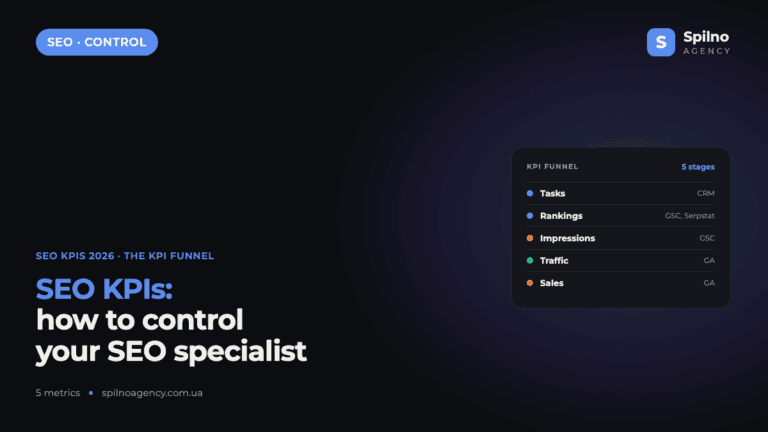
How to Control an SEO Specialist: The 5-Stage SEO KPI Funnel
SEO KPIs form a chain of five metrics that show, step by step, whether your SEO is actually…
Best CMS for an Online Store: Cloud vs Self-Hosted Platforms in 2026
Compare Shopify, WooCommerce, PrestaShop, OpenCart and Magento for your online store. Pros, cons, and a step-by-step CMS selection…
LinkedIn Ads Library: How to Find Your Competitors’ LinkedIn Ads (2026 Guide)
How to use the LinkedIn Ads Library to see any competitor's sponsored content for free — step by…